- Tel: +86 13451474678 / 13451474678
- Email: / hbzinanmech@gmail.com

Precision Parts Impacting Automatic Seed Drill Price and Performance
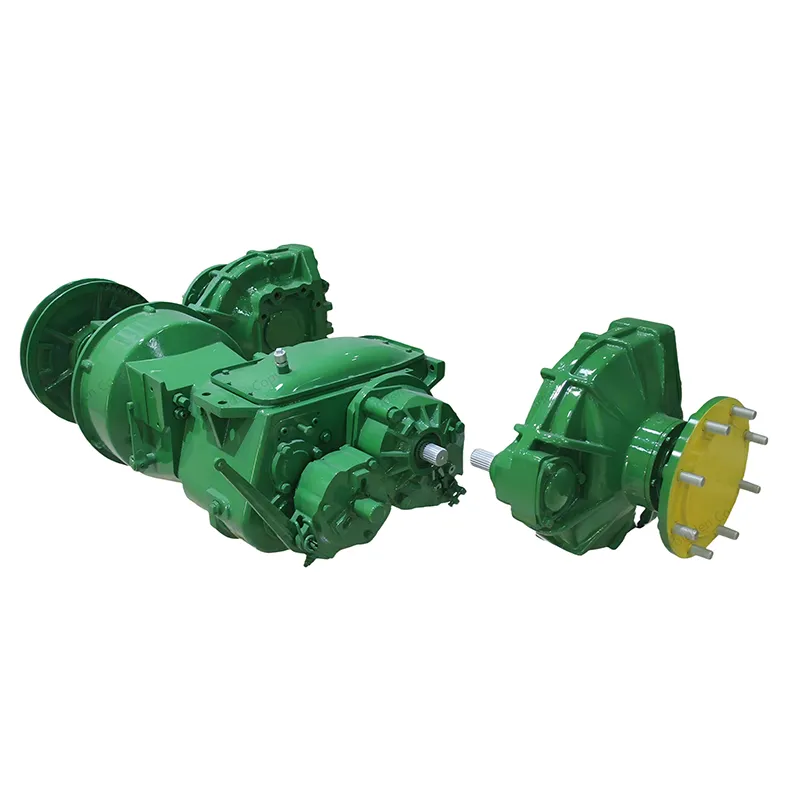
Precision in seed placement is the foundation of agricultural productivity, but achieving this consistency depends heavily on the internal mechanical integrity of the machinery. While many operators focus on the external capacity of a seeder, the actual performance—and the overall automatic seed drill price—is often determined by the durability of the drivetrain components. High-torque transmissions and precision gears are what prevent operational downtime during critical planting windows.
For professionals in the agricultural machinery sector, sourcing components like rotary tiller gears and drive target shafts is not just about replacement; it is about enhancing the efficiency of power transfer from the engine to the soil. By utilizing high-strength materials and precision engineering, modern agricultural components reduce energy loss and resist the abrasive nature of soil cultivation, ensuring that every seed is placed with mathematical accuracy.

Engineering Excellence in Power Transmission for Soil Preparation
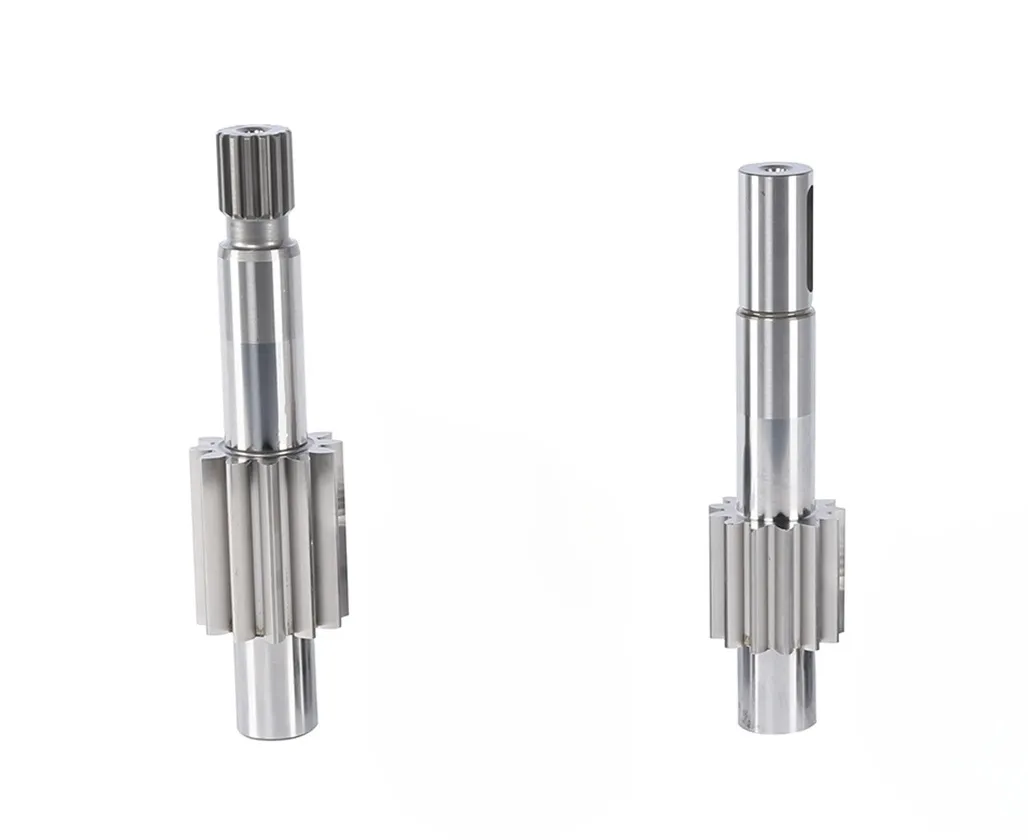
The efficiency of any planting system begins with soil preparation. The drive target gear shafts are engineered specifically for high load-bearing capacity, serving as the backbone for reliable power transmission. When these shafts are manufactured with precise engineering, they guarantee a smooth operation that significantly reduces internal friction and wear. This longevity is critical because a failure in the transmission chain can lead to uneven seed distribution and costly delays.
Beyond the main shafts, the interaction between the engine and the working components relies on the strength of rotary tiller shafts. Constructed from high-strength materials, these components are designed to handle extreme torque and resist the constant stress of heavy-duty agricultural applications. By maintaining a rigid and secure link, these shafts ensure that the machinery operates at a constant velocity, which is essential for the uniform performance of seedbeds.
- High Load Capacity: Specialized alloys prevent deformation under extreme soil pressure.
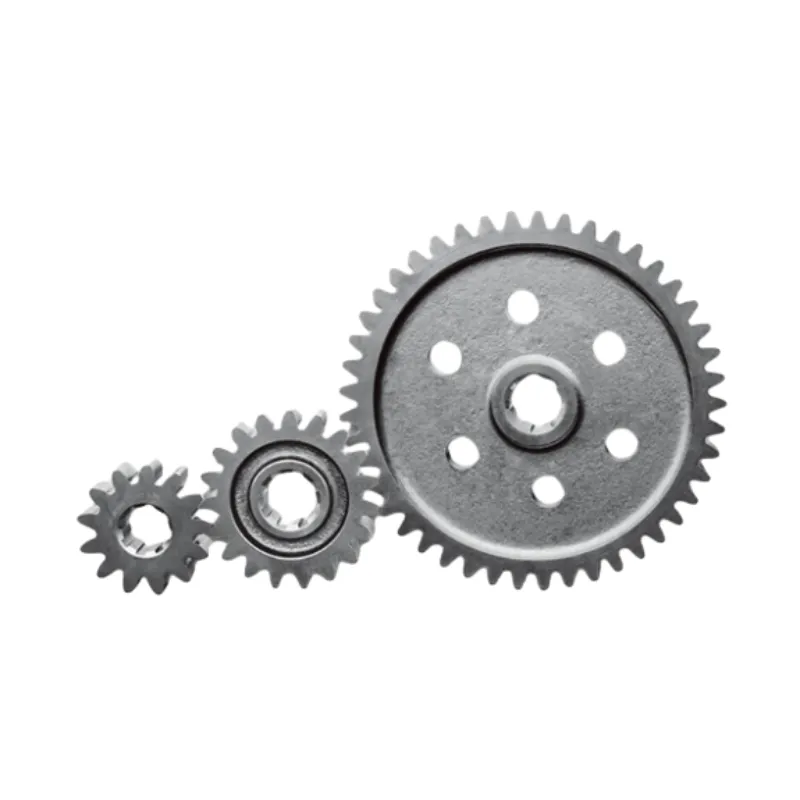
- Precision Meshing: Optimized tooth profiles in gears minimize energy loss during transmission.
- Torsional Rigidity: High-strength shafts maintain alignment even in rocky or clay-heavy soils.

The Role of Specialized Gears in Consistent Tilling Performance
Rotary tiller gears must withstand some of the most demanding conditions in farming. To combat this, optimized tooth profiles and robust construction are utilized to ensure that power transfer remains efficient with minimal energy leakage. The introduction of the rotary tiller spline shaft further enhances this process by providing a secure fit between components, which is vital for maintaining the uniform rotation necessary for consistent tilling performance, especially in tough soil conditions.
For angle transmissions, rotary tiller bevel gears are indispensable. These components allow for effective power distribution between the tiller's various moving parts. Their compact design does not sacrifice torque output; instead, it optimizes the space within the machinery housing to ensure that the tilling blades maintain maximum impact and soil penetration. This mechanical synergy is what allows a seed drill to operate on a perfectly prepared bed, improving overall crop yields.
Application Scenarios and Material Durability in Harsh Environments
Agricultural machinery operates in environments characterized by high humidity, abrasive dust, and extreme temperature fluctuations. Consequently, corrosion and wear resistance are not optional features but fundamental requirements. The gears and shafts used in cultivators and rotary tillers are built to resist these harsh conditions, ensuring that the machinery does not seize or degrade prematurely during the peak of the planting season.
From a procurement perspective, the ability to customize material specifications and gear ratios is a significant advantage. Different soil types—ranging from sandy loams to heavy clays—require different torque profiles. By adjusting the gear ratios, operators can optimize the machine's performance to match the specific resistance of their land, thereby reducing fuel consumption and extending the overall lifespan of the equipment.
Technical Evaluation of Transmission Components
| Component Type | Primary Material | Critical Performance Metric | Typical Application |
|---|---|---|---|
| Drive Target Shaft | High-Strength Alloy | Load-Bearing Capacity | Power Transmission |
| Rotary Tiller Gear | Hardened Steel | Tooth Profile Precision | Soil Cultivation |
| Spline Shaft | Forged Steel | Torque Transmission | Component Coupling |
| Bevel Gear | Precision Alloy | Angle Transmission Efficiency | Power Distribution |
| Rotary Tiller Shaft | Industrial Grade Steel | Torsional Resistance | Engine-to-Tiller Link |
Strategic Sourcing and Quality Assurance for Agricultural Parts
When evaluating the value of agricultural components, the initial cost is often less important than the total cost of ownership. Precision engineering reduces vibrations and wear, which means fewer replacements and less unplanned downtime. For distributors and OEM buyers, ensuring that parts comply with international standards and industry norms is the only way to guarantee reliability across different machinery brands and models.
A comprehensive after-sales network is equally critical. The ability to access an efficient parts supply system ensures that when a component does eventually wear out, the replacement is prompt. This is particularly true for high-wear items like bevel gears and spline shafts, where a small failure can halt an entire farming operation. Quality assurance must therefore cover the entire chain, from the raw material selection to the final inspection of the gear teeth geometry.
Future Trends in Agricultural Machinery Component Design
The shift toward smarter, more autonomous farming equipment is placing new demands on mechanical components. As machinery becomes more precise, the tolerance for vibration and power loss decreases. We are seeing a trend toward materials that offer even higher strength-to-weight ratios and coatings that provide superior corrosion resistance without adding bulk to the gear assemblies.
Furthermore, the move toward modularity allows for easier customization of gear ratios and shaft sizes. This flexibility ensures that as farming practices evolve—such as the move toward no-till or minimum-till agriculture—the machinery can be adapted without requiring a complete overhaul. Investing in components that offer these customization options is a strategic move for any operation looking to future-proof its fleet.
Frequently Asked Questions About Seeding Machinery Components
How do high-quality gears affect the overall automatic seed drill price?
While precision-engineered gears may increase the initial investment, they reduce the long-term cost by extending the service life of the machinery and reducing the frequency of expensive repairs and downtime.
What is the primary advantage of using a spline shaft over a standard shaft?
Spline shafts offer significantly enhanced torque transmission and a more secure fit between components, which prevents slippage and ensures uniform rotation in challenging soil conditions.
Why is material specification important for rotary tiller gears?
Different soils exert different levels of stress. Using high-strength, wear-resistant materials prevents tooth shear and corrosion, which is essential for maintaining power efficiency in abrasive environments.
Can these components be customized for different machinery brands?
Yes, customization options for material specifications, gear ratios, and sizes are available to ensure compatibility with various agricultural machinery brands and specific operational requirements.
What should I look for in a supplier of agricultural transmission parts?
Look for suppliers with strict quality inspection processes, a proven track record in international standards compliance, and an efficient parts supply system for after-sales support.
How often should drive target gear shafts be inspected?
Inspection intervals vary by application, but it is generally recommended to check for wear and lubrication levels before every planting season to prevent catastrophic failure during operation.
Technical Resources and Industry Standards
- ASABE - American Society of Agricultural and Biological Engineers
- ISO - International Organization for Standardization (Agricultural Machinery)
- FAO - Farm Mechanization and Technology
- NIST - Materials Science and Engineering Standards
Choosing the right transmission components is the difference between a seamless planting season and costly mechanical failures. By prioritizing precision engineering and material durability, you ensure your machinery performs at its peak, regardless of the soil conditions.
Related Technical Insights