The automatic seed drill machine represents a pivotal advancement in agricultural technology, dramatically improving efficiency and yield in crop production. Globally, ensuring food security for a growing population is paramount, and this machine addresses this challenge directly. From smallholder farms in developing nations to large-scale agricultural operations, the automatic seed drill machine offers a practical solution for precise seed placement, minimizing waste and maximizing crop potential. Understanding its operation, benefits, and future trends is crucial for stakeholders across the agricultural value chain.
The demand for efficient farming practices continues to rise, driven by population growth and the increasing need for sustainable agriculture. The automatic seed drill machine stands as a cornerstone of modern farming, reducing labor costs, optimizing seed usage, and contributing to higher overall productivity. Its impact extends beyond economic benefits, playing a role in environmental conservation by minimizing soil disturbance and promoting responsible land management.
This technology is not merely about automation; it's about empowering farmers with the tools to enhance their livelihoods, improve food quality, and contribute to a more secure food future. Embracing innovation in agricultural machinery is no longer a choice but a necessity for thriving in a rapidly changing world.
The Significance of the Automatic Seed Drill Machine
The automatic seed drill machine has revolutionized agricultural practices globally, contributing significantly to increased crop yields and reduced labor costs. It's a critical component in achieving sustainable food production, especially in regions facing challenges related to land scarcity and labor shortages. This technology isn't merely about planting seeds; it's about optimizing the entire planting process for maximum efficiency.
The increasing global population demands higher agricultural output, making technologies like the automatic seed drill machine essential. They allow farmers to plant seeds at the correct depth and spacing, improving germination rates and reducing the need for replanting. This directly translates to greater profitability and more efficient use of resources.
Understanding the Automatic Seed Drill Machine
An automatic seed drill machine is a sophisticated piece of agricultural equipment designed to precisely sow seeds into the soil. Unlike traditional manual methods, it automates the process, ensuring consistent seed depth and spacing, vital for uniform crop emergence. This precision minimizes seed wastage and optimizes plant population for maximizing yield.
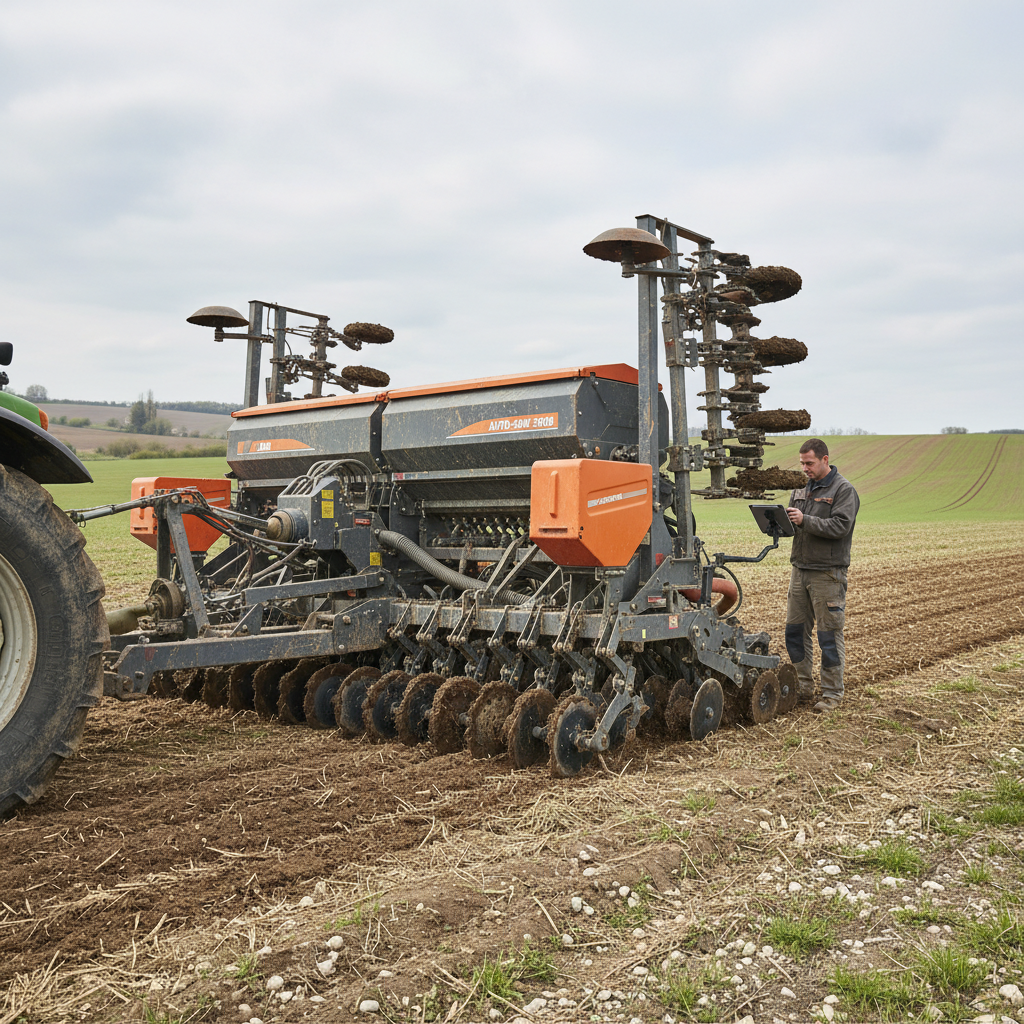
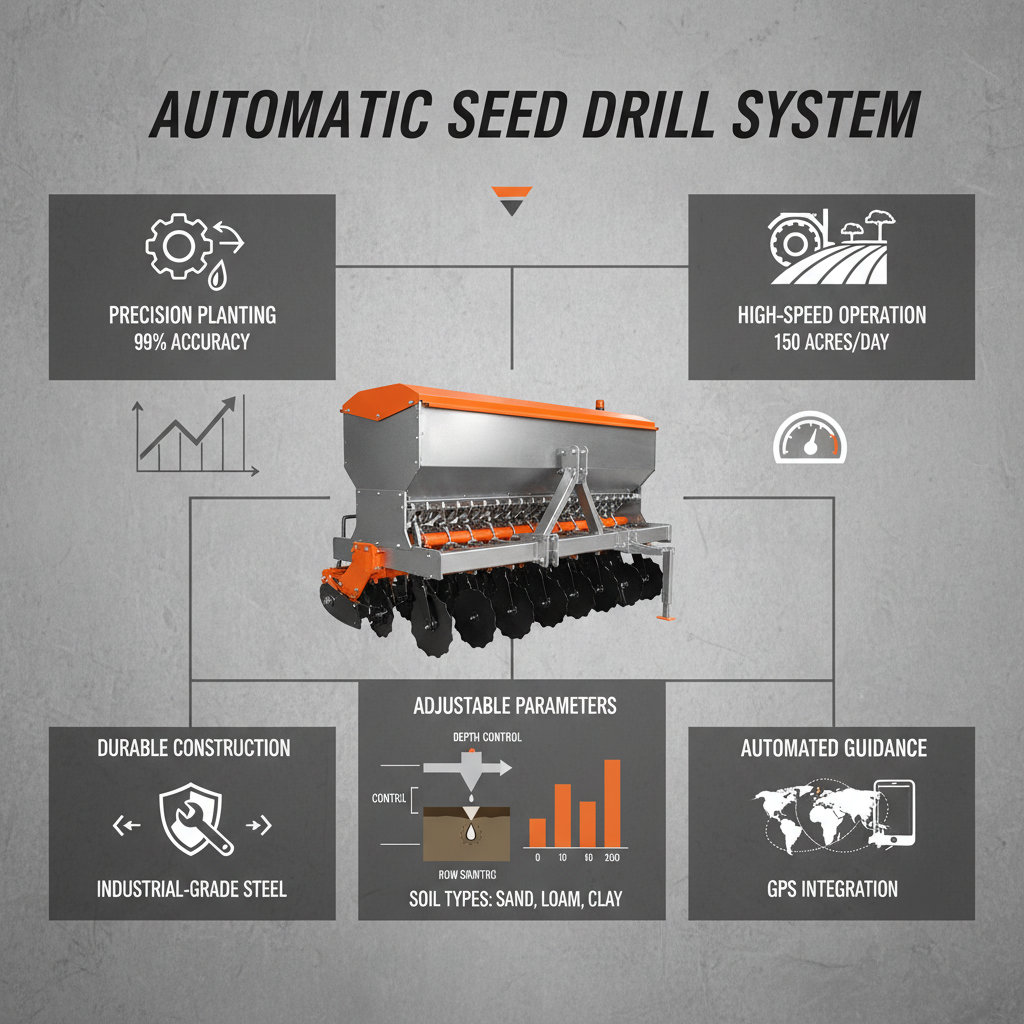
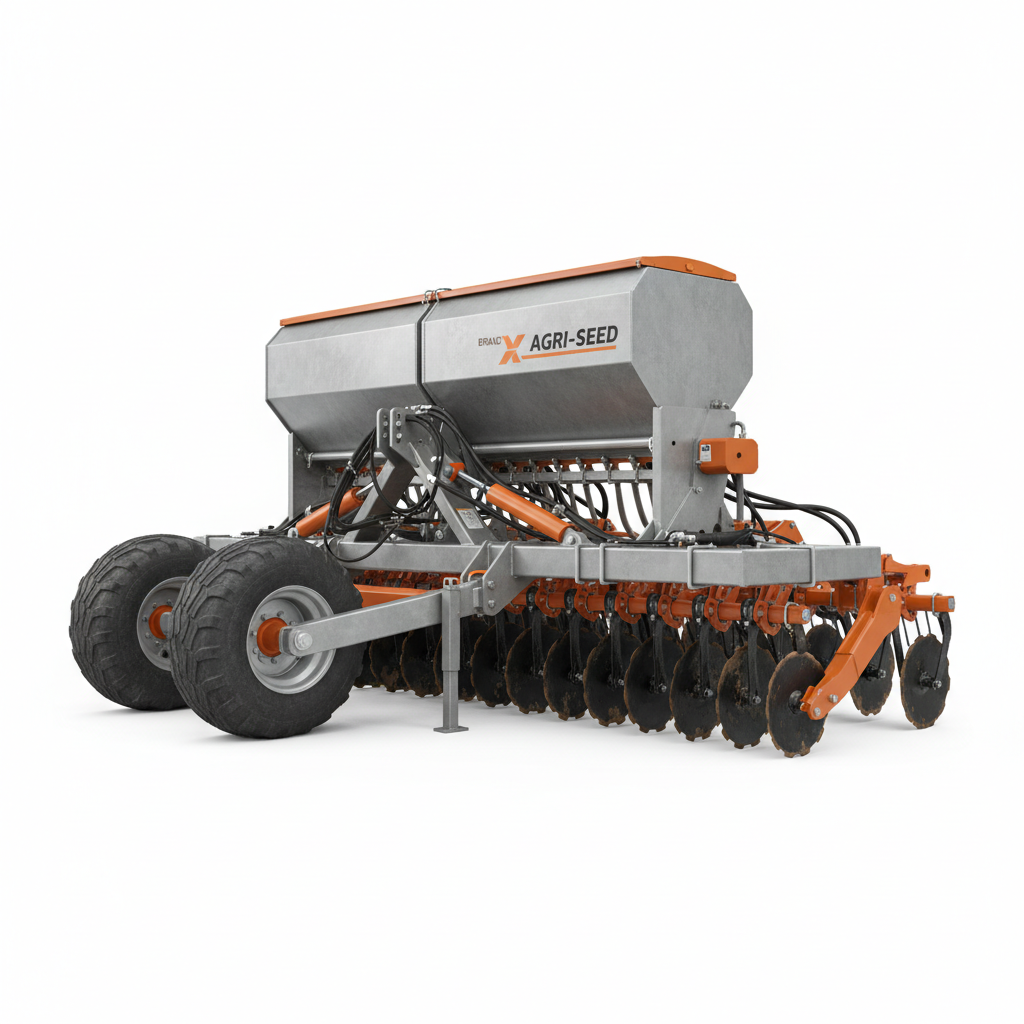
At its core, the machine comprises a seed hopper, metering mechanism, seed tube, furrow opener, and covering device. These components work in harmony to deliver seeds to the soil at the desired rate and depth. Modern machines often incorporate sensors and GPS technology for even greater precision and efficiency, integrating into the broader concept of precision agriculture.
The connection to modern industry and humanitarian needs is profound. In developed nations, it contributes to increased agricultural productivity and profitability. In developing countries, it addresses food security concerns by enabling farmers to cultivate more land with less effort, helping to improve livelihoods and ensure a reliable food supply.
Core Components and Operational Principles
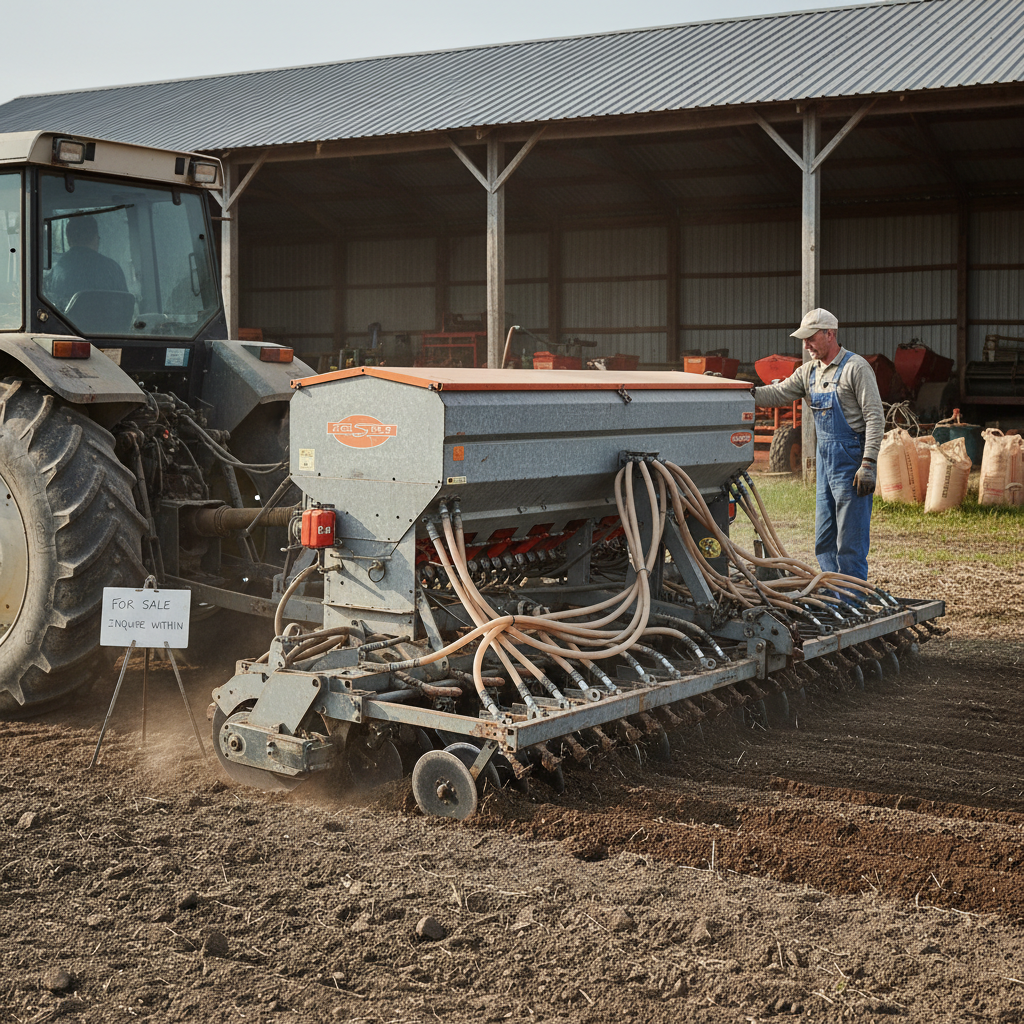
The functionality of an automatic seed drill machine hinges on several key components. The seed hopper stores the seeds, while the metering mechanism precisely regulates the flow. Furrow openers create the seedbed, and the covering device ensures the seeds are adequately protected. A crucial element is the drive system, which provides power for the entire operation, often powered by a tractor’s power take-off (PTO). automatic seed drill machine efficiency relies on the synchronized operation of these parts.
The operational principle centers on maintaining consistent seed depth and spacing. This is achieved through precise calibration of the metering system and accurate furrow opening. Modern machines utilize sensors to monitor seed flow and adjust accordingly, ensuring uniform distribution. The result is optimized germination and a more robust, even crop stand.
Beyond the basic components, many automatic seed drill machines incorporate features like fertilizer applicators, allowing for simultaneous seeding and fertilization, further enhancing efficiency. Some models also include row markers to guide subsequent cultivation passes, streamlining the entire farming process.
Performance Metrics of Automatic Seed Drill Machines
Evaluating the performance of an automatic seed drill machine requires considering several key metrics. Seed placement accuracy, measured in terms of depth and spacing consistency, is paramount. Uniformity of emergence directly correlates with this accuracy, impacting overall crop yield. Another important metric is the machine’s capacity, or the area it can cover per hour.
Furthermore, seed wastage should be minimized, and the machine should operate reliably with minimal downtime. Evaluating the machine's adaptability to different soil types and seed varieties is also essential. Finally, the energy efficiency of the machine is increasingly important, aligning with sustainability goals.
Automatic Seed Drill Machine Performance Comparison
Global Applications in Modern Agriculture
Automatic seed drill machines are employed across a wide spectrum of agricultural settings globally. In North America and Europe, they are integral to large-scale grain and oilseed production. These machines are often integrated with precision farming systems, utilizing GPS and sensor technology for optimal planting. automatic seed drill machine adoption in these regions reflects a commitment to maximizing efficiency and yield.
In Asia, particularly in countries like India and China, they are gaining prominence as farmers seek to increase productivity to meet the demands of a growing population. Smaller, more affordable models are becoming increasingly popular, empowering smallholder farmers. In Africa, these machines are being deployed as part of initiatives to improve food security and enhance agricultural sustainability.
Advantages and Long-Term Benefits
The advantages of using an automatic seed drill machine are numerous. Reduced labor costs are a significant benefit, allowing farmers to allocate resources more effectively. Improved seed utilization minimizes waste and optimizes crop establishment. Consistent seed depth and spacing contribute to uniform growth, leading to higher yields and improved crop quality.
Long-term benefits extend beyond economic gains. Sustainable agricultural practices are promoted through reduced soil disturbance and optimized resource usage. Increased productivity enhances food security and contributes to a more resilient agricultural system. The reliability and durability of modern machines provide a strong return on investment, ensuring long-term value for farmers.
Moreover, automated seeding increases safety by reducing manual labor, and promotes a more dignified work environment for agricultural workers. Embracing this technology demonstrates a commitment to innovation and sustainable development within the agricultural sector.
Future Trends and Technological Advancements
The future of automatic seed drill machines is poised for significant advancements. Integration with artificial intelligence (AI) and machine learning (ML) will enable even greater precision and adaptability. Real-time data analysis will allow machines to adjust seeding rates and depths based on soil conditions and crop requirements.
The incorporation of robotics and autonomous operation is also on the horizon, potentially leading to fully automated planting systems. Furthermore, the development of bio-based and biodegradable seed coatings will enhance sustainability. Digital transformation and the Internet of Things (IoT) will play a crucial role in connecting machines, sensors, and data analytics platforms, creating a more intelligent and efficient agricultural ecosystem.
These advancements will contribute to a more sustainable and resilient agricultural sector, capable of meeting the challenges of a growing population and a changing climate. automatic seed drill machine technologies will continue to evolve, driven by innovation and a commitment to environmental stewardship.
Key Factors Influencing Automatic Seed Drill Machine Development
| Technological Innovation |
Cost-Effectiveness |
Environmental Impact |
Farmer Adaptability |
| Advancements in sensor technology and AI |
Affordability for smallholder farmers |
Reduction in soil erosion and chemical usage |
Ease of use and maintenance |
| Precision planting capabilities |
Total cost of ownership (including maintenance) |
Energy efficiency and reduced carbon footprint |
Training and support availability |
| Integration with GPS and IoT |
Government subsidies and financial incentives |
Promotion of sustainable farming practices |
Compatibility with existing farm infrastructure |
| Autonomous operation and robotics |
Return on investment and payback period |
Minimizing environmental disturbances |
Scalability for different farm sizes |
| Development of bio-based seed coatings |
Access to spare parts and repair services |
Reduced reliance on fossil fuels |
Data security and privacy |
| Data analytics and predictive maintenance |
Long-term durability and reliability |
Water conservation and efficient irrigation |
Integration with farm management software |
FAQS
Automatic seed drill machines offer significant advantages over manual methods, including increased precision in seed placement, reduced seed wastage, faster planting speeds, and lower labor costs. This translates to higher yields, improved crop quality, and increased profitability for farmers. Ultimately, it streamlines the planting process and optimizes resource utilization.
Modern automatic seed drill machines are designed with adjustable settings for seed metering, depth control, and furrow opening. This allows them to accommodate a wide range of soil types, from sandy loams to heavy clays. Furthermore, different metering wheels or components can be used to handle various seed sizes and shapes, ensuring optimal performance across different crops.
Regular maintenance is crucial for ensuring the longevity and performance of an automatic seed drill machine. This includes cleaning the seed hopper and metering system, lubricating moving parts, checking and adjusting seed depth and spacing, and inspecting for worn or damaged components. Following the manufacturer's recommended maintenance schedule is essential.
While traditionally associated with large-scale agriculture, smaller and more affordable automatic seed drill machines are now available for small-scale farms. These machines offer many of the same benefits as larger models, albeit with a smaller capacity. They represent a significant investment for smallholders, improving efficiency and yield.
With proper maintenance and care, a high-quality automatic seed drill machine can have a lifespan of 10-15 years or even longer. Factors influencing lifespan include the frequency of use, the quality of construction, and the operating environment. Regular inspections and timely repairs are essential for maximizing its service life.
GPS and sensor technologies enable precision planting by allowing the machine to accurately track its position and adjust seeding rates based on real-time data. Sensors can monitor soil conditions, seed flow, and plant emergence, providing valuable insights for optimizing performance. This data-driven approach leads to more efficient resource utilization and higher yields.
Conclusion
In conclusion, the automatic seed drill machine stands as a cornerstone of modern agriculture, offering a compelling blend of efficiency, precision, and sustainability. Its ability to optimize seed placement, reduce labor costs, and enhance yields makes it an invaluable tool for farmers worldwide. Embracing this technology is not merely about adopting a new machine; it's about investing in a more secure and productive future for agriculture.
Looking ahead, continued innovation in areas like AI, robotics, and sustainable materials will further enhance the capabilities of automatic seed drill machines. By embracing these advancements and promoting their widespread adoption, we can pave the way for a more resilient and sustainable food system, capable of meeting the challenges of a growing global population. Visit our website at automatic seed drill machine to learn more and explore our range of high-quality agricultural machinery.