0%

Table of Contents

The global agricultural landscape is heavily reliant on efficient and robust machinery, making the role of a tractor manufacturer critically important. These manufacturers are not simply builders of machines; they are key players in global food security, economic development, and the advancement of agricultural practices. From smallholder farms to large-scale industrial operations, tractors and related equipment are essential for tilling, planting, harvesting, and transporting crops, significantly impacting agricultural output worldwide. Understanding the nuances of this industry—its innovations, challenges, and future trajectory—is vital for stakeholders across the agricultural value chain.

The demand for tractors is intrinsically linked to population growth, shifting dietary habits, and the need for increased agricultural efficiency. According to the Food and Agriculture Organization of the United Nations (FAO), global food production must increase by 70% by 2050 to feed an estimated 9.7 billion people. Meeting this challenge necessitates increased mechanization, driving the demand for high-quality, reliable tractors. This isn’t just a concern for developed nations; emerging economies are increasingly investing in agricultural machinery to modernize their farming sectors and improve livelihoods.

A leading tractor manufacturer plays a pivotal role in enabling this increased productivity. They are at the forefront of technological innovation, developing machines that are more efficient, environmentally friendly, and capable of tackling the complex challenges facing modern agriculture. Their contributions extend beyond merely producing equipment, encompassing service, support, and the development of tailored solutions for diverse agricultural needs.
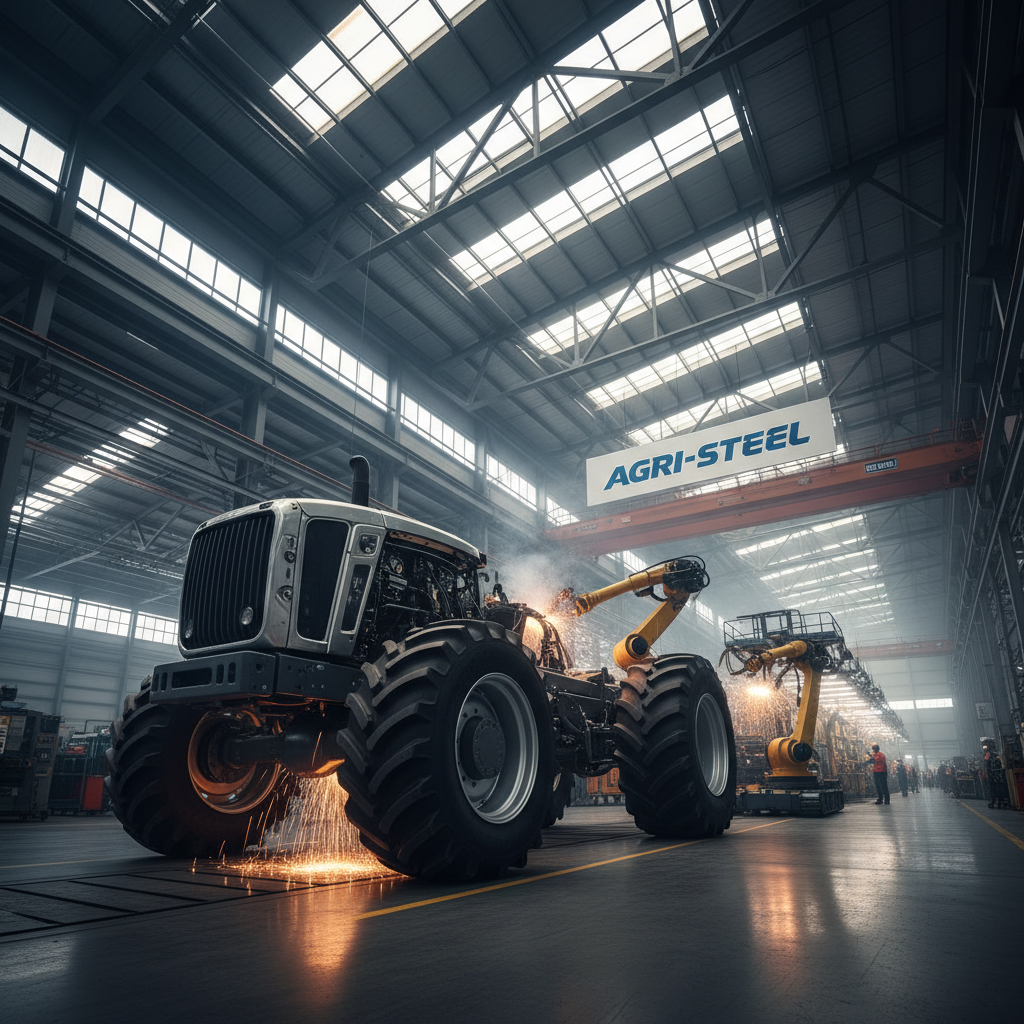
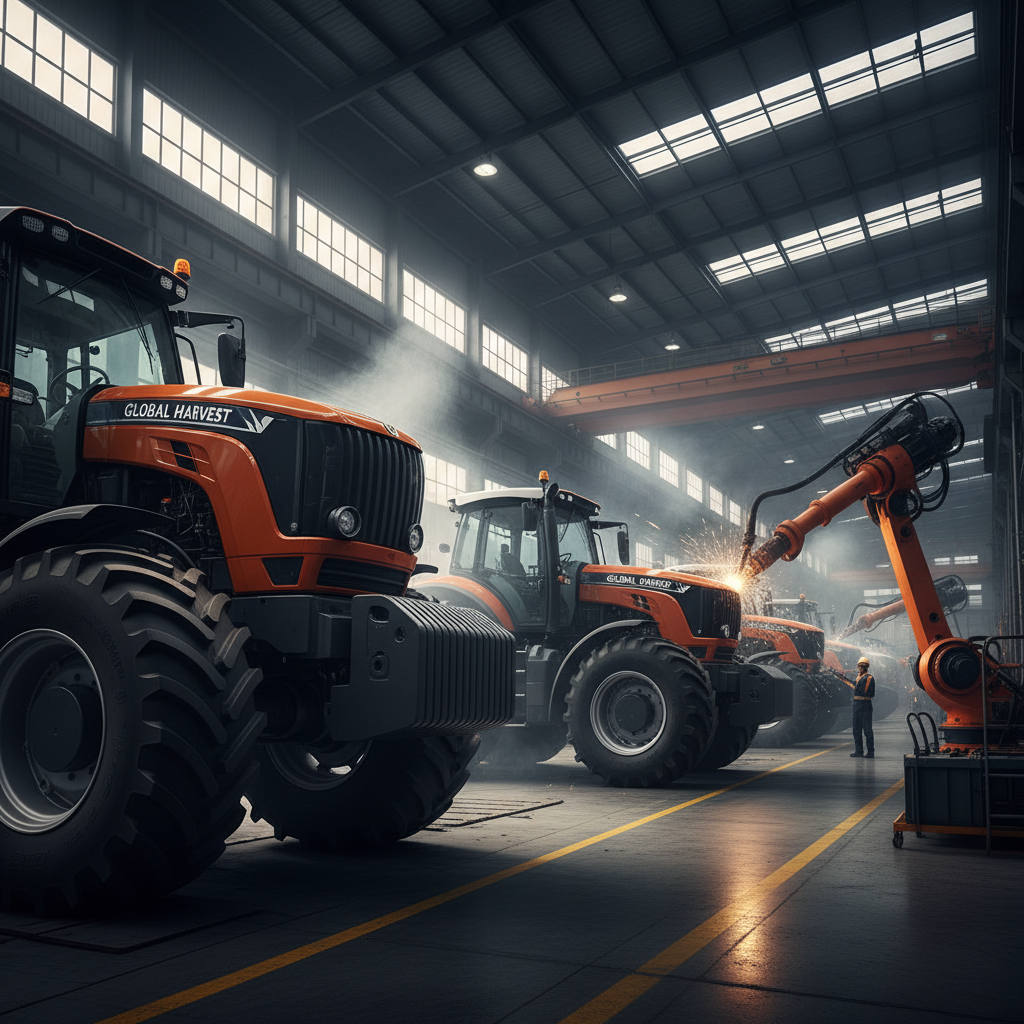
The Vital Role of a Tractor Manufacturer in Modern Global Agriculture

The Importance of Tractor Manufacturing

The Vital Role of a Tractor Manufacturer in Modern Global Agriculture

A robust tractor manufacturer sector is foundational to modern food production systems. These companies contribute significantly to agricultural economies by providing essential equipment for cultivating land, planting seeds, and harvesting crops. Their impact extends beyond the farm gate, influencing supply chains, transportation, and overall economic growth in agricultural regions. A reliable supply of tractors, coupled with effective after-sales service, is crucial for ensuring food security and supporting rural livelihoods.

Furthermore, the evolution of tractor manufacturing is increasingly focused on sustainability and efficiency. Modern tractors are designed to minimize fuel consumption, reduce emissions, and optimize land usage, contributing to environmentally responsible farming practices. Innovation in areas like precision agriculture, enabled by advanced tractor technologies, is also revolutionizing farming methods and increasing yields.

Defining a Tractor Manufacturer

A tractor manufacturer is a company engaged in the design, engineering, production, and distribution of tractors and related agricultural machinery. This encompasses a wide range of activities, from research and development of new technologies to the assembly and testing of finished products. The scope of a tractor manufacturer’s operations often extends to providing parts, service, and financing options to support their customers.

These manufacturers often specialize in different types of tractors, catering to specific agricultural needs. This could include compact tractors for small farms and hobby farms, row crop tractors for large-scale grain production, or specialized tractors for vineyards and orchards. The connection to modern industry isn't merely about mechanics; it’s about sophisticated engineering and supply chain management.

The role of a tractor manufacturer is increasingly intertwined with humanitarian efforts. In regions facing food shortages or natural disasters, these machines are often deployed to assist with land preparation and crop production, contributing to immediate relief and long-term recovery.

Core Components of Tractor Manufacturing

Several key factors define the success and efficiency of a tractor manufacturer. Durability is paramount; tractors are subjected to harsh working conditions and must withstand significant stress and wear. Robust construction, high-quality materials, and rigorous testing are essential for ensuring a long operational life. A reliable tractor manufacturer prioritizes building machines that can handle demanding agricultural tasks year after year.

Scalability is another critical factor. Manufacturers must be able to adapt their production capacity to meet fluctuating market demands. This requires flexible manufacturing processes, efficient supply chain management, and the ability to quickly respond to changes in customer needs. Investing in advanced manufacturing technologies and fostering strong relationships with suppliers are crucial for achieving scalability.

Cost-efficiency plays a significant role, not only in the manufacturing process but also in the overall ownership cost for the farmer. This involves optimizing designs, streamlining production, and offering competitive pricing. A focus on fuel efficiency, reduced maintenance requirements, and readily available parts also contributes to lower long-term costs.

Applications Across Global Agriculture

Tractors manufactured by companies like tractor manufacturer find applications in a vast range of agricultural settings worldwide. In North America and Europe, they are integral to large-scale grain and livestock operations, handling tasks like plowing, seeding, spraying, and harvesting. In Asia, where smallholder farms predominate, compact tractors are essential for cultivating rice paddies, vegetable gardens, and orchards.

In Africa, tractor adoption is growing rapidly as governments and NGOs invest in agricultural mechanization to improve food security and boost rural economies. Tractors are being used to clear land, prepare fields for planting, and transport crops to market. In South America, they are crucial for cultivating soybeans, corn, and other cash crops, contributing to the region's agricultural export industry.

Across these diverse environments, tractor manufacturers are adapting their designs and technologies to meet specific local conditions. This includes developing tractors that are suitable for challenging terrains, humid climates, and different types of crops.

Tractor Manufacturer Method Comparison


Advantages and Long-Term Value Proposition

The benefits of investing in quality tractors from a reputable tractor manufacturer are substantial. Tangible benefits include reduced labor costs, increased productivity, and improved crop yields. These advantages translate into higher profits for farmers and a more efficient agricultural system overall.

Beyond the economic advantages, tractors also offer significant long-term value in terms of sustainability and reliability. Modern tractors are designed to minimize environmental impact, and their robust construction ensures a long operational life, reducing the need for frequent replacements.

Future Trends Shaping Tractor Manufacturing

The future of tractor manufacturing is being shaped by several key trends. Automation, including self-driving tractors and robotic farming systems, is poised to revolutionize agricultural practices, increasing efficiency and reducing labor requirements. The integration of artificial intelligence (AI) and machine learning (ML) will enable tractors to make data-driven decisions, optimizing performance and minimizing waste.

Another significant trend is the development of alternative fuel technologies, such as electric and hydrogen-powered tractors, reducing reliance on fossil fuels and minimizing emissions. These innovations, coupled with a growing focus on precision agriculture and sustainable farming practices, will define the next generation of tractor manufacturing.

Challenges and Innovative Solutions

Despite advancements, tractor manufacturers face ongoing challenges. These include the increasing cost of raw materials, the need to comply with stricter emission regulations, and the demand for more sophisticated and integrated technologies. Supply chain disruptions, as witnessed during the recent pandemic, also pose a significant threat to production.

Innovative solutions are emerging to address these challenges. Manufacturers are investing in advanced materials, developing more efficient engines, and exploring alternative manufacturing processes. They are also building stronger relationships with suppliers and diversifying their supply chains to mitigate risk.

Collaboration between tractor manufacturers, technology providers, and research institutions is crucial for accelerating innovation and overcoming these hurdles. By working together, they can develop sustainable and efficient solutions that meet the evolving needs of the agricultural industry.

Summary of Key Challenges and Solutions in Tractor Manufacturing

Challenge Impact on Manufacturer Potential Solution Implementation Cost (1-10)
Rising Raw Material Costs Reduced Profit Margins Value Engineering and Material Substitution 5
Stricter Emission Regulations Increased R&D Costs Investment in Alternative Fuel Technologies 8
Demand for Integrated Technologies Need for Software Expertise Strategic Partnerships with Tech Companies 6
Supply Chain Disruptions Production Delays Diversification of Supplier Base 7
Skilled Labor Shortage Reduced Production Capacity Investment in Training and Automation 4
Cybersecurity Threats Data Breaches and Operational Disruptions Implementation of Robust Cybersecurity Measures 6

FAQS

What factors should I consider when choosing a tractor manufacturer?

When selecting a tractor manufacturer, prioritize factors like reputation, product reliability, availability of spare parts, the quality of after-sales service, and the manufacturer’s ability to meet your specific agricultural needs. Consider the size of your operation, the types of crops you grow, and the terrain you'll be working in. A strong dealer network and readily available financing options are also important considerations. Look for manufacturers with a demonstrated commitment to innovation and sustainability.

What is the average lifespan of a tractor from a reputable manufacturer?

The average lifespan of a tractor from a well-regarded tractor manufacturer typically ranges from 10 to 20 years, or even longer with proper maintenance. Factors influencing lifespan include the intensity of use, the quality of maintenance, and the operating environment. Regular servicing, including oil changes, filter replacements, and timely repairs, can significantly extend the life of your tractor. Investing in a higher-quality machine upfront can often result in lower long-term costs due to increased durability and reduced maintenance requirements.

How do I ensure I receive adequate after-sales service from a tractor manufacturer?

Before purchasing, investigate the manufacturer's after-sales service network. Ensure there’s a reliable dealer nearby offering readily available spare parts, qualified technicians, and timely repair services. Inquire about warranty coverage, service contracts, and training programs for your staff. Check online reviews and ask other farmers about their experiences with the manufacturer's service support. A responsive and helpful service department is crucial for minimizing downtime and maximizing your investment.

What are the latest technological advancements in tractor manufacturing?

Recent advancements include precision agriculture technologies like GPS-guided steering, variable rate application, and yield monitoring. Automated features, such as self-driving tractors and robotic implements, are becoming increasingly common. Manufacturers are also incorporating data analytics and machine learning to optimize tractor performance and provide valuable insights to farmers. Furthermore, the development of electric and hybrid tractors is reducing emissions and promoting sustainable farming practices.

How can I finance the purchase of a tractor from a manufacturer?

Many tractor manufacturers offer various financing options, including loans, leases, and installment plans. They often partner with financial institutions to provide competitive interest rates and flexible payment terms. Government programs and agricultural subsidies may also be available to help offset the cost of purchasing a tractor. It's important to compare different financing options and choose the one that best suits your financial situation.

What is the role of sustainability in modern tractor manufacturing?

Sustainability is becoming increasingly central to tractor manufacturing. Manufacturers are focusing on reducing fuel consumption, minimizing emissions, and using environmentally friendly materials. They are also developing tractors that promote soil health and reduce the impact of agriculture on the environment. The use of biofuels, electric power, and precision agriculture technologies are all contributing to a more sustainable agricultural future.

Conclusion

In conclusion, a thriving tractor manufacturer sector is indispensable for global food security, economic development, and sustainable agriculture. From the core components of durability and scalability to the emerging trends of automation and alternative fuels, the industry is constantly evolving to meet the challenges of a growing population and a changing climate. Investing in quality tractors and partnering with reputable manufacturers is critical for farmers seeking to enhance productivity, reduce costs, and improve their environmental footprint.

Looking ahead, continued innovation, collaboration, and a commitment to sustainability will be essential for ensuring the long-term viability of the tractor manufacturing industry. By embracing new technologies and addressing the challenges of supply chain disruptions and labor shortages, manufacturers can continue to play a vital role in shaping the future of agriculture. Visit our website: www.zinanmech.com to learn more about our commitment to innovation and excellence.

David Miller

David Miller

David Miller is a seasoned Agricultural Engineer with over 15 years of experience in machinery innovation and implementation. As a key member of our team, David focuses on bridging the gap between cutting-edge agricultural technologies and practical field application. He’s instrumental in evaluating and adapting international machinery for the Chinese
Previous Choosing the Right Tractor Supplier for Enhanced Agricultural Productivity
Next Navigating Shafts Manufacturing Challenges and Material Selection Expertise