- Tel: +86 13451474678 / 13451474678
- Email: / hbzinanmech@gmail.com

How to Choose a Wheel Transmission for Heavy-Duty 4WD Machinery
Choose a wheel transmission by matching its control method, braking arrangement, torque path, and drive layout to the machine. The D8 Wheel Engine Transmission fits agricultural equipment, industrial machinery, and off-road vehicles that need hydraulic one-stick direction control, high output torque, self-boosting braking, and a rear drive interface for four-wheel-drive integration.

Hydraulic input and one-stick forward and reverse control for the machine’s operating pattern
High output torque and a reinforced edge reduction assembly for demanding workloads
Self-boosting braking with high-performance friction materials for controlled stopping
Rear drive interface and four-wheel-drive integration for rough or uneven terrain
Customizable input, torque, and output configurations matched to the machine chassis
Start with the machine’s working conditions
The D8 Wheel Engine Transmission suits agricultural equipment, industrial machinery, and off-road vehicles that need controlled movement, high output torque, and four-wheel-drive functionality. Its fit depends on how your machine receives input, how much torque the drivetrain must transmit, how it stops, and whether the chassis needs a rear drive interface. These checks define the right wheel transmission configuration.
Picture a machine working across rough or uneven terrain. The transmission must connect with the machine’s input system, pass power through the reduction assembly, support the braking arrangement, and deliver output through the required drive layout. We use those operating conditions to discuss the suitable D8 configuration with you.
Match the control method to the work pattern
Hydraulic input supports one-stick forward and reverse control. This arrangement suits equipment that changes direction frequently, including machinery maneuvering in tight spaces or working through repeated forward and reverse movements. Confirm the existing hydraulic input arrangement and the desired control position before specifying the transmission.
The control method should be reviewed with the rest of the drivetrain. A suitable request includes the input source, control arrangement, required output, and available mounting space. This gives us the information needed to discuss how the D8 can connect with the machine’s hydraulic and mechanical systems.
Check the torque path and reduction assembly
High output torque is the key selection condition for demanding workloads. The D8 uses a reinforced edge reduction assembly for torque transmission in heavy-duty machinery and vehicles. Review the complete path from the engine or motor input through the transmission and reduction arrangement to the driven axle or other output connection.
For field equipment carrying out demanding work, provide the input source, expected workload, axle layout, and required output arrangement. These details help match the torque configuration to the machine instead of treating the transmission model as a complete specification by itself.
Confirm the four-wheel-drive layout
The D8 includes a rear drive interface for integration with four-wheel-drive systems. This suits machines that need drive transferred to additional wheels while operating across rough or uneven terrain. Check the rear drive position, connection details, number of driven axles, and available space against the chassis before selecting the output configuration.
A machine can have room for the main transmission and still require a particular interface position or connection arrangement. Send a drawing or dimensional description of the rear drive layout with the inquiry so we can discuss an output solution that fits the vehicle structure.
Review braking with the operating environment
The self-boosting brake system uses high-performance friction materials and is intended for machinery that needs controlled stopping under challenging conditions. Consider braking together with direction control, torque demand, and four-wheel-drive integration. This is especially relevant when the machine works on uneven ground, slopes, or in confined industrial spaces.
Include the existing braking arrangement and the machine’s operating environment in the configuration request. The D8 selection should account for the way the transmission connects to the vehicle controls and how the machine is expected to move and stop during its working cycle.
Define the configuration before requesting a quote
The D8 platform supports tailored input options, torque configurations, and output solutions. That matters when an OEM chassis or replacement machine has a specific drivetrain layout. Prepare the following information:
- machine type and application
- engine or motor input arrangement
- forward and reverse control method
- rear drive layout and four-wheel-drive requirement
- expected workload and torque requirement
- mounting and connection dimensions
- required output arrangement
For example, an off-road vehicle may require the rear drive interface to align with a second driven axle, while agricultural equipment may place greater emphasis on repeated directional control and torque transfer. Send the machine layout and operating requirements together so we can discuss the D8 configuration as a complete system.
Questions to settle before ordering
Can the D8 be configured for a machine with a nonstandard output layout?
Yes. The D8 platform supports customizable output solutions, so the required connection can be discussed around the machine’s chassis and drivetrain arrangement. Include mounting dimensions, the position of the rear drive connection, and the intended driven-axle layout. This information gives us a practical basis for discussing an output configuration for an OEM machine or a replacement installation.
Is the D8 suitable for construction equipment as well as agricultural equipment?
Yes. The application range includes agricultural equipment and machinery used in construction, in addition to industrial machinery and off-road vehicles. Select the D8 when the equipment’s operating requirements call for the combination of hydraulic directional control, torque transmission, braking, or four-wheel-drive integration described here. Send the equipment type and working application with your request.
What should be included when specifying a customized D8 input?
Provide the engine or motor input arrangement, the desired forward and reverse control method, and the available connection dimensions. The D8 supports customizable input options, so these details help us relate the hydraulic control arrangement to the machine’s existing drivetrain. Include the required torque configuration and output connection as well, because input selection affects the complete transmission layout.
Send the drivetrain details first
Choose the D8 Wheel Engine Transmission when your machine needs hydraulic one-stick direction control, high output torque, self-boosting braking, or a rear interface for four-wheel-drive integration. We can discuss the suitable input, torque, and output configuration after you send the machine type, application, input source, axle layout, workload, mounting dimensions, and control arrangement.

About the author
The company
Zinan Technology Co., Ltd.
In the field of hope, our company is like a tough seed, deeply rooted in the fertile soil of global agriculture. Adhering to the corporate philosophy of "Science and technology to promote agriculture, Zinan is at your side", we are committed to introducing the world's leading agricultural machinery and equipment to China, while introducing high-quality Chinese agricultural machinery products to the world, and contributing to the global agricultural modernization.…
About Us ↗Visit company website ↗
Related Products
-
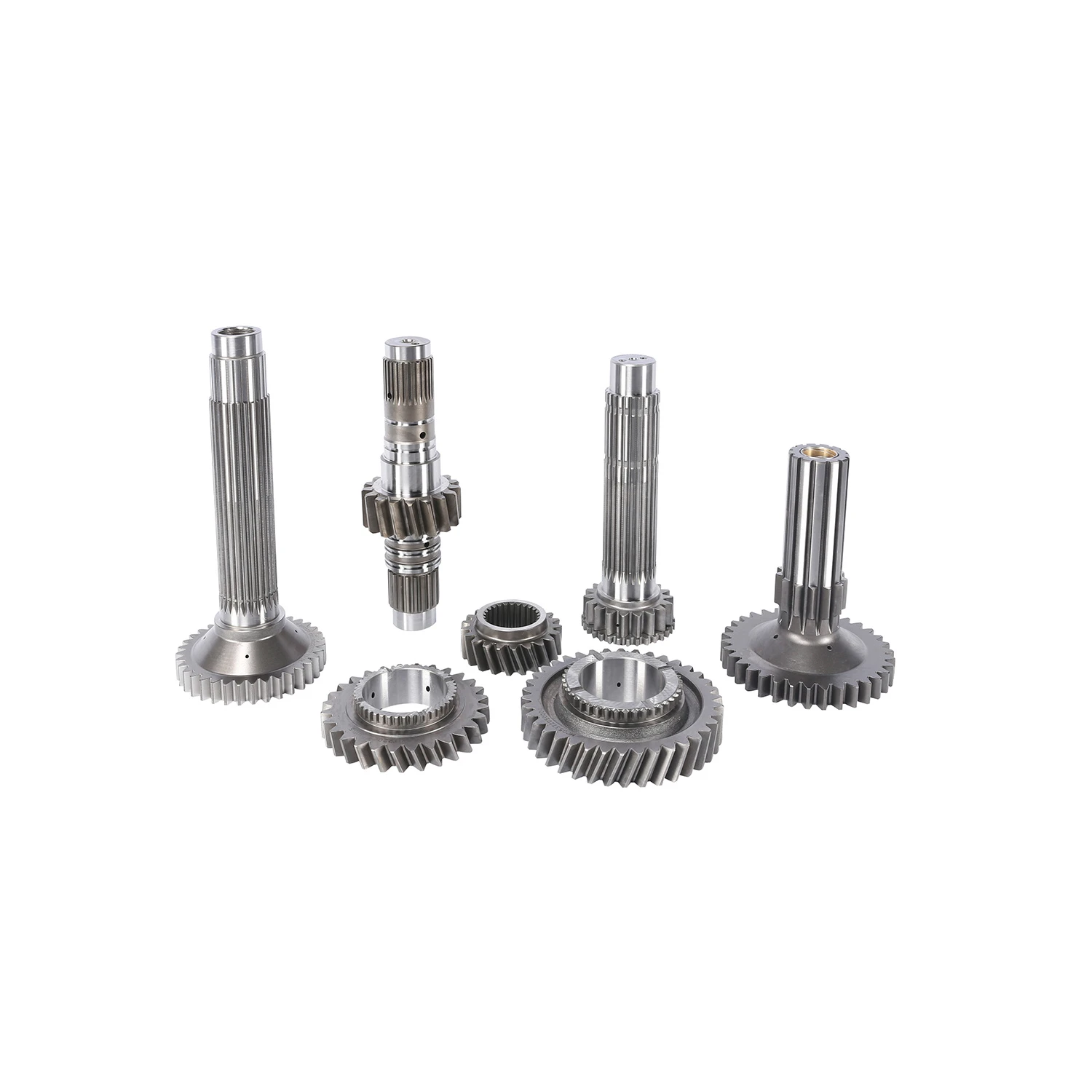 Tractor Gear Shaft
The tractor gear shaft is a crucial element in the power transmission system of a tractor. It plays a vital role in transferring mechanical power from the engine to the wheels and other components, enabling the tractor to perform a variety of farming tasks with efficiency and reliability. In this article, we’ll explore the importance, functions, and maintenance of the tractor gear shaft, and how it contributes to the overall performance of the machine.
-
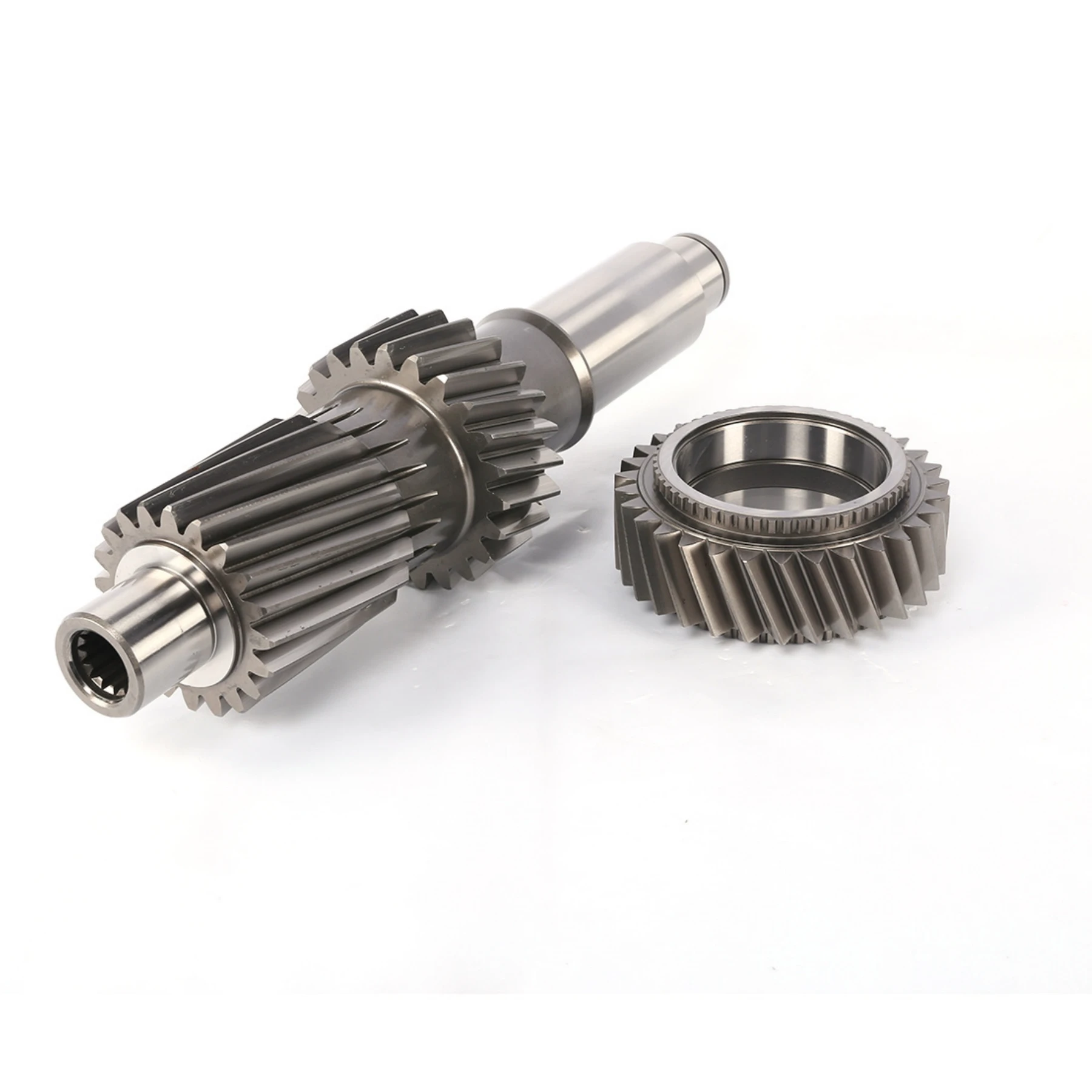 Transmission Gear
Power transmission: the engine operation drives the input gear on the input shaft to rotate, the input gear engages with other gears, and relies on the interaction between teeth and teeth to transfer the power to the intermediate gear (if any) and the output gear, and finally transfers the power to the driving wheel and other components through the output shaft to make the vehicle or equipment move.
Variable speed principle: Change the transmission ratio by meshing gears with different numbers of teeth. For example, when the big gear drives the small gear, the speed of the small gear will be faster than the big gear, but the output torque will be smaller, to achieve growth and torque reduction; On the contrary, when the pinion drives the big gear, the speed of the big gear slows down, the torque increases, and the torque increases. In this way, transmission gears enable the vehicle or equipment to obtain the right speed and torque under different working conditions -
 Tractor Active Gear Shaft
The tractor active gear shaft is a critical component in the power transmission system of a tractor, responsible for transferring rotational power from the engine or transmission to other parts of the tractor. By efficiently distributing torque and enabling smooth gear shifts, the active gear shaft plays a vital role in enhancing the performance and versatility of the tractor, making it essential for a wide range of agricultural tasks. In this article, we’ll explore the function, benefits, and maintenance of the tractor active gear shaft.
-
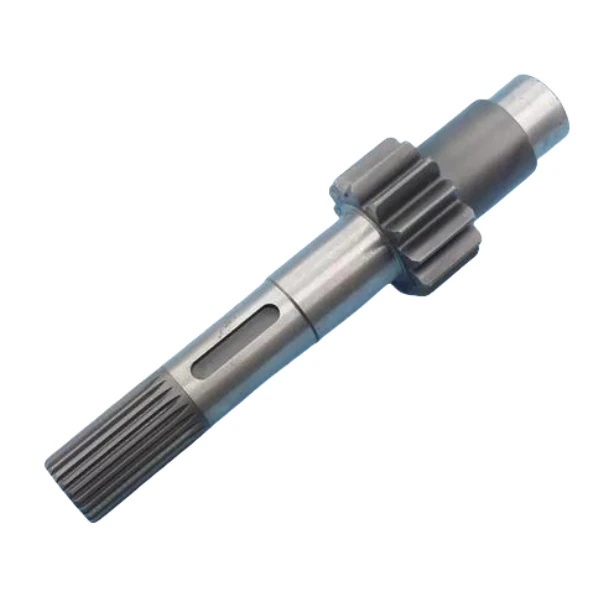 Harvester Input Shaft
The main role of the harvester input shaft is to introduce the power of the external power source into the internal transmission system of the harvester. When the power source (such as an engine) is running, the torque generated is transmitted to the input shaft through the connecting parts, causing the input shaft to start rotating. The gear, pulley or sprocket and other transmission parts installed on the input shaft will rotate with the rotation of the input shaft, and then transfer the power to the subsequent transmission parts and working parts, such as driving the cutting device, conveying device, threshing device, etc., to complete the crop harvesting, conveying, threshing and other work processes.
Related News

How to Choose a Gearbox Transmission for Agricultural Power Reversal
Choose a gearbox transmission for agricultural machinery by checking application, housing rigidity, compact fit, gear engagement, connections, and customization needs.
>

Drive axle price: choosing the 1204 axle for multi-wheel machinery
Compare the factors behind drive axle price for the 1204 axle, including 4WD, 6WD, 8WD layouts, differential locks, gearing, steering, and machine fit.
>

What Is the Use of Seeder? Air Suction No-Till Seeder FAQ
Learn what is the use of seeder equipment, how air suction seed placement works, supported crops, terrain features, and ordering checks for no-till planting.
>

Comparing A Rice Planter Options: Specifications, Materials and Supplier Documentation
Compare A Rice Planter options by planting controls, field conditions, materials, operating modes, customization, and documented information gaps.
>

Optimize Your Small Scale Farm With a Hobby Farm Seed Drill
Optimizing Your Small-Scale Farm with a Hobby Farm Seed Drill For many aspiring farmers and gardening enthusiasts, transitioning from hand-sowing to mechanized planting is a significant milestone. Utilizing a hobby farm seed drill allows for precision planting, ensuring that seeds are placed at the correct depth and spacing for optimal germination. Whether you are growing cover crops, vegetables, or grains on a small scale, the right equipment reduces physical labor and minimizes seed waste. In this guide, we will explore how the right seeding technology can transform your agricultural productivity and the key factors to consider when selecting equipment for your plot.
>

Maximize Crop Yields with the Professional Happy Seed Drill
Maximize Crop Yields with the Happy Seed Drill: An Essential Guide In the modern agricultural landscape, precision is the key to sustainability and profitability. The happy seed drill represents a significant leap in planting technology, designed to ensure that every seed is placed at the optimal depth and spacing. By reducing seed waste and improving germination rates, this machinery allows farmers to optimize their land use and increase overall harvest efficiency. Whether you are managing a small family plot or a large-scale industrial farm, understanding the mechanics and benefits of advanced seeding equipment is crucial for long-term success.
>

Professional Hand Seed Drill Machine for Precision Planting
Maximize Your Harvest with the Professional Hand Seed Drill Machine Efficient planting is the cornerstone of a successful harvest. For modern farmers seeking a balance between precision and manual control, the hand seed drill machine offers an indispensable solution. By integrating advanced seed distribution mechanisms with ergonomic design, these machines reduce the physical burden of sowing while ensuring every seed is placed at the optimal depth. Whether you are managing a small vegetable plot or a larger cereal field, investing in high-quality planting equipment can drastically improve crop uniformity and yield. In this guide, we will explore the features and advantages
>

Efficient Farming with Hand Operated Seed Drill Machine Guide
Revolutionizing Planting: The Ultimate Guide to the Hand Operated Seed Drill Machine For small to medium-scale farmers, precision in sowing is the cornerstone of a successful harvest. The hand operated seed drill machine offers a perfect blend of simplicity and efficiency, eliminating the tedious nature of manual broadcasting. By ensuring uniform seed depth and consistent spacing, this tool maximizes germination rates and optimizes crop yield. In an era where agricultural productivity is key to food security, adopting a reliable manual seeder is a strategic move for any grower looking to reduce labor costs while improving plant health.
>

Maximize Crop Yields with a hand operated automatic seed drill
Maximizing Crop Yields with a Hand Operated Automatic Seed Drill Efficient planting is the cornerstone of successful farming. The hand operated automatic seed drill represents a significant leap in agricultural technology for small to medium-scale farmers. By combining manual mobility with automatic precision, this tool eliminates the inconsistencies of hand-broadcasting seeds, ensuring optimal spacing and depth. Whether you are managing a vegetable garden or a commercial grain plot, utilizing a precision seeder reduces waste and promotes healthier plant growth. In this guide, we explore how this innovative machinery optimizes the sowing process and why it is an essential investment for modern sustainable agriculture.
>
International layout
Spread all over the world
our products are exported to various parts of the world. Currently, our products have been exported to more than 40 countries Our products cover Asia, Europe, Africa, South America, North America, and Oceania
Sign up
for Newsletter
Subscribe to the weekly newsletter for all the latest updates