- Tel: +86 13451474678 / 13451474678
- Email: / hbzinanmech@gmail.com

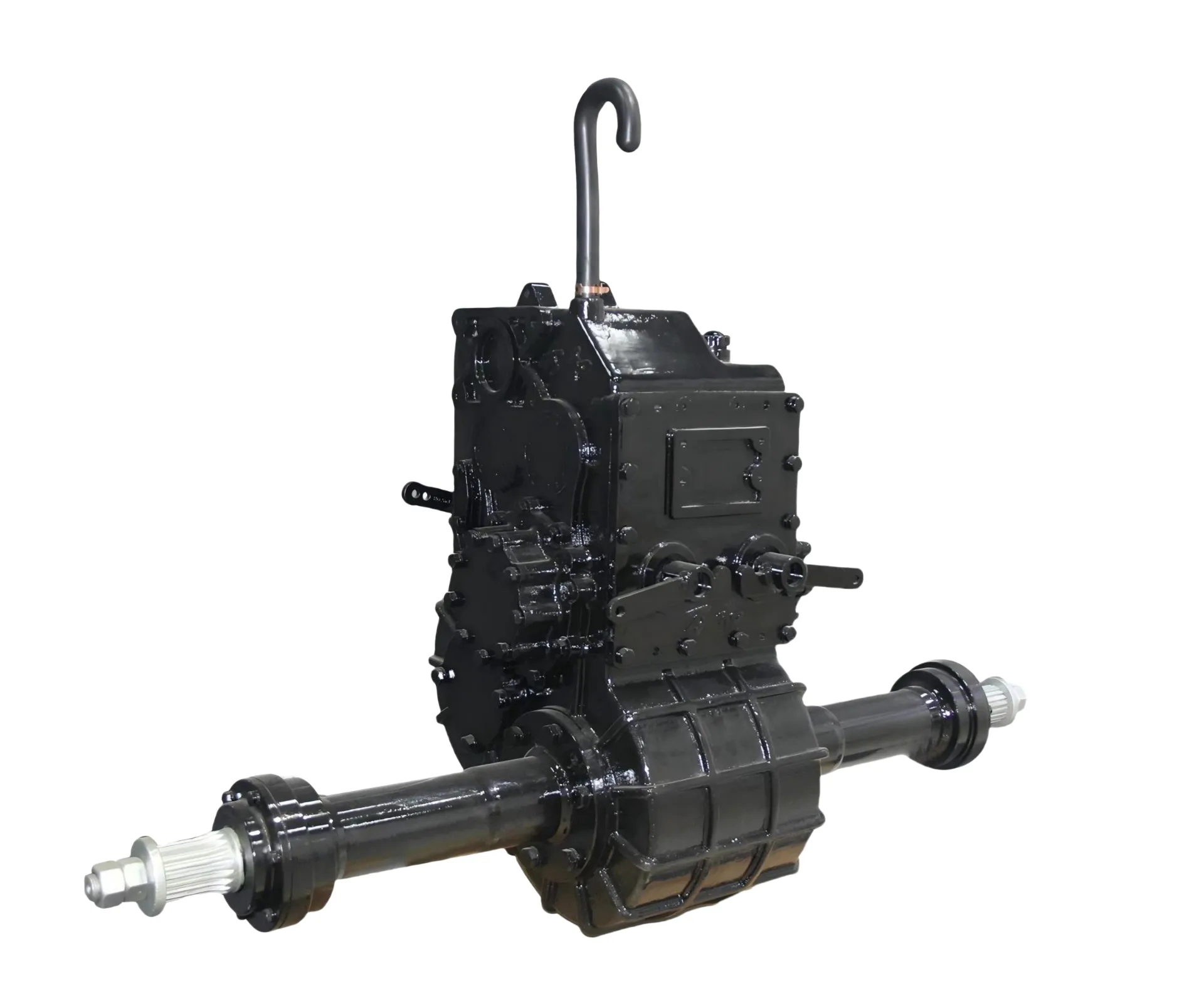
High Quality Edge Reduction Flange and Tractor Seed Drill Price
Maintaining the mechanical integrity of planting equipment often comes down to the quality of its power transmission components. The edge reduction flange shaft is a critical mechanical element designed to manage high torque and rotational motion, ensuring that seed drills and rotary tillers operate without premature failure. For fleet managers and agricultural engineers, understanding the technical specifications of these shafts is essential for reducing operational downtime and optimizing machinery longevity.
Whether integrated into a complex drivetrain or used as a replacement part, the edge reduction design specifically targets the mitigation of stress concentration. This makes it a superior choice for environments where heavy loads and challenging soil conditions are the norm. By focusing on precision engineering and high-strength materials, these components provide the stability required for consistent agricultural output across various global terrains.

Engineering Fundamentals of Edge Reduction Flange Shafts
An edge reduction flange shaft is not a standard axle; it is a specialized component that merges a traditional transmission shaft with a functional flange and a specific edge-reduction profile. This geometry is engineered to distribute torque more evenly across the connection point, which is where most mechanical failures occur in agricultural equipment. By reducing the sharpness of the transition between different shaft diameters, the "edge reduction" feature effectively eliminates stress risers.
These shafts are typically manufactured from high-strength alloy steel to withstand the grueling demands of field operation. The inclusion of a flange allows for a secure, bolt-on connection between the power source and the driven component, ensuring that rotational energy is transferred with minimal slip. In the context of planetary gear systems or rotary tillers, this precision prevents the misalignment that often leads to bearing wear and shaft snapping.
Moreover, the surface treatment of these components is a priority. Given that agricultural machinery is constantly exposed to moisture, fertilizers, and abrasive soil, corrosion-resistant coatings are applied to prevent oxidation. This protective layer ensures that the tight tolerances of the precision-engineered shaft are maintained over years of service, preventing rust-induced seizures in the drivetrain.

Critical Applications in Modern Agricultural Machinery
The versatility of the edge reduction flange shaft makes it indispensable across several heavy-duty categories. In seed drills and planters, these shafts ensure that the metering mechanisms and planting units receive consistent torque, regardless of soil resistance. This precision is what allows for uniform seed depth and spacing, directly impacting crop yield.
Beyond planting, these components are integral to:
- Rotary Tillers: Handling the extreme impact loads as blades strike compacted soil.
- Harvesters: Driving the conveyor systems and threshing drums where high-load stability is mandatory.
- Plows: Ensuring the power take-off (PTO) energy is transferred safely to the implements.
Outside of the field, the same engineering logic is applied to industrial mixers, presses, and automotive drivetrain components. In any scenario where a secure connection must withstand fluctuating torque and high rotational speeds, the edge reduction profile provides a safety margin that standard shafts cannot offer, reducing the risk of catastrophic deformation under peak loads.
Evaluating Technical Value and Long-term Reliability
When sourcing transmission components, the primary focus should be on the balance between material hardness and fatigue resistance. A shaft that is too hard may become brittle and snap under sudden impact, while one that is too soft will deform. High-quality edge reduction flange shafts utilize controlled heat treatment processes to achieve a hard outer skin for wear resistance and a tougher core for shock absorption.
From a procurement perspective, investing in precision-engineered components reduces the total cost of ownership. While a lower-grade shaft might seem economical, the resulting vibration and misalignment often lead to the failure of more expensive adjacent parts, such as gearboxes and bearings. Precision alignment ensures that the power flow is linear, minimizing energy loss and reducing fuel consumption for the tractor.
Reliability is further enhanced by the strict adherence to international industry norms during the inspection phase. Ensuring that the flange faces are perfectly perpendicular to the shaft axis prevents the eccentric rotation that causes systemic vibration. This level of detail is what separates industrial-grade components from generic replacements.
Technical Selection Criteria for Flange Shafts
| Feature | Standard Shaft | Edge Reduction Shaft | Impact on Performance |
|---|---|---|---|
| Stress Distribution | Concentrated at edges | Evenly distributed | Higher fatigue life |
| Material Grade | Carbon Steel | Alloy Steel | Increased load capacity |
| Alignment Precision | General Tolerance | Precision Machined | Reduced vibration |
| Corrosion Defense | Basic Paint | Industrial Coating | Extended field life |
| Installation Stability | Variable | High (Flange-secured) | Minimized downtime |
Supplier Capabilities and Quality Assurance Systems
Selecting a partner for agricultural components requires a look into their quality control framework. A robust supply chain ensures that every shaft undergoes strict inspection to comply with international standards. This includes dimensional verification using precision calipers and hardness testing to ensure the alloy steel has been tempered correctly. For global operations, having a supplier that understands both the manufacturing side and the logistical challenges of parts delivery is a strategic advantage.
Zinan focuses on introducing leading agricultural machinery technology, bridging the gap between high-end Chinese manufacturing and global agricultural needs. By maintaining a comprehensive after-sales service network, we ensure that the supply of critical parts like flange shafts is uninterrupted. An efficient parts supply system is vital because a single failed shaft can stall an entire harvesting or planting operation during the narrow seasonal window.
Our commitment to quality assurance means that failures caused by quality issues are addressed promptly through repair or replacement. This trust-based approach is supported by a team of experienced engineers who can provide technical guidance on compatibility, ensuring that the shaft selected matches the specific torque requirements of the customer's machinery.
Future Trends in Agricultural Power Transmission
The trend in agricultural machinery is moving toward higher efficiency and smarter power management. As tractors become more powerful, the components they drive must evolve to handle higher torque densities without increasing in size. This is leading to the adoption of advanced alloy compositions and more sophisticated edge-reduction geometries that can withstand the increased stresses of autonomous and high-capacity planting equipment.
We are also seeing an increase in the demand for customized components. Different soil types and regional crop varieties require different machinery configurations, meaning a "one size fits all" approach to transmission shafts is no longer sufficient. The ability to provide OEM-level precision for specific application needs is becoming a key differentiator for suppliers.
Ultimately, the goal is to maximize the "up-time" of the machinery. By integrating better materials and more precise engineering into the smallest components—like the flange shaft—the industry can achieve a higher level of modernization and productivity, ensuring food security through more reliable agricultural infrastructure.
Technical FAQ: Edge Reduction Flange Shafts
What exactly is an edge reduction flange shaft?
It is a mechanical component that combines a transmission shaft with a flange and a specifically designed edge-reduction profile to minimize stress concentration and ensure efficient torque transfer between machinery components.
Why is the edge reduction feature important for seed drills?
In seed drills, shafts are subject to varying loads. The edge reduction feature distributes stress evenly, preventing the shaft from snapping or deforming under heavy torque, which ensures consistent planting performance.
What materials are typically used for these shafts?
They are generally constructed from high-strength alloy steel, which provides the necessary durability and load-bearing capacity for prolonged operation in harsh agricultural environments.
How does a flange shaft improve machinery alignment?
The flange allows for a secure, precise connection between components, reducing the risk of misalignment that typically causes excessive wear on bearings and other drivetrain parts.
How can I evaluate the quality of a flange shaft supplier?
Look for suppliers who provide strict quality inspection reports, adhere to international industry norms, and have a robust after-sales network to ensure a steady supply of replacement parts.
Do these shafts require special maintenance?
While the shafts themselves are robust, ensuring that the flange bolts are tightened to the correct torque and checking the corrosion-resistant coating for damage can prevent premature failure.
Technical References
- ASABE - American Society of Agricultural and Biological Engineers
- ISO - International Organization for Standardization (Mechanical Components)
- Research on Fatigue Life of Agricultural Transmission Shafts
- NIST - Standards for Precision Engineering and Materials
Ensuring the reliability of your agricultural equipment starts with the smallest critical components. By selecting precision-engineered edge reduction flange shafts, you safeguard your machinery against unexpected failure and optimize your planting efficiency. For more information on high-performance agricultural parts, contact our technical team today.
Industry Insights and Guides