- Tel: +86 13451474678 / 13451474678
- Email: / hbzinanmech@gmail.com

3 Point Hook Up Tiller – Durable & Versatile Tractor Attachment
The 3 Point Hook Up Tiller: Why It’s a Game-Changer in Industrial Equipment
Having spent more than a decade working around heavy agricultural and industrial tools, I can say this: the 3 point hook up tiller isn't just another attachment. It’s kind of the unsung hero on farms and construction sites all over the world. Oddly enough, despite the rise of new tech, these tillers remain a steadfast, practical choice—reliable, versatile, and frankly, they get the job done with minimal fuss.
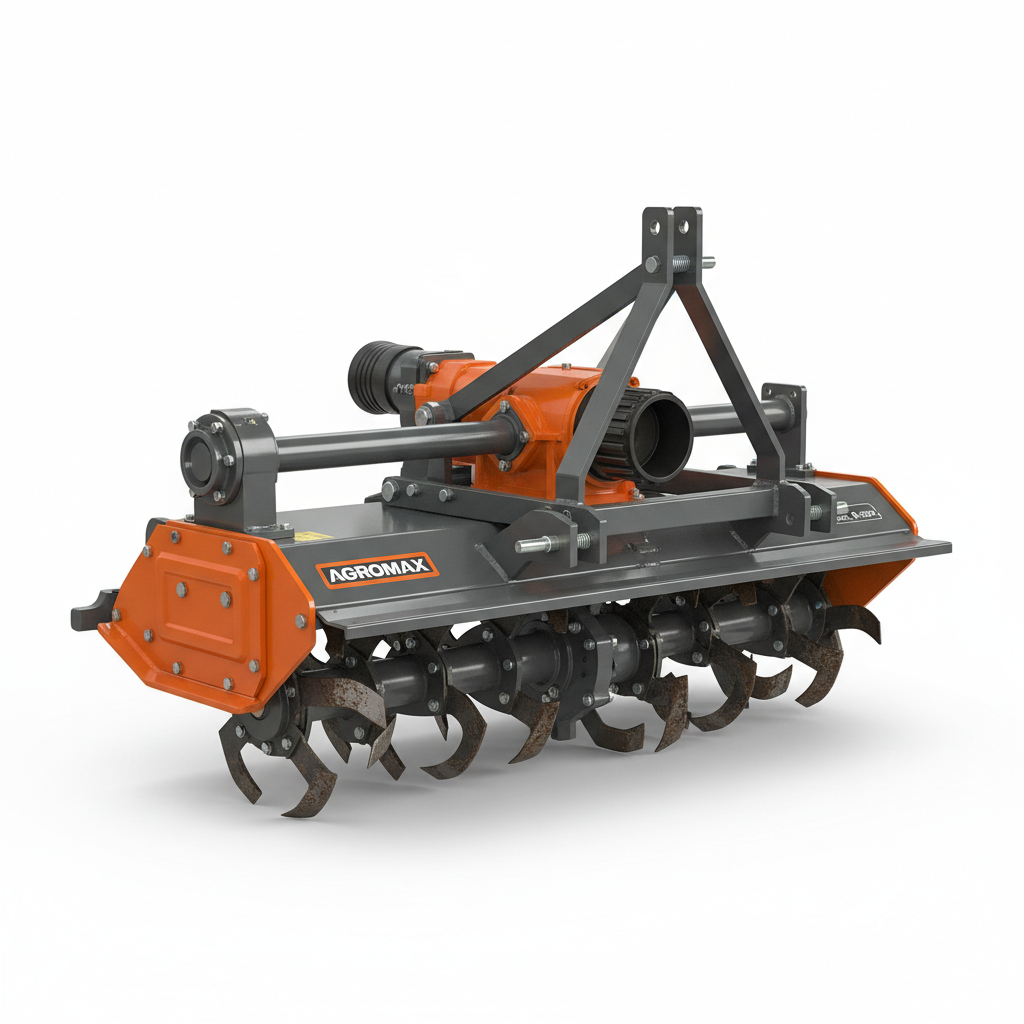
If you’re unfamiliar, a 3 point hook up tiller is basically a rotary soil cultivator that attaches to the tractor via the three-point hitch system—think of it as a plug-and-play soil guru. It’s designed to break up hard-packed earth, prepare seedbeds, and generally make soil ready for planting or landscaping. When I first saw one in action, what stood out was the solid engineering and the adaptability. It feels like these tillers were built by people who genuinely understand dirt and tractors.
In real terms, the design focuses heavily on the balance between power and durability. Most manufacturers use high-carbon or heat-treated steel for the blades—because, believe me, standard steel gets chewed up quickly in tough soil. The frame is usually constructed from thick gauge steel tubing to withstand constant vibration and stress. This speaks volumes about how these machines hold up in the field.
| Specification | Detail |
|---|---|
| Working Width | 4 - 6 feet (adjustable) |
| Number of Blades | 20 - 40, varies by model |
| Blade Material | Heat-treated carbon steel |
| Compatibility | Category 1 & 2 tractors (3-point hitch) |
| Recommended Tractor HP | 20 - 60 HP |
| Weight | 350 - 600 lbs |
| Gearbox | Sealed, oil-bath type |
One thing I’ve always appreciated about these tillers is how easy they are to maintain. The gearbox is usually sealed and oil-lubricated, which means less downtime and fewer headaches—something you learn to treasure when the planting season won’t wait. And replacing blades? Straightforward, though I’d recommend keeping a few spares handy.
From the vendor side, there’s some interesting diversity. While many equip their tillers similarly, differences come down to blade design, frame stiffness, and the precision of their three-point hitch integration. Actually, I compared a few trusted manufacturers to see how they stack up:
| Feature | Zina Machinery | AgriTech Solutions | FieldMaster Equip |
|---|---|---|---|
| Blade Material Quality | Heat-treated carbon steel | Standard steel, coated | Heat-treated with reinforced tips |
| Gearbox Design | Sealed oil bath, heavy duty | Basic sealed unit | Open gearbox, requires frequent checks |
| Warranty | 2 years | 1 year | 18 months |
| Price Range | $$$ | $$ | $$$ |
| Customization Options | High (blade number/size, hitch category) | Low | Medium |
Speaking of customization, I once worked with a local farmer who needed a tiller able to tackle rocky soil without constant blade replacements. Zina Machinery’s ability to customize blade hardness and thickness was a lifesaver. It really showed me that despite what looks like a simple tool, there’s a real art and engineering effort behind the scenes. Many engineers I’ve chatted with say that paying attention to those small specs pays dividends in the long haul.
In terms of industry trends, there’s been a subtle shift toward improving gearbox sealing and corrosion resistance, especially since tillers often operate in moist, abrasive environments. Plus, some vendors are experimenting with interchangeable blade designs to better accommodate different soil types, which is frankly pretty clever.
So, if you’re on the fence about investing in a 3 point hook up tiller, I’d say consider what you really need in terms of durability, maintenance ease, and compatibility with your tractor. It’s a solid, proven attachment for tilling jobs big and small.
To wrap it up: the 3 point hook up tiller stands as a testament to practical engineering and rugged design. It’s an old friend in the industry, but still evolving in quiet, meaningful ways.
As always, inspect equipment regularly and match specs carefully to your operational needs to get the best performance.
- Manufacturer product brochures and technical datasheets.
- Interviews with agricultural equipment engineers and field reports.
- Trade journals on tractor attachments and soil cultivation.
— Written by someone who appreciates well-made industrial tools and their sometimes overlooked, but essential, roles.
NEXT:

Related Products
-
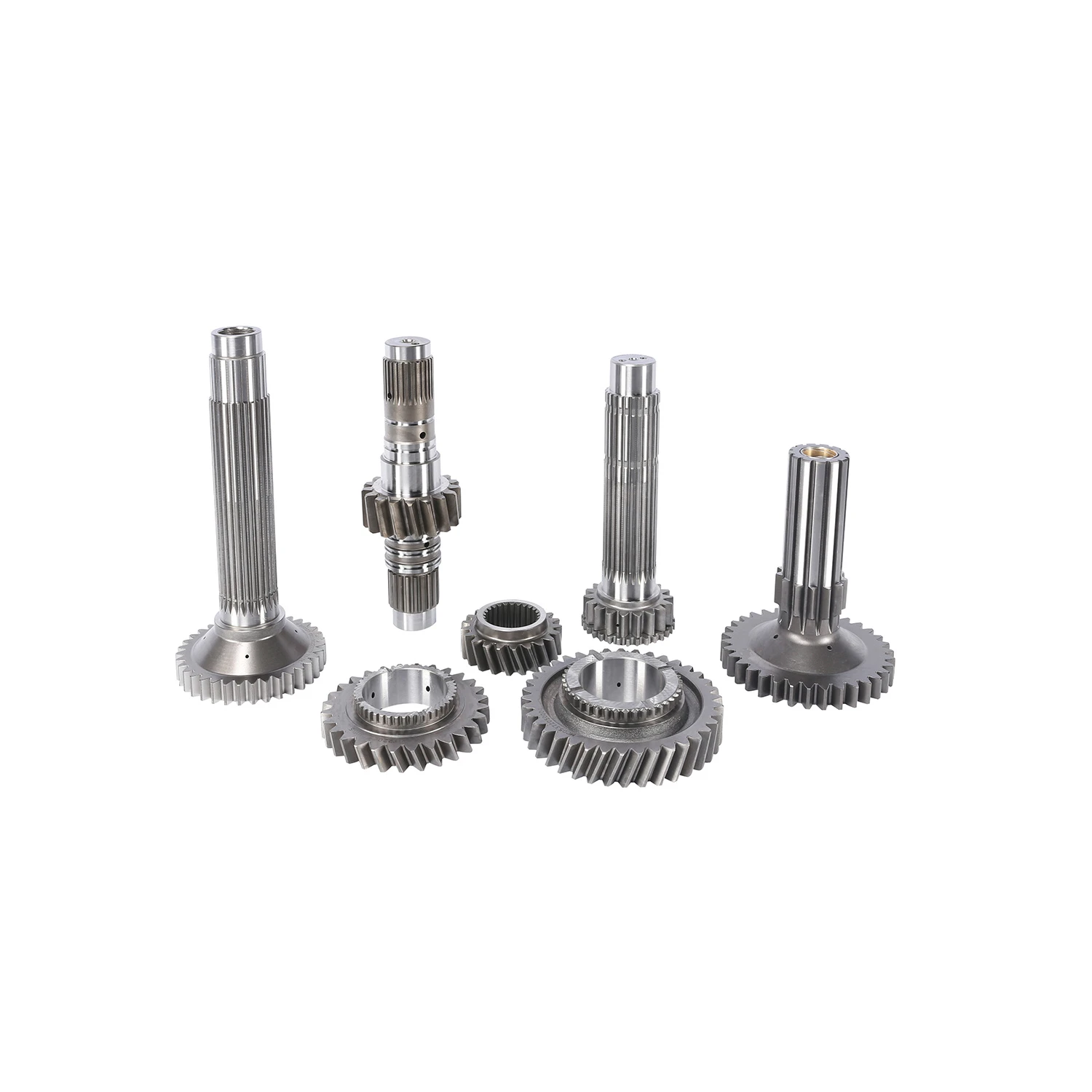 Tractor Gear Shaft
The tractor gear shaft is a crucial element in the power transmission system of a tractor. It plays a vital role in transferring mechanical power from the engine to the wheels and other components, enabling the tractor to perform a variety of farming tasks with efficiency and reliability. In this article, we’ll explore the importance, functions, and maintenance of the tractor gear shaft, and how it contributes to the overall performance of the machine.
-
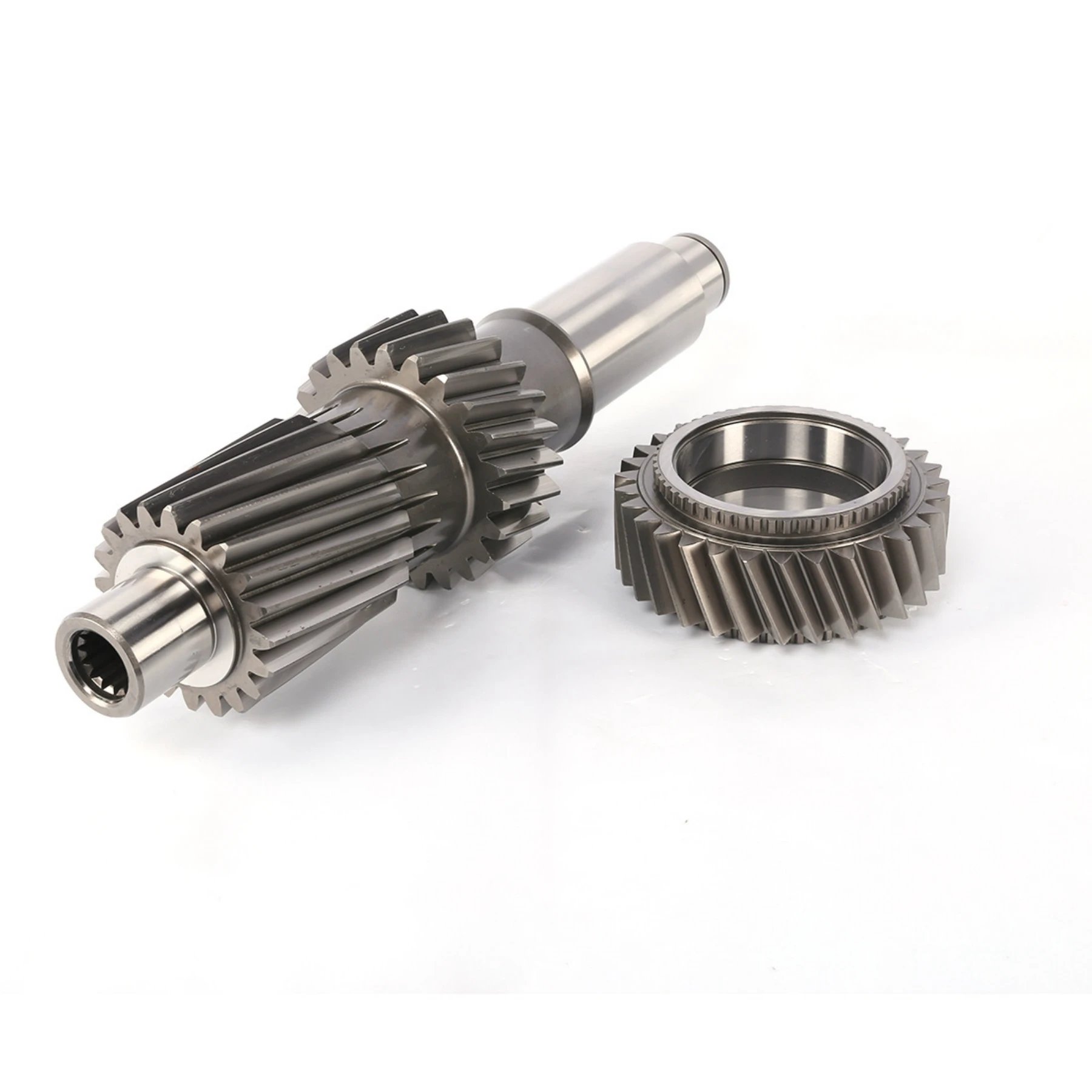 Transmission Gear
Power transmission: the engine operation drives the input gear on the input shaft to rotate, the input gear engages with other gears, and relies on the interaction between teeth and teeth to transfer the power to the intermediate gear (if any) and the output gear, and finally transfers the power to the driving wheel and other components through the output shaft to make the vehicle or equipment move.
Variable speed principle: Change the transmission ratio by meshing gears with different numbers of teeth. For example, when the big gear drives the small gear, the speed of the small gear will be faster than the big gear, but the output torque will be smaller, to achieve growth and torque reduction; On the contrary, when the pinion drives the big gear, the speed of the big gear slows down, the torque increases, and the torque increases. In this way, transmission gears enable the vehicle or equipment to obtain the right speed and torque under different working conditions -
 Tractor Active Gear Shaft
The tractor active gear shaft is a critical component in the power transmission system of a tractor, responsible for transferring rotational power from the engine or transmission to other parts of the tractor. By efficiently distributing torque and enabling smooth gear shifts, the active gear shaft plays a vital role in enhancing the performance and versatility of the tractor, making it essential for a wide range of agricultural tasks. In this article, we’ll explore the function, benefits, and maintenance of the tractor active gear shaft.
-
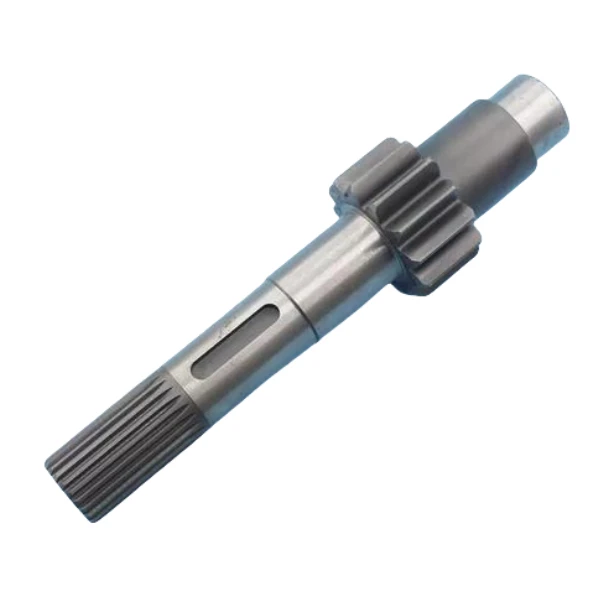 Harvester Input Shaft
The main role of the harvester input shaft is to introduce the power of the external power source into the internal transmission system of the harvester. When the power source (such as an engine) is running, the torque generated is transmitted to the input shaft through the connecting parts, causing the input shaft to start rotating. The gear, pulley or sprocket and other transmission parts installed on the input shaft will rotate with the rotation of the input shaft, and then transfer the power to the subsequent transmission parts and working parts, such as driving the cutting device, conveying device, threshing device, etc., to complete the crop harvesting, conveying, threshing and other work processes.
Related News
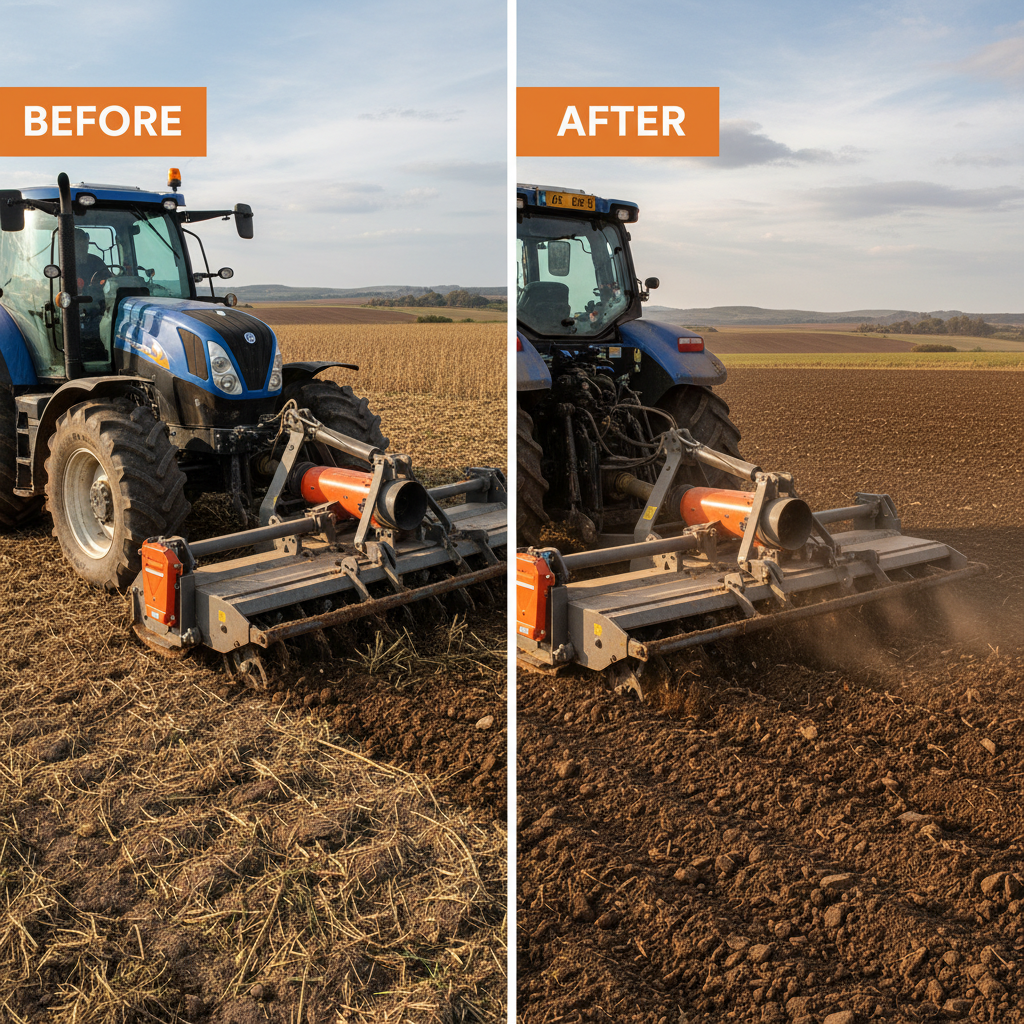
Professional Heavy Duty Tiller for Tractor for Soil Productivity
Achieving the perfect seedbed is the foundation of any successful harvest. For farmers dealing with compacted soil, stubborn crop residue, or expansive acreage, a standard rototiller often falls short. This is where a heavy duty tiller for tractor becomes an essential investment. These robust machines are engineered to penetrate deep into the earth, breaking up hardpan and aerating the soil with unmatched efficiency. By integrating a professional-grade tiller into your machinery lineup, you can significantly reduce preparation time and improve crop yield. In this guide, we will explore the technical advantages, selection criteria, and maintenance tips for choosing the right heavy-duty tilling solution.
>
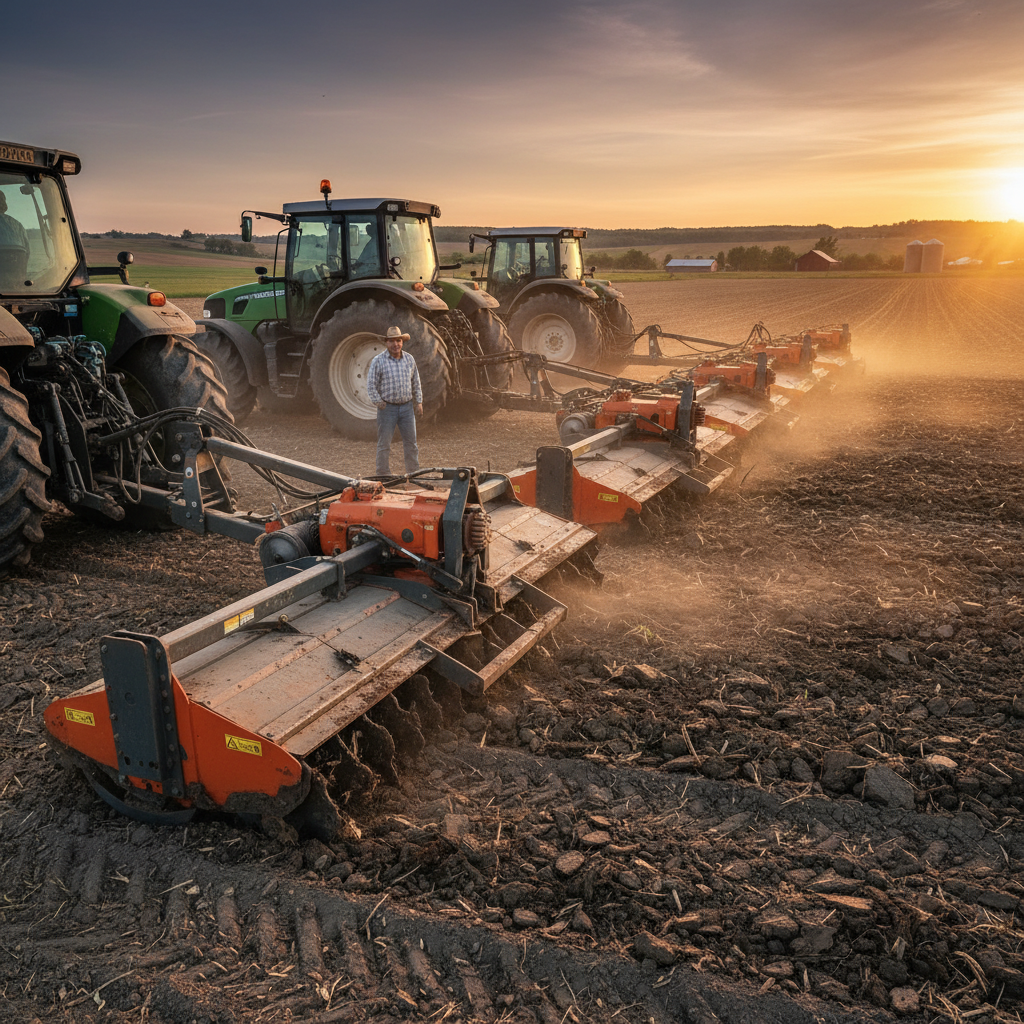
Maximizing Land Productivity with Professional Heavy Duty Tillers
For professional farmers and landscaping contractors, the quality of soil preparation determines the success of the entire growing season. Investing in high-performance heavy duty tillers is essential for breaking through compacted earth, removing stubborn weeds, and integrating organic matter deeply into the soil. Unlike standard garden cultivators, these industrial-grade machines are engineered to handle vast acreages and the most challenging terrain without compromising efficiency. In this guide, we will explore how choosing the right equipment can transform your agricultural output and streamline your land management process.
>
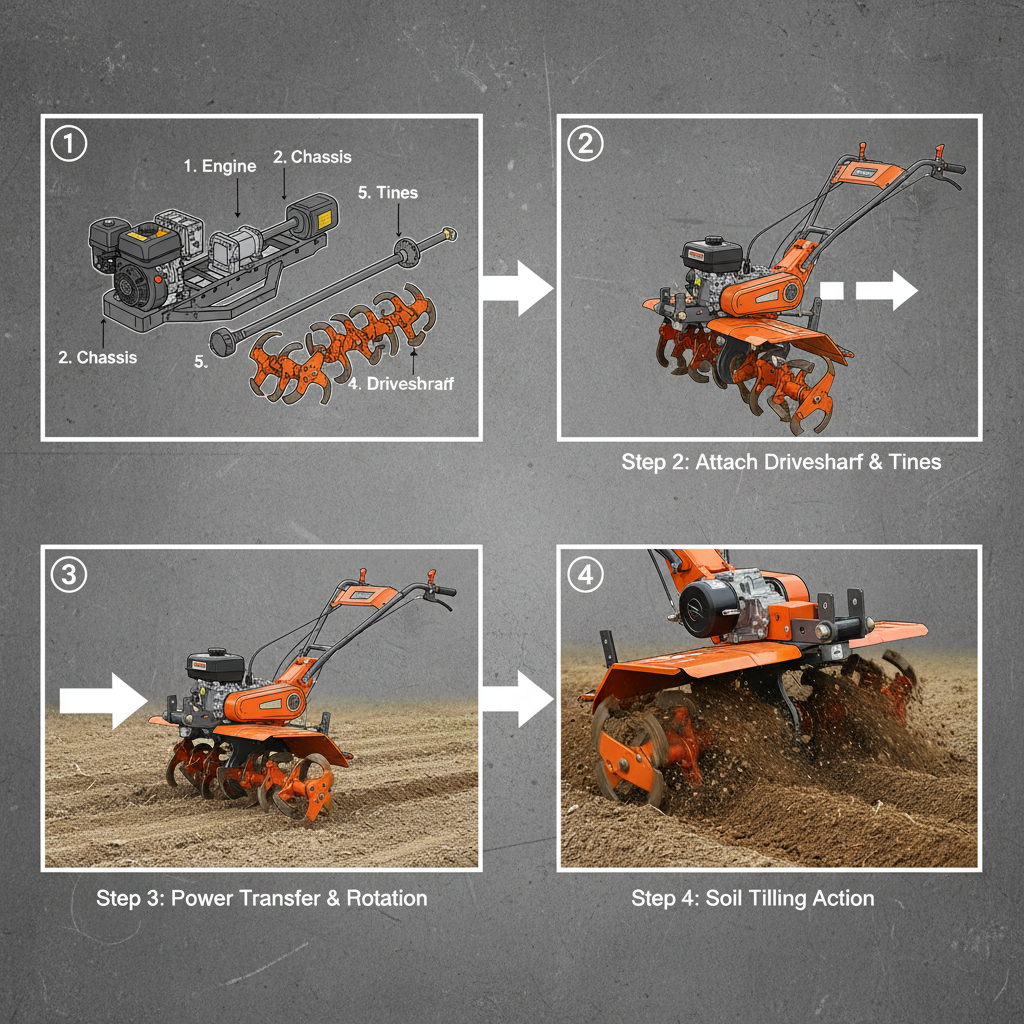
Choosing the Best Heavy Duty Rototiller for Efficient Land Preparation
A heavy duty rototiller is an invaluable tool for anyone involved in serious gardening, small-scale farming, or land preparation. Whether you're breaking new ground, maintaining existing garden beds, or preparing for planting, the right rototiller can significantly reduce labor and improve efficiency. However, with numerous options available, selecting the best model requires careful consideration. This article will guide you through the key factors to consider when purchasing a heavy-duty rototiller, helping you make an informed decision. ZinanMech offers a wide range of rototillers to suit various needs.
>
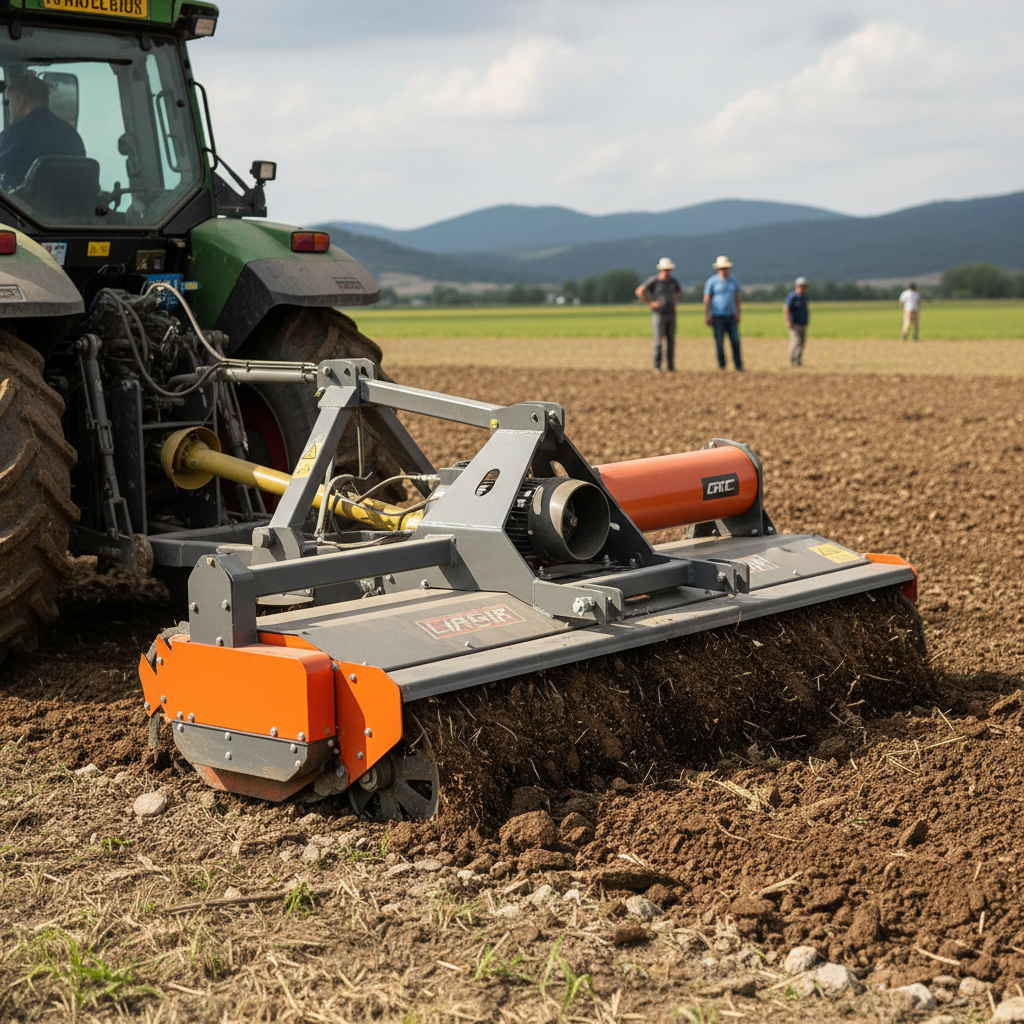
Comprehensive Guide to Heavy Duty Rotary Tiller Selection and Application
When it comes to land preparation, a heavy duty rotary tiller is an invaluable tool. This robust machinery excels at breaking up compacted soil, creating a fine seedbed, and incorporating organic matter. This article dives deep into the world of heavy duty rotary tillers, covering their benefits, applications, key features, and how to choose the right one for your needs. Whether you're a farmer, landscaper, or large-scale gardener, understanding these tillers is essential for efficient and effective soil management.
>
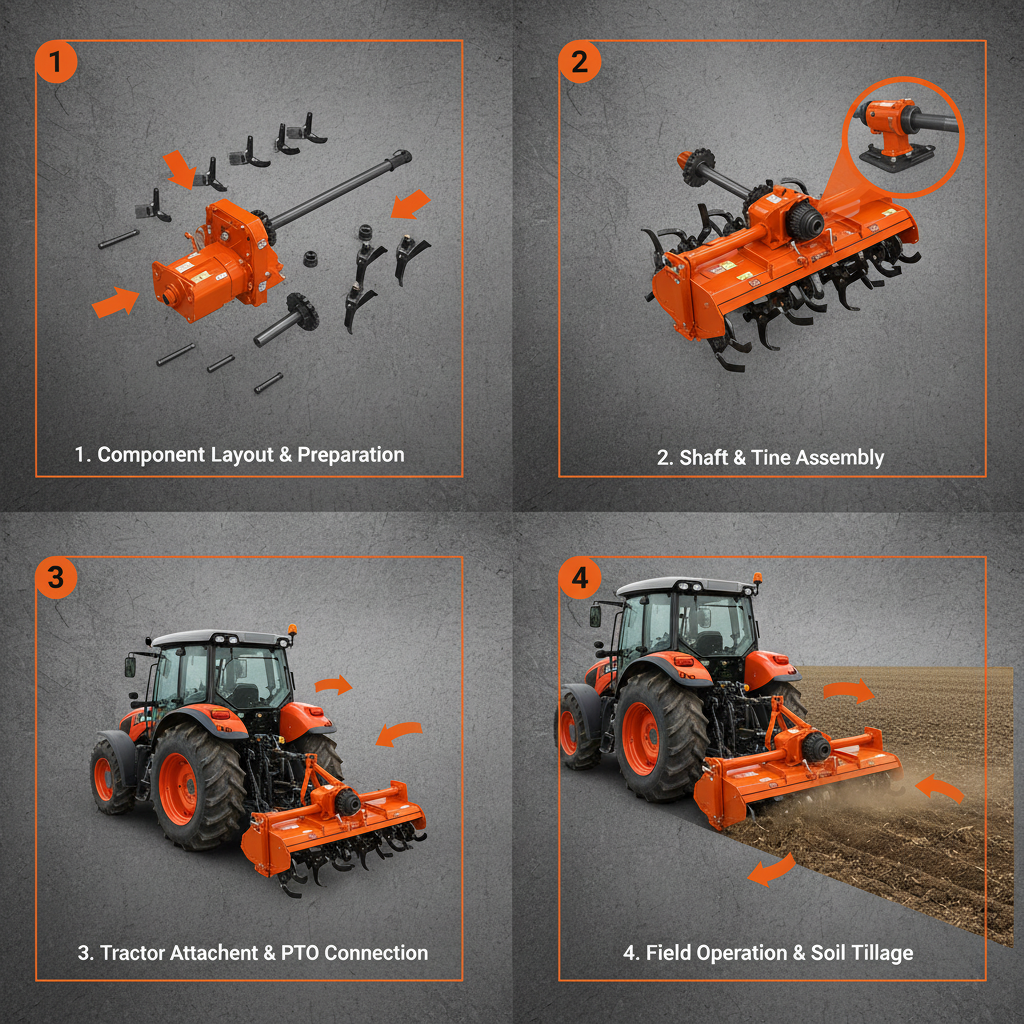
Comprehensive Guide to Selecting the Ideal Farm Tractor Tiller for Your Needs
Selecting the ideal farm tractor tiller is crucial for efficient soil preparation and maximizing agricultural yields. With a diverse range of models available, understanding your needs and the features offered by different tillers is paramount. This article provides a detailed overview of farm tractor tillers, covering their types, benefits, key considerations, and how to choose the right one for your specific farming operation. Proper tillage significantly impacts seedbed quality, weed control, and ultimately, crop performance.
>
Boost Farm Productivity with a High Performance Farm Pro Rotary Tiller
Are you looking to enhance your agricultural productivity and streamline your soil preparation process? A Farm Pro rotary tiller is an invaluable investment for farmers of all scales. This article delves into the benefits, features, applications, and considerations when choosing the right rotary tiller for your farm. We’ll explore how this machinery can significantly reduce labor costs and improve soil quality, ultimately leading to higher yields. From small hobby farms to large-scale commercial operations, a Farm Pro tiller offers a robust and efficient solution for a variety of tilling needs.
>
Unlock Farming Efficiency with a Powerful Agricultural Tiller Solution
In the world of farming and gardening, efficiency and productivity are key. An agricultural tiller is a vital piece of equipment that streamlines soil preparation, saving time and labor. This article dives deep into the world of tillers, exploring their types, benefits, how to choose the right one, and the quality solutions offered by Zinanmech. We’ll cover everything from small garden tillers to heavy-duty agricultural models, ensuring you have the knowledge to make an informed decision. An agricultural tiller, also known as a rotary tiller, is a motorized machine used to break up and cultivate soil. Unlike manual digging or plowing, tillers use rotating blades to loosen the soil, creating a fine, even tilth that's ideal for planting. This process improves soil aeration, drainage, and nutrient availability, leading to healthier plant growth.
>
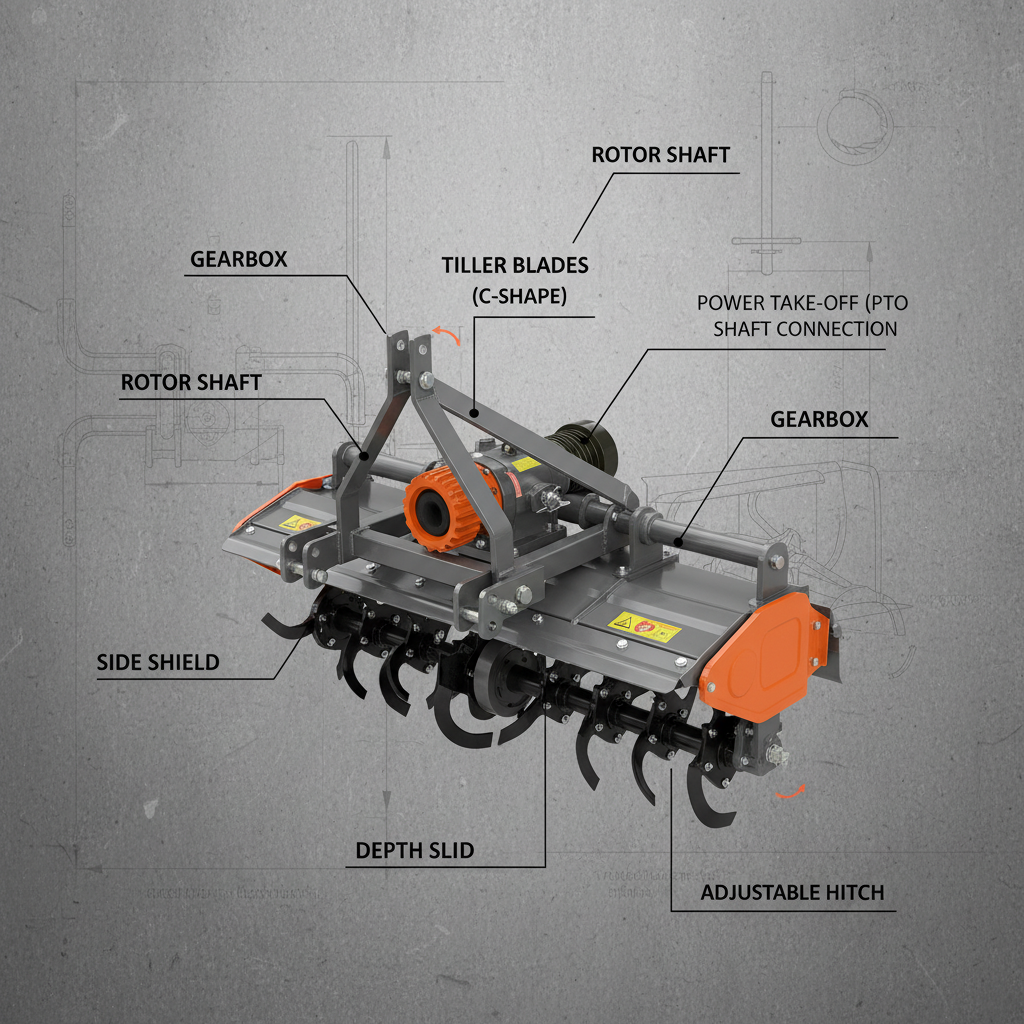
Comprehensive Guide to Agricultural Rotary Tiller Selection and Usage
An agricultural rotary tiller is an essential tool for modern farming, designed to efficiently prepare soil for planting. This powerful machinery significantly reduces labor and time compared to traditional methods. Whether you're a smallholder or manage a large-scale agricultural operation, understanding the benefits and features of a rotary tiller is crucial for maximizing productivity. Choosing the right tiller can transform your land preparation process. This article provides a detailed overview of agricultural rotary tillers, covering their uses, types, benefits, and key considerations when selecting the right model. Modern tillers are available in various sizes and configurations, catering to different farm sizes and soil conditions. Zinanmech provides a range of high-quality rotary tillers designed for optimal performance and durability. An agricultural rotary tiller, also known as a rototiller, is a motorized machine used to prepare agricultural land for cultivation. It works by using rotating blades – typically called tines – to break up, churn, and mix the soil.
>
Comprehensive Guide to Selecting the Ideal Agric Rototiller for Your Farm
Selecting the right agric rototiller is crucial for efficient soil preparation and maximizing crop yields. This guide will explore the different types of rototillers, their applications, and how to choose the best model for your farming needs. We’ll cover everything from small, handheld rototillers to larger, tractor-mounted versions, helping you make an informed decision to enhance your agricultural operations. A well-chosen rototiller significantly reduces manual labor and improves soil quality. Agric rototillers come in various sizes and configurations, each suited for different farming tasks. The main types include: Front-Tine Rototillers, ideal for smaller gardens and breaking up already tilled soil; Rear-Tine Rototillers, offering more power and suitable for larger areas and tougher soil conditions; and Mid-Tine Rototillers, a versatile option for medium-sized farms. Choosing the correct type depends on your farm size, soil type, and the crops you intend to grow.
>
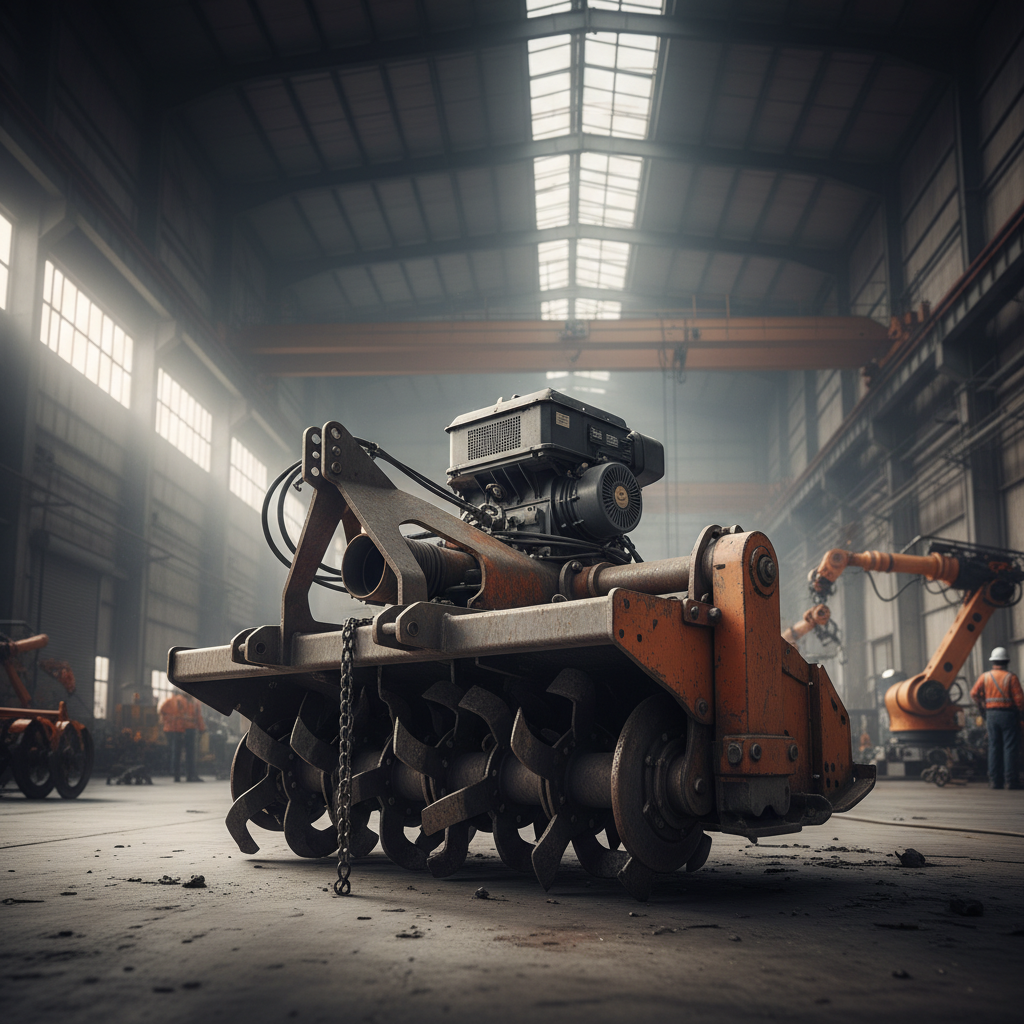
Unlock Farming Efficiency with a Powerful Agri Rototiller for Modern Agriculture
In today's agricultural landscape, efficiency and productivity are paramount. An agri rototiller, also known as a rotary tiller, is an invaluable tool for preparing soil for planting. This versatile machine cultivates, mixes, and levels the soil in a single pass, saving farmers significant time and effort. From small-scale farms to large agricultural operations, the benefits of using a rototiller are numerous. Investing in a quality rototiller is investing in the future success of your harvest. An agri rototiller is a motorized machine designed to break up and aerate soil using rotating blades. These blades, often called tines, churn the soil, creating a fine, even texture ideal for planting seeds or transplanting seedlings. Unlike traditional plowing, rototilling doesn't invert the soil, minimizing disruption to the soil's natural structure.
>
International layout
Spread all over the world
our products are exported to various parts of the world. Currently, our products have been exported to more than 40 countries Our products cover Asia, Europe, Africa, South America, North America, and Oceania
Sign up
for Newsletter
Subscribe to the weekly newsletter for all the latest updates