- Tel: +86 13451474678 / 13451474678
- Email: / hbzinanmech@gmail.com

48 PTO Tiller – Essential Guide to Efficient Soil Preparation Equipment
Understanding the 48 PTO Tiller: A Backbone of Modern Agriculture
The 48 PTO tiller may not be a household name, but it’s quietly shaping how farmers and agricultural businesses cultivate land worldwide. At its core, this machine is more than just a tiller; it represents efficiency, durability, and modern mechanization all rolled into one. Globally, agriculture feeds billions, yet the challenge remains in maximizing productivity while minimizing manual labor and environmental impact. The 48 PTO tiller helps bridge that gap by delivering powerful soil preparation with a balance of cost-effectiveness and versatility.
Such equipment matters far beyond the largest farms — from small rural holdings in sub-Saharan Africa to large-scale commercial farms in North America and Asia. Understanding the nuances of the 48 PTO tiller means better farming outcomes, which ties directly into global food security goals supported by entities like the FAO and the World Bank. This article dives deep into what makes the 48 PTO tiller so invaluable and what trends are shaping its future.
What Is a 48 PTO Tiller?
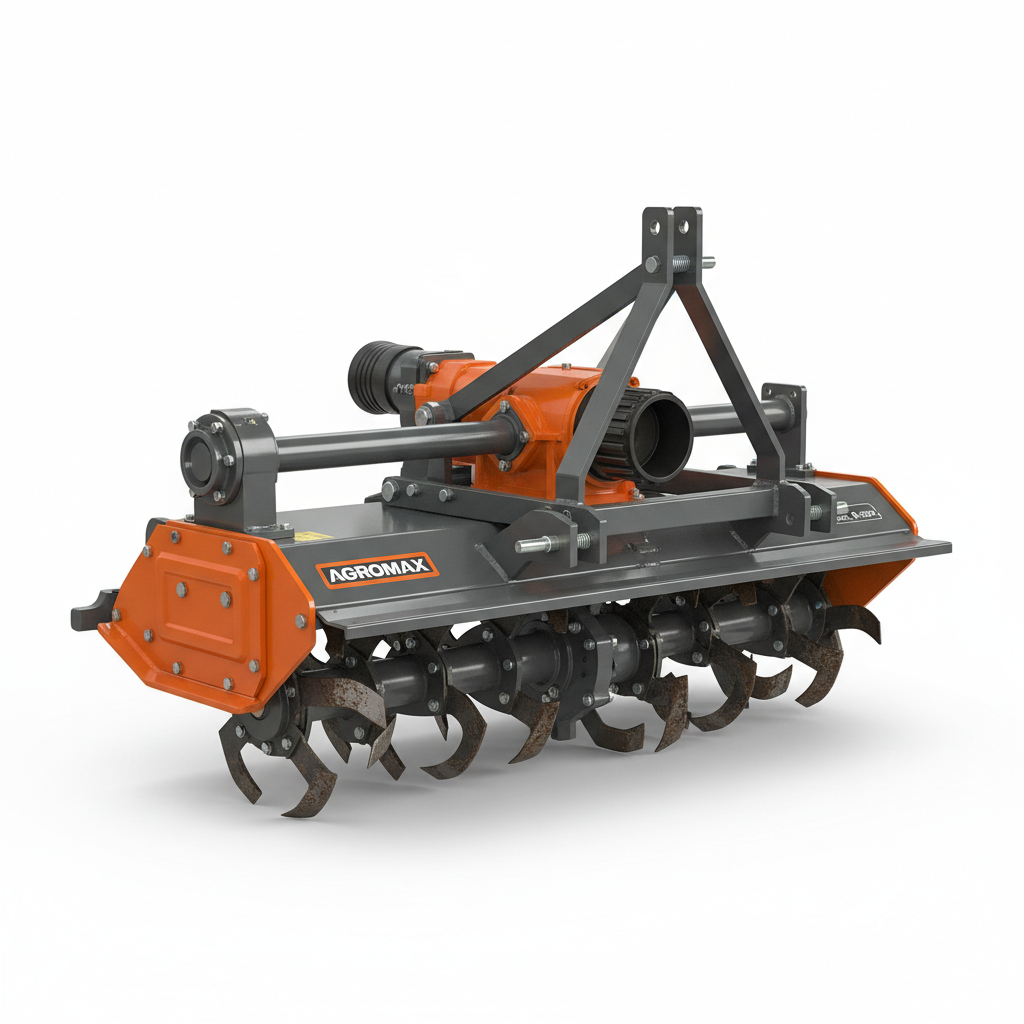
To simplify, a 48 PTO tiller is an agricultural implement powered by a tractor’s Power Take-Off (PTO) shaft with a category typically around 48 horsepower (hp). It's designed to till— or turn over—the soil, preparing it for planting by breaking it up and aerating it. Fairly standard in design, these tillers attach directly to the tractor, syncing power and mechanical motion efficiently.
But this implements a bigger role in modern agriculture: it enables scalable, mechanized farming that sharply reduces human labor while increasing soil health when used properly. In a world facing mounting demands for sustainable food production, this tool is far from just an add-on; it’s a necessary piece of the puzzle.
Key Features of a 48 PTO Tiller
1. Durability and Build Quality
Most 48 PTO tillers are constructed with heavy-duty steel frames resistant to corrosion and abrasion from soil and rocks. Good models include reinforced blades capable of handling hard and uneven terrain without bending or breaking.
2. Scalability and Efficiency
This tiller size suits mid-sized tractors, making it perfect for a wide range of farm sizes. It balances soil turning depth and speed, allowing agriculturalists to cover large swaths efficiently.
3. Compatibility and Versatility
Given it connects through the PTO shaft, it’s compatible with many tractor models globally. Plus, it's adaptable to various soil types — from sandy loams to sticky clays — critical for diverse farming locations.
4. Cost Efficiency
Compared to larger machinery, 48 PTO tillers offer an affordable entry point for mechanization. They use less fuel than heavier equipment and often require simpler maintenance, keeping operational costs manageable.
5. Environmental Sustainability
When employed correctly, tillers aerate soil, helping water infiltration and reducing compaction. This supports healthier soil ecosystems and, indirectly, carbon sequestration.
48 PTO Tiller Specifications at a Glance
| Feature | Specification |
|---|---|
| Power Requirement | 48 Horsepower (HP) |
| Tilling Width | 100 - 150 cm (approx. 39-59 inches) |
| Working Depth | Up to 30 cm (12 inches) |
| Number of Blades | 10 to 18, depending on model |
| Weight | 400 - 600 kg (880 - 1320 lbs) |
| Compatibility | Category 1 or 2 PTO shafts |
Mini Takeaway: The 48 PTO tiller is a balanced, adaptable tool ideal for many farming operations, offering durability and efficiency without necessitating large-scale machinery.
Where and How Is the 48 PTO Tiller Used Worldwide?
Across Asia, Europe, Africa, and the Americas, the 48 PTO tiller finds a niche spanning smallholdings to commercial farms. For instance, farmers in India use these tillers extensively for rice and wheat cultivation, helping reduce preparation time drastically compared to traditional manual methods. In parts of Eastern Europe, where soil texture varies greatly, the tiller’s adjustable depth and blade options make it invaluable.
Oddly enough, in disaster recovery or humanitarian efforts, mechanized tillage can aid in quickly restoring arable land after floods or storms, supporting communities' return to sustainable food production. Organizations working with NGOs sometimes opt for mid-powered tillers precisely because they can be rapidly deployed with moderately powered tractors common in developing regions.
Many fruit and vegetable growers also prefer this tiller size for maintaining orchard floor health, balancing soil aeration without disturbing root systems excessively.
Vendor Comparison: Popular 48 PTO Tiller Brands
| Brand | Durability | Price Range | Customer Support | Global Reach |
|---|---|---|---|---|
| AgriPro | High, steel reinforced arms | $$$ | Extensive with local distributors | North America, Europe |
| ZinaMech | Robust, wear-resistant blades | $$ | Responsive online & phone support | Global, including Africa & Asia |
| FarmEdge | Moderate, budget-friendly build | $ | Basic, region-specific | Asia, South America |
Long-Term Advantages of Using a 48 PTO Tiller
- Cost Savings: Operates with relatively less fuel and requires simple maintenance.
- Eco-Friendly Soil Management: Promotes aeration, reduces compaction, and supports organic farming practices.
- Increased Productivity: Farmers can prepare land faster, enabling better crop rotation and planning.
- Safety & Ease: Less physically demanding, lowering risk of injury compared to manual tilling.
- Social Impact: Helps rural economies by mechanizing tasks and freeing labor for other activities.
Looking Ahead: Innovations on the Horizon
In the next few years, 48 PTO tillers could incorporate more sustainable design elements like biodegradable coatings on blades and smart sensors to detect soil hardness and adjust tilling depth automatically. Electric tractors and PTO systems are emerging, which means lower emissions—though this tech is still maturing.
Additionally, digital platforms may enable farmers to remotely monitor tiller performance or schedule maintenance, blending traditional mechanics with modern IoT trends. There is also growing focus on regenerative tillage practices, adjusting blade design to minimize ecosystem disruption while enhancing soil health.
Common Challenges and How to Overcome Them
Despite their many benefits, 48 PTO tillers face issues such as blade wear in rocky soils and limited penetration in overly compacted land. Operators sometimes report difficulty in achieving consistent soil depth, impacting seedbed uniformity.
Innovations like composite blades and adjustable side plates help mitigate wear and soil buildup. Proper tractor-tiller matching and operator training are essential — often overlooked but critical steps. Forums and user groups can be invaluable for practical advice here.
FAQs: Answers to Your 48 PTO Tiller Questions
- What tractor horsepower is ideal for a 48 PTO tiller?
- Typically, tractors with 45-55 HP work best, ensuring enough power without overloading the machine.
- Can a 48 PTO tiller be used on steep slopes?
- It can, but caution is needed. Sloped fields require slower operation and more control to avoid uneven tilling and equipment strain.
- How often should blades be replaced?
- This depends on soil conditions, but generally after 300-500 operating hours or sooner if signs of wear appear.
- Is the tiller compatible with all PTO shaft types?
- Most 48 PTO tillers use either category 1 or 2 shafts, so checking compatibility with your tractor model beforehand is key.
- Where can I find parts for maintenance?
- Authorized dealers, OEM suppliers, and websites like ZinaMech provide reliable parts globally.
In Conclusion
The humble 48 PTO tiller might just be one of the most practical and impactful agricultural innovations out there. It blends solid engineering with accessibility, helping farmers around the world improve efficiency, sustainability, and crop yields. If you’re exploring mechanized agriculture options, the 48 PTO tiller is absolutely worth a look.
Ready to upgrade your farming equipment or learn more? Visit https://www.zinanmech.com — your source for trusted, durable tilling solutions tailored to real-world needs.
Final thought: Sometimes, it’s the straightforward technology, perfected, that quietly changes the world’s food future.
References:

Related Products
-
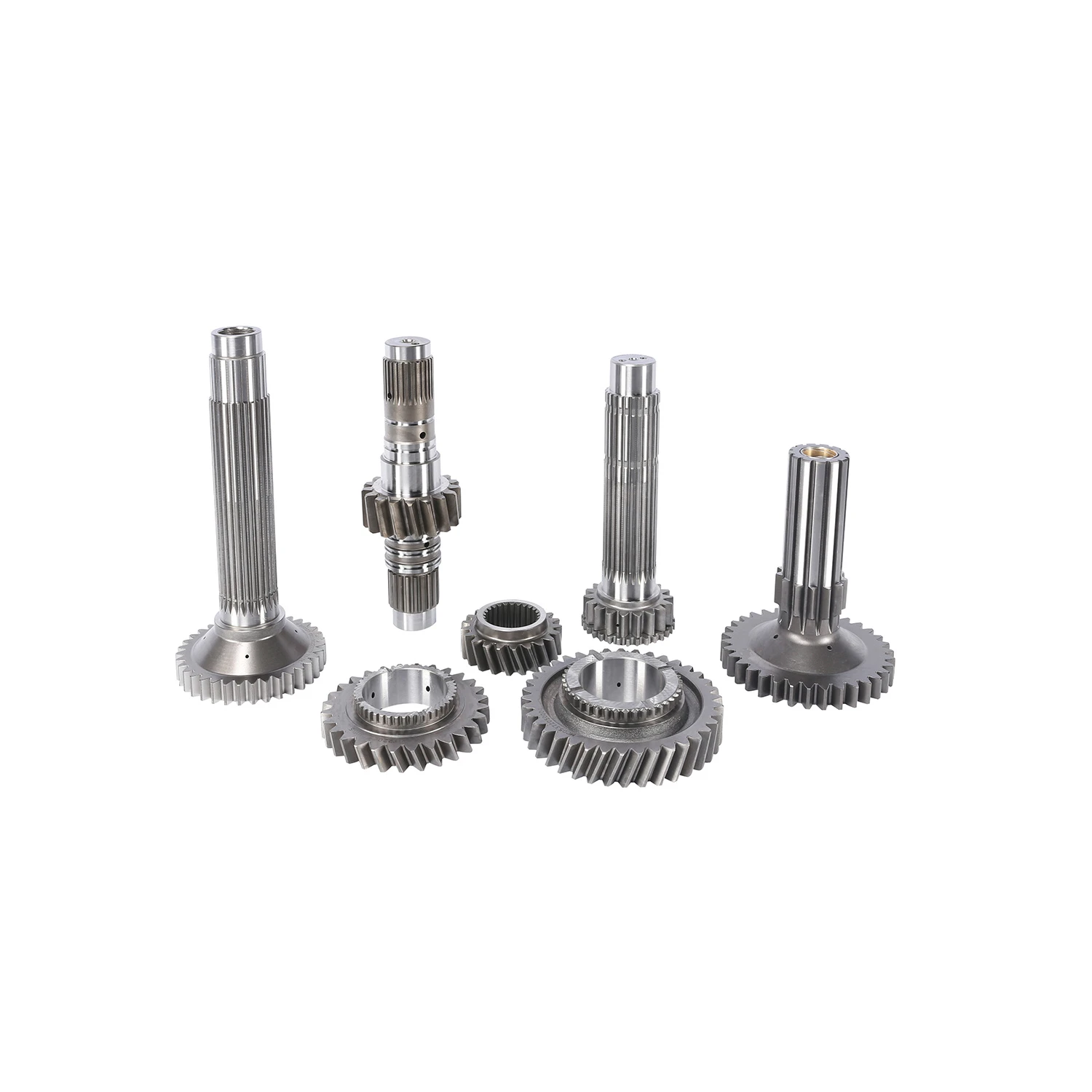 Tractor Gear Shaft
The tractor gear shaft is a crucial element in the power transmission system of a tractor. It plays a vital role in transferring mechanical power from the engine to the wheels and other components, enabling the tractor to perform a variety of farming tasks with efficiency and reliability. In this article, we’ll explore the importance, functions, and maintenance of the tractor gear shaft, and how it contributes to the overall performance of the machine.
-
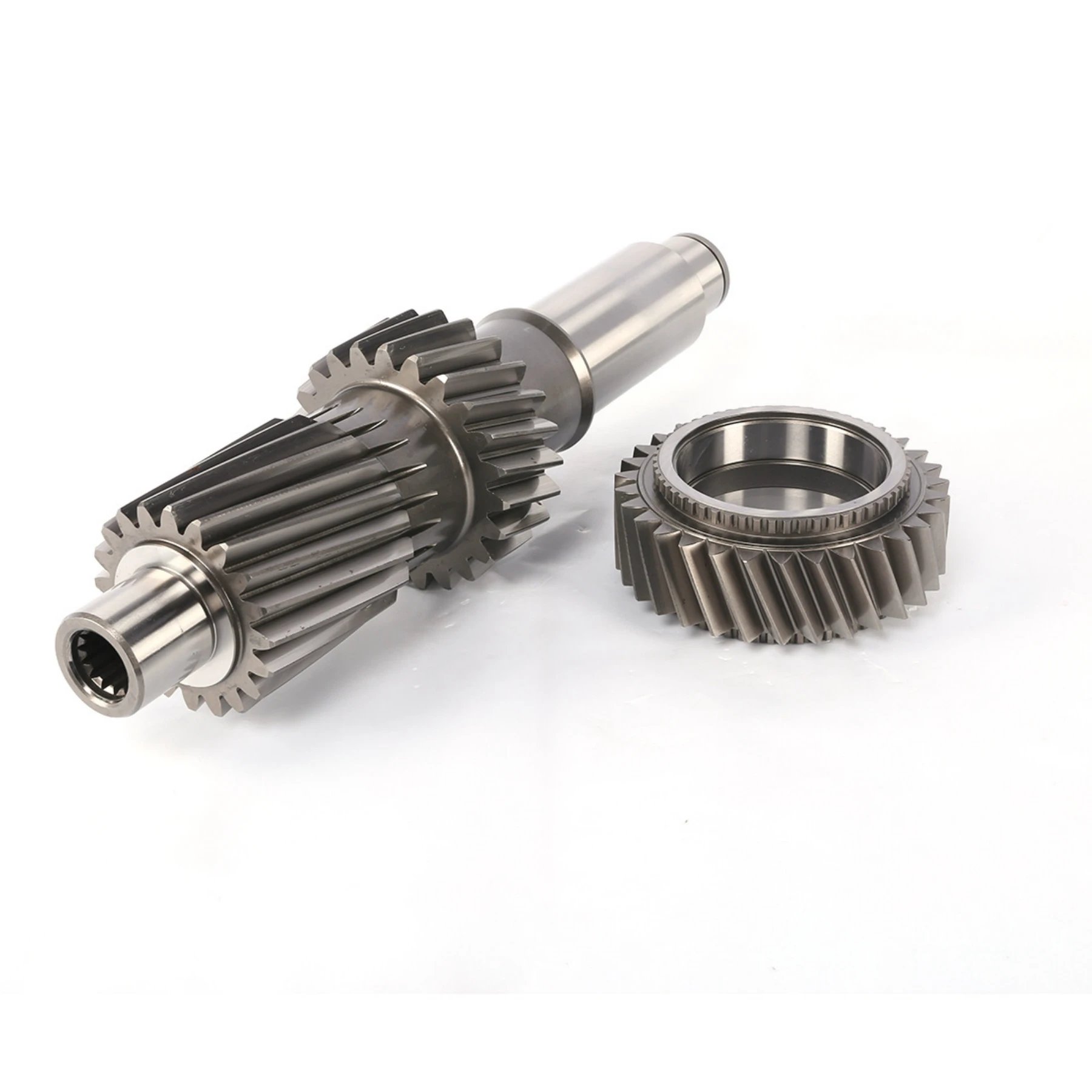 Transmission Gear
Power transmission: the engine operation drives the input gear on the input shaft to rotate, the input gear engages with other gears, and relies on the interaction between teeth and teeth to transfer the power to the intermediate gear (if any) and the output gear, and finally transfers the power to the driving wheel and other components through the output shaft to make the vehicle or equipment move.
Variable speed principle: Change the transmission ratio by meshing gears with different numbers of teeth. For example, when the big gear drives the small gear, the speed of the small gear will be faster than the big gear, but the output torque will be smaller, to achieve growth and torque reduction; On the contrary, when the pinion drives the big gear, the speed of the big gear slows down, the torque increases, and the torque increases. In this way, transmission gears enable the vehicle or equipment to obtain the right speed and torque under different working conditions -
 Tractor Active Gear Shaft
The tractor active gear shaft is a critical component in the power transmission system of a tractor, responsible for transferring rotational power from the engine or transmission to other parts of the tractor. By efficiently distributing torque and enabling smooth gear shifts, the active gear shaft plays a vital role in enhancing the performance and versatility of the tractor, making it essential for a wide range of agricultural tasks. In this article, we’ll explore the function, benefits, and maintenance of the tractor active gear shaft.
-
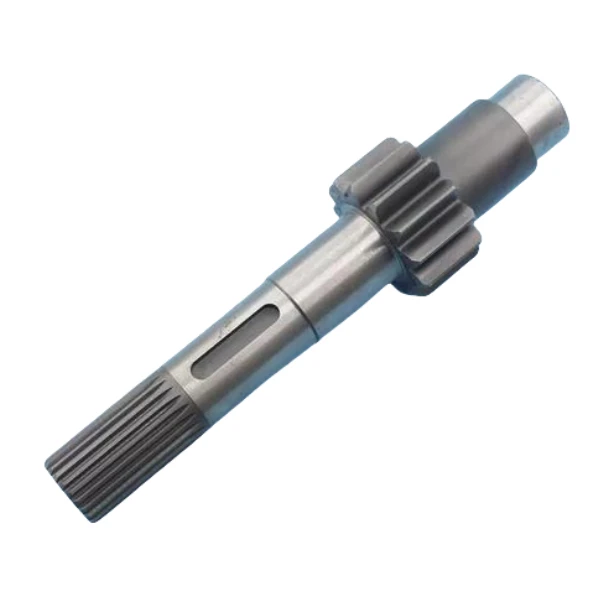 Harvester Input Shaft
The main role of the harvester input shaft is to introduce the power of the external power source into the internal transmission system of the harvester. When the power source (such as an engine) is running, the torque generated is transmitted to the input shaft through the connecting parts, causing the input shaft to start rotating. The gear, pulley or sprocket and other transmission parts installed on the input shaft will rotate with the rotation of the input shaft, and then transfer the power to the subsequent transmission parts and working parts, such as driving the cutting device, conveying device, threshing device, etc., to complete the crop harvesting, conveying, threshing and other work processes.
Related News
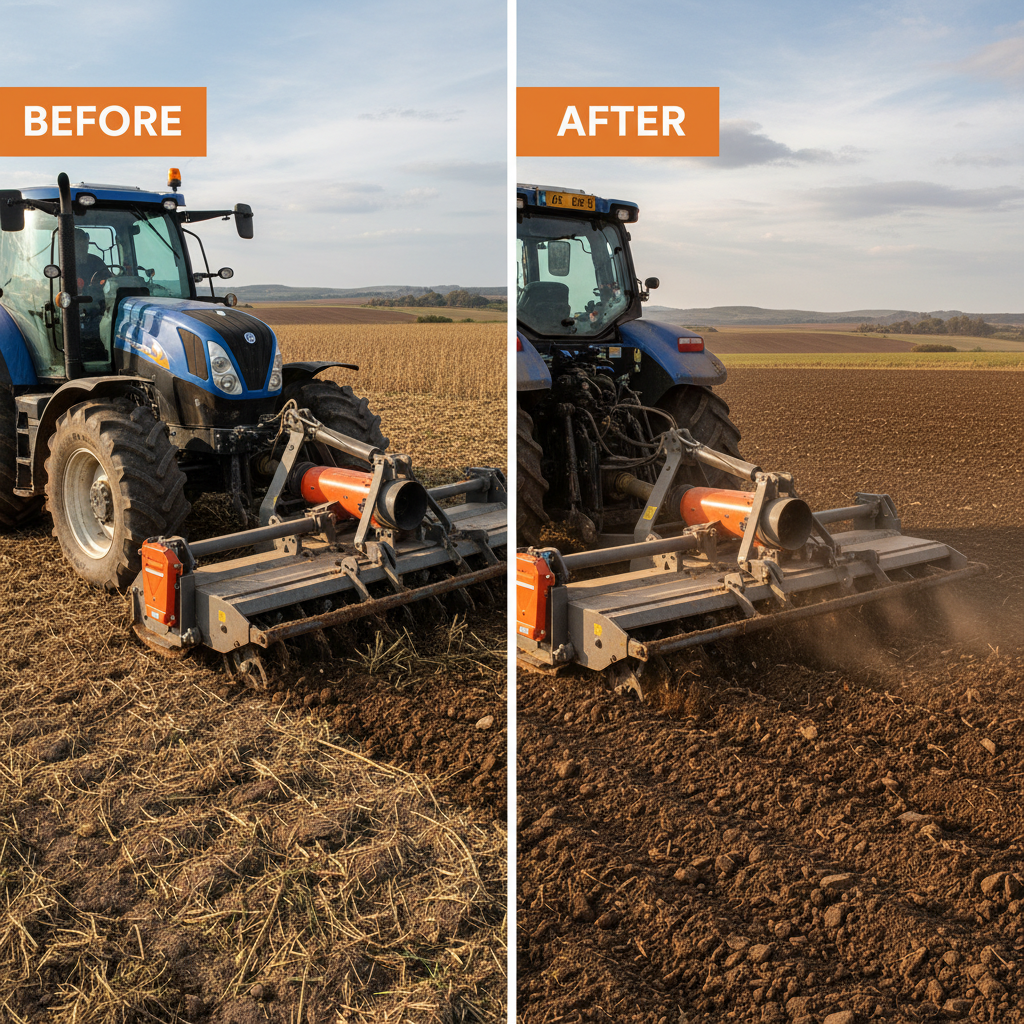
Professional Heavy Duty Tiller for Tractor for Soil Productivity
Achieving the perfect seedbed is the foundation of any successful harvest. For farmers dealing with compacted soil, stubborn crop residue, or expansive acreage, a standard rototiller often falls short. This is where a heavy duty tiller for tractor becomes an essential investment. These robust machines are engineered to penetrate deep into the earth, breaking up hardpan and aerating the soil with unmatched efficiency. By integrating a professional-grade tiller into your machinery lineup, you can significantly reduce preparation time and improve crop yield. In this guide, we will explore the technical advantages, selection criteria, and maintenance tips for choosing the right heavy-duty tilling solution.
>
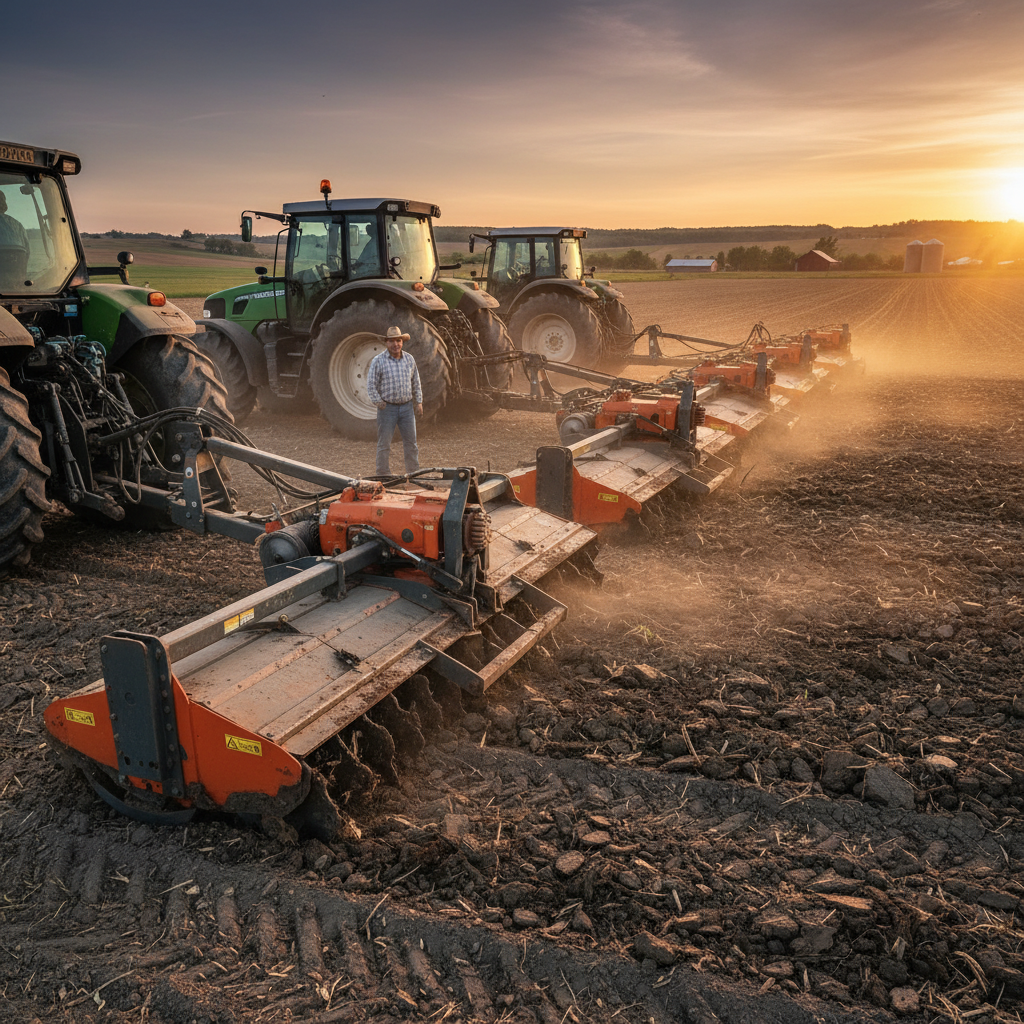
Maximizing Land Productivity with Professional Heavy Duty Tillers
For professional farmers and landscaping contractors, the quality of soil preparation determines the success of the entire growing season. Investing in high-performance heavy duty tillers is essential for breaking through compacted earth, removing stubborn weeds, and integrating organic matter deeply into the soil. Unlike standard garden cultivators, these industrial-grade machines are engineered to handle vast acreages and the most challenging terrain without compromising efficiency. In this guide, we will explore how choosing the right equipment can transform your agricultural output and streamline your land management process.
>
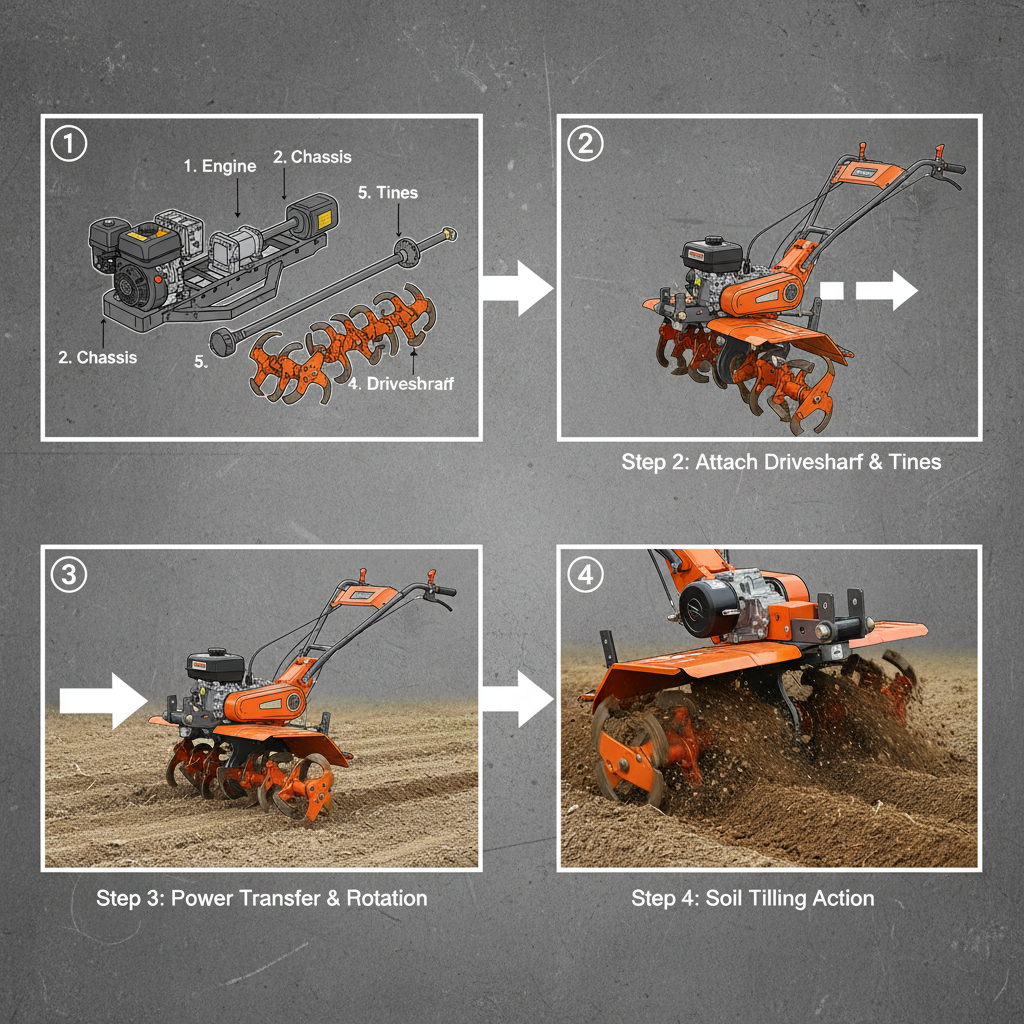
Choosing the Best Heavy Duty Rototiller for Efficient Land Preparation
A heavy duty rototiller is an invaluable tool for anyone involved in serious gardening, small-scale farming, or land preparation. Whether you're breaking new ground, maintaining existing garden beds, or preparing for planting, the right rototiller can significantly reduce labor and improve efficiency. However, with numerous options available, selecting the best model requires careful consideration. This article will guide you through the key factors to consider when purchasing a heavy-duty rototiller, helping you make an informed decision. ZinanMech offers a wide range of rototillers to suit various needs.
>
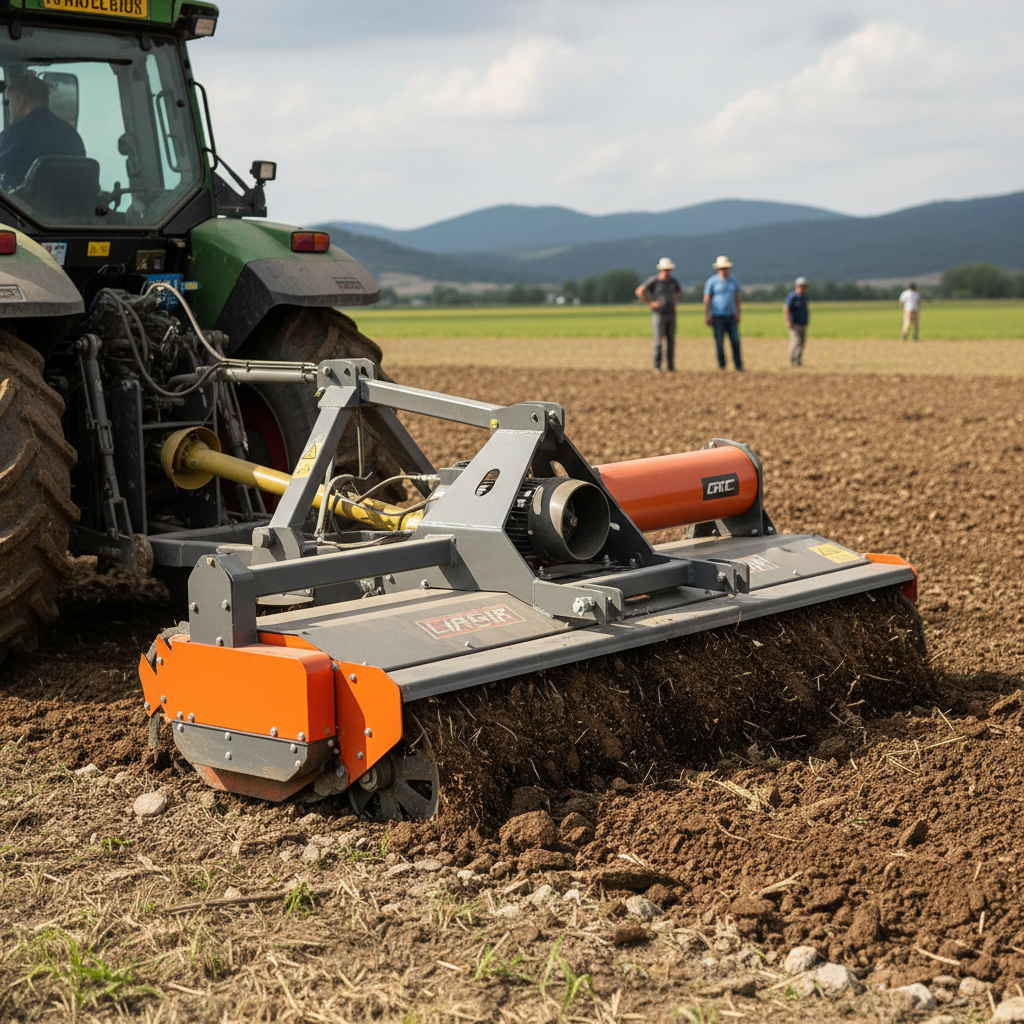
Comprehensive Guide to Heavy Duty Rotary Tiller Selection and Application
When it comes to land preparation, a heavy duty rotary tiller is an invaluable tool. This robust machinery excels at breaking up compacted soil, creating a fine seedbed, and incorporating organic matter. This article dives deep into the world of heavy duty rotary tillers, covering their benefits, applications, key features, and how to choose the right one for your needs. Whether you're a farmer, landscaper, or large-scale gardener, understanding these tillers is essential for efficient and effective soil management.
>
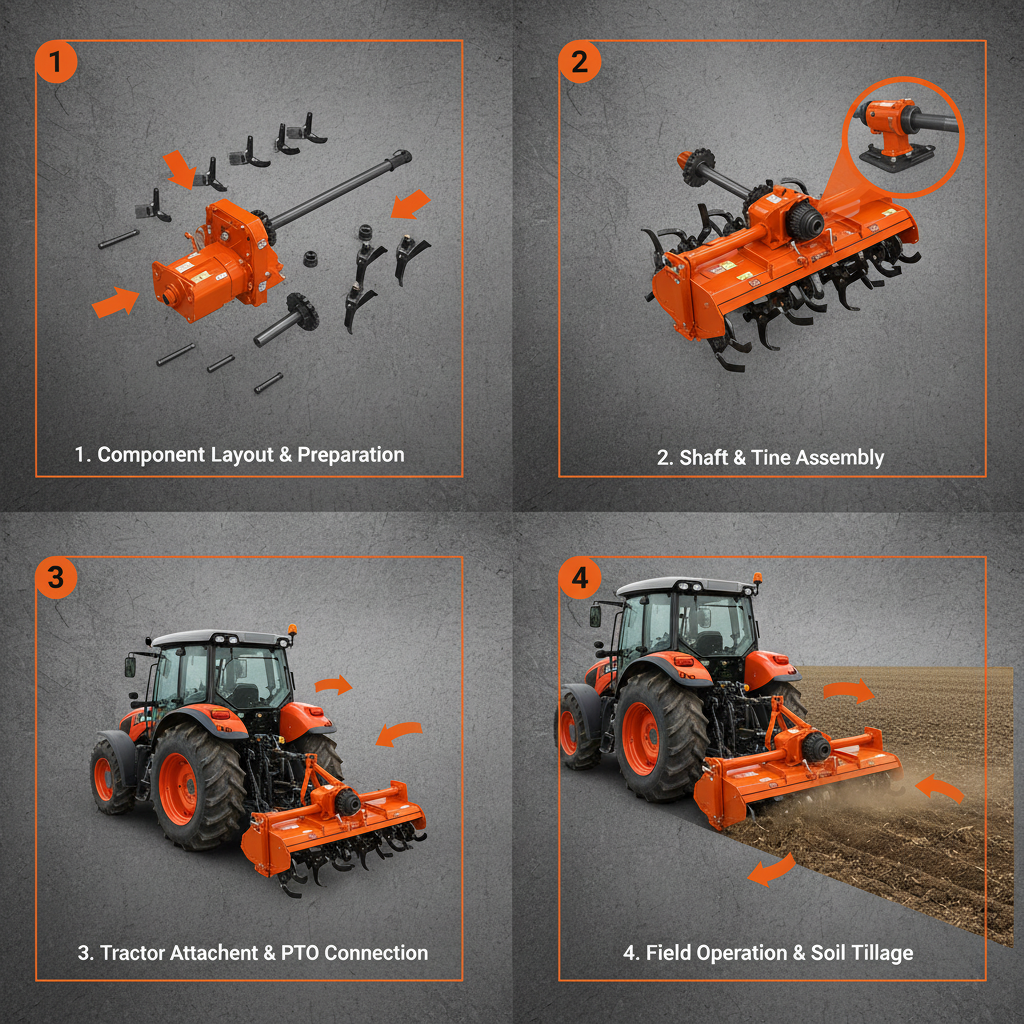
Comprehensive Guide to Selecting the Ideal Farm Tractor Tiller for Your Needs
Selecting the ideal farm tractor tiller is crucial for efficient soil preparation and maximizing agricultural yields. With a diverse range of models available, understanding your needs and the features offered by different tillers is paramount. This article provides a detailed overview of farm tractor tillers, covering their types, benefits, key considerations, and how to choose the right one for your specific farming operation. Proper tillage significantly impacts seedbed quality, weed control, and ultimately, crop performance.
>
Boost Farm Productivity with a High Performance Farm Pro Rotary Tiller
Are you looking to enhance your agricultural productivity and streamline your soil preparation process? A Farm Pro rotary tiller is an invaluable investment for farmers of all scales. This article delves into the benefits, features, applications, and considerations when choosing the right rotary tiller for your farm. We’ll explore how this machinery can significantly reduce labor costs and improve soil quality, ultimately leading to higher yields. From small hobby farms to large-scale commercial operations, a Farm Pro tiller offers a robust and efficient solution for a variety of tilling needs.
>
Unlock Farming Efficiency with a Powerful Agricultural Tiller Solution
In the world of farming and gardening, efficiency and productivity are key. An agricultural tiller is a vital piece of equipment that streamlines soil preparation, saving time and labor. This article dives deep into the world of tillers, exploring their types, benefits, how to choose the right one, and the quality solutions offered by Zinanmech. We’ll cover everything from small garden tillers to heavy-duty agricultural models, ensuring you have the knowledge to make an informed decision. An agricultural tiller, also known as a rotary tiller, is a motorized machine used to break up and cultivate soil. Unlike manual digging or plowing, tillers use rotating blades to loosen the soil, creating a fine, even tilth that's ideal for planting. This process improves soil aeration, drainage, and nutrient availability, leading to healthier plant growth.
>
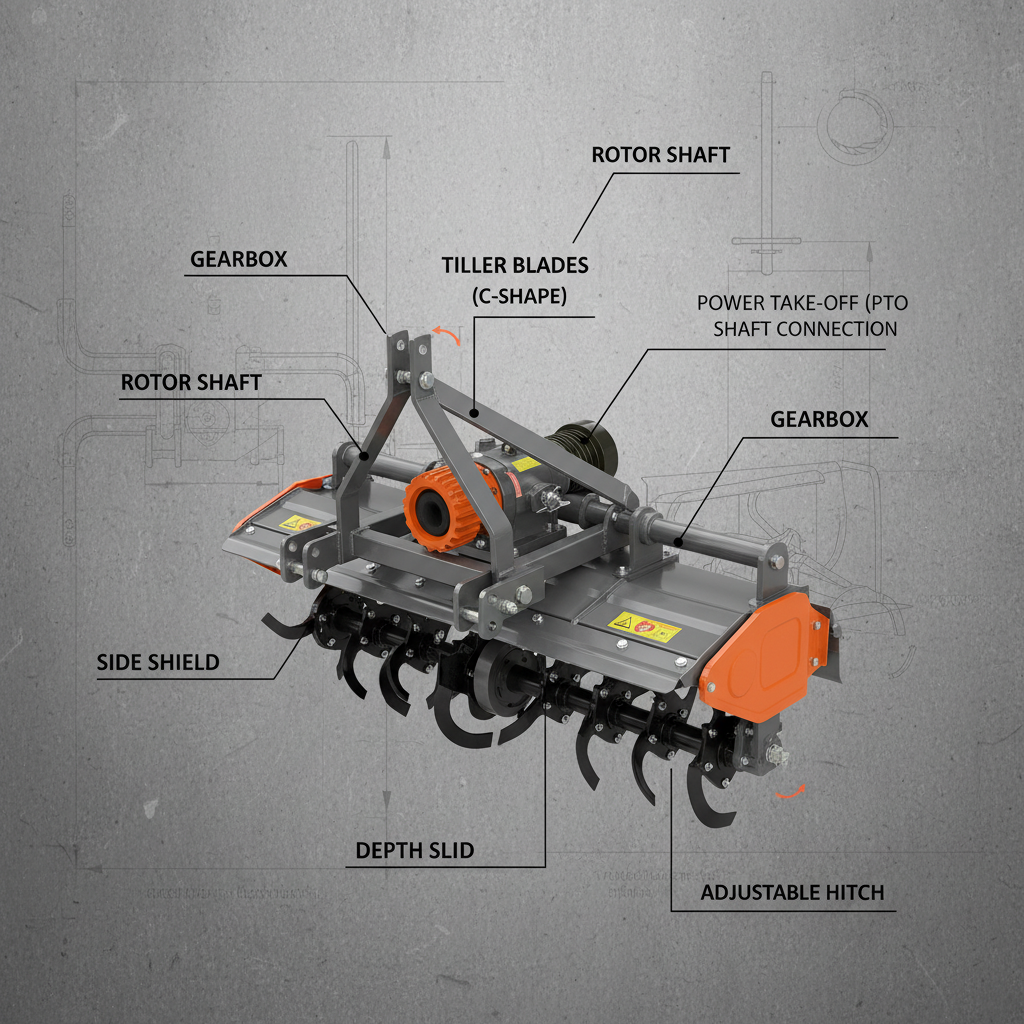
Comprehensive Guide to Agricultural Rotary Tiller Selection and Usage
An agricultural rotary tiller is an essential tool for modern farming, designed to efficiently prepare soil for planting. This powerful machinery significantly reduces labor and time compared to traditional methods. Whether you're a smallholder or manage a large-scale agricultural operation, understanding the benefits and features of a rotary tiller is crucial for maximizing productivity. Choosing the right tiller can transform your land preparation process. This article provides a detailed overview of agricultural rotary tillers, covering their uses, types, benefits, and key considerations when selecting the right model. Modern tillers are available in various sizes and configurations, catering to different farm sizes and soil conditions. Zinanmech provides a range of high-quality rotary tillers designed for optimal performance and durability. An agricultural rotary tiller, also known as a rototiller, is a motorized machine used to prepare agricultural land for cultivation. It works by using rotating blades – typically called tines – to break up, churn, and mix the soil.
>
Comprehensive Guide to Selecting the Ideal Agric Rototiller for Your Farm
Selecting the right agric rototiller is crucial for efficient soil preparation and maximizing crop yields. This guide will explore the different types of rototillers, their applications, and how to choose the best model for your farming needs. We’ll cover everything from small, handheld rototillers to larger, tractor-mounted versions, helping you make an informed decision to enhance your agricultural operations. A well-chosen rototiller significantly reduces manual labor and improves soil quality. Agric rototillers come in various sizes and configurations, each suited for different farming tasks. The main types include: Front-Tine Rototillers, ideal for smaller gardens and breaking up already tilled soil; Rear-Tine Rototillers, offering more power and suitable for larger areas and tougher soil conditions; and Mid-Tine Rototillers, a versatile option for medium-sized farms. Choosing the correct type depends on your farm size, soil type, and the crops you intend to grow.
>

Unlock Farming Efficiency with a Powerful Agri Rototiller for Modern Agriculture
In today's agricultural landscape, efficiency and productivity are paramount. An agri rototiller, also known as a rotary tiller, is an invaluable tool for preparing soil for planting. This versatile machine cultivates, mixes, and levels the soil in a single pass, saving farmers significant time and effort. From small-scale farms to large agricultural operations, the benefits of using a rototiller are numerous. Investing in a quality rototiller is investing in the future success of your harvest. An agri rototiller is a motorized machine designed to break up and aerate soil using rotating blades. These blades, often called tines, churn the soil, creating a fine, even texture ideal for planting seeds or transplanting seedlings. Unlike traditional plowing, rototilling doesn't invert the soil, minimizing disruption to the soil's natural structure.
>
International layout
Spread all over the world
our products are exported to various parts of the world. Currently, our products have been exported to more than 40 countries Our products cover Asia, Europe, Africa, South America, North America, and Oceania
Sign up
for Newsletter
Subscribe to the weekly newsletter for all the latest updates