- Tel: +86 13451474678 / 13451474678
- Email: / hbzinanmech@gmail.com

Agricultural Right Angle Gearbox Design Principles Explained
In the demanding world of agriculture, where rugged terrains, heavy loads, and relentless operation define the daily grind, the unsung heroes within machinery often determine success or costly downtime. Among these critical components, gearboxes stand paramount, acting as the vital translators of engine power into the precise, usable force needed for tilling, planting, harvesting, and processing. Specifically, the agricultural right angle gearbox has emerged as an engineering cornerstone, enabling efficient power transfer in space-constrained applications where a direct drive isn't feasible. Its unique ability to change the direction of power flow by 90 degrees makes it indispensable for countless implements attached to tractors and standalone machines.
In the field of hope, Zinanmech. is like a tough seed, deeply rooted in the fertile soil of global agriculture. Adhering to the corporate philosophy of "Science and technology to promote agriculture, Zinan is at your side", we are committed to introducing the world's leading agricultural machinery and equipment to China, while introducing high-quality Chinese agricultural machinery products to the world, and contributing to the global agricultural modernization. We understand that the reliability of every component, especially the core power transmission elements like gearboxes, directly impacts farm productivity and profitability. That’s why we dedicate ourselves to mastering and delivering advanced gearbox technology built on sound engineering principles, ensuring your equipment operates at peak performance when it matters most. Product quality assurance: All our products are subject to strict quality inspection to ensure compliance with international standards and industry norms. During the quality assurance period, if there is a failure caused by quality problems, We will promptly repair or replace parts for customers to ensure the normal operation of the equipment.
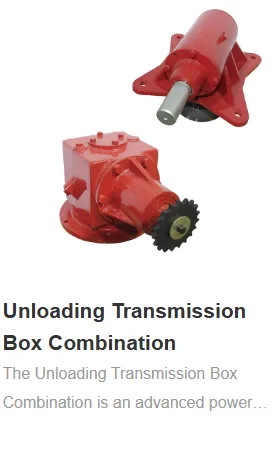
Understanding the Core Functions of the Agricultural Machine Gearbox
The agricultural machine gearbox is the fundamental power transmission unit found at the heart of virtually every piece of mechanized farming equipment. Its primary role transcends simple speed reduction or increase; it's about intelligently adapting the raw power generated by the engine (or an external PTO) into the specific torque, speed, and rotational direction required by the working components – be it the rotating tines of a tiller, the auger in a grain cart, the blades on a mower conditioner, or the pumps in irrigation systems. This adaptation is crucial because engines typically operate efficiently within a narrow speed range, while the implements they drive demand vastly different operational parameters. A well-designed agricultural machine gearbox acts as a sophisticated intermediary, optimizing engine output for the task at hand, maximizing fuel efficiency, and protecting both the power source and the driven implement from damaging stress or overload. Modern designs focus on achieving this with minimal energy loss through friction, heat generation, or vibration. Furthermore, these gearboxes must be incredibly robust to withstand the punishing environments of agriculture: exposure to dust, dirt, moisture, chemical residues, and significant shock loads from uneven terrain or encountering rocks and roots. Durability, sealed integrity against contaminants, and ease of maintenance are non-negotiable design priorities for any agricultural machine gearbox intended for reliable, long-term service in the field.
The Critical Role of the Agricultural PTO Gearbox in Power Delivery
The Power Take-Off (PTO) shaft is the universal lifeline connecting a tractor's engine to a vast array of implements. However, the PTO shaft typically delivers power in a straight line, parallel to the tractor's direction of travel. This is where the agricultural PTO gearbox becomes essential. It serves as the critical interface, taking the high-speed, high-torque rotational power from the tractor's PTO shaft and converting it into the usable form needed by the specific implement. Crucially, many implements require the power direction to be changed – often by 90 degrees – to drive components like augers, baler pickups, flail mower rotors, or feed mixers that operate perpendicular to the tractor's motion. The agricultural PTO gearbox excels at this task. Beyond directional change, it also provides the necessary speed reduction and torque multiplication. For example, a forage harvester needs immense torque at relatively low speed to chop crop material, while a centrifugal pump might require higher speeds. The agricultural PTO gearbox is meticulously engineered to handle these demanding power transmission tasks safely and efficiently. It incorporates robust bearings and shafts capable of managing high input loads, effective sealing to prevent lubricant leakage and contamination ingress (a major cause of premature failure), and often features mounting provisions designed for secure attachment to the implement frame, ensuring alignment and minimizing stress. Its reliability directly dictates the uptime and productivity of the entire implement-tractor system.
Design Excellence: Principles Behind the Robust Agricultural Right Angle Gearbox
The agricultural right angle gearbox represents a specialized and highly optimized category within agricultural machine gearboxes, specifically engineered for that critical 90-degree power turn required in countless applications. Its design is governed by fundamental principles focused on durability, efficiency, and seamless integration within the harsh realities of farm work. Let's delve into the core design philosophies:
Uncompromising Robustness & Structural Integrity: At the foundation lies the housing. Cast from high-grade iron or alloy steel, it's engineered not just to contain the gears and bearings, but to provide exceptional structural rigidity. This robust housing acts as the backbone, absorbing and distributing the immense operational stresses, shock loads, and torsional forces encountered during heavy fieldwork. High rigidity prevents housing deflection under load, which is critical for maintaining precise gear alignment and bearing preload. Misalignment, even minute, accelerates wear dramatically and leads to premature failure. The housing design also incorporates strategic ribbing and reinforced mounting points to further enhance strength and minimize vibration transmission.
Optimized Compactness & Space Efficiency: Farm machinery design is a constant battle for space. Implements need to be maneuverable, transportable, and often foldable. A bulky gearbox can be a major constraint. Therefore, designing a agricultural right angle gearbox involves meticulous optimization for compactness without sacrificing power density or strength. This means efficient internal layout, minimizing unnecessary material while ensuring adequate wall thickness in high-stress areas, and designing streamlined external shapes that fit within tight confines. Compactness also contributes to weight reduction, improving fuel efficiency and ease of handling during maintenance or installation.
Precision Gear Design & Engagement: The heart of power transmission lies in the gears. Agricultural right angle gearboxes predominantly utilize straight-tooth bevel gears for the 90-degree turn. While slightly noisier than spiral bevel gears, straight teeth offer significant advantages in agriculture: superior robustness, easier manufacturability leading to cost-effectiveness, and excellent load-bearing capacity, especially for shock loads common in the field. Precision machining is paramount. Gears must be cut to exacting tolerances to ensure smooth meshing with minimal backlash (the slight gap between teeth). Smooth meshing minimizes vibration, noise, and heat generation, translating directly into higher transmission efficiency, reduced wear, and longer component life. Advanced heat treatment processes, like carburizing and hardening, are applied to gear teeth surfaces to create an extremely hard, wear-resistant outer layer while maintaining a tough, shock-absorbent core.
Advanced Bearing Technology & Lubrication: Supporting the rotating shafts and gears are high-capacity, precision bearings. These are carefully selected based on load calculations (radial, axial, and combined) and expected operating speeds. Sealed, pre-lubricated bearings are often preferred to prevent contamination and extend service intervals. Proper lubrication is the lifeblood of the gearbox. Designs ensure optimal oil flow to all critical contact points (gear teeth, bearings). High-performance, extreme-pressure (EP) lubricants formulated for agricultural use are essential to withstand heavy loads, prevent metal-to-metal contact under boundary conditions, and resist degradation from heat and moisture ingress. Effective sealing systems (lip seals, labyrinth seals, sometimes combined) around shafts and housing joints are critical to keep lubricant in and abrasive contaminants (dirt, dust, water, crop residue) out.
Thermal Management & Sealing: Efficient power transmission inevitably generates heat. Designs incorporate features to dissipate this heat, such as finned housings to increase surface area for air cooling. In extremely high-load applications, consideration might even be given to oil coolers. As mentioned, sealing is paramount. Modern agricultural right angle gearboxes employ multi-layered sealing strategies tailored to the specific environmental threats they face. This ensures long lubricant life and protects internal components from the abrasive and corrosive elements prevalent in agriculture.
Key Features of Our High-Performance Agricultural Right Angle Gearbox
To illustrate how these design principles translate into tangible product advantages, here are the core features of our engineered solution:
|
Feature |
Description |
|
Robust Housing with High Rigidity |
The transmission box features a strong and durable housing, ensuring exceptional structural integrity. Its rigid design enhances reliability under heavy workloads, making it suitable for demanding agricultural environments. Cast from high-grade materials with strategic reinforcement, it effectively absorbs shock loads and prevents deflection, safeguarding internal components. |
|
Compact and Efficient Design |
The compact structure of the box allows for seamless integration into machinery. Its streamlined construction optimizes performance while saving valuable installation space. This space-saving design enhances implement maneuverability and versatility without compromising on power transmission capability or durability. |
|
Precision Gear Engagement |
Using straight-tooth bevel gear engagement, the transmission box ensures smooth and stable power transmission. This design minimizes mechanical losses (friction, vibration, heat) and enhances operational efficiency. Precision machining and heat treatment guarantee reliable torque transfer and extended service life even under high-stress conditions. |
FAQs About Agricultural Right Angle Gearboxes
What are the key advantages of an agricultural machine gearbox?
Agricultural machine gearboxes are fundamental because they provide the critical interface between the power source (engine or PTO) and the working parts of the implement. Their key advantages include optimized power conversion (transforming engine speed/torque into exactly what the implement needs), enhanced efficiency (minimizing energy losses during transmission), durability under harsh conditions (built to withstand dust, dirt, moisture, shock loads), and versatility (enabling a single power source to run countless different implements). A high-quality agricultural machine gearbox significantly boosts overall equipment productivity, reduces fuel consumption per task, and minimizes downtime by offering reliable performance season after season. Choosing one designed with robust materials and precision engineering, like those adhering to the principles outlined above, directly translates to lower operating costs and higher farm output.
How does an agricultural PTO gearbox improve efficiency?
An agricultural PTO gearbox is pivotal for efficiency in several ways. Firstly, it enables the precise direction change (typically 90 degrees) required to align the tractor's PTO power with the implement's drive mechanism, eliminating complex and lossy linkage systems. Secondly, it provides the correct speed reduction and torque multiplication needed for the specific task – a baler needs high torque at low speed, while a sprayer pump needs higher speed. By delivering this optimized power match, the gearbox ensures the engine operates within its most efficient range, preventing over-revving or lugging. Thirdly, modern agricultural PTO gearboxes are designed for minimal mechanical losses through precision gear engagement, high-quality bearings, and effective lubrication. This means more of the tractor's horsepower is delivered as useful work to the implement, reducing fuel consumption and wear on both the tractor and implement.
Why choose a agricultural right angle gearbox ?
The agricultural right angle gearbox is chosen primarily for its space-saving capability and mechanical simplicity in achieving a 90-degree power turn. In the confined spaces typical of agricultural machinery frames and implements, routing drive shafts in straight lines is often impossible. A right-angle design provides the most compact and direct solution. Furthermore, compared to complex universal joint setups or chain/belt drives achieving the same directional change, a well-engineered agricultural right angle gearbox offers superior reliability, durability, and power transmission efficiency. It handles high torque loads more effectively, is less prone to slippage or wear under shock conditions, requires less maintenance, and provides a more positive, consistent drive. Its robust construction is inherently better suited to the dirty, high-vibration environment of farming than many alternatives.
How durable are Zinanmech agricultural right angle gearboxes?
Zinanmech agricultural right angle gearboxes are engineered for exceptional durability, directly reflecting the design principles discussed. Durability stems from: Premium Materials – High-grade castings for the housing and alloy steel for gears and shafts; Precision Manufacturing – Accurate gear cutting and heat treatment for maximum strength and wear resistance; Robust Bearing Systems – High-capacity bearings selected for agricultural loads and speeds; Superior Sealing – Multi-layered seals effectively excluding contaminants and retaining lubricant; Rigid Housing – Designed to resist deflection under extreme loads. Combined with strict quality control adhering to international standards, this results in gearboxes built to endure the toughest farming conditions, minimizing failures and maximizing lifespan. Our quality assurance commitment – prompt repair or replacement for any failure caused by quality issues during the warranty period – further underscores our confidence in their durability.
What makes your agricultural machine gearboxes stand out?
Our agricultural machine gearboxes stand out due to a relentless focus on performance, reliability, and value rooted in core design excellence. Key differentiators include: Adherence to Robust Design Principles – Following the principles of high rigidity, compact efficiency, and precision engagement outlined in this article; Superior Component Quality – Utilizing high-grade materials and precision components throughout; Rigorous Testing & Quality Control – Every unit undergoes strict inspection against international standards; Optimized for Real-World Farming – Designed specifically for the dust, dirt, shock loads, and continuous operation of agriculture; Comprehensive Support – Backed by our global commitment to agricultural advancement ("Science and technology to promote agriculture, Zinan is at your side") and our concrete quality assurance promise for peace of mind. We deliver gearboxes that aren't just components, but reliable partners in maximizing your farm's productivity and efficiency year after year.
Investing in Power, Efficiency, and Reliability
The agricultural right angle gearbox is far more than a simple mechanical component; it's a sophisticated engineering solution enabling the efficient, reliable transfer of vital power within the demanding world of modern farming. Understanding the core design principles – robust housing, compact efficiency, precision gear engagement, advanced bearing and lubrication systems, and superior sealing – empowers farmers and equipment manufacturers to make informed choices. These principles directly translate into tangible benefits: reduced downtime, lower operating costs (fuel, maintenance), increased implement productivity, and ultimately, a stronger bottom line.
At Zinanmech, we embody these principles in every agricultural machine gearbox and agricultural PTO gearbox we develop and deliver. We stand as your dedicated partner, deeply rooted in the fertile soil of global agriculture, committed to providing the advanced, reliable transmission solutions that keep your operations running smoothly. Our philosophy, "Science and technology to promote agriculture, Zinan is at your side," drives us to continuously innovate and ensure the highest standards of quality and support. When you choose our agricultural right angle gearbox solutions, you're choosing power transmitted with precision, durability built to last, and the assurance of a partner invested in your success. Explore our range and experience the Zinanmech difference – where engineering excellence meets unwavering commitment to the future of farming.

Related Products
-
 Tractor Gear Shaft
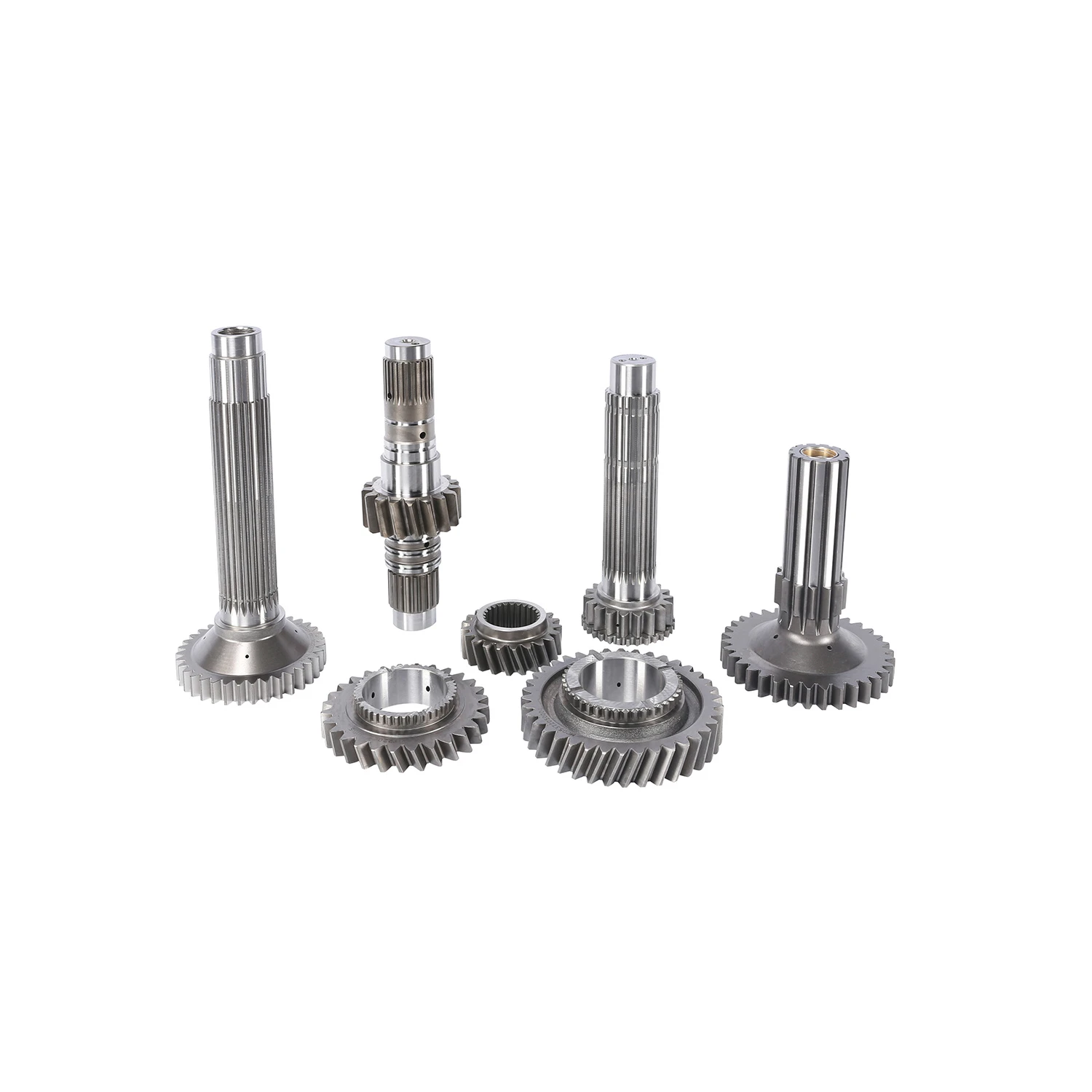
The tractor gear shaft is a crucial element in the power transmission system of a tractor. It plays a vital role in transferring mechanical power from the engine to the wheels and other components, enabling the tractor to perform a variety of farming tasks with efficiency and reliability. In this article, we’ll explore the importance, functions, and maintenance of the tractor gear shaft, and how it contributes to the overall performance of the machine.
-
 Transmission Gear
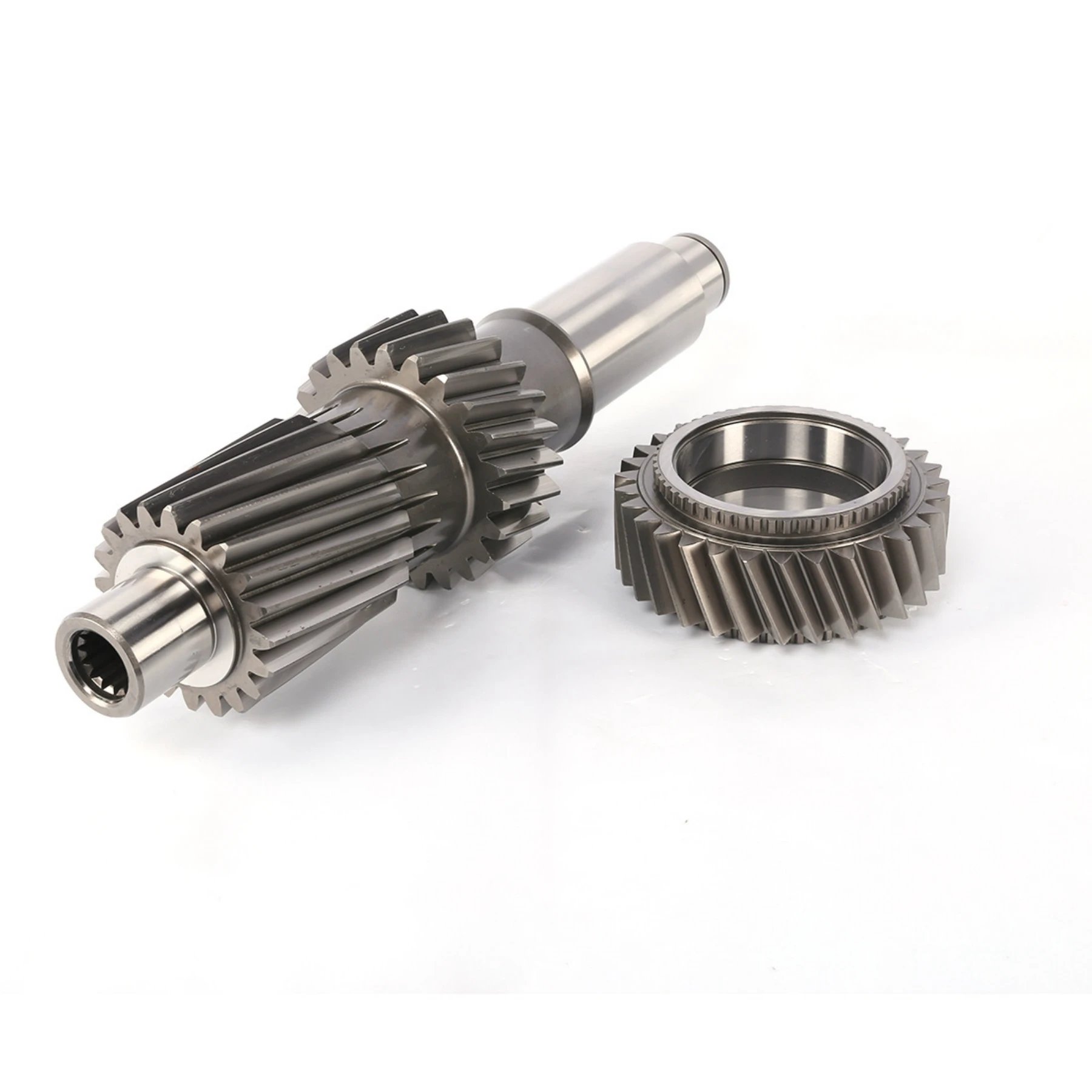
Power transmission: the engine operation drives the input gear on the input shaft to rotate, the input gear engages with other gears, and relies on the interaction between teeth and teeth to transfer the power to the intermediate gear (if any) and the output gear, and finally transfers the power to the driving wheel and other components through the output shaft to make the vehicle or equipment move.
Variable speed principle: Change the transmission ratio by meshing gears with different numbers of teeth. For example, when the big gear drives the small gear, the speed of the small gear will be faster than the big gear, but the output torque will be smaller, to achieve growth and torque reduction; On the contrary, when the pinion drives the big gear, the speed of the big gear slows down, the torque increases, and the torque increases. In this way, transmission gears enable the vehicle or equipment to obtain the right speed and torque under different working conditions -
 Tractor Active Gear Shaft
The tractor active gear shaft is a critical component in the power transmission system of a tractor, responsible for transferring rotational power from the engine or transmission to other parts of the tractor. By efficiently distributing torque and enabling smooth gear shifts, the active gear shaft plays a vital role in enhancing the performance and versatility of the tractor, making it essential for a wide range of agricultural tasks. In this article, we’ll explore the function, benefits, and maintenance of the tractor active gear shaft.
-
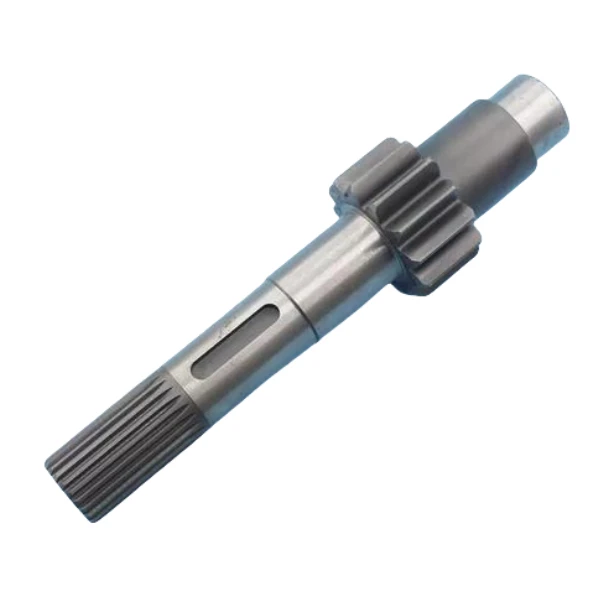 Harvester Input Shaft
The main role of the harvester input shaft is to introduce the power of the external power source into the internal transmission system of the harvester. When the power source (such as an engine) is running, the torque generated is transmitted to the input shaft through the connecting parts, causing the input shaft to start rotating. The gear, pulley or sprocket and other transmission parts installed on the input shaft will rotate with the rotation of the input shaft, and then transfer the power to the subsequent transmission parts and working parts, such as driving the cutting device, conveying device, threshing device, etc., to complete the crop harvesting, conveying, threshing and other work processes.
Related News
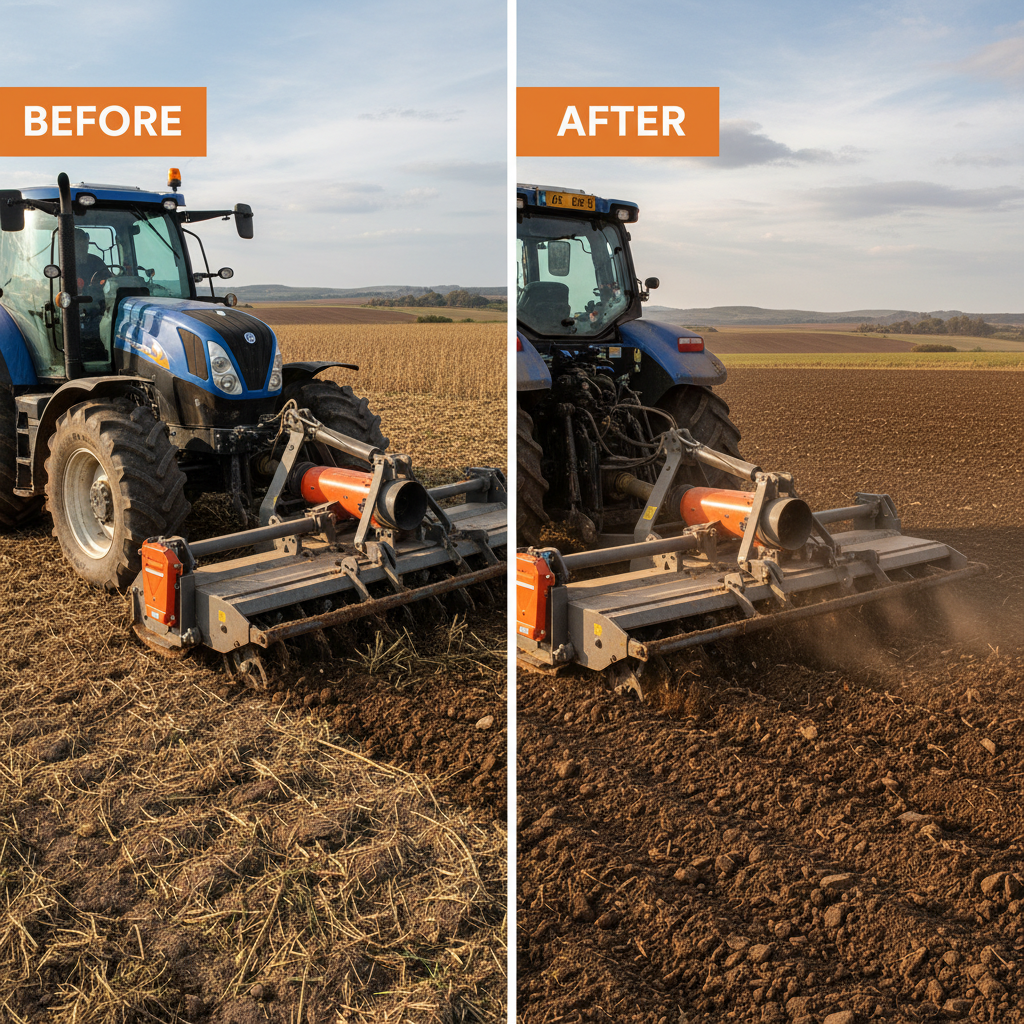
Professional Heavy Duty Tiller for Tractor for Soil Productivity
Achieving the perfect seedbed is the foundation of any successful harvest. For farmers dealing with compacted soil, stubborn crop residue, or expansive acreage, a standard rototiller often falls short. This is where a heavy duty tiller for tractor becomes an essential investment. These robust machines are engineered to penetrate deep into the earth, breaking up hardpan and aerating the soil with unmatched efficiency. By integrating a professional-grade tiller into your machinery lineup, you can significantly reduce preparation time and improve crop yield. In this guide, we will explore the technical advantages, selection criteria, and maintenance tips for choosing the right heavy-duty tilling solution.
>
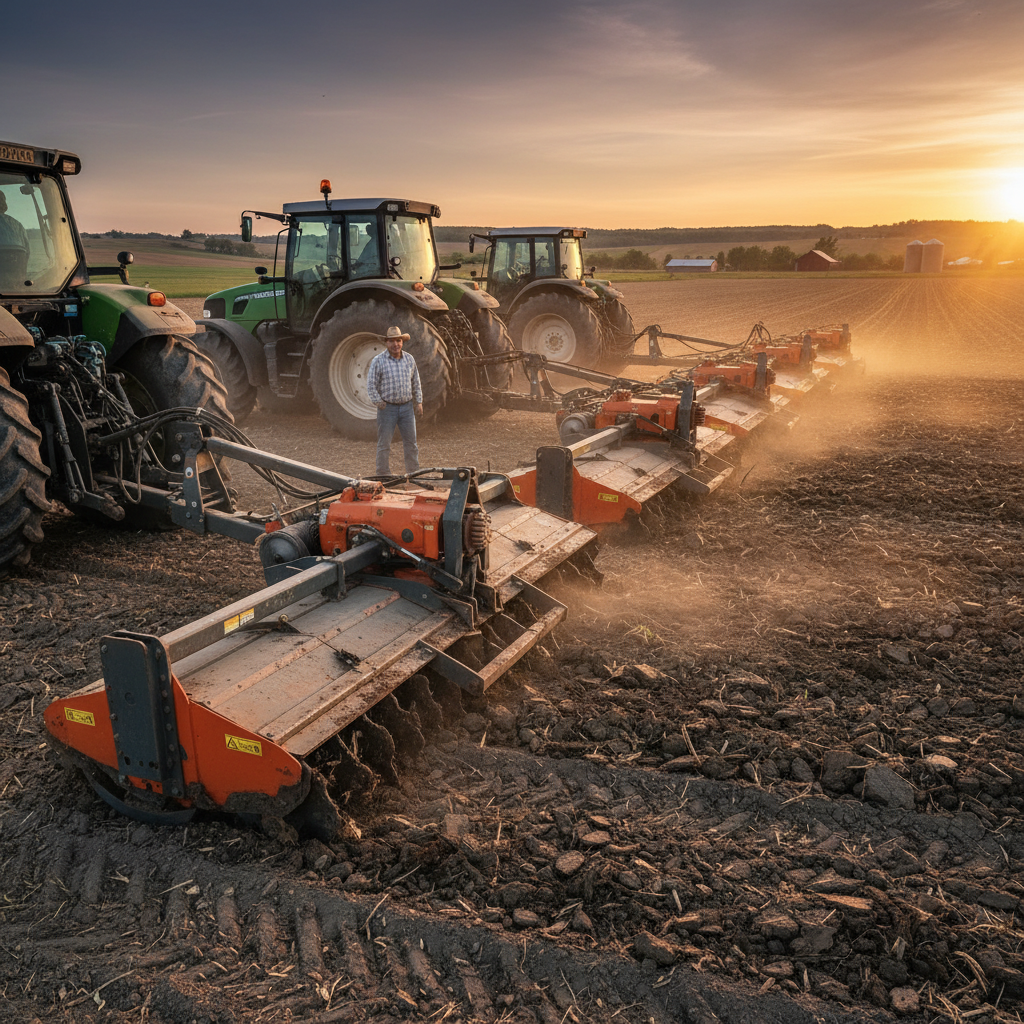
Maximizing Land Productivity with Professional Heavy Duty Tillers
For professional farmers and landscaping contractors, the quality of soil preparation determines the success of the entire growing season. Investing in high-performance heavy duty tillers is essential for breaking through compacted earth, removing stubborn weeds, and integrating organic matter deeply into the soil. Unlike standard garden cultivators, these industrial-grade machines are engineered to handle vast acreages and the most challenging terrain without compromising efficiency. In this guide, we will explore how choosing the right equipment can transform your agricultural output and streamline your land management process.
>
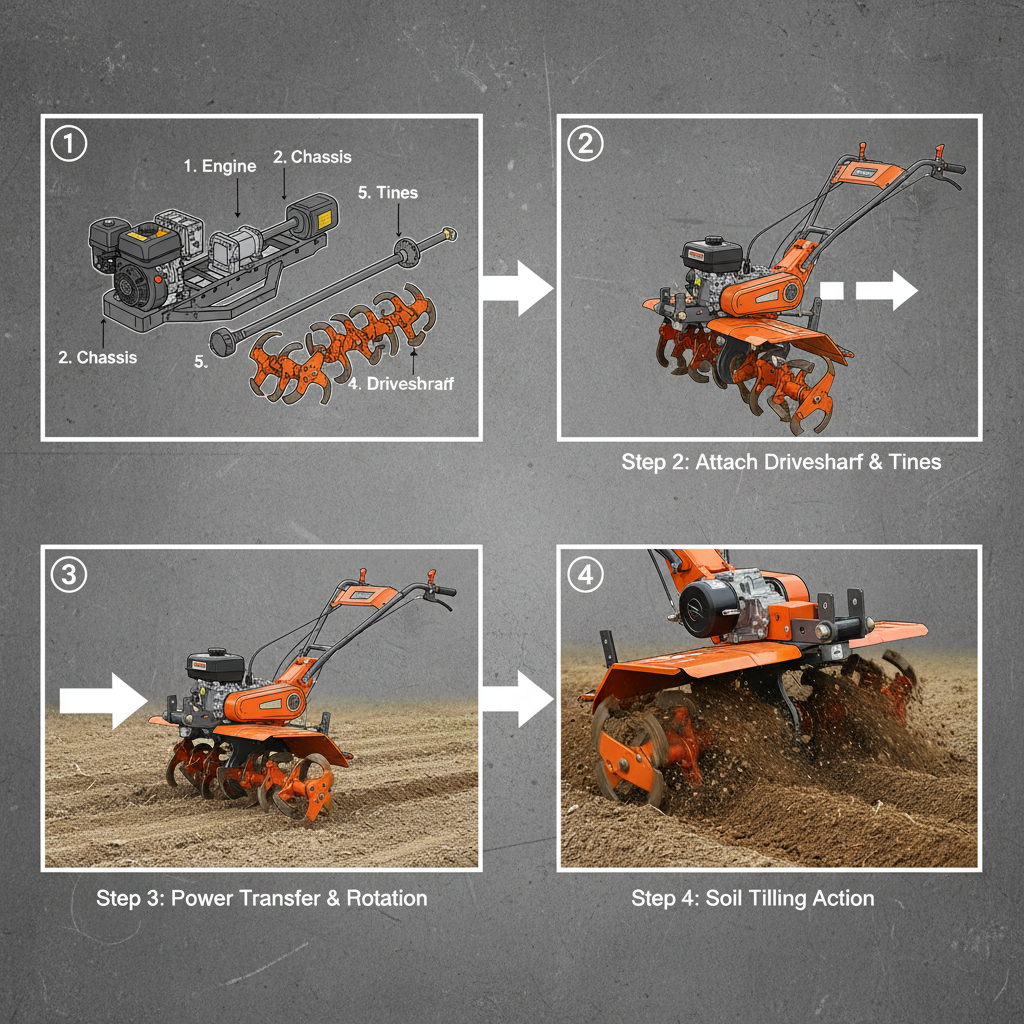
Choosing the Best Heavy Duty Rototiller for Efficient Land Preparation
A heavy duty rototiller is an invaluable tool for anyone involved in serious gardening, small-scale farming, or land preparation. Whether you're breaking new ground, maintaining existing garden beds, or preparing for planting, the right rototiller can significantly reduce labor and improve efficiency. However, with numerous options available, selecting the best model requires careful consideration. This article will guide you through the key factors to consider when purchasing a heavy-duty rototiller, helping you make an informed decision. ZinanMech offers a wide range of rototillers to suit various needs.
>
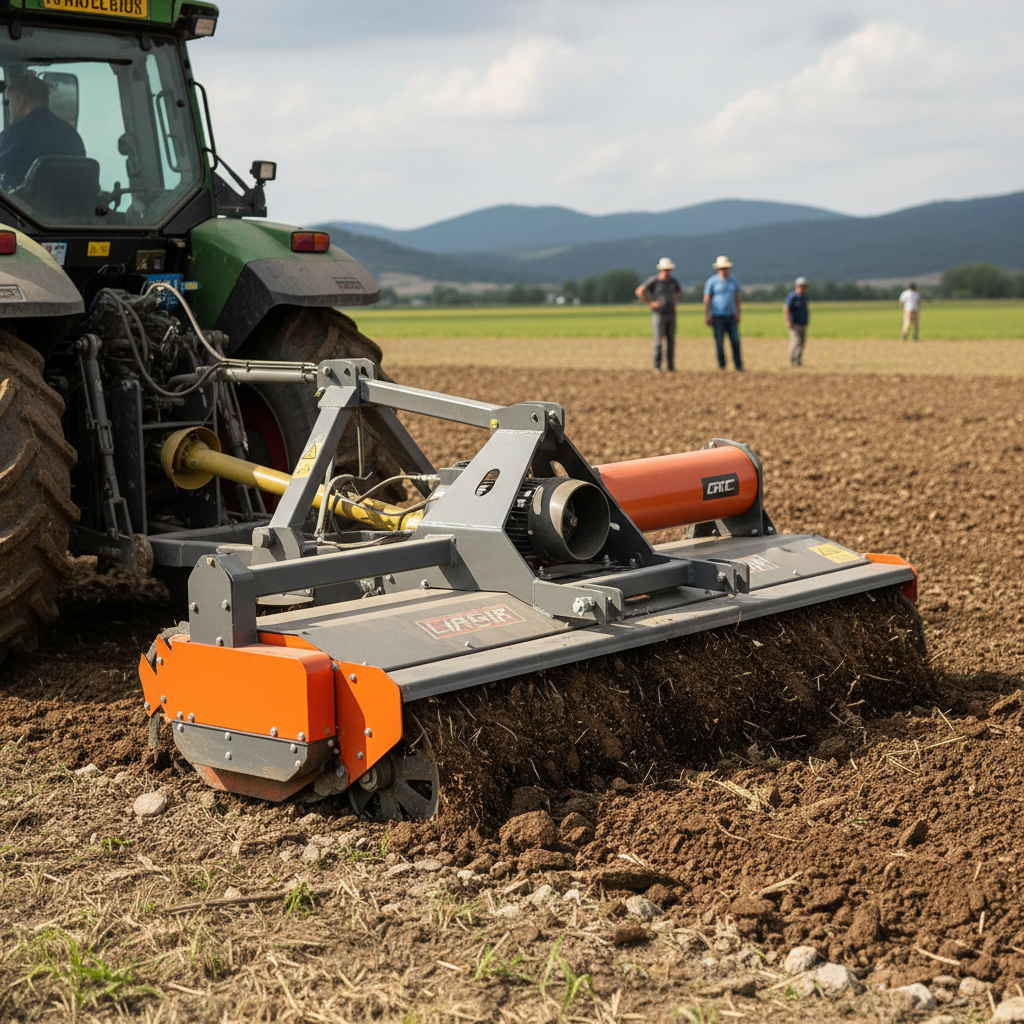
Comprehensive Guide to Heavy Duty Rotary Tiller Selection and Application
When it comes to land preparation, a heavy duty rotary tiller is an invaluable tool. This robust machinery excels at breaking up compacted soil, creating a fine seedbed, and incorporating organic matter. This article dives deep into the world of heavy duty rotary tillers, covering their benefits, applications, key features, and how to choose the right one for your needs. Whether you're a farmer, landscaper, or large-scale gardener, understanding these tillers is essential for efficient and effective soil management.
>
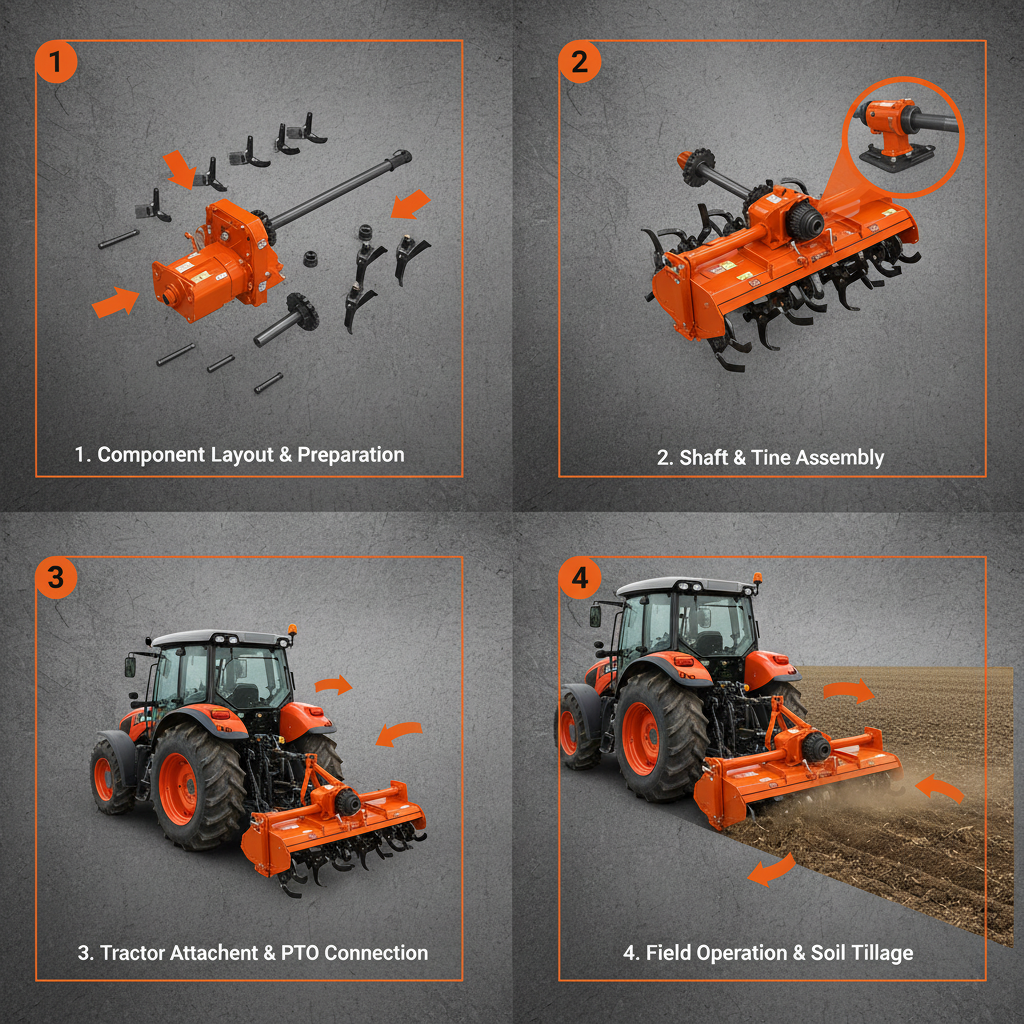
Comprehensive Guide to Selecting the Ideal Farm Tractor Tiller for Your Needs
Selecting the ideal farm tractor tiller is crucial for efficient soil preparation and maximizing agricultural yields. With a diverse range of models available, understanding your needs and the features offered by different tillers is paramount. This article provides a detailed overview of farm tractor tillers, covering their types, benefits, key considerations, and how to choose the right one for your specific farming operation. Proper tillage significantly impacts seedbed quality, weed control, and ultimately, crop performance.
>
Boost Farm Productivity with a High Performance Farm Pro Rotary Tiller
Are you looking to enhance your agricultural productivity and streamline your soil preparation process? A Farm Pro rotary tiller is an invaluable investment for farmers of all scales. This article delves into the benefits, features, applications, and considerations when choosing the right rotary tiller for your farm. We’ll explore how this machinery can significantly reduce labor costs and improve soil quality, ultimately leading to higher yields. From small hobby farms to large-scale commercial operations, a Farm Pro tiller offers a robust and efficient solution for a variety of tilling needs.
>
Unlock Farming Efficiency with a Powerful Agricultural Tiller Solution
In the world of farming and gardening, efficiency and productivity are key. An agricultural tiller is a vital piece of equipment that streamlines soil preparation, saving time and labor. This article dives deep into the world of tillers, exploring their types, benefits, how to choose the right one, and the quality solutions offered by Zinanmech. We’ll cover everything from small garden tillers to heavy-duty agricultural models, ensuring you have the knowledge to make an informed decision. An agricultural tiller, also known as a rotary tiller, is a motorized machine used to break up and cultivate soil. Unlike manual digging or plowing, tillers use rotating blades to loosen the soil, creating a fine, even tilth that's ideal for planting. This process improves soil aeration, drainage, and nutrient availability, leading to healthier plant growth.
>
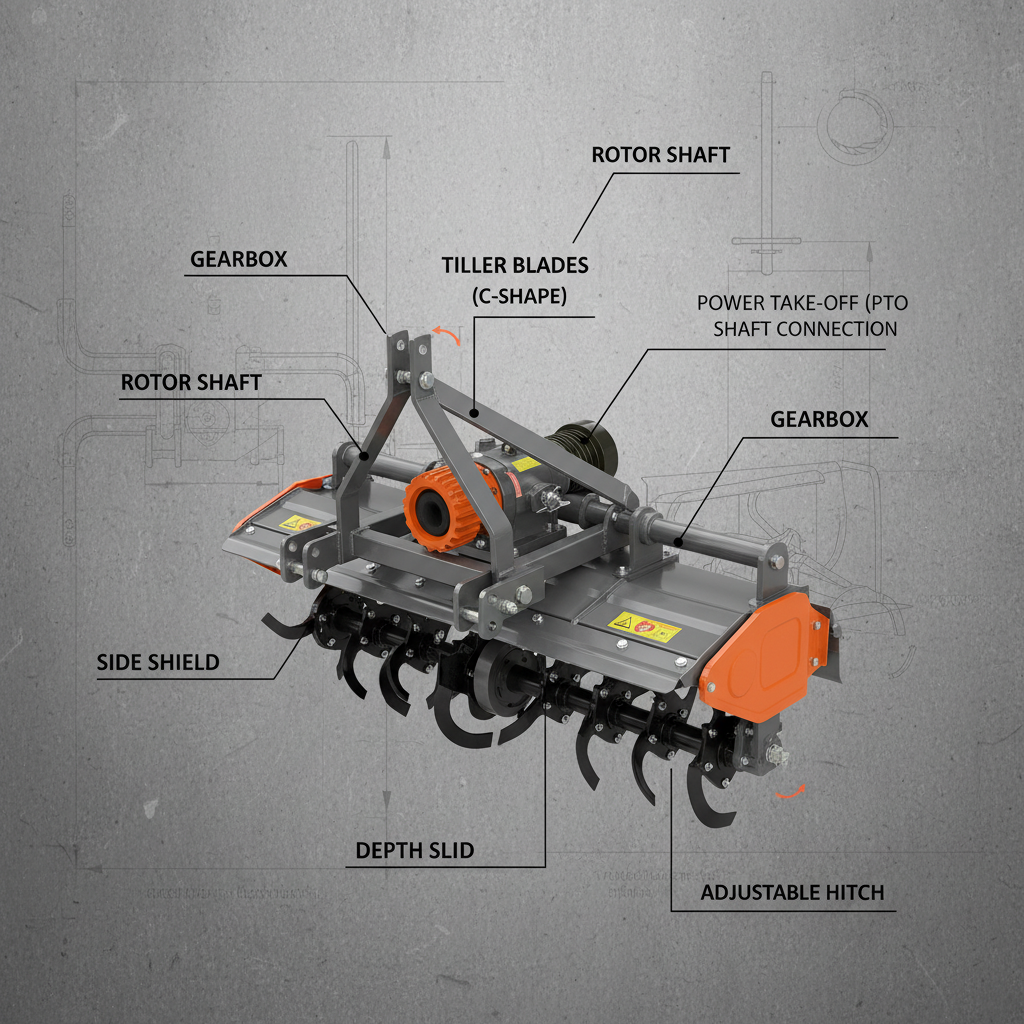
Comprehensive Guide to Agricultural Rotary Tiller Selection and Usage
An agricultural rotary tiller is an essential tool for modern farming, designed to efficiently prepare soil for planting. This powerful machinery significantly reduces labor and time compared to traditional methods. Whether you're a smallholder or manage a large-scale agricultural operation, understanding the benefits and features of a rotary tiller is crucial for maximizing productivity. Choosing the right tiller can transform your land preparation process. This article provides a detailed overview of agricultural rotary tillers, covering their uses, types, benefits, and key considerations when selecting the right model. Modern tillers are available in various sizes and configurations, catering to different farm sizes and soil conditions. Zinanmech provides a range of high-quality rotary tillers designed for optimal performance and durability. An agricultural rotary tiller, also known as a rototiller, is a motorized machine used to prepare agricultural land for cultivation. It works by using rotating blades – typically called tines – to break up, churn, and mix the soil.
>
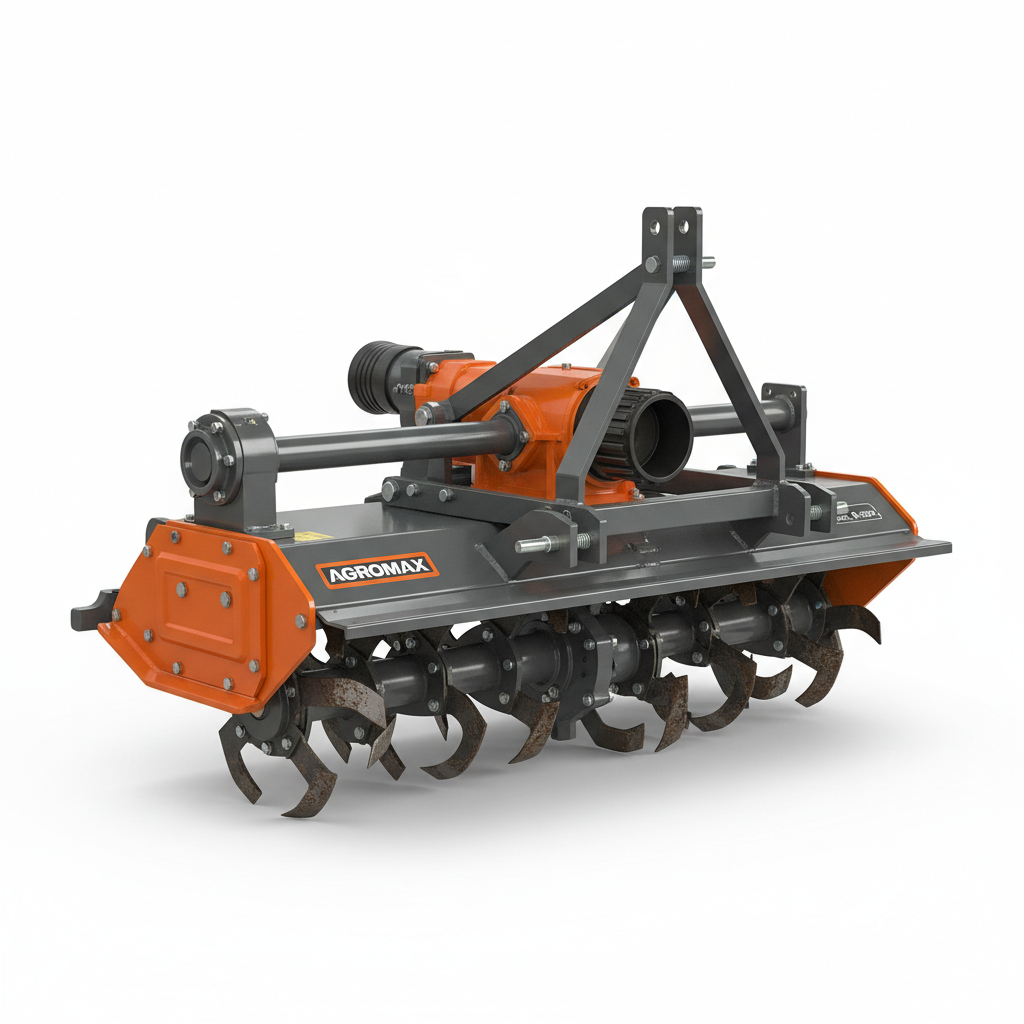
Comprehensive Guide to Selecting the Ideal Agric Rototiller for Your Farm
Selecting the right agric rototiller is crucial for efficient soil preparation and maximizing crop yields. This guide will explore the different types of rototillers, their applications, and how to choose the best model for your farming needs. We’ll cover everything from small, handheld rototillers to larger, tractor-mounted versions, helping you make an informed decision to enhance your agricultural operations. A well-chosen rototiller significantly reduces manual labor and improves soil quality. Agric rototillers come in various sizes and configurations, each suited for different farming tasks. The main types include: Front-Tine Rototillers, ideal for smaller gardens and breaking up already tilled soil; Rear-Tine Rototillers, offering more power and suitable for larger areas and tougher soil conditions; and Mid-Tine Rototillers, a versatile option for medium-sized farms. Choosing the correct type depends on your farm size, soil type, and the crops you intend to grow.
>

Unlock Farming Efficiency with a Powerful Agri Rototiller for Modern Agriculture
In today's agricultural landscape, efficiency and productivity are paramount. An agri rototiller, also known as a rotary tiller, is an invaluable tool for preparing soil for planting. This versatile machine cultivates, mixes, and levels the soil in a single pass, saving farmers significant time and effort. From small-scale farms to large agricultural operations, the benefits of using a rototiller are numerous. Investing in a quality rototiller is investing in the future success of your harvest. An agri rototiller is a motorized machine designed to break up and aerate soil using rotating blades. These blades, often called tines, churn the soil, creating a fine, even texture ideal for planting seeds or transplanting seedlings. Unlike traditional plowing, rototilling doesn't invert the soil, minimizing disruption to the soil's natural structure.
>
International layout
Spread all over the world
our products are exported to various parts of the world. Currently, our products have been exported to more than 40 countries Our products cover Asia, Europe, Africa, South America, North America, and Oceania
Sign up
for Newsletter
Subscribe to the weekly newsletter for all the latest updates