- Tel: +86 13451474678 / 13451474678
- Email: / hbzinanmech@gmail.com

Buy No Till Grass Seeder for Sale | Sustainable Soil & Lawn Solutions
No Till Grass Seeder for Sale: Why This Innovation Matters Globally
If you’ve ever wandered through a field or a newly restored patch of grassland, the chances are good that seeds were planted using traditional till techniques — which involve breaking up the soil heavily before sowing. But here’s the catch: rough soil disturbance often leads to erosion, moisture loss, and long-term degradation. Enter the no till grass seeder for sale, a tool that’s reshaping how farmers, landscapers, and conservationists restore land with minimal disruption.
This isn’t just a niche gadget — globally, sustainable agriculture is more vital than ever amid soil depletion and climate challenges. No till equipment, including grass seeders, presents a practical response to those issues. The ability to plant grasses efficiently without flipping the earth opens doors to greater sustainability, carbon sequestration, and long-term soil health. It's no surprise that international organizations like the FAO and UN support no-till practices as a key climate-smart agriculture technique.
The Global Context: Why No Till Grass Seeder Solutions Are Gaining Momentum
To truly appreciate no till grass seeders, it helps to zoom out. According to the Food and Agriculture Organization (FAO), about 33% of the Earth’s soil is moderately to highly degraded, largely due to conventional tillage—which significantly contributes to this issue. Roughly 75 billion tons of fertile soil are lost every year, largely from erosion intensified by exposed ground post-tillage.
This is where no till grass seeder innovations step in. By planting seeds into undisturbed soil, these machines help maintain soil structure, improve moisture retention, and foster microbial health. For countries battling desertification or those invested in restoring post-industrial wastelands, such seeders become part of a larger solution. The World Bank estimates that sustainable land management practices — like no-till seeding — could boost agricultural productivity by 10-20% worldwide.
But like any innovation, there are challenges: equipment availability, the learning curve for farmers, and upfront investment costs. Still, as global demand rises for greener production methods, no till grass seeders for sale pop up as increasingly accessible solutions.
Mini takeaway: No till grass seeders connect global environmental concerns with practical agriculture solutions, promising healthier soils and better yields.
What Is a No Till Grass Seeder — Simply Explained
At its core, a no till grass seeder is a piece of agricultural machinery that plants grass seed directly into the soil without prior soil inversion or intense cultivation. Rather than breaking up and turning over the soil, which disturbs its delicate ecosystems, the no-till approach gently inserts seed in precise rows or patterns, protecting soil integrity.
This approach aligns with modern needs for sustainable land use, reducing fuel consumption, preserving soil moisture, and enhancing carbon retention. Importantly, no till machines reduce labor and mechanical wear because they skip the tillage phase, making them economically attractive as well.
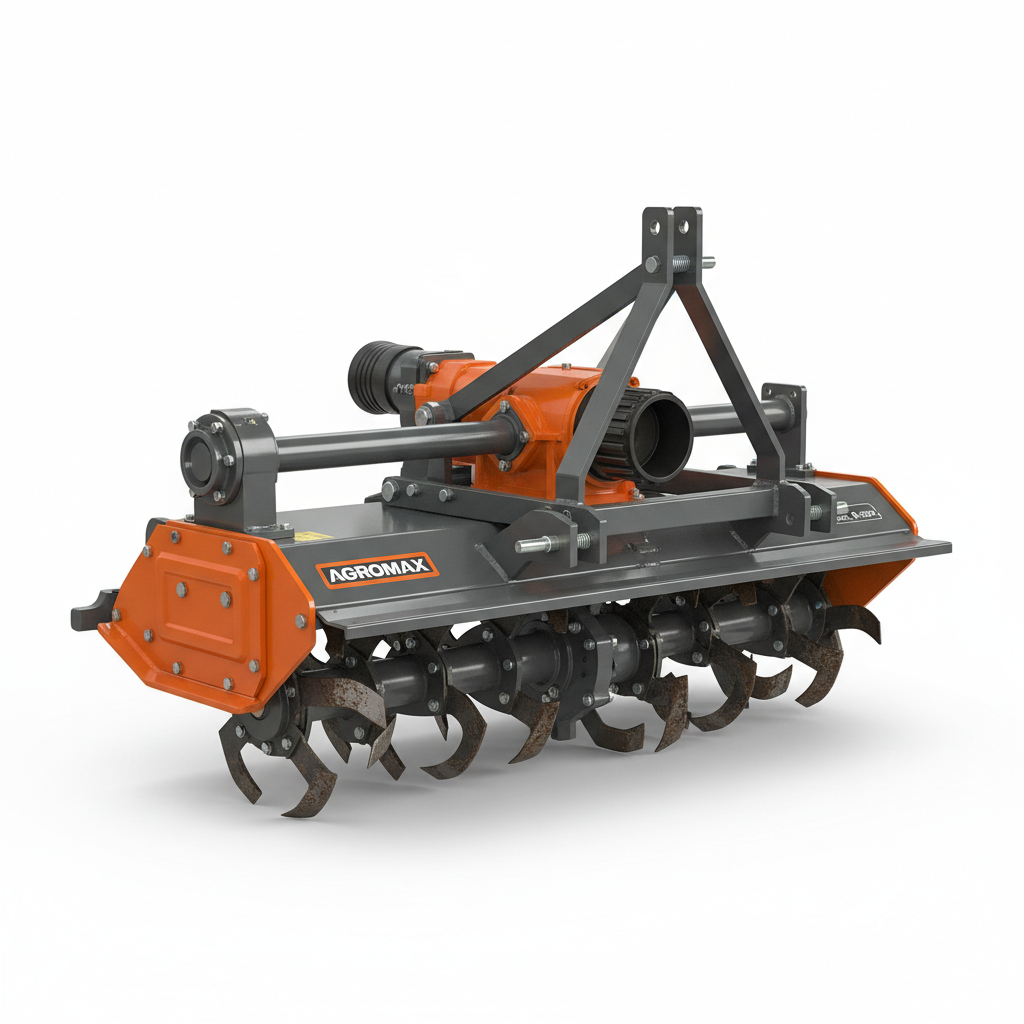
no till grass seeder for sale models range from compact units suitable for small farms to rugged, tractor-pulled implements designed to cover vast acreage.
Core Features Every No Till Grass Seeder Buyer Should Know
1. Durability and Build Quality
Durability is key. These machines work in tough conditions, often rocky or uneven terrains. Many sellers use heavy-duty steel frames and wear-resistant blades or coulters to ensure longevity over dusty, abrasive soil.
2. Seeding Precision & Depth Control
Accurate seed placement boosts germination rates. The best models include adjustable depth controls and seed metering systems that distribute seeds evenly without clogging — vital for fragile seeds like native grasses.
3. Scalability for Different Farm Sizes
Options range from handheld or backpack models for tiny urban patches to large-scale tractor-drawn seeders. Scalability helps hobbyists and major commercial operators alike get exactly what they need.
4. Cost Efficiency & Maintenance
Initial purchase price can vary widely, but good maintenance routines extend lifespan, and low fuel demand (due to skipping tillage) means long-term savings. Plus, fewer passes on land reduce equipment wear.
5. Ease of Use and Transportability
Modern designs emphasize ergonomics, quick setup, and modular parts that make repairs in the field simpler — all critical if you’re working in remote zones or tight schedules.
Product Specification Table
| Feature | Typical Specs |
|---|---|
| Working Width | 1.5 to 6 meters |
| Seeding Depth | 5 to 30 mm adjustable |
| Seed Capacity | 50 to 300 liters |
| Power Source | Tractor PTO or electric (small units) |
| Weight | 150 to 1200 kg |
| Materials | Steel, reinforced polymers |
Global Applications and Real-World Use Cases
No till grass seeders shine in various applications worldwide. For example, in the American Midwest, no till grass seeders support the restoration of prairie lands degraded by decades of intensive agriculture. Meanwhile, in parts of sub-Saharan Africa, NGOs deploy them during reforestation efforts and to rehabilitate grazing fields.
In Australia, where soil erosion threatens fragile landscapes, government programs supply no till seeders to farmers focused on regenerative agriculture. Even in European post-industrial zones, such seeders help convert abandoned land into green spaces, providing ecosystem and social benefits.
Mini takeaway: The adaptability of no till grass seeders means their impact touches diverse climates, soils, and communities.
What Advantages Do No Till Grass Seeders Bring for the Long Haul?
- Environmental Sustainability: Less soil erosion and improved carbon capture.
- Cost Savings: Operators save fuel and time by skipping prior tillage.
- Improved Soil Health: Preservation of soil microbes and organic matter.
- Yield Improvements: Better germination and moisture retention lead to healthier grass growth.
- Social & Economic Benefits: By restoring lands, local communities gain grazing resources and stabilizing vegetation.
Beyond numbers, there’s an emotional value here: re-greening tired land feels like healing the Earth — a trust built between us and the soil beneath our feet.
Keeping an Eye on Tomorrow: Future Trends in No Till Seeders
Where technology evolves, so do no till grass seeders. Industry leaders are discussing integrations of GPS precision seeders that auto-adjust seed spacing for optimal coverage. Automation paired with drone scouting may soon allow ultra-efficient planting in hard-to-reach areas.
Material science innovations such as corrosion-resistant alloys and lightweight composites are making machines more durable yet easier to transport. There’s also growing interest in electric seeders powered by renewable energy sources, minimizing the carbon footprint even further.
Challenges That Come with No Till Grass Seeder Adoption—and How to Address Them
No solution is perfect. Common challenges include initial equipment cost, operator training, and limitations in certain soil types (heavy clay can be tricky). Seed placement precision can suffer when rocks or debris interfere.
Innovations in machine design now feature automated depth sensors and anti-clog seed boxes to counter these issues. Additionally, educational programs and on-site demonstrations help farmers adapt more quickly, boosting confidence.
no till grass seeder for sale vendors often include after-sale support as part of packages to ease new users into operation.
Frequently Asked Questions About No Till Grass Seeder for Sale
1. What makes no till grass seeders better than conventional seeders?
No till seeders plant without disturbing the soil structure, preventing erosion and moisture loss. This means healthier soil ecosystems, less fuel use, and often, better grass growth outcomes.
2. Can no till seeders handle rocky or uneven terrain?
Many modern no till grass seeders are designed with durable frames and flexible parts to work in semi-rocky soils. However, extremely stony ground might require specialized equipment or pre-clearing.
3. Are these seeders suitable for small farms or home gardens?
Absolutely. Compact, hand-push or electric no till grass seeders exist and are perfect for homeowners or smallholdings looking for efficient planting with minimal soil damage.
4. How can I maintain my no till grass seeder to ensure optimal performance?
Regular cleaning to prevent seed residue buildup, inspecting blades or coulters for wear, lubricating moving parts, and following the manufacturer’s maintenance guidelines are key to longevity.
5. Where can I reliably purchase a no till grass seeder for sale?
Reputable vendors like Zinan Mechanical offer a range of models with technical support and warranty services, providing a trustworthy buying experience.
Vendor Comparison: Leading No Till Grass Seeder Suppliers
| Vendor | Product Range | Price Range (USD) | Support & Warranty |
|---|---|---|---|
| Zinan Mechanical | Compact to large tractor models | $2,500 – $15,000+ | 2-year warranty, online support |
| AgriPro Machines | Mid-range tractor-mounted models | $3,000 – $10,000 | 1-year warranty, regional service centers |
| EcoSeeders International | Small electric and manual seeders | $800 – $3,500 | Limited warranty, online manuals |
Wrapping It Up: Why Investing in a No Till Grass Seeder is a Smart Move
In a world increasingly mindful of sustainability, the no till grass seeder represents more than just a farm tool — it’s a bridge between tradition and innovation. It helps preserve one of our most vital resources: soil. Whether you manage a sprawling commercial farm, rehabilitate lands post-natural disaster, or tend a humble home garden, this technology invites you to work smarter, not harder.
Curious to learn more or explore options? Visit https://www.zinanmech.com for a glimpse at various no till grass seeder models and expert advice tailored to your needs.
References:

Related Products
-
 Tractor Gear Shaft
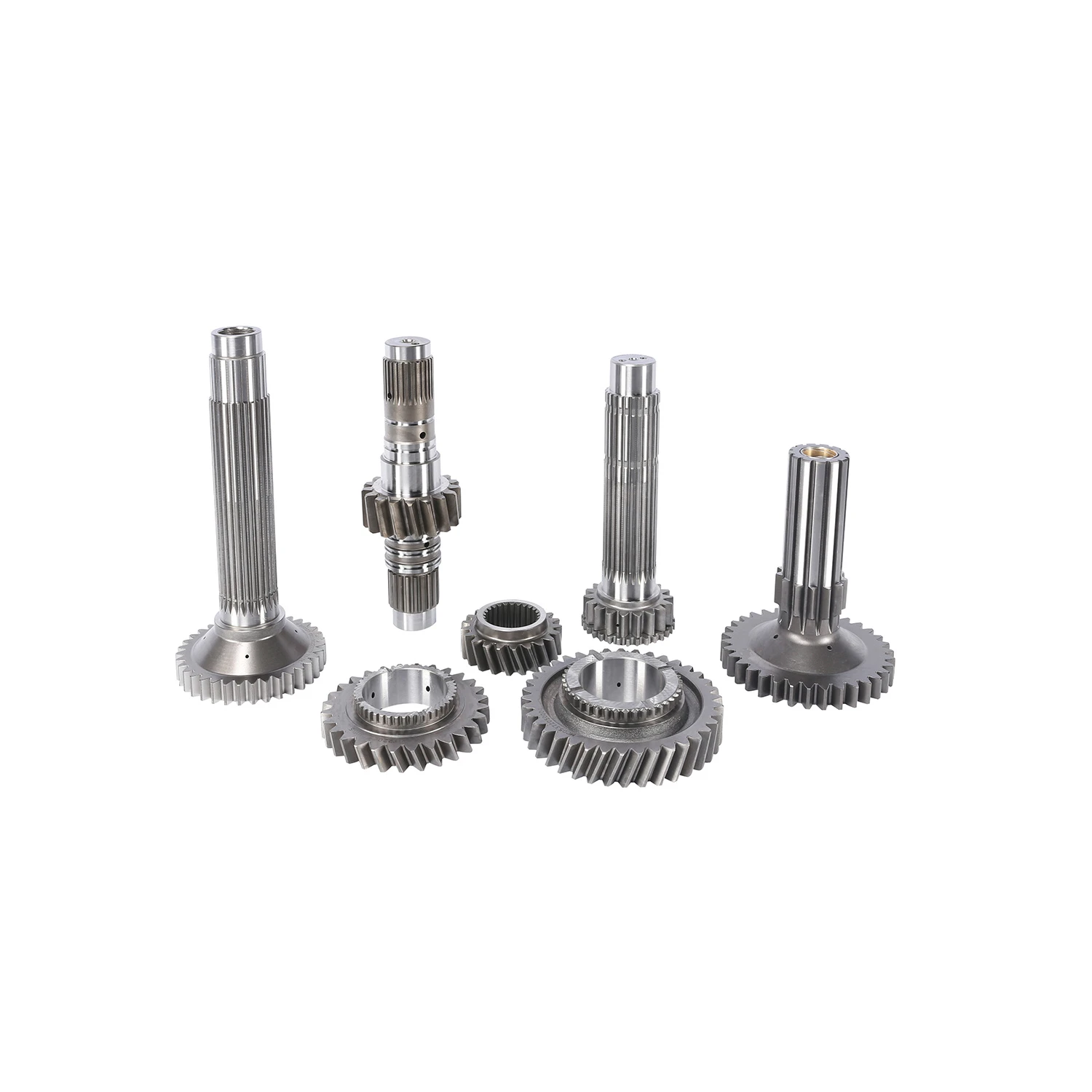
The tractor gear shaft is a crucial element in the power transmission system of a tractor. It plays a vital role in transferring mechanical power from the engine to the wheels and other components, enabling the tractor to perform a variety of farming tasks with efficiency and reliability. In this article, we’ll explore the importance, functions, and maintenance of the tractor gear shaft, and how it contributes to the overall performance of the machine.
-
 Transmission Gear
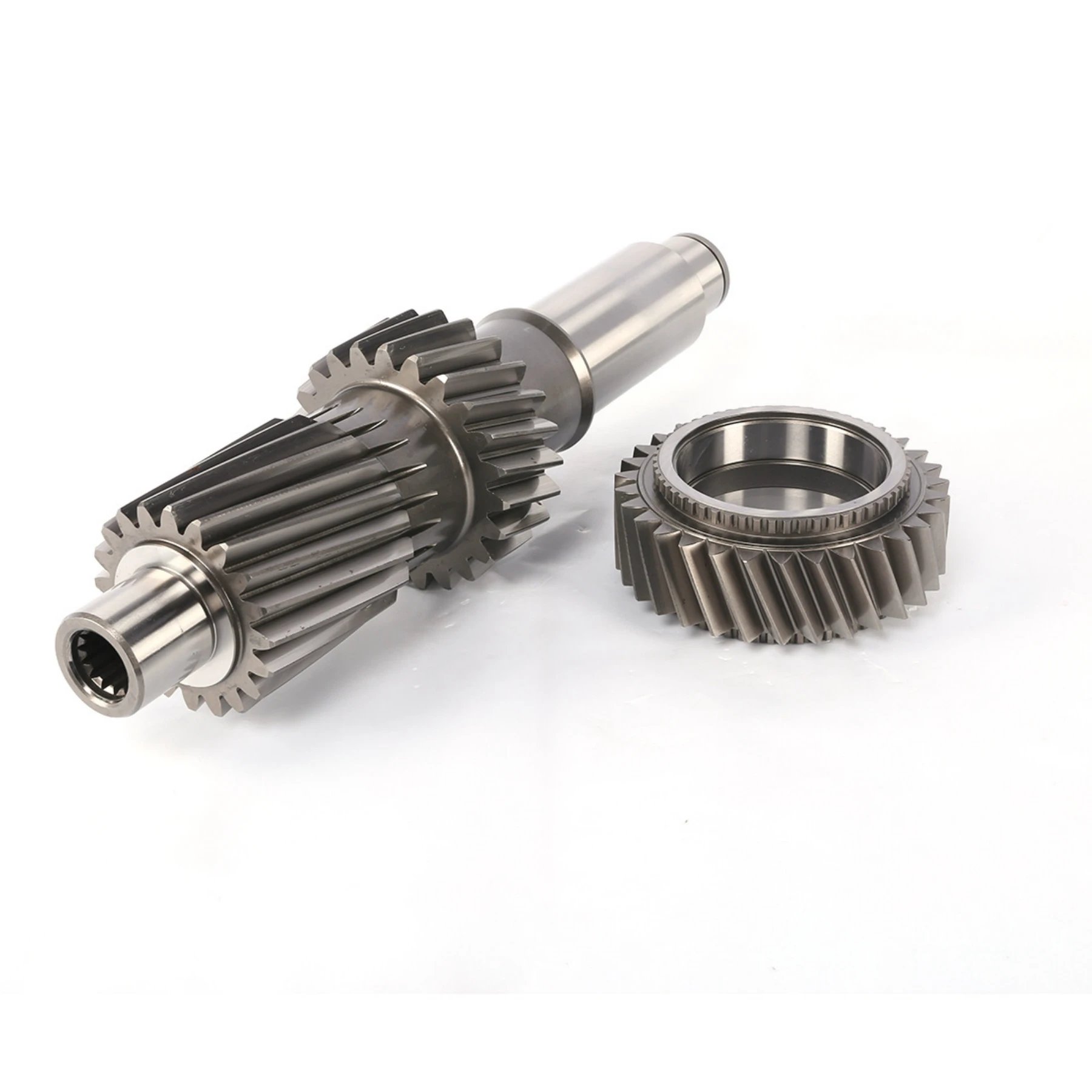
Power transmission: the engine operation drives the input gear on the input shaft to rotate, the input gear engages with other gears, and relies on the interaction between teeth and teeth to transfer the power to the intermediate gear (if any) and the output gear, and finally transfers the power to the driving wheel and other components through the output shaft to make the vehicle or equipment move.
Variable speed principle: Change the transmission ratio by meshing gears with different numbers of teeth. For example, when the big gear drives the small gear, the speed of the small gear will be faster than the big gear, but the output torque will be smaller, to achieve growth and torque reduction; On the contrary, when the pinion drives the big gear, the speed of the big gear slows down, the torque increases, and the torque increases. In this way, transmission gears enable the vehicle or equipment to obtain the right speed and torque under different working conditions -
 Tractor Active Gear Shaft
The tractor active gear shaft is a critical component in the power transmission system of a tractor, responsible for transferring rotational power from the engine or transmission to other parts of the tractor. By efficiently distributing torque and enabling smooth gear shifts, the active gear shaft plays a vital role in enhancing the performance and versatility of the tractor, making it essential for a wide range of agricultural tasks. In this article, we’ll explore the function, benefits, and maintenance of the tractor active gear shaft.
-
 Harvester Input Shaft
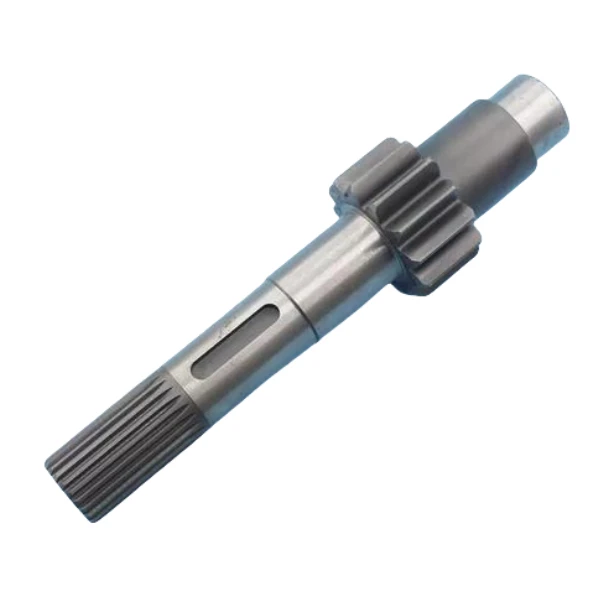
The main role of the harvester input shaft is to introduce the power of the external power source into the internal transmission system of the harvester. When the power source (such as an engine) is running, the torque generated is transmitted to the input shaft through the connecting parts, causing the input shaft to start rotating. The gear, pulley or sprocket and other transmission parts installed on the input shaft will rotate with the rotation of the input shaft, and then transfer the power to the subsequent transmission parts and working parts, such as driving the cutting device, conveying device, threshing device, etc., to complete the crop harvesting, conveying, threshing and other work processes.
Related News
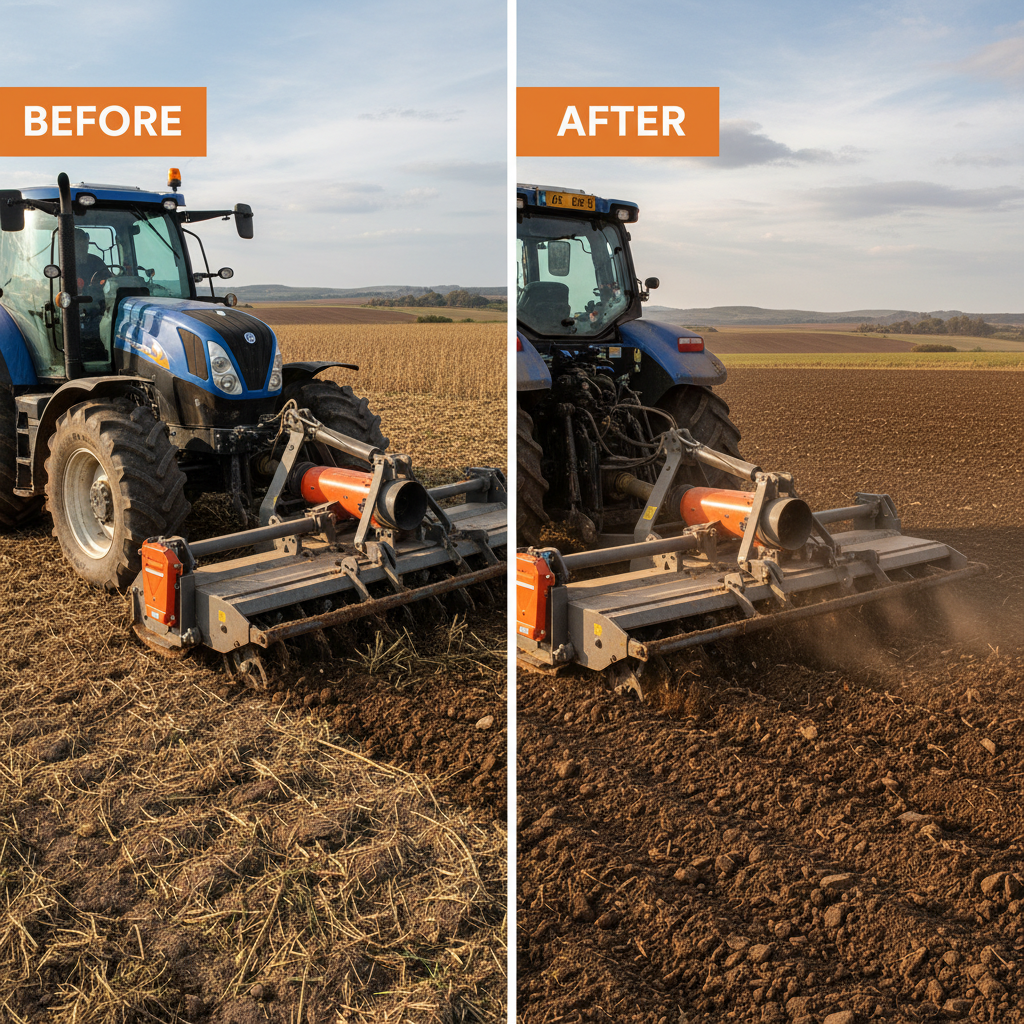
Professional Heavy Duty Tiller for Tractor for Soil Productivity
Achieving the perfect seedbed is the foundation of any successful harvest. For farmers dealing with compacted soil, stubborn crop residue, or expansive acreage, a standard rototiller often falls short. This is where a heavy duty tiller for tractor becomes an essential investment. These robust machines are engineered to penetrate deep into the earth, breaking up hardpan and aerating the soil with unmatched efficiency. By integrating a professional-grade tiller into your machinery lineup, you can significantly reduce preparation time and improve crop yield. In this guide, we will explore the technical advantages, selection criteria, and maintenance tips for choosing the right heavy-duty tilling solution.
>
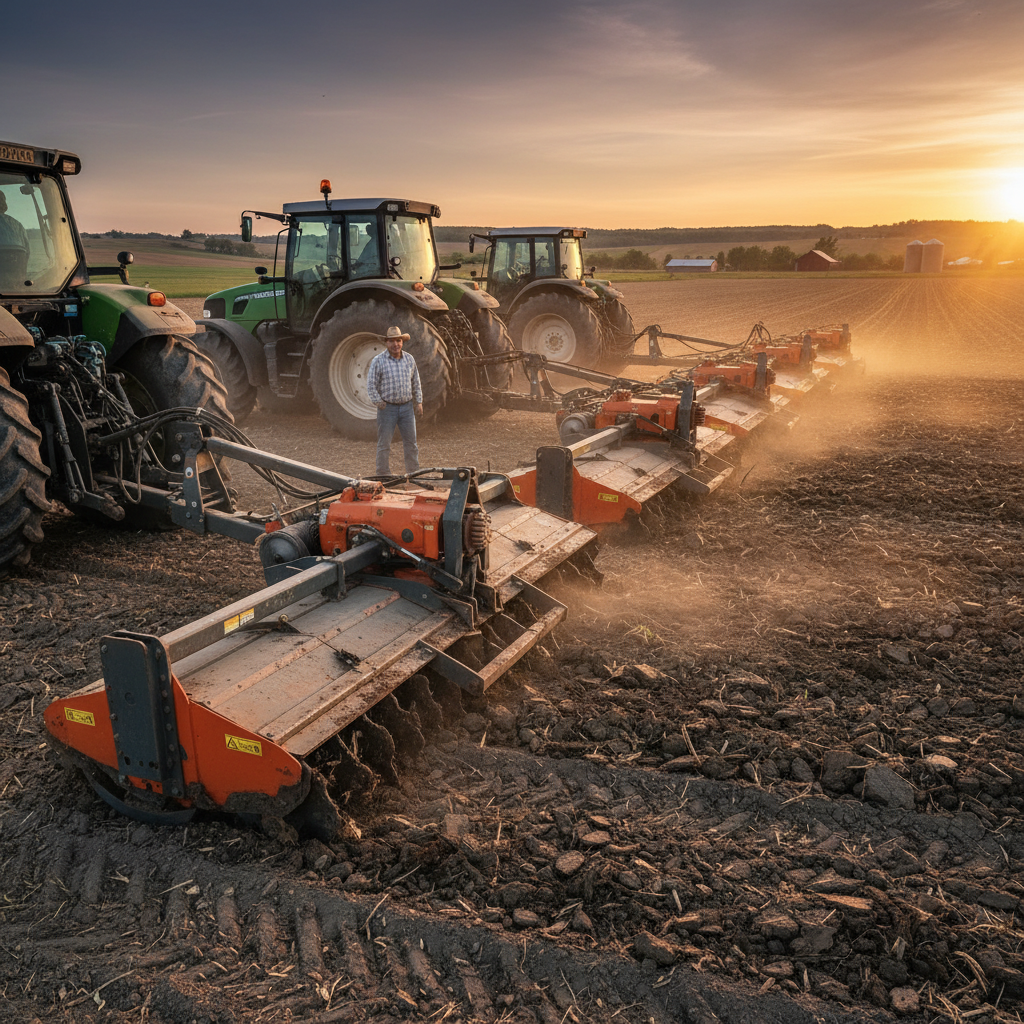
Maximizing Land Productivity with Professional Heavy Duty Tillers
For professional farmers and landscaping contractors, the quality of soil preparation determines the success of the entire growing season. Investing in high-performance heavy duty tillers is essential for breaking through compacted earth, removing stubborn weeds, and integrating organic matter deeply into the soil. Unlike standard garden cultivators, these industrial-grade machines are engineered to handle vast acreages and the most challenging terrain without compromising efficiency. In this guide, we will explore how choosing the right equipment can transform your agricultural output and streamline your land management process.
>
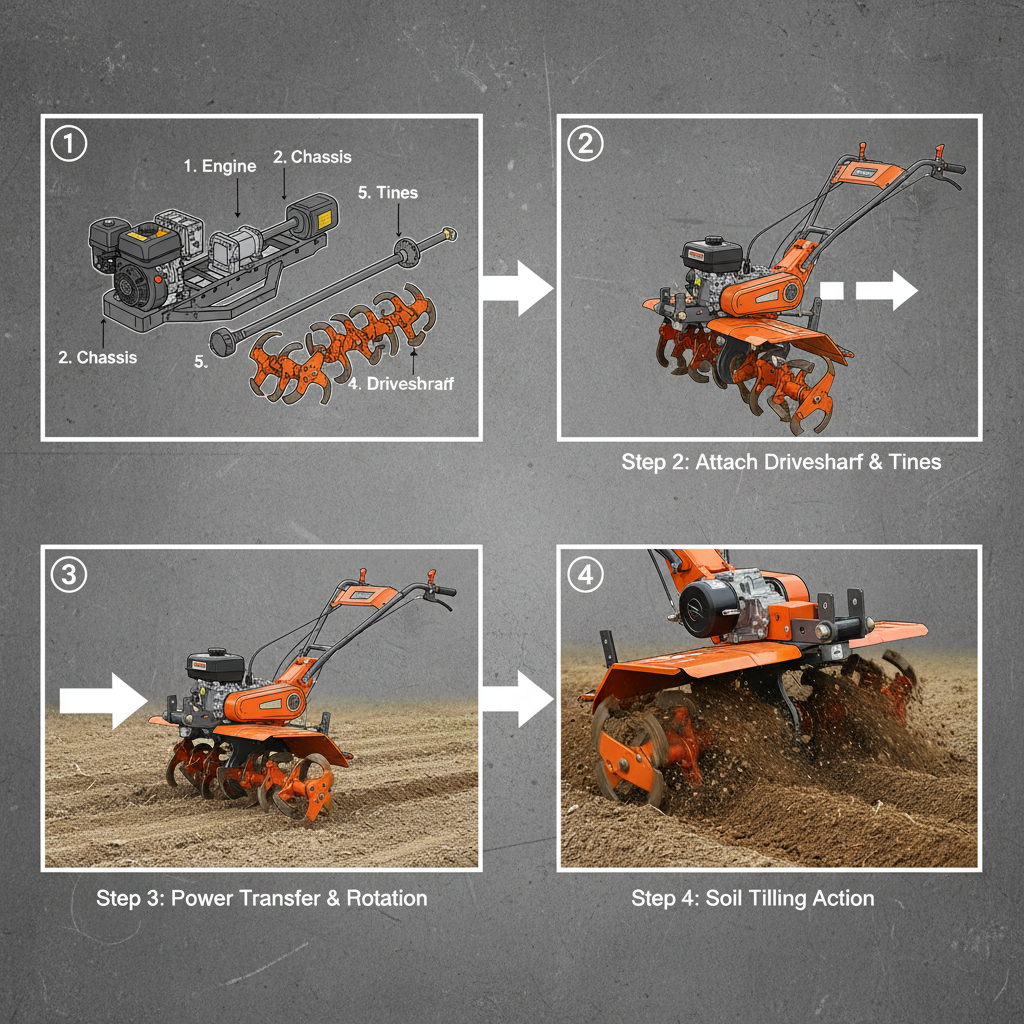
Choosing the Best Heavy Duty Rototiller for Efficient Land Preparation
A heavy duty rototiller is an invaluable tool for anyone involved in serious gardening, small-scale farming, or land preparation. Whether you're breaking new ground, maintaining existing garden beds, or preparing for planting, the right rototiller can significantly reduce labor and improve efficiency. However, with numerous options available, selecting the best model requires careful consideration. This article will guide you through the key factors to consider when purchasing a heavy-duty rototiller, helping you make an informed decision. ZinanMech offers a wide range of rototillers to suit various needs.
>
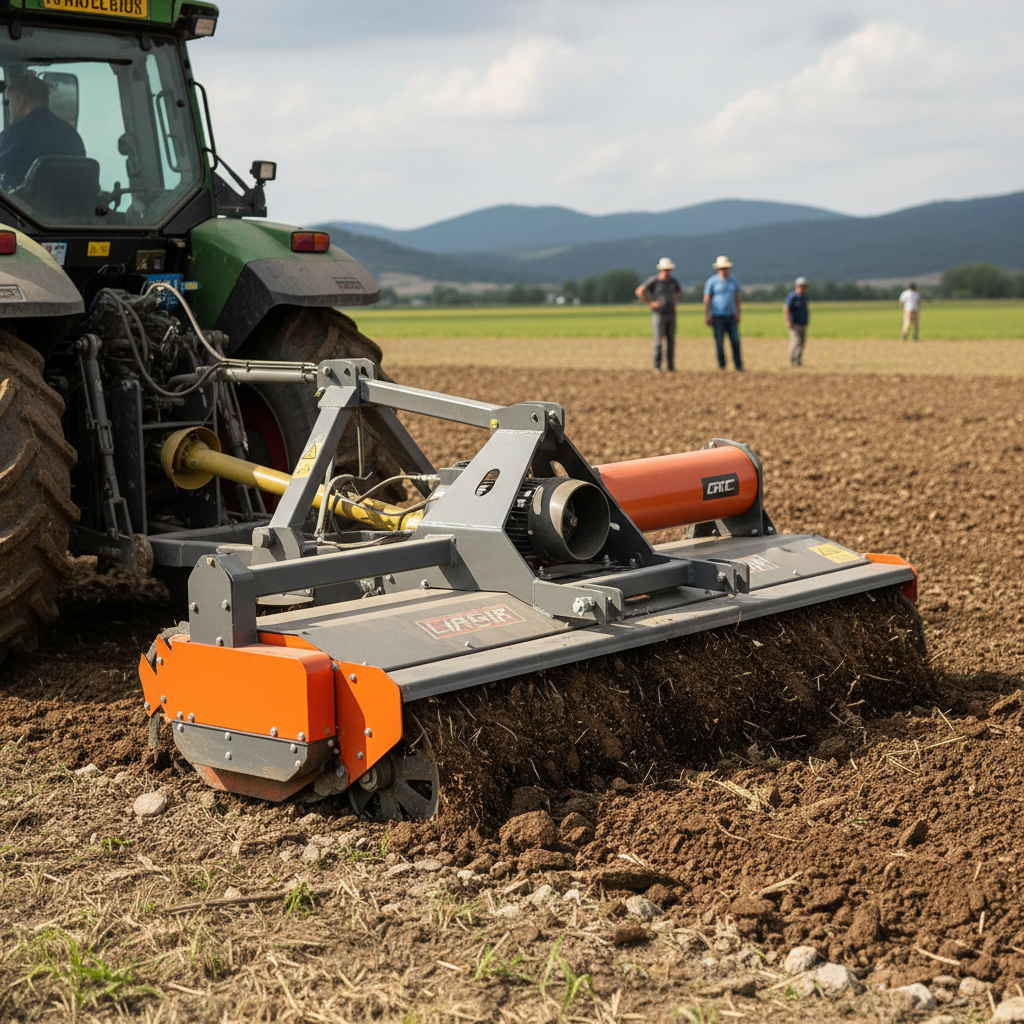
Comprehensive Guide to Heavy Duty Rotary Tiller Selection and Application
When it comes to land preparation, a heavy duty rotary tiller is an invaluable tool. This robust machinery excels at breaking up compacted soil, creating a fine seedbed, and incorporating organic matter. This article dives deep into the world of heavy duty rotary tillers, covering their benefits, applications, key features, and how to choose the right one for your needs. Whether you're a farmer, landscaper, or large-scale gardener, understanding these tillers is essential for efficient and effective soil management.
>
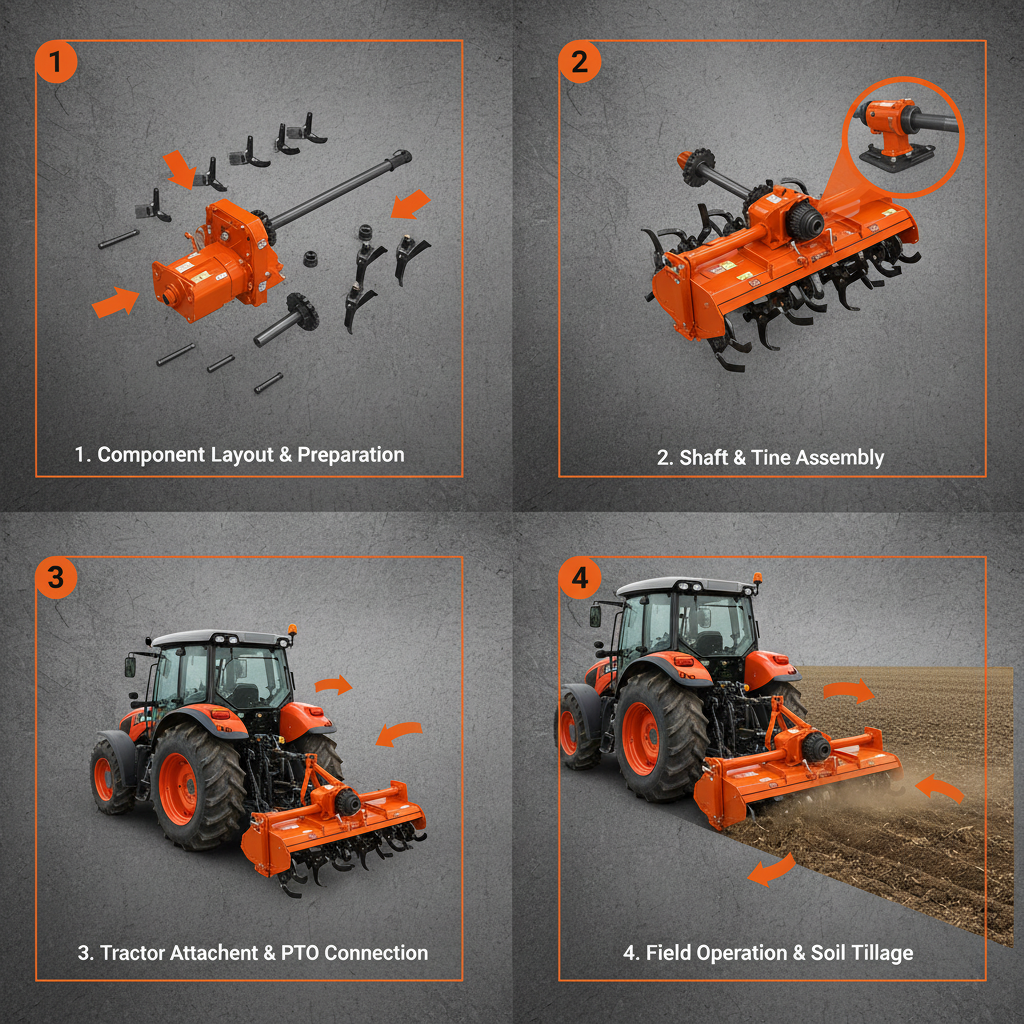
Comprehensive Guide to Selecting the Ideal Farm Tractor Tiller for Your Needs
Selecting the ideal farm tractor tiller is crucial for efficient soil preparation and maximizing agricultural yields. With a diverse range of models available, understanding your needs and the features offered by different tillers is paramount. This article provides a detailed overview of farm tractor tillers, covering their types, benefits, key considerations, and how to choose the right one for your specific farming operation. Proper tillage significantly impacts seedbed quality, weed control, and ultimately, crop performance.
>
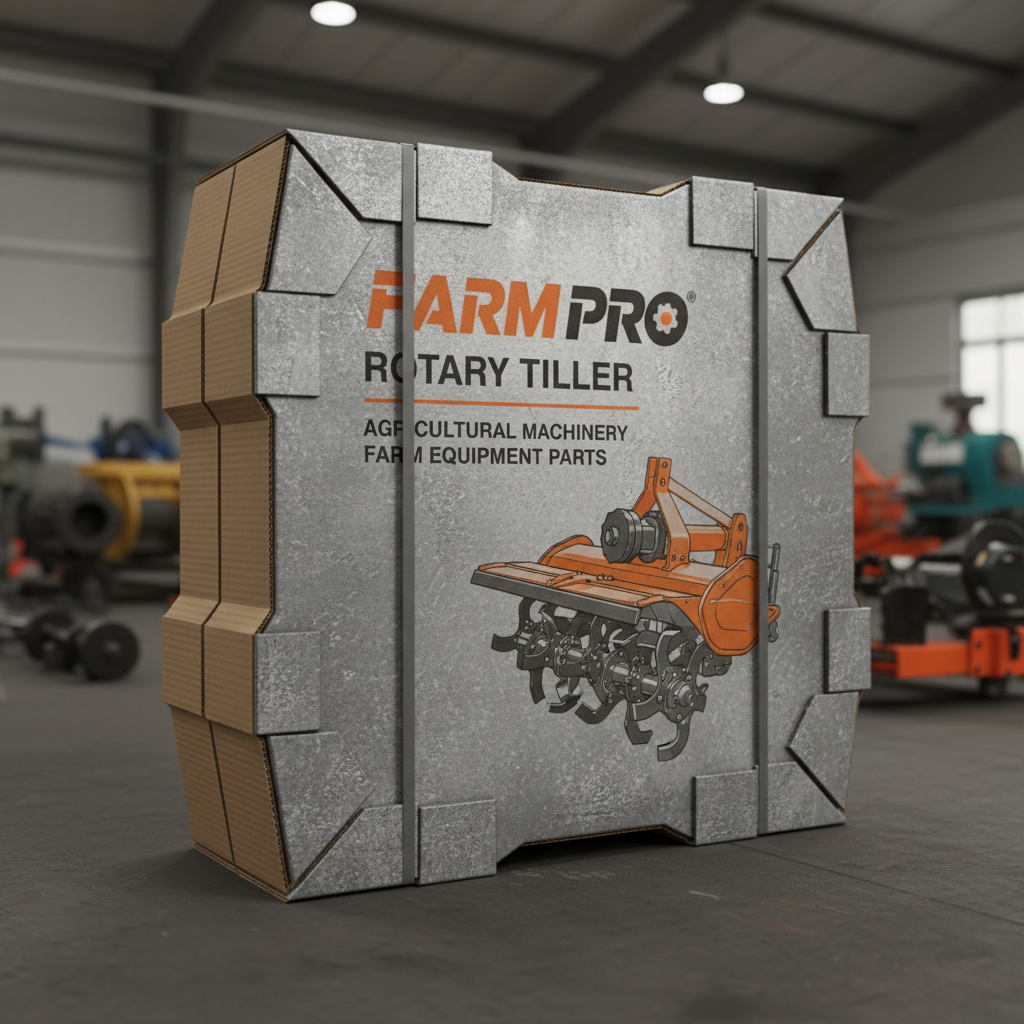
Boost Farm Productivity with a High Performance Farm Pro Rotary Tiller
Are you looking to enhance your agricultural productivity and streamline your soil preparation process? A Farm Pro rotary tiller is an invaluable investment for farmers of all scales. This article delves into the benefits, features, applications, and considerations when choosing the right rotary tiller for your farm. We’ll explore how this machinery can significantly reduce labor costs and improve soil quality, ultimately leading to higher yields. From small hobby farms to large-scale commercial operations, a Farm Pro tiller offers a robust and efficient solution for a variety of tilling needs.
>
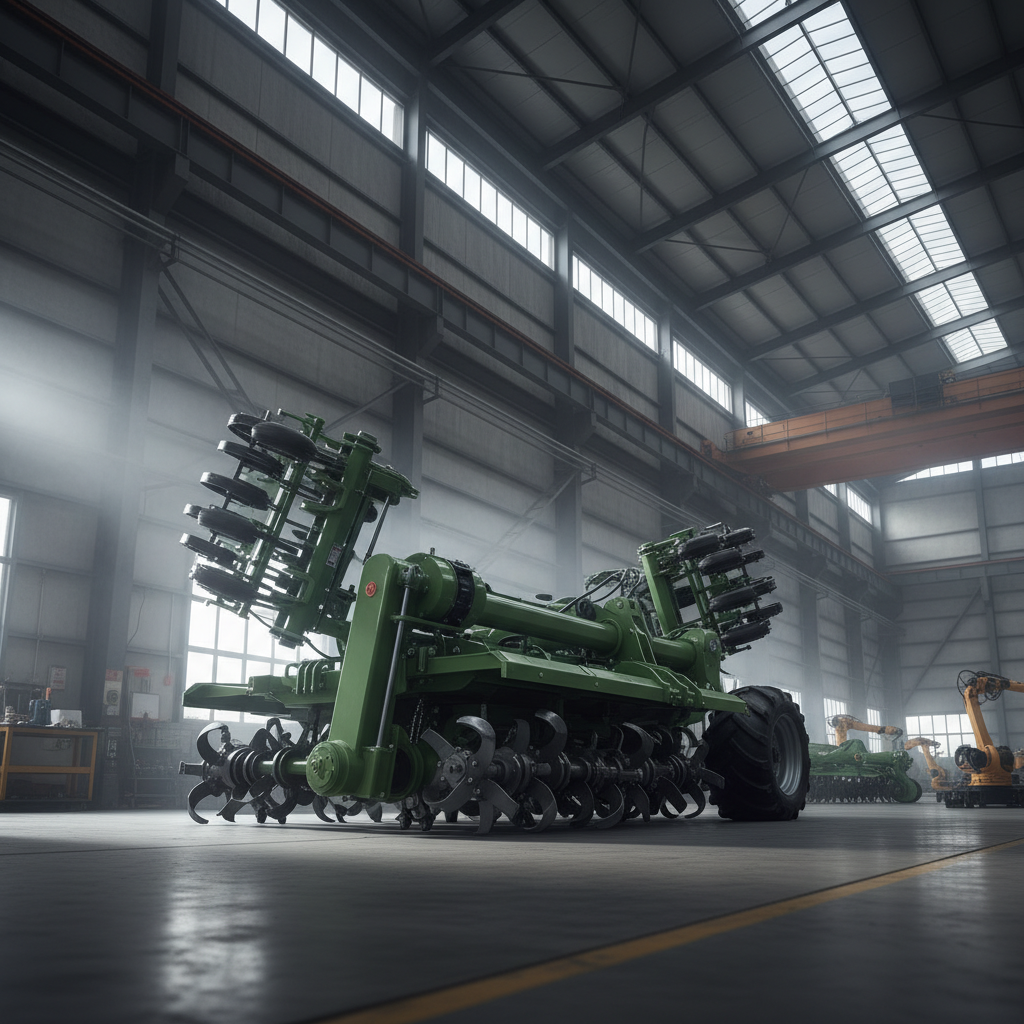
Unlock Farming Efficiency with a Powerful Agricultural Tiller Solution
In the world of farming and gardening, efficiency and productivity are key. An agricultural tiller is a vital piece of equipment that streamlines soil preparation, saving time and labor. This article dives deep into the world of tillers, exploring their types, benefits, how to choose the right one, and the quality solutions offered by Zinanmech. We’ll cover everything from small garden tillers to heavy-duty agricultural models, ensuring you have the knowledge to make an informed decision. An agricultural tiller, also known as a rotary tiller, is a motorized machine used to break up and cultivate soil. Unlike manual digging or plowing, tillers use rotating blades to loosen the soil, creating a fine, even tilth that's ideal for planting. This process improves soil aeration, drainage, and nutrient availability, leading to healthier plant growth.
>
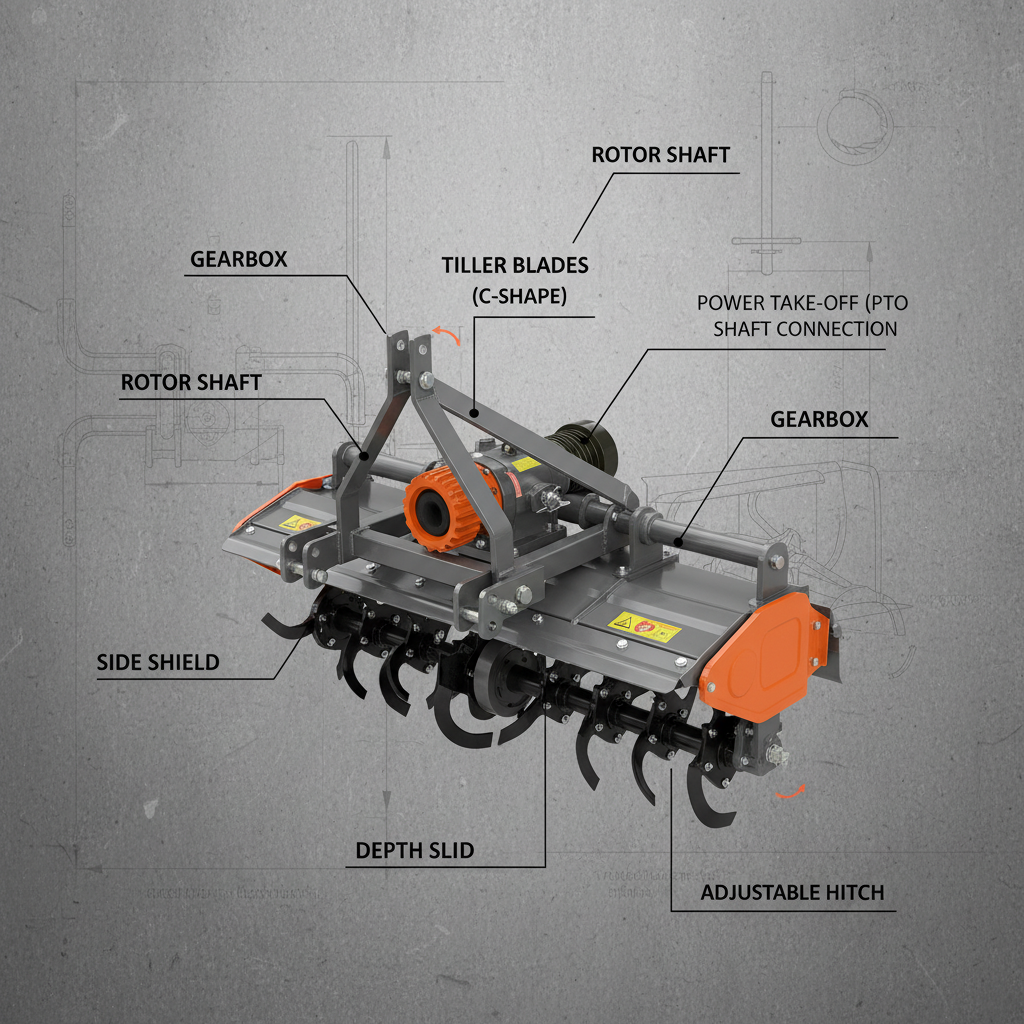
Comprehensive Guide to Agricultural Rotary Tiller Selection and Usage
An agricultural rotary tiller is an essential tool for modern farming, designed to efficiently prepare soil for planting. This powerful machinery significantly reduces labor and time compared to traditional methods. Whether you're a smallholder or manage a large-scale agricultural operation, understanding the benefits and features of a rotary tiller is crucial for maximizing productivity. Choosing the right tiller can transform your land preparation process. This article provides a detailed overview of agricultural rotary tillers, covering their uses, types, benefits, and key considerations when selecting the right model. Modern tillers are available in various sizes and configurations, catering to different farm sizes and soil conditions. Zinanmech provides a range of high-quality rotary tillers designed for optimal performance and durability. An agricultural rotary tiller, also known as a rototiller, is a motorized machine used to prepare agricultural land for cultivation. It works by using rotating blades – typically called tines – to break up, churn, and mix the soil.
>
Comprehensive Guide to Selecting the Ideal Agric Rototiller for Your Farm
Selecting the right agric rototiller is crucial for efficient soil preparation and maximizing crop yields. This guide will explore the different types of rototillers, their applications, and how to choose the best model for your farming needs. We’ll cover everything from small, handheld rototillers to larger, tractor-mounted versions, helping you make an informed decision to enhance your agricultural operations. A well-chosen rototiller significantly reduces manual labor and improves soil quality. Agric rototillers come in various sizes and configurations, each suited for different farming tasks. The main types include: Front-Tine Rototillers, ideal for smaller gardens and breaking up already tilled soil; Rear-Tine Rototillers, offering more power and suitable for larger areas and tougher soil conditions; and Mid-Tine Rototillers, a versatile option for medium-sized farms. Choosing the correct type depends on your farm size, soil type, and the crops you intend to grow.
>

Unlock Farming Efficiency with a Powerful Agri Rototiller for Modern Agriculture
In today's agricultural landscape, efficiency and productivity are paramount. An agri rototiller, also known as a rotary tiller, is an invaluable tool for preparing soil for planting. This versatile machine cultivates, mixes, and levels the soil in a single pass, saving farmers significant time and effort. From small-scale farms to large agricultural operations, the benefits of using a rototiller are numerous. Investing in a quality rototiller is investing in the future success of your harvest. An agri rototiller is a motorized machine designed to break up and aerate soil using rotating blades. These blades, often called tines, churn the soil, creating a fine, even texture ideal for planting seeds or transplanting seedlings. Unlike traditional plowing, rototilling doesn't invert the soil, minimizing disruption to the soil's natural structure.
>
International layout
Spread all over the world
our products are exported to various parts of the world. Currently, our products have been exported to more than 40 countries Our products cover Asia, Europe, Africa, South America, North America, and Oceania
Sign up
for Newsletter
Subscribe to the weekly newsletter for all the latest updates