- Tel: +86 13451474678 / 13451474678
- Email: / hbzinanmech@gmail.com

Buy Self Propelled Sugar Beet Harvester for Sale – Efficient & Modern Agricultural Equipment
Buy Self Propelled Sugar Beet Harvester for Sale – Efficient & Modern Agricultural Equipment
Exploring the World of Self Propelled Sugar Beet Harvester for Sale
At first glance, the phrase “self propelled sugar beet harvester for sale” might sound like just another agricultural equipment listing. But it actually represents a key player in feeding the global economy and meeting growing demands for sugar production. Sugar beets account for roughly 20% of the world’s sugar supply, and harvesting them efficiently, sustainably, and cost-effectively is a crucial challenge. Understanding these machines helps farmers increase yields, reduce waste, and improve agricultural sustainability worldwide.
Global Context: Why Self Propelled Sugar Beet Harvesters Matter
The global agricultural machinery market is steadily growing, driven by rising food demand and an urgent need to optimize labor in farming. According to the FAO and World Bank, about 10% of global agriculture now uses advanced mechanization, which includes self propelled sugar beet harvesters. These machines reduce labor intensity and increase harvesting speed, critical during narrow harvest windows. Without these harvesters, many sugar beet producers face significant delays leading to crop losses or quality degradation—challenges particularly visible in Europe, North America, and parts of Asia where sugar beet cultivation is a major industry.
Ironically, while these harvesters streamline farming, their availability is limited in many developing countries, which hampers productivity. That’s why opportunities for those hunting for a self propelled sugar beet harvester for sale are not just commercial but have a social impact as well.
What Exactly is a Self Propelled Sugar Beet Harvester?
Simply put, a self propelled sugar beet harvester is a specialized agricultural machine capable of digging up sugar beets from the earth, cleaning them, and loading them onto transport vehicles—all without needing an external tractor to pull it. The “self propelled” feature means it has its own engine and driveline, allowing for greater maneuverability and efficiency in fields of varying sizes and conditions.
These aren't just fancy tractors; they are equipped with precision digging tools, cleaning systems, and automated loaders. Modern models often integrate GPS-guided steering to optimize routes, reducing overlapping effort and soil compaction. This connection to modern industry embodies the shift to smarter, automated farming that blends engineering excellence with environmental awareness.
Core Components of Self Propelled Sugar Beet Harvesters
1. Durability & Build Quality
Harvesters need to work reliably in diverse weather and soil conditions—mud, wet, dry, rocky. Manufacturers use heavy-duty steel frames and abrasion-resistant parts to ensure longevity, reducing downtime and maintenance costs. It’s not uncommon to see machines rated for over 5,000 operational hours before a major overhaul.
2. Scalability for Different Farm Sizes
From compact models ideal for smaller farms to gigantic multi-row machines handling several hectares per hour, scalability is vital. Many buyers assess the machine width, weight, and throughput rates to match their farm size and terrain.
3. Cost Efficiency
Upfront and operational costs are big considerations. Fuel efficiency, spare parts availability, and ease of repair impact total cost of ownership. A more expensive model might be justified if it reduces labor and fuel significantly over its lifetime.
4. Harvest Quality & Sorting Accuracy
Some self propelled harvesters include integrated cleaning systems to remove dirt and leaves, reducing post-harvest processing. Advanced models even feature optical sorters or sensors to improve beet quality at collection.
5. Operator Comfort & Safety
Given the long hours on the field, modern harvesters often come with climate-controlled cabs, ergonomic controls, and visibility enhancements like cameras to reduce operator fatigue and accidents.
| Feature | Specification |
|---|---|
| Engine Power | 320 HP (Diesel) |
| Harvesting Width | 3.5 meters (4 rows) |
| Cleaning System | Two-stage cleaning with blower |
| Max Speed | 20 km/h |
| Fuel Consumption | 18 L/h average |
| Weight | 12,500 kg |
Global Use Cases & Key Beneficiaries
The largest consumers of self propelled sugar beet harvesters sit in Europe (notably Germany, France, and Poland) and North America, where extensive beet farming requires high capacity equipment. In these regions, especially during harvest seasons, time is money — fields can only be harvested within a small window to avoid crop loss.
Interestingly, sugar beet harvesting technology has also seen uptake in countries like China and Russia, where modernization of agriculture is a national priority. Additionally, there are NGOs and international agricultural development organizations that promote mechanization in regions of Eastern Europe and Central Asia to boost food security after years of traditional, labor-intensive farming.
In real terms, a farm using a modern self propelled harvester can reduce harvesting time by 40–60% compared to tractor-pulled models or manual labor, helping farmers avoid bad weather disruptions and securing higher quality produce.
Advantages & Long-Term Value
- Cost Savings: Less reliance on manual labor and greater fuel efficiency lower operational expenses.
- Increased Productivity: Multiple crop rows cut simultaneously, speeding up harvest.
- Sustainability: Reduced soil compaction via tracked wheels and precision farming technologies.
- Enhanced Safety & Wellbeing: Comfortable cabs reduce operator fatigue, improving work conditions.
- Consistent Quality: Integrated cleaning reduces losses and improves marketability of beets.
Frankly, the confidence that comes with reliable equipment empowers farmers to invest in their land and community better - it’s not just about money; it’s about dignity and growth opportunities.
Future Trends & Innovations in Harvesting Technology
The landscape of sugar beet harvesting evolving fast. Electric and hybrid-powered harvesters are expected soon to reduce greenhouse gas emissions. Automation and AI integration are increasingly common, aiming for fully autonomous harvesting cycles. Sensors monitoring soil conditions and crop health in real time can help optimize machine settings and routes dynamically.
In terms of sustainability, manufacturers are exploring biodegradable lubricants and modular designs to facilitate maintenance and recycling. Plus, digital platforms enabling remote diagnostics can minimize downtime — a real game changer for farms distant from service centers.
Challenges & Industry Solutions
One persistent challenge is the high upfront cost: these machines can run into hundreds of thousands of dollars. For smaller farms, that’s prohibitive. Rental programs and cooperative machinery sharing have arisen as solutions, spreading out financial burdens.
Another issue? Terrain variability — heavy clay or rocky soils can damage equipment prematurely. Ongoing R&D on soil-adaptive technology is helping harvesters adjust digging depths and speeds in real time.
Vendor Comparison Table: Leading Self Propelled Sugar Beet Harvester Makers
| Brand | Power (HP) | Harvest Width | Price Range | Key Feature |
|---|---|---|---|---|
| Brand A | 330 | 4 rows (3.8 m) | $280,000 - $320,000 | Integrated GPS and Soil Sensors |
| Brand B | 300 | 3 rows (3.2 m) | $220,000 - $270,000 | Fuel-Efficient Engine |
| Brand C | 350 | 5 rows (4.5 m) | $340,000 - $390,000 | Advanced Sorting and Cleaning System |
Frequently Asked Questions About Self Propelled Sugar Beet Harvester for Sale
- Q: How does a self propelled sugar beet harvester improve farm efficiency compared to tractor-pulled models?
- A: Self propelled harvesters integrate propulsion and operation in one machine, eliminating the need for a tractor. This streamlines setup, allows precise maneuvering, and often increases harvesting speed by 30-50%. They typically also feature more sophisticated cleaning and sorting systems improving output quality.
- Q: What kind of maintenance do these harvesters require?
- A: Routine maintenance includes checking and replacing belts, hydraulic fluids, engine oil, and cleaning the excavation and cleaning components. Many machines have onboard diagnostics to alert operators early to potential problems. Regular maintenance extends service life and minimizes costly downtime.
- Q: Are there financing or leasing options for small farms?
- A: Yes, many manufacturers and dealers offer leasing or rental plans to reduce upfront capital requirements. Cooperative ownership models are also popular in regions with many smaller farms, making these machines more accessible and economically sensible.
- Q: Can these harvesters operate on uneven or hilly terrain?
- A: Modern models come with adaptable chassis and track or large tire options for uneven fields. However, extremely steep or rocky terrain remains a challenge. Operators often test equipment on their land before purchase to ensure compatibility.
- Q: How do environmental regulations affect the purchase of these machines?
- A: Increasingly strict emissions and noise regulations drive demand for cleaner engines and quieter operation. Buyers are advised to check compliance with local standards, especially in Europe and North America, where regulations are stringent.
Wrapping Up: Why Consider a Self Propelled Sugar Beet Harvester?
To summarize, opting for a self propelled sugar beet harvester for sale is about more than just buying equipment — it’s a strategic investment in productivity, sustainability, and future-proof agriculture. These machines offer efficiencies that pay off over time, providing farmers with the tools needed for modern large-scale farming while addressing practical challenges of labor and environment. If you’re curious about the possibilities, I invite you to explore available options and see how they fit into your operation.
Oddly enough, the hum of a good sugar beet harvester in the fields might just be one of the quietest revolutions in farming today.
Mini takeaway: Self propelled sugar beet harvesters combine engineering, efficiency, and environmental care — a vital triad in modern agriculture.
References:
1. Food and Agriculture Organization (FAO)
2. World Bank Agriculture Sector Data
3. Wikipedia - Sugar beet

Related Products
-
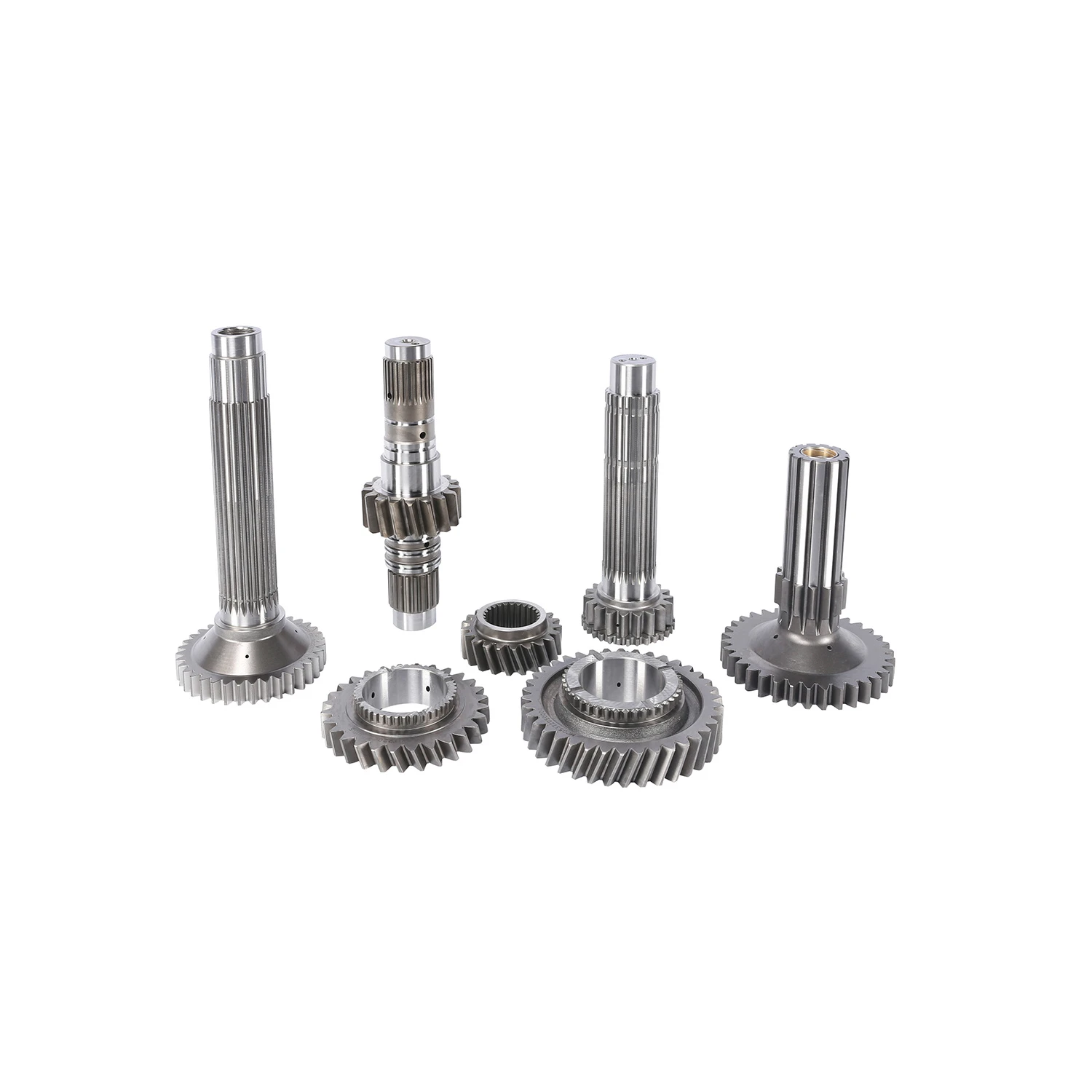 Tractor Gear Shaft
The tractor gear shaft is a crucial element in the power transmission system of a tractor. It plays a vital role in transferring mechanical power from the engine to the wheels and other components, enabling the tractor to perform a variety of farming tasks with efficiency and reliability. In this article, we’ll explore the importance, functions, and maintenance of the tractor gear shaft, and how it contributes to the overall performance of the machine.
-
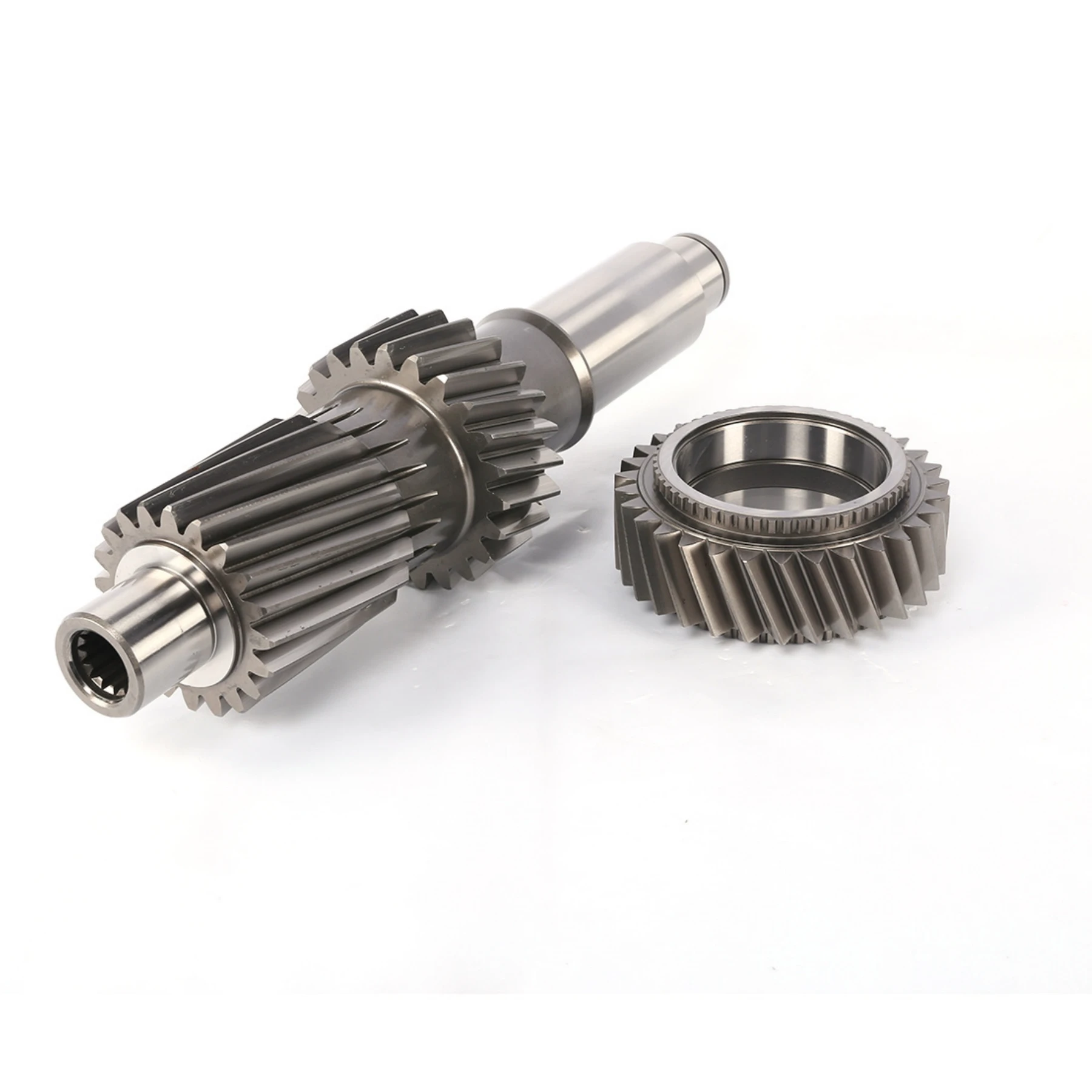 Transmission Gear
Power transmission: the engine operation drives the input gear on the input shaft to rotate, the input gear engages with other gears, and relies on the interaction between teeth and teeth to transfer the power to the intermediate gear (if any) and the output gear, and finally transfers the power to the driving wheel and other components through the output shaft to make the vehicle or equipment move.
Variable speed principle: Change the transmission ratio by meshing gears with different numbers of teeth. For example, when the big gear drives the small gear, the speed of the small gear will be faster than the big gear, but the output torque will be smaller, to achieve growth and torque reduction; On the contrary, when the pinion drives the big gear, the speed of the big gear slows down, the torque increases, and the torque increases. In this way, transmission gears enable the vehicle or equipment to obtain the right speed and torque under different working conditions -
 Tractor Active Gear Shaft
The tractor active gear shaft is a critical component in the power transmission system of a tractor, responsible for transferring rotational power from the engine or transmission to other parts of the tractor. By efficiently distributing torque and enabling smooth gear shifts, the active gear shaft plays a vital role in enhancing the performance and versatility of the tractor, making it essential for a wide range of agricultural tasks. In this article, we’ll explore the function, benefits, and maintenance of the tractor active gear shaft.
-
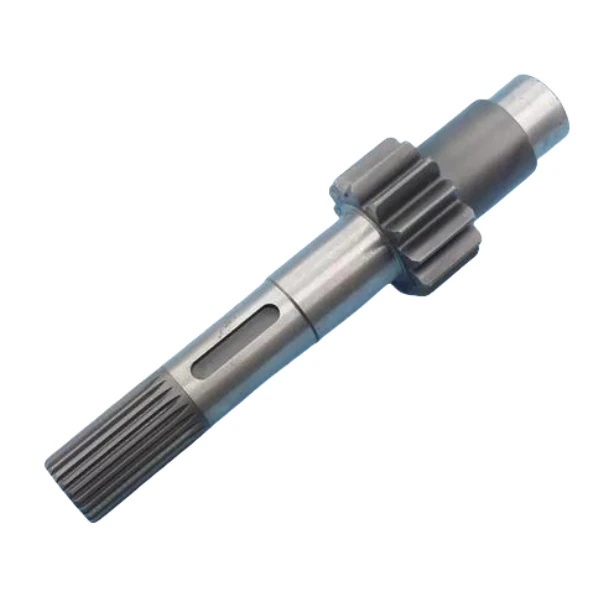 Harvester Input Shaft
The main role of the harvester input shaft is to introduce the power of the external power source into the internal transmission system of the harvester. When the power source (such as an engine) is running, the torque generated is transmitted to the input shaft through the connecting parts, causing the input shaft to start rotating. The gear, pulley or sprocket and other transmission parts installed on the input shaft will rotate with the rotation of the input shaft, and then transfer the power to the subsequent transmission parts and working parts, such as driving the cutting device, conveying device, threshing device, etc., to complete the crop harvesting, conveying, threshing and other work processes.
Related News

How to Choose a Gearbox Transmission for Agricultural Power Reversal
Choose a gearbox transmission for agricultural machinery by checking application, housing rigidity, compact fit, gear engagement, connections, and customization needs.
>

Drive axle price: choosing the 1204 axle for multi-wheel machinery
Compare the factors behind drive axle price for the 1204 axle, including 4WD, 6WD, 8WD layouts, differential locks, gearing, steering, and machine fit.
>

How to Choose a Wheel Transmission for Heavy-Duty 4WD Machinery
Choose a wheel transmission by checking hydraulic control, torque, braking, rear drive interface, and 4WD requirements for the D8 platform.
>

What Is the Use of Seeder? Air Suction No-Till Seeder FAQ
Learn what is the use of seeder equipment, how air suction seed placement works, supported crops, terrain features, and ordering checks for no-till planting.
>

Comparing A Rice Planter Options: Specifications, Materials and Supplier Documentation
Compare A Rice Planter options by planting controls, field conditions, materials, operating modes, customization, and documented information gaps.
>

Optimize Your Small Scale Farm With a Hobby Farm Seed Drill
Optimizing Your Small-Scale Farm with a Hobby Farm Seed Drill For many aspiring farmers and gardening enthusiasts, transitioning from hand-sowing to mechanized planting is a significant milestone. Utilizing a hobby farm seed drill allows for precision planting, ensuring that seeds are placed at the correct depth and spacing for optimal germination. Whether you are growing cover crops, vegetables, or grains on a small scale, the right equipment reduces physical labor and minimizes seed waste. In this guide, we will explore how the right seeding technology can transform your agricultural productivity and the key factors to consider when selecting equipment for your plot.
>

Maximize Crop Yields with the Professional Happy Seed Drill
Maximize Crop Yields with the Happy Seed Drill: An Essential Guide In the modern agricultural landscape, precision is the key to sustainability and profitability. The happy seed drill represents a significant leap in planting technology, designed to ensure that every seed is placed at the optimal depth and spacing. By reducing seed waste and improving germination rates, this machinery allows farmers to optimize their land use and increase overall harvest efficiency. Whether you are managing a small family plot or a large-scale industrial farm, understanding the mechanics and benefits of advanced seeding equipment is crucial for long-term success.
>

Professional Hand Seed Drill Machine for Precision Planting
Maximize Your Harvest with the Professional Hand Seed Drill Machine Efficient planting is the cornerstone of a successful harvest. For modern farmers seeking a balance between precision and manual control, the hand seed drill machine offers an indispensable solution. By integrating advanced seed distribution mechanisms with ergonomic design, these machines reduce the physical burden of sowing while ensuring every seed is placed at the optimal depth. Whether you are managing a small vegetable plot or a larger cereal field, investing in high-quality planting equipment can drastically improve crop uniformity and yield. In this guide, we will explore the features and advantages
>

Efficient Farming with Hand Operated Seed Drill Machine Guide
Revolutionizing Planting: The Ultimate Guide to the Hand Operated Seed Drill Machine For small to medium-scale farmers, precision in sowing is the cornerstone of a successful harvest. The hand operated seed drill machine offers a perfect blend of simplicity and efficiency, eliminating the tedious nature of manual broadcasting. By ensuring uniform seed depth and consistent spacing, this tool maximizes germination rates and optimizes crop yield. In an era where agricultural productivity is key to food security, adopting a reliable manual seeder is a strategic move for any grower looking to reduce labor costs while improving plant health.
>

Maximize Crop Yields with a hand operated automatic seed drill
Maximizing Crop Yields with a Hand Operated Automatic Seed Drill Efficient planting is the cornerstone of successful farming. The hand operated automatic seed drill represents a significant leap in agricultural technology for small to medium-scale farmers. By combining manual mobility with automatic precision, this tool eliminates the inconsistencies of hand-broadcasting seeds, ensuring optimal spacing and depth. Whether you are managing a vegetable garden or a commercial grain plot, utilizing a precision seeder reduces waste and promotes healthier plant growth. In this guide, we explore how this innovative machinery optimizes the sowing process and why it is an essential investment for modern sustainable agriculture.
>
International layout
Spread all over the world
our products are exported to various parts of the world. Currently, our products have been exported to more than 40 countries Our products cover Asia, Europe, Africa, South America, North America, and Oceania
Sign up
for Newsletter
Subscribe to the weekly newsletter for all the latest updates