- Tel: +86 13451474678 / 13451474678
- Email: / hbzinanmech@gmail.com

Buy Small Direct Drill Seeder For Sale – Efficient, Sustainable Planting Solutions
Why Small Direct Drill Seeders Matter More Than Ever
If you’ve ever wondered how farmers manage to sow seeds so precisely yet so efficiently, the small direct drill seeder is probably part of that answer. Especially for small to medium-sized farms, these machines have quietly revolutionized planting by combining simplicity with high productivity. Globally, with growing pressures on land use, environmental sustainability, and food security, understanding these small direct drill seeders isn’t just an agricultural curiosity. It’s quite literally a tool that embodies smarter farming and better yields without the heavy environmental footprint typical of more traditional sowing.
Globally, the UN Food and Agriculture Organization (FAO) notes that sustainable intensification of agriculture will be critical to feed a projected 9.7 billion people by 2050—and equipment like small direct drill seeders plays a big role in that transition.[1]
Small Direct Drill Seeder For Sale: The Global Context
When you search for a “small direct drill seeder for sale,” you’re hitting upon a product that’s not just a niche machine but part of a growing global trend. Why? Well, soil conservation is a huge challenge worldwide. According to the World Bank, soil degradation affects one-third of global cropland, primarily due to over-tillage and poor land management.[2] Direct drilling, as opposed to conventional ploughing, significantly reduces soil disturbance, promoting better water retention and biodiversity.
In many developing countries and remote regions, smallholders need affordable, compact machines that slip under tight budgets yet offer reliable performance. The small direct drill seeder fits that bill — providing a cost-effective solution that helps farmers save time and labor.
But beyond economics, this machine addresses a more subtle problem: sustainability. In a world increasingly aware of climate change and resource depletion, direct drilling is a way to grow more food with less damage. So, that “small direct drill seeder for sale” listing? It’s where technology meets global responsibility.
What Exactly is a Small Direct Drill Seeder?
Simply put, a small direct drill seeder is an agricultural implement designed to plant seeds directly into the soil without prior tillage or ploughing. Unlike traditional methods where the soil is turned over, direct seeders cut into the ground and deposit seeds into narrow furrows or slots. The "small" aspect usually refers to size—these are compact, often tractor-mounted or pull-behind models, perfect for small plots, hillside farms, or intensive vegetable production.
The beauty lies in its simplicity combined with efficiency. No messy soil inversion, less soil erosion, and often better seed-to-soil contact means better germination rates. This method aligns with conservation agriculture principles that aim to improve yields while preserving soil health and water cycles.
Key Features of Small Direct Drill Seeders
1. Durability and Build Quality
Many of these machines are designed with rugged components—steel frames, wear-resistant discs or coulters—that can cope with abrasive or stony soils. Durability means fewer breakdowns during busy planting seasons, which farmers cherish.
2. Adjustable Seed Metering
Seed spacing and depth control are crucial here. The small direct drill seeder comes with mechanisms to adjust seed rate and planting depth, ensuring different crops—from maize to legumes—get precisely what they need. This adaptability is essential for diversified farms.
3. Ease of Use and Maintenance
Compact models often champion user-friendly designs. Many have quick-cleaning features, modular parts, and require minimal tools for maintenance, which is vital in rural settings where expert technicians might be scarce.
4. Fuel and Cost Efficiency
Smaller, lightweight seeders demand less power from tractors or can even be manually operated in some cases. This reduces fuel consumption and operating costs—a tangible saving in low-margin agricultural setups.
5. Versatility & Compatibility
Many small seeders attach to a range of tractor types or power sources, often with the ability to plant different seed varieties or even apply fertilizer simultaneously.
6. Soil Conservation Benefits
Since no ploughing is needed, the soil structure remains intact. This reduces erosion, boosts organic matter retention, and helps keep beneficial microbes thriving.
Small Direct Drill Seeder Applications Around the Globe
From the terraced rice fields of Southeast Asia to small-scale grain farms across Africa, small direct drill seeders have gained traction for their adaptability and efficiency.
- In post-disaster regions: Rehabilitating arable land after floods or landslides is urgent but fragile work. Here, small direct drill seeders enable quick replanting without further soil damage.
- In organic farming: Minimizing soil disturbance is key to preserving soil microbes and avoiding herbicide overuse. These seeders fit organically managed plots well.
- Urban or peri-urban farms: Smaller machines allow extensive seeding in tight, irregular spaces where large equipment can’t maneuver.
- Drought-prone areas: By maintaining soil moisture better, direct seeding improves germination success in arid zones.
Farm cooperatives across Latin America have adopted small direct drill seeders to boost productivity sustainably. NGOs supporting smallholder farmers in Sub-Saharan Africa also promote them for ease of use and scalability.
Quick Takeaway
Small direct drill seeders are global tools for sustainable, efficient planting across various farming models — a quiet hero in modern agriculture.
Product Specification Table: Typical Small Direct Drill Seeder Model
| Specification | Details |
|---|---|
| Working Width | 1.5 meters (approx. 5 ft) |
| Seed Hopper Capacity | 50 kg (110 lbs) |
| Seed Metering | Adjustable mechanical or pneumatic |
| Suitable Tractor Power | 15–40 HP |
| Operational Speed | 4–8 km/h (2.5–5 mph) |
| Weight | ~200 kg (440 lbs) |
Comparing Vendors: What to Consider When Buying a Small Direct Drill Seeder
| Vendor | Price Range (USD) | Warranty | Local Support | Customization Options |
|---|---|---|---|---|
| AgroTech Solutions | $2,500-$3,200 | 2 years | Available in North America & Europe | Seed spacing, hopper size |
| GreenGrow Equip. | $2,000-$2,800 | 1 year | Limited, mostly online support | Crop-specific seed meters |
| FarmEase Manufacturers | $2,400-$3,000 | 3 years | Global network | Custom hitching & fertilizer add-ons |
What Makes Small Direct Drill Seeders So Valuable? Advantages & Long-Term Impact
First, they really reduce soil disturbance. That means better soil health over time, increased organic matter, and stronger root systems. Farmers often report better yields in the second or third season after switching to direct drilling.
Second, there’s cost savings. Less labor, less fuel, less wear on tractors—it adds up. Plus, for smallholder farms or start-ups, the upfront cost is manageable, and those savings can mean the difference between breaking even and real profit.
Socially, these machines support food security by increasing farmers' ability to respond faster to seasonal demands. There's also a kind of dignity in owning your planting machine, which supports independence, especially in emerging economies.
Lastly, I heard from a cooperative in Argentina who adopted these seeders that they saved weeks in planting time and reduced seed waste by nearly 15%. That’s not just efficiency—that’s a winning story.
Looking Ahead: Innovations and Trends in Direct Drill Seeder Technology
Tech is sneaking into seeders in quieter ways than some other agri gear. Expect improvements like:
- Digital seed meters: Smart sensors monitoring seed flow and adjusting on the fly.
- Lightweight composites: To reduce weight even more while keeping strength.
- Electric or battery-assisted operation: Cutting diesel dependence in small farms.
- Integration with GPS and precision agriculture software: For ultra-accurate planting that syncs with farm data.
- Eco-friendly coatings and materials: To reduce corrosion and extend product life.
With a mix of environmental urgency and digital trends, the small direct drill seeder will evolve, slowly but steadily, into even smarter and greener tools.
Common Challenges & How Industry Experts Tackle Them
Direct drilling isn't a silver bullet. For example, residue from prior crops can clog seed delivery mechanisms. Soil compaction under heavy tractors can also be a concern, though lighter models mitigate that. Seed placement precision can vary if terrain is uneven.
Experts recommend combining small direct drill seeders with controlled traffic farming to reduce compaction. Design innovations in coulter shape and seed tube placement also help reduce clogging. Plus, better user training and maintenance programs increase reliability.
Small Direct Drill Seeder FAQ
- Q: What sizes of farms benefit most from small direct drill seeders?
- A: Generally, farms ranging from 1 to 20 hectares (2.5 to 50 acres) see the most benefit. The machines' size and lower power requirements suit small-scale and diversified farms perfectly.
- Q: Are small direct drill seeders suitable for all soil types?
- A: While versatile, they perform best in soils with moderate moisture and minimal heavy clay or rock content. Modified models can handle tougher terrains, but some soil prep might still be needed.
- Q: How difficult is it to maintain these seeders without expert help?
- A: Most small direct drill seeders are designed for easy maintenance with basic tools. Modular parts and clear manuals mean farmers can handle most servicing themselves, especially if local support is accessible.
- Q: Can these machines plant multiple seed varieties simultaneously?
- A: Some advanced models support multi-seed hopper options, but most standard small direct drill seeders focus on one crop at a time. Fertilizer attachment compatibility is more common.
- Q: How can I ensure I’m buying a quality small direct drill seeder?
- A: Look for trusted manufacturers with warranties, local support, and positive user reviews. Testing or demo sessions help too—and remember to consider post-sale service.
Concluding Thoughts and Next Steps
The small direct drill seeder is more than just a piece of farm equipment; it’s part of a broader movement toward sustainability, efficiency, and smarter food production worldwide. If you’re considering upgrading or entering direct drilling, understanding the value and options is critical. For those hunting for a small direct drill seeder for sale, finding the right balance between features, price, and support is key.
Do yourself a favor and take a closer look, because it’s one of those investments that reward you season after season — with less hassle, better soil, and ultimately, a healthier crop.
Want to stay ahead in modern farming? Visit our website: https://www.zinanmech.com to explore top models, specifications, and expert advice.
Mini Takeaway
Small direct drill seeders support global efforts in sustainable agriculture by combining cost-effective planting with soil conservation—a win-win for farmers and the planet.
References

Related Products
-
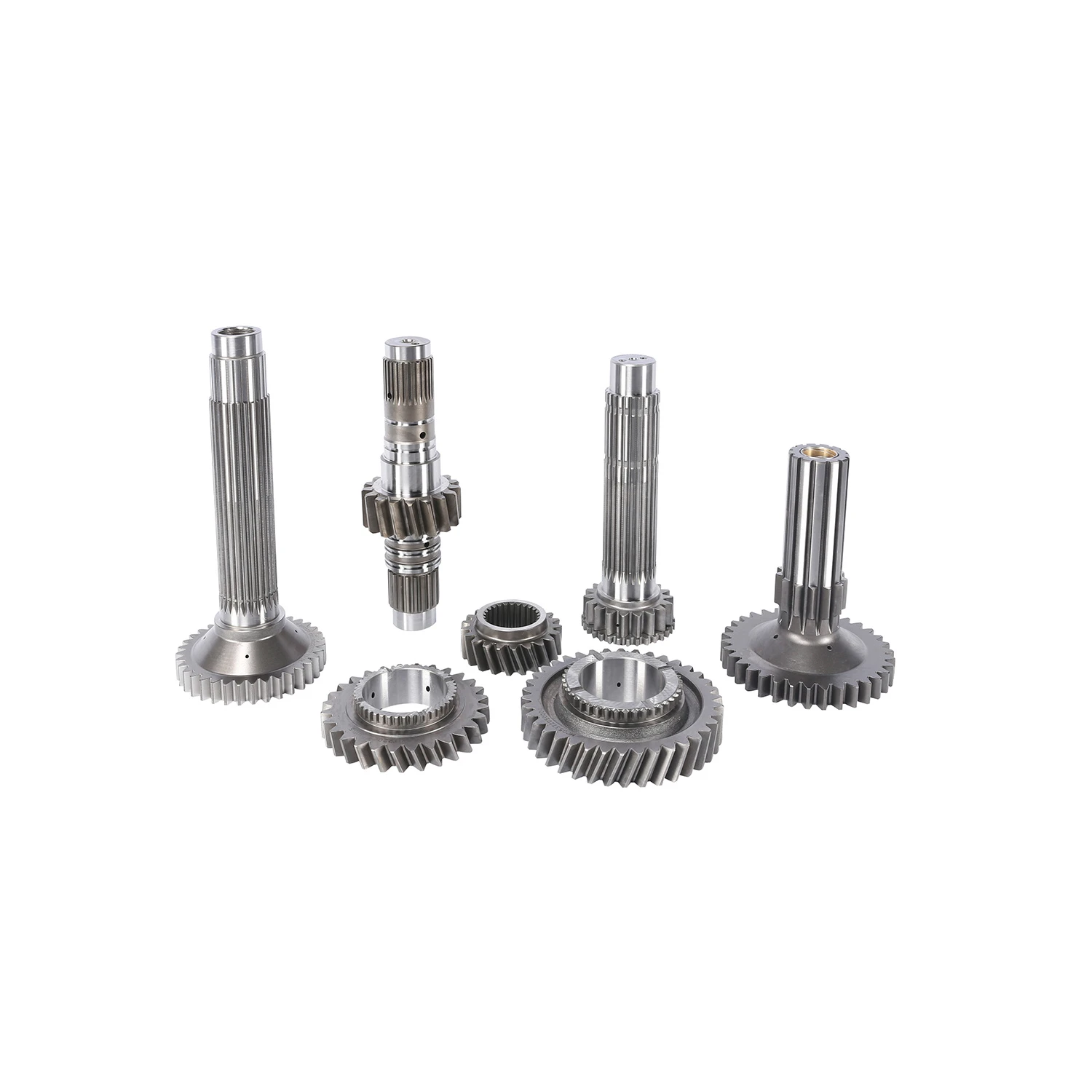 Tractor Gear Shaft
The tractor gear shaft is a crucial element in the power transmission system of a tractor. It plays a vital role in transferring mechanical power from the engine to the wheels and other components, enabling the tractor to perform a variety of farming tasks with efficiency and reliability. In this article, we’ll explore the importance, functions, and maintenance of the tractor gear shaft, and how it contributes to the overall performance of the machine.
-
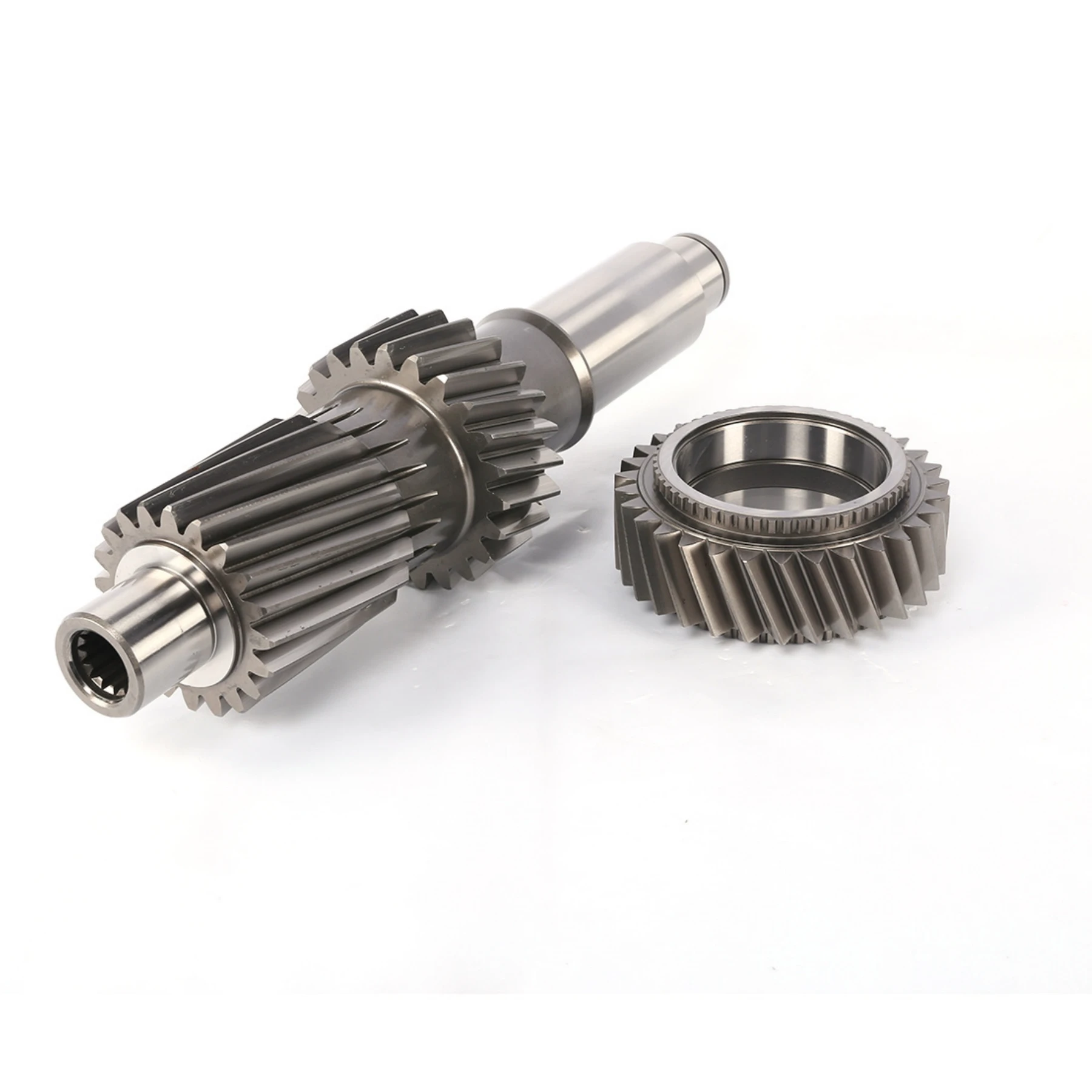 Transmission Gear
Power transmission: the engine operation drives the input gear on the input shaft to rotate, the input gear engages with other gears, and relies on the interaction between teeth and teeth to transfer the power to the intermediate gear (if any) and the output gear, and finally transfers the power to the driving wheel and other components through the output shaft to make the vehicle or equipment move.
Variable speed principle: Change the transmission ratio by meshing gears with different numbers of teeth. For example, when the big gear drives the small gear, the speed of the small gear will be faster than the big gear, but the output torque will be smaller, to achieve growth and torque reduction; On the contrary, when the pinion drives the big gear, the speed of the big gear slows down, the torque increases, and the torque increases. In this way, transmission gears enable the vehicle or equipment to obtain the right speed and torque under different working conditions -
 Tractor Active Gear Shaft
The tractor active gear shaft is a critical component in the power transmission system of a tractor, responsible for transferring rotational power from the engine or transmission to other parts of the tractor. By efficiently distributing torque and enabling smooth gear shifts, the active gear shaft plays a vital role in enhancing the performance and versatility of the tractor, making it essential for a wide range of agricultural tasks. In this article, we’ll explore the function, benefits, and maintenance of the tractor active gear shaft.
-
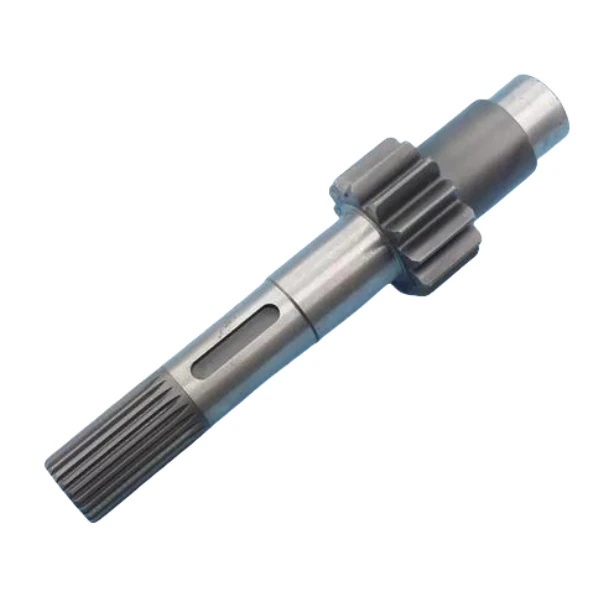 Harvester Input Shaft
The main role of the harvester input shaft is to introduce the power of the external power source into the internal transmission system of the harvester. When the power source (such as an engine) is running, the torque generated is transmitted to the input shaft through the connecting parts, causing the input shaft to start rotating. The gear, pulley or sprocket and other transmission parts installed on the input shaft will rotate with the rotation of the input shaft, and then transfer the power to the subsequent transmission parts and working parts, such as driving the cutting device, conveying device, threshing device, etc., to complete the crop harvesting, conveying, threshing and other work processes.
Related News

Drive axle price: choosing the 1204 axle for multi-wheel machinery
Compare the factors behind drive axle price for the 1204 axle, including 4WD, 6WD, 8WD layouts, differential locks, gearing, steering, and machine fit.
>

How to Choose a Wheel Transmission for Heavy-Duty 4WD Machinery
Choose a wheel transmission by checking hydraulic control, torque, braking, rear drive interface, and 4WD requirements for the D8 platform.
>

What Is the Use of Seeder? Air Suction No-Till Seeder FAQ
Learn what is the use of seeder equipment, how air suction seed placement works, supported crops, terrain features, and ordering checks for no-till planting.
>

Comparing A Rice Planter Options: Specifications, Materials and Supplier Documentation
Compare A Rice Planter options by planting controls, field conditions, materials, operating modes, customization, and documented information gaps.
>

Optimize Your Small Scale Farm With a Hobby Farm Seed Drill
Optimizing Your Small-Scale Farm with a Hobby Farm Seed Drill For many aspiring farmers and gardening enthusiasts, transitioning from hand-sowing to mechanized planting is a significant milestone. Utilizing a hobby farm seed drill allows for precision planting, ensuring that seeds are placed at the correct depth and spacing for optimal germination. Whether you are growing cover crops, vegetables, or grains on a small scale, the right equipment reduces physical labor and minimizes seed waste. In this guide, we will explore how the right seeding technology can transform your agricultural productivity and the key factors to consider when selecting equipment for your plot.
>

Maximize Crop Yields with the Professional Happy Seed Drill
Maximize Crop Yields with the Happy Seed Drill: An Essential Guide In the modern agricultural landscape, precision is the key to sustainability and profitability. The happy seed drill represents a significant leap in planting technology, designed to ensure that every seed is placed at the optimal depth and spacing. By reducing seed waste and improving germination rates, this machinery allows farmers to optimize their land use and increase overall harvest efficiency. Whether you are managing a small family plot or a large-scale industrial farm, understanding the mechanics and benefits of advanced seeding equipment is crucial for long-term success.
>

Professional Hand Seed Drill Machine for Precision Planting
Maximize Your Harvest with the Professional Hand Seed Drill Machine Efficient planting is the cornerstone of a successful harvest. For modern farmers seeking a balance between precision and manual control, the hand seed drill machine offers an indispensable solution. By integrating advanced seed distribution mechanisms with ergonomic design, these machines reduce the physical burden of sowing while ensuring every seed is placed at the optimal depth. Whether you are managing a small vegetable plot or a larger cereal field, investing in high-quality planting equipment can drastically improve crop uniformity and yield. In this guide, we will explore the features and advantages
>

Efficient Farming with Hand Operated Seed Drill Machine Guide
Revolutionizing Planting: The Ultimate Guide to the Hand Operated Seed Drill Machine For small to medium-scale farmers, precision in sowing is the cornerstone of a successful harvest. The hand operated seed drill machine offers a perfect blend of simplicity and efficiency, eliminating the tedious nature of manual broadcasting. By ensuring uniform seed depth and consistent spacing, this tool maximizes germination rates and optimizes crop yield. In an era where agricultural productivity is key to food security, adopting a reliable manual seeder is a strategic move for any grower looking to reduce labor costs while improving plant health.
>

Maximize Crop Yields with a hand operated automatic seed drill
Maximizing Crop Yields with a Hand Operated Automatic Seed Drill Efficient planting is the cornerstone of successful farming. The hand operated automatic seed drill represents a significant leap in agricultural technology for small to medium-scale farmers. By combining manual mobility with automatic precision, this tool eliminates the inconsistencies of hand-broadcasting seeds, ensuring optimal spacing and depth. Whether you are managing a vegetable garden or a commercial grain plot, utilizing a precision seeder reduces waste and promotes healthier plant growth. In this guide, we explore how this innovative machinery optimizes the sowing process and why it is an essential investment for modern sustainable agriculture.
>

Guide to Four Wheel Drive Manual Transmission for Off Road Control
Mastering the Terrain: The Guide to Four Wheel Drive Manual Transmission For off-road enthusiasts and industrial operators, the combination of a four wheel drive manual transmission offers an unparalleled level of control and reliability. Unlike automatic systems that rely on computer-managed shifts, a manual setup allows the driver to dictate exactly how power is distributed to the wheels, making it indispensable for steep inclines, muddy terrains, and heavy-duty hauling. At Zinanmech , we understand that the synergy between a robust drivetrain and a manual gearbox is what defines true mechanical endurance.
>
International layout
Spread all over the world
our products are exported to various parts of the world. Currently, our products have been exported to more than 40 countries Our products cover Asia, Europe, Africa, South America, North America, and Oceania
Sign up
for Newsletter
Subscribe to the weekly newsletter for all the latest updates