- Tel: +86 13451474678 / 13451474678
- Email: / hbzinanmech@gmail.com

Choosing the Best Three Point Tractor Tiller for Efficient Land Preparation
Choosing the Right Three Point Tractor Tiller for Your Needs
A three point tractor tiller is an invaluable attachment for preparing land for planting, maintaining gardens, or breaking up hard-packed soil. Selecting the right tiller depends on your tractor's horsepower, the type of soil you'll be working with, and the scale of your operations. This article will guide you through the key considerations when choosing a three point tiller, helping you find the perfect model from Zinanmech. We'll explore the benefits, types, features, and essential factors to ensure you make an informed purchase.
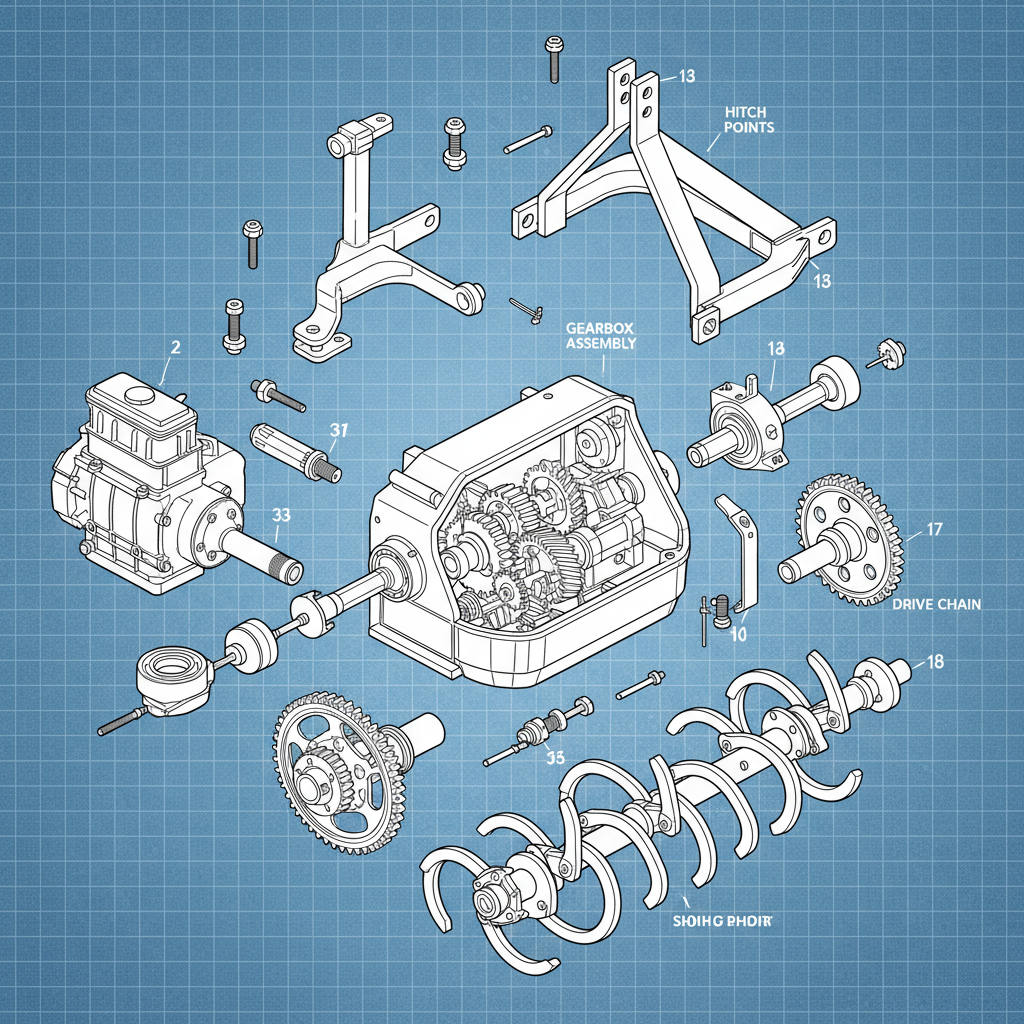
Understanding the Benefits of a Three Point Tractor Tiller
A three point tiller offers significant advantages over manual labor or other soil preparation methods. It saves time and effort, allowing you to cover larger areas quickly and efficiently. Tillers effectively break up compacted soil, improving aeration and drainage. This, in turn, promotes healthy root growth and increases crop yields. They also help to incorporate organic matter and fertilizers into the soil, enriching its nutrient content. Whether you're a small-scale farmer or a homeowner with a large garden, a three point tractor tiller is a versatile and productive tool.
Key Benefits: Saves time and effort, improves soil aeration and drainage, promotes root growth, and incorporates organic matter effectively.
Types of Three Point Tractor Tillers
There are several types of three point tractor tillers, each suited to different tasks. Zinanmech offers a comprehensive range. Standard Tillers are ideal for general-purpose soil preparation. Heavy-Duty Tillers are designed for breaking up extremely hard or rocky soil. Finish Tillers create a smooth, fine seedbed for planting. Agricultural Tillers are specifically designed for larger-scale farming operations. Choosing the right type ensures optimal performance and efficiency for your specific needs.
Tiller Type Overview:
• Standard Tillers: General-purpose soil preparation.
• Heavy-Duty Tillers: Hard or rocky soil.
• Finish Tillers: Smooth seedbeds.
• Agricultural Tillers: Large-scale farming.
Key Features to Consider When Choosing a Three Point Tractor Tiller
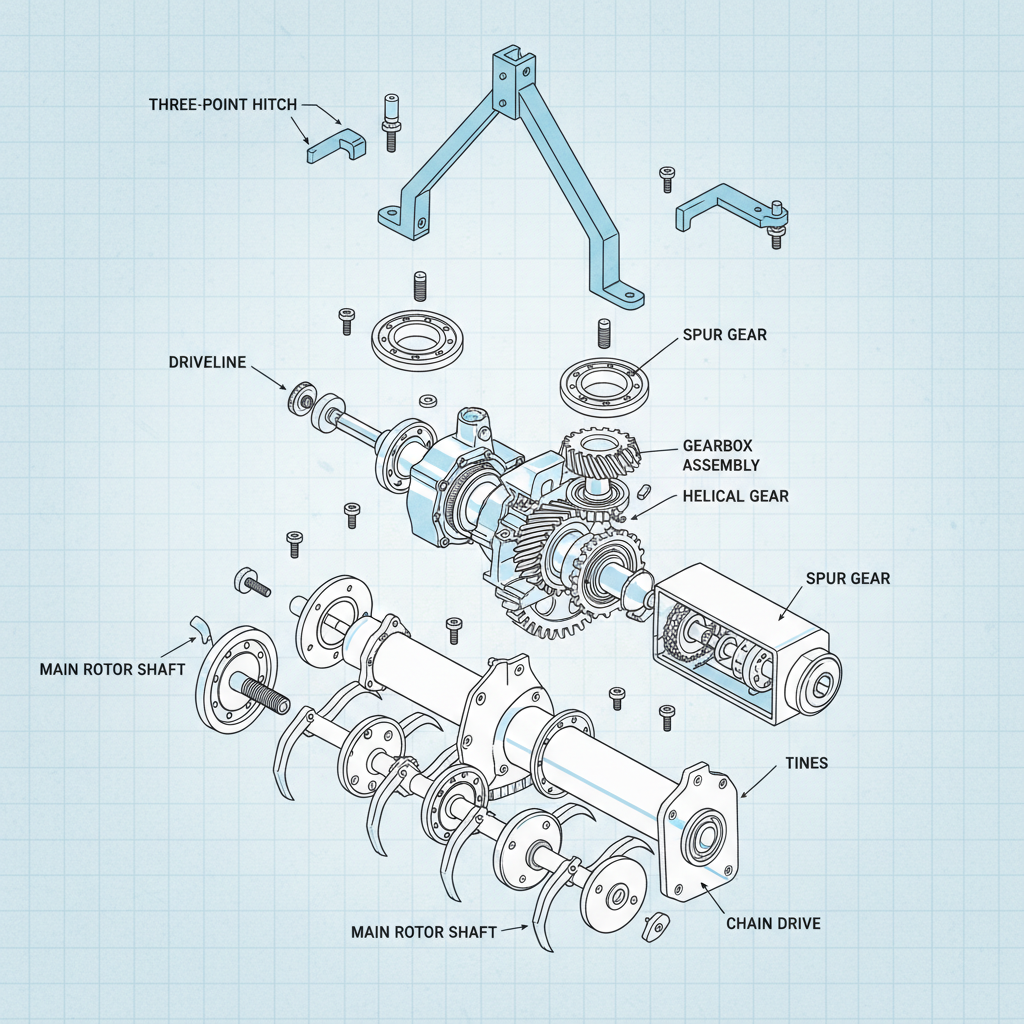
Several key features influence the performance and suitability of a three point tractor tiller. Working Width determines the area covered per pass. A wider working width is faster but requires more horsepower. Tilling Depth indicates how deep the tiller can penetrate the soil. Blade Type (C-blades, L-blades) affects the type of soil it's best suited for. Gearbox Reliability is critical for durability and long-term performance. Zinanmech tillers are engineered with high-quality gearboxes and durable blades for reliable operation.
Matching Horsepower to Your Three Point Tractor Tiller
Selecting a tiller that matches your tractor’s horsepower is essential for optimal performance and to avoid damaging your equipment. Using a tiller that's too large for your tractor can lead to stalling, reduced efficiency, and potential mechanical issues. Here’s a general guideline:
Tractor HP | Recommended Tiller Width (ft)
20-30 HP | 4-6 ft
30-40 HP | 6-8 ft
40+ HP | 8+ ft
It's always best to consult the tiller’s specifications and your tractor’s manual to confirm compatibility. Zinanmech provides detailed specifications for all our tillers, ensuring you can make the right choice for your tractor.
Conclusion: Investing in Quality with Zinanmech
Choosing the right three point tractor tiller is a significant investment in your land management operations. By carefully considering your needs, tractor horsepower, and soil type, you can select a tiller that delivers years of reliable performance. Zinanmech is committed to providing high-quality tillers engineered for durability and efficiency. Browse our selection today and find the perfect tiller for your farm or garden!
Frequently Asked Questions (FAQs)
What maintenance is required for a three point tractor tiller?
Regular maintenance is crucial for prolonging the life of your tiller. This includes lubricating moving parts, checking and tightening bolts, inspecting the blades for wear, and greasing the gearbox. After each use, clean the tiller to remove soil and debris. Store the tiller in a dry, covered area to protect it from the elements. Refer to the owner's manual for specific maintenance recommendations. Zinanmech tillers are built with readily accessible grease fittings for easy maintenance.
Can a three point tiller be used on rocky soil?
While a standard three point tiller can handle some rocks, heavily rocky soil requires a heavy-duty tiller specifically designed for such conditions. These tillers have reinforced frames and stronger blades to withstand the impact of rocks. Always clear large rocks from the field before tilling to prevent damage to the tiller. Regularly inspect the blades for signs of wear or damage when working in rocky soil.
What is the benefit of adjustable tilling depth?
Adjustable tilling depth allows you to customize the tiller’s performance based on your specific needs. For initial soil preparation or breaking up heavily compacted soil, a deeper tilling depth is ideal. For lighter tasks like seedbed preparation or incorporating fertilizers, a shallower depth is sufficient. Adjusting the depth also prevents unnecessary strain on the tractor and tiller.

Related Products
-
 Tractor Gear Shaft
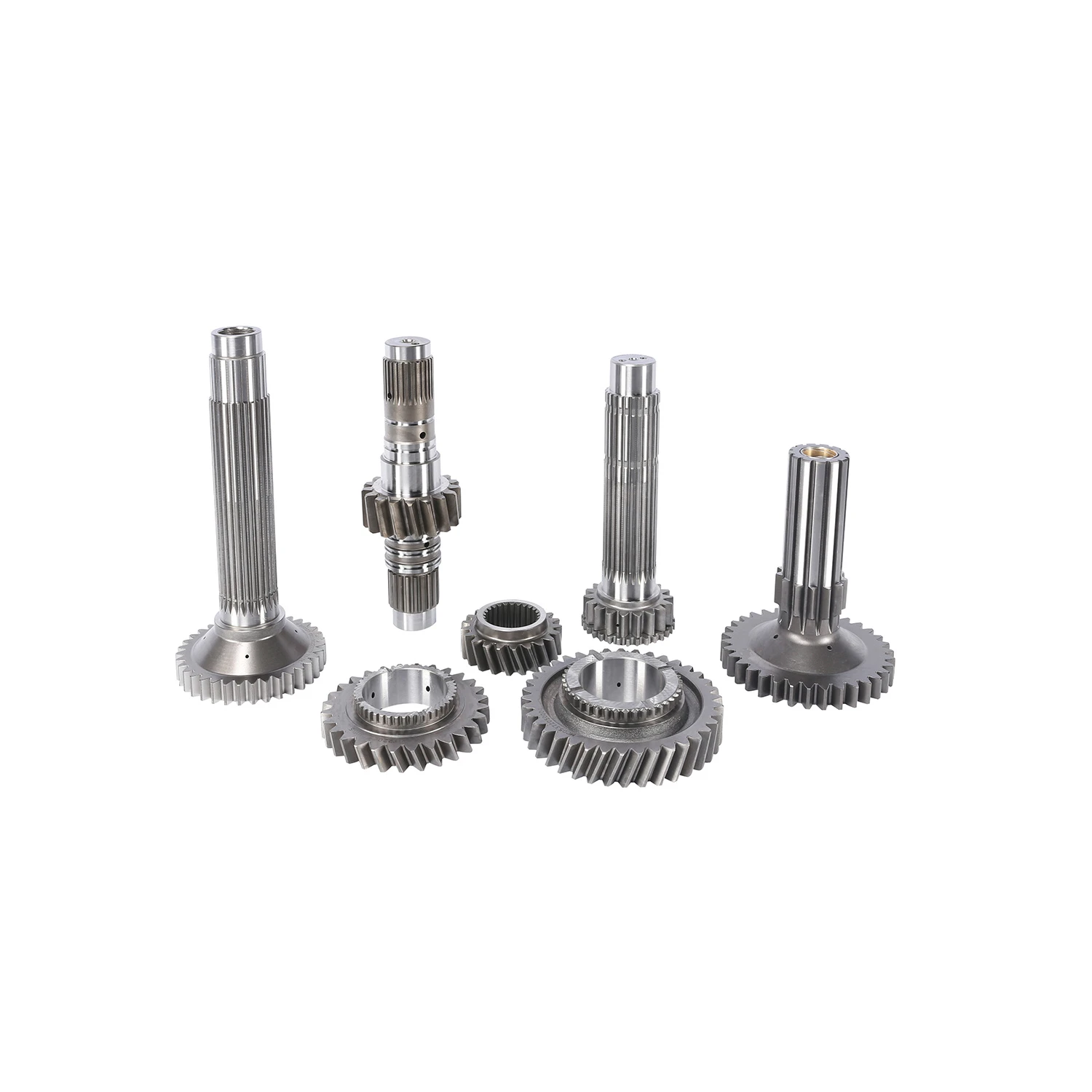
The tractor gear shaft is a crucial element in the power transmission system of a tractor. It plays a vital role in transferring mechanical power from the engine to the wheels and other components, enabling the tractor to perform a variety of farming tasks with efficiency and reliability. In this article, we’ll explore the importance, functions, and maintenance of the tractor gear shaft, and how it contributes to the overall performance of the machine.
-
 Transmission Gear
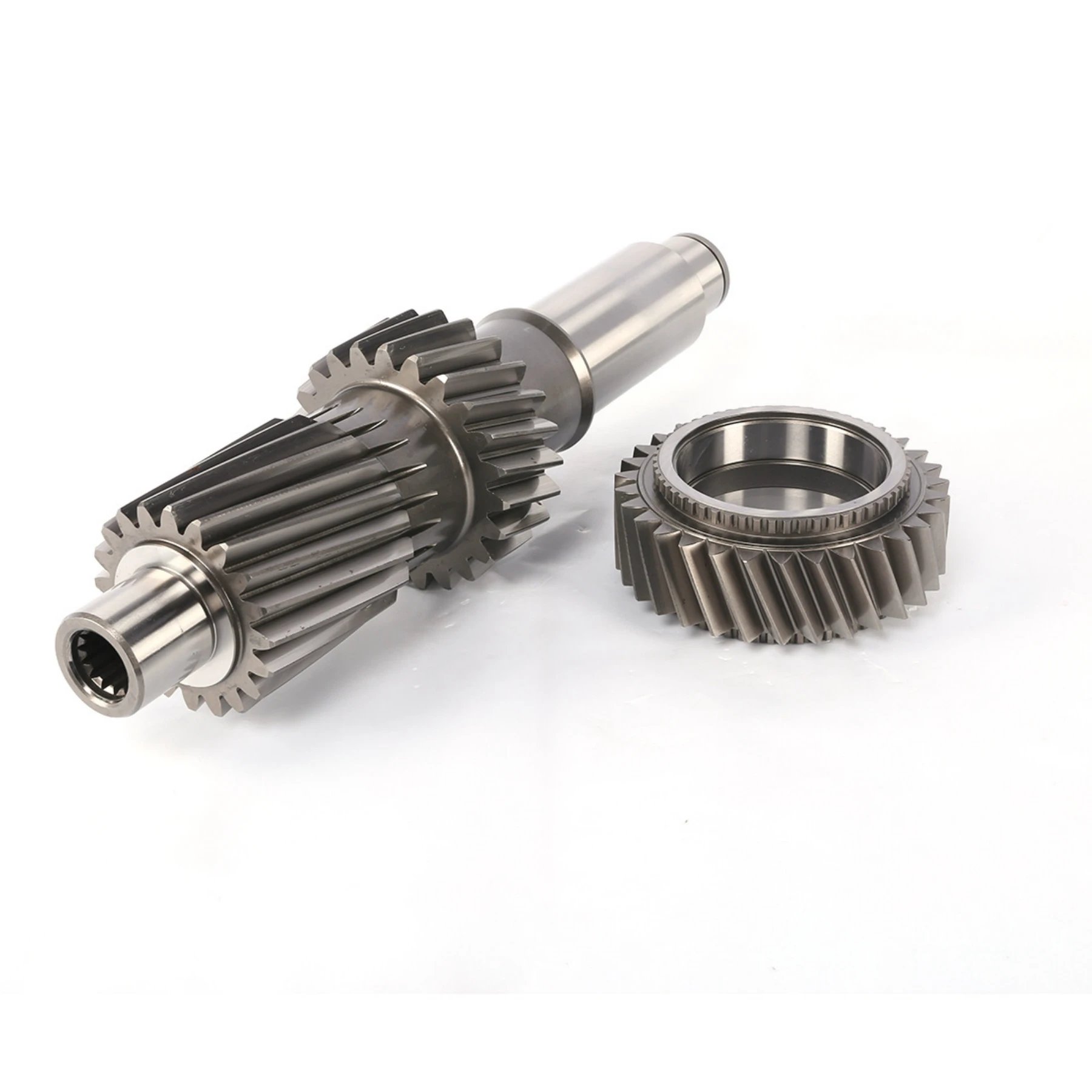
Power transmission: the engine operation drives the input gear on the input shaft to rotate, the input gear engages with other gears, and relies on the interaction between teeth and teeth to transfer the power to the intermediate gear (if any) and the output gear, and finally transfers the power to the driving wheel and other components through the output shaft to make the vehicle or equipment move.
Variable speed principle: Change the transmission ratio by meshing gears with different numbers of teeth. For example, when the big gear drives the small gear, the speed of the small gear will be faster than the big gear, but the output torque will be smaller, to achieve growth and torque reduction; On the contrary, when the pinion drives the big gear, the speed of the big gear slows down, the torque increases, and the torque increases. In this way, transmission gears enable the vehicle or equipment to obtain the right speed and torque under different working conditions -
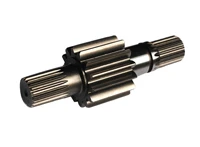 Tractor Active Gear Shaft
The tractor active gear shaft is a critical component in the power transmission system of a tractor, responsible for transferring rotational power from the engine or transmission to other parts of the tractor. By efficiently distributing torque and enabling smooth gear shifts, the active gear shaft plays a vital role in enhancing the performance and versatility of the tractor, making it essential for a wide range of agricultural tasks. In this article, we’ll explore the function, benefits, and maintenance of the tractor active gear shaft.
-
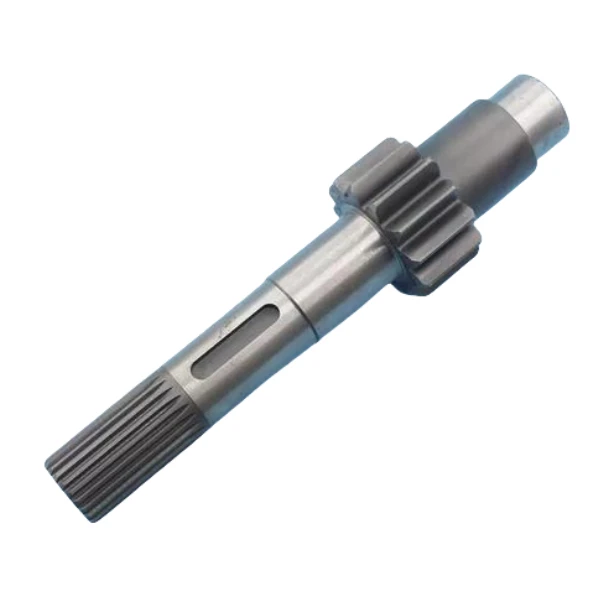 Harvester Input Shaft
The main role of the harvester input shaft is to introduce the power of the external power source into the internal transmission system of the harvester. When the power source (such as an engine) is running, the torque generated is transmitted to the input shaft through the connecting parts, causing the input shaft to start rotating. The gear, pulley or sprocket and other transmission parts installed on the input shaft will rotate with the rotation of the input shaft, and then transfer the power to the subsequent transmission parts and working parts, such as driving the cutting device, conveying device, threshing device, etc., to complete the crop harvesting, conveying, threshing and other work processes.
Related News
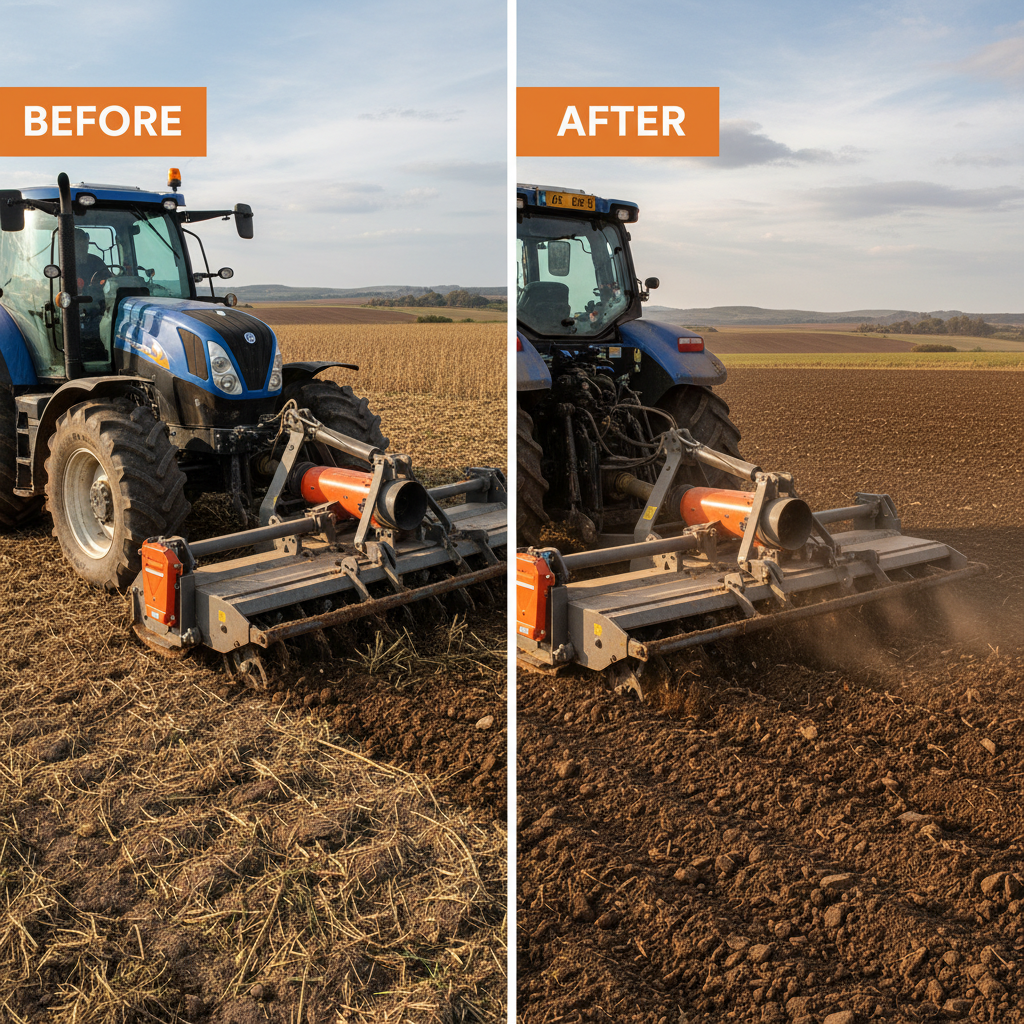
Professional Heavy Duty Tiller for Tractor for Soil Productivity
Achieving the perfect seedbed is the foundation of any successful harvest. For farmers dealing with compacted soil, stubborn crop residue, or expansive acreage, a standard rototiller often falls short. This is where a heavy duty tiller for tractor becomes an essential investment. These robust machines are engineered to penetrate deep into the earth, breaking up hardpan and aerating the soil with unmatched efficiency. By integrating a professional-grade tiller into your machinery lineup, you can significantly reduce preparation time and improve crop yield. In this guide, we will explore the technical advantages, selection criteria, and maintenance tips for choosing the right heavy-duty tilling solution.
>
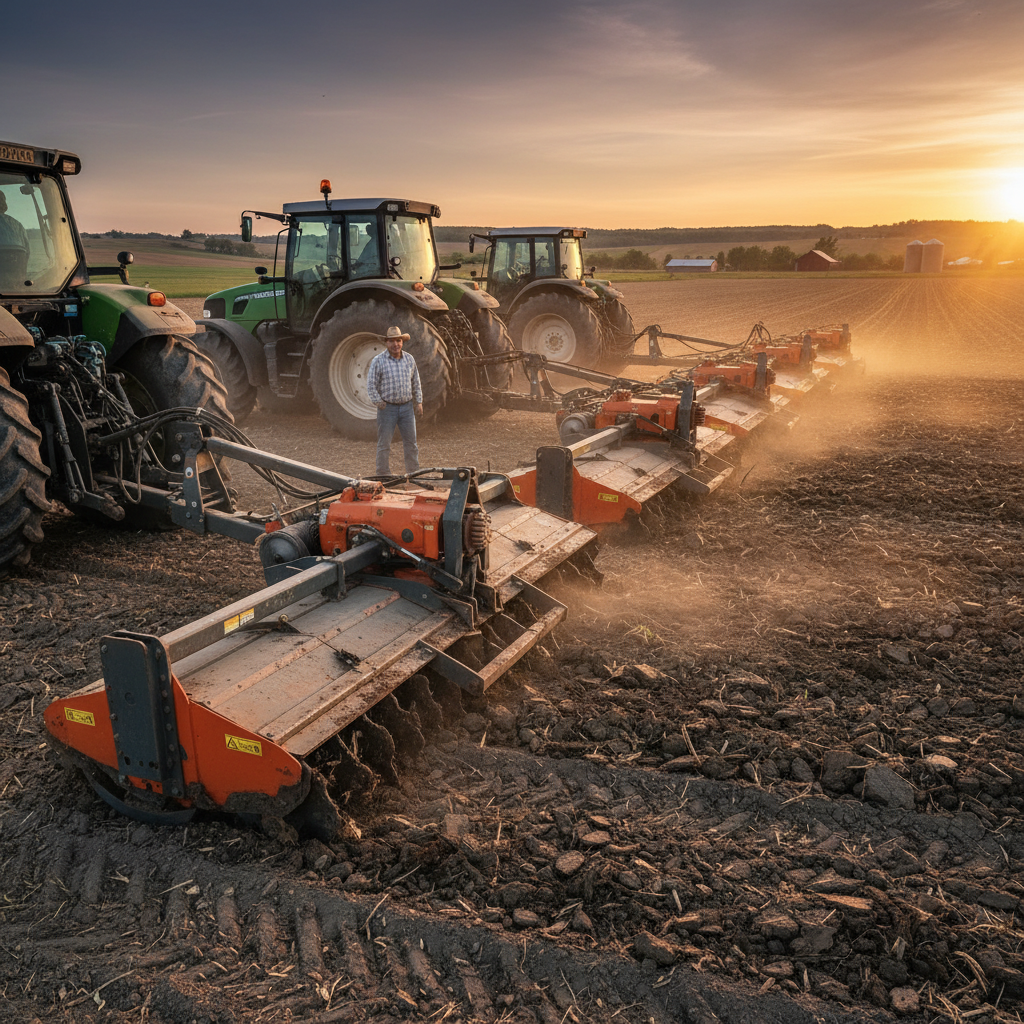
Maximizing Land Productivity with Professional Heavy Duty Tillers
For professional farmers and landscaping contractors, the quality of soil preparation determines the success of the entire growing season. Investing in high-performance heavy duty tillers is essential for breaking through compacted earth, removing stubborn weeds, and integrating organic matter deeply into the soil. Unlike standard garden cultivators, these industrial-grade machines are engineered to handle vast acreages and the most challenging terrain without compromising efficiency. In this guide, we will explore how choosing the right equipment can transform your agricultural output and streamline your land management process.
>
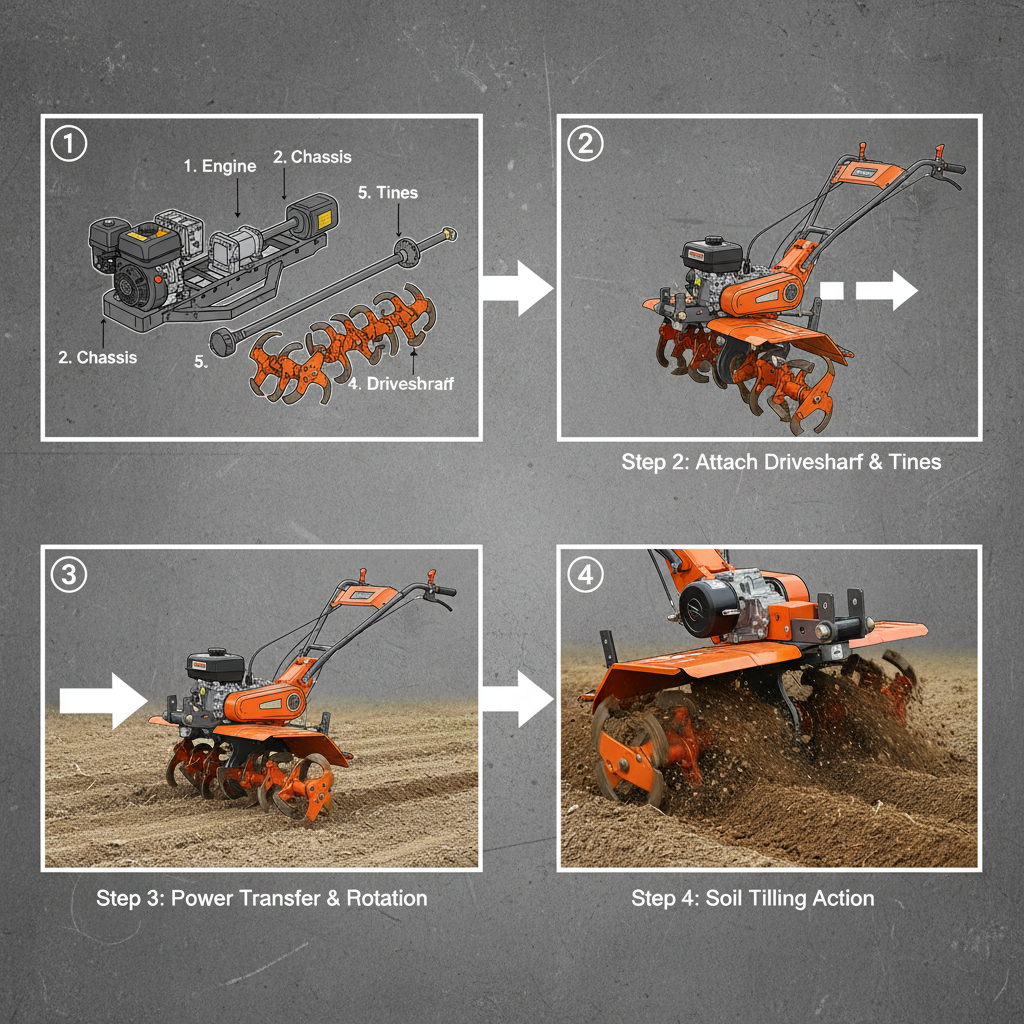
Choosing the Best Heavy Duty Rototiller for Efficient Land Preparation
A heavy duty rototiller is an invaluable tool for anyone involved in serious gardening, small-scale farming, or land preparation. Whether you're breaking new ground, maintaining existing garden beds, or preparing for planting, the right rototiller can significantly reduce labor and improve efficiency. However, with numerous options available, selecting the best model requires careful consideration. This article will guide you through the key factors to consider when purchasing a heavy-duty rototiller, helping you make an informed decision. ZinanMech offers a wide range of rototillers to suit various needs.
>
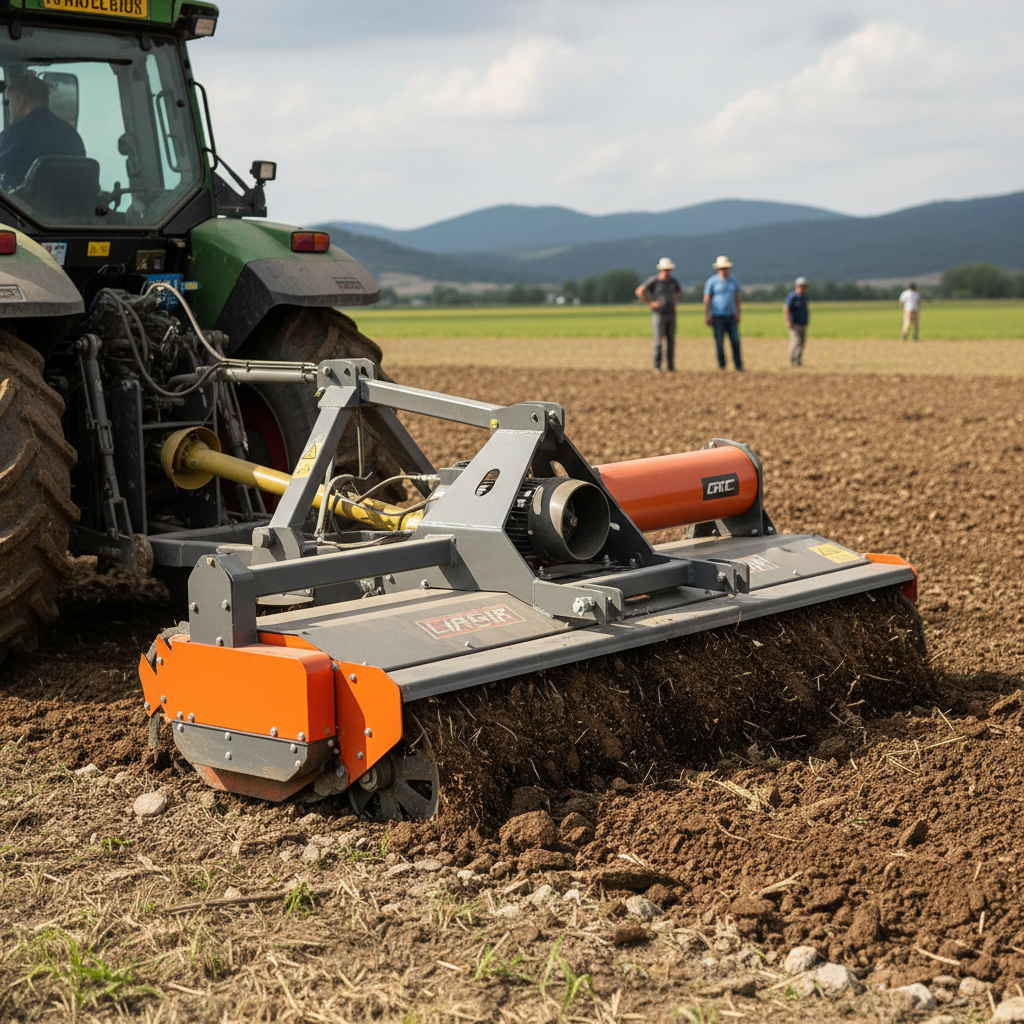
Comprehensive Guide to Heavy Duty Rotary Tiller Selection and Application
When it comes to land preparation, a heavy duty rotary tiller is an invaluable tool. This robust machinery excels at breaking up compacted soil, creating a fine seedbed, and incorporating organic matter. This article dives deep into the world of heavy duty rotary tillers, covering their benefits, applications, key features, and how to choose the right one for your needs. Whether you're a farmer, landscaper, or large-scale gardener, understanding these tillers is essential for efficient and effective soil management.
>
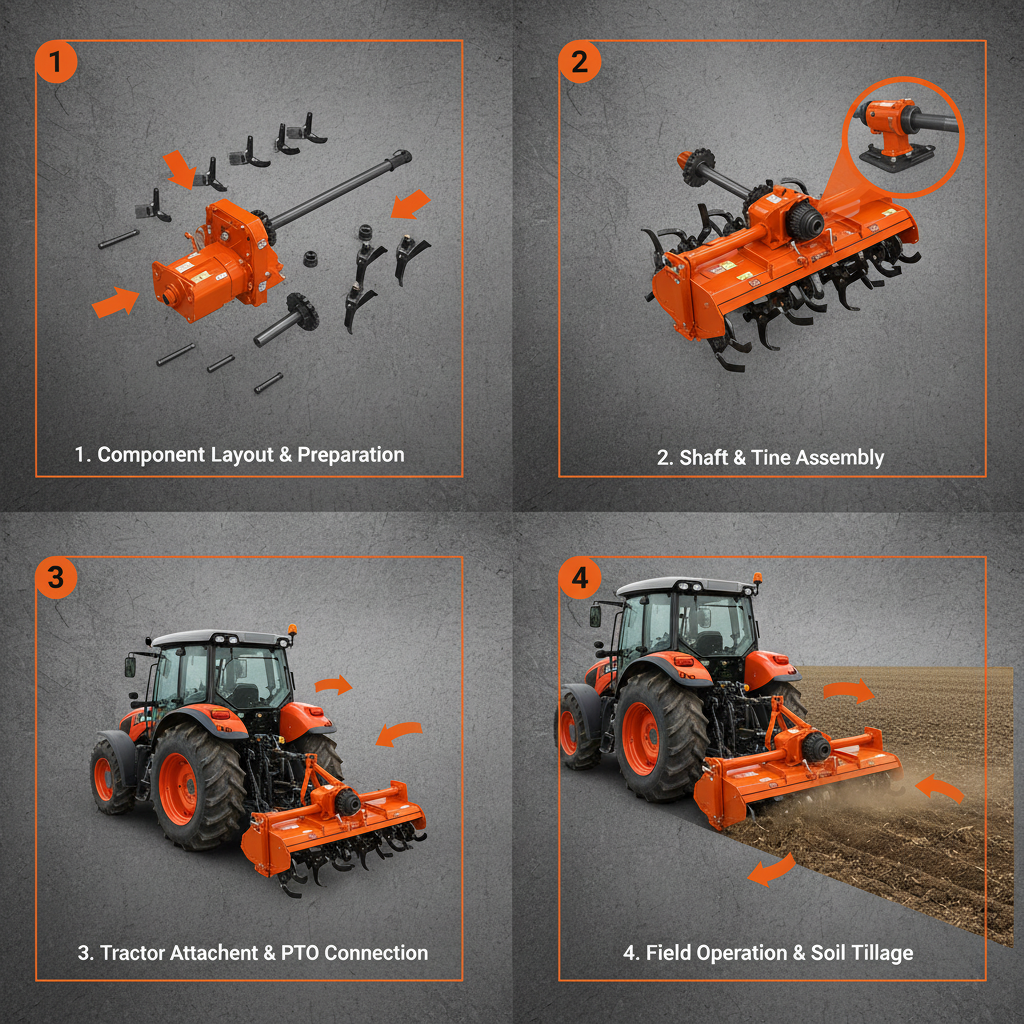
Comprehensive Guide to Selecting the Ideal Farm Tractor Tiller for Your Needs
Selecting the ideal farm tractor tiller is crucial for efficient soil preparation and maximizing agricultural yields. With a diverse range of models available, understanding your needs and the features offered by different tillers is paramount. This article provides a detailed overview of farm tractor tillers, covering their types, benefits, key considerations, and how to choose the right one for your specific farming operation. Proper tillage significantly impacts seedbed quality, weed control, and ultimately, crop performance.
>
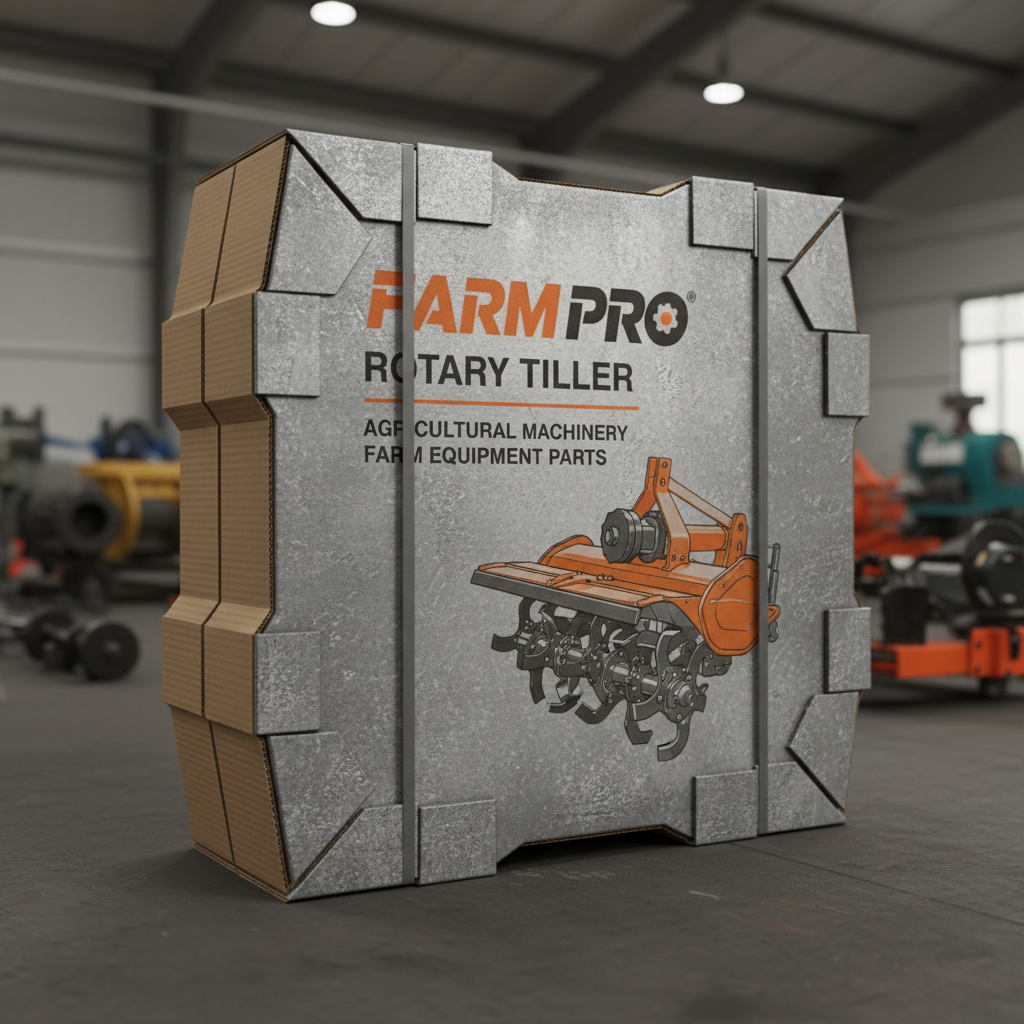
Boost Farm Productivity with a High Performance Farm Pro Rotary Tiller
Are you looking to enhance your agricultural productivity and streamline your soil preparation process? A Farm Pro rotary tiller is an invaluable investment for farmers of all scales. This article delves into the benefits, features, applications, and considerations when choosing the right rotary tiller for your farm. We’ll explore how this machinery can significantly reduce labor costs and improve soil quality, ultimately leading to higher yields. From small hobby farms to large-scale commercial operations, a Farm Pro tiller offers a robust and efficient solution for a variety of tilling needs.
>
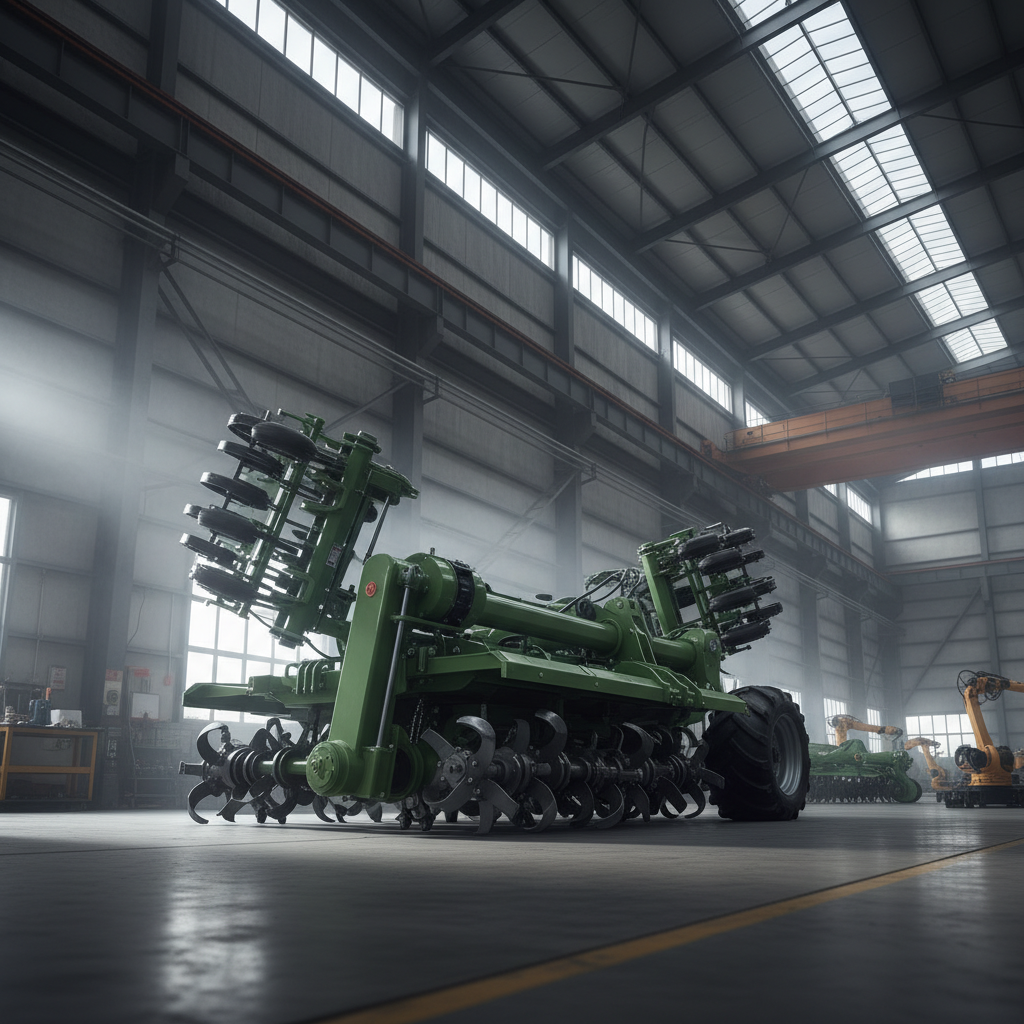
Unlock Farming Efficiency with a Powerful Agricultural Tiller Solution
In the world of farming and gardening, efficiency and productivity are key. An agricultural tiller is a vital piece of equipment that streamlines soil preparation, saving time and labor. This article dives deep into the world of tillers, exploring their types, benefits, how to choose the right one, and the quality solutions offered by Zinanmech. We’ll cover everything from small garden tillers to heavy-duty agricultural models, ensuring you have the knowledge to make an informed decision. An agricultural tiller, also known as a rotary tiller, is a motorized machine used to break up and cultivate soil. Unlike manual digging or plowing, tillers use rotating blades to loosen the soil, creating a fine, even tilth that's ideal for planting. This process improves soil aeration, drainage, and nutrient availability, leading to healthier plant growth.
>
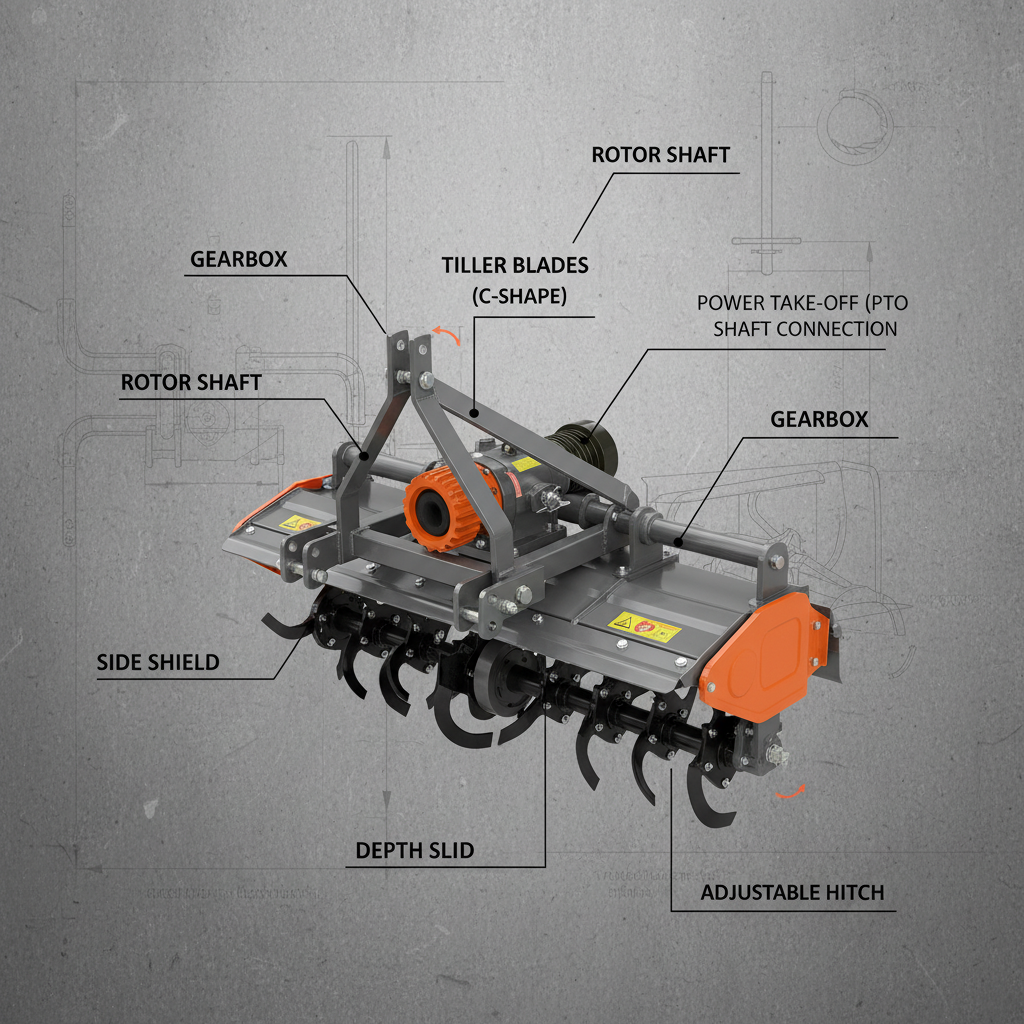
Comprehensive Guide to Agricultural Rotary Tiller Selection and Usage
An agricultural rotary tiller is an essential tool for modern farming, designed to efficiently prepare soil for planting. This powerful machinery significantly reduces labor and time compared to traditional methods. Whether you're a smallholder or manage a large-scale agricultural operation, understanding the benefits and features of a rotary tiller is crucial for maximizing productivity. Choosing the right tiller can transform your land preparation process. This article provides a detailed overview of agricultural rotary tillers, covering their uses, types, benefits, and key considerations when selecting the right model. Modern tillers are available in various sizes and configurations, catering to different farm sizes and soil conditions. Zinanmech provides a range of high-quality rotary tillers designed for optimal performance and durability. An agricultural rotary tiller, also known as a rototiller, is a motorized machine used to prepare agricultural land for cultivation. It works by using rotating blades – typically called tines – to break up, churn, and mix the soil.
>
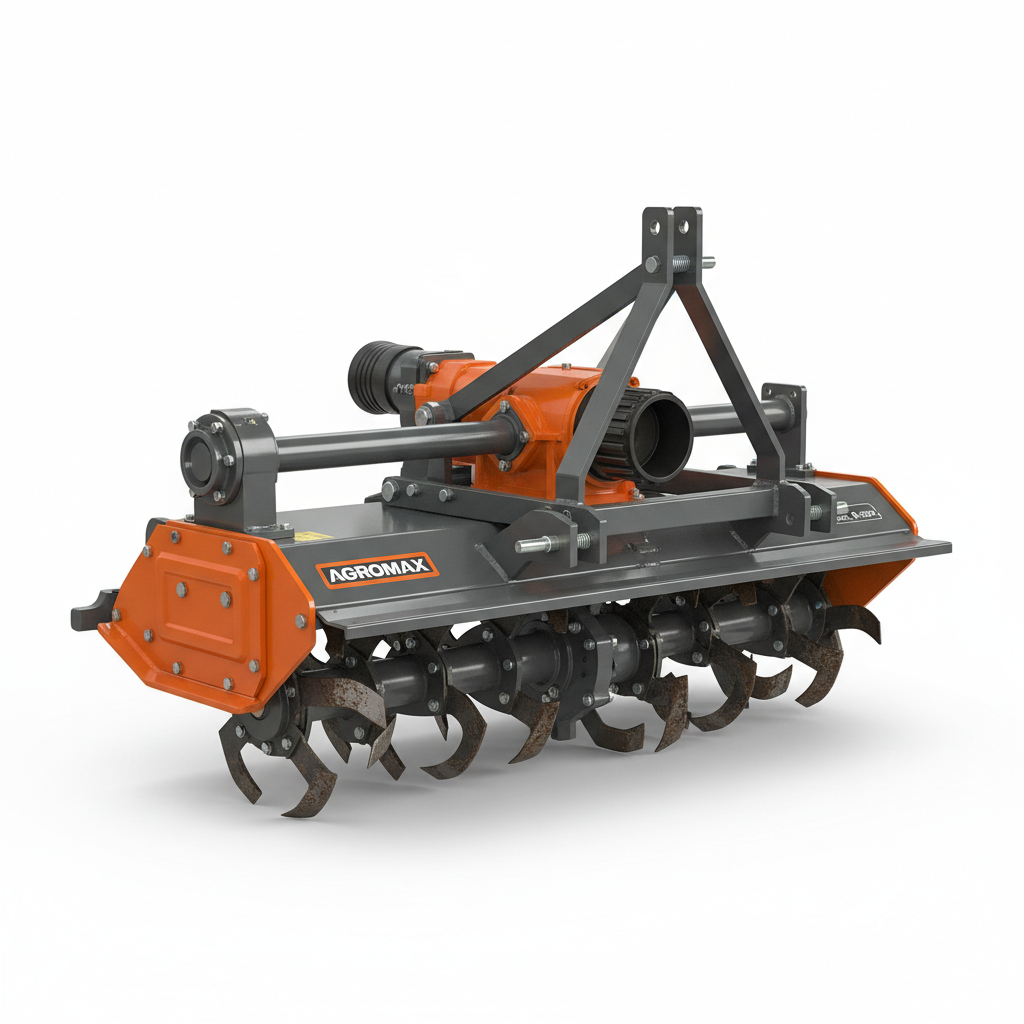
Comprehensive Guide to Selecting the Ideal Agric Rototiller for Your Farm
Selecting the right agric rototiller is crucial for efficient soil preparation and maximizing crop yields. This guide will explore the different types of rototillers, their applications, and how to choose the best model for your farming needs. We’ll cover everything from small, handheld rototillers to larger, tractor-mounted versions, helping you make an informed decision to enhance your agricultural operations. A well-chosen rototiller significantly reduces manual labor and improves soil quality. Agric rototillers come in various sizes and configurations, each suited for different farming tasks. The main types include: Front-Tine Rototillers, ideal for smaller gardens and breaking up already tilled soil; Rear-Tine Rototillers, offering more power and suitable for larger areas and tougher soil conditions; and Mid-Tine Rototillers, a versatile option for medium-sized farms. Choosing the correct type depends on your farm size, soil type, and the crops you intend to grow.
>
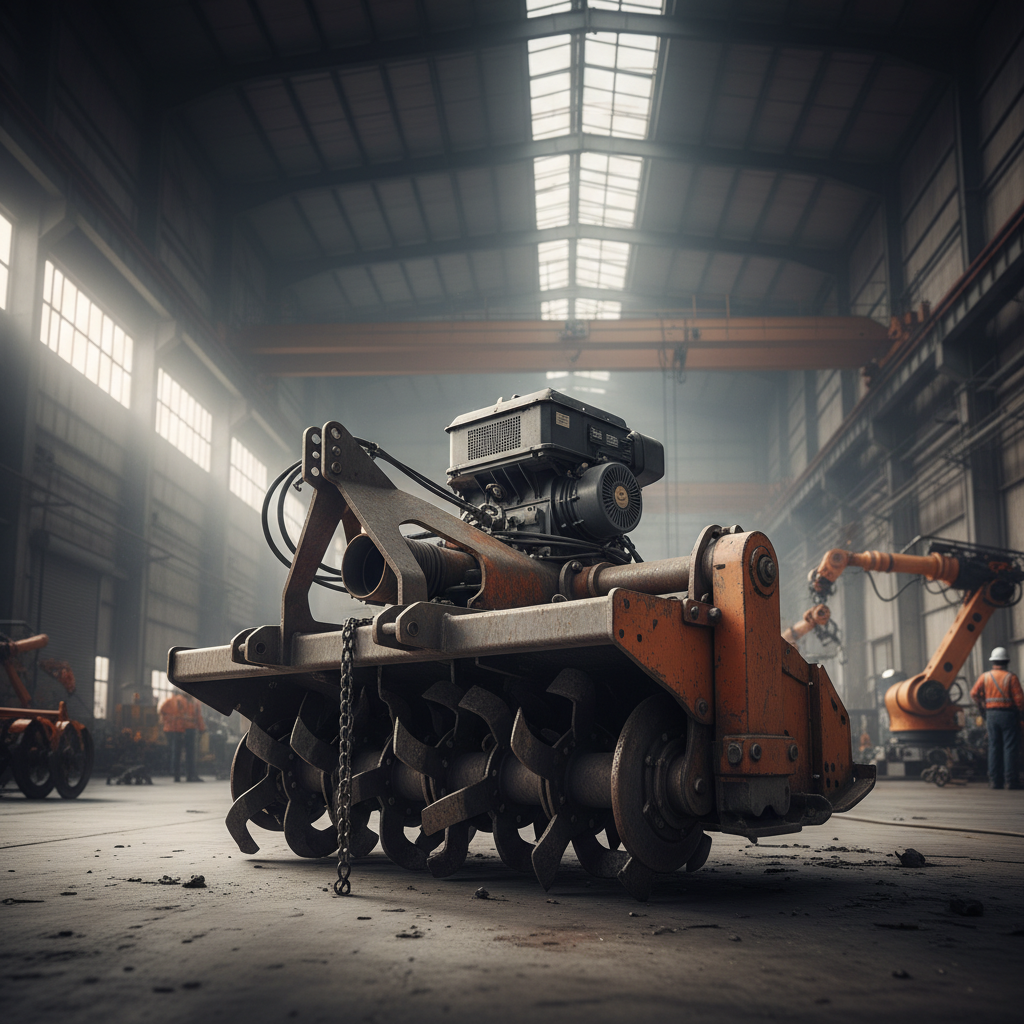
Unlock Farming Efficiency with a Powerful Agri Rototiller for Modern Agriculture
In today's agricultural landscape, efficiency and productivity are paramount. An agri rototiller, also known as a rotary tiller, is an invaluable tool for preparing soil for planting. This versatile machine cultivates, mixes, and levels the soil in a single pass, saving farmers significant time and effort. From small-scale farms to large agricultural operations, the benefits of using a rototiller are numerous. Investing in a quality rototiller is investing in the future success of your harvest. An agri rototiller is a motorized machine designed to break up and aerate soil using rotating blades. These blades, often called tines, churn the soil, creating a fine, even texture ideal for planting seeds or transplanting seedlings. Unlike traditional plowing, rototilling doesn't invert the soil, minimizing disruption to the soil's natural structure.
>
International layout
Spread all over the world
our products are exported to various parts of the world. Currently, our products have been exported to more than 40 countries Our products cover Asia, Europe, Africa, South America, North America, and Oceania
Sign up
for Newsletter
Subscribe to the weekly newsletter for all the latest updates