- Tel: +86 13451474678 / 13451474678
- Email: / hbzinanmech@gmail.com

Comprehensive Guide to Seed Drill Types for Modern Agriculture
Seed Drill Types: Why They Matter in Modern Agriculture
Seed drills might not be the flashiest farm equipment out there, but if you dig a bit deeper (pun intended), understanding seed drill types is essential to grasping how modern agriculture, food security, and sustainable farming worldwide actually work. These machines control how seeds land in the soil, at the right depth and spacing, revolutionizing crop yields and reducing waste — benefits that become critical when feeding a planet approaching 8 billion people.
Global challenges like soil degradation, climate change, and rising food demand make seed drills an indispensable technology. Understanding the variations in seed drill types offers farmers, engineers, and policymakers a chance to optimize planting — saving time, costing less, and even protecting the environment in the process.
The Global Context: Why Seed Drill Types Are More Relevant Than Ever
Across continents, agriculture is shifting. According to the Food and Agriculture Organization (FAO), approximately 40% of the world’s land is used for farming, yet inefficient practices still cause massive productivity losses. This is where seed drills come in — versatile, precise, and scalable. By choosing the right seed drill type, farmers in vastly different settings—from sprawling North American plains to smallholder plots in Sub-Saharan Africa—can increase crop density and resilience.
Yet challenges persist: outdated equipment, soil variability, and financial constraints limit adoption. Global organizations like the United Nations Food Systems Summit have highlighted innovation in sowing technologies as a priority for sustainable development. So it’s not just a farming issue; it’s a global development matter.
What Exactly Are Seed Drill Types?
In a nutshell, “seed drill types” refers to the different designs and mechanisms of machines that plant seeds efficiently by placing them at uniform depth and spacing. Instead of dropping seeds randomly, these devices ensure even germination and better crop stands. The basic idea has been around since Jethro Tull’s invention in the 1700s, but today’s seed drills incorporate diverse mechanical, pneumatic, and even computerized systems.
Different seed drill types fit different needs—small-plot presses, large-scale pneumatic drills, or specialized grain and pulse seeders. Each is adapted for specific crops, soil conditions, and farming scales, which ties into humanitarian aid and food security projects addressing undernourished regions who need reliable and affordable agriculture equipment.
Core Factors That Define Seed Drill Types
1. Seed Placement Accuracy
Arguably the most important feature, seed placement controls germination success. Mechanical drills typically use plates or shakers for seed metering, whereas pneumatic seed drills utilize air pressure to deliver seeds uniformly. The difference might seem subtle but can impact crop yield by 10–20% in some cases.
2. Soil Compatibility and Preparation
Some seed drills are better suited for no-till farming where minimal soil disturbance is preferred, while others require prepared seedbeds. The design of components like coulters, discs, or tines makes a big difference—for example, disc-type drills penetrate crop residues better, reducing clogging.
3. Scale and Capacity
From small, hand-pulled seeders to massive three-point hitch models attached to tractors, seed drill types vary hugely in scale. Large operations may prefer pneumatic seed drills with 12+ rows, while smallholder farmers might lean on simple mechanical units.
4. Cost Efficiency
Upfront cost vs. lifetime value varies widely—some seed drills require expensive maintenance or fuel, others can be fabricated locally. In developing countries, cost remains a major barrier, so affordable yet reliable seed drills have been a focus for NGOs and development agencies.
5. Technological Innovation
Increasingly, smart seed drills integrate GPS, remote sensing, digital controls, and variable rate seeding to optimize plant populations dynamically across fields. This precision agriculture trend is slowly but surely changing how seed drill types are conceived and utilized.
Mini takeaway: Choosing the right seed drill depends not only on technical specs, but also soil type, budget, and scale of operation.
How Different Seed Drill Types Impact Global Farming Practices
Regionally, seed drill types tell a compelling story of adaptation. In Europe, no-till disc seeders help maintain soil health in conventional farms. In India, simple tractor-drawn seed drills dramatically reduce sowing times over manual broadcasting, scaling productivity. Meanwhile, in Africa, mobile and affordable seed drills introduced by programs like seed drill types initiatives have empowered farmers in drought-prone zones to increase millet and sorghum yields.
A great example: In post-disaster relief operations in Southeast Asia, portable pneumatic seed drills have been used to kickstart rice replanting efforts following floods, proving the technology’s humanitarian value. Large agribusinesses also heavily invest in automated seed drills that work 24/7 during planting windows, maximizing land use efficiency.
Advantages & Long-Term Value of Using the Right Seed Drill Type
- Cost Savings: Precision planting reduces seed wastage and labor costs.
- Yield Improvement: Uniform seed depth and spacing increase germination rates.
- Environmental Sustainability: Conservation tillage compatible seed drills help reduce erosion.
- Social Impact: Improved farming reliability enhances food security and farmer livelihoods.
- Reliability and Safety: Modern seed drills reduce operator fatigue and minimize potential errors.
Oddly enough, knowing this, many farmers say they feel more confident facing unpredictable weather, knowing their seed drills can “do the planting right” even under pressure. There's an emotional aspect to trusting your machinery — that silent partner in your harvest.
Looking Forward: Emerging Trends in Seed Drill Technology
The coming years promise fascinating innovations. Hybrid seed drills combining mechanical and pneumatic components aim to improve evenness without sacrificing simplicity. Digital transformation is key: GPS-guided drills are gaining traction, allowing variable rate planting tailored to field variability.
Sustainability is another driver. Seed drills powered by green energy and designed from recyclable materials satisfy both farmers and regulators wanting a lower carbon footprint. Some companies are experimenting with AI to interpret soil data in real-time — adjusting seed depth on the fly.
Common Challenges & How Industry Experts Are Tackling Them
One frustrating issue? Maintenance complexity — pneumatic drills require precise calibration and clean air filters, which might be unrealistic in remote areas. Also, high initial costs deter adoption despite long-term savings.
Innovations include modular designs for easier parts replacement and open-source plans for fabricating low-cost seed drills locally. Various agricultural extension programs have begun training farmers directly on these advanced seed drill types, improving knowledge transfer and equipment lifespan.
Seed Drill Types FAQ
- What are the main differences between mechanical and pneumatic seed drills?
- Mechanical seed drills use physical components like plates or shakers to meter seeds, typically simpler and cheaper. Pneumatic seed drills use airflow to transport seeds, offering higher accuracy and less clogging, but they can be more complex and costly.
- Which seed drill type is best for small-scale farmers?
- Small-scale farmers often benefit from simple mechanical seed drills due to their affordability and ease of maintenance. However, if budget allows, smaller pneumatic options can offer improved precision and seed placement.
- Can seed drills be used for multiple crop types?
- Yes! Many seed drills are adjustable to accommodate different seed sizes and planting depths, making them versatile for various grains, legumes, and even cover crops. Check the specifications to ensure compatibility.
- How do seed drill types contribute to sustainable farming?
- Seed drills enable conservation tillage practices by placing seeds without excessive soil disturbance. This reduces erosion, improves soil structure, and promotes long-term soil health, all crucial for sustainable agriculture.
- Are there affordable seed drill options for developing countries?
- Absolutely. Several NGOs and manufacturers focus on low-cost, easy-to-repair mechanical seed drills tailored for farmers in developing regions, balancing price with durability and functionality.
Product Specifications Table for a Typical Pneumatic Seed Drill Model
| Specification | Detail |
|---|---|
| Model | AgriMax P-1200 |
| Capacity | 1200 liters hopper |
| Number of Rows | 12 |
| Seed Metering | Pneumatic system with airflow control |
| Operating Speed | 5-10 km/h |
| Weight | 850 kg |
| Power Source | Tractor PTO (Power Take-Off) |
Vendor Comparison Table for Popular Seed Drill Types
| Vendor | Seed Drill Type | Price Range (USD) | Target Market | Key Feature |
|---|---|---|---|---|
| AgriMax | Pneumatic | $20,000–$30,000 | Large farms | High precision airflow seeding |
| FieldPro | Mechanical | $3,000–$5,000 | Small to medium farms | Affordable and easy maintenance |
| AgriTech Solutions | Hybrid | $10,000–$15,000 | Medium farms, research | Digital control with manual backup |
| EcoSeed | Mechanical | Under $2,000 | Developing countries | Locally fabricated, low-cost |
Final Thoughts on Seed Drill Types
In real terms, exploring seed drill types is about seeing how a seemingly simple machine threads through the fabric of global food systems, sustainability efforts, and farmer success stories. The future is promising yet complex—with tech-enhanced machines blending with grassroots needs. For anyone keen on agriculture’s pulse, mastering these variations offers a powerful edge.
If you want to explore practical options and technical specs, don’t hesitate to visit our website for an in-depth look at innovative seed drill types tailored to different farming needs.
References

Related Products
-
 Tractor Gear Shaft
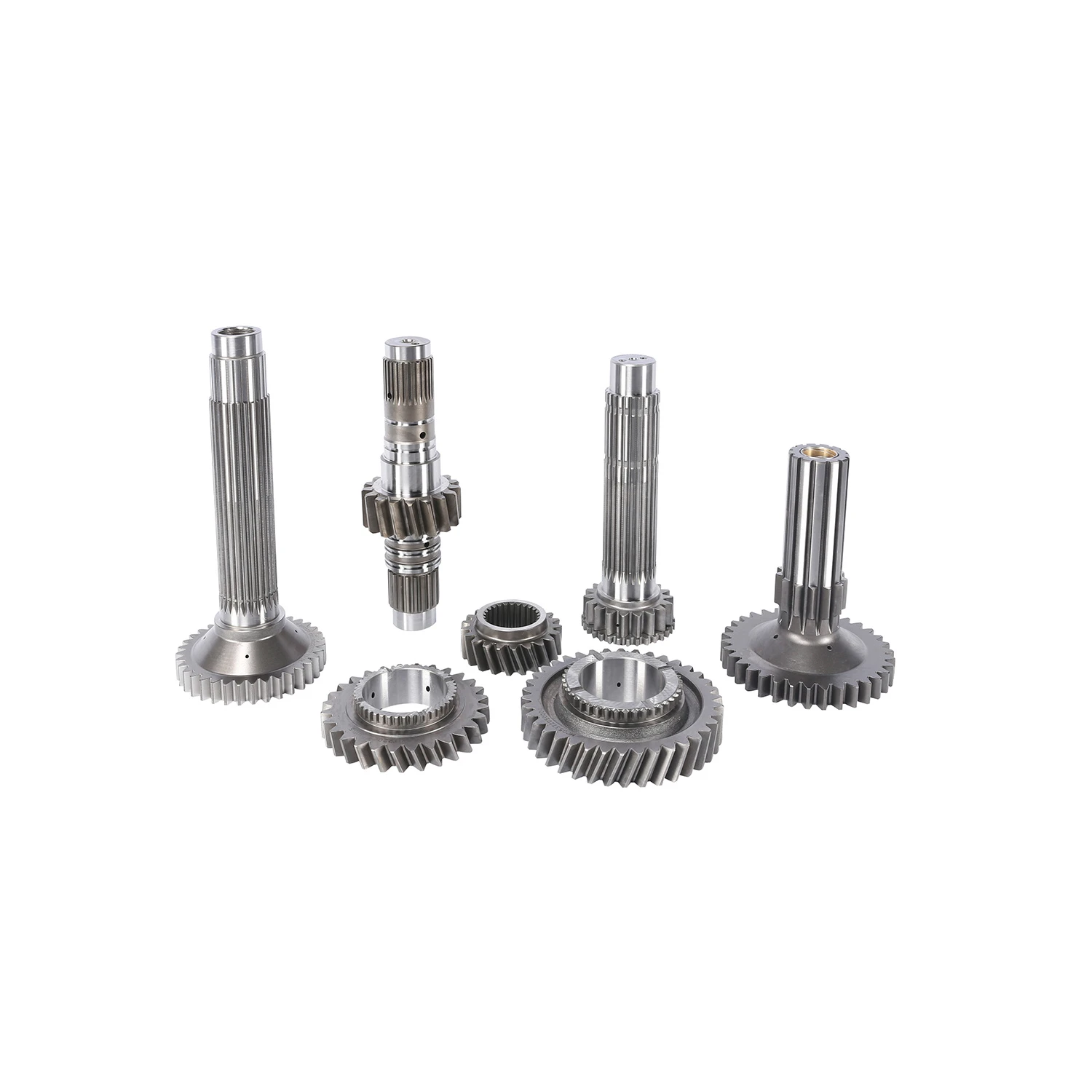
The tractor gear shaft is a crucial element in the power transmission system of a tractor. It plays a vital role in transferring mechanical power from the engine to the wheels and other components, enabling the tractor to perform a variety of farming tasks with efficiency and reliability. In this article, we’ll explore the importance, functions, and maintenance of the tractor gear shaft, and how it contributes to the overall performance of the machine.
-
 Transmission Gear
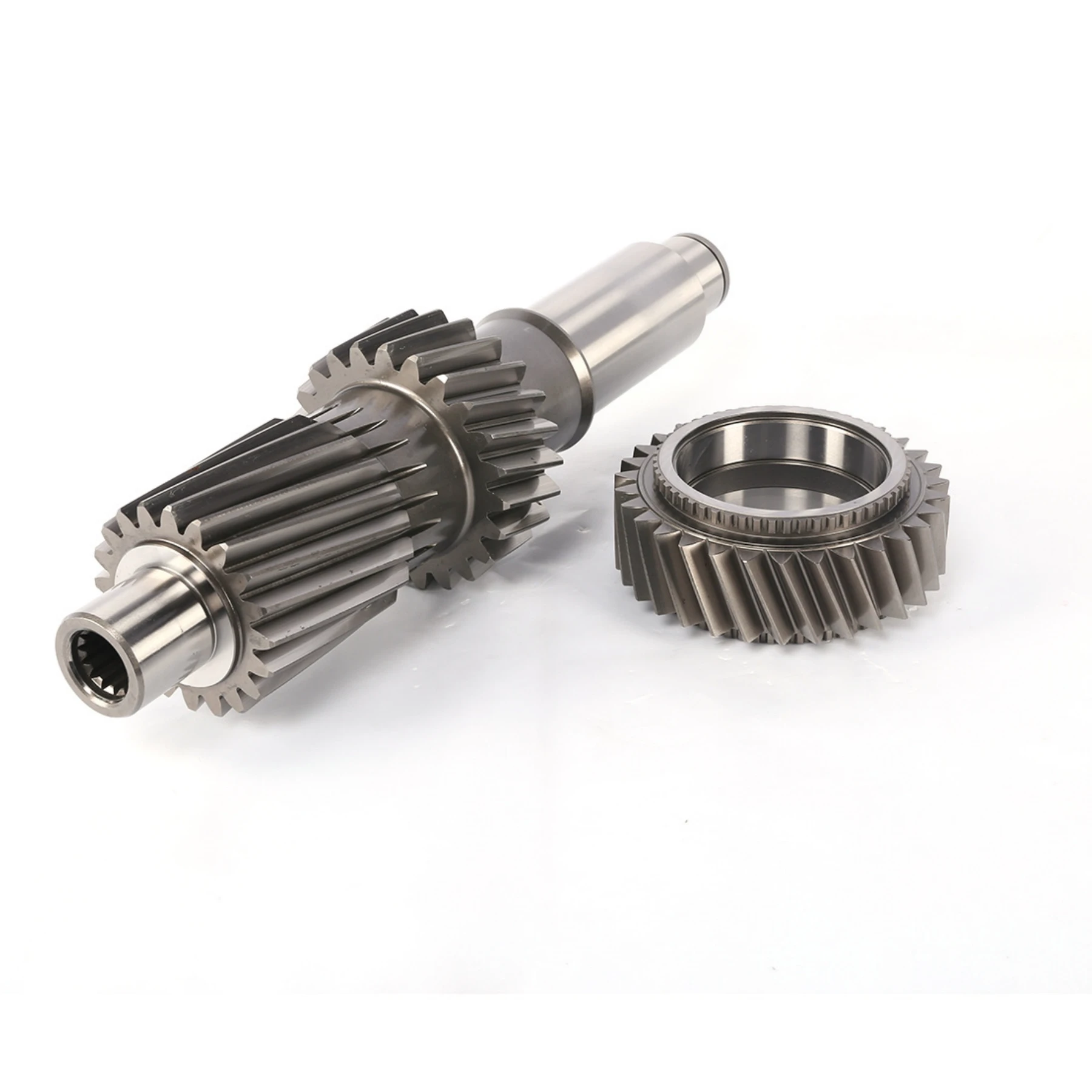
Power transmission: the engine operation drives the input gear on the input shaft to rotate, the input gear engages with other gears, and relies on the interaction between teeth and teeth to transfer the power to the intermediate gear (if any) and the output gear, and finally transfers the power to the driving wheel and other components through the output shaft to make the vehicle or equipment move.
Variable speed principle: Change the transmission ratio by meshing gears with different numbers of teeth. For example, when the big gear drives the small gear, the speed of the small gear will be faster than the big gear, but the output torque will be smaller, to achieve growth and torque reduction; On the contrary, when the pinion drives the big gear, the speed of the big gear slows down, the torque increases, and the torque increases. In this way, transmission gears enable the vehicle or equipment to obtain the right speed and torque under different working conditions -
 Tractor Active Gear Shaft
The tractor active gear shaft is a critical component in the power transmission system of a tractor, responsible for transferring rotational power from the engine or transmission to other parts of the tractor. By efficiently distributing torque and enabling smooth gear shifts, the active gear shaft plays a vital role in enhancing the performance and versatility of the tractor, making it essential for a wide range of agricultural tasks. In this article, we’ll explore the function, benefits, and maintenance of the tractor active gear shaft.
-
 Harvester Input Shaft
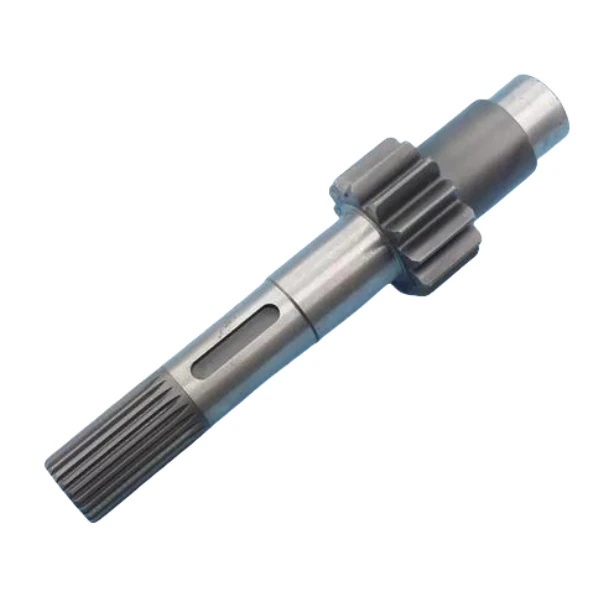
The main role of the harvester input shaft is to introduce the power of the external power source into the internal transmission system of the harvester. When the power source (such as an engine) is running, the torque generated is transmitted to the input shaft through the connecting parts, causing the input shaft to start rotating. The gear, pulley or sprocket and other transmission parts installed on the input shaft will rotate with the rotation of the input shaft, and then transfer the power to the subsequent transmission parts and working parts, such as driving the cutting device, conveying device, threshing device, etc., to complete the crop harvesting, conveying, threshing and other work processes.
Related News

Drive axle price: choosing the 1204 axle for multi-wheel machinery
Compare the factors behind drive axle price for the 1204 axle, including 4WD, 6WD, 8WD layouts, differential locks, gearing, steering, and machine fit.
>

How to Choose a Wheel Transmission for Heavy-Duty 4WD Machinery
Choose a wheel transmission by checking hydraulic control, torque, braking, rear drive interface, and 4WD requirements for the D8 platform.
>

What Is the Use of Seeder? Air Suction No-Till Seeder FAQ
Learn what is the use of seeder equipment, how air suction seed placement works, supported crops, terrain features, and ordering checks for no-till planting.
>

Comparing A Rice Planter Options: Specifications, Materials and Supplier Documentation
Compare A Rice Planter options by planting controls, field conditions, materials, operating modes, customization, and documented information gaps.
>

Optimize Your Small Scale Farm With a Hobby Farm Seed Drill
Optimizing Your Small-Scale Farm with a Hobby Farm Seed Drill For many aspiring farmers and gardening enthusiasts, transitioning from hand-sowing to mechanized planting is a significant milestone. Utilizing a hobby farm seed drill allows for precision planting, ensuring that seeds are placed at the correct depth and spacing for optimal germination. Whether you are growing cover crops, vegetables, or grains on a small scale, the right equipment reduces physical labor and minimizes seed waste. In this guide, we will explore how the right seeding technology can transform your agricultural productivity and the key factors to consider when selecting equipment for your plot.
>

Maximize Crop Yields with the Professional Happy Seed Drill
Maximize Crop Yields with the Happy Seed Drill: An Essential Guide In the modern agricultural landscape, precision is the key to sustainability and profitability. The happy seed drill represents a significant leap in planting technology, designed to ensure that every seed is placed at the optimal depth and spacing. By reducing seed waste and improving germination rates, this machinery allows farmers to optimize their land use and increase overall harvest efficiency. Whether you are managing a small family plot or a large-scale industrial farm, understanding the mechanics and benefits of advanced seeding equipment is crucial for long-term success.
>

Professional Hand Seed Drill Machine for Precision Planting
Maximize Your Harvest with the Professional Hand Seed Drill Machine Efficient planting is the cornerstone of a successful harvest. For modern farmers seeking a balance between precision and manual control, the hand seed drill machine offers an indispensable solution. By integrating advanced seed distribution mechanisms with ergonomic design, these machines reduce the physical burden of sowing while ensuring every seed is placed at the optimal depth. Whether you are managing a small vegetable plot or a larger cereal field, investing in high-quality planting equipment can drastically improve crop uniformity and yield. In this guide, we will explore the features and advantages
>

Efficient Farming with Hand Operated Seed Drill Machine Guide
Revolutionizing Planting: The Ultimate Guide to the Hand Operated Seed Drill Machine For small to medium-scale farmers, precision in sowing is the cornerstone of a successful harvest. The hand operated seed drill machine offers a perfect blend of simplicity and efficiency, eliminating the tedious nature of manual broadcasting. By ensuring uniform seed depth and consistent spacing, this tool maximizes germination rates and optimizes crop yield. In an era where agricultural productivity is key to food security, adopting a reliable manual seeder is a strategic move for any grower looking to reduce labor costs while improving plant health.
>

Maximize Crop Yields with a hand operated automatic seed drill
Maximizing Crop Yields with a Hand Operated Automatic Seed Drill Efficient planting is the cornerstone of successful farming. The hand operated automatic seed drill represents a significant leap in agricultural technology for small to medium-scale farmers. By combining manual mobility with automatic precision, this tool eliminates the inconsistencies of hand-broadcasting seeds, ensuring optimal spacing and depth. Whether you are managing a vegetable garden or a commercial grain plot, utilizing a precision seeder reduces waste and promotes healthier plant growth. In this guide, we explore how this innovative machinery optimizes the sowing process and why it is an essential investment for modern sustainable agriculture.
>

Guide to Four Wheel Drive Manual Transmission for Off Road Control
Mastering the Terrain: The Guide to Four Wheel Drive Manual Transmission For off-road enthusiasts and industrial operators, the combination of a four wheel drive manual transmission offers an unparalleled level of control and reliability. Unlike automatic systems that rely on computer-managed shifts, a manual setup allows the driver to dictate exactly how power is distributed to the wheels, making it indispensable for steep inclines, muddy terrains, and heavy-duty hauling. At Zinanmech , we understand that the synergy between a robust drivetrain and a manual gearbox is what defines true mechanical endurance.
>
International layout
Spread all over the world
our products are exported to various parts of the world. Currently, our products have been exported to more than 40 countries Our products cover Asia, Europe, Africa, South America, North America, and Oceania
Sign up
for Newsletter
Subscribe to the weekly newsletter for all the latest updates