- Tel: +86 13451474678 / 13451474678
- Email: / hbzinanmech@gmail.com

Comprehensive Guide to Selecting the Right Rotary Tiller in China for Your Farm
Rotary Tiller in China: A Comprehensive Guide for Buyers
The demand for efficient and reliable agricultural machinery is constantly growing, and a rotary tiller in China is a popular choice for farmers seeking to improve their land preparation. China has become a global hub for manufacturing high-quality agricultural equipment, offering a wide range of rotary tillers at competitive prices. This article provides a detailed overview of the rotary tiller market in China, covering types, features, manufacturers, and factors to consider when making a purchase. Whether you are a small-scale farmer or a large agricultural enterprise, understanding the options available will help you make an informed decision.

Understanding Rotary Tillers and Their Applications
A rotary tiller, also known as a rotavator, is an agricultural implement used to prepare the soil for planting. It utilizes rotating blades to break up, churn, and level the soil, creating a fine tilth that promotes seed germination and root development. Rotary tillers are commonly used for primary tillage (initial soil preparation) and secondary tillage (refining the soil surface). They are effective in a variety of soil types, including clay, loam, and sandy soils. The core function of a rotary tiller is to prepare the seedbed, incorporate crop residue, and control weeds, ultimately enhancing crop yields.
Key Benefits: Improved soil aeration, enhanced water infiltration, effective weed control, and faster seed germination.
Types of Rotary Tillers Available in China
The Chinese market offers a diverse range of rotary tillers, categorized by size, power source, and mounting type. Common types include:
- Walk-Behind Tillers: Suitable for small farms and gardens, these tillers are manually operated and offer versatility for smaller areas.
- 3-Point Hitch Tillers: Designed to be mounted on tractors, these tillers are ideal for medium to large-scale farming operations.
- PTO-Driven Tillers: Powered by the tractor’s Power Take-Off (PTO) shaft, these tillers deliver high performance and efficiency.
- Self-Contained Tillers: Equipped with their own engine, these tillers provide independent operation and are suitable for areas where a tractor is not available.
Choosing the right type depends on the size of your land, the type of tractor you have (if any), and your specific tillage requirements.
Key Manufacturers and Brands of Rotary Tillers in China
Several Chinese manufacturers have established a strong reputation for producing high-quality rotary tillers. Some of the leading brands include:
- Zinan Machinery: ( https://www.zinanmech.com) Specializes in a wide range of agricultural machinery, including robust and efficient rotary tillers.
- Foton: A well-known agricultural equipment manufacturer offering a variety of tillers for different farm sizes.
- Shifeng: A reputable brand known for its reliable and affordable agricultural machinery.
- Changchai: Focuses on small to medium-sized tillers, popular among smallholder farmers.
It's essential to research and compare different brands based on their reputation, product features, and customer support.
Rotary Tiller Specifications and Comparison
Understanding the key specifications of a rotary tiller is crucial for making the right choice. Here’s a comparison of common specifications:
Factors to Consider When Purchasing a Rotary Tiller
Before investing in a rotary tiller in China, consider these factors:
- Soil Type: Different tillers are better suited for different soil types.
- Farm Size: Choose a tiller with the appropriate working width and horsepower for your land area.
- Budget: Rotary tillers range in price, so set a budget and compare options within that range.
- Warranty and Support: Look for manufacturers that offer a comprehensive warranty and reliable customer support.
- Availability of Spare Parts: Ensure that spare parts are readily available in case of repairs.
Conclusion: Choosing the Right Rotary Tiller for Your Needs
Investing in a quality rotary tiller is a significant step towards improving your agricultural productivity. By carefully considering your specific needs and researching the available options, you can find the perfect tiller to help you achieve optimal soil preparation and crop yields. Don't hesitate to contact reputable manufacturers like Zinan Machinery for expert advice and support.
Frequently Asked Questions (FAQs)
What is the typical lifespan of a rotary tiller?
The lifespan of a rotary tiller generally ranges from 5 to 10 years, depending on usage, maintenance, and operating conditions. Regular lubrication, blade sharpening, and proper storage are crucial for extending its lifespan. Avoid overloading the tiller and promptly address any repairs to prevent further damage. Following the manufacturer’s maintenance schedule is highly recommended.
How much does a rotary tiller in China typically cost?
The cost of a rotary tiller in China varies significantly based on its size, horsepower, and features. Small walk-behind tillers can range from $500 to $2,000, while medium-sized 3-point hitch tillers can cost between $2,000 and $5,000. Large PTO-driven tillers can exceed $5,000. Prices may also vary depending on the manufacturer and the supplier you choose.
What maintenance is required for a rotary tiller?
Regular maintenance is essential for ensuring the longevity and performance of your rotary tiller. Key maintenance tasks include lubricating all moving parts, sharpening or replacing the blades, checking and tightening bolts and fasteners, inspecting the gearboxes for leaks, and cleaning the tiller after each use. It is also crucial to store the tiller in a dry and sheltered location during the off-season.
Are there any import duties or taxes when buying from China?
Yes, when importing a rotary tiller from China, you will likely be subject to import duties, taxes (such as VAT), and shipping costs. The specific rates will vary depending on your country’s import regulations and the value of the tiller. It's essential to factor these costs into your overall budget and to work with a reputable import/export agent to ensure compliance with all applicable regulations.

Related Products
-
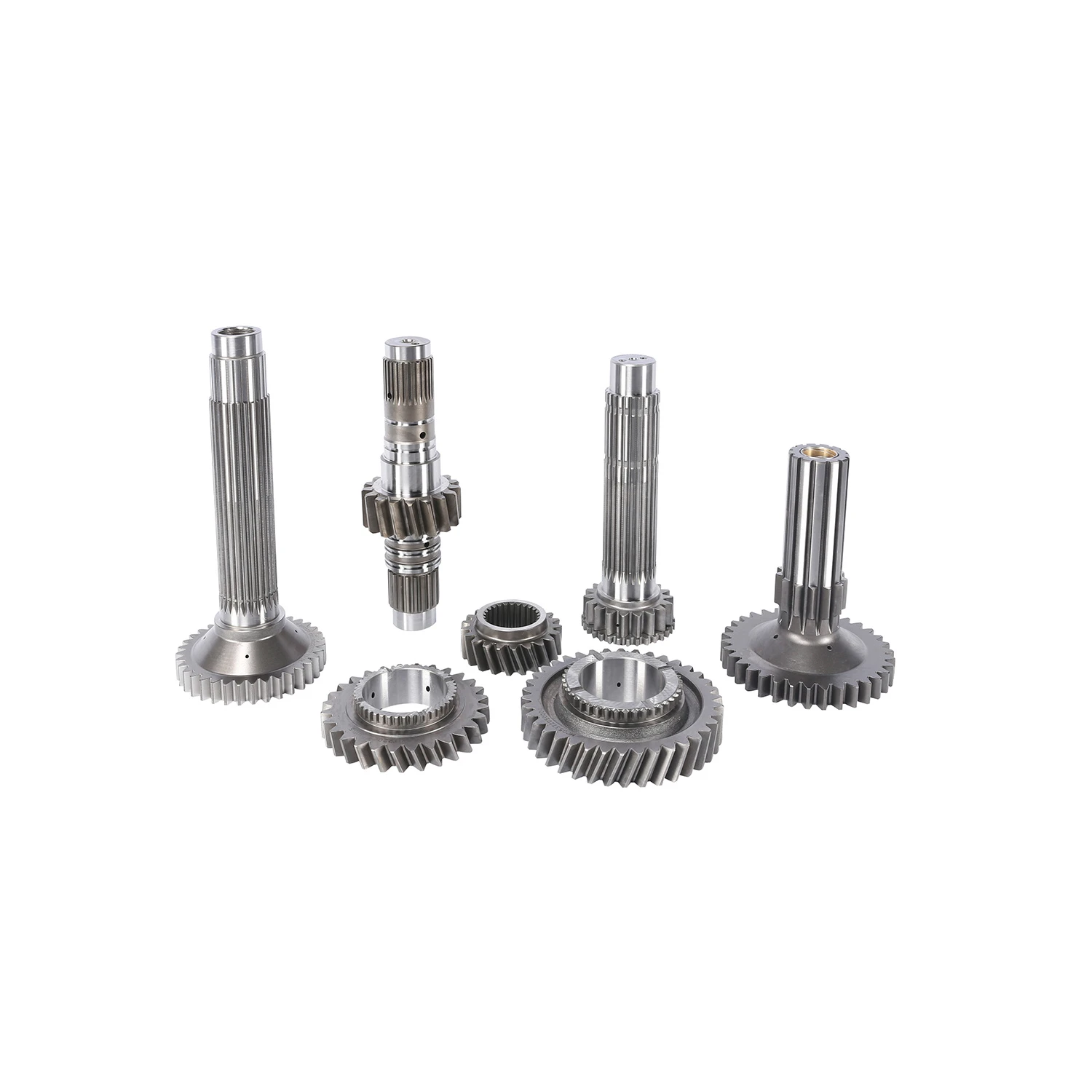 Tractor Gear Shaft
The tractor gear shaft is a crucial element in the power transmission system of a tractor. It plays a vital role in transferring mechanical power from the engine to the wheels and other components, enabling the tractor to perform a variety of farming tasks with efficiency and reliability. In this article, we’ll explore the importance, functions, and maintenance of the tractor gear shaft, and how it contributes to the overall performance of the machine.
-
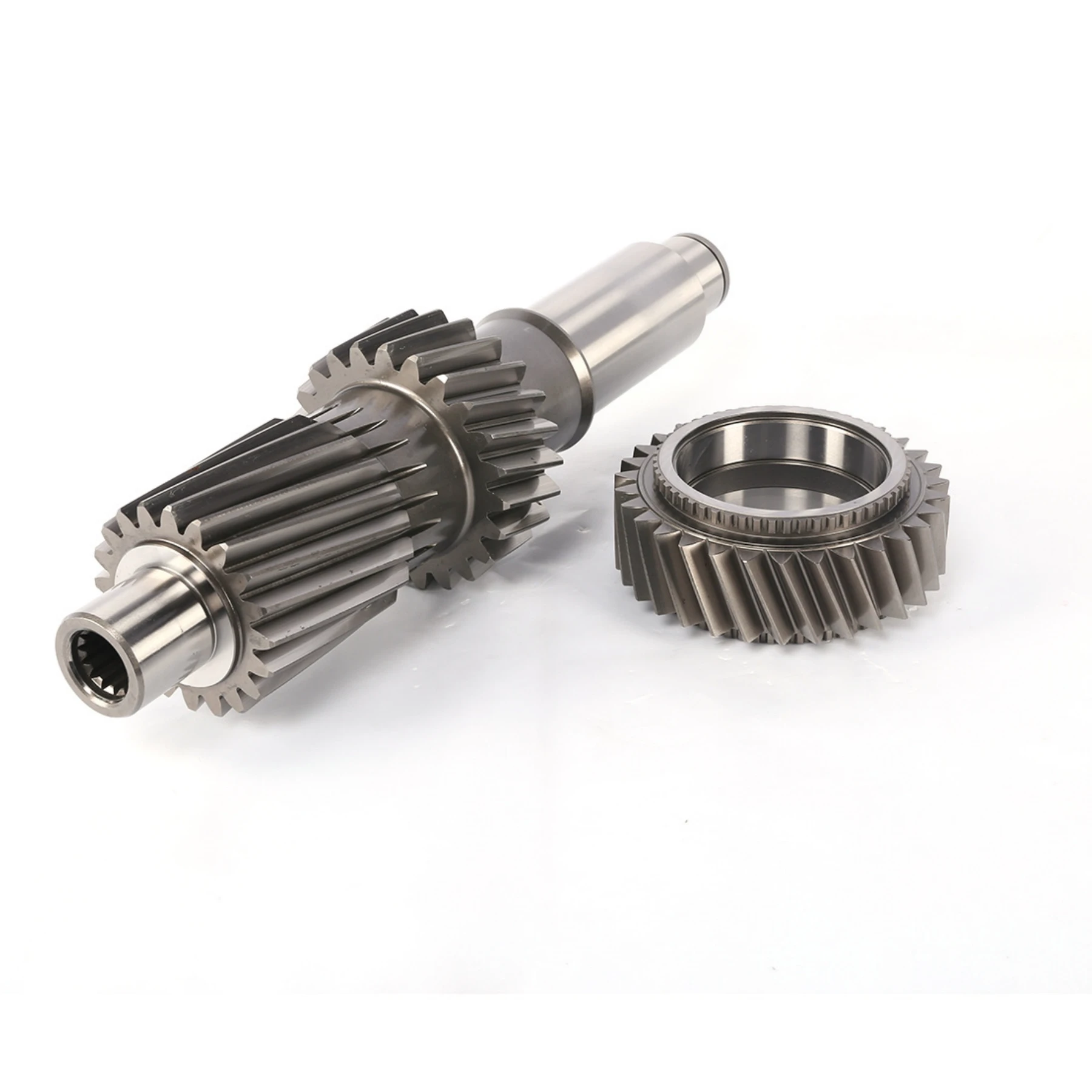 Transmission Gear
Power transmission: the engine operation drives the input gear on the input shaft to rotate, the input gear engages with other gears, and relies on the interaction between teeth and teeth to transfer the power to the intermediate gear (if any) and the output gear, and finally transfers the power to the driving wheel and other components through the output shaft to make the vehicle or equipment move.
Variable speed principle: Change the transmission ratio by meshing gears with different numbers of teeth. For example, when the big gear drives the small gear, the speed of the small gear will be faster than the big gear, but the output torque will be smaller, to achieve growth and torque reduction; On the contrary, when the pinion drives the big gear, the speed of the big gear slows down, the torque increases, and the torque increases. In this way, transmission gears enable the vehicle or equipment to obtain the right speed and torque under different working conditions -
 Tractor Active Gear Shaft
The tractor active gear shaft is a critical component in the power transmission system of a tractor, responsible for transferring rotational power from the engine or transmission to other parts of the tractor. By efficiently distributing torque and enabling smooth gear shifts, the active gear shaft plays a vital role in enhancing the performance and versatility of the tractor, making it essential for a wide range of agricultural tasks. In this article, we’ll explore the function, benefits, and maintenance of the tractor active gear shaft.
-
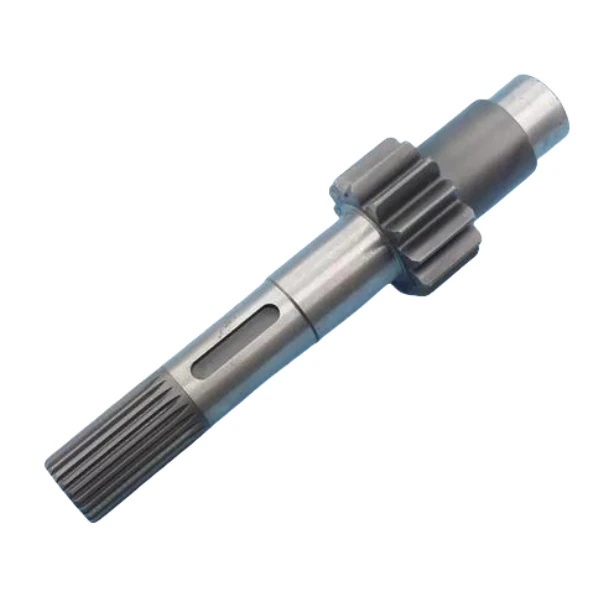 Harvester Input Shaft
The main role of the harvester input shaft is to introduce the power of the external power source into the internal transmission system of the harvester. When the power source (such as an engine) is running, the torque generated is transmitted to the input shaft through the connecting parts, causing the input shaft to start rotating. The gear, pulley or sprocket and other transmission parts installed on the input shaft will rotate with the rotation of the input shaft, and then transfer the power to the subsequent transmission parts and working parts, such as driving the cutting device, conveying device, threshing device, etc., to complete the crop harvesting, conveying, threshing and other work processes.
Related News

Optimize Your Small Scale Farm With a Hobby Farm Seed Drill
Optimizing Your Small-Scale Farm with a Hobby Farm Seed Drill For many aspiring farmers and gardening enthusiasts, transitioning from hand-sowing to mechanized planting is a significant milestone. Utilizing a hobby farm seed drill allows for precision planting, ensuring that seeds are placed at the correct depth and spacing for optimal germination. Whether you are growing cover crops, vegetables, or grains on a small scale, the right equipment reduces physical labor and minimizes seed waste. In this guide, we will explore how the right seeding technology can transform your agricultural productivity and the key factors to consider when selecting equipment for your plot.
>

Maximize Crop Yields with the Professional Happy Seed Drill
Maximize Crop Yields with the Happy Seed Drill: An Essential Guide In the modern agricultural landscape, precision is the key to sustainability and profitability. The happy seed drill represents a significant leap in planting technology, designed to ensure that every seed is placed at the optimal depth and spacing. By reducing seed waste and improving germination rates, this machinery allows farmers to optimize their land use and increase overall harvest efficiency. Whether you are managing a small family plot or a large-scale industrial farm, understanding the mechanics and benefits of advanced seeding equipment is crucial for long-term success.
>

Professional Hand Seed Drill Machine for Precision Planting
Maximize Your Harvest with the Professional Hand Seed Drill Machine Efficient planting is the cornerstone of a successful harvest. For modern farmers seeking a balance between precision and manual control, the hand seed drill machine offers an indispensable solution. By integrating advanced seed distribution mechanisms with ergonomic design, these machines reduce the physical burden of sowing while ensuring every seed is placed at the optimal depth. Whether you are managing a small vegetable plot or a larger cereal field, investing in high-quality planting equipment can drastically improve crop uniformity and yield. In this guide, we will explore the features and advantages
>

Efficient Farming with Hand Operated Seed Drill Machine Guide
Revolutionizing Planting: The Ultimate Guide to the Hand Operated Seed Drill Machine For small to medium-scale farmers, precision in sowing is the cornerstone of a successful harvest. The hand operated seed drill machine offers a perfect blend of simplicity and efficiency, eliminating the tedious nature of manual broadcasting. By ensuring uniform seed depth and consistent spacing, this tool maximizes germination rates and optimizes crop yield. In an era where agricultural productivity is key to food security, adopting a reliable manual seeder is a strategic move for any grower looking to reduce labor costs while improving plant health.
>

Maximize Crop Yields with a hand operated automatic seed drill
Maximizing Crop Yields with a Hand Operated Automatic Seed Drill Efficient planting is the cornerstone of successful farming. The hand operated automatic seed drill represents a significant leap in agricultural technology for small to medium-scale farmers. By combining manual mobility with automatic precision, this tool eliminates the inconsistencies of hand-broadcasting seeds, ensuring optimal spacing and depth. Whether you are managing a vegetable garden or a commercial grain plot, utilizing a precision seeder reduces waste and promotes healthier plant growth. In this guide, we explore how this innovative machinery optimizes the sowing process and why it is an essential investment for modern sustainable agriculture.
>

Guide to Four Wheel Drive Manual Transmission for Off Road Control
Mastering the Terrain: The Guide to Four Wheel Drive Manual Transmission For off-road enthusiasts and industrial operators, the combination of a four wheel drive manual transmission offers an unparalleled level of control and reliability. Unlike automatic systems that rely on computer-managed shifts, a manual setup allows the driver to dictate exactly how power is distributed to the wheels, making it indispensable for steep inclines, muddy terrains, and heavy-duty hauling. At Zinanmech , we understand that the synergy between a robust drivetrain and a manual gearbox is what defines true mechanical endurance.
>

Complete Guide to Choosing All Wheel Drive Transmission Systems
Mastering Traction: The Ultimate Guide to All Wheel Drive Transmission When it comes to vehicle performance and safety across diverse terrains, the all wheel drive transmission plays a pivotal role. Unlike standard drivetrains, AWD systems are engineered to distribute power to all four wheels simultaneously, providing superior grip and stability regardless of the road surface. Whether you are navigating snowy mountain passes or rain-slicked highways, understanding how these systems function can help you make an informed decision for your fleet or personal vehicle. In this comprehensive guide, we will explore the technical nuances, different types of AWD systems, and how to maintain them
>

Find High Quality All Wheel Drive Manual Transmission for Sale
Finding the Best All Wheel Drive Manual Transmission for Sale: A Buyers Guide For driving enthusiasts and off-road professionals, the combination of all-wheel drive AWD and a manual gearbox represents the pinnacle of vehicle control. Searching for an all wheel drive manual transmission for sale can be a daunting task, as these configurations have become increasingly rare in the modern automotive market. Whether you are looking to upgrade your current vehicles drivetrain or purchasing a specialized machine for rugged terrain, understanding the mechanical nuances is key. This guide provides an in-depth look at how to identify high-quality transmissions
>

Ultimate Guide to High Performance Four Wheel Drive Gearbox
The Ultimate Guide to Four Wheel Drive Gearbox Technology When it comes to conquering challenging terrains, the heart of a vehicles capability lies in its transmission system. A high-performance four wheel drive gearbox is essential for distributing power effectively to all four wheels, ensuring maximum traction and stability in off-road conditions. Whether you are managing a fleet of industrial vehicles or upgrading a specialized 4x4, understanding the mechanics of the transfer case and gear ratios is paramount. In this comprehensive guide, we will explore how these complex systems operate, the different types available, and how to choose the right configuration
>

Optimizing Heavy Machinery Performance with 4 wheel transmission
Optimizing Performance with the Right 4 Wheel Transmission In the world of heavy-duty machinery and specialized vehicles, the efficiency of power delivery is the heartbeat of productivity. A high-performance 4 wheel transmission system is essential for ensuring that torque is distributed evenly across all four wheels, providing maximum traction and stability in challenging terrains. Whether you are operating in mining, construction, or agricultural sectors, the choice of transmission can mean the difference between seamless operation and costly downtime. In this guide, we will explore the technical nuances, benefits, and selection criteria for modern transmission systems to help you make an informed investment
>
International layout
Spread all over the world
our products are exported to various parts of the world. Currently, our products have been exported to more than 40 countries Our products cover Asia, Europe, Africa, South America, North America, and Oceania
Sign up
for Newsletter
Subscribe to the weekly newsletter for all the latest updates