- Tel: +86 13451474678 / 13451474678
- Email: / hbzinanmech@gmail.com

Comprehensive Guide to the 42 Inch Rototiller for Sustainable Farming
Understanding the 42 Inch Rototiller: A Global Farming Essential
In a world increasingly focused on sustainable agriculture, the humble 42 inch rototiller plays a surprisingly pivotal role. You might think a tiller is just a gardening tool, but on a global scale, especially in small-scale farming and land management, the 42 inch model hits a sweet spot of power and maneuverability that farmers and hobbyists alike cherish. Understanding this equipment isn’t just limited to hobby gardeners; it's vital for improving soil health, boosting crop yields, and ultimately contributing to food security worldwide.
Why does this matter? According to the Food and Agriculture Organization (FAO), about 33% of soils worldwide are degraded, threatening global food production. Tools like the 42 inch rototiller matter because they give farmers the ability to aerate and prepare soil in an efficient, low-impact way—quite important for sustainable farming practices.
Introduction: The Global Context of the 42 Inch Rototiller
Across various continents, from smallholder farms in Southeast Asia to organic farms in Europe and community gardens in North America, the 42 inch rototiller has become a staple. The World Bank cites that small-scale agriculture forms the backbone of food security in many developing regions, and easy-to-use mechanization like this tiller is part of the solution. However, challenges like labor shortages, soil depletion, and limited capital call for efficient, cost-effective machinery that respects both the farmer and the environment.
Oddly enough, while big agribusinesses rely on large tractors, many family farms and NGOs promoting sustainable agriculture prefer this mid-sized rototiller for land preparation, weed control, and seedbed creation. It strikes a balance between power and portability—vital in places where terrain or finances don’t allow for heavier equipment.
Defining the 42 Inch Rototiller
Simply put, a 42 inch rototiller is a motor-powered, walk-behind machine designed to break up and turn over soil across a swath approximately 42 inches wide per pass. The size indicates its working width, making it ideal for medium plots and garden beds.
Within modern agriculture, and even humanitarian projects like community farming initiatives or post-disaster land rehabilitation, this rototiller helps prepare soil without causing undue compaction. It’s both a practical tool and, for some, a symbol of empowerment—helping farmers mechanize tedious labor while maintaining environmental stewardship.
Core Components and Key Factors
1. Durability
Your rototiller needs to endure rocky soils, moisture, and daily wear—and the 42 inch models often come built with hardened steel tines and robust frames to withstand such challenges. Durability translates to reliability in the field.
2. Power and Engine Type
Most 42 inch rototillers are powered by gasoline engines ranging from 5 to 9 horsepower, though battery-electric models are emerging. The choice affects fuel efficiency, noise levels, and environmental footprint.
3. Maneuverability
Given their medium size, these rototillers strike a sweet spot—wide enough to cover ground quickly but compact enough to maneuver in tighter spaces, between rows or uneven terrain.
4. Cost Efficiency
They typically balance purchase price with operational costs—an important factor for small or mid-sized farms aiming to maximize ROI.
5. Ease of Maintenance
A useful rototiller design simplifies cleaning, servicing the air filter, and replacing blades—minimizing downtime.
Specifications of a Typical 42 Inch Rototiller
| Specification | Detail |
|---|---|
| Working Width | 42 inches (approx. 107 cm) |
| Engine Power | 7 - 9 HP (Gasoline) |
| Tine Configuration | 4 or 6 curved steel blades |
| Weight | 80 - 110 kg (170 - 240 lbs) |
| Fuel Tank Capacity | 3 - 5 liters |
| Speed Control | Variable Speed, Reverse Gear |
Mini takeaway: The 42 inch rototiller’s design centers on durability, power, and cost-efficiency — all tuned for practical, everyday farming needs.
Global Applications & Use Cases
You’ll find the 42 inch rototiller employed worldwide, especially where medium-sized plots demand efficient soil preparation. In developing countries, NGOs provide these tillers to farmers as part of sustainable agriculture projects to restore degraded lands.
For example, in Africa’s Sahel region, small-scale farmers use rototillers to break tough, dry soils pre-planting season. In the U.S., organic farms rely on them to minimize chemical inputs while preparing seedbeds. Oddly enough, even urban community gardens adopt these tools where space doesn’t allow for bigger machines.
Vendor Comparison — 42 Inch Rototiller Models
| Brand | Engine Type | Weight (kg) | Price Range (USD) | Key Features |
|---|---|---|---|---|
| Zinan Mech Model X42 | 7.5 HP Gasoline | 95 | $850 - $950 | Easy-start, adjustable tines, ergonomic handles |
| GreenField GX420 | 8 HP Gasoline | 105 | $900 - $1000 | Fuel-efficient engine, variable speed |
| EcoTiller 42E | Battery Electric | 85 | $1200 - $1300 | Silent operation, zero emissions, quick recharge |
What Makes the 42 Inch Rototiller Valuable Long-Term?
- Cost-effective soil cultivation: It reduces manual labor and speeds up planting cycles.
- Sustainability: Minimizes soil compaction and helps maintain soil structure.
- Social impact: Empowers farmers, especially women and youth, with easy-to-use mechanization.
- Reliability: Proven technology with a relatively low maintenance footprint.
It’s not just a machine, but a trusted partner in the farming journey — something many farmers get quite attached to after a season or two.
Future Trends & Innovations in 42 Inch Rototillers
Excitingly, we’re starting to see innovations like electric-powered 42 inch rototillers entering mainstream agricultural markets—an anecdote worth noting for environmentally conscious farmers. Battery technology improvements allow for longer use between charges, which frankly, was a major limitation just a few years ago.
Automation and IoT (Internet of Things) also loom on the horizon—imagine a rototiller that can self-adjust depth or send performance data to your smartphone! While still nascent, these advancements suggest the humble rototiller will soon be much more than a power tool.
Challenges & How to Overcome Them
Of course, no tool is perfect. Early models of the 42 inch rototiller sometimes struggled with heavy clay soils or stones. Fuel consumption or noise pollution are critiques, particularly in densely populated rural areas.
But manufacturers are responding with quieter engines, modular tines for different soil conditions, and hybrid-electric models. Maintenance education programs by NGOs also help operators get the best lifespan out of their equipment.
FAQ: Frequently Asked Questions About the 42 Inch Rototiller
Q1: What size of land is ideal for a 42 inch rototiller?
Generally, this rototiller suits medium-sized plots — roughly between 0.1 to 2 acres. It’s designed for those who need efficient soil preparation but don’t have the space or need for large tractors.
Q2: How often should I service my 42 inch rototiller?
Regular servicing every 25–50 hours of usage is typical. This includes air-filter checks, oil changes, and blade inspections to keep performance optimal.
Q3: Can a 42 inch rototiller be used on rocky terrain?
It can, but caution is necessary. Rocky soils can damage tines, so farmers often clear larger stones first or use models with reinforced blades designed for tougher ground.
Q4: Are electric rototillers as powerful as gasoline ones?
Electric models are improving in power and run-time but still may fall short in very heavy soils or large-scale farming. They excel in noise-sensitive or eco-conscious environments, however.
Q5: Where can I buy reliable 42 inch rototillers?
Look for reputable vendors like Zinan Mech who offer warranty-backed products, helpful after-sales support, and parts availability.
Conclusion: Why the 42 Inch Rototiller Deserves Attention
In the grand scheme, the 42 inch rototiller might seem like a modest piece of machinery — yet its contributions to sustainable agriculture, smallholder farming, and soil health are anything but small. Its balance of power, ease of use, and cost efficiency makes it a practical choice worldwide, proving that sometimes middle ground solutions are the best road forward.
If you’re exploring practical agricultural tools to improve your soil health and productivity, consider the 42 inch rototiller for its proven versatility and reliability.
Happy tilling!
Quick Summary:
- Globally relevant due to its role in sustainable, small-scale agriculture.
- Balances power, size, and efficiency uniquely.
- Widely applied in diverse environments from urban gardens to rural farms.
- Facing innovation with electric and smart technologies soon to emerge.
References:
1. Food and Agriculture Organization (FAO)
2. World Bank Agricultural Mechanization Data
3. Rototiller – Wikipedia

Related Products
-
 Tractor Gear Shaft
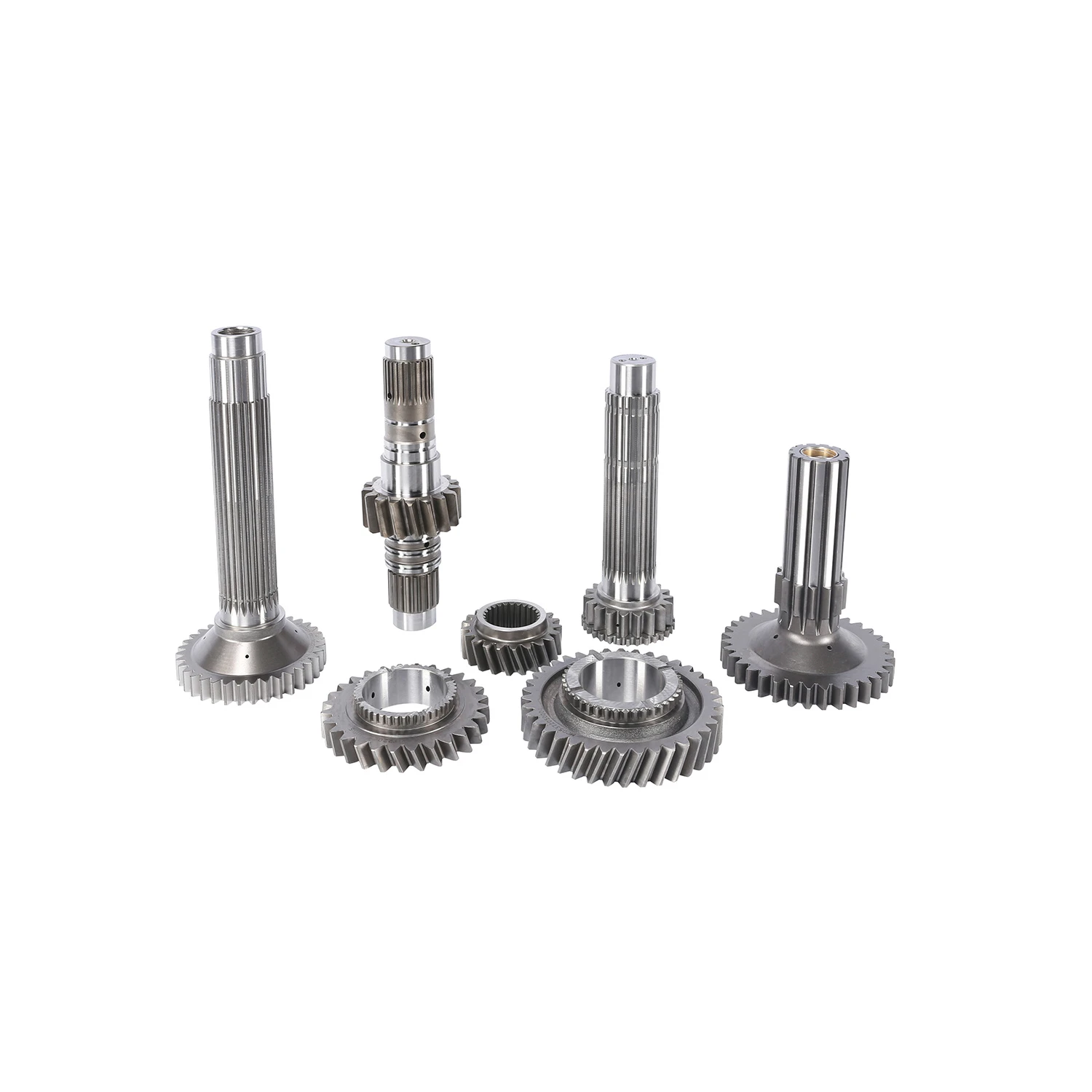
The tractor gear shaft is a crucial element in the power transmission system of a tractor. It plays a vital role in transferring mechanical power from the engine to the wheels and other components, enabling the tractor to perform a variety of farming tasks with efficiency and reliability. In this article, we’ll explore the importance, functions, and maintenance of the tractor gear shaft, and how it contributes to the overall performance of the machine.
-
 Transmission Gear
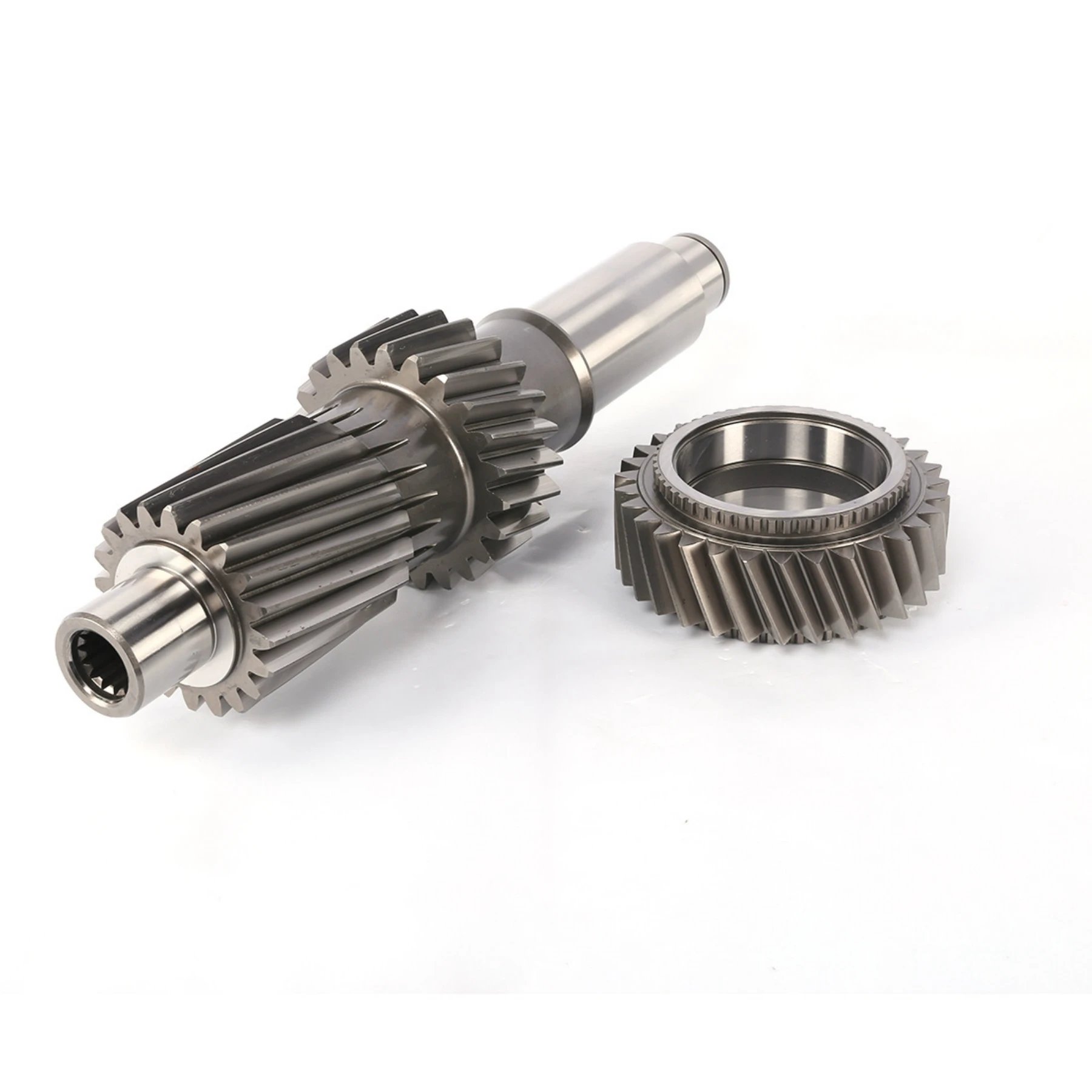
Power transmission: the engine operation drives the input gear on the input shaft to rotate, the input gear engages with other gears, and relies on the interaction between teeth and teeth to transfer the power to the intermediate gear (if any) and the output gear, and finally transfers the power to the driving wheel and other components through the output shaft to make the vehicle or equipment move.
Variable speed principle: Change the transmission ratio by meshing gears with different numbers of teeth. For example, when the big gear drives the small gear, the speed of the small gear will be faster than the big gear, but the output torque will be smaller, to achieve growth and torque reduction; On the contrary, when the pinion drives the big gear, the speed of the big gear slows down, the torque increases, and the torque increases. In this way, transmission gears enable the vehicle or equipment to obtain the right speed and torque under different working conditions -
 Tractor Active Gear Shaft
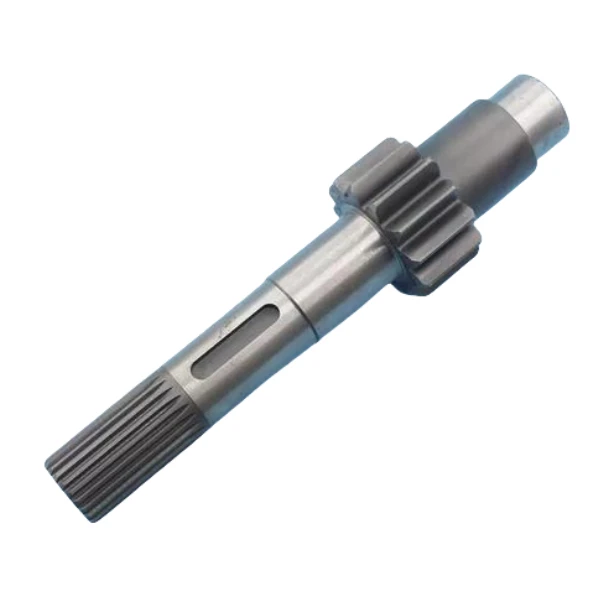
The tractor active gear shaft is a critical component in the power transmission system of a tractor, responsible for transferring rotational power from the engine or transmission to other parts of the tractor. By efficiently distributing torque and enabling smooth gear shifts, the active gear shaft plays a vital role in enhancing the performance and versatility of the tractor, making it essential for a wide range of agricultural tasks. In this article, we’ll explore the function, benefits, and maintenance of the tractor active gear shaft.
-
 Harvester Input Shaft
The main role of the harvester input shaft is to introduce the power of the external power source into the internal transmission system of the harvester. When the power source (such as an engine) is running, the torque generated is transmitted to the input shaft through the connecting parts, causing the input shaft to start rotating. The gear, pulley or sprocket and other transmission parts installed on the input shaft will rotate with the rotation of the input shaft, and then transfer the power to the subsequent transmission parts and working parts, such as driving the cutting device, conveying device, threshing device, etc., to complete the crop harvesting, conveying, threshing and other work processes.
Related News
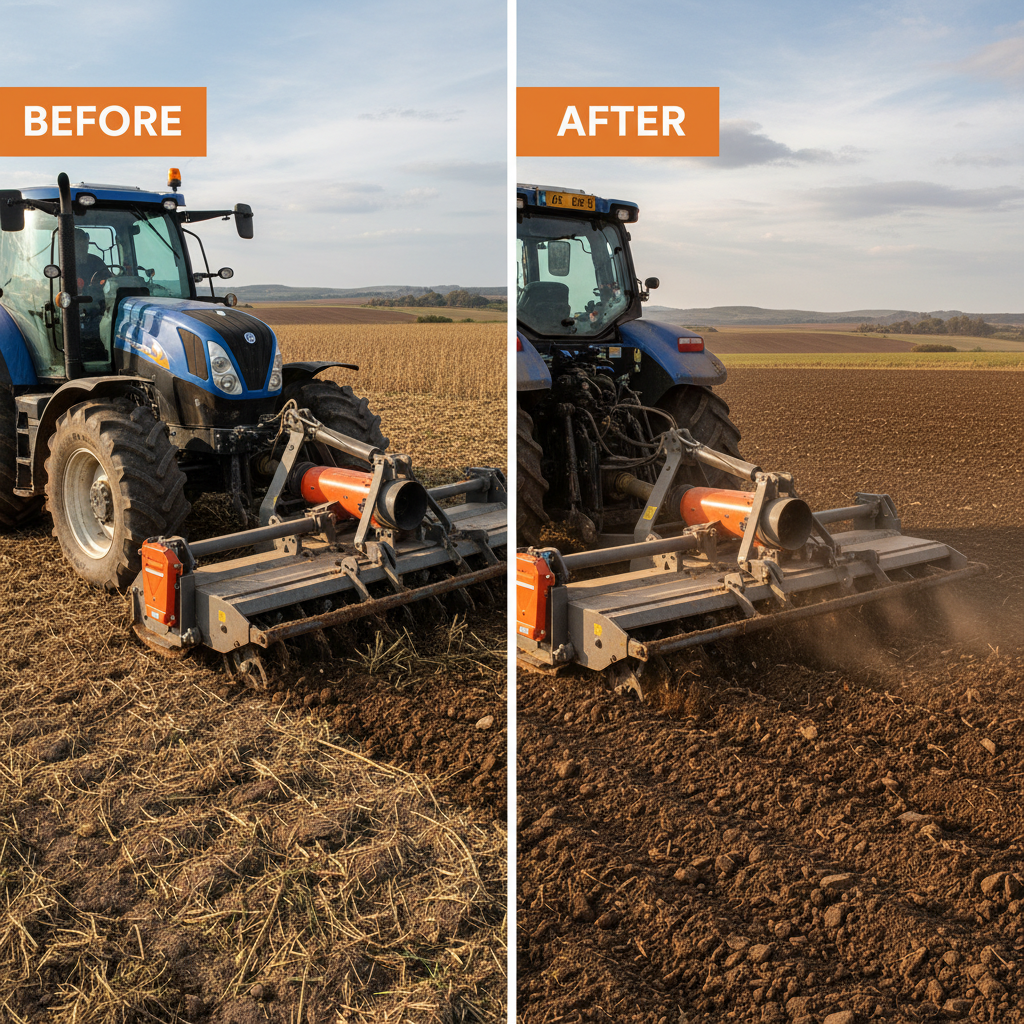
Professional Heavy Duty Tiller for Tractor for Soil Productivity
Achieving the perfect seedbed is the foundation of any successful harvest. For farmers dealing with compacted soil, stubborn crop residue, or expansive acreage, a standard rototiller often falls short. This is where a heavy duty tiller for tractor becomes an essential investment. These robust machines are engineered to penetrate deep into the earth, breaking up hardpan and aerating the soil with unmatched efficiency. By integrating a professional-grade tiller into your machinery lineup, you can significantly reduce preparation time and improve crop yield. In this guide, we will explore the technical advantages, selection criteria, and maintenance tips for choosing the right heavy-duty tilling solution.
>
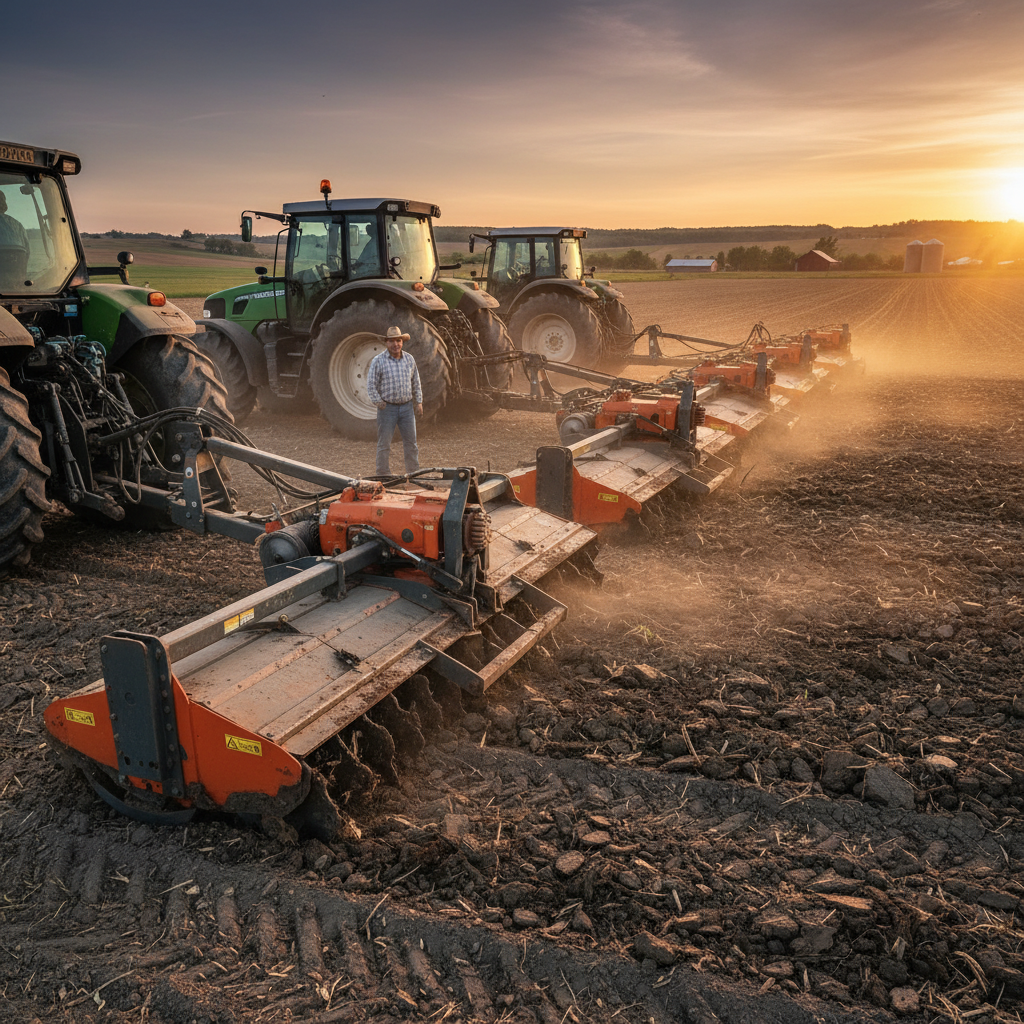
Maximizing Land Productivity with Professional Heavy Duty Tillers
For professional farmers and landscaping contractors, the quality of soil preparation determines the success of the entire growing season. Investing in high-performance heavy duty tillers is essential for breaking through compacted earth, removing stubborn weeds, and integrating organic matter deeply into the soil. Unlike standard garden cultivators, these industrial-grade machines are engineered to handle vast acreages and the most challenging terrain without compromising efficiency. In this guide, we will explore how choosing the right equipment can transform your agricultural output and streamline your land management process.
>
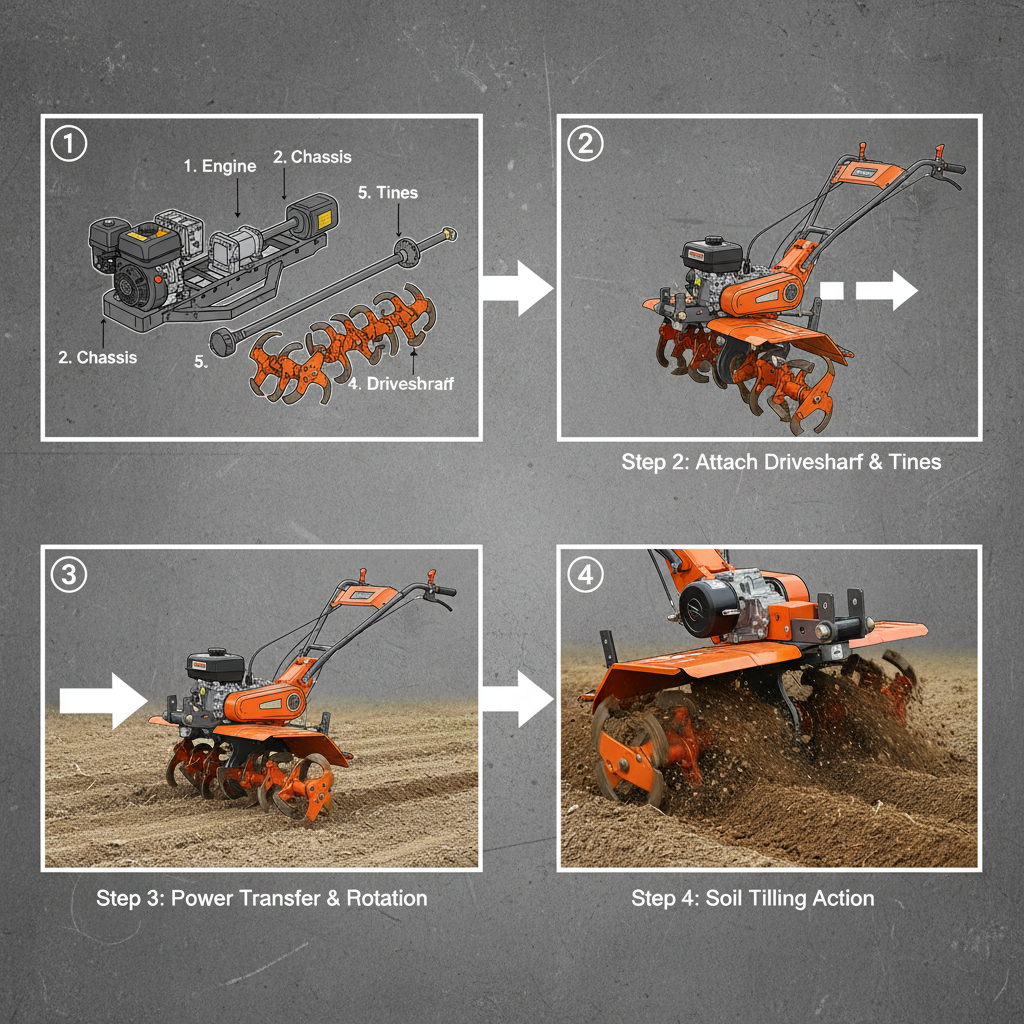
Choosing the Best Heavy Duty Rototiller for Efficient Land Preparation
A heavy duty rototiller is an invaluable tool for anyone involved in serious gardening, small-scale farming, or land preparation. Whether you're breaking new ground, maintaining existing garden beds, or preparing for planting, the right rototiller can significantly reduce labor and improve efficiency. However, with numerous options available, selecting the best model requires careful consideration. This article will guide you through the key factors to consider when purchasing a heavy-duty rototiller, helping you make an informed decision. ZinanMech offers a wide range of rototillers to suit various needs.
>
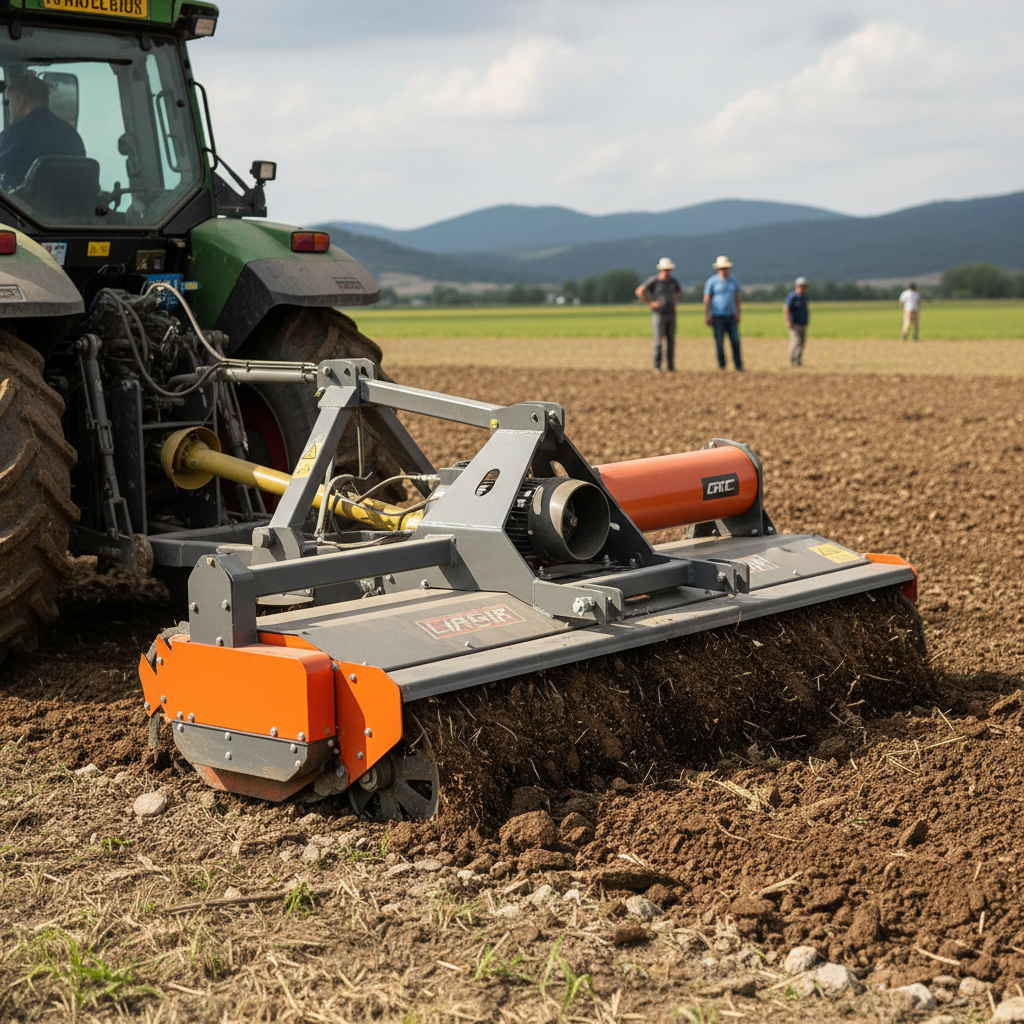
Comprehensive Guide to Heavy Duty Rotary Tiller Selection and Application
When it comes to land preparation, a heavy duty rotary tiller is an invaluable tool. This robust machinery excels at breaking up compacted soil, creating a fine seedbed, and incorporating organic matter. This article dives deep into the world of heavy duty rotary tillers, covering their benefits, applications, key features, and how to choose the right one for your needs. Whether you're a farmer, landscaper, or large-scale gardener, understanding these tillers is essential for efficient and effective soil management.
>
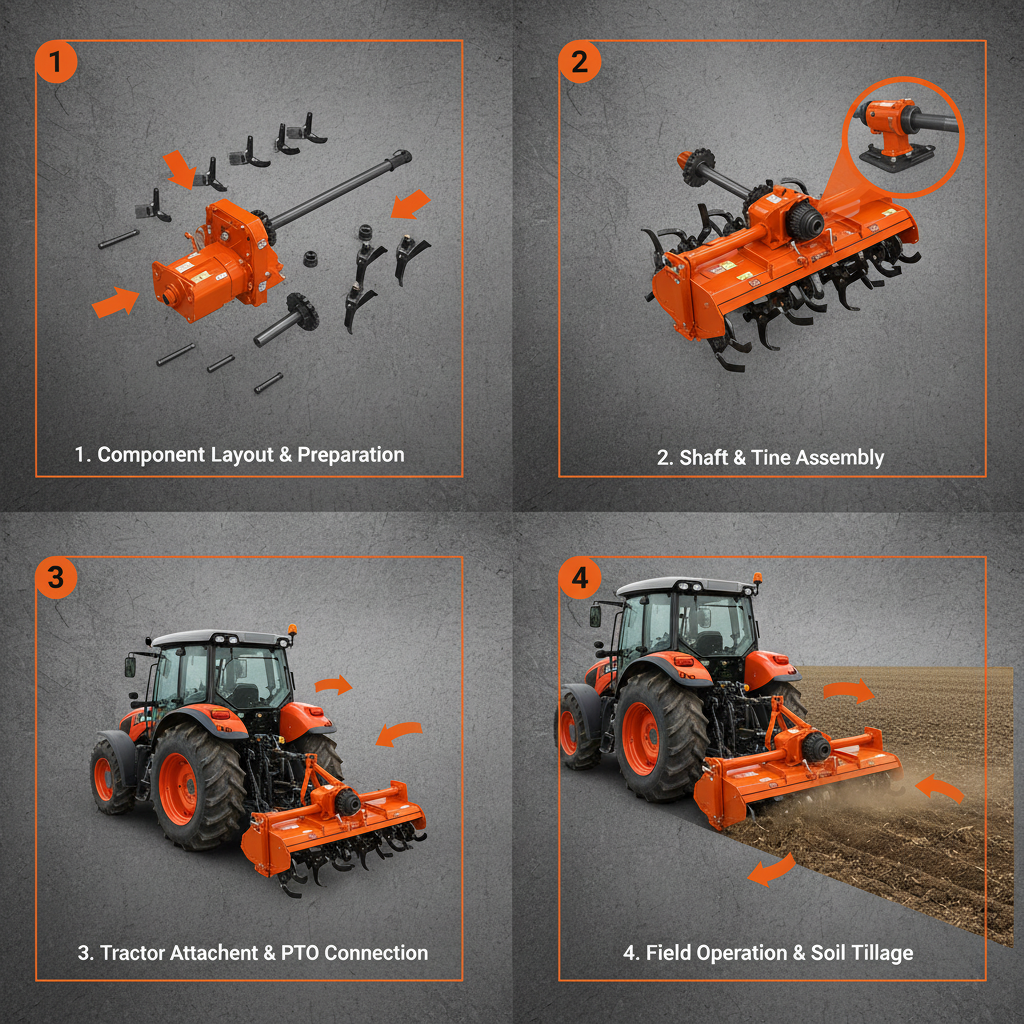
Comprehensive Guide to Selecting the Ideal Farm Tractor Tiller for Your Needs
Selecting the ideal farm tractor tiller is crucial for efficient soil preparation and maximizing agricultural yields. With a diverse range of models available, understanding your needs and the features offered by different tillers is paramount. This article provides a detailed overview of farm tractor tillers, covering their types, benefits, key considerations, and how to choose the right one for your specific farming operation. Proper tillage significantly impacts seedbed quality, weed control, and ultimately, crop performance.
>
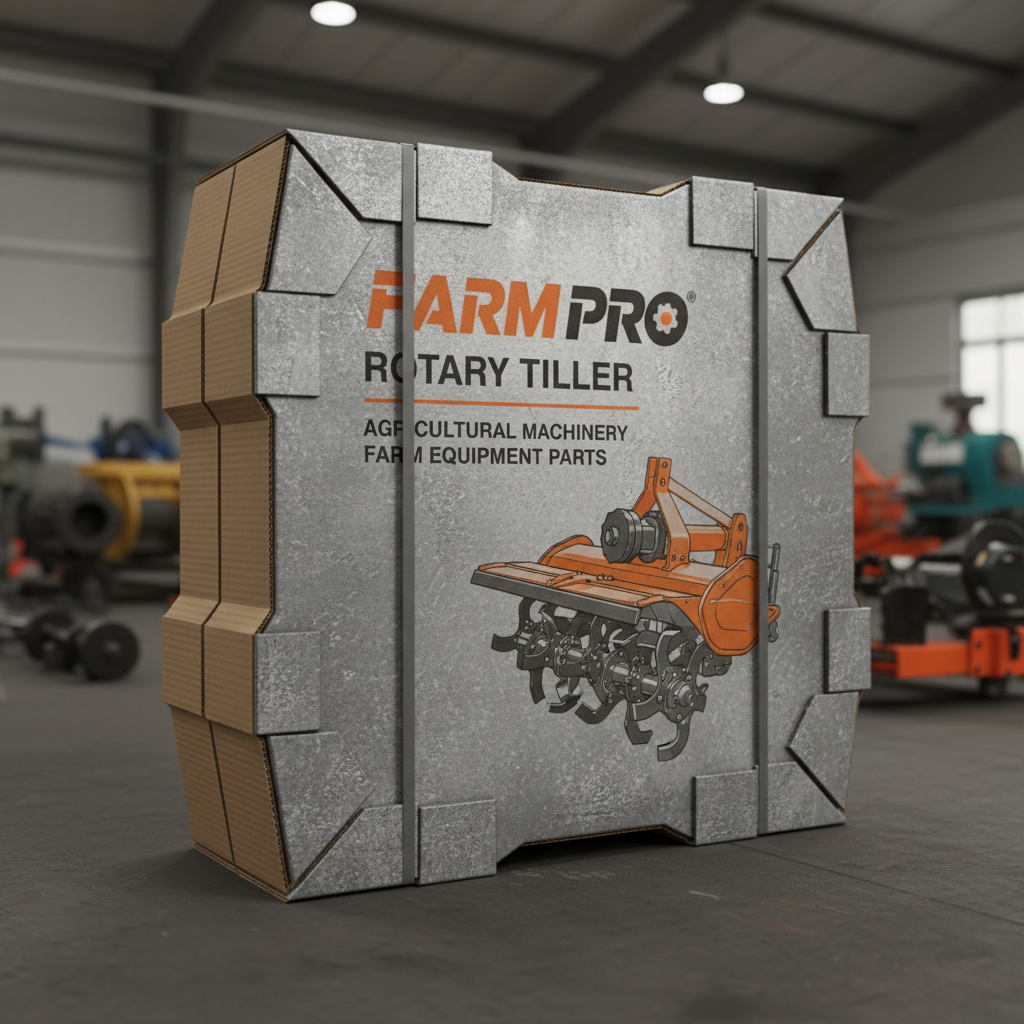
Boost Farm Productivity with a High Performance Farm Pro Rotary Tiller
Are you looking to enhance your agricultural productivity and streamline your soil preparation process? A Farm Pro rotary tiller is an invaluable investment for farmers of all scales. This article delves into the benefits, features, applications, and considerations when choosing the right rotary tiller for your farm. We’ll explore how this machinery can significantly reduce labor costs and improve soil quality, ultimately leading to higher yields. From small hobby farms to large-scale commercial operations, a Farm Pro tiller offers a robust and efficient solution for a variety of tilling needs.
>
Unlock Farming Efficiency with a Powerful Agricultural Tiller Solution
In the world of farming and gardening, efficiency and productivity are key. An agricultural tiller is a vital piece of equipment that streamlines soil preparation, saving time and labor. This article dives deep into the world of tillers, exploring their types, benefits, how to choose the right one, and the quality solutions offered by Zinanmech. We’ll cover everything from small garden tillers to heavy-duty agricultural models, ensuring you have the knowledge to make an informed decision. An agricultural tiller, also known as a rotary tiller, is a motorized machine used to break up and cultivate soil. Unlike manual digging or plowing, tillers use rotating blades to loosen the soil, creating a fine, even tilth that's ideal for planting. This process improves soil aeration, drainage, and nutrient availability, leading to healthier plant growth.
>
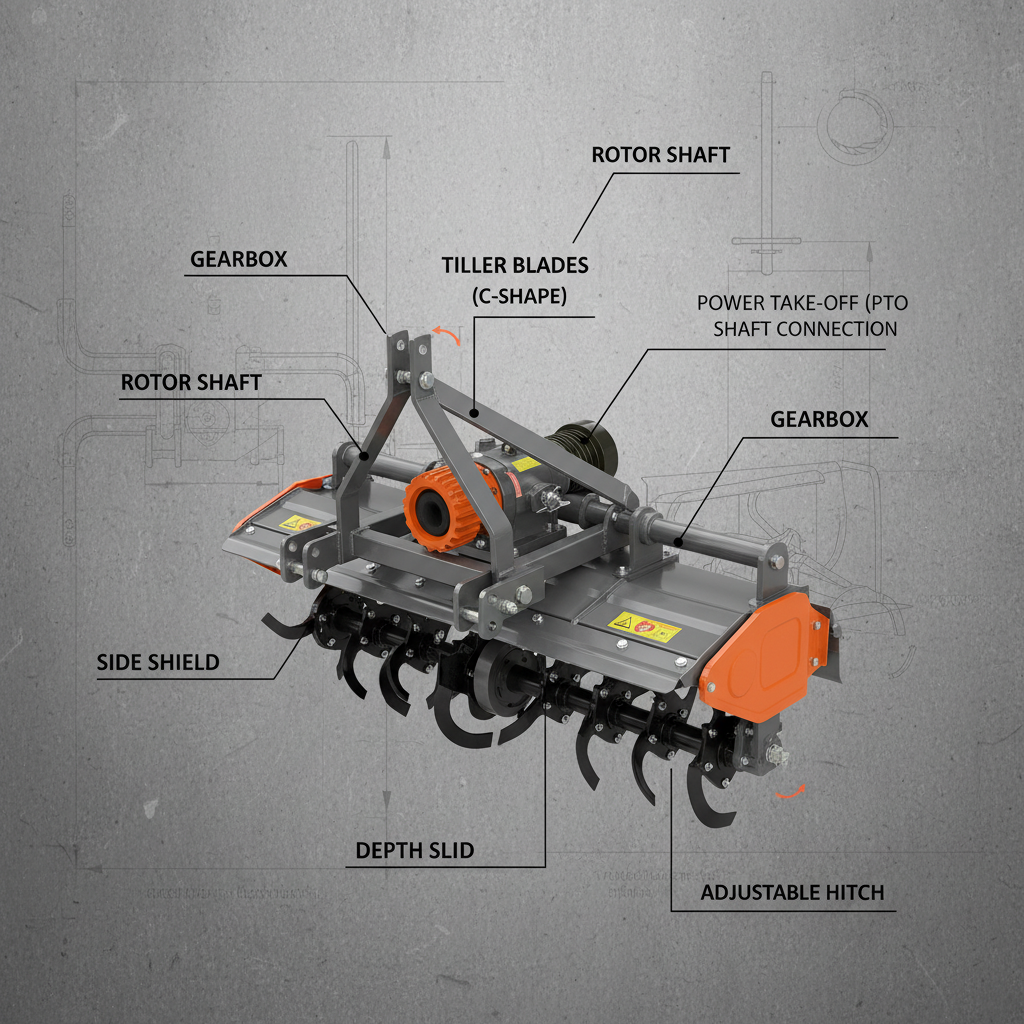
Comprehensive Guide to Agricultural Rotary Tiller Selection and Usage
An agricultural rotary tiller is an essential tool for modern farming, designed to efficiently prepare soil for planting. This powerful machinery significantly reduces labor and time compared to traditional methods. Whether you're a smallholder or manage a large-scale agricultural operation, understanding the benefits and features of a rotary tiller is crucial for maximizing productivity. Choosing the right tiller can transform your land preparation process. This article provides a detailed overview of agricultural rotary tillers, covering their uses, types, benefits, and key considerations when selecting the right model. Modern tillers are available in various sizes and configurations, catering to different farm sizes and soil conditions. Zinanmech provides a range of high-quality rotary tillers designed for optimal performance and durability. An agricultural rotary tiller, also known as a rototiller, is a motorized machine used to prepare agricultural land for cultivation. It works by using rotating blades – typically called tines – to break up, churn, and mix the soil.
>
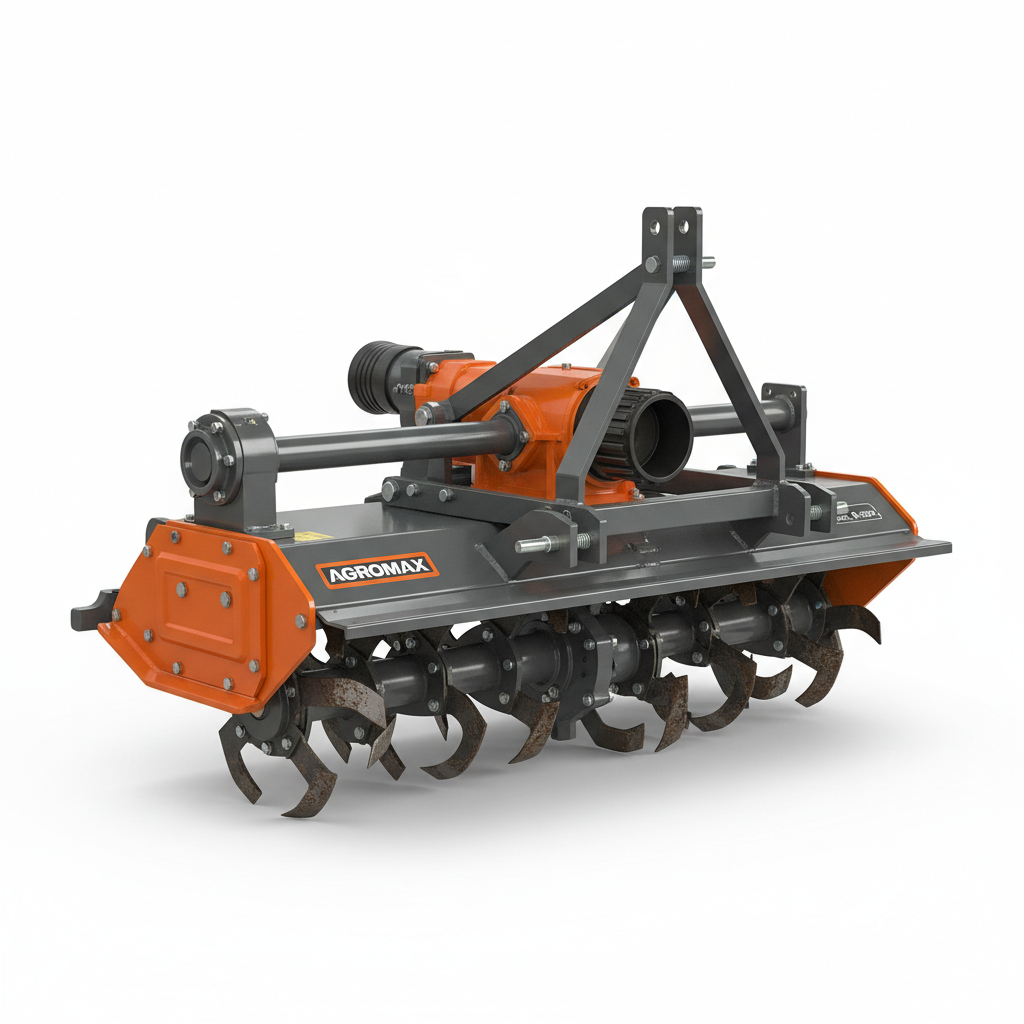
Comprehensive Guide to Selecting the Ideal Agric Rototiller for Your Farm
Selecting the right agric rototiller is crucial for efficient soil preparation and maximizing crop yields. This guide will explore the different types of rototillers, their applications, and how to choose the best model for your farming needs. We’ll cover everything from small, handheld rototillers to larger, tractor-mounted versions, helping you make an informed decision to enhance your agricultural operations. A well-chosen rototiller significantly reduces manual labor and improves soil quality. Agric rototillers come in various sizes and configurations, each suited for different farming tasks. The main types include: Front-Tine Rototillers, ideal for smaller gardens and breaking up already tilled soil; Rear-Tine Rototillers, offering more power and suitable for larger areas and tougher soil conditions; and Mid-Tine Rototillers, a versatile option for medium-sized farms. Choosing the correct type depends on your farm size, soil type, and the crops you intend to grow.
>
Unlock Farming Efficiency with a Powerful Agri Rototiller for Modern Agriculture
In today's agricultural landscape, efficiency and productivity are paramount. An agri rototiller, also known as a rotary tiller, is an invaluable tool for preparing soil for planting. This versatile machine cultivates, mixes, and levels the soil in a single pass, saving farmers significant time and effort. From small-scale farms to large agricultural operations, the benefits of using a rototiller are numerous. Investing in a quality rototiller is investing in the future success of your harvest. An agri rototiller is a motorized machine designed to break up and aerate soil using rotating blades. These blades, often called tines, churn the soil, creating a fine, even texture ideal for planting seeds or transplanting seedlings. Unlike traditional plowing, rototilling doesn't invert the soil, minimizing disruption to the soil's natural structure.
>
International layout
Spread all over the world
our products are exported to various parts of the world. Currently, our products have been exported to more than 40 countries Our products cover Asia, Europe, Africa, South America, North America, and Oceania
Sign up
for Newsletter
Subscribe to the weekly newsletter for all the latest updates