- Tel: +86 13451474678 / 13451474678
- Email: / hbzinanmech@gmail.com

Comprehensive Guide to Three Point Rototiller for Sale: Global Benefits and Buying Tips
Comprehensive Guide to Three Point Rototiller for Sale: Global Benefits and Buying Tips
Understanding the Three Point Rototiller for Sale: Why It Matters Globally
When you hear “three point rototiller for sale,” you might think it’s just another farming tool. But honestly, it’s a bit more than that — it's a cornerstone in modern agriculture that connects traditional farming with mechanized efficiency. Especially in developing and emerging economies, having access to affordable, reliable rototillers can mean the difference between subsistence and sustained productivity.
Why should you care? Globally, farming accounts for nearly 40% of jobs according to the UN’s Food and Agriculture Organization (FAO). Mechanization, including tools like three point rototillers, accelerates soil preparation, promotes better yields, and can support food security. So understanding what this machine offers—and why it remains in demand worldwide—is genuinely important.
Introduction: Global Context of the Three Point Rototiller Market
Across continents—from the rice paddies of Southeast Asia to the potato fields of South America—the three point rototiller stands as a dependable farming implement. The World Bank reports that agricultural mechanization boosts productivity by up to 30%, especially when smallholder farmers adopt cost-effective tools.
However, challenges exist. High costs, poor maintenance infrastructure, and lack of localized designs limit uptake. This gap creates an interesting interplay: the growing demand for three point rototiller for sale reflects a global intent to overcome these barriers, yet it spotlights the need for smarter choices and innovation.
What Is a Three Point Rototiller?
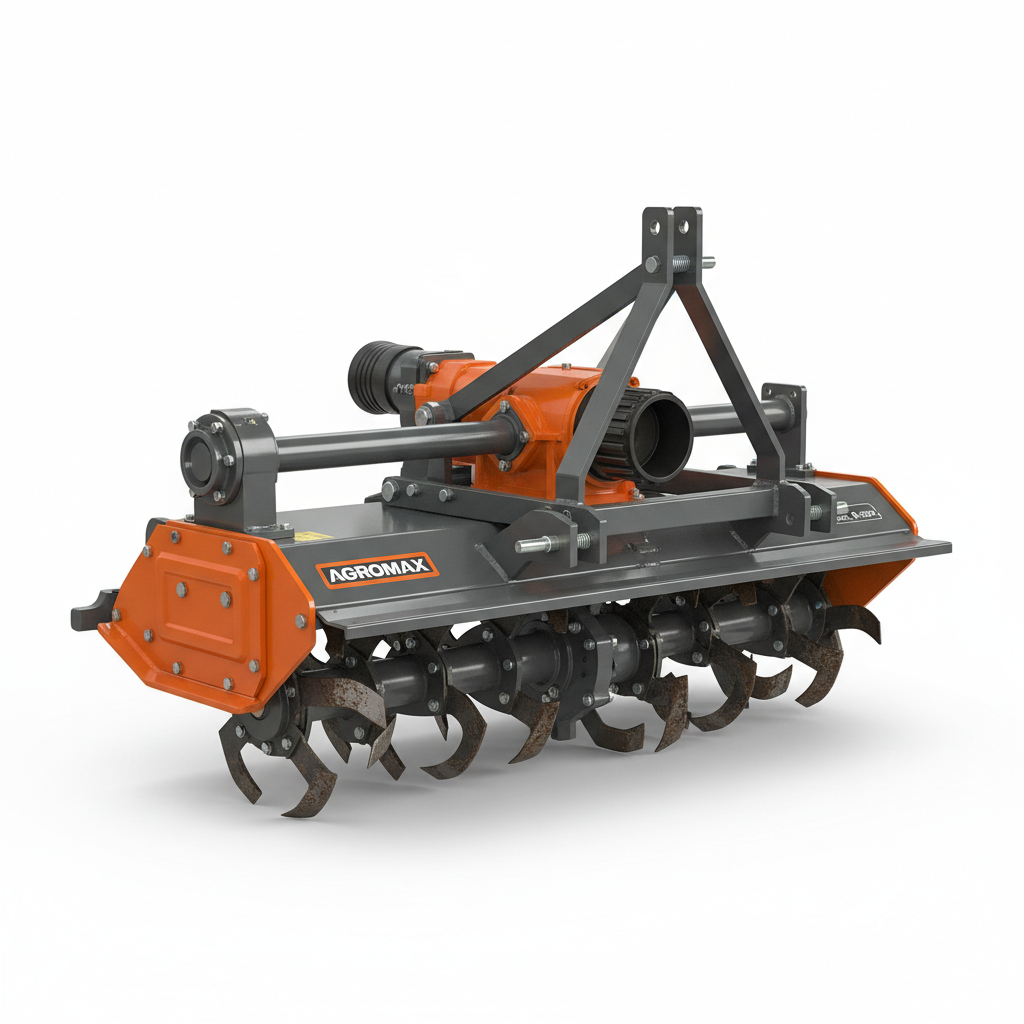
In simplest terms, a three point rototiller is an agricultural machine designed to till soil by attaching to the three-point hitch on a tractor. This mechanical linkage—two lower lift arms and an upper stabilizing arm—provides stability and allows the operator to adjust tilling depth and position easily.
Unlike walk-behind rotary tillers, which require manual labor, these attach to tractors and utilize their power, making soil preparation faster and less physically taxing.
Modern farming increasingly demands this kind of mechanization. The three point rototiller bridges traditional plowing and contemporary efficiency, making it invaluable in humanitarian farming programs, rural development projects, and private agriculture alike.
Core Components and Key Factors
1. Durability
These machines often undergo tough use in rocky, abrasive soils. High-quality steel tines and robust gearbox assemblies are key. In fact, vendors often highlight heat-treated components or reinforced frames to address wear and tear.
2. Scalability and Compatibility
Because the three point hitch standard is widely adopted globally, these rototillers can attach to a variety of tractors—from compact models to larger agricultural machines—making them versatile across farm sizes.
3. Cost Efficiency
While initial investment varies, long-term operational costs tend to be lower than manual tilling or non-tractor-based tools. Fuel efficiency and low maintenance needs add to overall savings.
4. Adjustability and Control
Operators can easily adjust tilling depth and angle. This flexibility improves soil aeration and seedbed preparation, adapting to crops and soil types.
5. Safety Features
Few folks talk about this straight off, but safety guards over tines and reliable PTO (Power Take-Off) shields help prevent accidents during operation.
Product Specifications of a Typical Three Point Rototiller
| Specification | Detail |
|---|---|
| Tilling Width | 1.2 - 2.0 meters |
| Tilling Depth | Up to 30 cm |
| Power Requirement | Tractor 20-50 HP |
| Number of Tines | 20 - 40 (varies by model) |
| Weight | 250 - 350 kg |
| Gearbox Type | Helical or bevel gears |
Global Applications & Use Cases
Oddly enough, the three point rototiller finds itself in a range of contexts beyond what you might expect. In India and Africa, it’s part of agricultural development programs aiming to equip smallholders with better tools to deal with tougher soils and erratic weather patterns.
In Latin America, cooperatives often use such equipment for cooperative-managed farms, increasing collective output and fostering community growth.
Even humanitarian organizations see value: after natural disasters, rapid soil restoration is key to food security. Attachable rototillers help clear debris and prepare land for immediate replanting. For instance, NGOs working post-floods or typhoons rely on these machines alongside tractors they bring in.
Vendor Comparison: What to Consider When Buying a Three Point Rototiller
| Feature | Vendor A (Local Manufacturer) | Vendor B (Imported Brand) | Vendor C (Online Supplier) |
|---|---|---|---|
| Price Range | $1,200 - $1,400 | $1,800 - $2,200 | $1,500 - $1,700 |
| Warranty | 1 year | 2 years | 1.5 years |
| Spare Parts Availability | High (Local stock) | Moderate (Import delays) | Variable |
| Customization Options | Limited | Extensive (various sizes) | Moderate |
| User Reviews | Generally positive, praised for service | High quality but expensive | Mixed, depends on model |
Advantages and Long-Term Value
Investing in a three point rototiller, you get more than just a machine. It’s about enhancing the dignity of farming by making hard work less backbreaking and more productive. Farmers often note how the tool helps reduce preparation times from days to just hours, freeing labor for other activities.
Financially, it’s a stable asset: parts last longer, fuel use is optimized, and soil management improves crop yield sustainability.
Socially, technology like this can empower rural farmers, building trust in mechanized farming while maintaining a connection to tradition.
Looking Ahead: Trends and Innovations
So where is the three point rototiller heading? Green technologies are starting to influence design—electric tractors paired with efficient tillers, lightweight alloys replacing heavy steel parts to ease transport, and IoT sensors to monitor soil impact in real time.
Also, digital marketplaces and supply chains are making these tools more accessible than ever. You know, companies selling “three point rototiller for sale” online are rapidly gaining traction, linking farmers directly with manufacturers.
Challenges & How to Overcome Them
Challenges persist: tough terrains cause rapid wear, while inexperienced operators may misuse the equipment. Plus, upfront price can be prohibitive.
Solutions include:
- Stronger local service networks for maintenance and spare parts.
- Training programs in rural communities.
- Financing options through micro-loans to ease purchase impact.
FAQ about Three Point Rototiller for Sale
- What tractor size is compatible with a three point rototiller?
- Most three point rototillers require tractors between 20-50 horsepower. Always check your rototiller’s specifications to confirm compatibility.
- How do I maintain a three point rototiller?
- Regularly inspect tines for damage, lubricate gearbox seals as recommended, and store the equipment in a dry place to avoid rust.
- Can three point rototillers be used on all soil types?
- They perform best on moderately soft to medium soils. Extremely rocky or stony soils may damage tines, so some clearing might be necessary first.
- Is hiring equipment more cost-effective than buying?
- If you farm seasonally or sporadically, renting might suit your needs. However, owning becomes more economical for regular, larger-scale farming.
Conclusion
The three point rototiller represents more than just a tilling tool; it embodies a bridge between tradition and modern farming technology that matters enormously worldwide. Its practical design and adaptability combined with increasing accessibility position it as a vital piece of agricultural equipment.
Thinking about improving your farm’s productivity or supporting rural mechanization efforts? It’s worth checking current listings for three point rototiller for sale. You might be surprised by what’s available and how it can fit your needs.
Thanks for spending a few minutes with this overview — it’s fascinating how something seemingly simple carries such global weight.
Takeaway: The unassuming three point rototiller, linking human effort and machine power, quietly fuels the future of farming across the globe.
- FAO. “The State of Food and Agriculture 2022.” Food and Agriculture Organization. fao.org.
- World Bank. “Agricultural Mechanization.” worldbank.org.
- ISO 4254-3: “Agricultural machinery — Safety.” iso.org.

Related Products
-
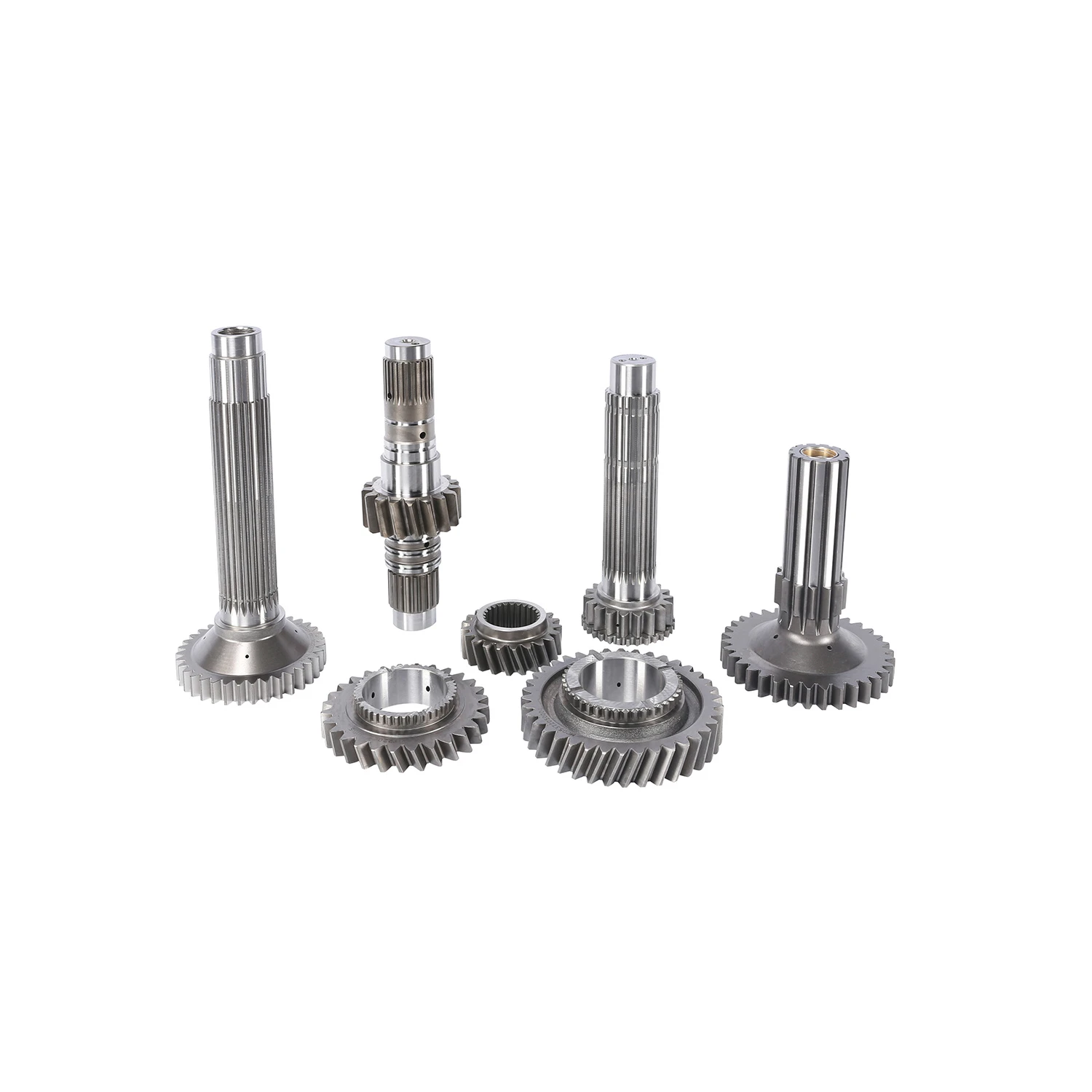 Tractor Gear Shaft
The tractor gear shaft is a crucial element in the power transmission system of a tractor. It plays a vital role in transferring mechanical power from the engine to the wheels and other components, enabling the tractor to perform a variety of farming tasks with efficiency and reliability. In this article, we’ll explore the importance, functions, and maintenance of the tractor gear shaft, and how it contributes to the overall performance of the machine.
-
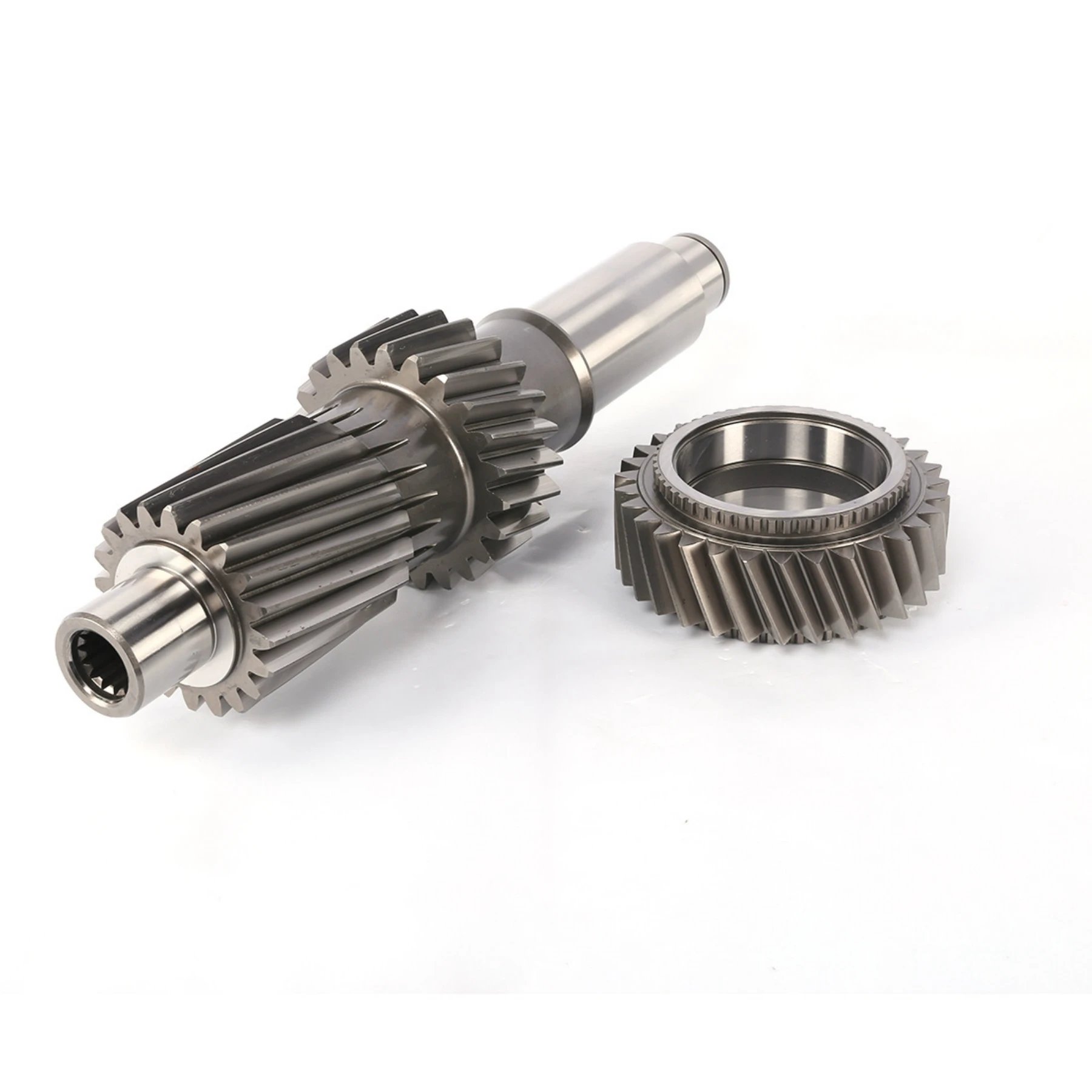 Transmission Gear
Power transmission: the engine operation drives the input gear on the input shaft to rotate, the input gear engages with other gears, and relies on the interaction between teeth and teeth to transfer the power to the intermediate gear (if any) and the output gear, and finally transfers the power to the driving wheel and other components through the output shaft to make the vehicle or equipment move.
Variable speed principle: Change the transmission ratio by meshing gears with different numbers of teeth. For example, when the big gear drives the small gear, the speed of the small gear will be faster than the big gear, but the output torque will be smaller, to achieve growth and torque reduction; On the contrary, when the pinion drives the big gear, the speed of the big gear slows down, the torque increases, and the torque increases. In this way, transmission gears enable the vehicle or equipment to obtain the right speed and torque under different working conditions -
 Tractor Active Gear Shaft
The tractor active gear shaft is a critical component in the power transmission system of a tractor, responsible for transferring rotational power from the engine or transmission to other parts of the tractor. By efficiently distributing torque and enabling smooth gear shifts, the active gear shaft plays a vital role in enhancing the performance and versatility of the tractor, making it essential for a wide range of agricultural tasks. In this article, we’ll explore the function, benefits, and maintenance of the tractor active gear shaft.
-
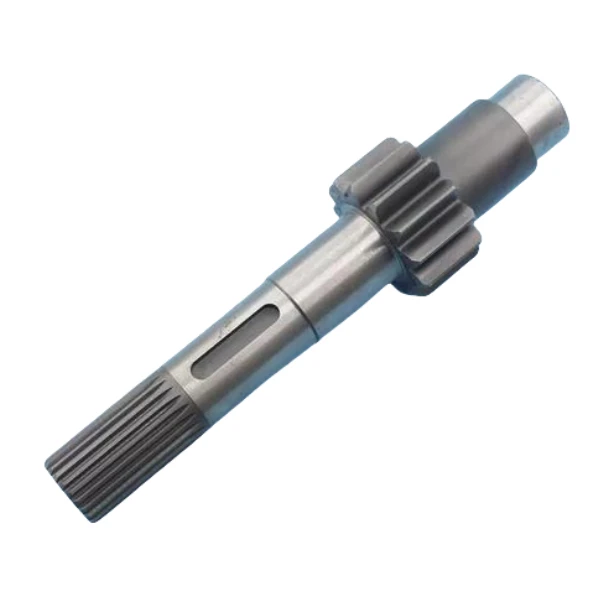 Harvester Input Shaft
The main role of the harvester input shaft is to introduce the power of the external power source into the internal transmission system of the harvester. When the power source (such as an engine) is running, the torque generated is transmitted to the input shaft through the connecting parts, causing the input shaft to start rotating. The gear, pulley or sprocket and other transmission parts installed on the input shaft will rotate with the rotation of the input shaft, and then transfer the power to the subsequent transmission parts and working parts, such as driving the cutting device, conveying device, threshing device, etc., to complete the crop harvesting, conveying, threshing and other work processes.
Related News
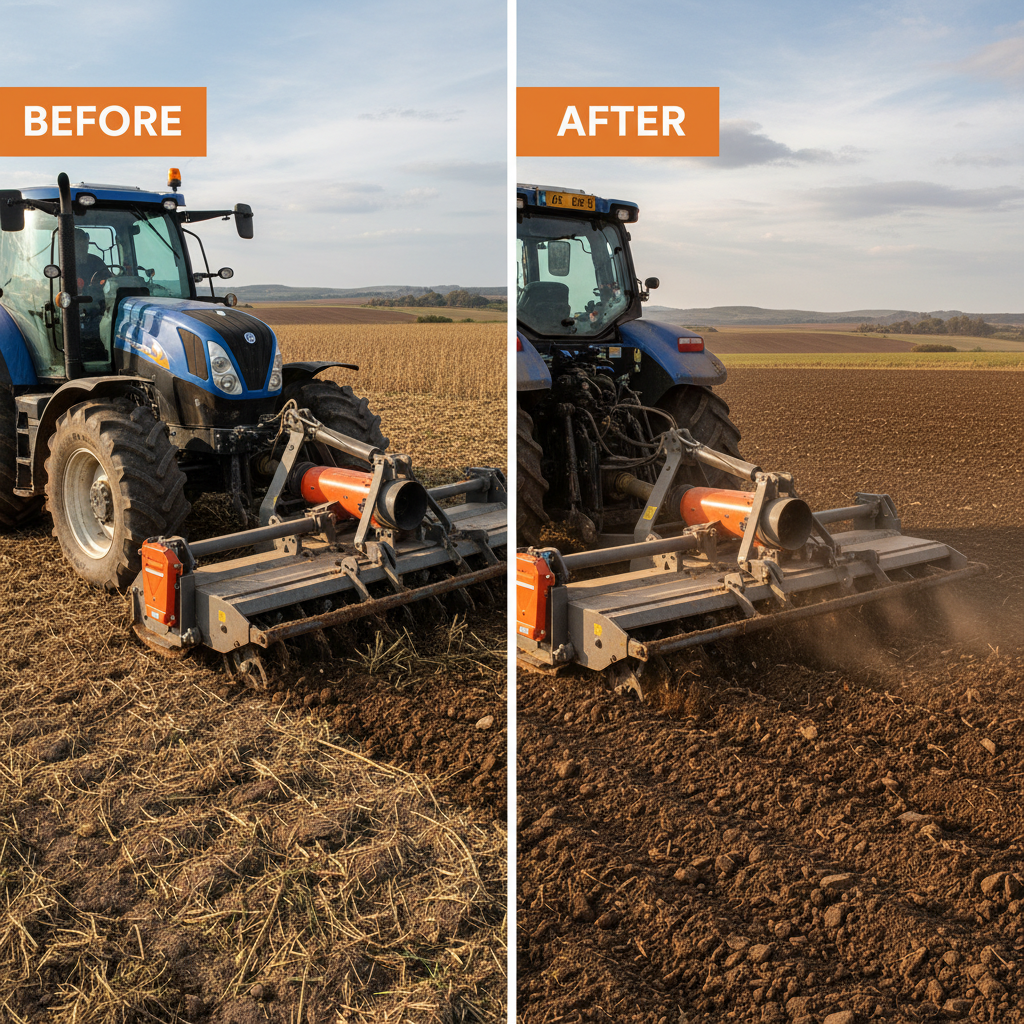
Professional Heavy Duty Tiller for Tractor for Soil Productivity
Achieving the perfect seedbed is the foundation of any successful harvest. For farmers dealing with compacted soil, stubborn crop residue, or expansive acreage, a standard rototiller often falls short. This is where a heavy duty tiller for tractor becomes an essential investment. These robust machines are engineered to penetrate deep into the earth, breaking up hardpan and aerating the soil with unmatched efficiency. By integrating a professional-grade tiller into your machinery lineup, you can significantly reduce preparation time and improve crop yield. In this guide, we will explore the technical advantages, selection criteria, and maintenance tips for choosing the right heavy-duty tilling solution.
>
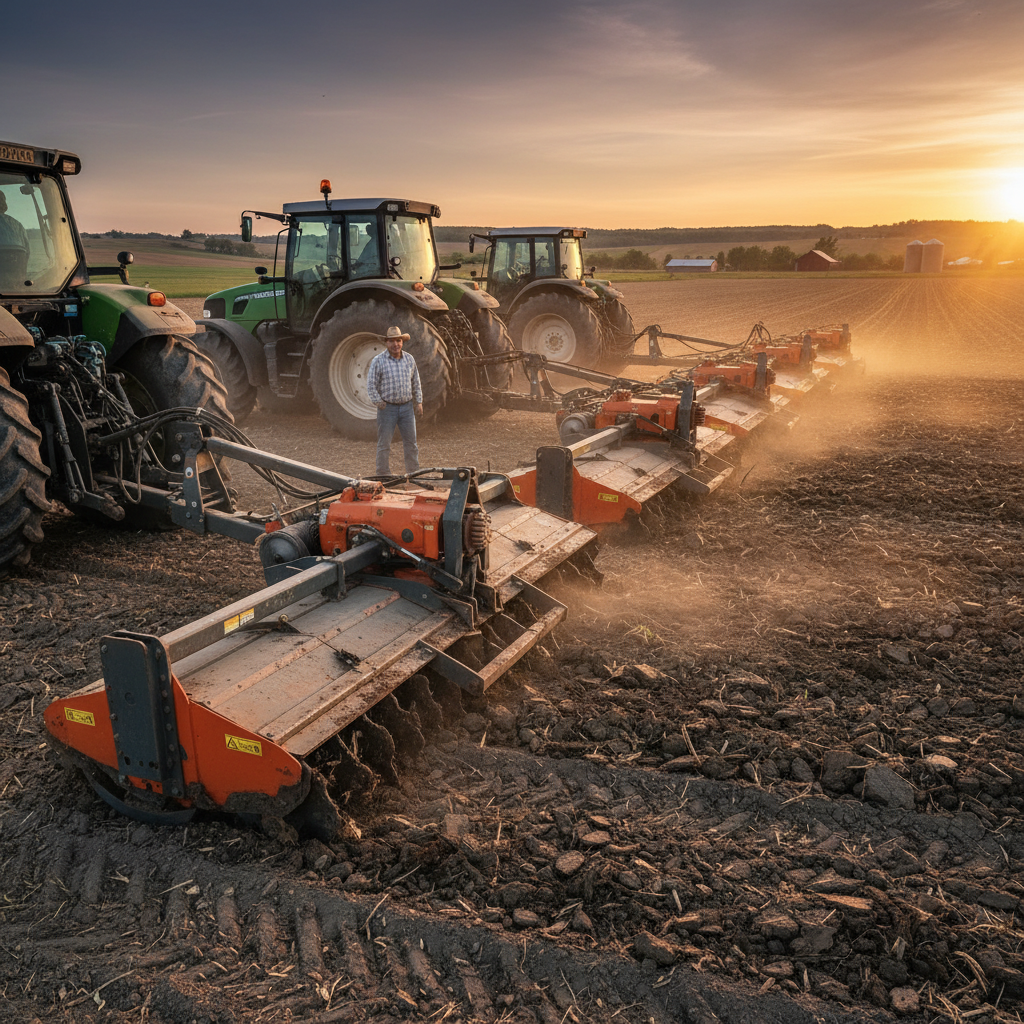
Maximizing Land Productivity with Professional Heavy Duty Tillers
For professional farmers and landscaping contractors, the quality of soil preparation determines the success of the entire growing season. Investing in high-performance heavy duty tillers is essential for breaking through compacted earth, removing stubborn weeds, and integrating organic matter deeply into the soil. Unlike standard garden cultivators, these industrial-grade machines are engineered to handle vast acreages and the most challenging terrain without compromising efficiency. In this guide, we will explore how choosing the right equipment can transform your agricultural output and streamline your land management process.
>
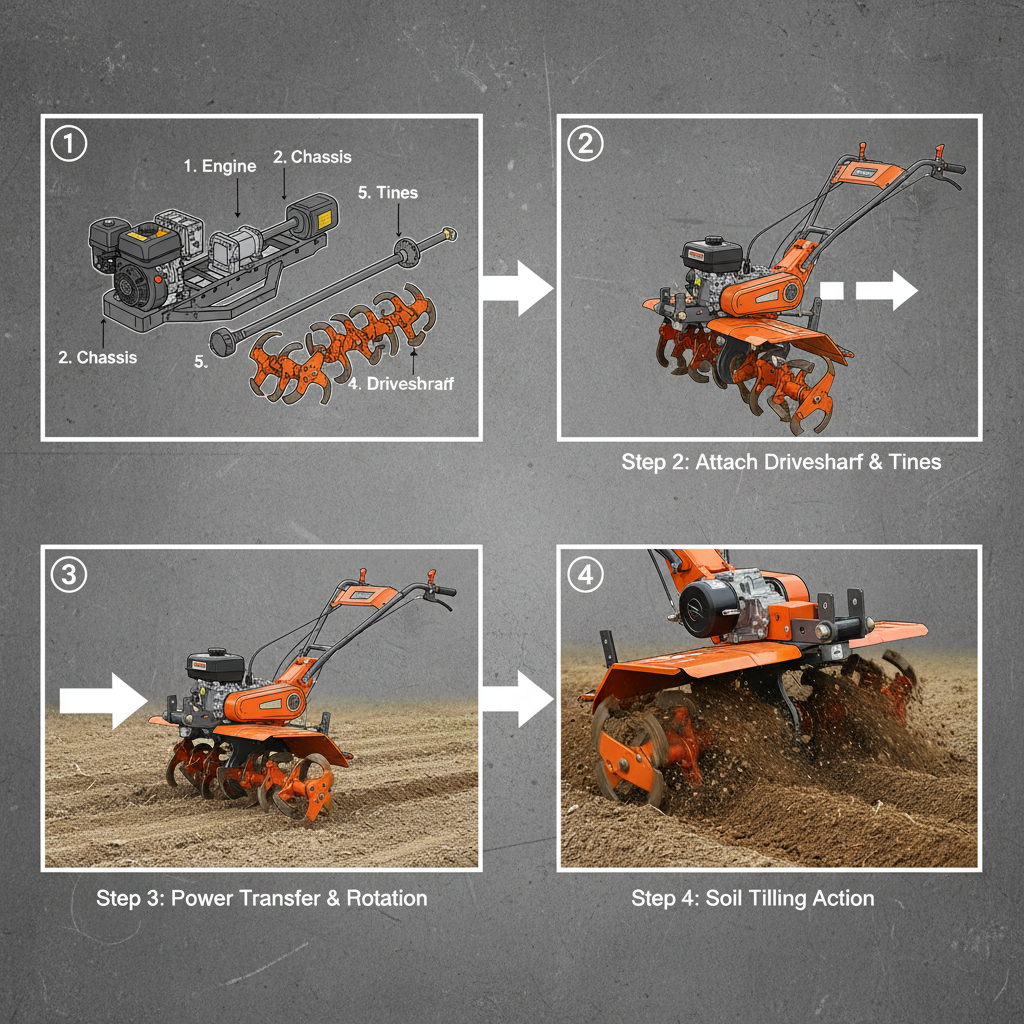
Choosing the Best Heavy Duty Rototiller for Efficient Land Preparation
A heavy duty rototiller is an invaluable tool for anyone involved in serious gardening, small-scale farming, or land preparation. Whether you're breaking new ground, maintaining existing garden beds, or preparing for planting, the right rototiller can significantly reduce labor and improve efficiency. However, with numerous options available, selecting the best model requires careful consideration. This article will guide you through the key factors to consider when purchasing a heavy-duty rototiller, helping you make an informed decision. ZinanMech offers a wide range of rototillers to suit various needs.
>
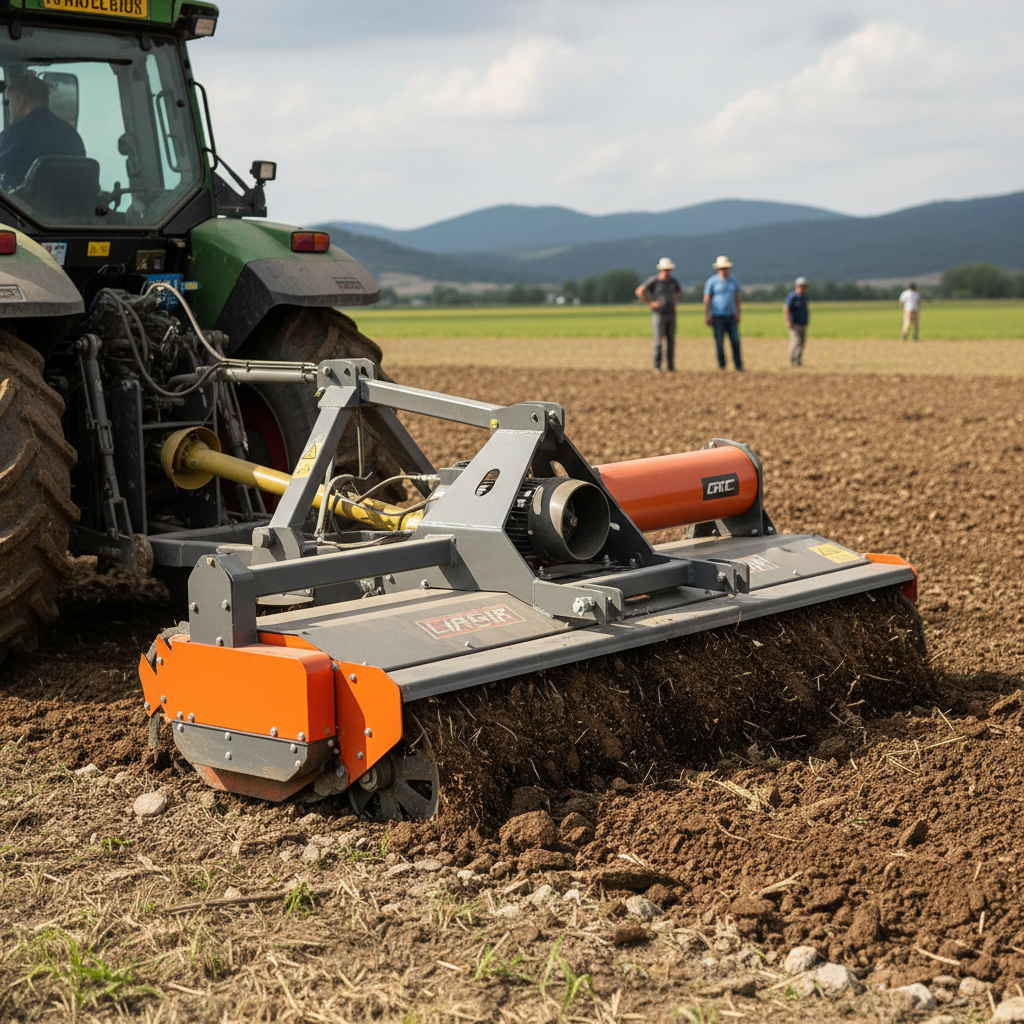
Comprehensive Guide to Heavy Duty Rotary Tiller Selection and Application
When it comes to land preparation, a heavy duty rotary tiller is an invaluable tool. This robust machinery excels at breaking up compacted soil, creating a fine seedbed, and incorporating organic matter. This article dives deep into the world of heavy duty rotary tillers, covering their benefits, applications, key features, and how to choose the right one for your needs. Whether you're a farmer, landscaper, or large-scale gardener, understanding these tillers is essential for efficient and effective soil management.
>
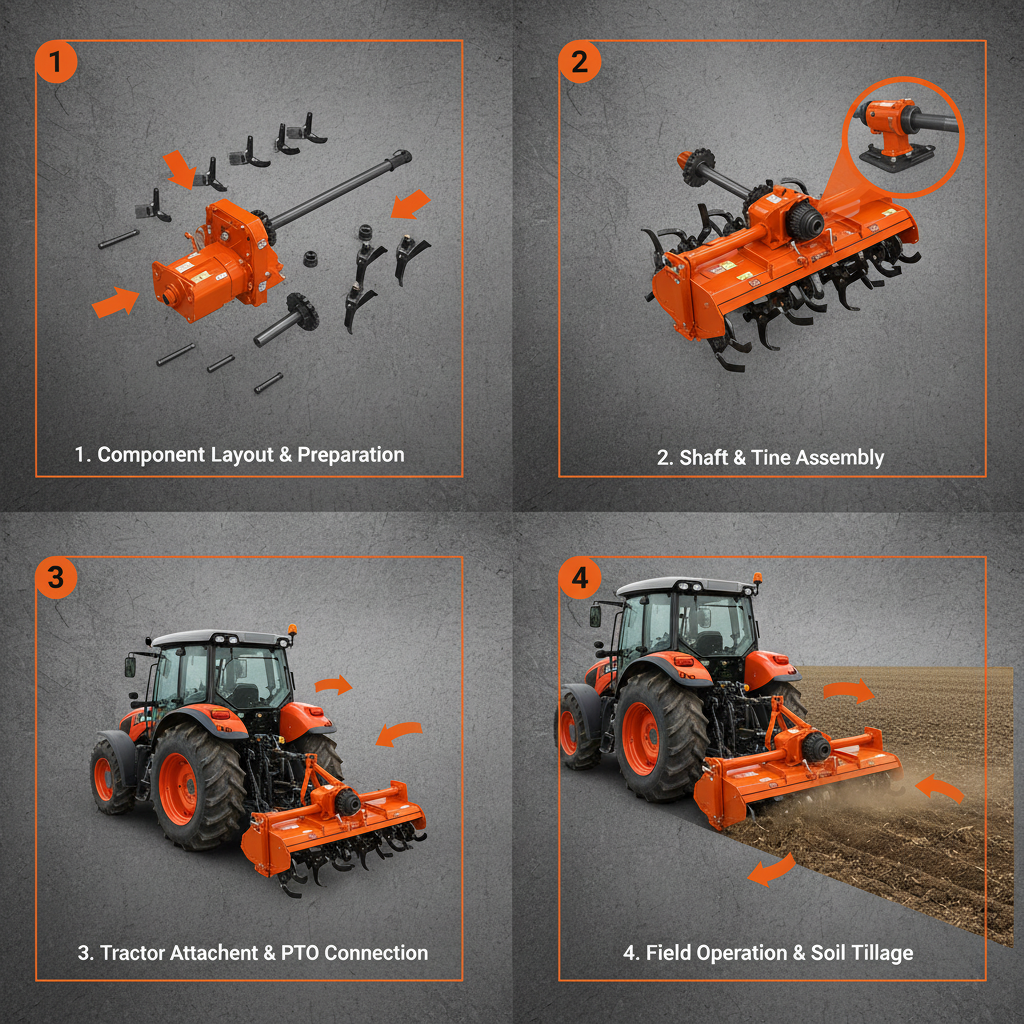
Comprehensive Guide to Selecting the Ideal Farm Tractor Tiller for Your Needs
Selecting the ideal farm tractor tiller is crucial for efficient soil preparation and maximizing agricultural yields. With a diverse range of models available, understanding your needs and the features offered by different tillers is paramount. This article provides a detailed overview of farm tractor tillers, covering their types, benefits, key considerations, and how to choose the right one for your specific farming operation. Proper tillage significantly impacts seedbed quality, weed control, and ultimately, crop performance.
>
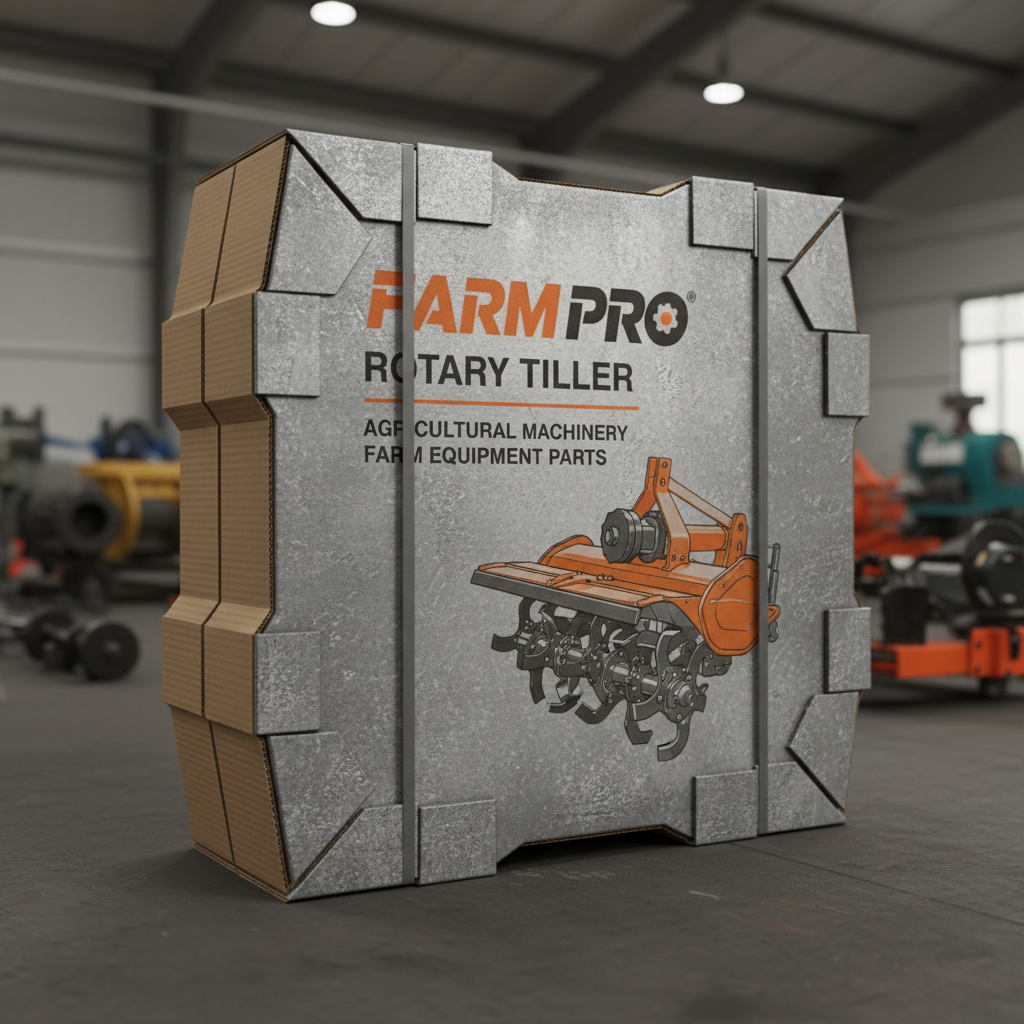
Boost Farm Productivity with a High Performance Farm Pro Rotary Tiller
Are you looking to enhance your agricultural productivity and streamline your soil preparation process? A Farm Pro rotary tiller is an invaluable investment for farmers of all scales. This article delves into the benefits, features, applications, and considerations when choosing the right rotary tiller for your farm. We’ll explore how this machinery can significantly reduce labor costs and improve soil quality, ultimately leading to higher yields. From small hobby farms to large-scale commercial operations, a Farm Pro tiller offers a robust and efficient solution for a variety of tilling needs.
>
Unlock Farming Efficiency with a Powerful Agricultural Tiller Solution
In the world of farming and gardening, efficiency and productivity are key. An agricultural tiller is a vital piece of equipment that streamlines soil preparation, saving time and labor. This article dives deep into the world of tillers, exploring their types, benefits, how to choose the right one, and the quality solutions offered by Zinanmech. We’ll cover everything from small garden tillers to heavy-duty agricultural models, ensuring you have the knowledge to make an informed decision. An agricultural tiller, also known as a rotary tiller, is a motorized machine used to break up and cultivate soil. Unlike manual digging or plowing, tillers use rotating blades to loosen the soil, creating a fine, even tilth that's ideal for planting. This process improves soil aeration, drainage, and nutrient availability, leading to healthier plant growth.
>
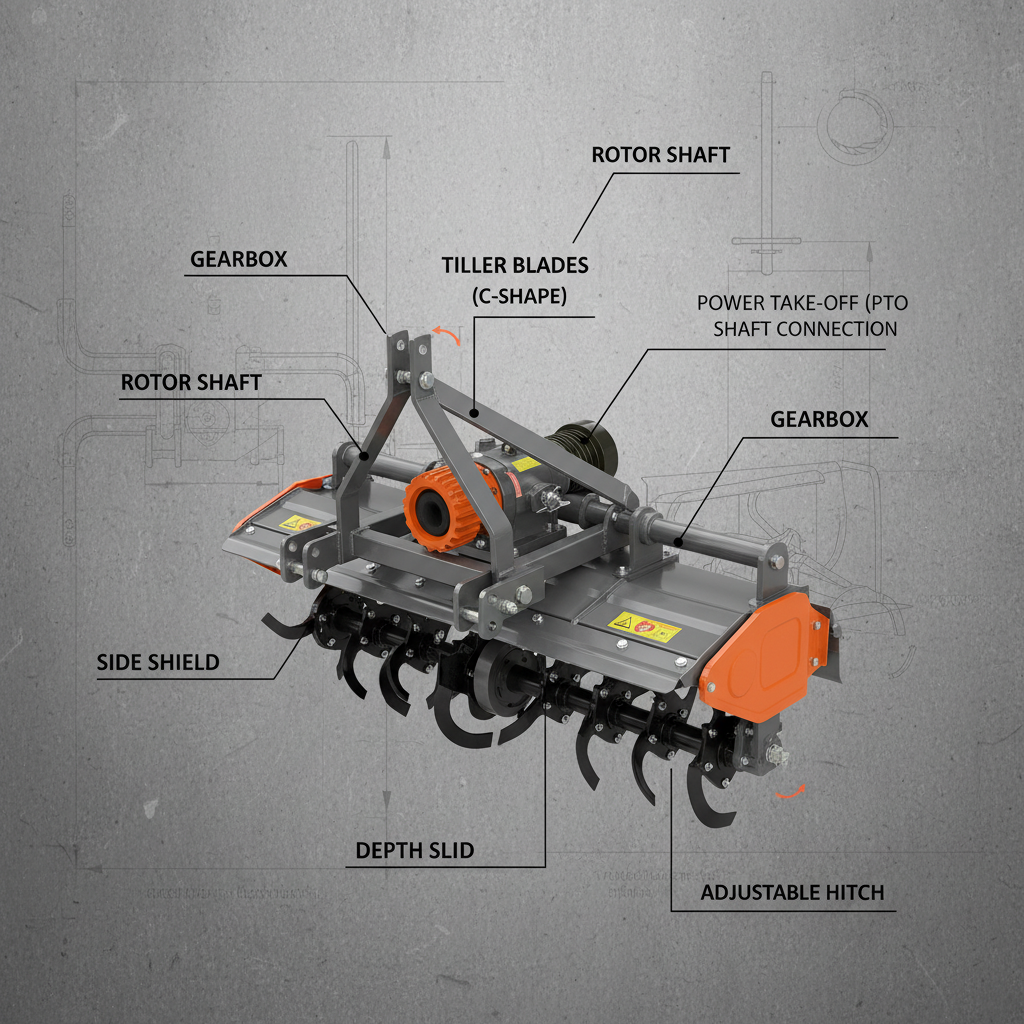
Comprehensive Guide to Agricultural Rotary Tiller Selection and Usage
An agricultural rotary tiller is an essential tool for modern farming, designed to efficiently prepare soil for planting. This powerful machinery significantly reduces labor and time compared to traditional methods. Whether you're a smallholder or manage a large-scale agricultural operation, understanding the benefits and features of a rotary tiller is crucial for maximizing productivity. Choosing the right tiller can transform your land preparation process. This article provides a detailed overview of agricultural rotary tillers, covering their uses, types, benefits, and key considerations when selecting the right model. Modern tillers are available in various sizes and configurations, catering to different farm sizes and soil conditions. Zinanmech provides a range of high-quality rotary tillers designed for optimal performance and durability. An agricultural rotary tiller, also known as a rototiller, is a motorized machine used to prepare agricultural land for cultivation. It works by using rotating blades – typically called tines – to break up, churn, and mix the soil.
>
Comprehensive Guide to Selecting the Ideal Agric Rototiller for Your Farm
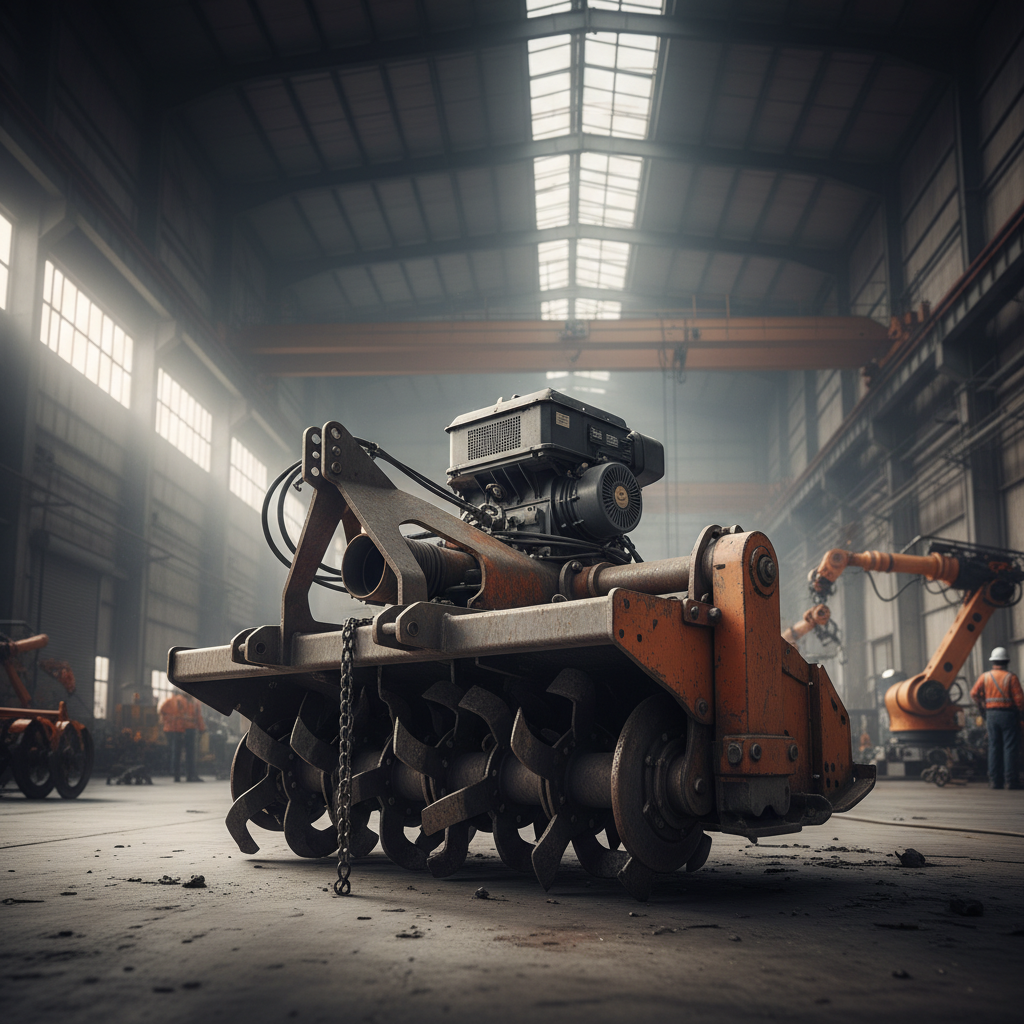
Selecting the right agric rototiller is crucial for efficient soil preparation and maximizing crop yields. This guide will explore the different types of rototillers, their applications, and how to choose the best model for your farming needs. We’ll cover everything from small, handheld rototillers to larger, tractor-mounted versions, helping you make an informed decision to enhance your agricultural operations. A well-chosen rototiller significantly reduces manual labor and improves soil quality. Agric rototillers come in various sizes and configurations, each suited for different farming tasks. The main types include: Front-Tine Rototillers, ideal for smaller gardens and breaking up already tilled soil; Rear-Tine Rototillers, offering more power and suitable for larger areas and tougher soil conditions; and Mid-Tine Rototillers, a versatile option for medium-sized farms. Choosing the correct type depends on your farm size, soil type, and the crops you intend to grow.
>
Unlock Farming Efficiency with a Powerful Agri Rototiller for Modern Agriculture
In today's agricultural landscape, efficiency and productivity are paramount. An agri rototiller, also known as a rotary tiller, is an invaluable tool for preparing soil for planting. This versatile machine cultivates, mixes, and levels the soil in a single pass, saving farmers significant time and effort. From small-scale farms to large agricultural operations, the benefits of using a rototiller are numerous. Investing in a quality rototiller is investing in the future success of your harvest. An agri rototiller is a motorized machine designed to break up and aerate soil using rotating blades. These blades, often called tines, churn the soil, creating a fine, even texture ideal for planting seeds or transplanting seedlings. Unlike traditional plowing, rototilling doesn't invert the soil, minimizing disruption to the soil's natural structure.
>
International layout
Spread all over the world
our products are exported to various parts of the world. Currently, our products have been exported to more than 40 countries Our products cover Asia, Europe, Africa, South America, North America, and Oceania
Sign up
for Newsletter
Subscribe to the weekly newsletter for all the latest updates