- Tel: +86 13451474678 / 13451474678
- Email: / hbzinanmech@gmail.com

Self Propelled Crop Reaper – Efficient Tractor Mounted Reaper & Corn Chopper
Imagine this: Harvest season. Your fields are golden, ready for gathering. Yet, delays strike. Labor's tight. Traditional reapers crawl. By sunset, you wonder—how much crop will you lose? You're not alone. Globally, 10% of crops are wasted due to slow, outdated harvesting. The demand for speed, efficiency, and reliability in farming machinery is bigger than ever before. Enter the game-changer: the crop reaper self propelled
. Invest a few minutes in reading, and discover how you can transform your harvest.
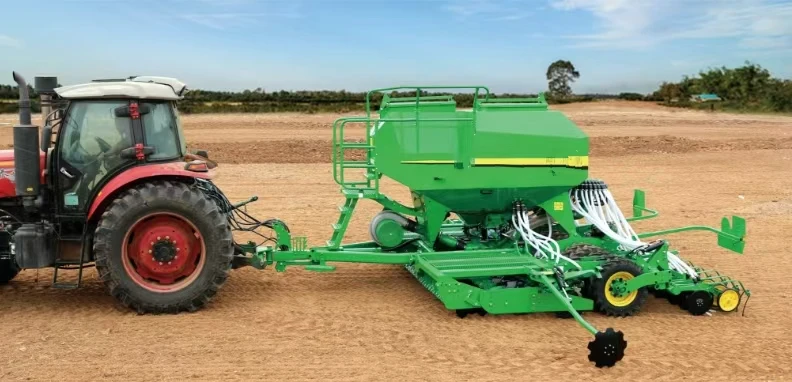
(crop reaper self propelled)
Unmatched Technical Advantages of Crop Reaper Self Propelled Machines
Why choose a crop reaper self propelled over other options? Let’s break it down. Self-propelled reapers merge the best of speed, safety, and control. No more tractor dependency, no more constant maintenance on dragged equipment. You sit high, have better visibility, and move faster—sometimes up to 4 acres per hour!
Key Specs at a Glance:
With these machines, you’re not just harvesting—you’re saving labor costs and protecting your yield.
Tractor Mounted Crop Reaper vs Self Propelled: Battle of Efficiency
Many farmers love tractor mounted crop reapers. They’re affordable and versatile. Yet, have you compared them to a crop reaper self propelled unit? Self-propelled models offer:
- Quick turnarounds in tight fields.
- Less soil compaction, thanks to lighter frames.
- No hassle of adjusting tractor PTO speeds or compatibility issues.
- Greater safety—every major component is factory-integrated.
In a recent field test (2023, Punjab), self propelled corn chopper units reduced total harvesting time by 35%. The engine-on-board system means fewer breakdowns due to PTO shaft issues. Put simply: Less downtime, more done.
Quick Product Comparison:
So why settle for less? Upgrade to speed, durability, and higher output.
Custom Solutions: Crop Reaper Self Propelled to Fit Your Needs
No two farms are the same. That’s why modern manufacturers offer custom options. Need a self propelled corn chopper with extra-wide cutting decks? Or GPS-guided steering for precision? We’ve got it covered.
You provide your crop type, field size, and challenges. Our team designs a crop reaper self propelled solution that's just right for you. Add-ons include:
- Extra-large tires for muddy fields
- High-durability blades for corn or pulses
- Tank capacity upgrades
- Automated depth control
Whatever you need, we build, test, and deliver. No guesswork. Only results.
Field-Tested, Farmer Approved: Real-World Application Cases
Let’s look at real results. In 2023, a large-scale wheat farm in Kansas used our SR-500X self-propelled reaper. Their harvesting output jumped from 13 acres/day (tractor mounted) to 23 acres/day. That’s a 77% increase. Labor costs dropped by $2500 per season.
Another example? A corn grower in Illinois switched to our custom self propelled corn chopper. Crop losses during harvest fell by 14%. Plus, he reported, “Fuel efficiency improved by 30%. Maintenance hassles? Gone.”
Results aren’t just numbers. They're peace of mind. Reliability, speed, and profits.
Transform Your Harvest—Choose the Best Crop Reaper Self Propelled Solution
Don’t leave your harvest to chance. Go with the industry leaders in self-propelled harvesting technology. Zhengzhou Victory Machinery Co., Ltd brings you cutting-edge crop reaper self propelled and self propelled corn chopper solutions, with full after-sales support and tailored options for any farm size.
Ready to boost productivity and profit? Contact us today for a free consultation. See how easy and efficient harvesting can be. Your bumper crop is just one click away!
(crop reaper self propelled)
FAQS on crop reaper self propelled
Q: What is a crop reaper self propelled machine?
A: A crop reaper self propelled is a harvesting machine with its own engine and driving system. It reaps crops without requiring an external tractor. This machine improves efficiency and reduces manual labor.Q: How does a tractor mounted crop reaper differ from a self propelled type?
A: A tractor mounted crop reaper needs to be attached to a tractor to operate. In contrast, a self propelled crop reaper has its own power source. This makes the self propelled model more flexible and mobile in the field.Q: What are the main benefits of using a self propelled corn chopper?
A: A self propelled corn chopper saves time and labor by combining chopping and transporting in one machine. It also offers better maneuverability in fields. These advantages lead to higher productivity and lower costs.Q: Can a crop reaper self propelled handle different types of crops?
A: Yes, many self propelled crop reapers are designed for harvesting a variety of crops. They often have adjustable settings for different plant heights and densities. Always check the machine specifications for crop compatibility.Q: What maintenance does a self propelled crop reaper require?
A: Regular maintenance includes lubricating moving parts, checking engine oil, and cleaning debris. Proper maintenance ensures a longer machine lifespan and efficient operation. Follow the manufacturer's schedule for best results.
Related Products
-
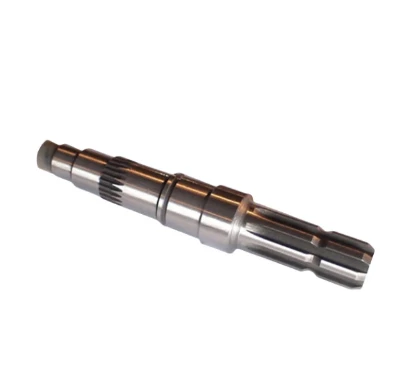
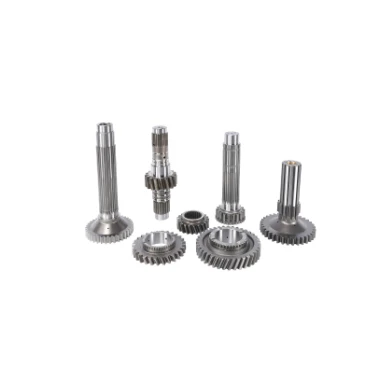
 Tractor Gear Shaft
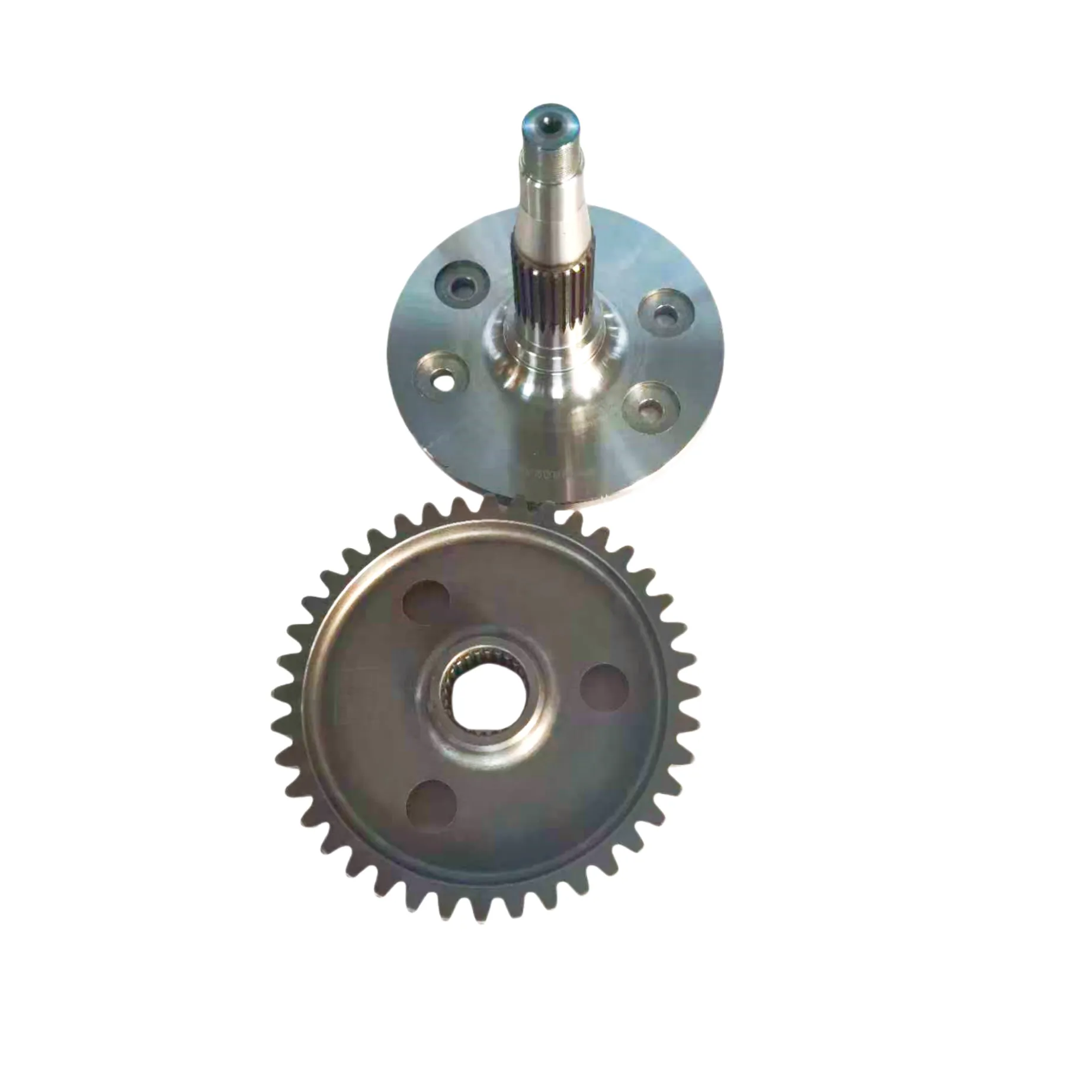
The tractor gear shaft is a crucial element in the power transmission system of a tractor. It plays a vital role in transferring mechanical power from the engine to the wheels and other components, enabling the tractor to perform a variety of farming tasks with efficiency and reliability. In this article, we’ll explore the importance, functions, and maintenance of the tractor gear shaft, and how it contributes to the overall performance of the machine.
-
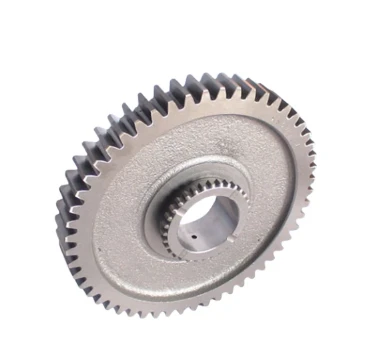
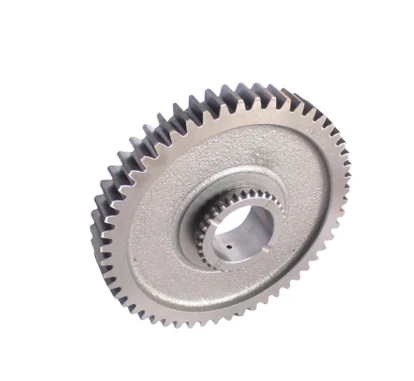
 Transmission Gear
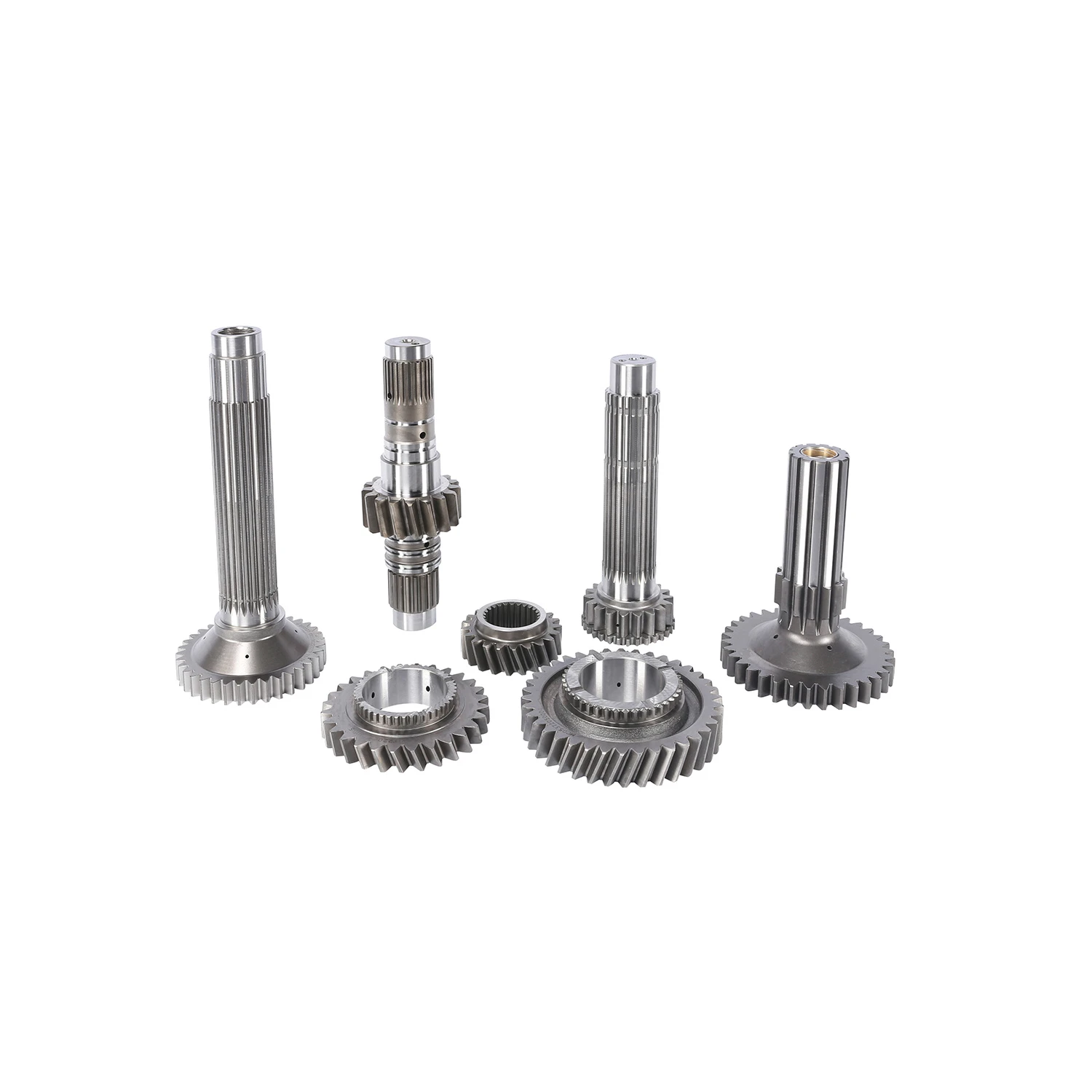
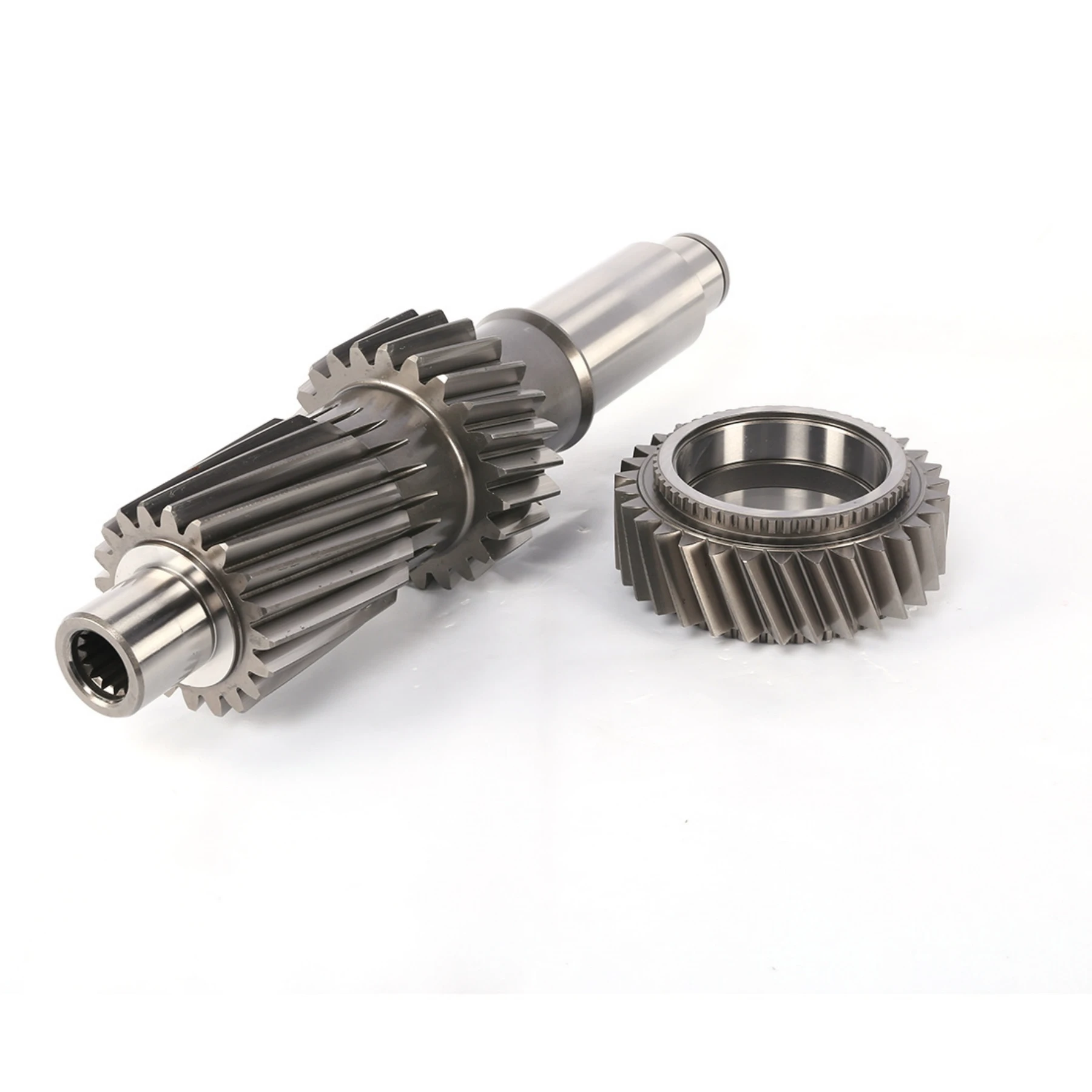
Power transmission: the engine operation drives the input gear on the input shaft to rotate, the input gear engages with other gears, and relies on the interaction between teeth and teeth to transfer the power to the intermediate gear (if any) and the output gear, and finally transfers the power to the driving wheel and other components through the output shaft to make the vehicle or equipment move.
Variable speed principle: Change the transmission ratio by meshing gears with different numbers of teeth. For example, when the big gear drives the small gear, the speed of the small gear will be faster than the big gear, but the output torque will be smaller, to achieve growth and torque reduction; On the contrary, when the pinion drives the big gear, the speed of the big gear slows down, the torque increases, and the torque increases. In this way, transmission gears enable the vehicle or equipment to obtain the right speed and torque under different working conditions -
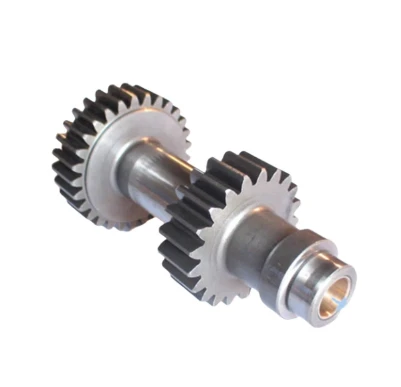
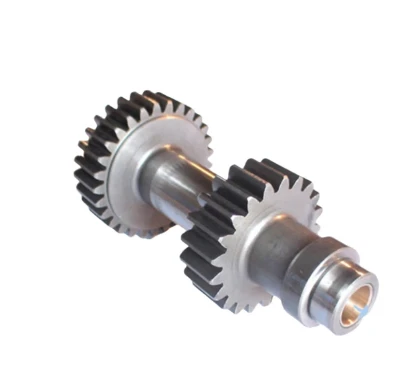
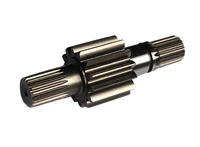 Tractor Active Gear Shaft
The tractor active gear shaft is a critical component in the power transmission system of a tractor, responsible for transferring rotational power from the engine or transmission to other parts of the tractor. By efficiently distributing torque and enabling smooth gear shifts, the active gear shaft plays a vital role in enhancing the performance and versatility of the tractor, making it essential for a wide range of agricultural tasks. In this article, we’ll explore the function, benefits, and maintenance of the tractor active gear shaft.
-
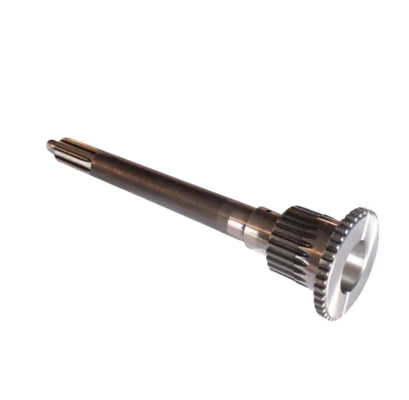
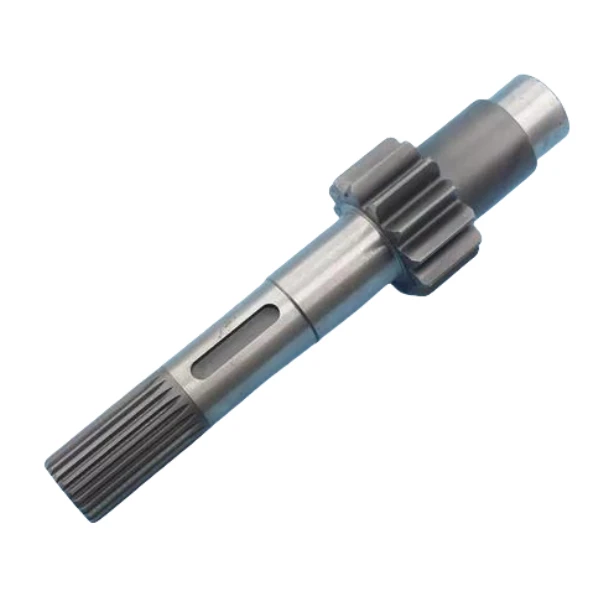 Harvester Input Shaft
The main role of the harvester input shaft is to introduce the power of the external power source into the internal transmission system of the harvester. When the power source (such as an engine) is running, the torque generated is transmitted to the input shaft through the connecting parts, causing the input shaft to start rotating. The gear, pulley or sprocket and other transmission parts installed on the input shaft will rotate with the rotation of the input shaft, and then transfer the power to the subsequent transmission parts and working parts, such as driving the cutting device, conveying device, threshing device, etc., to complete the crop harvesting, conveying, threshing and other work processes.
Related News
The Thriving Ecosystem of Tractor Trade and Equipment
The agricultural and industrial machinery sector is experiencing remarkable growth, and at the heart of this expansion lies the trade and supply of tractors.
>
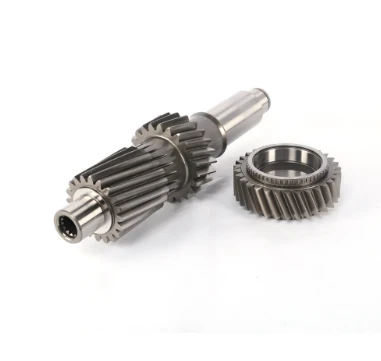
The Precision and Power Behind Construction Machinery Components
In the world of heavy - duty construction, the seamless operation of machinery is crucial for large - scale projects.
>
The Diverse Tractor Marketplace: From Workhorses to Collectibles
The world of tractors is vast and varied, catering to both practical agricultural needs and the passionate interests of collectors.
>
Navigating the Tractor Marketplace: Opportunities and Offerings
The agricultural and construction machinery landscape is constantly evolving, with tractors standing as essential workhorses for a variety of tasks.
>
Gears - The Unsung Heroes of Mechanical Systems
In the intricate world of mechanical engineering, gears are fundamental components that enable the seamless transfer and manipulation of power.
>
Exploring the Diverse Landscape of Tractor Sales
The market for tractors is a bustling hub, catering to a wide range of needs from large - scale farming operations to small - scale gardening projects.
>
Tractors: The Backbone of Modern Agriculture
In the dynamic world of farming, machinery has become an essential part of efficient and productive operations.
>
Tractors and Hand Tractors: Key Players in Agricultural Operations
In the expansive realm of agriculture, various tools and machines play crucial roles in ensuring efficient crop production and overall farm management.
>
The World of Tractors: Pricing, Utility, and Comparisons
Tractors are essential workhorses in the agricultural and construction sectors, playing a pivotal role in a wide range of tasks.
>
The Dynamic Landscape of the Tractor Industry
The agricultural and construction sectors rely heavily on tractors for their operations, and the entities involved in the production, distribution, and pricing of these machines shape the industry's trajectory.
>
International layout
Spread all over the world
our products are exported to various parts of the world. Currently, our products have been exported to more than 40 countries Our products cover Asia, Europe, Africa, South America, North America, and Oceania
Sign up
for Newsletter
Subscribe to the weekly newsletter for all the latest updates