- Tel: +86 13451474678 / 13451474678
- Email: / hbzinanmech@gmail.com

Electric Tractor Benefits For Sustainable Farming
In the field of hope, zinanmech. is like a tough seed, deeply rooted in the fertile soil of global agriculture. Adhering to the corporate philosophy of "Science and technology to promote agriculture, Zinan is at your side," we bridge innovation between continents. We introduce the world's leading agricultural machinery to China while showcasing high-quality Chinese agricultural solutions globally. Our mission is to accelerate global agricultural modernization through cutting-edge, sustainable tools like the electric tractor. Every tractor we distribute undergoes rigorous quality inspections, ensuring compliance with international standards. During the quality assurance period, any failure caused by manufacturing defects is promptly addressed with repairs or part replacements, guaranteeing your equipment’s reliability.
As climate change intensifies, sustainable farming transitions from idealism to necessity. Traditional diesel tractor models, while powerful, contribute significantly to greenhouse gas emissions, noise pollution, and long-term operational expenses. Enter the electric tractor – a revolutionary fusion of zero-emission efficiency and robust performance. These machines, especially nimble sub compact tractor variants, are redefining efficiency for small-to-mid-sized farms, vineyards, orchards, and eco-conscious homesteads. This article explores how electric tractors deliver environmental stewardship, economic savings, and versatile power, making them indispensable for the future of farming.
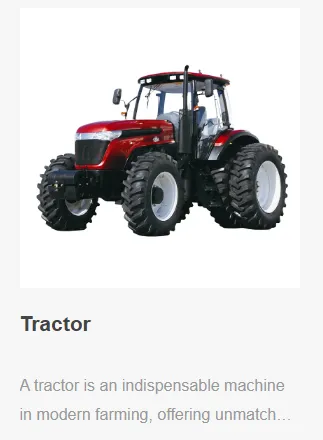
The Modern Tractor Revolution: From Diesel to Electric
The tractor has been agriculture’s workhorse for over a century, evolving from steam-powered behemoths to today’s sophisticated diesel and electric marvels. Traditional diesel models revolutionized productivity but came with significant drawbacks: relentless noise, exhaust fumes harming operators and ecosystems, and volatile fuel costs. The emergence of the electric tractor marks the most transformative leap since the invention of the internal combustion engine. Unlike their predecessors, electric models leverage battery technology and efficient electric motors to deliver instant torque, near-silent operation, and zero tailpipe emissions. This shift isn’t just about replacing diesel; it’s about reimagining farm operations for resilience and sustainability.
Small-scale farmers, in particular, benefit from innovations like the sub compact tractor. These agile machines, now supercharged in electric form, offer the perfect blend of power and maneuverability for tasks where larger equipment is impractical—think greenhouse work, tight orchard rows, or urban micro-farms. The evolution to electric addresses core sustainability challenges: reducing agriculture’s carbon footprint, eliminating groundwater contamination risks from fuel leaks, and improving operator health through cleaner air. As battery densities improve and charging infrastructure expands, electric tractors are poised to dominate the next era of farming, proving that environmental responsibility and operational excellence can go hand-in-hand.
Why an Electric Tractor is Your Smartest Investment
Choosing an electric tractor isn’t just an eco-statement; it’s a strategic economic decision with measurable long-term benefits. The most immediate advantage is drastically reduced operating costs. Diesel fuel expenses are volatile and burdensome, whereas electricity costs a fraction—especially when supplemented by on-farm solar panels. Maintenance is simpler and cheaper too: no oil changes, fuel filters, or complex exhaust systems. Fewer moving parts mean fewer failures, translating into more uptime during critical planting or harvest windows. This inherent reliability, combined with instant torque from electric motors, ensures tasks like plowing or hauling are completed faster and more efficiently than ever.
Modern electric tractor designs excel in diverse conditions. Advanced battery placement ensures a low center of gravity, enhancing stability on slopes or uneven terrain. Electric motors provide precise speed control, crucial for delicate tasks like seeding or spraying. Furthermore, the near-silent operation reduces noise pollution, benefiting both operators and nearby communities—a stark contrast to the roar of diesel. For farms prioritizing self-sufficiency, pairing an electric tractor with renewable energy creates a closed-loop system, insulating operations from fluctuating energy markets. The transition represents not just cost savings, but energy independence and resilience.
|
Advantage |
Description |
|
Increased Productivity |
Perform time-intensive tasks (plowing, tilling, transporting) faster and more efficiently with instant torque. |
|
Cost-Effective Operation |
Fuel-efficient electric drivetrains reduce energy costs by up to 90% vs. diesel; lower maintenance needs. |
|
All-Terrain Capability |
Engineered to operate on soft soil, muddy fields, hillsides, and rocky terrain with superior traction control. |
|
Versatility |
Adapts seamlessly to farming (tilling, mowing), construction (loader work), and logistics (trailer hauling). |
|
Durability |
Built for long-lasting performance under heavy daily use, with robust frames and weather-resistant components. |
Sub Compact Tractor: The Electric Powerhouse for Small-Scale Sustainability
The sub compact tractor category has exploded in popularity, and electrification magnifies its impact. These nimble machines, typically under 25 horsepower, are ideal for farms under 50 acres, specialty crop growers, and hobby farmers. When powered electrically, their advantages multiply. A sub compact electric tractor operates whisper-quietly, making it perfect for early-morning chores in noise-sensitive areas or working near livestock without causing stress. Their compact size allows access to confined spaces—orchards, vineyards, or urban farms—where larger equipment simply can’t go. Despite their size, they deliver impressive torque for tasks like rotary tilling, box-blading, or moving heavy compost.
Versatility is the hallmark of a modern sub compact tractor. With quick-attach systems, operators can switch between a front loader, backhoe, mower deck, or post-hole digger in minutes. Electric models enhance this flexibility; their precise throttle control allows delicate operations like seedling bed preparation, while their consistent power ensures heavy implements perform optimally. Battery placement also optimizes weight distribution, improving safety on inclines. For sustainable homesteads or organic farms minimizing soil compaction, the lighter footprint of a sub compact electric tractor protects soil structure and promotes healthier crop growth. It’s not just a tool—it’s a multi-functional partner for year-round tasks.
Electric Tractor FAQs: Answering Your Key Questions
How efficient is an electric tractor versus diesel?
Electric tractor models are vastly more energy-efficient. Diesel engines waste 60–70% of fuel energy as heat, while electric drivetrains convert over 90% of battery energy into usable power. This translates to "fuel" (electricity) costs being 70–90% lower per hour of operation. Combined with regenerative braking that recaptures energy during downhill operation, electric tractors maximize every kilowatt-hour, significantly reducing your farm’s energy expenditure and carbon footprint.
Can a sub compact electric tractor handle heavy tasks?
Absolutely. Modern sub compact tractor designs, especially electric versions, deliver exceptional torque instantly—even outperforming comparable diesel models in low-speed, high-power applications like stump removal or loader work. Advanced lithium batteries provide sustained power, while robust frames and transmission systems ensure durability. For small-scale hay baling, orchard management, or landscape projects, these tractors offer surprising muscle in a compact, eco-friendly package.
What’s the lifespan of an electric tractor battery?
High-quality electric tractor batteries are engineered for agricultural rigor, typically lasting 8–12 years or 3,000–5,000 charge cycles. Zinanmech. uses thermally managed, industrial-grade lithium batteries that resist degradation. Real-world data shows many retain over 80% capacity after a decade. Battery replacement costs continue to decline, and their second-life use (e.g., solar storage) adds residual value, making them a sound long-term investment.
Are electric tractors practical in remote areas?
Yes! A sub compact electric tractor can be charged via standard 220V outlets or portable solar generators. For off-grid farms, solar panels provide complete energy independence. Unlike diesel, you won’t need fuel deliveries. Modern models offer 4–8 hours of runtime per charge—sufficient for most daily tasks. With planning (e.g., midday charging during lunch breaks), even remote operations run smoothly without grid dependency.
Why choose electric tractor over a traditional tractor?
Choosing an electric tractor means embracing lower operating costs (no diesel, minimal maintenance), zero emissions for cleaner air/soil, reduced noise pollution, and cutting-edge technology for precision farming. Sub compact models add agility for diverse terrains. With zinanmech.’s rigorous quality assurance and global service network, reliability is guaranteed. It’s a future-proof investment aligning productivity with planetary health.
The electric tractor, especially the versatile sub compact tractor, is more than machinery—it’s the cornerstone of a resilient, sustainable agricultural future. By slashing operating costs, eliminating emissions, and enhancing operational flexibility, these innovations make eco-conscious farming economically viable. Zinanmech. proudly champions this transition, delivering rigorously tested electric tractors that marry global engineering excellence with unwavering reliability. Our commitment extends beyond the sale: with prompt technical support and quality guarantees, we ensure your investment grows in value season after season.
Join the revolution. Embrace an electric tractor and cultivate not just crops, but a legacy of stewardship. Contact zinanmech. to explore how our sustainable solutions can empower your land, your livelihood, and our shared planet.

Related Products
-
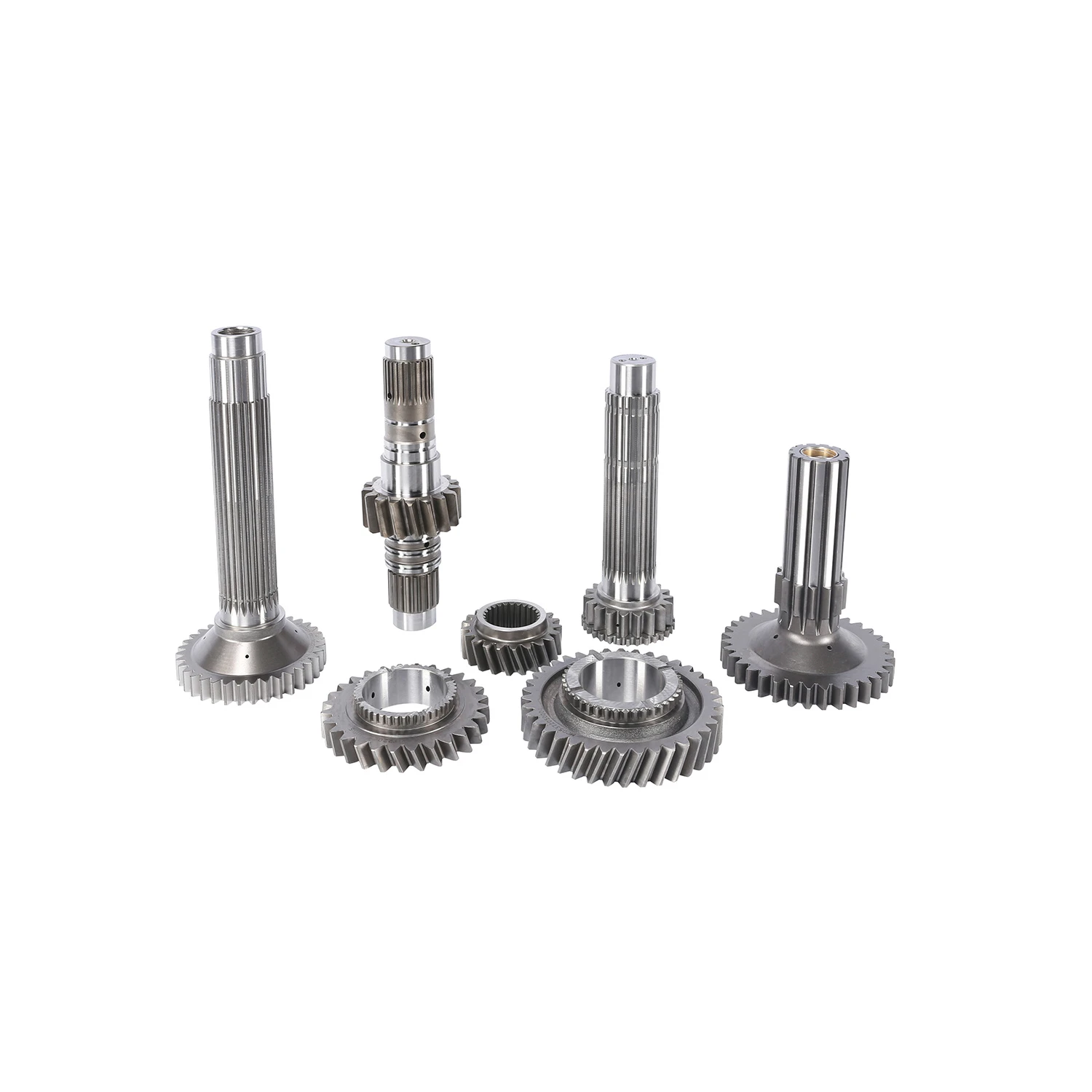 Tractor Gear Shaft
The tractor gear shaft is a crucial element in the power transmission system of a tractor. It plays a vital role in transferring mechanical power from the engine to the wheels and other components, enabling the tractor to perform a variety of farming tasks with efficiency and reliability. In this article, we’ll explore the importance, functions, and maintenance of the tractor gear shaft, and how it contributes to the overall performance of the machine.
-
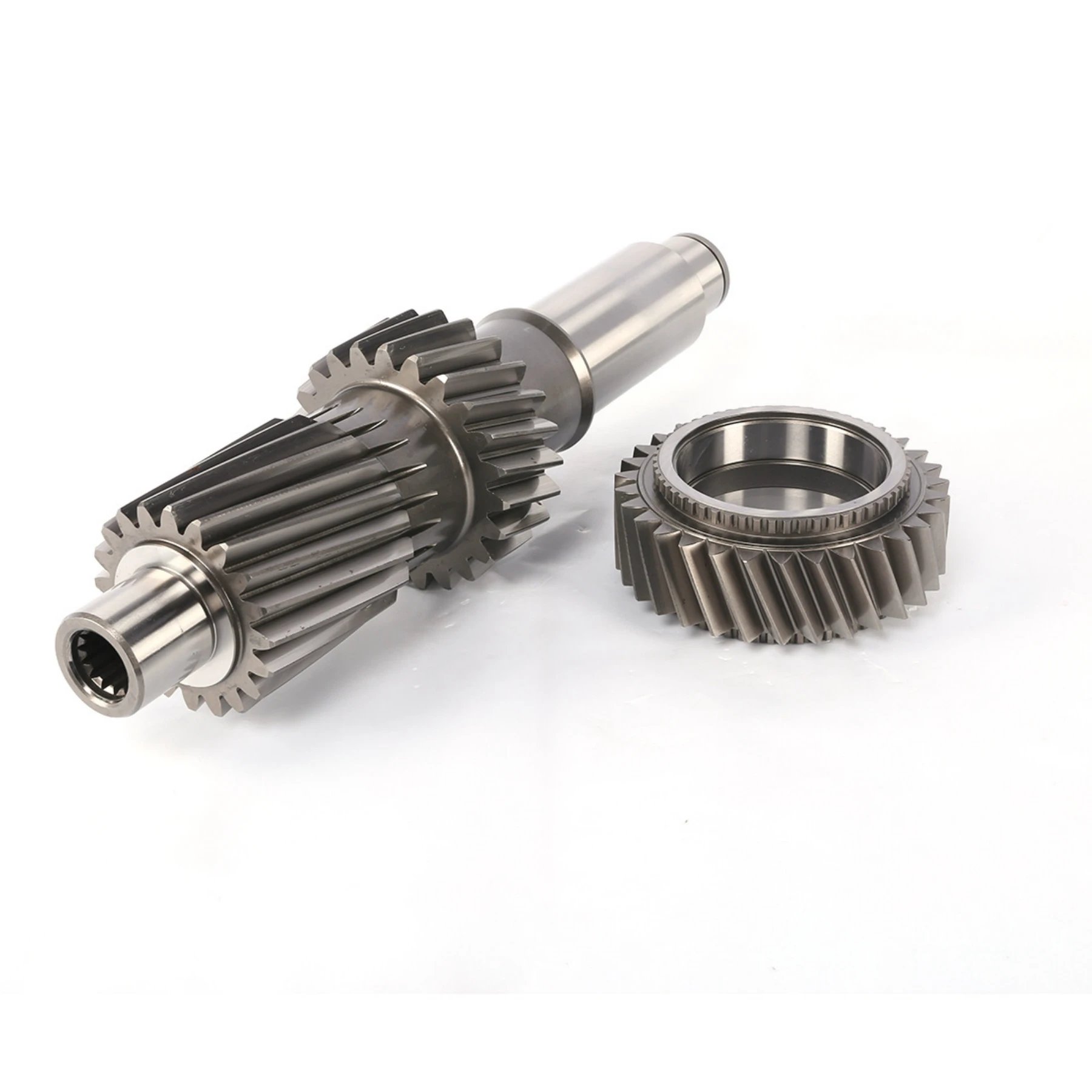 Transmission Gear
Power transmission: the engine operation drives the input gear on the input shaft to rotate, the input gear engages with other gears, and relies on the interaction between teeth and teeth to transfer the power to the intermediate gear (if any) and the output gear, and finally transfers the power to the driving wheel and other components through the output shaft to make the vehicle or equipment move.
Variable speed principle: Change the transmission ratio by meshing gears with different numbers of teeth. For example, when the big gear drives the small gear, the speed of the small gear will be faster than the big gear, but the output torque will be smaller, to achieve growth and torque reduction; On the contrary, when the pinion drives the big gear, the speed of the big gear slows down, the torque increases, and the torque increases. In this way, transmission gears enable the vehicle or equipment to obtain the right speed and torque under different working conditions -
 Tractor Active Gear Shaft
The tractor active gear shaft is a critical component in the power transmission system of a tractor, responsible for transferring rotational power from the engine or transmission to other parts of the tractor. By efficiently distributing torque and enabling smooth gear shifts, the active gear shaft plays a vital role in enhancing the performance and versatility of the tractor, making it essential for a wide range of agricultural tasks. In this article, we’ll explore the function, benefits, and maintenance of the tractor active gear shaft.
-
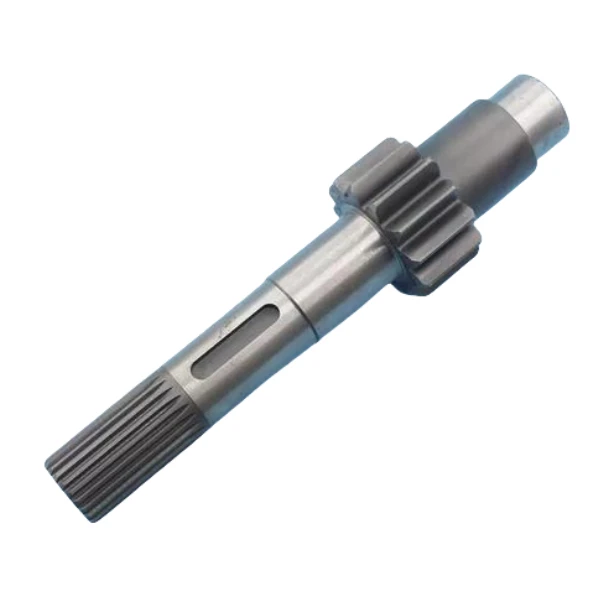 Harvester Input Shaft
The main role of the harvester input shaft is to introduce the power of the external power source into the internal transmission system of the harvester. When the power source (such as an engine) is running, the torque generated is transmitted to the input shaft through the connecting parts, causing the input shaft to start rotating. The gear, pulley or sprocket and other transmission parts installed on the input shaft will rotate with the rotation of the input shaft, and then transfer the power to the subsequent transmission parts and working parts, such as driving the cutting device, conveying device, threshing device, etc., to complete the crop harvesting, conveying, threshing and other work processes.
Related News
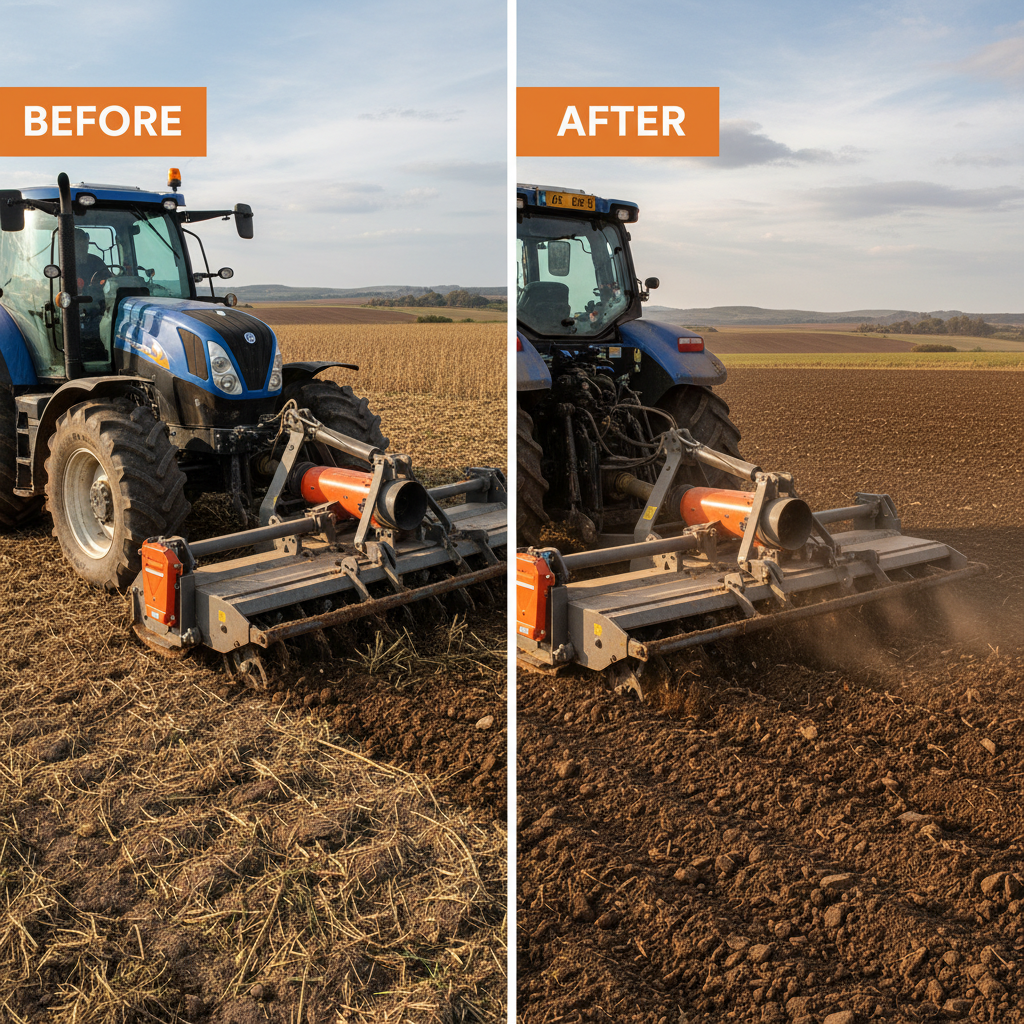
Professional Heavy Duty Tiller for Tractor for Soil Productivity
Achieving the perfect seedbed is the foundation of any successful harvest. For farmers dealing with compacted soil, stubborn crop residue, or expansive acreage, a standard rototiller often falls short. This is where a heavy duty tiller for tractor becomes an essential investment. These robust machines are engineered to penetrate deep into the earth, breaking up hardpan and aerating the soil with unmatched efficiency. By integrating a professional-grade tiller into your machinery lineup, you can significantly reduce preparation time and improve crop yield. In this guide, we will explore the technical advantages, selection criteria, and maintenance tips for choosing the right heavy-duty tilling solution.
>
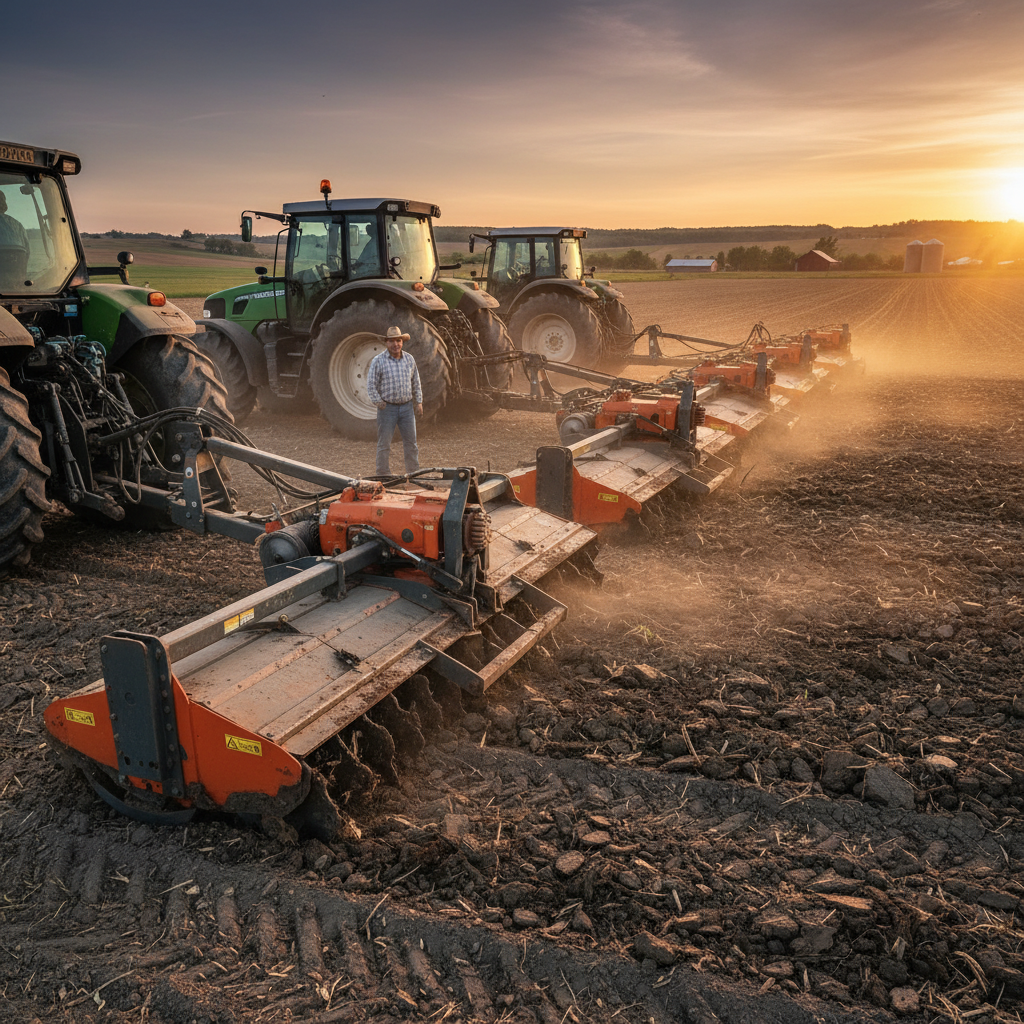
Maximizing Land Productivity with Professional Heavy Duty Tillers
For professional farmers and landscaping contractors, the quality of soil preparation determines the success of the entire growing season. Investing in high-performance heavy duty tillers is essential for breaking through compacted earth, removing stubborn weeds, and integrating organic matter deeply into the soil. Unlike standard garden cultivators, these industrial-grade machines are engineered to handle vast acreages and the most challenging terrain without compromising efficiency. In this guide, we will explore how choosing the right equipment can transform your agricultural output and streamline your land management process.
>
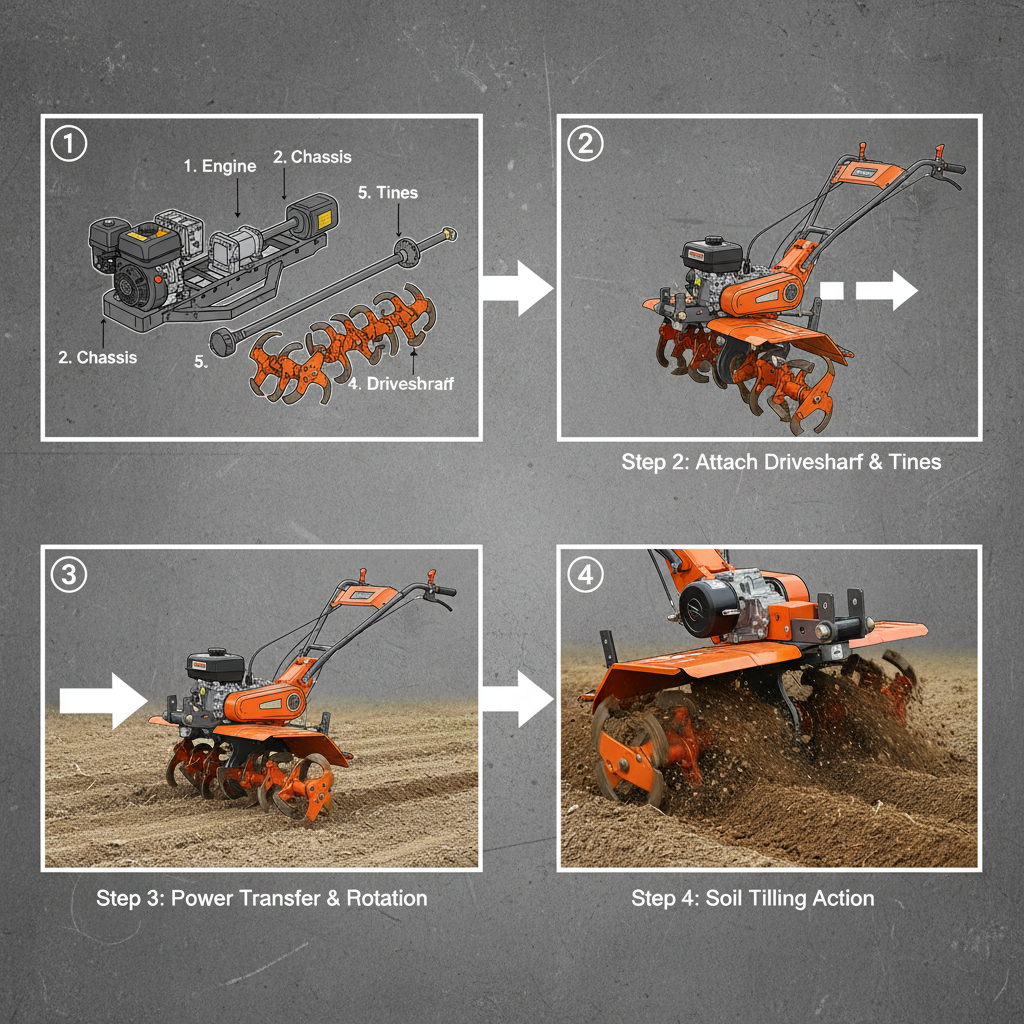
Choosing the Best Heavy Duty Rototiller for Efficient Land Preparation
A heavy duty rototiller is an invaluable tool for anyone involved in serious gardening, small-scale farming, or land preparation. Whether you're breaking new ground, maintaining existing garden beds, or preparing for planting, the right rototiller can significantly reduce labor and improve efficiency. However, with numerous options available, selecting the best model requires careful consideration. This article will guide you through the key factors to consider when purchasing a heavy-duty rototiller, helping you make an informed decision. ZinanMech offers a wide range of rototillers to suit various needs.
>
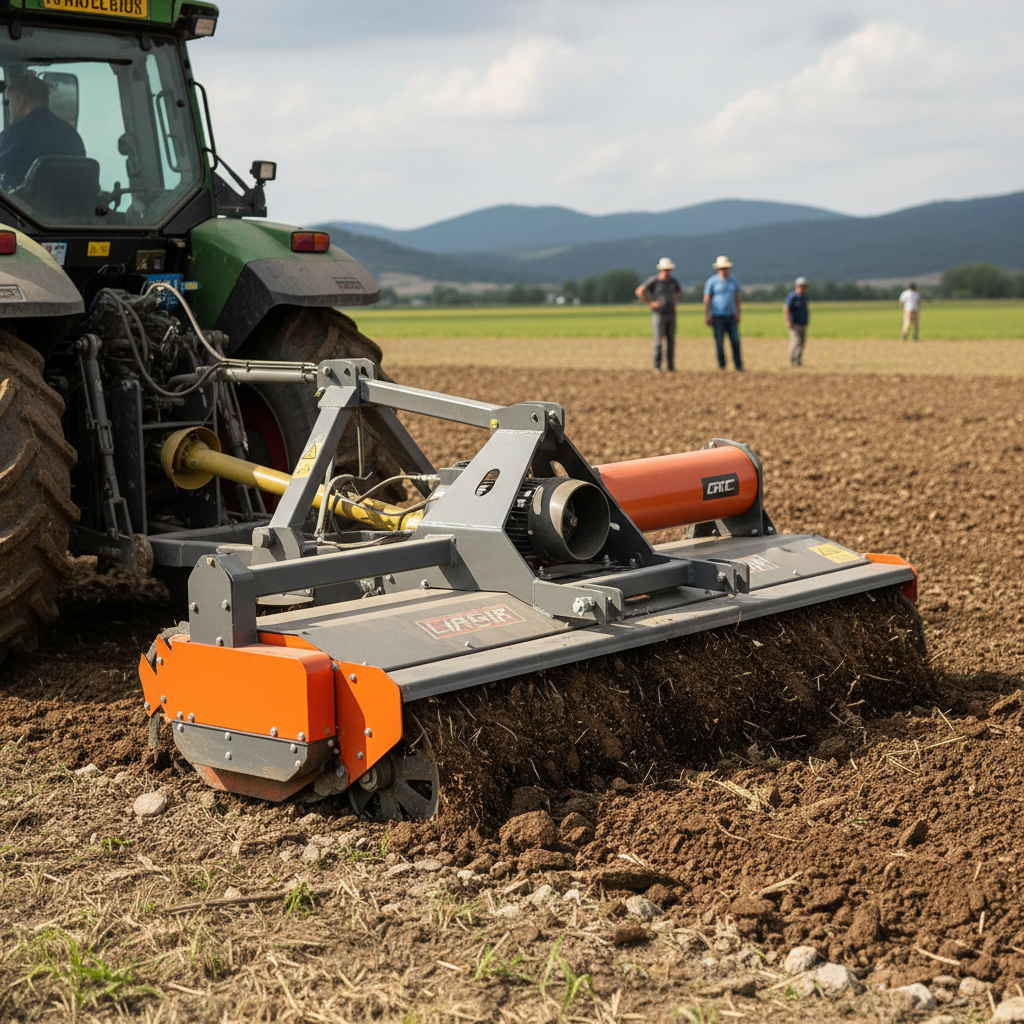
Comprehensive Guide to Heavy Duty Rotary Tiller Selection and Application
When it comes to land preparation, a heavy duty rotary tiller is an invaluable tool. This robust machinery excels at breaking up compacted soil, creating a fine seedbed, and incorporating organic matter. This article dives deep into the world of heavy duty rotary tillers, covering their benefits, applications, key features, and how to choose the right one for your needs. Whether you're a farmer, landscaper, or large-scale gardener, understanding these tillers is essential for efficient and effective soil management.
>
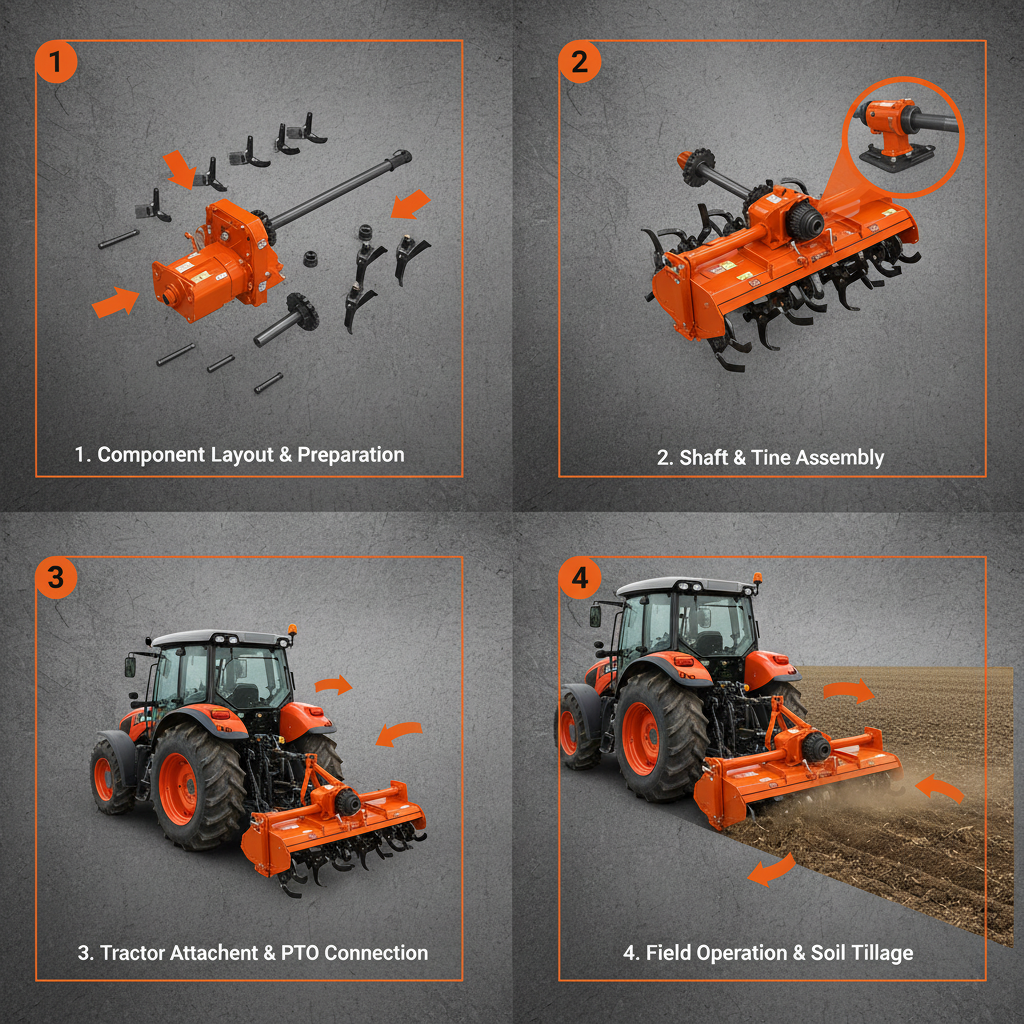
Comprehensive Guide to Selecting the Ideal Farm Tractor Tiller for Your Needs
Selecting the ideal farm tractor tiller is crucial for efficient soil preparation and maximizing agricultural yields. With a diverse range of models available, understanding your needs and the features offered by different tillers is paramount. This article provides a detailed overview of farm tractor tillers, covering their types, benefits, key considerations, and how to choose the right one for your specific farming operation. Proper tillage significantly impacts seedbed quality, weed control, and ultimately, crop performance.
>
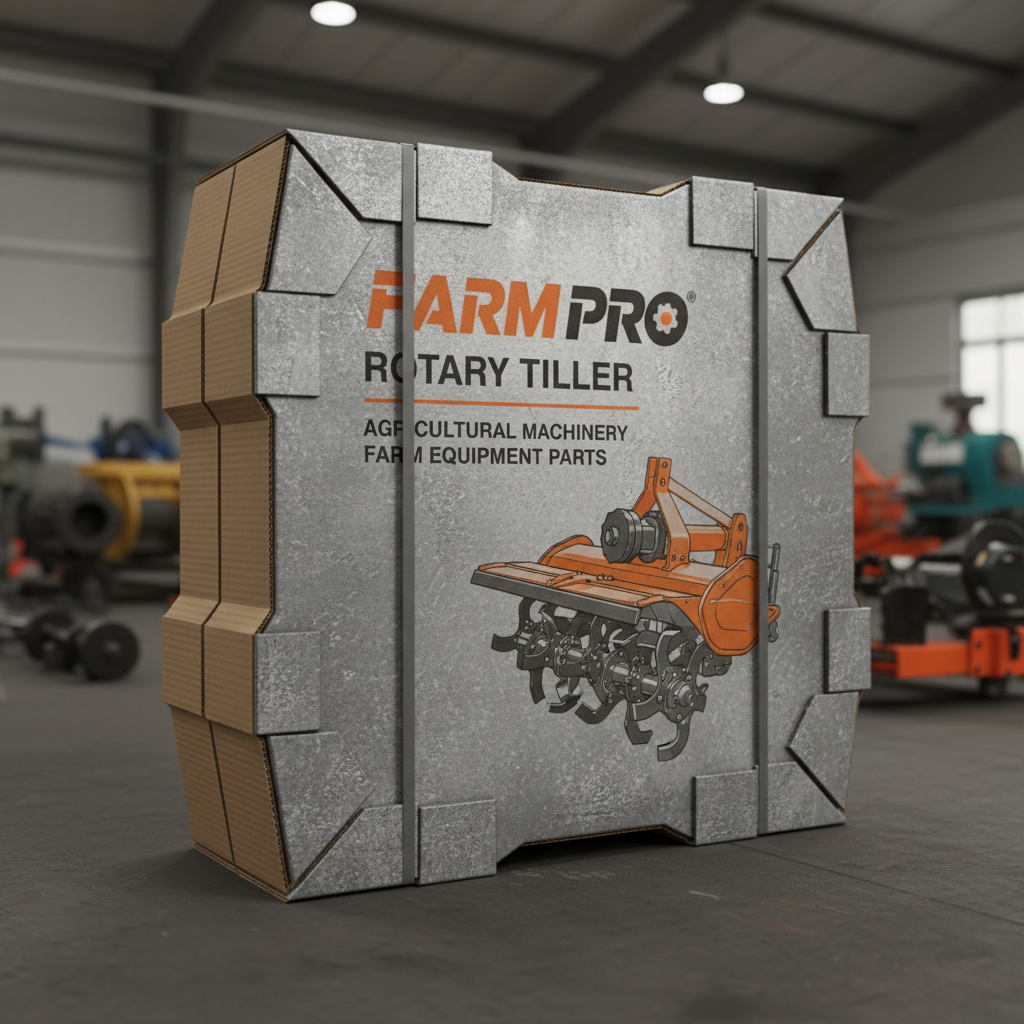
Boost Farm Productivity with a High Performance Farm Pro Rotary Tiller
Are you looking to enhance your agricultural productivity and streamline your soil preparation process? A Farm Pro rotary tiller is an invaluable investment for farmers of all scales. This article delves into the benefits, features, applications, and considerations when choosing the right rotary tiller for your farm. We’ll explore how this machinery can significantly reduce labor costs and improve soil quality, ultimately leading to higher yields. From small hobby farms to large-scale commercial operations, a Farm Pro tiller offers a robust and efficient solution for a variety of tilling needs.
>
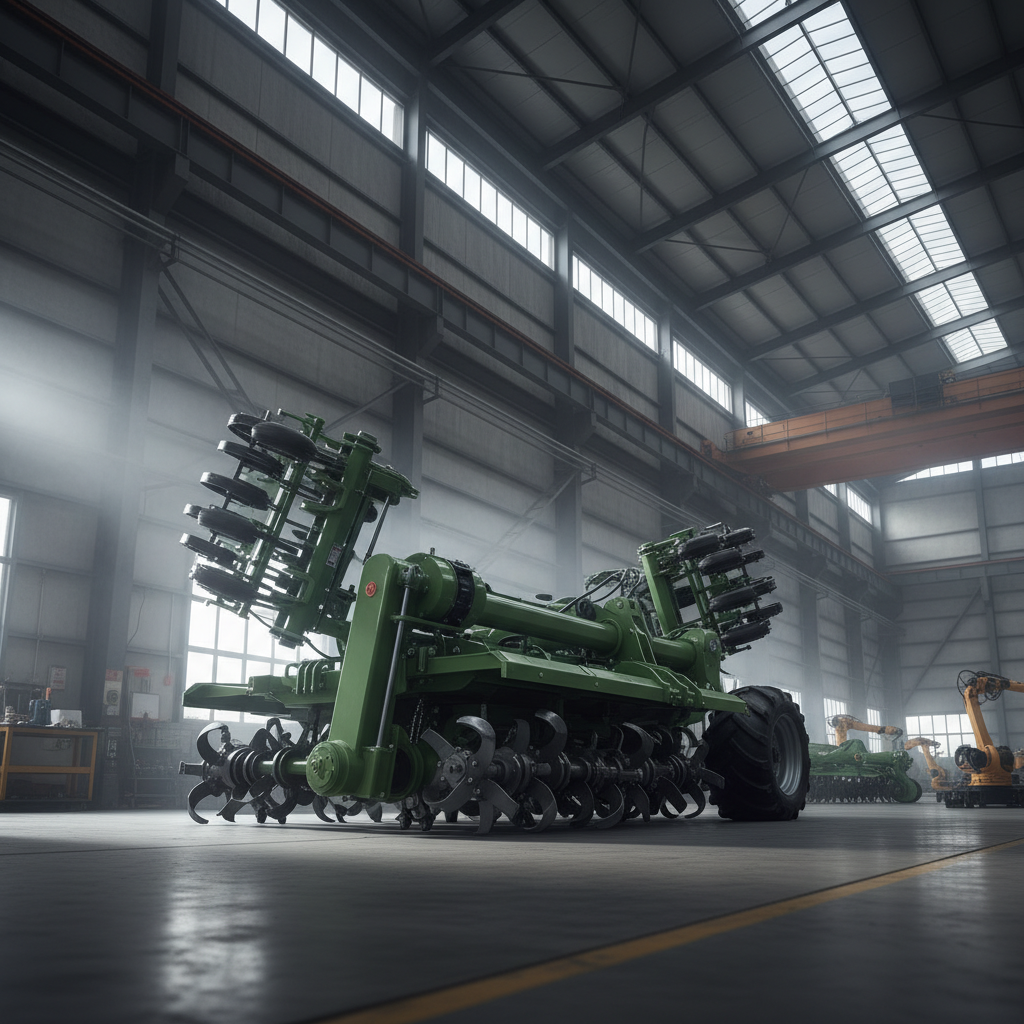
Unlock Farming Efficiency with a Powerful Agricultural Tiller Solution
In the world of farming and gardening, efficiency and productivity are key. An agricultural tiller is a vital piece of equipment that streamlines soil preparation, saving time and labor. This article dives deep into the world of tillers, exploring their types, benefits, how to choose the right one, and the quality solutions offered by Zinanmech. We’ll cover everything from small garden tillers to heavy-duty agricultural models, ensuring you have the knowledge to make an informed decision. An agricultural tiller, also known as a rotary tiller, is a motorized machine used to break up and cultivate soil. Unlike manual digging or plowing, tillers use rotating blades to loosen the soil, creating a fine, even tilth that's ideal for planting. This process improves soil aeration, drainage, and nutrient availability, leading to healthier plant growth.
>
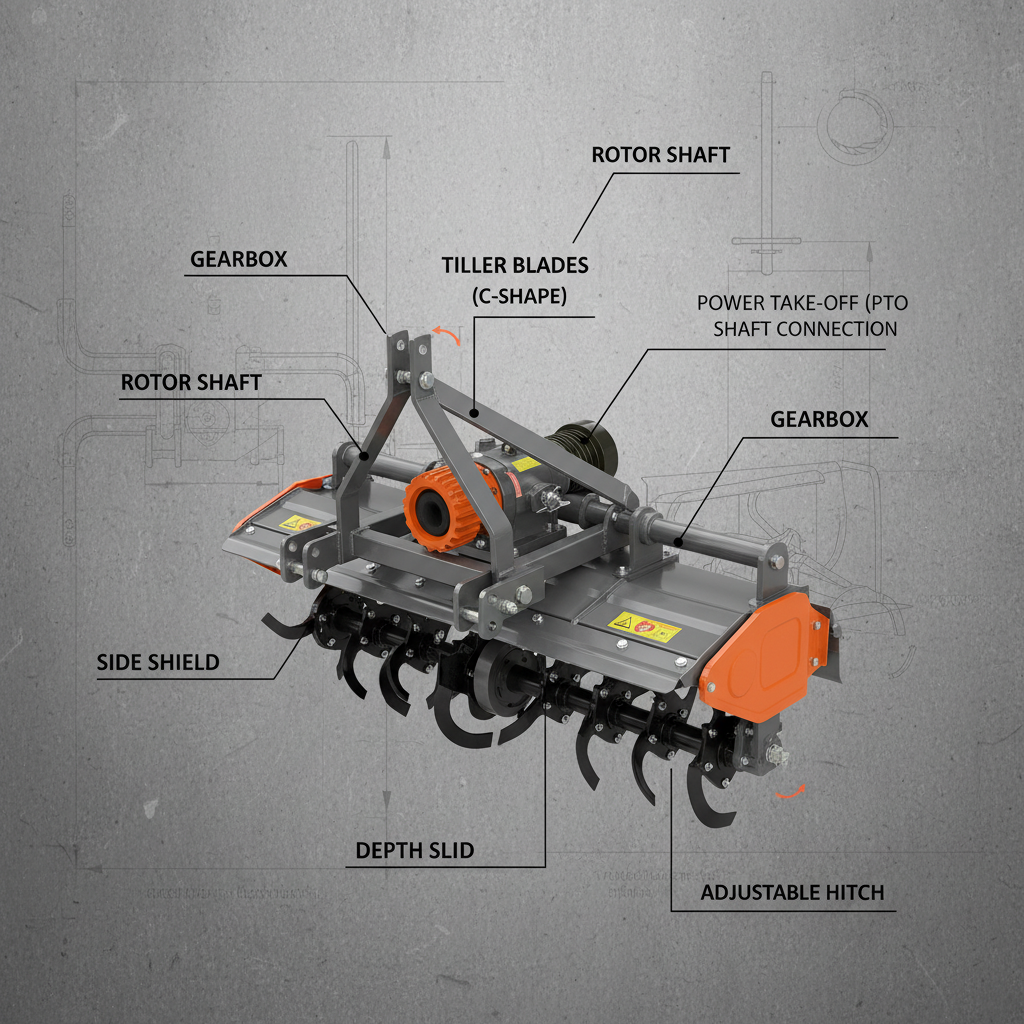
Comprehensive Guide to Agricultural Rotary Tiller Selection and Usage
An agricultural rotary tiller is an essential tool for modern farming, designed to efficiently prepare soil for planting. This powerful machinery significantly reduces labor and time compared to traditional methods. Whether you're a smallholder or manage a large-scale agricultural operation, understanding the benefits and features of a rotary tiller is crucial for maximizing productivity. Choosing the right tiller can transform your land preparation process. This article provides a detailed overview of agricultural rotary tillers, covering their uses, types, benefits, and key considerations when selecting the right model. Modern tillers are available in various sizes and configurations, catering to different farm sizes and soil conditions. Zinanmech provides a range of high-quality rotary tillers designed for optimal performance and durability. An agricultural rotary tiller, also known as a rototiller, is a motorized machine used to prepare agricultural land for cultivation. It works by using rotating blades – typically called tines – to break up, churn, and mix the soil.
>
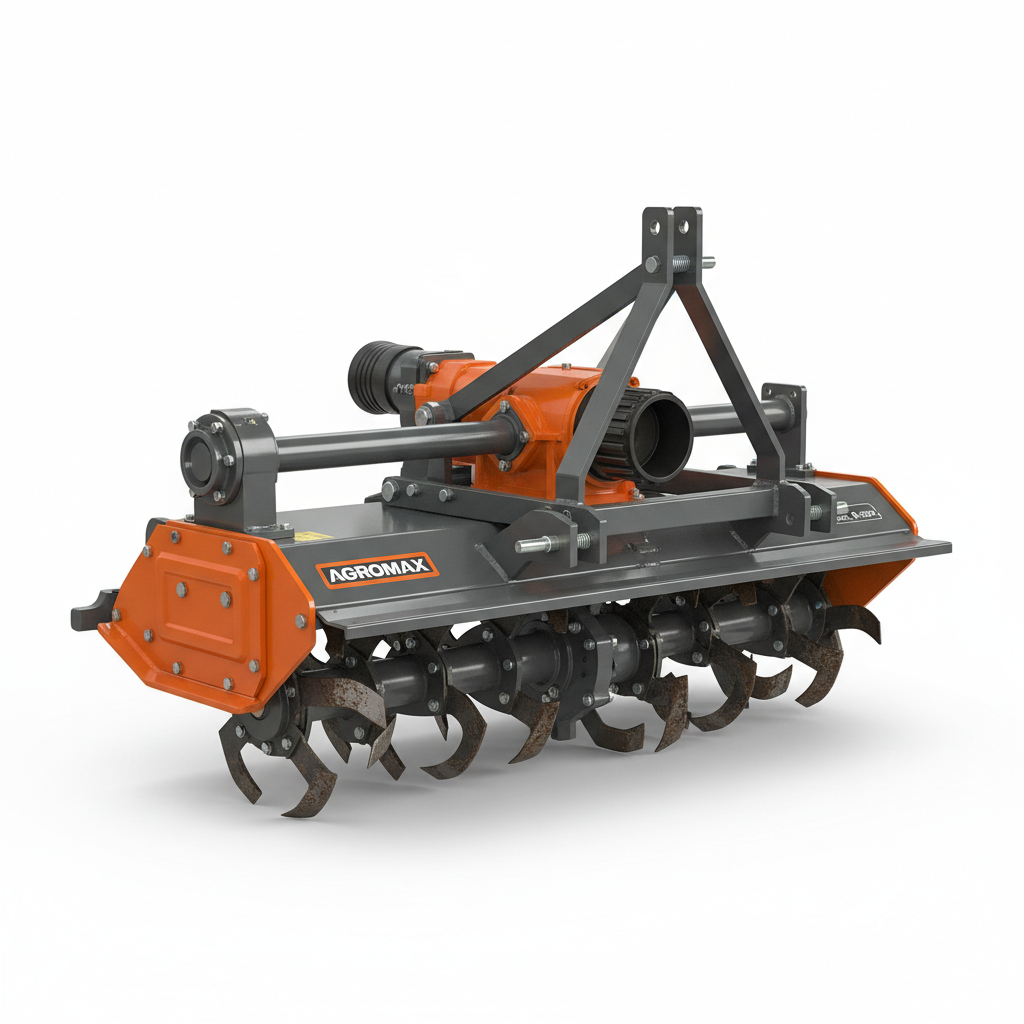
Comprehensive Guide to Selecting the Ideal Agric Rototiller for Your Farm
Selecting the right agric rototiller is crucial for efficient soil preparation and maximizing crop yields. This guide will explore the different types of rototillers, their applications, and how to choose the best model for your farming needs. We’ll cover everything from small, handheld rototillers to larger, tractor-mounted versions, helping you make an informed decision to enhance your agricultural operations. A well-chosen rototiller significantly reduces manual labor and improves soil quality. Agric rototillers come in various sizes and configurations, each suited for different farming tasks. The main types include: Front-Tine Rototillers, ideal for smaller gardens and breaking up already tilled soil; Rear-Tine Rototillers, offering more power and suitable for larger areas and tougher soil conditions; and Mid-Tine Rototillers, a versatile option for medium-sized farms. Choosing the correct type depends on your farm size, soil type, and the crops you intend to grow.
>
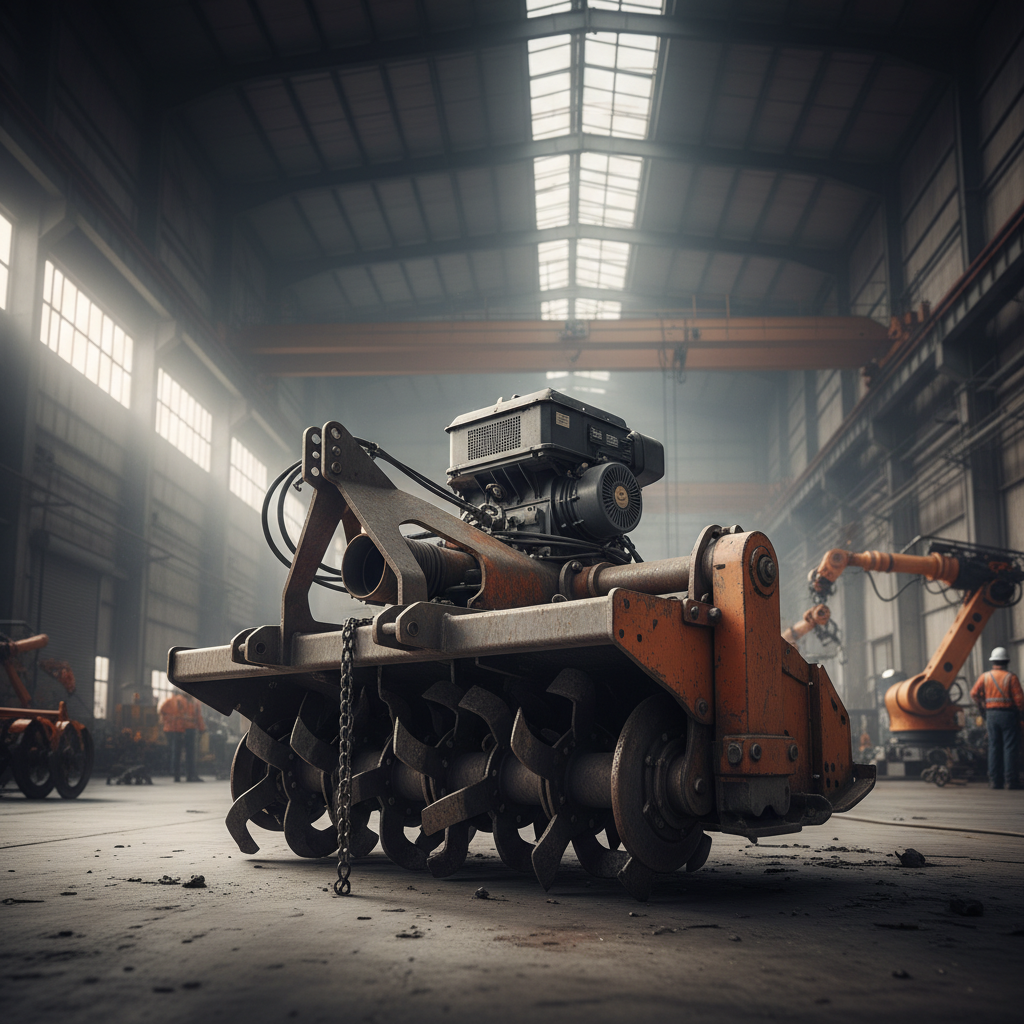
Unlock Farming Efficiency with a Powerful Agri Rototiller for Modern Agriculture
In today's agricultural landscape, efficiency and productivity are paramount. An agri rototiller, also known as a rotary tiller, is an invaluable tool for preparing soil for planting. This versatile machine cultivates, mixes, and levels the soil in a single pass, saving farmers significant time and effort. From small-scale farms to large agricultural operations, the benefits of using a rototiller are numerous. Investing in a quality rototiller is investing in the future success of your harvest. An agri rototiller is a motorized machine designed to break up and aerate soil using rotating blades. These blades, often called tines, churn the soil, creating a fine, even texture ideal for planting seeds or transplanting seedlings. Unlike traditional plowing, rototilling doesn't invert the soil, minimizing disruption to the soil's natural structure.
>
International layout
Spread all over the world
our products are exported to various parts of the world. Currently, our products have been exported to more than 40 countries Our products cover Asia, Europe, Africa, South America, North America, and Oceania
Sign up
for Newsletter
Subscribe to the weekly newsletter for all the latest updates