- Tel: +86 13451474678 / 13451474678
- Email: / hbzinanmech@gmail.com

Everything You Need to Know About the 48 3pt Tiller for Modern Farming
Understanding the 48 3pt Tiller: A Cornerstone of Modern Agricultural Efficiency
When you hear the term 48 3pt tiller, it might sound like just another piece of farm machinery, but its impact is quite profound globally. At its core, the 48 3pt tiller is an attachment that transforms tractors, enabling efficient soil preparation across vast fields. This piece of equipment has become essential worldwide for improving farming productivity, making planting more efficient, and fostering sustainable agricultural practices — topics that resonate deeply as we strive to feed a growing population while preserving the environment.
Global Relevance: Why the 48 3pt Tiller Matters
Globally, agriculture employs over 40% of the world's labor force, yet productivity gains remain a continuing challenge, according to FAO statistics. Farmers often wrestle with soils that are tough or compacted, conditions that severely limit crop yields. The 48 3pt tiller is a game changer here – helping break up the soil, mix nutrients, and prepare seed beds much faster than manual methods or less specialized implements. Oddly enough, while mechanization is associated with the developed world, many emerging economies are quickly adopting these tillers to meet rising food demand and combat labor scarcity.
However, a key problem persists — many smaller farms struggle to afford efficient equipment or lack knowledge on proper tillage techniques. Understanding the 48 3pt tiller’s capabilities equips agricultural professionals and smallholders alike to maximize their land’s potential.
What Exactly is a 48 3pt Tiller?
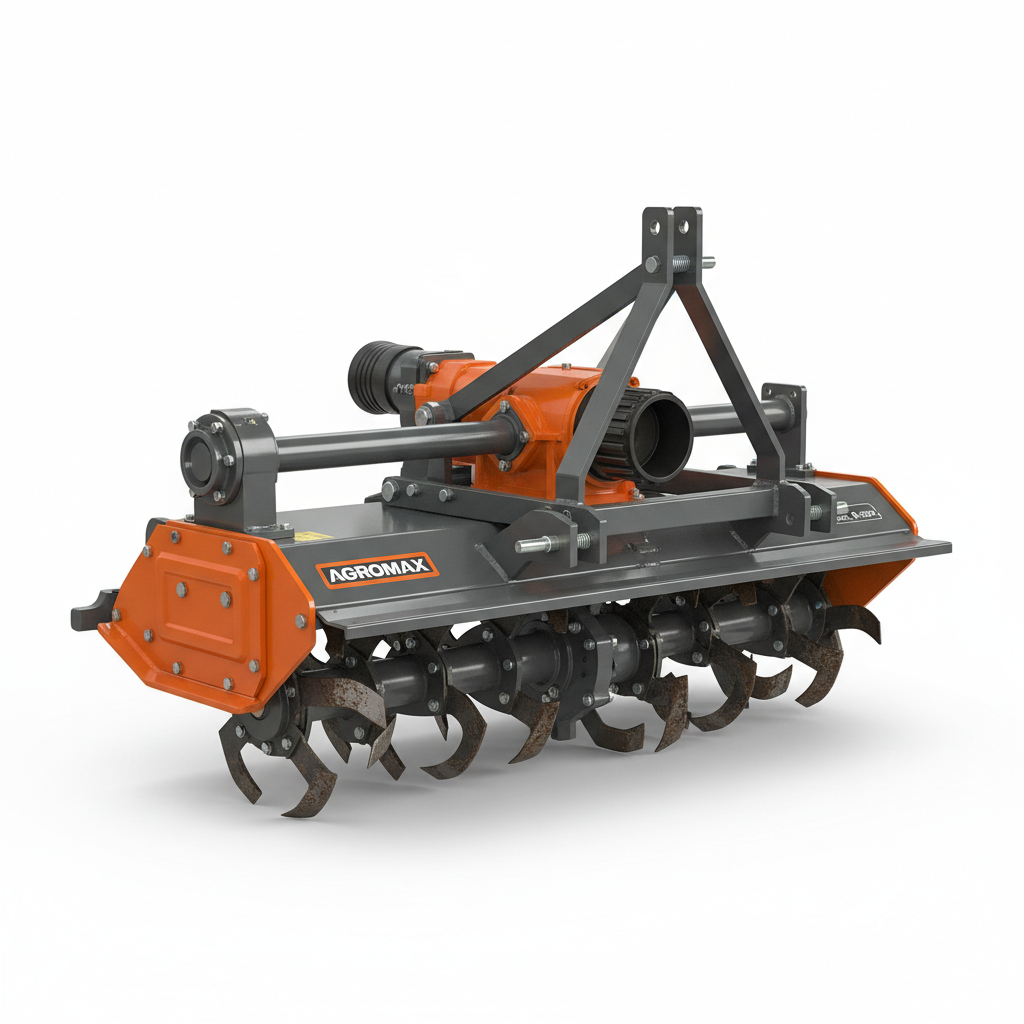
Simply put, a 48 3pt tiller is a rotary tillage implement designed to attach to the “3-point hitch” of tractors – a standard linking system that makes swapping tools quick and stable. The “48” denotes a 48-inch working width, which balances maneuverability and coverage – big enough for reasonably sized fields but not cumbersome.
These tillers feature rotating blades or tines that churn and aerate the soil, making it easier for seeds to root and access nutrients and water. In modern agricultural operations, they serve as crucial groundwork for subsequent planting, irrigation, and harvesting activities. Additionally, they find their way into humanitarian contexts where rapid soil rehabilitation is needed post-disaster.
Core Components of the 48 3pt Tiller
- Durability: These tillers are made to last, often featuring hardened steel tines and heavy-duty gearboxes to withstand tough soils and continuous use.
- Adjustability: Operators can usually modify working depths and angles, allowing flexibility for different soil types and crops.
- Cost Efficiency: The 48 3pt tiller's size and compatibility with common tractors make it an affordable upgrade, lowering upfront investment compared to larger machinery.
- Ease of Maintenance: Simple mechanical design with widely available parts keeps downtime low and repairs manageable, which is crucial on remote farms.
- Compatibility: Given the universal 3-point hitch system, these tillers can attach to a variety of tractor models, increasing their appeal worldwide.
Mini takeaway: The practical design of the 48 3pt tiller, with compatibility and durability at its heart, makes it a flexible solution suited to diverse farming needs.
Global Applications & Use Cases
Whether it’s in the lush plains of India, vulnerable wetlands in Brazil, or the smallholder farms of East Africa, the 48 3pt tiller proves indispensable. Take, for example, relief organizations in post-flood areas using these tillers to quickly till saline-soaked soils, helping communities replant vital crops within months. Similarly, agribusinesses rely on them to increase crop cycles per year, boosting livelihood and food availability.
A few industries that benefit heavily include:
- Crop farming — especially grain, vegetables, and legumes
- Orchard preparation and vineyard maintenance via soil aeration
- Land reclamation projects that aim to restore degraded lands
- Organic farms requiring minimal chemical disruption but enhanced soil texture
Learn more about the mechanical details of these tillers on manufacturers like 48 3pt tiller.
Advantages & Long-Term Value of Using a 48 3pt Tiller
In real terms, adopting a 48 3pt tiller results in:
- Reduced labor and time: What once took days with manual tools can now be done in hours.
- Improved soil health: By aerating and mixing, tillers encourage better root growth and water penetration.
- Sustainability: Many tillers reduce the need for chemical soil conditioners, lessening environmental impact.
- Economic resilience: Better yields promote farmer prosperity, which echoes through communities.
Emotionally, there’s a lot to be said for trusting equipment that simply gets the job done, almost like a reliable partner in the field. And innovation in tillage means farmers can protect soil biodiversity — sometimes a forgotten aspect in industrial agriculture.
Specifications of a Typical 48 3pt Tiller
| Specification | Details |
|---|---|
| Working Width | 48 inches (122 cm) |
| Attachment Type | Category 1 & 2 3-point hitch |
| Number of Tines | 16 (adjustable depth) |
| Recommended Horsepower | 20-40 HP |
| Weight | Approx. 350 kg (770 lbs) |
Vendor Comparison: Top 48 3pt Tiller Manufacturers
| Vendor | Price Range (USD) | Warranty | Key Feature |
|---|---|---|---|
| Zinan Mech | $1,200 - $1,500 | 2 years | Heavy-duty gearbox, customizable tine configuration |
| FarmPro Equipments | $1,100 - $1,400 | 1 year | Easy attachment system, low maintenance |
| AgriTools Inc. | $1,300 - $1,600 | 3 years | Reinforced steel frame, corrosion resistant finish |
Future Trends & Innovations
Looking ahead, 48 3pt tillers are not standing still. With the rise of smart agriculture, we’re beginning to see innovations like digitally controlled depth settings or integration with GPS for precise tillage patterns. Manufacturers are experimenting with lightweight composites and eco-friendly coatings to reduce soil compaction and extend equipment life.
Moreover, with sustainability in focus, some are adapting these tillers for use with electric tractors—a combination that could lower carbon footprints dramatically. Automation, although still nascent here, promises hands-free soil prep in the near future.
Common Challenges & How to Overcome Them
Despite their many strengths, these tillers have challenges:
- Soil Variability: Some soils, like heavy clay or highly rocky terrain, can limit the effectiveness of tillers.
- Maintenance: While simple, neglecting regular lubrication or tine replacement can shorten equipment lifespan.
- Tractor Compatibility: Not all tractors can safely handle the horsepower demands, risking damage.
Experts recommend selecting a tiller carefully matched to local soil conditions and tractor specs. Routine maintenance checklists and user training go a long way in solving operational hiccups.
Frequently Asked Questions About the 48 3pt Tiller
- What tractor horsepower do I need for a 48 3pt tiller?
- You generally need a tractor rated between 20 to 40 horsepower to effectively operate a 48 3pt tiller. Using a tractor below this range risks insufficient power and stress on the tiller components.
- How deep can the 48 3pt tiller cultivate?
- Working depth is adjustable, but typically these tillers till the soil between 4 to 8 inches (10 to 20 cm), which is ideal for preparing seedbeds without overworking the soil.
- Can a 48 3pt tiller be used on rocky soil?
- While possible, rocky soil can speed wear on the tines and gearbox. It's best to inspect the field beforehand and consider a more robust tillage method if rocks are prominent.
- Is the 48 3pt tiller compatible with electric tractors?
- New models are emerging for compatibility with electric tractors, though not all tillers are ready yet. Check with the manufacturer for specific model compatibility.
- How often should I maintain my tiller?
- Regular maintenance includes cleaning after use, inspecting tines for wear, lubricating moving parts, and checking the gearbox oil at least every 50 hours of use.
Conclusion
The 48 3pt tiller stands out as a practical, reliable, and increasingly innovative tool in the quest for efficient, sustainable farming worldwide. By enhancing soil preparation, it boosts crop yields and supports the livelihoods of millions of farmers, small and large. If you’re considering upgrading your farming toolkit, exploring options at 48 3pt tiller suppliers is a smart place to start.
Frankly, these tillers feel like a small investment with a big payback — and maybe that’s why they remain ever-popular.
Key takeaway: The 48 3pt tiller remains a cornerstone in agricultural mechanization — simple, effective, and ready for tomorrow’s innovations.

Related Products
-
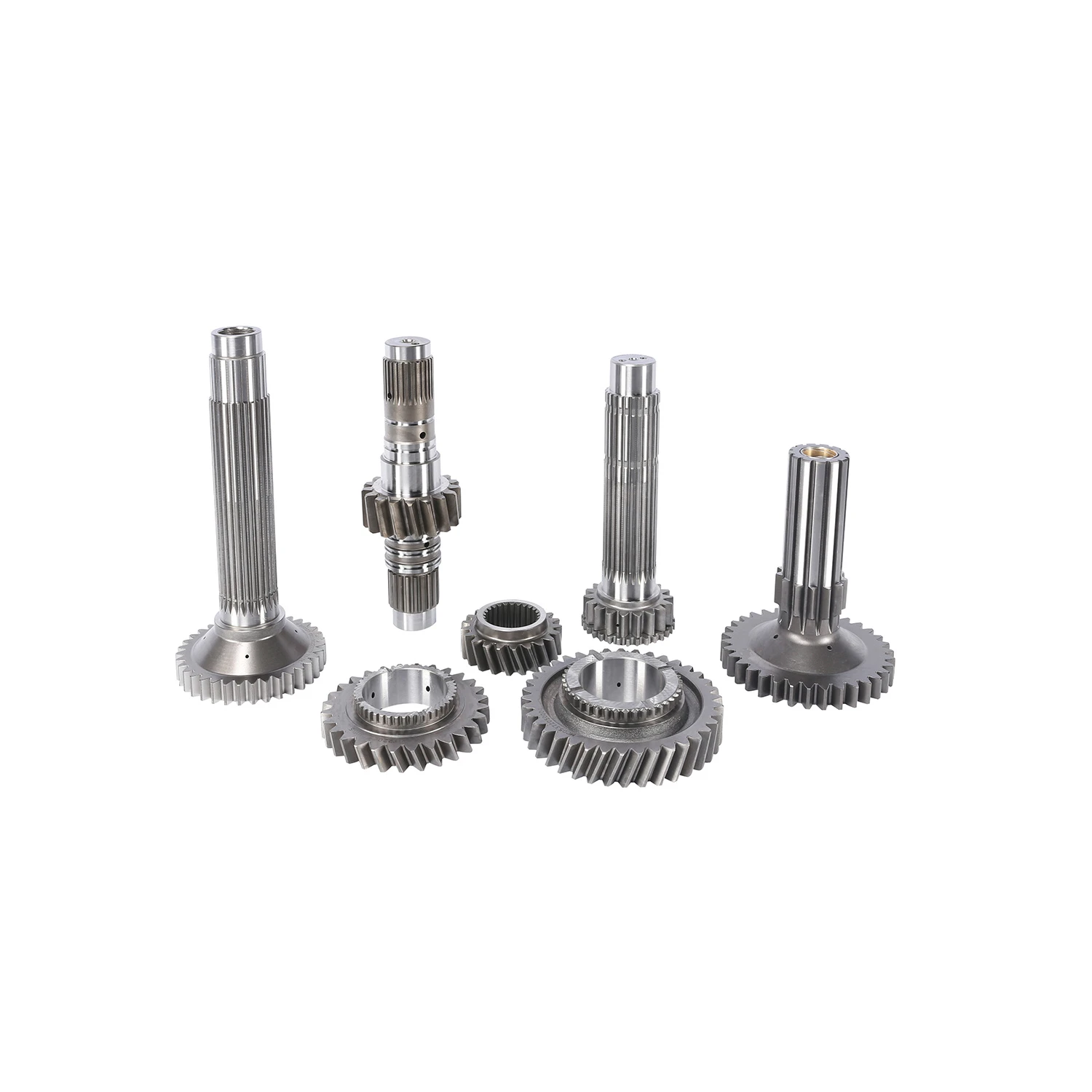 Tractor Gear Shaft
The tractor gear shaft is a crucial element in the power transmission system of a tractor. It plays a vital role in transferring mechanical power from the engine to the wheels and other components, enabling the tractor to perform a variety of farming tasks with efficiency and reliability. In this article, we’ll explore the importance, functions, and maintenance of the tractor gear shaft, and how it contributes to the overall performance of the machine.
-
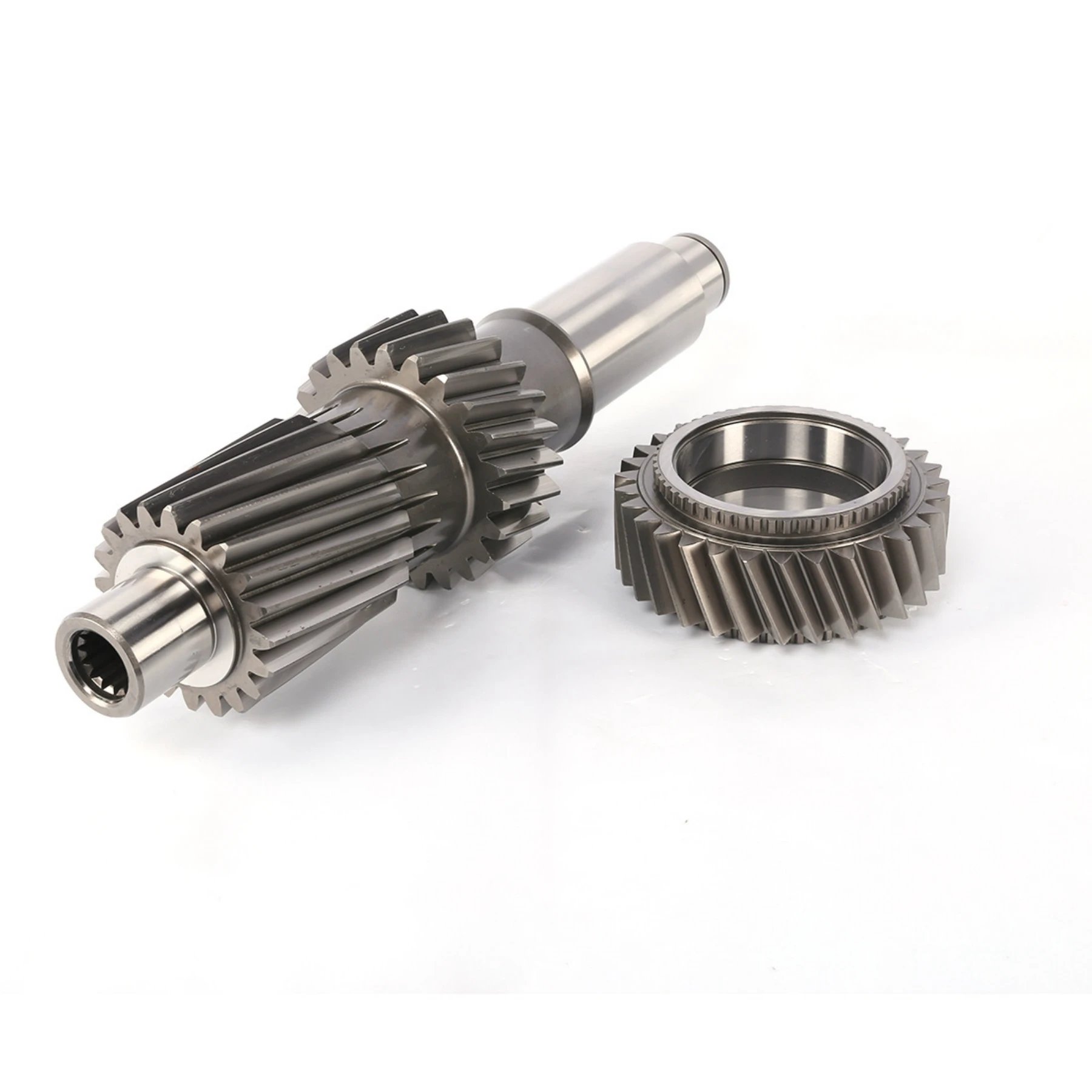 Transmission Gear
Power transmission: the engine operation drives the input gear on the input shaft to rotate, the input gear engages with other gears, and relies on the interaction between teeth and teeth to transfer the power to the intermediate gear (if any) and the output gear, and finally transfers the power to the driving wheel and other components through the output shaft to make the vehicle or equipment move.
Variable speed principle: Change the transmission ratio by meshing gears with different numbers of teeth. For example, when the big gear drives the small gear, the speed of the small gear will be faster than the big gear, but the output torque will be smaller, to achieve growth and torque reduction; On the contrary, when the pinion drives the big gear, the speed of the big gear slows down, the torque increases, and the torque increases. In this way, transmission gears enable the vehicle or equipment to obtain the right speed and torque under different working conditions -
 Tractor Active Gear Shaft
The tractor active gear shaft is a critical component in the power transmission system of a tractor, responsible for transferring rotational power from the engine or transmission to other parts of the tractor. By efficiently distributing torque and enabling smooth gear shifts, the active gear shaft plays a vital role in enhancing the performance and versatility of the tractor, making it essential for a wide range of agricultural tasks. In this article, we’ll explore the function, benefits, and maintenance of the tractor active gear shaft.
-
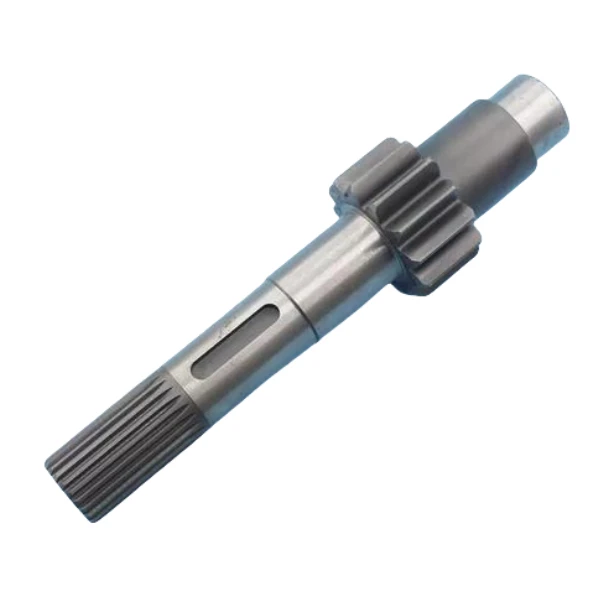 Harvester Input Shaft
The main role of the harvester input shaft is to introduce the power of the external power source into the internal transmission system of the harvester. When the power source (such as an engine) is running, the torque generated is transmitted to the input shaft through the connecting parts, causing the input shaft to start rotating. The gear, pulley or sprocket and other transmission parts installed on the input shaft will rotate with the rotation of the input shaft, and then transfer the power to the subsequent transmission parts and working parts, such as driving the cutting device, conveying device, threshing device, etc., to complete the crop harvesting, conveying, threshing and other work processes.
Related News
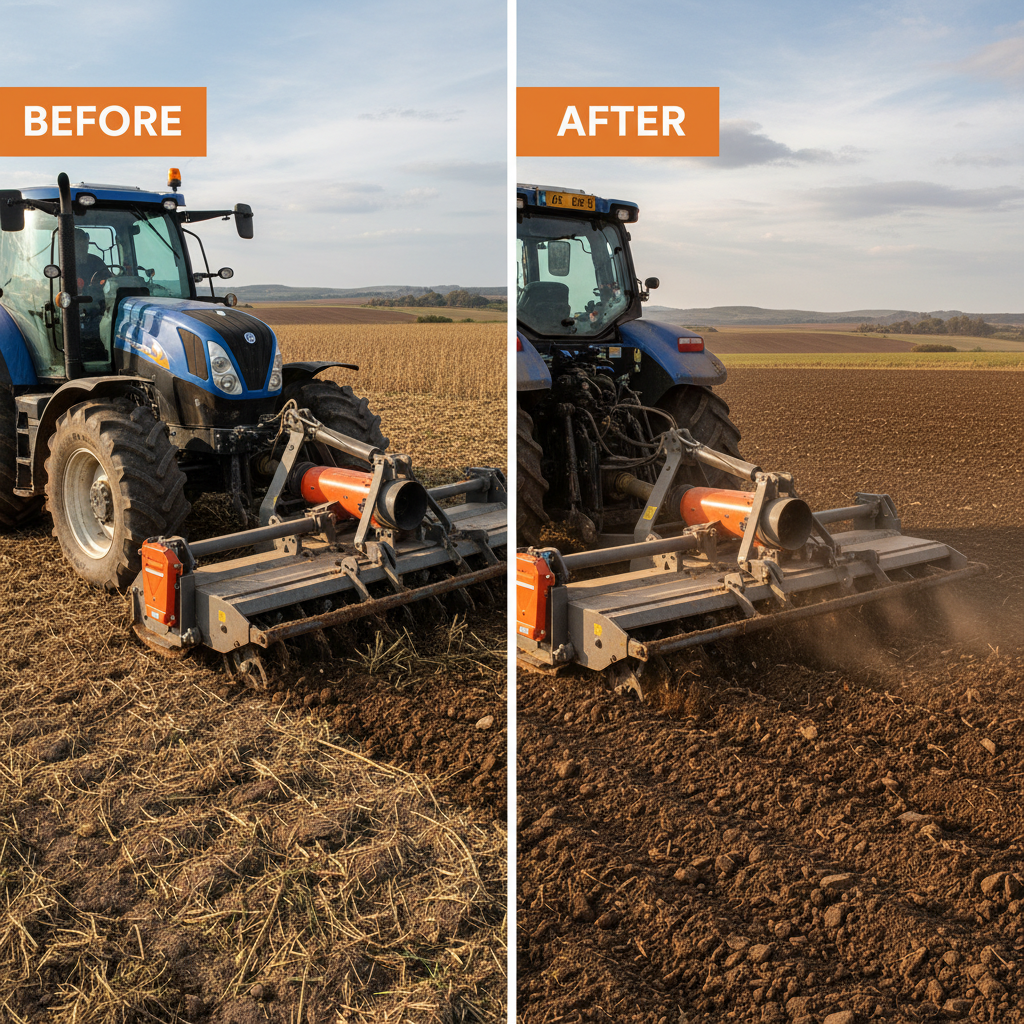
Professional Heavy Duty Tiller for Tractor for Soil Productivity
Achieving the perfect seedbed is the foundation of any successful harvest. For farmers dealing with compacted soil, stubborn crop residue, or expansive acreage, a standard rototiller often falls short. This is where a heavy duty tiller for tractor becomes an essential investment. These robust machines are engineered to penetrate deep into the earth, breaking up hardpan and aerating the soil with unmatched efficiency. By integrating a professional-grade tiller into your machinery lineup, you can significantly reduce preparation time and improve crop yield. In this guide, we will explore the technical advantages, selection criteria, and maintenance tips for choosing the right heavy-duty tilling solution.
>
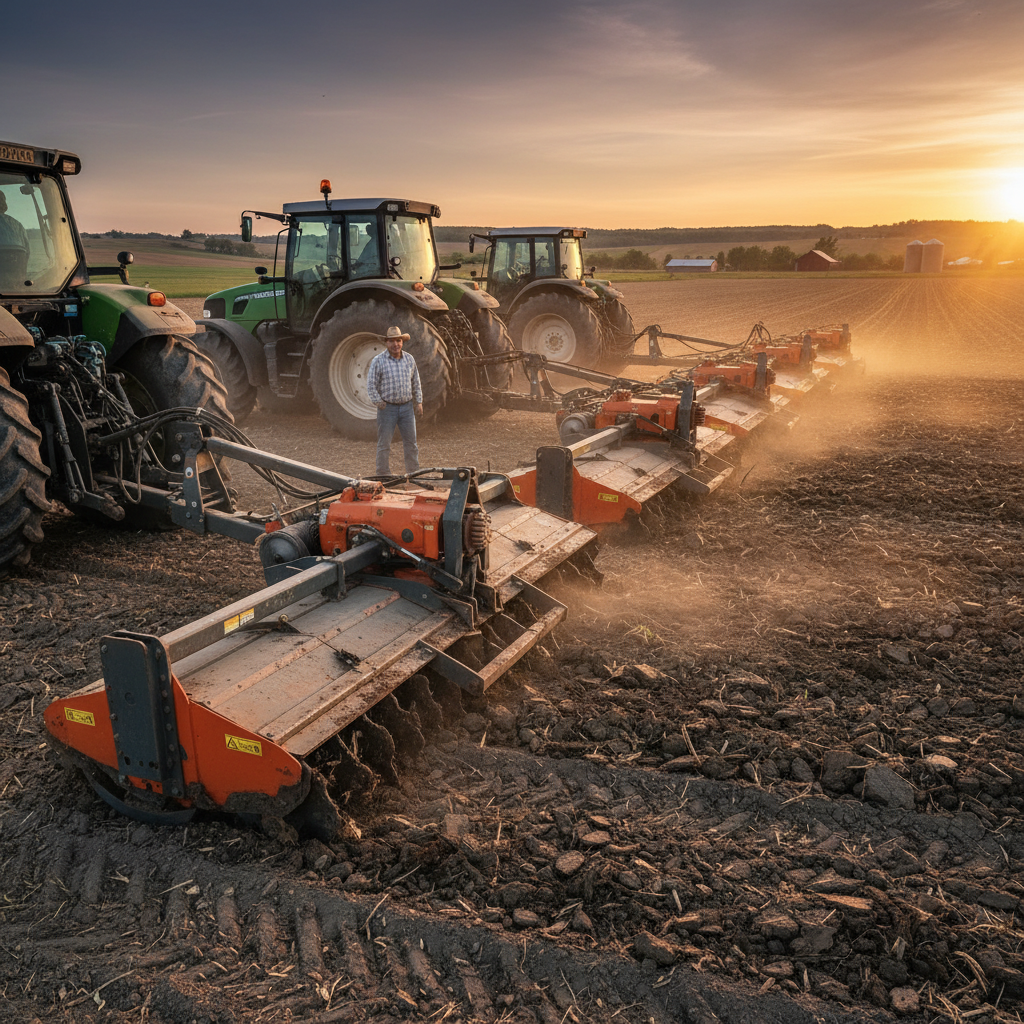
Maximizing Land Productivity with Professional Heavy Duty Tillers
For professional farmers and landscaping contractors, the quality of soil preparation determines the success of the entire growing season. Investing in high-performance heavy duty tillers is essential for breaking through compacted earth, removing stubborn weeds, and integrating organic matter deeply into the soil. Unlike standard garden cultivators, these industrial-grade machines are engineered to handle vast acreages and the most challenging terrain without compromising efficiency. In this guide, we will explore how choosing the right equipment can transform your agricultural output and streamline your land management process.
>
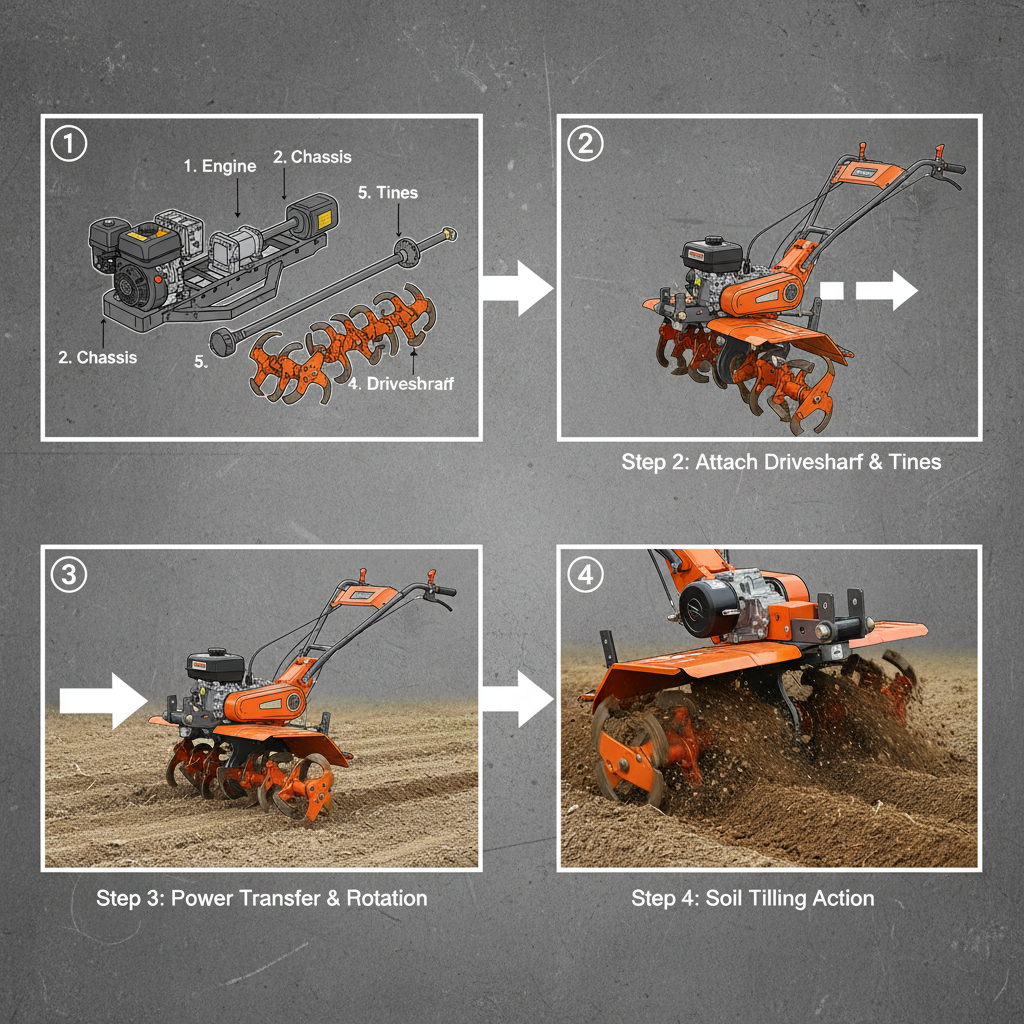
Choosing the Best Heavy Duty Rototiller for Efficient Land Preparation
A heavy duty rototiller is an invaluable tool for anyone involved in serious gardening, small-scale farming, or land preparation. Whether you're breaking new ground, maintaining existing garden beds, or preparing for planting, the right rototiller can significantly reduce labor and improve efficiency. However, with numerous options available, selecting the best model requires careful consideration. This article will guide you through the key factors to consider when purchasing a heavy-duty rototiller, helping you make an informed decision. ZinanMech offers a wide range of rototillers to suit various needs.
>
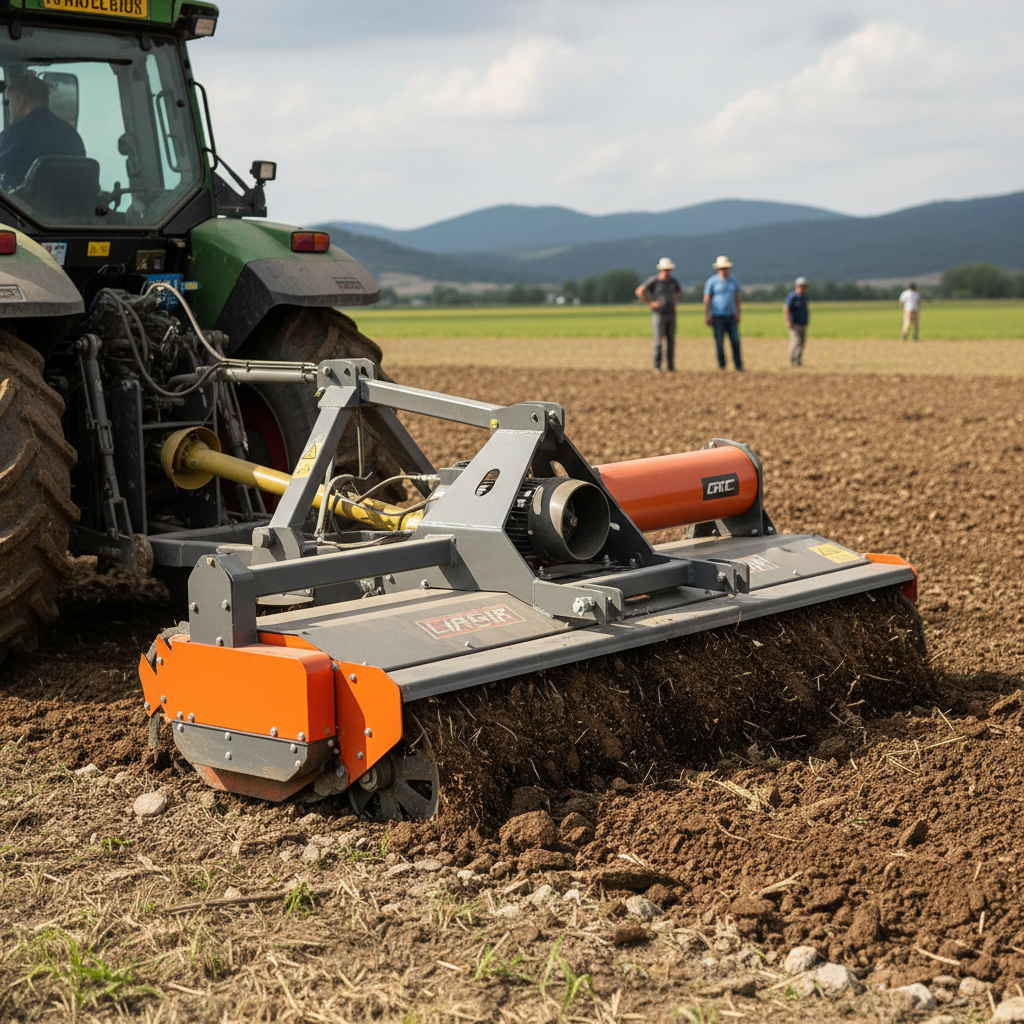
Comprehensive Guide to Heavy Duty Rotary Tiller Selection and Application
When it comes to land preparation, a heavy duty rotary tiller is an invaluable tool. This robust machinery excels at breaking up compacted soil, creating a fine seedbed, and incorporating organic matter. This article dives deep into the world of heavy duty rotary tillers, covering their benefits, applications, key features, and how to choose the right one for your needs. Whether you're a farmer, landscaper, or large-scale gardener, understanding these tillers is essential for efficient and effective soil management.
>
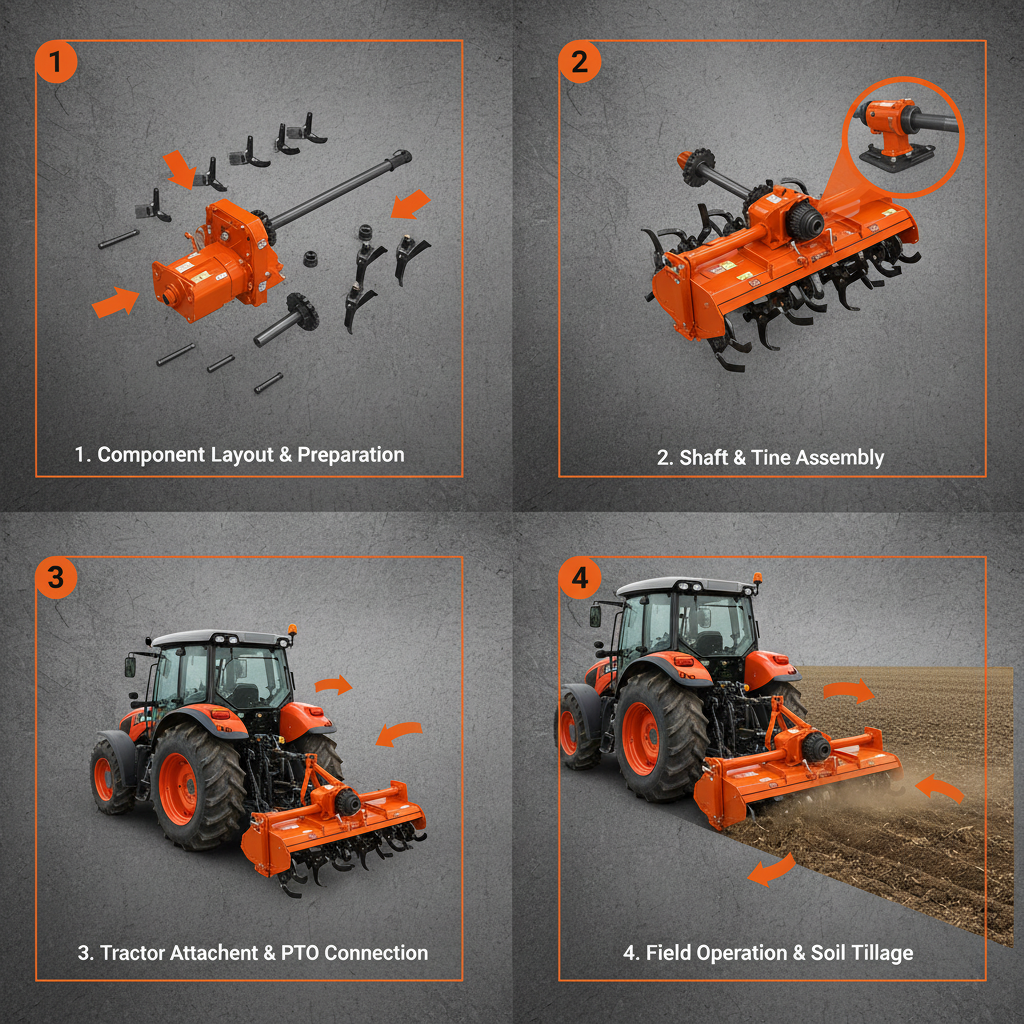
Comprehensive Guide to Selecting the Ideal Farm Tractor Tiller for Your Needs
Selecting the ideal farm tractor tiller is crucial for efficient soil preparation and maximizing agricultural yields. With a diverse range of models available, understanding your needs and the features offered by different tillers is paramount. This article provides a detailed overview of farm tractor tillers, covering their types, benefits, key considerations, and how to choose the right one for your specific farming operation. Proper tillage significantly impacts seedbed quality, weed control, and ultimately, crop performance.
>
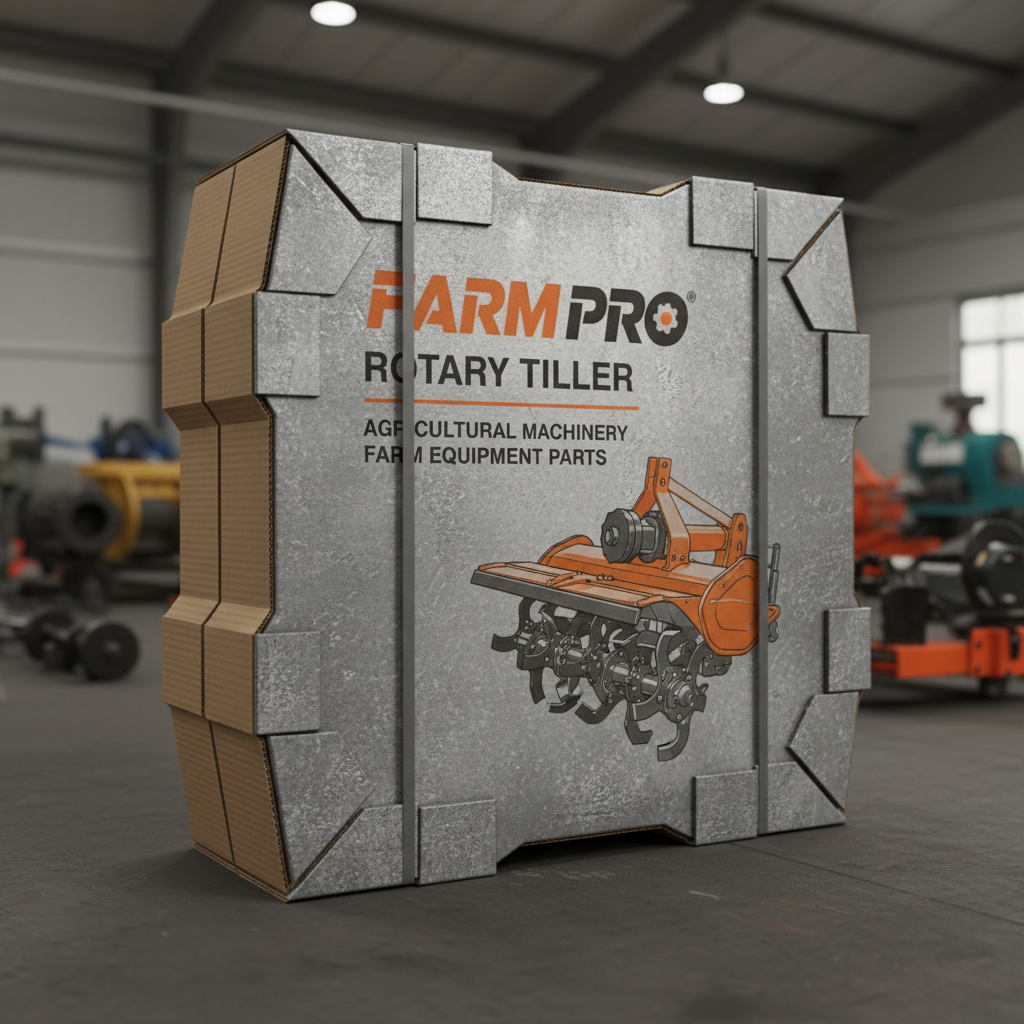
Boost Farm Productivity with a High Performance Farm Pro Rotary Tiller
Are you looking to enhance your agricultural productivity and streamline your soil preparation process? A Farm Pro rotary tiller is an invaluable investment for farmers of all scales. This article delves into the benefits, features, applications, and considerations when choosing the right rotary tiller for your farm. We’ll explore how this machinery can significantly reduce labor costs and improve soil quality, ultimately leading to higher yields. From small hobby farms to large-scale commercial operations, a Farm Pro tiller offers a robust and efficient solution for a variety of tilling needs.
>
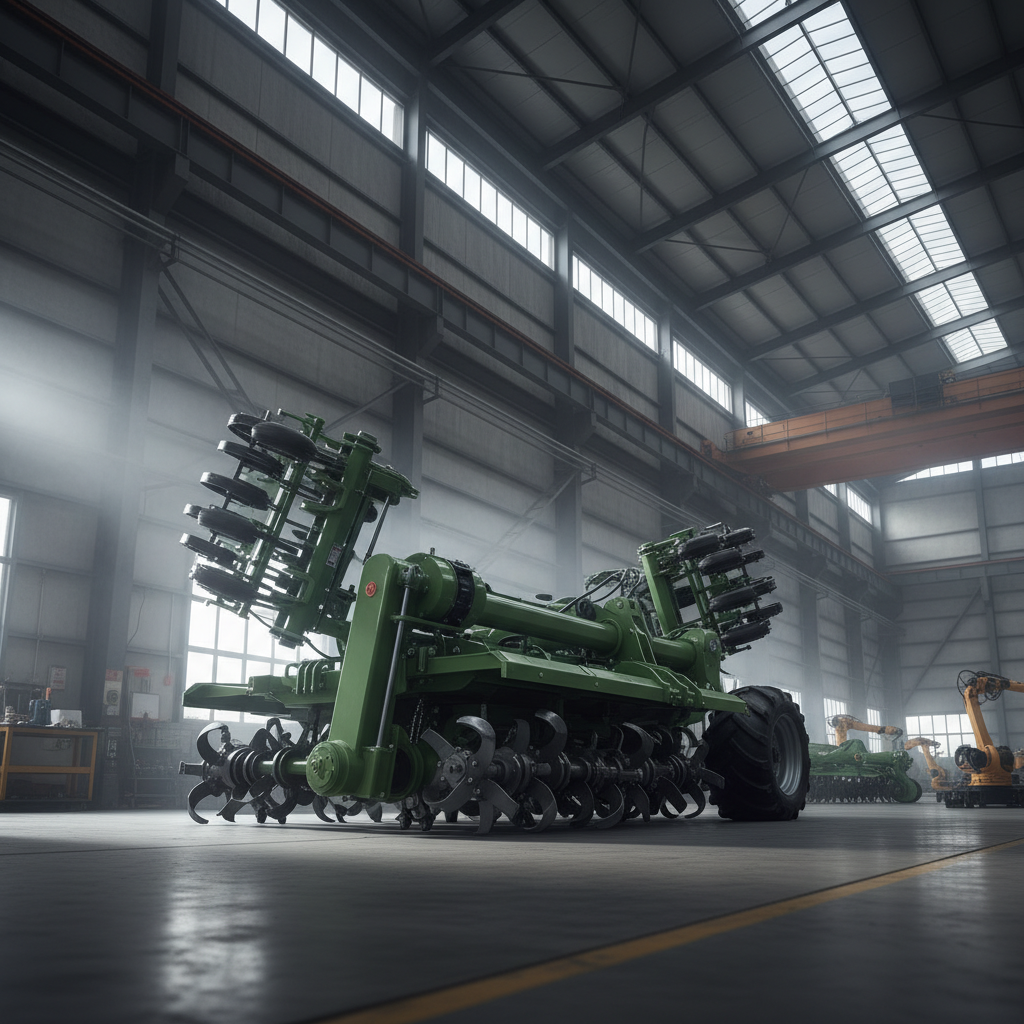
Unlock Farming Efficiency with a Powerful Agricultural Tiller Solution
In the world of farming and gardening, efficiency and productivity are key. An agricultural tiller is a vital piece of equipment that streamlines soil preparation, saving time and labor. This article dives deep into the world of tillers, exploring their types, benefits, how to choose the right one, and the quality solutions offered by Zinanmech. We’ll cover everything from small garden tillers to heavy-duty agricultural models, ensuring you have the knowledge to make an informed decision. An agricultural tiller, also known as a rotary tiller, is a motorized machine used to break up and cultivate soil. Unlike manual digging or plowing, tillers use rotating blades to loosen the soil, creating a fine, even tilth that's ideal for planting. This process improves soil aeration, drainage, and nutrient availability, leading to healthier plant growth.
>
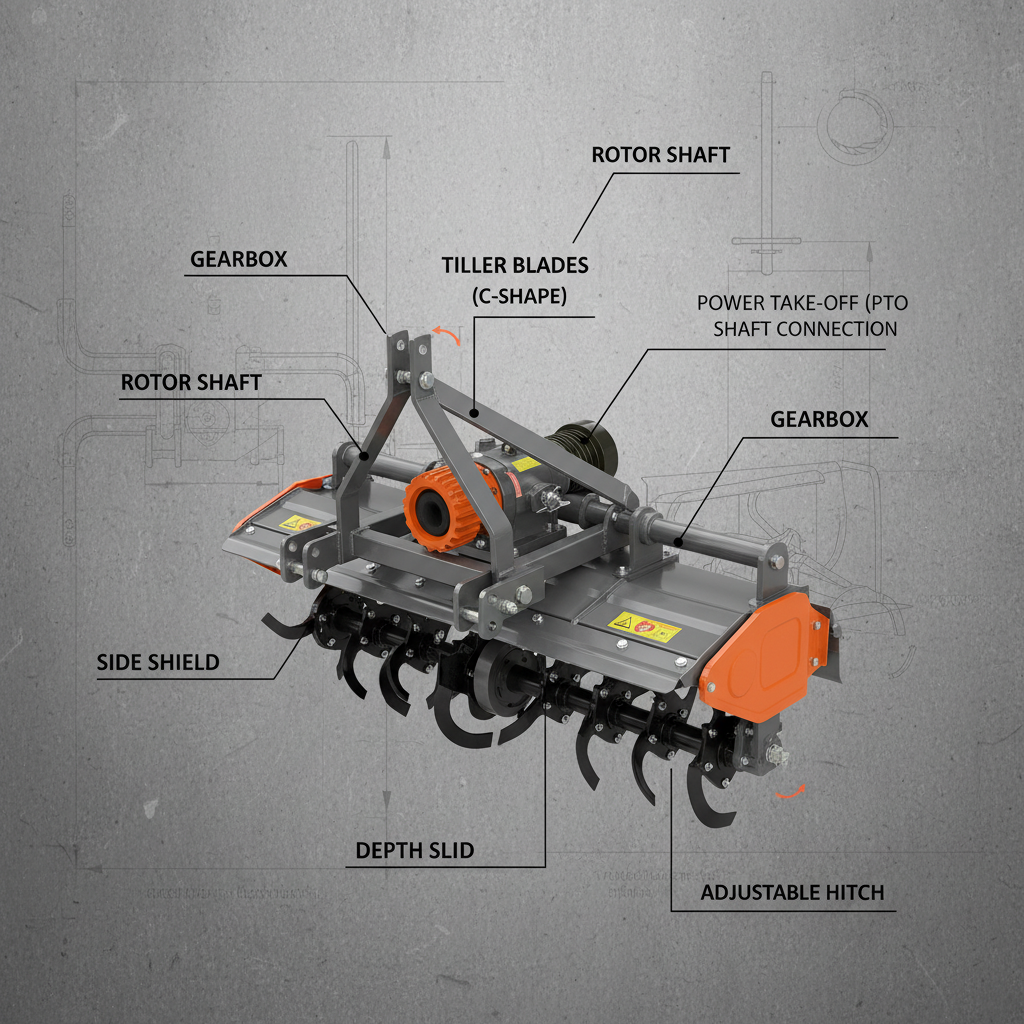
Comprehensive Guide to Agricultural Rotary Tiller Selection and Usage
An agricultural rotary tiller is an essential tool for modern farming, designed to efficiently prepare soil for planting. This powerful machinery significantly reduces labor and time compared to traditional methods. Whether you're a smallholder or manage a large-scale agricultural operation, understanding the benefits and features of a rotary tiller is crucial for maximizing productivity. Choosing the right tiller can transform your land preparation process. This article provides a detailed overview of agricultural rotary tillers, covering their uses, types, benefits, and key considerations when selecting the right model. Modern tillers are available in various sizes and configurations, catering to different farm sizes and soil conditions. Zinanmech provides a range of high-quality rotary tillers designed for optimal performance and durability. An agricultural rotary tiller, also known as a rototiller, is a motorized machine used to prepare agricultural land for cultivation. It works by using rotating blades – typically called tines – to break up, churn, and mix the soil.
>
Comprehensive Guide to Selecting the Ideal Agric Rototiller for Your Farm
Selecting the right agric rototiller is crucial for efficient soil preparation and maximizing crop yields. This guide will explore the different types of rototillers, their applications, and how to choose the best model for your farming needs. We’ll cover everything from small, handheld rototillers to larger, tractor-mounted versions, helping you make an informed decision to enhance your agricultural operations. A well-chosen rototiller significantly reduces manual labor and improves soil quality. Agric rototillers come in various sizes and configurations, each suited for different farming tasks. The main types include: Front-Tine Rototillers, ideal for smaller gardens and breaking up already tilled soil; Rear-Tine Rototillers, offering more power and suitable for larger areas and tougher soil conditions; and Mid-Tine Rototillers, a versatile option for medium-sized farms. Choosing the correct type depends on your farm size, soil type, and the crops you intend to grow.
>
Unlock Farming Efficiency with a Powerful Agri Rototiller for Modern Agriculture
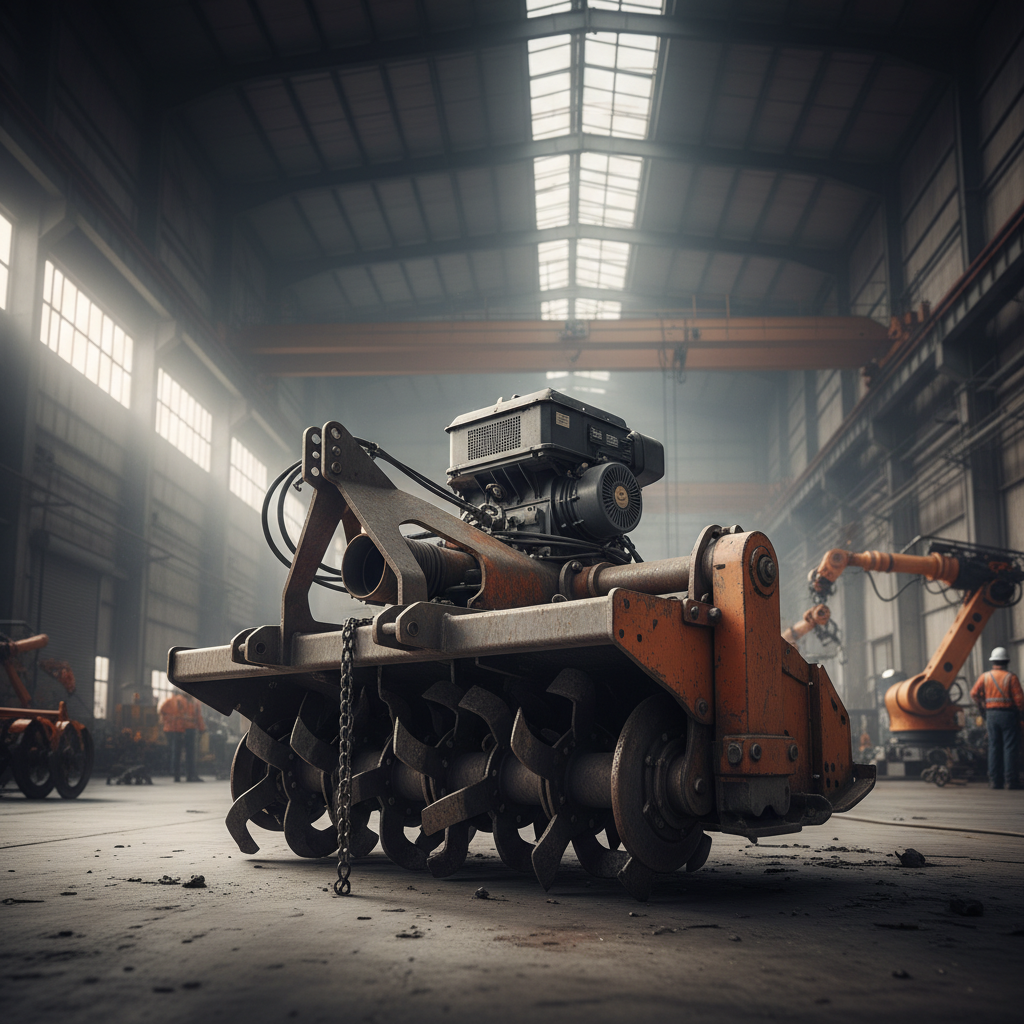
In today's agricultural landscape, efficiency and productivity are paramount. An agri rototiller, also known as a rotary tiller, is an invaluable tool for preparing soil for planting. This versatile machine cultivates, mixes, and levels the soil in a single pass, saving farmers significant time and effort. From small-scale farms to large agricultural operations, the benefits of using a rototiller are numerous. Investing in a quality rototiller is investing in the future success of your harvest. An agri rototiller is a motorized machine designed to break up and aerate soil using rotating blades. These blades, often called tines, churn the soil, creating a fine, even texture ideal for planting seeds or transplanting seedlings. Unlike traditional plowing, rototilling doesn't invert the soil, minimizing disruption to the soil's natural structure.
>
International layout
Spread all over the world
our products are exported to various parts of the world. Currently, our products have been exported to more than 40 countries Our products cover Asia, Europe, Africa, South America, North America, and Oceania
Sign up
for Newsletter
Subscribe to the weekly newsletter for all the latest updates