- Tel: +86 13451474678 / 13451474678
- Email: / hbzinanmech@gmail.com

Explore Zero Till Seed Drill Price: Benefits, Features & Buying Guide
Understanding Zero Till Seed Drill Price: Why It Matters in Modern Agriculture
Zero till seed drills have quietly revolutionized farming practices around the world, and their pricing plays a subtle yet massive role in deciding how widely the technology spreads. The zero till seed drill price is more than just a number: it can determine whether small-scale farmers adopt this environmentally friendly tech or stick with outdated, soil-disturbing methods.
Globally, sustainable farming techniques have risen in importance amidst climate concerns and soil degradation. According to the FAO, soil erosion impacts about 33% of global land, threatening food security. Zero tillage, aided by seed drills priced within reach, can help reverse this trend by minimizing disruption while improving yield.
In this article, we’ll unravel what zero till seed drill price entails, explore its key features and benefits, and see how it fits into a future where farming must be smart, efficient, and gentle on the earth.
What Is Zero Till Seed Drill Price and Why Should You Care?
At its core, zero till seed drill price refers to the cost of the seed drill designed for zero tillage—the method of planting seeds without plowing or disturbing the soil much. The drill mechanically creates small furrows to drop seeds, leaving soil structure intact, preserving moisture, and preventing erosion.
Why does the price matter? Well, these machines range from basic single-row attachments to sophisticated multi-row units with advanced metering. A balance between affordability and durability often dictates commercial and subsistence farmers’ ability to integrate zero tillage in their processes.
With increasing pressure on farmers to be more sustainable—and the growing popularity of conservation agriculture—the purchasing decision often hinges on understanding this price tag relative to benefits.
Key Aspects Influencing Zero Till Seed Drill Price
1. Durability & Material Quality
The longevity of a seed drill is often tied to materials used — steel type, corrosion-resistant coatings, and the robustness of moving parts. Naturally, better materials push prices higher but reduce maintenance costs in the long term.
2. Capacity and Scalability
Are you planting a small family plot or managing large commercial acreage? Price is influenced by how many rows the drill can plant simultaneously. More rows equal higher upfront costs but improved productivity.
3. Technological Sophistication
Modern seed drills may include features like electronic seed metering, variable rate technology, or GPS-guided sowing, upping both precision and price.
4. Maintenance & Spare Parts Availability
This might sound dull, but the ability to quickly replace worn-out parts adds real value and justifies a premium price in some markets.
5. Brand Reputation & Vendor Support
The trustworthiness of the manufacturer and quality of after-sales service often influences prices more than customers realize. Reliable vendors reduce downtime and training hassle—it’s almost like insurance.
Mini takeaway: The zero till seed drill price reflects a combination of tangible specs and soft factors like brand trust. Buyers looking across budgets must weigh these carefully.
Real-World Applications: Where and How Zero Till Seed Drills Make a Difference
Zero tillage practices aren’t just fancy trends reserved for rich farms. Across regions like Sub-Saharan Africa, Southeast Asia, and parts of Latin America, affordable seed drills have empowered farmers to conserve precious topsoil and water resources.
- In drought-prone areas: Farmers report better moisture retention and improved germination rates after adopting zero till drills despite a modest increase in investment.
- Post-storm or flood recovery: Quickly deploying zero till seed drills helps restore cropping cycles without soil rebuilding, thanks to their minimal soil disturbance.
- Industrial agriculture: Large-scale producers use complex multi-row drills priced on the higher side but justify the spend through volume and efficiency gains.
So you see, the zero till seed drill price touches diverse agricultural realities—from hand-to-mouth smallholders to mechanized plantations.
The Advantages and Lasting Value of Investing in Zero Till Seed Drills
Splurging on a zero till seed drill might feel risky at first, but here’s why it often pays off:
- Cost savings: Reduced fuel, labor, and soil amendments offset the initial price over seasons.
- Environmental sustainability: Protecting soil health aligns with global goals like the UN’s Sustainable Development Goal 15 (Life on Land).
- Social benefits: Less tillage means less physical strain for farmers, improved crop reliability, and community food security.
- Innovation trust: Modern seed drills reflect decades of engineering progress, offering reliable, scalable tools.
Mini takeaway: While the zero till seed drill price might seem steep, the combination of ecological and economic returns cultivates true value beyond cents.
What Does the Future Hold? Innovations Painting the Zero Till Landscape
Automation and IoT integration are making seed drills smarter and more adaptable. Think drones assessing field conditions feeding data to autonomous zero till seed drills optimizing sowing depth and seed spacing. Also, eco-friendly materials and solar-powered systems slowly feature in newer designs—part of a broader push towards carbon-neutral agriculture.
It’s fascinating—I read recently that China’s smart machinery factories are experimenting with AI-driven seed drills that monitor soil microbes in real time, which frankly raises the bar on how ‘seed drill price’ will evolve...
Addressing Challenges: Overcoming Barriers to Adoption
Two hugely common hurdles stand out: initial affordability and technical know-how to operate complex drills. NGOs and governments have stepped in with subsidies and farmer training programs helping offset the zero till seed drill price burden. Plus, modular designs offering easier repair and incremental upgrades help keep things manageable.
Vendor Comparison: Key Zero Till Seed Drill Brands at a Glance
| Brand | Price Range (USD) | Row Capacity | Key Features | After-Sales Support |
|---|---|---|---|---|
| GreenTill Co. | $1,200 - $3,000 | 1-4 | Basic meter, corrosion-resistant frame | Regional centers, spare parts |
| AgriSmart Ltd. | $4,000 - $8,000 | 6-12 | Electronic metering, GPS-ready | Nationwide helpline, field visits |
| FieldMax Tech | $7,000 - $15,000 | 12-24 | Smart sensors, solar power option | Dedicated engineer support |
Product Specification Example: Typical Zero Till Seed Drill Model
| Specification | Details |
|---|---|
| Rows | 8 |
| Working Width | 2.4 meters |
| Seed Metering | Mechanical with adjustable rate |
| Frame Material | High-strength steel, powder coated |
| Weight | 500 kg |
| Power Source | Tractor PTO (Power Take-Off) |
FAQ: What People Often Ask About Zero Till Seed Drill Price
Q1: How does the zero till seed drill price compare with conventional drills?
Zero till seed drills usually cost more upfront due to advanced design but ultimately reduce overall farming costs by saving labor, fuel, and preserving soil health. When considering lifecycle costs, they often offer better ROI.
Q2: Can smallholder farmers afford zero till seed drills?
Yes, many manufacturers offer scaled-down, affordable versions. Additionally, cooperative purchasing, rentals, or subsidies make these machines accessible to smaller farms—helping bridge the zero till adoption gap.
Q3: What impacts the price fluctuations in zero till seed drills?
Factors include raw material costs, import tariffs, brand differences, and technical features. Economic situations, like fluctuating steel prices or supply chain interruptions, also cause price shifts over time.
Q4: How important is after-sales support in determining the zero till seed drill price?
Very important. Good support reduces downtime and maintenance headaches, often justifying a higher initial price. Many buyers prefer paying more upfront to avoid costly breakdowns later.
Q5: Are there financing options available for purchasing zero till seed drills?
Yes, especially in developing countries. Many vendors partner with agricultural banks or governments to provide loans or lease-to-own models, spreading the zero till seed drill price over time to ease affordability.
Wrapping Up: Why Zero Till Seed Drill Price Is Worth the Investment
Understanding the zero till seed drill price is key to unlocking more sustainable, efficient agriculture worldwide. While the upfront cost might give pause, the long-term benefits—in economic, environmental, and social terms—make it a smart bet. Supporting farmers with quality seed drills at a fair price means healthier soils, better yields, and ultimately a more resilient food system.
If you’re considering upgrading your farming machinery or introducing conservation agriculture practices, take a closer look at available zero till seed drill options and feel free to check current prices and specs here.
After all, farming has to feed the future — and zero till seed drills are quietly part of that future.
References

Related Products
-
 Tractor Gear Shaft
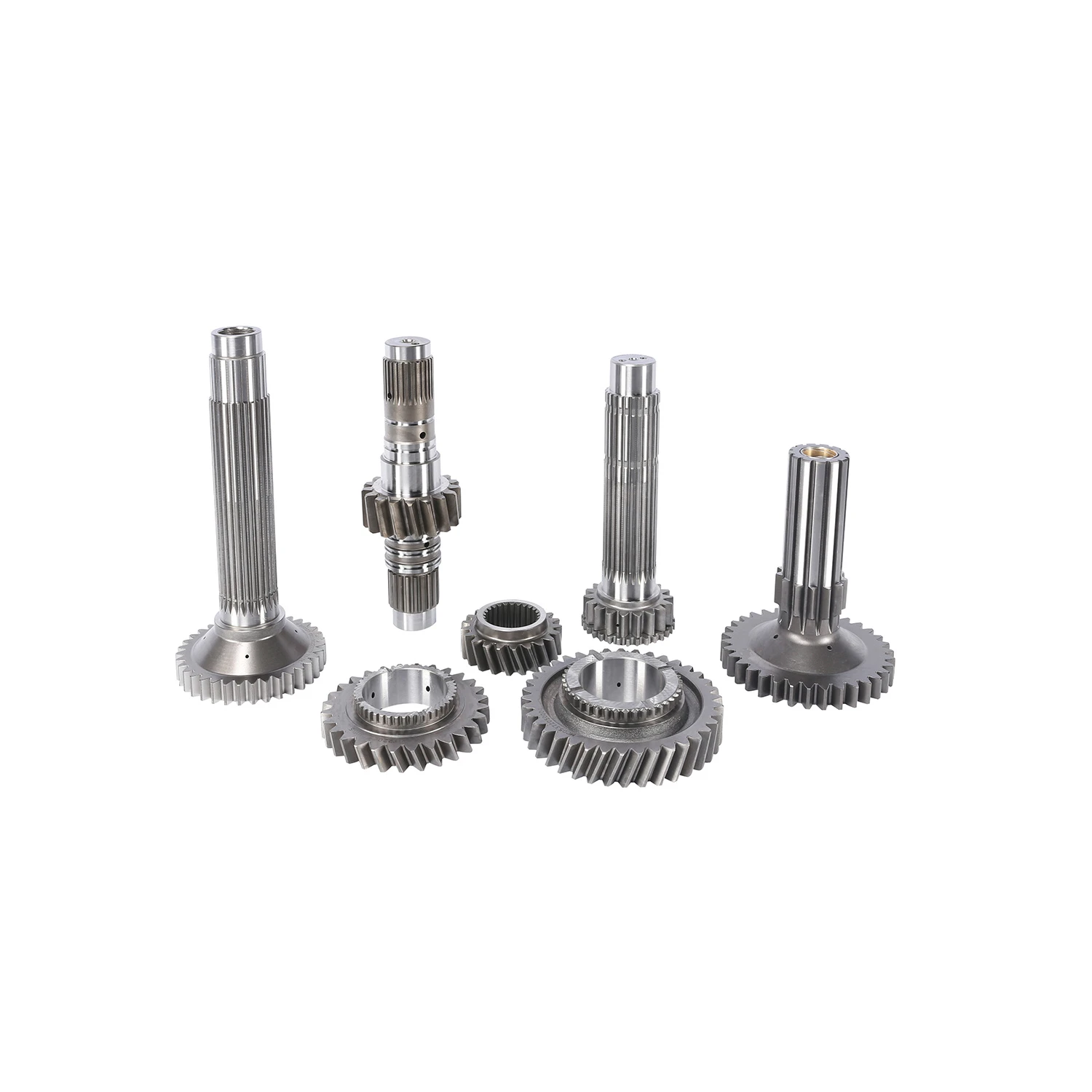
The tractor gear shaft is a crucial element in the power transmission system of a tractor. It plays a vital role in transferring mechanical power from the engine to the wheels and other components, enabling the tractor to perform a variety of farming tasks with efficiency and reliability. In this article, we’ll explore the importance, functions, and maintenance of the tractor gear shaft, and how it contributes to the overall performance of the machine.
-
 Transmission Gear
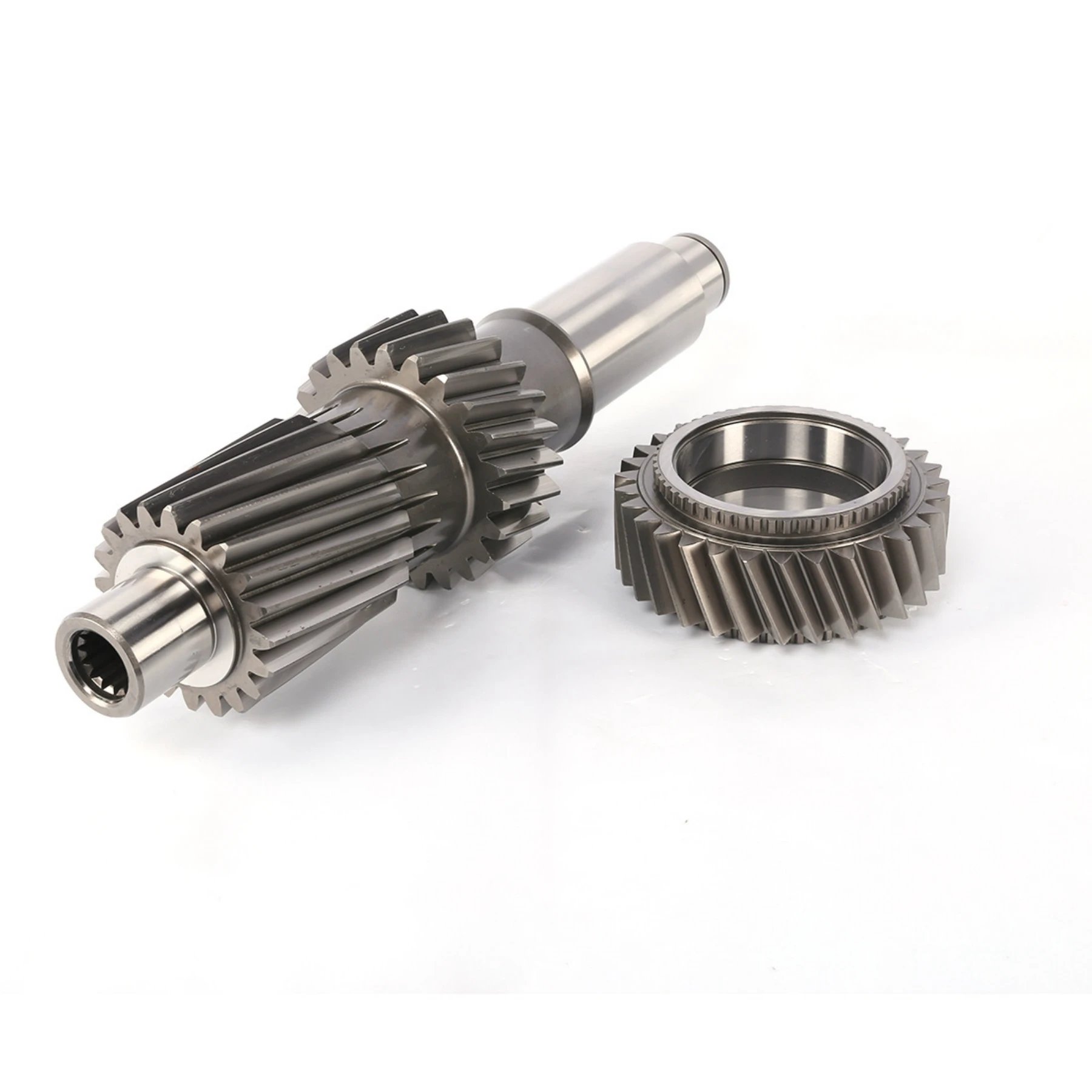
Power transmission: the engine operation drives the input gear on the input shaft to rotate, the input gear engages with other gears, and relies on the interaction between teeth and teeth to transfer the power to the intermediate gear (if any) and the output gear, and finally transfers the power to the driving wheel and other components through the output shaft to make the vehicle or equipment move.
Variable speed principle: Change the transmission ratio by meshing gears with different numbers of teeth. For example, when the big gear drives the small gear, the speed of the small gear will be faster than the big gear, but the output torque will be smaller, to achieve growth and torque reduction; On the contrary, when the pinion drives the big gear, the speed of the big gear slows down, the torque increases, and the torque increases. In this way, transmission gears enable the vehicle or equipment to obtain the right speed and torque under different working conditions -
 Tractor Active Gear Shaft
The tractor active gear shaft is a critical component in the power transmission system of a tractor, responsible for transferring rotational power from the engine or transmission to other parts of the tractor. By efficiently distributing torque and enabling smooth gear shifts, the active gear shaft plays a vital role in enhancing the performance and versatility of the tractor, making it essential for a wide range of agricultural tasks. In this article, we’ll explore the function, benefits, and maintenance of the tractor active gear shaft.
-
 Harvester Input Shaft
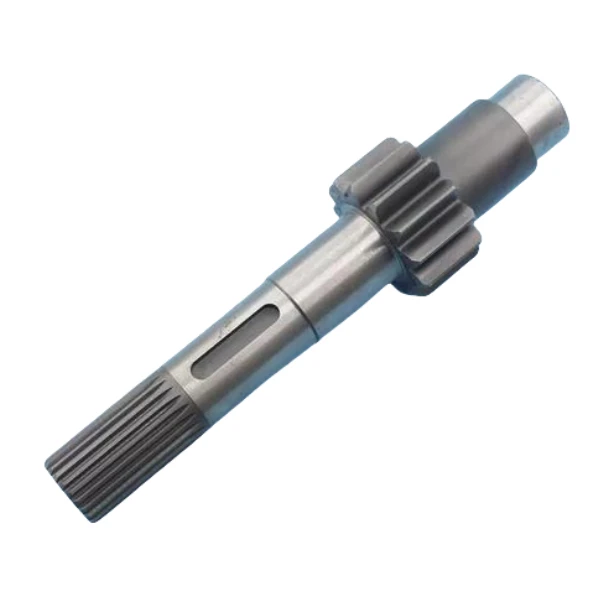
The main role of the harvester input shaft is to introduce the power of the external power source into the internal transmission system of the harvester. When the power source (such as an engine) is running, the torque generated is transmitted to the input shaft through the connecting parts, causing the input shaft to start rotating. The gear, pulley or sprocket and other transmission parts installed on the input shaft will rotate with the rotation of the input shaft, and then transfer the power to the subsequent transmission parts and working parts, such as driving the cutting device, conveying device, threshing device, etc., to complete the crop harvesting, conveying, threshing and other work processes.
Related News
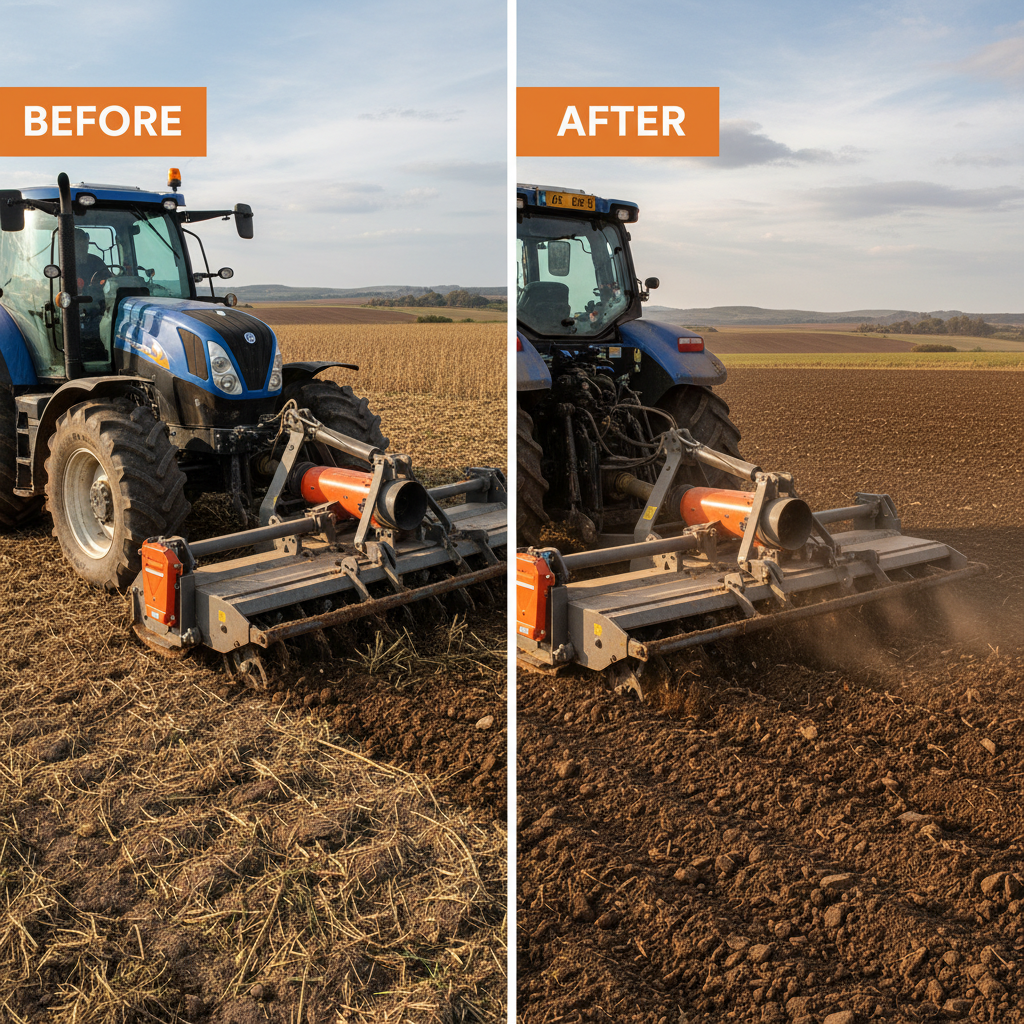
Professional Heavy Duty Tiller for Tractor for Soil Productivity
Achieving the perfect seedbed is the foundation of any successful harvest. For farmers dealing with compacted soil, stubborn crop residue, or expansive acreage, a standard rototiller often falls short. This is where a heavy duty tiller for tractor becomes an essential investment. These robust machines are engineered to penetrate deep into the earth, breaking up hardpan and aerating the soil with unmatched efficiency. By integrating a professional-grade tiller into your machinery lineup, you can significantly reduce preparation time and improve crop yield. In this guide, we will explore the technical advantages, selection criteria, and maintenance tips for choosing the right heavy-duty tilling solution.
>
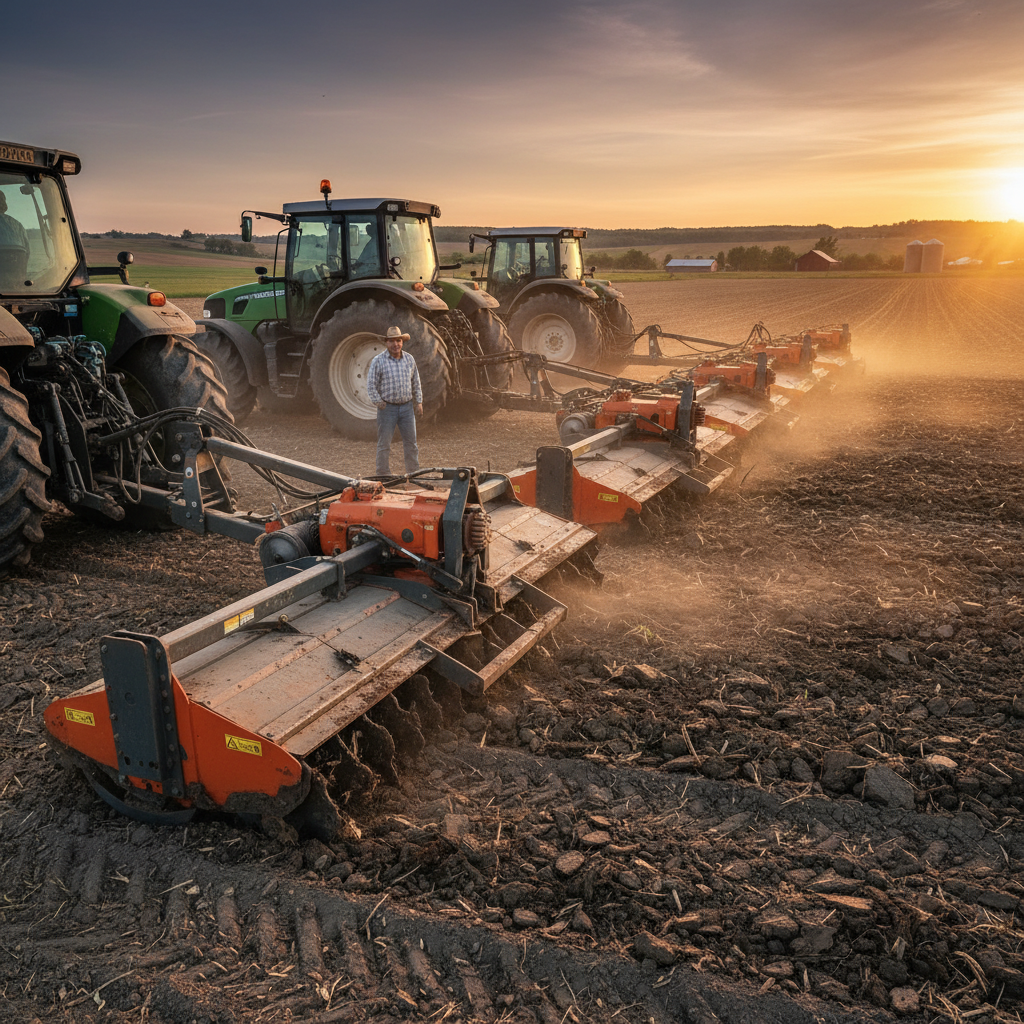
Maximizing Land Productivity with Professional Heavy Duty Tillers
For professional farmers and landscaping contractors, the quality of soil preparation determines the success of the entire growing season. Investing in high-performance heavy duty tillers is essential for breaking through compacted earth, removing stubborn weeds, and integrating organic matter deeply into the soil. Unlike standard garden cultivators, these industrial-grade machines are engineered to handle vast acreages and the most challenging terrain without compromising efficiency. In this guide, we will explore how choosing the right equipment can transform your agricultural output and streamline your land management process.
>
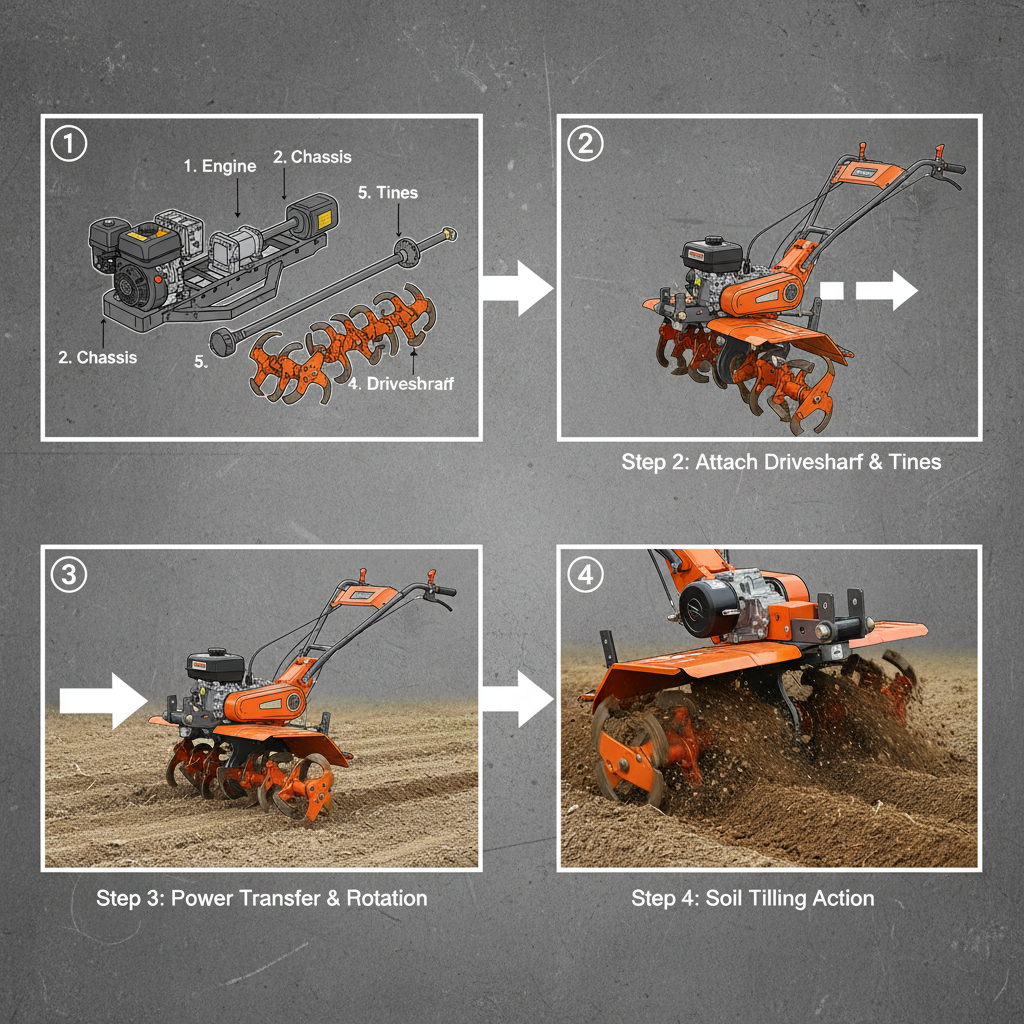
Choosing the Best Heavy Duty Rototiller for Efficient Land Preparation
A heavy duty rototiller is an invaluable tool for anyone involved in serious gardening, small-scale farming, or land preparation. Whether you're breaking new ground, maintaining existing garden beds, or preparing for planting, the right rototiller can significantly reduce labor and improve efficiency. However, with numerous options available, selecting the best model requires careful consideration. This article will guide you through the key factors to consider when purchasing a heavy-duty rototiller, helping you make an informed decision. ZinanMech offers a wide range of rototillers to suit various needs.
>
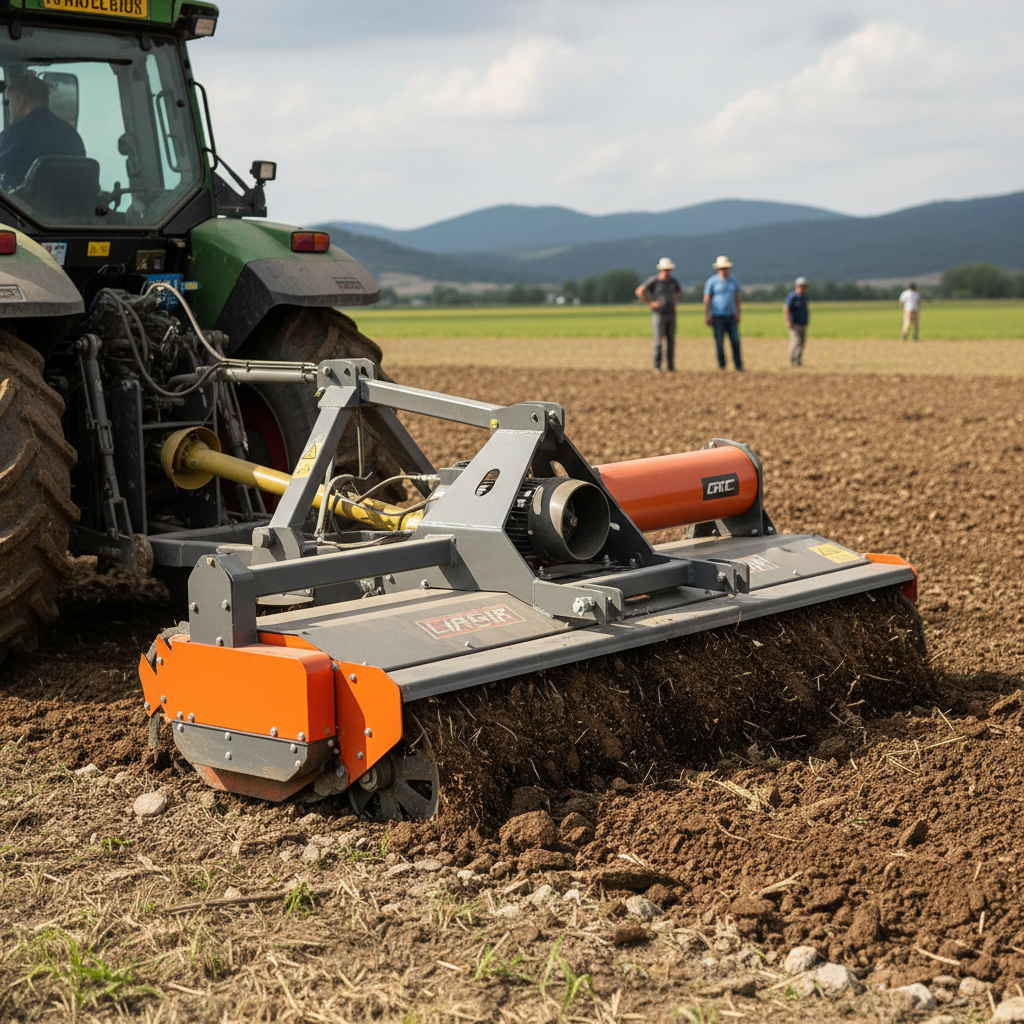
Comprehensive Guide to Heavy Duty Rotary Tiller Selection and Application
When it comes to land preparation, a heavy duty rotary tiller is an invaluable tool. This robust machinery excels at breaking up compacted soil, creating a fine seedbed, and incorporating organic matter. This article dives deep into the world of heavy duty rotary tillers, covering their benefits, applications, key features, and how to choose the right one for your needs. Whether you're a farmer, landscaper, or large-scale gardener, understanding these tillers is essential for efficient and effective soil management.
>
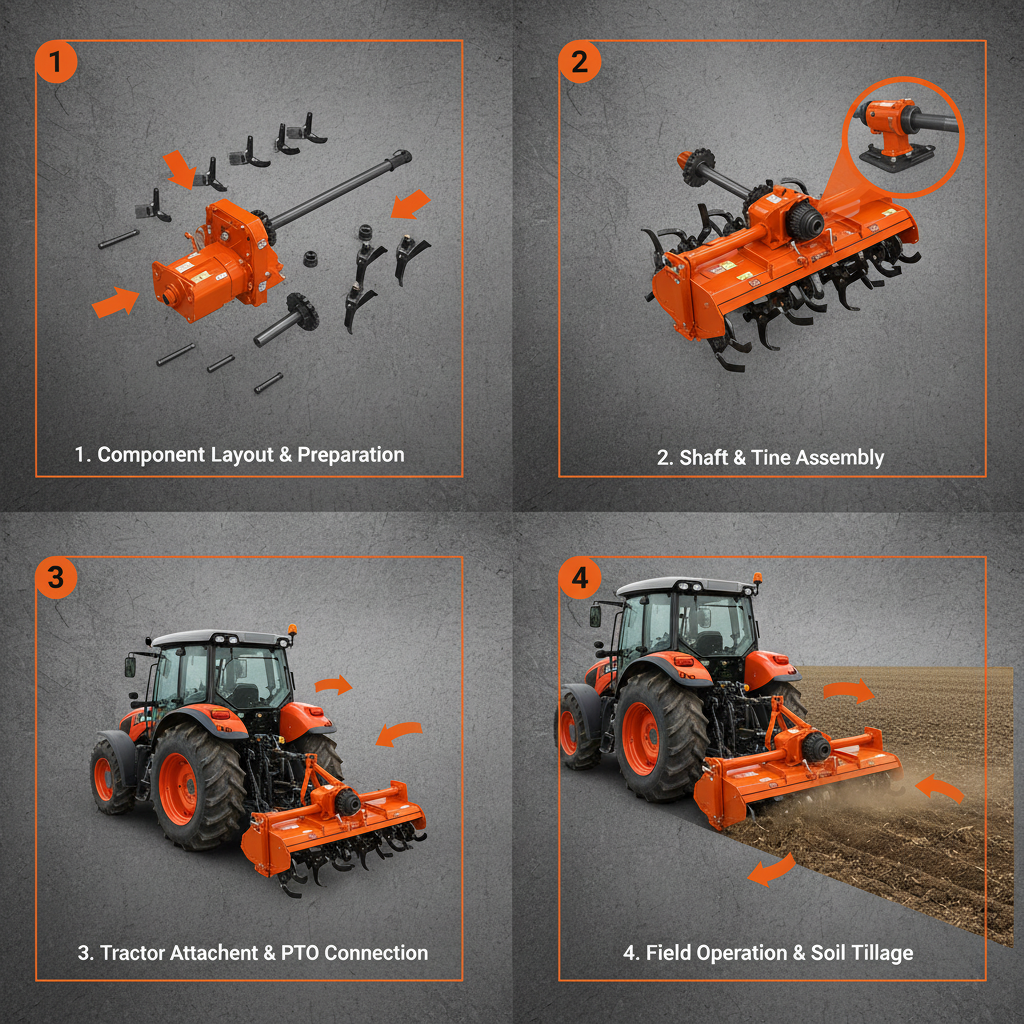
Comprehensive Guide to Selecting the Ideal Farm Tractor Tiller for Your Needs
Selecting the ideal farm tractor tiller is crucial for efficient soil preparation and maximizing agricultural yields. With a diverse range of models available, understanding your needs and the features offered by different tillers is paramount. This article provides a detailed overview of farm tractor tillers, covering their types, benefits, key considerations, and how to choose the right one for your specific farming operation. Proper tillage significantly impacts seedbed quality, weed control, and ultimately, crop performance.
>
Boost Farm Productivity with a High Performance Farm Pro Rotary Tiller
Are you looking to enhance your agricultural productivity and streamline your soil preparation process? A Farm Pro rotary tiller is an invaluable investment for farmers of all scales. This article delves into the benefits, features, applications, and considerations when choosing the right rotary tiller for your farm. We’ll explore how this machinery can significantly reduce labor costs and improve soil quality, ultimately leading to higher yields. From small hobby farms to large-scale commercial operations, a Farm Pro tiller offers a robust and efficient solution for a variety of tilling needs.
>
Unlock Farming Efficiency with a Powerful Agricultural Tiller Solution
In the world of farming and gardening, efficiency and productivity are key. An agricultural tiller is a vital piece of equipment that streamlines soil preparation, saving time and labor. This article dives deep into the world of tillers, exploring their types, benefits, how to choose the right one, and the quality solutions offered by Zinanmech. We’ll cover everything from small garden tillers to heavy-duty agricultural models, ensuring you have the knowledge to make an informed decision. An agricultural tiller, also known as a rotary tiller, is a motorized machine used to break up and cultivate soil. Unlike manual digging or plowing, tillers use rotating blades to loosen the soil, creating a fine, even tilth that's ideal for planting. This process improves soil aeration, drainage, and nutrient availability, leading to healthier plant growth.
>
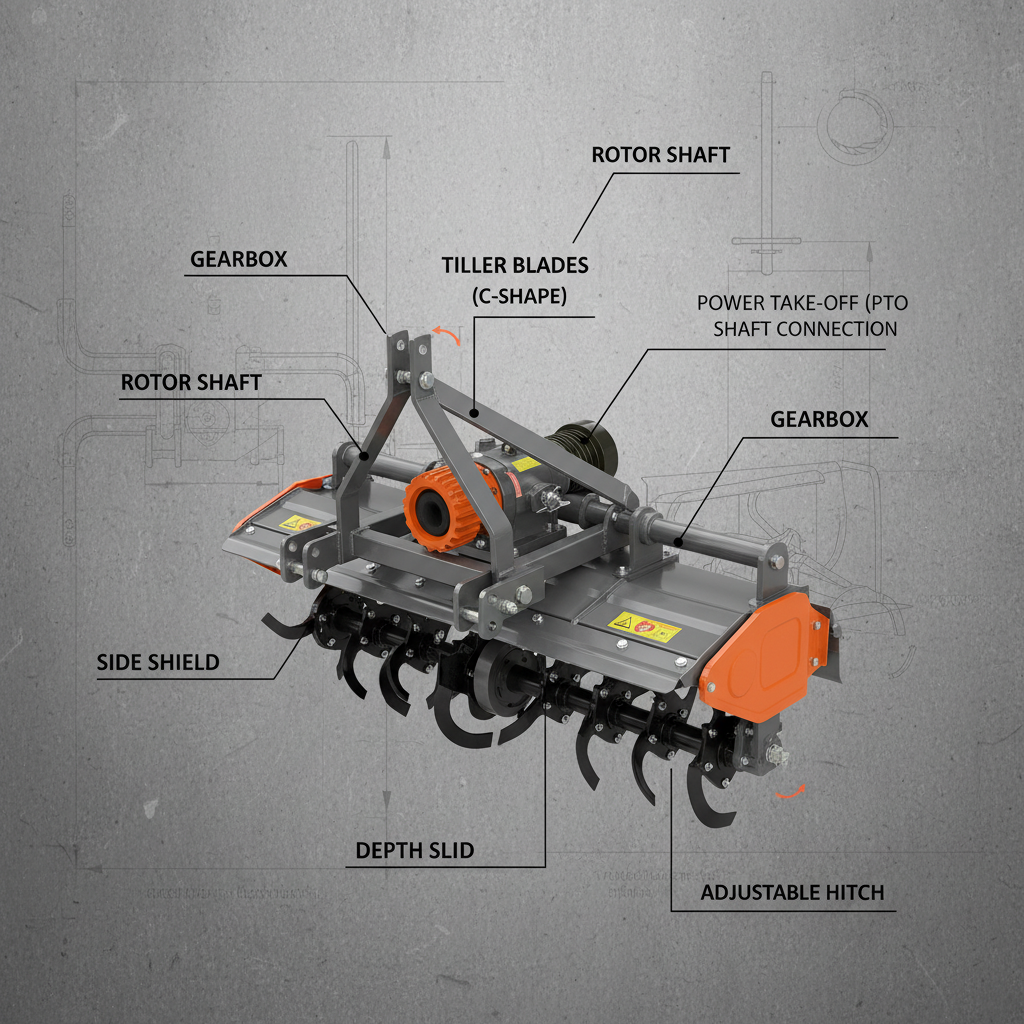
Comprehensive Guide to Agricultural Rotary Tiller Selection and Usage
An agricultural rotary tiller is an essential tool for modern farming, designed to efficiently prepare soil for planting. This powerful machinery significantly reduces labor and time compared to traditional methods. Whether you're a smallholder or manage a large-scale agricultural operation, understanding the benefits and features of a rotary tiller is crucial for maximizing productivity. Choosing the right tiller can transform your land preparation process. This article provides a detailed overview of agricultural rotary tillers, covering their uses, types, benefits, and key considerations when selecting the right model. Modern tillers are available in various sizes and configurations, catering to different farm sizes and soil conditions. Zinanmech provides a range of high-quality rotary tillers designed for optimal performance and durability. An agricultural rotary tiller, also known as a rototiller, is a motorized machine used to prepare agricultural land for cultivation. It works by using rotating blades – typically called tines – to break up, churn, and mix the soil.
>
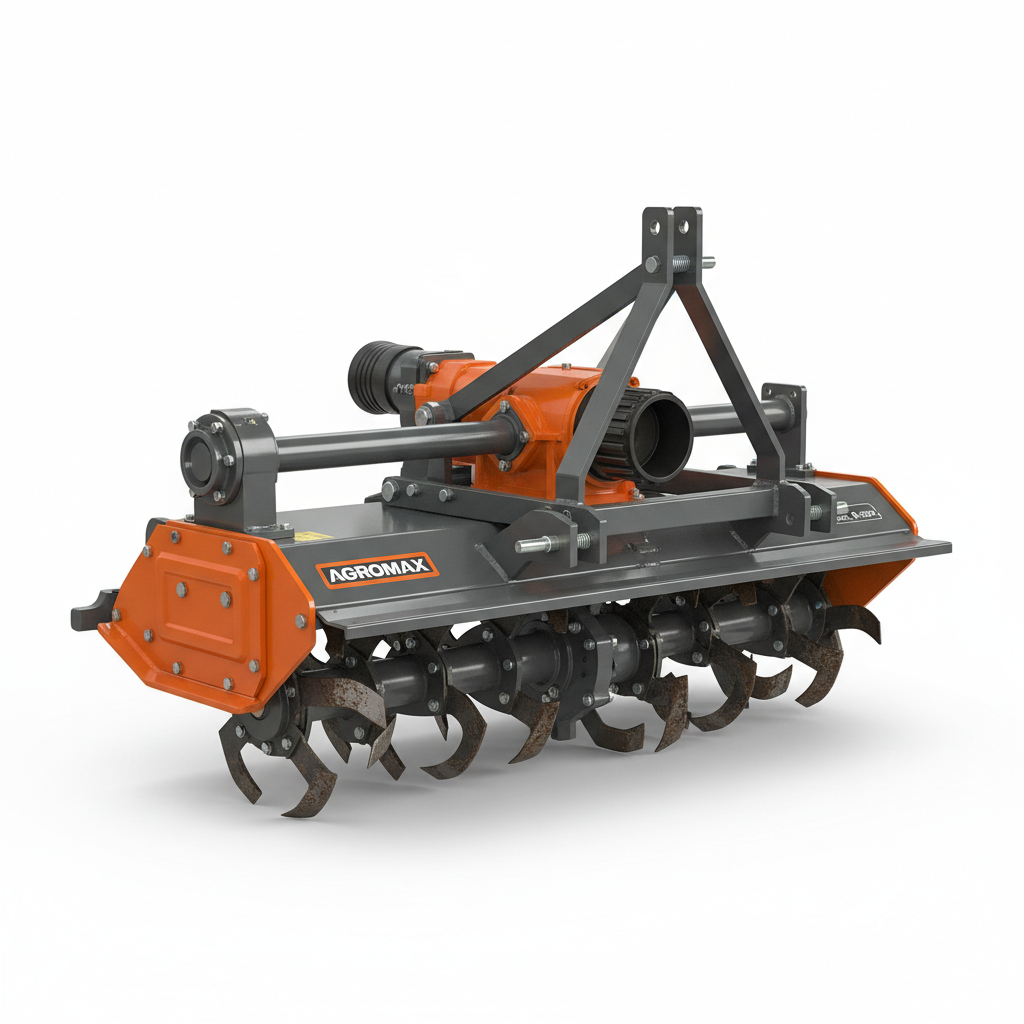
Comprehensive Guide to Selecting the Ideal Agric Rototiller for Your Farm
Selecting the right agric rototiller is crucial for efficient soil preparation and maximizing crop yields. This guide will explore the different types of rototillers, their applications, and how to choose the best model for your farming needs. We’ll cover everything from small, handheld rototillers to larger, tractor-mounted versions, helping you make an informed decision to enhance your agricultural operations. A well-chosen rototiller significantly reduces manual labor and improves soil quality. Agric rototillers come in various sizes and configurations, each suited for different farming tasks. The main types include: Front-Tine Rototillers, ideal for smaller gardens and breaking up already tilled soil; Rear-Tine Rototillers, offering more power and suitable for larger areas and tougher soil conditions; and Mid-Tine Rototillers, a versatile option for medium-sized farms. Choosing the correct type depends on your farm size, soil type, and the crops you intend to grow.
>

Unlock Farming Efficiency with a Powerful Agri Rototiller for Modern Agriculture
In today's agricultural landscape, efficiency and productivity are paramount. An agri rototiller, also known as a rotary tiller, is an invaluable tool for preparing soil for planting. This versatile machine cultivates, mixes, and levels the soil in a single pass, saving farmers significant time and effort. From small-scale farms to large agricultural operations, the benefits of using a rototiller are numerous. Investing in a quality rototiller is investing in the future success of your harvest. An agri rototiller is a motorized machine designed to break up and aerate soil using rotating blades. These blades, often called tines, churn the soil, creating a fine, even texture ideal for planting seeds or transplanting seedlings. Unlike traditional plowing, rototilling doesn't invert the soil, minimizing disruption to the soil's natural structure.
>
International layout
Spread all over the world
our products are exported to various parts of the world. Currently, our products have been exported to more than 40 countries Our products cover Asia, Europe, Africa, South America, North America, and Oceania
Sign up
for Newsletter
Subscribe to the weekly newsletter for all the latest updates