- Tel: +86 13451474678 / 13451474678
- Email: / hbzinanmech@gmail.com

Grain Harvester Guide: Global Insights, Key Features, and Future Trends
Understanding Grain Harvester: Essential Tools for Modern Agriculture
Ever thought about how the vast acres of wheat, barley, or corn you see in pictures or documentaries get gathered so efficiently? That’s where a grain harvester comes in. While it might seem just another machine, its role is vital—not only shaping agriculture but also affecting food security across the globe. Let's explore what a grain harvester is, why it matters, and what makes it an indispensable part of modern farming.
Introduction: The Global Pulse of Grain Harvesting
Globally, grain crops are the backbone of food supply. According to the UN Food and Agriculture Organization (FAO), cereals contribute to over 50% of human dietary energy worldwide. That’s a lot of bread, pasta, and rice! But harvesting these crops efficiently and sustainably has always been a challenge.
Grain harvesters address this by drastically reducing the time and labor it takes to collect ripe cereals, helping farmers maximize yield and reduce crop losses. In fact, recent statistics from the International Labour Organization underscore how mechanization, including harvesters, increases productivity by over 3 times compared to manual methods. Yet, challenges remain—like adapting machines to varied terrains, weather patterns, and smallholder farms.
What Is a Grain Harvester? Defining the Essentials
Put simply, a grain harvester is a mechanical device designed to reap, thresh, and clean grain crops like wheat, barley, oats, corn, and more. Traditionally called combines or combine harvesters, these machines combine several steps previously done separately—with sickles, threshing machines, and winnowing tools—into one streamlined operation.
This integration is more than convenience: it enables large-scale production and addresses the food demands of a growing population, which the UN estimates to reach 9.7 billion by 2050. For farmers, this means faster harvest cycles, less dependency on seasonal labor, and importantly, less wastage—vital for global food security and sustainability.
Key Components of a Grain Harvester
1. Cutting Mechanism
The harvester's header uses sharp blades or reels to cut the standing crop near the ground. This is vital because clean cutting without damaging kernels affects overall yield.
2. Threshing Drum
After cutting, the crop is fed into the threshing drum, which separates grains from stalks and husks. The design here is crucial to protect grain quality by minimizing bruising or breakage.
3. Cleaning System
The harvester uses sieves and fans to blow away chaff and debris, leaving clean grain ready for storage or processing.
4. Grain Tank & Unloading
Collected grain is stored temporarily inside a tank until it’s unloaded, either directly into transport trucks or storage facilities—a step that requires precise timing to avoid delays.
5. Mobility & Power
Engines (usually diesel but increasingly hybrid or electric) power the whole operation, while large rubber tires or tracks provide mobility, adapting to field conditions.
Product Specification: Typical Modern Grain Harvester
| Specification | Details |
|---|---|
| Engine Power | 150-350 HP (Various models) |
| Cutting Width | 4.5 - 12 meters |
| Grain Tank Capacity | 5,000 - 14,000 liters |
| Threshing Rate | Up to 6 tons/hour |
| Weight | 8,000 - 20,000 kg |
Mini takeaway: A grain harvester’s capabilities vary widely to fit everything from small farms in developing countries to huge commercial fields in the US or Europe.
Global Applications & Use Cases
From the vast wheat belts of the American Midwest to rice fields of Southeast Asia, grain harvesters are at work almost everywhere. In developed countries, advanced harvesters with GPS and telematics enable precision agriculture, optimizing yields and resource use.
Meanwhile, in emerging economies, more affordable, smaller, and durable harvesters help smallholder farmers harvest quickly before bad weather hits—critical since 60% of global rice and wheat is grown on small farms (source: World Bank).
Grain harvesters also play roles in humanitarian contexts. For example, post-disaster agricultural recovery programs in East Africa deploy lightweight harvesters to restore food production rapidly. They’re also seen in remote industrial zones where manual labor is hard to find or prohibitively expensive.
Vendor Comparison Table: Leading Grain Harvester Manufacturers
| Brand | Main Feature | Price Range (USD) | Target Users |
|---|---|---|---|
| John Deere | High-tech automation, GPS guidance | $350,000 - $550,000 | Large commercial farms |
| CLAAS | Efficient threshing systems | $300,000 - $500,000 | Commercial and medium farms |
| Zinan Mechanical (grain harvester) | Affordable, rugged, suitable for small farms | $60,000 - $120,000 | Smallholder and developing regions |
Advantages and Long-term Value of Grain Harvesters
First off, they save time—a quick harvest means farmers can beat weather risks like unexpected rains or pests. Economically, they reduce labor costs and help stabilize income by improving grain quality.
Then there’s sustainability. Modern machines aim to minimize soil compaction and fuel consumption. Plus, by reducing grain loss, they contribute indirectly to lowering food waste and expanding availability.
On a more human level, mechanization can improve working conditions—no more back-breaking harvesting under blazing sun or biting insects. This helps preserve the dignity and safety of farm workers, issues that often get overlooked.
Future Trends and Innovations in Grain Harvesting
Frankly, the trends are quite exciting. We're seeing advances like:
- Autonomous machines: Self-driving harvesters with AI guidance, reducing human oversight.
- Green tech: Hybrid or electric engines to cut greenhouse gas emissions.
- Smart sensors: Real-time crop health and moisture monitoring integrated directly into harvesters.
- Modular designs: For easier maintenance and adaptability to different crops or terrains.
These innovations promise to make harvests more precise, eco-friendly, and mobile than ever.
Challenges and Practical Solutions
Of course, it’s not all rosy. Some common hurdles include high upfront costs, complex maintenance, and the need for operator training. Moreover, in many developing regions, lack of infrastructure and spare parts can limit machine uptime.
Experts recommend approaches like:
- Promoting shared ownership or rental models to spread costs.
- Training programs tailored to local workers.
- Designing machines with simplicity and durability in mind (see Zinan Mechanical’s approach).
- Improving supply chains for parts and fuel.
FAQ: Frequently Asked Questions About Grain Harvester
- What size grain harvester is ideal for small farms?
- Smaller models with cutting widths under 5 meters and simplified controls are typically best suited for small-scale farms, offering affordability and easier maneuvering.
- How often do grain harvesters require maintenance?
- Basic maintenance like oil changes and blade sharpening should happen after every 50 hours of use. Annual servicing involves a more thorough check of belts, filters, and hydraulics.
- Can grain harvesters be used for multiple crops?
- Yes, many harvesters are designed with adjustable headers and settings to handle wheat, corn, barley, and other cereals effectively.
- How does using a grain harvester impact crop loss?
- Properly operated harvesters can reduce crop loss to under 2%, whereas manual harvesting may lose up to 10%, making machines significantly more efficient.
- Is it possible to export grain harvesters internationally?
- Absolutely—many manufacturers offer international shipping and comply with various regional regulations, but import duties and local support should be considered.
Conclusion
Long story short, the grain harvester isn’t just a farm tool; it’s a vital partner in feeding the world reliably and sustainably. Whether it’s through cutting-edge AI-powered combines or affordable, rugged machines fit for small farms, the goal remains the same: to help bring the harvest home more efficiently and safely.
If you want to explore grain harvesters tailored to your needs, be sure to check out Zinan Mechanical’s grain harvester solutions. Their expertise in balancing innovation with practicality is well worth a look.
In the end, mastering grain harvesting means understanding the nuances of your land, crop, and climate—and choosing the machine that fits your story.
Mini takeaway: Grain harvesters are evolving fast, and their future is bright — for farmers, consumers, and our planet alike.
References

Related Products
-
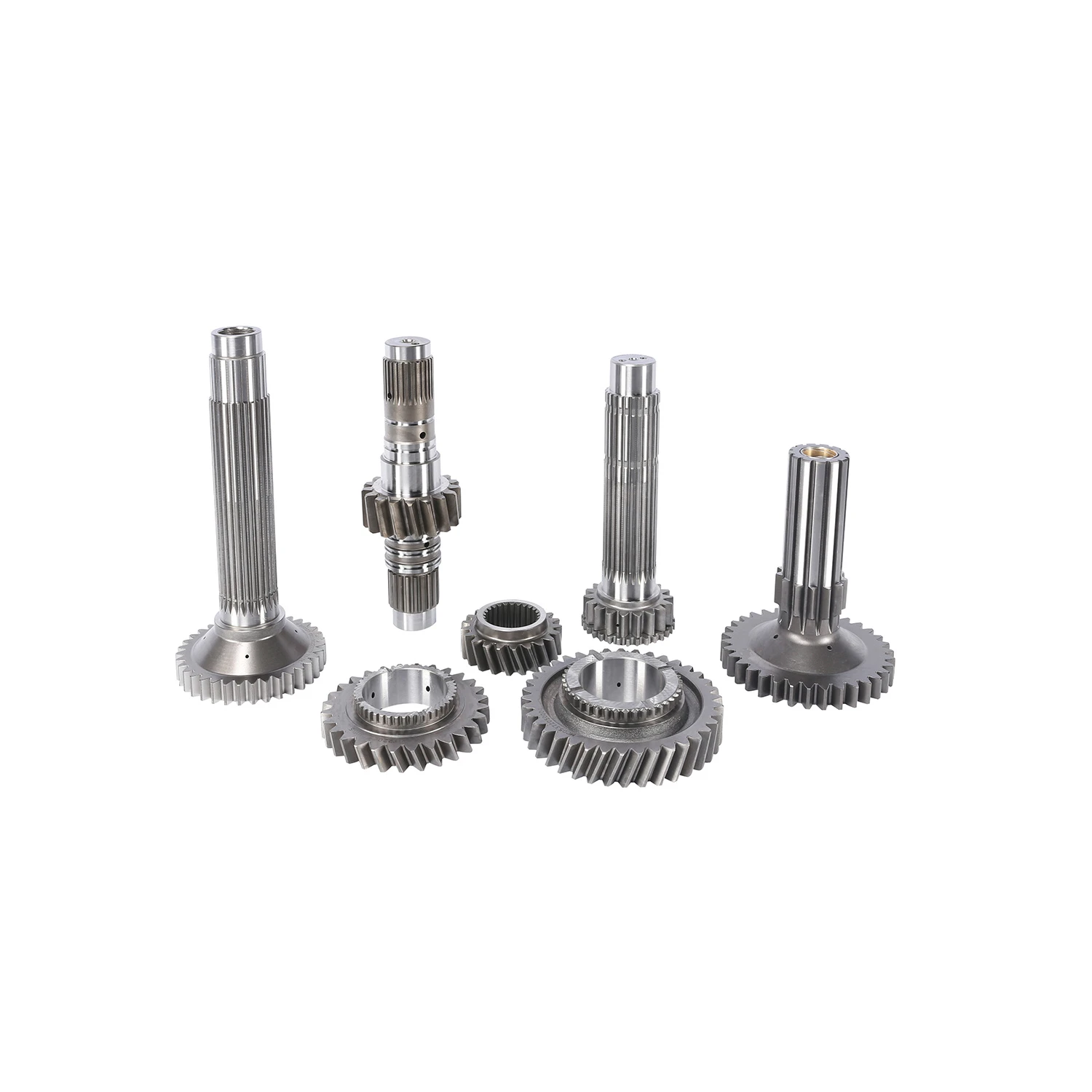 Tractor Gear Shaft
The tractor gear shaft is a crucial element in the power transmission system of a tractor. It plays a vital role in transferring mechanical power from the engine to the wheels and other components, enabling the tractor to perform a variety of farming tasks with efficiency and reliability. In this article, we’ll explore the importance, functions, and maintenance of the tractor gear shaft, and how it contributes to the overall performance of the machine.
-
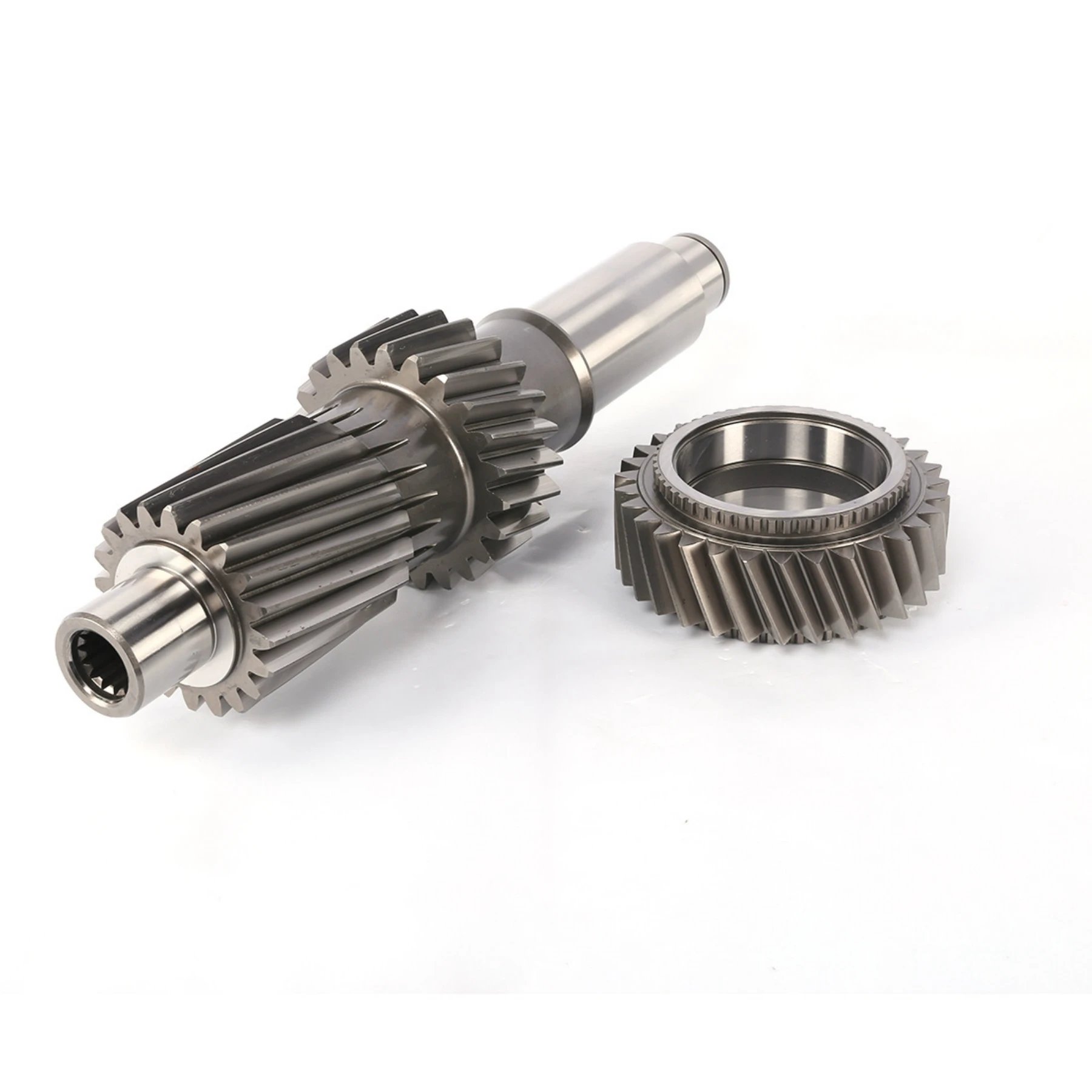 Transmission Gear
Power transmission: the engine operation drives the input gear on the input shaft to rotate, the input gear engages with other gears, and relies on the interaction between teeth and teeth to transfer the power to the intermediate gear (if any) and the output gear, and finally transfers the power to the driving wheel and other components through the output shaft to make the vehicle or equipment move.
Variable speed principle: Change the transmission ratio by meshing gears with different numbers of teeth. For example, when the big gear drives the small gear, the speed of the small gear will be faster than the big gear, but the output torque will be smaller, to achieve growth and torque reduction; On the contrary, when the pinion drives the big gear, the speed of the big gear slows down, the torque increases, and the torque increases. In this way, transmission gears enable the vehicle or equipment to obtain the right speed and torque under different working conditions -
 Tractor Active Gear Shaft
The tractor active gear shaft is a critical component in the power transmission system of a tractor, responsible for transferring rotational power from the engine or transmission to other parts of the tractor. By efficiently distributing torque and enabling smooth gear shifts, the active gear shaft plays a vital role in enhancing the performance and versatility of the tractor, making it essential for a wide range of agricultural tasks. In this article, we’ll explore the function, benefits, and maintenance of the tractor active gear shaft.
-
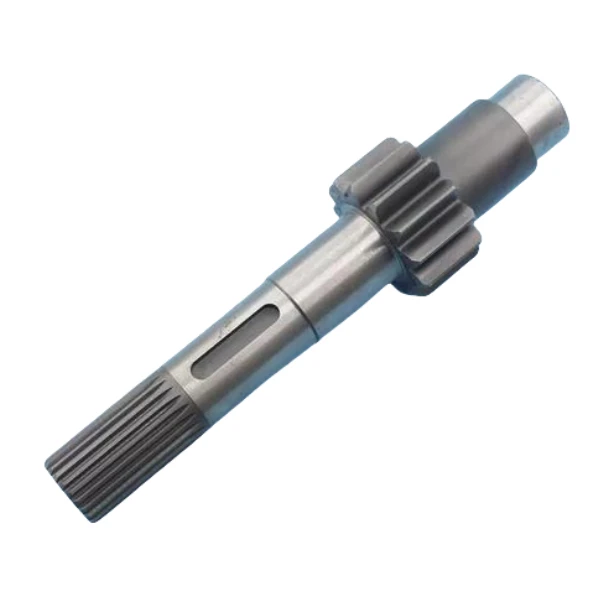 Harvester Input Shaft
The main role of the harvester input shaft is to introduce the power of the external power source into the internal transmission system of the harvester. When the power source (such as an engine) is running, the torque generated is transmitted to the input shaft through the connecting parts, causing the input shaft to start rotating. The gear, pulley or sprocket and other transmission parts installed on the input shaft will rotate with the rotation of the input shaft, and then transfer the power to the subsequent transmission parts and working parts, such as driving the cutting device, conveying device, threshing device, etc., to complete the crop harvesting, conveying, threshing and other work processes.
Related News
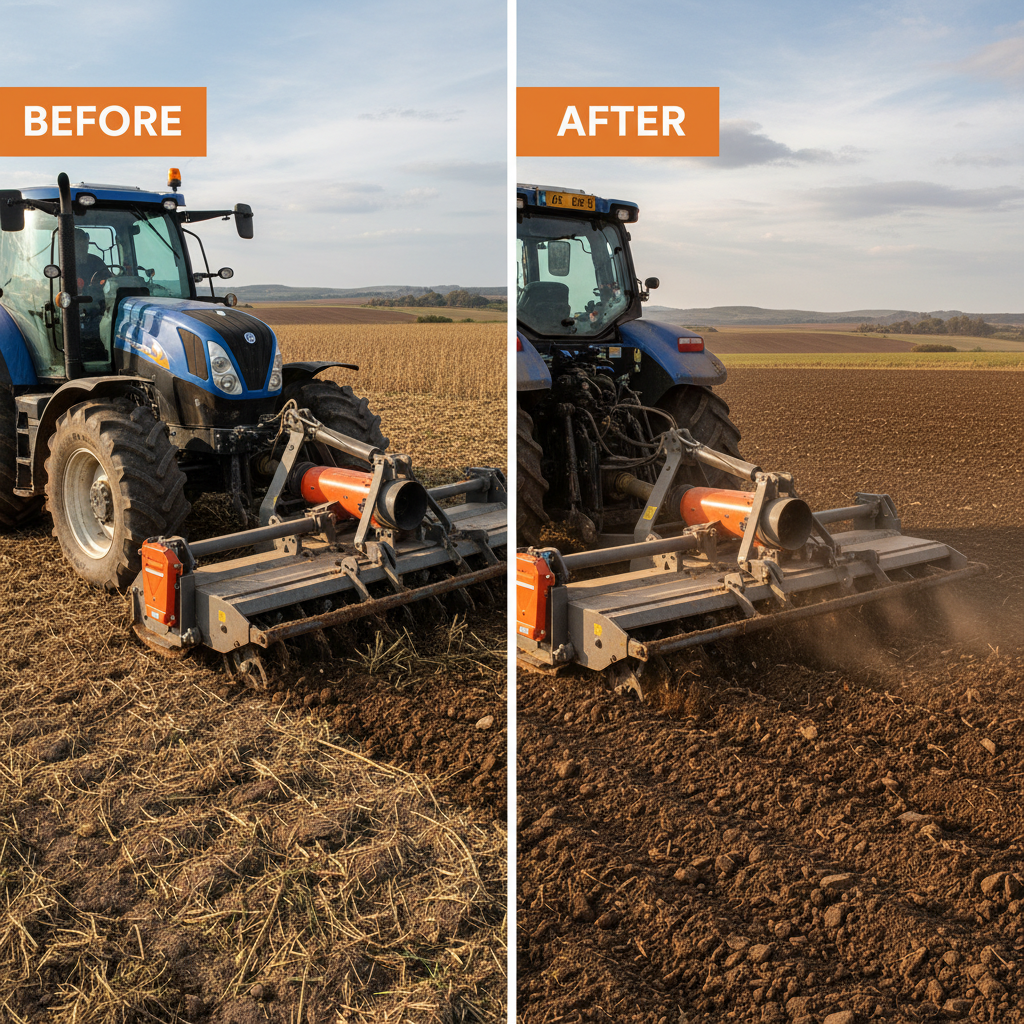
Professional Heavy Duty Tiller for Tractor for Soil Productivity
Achieving the perfect seedbed is the foundation of any successful harvest. For farmers dealing with compacted soil, stubborn crop residue, or expansive acreage, a standard rototiller often falls short. This is where a heavy duty tiller for tractor becomes an essential investment. These robust machines are engineered to penetrate deep into the earth, breaking up hardpan and aerating the soil with unmatched efficiency. By integrating a professional-grade tiller into your machinery lineup, you can significantly reduce preparation time and improve crop yield. In this guide, we will explore the technical advantages, selection criteria, and maintenance tips for choosing the right heavy-duty tilling solution.
>
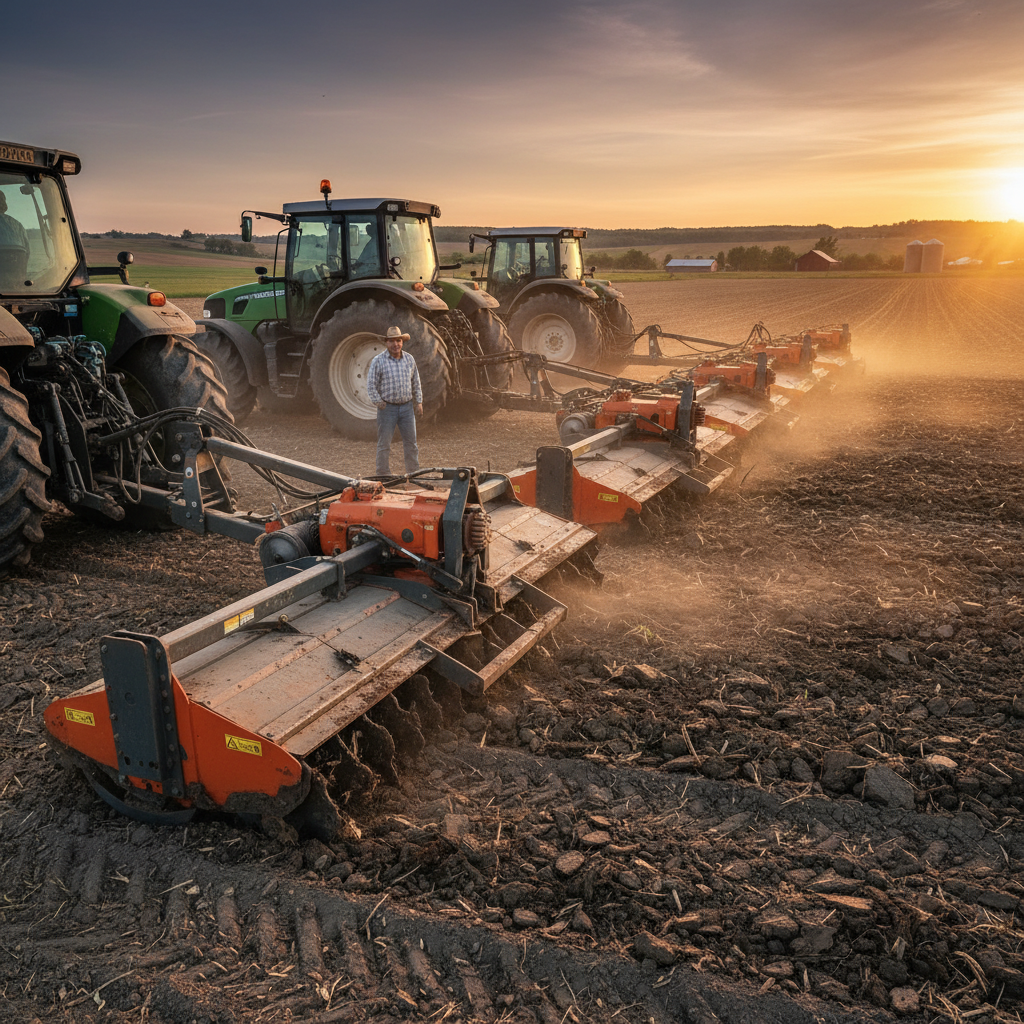
Maximizing Land Productivity with Professional Heavy Duty Tillers
For professional farmers and landscaping contractors, the quality of soil preparation determines the success of the entire growing season. Investing in high-performance heavy duty tillers is essential for breaking through compacted earth, removing stubborn weeds, and integrating organic matter deeply into the soil. Unlike standard garden cultivators, these industrial-grade machines are engineered to handle vast acreages and the most challenging terrain without compromising efficiency. In this guide, we will explore how choosing the right equipment can transform your agricultural output and streamline your land management process.
>
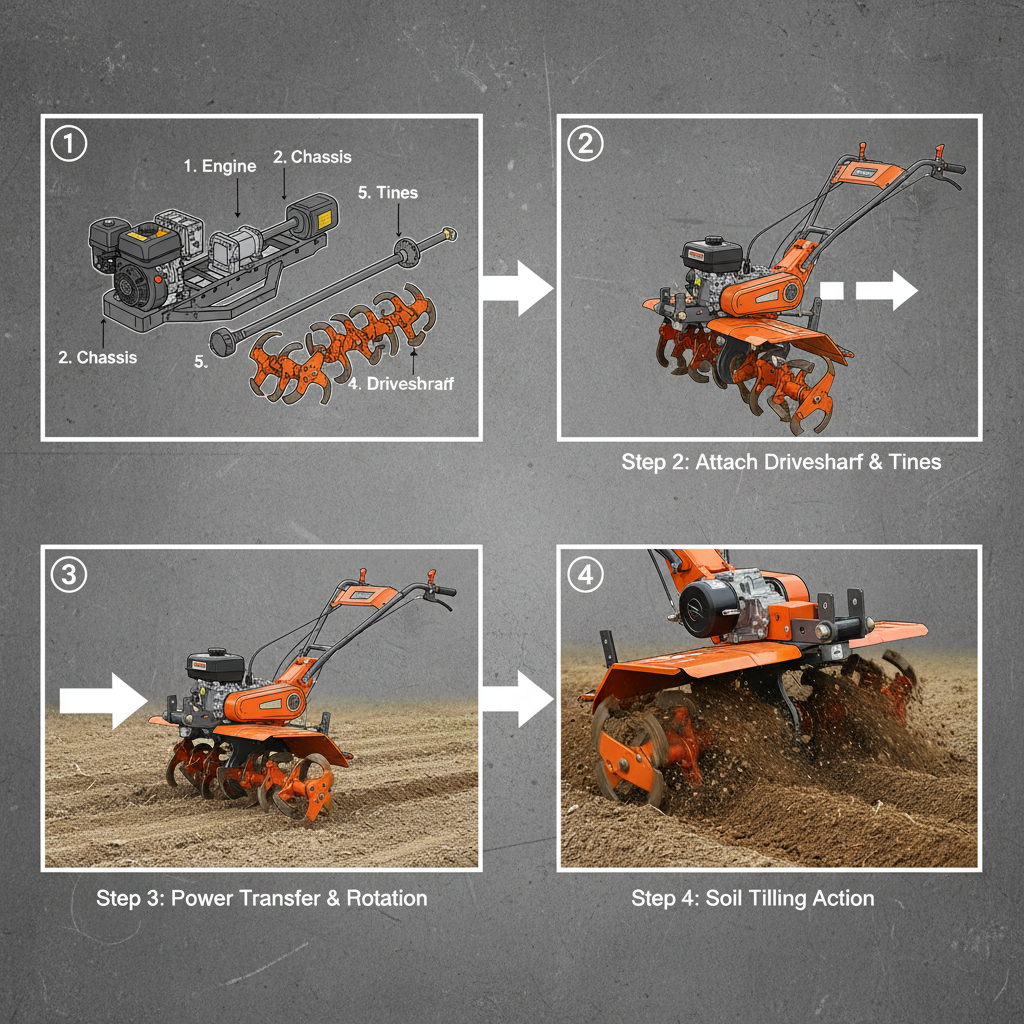
Choosing the Best Heavy Duty Rototiller for Efficient Land Preparation
A heavy duty rototiller is an invaluable tool for anyone involved in serious gardening, small-scale farming, or land preparation. Whether you're breaking new ground, maintaining existing garden beds, or preparing for planting, the right rototiller can significantly reduce labor and improve efficiency. However, with numerous options available, selecting the best model requires careful consideration. This article will guide you through the key factors to consider when purchasing a heavy-duty rototiller, helping you make an informed decision. ZinanMech offers a wide range of rototillers to suit various needs.
>
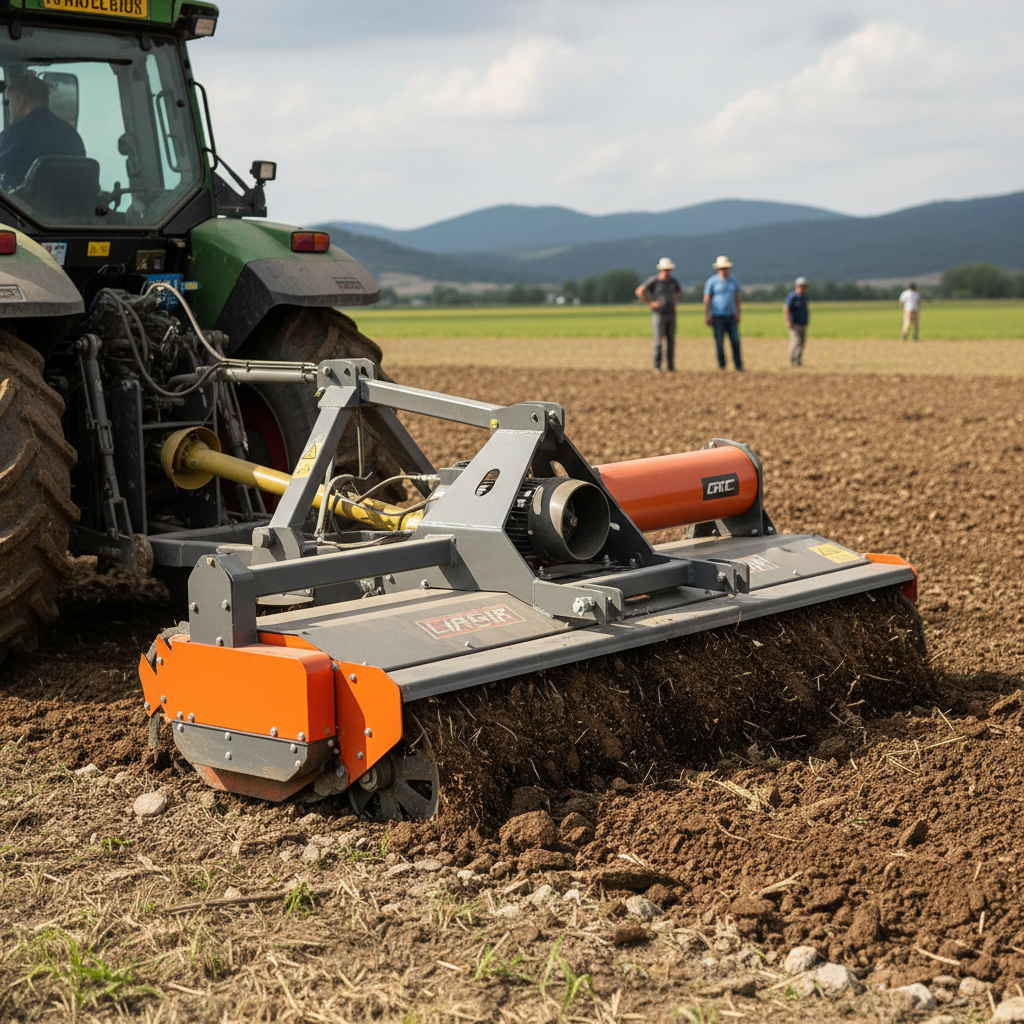
Comprehensive Guide to Heavy Duty Rotary Tiller Selection and Application
When it comes to land preparation, a heavy duty rotary tiller is an invaluable tool. This robust machinery excels at breaking up compacted soil, creating a fine seedbed, and incorporating organic matter. This article dives deep into the world of heavy duty rotary tillers, covering their benefits, applications, key features, and how to choose the right one for your needs. Whether you're a farmer, landscaper, or large-scale gardener, understanding these tillers is essential for efficient and effective soil management.
>
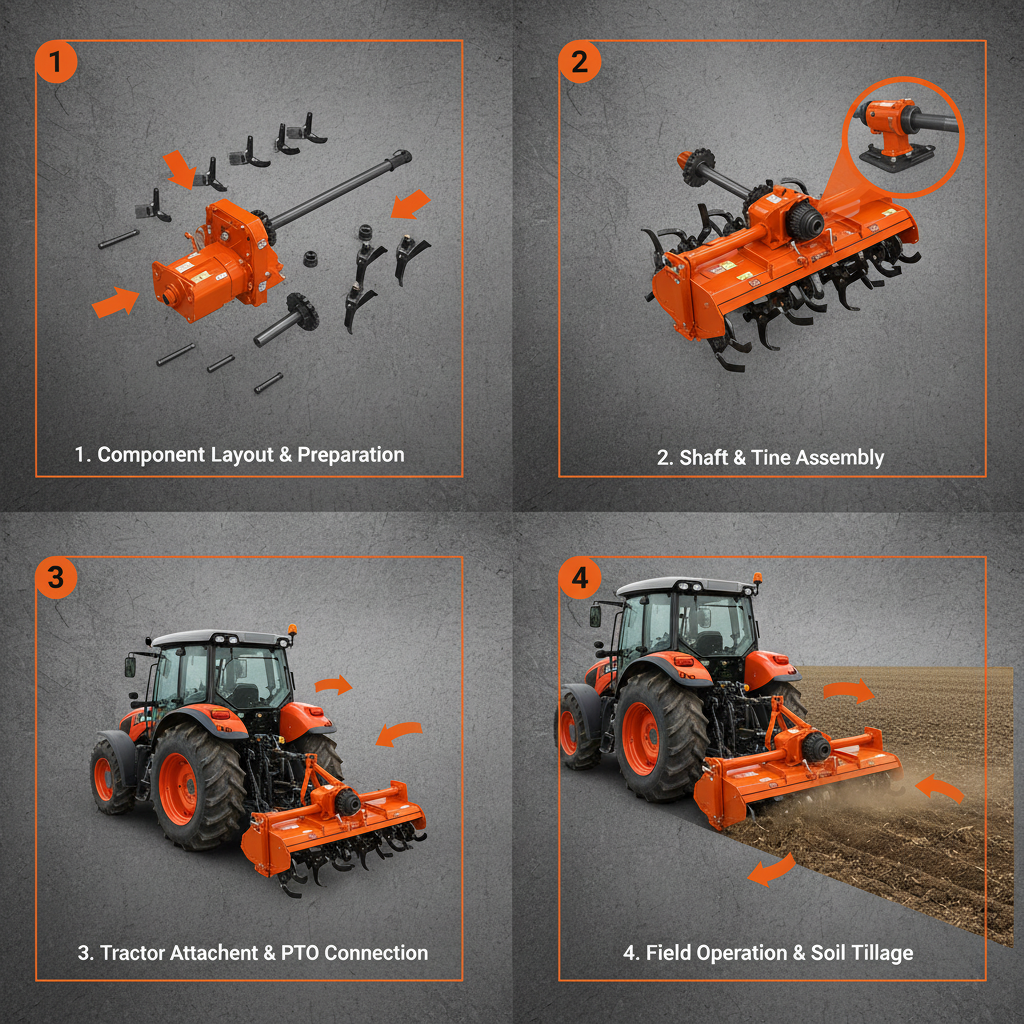
Comprehensive Guide to Selecting the Ideal Farm Tractor Tiller for Your Needs
Selecting the ideal farm tractor tiller is crucial for efficient soil preparation and maximizing agricultural yields. With a diverse range of models available, understanding your needs and the features offered by different tillers is paramount. This article provides a detailed overview of farm tractor tillers, covering their types, benefits, key considerations, and how to choose the right one for your specific farming operation. Proper tillage significantly impacts seedbed quality, weed control, and ultimately, crop performance.
>
Boost Farm Productivity with a High Performance Farm Pro Rotary Tiller
Are you looking to enhance your agricultural productivity and streamline your soil preparation process? A Farm Pro rotary tiller is an invaluable investment for farmers of all scales. This article delves into the benefits, features, applications, and considerations when choosing the right rotary tiller for your farm. We’ll explore how this machinery can significantly reduce labor costs and improve soil quality, ultimately leading to higher yields. From small hobby farms to large-scale commercial operations, a Farm Pro tiller offers a robust and efficient solution for a variety of tilling needs.
>
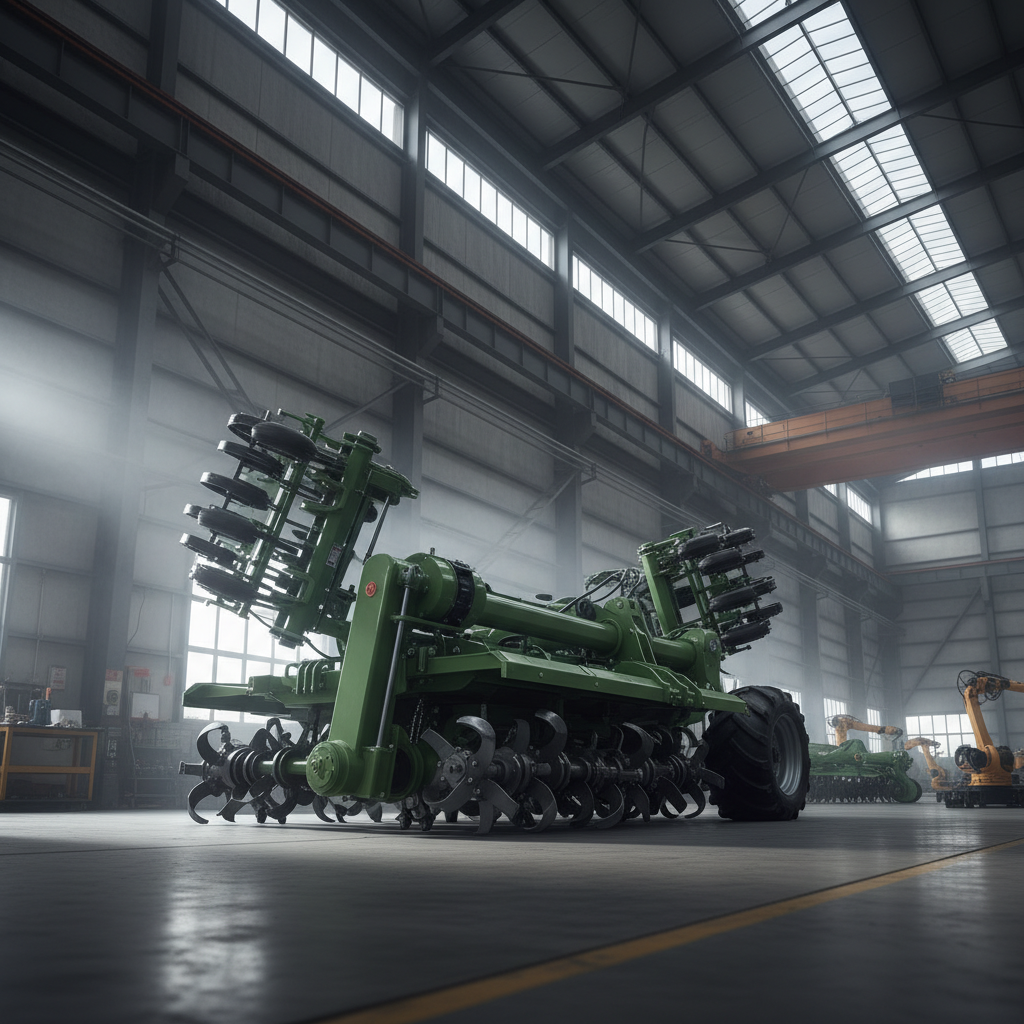
Unlock Farming Efficiency with a Powerful Agricultural Tiller Solution
In the world of farming and gardening, efficiency and productivity are key. An agricultural tiller is a vital piece of equipment that streamlines soil preparation, saving time and labor. This article dives deep into the world of tillers, exploring their types, benefits, how to choose the right one, and the quality solutions offered by Zinanmech. We’ll cover everything from small garden tillers to heavy-duty agricultural models, ensuring you have the knowledge to make an informed decision. An agricultural tiller, also known as a rotary tiller, is a motorized machine used to break up and cultivate soil. Unlike manual digging or plowing, tillers use rotating blades to loosen the soil, creating a fine, even tilth that's ideal for planting. This process improves soil aeration, drainage, and nutrient availability, leading to healthier plant growth.
>
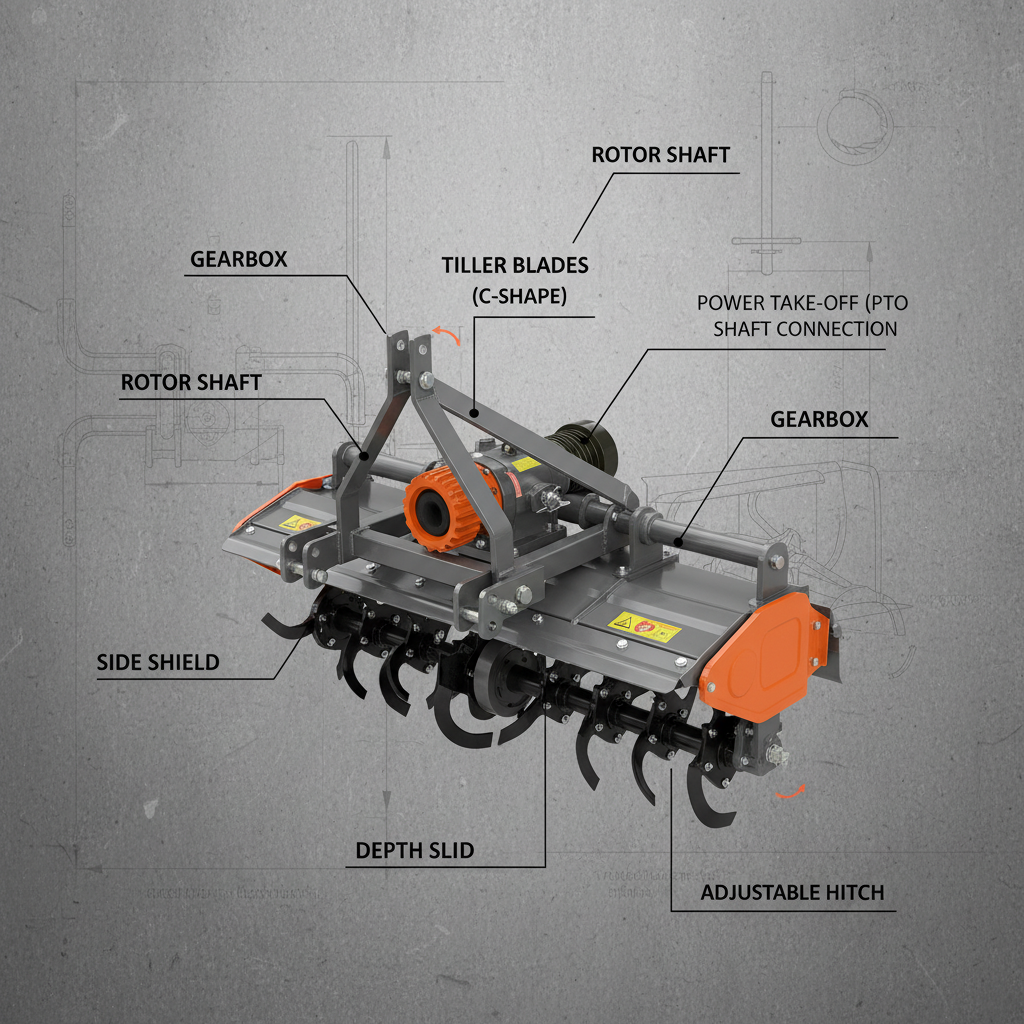
Comprehensive Guide to Agricultural Rotary Tiller Selection and Usage
An agricultural rotary tiller is an essential tool for modern farming, designed to efficiently prepare soil for planting. This powerful machinery significantly reduces labor and time compared to traditional methods. Whether you're a smallholder or manage a large-scale agricultural operation, understanding the benefits and features of a rotary tiller is crucial for maximizing productivity. Choosing the right tiller can transform your land preparation process. This article provides a detailed overview of agricultural rotary tillers, covering their uses, types, benefits, and key considerations when selecting the right model. Modern tillers are available in various sizes and configurations, catering to different farm sizes and soil conditions. Zinanmech provides a range of high-quality rotary tillers designed for optimal performance and durability. An agricultural rotary tiller, also known as a rototiller, is a motorized machine used to prepare agricultural land for cultivation. It works by using rotating blades – typically called tines – to break up, churn, and mix the soil.
>
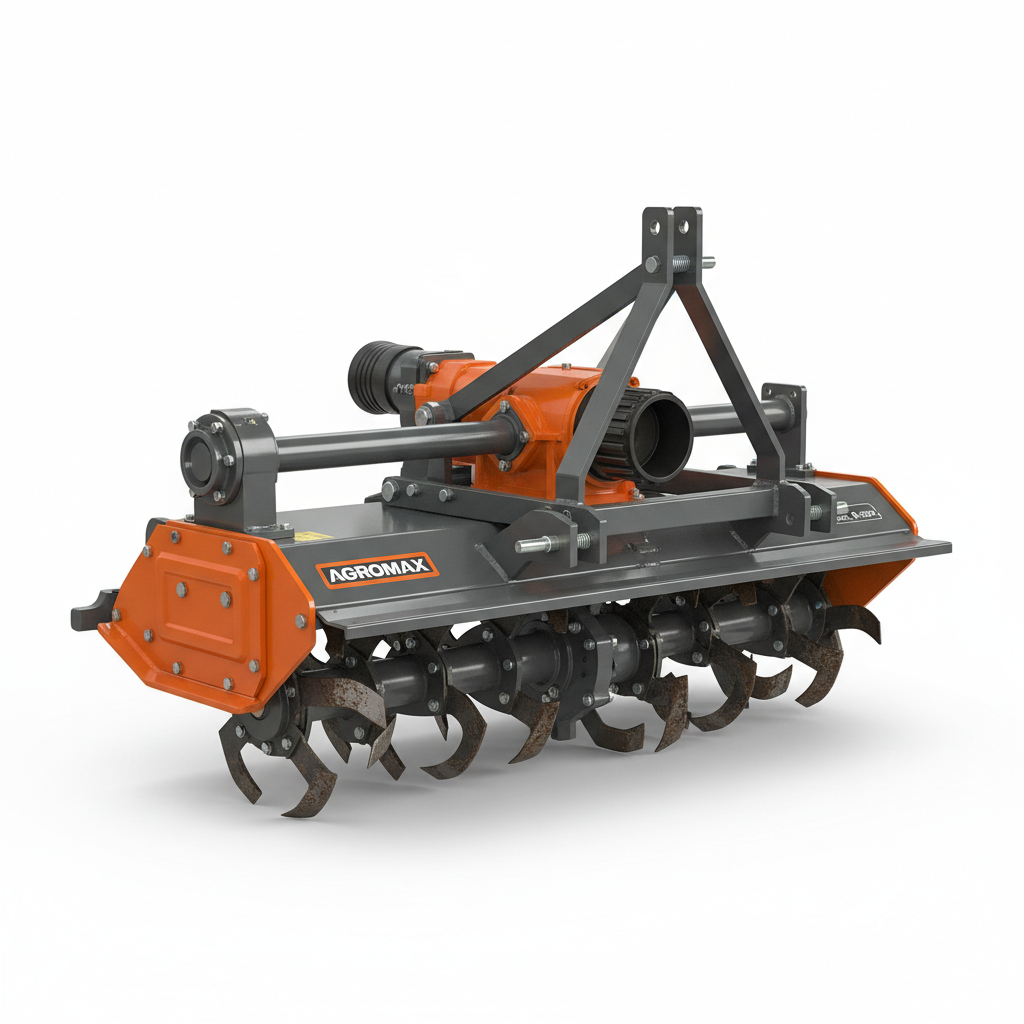
Comprehensive Guide to Selecting the Ideal Agric Rototiller for Your Farm
Selecting the right agric rototiller is crucial for efficient soil preparation and maximizing crop yields. This guide will explore the different types of rototillers, their applications, and how to choose the best model for your farming needs. We’ll cover everything from small, handheld rototillers to larger, tractor-mounted versions, helping you make an informed decision to enhance your agricultural operations. A well-chosen rototiller significantly reduces manual labor and improves soil quality. Agric rototillers come in various sizes and configurations, each suited for different farming tasks. The main types include: Front-Tine Rototillers, ideal for smaller gardens and breaking up already tilled soil; Rear-Tine Rototillers, offering more power and suitable for larger areas and tougher soil conditions; and Mid-Tine Rototillers, a versatile option for medium-sized farms. Choosing the correct type depends on your farm size, soil type, and the crops you intend to grow.
>
Unlock Farming Efficiency with a Powerful Agri Rototiller for Modern Agriculture
In today's agricultural landscape, efficiency and productivity are paramount. An agri rototiller, also known as a rotary tiller, is an invaluable tool for preparing soil for planting. This versatile machine cultivates, mixes, and levels the soil in a single pass, saving farmers significant time and effort. From small-scale farms to large agricultural operations, the benefits of using a rototiller are numerous. Investing in a quality rototiller is investing in the future success of your harvest. An agri rototiller is a motorized machine designed to break up and aerate soil using rotating blades. These blades, often called tines, churn the soil, creating a fine, even texture ideal for planting seeds or transplanting seedlings. Unlike traditional plowing, rototilling doesn't invert the soil, minimizing disruption to the soil's natural structure.
>
International layout
Spread all over the world
our products are exported to various parts of the world. Currently, our products have been exported to more than 40 countries Our products cover Asia, Europe, Africa, South America, North America, and Oceania
Sign up
for Newsletter
Subscribe to the weekly newsletter for all the latest updates