- Tel: +86 13451474678 / 13451474678
- Email: / hbzinanmech@gmail.com

Great Plains No Till Seeder - Sustainable Farming Innovation & Precision Planting
Exploring the Great Plains No Till Seeder: Precision Planting for the Future
Across vast stretches of farmland, especially in the Great Plains region of North America, a quiet revolution is happening. The great plains no till seeder is transforming traditional planting in ways that not only boost productivity but also nurture the soil itself. It’s fascinating because this tool addresses a global challenge: sustainable agriculture amidst growing environmental concerns and food demands.
Why does it matter on a global scale? Well, the UN Food and Agriculture Organization notes that soil degradation threatens almost a third of the world’s arable land. Enter no-till farming, and specifically, the great plains no till seeder — a piece of kit designed to reduce soil erosion, conserve moisture, and speed up planting without disturbing the earth. Understanding this seeder means understanding a key lever in feeding the world sustainably, literally from the ground up.
Introduction: Context on a Global Stage
Globally, agriculture is at a crossroads; climate change, shifting weather patterns, and the pressing need to increase food output have pushed farmers to rethink old practices. Data from the World Bank shows that countries adopting conservation agriculture techniques, including no-till planting, often see yields rise while reducing inputs like water and fuel. The great plains no till seeder epitomizes this shift—allowing farmers in regions known for vast crop production to plant efficiently, reduce runoff, and safeguard soil health. Yet challenges persist, such as access to technology and upfront costs, which this seeder type seeks to lessen.
Defining the Great Plains No Till Seeder
So, what is a great plains no till seeder exactly? In simple terms, it’s a specialized farming tool designed to plant seeds directly into undisturbed soil. Unlike traditional plowing methods, no till seeders slice small furrows — just enough to place seeds at ideal depth — and then cover them back up. For the Great Plains area, known for its extensive wheat, corn, and soybean fields, this means planting can happen faster and with less soil disruption, which conserves moisture and organic matter.
It’s more than just farming tech; it’s a vital connection between modern agricultural needs and pressing humanitarian goals, such as food security and climate resilience.
Core Components of the Great Plains No Till Seeder
Durability and Build Quality
Given the tough soil conditions of the Great Plains—often compacted and sometimes rocky—the seeders feature heavy-duty steel openers built to slice through residue without clogging or bending. It’s the kind of ruggedness that farmers swear by for multi-year reliability.
Seed Placement Accuracy
One of the defining features is precision. The seeders use adjustable row spacing and depth controls to ensure every kernel is planted exactly where it should be—key to maximizing germination and yield.
Scalability and Versatility
These seeders range from smaller models suitable for limited acreage to large multi-row setups that can cover hundreds of acres quickly. This flexibility means both family farms and large operations can benefit.
Cost Efficiency
By reducing fuel consumption and minimizing soil disturbance, no till seeders help farmers lower operational costs while promoting soil health. The up-front investment can seem steep, but in real terms, many find it pays off within a few seasons.
Technology Integration
Modern Great Plains no till seeders often include optional seed monitoring sensors and hydraulic controls, which improve real-time planting feedback—a nod towards digital farming trends.
Product Specification Table
| Specification | Details |
|---|---|
| Model | GPS-800 |
| Row Spacing | 10” to 30” adjustable |
| Openers | Heavy-duty double-disc |
| Capacity | 2000 lbs seed hopper |
| Weight | 5000 lbs |
| Technology | Optional GPS guidance, seed monitors |
Global Applications & Use Cases
This farming technology is hardly limited to the Great Plains alone. In fact, conservation agriculture practices that include no-till seeders have spread worldwide—from the Canadian prairies to the pampas of Argentina, and even parts of Australia. Sustainable farming organizations and government agencies promote these seeders to reduce soil erosion—a problem acute in many semi-arid and drought-prone regions.
In post-drought areas of Kansas, farmers have turned to no till seeders to quickly re-establish cover crops with minimal water loss. Elsewhere, NGOs working with smallholder farmers in Eastern Europe are introducing scaled-down versions to boost yield without expensive inputs.
Here’s a quick takeaway: The great plains no till seeder isn’t just a local tool; it’s a global asset in promoting climate-smart agriculture.
Vendor Comparison Table
| Vendor | Price Range | Technology Features | Service & Support |
|---|---|---|---|
| Great Plains | $15,000 - $45,000 | Advanced seed metering, GPS ready | Nationwide dealer network |
| John Deere | $20,000 - $55,000 | Integrated precision agriculture | Extensive global support |
| Case IH | $18,000 - $50,000 | Variable-rate seeding tech | Strong regional presence |
Advantages & Lasting Value
The benefits, frankly, can’t be overstated. No till seeders like those from Great Plains reduce fuel usage by avoiding plowing, improve soil health by retaining organic matter, and protect against erosion. Many farmers also report better moisture retention during drier seasons, which translates into more reliable harvests. On an emotional level, using this technology fosters a sense of stewardship and pride—working with the earth, not against it.
In social terms, no till methods help farmers remain viable over generations. This reliability builds trust within communities and even inspires next-gen farmers to innovate further.
Future Trends & Innovations
Looking ahead, several exciting trends are poised to enhance no till seeders. Automated systems that adjust seeding rates on the fly using AI sensors are gaining traction, while integration with drones and satellite imagery is improving crop monitoring. Material innovations aim to reduce the weight of seeders without sacrificing strength, improving fuel efficiency. Plus, as renewable energy drives farming machinery, battery-powered options may eventually replace diesel tractors altogether, making the no till process greener than ever.
Common Challenges & Innovative Solutions
It’s not all smooth sailing. High initial costs and required technical know-how can deter small farmers. Some soil types are also more challenging for no till planting — compacted clays, for example, may require occasional tilling. To tackle these issues, leasing programs, government subsidies, and enhanced user training are helping broaden adoption. Engineers are also refining designs aimed specifically at difficult conditions.
FAQ: Frequently Asked Questions About Great Plains No Till Seeders
- Q: Can no till seeders handle heavy crop residues?
A: Yes, the great plains no till seeders are built with robust openers that slice through heavy residue, ensuring proper seed placement without clogging. - Q: How does no till planting impact long-term soil health?
A: No till preserves soil structure and organic content by reducing disturbance, which improves moisture retention and microbial activity over time. - Q: Are these seeders suitable for small-scale farms?
A: Absolutely. There are scaled-down models designed for smaller plots; plus, leasing options can help mitigate upfront costs. - Q: What maintenance is required?
A: Routine checks of discs, seed meters, and calibration are essential. Fortunately, parts are widely available due to the seeder’s popularity. - Q: How does no till planting adapt to changing climate conditions?
A: By preserving soil moisture and reducing erosion, it helps crops better withstand droughts and heavy rains—key in an era of climate unpredictability.
Conclusion
It might seem like just a clever piece of agricultural equipment, but the great plains no till seeder is really emblematic of a broader shift towards more responsible farming, sustainability, and innovation. Whether you're a farmer in Kansas or an agronomist advising communities abroad, understanding the benefits and applications of no till seeding matters. Interested in learning more or investing into this kind of future-focused farming? Visit our website: great plains no till seeder for comprehensive options and expert advice.
Oddly enough, it feels like the smallest seed can often tell the biggest story—in this case, one of hope, resilience, and forward thinking.
References

Related Products
-
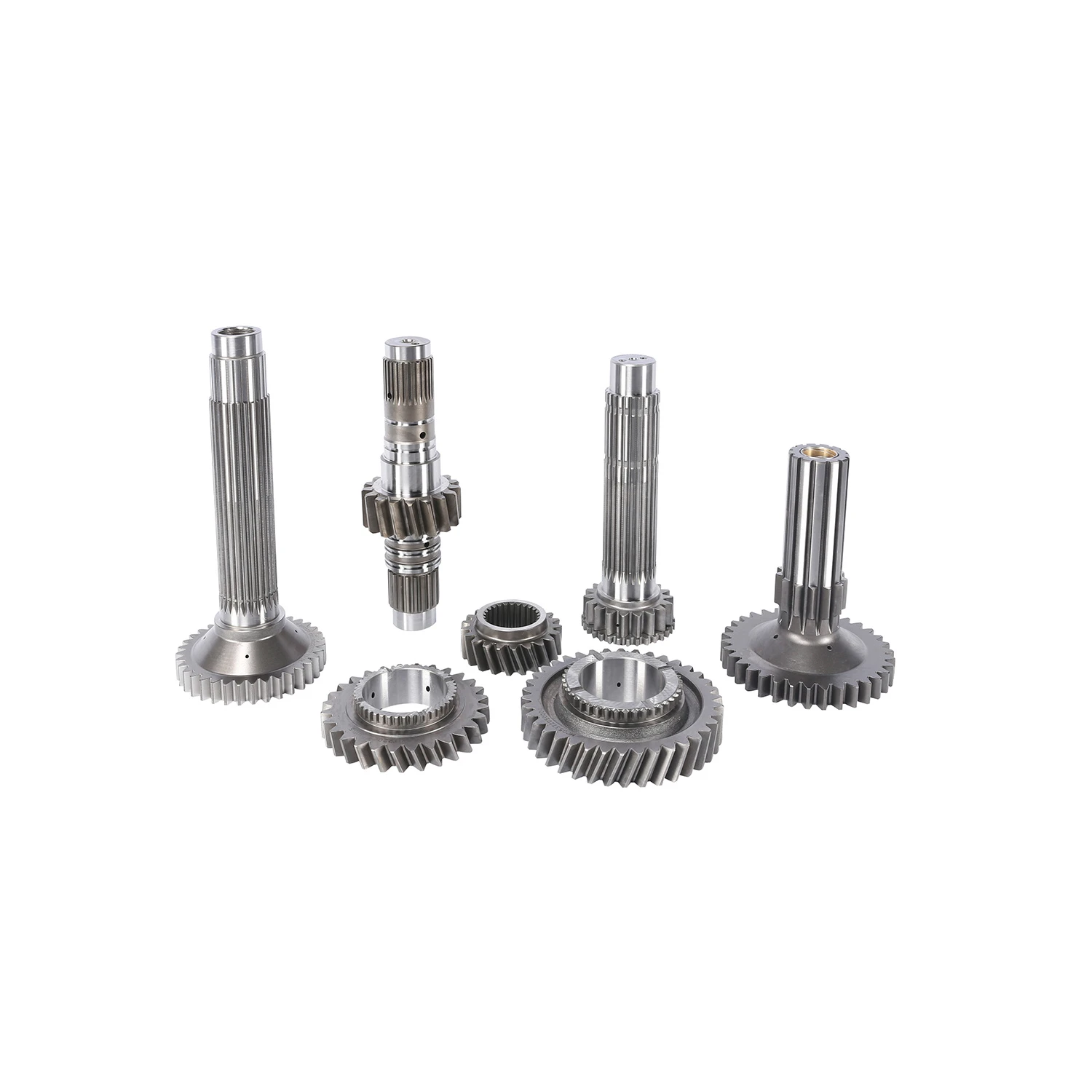 Tractor Gear Shaft
The tractor gear shaft is a crucial element in the power transmission system of a tractor. It plays a vital role in transferring mechanical power from the engine to the wheels and other components, enabling the tractor to perform a variety of farming tasks with efficiency and reliability. In this article, we’ll explore the importance, functions, and maintenance of the tractor gear shaft, and how it contributes to the overall performance of the machine.
-
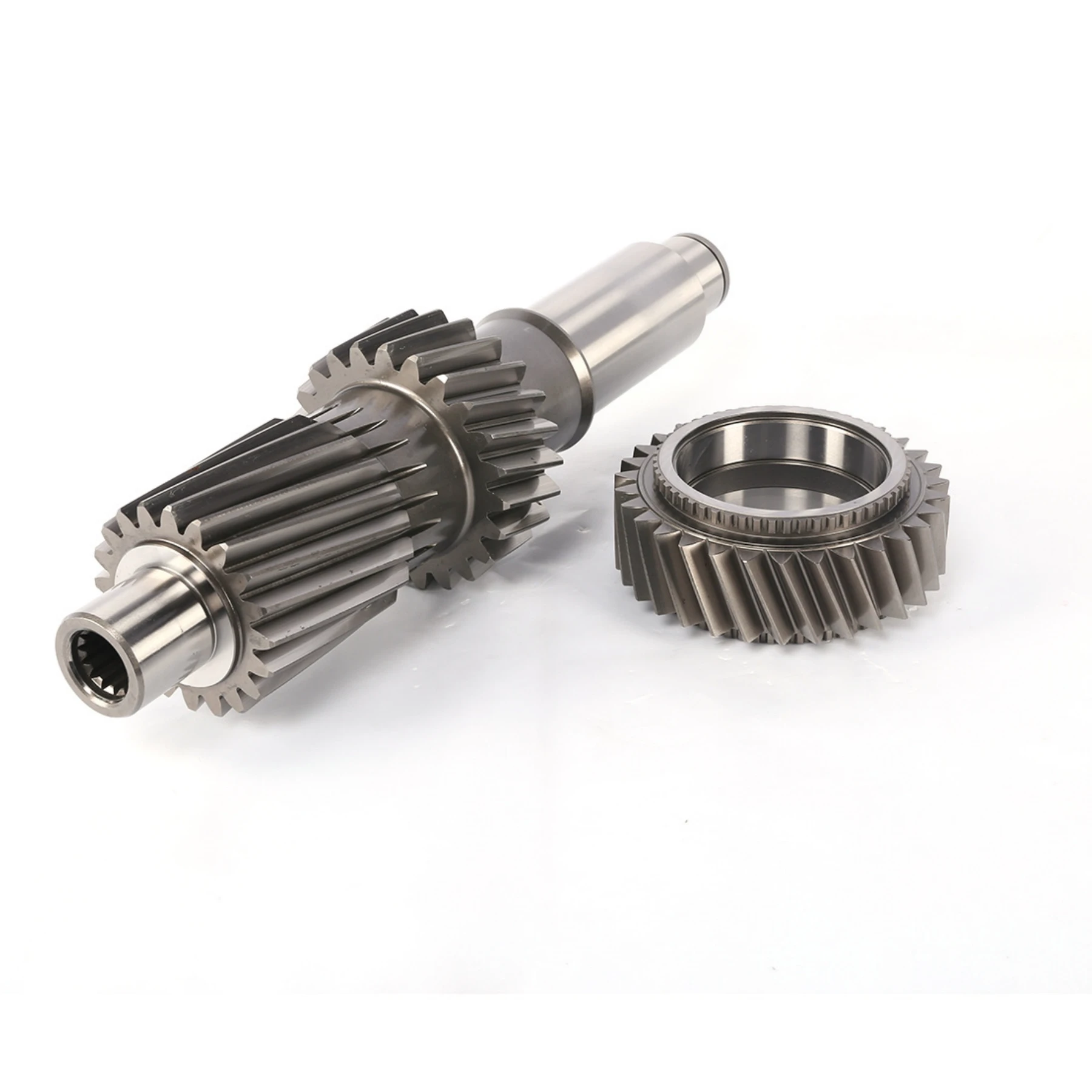 Transmission Gear
Power transmission: the engine operation drives the input gear on the input shaft to rotate, the input gear engages with other gears, and relies on the interaction between teeth and teeth to transfer the power to the intermediate gear (if any) and the output gear, and finally transfers the power to the driving wheel and other components through the output shaft to make the vehicle or equipment move.
Variable speed principle: Change the transmission ratio by meshing gears with different numbers of teeth. For example, when the big gear drives the small gear, the speed of the small gear will be faster than the big gear, but the output torque will be smaller, to achieve growth and torque reduction; On the contrary, when the pinion drives the big gear, the speed of the big gear slows down, the torque increases, and the torque increases. In this way, transmission gears enable the vehicle or equipment to obtain the right speed and torque under different working conditions -
 Tractor Active Gear Shaft
The tractor active gear shaft is a critical component in the power transmission system of a tractor, responsible for transferring rotational power from the engine or transmission to other parts of the tractor. By efficiently distributing torque and enabling smooth gear shifts, the active gear shaft plays a vital role in enhancing the performance and versatility of the tractor, making it essential for a wide range of agricultural tasks. In this article, we’ll explore the function, benefits, and maintenance of the tractor active gear shaft.
-
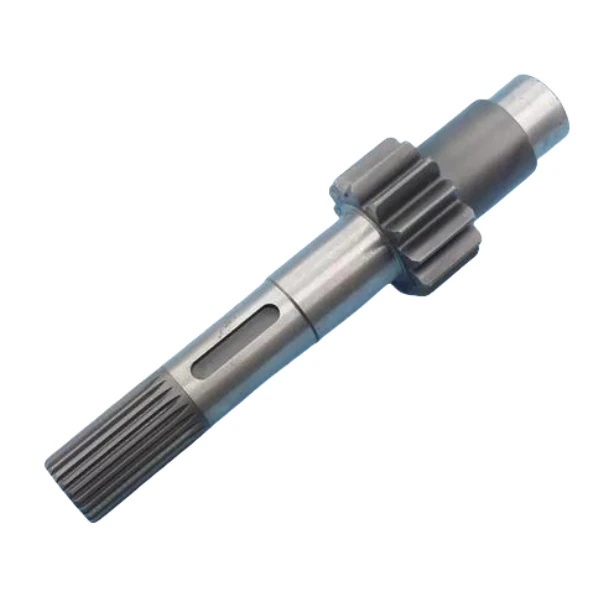 Harvester Input Shaft
The main role of the harvester input shaft is to introduce the power of the external power source into the internal transmission system of the harvester. When the power source (such as an engine) is running, the torque generated is transmitted to the input shaft through the connecting parts, causing the input shaft to start rotating. The gear, pulley or sprocket and other transmission parts installed on the input shaft will rotate with the rotation of the input shaft, and then transfer the power to the subsequent transmission parts and working parts, such as driving the cutting device, conveying device, threshing device, etc., to complete the crop harvesting, conveying, threshing and other work processes.
Related News

Drive axle price: choosing the 1204 axle for multi-wheel machinery
Compare the factors behind drive axle price for the 1204 axle, including 4WD, 6WD, 8WD layouts, differential locks, gearing, steering, and machine fit.
>

How to Choose a Wheel Transmission for Heavy-Duty 4WD Machinery
Choose a wheel transmission by checking hydraulic control, torque, braking, rear drive interface, and 4WD requirements for the D8 platform.
>

What Is the Use of Seeder? Air Suction No-Till Seeder FAQ
Learn what is the use of seeder equipment, how air suction seed placement works, supported crops, terrain features, and ordering checks for no-till planting.
>

Comparing A Rice Planter Options: Specifications, Materials and Supplier Documentation
Compare A Rice Planter options by planting controls, field conditions, materials, operating modes, customization, and documented information gaps.
>

Optimize Your Small Scale Farm With a Hobby Farm Seed Drill
Optimizing Your Small-Scale Farm with a Hobby Farm Seed Drill For many aspiring farmers and gardening enthusiasts, transitioning from hand-sowing to mechanized planting is a significant milestone. Utilizing a hobby farm seed drill allows for precision planting, ensuring that seeds are placed at the correct depth and spacing for optimal germination. Whether you are growing cover crops, vegetables, or grains on a small scale, the right equipment reduces physical labor and minimizes seed waste. In this guide, we will explore how the right seeding technology can transform your agricultural productivity and the key factors to consider when selecting equipment for your plot.
>

Maximize Crop Yields with the Professional Happy Seed Drill
Maximize Crop Yields with the Happy Seed Drill: An Essential Guide In the modern agricultural landscape, precision is the key to sustainability and profitability. The happy seed drill represents a significant leap in planting technology, designed to ensure that every seed is placed at the optimal depth and spacing. By reducing seed waste and improving germination rates, this machinery allows farmers to optimize their land use and increase overall harvest efficiency. Whether you are managing a small family plot or a large-scale industrial farm, understanding the mechanics and benefits of advanced seeding equipment is crucial for long-term success.
>

Professional Hand Seed Drill Machine for Precision Planting
Maximize Your Harvest with the Professional Hand Seed Drill Machine Efficient planting is the cornerstone of a successful harvest. For modern farmers seeking a balance between precision and manual control, the hand seed drill machine offers an indispensable solution. By integrating advanced seed distribution mechanisms with ergonomic design, these machines reduce the physical burden of sowing while ensuring every seed is placed at the optimal depth. Whether you are managing a small vegetable plot or a larger cereal field, investing in high-quality planting equipment can drastically improve crop uniformity and yield. In this guide, we will explore the features and advantages
>

Efficient Farming with Hand Operated Seed Drill Machine Guide
Revolutionizing Planting: The Ultimate Guide to the Hand Operated Seed Drill Machine For small to medium-scale farmers, precision in sowing is the cornerstone of a successful harvest. The hand operated seed drill machine offers a perfect blend of simplicity and efficiency, eliminating the tedious nature of manual broadcasting. By ensuring uniform seed depth and consistent spacing, this tool maximizes germination rates and optimizes crop yield. In an era where agricultural productivity is key to food security, adopting a reliable manual seeder is a strategic move for any grower looking to reduce labor costs while improving plant health.
>

Maximize Crop Yields with a hand operated automatic seed drill
Maximizing Crop Yields with a Hand Operated Automatic Seed Drill Efficient planting is the cornerstone of successful farming. The hand operated automatic seed drill represents a significant leap in agricultural technology for small to medium-scale farmers. By combining manual mobility with automatic precision, this tool eliminates the inconsistencies of hand-broadcasting seeds, ensuring optimal spacing and depth. Whether you are managing a vegetable garden or a commercial grain plot, utilizing a precision seeder reduces waste and promotes healthier plant growth. In this guide, we explore how this innovative machinery optimizes the sowing process and why it is an essential investment for modern sustainable agriculture.
>

Guide to Four Wheel Drive Manual Transmission for Off Road Control
Mastering the Terrain: The Guide to Four Wheel Drive Manual Transmission For off-road enthusiasts and industrial operators, the combination of a four wheel drive manual transmission offers an unparalleled level of control and reliability. Unlike automatic systems that rely on computer-managed shifts, a manual setup allows the driver to dictate exactly how power is distributed to the wheels, making it indispensable for steep inclines, muddy terrains, and heavy-duty hauling. At Zinanmech , we understand that the synergy between a robust drivetrain and a manual gearbox is what defines true mechanical endurance.
>
International layout
Spread all over the world
our products are exported to various parts of the world. Currently, our products have been exported to more than 40 countries Our products cover Asia, Europe, Africa, South America, North America, and Oceania
Sign up
for Newsletter
Subscribe to the weekly newsletter for all the latest updates