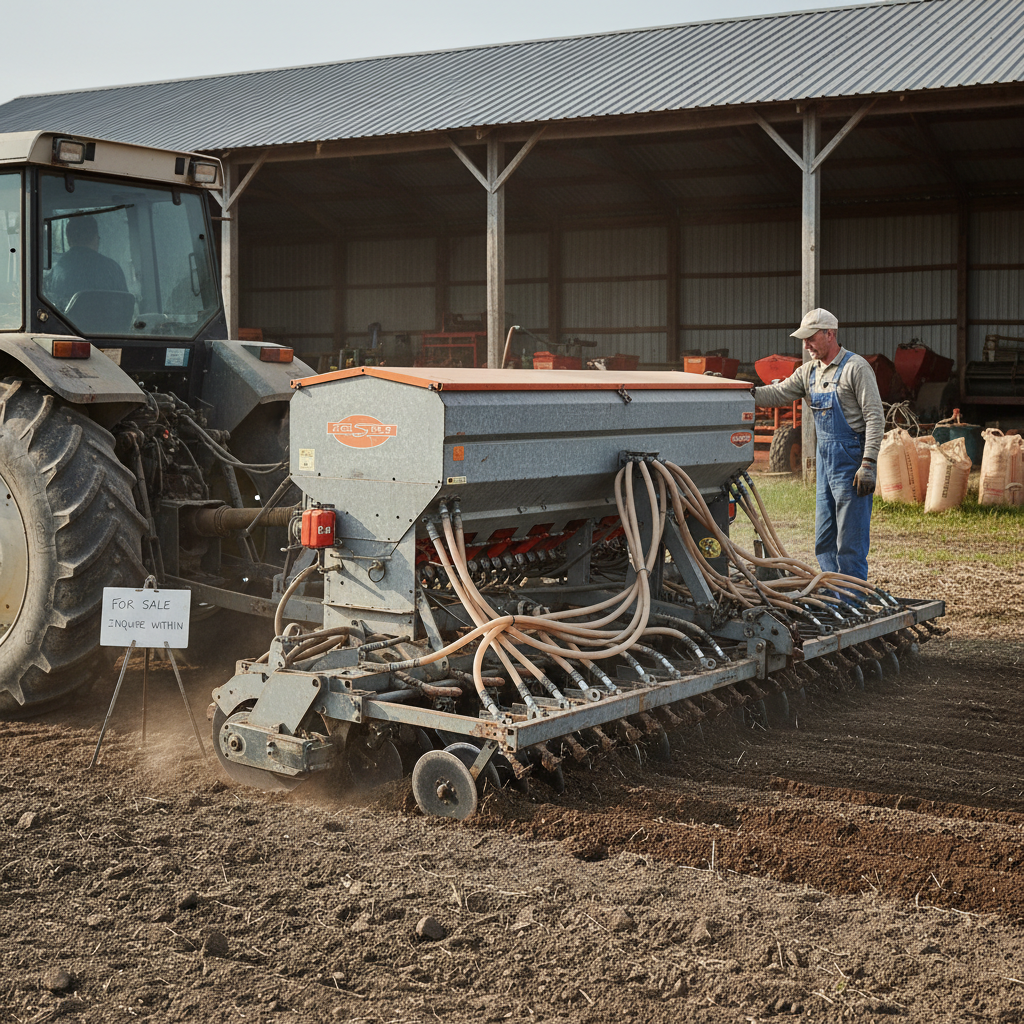
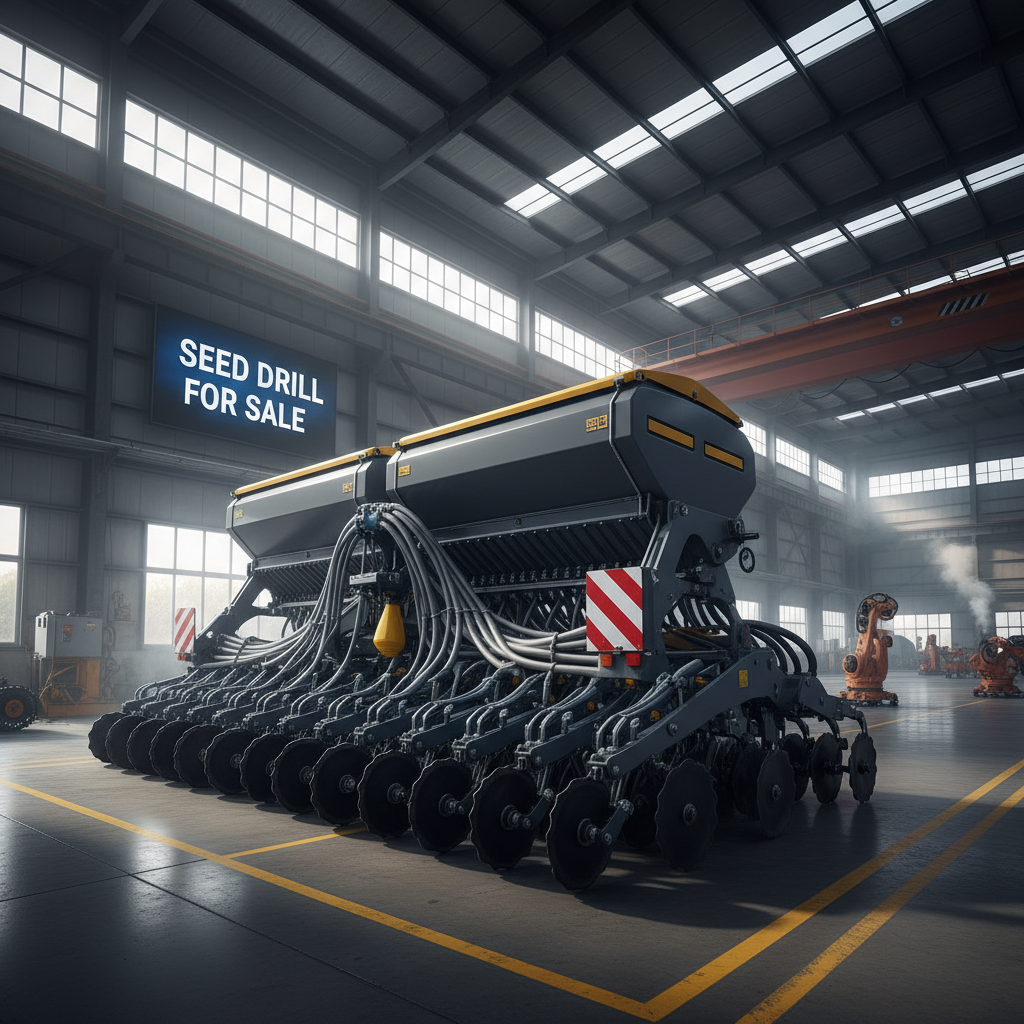
Achieving optimal crop yields begins long before the first sprout breaks the soil; it starts with the precision of seed placement. The process of calibrating seed drill equipment is a fundamental agricultural practice that ensures the correct amount of seed is distributed evenly across a field, preventing both seed waste and uneven plant populations. In an era of rising input costs and shrinking arable land, the ability to fine-tune machinery is no longer just a preference but a commercial necessity for sustainable farming.
Globally, the precision of sowing directly impacts food security and resource management. When a farmer invests time in calibrating seed drill systems, they are effectively optimizing the biological potential of their seeds. Inconsistent seeding leads to "gaps" in the field where weeds can thrive, or "clusters" where plants compete for limited nutrients, both of which significantly degrade the final harvest volume and quality.
Modern agricultural machinery has evolved from simple mechanical hoppers to complex systems involving precision gears, shafts, and electronic controllers. However, regardless of whether the equipment is a traditional mechanical planter or a high-tech pneumatic system, the core principle remains the same: the machine must be calibrated to the specific size, weight, and required density of the seed variety being used. Understanding the nuances of this process allows operators to maximize the efficiency of their calibrating seed drill routines.
The Fundamental Importance of Calibrating Seed Drill Systems
The precision of sowing is the cornerstone of modern agronomy. When we discuss calibrating seed drill machinery, we are essentially discussing the management of biological inputs. If a drill is under-calibrated, the farmer loses potential yield due to under-population; if over-calibrated, the cost of seed rises unnecessarily and plant competition reduces individual ear or pod size.
From a mechanical perspective, calibration ensures that the drive gears and metering rollers are synchronized with the ground speed of the tractor. This synergy prevents the "slippage" effect, where the seeds are dropped too sparsely during high-speed operation. Regular calibration routines protect the investment in high-quality seed hybrids by ensuring they are placed at the exact depth and spacing required for genetic expression.
Core Components Affecting Seed Metering Accuracy
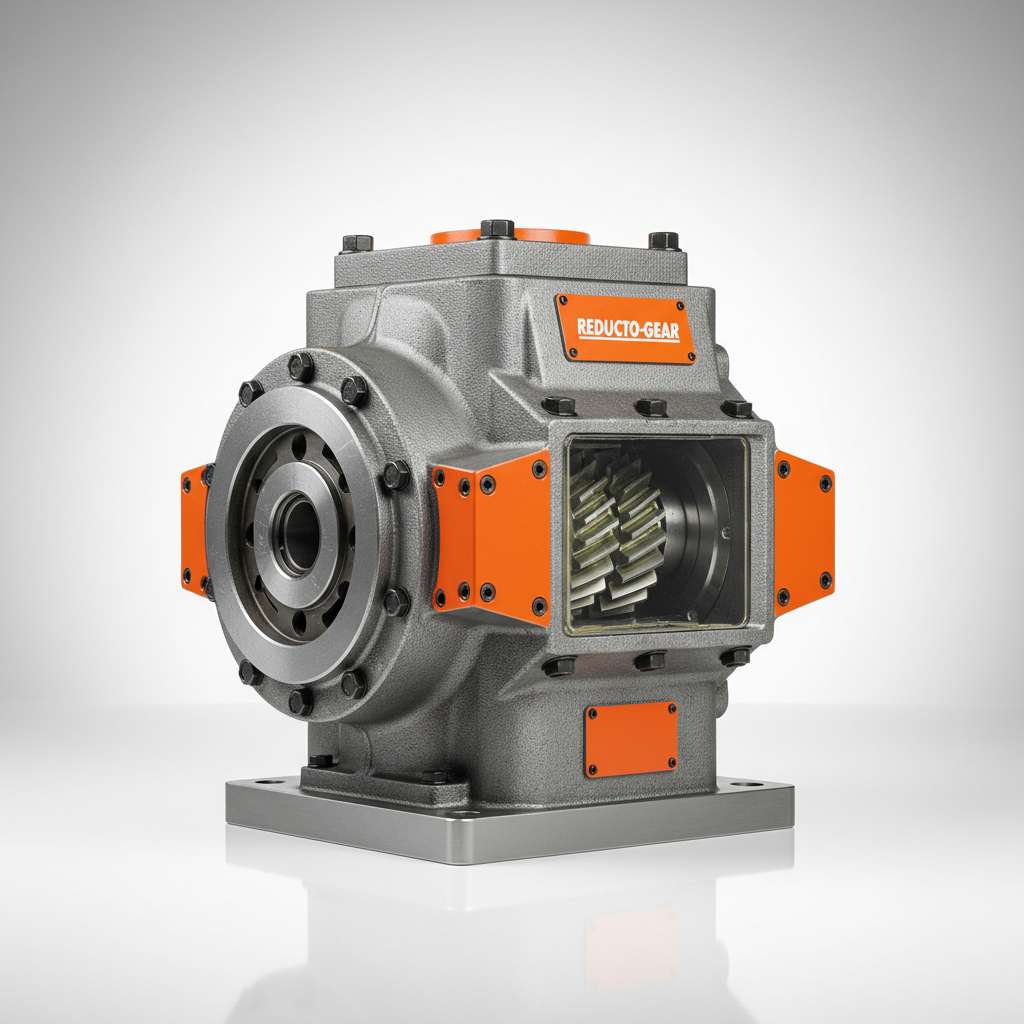
The accuracy of calibrating seed drill performance depends heavily on the integrity of the transmission components. The drive gears and shafts are the heart of the metering system, translating the rotation of the wheels into the precise movement of the seed plates. Any wear and tear on these gears can lead to "jitter" in the seed flow, making it nearly impossible to maintain a consistent seed rate regardless of the settings.
Beyond the gears, the seed plate selection is critical. Different seed varieties—ranging from small canola seeds to larger corn kernels—require specific plate geometries. Calibrating involves matching the plate diameter and hole size to the seed's physical characteristics. If the plate is mismatched, the machine may suffer from "skipping" or "doubles," where two seeds are dropped in one slot, disrupting the intended spatial arrangement of the crop.
Finally, the hopper's internal pressure and the flow of seed toward the metering unit must be consistent. Bridging, where seeds clump together and stop flowing, can mimic a calibration error. High-quality agricultural machinery incorporates agitators and optimized hopper slopes to ensure that the calibrating seed drill settings are actually reflected in the field performance without intermittent interruptions.
Step-by-Step Methodology for Precision Calibration
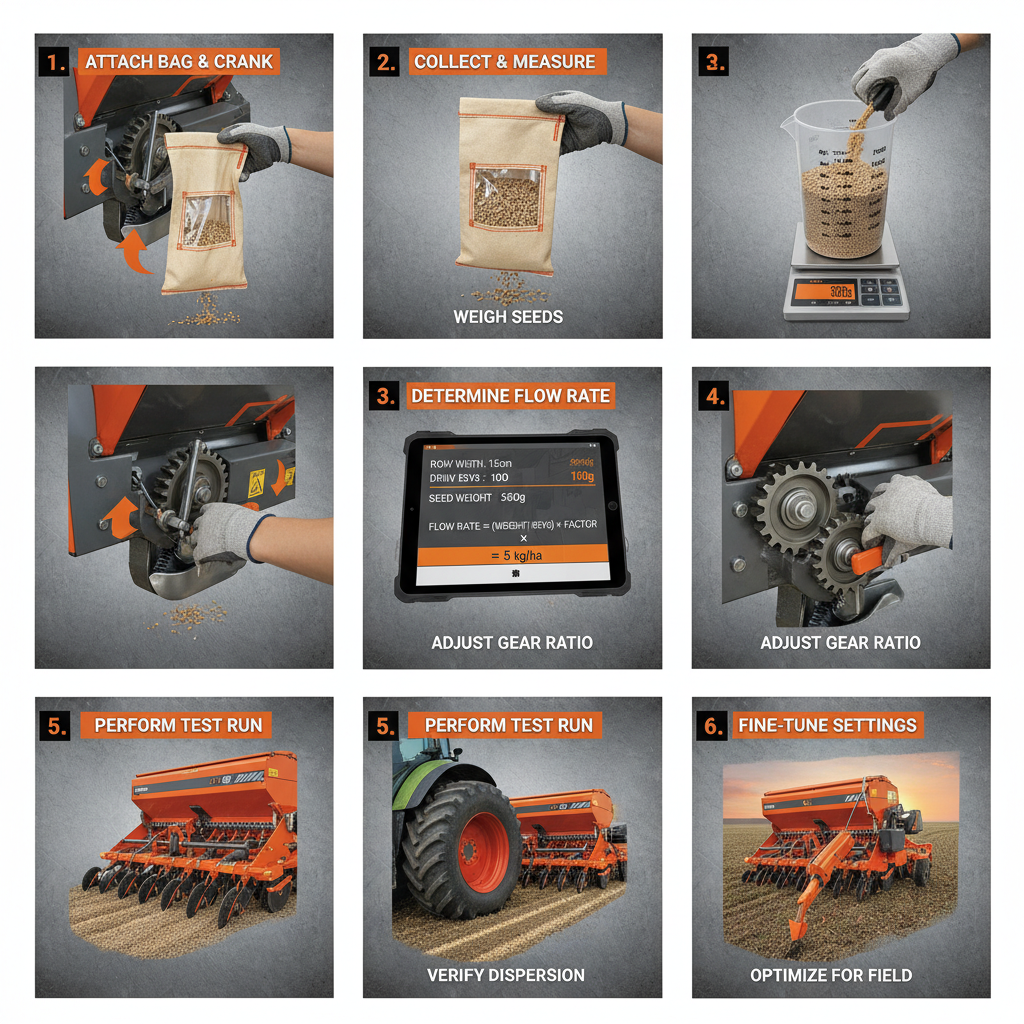
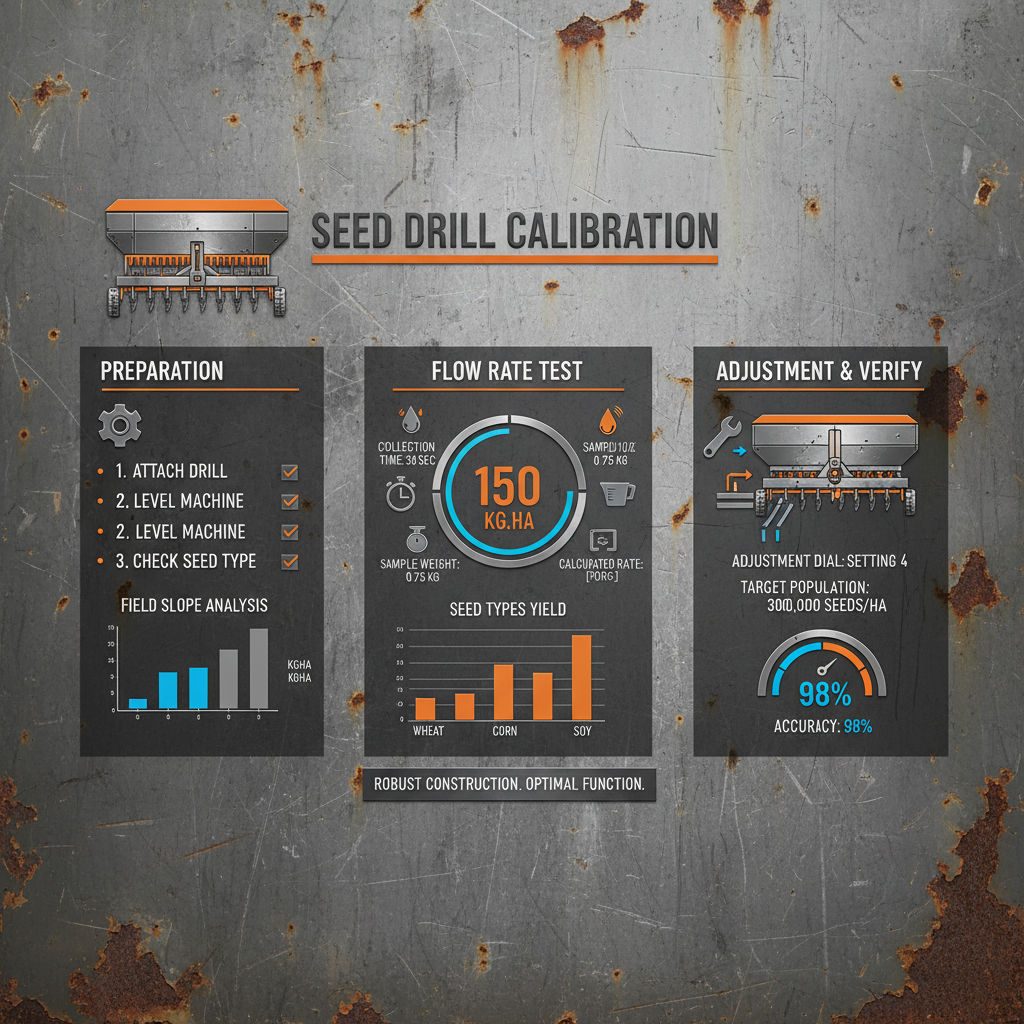
The first phase of calibrating seed drill equipment is the "static check." This involves setting the desired seed rate on the machine's control interface or mechanical dial and then manually rotating the drive wheel for a set number of revolutions. By collecting the discharged seeds in a calibrated container, the operator can weigh the actual output against the theoretical target.
The second phase focuses on the "dynamic adjustment," which is where calibrating seed drill settings are tested under real-world movement. Operators must account for wheel slip, which occurs when the tractor wheels spin slightly more than the actual distance traveled. This is often corrected by applying a "slip factor" to the calibration calculation, ensuring that the seeds are not spaced too far apart during actual field operation.
The final phase is the "field validation" process. After the initial calibrating seed drill procedure, the farmer plants a small test strip and physically counts the number of seeds per linear meter. This "ground-truthing" confirms that the mechanical settings and the environmental variables (such as soil resistance and moisture) are working in harmony to deliver the intended plant population.
Comparative Analysis of Calibration Techniques
Different farming scales require different approaches to calibrating seed drill equipment. Manual weighing remains the gold standard for small-to-medium operations due to its simplicity and low cost. However, for large-scale industrial farms, electronic seed monitors provide real-time feedback, allowing for "on-the-fly" calibration adjustments that can save hours of downtime during the planting window.
The transition from mechanical drive systems to hydraulic and electric drives has changed the calibration landscape. While mechanical systems rely on gear ratios, electric drives allow for software-based calibrating seed drill adjustments, providing an unprecedented level of precision and the ability to vary seeding rates across a single field based on soil maps.
Efficiency Ratings of Different Calibrating Seed Drill Methods
Global Applications in Diverse Soil Conditions
The application of calibrating seed drill techniques varies significantly across the globe. In the heavy clay soils of Northern Europe, calibration must account for higher soil resistance, which can slow the ground speed and affect the delivery rate of the metering units. In these regions, heavy-duty transmission gears are essential to maintain the torque required for consistent seeding.
Conversely, in the sandy soils of the American Midwest or the Australian Outback, the primary challenge for calibrating seed drill equipment is managing seed bounce and depth consistency. Here, calibration often involves adjusting the downward pressure of the seed tubes to ensure that the precisely metered seed actually reaches the target depth, preventing "shallow sowing" which leads to poor germination.
Long-Term Value and Economic Sustainability
The economic impact of rigorous calibrating seed drill practices is evident in the bottom line. By reducing seed waste by even 5-10%, a large-scale operation can save thousands of dollars per season. More importantly, the increase in yield resulting from an optimized plant population often outweighs the cost of the seeds themselves, creating a high return on investment for the time spent in calibration.
From a sustainability perspective, precision calibration reduces the environmental footprint of farming. Over-seeding leads to increased competition for water and nutrients, which often forces farmers to apply more fertilizer to compensate. By calibrating seed drill systems to the biological optimum, nitrogen runoff is reduced, and soil health is preserved.
Furthermore, the reliability of a well-calibrated machine builds trust in the farming process. When a farmer knows exactly how many seeds are entering the ground, they can make data-driven decisions about crop protection and harvesting, shifting the agricultural process from one of "estimation" to one of "precision engineering."
Future Innovations in Automated Seed Distribution
The future of calibrating seed drill machinery lies in the integration of AI and IoT. We are moving toward "self-calibrating" systems that use optical sensors to count seeds in real-time and automatically adjust the motor speed of the metering unit to maintain the target rate. This eliminates human error and allows for instantaneous adaptation to changes in tractor speed.
Material science is also playing a role, with the introduction of carbon-fiber reinforced seed plates and wear-resistant gear coatings. These materials reduce the frequency of "calibration drift," where a machine starts the season accurate but becomes imprecise as components wear down. High-precision calibrating seed drill components are now being designed to maintain tolerances within microns over thousands of hectares.
Finally, the rise of variable rate technology (VRT) means that calibration is no longer a single number for the whole field. Future systems will use satellite maps to calibrate the drill differently for every square meter, placing more seeds in high-fertility zones and fewer in poor soil, maximizing the efficiency of every single grain.
Comparative Analysis of Seed Drill Calibration Performance by Technology Type
| Technology Level |
Calibration Complexity |
Accuracy Score (1-10) |
Maintenance Need |
| Pure Mechanical |
Low (Manual) |
5 |
High (Gear Wear) |
| Mechanical + Monitor |
Medium |
7 |
Medium |
| Hydraulic Drive |
Medium |
8 |
Medium |
| Electric Precision |
High (Digital) |
9 |
Low |
| AI-Self Calibrating |
Automated |
10 |
Low (Software) |
| Variable Rate (VRT) |
Complex |
9 |
Medium |
FAQS
Ideally, you should calibrate your seed drill at the start of every planting season and whenever you change seed varieties or batches. Since different seeds have different weights and shapes, a setting that worked for wheat will not work for barley. Additionally, if you notice a change in field emergence or the tractor's tire pressure changes significantly, a quick re-calibration is recommended to ensure accuracy.
This is most commonly caused by "wheel slip." During static calibration, the wheels are often turned manually or on a hard surface. In the field, the wheels may slip on loose soil, meaning the tractor travels less distance than the wheels indicate. This causes the machine to over-seed. To fix this, calculate your slip percentage and adjust your calibration settings accordingly.
Yes, absolutely. The drive gears and shafts are responsible for the precise timing of the metering rollers. If the gear teeth are worn, you may experience "slippage" or inconsistent rotation, which leads to uneven seed distribution regardless of how perfectly you calibrated the settings. Regular inspection of the transmission components is vital for maintaining precision.
The most accurate method is a combination of "Static Weighing" and "Field Ground-Truthing." First, weigh the output of the meters manually to get the baseline. Then, plant a small strip in the actual field and physically count the seeds per meter. This allows you to account for mechanical errors, seed slip, and soil interaction simultaneously.
Yes. While mechanical drills rely on gear ratios and plates, pneumatic drills rely on air pressure and vacuum levels to pick up and drop seeds. Calibration for pneumatic systems involves adjusting the air flow and the timing of the singing discs. However, the goal remains the same: ensuring the correct number of seeds per acre.
Seed size determines the "metering plate" choice. A larger seed requires a larger hole in the plate to avoid clogging, but if the hole is too large, multiple seeds may drop at once. Calibration involves selecting the correct plate and then fine-tuning the speed of the rotation to achieve the desired density for that specific seed size.
Conclusion
Precision in sowing is the foundation of a successful harvest, and calibrating seed drill systems is the only way to guarantee that this precision is achieved. From the mechanical integrity of drive gears and shafts to the digital accuracy of electronic monitors, every component must work in synchronization. By combining static weighing with field validation and accounting for environmental variables like wheel slip, farmers can significantly reduce seed waste and maximize their yield potential.
As we look toward the future, the integration of AI and variable rate technology will make the process of calibrating seed drill equipment more intuitive and autonomous. However, the fundamental principle of "measuring twice and planting once" will always remain. Investing in high-quality machinery components and adhering to a strict calibration schedule is the most reliable path to long-term agricultural sustainability and profitability. For professional agricultural machinery components and precision solutions, visit our website: www.zinanmech.com