- Tel: +86 13451474678 / 13451474678
- Email: / hbzinanmech@gmail.com

Harvester For Sale: Grain Tank Capacity Importance
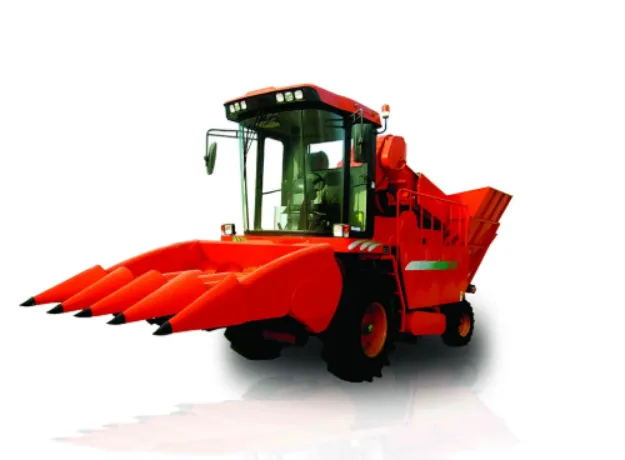
In the ever-evolving landscape of modern agriculture, efficiency isn’t just a goal—it’s the backbone of profitability. At the heart of this efficiency lies a critical yet often underestimated feature: grain tank capacity. For farmers scouting a harvester for sale, this metric isn’t merely a number; it’s a transformative factor that dictates field productivity, operational costs, and seasonal success. Whether you’re harvesting wheat, soybeans, or deploying specialized corn combines, the tank’s volume directly impacts how long you work versus how often you stop.
Zinanmech. embodies resilience and innovation in global agriculture. Rooted in the philosophy "Science and technology to promote agriculture, Zinan is at your side," we bridge cutting-edge international machinery with robust Chinese engineering. Every harvester we offer undergoes rigorous quality inspections aligned with international standards. If equipment fails due to manufacturing defects during the warranty period, we promptly repair or replace components—ensuring your investment thrives, season after season.
Why Grain Tank Capacity is Critical in Your Next Harvester For Sale
When evaluating a harvester for sale, grain tank capacity often takes a backseat to horsepower or cutting width. Yet, this oversight can cost thousands in lost time. Imagine harvesting 300 acres of grain: A 10,000-liter tank might require 30+ unloads daily, while a 15,000-liter model cuts this to 20. Each unloading cycle—traveling to grain carts or trucks—consumes 5–10 minutes. Over a season, smaller tanks steal hundreds of operational hours.
For corn combines, capacity is even more pivotal. Corn yields are bulkier and heavier than most grains. A cramped tank forces frequent pauses, leaving ripe crops vulnerable to weather or pests. Larger tanks also reduce machine wear. Fewer unloading cycles mean less engine strain, lower fuel consumption, and minimized soil compaction from repeated in-field maneuvering.
In regions like the American Midwest or China’s Huang-Huai-Hai plains, where fields span thousands of acres, tank size dictates profitability. A high-capacity harvester isn’t a luxury—it’s the difference between meeting market windows and watching profits wither.
Engineering Excellence: How Our Harvester and Corn Combines Maximize Capacity
Zinanmech.’s harvester for sale range redefines capacity through intelligent design. Unlike conventional models, our corn combines integrate vertical grain tanks that expand volume without widening the machine’s footprint—crucial for navigating narrow rows or orchards. Advanced steel alloys reduce tank weight while bolstering structural integrity, allowing 20% more grain load without stressing the chassis.
Our harvesters feature real-time tank monitoring systems. Sensors alert operators when capacity hits 90%, syncing with GPS to plot the shortest offload route. This tech is paired with high-capacity unloading augers that discharge 120 liters/second, slashing downtime. For diversified farms, modular tanks adapt to crops: swap configurations for corn, rice, or soybeans without mechanical overhaul.
|
Feature |
Benefit |
Impact |
|
Increased Productivity |
Rapid harvesting capabilities ensure quick turnaround times. |
Harvest 25% more acres per day versus competitors. |
|
Reduced Grain Loss |
Advanced cleaning/separation tech minimizes waste. |
Save 5–7% of yield from spillage or incomplete threshing. |
|
Ease of Operation |
Intuitive controls + ergonomic design. |
Train new operators in 2 days; reduce fatigue-related errors. |
|
Low Maintenance |
Durable components (e.g., ceramic-coated bearings). |
40% fewer service interruptions; 3-year warranty on critical parts. |
|
Versatile Application |
Adapts from small holdings to 5,000-acre commercial farms. |
One machine handles diverse terrains/crops; no fleet overinvestment. |
The Technology Behind High-Capacity Corn Combines For Sale
Modern corn combines transcend mere mechanics—they’re data-driven powerhouses. Zinanmech.’s harvesters employ AI-driven yield mapping. As grain fills the tank, onboard systems analyze moisture levels, kernel damage, and volume per acre. This data optimizes combine speed and threshing settings in real-time, preventing overfills that cause spillage.
Hybrid cooling systems maintain grain quality. Unlike standard fans, our harvesters use variable-speed airflow that adjusts to ambient humidity, reducing crackage in corn kernels by 15%. Tank capacity pairs with smart logistics: Telematics sync with fleet management apps, directing grain carts to the harvester’s location automatically.
For organic or high-value grains, nitrogen-purged tanks inhibit mold during extended operations. This tech is vital in humid regions where a 12-hour harvest shift risks spoilage. Our harvester for sale models also feature automated self-leveling tanks, ensuring even distribution on slopes—critical for hilly vineyards or terraced rice paddies.
FAQs: Your Harvester and Corn Combines For Sale Questions Answered
What grain tank sizes do your harvesters for sale offer?
Our harvester range includes tanks from 8,000 to 18,000 liters. For corn combines, we recommend 12,000+ liters to handle high-yield densities. Customizable extensions are available for farms exceeding 1,000 acres.
How do larger tanks reduce my harvester operating costs?
A: High-capacity tanks cut unloading frequency by 30–50%, directly lowering fuel consumption, labor hours, and machine wear. Fewer cycles mean less engine strain—extending component life and reducing maintenance expenses. Our harvester for sale models demonstrate 20% lower total cost-per-acre versus standard tanks.
Are your corn combines suitable for wet fields?
Absolutely. High-flotation tires and balanced weight distribution prevent sinking. Tanks are centrally positioned for stability, and moisture-sealed controls withstand heavy rain.
What’s the cost-benefit of a larger tank harvester for sale?
While premium-priced, high-capacity harvesters boost ROI by 30–50% via saved labor, fuel, and time. One client harvested 1,200 acres of soybeans 4 days faster, beating price drops at market.
How does your harvester minimize grain loss during unloading?
Radial-spread augers distribute grain evenly into carts, reducing wind loss. Infrared sensors halt unloading if misalignment occurs, preserving every kernel.
Choosing a harvester for sale demands scrutiny beyond specs—it’s about foreseeing bottlenecks before they strangle productivity. Grain tank capacity is the unsung hero that turns relentless harvesting into seamless profitability. At Zinanmech., we engineer harvesters—and specialized corn combines—that don’t just meet demands; they anticipate them. With rigorous quality assurance, adaptive technology, and a 24/7 global support network, we ensure your investment harvests more than crops—it harvests peace of mind.

Related Products
-
 Tractor Gear Shaft
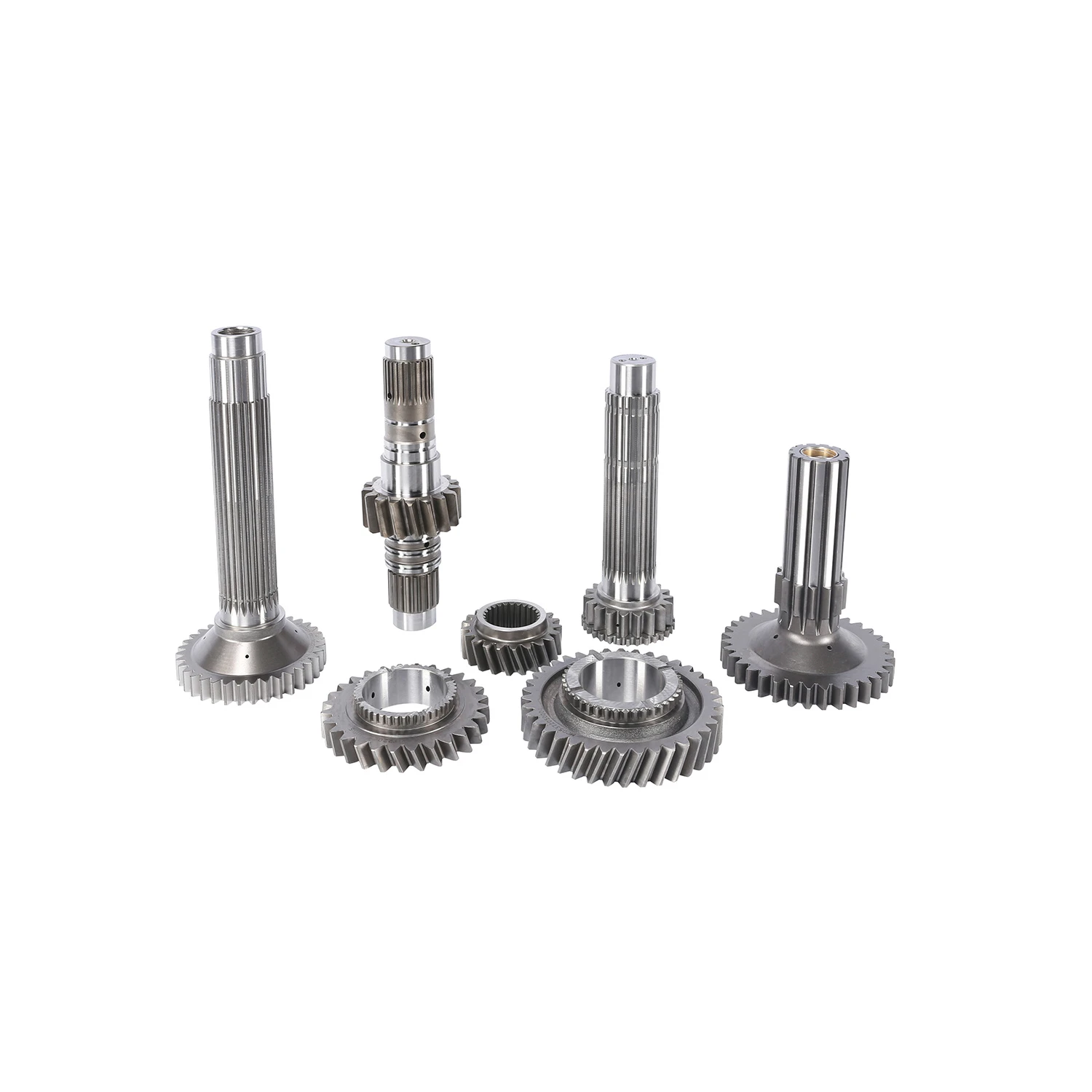
The tractor gear shaft is a crucial element in the power transmission system of a tractor. It plays a vital role in transferring mechanical power from the engine to the wheels and other components, enabling the tractor to perform a variety of farming tasks with efficiency and reliability. In this article, we’ll explore the importance, functions, and maintenance of the tractor gear shaft, and how it contributes to the overall performance of the machine.
-
 Transmission Gear
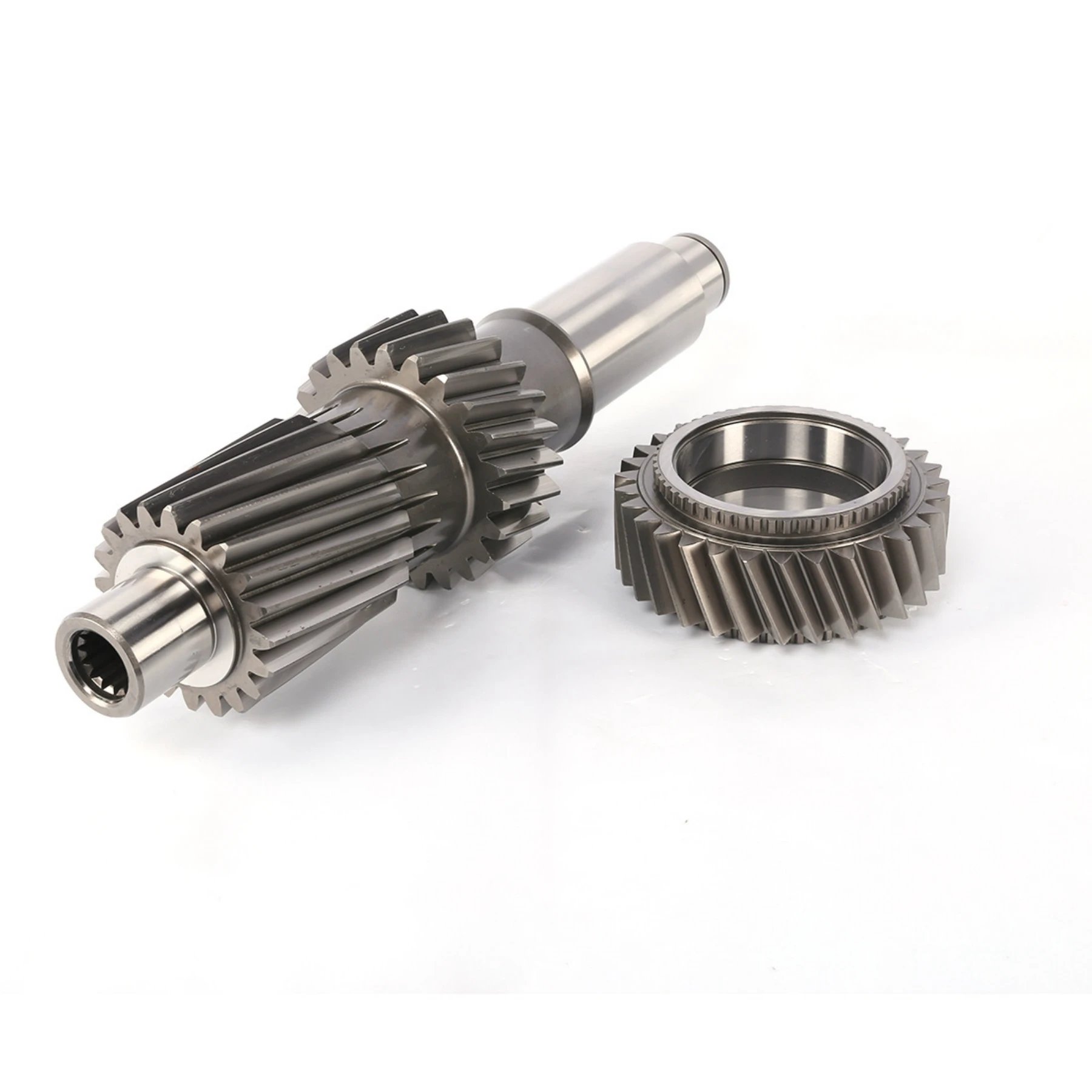
Power transmission: the engine operation drives the input gear on the input shaft to rotate, the input gear engages with other gears, and relies on the interaction between teeth and teeth to transfer the power to the intermediate gear (if any) and the output gear, and finally transfers the power to the driving wheel and other components through the output shaft to make the vehicle or equipment move.
Variable speed principle: Change the transmission ratio by meshing gears with different numbers of teeth. For example, when the big gear drives the small gear, the speed of the small gear will be faster than the big gear, but the output torque will be smaller, to achieve growth and torque reduction; On the contrary, when the pinion drives the big gear, the speed of the big gear slows down, the torque increases, and the torque increases. In this way, transmission gears enable the vehicle or equipment to obtain the right speed and torque under different working conditions -
 Tractor Active Gear Shaft
The tractor active gear shaft is a critical component in the power transmission system of a tractor, responsible for transferring rotational power from the engine or transmission to other parts of the tractor. By efficiently distributing torque and enabling smooth gear shifts, the active gear shaft plays a vital role in enhancing the performance and versatility of the tractor, making it essential for a wide range of agricultural tasks. In this article, we’ll explore the function, benefits, and maintenance of the tractor active gear shaft.
-
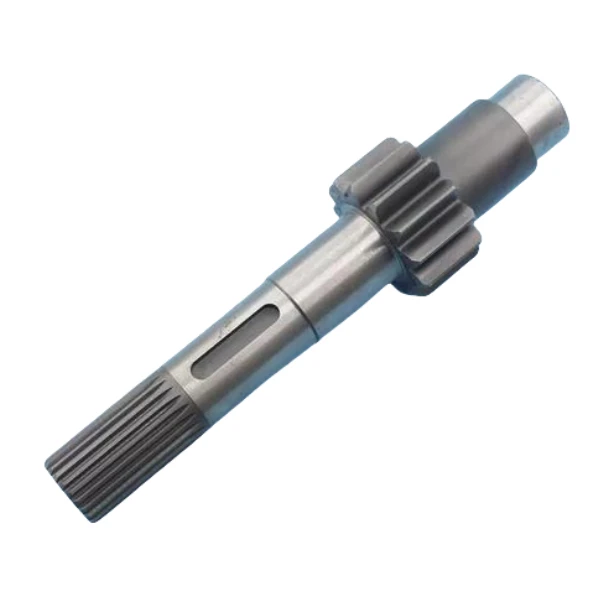 Harvester Input Shaft
The main role of the harvester input shaft is to introduce the power of the external power source into the internal transmission system of the harvester. When the power source (such as an engine) is running, the torque generated is transmitted to the input shaft through the connecting parts, causing the input shaft to start rotating. The gear, pulley or sprocket and other transmission parts installed on the input shaft will rotate with the rotation of the input shaft, and then transfer the power to the subsequent transmission parts and working parts, such as driving the cutting device, conveying device, threshing device, etc., to complete the crop harvesting, conveying, threshing and other work processes.
Related News
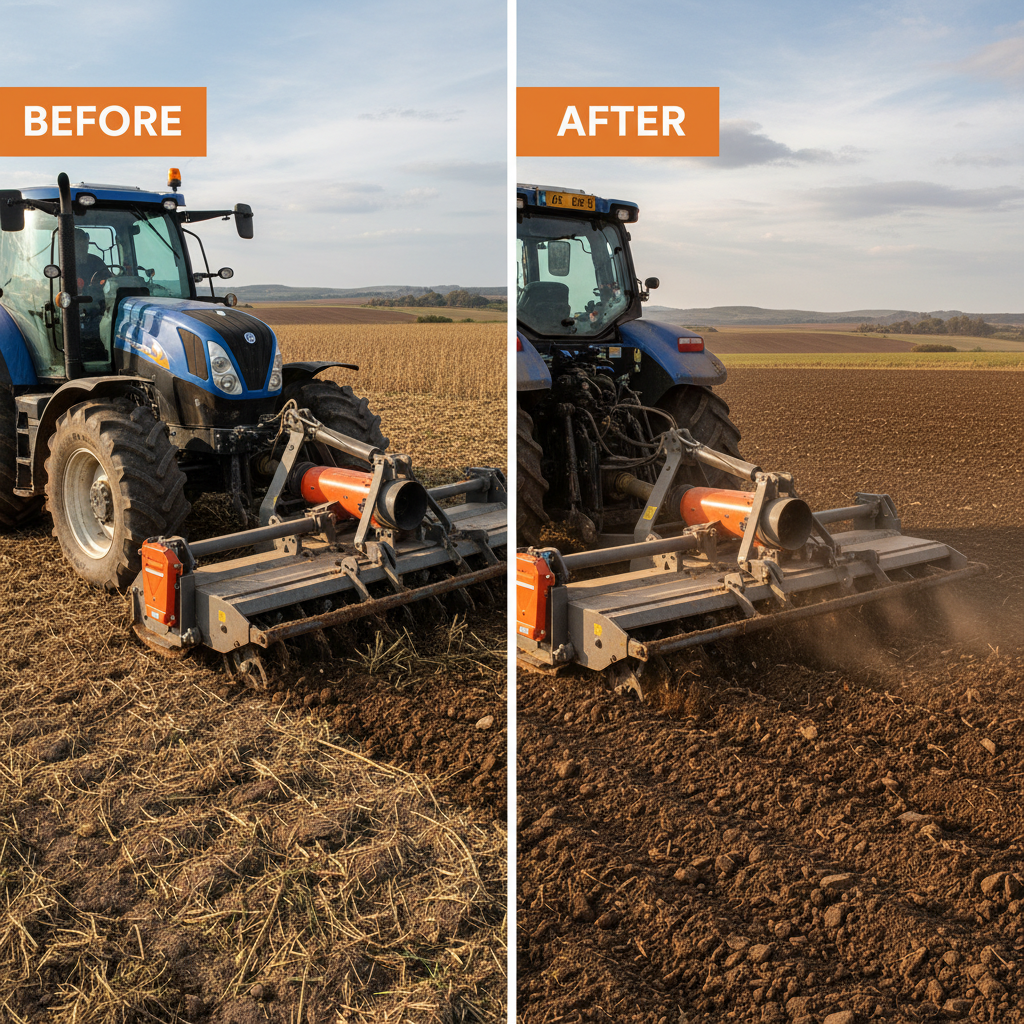
Professional Heavy Duty Tiller for Tractor for Soil Productivity
Achieving the perfect seedbed is the foundation of any successful harvest. For farmers dealing with compacted soil, stubborn crop residue, or expansive acreage, a standard rototiller often falls short. This is where a heavy duty tiller for tractor becomes an essential investment. These robust machines are engineered to penetrate deep into the earth, breaking up hardpan and aerating the soil with unmatched efficiency. By integrating a professional-grade tiller into your machinery lineup, you can significantly reduce preparation time and improve crop yield. In this guide, we will explore the technical advantages, selection criteria, and maintenance tips for choosing the right heavy-duty tilling solution.
>
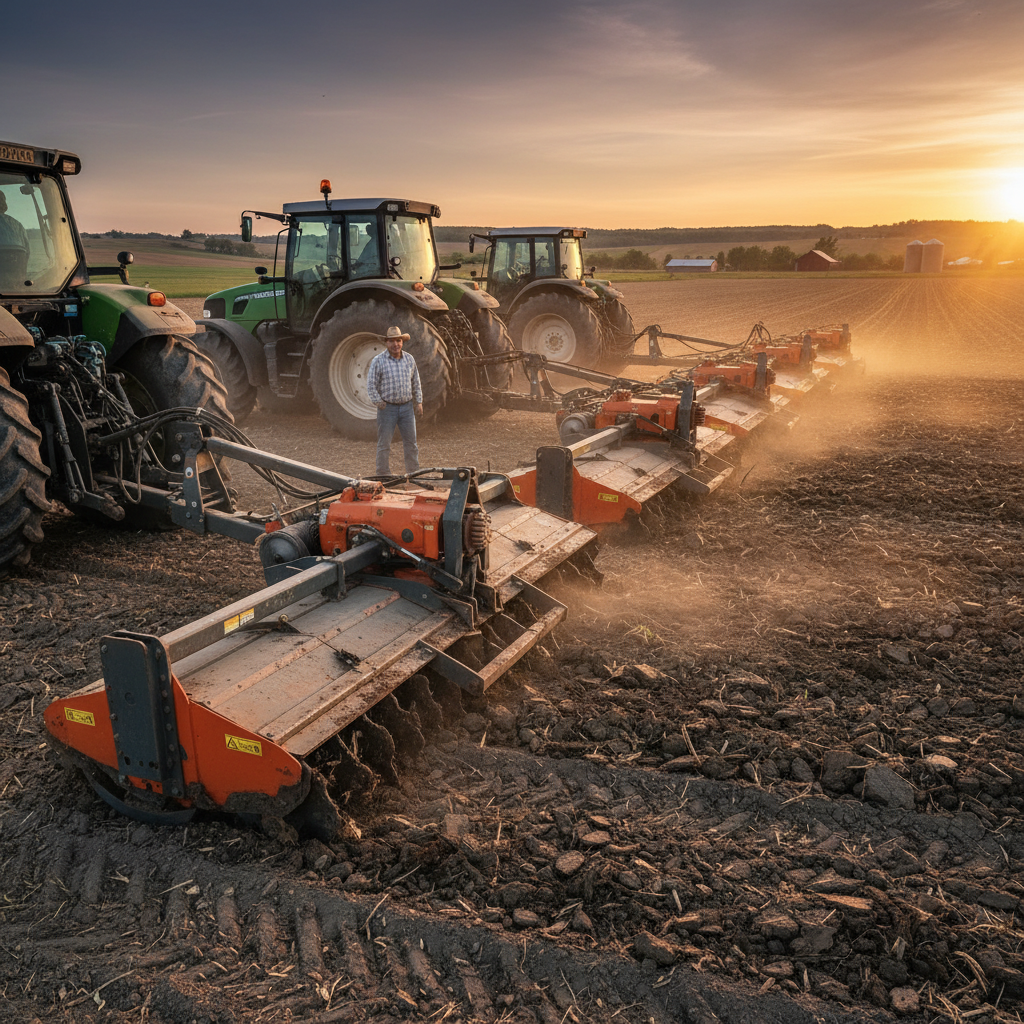
Maximizing Land Productivity with Professional Heavy Duty Tillers
For professional farmers and landscaping contractors, the quality of soil preparation determines the success of the entire growing season. Investing in high-performance heavy duty tillers is essential for breaking through compacted earth, removing stubborn weeds, and integrating organic matter deeply into the soil. Unlike standard garden cultivators, these industrial-grade machines are engineered to handle vast acreages and the most challenging terrain without compromising efficiency. In this guide, we will explore how choosing the right equipment can transform your agricultural output and streamline your land management process.
>
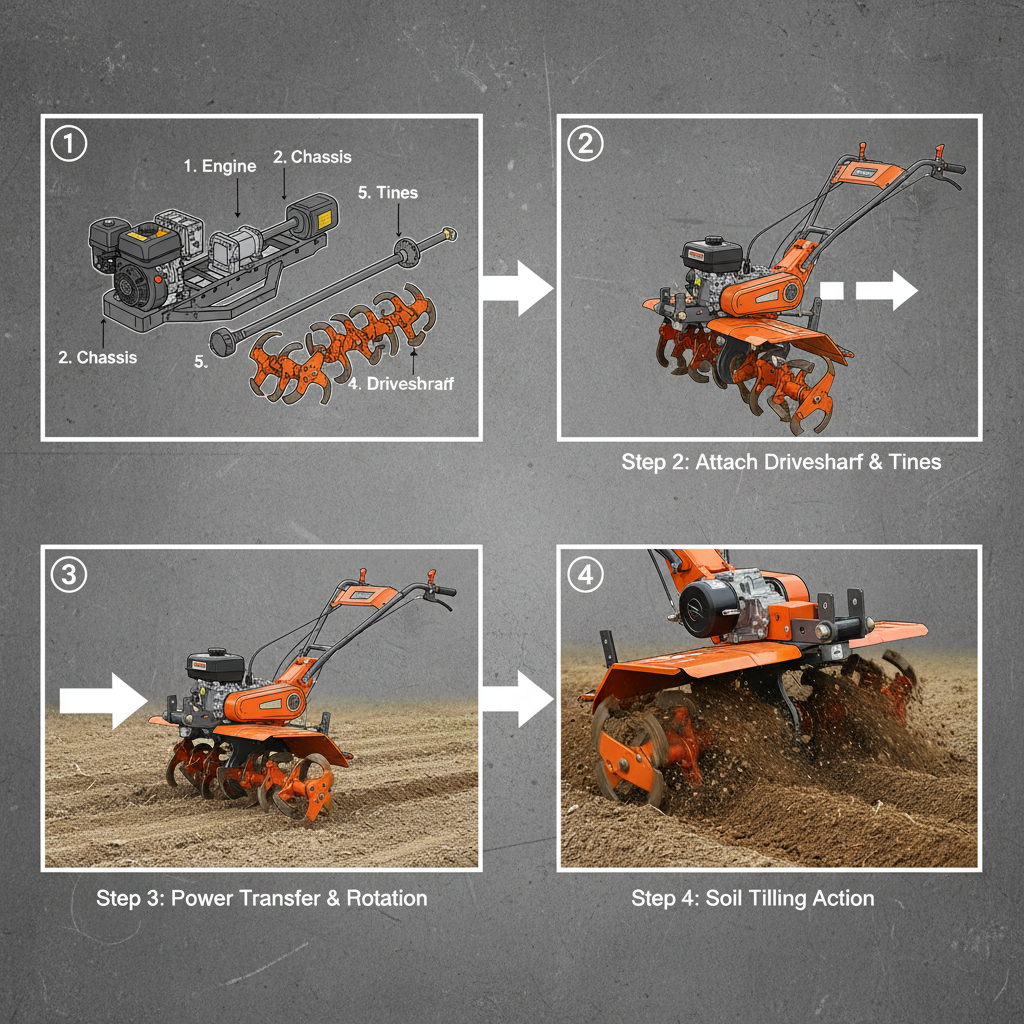
Choosing the Best Heavy Duty Rototiller for Efficient Land Preparation
A heavy duty rototiller is an invaluable tool for anyone involved in serious gardening, small-scale farming, or land preparation. Whether you're breaking new ground, maintaining existing garden beds, or preparing for planting, the right rototiller can significantly reduce labor and improve efficiency. However, with numerous options available, selecting the best model requires careful consideration. This article will guide you through the key factors to consider when purchasing a heavy-duty rototiller, helping you make an informed decision. ZinanMech offers a wide range of rototillers to suit various needs.
>
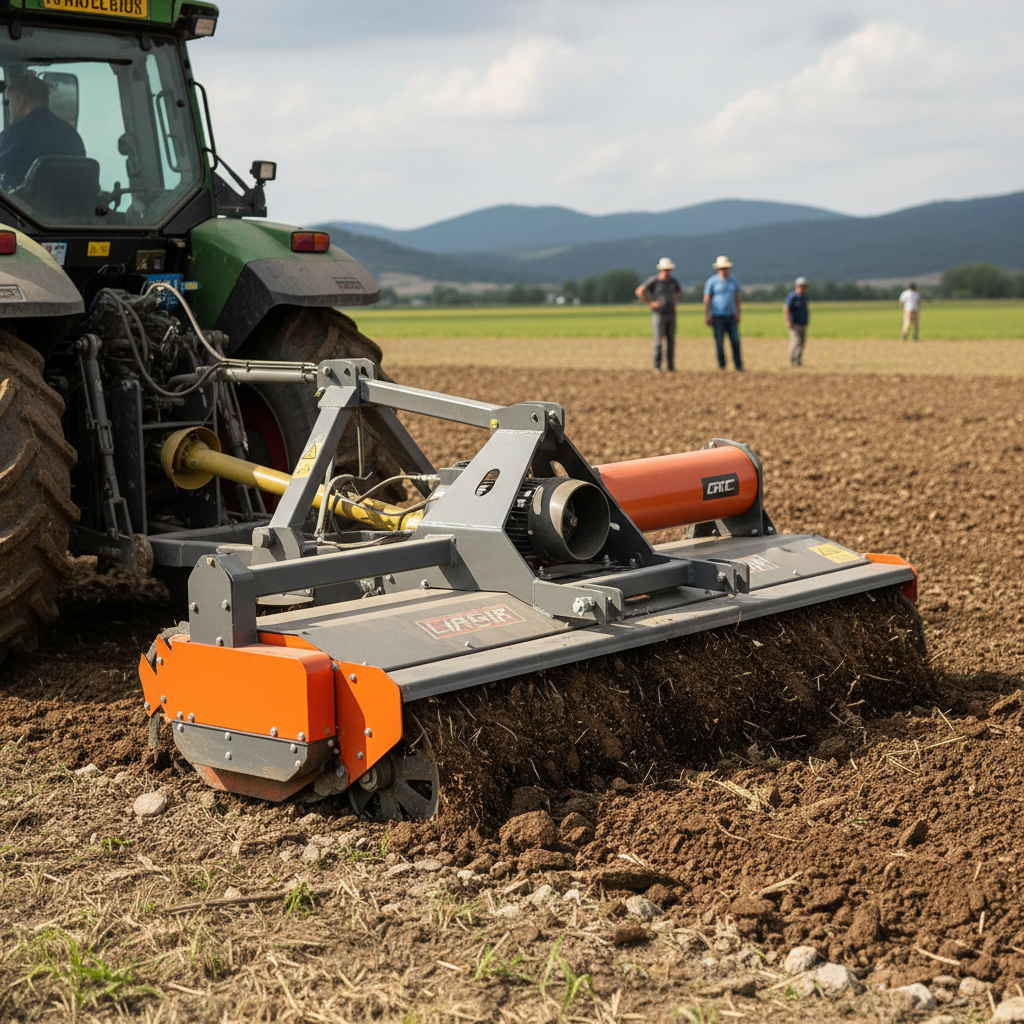
Comprehensive Guide to Heavy Duty Rotary Tiller Selection and Application
When it comes to land preparation, a heavy duty rotary tiller is an invaluable tool. This robust machinery excels at breaking up compacted soil, creating a fine seedbed, and incorporating organic matter. This article dives deep into the world of heavy duty rotary tillers, covering their benefits, applications, key features, and how to choose the right one for your needs. Whether you're a farmer, landscaper, or large-scale gardener, understanding these tillers is essential for efficient and effective soil management.
>
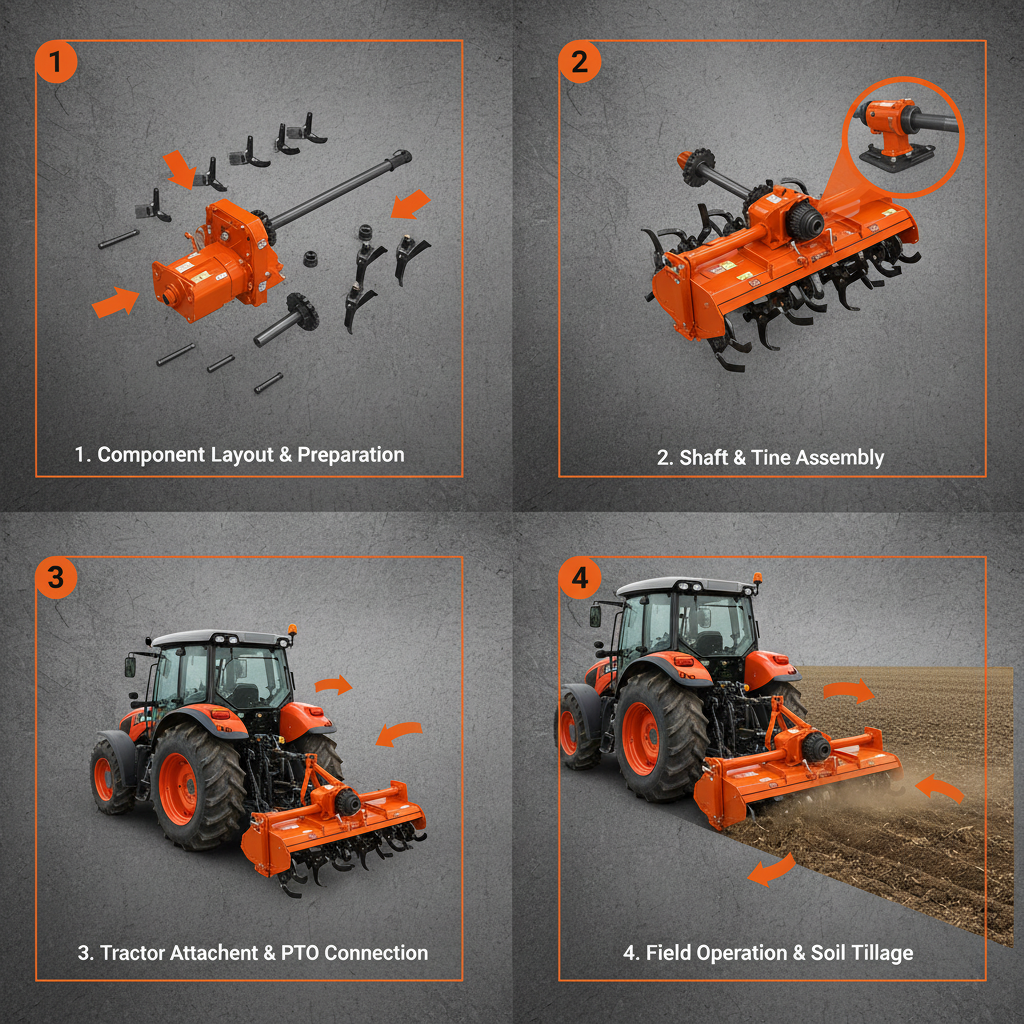
Comprehensive Guide to Selecting the Ideal Farm Tractor Tiller for Your Needs
Selecting the ideal farm tractor tiller is crucial for efficient soil preparation and maximizing agricultural yields. With a diverse range of models available, understanding your needs and the features offered by different tillers is paramount. This article provides a detailed overview of farm tractor tillers, covering their types, benefits, key considerations, and how to choose the right one for your specific farming operation. Proper tillage significantly impacts seedbed quality, weed control, and ultimately, crop performance.
>
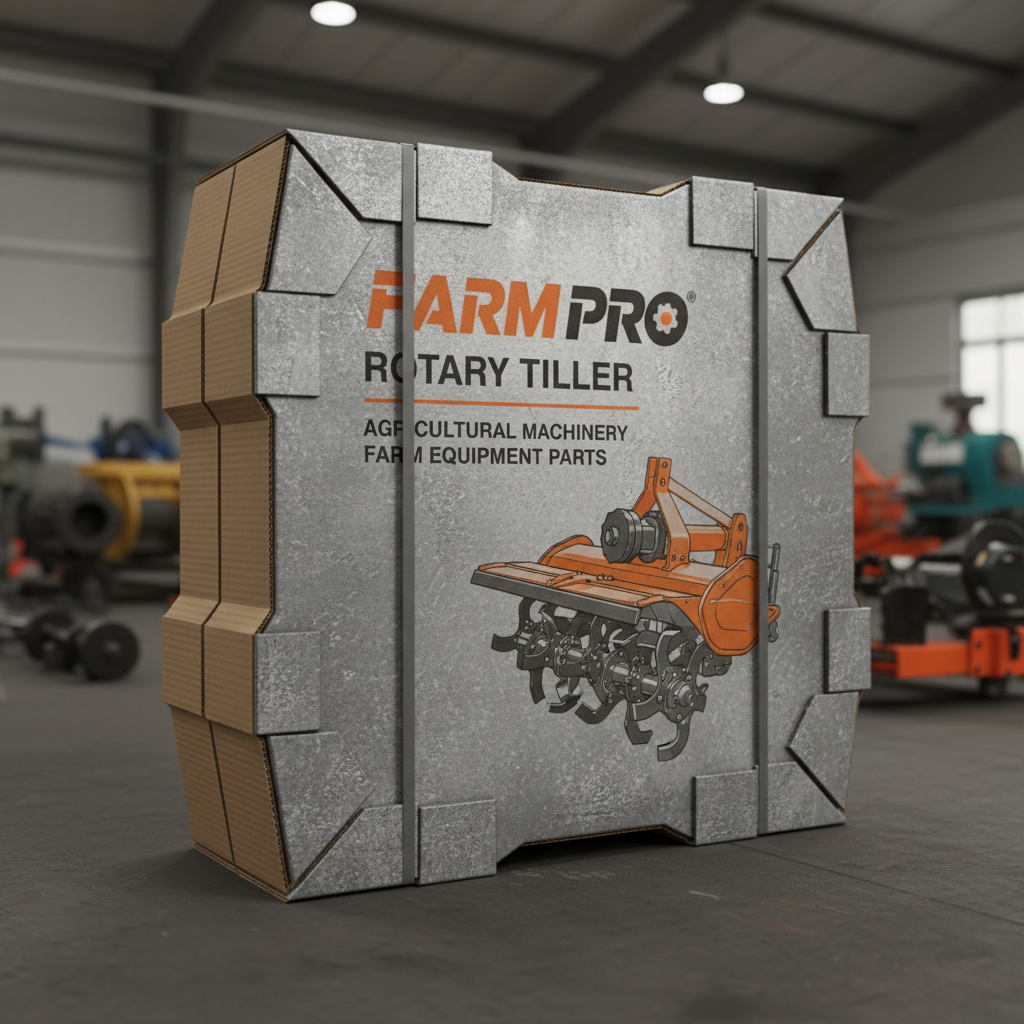
Boost Farm Productivity with a High Performance Farm Pro Rotary Tiller
Are you looking to enhance your agricultural productivity and streamline your soil preparation process? A Farm Pro rotary tiller is an invaluable investment for farmers of all scales. This article delves into the benefits, features, applications, and considerations when choosing the right rotary tiller for your farm. We’ll explore how this machinery can significantly reduce labor costs and improve soil quality, ultimately leading to higher yields. From small hobby farms to large-scale commercial operations, a Farm Pro tiller offers a robust and efficient solution for a variety of tilling needs.
>
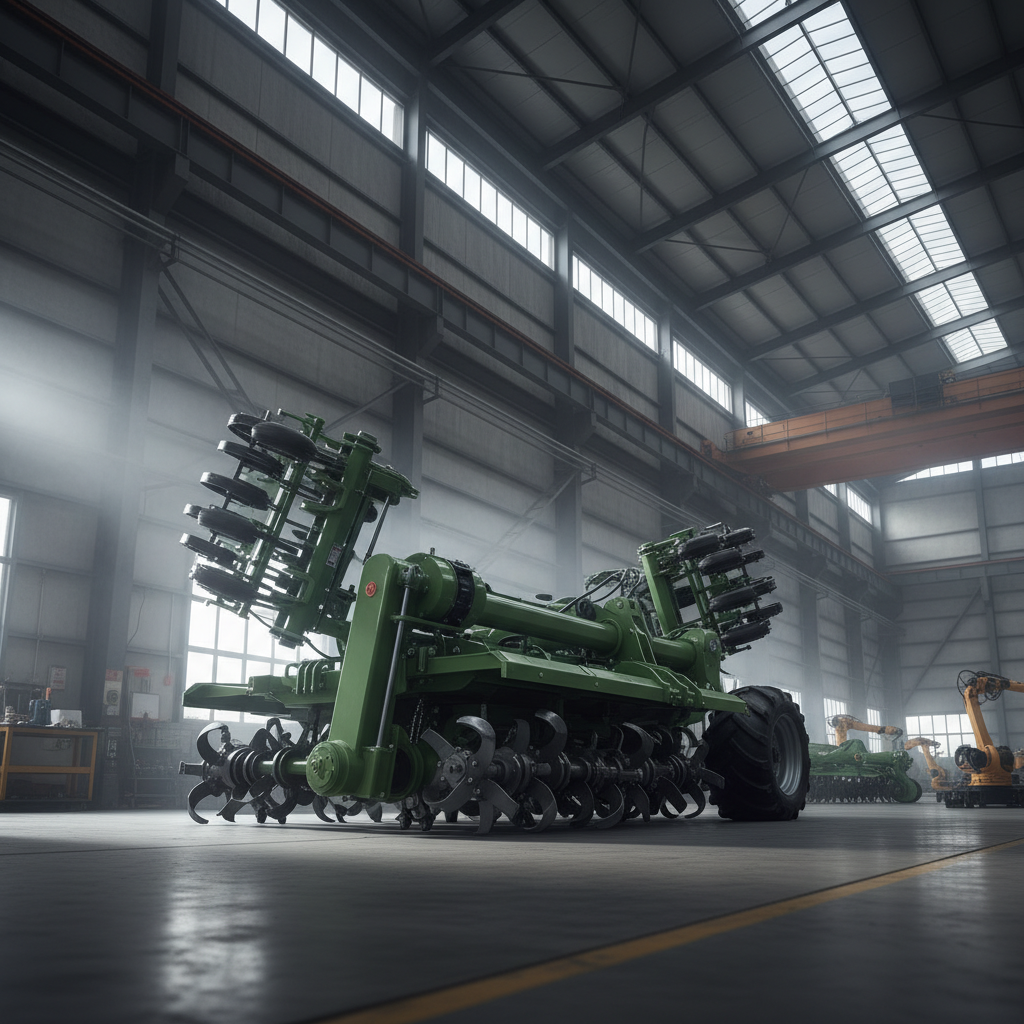
Unlock Farming Efficiency with a Powerful Agricultural Tiller Solution
In the world of farming and gardening, efficiency and productivity are key. An agricultural tiller is a vital piece of equipment that streamlines soil preparation, saving time and labor. This article dives deep into the world of tillers, exploring their types, benefits, how to choose the right one, and the quality solutions offered by Zinanmech. We’ll cover everything from small garden tillers to heavy-duty agricultural models, ensuring you have the knowledge to make an informed decision. An agricultural tiller, also known as a rotary tiller, is a motorized machine used to break up and cultivate soil. Unlike manual digging or plowing, tillers use rotating blades to loosen the soil, creating a fine, even tilth that's ideal for planting. This process improves soil aeration, drainage, and nutrient availability, leading to healthier plant growth.
>
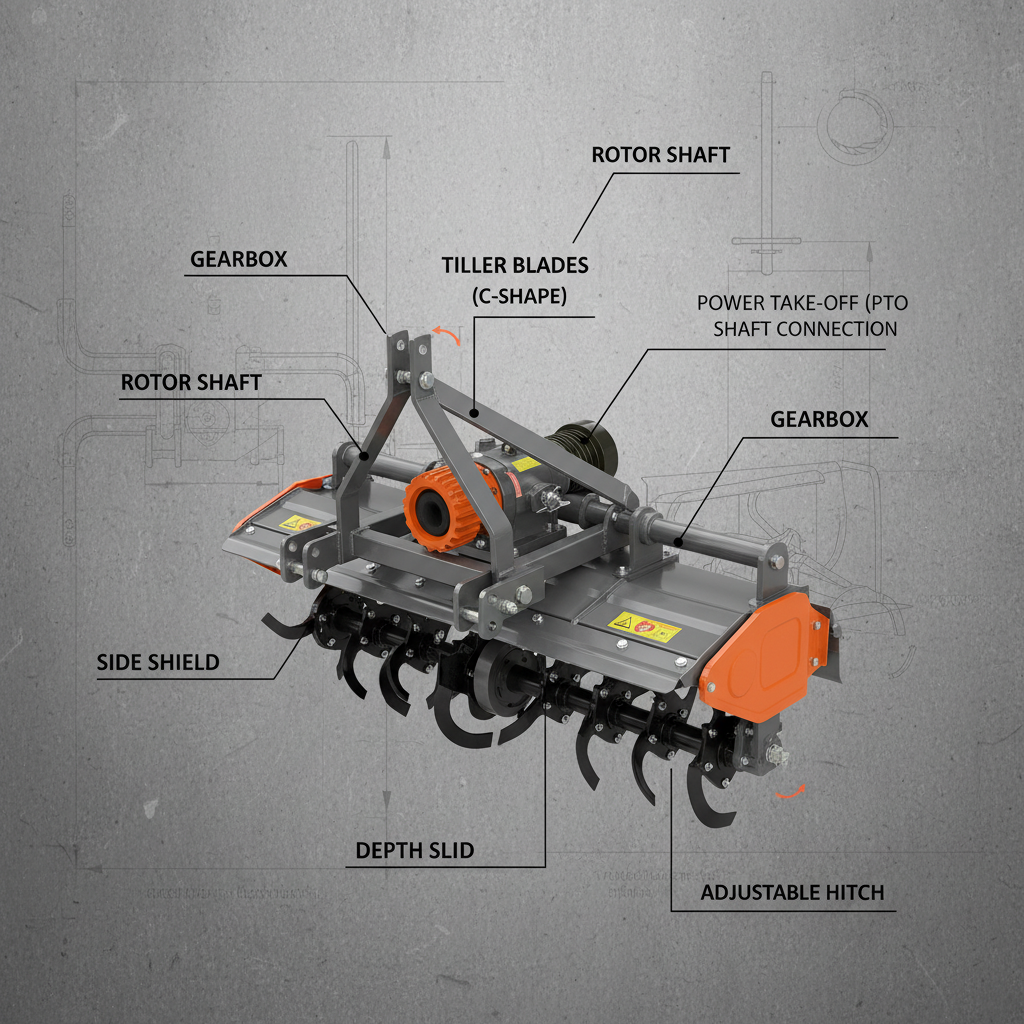
Comprehensive Guide to Agricultural Rotary Tiller Selection and Usage
An agricultural rotary tiller is an essential tool for modern farming, designed to efficiently prepare soil for planting. This powerful machinery significantly reduces labor and time compared to traditional methods. Whether you're a smallholder or manage a large-scale agricultural operation, understanding the benefits and features of a rotary tiller is crucial for maximizing productivity. Choosing the right tiller can transform your land preparation process. This article provides a detailed overview of agricultural rotary tillers, covering their uses, types, benefits, and key considerations when selecting the right model. Modern tillers are available in various sizes and configurations, catering to different farm sizes and soil conditions. Zinanmech provides a range of high-quality rotary tillers designed for optimal performance and durability. An agricultural rotary tiller, also known as a rototiller, is a motorized machine used to prepare agricultural land for cultivation. It works by using rotating blades – typically called tines – to break up, churn, and mix the soil.
>
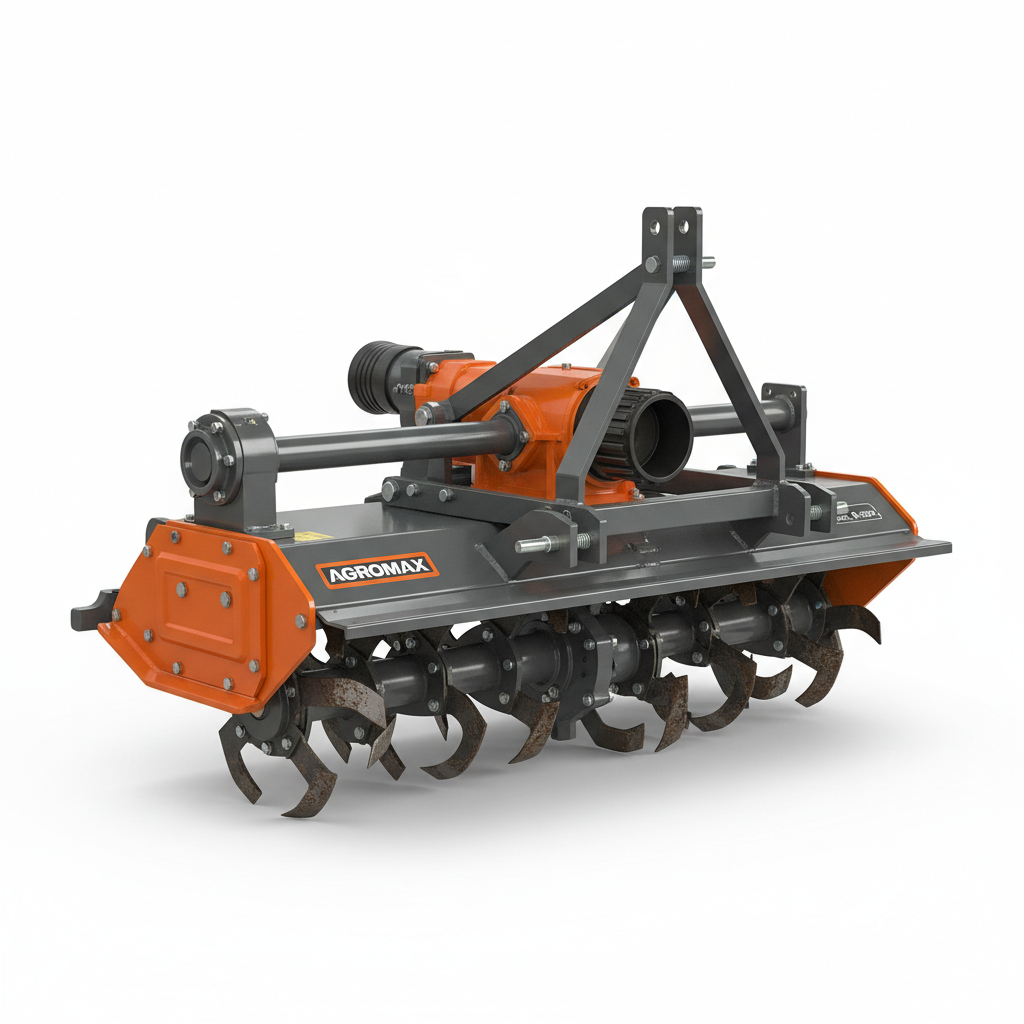
Comprehensive Guide to Selecting the Ideal Agric Rototiller for Your Farm
Selecting the right agric rototiller is crucial for efficient soil preparation and maximizing crop yields. This guide will explore the different types of rototillers, their applications, and how to choose the best model for your farming needs. We’ll cover everything from small, handheld rototillers to larger, tractor-mounted versions, helping you make an informed decision to enhance your agricultural operations. A well-chosen rototiller significantly reduces manual labor and improves soil quality. Agric rototillers come in various sizes and configurations, each suited for different farming tasks. The main types include: Front-Tine Rototillers, ideal for smaller gardens and breaking up already tilled soil; Rear-Tine Rototillers, offering more power and suitable for larger areas and tougher soil conditions; and Mid-Tine Rototillers, a versatile option for medium-sized farms. Choosing the correct type depends on your farm size, soil type, and the crops you intend to grow.
>
Unlock Farming Efficiency with a Powerful Agri Rototiller for Modern Agriculture
In today's agricultural landscape, efficiency and productivity are paramount. An agri rototiller, also known as a rotary tiller, is an invaluable tool for preparing soil for planting. This versatile machine cultivates, mixes, and levels the soil in a single pass, saving farmers significant time and effort. From small-scale farms to large agricultural operations, the benefits of using a rototiller are numerous. Investing in a quality rototiller is investing in the future success of your harvest. An agri rototiller is a motorized machine designed to break up and aerate soil using rotating blades. These blades, often called tines, churn the soil, creating a fine, even texture ideal for planting seeds or transplanting seedlings. Unlike traditional plowing, rototilling doesn't invert the soil, minimizing disruption to the soil's natural structure.
>
International layout
Spread all over the world
our products are exported to various parts of the world. Currently, our products have been exported to more than 40 countries Our products cover Asia, Europe, Africa, South America, North America, and Oceania
Sign up
for Newsletter
Subscribe to the weekly newsletter for all the latest updates