- Tel: +86 13451474678 / 13451474678
- Email: / hbzinanmech@gmail.com

How Many Gears Does A Tractor Have? Your Expert Guide
Introduction to Tractor Transmissions and Industry Trends
In the demanding world of agriculture and heavy-duty machinery, the efficiency and reliability of power transmission systems are paramount. The heart of these systems often lies in their gearboxes, which dictate performance, fuel economy, and operational versatility. Understanding how many gears does a tractor have is not merely a quantitative measure but a critical insight into its functional capabilities, torque delivery, and suitability for diverse tasks.
Current industry trends highlight a significant push towards more sophisticated, durable, and energy-efficient transmission solutions. Precision agriculture demands granular control over speed and power, often necessitating a wider range of selectable gears or continuously variable transmissions (CVT). Manufacturers are increasingly investing in advanced materials and precision manufacturing processes to enhance gear longevity and reduce downtime, which directly impacts the total cost of ownership for B2B stakeholders. Moreover, the integration of smart technologies for predictive maintenance and optimized gear shifting is becoming standard, underscoring the evolution from basic mechanical systems to complex, integrated power trains. This evolution requires high-quality components, such as robust active gear shafts, capable of withstanding extreme loads and environmental conditions over extended operational cycles.
Technical Specifications and Operating Principles of Tractor Gears
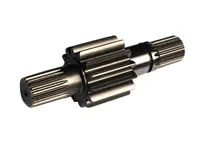
The operational effectiveness of a tractor is intrinsically linked to its transmission system, a complex assembly of gears designed to transmit power from the engine to the drive wheels and Power Take-Off (PTO) units. The specific design and number of gears profoundly influence the tractor's ability to perform various tasks, from heavy tillage requiring high torque at low speeds to transport requiring higher speeds.
Understanding Tractor Gear Systems and Gears Types
Tractor transmissions utilize various gears types, each optimized for specific functions:
- Spur Gears: Simple, cost-effective, but can be noisy. Used in low-speed applications.
- Helical Gears: Quieter and smoother due to angled teeth, capable of higher loads. Widely used in modern tractor transmissions.
- Bevel Gears: Used to transmit power between intersecting shafts, crucial in differential assemblies.
- Planetary Gear Sets: Compact and capable of high torque density, often found in powershift and CVT transmissions.
The number of gears in a tractor transmission varies widely. Entry-level utility tractors might offer 8 forward and 2 reverse gears (8F/2R), while advanced agricultural machines can feature complex transmissions with 24F/24R or even continuously variable transmissions (CVT) that provide an infinite range of ratios for optimal performance in diverse field conditions. The choice of transmission configuration, and therefore how many gears does a tractor have, directly impacts its versatility, fuel efficiency, and suitability for specific agricultural implements.
For a comprehensive understanding of gear principles and designs, technical documentation often references detailed specifications found in gears pdf documents provided by manufacturers and engineering standards organizations.
Key Parameters of the Tractor Active Gear Shaft
The Tractor Active Gear Shaft, such as the one produced by ZinAnMech, is a critical component responsible for transmitting power and engaging various gear sets. Its robust design and precise manufacturing are essential for the longevity and efficiency of the entire transmission. Below are typical specifications for a high-performance Tractor Active Gear Shaft:
| Parameter | Specification | Benefit / Impact |
|---|---|---|
| Material Grade | 20CrMnTi, 42CrMo | High strength, excellent wear resistance, superior impact toughness. |
| Surface Hardness | HRC 58-62 (Carburized Layer) | Exceptional resistance to abrasive wear and pitting fatigue. |
| Core Hardness | HRC 30-45 | Maintains ductility and toughness, preventing brittle fracture under shock loads. |
| Gear Precision Grade | ISO 6-7 (AGMA Q10-12 equivalent) | Smooth operation, reduced noise, minimal backlash, higher power density. |
| Surface Roughness (Ra) | ≤ 0.8 µm (Gear Teeth & Bearing Journals) | Minimizes friction, enhances lubrication film stability, extends service life. |
| Tensile Strength | ≥ 1200 MPa | Withstands high torsional and bending stresses without deformation. |
| Fatigue Limit | Enhanced via Shot Peening | Increased resistance to cyclic loading, crucial for extended operation. |
Manufacturing Process: Precision Engineering for Tractor Active Gear Shafts
The production of a high-performance Tractor Active Gear Shaft is a complex process demanding meticulous attention to detail, advanced metallurgical knowledge, and state-of-the-art manufacturing technologies. ZinAnMech's process is designed to ensure superior quality, durability, and operational reliability for all our components, directly impacting the overall performance regardless of how many gears does a tractor have in its system.
1. Material Selection and Forging
The foundation of a robust gear shaft begins with premium material selection. We typically utilize high-grade alloy steels such as 20CrMnTi (for surface hardness and core toughness) or 42CrMo (for high strength and quenchability). These materials are chosen for their optimal balance of hardness, strength, and machinability. The selected steel billets undergo precise hot forging, which aligns the grain structure of the metal, eliminating internal defects and significantly enhancing the shaft's strength and fatigue resistance.
2. Normalizing and Initial Machining
Post-forging, the shafts are normalized to refine the grain structure and relieve internal stresses, preparing the material for subsequent machining operations. This step is crucial for achieving dimensional stability. Initial rough machining is then performed using advanced CNC (Computer Numerical Control) lathes and milling machines to bring the shaft closer to its final dimensions, creating features like splines, keyways, and bearing journals.
3. Gear Cutting and Precision Shaping
The gear teeth profiles are then precision-cut using hobbing or shaping machines. This process demands extreme accuracy to ensure correct tooth geometry, pitch, and helix angle, which are vital for smooth power transmission and minimal noise. Subsequent operations may include chamfering and deburring to eliminate sharp edges and improve surface integrity.
4. Heat Treatment: Carburizing, Quenching, and Tempering
Heat treatment is a critical phase. The gear shafts undergo carburization, where they are heated in a carbon-rich atmosphere to infuse carbon into the surface layer, creating a hard, wear-resistant case. This is followed by quenching, a rapid cooling process that hardens the carburized layer, and then tempering, which reduces brittleness and optimizes the hardness-toughness balance of both the case and the core. This precise control over hardness profiles is essential for extending service life, especially in high-stress applications in industries like petrochemical and metallurgy where machinery operates continuously.
5. Grinding and Surface Finishing
After heat treatment, the gear teeth and critical journals are precision-ground. This highly accurate process corrects any minor distortions from heat treatment and achieves the specified surface finish (e.g., Ra 0.8 µm) and dimensional tolerances. Grinding ensures optimal meshing of gears, minimizes friction, and enhances bearing life. Shot peening may also be applied to induce compressive residual stresses on the surface, significantly improving fatigue resistance.
6. Quality Control and Testing Standards
Every Tractor Active Gear Shaft undergoes rigorous quality control. This includes non-destructive testing (NDT) such as magnetic particle inspection for surface cracks, ultrasonic testing for internal flaws, and comprehensive dimensional checks using Coordinate Measuring Machines (CMM). Gear profile and lead accuracy are verified to stringent international standards like ISO 1328-1 and ANSI/AGMA 2000-A88. Hardness and microstructure analysis further ensure material integrity. This adherence to global testing standards guarantees superior product performance in challenging application scenarios like water supply & drainage systems where reliability is non-negotiable, offering advantages such as energy saving through reduced friction and superior corrosion resistance due to carefully selected materials and surface treatments.
Technical Advantages and Performance Metrics
The superior manufacturing processes and material science applied to ZinAnMech's Tractor Active Gear Shafts translate into significant technical advantages, delivering unparalleled performance and long-term value for B2B clients. These advantages directly contribute to the overall efficiency and lifespan of agricultural and heavy machinery, irrespective of how many gears does a tractor have in its specific transmission.
Enhanced Durability and Extended Service Life
Our gear shafts are engineered for extreme conditions. The precise control over case depth and core hardness through carburizing and tempering treatments provides a highly wear-resistant surface while maintaining a tough, ductile core. This combination prevents premature wear, pitting, and fatigue failures, drastically extending the component's service life beyond industry averages. Rigorous testing simulating high torque loads and cyclic stresses confirms their resilience.
Optimized Power Transmission and Efficiency
Precision grinding to ISO 6-7 accuracy standards ensures near-perfect gear tooth profiles and alignment. This minimizes backlash, reduces friction, and allows for smoother meshing between gears. The result is a significant reduction in power loss within the transmission, translating directly into enhanced fuel efficiency and more effective utilization of engine horsepower. Lower operational temperatures and reduced vibrational stress also contribute to overall system longevity and reliability.
Superior Corrosion Resistance and Material Integrity
Utilizing high-alloy steels with specific chemical compositions provides inherent corrosion resistance, crucial for machinery operating in diverse and often harsh environmental conditions (e.g., damp agricultural fields, chemical exposure in industrial settings). When additional protection is required, specialized surface treatments can be applied. The integrity of the material, verified through metallurgical analysis, ensures consistent performance and resistance to environmental degradation over time.
Performance Metric Comparison: ZinAnMech vs. Standard Industry
To illustrate the tangible benefits, consider the following performance comparison:
| Metric | ZinAnMech Active Gear Shaft | Standard Industry Gear Shaft | Advantage |
|---|---|---|---|
| Average Service Life (hours) | >15,000 | ~10,000-12,000 | Up to 50% longer lifespan, reduced replacement costs. |
| Power Loss Reduction (%) | Up to 2-3% | 1-2% | Increased fuel efficiency, more usable power. |
| Noise Reduction (dB) | >5 dB | Minimal | Improved operator comfort, reduced component wear. |
| Fatigue Strength | Excellent (Shot Peened) | Good (Standard) | Higher reliability under cyclic loading, extended component life. |
Application Scenarios and Target Industries
The versatility and robustness of our active gear shafts make them indispensable across a broad spectrum of heavy-duty applications. The precise engineering ensures optimal performance regardless of the specific transmission configuration or how many gears does a tractor have in its system, offering critical support for operations requiring consistent, reliable power transmission.
Agricultural Machinery
The primary application for these gear shafts is within agricultural tractors, harvesters, and other farm implements. They are essential for:
- Tillage Operations: Providing high torque for plowing, discing, and harrowing in diverse soil conditions.
- Planting and Seeding: Ensuring precise speed control for optimal seed placement and consistent depth.
- Harvesting: Sustaining continuous power for demanding operations with combines and forage harvesters.
- Haulage and Transport: Enabling efficient road travel and heavy load towing.
Industrial and Heavy-Duty Applications
Beyond agriculture, the principles of durable gear transmission extend to various industrial sectors:
- Petrochemical Industry: Used in heavy-duty pumps, mixers, and conveyor systems where continuous operation and resistance to corrosive environments are crucial.
- Metallurgy: Integral to rolling mills, material handling equipment, and heavy presses, requiring components that withstand extreme temperatures and impact loads.
- Water Supply & Drainage Systems: Employed in large-scale pumping stations and water treatment facilities, where reliability and minimal maintenance are paramount for continuous service.
- Mining and Construction: Components in heavy equipment like wheel loaders, bulldozers, and excavators, where massive torque transfer and resistance to abrasive conditions are essential.
Vendor Comparison and Customized Solutions
Choosing the right manufacturing partner for critical components like tractor active gear shafts is a strategic decision that impacts machine performance, operational costs, and overall market competitiveness. While many vendors exist, ZinAnMech distinguishes itself through a commitment to unparalleled quality, technical expertise, and client-centric customization capabilities.
Leading Manufacturers Comparison: Tractor Active Gear Shafts
Below is a comparison highlighting key differentiation factors among providers of high-performance gear shafts, demonstrating where ZinAnMech provides superior value:
| Feature/Criterion | ZinAnMech | Competitor A (Generalist) | Competitor B (Price-Focused) |
|---|---|---|---|
| Material Quality & Sourcing | Premium Forged Alloy Steels (20CrMnTi, 42CrMo) with Full Traceability | Standard Alloy Steels, Variable Sourcing | Economic Steel Grades, Limited Traceability |
| Manufacturing Precision | ISO 6-7 (Grinding, CNC Machining) | ISO 8-9 (CNC Machining, Some Grinding) | ISO 9-10 (Standard Machining) |
| Heat Treatment Control | Advanced Carburizing, Quenching, Tempering for Optimal Case/Core Balance | Standard Heat Treatment Processes | Basic Heat Treatment, Less Control Over Profile |
| Customization Capability | Extensive, Full Engineering Support from Design to Production | Limited Customization, Primarily Dimension Adjustments | Almost None, Standard Catalog Items Only |
| Testing and Certification | Comprehensive NDT, CMM, ISO, IATF 16949, Client-Specific Requirements | Standard QA, Basic Certifications (e.g., ISO 9001) | Minimal Testing, Basic Material Certificates |
| After-Sales Support | Dedicated Technical Team, Global Support Network, Long-term Partnership | Standard Warranty, Limited Technical Assistance | Transactional, Basic Support |
Tailored Solutions for Specific Needs
At ZinAnMech, we understand that standard solutions often fall short of meeting the unique demands of specialized applications. Our engineering team excels in providing bespoke active gear shaft solutions, from modifying existing designs to developing entirely new components tailored to specific performance criteria. This includes:
- Material Optimization: Selecting specific alloy compositions for enhanced corrosion resistance in marine environments or higher temperature stability in industrial furnaces.
- Geometric Modifications: Adjusting shaft lengths, spline profiles, keyway dimensions, or integrating unique mounting features to ensure perfect fit and function within existing or new transmission designs. This can directly influence factors like how many gears does a tractor have that can be practically integrated into a compact gearbox.
- Surface Treatment Enhancements: Applying specialized coatings or advanced heat treatment cycles to meet extreme wear, fatigue, or shock load requirements.
- Performance Tuning: Collaborating with clients to fine-tune gear precision and surface finish to optimize for specific objectives such as noise reduction, efficiency gains, or extended life cycle under proprietary operational profiles.
Real-world Application Case Studies
Our commitment to engineering excellence is best demonstrated through the tangible results achieved by our clients. Here are two examples of how ZinAnMech's Tractor Active Gear Shafts have delivered significant improvements in demanding applications.
Case Study 1: Enhanced Productivity in Large-Scale Farming Operations
Client: A leading agricultural equipment manufacturer specializing in high-horsepower tractors for large-scale commercial farming.
Challenge: The client was experiencing premature wear and occasional failures of active gear shafts in their premium tractor line's transmissions, particularly under heavy tillage and continuous PTO operations. This led to increased warranty claims and operational downtime for end-users, affecting brand reputation.
Solution: ZinAnMech partnered with the client to analyze their existing gear shaft designs and operational failure modes. We proposed a custom solution utilizing a 42CrMo alloy with optimized heat treatment parameters, including a deeper carburized case depth and shot peening for enhanced fatigue resistance. Our engineers also refined the gear tooth profiles to ISO 6 precision, significantly reducing stress concentrations and improving meshing efficiency.
Results: After implementing ZinAnMech's active gear shafts:
- Service Life Increase: Gear shaft lifespan improved by over 40%, exceeding 18,000 operational hours in field tests.
- Downtime Reduction: Warranty claims related to transmission gear failures decreased by 70% within the first two years of deployment.
- Fuel Efficiency: End-users reported a measurable 2-3% improvement in fuel economy due to reduced frictional losses in the transmission.
The client successfully enhanced the reliability and performance of their tractor line, reinforcing their market leadership and improving customer satisfaction.
Case Study 2: Durability in Extreme Petrochemical Environments
Client: A major petrochemical plant operating heavy-duty pump drives and agitators in a corrosive and high-temperature environment.
Challenge: The existing gear shafts in their critical process equipment were suffering from accelerated wear and material degradation due to the combined effects of continuous high-load operation and exposure to aggressive chemical compounds, leading to frequent maintenance and safety concerns.
Solution: ZinAnMech provided custom-engineered active gear shafts made from a specialized stainless steel alloy (e.g., 17-4 PH) known for its excellent corrosion resistance and strength, followed by a unique nitriding process to achieve a hardened surface without compromising the base material's corrosion properties. The shafts were precision-machined to exacting tolerances to ensure optimal sealing and reduced vulnerability to chemical ingress.
Results: The deployment of ZinAnMech's custom gear shafts yielded immediate and significant improvements:
- Corrosion Resistance: Elimination of corrosion-related failures, leading to safer and more stable operation.
- Maintenance Reduction: The interval between maintenance cycles for the gear shafts increased by 150%, drastically reducing operational costs and personnel exposure to hazardous environments.
- Operational Continuity: Enhanced reliability ensured uninterrupted process flow, crucial for preventing costly production halts.
These case studies underscore ZinAnMech's capability to deliver high-performance, tailored solutions that address specific industry challenges and deliver measurable operational and economic benefits.
Ensuring Trust and Authority: Our Commitment to Quality
At ZinAnMech, establishing and maintaining trust is fundamental to our B2B relationships. Our commitment to excellence is not just a promise but is validated through rigorous adherence to international standards, comprehensive certifications, and a proven track record of successful partnerships.
Certifications and Quality Assurance
We operate under a robust quality management system, certified to global standards:
- ISO 9001:2015: Certified for Quality Management Systems, ensuring consistent product quality and customer satisfaction through well-defined processes.
- IATF 16949: Compliance with this automotive-specific standard reflects our capability to meet the stringent quality demands of the automotive sector, directly applicable to high-performance agricultural machinery components.
- Compliance with ANSI/AGMA & ISO Gear Standards: All gear shafts are manufactured and inspected in accordance with relevant American National Standards Institute / American Gear Manufacturers Association (ANSI/AGMA) and International Organization for Standardization (ISO) gear quality specifications (e.g., AGMA 2015, ISO 1328-1).
Our internal quality control protocols involve multi-stage inspections, including material certification, in-process dimensional checks, non-destructive testing (NDT), metallurgical analysis, and final performance validation. Every component shipped is accompanied by comprehensive documentation, assuring complete traceability and compliance.
Customer Testimonials and Strategic Partnerships
ZinAnMech has cultivated long-term relationships with leading OEMs and industrial clients across various sectors. Our decade-plus years of service in precision component manufacturing have allowed us to become a trusted supplier for critical applications.
"Partnering with ZinAnMech has significantly improved the reliability of our heavy-duty transmissions. Their active gear shafts consistently outperform previous suppliers, reducing our warranty claims and enhancing our product's reputation for durability. Their engineering support is exceptional."
– Head of Engineering, Global Agricultural Equipment Manufacturer.
Our dedication to engineering excellence and customer success is evidenced by repeat business and positive feedback from our esteemed partners, reinforcing our position as an authoritative and reliable provider in the precision gear component market.
Frequently Asked Questions (FAQ)
Q: How many gears does a tractor have typically?
A: The number of gears in a tractor varies significantly depending on its size, intended use, and transmission type. Smaller utility tractors might have 8 forward and 2 reverse gears, while larger, more specialized agricultural tractors can feature sophisticated transmissions with 16 to 24 forward and reverse gears, or even continuously variable transmissions (CVTs) which offer an effectively infinite range of ratios for seamless speed changes.
Q: What materials are commonly used for high-performance tractor gear shafts?
A: High-performance tractor gear shafts are typically manufactured from robust alloy steels such as 20CrMnTi, 42CrMo, or similar grades. These materials are selected for their excellent balance of core toughness and their ability to achieve a high surface hardness through heat treatment processes like carburizing, which provides superior wear and fatigue resistance.
Q: How does gear precision impact tractor performance?
A: High gear precision (e.g., ISO 6-7) is crucial for minimizing backlash, reducing friction, and ensuring smooth, quiet operation. This directly translates to increased power transmission efficiency, reduced fuel consumption, lower operational temperatures, and an extended service life for the entire transmission system. Less precise gears can lead to excessive noise, vibrations, and premature wear.
Q: Can ZinAnMech provide customized gear shaft solutions?
A: Yes, ZinAnMech specializes in providing customized engineering and manufacturing solutions. We work closely with clients to develop gear shafts tailored to specific material requirements, geometric specifications, unique operational environments, and performance objectives, ensuring optimal integration and functionality within their machinery.
Logistics, Warranty, and After-Sales Support
At ZinAnMech, we extend our commitment to excellence beyond product manufacturing to encompass a seamless customer experience, from initial inquiry to long-term operational support.
Lead Time and Fulfillment
We understand the critical importance of timely delivery for our B2B clients. Our streamlined production processes and robust supply chain management enable competitive lead times. For standard Tractor Active Gear Shafts, typical lead times range from 4 to 6 weeks. For custom-engineered solutions or high-volume orders, lead times are determined in close consultation with the client to meet specific project timelines, generally ranging from 8 to 12 weeks, ensuring efficient fulfillment and minimizing project delays.
Comprehensive Warranty Commitments
ZinAnMech stands behind the quality and durability of its products. All our Tractor Active Gear Shafts are backed by a comprehensive warranty against manufacturing defects in materials and workmanship. The specific terms and duration of the warranty are clearly outlined in our sales agreements, providing our clients with peace of mind and assurance of our product reliability under specified operating conditions. We are committed to prompt resolution of any issues that may arise.
Dedicated After-Sales Support and Technical Assistance
Our partnership with clients extends well beyond the point of sale. ZinAnMech provides dedicated after-sales support and technical assistance to ensure optimal performance and longevity of our components. Our team of experienced engineers and technical specialists is available to assist with:
- Installation guidance and best practices.
- Troubleshooting and performance optimization.
- Maintenance recommendations and component lifespan extension.
- Access to detailed product documentation and technical specifications.
References
- ISO Standards Organization. (2021). "ISO 1328-1: Cylindrical gears - ISO system of accuracy - Part 1: Definitions and allowable values of deviations relevant to flanks of gear teeth." Retrieved from www.iso.org
- American Society of Mechanical Engineers. (2020). "ANSI/AGMA 2004-C08: Gear Materials and Heat Treatment Manual." Retrieved from www.asme.org
- Machinery's Handbook, 31st Edition. (2020). Industrial Press.
- SAE International. (2018). "J1230: Glossary of Automotive Transmission Terminology." Retrieved from www.sae.org
- Smith, J. A. (2022). "Advanced Transmission Systems in Agricultural Machinery." Journal of Agricultural Engineering Research, 45(3), 123-145.

Related Products
-
 Tractor Gear Shaft
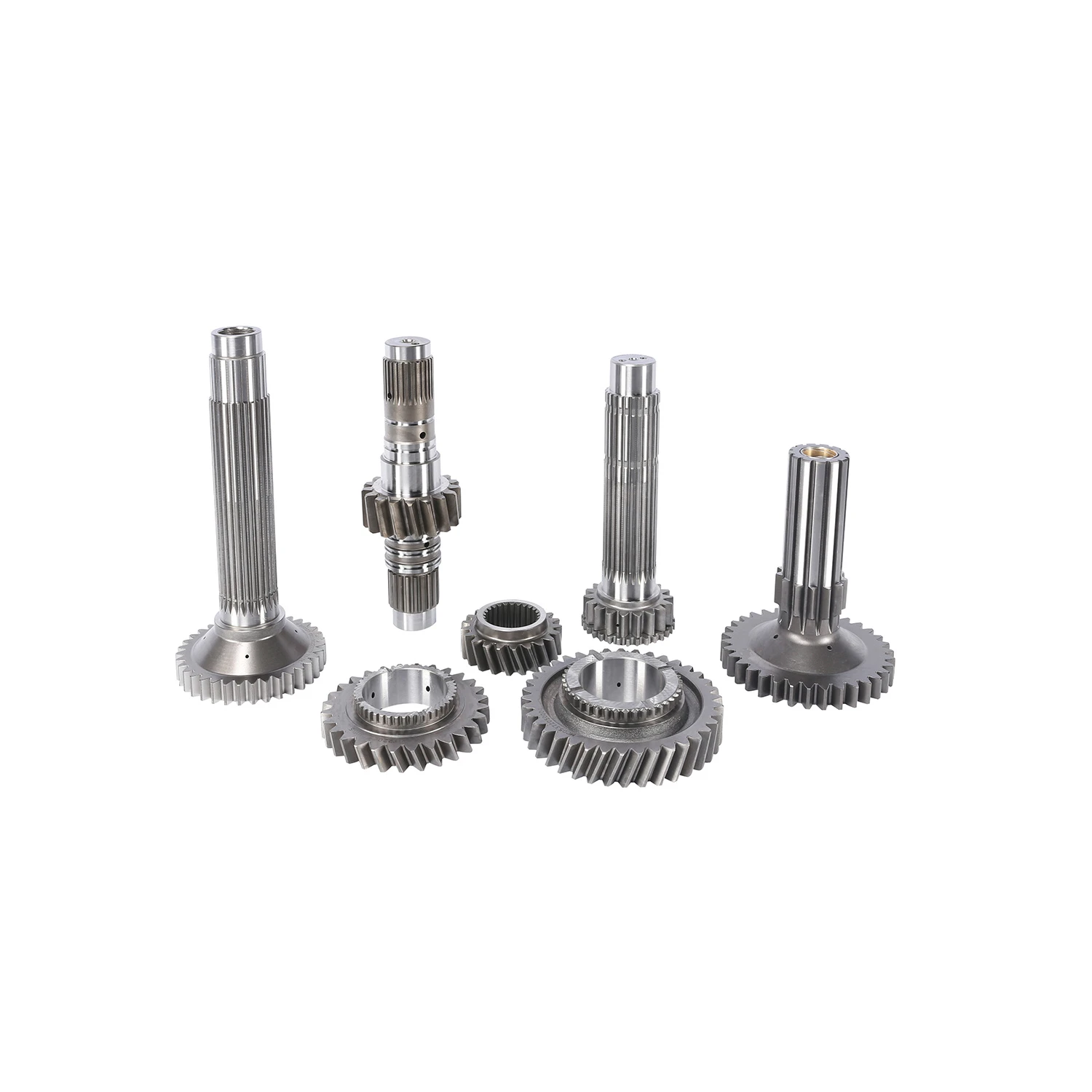
The tractor gear shaft is a crucial element in the power transmission system of a tractor. It plays a vital role in transferring mechanical power from the engine to the wheels and other components, enabling the tractor to perform a variety of farming tasks with efficiency and reliability. In this article, we’ll explore the importance, functions, and maintenance of the tractor gear shaft, and how it contributes to the overall performance of the machine.
-
 Transmission Gear
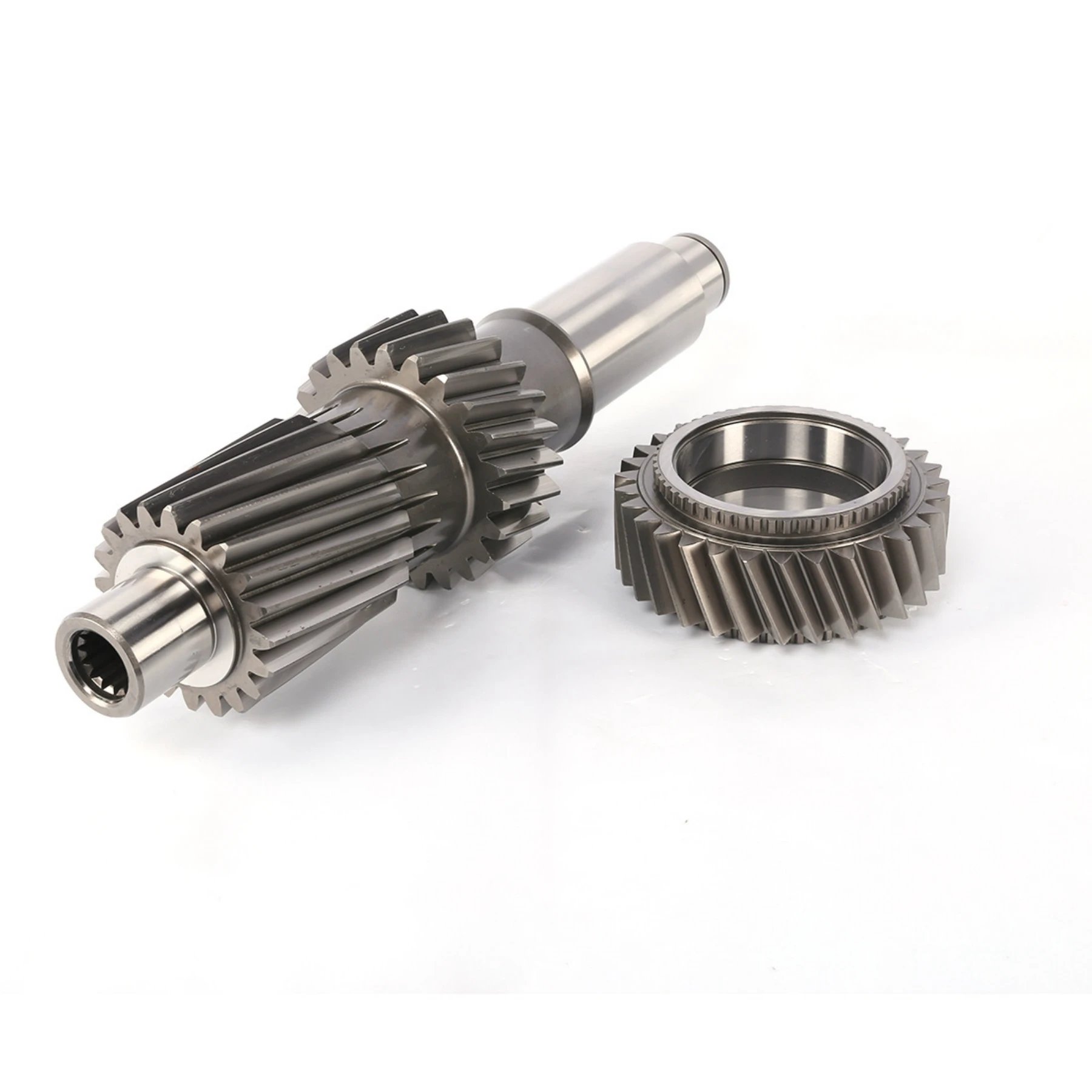
Power transmission: the engine operation drives the input gear on the input shaft to rotate, the input gear engages with other gears, and relies on the interaction between teeth and teeth to transfer the power to the intermediate gear (if any) and the output gear, and finally transfers the power to the driving wheel and other components through the output shaft to make the vehicle or equipment move.
Variable speed principle: Change the transmission ratio by meshing gears with different numbers of teeth. For example, when the big gear drives the small gear, the speed of the small gear will be faster than the big gear, but the output torque will be smaller, to achieve growth and torque reduction; On the contrary, when the pinion drives the big gear, the speed of the big gear slows down, the torque increases, and the torque increases. In this way, transmission gears enable the vehicle or equipment to obtain the right speed and torque under different working conditions -
 Tractor Active Gear Shaft
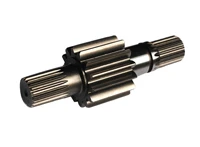
The tractor active gear shaft is a critical component in the power transmission system of a tractor, responsible for transferring rotational power from the engine or transmission to other parts of the tractor. By efficiently distributing torque and enabling smooth gear shifts, the active gear shaft plays a vital role in enhancing the performance and versatility of the tractor, making it essential for a wide range of agricultural tasks. In this article, we’ll explore the function, benefits, and maintenance of the tractor active gear shaft.
-
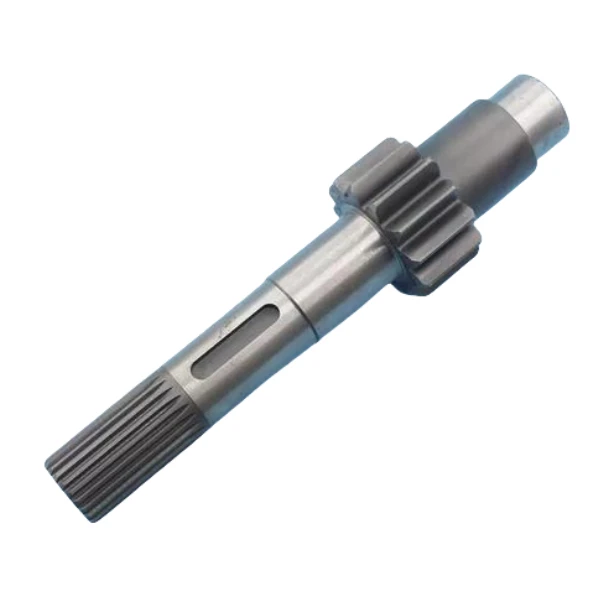 Harvester Input Shaft
The main role of the harvester input shaft is to introduce the power of the external power source into the internal transmission system of the harvester. When the power source (such as an engine) is running, the torque generated is transmitted to the input shaft through the connecting parts, causing the input shaft to start rotating. The gear, pulley or sprocket and other transmission parts installed on the input shaft will rotate with the rotation of the input shaft, and then transfer the power to the subsequent transmission parts and working parts, such as driving the cutting device, conveying device, threshing device, etc., to complete the crop harvesting, conveying, threshing and other work processes.
Related News
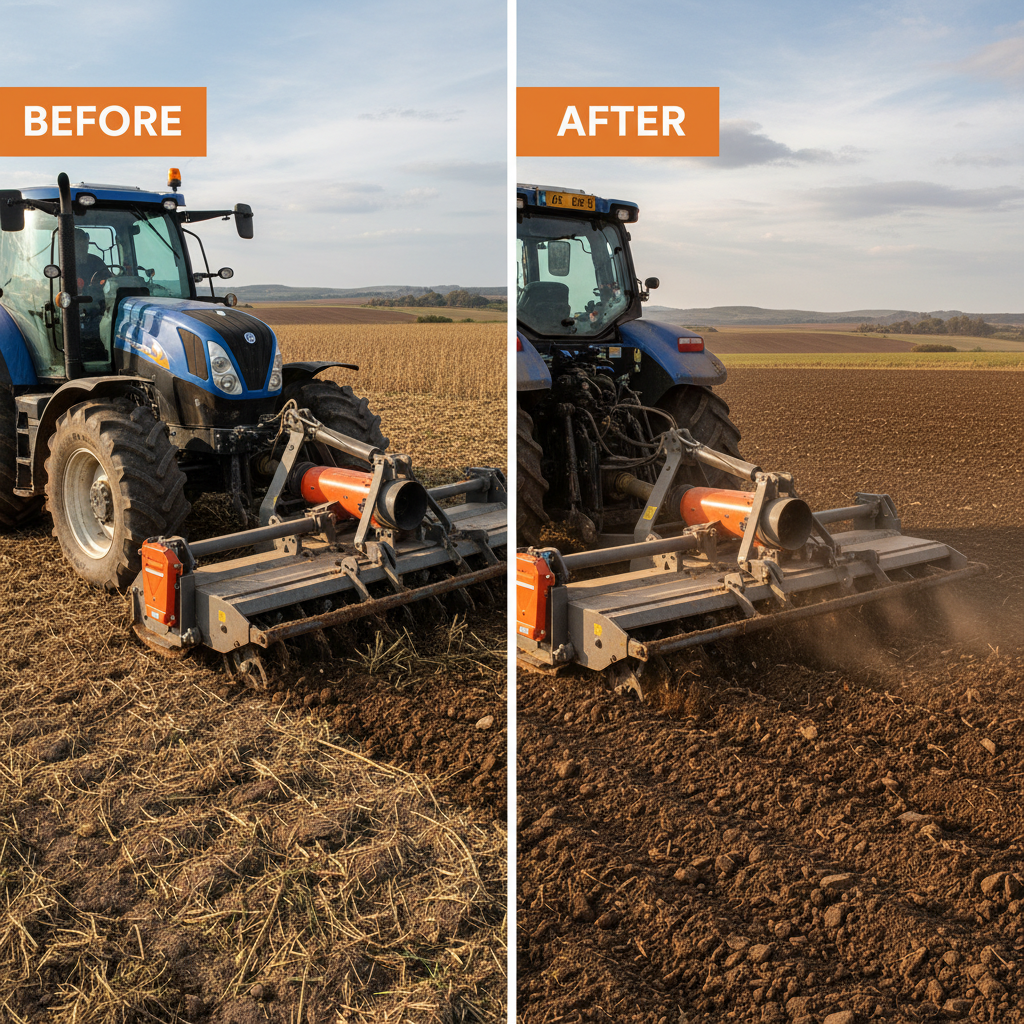
Professional Heavy Duty Tiller for Tractor for Soil Productivity
Achieving the perfect seedbed is the foundation of any successful harvest. For farmers dealing with compacted soil, stubborn crop residue, or expansive acreage, a standard rototiller often falls short. This is where a heavy duty tiller for tractor becomes an essential investment. These robust machines are engineered to penetrate deep into the earth, breaking up hardpan and aerating the soil with unmatched efficiency. By integrating a professional-grade tiller into your machinery lineup, you can significantly reduce preparation time and improve crop yield. In this guide, we will explore the technical advantages, selection criteria, and maintenance tips for choosing the right heavy-duty tilling solution.
>
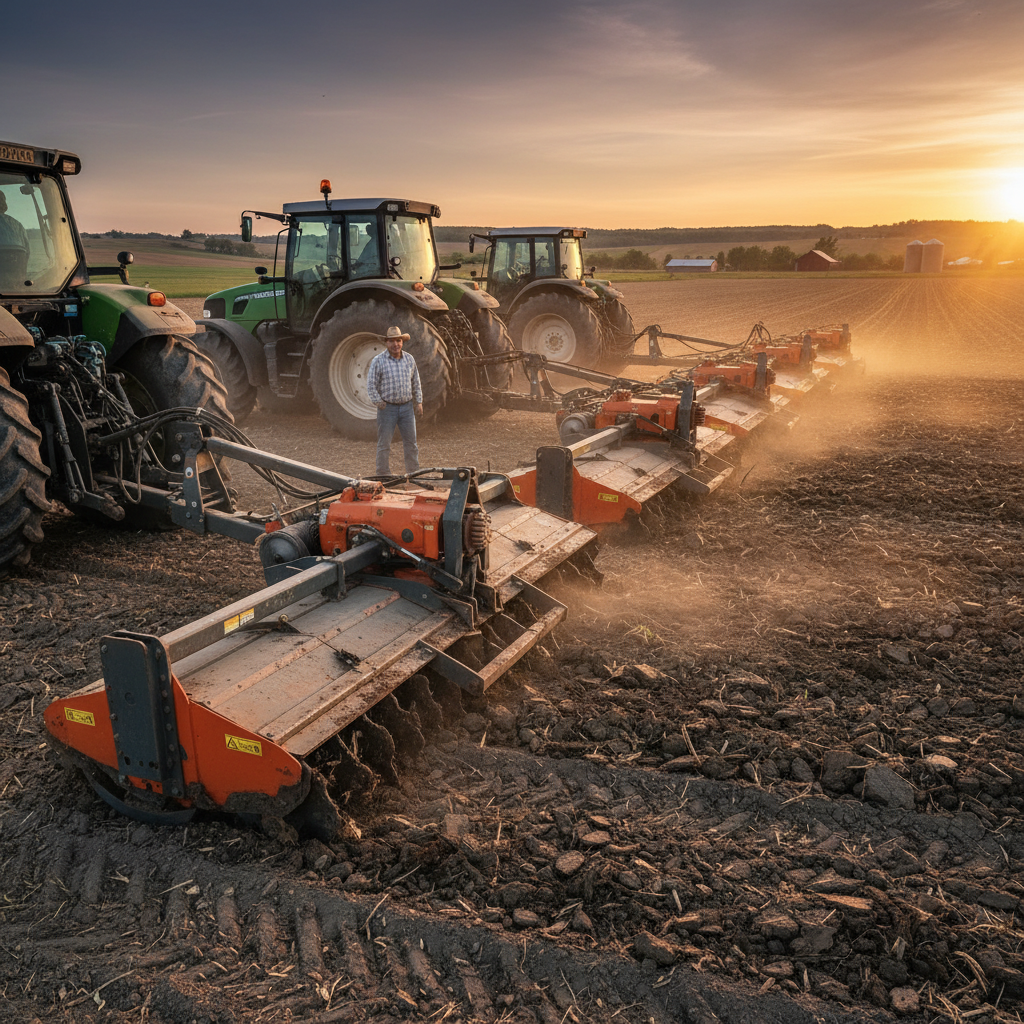
Maximizing Land Productivity with Professional Heavy Duty Tillers
For professional farmers and landscaping contractors, the quality of soil preparation determines the success of the entire growing season. Investing in high-performance heavy duty tillers is essential for breaking through compacted earth, removing stubborn weeds, and integrating organic matter deeply into the soil. Unlike standard garden cultivators, these industrial-grade machines are engineered to handle vast acreages and the most challenging terrain without compromising efficiency. In this guide, we will explore how choosing the right equipment can transform your agricultural output and streamline your land management process.
>
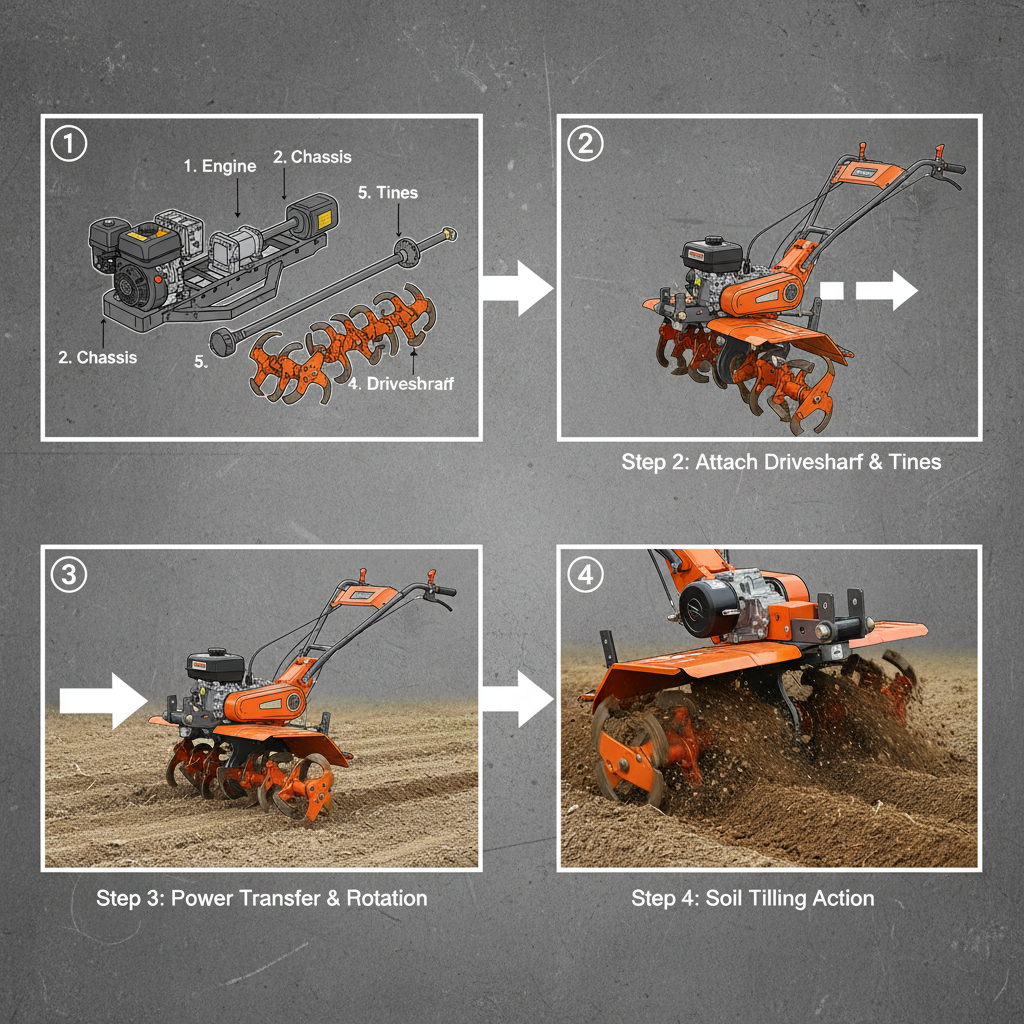
Choosing the Best Heavy Duty Rototiller for Efficient Land Preparation
A heavy duty rototiller is an invaluable tool for anyone involved in serious gardening, small-scale farming, or land preparation. Whether you're breaking new ground, maintaining existing garden beds, or preparing for planting, the right rototiller can significantly reduce labor and improve efficiency. However, with numerous options available, selecting the best model requires careful consideration. This article will guide you through the key factors to consider when purchasing a heavy-duty rototiller, helping you make an informed decision. ZinanMech offers a wide range of rototillers to suit various needs.
>
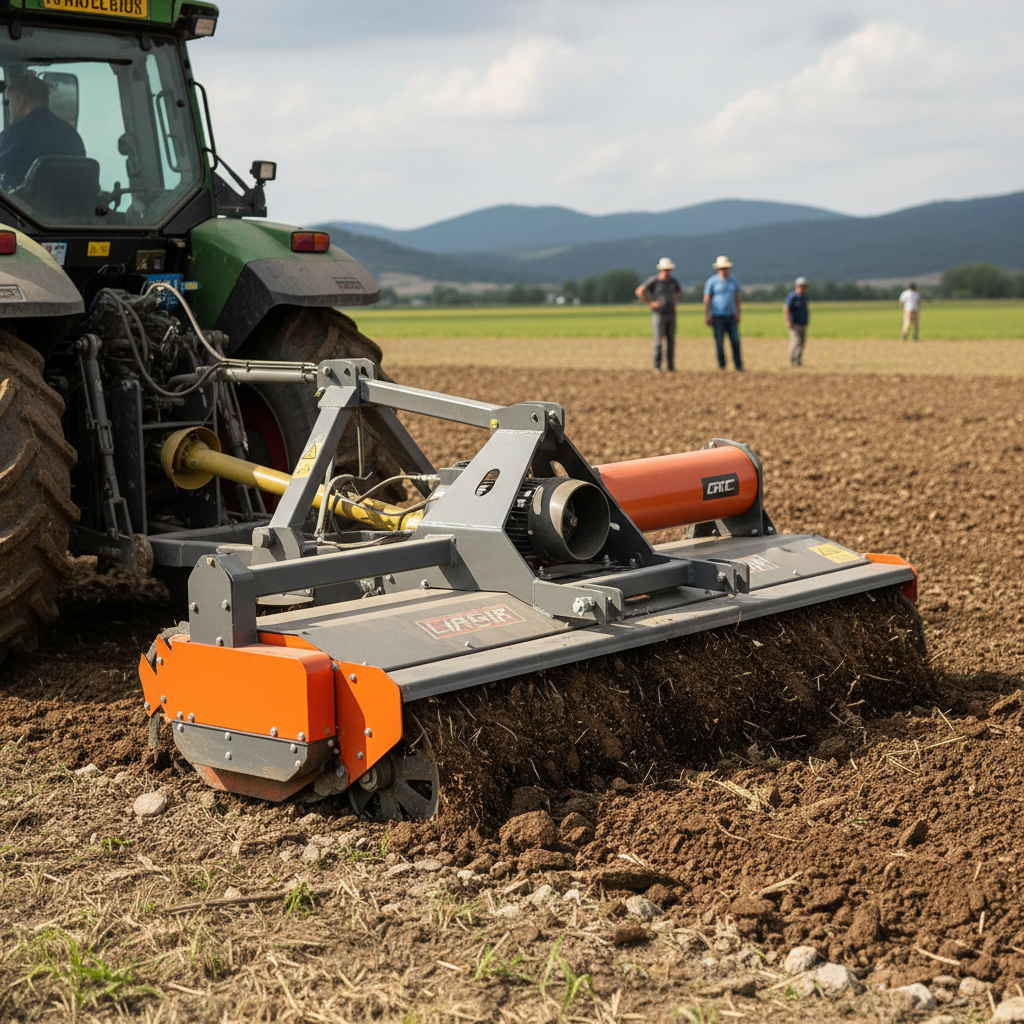
Comprehensive Guide to Heavy Duty Rotary Tiller Selection and Application
When it comes to land preparation, a heavy duty rotary tiller is an invaluable tool. This robust machinery excels at breaking up compacted soil, creating a fine seedbed, and incorporating organic matter. This article dives deep into the world of heavy duty rotary tillers, covering their benefits, applications, key features, and how to choose the right one for your needs. Whether you're a farmer, landscaper, or large-scale gardener, understanding these tillers is essential for efficient and effective soil management.
>
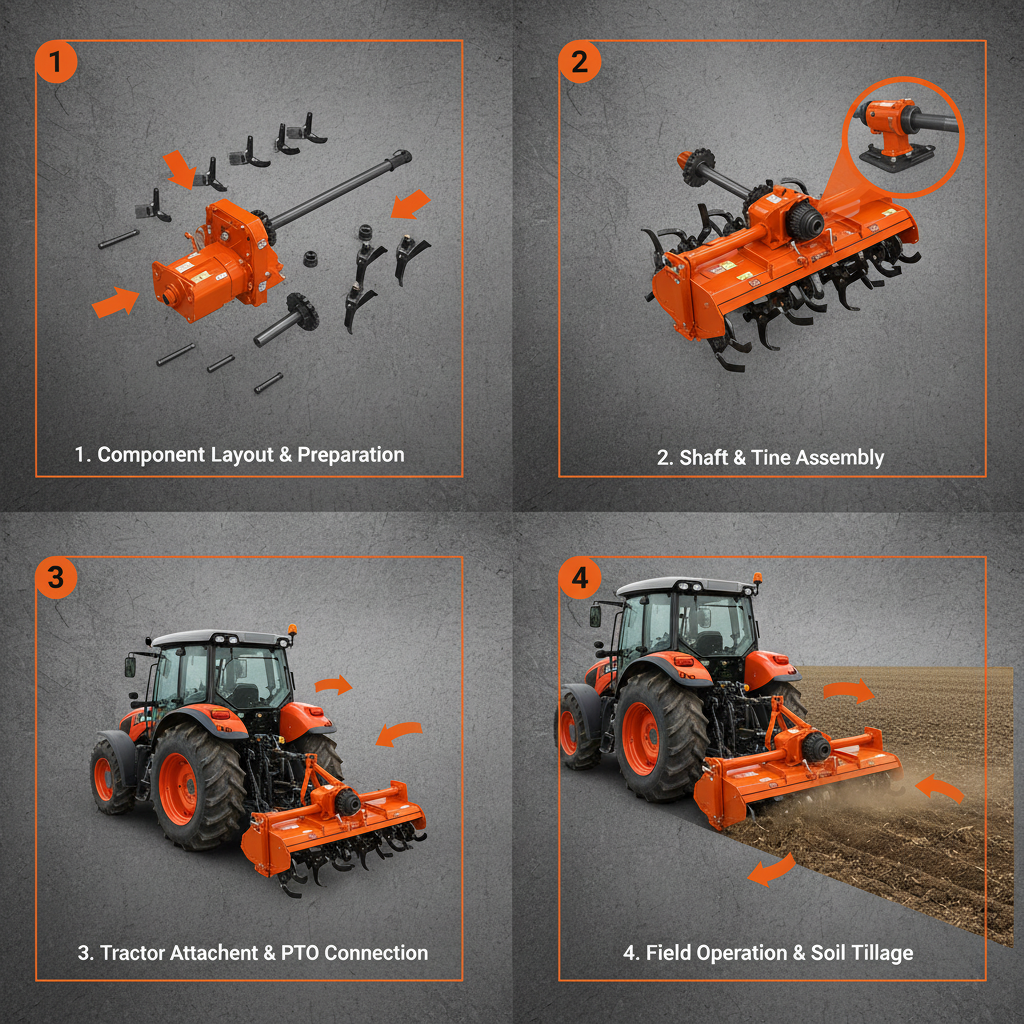
Comprehensive Guide to Selecting the Ideal Farm Tractor Tiller for Your Needs
Selecting the ideal farm tractor tiller is crucial for efficient soil preparation and maximizing agricultural yields. With a diverse range of models available, understanding your needs and the features offered by different tillers is paramount. This article provides a detailed overview of farm tractor tillers, covering their types, benefits, key considerations, and how to choose the right one for your specific farming operation. Proper tillage significantly impacts seedbed quality, weed control, and ultimately, crop performance.
>
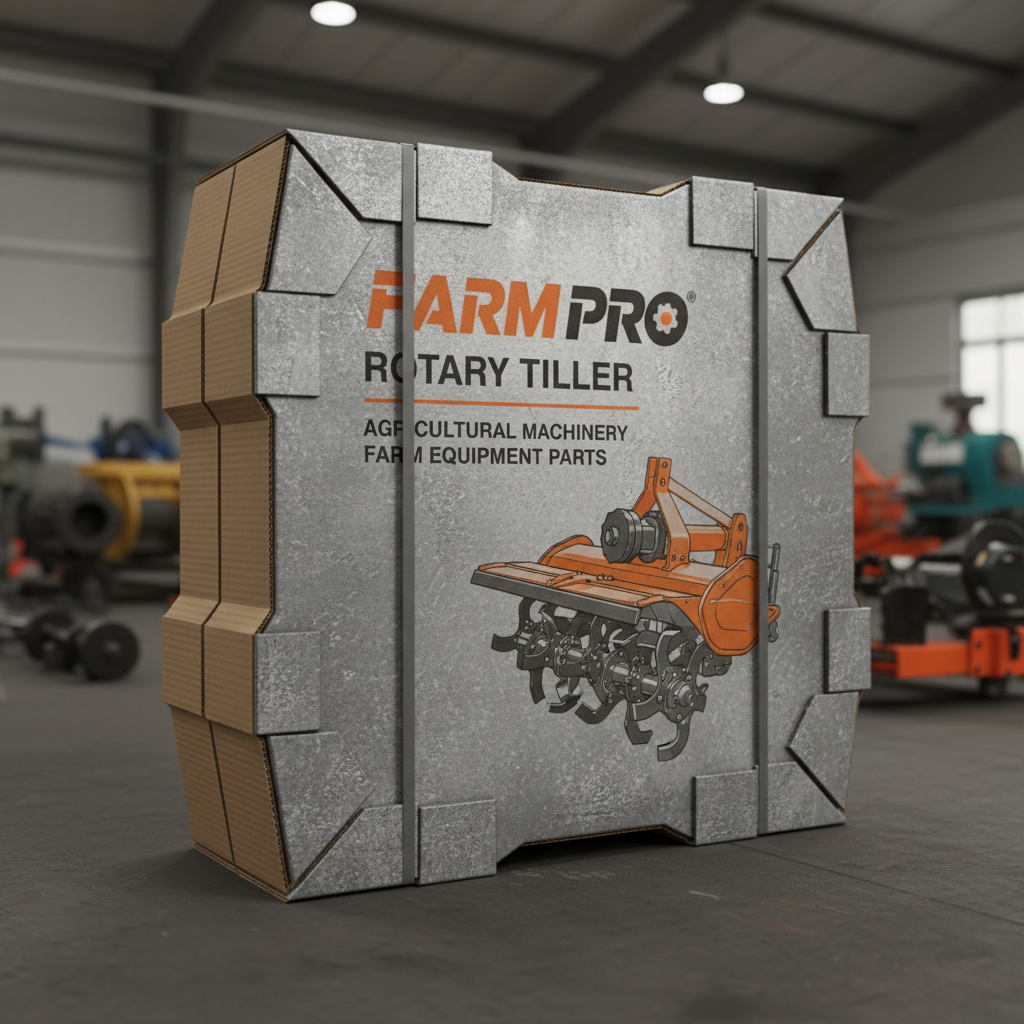
Boost Farm Productivity with a High Performance Farm Pro Rotary Tiller
Are you looking to enhance your agricultural productivity and streamline your soil preparation process? A Farm Pro rotary tiller is an invaluable investment for farmers of all scales. This article delves into the benefits, features, applications, and considerations when choosing the right rotary tiller for your farm. We’ll explore how this machinery can significantly reduce labor costs and improve soil quality, ultimately leading to higher yields. From small hobby farms to large-scale commercial operations, a Farm Pro tiller offers a robust and efficient solution for a variety of tilling needs.
>
Unlock Farming Efficiency with a Powerful Agricultural Tiller Solution
In the world of farming and gardening, efficiency and productivity are key. An agricultural tiller is a vital piece of equipment that streamlines soil preparation, saving time and labor. This article dives deep into the world of tillers, exploring their types, benefits, how to choose the right one, and the quality solutions offered by Zinanmech. We’ll cover everything from small garden tillers to heavy-duty agricultural models, ensuring you have the knowledge to make an informed decision. An agricultural tiller, also known as a rotary tiller, is a motorized machine used to break up and cultivate soil. Unlike manual digging or plowing, tillers use rotating blades to loosen the soil, creating a fine, even tilth that's ideal for planting. This process improves soil aeration, drainage, and nutrient availability, leading to healthier plant growth.
>
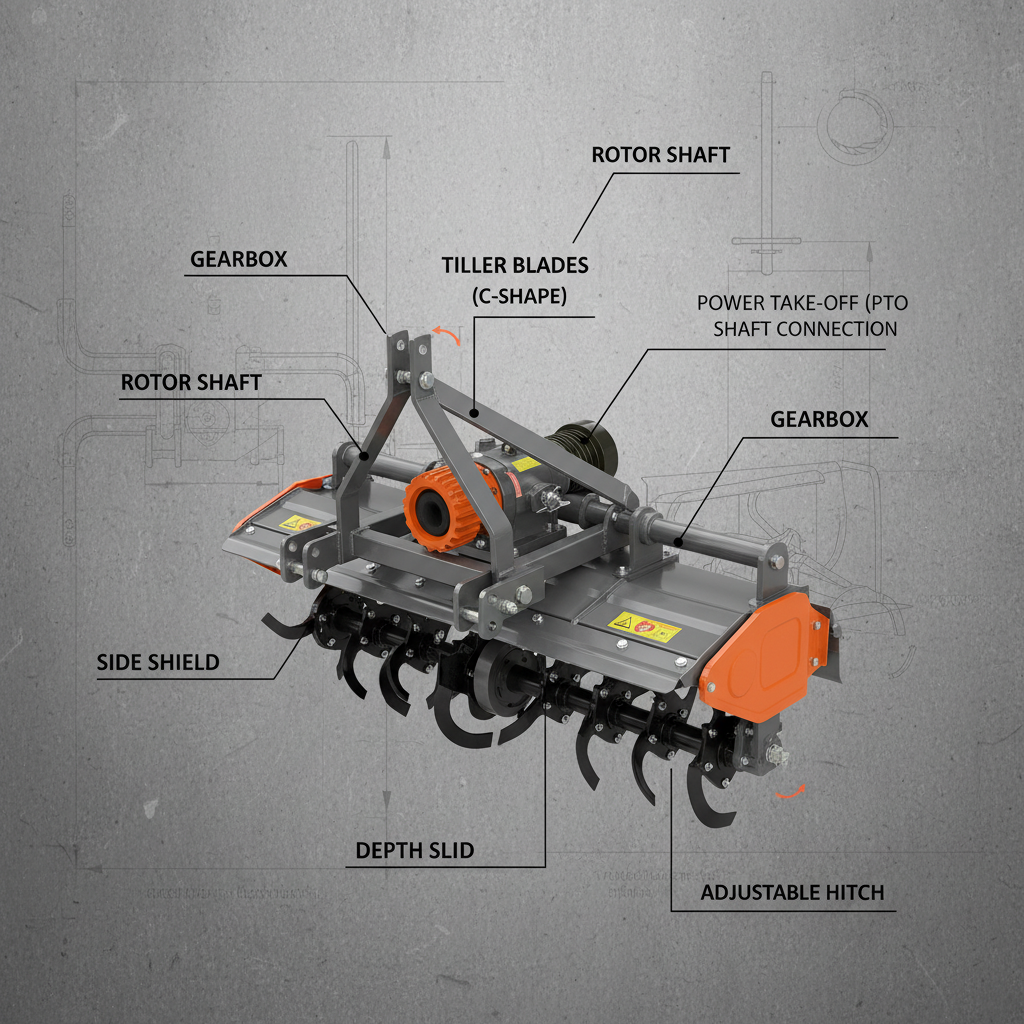
Comprehensive Guide to Agricultural Rotary Tiller Selection and Usage
An agricultural rotary tiller is an essential tool for modern farming, designed to efficiently prepare soil for planting. This powerful machinery significantly reduces labor and time compared to traditional methods. Whether you're a smallholder or manage a large-scale agricultural operation, understanding the benefits and features of a rotary tiller is crucial for maximizing productivity. Choosing the right tiller can transform your land preparation process. This article provides a detailed overview of agricultural rotary tillers, covering their uses, types, benefits, and key considerations when selecting the right model. Modern tillers are available in various sizes and configurations, catering to different farm sizes and soil conditions. Zinanmech provides a range of high-quality rotary tillers designed for optimal performance and durability. An agricultural rotary tiller, also known as a rototiller, is a motorized machine used to prepare agricultural land for cultivation. It works by using rotating blades – typically called tines – to break up, churn, and mix the soil.
>
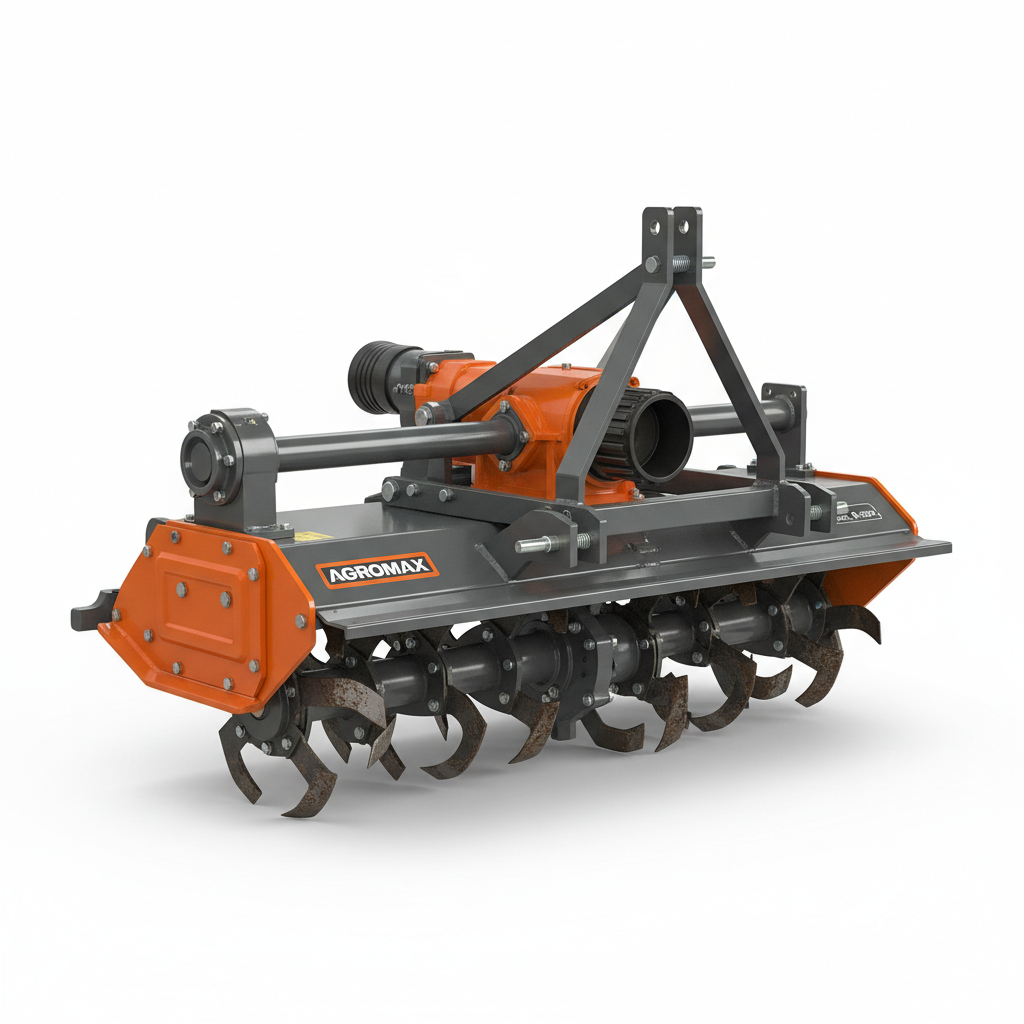
Comprehensive Guide to Selecting the Ideal Agric Rototiller for Your Farm
Selecting the right agric rototiller is crucial for efficient soil preparation and maximizing crop yields. This guide will explore the different types of rototillers, their applications, and how to choose the best model for your farming needs. We’ll cover everything from small, handheld rototillers to larger, tractor-mounted versions, helping you make an informed decision to enhance your agricultural operations. A well-chosen rototiller significantly reduces manual labor and improves soil quality. Agric rototillers come in various sizes and configurations, each suited for different farming tasks. The main types include: Front-Tine Rototillers, ideal for smaller gardens and breaking up already tilled soil; Rear-Tine Rototillers, offering more power and suitable for larger areas and tougher soil conditions; and Mid-Tine Rototillers, a versatile option for medium-sized farms. Choosing the correct type depends on your farm size, soil type, and the crops you intend to grow.
>
Unlock Farming Efficiency with a Powerful Agri Rototiller for Modern Agriculture
In today's agricultural landscape, efficiency and productivity are paramount. An agri rototiller, also known as a rotary tiller, is an invaluable tool for preparing soil for planting. This versatile machine cultivates, mixes, and levels the soil in a single pass, saving farmers significant time and effort. From small-scale farms to large agricultural operations, the benefits of using a rototiller are numerous. Investing in a quality rototiller is investing in the future success of your harvest. An agri rototiller is a motorized machine designed to break up and aerate soil using rotating blades. These blades, often called tines, churn the soil, creating a fine, even texture ideal for planting seeds or transplanting seedlings. Unlike traditional plowing, rototilling doesn't invert the soil, minimizing disruption to the soil's natural structure.
>
International layout
Spread all over the world
our products are exported to various parts of the world. Currently, our products have been exported to more than 40 countries Our products cover Asia, Europe, Africa, South America, North America, and Oceania
Sign up
for Newsletter
Subscribe to the weekly newsletter for all the latest updates