- Tel: +86 13451474678 / 13451474678
- Email: / hbzinanmech@gmail.com

Innovative Machines for Soil Preparation | Global Solutions & Trends
The Rising Importance of Machines for Soil Preparation
When you hear the phrase machine for soil preparation, it might sound a bit dry at first, but believe me, this is one of those unsung heroes in the world of agriculture and construction. Frankly, whether you're growing the food that ends up on your plate or building infrastructure that supports communities, how soil’s prepped matters big time. It’s a foundational step — literally. Across the globe, better soil preparation machines mean healthier crops, less manual labor, and more sustainable land use. In a world facing food security concerns and climate change, understanding these machines is key to racing ahead.
Introduction: Soil Preparation Machines on the Global Stage
Let’s zoom out. According to the United Nations’ Food and Agriculture Organization (FAO), nearly 33% of global soils are moderately to highly degraded, affecting crop production and sustainability. Efficient soil preparation, aided by modern machinery, is not just a convenience — it’s a necessity to improve soil structure, moisture retention, and reduce erosion. On the construction front, soil preparation machines facilitate stable foundations, speeding up timelines in infrastructure projects worldwide.
But here’s the catch: many developing regions still rely on outdated manual methods, slowing progress and sometimes doing more harm than good. These gaps highlight the need to adopt affordable, adaptable machines for soil preparation that fit local contexts. It's these machines that often bridge the gap between traditional farming and scalable industrial agriculture.
What Exactly Are Machines for Soil Preparation?
Simply put, a machine for soil preparation is any mechanized device designed to cultivate soil by turning, loosening, breaking up, or otherwise treating it before planting or construction. This includes tillers, rotary cultivators, plows, harrows, and even more advanced multipurpose soil conditioners. They reduce hard labor, optimize fields for better root penetration, and can speed up work that otherwise could take days or weeks.
It might sound very agricultural-focused, but the definition spans sectors. Think disaster recovery, where stabilizing soil quickly is vital to rebuilding after floods or earthquakes. Or urban construction zones where soil compaction impacts building safety. These machines connect the dots between human needs and machine efficiency.
Core Components and Key Factors of Soil Preparation Machines
1. Durability and Build Quality
Soil prep machines often wrestle with abrasive, uneven terrain and varying moisture conditions. Heavy-duty steel parts, corrosion resistance, and rugged chassis design ensure these tools keep churning day after day without pricey downtimes.
2. Scalability and Adaptability
One size doesn’t fit all. From small family farms to large commercial operations, machines need to scale. Some feature modular attachments, others adjust their depth or width on the fly. Adaptability can be the difference between a happy operator and abandoned gear.
3. Cost Efficiency and Maintenance
Price always matters, sure, but it’s the ongoing operational costs — fuel, wear parts, repairs — that count most. Machines designed with fewer, easy-to-service parts, or that are compatible with common fuels and lubricants, tend to win hearts (and budgets).
4. Power Source and Environmental Impact
Traditional diesel engines dominate but expect a shift toward electric and hybrid powertrains, especially as sustainability regulations tighten globally. Lower fuel consumption and emissions are no longer “nice to have” but essentials.
5. Ease of Operation and Safety Features
Ergonomic controls, low-vibration designs, and safety guards reduce operator fatigue and accidents. Simple, intuitive interfaces can spell the difference between use and misuse, especially in regions with limited technical training.
Mini takeaway: A good machine for soil preparation balances rugged design with user-friendly features, all while being mindful of cost and environmental impact.
Global Applications and Real-World Use Cases
Oddly enough, these machines have footprints far beyond just farms in Iowa or vineyards in France. In South Asia, compact rotary tillers help smallholders prep humid clay soils efficiently, boosting rice and vegetable yields. In sub-Saharan Africa, NGOs use versatile soil conditioners in post-disaster zones to rebuild farmlands swiftly. Meanwhile, mining operations in Australia use heavy-duty scarifiers for land reclamation — a kind of soil prep for future use.
Even in Europe and North America, precision soil preparation machines paired with GPS and IoT tech are revolutionizing how land is managed. This digital edge improves fertilizer application, reduces water usage, and ‘knows’ the soil condition almost better than the farmer.
Advantages and Long-Term Value
- Cost savings: Reduced manual labor and optimized planting schedules cut costs.
- Sustainability: Improved soil health translates into fewer inputs and long-term productivity.
- Social benefits: Farmers experience less drudgery and better yields, which supports livelihoods.
- Reliability: Mechanical efficiency speeds up large projects, whether for food or infrastructure.
- Innovation and trust: Using modern machines can also elevate a community’s confidence and adoption of new techniques.
Future Trends and Innovations in Soil Preparation Machinery
The road ahead looks exciting. Expect to see electric tillers gaining traction — no more diesel fumes in the field, plus quieter operation. Add to this the rise of autonomous soil prep machines, which can operate with minimal human supervision, cutting down risks and labor shortages. Smart sensors embedded in tools will soon analyze soil composition in real time, adjusting scoop depth or speed on the fly.
And, as with so many industries, the push for greener materials is growing. Recyclable metals and bio-based lubricants are getting attention. There’s even research into biodegradable tiller blades that balance performance and environmental care.
Challenges and Innovative Solutions
Despite the promise, the industry faces challenges. High initial costs can put advanced machines out of reach for smallholders. Maintenance requires technical knowledge that may not exist everywhere — and parts availability can be a headache. Rough terrain sometimes causes frequent breakdowns.
Solutions? Custom financing schemes and rental programs help alleviate financial barriers. Manufacturers increasingly provide local training programs and build networks for spare parts distribution. On the tech side, modular designs mean operators can swap out faulty parts quickly, minimizing downtime.
Specification Snapshot: Typical Machine for Soil Preparation
| Specification | Model XT-200 | Model RT-450 |
|---|---|---|
| Weight | 550 kg | 750 kg |
| Engine Power | 15 HP Diesel | 25 HP Petrol |
| Working Width | 120 cm | 180 cm |
| Max Working Depth | 20 cm | 30 cm |
| Fuel Efficiency | 4.5 L/hr | 6.2 L/hr |
Vendor Comparison: Leading Soil Preparation Machine Providers
| Vendor | Price Range | Warranty | Global Service Network | Unique Selling Point |
|---|---|---|---|---|
| ZinaMech | $12,000 - $25,000 | 3 years | Strong in Asia & Africa | Customizable modular attachments |
| AgroMach | $15,000 - $30,000 | 4 years | Europe and North America | Integration with GPS and IoT |
| EcoTill | $10,000 - $22,000 | 2 years | Global but limited service | Focus on electric powertrains |
Frequently Asked Questions About Machines for Soil Preparation
Q1: What machine for soil preparation works best for small-scale farms?
For small farms, compact rotary tillers or mini plows often do the trick. They’re lightweight, affordable, and easy to maneuver in tight spaces. Many come with adjustable settings to suit different soil types, and these smaller machines reduce fuel costs and operator fatigue.
Q2: How often should a soil preparation machine be maintained?
Regular maintenance is critical; many experts recommend a basic check before every season and a more thorough inspection quarterly. Focus on blade sharpness, lubrication points, and engine condition. Preventive care avoids costly downtime, especially during busy planting periods.
Q3: Can soil preparation machines handle rocky or uneven terrain?
Some models are built specifically for rough terrain with reinforced frames and heavy-duty tines. However, extremely rocky ground can damage many machines, so site assessment is essential. Modular attachments or specialized scarifiers may better tackle tough soils.
Q4: Are electric soil preparation machines viable for large-scale use?
Electric machines are improving steadily but currently better suited for small to medium operations due to battery limitations. Advances, however, promise to close this gap soon, especially with solar-charging capabilities in off-grid areas.
Q5: Where can I find reliable machines for soil preparation internationally?
Many manufacturers — including machine for soil preparation specialists — offer export options with international certifications. It’s wise to choose vendors with strong after-sales service and local presence to ease parts availability and training.
Conclusion: Why Investing in Soil Preparation Machinery Matters
At the end of the day, the right machine for soil preparation isn’t just a tool — it’s a catalyst for productivity, sustainability, and progress. Whether you’re a farmer facing soil degradation or a project manager racing against the clock, these machines form the backbone of modern soil management and land use. If you want to dive deeper or find customized solutions, do stop by our site. Because better soil prep is the first step toward a better future.

Related Products
-
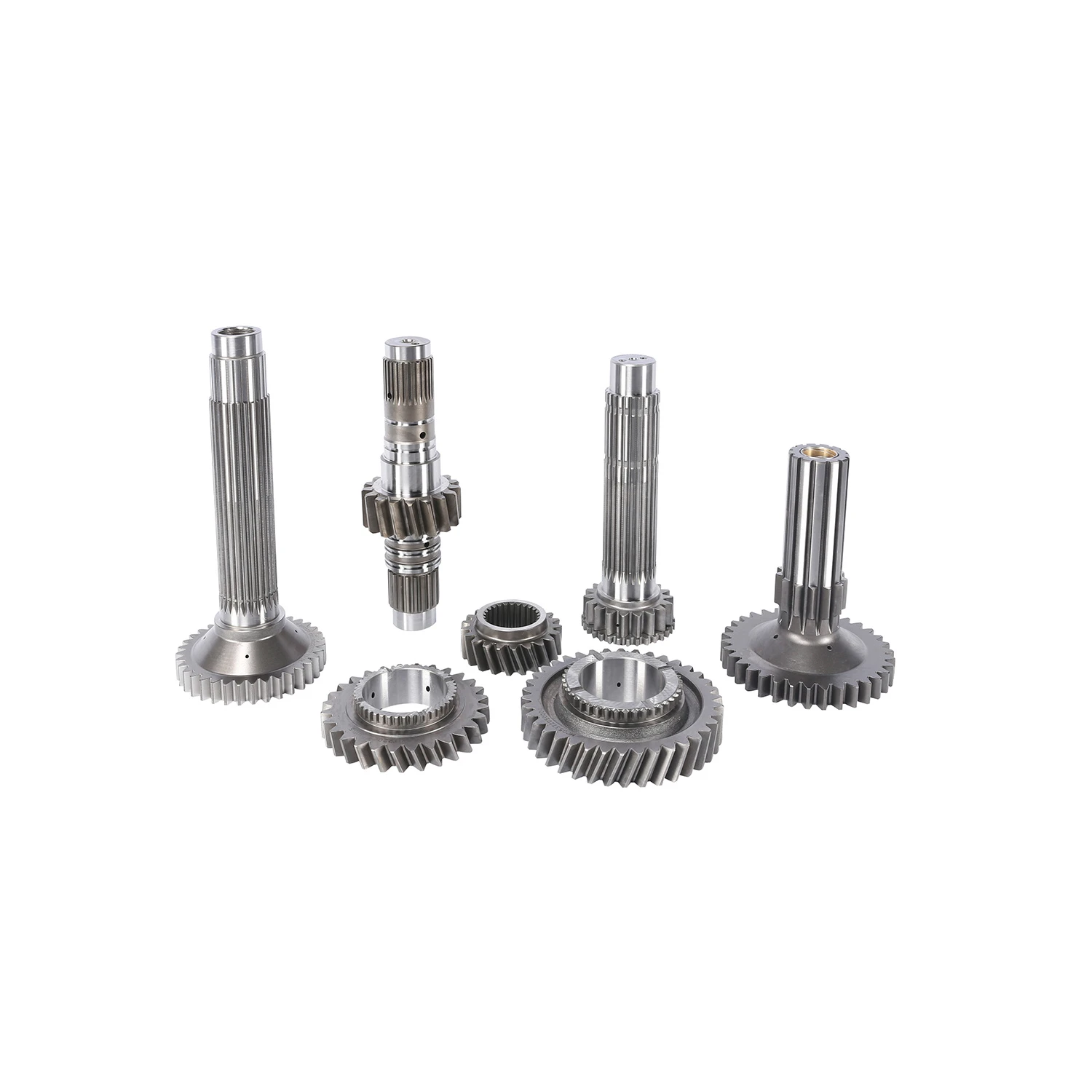 Tractor Gear Shaft
The tractor gear shaft is a crucial element in the power transmission system of a tractor. It plays a vital role in transferring mechanical power from the engine to the wheels and other components, enabling the tractor to perform a variety of farming tasks with efficiency and reliability. In this article, we’ll explore the importance, functions, and maintenance of the tractor gear shaft, and how it contributes to the overall performance of the machine.
-
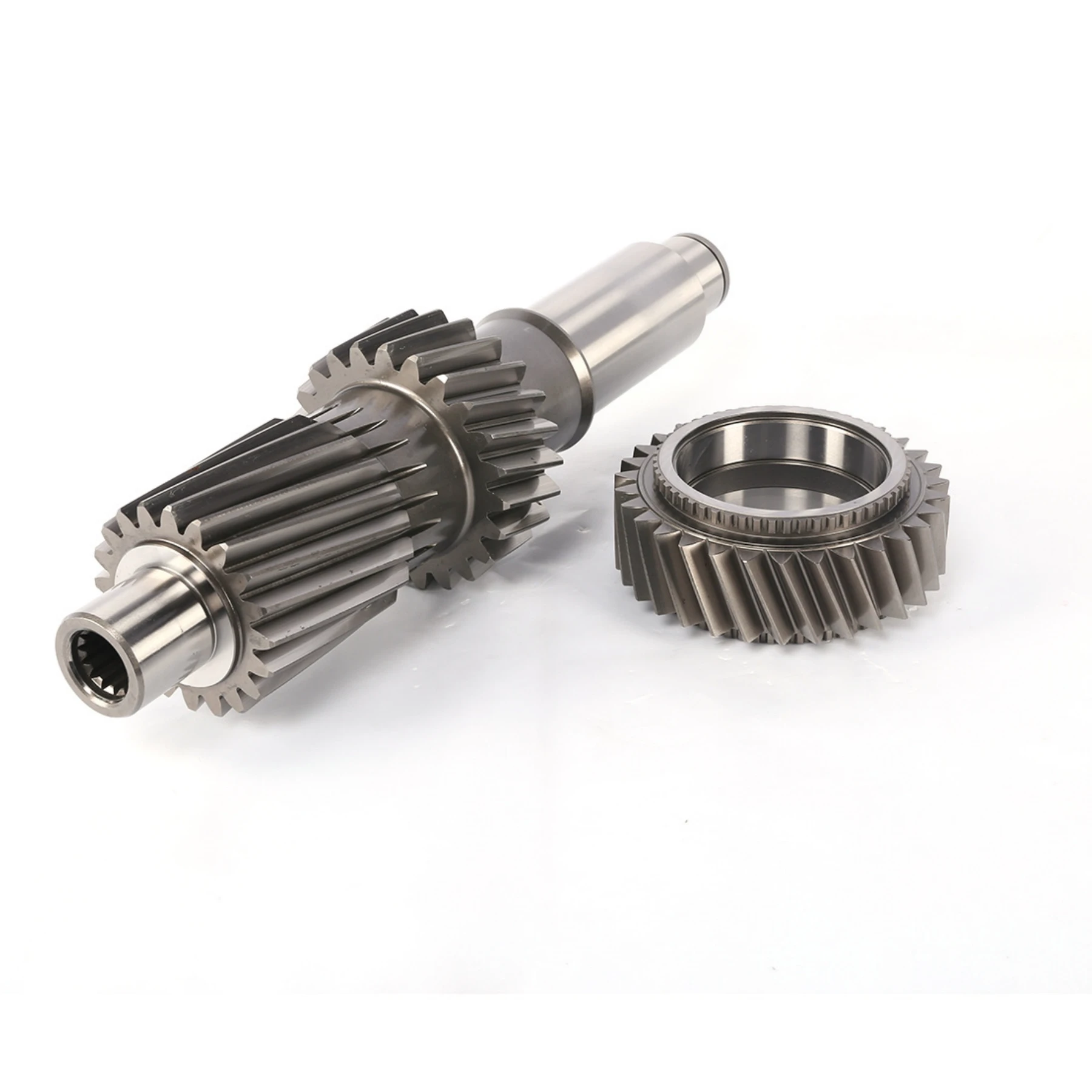 Transmission Gear
Power transmission: the engine operation drives the input gear on the input shaft to rotate, the input gear engages with other gears, and relies on the interaction between teeth and teeth to transfer the power to the intermediate gear (if any) and the output gear, and finally transfers the power to the driving wheel and other components through the output shaft to make the vehicle or equipment move.
Variable speed principle: Change the transmission ratio by meshing gears with different numbers of teeth. For example, when the big gear drives the small gear, the speed of the small gear will be faster than the big gear, but the output torque will be smaller, to achieve growth and torque reduction; On the contrary, when the pinion drives the big gear, the speed of the big gear slows down, the torque increases, and the torque increases. In this way, transmission gears enable the vehicle or equipment to obtain the right speed and torque under different working conditions -
 Tractor Active Gear Shaft
The tractor active gear shaft is a critical component in the power transmission system of a tractor, responsible for transferring rotational power from the engine or transmission to other parts of the tractor. By efficiently distributing torque and enabling smooth gear shifts, the active gear shaft plays a vital role in enhancing the performance and versatility of the tractor, making it essential for a wide range of agricultural tasks. In this article, we’ll explore the function, benefits, and maintenance of the tractor active gear shaft.
-
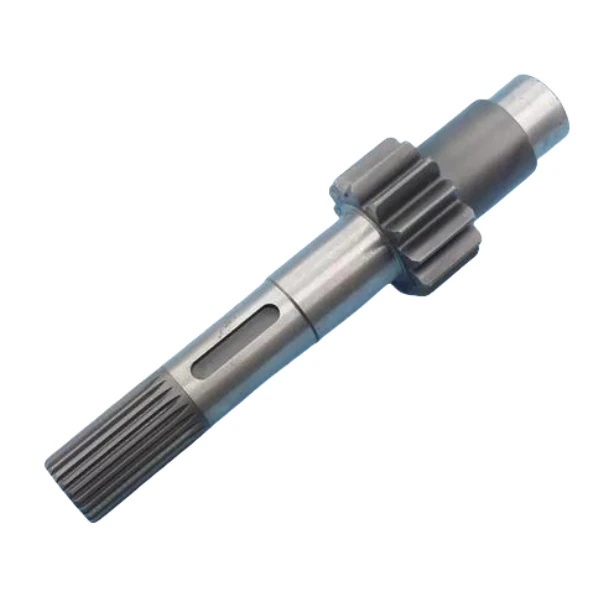 Harvester Input Shaft
The main role of the harvester input shaft is to introduce the power of the external power source into the internal transmission system of the harvester. When the power source (such as an engine) is running, the torque generated is transmitted to the input shaft through the connecting parts, causing the input shaft to start rotating. The gear, pulley or sprocket and other transmission parts installed on the input shaft will rotate with the rotation of the input shaft, and then transfer the power to the subsequent transmission parts and working parts, such as driving the cutting device, conveying device, threshing device, etc., to complete the crop harvesting, conveying, threshing and other work processes.
Related News

Drive axle price: choosing the 1204 axle for multi-wheel machinery
Compare the factors behind drive axle price for the 1204 axle, including 4WD, 6WD, 8WD layouts, differential locks, gearing, steering, and machine fit.
>

How to Choose a Wheel Transmission for Heavy-Duty 4WD Machinery
Choose a wheel transmission by checking hydraulic control, torque, braking, rear drive interface, and 4WD requirements for the D8 platform.
>

What Is the Use of Seeder? Air Suction No-Till Seeder FAQ
Learn what is the use of seeder equipment, how air suction seed placement works, supported crops, terrain features, and ordering checks for no-till planting.
>

Comparing A Rice Planter Options: Specifications, Materials and Supplier Documentation
Compare A Rice Planter options by planting controls, field conditions, materials, operating modes, customization, and documented information gaps.
>

Optimize Your Small Scale Farm With a Hobby Farm Seed Drill
Optimizing Your Small-Scale Farm with a Hobby Farm Seed Drill For many aspiring farmers and gardening enthusiasts, transitioning from hand-sowing to mechanized planting is a significant milestone. Utilizing a hobby farm seed drill allows for precision planting, ensuring that seeds are placed at the correct depth and spacing for optimal germination. Whether you are growing cover crops, vegetables, or grains on a small scale, the right equipment reduces physical labor and minimizes seed waste. In this guide, we will explore how the right seeding technology can transform your agricultural productivity and the key factors to consider when selecting equipment for your plot.
>

Maximize Crop Yields with the Professional Happy Seed Drill
Maximize Crop Yields with the Happy Seed Drill: An Essential Guide In the modern agricultural landscape, precision is the key to sustainability and profitability. The happy seed drill represents a significant leap in planting technology, designed to ensure that every seed is placed at the optimal depth and spacing. By reducing seed waste and improving germination rates, this machinery allows farmers to optimize their land use and increase overall harvest efficiency. Whether you are managing a small family plot or a large-scale industrial farm, understanding the mechanics and benefits of advanced seeding equipment is crucial for long-term success.
>

Professional Hand Seed Drill Machine for Precision Planting
Maximize Your Harvest with the Professional Hand Seed Drill Machine Efficient planting is the cornerstone of a successful harvest. For modern farmers seeking a balance between precision and manual control, the hand seed drill machine offers an indispensable solution. By integrating advanced seed distribution mechanisms with ergonomic design, these machines reduce the physical burden of sowing while ensuring every seed is placed at the optimal depth. Whether you are managing a small vegetable plot or a larger cereal field, investing in high-quality planting equipment can drastically improve crop uniformity and yield. In this guide, we will explore the features and advantages
>

Efficient Farming with Hand Operated Seed Drill Machine Guide
Revolutionizing Planting: The Ultimate Guide to the Hand Operated Seed Drill Machine For small to medium-scale farmers, precision in sowing is the cornerstone of a successful harvest. The hand operated seed drill machine offers a perfect blend of simplicity and efficiency, eliminating the tedious nature of manual broadcasting. By ensuring uniform seed depth and consistent spacing, this tool maximizes germination rates and optimizes crop yield. In an era where agricultural productivity is key to food security, adopting a reliable manual seeder is a strategic move for any grower looking to reduce labor costs while improving plant health.
>

Maximize Crop Yields with a hand operated automatic seed drill
Maximizing Crop Yields with a Hand Operated Automatic Seed Drill Efficient planting is the cornerstone of successful farming. The hand operated automatic seed drill represents a significant leap in agricultural technology for small to medium-scale farmers. By combining manual mobility with automatic precision, this tool eliminates the inconsistencies of hand-broadcasting seeds, ensuring optimal spacing and depth. Whether you are managing a vegetable garden or a commercial grain plot, utilizing a precision seeder reduces waste and promotes healthier plant growth. In this guide, we explore how this innovative machinery optimizes the sowing process and why it is an essential investment for modern sustainable agriculture.
>

Guide to Four Wheel Drive Manual Transmission for Off Road Control
Mastering the Terrain: The Guide to Four Wheel Drive Manual Transmission For off-road enthusiasts and industrial operators, the combination of a four wheel drive manual transmission offers an unparalleled level of control and reliability. Unlike automatic systems that rely on computer-managed shifts, a manual setup allows the driver to dictate exactly how power is distributed to the wheels, making it indispensable for steep inclines, muddy terrains, and heavy-duty hauling. At Zinanmech , we understand that the synergy between a robust drivetrain and a manual gearbox is what defines true mechanical endurance.
>
International layout
Spread all over the world
our products are exported to various parts of the world. Currently, our products have been exported to more than 40 countries Our products cover Asia, Europe, Africa, South America, North America, and Oceania
Sign up
for Newsletter
Subscribe to the weekly newsletter for all the latest updates