- Tel: +86 13451474678 / 13451474678
- Email: / hbzinanmech@gmail.com

Multi Seed Drill Machine Price: Understanding Cost, Quality & Value for Modern Agriculture
Multi Seed Drill Machine Price: Understanding Cost, Quality & Value for Modern Agriculture
Understanding the Multi Seed Drill Machine Price: Why It Matters Globally
The agricultural landscape is evolving faster than ever, driven by demands for higher yields, sustainability, and mechanization. Among the key players in this transformation are multi seed drill machines — the workhorses that sow multiple seeds with precision and efficiency. But, of course, it's not just about the machine itself; the multi seed drill machine price has a major influence on adoption, farm economics, and broader food security across the globe.
Grasping what affects this pricing, why it varies so widely, and how these machines deliver value can unlock smarter choices for farmers, policymakers, and distributors alike. So this article will walk through the essentials — from global context to real-world use cases — to help you understand why price isn’t just a number, but a reflection of impact and potential.
The Global Context: Agriculture’s Mechanization and Cost Challenges
According to the Food and Agriculture Organization (FAO), mechanized farming methods have boosted productivity substantially across Asia and parts of Sub-Saharan Africa — regions critical to feeding growing populations. The United Nations notes mechanization as a necessary step to meet food demand by 2050. Yet, cost remains a significant obstacle.
The multi seed drill machine price is often a deciding factor for smallholder farmers and agricultural SMEs. In regions where capital investment is limited, even moderately priced equipment may seem out of reach. Meanwhile, inefficient traditional sowing methods cause seed wastage and uneven crop emergence, affecting income unpredictably.
Put plainly: knowing and negotiating the true cost and value of multi seed drill machines is crucial not only to farmers but to the stability of food supply chains worldwide.
What Exactly Is the Multi Seed Drill Machine Price?
Simply put, the multi seed drill machine price refers to the cost buyers pay to acquire a machine designed to simultaneously sow different types of crop seeds into the soil accurately and at controlled depths and spacing. This precision helps improve germination rates and crop uniformity.
These machines come in various sizes — from small walk-behind models for local farms to larger tractor-mounted types for commercial agriculture. The price tag depends on factors like build quality, technological sophistication, and production scale.
In practical terms, the price you pay hints at the machine’s durability, versatility, and maintenance needs — all linking directly to long-term farming success.
Core Components Influencing Multi Seed Drill Machine Price
1. Durability and Build Quality
A robust frame and corrosion-resistant materials usually push up costs but save money later in repairs and replacements. It’s tempting to opt for cheaper steel, but many engineers say “you pay peanuts, you get... well, rust.” So, durability equals peace of mind.
2. Scalability and Capacity
Machines designed for larger fields or multiple crop rows inherently require more parts and complex assembly, increasing the base price. However, buying a scalable drill can save costs when farm size expands or crop types diversify.
3. Precision Mechanism and Seed Metering
The heart of any seed drill is its seed metering system. More advanced metering—such as vacuum or pneumatic options—enhance accuracy but add to complexity and price. Mechanical systems remain affordable but less precise.
4. Power Source and Automation Features
Tractor-mounted multi seed drills typically cost more than manual walk-behind versions. Some newer models also integrate digital controls or GPS for precision farming, pushing prices higher but offering promising yield returns.
5. After-Sales Service and Warranty
Often overlooked, this factor can influence overall cost-effectiveness. A cheaper machine without local support or warranty may lead to frustration and downtime. In many cases, paying a premium upfront ensures faster support and genuine parts availability.
Mini takeaway: The multi seed drill machine price isn’t arbitrary — it encapsulates engineering choices, usage scale, and quality assurances that collectively dictate farming outcomes.
Real-World Applications of Multi Seed Drill Machines
Around the world, multi seed drill machines have revolutionized planting. In India and Vietnam, millions of hectares utilize these drills to plant rice, wheat, and legumes efficiently. Similarly, in parts of Africa, NGOs and governments support subsidized multi seed drill programs to help boost yields among smallholder farmers.
Take, for example, a project in Ethiopia where mechanization aided by affordable multi seed drills helped increase yields by nearly 20% on drought-prone lands. Or in Brazil’s vast farmlands, where precision seeding helps integrate crop rotation strategies supporting sustainability.
These machines are also finding use in controlled environments like organic farms and research stations — anywhere seed placement precision is pivotal.
Multi Seed Drill Machine Specification Table
| Specification | Model A (Walk-behind) | Model B (Tractor-mounted) |
|---|---|---|
| Row Capacity | 4 rows | 12 rows |
| Weight | 60 kg | 500 kg |
| Seed Metering | Mechanical | Pneumatic Precision |
| Power Source | Manual | Tractor PTO |
| Price Range | $700 - $1,200 | $4,500 - $7,500 |
Comparing Multi Seed Drill Machine Vendors
Choosing where to get your multi seed drill machine is as critical as the machine itself.
| Vendor | Price Range (USD) | Warranty | After-Sales Support | Global Reach |
|---|---|---|---|---|
| AgriTech Solutions | $3,000 - $7,000 | 2 years | 24/7 Hotline | Europe, Asia |
| GreenField Mechanics | $2,500 - $6,500 | 1 year | Local Dealers | Africa, South America |
| Zinan Mech | $4,000 - $7,500 | 3 years | Dedicated Global Support | Worldwide |
Advantages and Long-Term Value of Investing in Multi Seed Drill Machines
Beyond the initial multi seed drill machine price, the real value emerges over time. Cost savings from reduced seed waste and labor input are tangible. Plus, achieving consistent seed placement raises crop uniformity and yields, directly improving farmer income.
There's also an emotional factor; farmers take pride in applying modern technology that empowers their land and livelihood. Many share stories of how mechanization restored hope during tough seasons or eased the grueling task of manual sowing.
From a social perspective, widespread adoption can reduce rural poverty, improve food security, and encourage youth to remain in agriculture – an often overlooked but critical benefit.
What Does the Future Hold? Trends and Innovations
Automation and digital farming features are steadily integrating into seed drills. For example, GPS-guided planting allows farms to optimize seed use and reduce overlap. Meanwhile, environmentally friendly materials and solar-powered drills are on the horizon, dovetailing with global sustainability goals championed by the UN.
I stumbled upon trials using IoT-enabled seed drills that send real-time data to farmers’ smartphones — imagining how this could change on-the-ground decision-making feels exciting.
Common Challenges and How Experts Suggest Overcoming Them
Cost is the main bottleneck, especially for poorer farmers. Yet innovative micro-financing schemes, rental models, and cooperative purchases are making machines accessible. Maintenance knowledge gaps also pose problems; here, training programs and user-friendly design play key roles.
This balance of affordability and quality is tricky — but not impossible. Brands that invest in local support and durable parts often win trust, showing price is more than just upfront figures.
FAQ: Common Questions About Multi Seed Drill Machine Price
Q1: What factors should I consider when comparing multi seed drill machine prices?
Look beyond just the purchase price. Consider build quality, precision of seed metering, after-sales service, and warranty. These aspects affect total cost of ownership and usability — a cheaper drill might cost more in downtime.
Q2: Can smallholder farmers afford multi seed drill machines?
Yes, but often via subsidies, financing, or rental models. Such arrangements reduce the upfront financial burden without compromising access to mechanized planting benefits.
Q3: How does multi seed drill machine price vary by region?
Variations arise from manufacturing costs, import duties, and local demand. For instance, machines in Europe or the US may cost more due to technology standards, but often offer more features or support.
Q4: Are there environmentally friendly options available?
Increasingly yes. Some manufacturers are adopting biodegradable materials and electric-powered seed drills, aligning economically with sustainable farming incentives.
Q5: Where can I find competitive multi seed drill machine price offers?
Vendors like Zinan Mech provide comprehensive pricing and global support, making them a popular choice among commercial and cooperative buyers.
Conclusion: Why Multi Seed Drill Machine Price Is More Than Just a Number
At the end of the day, understanding multi seed drill machine price helps connect the dots between cost, technology, and impact. It’s more than a purchase; it’s an investment in food security, farm innovation, and sustainability.
For farmers and distributors aiming to make confident choices, weighing technical specs, vendor reliability, and long-term value is key. Curious to see the latest models and competitive pricing? Visit Zinan Mech's website for more insights.
References:
1. Food and Agriculture Organization (FAO) – Mechanization Reports
2. United Nations Department of Economic and Social Affairs (UN DESA)
3. International Organization for Standardization (ISO) – Agricultural Machinery Standards

Related Products
-
 Tractor Gear Shaft
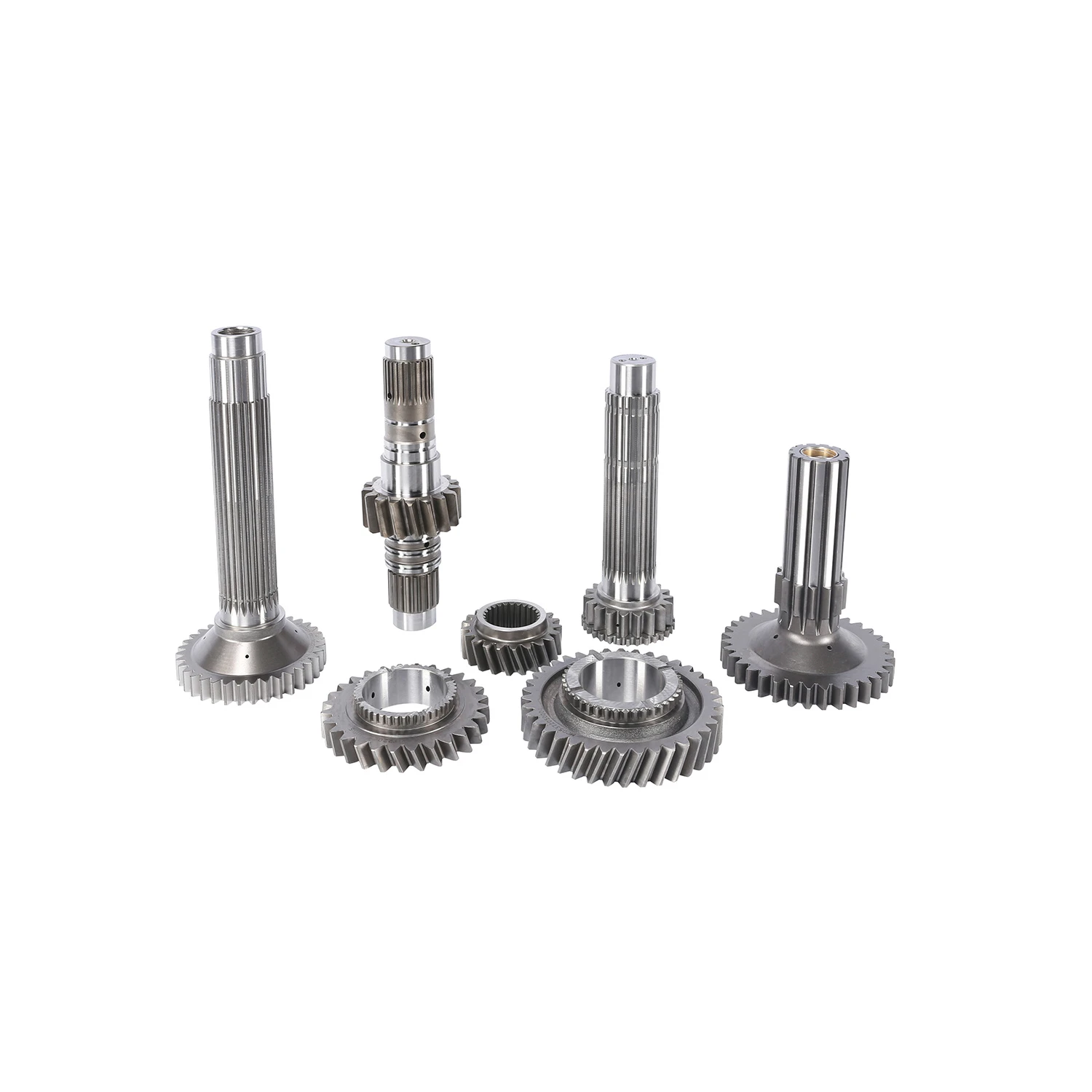
The tractor gear shaft is a crucial element in the power transmission system of a tractor. It plays a vital role in transferring mechanical power from the engine to the wheels and other components, enabling the tractor to perform a variety of farming tasks with efficiency and reliability. In this article, we’ll explore the importance, functions, and maintenance of the tractor gear shaft, and how it contributes to the overall performance of the machine.
-
 Transmission Gear
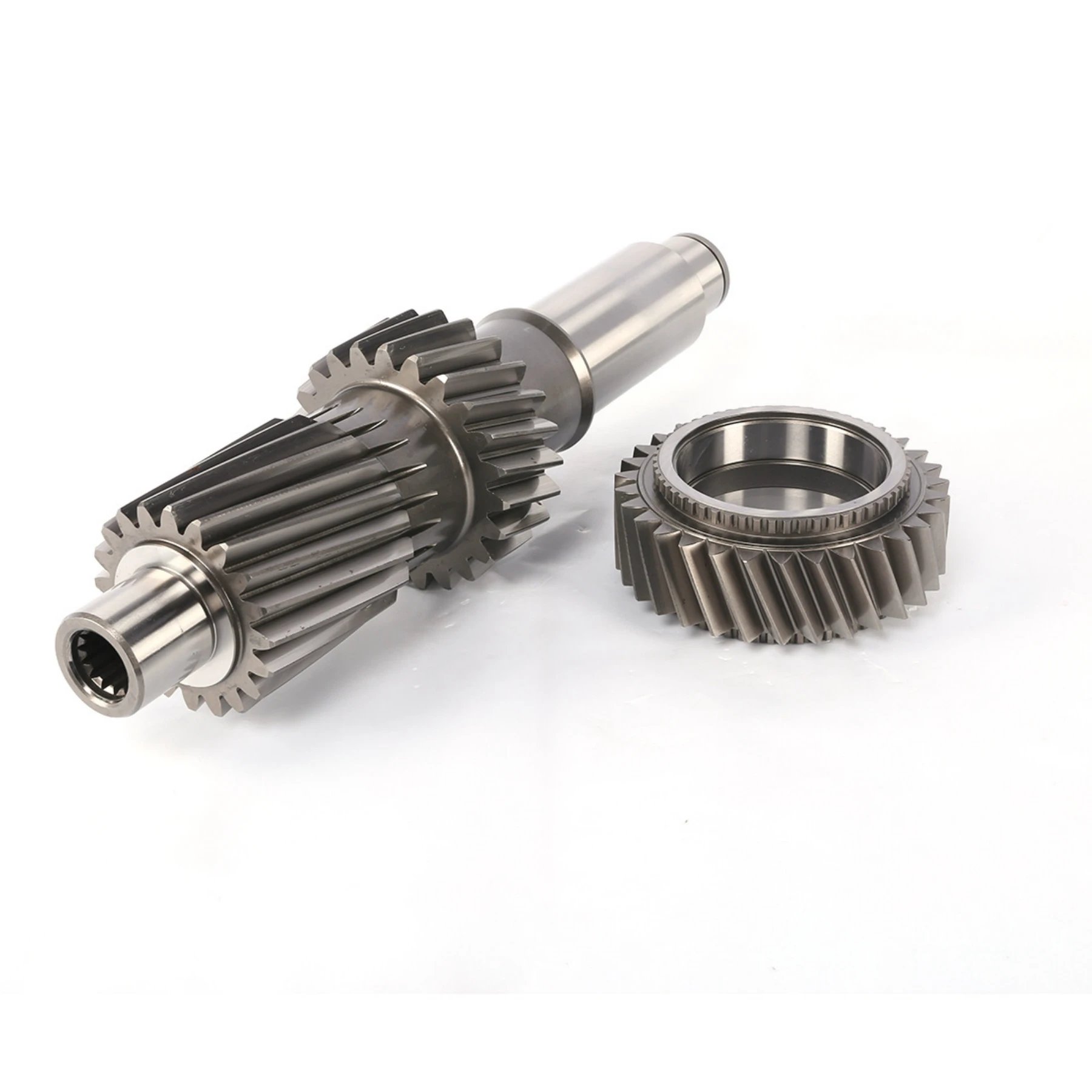
Power transmission: the engine operation drives the input gear on the input shaft to rotate, the input gear engages with other gears, and relies on the interaction between teeth and teeth to transfer the power to the intermediate gear (if any) and the output gear, and finally transfers the power to the driving wheel and other components through the output shaft to make the vehicle or equipment move.
Variable speed principle: Change the transmission ratio by meshing gears with different numbers of teeth. For example, when the big gear drives the small gear, the speed of the small gear will be faster than the big gear, but the output torque will be smaller, to achieve growth and torque reduction; On the contrary, when the pinion drives the big gear, the speed of the big gear slows down, the torque increases, and the torque increases. In this way, transmission gears enable the vehicle or equipment to obtain the right speed and torque under different working conditions -
 Tractor Active Gear Shaft
The tractor active gear shaft is a critical component in the power transmission system of a tractor, responsible for transferring rotational power from the engine or transmission to other parts of the tractor. By efficiently distributing torque and enabling smooth gear shifts, the active gear shaft plays a vital role in enhancing the performance and versatility of the tractor, making it essential for a wide range of agricultural tasks. In this article, we’ll explore the function, benefits, and maintenance of the tractor active gear shaft.
-
 Harvester Input Shaft
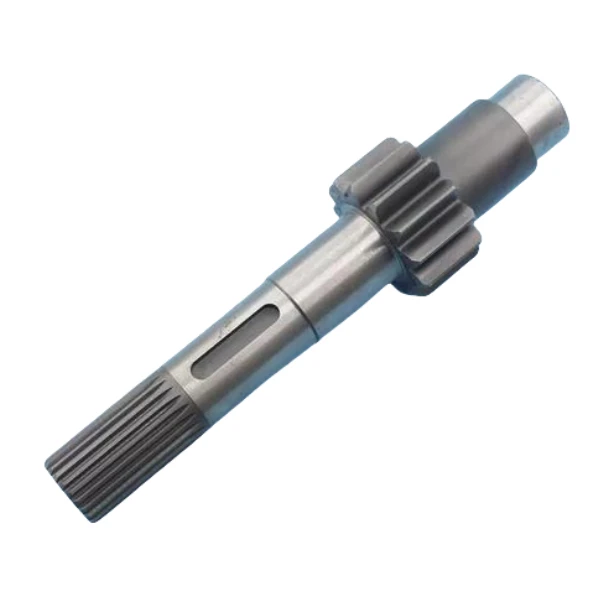
The main role of the harvester input shaft is to introduce the power of the external power source into the internal transmission system of the harvester. When the power source (such as an engine) is running, the torque generated is transmitted to the input shaft through the connecting parts, causing the input shaft to start rotating. The gear, pulley or sprocket and other transmission parts installed on the input shaft will rotate with the rotation of the input shaft, and then transfer the power to the subsequent transmission parts and working parts, such as driving the cutting device, conveying device, threshing device, etc., to complete the crop harvesting, conveying, threshing and other work processes.
Related News
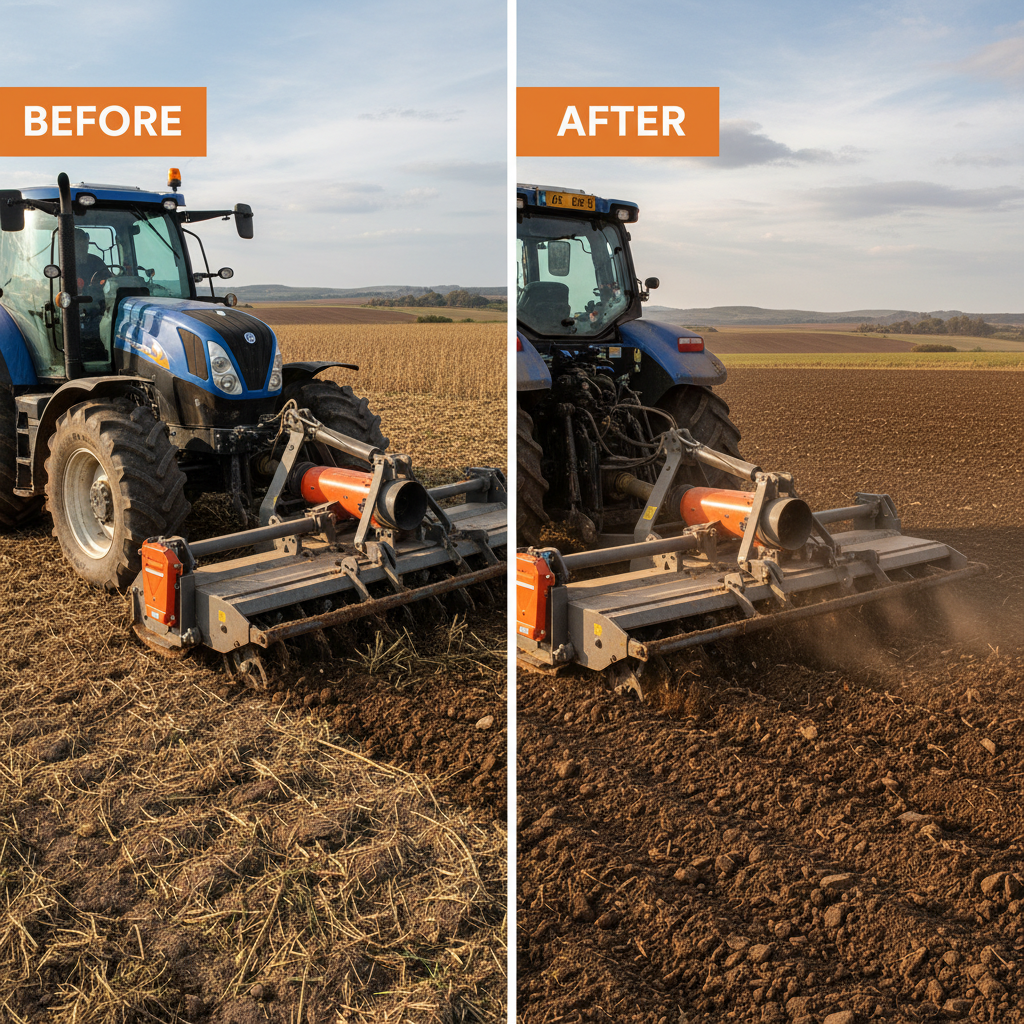
Professional Heavy Duty Tiller for Tractor for Soil Productivity
Achieving the perfect seedbed is the foundation of any successful harvest. For farmers dealing with compacted soil, stubborn crop residue, or expansive acreage, a standard rototiller often falls short. This is where a heavy duty tiller for tractor becomes an essential investment. These robust machines are engineered to penetrate deep into the earth, breaking up hardpan and aerating the soil with unmatched efficiency. By integrating a professional-grade tiller into your machinery lineup, you can significantly reduce preparation time and improve crop yield. In this guide, we will explore the technical advantages, selection criteria, and maintenance tips for choosing the right heavy-duty tilling solution.
>
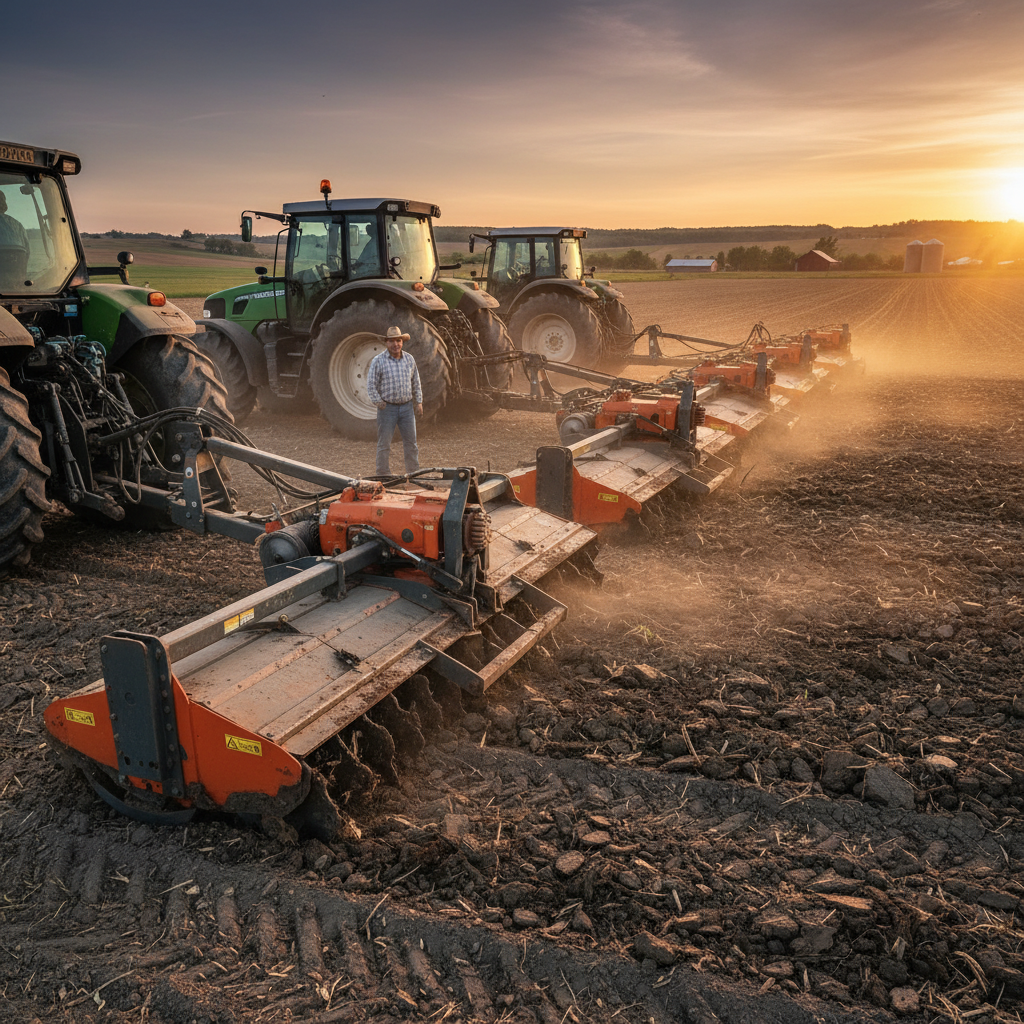
Maximizing Land Productivity with Professional Heavy Duty Tillers
For professional farmers and landscaping contractors, the quality of soil preparation determines the success of the entire growing season. Investing in high-performance heavy duty tillers is essential for breaking through compacted earth, removing stubborn weeds, and integrating organic matter deeply into the soil. Unlike standard garden cultivators, these industrial-grade machines are engineered to handle vast acreages and the most challenging terrain without compromising efficiency. In this guide, we will explore how choosing the right equipment can transform your agricultural output and streamline your land management process.
>
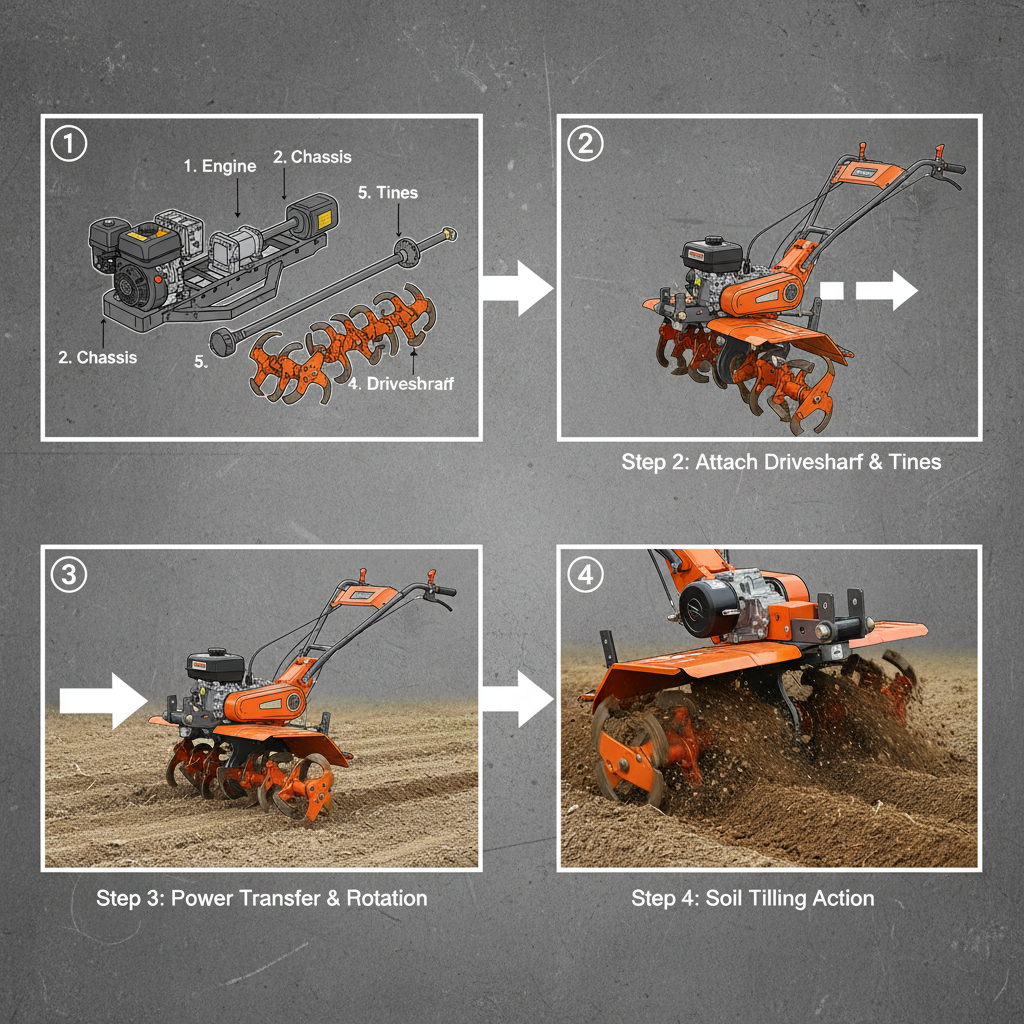
Choosing the Best Heavy Duty Rototiller for Efficient Land Preparation
A heavy duty rototiller is an invaluable tool for anyone involved in serious gardening, small-scale farming, or land preparation. Whether you're breaking new ground, maintaining existing garden beds, or preparing for planting, the right rototiller can significantly reduce labor and improve efficiency. However, with numerous options available, selecting the best model requires careful consideration. This article will guide you through the key factors to consider when purchasing a heavy-duty rototiller, helping you make an informed decision. ZinanMech offers a wide range of rototillers to suit various needs.
>
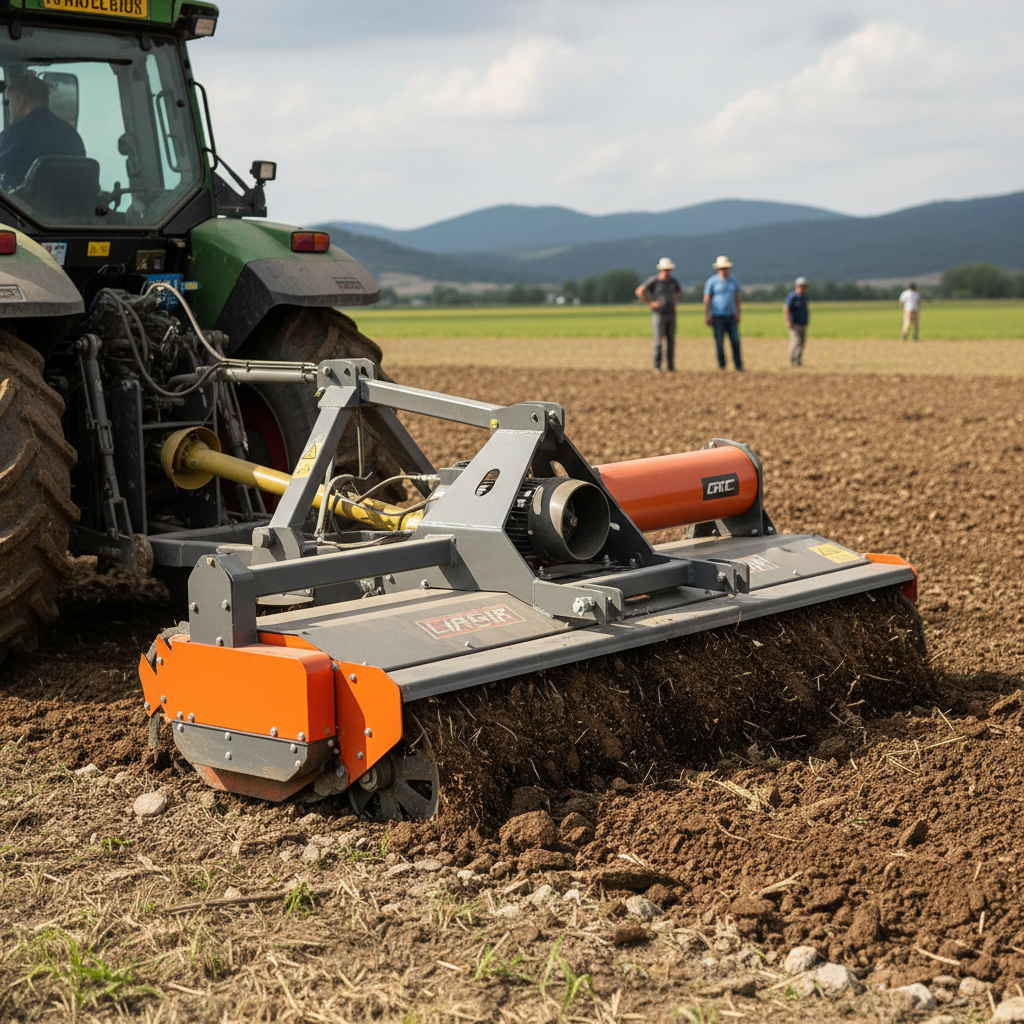
Comprehensive Guide to Heavy Duty Rotary Tiller Selection and Application
When it comes to land preparation, a heavy duty rotary tiller is an invaluable tool. This robust machinery excels at breaking up compacted soil, creating a fine seedbed, and incorporating organic matter. This article dives deep into the world of heavy duty rotary tillers, covering their benefits, applications, key features, and how to choose the right one for your needs. Whether you're a farmer, landscaper, or large-scale gardener, understanding these tillers is essential for efficient and effective soil management.
>
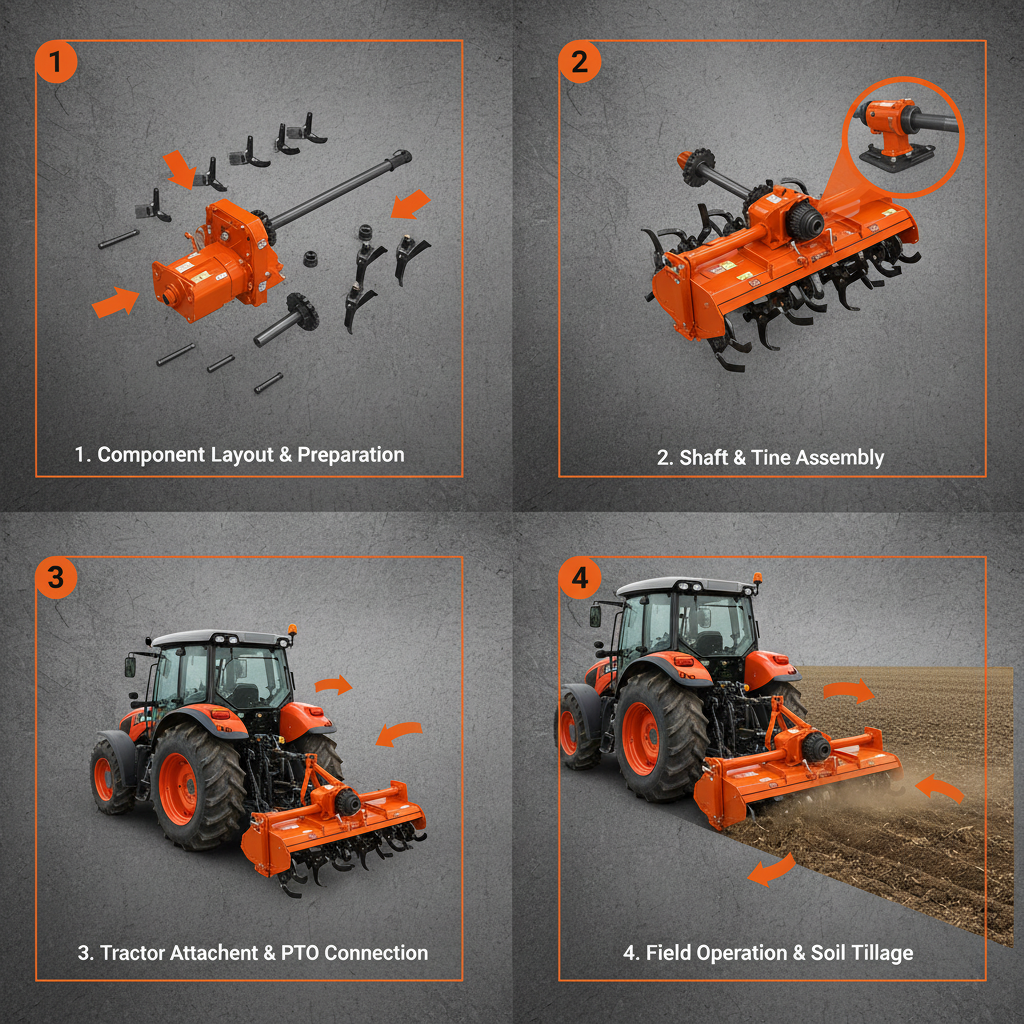
Comprehensive Guide to Selecting the Ideal Farm Tractor Tiller for Your Needs
Selecting the ideal farm tractor tiller is crucial for efficient soil preparation and maximizing agricultural yields. With a diverse range of models available, understanding your needs and the features offered by different tillers is paramount. This article provides a detailed overview of farm tractor tillers, covering their types, benefits, key considerations, and how to choose the right one for your specific farming operation. Proper tillage significantly impacts seedbed quality, weed control, and ultimately, crop performance.
>
Boost Farm Productivity with a High Performance Farm Pro Rotary Tiller
Are you looking to enhance your agricultural productivity and streamline your soil preparation process? A Farm Pro rotary tiller is an invaluable investment for farmers of all scales. This article delves into the benefits, features, applications, and considerations when choosing the right rotary tiller for your farm. We’ll explore how this machinery can significantly reduce labor costs and improve soil quality, ultimately leading to higher yields. From small hobby farms to large-scale commercial operations, a Farm Pro tiller offers a robust and efficient solution for a variety of tilling needs.
>
Unlock Farming Efficiency with a Powerful Agricultural Tiller Solution
In the world of farming and gardening, efficiency and productivity are key. An agricultural tiller is a vital piece of equipment that streamlines soil preparation, saving time and labor. This article dives deep into the world of tillers, exploring their types, benefits, how to choose the right one, and the quality solutions offered by Zinanmech. We’ll cover everything from small garden tillers to heavy-duty agricultural models, ensuring you have the knowledge to make an informed decision. An agricultural tiller, also known as a rotary tiller, is a motorized machine used to break up and cultivate soil. Unlike manual digging or plowing, tillers use rotating blades to loosen the soil, creating a fine, even tilth that's ideal for planting. This process improves soil aeration, drainage, and nutrient availability, leading to healthier plant growth.
>
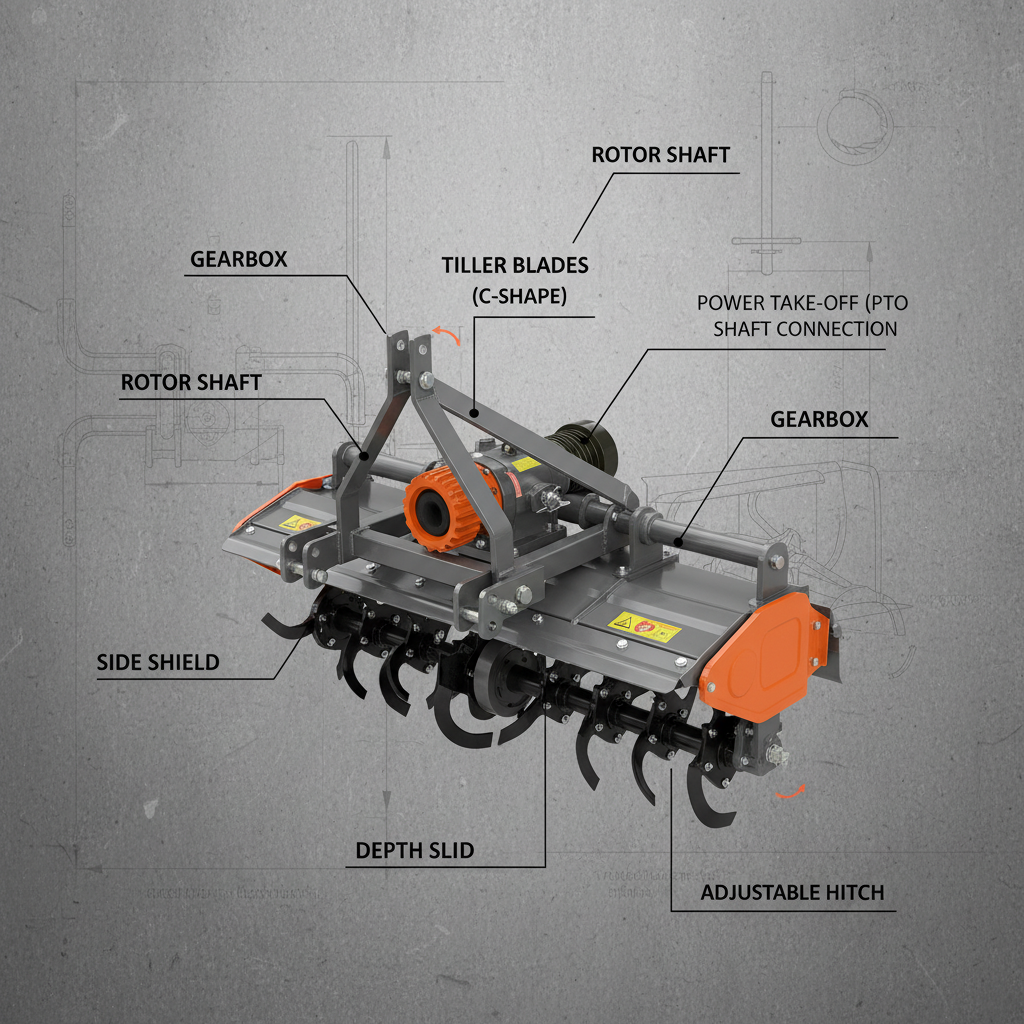
Comprehensive Guide to Agricultural Rotary Tiller Selection and Usage
An agricultural rotary tiller is an essential tool for modern farming, designed to efficiently prepare soil for planting. This powerful machinery significantly reduces labor and time compared to traditional methods. Whether you're a smallholder or manage a large-scale agricultural operation, understanding the benefits and features of a rotary tiller is crucial for maximizing productivity. Choosing the right tiller can transform your land preparation process. This article provides a detailed overview of agricultural rotary tillers, covering their uses, types, benefits, and key considerations when selecting the right model. Modern tillers are available in various sizes and configurations, catering to different farm sizes and soil conditions. Zinanmech provides a range of high-quality rotary tillers designed for optimal performance and durability. An agricultural rotary tiller, also known as a rototiller, is a motorized machine used to prepare agricultural land for cultivation. It works by using rotating blades – typically called tines – to break up, churn, and mix the soil.
>
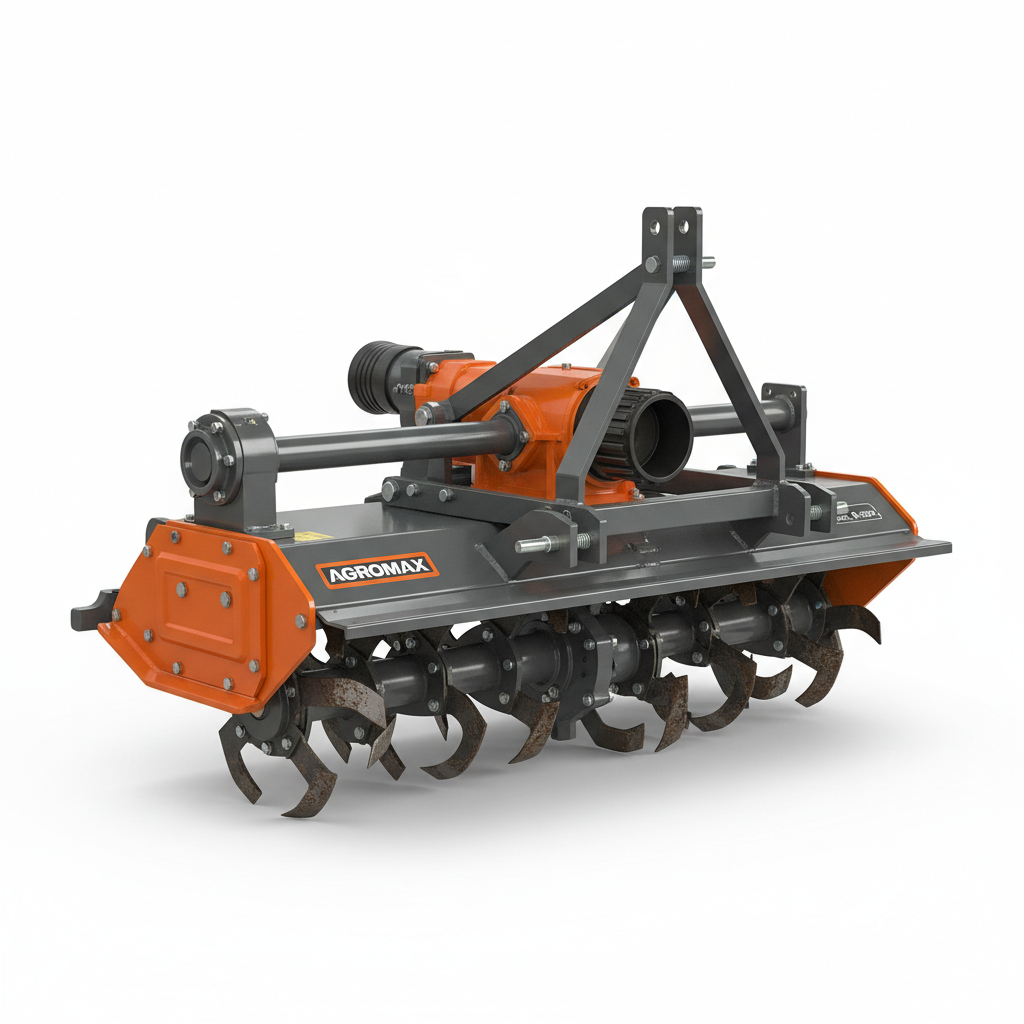
Comprehensive Guide to Selecting the Ideal Agric Rototiller for Your Farm
Selecting the right agric rototiller is crucial for efficient soil preparation and maximizing crop yields. This guide will explore the different types of rototillers, their applications, and how to choose the best model for your farming needs. We’ll cover everything from small, handheld rototillers to larger, tractor-mounted versions, helping you make an informed decision to enhance your agricultural operations. A well-chosen rototiller significantly reduces manual labor and improves soil quality. Agric rototillers come in various sizes and configurations, each suited for different farming tasks. The main types include: Front-Tine Rototillers, ideal for smaller gardens and breaking up already tilled soil; Rear-Tine Rototillers, offering more power and suitable for larger areas and tougher soil conditions; and Mid-Tine Rototillers, a versatile option for medium-sized farms. Choosing the correct type depends on your farm size, soil type, and the crops you intend to grow.
>
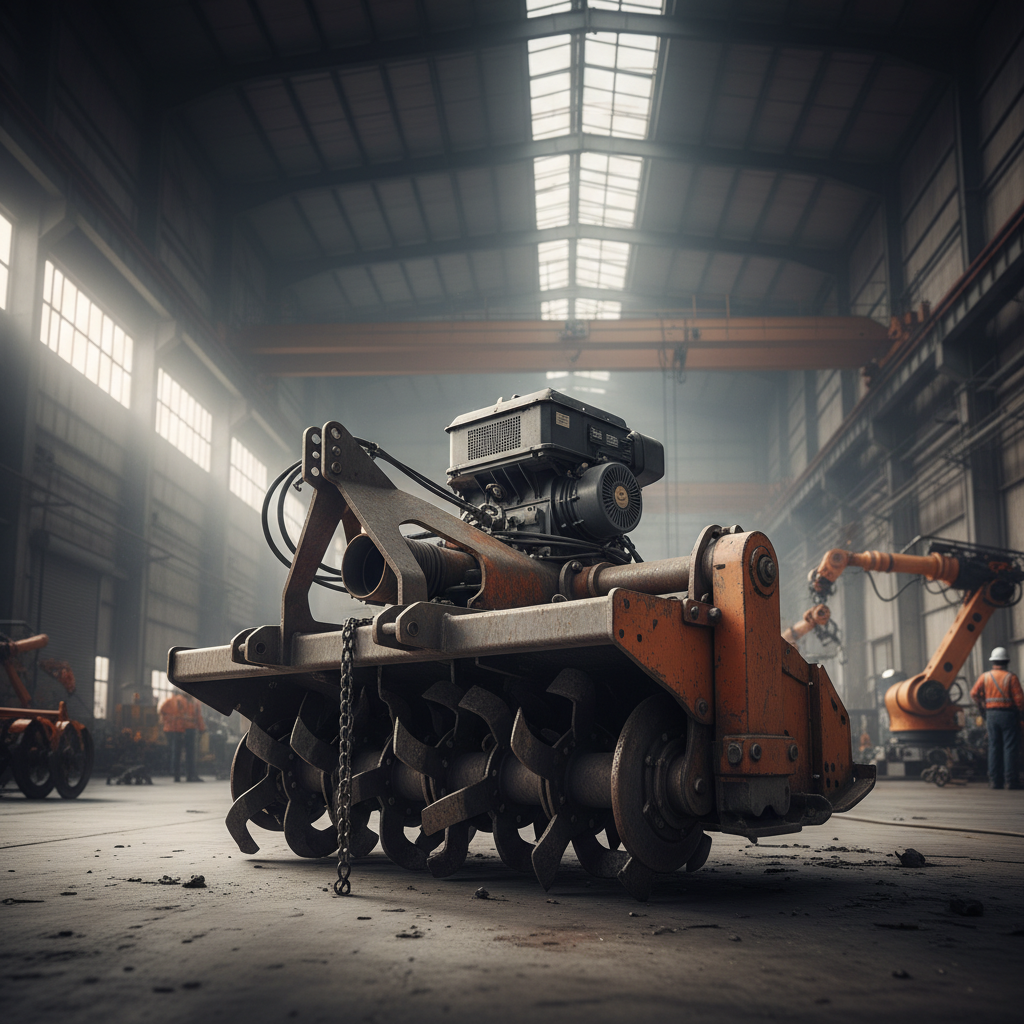
Unlock Farming Efficiency with a Powerful Agri Rototiller for Modern Agriculture
In today's agricultural landscape, efficiency and productivity are paramount. An agri rototiller, also known as a rotary tiller, is an invaluable tool for preparing soil for planting. This versatile machine cultivates, mixes, and levels the soil in a single pass, saving farmers significant time and effort. From small-scale farms to large agricultural operations, the benefits of using a rototiller are numerous. Investing in a quality rototiller is investing in the future success of your harvest. An agri rototiller is a motorized machine designed to break up and aerate soil using rotating blades. These blades, often called tines, churn the soil, creating a fine, even texture ideal for planting seeds or transplanting seedlings. Unlike traditional plowing, rototilling doesn't invert the soil, minimizing disruption to the soil's natural structure.
>
International layout
Spread all over the world
our products are exported to various parts of the world. Currently, our products have been exported to more than 40 countries Our products cover Asia, Europe, Africa, South America, North America, and Oceania
Sign up
for Newsletter
Subscribe to the weekly newsletter for all the latest updates