- Tel: +86 13451474678 / 13451474678
- Email: / hbzinanmech@gmail.com

No Till Seeder vs Drill: Key Differences, Benefits & Future Trends in Sustainable Agriculture
No Till Seeder vs Drill: Key Differences, Benefits & Future Trends in Sustainable Agriculture
Understanding No Till Seeder vs Drill: What You Need to Know
In today’s evolving agricultural landscape, the difference between a no till seeder and a drill isn’t just about machinery—it’s about sustainability, efficiency, and adapting to modern environmental challenges. Globally, agriculture accounts for over 37% of land use [1], and how we choose to plant crops influences soil health, carbon release, and food security. Grasping the nuances between these two seeding technologies offers farmers and agronomists powerful tools to enhance yield while protecting the fragile ecosystem we rely on.
Why This Comparison Matters Now
The United Nations’ Food and Agriculture Organization highlights soil degradation as a critical global problem, affecting about 33% of arable land [2]. No till farming practices, alongside efficient seeding methods, are vital components in counteracting this trend. So, understanding how no till seeders and drills differ — and what proper use entails — is becoming an essential piece of sustainable agriculture worldwide.
Summary Takeaway:
Simply put: knowing the no till seeder vs drill difference helps align farming with modern environmental goals, enhancing productivity and preserving our soils.
What Is a No Till Seeder vs Drill?
At their core, both no till seeders and drills are machinery used to plant seeds. However, their operation and purpose diverge subtly but importantly:
- No Till Seeder: Designed to sow seeds directly into undisturbed soil without tilling or turning it over. It usually uses narrow disks or coulters to cut small slits, placing seeds precisely while preserving soil structure.
- Drill: Traditional seed drills often involve slight soil disturbance to open a furrow (some models do minimal tilling). Seeds are deposited at uniform depths and spacing, which helps with germination.
These distinctions make no till seeders a favored choice for conservation agriculture, aiming to minimize soil erosion and improve moisture retention. Drills, on the other hand, remain popular for crops that require slightly deeper planting and more precise seed placement.
If you want to deep dive, this no till seeder vs drill resource goes into the details nicely.
Mini Takeaway:
While both machines seed efficiently, the no till seeder’s advantage lies in soil preservation, a key factor in sustainable farming systems.
Key Factors When Choosing Between No Till Seeders and Drills
1. Soil Health & Conservation
No till seeders shine here by leaving soil strata intact, maintaining organic matter and microbial life. Drills may cause slight disturbance, which can be a double-edged sword depending on soil type.
2. Crop Type Compatibility
Seed drills offer precise seed placement, which is crucial for crops like wheat and barley demanding uniform depth. No till seeders are often preferred for cover crops or legumes that thrive with minimal disruption.
3. Operational Costs & Efficiency
Because no till seeders eliminate plowing, they reduce fuel and labor costs markedly. Drills might require preparatory tillage, increasing expenses. Yet, depending on the model, drills can sometimes offer faster planting speed on certain terrains.
4. Equipment Durability & Maintenance
Drills with more mechanical parts or heavier discs may demand frequent upkeep. No till seeders, designed for rough residue and minimal soil contact, often have simpler maintenance routines.
5. Scalability & Terrain Adaptability
Both types come in sizes suitable for various farm scales—from smallholder plots to expansive commercial fields. However, on very rocky or uneven terrains, specialized no till seeders may outperform conventional drills by reducing clogging or damage.
| Specification | No Till Seeder | Seed Drill |
|---|---|---|
| Soil Disturbance | Minimal to none | Low to moderate |
| Seed Placement Accuracy | Good, slightly variable with residue | High, uniform depth |
| Compatible Crop Types | Wide, especially cover crops | Cereal grains, row crops |
| Fuel Efficiency | High (no till means less passes) | Moderate to low |
| Maintenance Requirements | Lower (fewer moving parts) | Moderate to high |
| Suitable Terrain | Heavy residue, varied soil types | Prepared seedbeds preferred |
Key Insight:
Choosing the right machine boils down to your specific soils, crop needs, and sustainability goals—no one-size-fits-all here.
Global Applications & Use Cases of No Till Seeders and Drills
Across continents, no till seeder vs drill decisions shape farming systems profoundly.
- North America: No till seeders dominate large-scale corn and soybean belts to maintain soil moisture and reduce erosion.
- Europe: In countries like Germany and France, drills remain common for cereals; however, no tilling adoption in conservation agriculture is rising.
- South America: Brazil’s vast cerrado region uses no till seeders extensively to preserve soils prone to degradation.
- Africa: Smallholder farmers experiment with low-cost no till seeders to boost resilience amid erratic rainfall.
In practical terms, say after a drought or flood, no till seeders allow quicker recovery of soil and faster replanting, maintaining livelihoods. Large organizations promoting sustainable farming (like FAO) frequently advocate for no till techniques combined with appropriate seeder technology.
Mini Summary:
No till seeders and drills both have their place — shaped by geography, cropping systems, and the pressing need to balance productivity with conservation.
Advantages & Long-Term Value of No Till Seeders vs Drills
The no till seeder’s standout benefit? It dramatically reduces soil erosion—key to long-term land viability. By leaving residue on the surface, it increases organic carbon stocks, which in turn enhances water retention and nutrient cycling. People I spoke with in sustainable farming circles often say it feels “like giving the soil a chance to breathe.”
Conversely, drills allow for targeted seed depth placement, important to maximize germination rates and uniform crop stands. That improves quality and yield in certain cereals. Both reduce seed waste compared to broadcast seeding methods.
From a social viewpoint, these innovations support farmers’ dignity and food sovereignty by making agriculture more resilient, dependable, and less resource-heavy. Fiscal benefits—like saving fuel costs and reducing machinery hours—can be critical, especially for marginal farmers.
Bottom Line:
In real terms, choosing the right technology translates into healthier soils, enhanced yields, and a more sustainable farming future.
Future Trends & Innovations in No Till Seeder and Drill Technologies
Technology advances keep pushing this field forward. Automated seeders with GPS precision and variable rate controls optimize seeding depth and spacing dynamically, reacting to soil variability in real time. Some manufacturers experiment with electric or hybrid power units, dramatically lowering carbon footprints. Integrating drones and AI for mapping soil conditions is also on the horizon, providing data-driven recommendations on which seeding approach works best per field zone.
Material science innovations aim to build lighter yet durable parts resistant to wear from residue and stones, reducing downtime. Governments worldwide are increasing policy incentives for no till adoption, linking them to carbon credit programs as part of climate change mitigation.
Insightful Note:
The future is about marrying precision agriculture with sustainability goals, where no till seeders and drills evolve as intelligent, adaptive tools.
Challenges & Solutions in Implementing No Till Seeder vs Drill Systems
One obvious challenge: residue buildup can clog no till seeders, especially in heavy residue scenarios, leading to seed misplacement. However, manufacturers now offer residue managers and coulter upgrades addressing this. Similarly, drills may need well-prepared seedbeds, pushing some farmers back to tillage in certain cases.
Knowledge gaps present another hurdle—operator training is essential to optimize settings for soil and crop types. Extension services and demonstration farms have proven effective in bridging this divide. Frankly, the transition phase can be “sticky” but worthwhile once techniques settle in.
Practical Solution Summary:
Continuous innovation coupled with farmer education forms the cornerstone to overcoming seeder and drill limitations.
Vendor Comparison Table: Leading No Till Seeder vs Drill Providers
| Brand | No Till Seeder Models | Drill Models | Price Range (USD) | Key Feature |
|---|---|---|---|---|
| ZinaMech | EcoSeeder 2000, RapidPlant | Precision Drill Pro | $15,000 - $45,000 | Smart residue management system |
| AgroTech Systems | ZeroTiller Plus | Uniform Drill X | $18,000 - $50,000 | GPS-enabled variable seeding rates |
| FarmEquip | NoTill Master 300 | Classic Grain Drill 150 | $12,000 - $40,000 | Robust build for rocky soils |
FAQ: Your Top Questions on No Till Seeder vs Drill
Q1: Can no till seeders work in heavy residue fields without clogging?
A1: Modern no till seeders come equipped with residue managers and aggressive coulters designed to cut through thick plant residue, minimizing clog risks. Proper maintenance and calibration are also key to smooth operation, especially in residue-heavy fields.
Q2: Are drills better for certain crops compared to no till seeders?
A2: Yes. Drills typically offer more precise seed depth and spacing, which benefits cereal grains like wheat or barley. No till seeders may be preferable for legumes and cover crops where minimal soil disturbance is prioritized.
Q3: How do no till seeders impact long-term soil health compared to drills?
A3: Since no till seeders leave the soil intact, they better preserve organic matter and microbial biodiversity, improving soil structure and moisture retention over time. Drills, involving slightly more disturbance, may not provide the same level of conservation benefits.
Q4: Is investing in GPS-enabled drills or seeders worth it?
A4: For large farms, these technologies can significantly improve seed placement accuracy and resource efficiency, translating into better yields and reduced input waste. Smaller operations should weigh costs against potential returns carefully.
Q5: Where can I buy reliable no till seeders with good after-sales support?
A5: Brands like ZinaMech, AgroTech Systems, and FarmEquip offer proven machines with extensive support networks. Visiting an authorized dealer or checking with your local agricultural extension office can help identify the best fit for your region.
Conclusion: Why Understanding No Till Seeder vs Drill Makes a Difference
The choice between a no till seeder and a drill is more than just a mechanical preference. It’s a thoughtful decision tied closely to soil stewardship, operational efficiency, crop type, and long-term farm viability. Embracing the right tool can yield dividends in sustainability, economic savings, and environmental health.
Curious to explore specific models or get expert advice? Visit ZinaMech’s website for detailed product lines, case studies, and more.
Final Thought:
In the end, these machines are about working smarter with the soil, not just harder. That’s a win for farmers and the planet alike.
References:

Related Products
-
 Tractor Gear Shaft
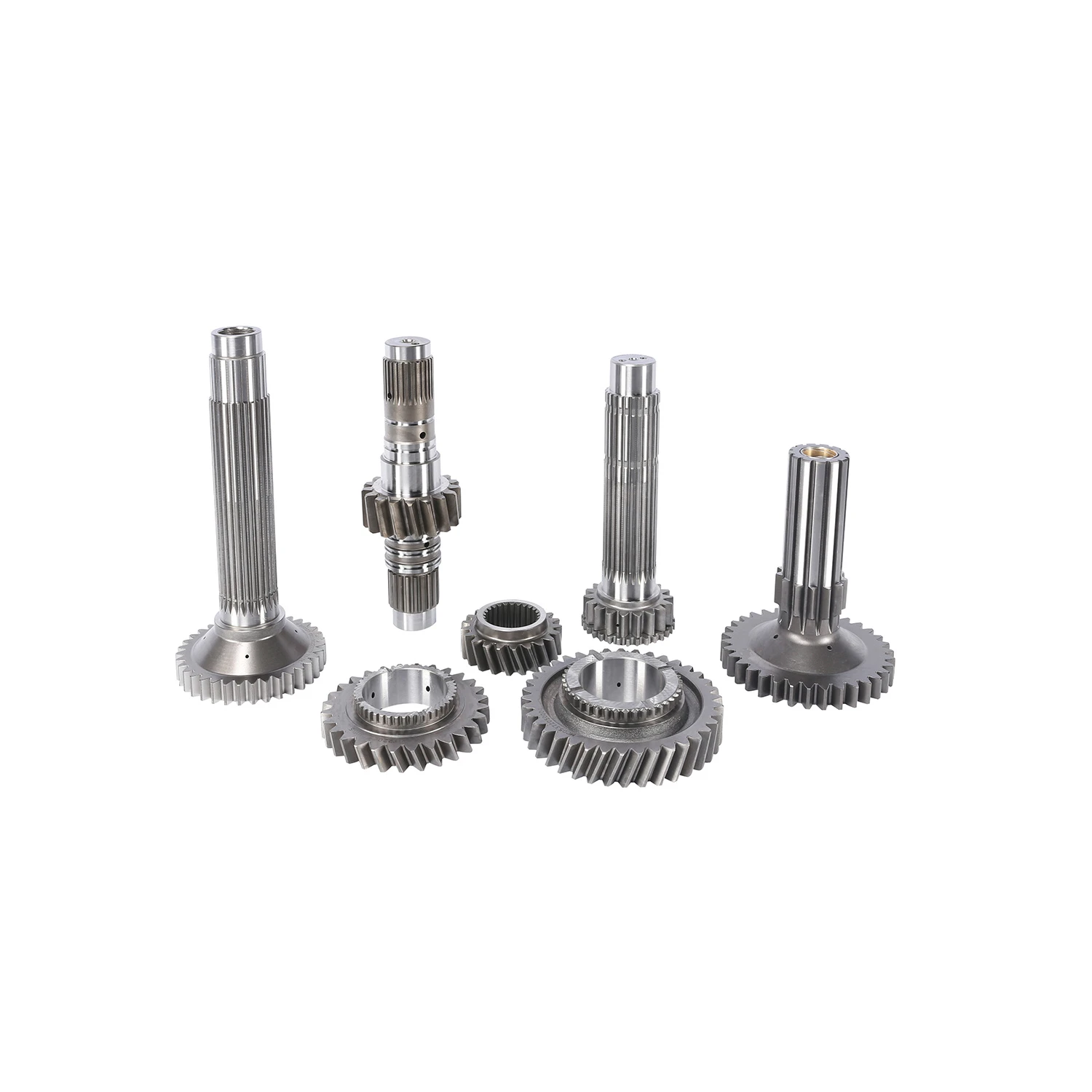
The tractor gear shaft is a crucial element in the power transmission system of a tractor. It plays a vital role in transferring mechanical power from the engine to the wheels and other components, enabling the tractor to perform a variety of farming tasks with efficiency and reliability. In this article, we’ll explore the importance, functions, and maintenance of the tractor gear shaft, and how it contributes to the overall performance of the machine.
-
 Transmission Gear
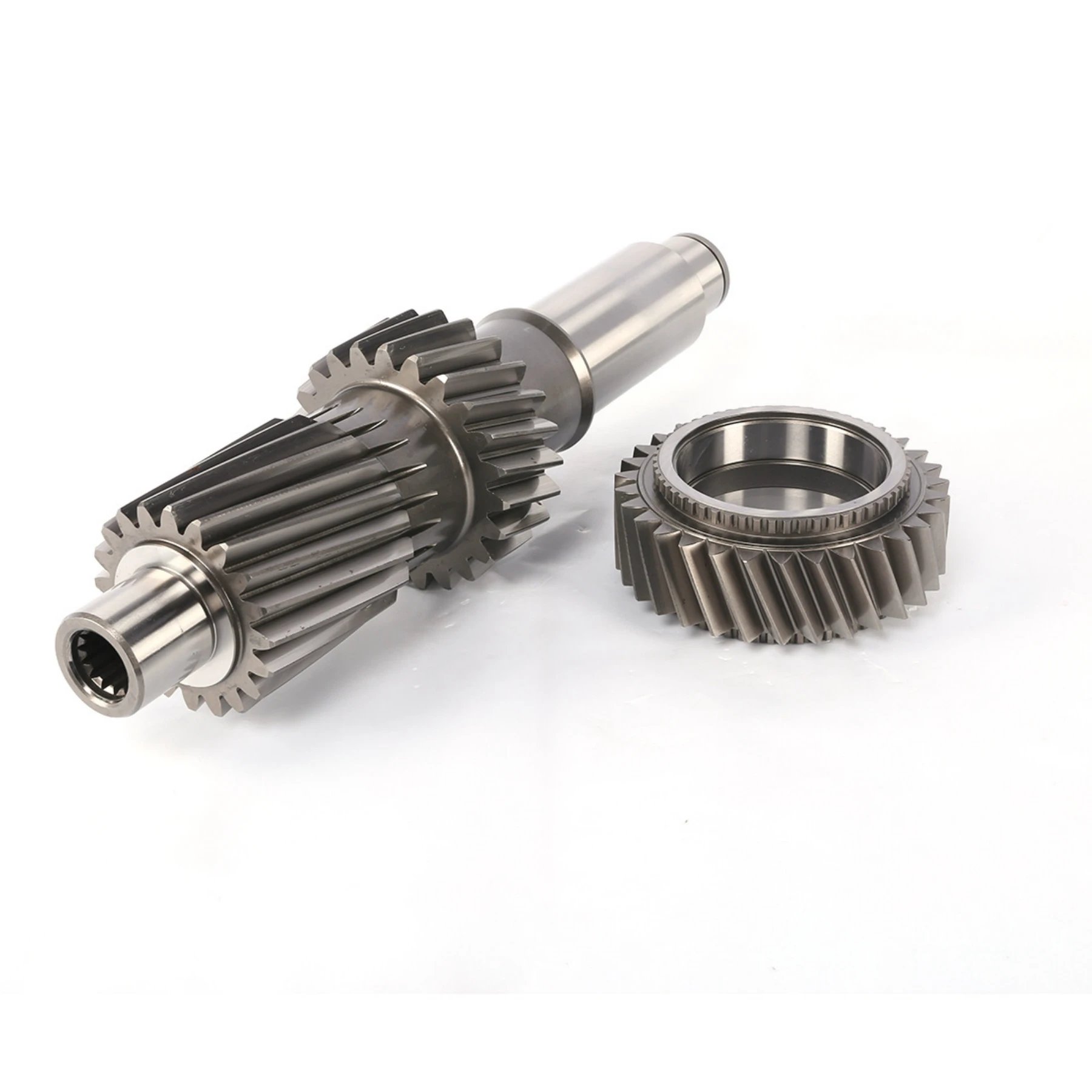
Power transmission: the engine operation drives the input gear on the input shaft to rotate, the input gear engages with other gears, and relies on the interaction between teeth and teeth to transfer the power to the intermediate gear (if any) and the output gear, and finally transfers the power to the driving wheel and other components through the output shaft to make the vehicle or equipment move.
Variable speed principle: Change the transmission ratio by meshing gears with different numbers of teeth. For example, when the big gear drives the small gear, the speed of the small gear will be faster than the big gear, but the output torque will be smaller, to achieve growth and torque reduction; On the contrary, when the pinion drives the big gear, the speed of the big gear slows down, the torque increases, and the torque increases. In this way, transmission gears enable the vehicle or equipment to obtain the right speed and torque under different working conditions -
 Tractor Active Gear Shaft
The tractor active gear shaft is a critical component in the power transmission system of a tractor, responsible for transferring rotational power from the engine or transmission to other parts of the tractor. By efficiently distributing torque and enabling smooth gear shifts, the active gear shaft plays a vital role in enhancing the performance and versatility of the tractor, making it essential for a wide range of agricultural tasks. In this article, we’ll explore the function, benefits, and maintenance of the tractor active gear shaft.
-
 Harvester Input Shaft
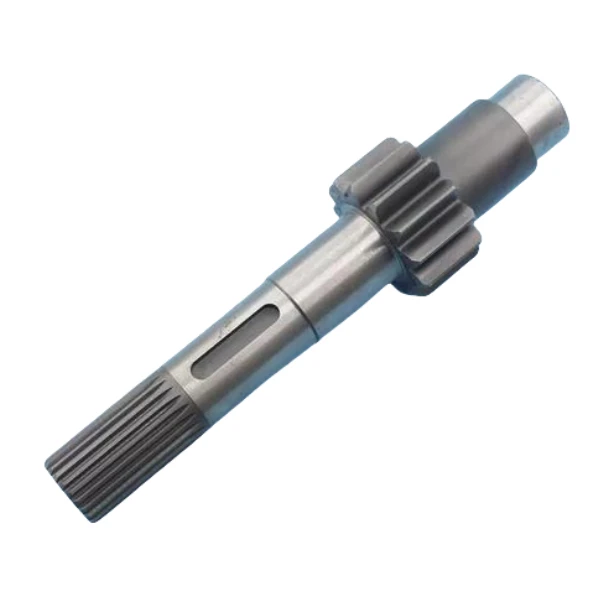
The main role of the harvester input shaft is to introduce the power of the external power source into the internal transmission system of the harvester. When the power source (such as an engine) is running, the torque generated is transmitted to the input shaft through the connecting parts, causing the input shaft to start rotating. The gear, pulley or sprocket and other transmission parts installed on the input shaft will rotate with the rotation of the input shaft, and then transfer the power to the subsequent transmission parts and working parts, such as driving the cutting device, conveying device, threshing device, etc., to complete the crop harvesting, conveying, threshing and other work processes.
Related News
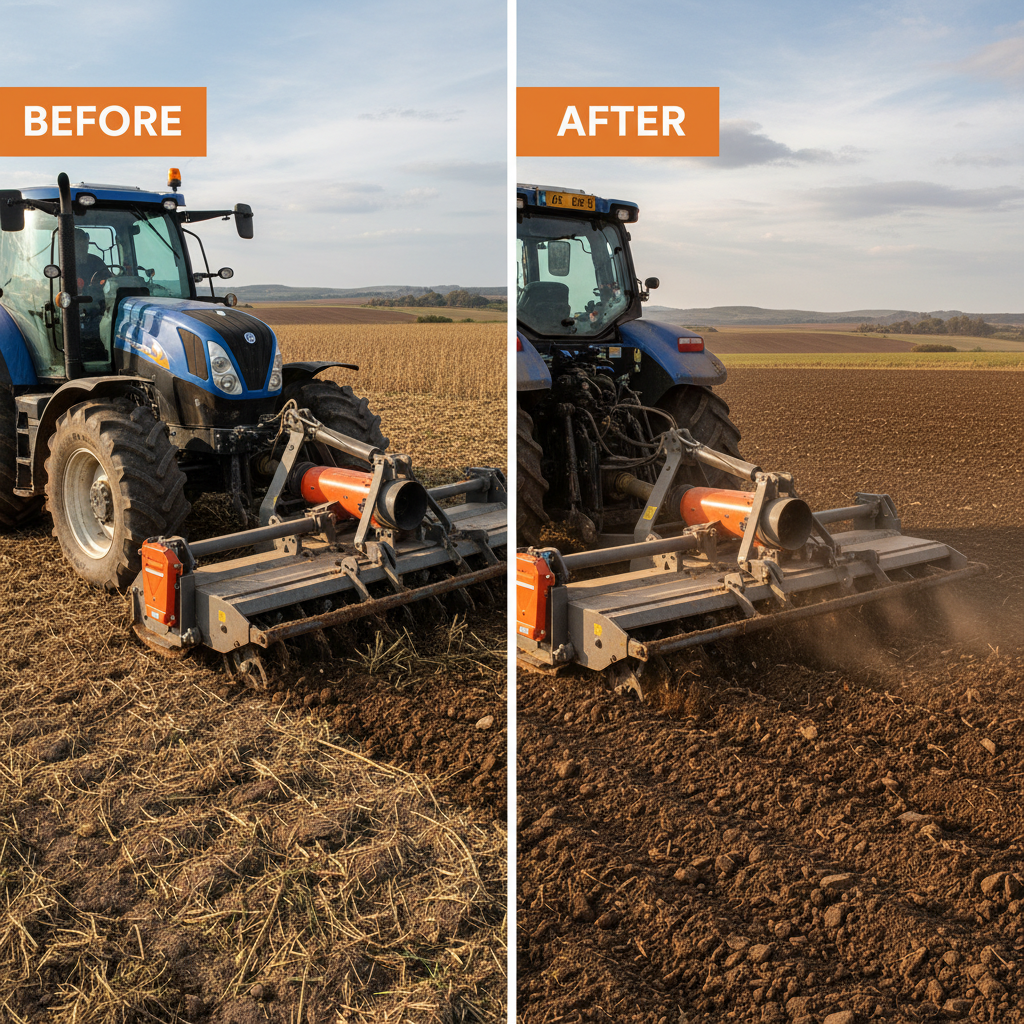
Professional Heavy Duty Tiller for Tractor for Soil Productivity
Achieving the perfect seedbed is the foundation of any successful harvest. For farmers dealing with compacted soil, stubborn crop residue, or expansive acreage, a standard rototiller often falls short. This is where a heavy duty tiller for tractor becomes an essential investment. These robust machines are engineered to penetrate deep into the earth, breaking up hardpan and aerating the soil with unmatched efficiency. By integrating a professional-grade tiller into your machinery lineup, you can significantly reduce preparation time and improve crop yield. In this guide, we will explore the technical advantages, selection criteria, and maintenance tips for choosing the right heavy-duty tilling solution.
>
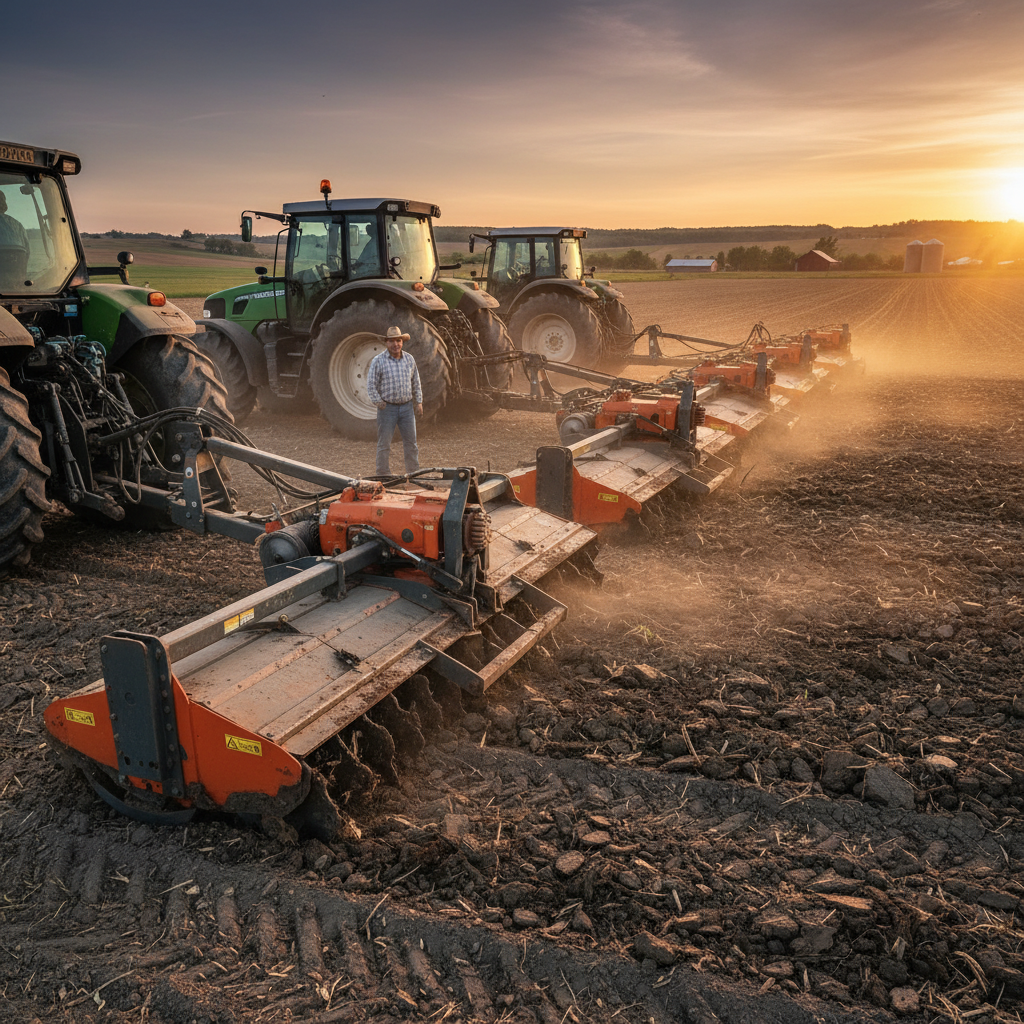
Maximizing Land Productivity with Professional Heavy Duty Tillers
For professional farmers and landscaping contractors, the quality of soil preparation determines the success of the entire growing season. Investing in high-performance heavy duty tillers is essential for breaking through compacted earth, removing stubborn weeds, and integrating organic matter deeply into the soil. Unlike standard garden cultivators, these industrial-grade machines are engineered to handle vast acreages and the most challenging terrain without compromising efficiency. In this guide, we will explore how choosing the right equipment can transform your agricultural output and streamline your land management process.
>
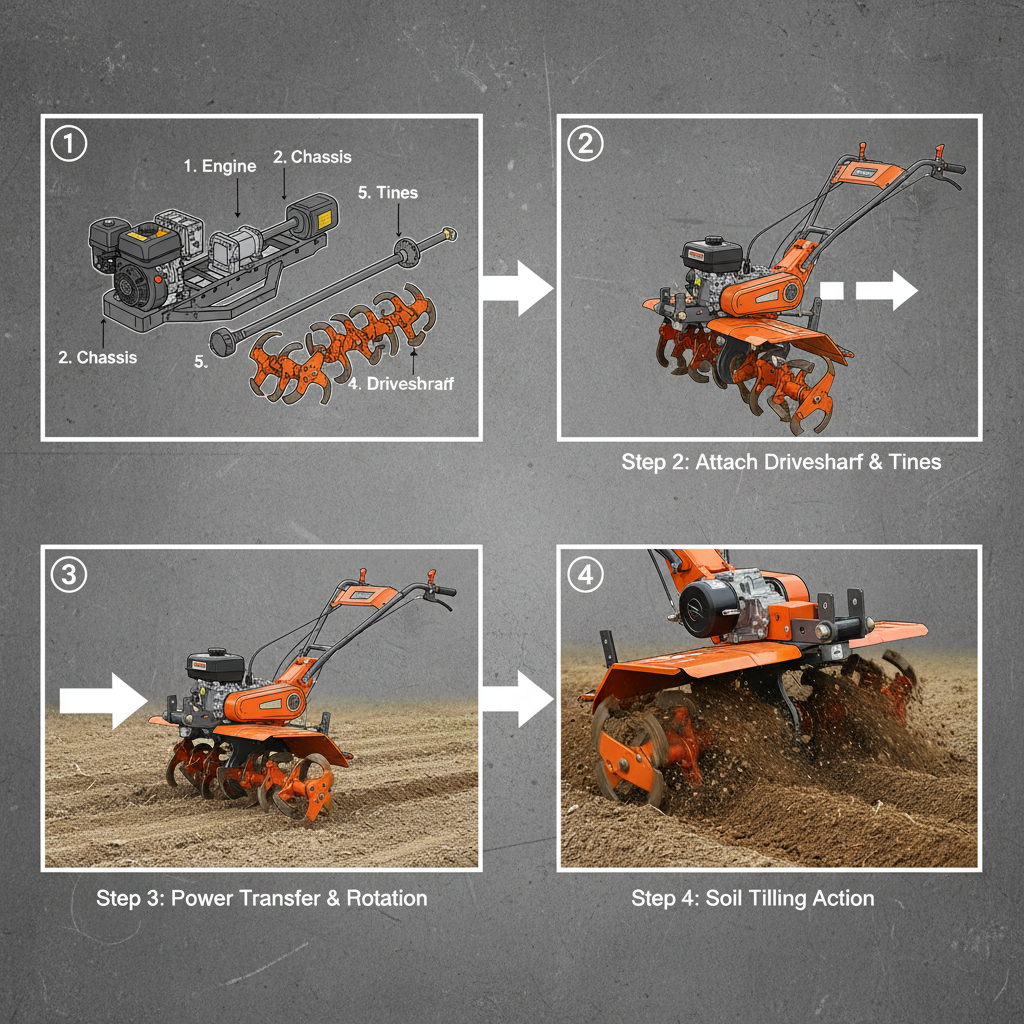
Choosing the Best Heavy Duty Rototiller for Efficient Land Preparation
A heavy duty rototiller is an invaluable tool for anyone involved in serious gardening, small-scale farming, or land preparation. Whether you're breaking new ground, maintaining existing garden beds, or preparing for planting, the right rototiller can significantly reduce labor and improve efficiency. However, with numerous options available, selecting the best model requires careful consideration. This article will guide you through the key factors to consider when purchasing a heavy-duty rototiller, helping you make an informed decision. ZinanMech offers a wide range of rototillers to suit various needs.
>
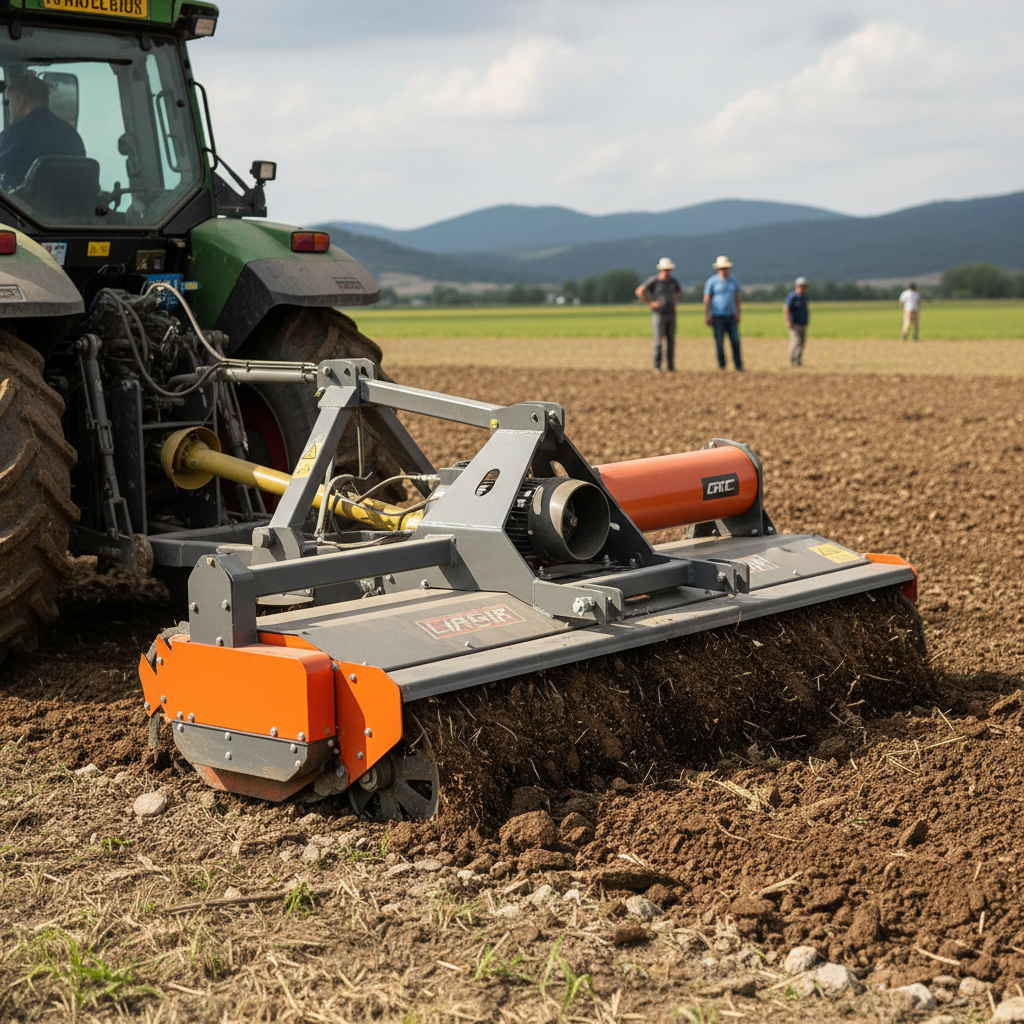
Comprehensive Guide to Heavy Duty Rotary Tiller Selection and Application
When it comes to land preparation, a heavy duty rotary tiller is an invaluable tool. This robust machinery excels at breaking up compacted soil, creating a fine seedbed, and incorporating organic matter. This article dives deep into the world of heavy duty rotary tillers, covering their benefits, applications, key features, and how to choose the right one for your needs. Whether you're a farmer, landscaper, or large-scale gardener, understanding these tillers is essential for efficient and effective soil management.
>
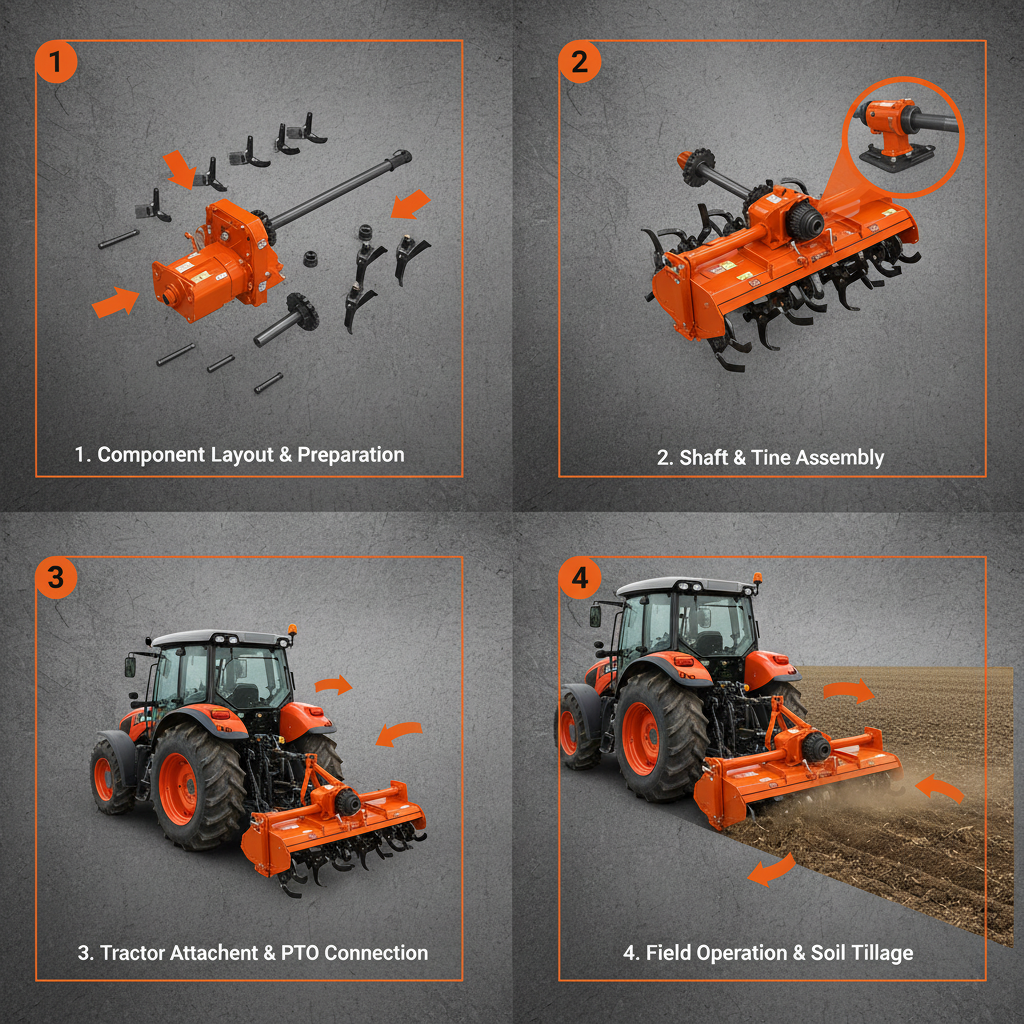
Comprehensive Guide to Selecting the Ideal Farm Tractor Tiller for Your Needs
Selecting the ideal farm tractor tiller is crucial for efficient soil preparation and maximizing agricultural yields. With a diverse range of models available, understanding your needs and the features offered by different tillers is paramount. This article provides a detailed overview of farm tractor tillers, covering their types, benefits, key considerations, and how to choose the right one for your specific farming operation. Proper tillage significantly impacts seedbed quality, weed control, and ultimately, crop performance.
>
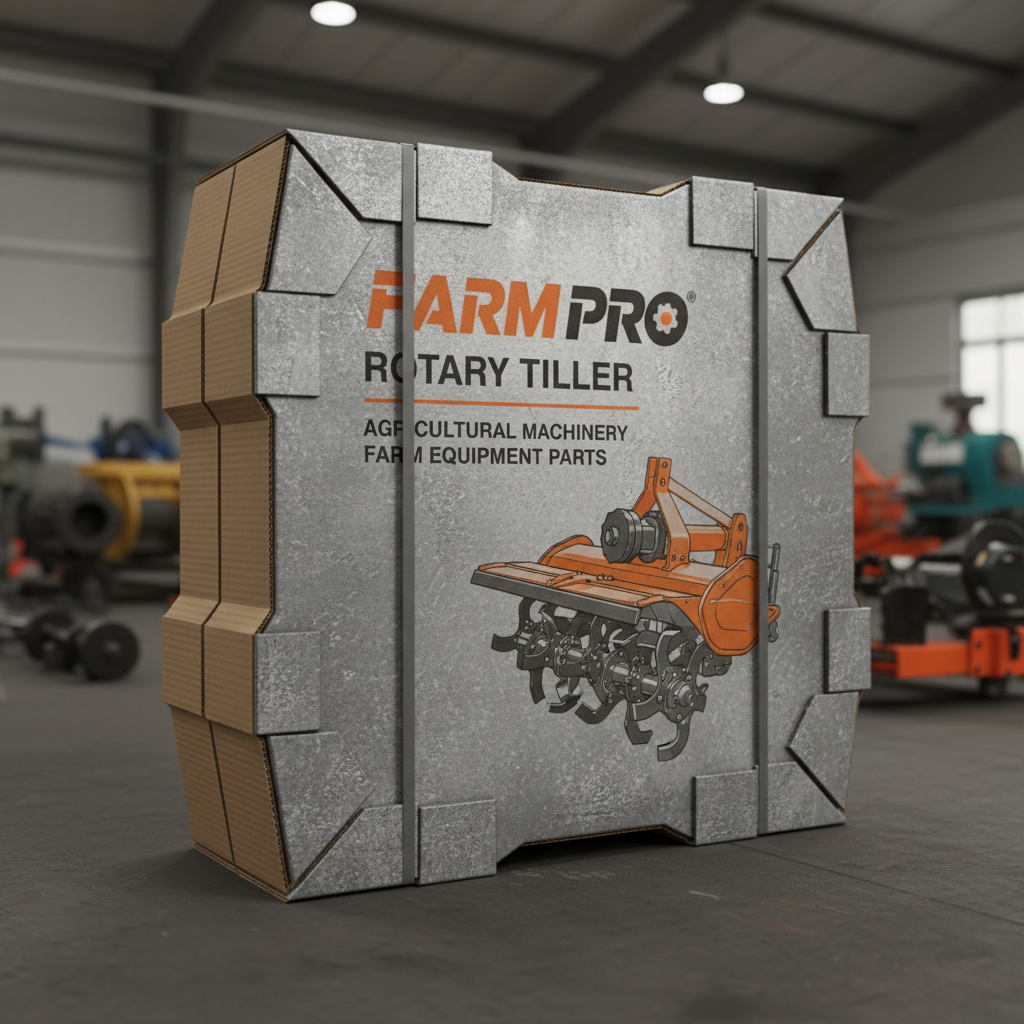
Boost Farm Productivity with a High Performance Farm Pro Rotary Tiller
Are you looking to enhance your agricultural productivity and streamline your soil preparation process? A Farm Pro rotary tiller is an invaluable investment for farmers of all scales. This article delves into the benefits, features, applications, and considerations when choosing the right rotary tiller for your farm. We’ll explore how this machinery can significantly reduce labor costs and improve soil quality, ultimately leading to higher yields. From small hobby farms to large-scale commercial operations, a Farm Pro tiller offers a robust and efficient solution for a variety of tilling needs.
>
Unlock Farming Efficiency with a Powerful Agricultural Tiller Solution
In the world of farming and gardening, efficiency and productivity are key. An agricultural tiller is a vital piece of equipment that streamlines soil preparation, saving time and labor. This article dives deep into the world of tillers, exploring their types, benefits, how to choose the right one, and the quality solutions offered by Zinanmech. We’ll cover everything from small garden tillers to heavy-duty agricultural models, ensuring you have the knowledge to make an informed decision. An agricultural tiller, also known as a rotary tiller, is a motorized machine used to break up and cultivate soil. Unlike manual digging or plowing, tillers use rotating blades to loosen the soil, creating a fine, even tilth that's ideal for planting. This process improves soil aeration, drainage, and nutrient availability, leading to healthier plant growth.
>
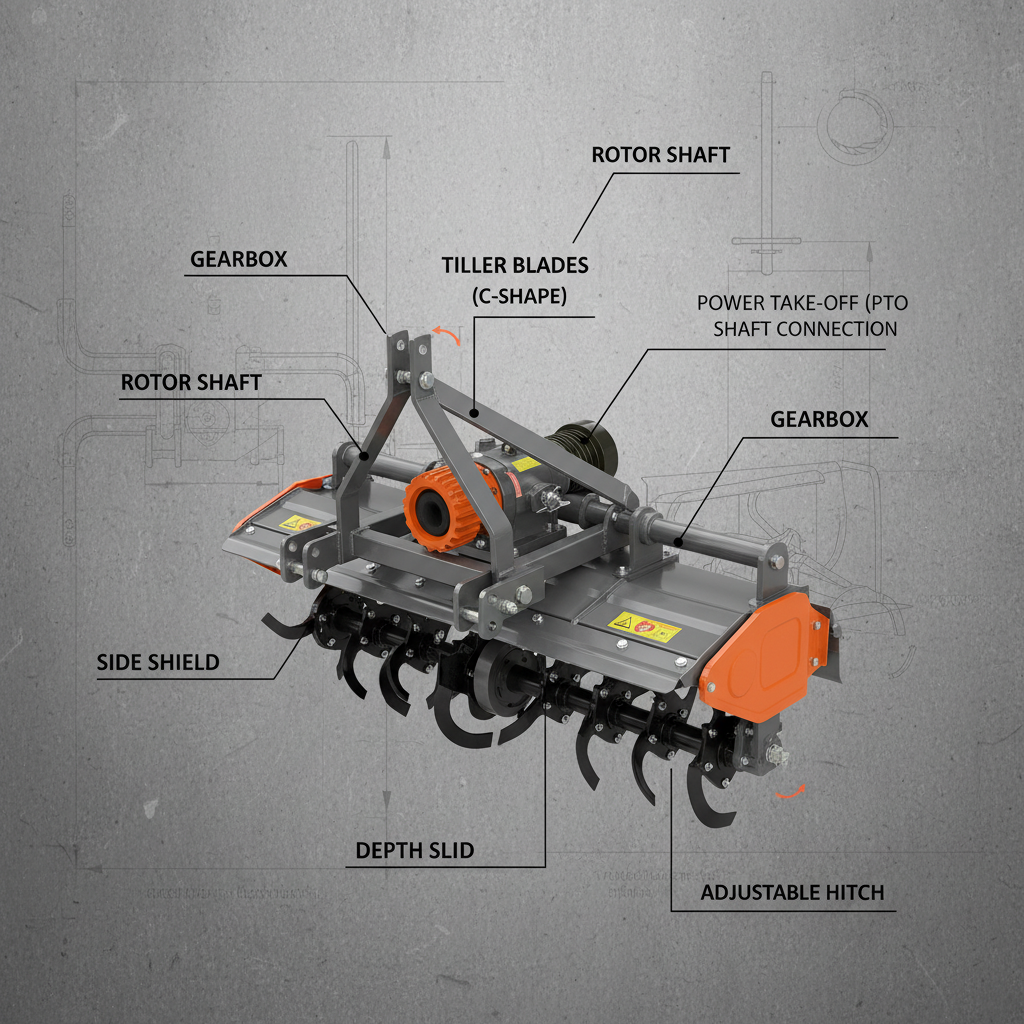
Comprehensive Guide to Agricultural Rotary Tiller Selection and Usage
An agricultural rotary tiller is an essential tool for modern farming, designed to efficiently prepare soil for planting. This powerful machinery significantly reduces labor and time compared to traditional methods. Whether you're a smallholder or manage a large-scale agricultural operation, understanding the benefits and features of a rotary tiller is crucial for maximizing productivity. Choosing the right tiller can transform your land preparation process. This article provides a detailed overview of agricultural rotary tillers, covering their uses, types, benefits, and key considerations when selecting the right model. Modern tillers are available in various sizes and configurations, catering to different farm sizes and soil conditions. Zinanmech provides a range of high-quality rotary tillers designed for optimal performance and durability. An agricultural rotary tiller, also known as a rototiller, is a motorized machine used to prepare agricultural land for cultivation. It works by using rotating blades – typically called tines – to break up, churn, and mix the soil.
>
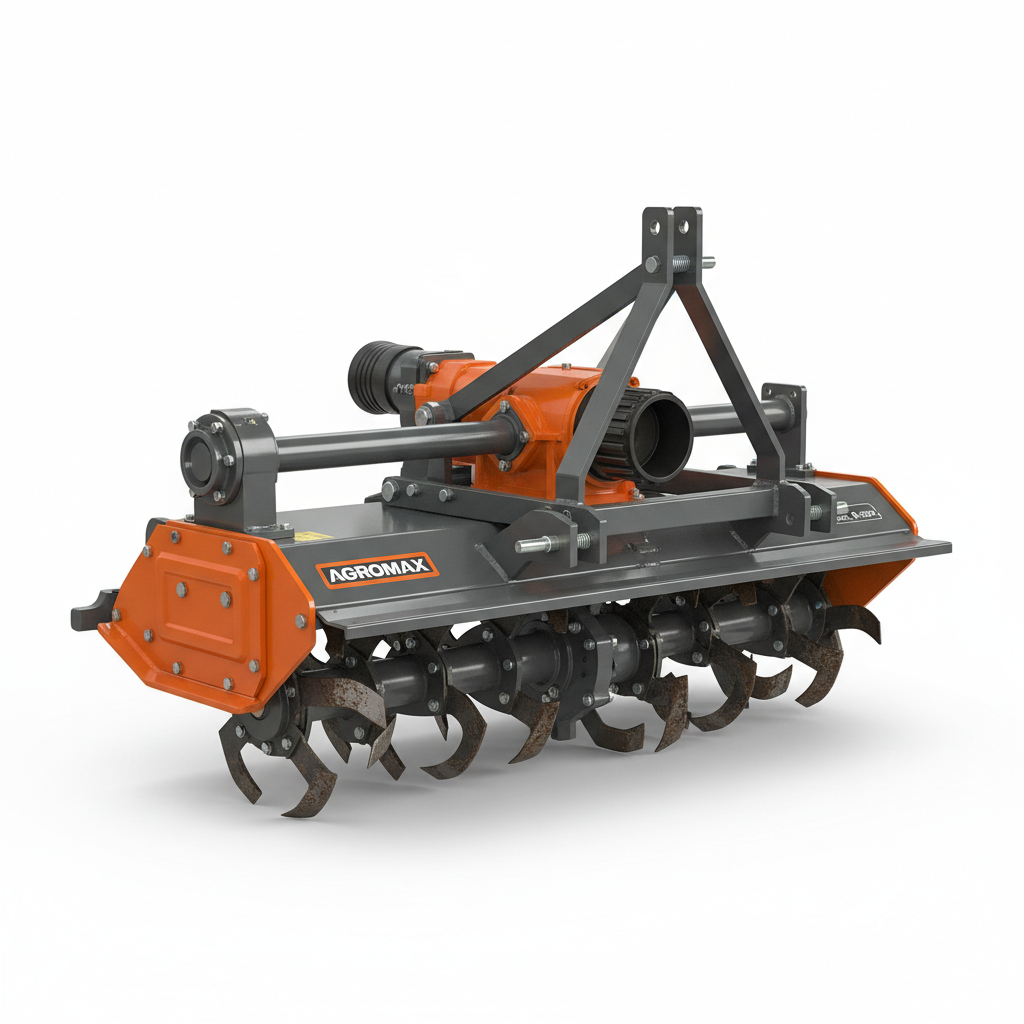
Comprehensive Guide to Selecting the Ideal Agric Rototiller for Your Farm
Selecting the right agric rototiller is crucial for efficient soil preparation and maximizing crop yields. This guide will explore the different types of rototillers, their applications, and how to choose the best model for your farming needs. We’ll cover everything from small, handheld rototillers to larger, tractor-mounted versions, helping you make an informed decision to enhance your agricultural operations. A well-chosen rototiller significantly reduces manual labor and improves soil quality. Agric rototillers come in various sizes and configurations, each suited for different farming tasks. The main types include: Front-Tine Rototillers, ideal for smaller gardens and breaking up already tilled soil; Rear-Tine Rototillers, offering more power and suitable for larger areas and tougher soil conditions; and Mid-Tine Rototillers, a versatile option for medium-sized farms. Choosing the correct type depends on your farm size, soil type, and the crops you intend to grow.
>
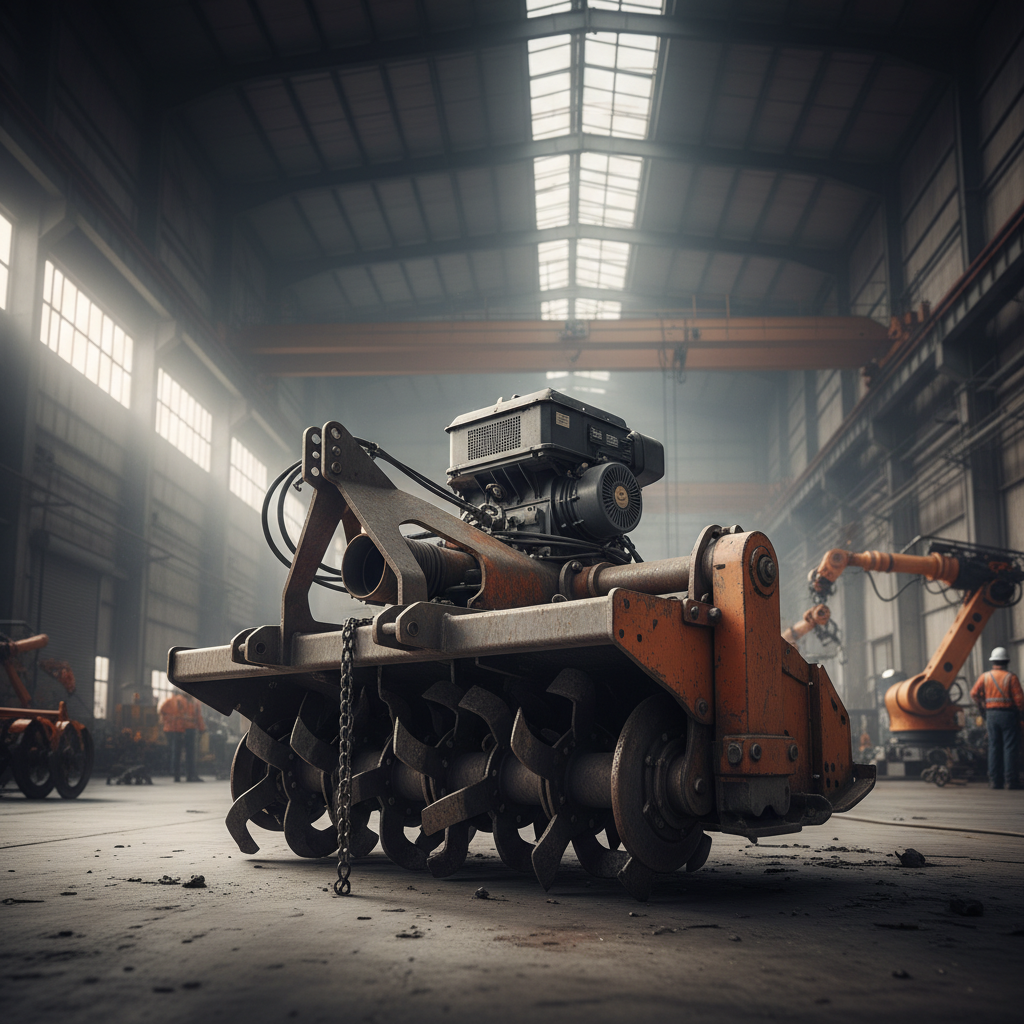
Unlock Farming Efficiency with a Powerful Agri Rototiller for Modern Agriculture
In today's agricultural landscape, efficiency and productivity are paramount. An agri rototiller, also known as a rotary tiller, is an invaluable tool for preparing soil for planting. This versatile machine cultivates, mixes, and levels the soil in a single pass, saving farmers significant time and effort. From small-scale farms to large agricultural operations, the benefits of using a rototiller are numerous. Investing in a quality rototiller is investing in the future success of your harvest. An agri rototiller is a motorized machine designed to break up and aerate soil using rotating blades. These blades, often called tines, churn the soil, creating a fine, even texture ideal for planting seeds or transplanting seedlings. Unlike traditional plowing, rototilling doesn't invert the soil, minimizing disruption to the soil's natural structure.
>
International layout
Spread all over the world
our products are exported to various parts of the world. Currently, our products have been exported to more than 40 countries Our products cover Asia, Europe, Africa, South America, North America, and Oceania
Sign up
for Newsletter
Subscribe to the weekly newsletter for all the latest updates