- Tel: +86 13451474678 / 13451474678
- Email: / hbzinanmech@gmail.com

Precision Rack and Pinion Drives | High-Performance Linear Motion
Advanced Rack and Pinion Systems for Industrial Precision
In the dynamic landscape of industrial automation, precision motion control is paramount. The rack and pinion system stands as a cornerstone technology, offering unparalleled accuracy, rigidity, and the capability for extended travel. This mechanism, comprising a linear gear (the rack) and a circular gear (the pinion), translates rotational motion into linear motion, or vice versa, with exceptional efficiency. Its versatility makes it indispensable across a vast array of heavy-duty and high-precision applications, from CNC machining and robotics to material handling and large-scale industrial machinery. Our focus on engineering excellence ensures that our solutions meet the rigorous demands of modern manufacturing, integrating seamlessly with complementary technologies such as the planetary gearbox for optimized torque and speed characteristics.
The demand for high-performance linear motion solutions continues to grow, driven by the push for faster cycle times, greater precision, and increased reliability in automated systems. As such, the design and manufacturing of these critical components require not only deep technical expertise but also a commitment to material science and advanced production methodologies. This article delves into the intricacies of these systems, exploring their manufacturing processes, technical specifications, diverse applications, and the strategic advantages they offer in demanding industrial environments. We also highlight our commitment to providing custom gear solutions tailored to unique operational requirements.
Industry Trends in Linear Motion Systems
The industrial landscape is continuously evolving, with significant trends shaping the development and deployment of linear motion systems. Automation and robotics are at the forefront, requiring more precise, faster, and longer-travel capabilities. This has led to a surge in demand for high-accuracy rack and pinion systems that can operate reliably in harsh conditions.
- **Precision and Accuracy:** The drive towards Industry 4.0 and smart factories necessitates components with micron-level precision. Enhanced manufacturing techniques, such as advanced grinding and honing, are becoming standard to meet these stringent requirements for gear pitch accuracy and reduced backlash.
- **High Load Capacity and Rigidity:** As industrial machinery scales up, the need for systems capable of handling heavier loads while maintaining structural rigidity becomes critical. This pushes innovation in material science and heat treatment processes.
- **Modularity and Customization:** Manufacturers increasingly seek modular components that can be easily integrated into existing systems or quickly adapted for new applications. The ability to provide custom gear solutions, including specific tooth profiles, materials, and surface treatments, is a key differentiator.
- **Sustainability and Energy Efficiency:** There's a growing emphasis on energy-efficient designs, leading to the development of components with lower friction and optimized power transmission, often paired with high-efficiency drive systems like the planetary gearbox.
- **Digital Integration and Predictive Maintenance:** Future trends point towards the integration of sensors for real-time monitoring of system performance, enabling predictive maintenance and reducing downtime.
These trends underscore the importance of selecting robust, high-performance linear motion components that can withstand the rigors of continuous industrial operation while contributing to overall system efficiency and longevity.
Manufacturing Process Flow of Rack and Pinion Systems
The production of a high-quality rack and pinion system is a meticulous process involving several critical stages, each contributing to the final product's precision, durability, and performance. Our manufacturing adheres to stringent quality control protocols, including ISO 9001 standards, ensuring every component meets global industry benchmarks.
- Material Selection: The foundation of a superior product lies in the choice of raw materials. We primarily utilize high-grade alloy steels such as 42CrMo4 (EN19), S45C (AISI 1045), and CrMo steel, known for their excellent tensile strength, hardness, and wear resistance. For applications requiring enhanced corrosion resistance, stainless steel variants are employed.
-
Initial Forming (Forging/Casting):
- Forging: For pinions, forging provides superior grain structure, enhancing strength and fatigue resistance. This process involves shaping the metal through localized compressive forces.
- Casting: For larger or complex rack geometries, casting might be used, followed by extensive machining to achieve the required precision. However, for high-precision racks, machining from solid bar stock is often preferred.
- Rough Machining: Initial shaping of the rack and pinion blanks using turning, milling, and drilling operations. This removes excess material and prepares the components for more precise processes.
-
Gear Cutting (Hobbing/Milling):
- Hobbing: A highly efficient process for cutting gear teeth on pinions, where a rotating cutting tool (hob) progressively forms the teeth.
- Milling: For racks, precision CNC milling machines with specialized cutters are used to generate the straight gear teeth profile. Advanced 5-axis CNC machining centers ensure high accuracy for complex tooth geometries.
-
Heat Treatment: This crucial step enhances the mechanical properties of the gear components.
- Hardening: Processes like induction hardening or case hardening (carburizing) are applied to achieve a hard wear-resistant surface while maintaining a tough core. Surface hardness can reach 55-62 HRC.
- Tempering: Follows hardening to reduce brittleness and improve ductility.
- Precision Grinding: After heat treatment, precision grinding operations are performed on the tooth flanks and critical surfaces. This process is essential for achieving the required accuracy grades (e.g., DIN 5, AGMA 10) and minimizing backlash, directly impacting the system's service life and energy saving capabilities.
- Surface Finishing and Coating: Depending on the application, surfaces may undergo processes like black oxide coating for corrosion resistance, or specialized treatments to reduce friction and enhance longevity. This is especially vital in target industries like petrochemicals and water supply & drainage where corrosion resistance is critical.
- Quality Control and Testing: Each component undergoes rigorous inspection, including CMM (Coordinate Measuring Machine) measurements for dimensional accuracy, profilometry for tooth form, hardness testing, and run-out checks. Adherence to international testing standards such as ISO 1328 for gear accuracy and ANSI/AGMA for quality classification is strictly maintained. This ensures optimal performance and a long service life, even in demanding environments such as metallurgy.
- Assembly and Packaging: Components are carefully assembled where required, lubricated, and packaged to prevent damage during transit, ensuring they arrive ready for integration.
This meticulous process, from raw material to finished product, guarantees that our rack and pinion systems deliver consistent, reliable, and high-performance linear motion for your most critical applications.
Technical Specifications and Parameters
Understanding the key technical parameters is crucial for selecting the optimal rack and pinion system for a given application. Our products are engineered with meticulous attention to these specifications, ensuring superior performance and compatibility.
| Parameter | Description | Typical Range/Value |
|---|---|---|
| Module (M) | Ratio of pitch diameter to number of teeth. Defines gear size. | M1.0 to M16.0 |
| Pressure Angle (α) | Angle between the line of action and the common tangent to the pitch circles. | 20° (Standard), 14.5° |
| Material | Common materials for racks and pinions. | S45C (AISI 1045), 42CrMo4, 20CrMnTi, Stainless Steel |
| Hardness (HRC) | Surface hardness after heat treatment (e.g., induction hardening). | 45-62 HRC (case), 200-250 HB (core) |
| Accuracy Class | According to ISO 1328 or DIN standards, defines pitch deviation. | DIN 5 to DIN 10 (Higher number = lower precision) |
| Length (Rack) | Standard and customizable lengths. | 500mm to 2000mm (Standard); Up to 6000mm (Custom) |
| Helix Angle | Angle of teeth relative to the axis (for helical racks). | 0° (Straight), 19°31'42" (Standard Helical) |
These parameters collectively determine the performance characteristics such as load capacity, maximum speed, and precision of the linear motion system. Understanding the interplay between module, pressure angle, material, and accuracy class is essential for designing a robust and efficient solution. For specialized applications, our engineering team can assist in defining precise requirements for custom gear solutions.
Application Scenarios Across Diverse Industries
The robust and precise nature of rack and pinion systems makes them ideal for a wide array of industrial applications requiring reliable linear motion. Their ability to handle high loads and long travel distances, often in conjunction with a planetary gearbox, makes them invaluable across various sectors.
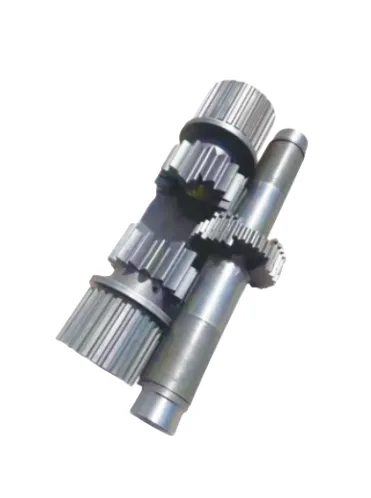
- CNC Machine Tools: Providing the X, Y, and Z axis motion for milling machines, lathes, and grinding machines, where micron-level precision and high repeatability are non-negotiable. The high rigidity ensures superior surface finishes and dimensional accuracy.
- Robotics and Automation: Used in industrial robots for precise arm extension, gantry systems, and linear actuators. Essential for pick-and-place operations, welding robots, and automated assembly lines that require high speeds and dynamic loads.
- Material Handling Equipment: In large gantry cranes, automated storage and retrieval systems (AS/RS), and conveyor systems, these mechanisms facilitate heavy load movement over long distances. Their robust construction contributes to system uptime and energy saving through efficient power transfer.
- Packaging Machinery: Enabling rapid and accurate positioning of products, labeling, and sealing mechanisms in high-speed packaging lines.
- Textile and Printing Industries: For precise movement of print heads, fabric cutting tables, and other automated processes where accuracy dictates product quality.
- Heavy Industrial Sectors (Petrochemical, Metallurgy, Water Supply & Drainage): In these environments, robust construction and corrosion resistance are critical. Our systems are often specified for valve actuation, furnace door opening mechanisms, and sluice gate control, offering long service life under extreme conditions. Custom materials and coatings enhance resilience against corrosive agents.
The adaptability and robust performance characteristics of rack and pinion systems make them a preferred choice for engineers and designers seeking reliable linear motion solutions across these diverse and demanding industrial landscapes.
Technical Advantages and Performance Benefits
Choosing a high-quality rack and pinion system delivers distinct operational advantages that directly impact productivity, precision, and longevity in industrial applications.
- High Precision and Accuracy: Our precision-ground racks and pinions achieve accuracy grades up to DIN 5, ensuring minimal pitch error and very low backlash. This translates to superior positioning accuracy and repeatability, crucial for applications like CNC machining and precision automation.
- Excellent Rigidity and Load Capacity: Designed to withstand significant axial and radial loads, these systems offer exceptional rigidity. The distributed load across multiple teeth ensures high load-bearing capabilities, making them suitable for heavy-duty applications without compromising performance.
- Unlimited Travel Length: Unlike ball screws with finite lengths, racks can be seamlessly joined to achieve virtually unlimited linear travel, making them ideal for very long-stroke applications such as large gantry systems and automated warehouses.
- High Speed and Acceleration: With low inertia and high stiffness, rack and pinion systems can achieve very high linear speeds and rapid acceleration/deceleration rates, optimizing cycle times in dynamic applications. When coupled with a high-performance planetary gearbox, speed and torque can be further optimized.
- Durability and Long Service Life: Through robust material selection (e.g., hardened alloy steels) and advanced heat treatments, our components exhibit superior wear resistance. This leads to extended operational life and reduced maintenance requirements, offering a significant return on investment.
- Corrosion Resistance and Harsh Environment Suitability: Available with various surface treatments and stainless steel options, our racks and pinions are designed to operate reliably in corrosive, dusty, or high-temperature environments, ensuring consistent performance in challenging industrial settings.
- Energy Efficiency: Optimized tooth profiles and surface finishes minimize friction, leading to higher mechanical efficiency and thus contributing to overall energy saving in the operational system.
These advantages position our rack and pinion systems as a superior choice for industrial clients demanding performance, reliability, and cost-effectiveness over the operational lifespan.
Vendor Comparison and Selection Criteria
Selecting the right vendor for rack and pinion systems is a critical decision that impacts long-term operational success. While specific vendor names are not our focus, outlining key comparison criteria helps B2B decision-makers make informed choices.
| Criterion | Importance | Description/Considerations |
|---|---|---|
| Product Quality & Precision | High | Accuracy grades (DIN, AGMA), backlash levels, material quality, heat treatment consistency. Certifications like ISO 9001. |
| Customization Capabilities | Medium to High | Ability to produce custom gear geometries, materials, lengths, and surface treatments. Engineering support for unique applications. |
| Technical Support & Expertise | High | Availability of experienced engineers, design assistance, application support, and troubleshooting. |
| Lead Time & Reliability | High | Consistent adherence to agreed-upon delivery schedules, efficient order fulfillment, and robust supply chain. |
| Cost-Effectiveness (TCO) | Medium to High | Initial purchase price vs. long-term maintenance, service life, and operational efficiency. Consider the total cost of ownership. |
| Warranty & After-Sales Service | High | Comprehensive warranty, ease of obtaining replacements or repairs, and responsive customer support. |
By evaluating vendors against these comprehensive criteria, businesses can partner with a supplier that not only provides high-quality rack and pinion solutions but also offers the necessary support and flexibility to meet evolving industrial demands. Our commitment to expertise and customer satisfaction ensures we excel in these key areas.
Customized Solutions for Unique Challenges
While standard rack and pinion systems serve a broad range of applications, many industrial projects encounter unique challenges that necessitate tailored solutions. We specialize in providing custom gear manufacturing, designing and producing components that precisely meet specific operational demands. Our engineering team collaborates closely with clients to develop optimal designs.
- Material Customization: From specialized high-strength alloys for extreme load conditions to specific stainless steel grades for highly corrosive environments (e.g., marine, chemical processing), we select and process materials to ensure peak performance and longevity.
- Precision Modifications: This includes custom tooth profiles for reduced noise and smoother operation, modified pressure angles, and specific helix angles for helical racks to achieve particular force transmission characteristics. We also offer fine-tuning of accuracy grades to balance performance with cost.
- Surface Treatment and Coating: Beyond standard heat treatments, we offer custom coatings such as nitride, phosphating, or specialized anti-friction layers to enhance wear resistance, corrosion protection, or reduce operational friction in critical applications.
- Integrated Solutions: Our expertise extends to providing complete motion control packages, including matching planetary gearbox units, servo motors, and linear guides, all precisely engineered to work in harmony with the custom rack and pinion system.
- Unique Geometries and Sizes: Whether it's unusually long racks, racks with integrated features, or pinions with complex bore designs, our advanced CNC machining capabilities allow for the creation of components that perfectly fit unique mechanical layouts.
Our commitment to customization ensures that even the most demanding and unconventional industrial requirements can be met with robust, high-performance linear motion solutions, designed for optimal integration and long-term reliability.
Application Case Studies: Real-World Impact
Our rack and pinion systems have been successfully deployed in numerous demanding industrial applications, delivering measurable improvements in performance and efficiency. These case studies highlight our ability to provide reliable and high-precision solutions.
Case Study 1: High-Speed Gantry for Automotive Assembly
**Client:** A leading automotive manufacturer specializing in vehicle body-in-white assembly.
**Challenge:** The existing belt-driven gantry system for robotic spot welding suffered from excessive wear, limited acceleration, and lacked the necessary positional accuracy for next-generation vehicle platforms, leading to frequent maintenance and production bottlenecks.
**Solution:** We engineered a custom high-precision rack and pinion system, incorporating ground helical racks (DIN 6 accuracy) and matched hardened pinions. Each axis was driven by a robust planetary gearbox connected to a high-dynamic servo motor. The racks were joined seamlessly to achieve a total travel of 15 meters.
**Outcome:**
- Increased positioning accuracy by 40%, reducing rework and improving weld quality.
- Achieved maximum linear speed of 2.5 m/s with accelerations up to 1.5g, boosting throughput by 20%.
- Reduced maintenance intervals by 60%, significantly lowering operational costs and downtime.
- Customer feedback highlighted the "rock-solid stability and quiet operation" of the new system.
Case Study 2: Corrosion-Resistant System for Water Treatment Plant
**Client:** A municipal water treatment facility requiring automated control for large sluice gates.
**Challenge:** The existing hydraulic actuators were prone to leaks and required extensive maintenance due to constant exposure to corrosive water and environmental elements. Reliability was paramount for critical water flow regulation.
**Solution:** We provided a heavy-duty rack and pinion solution manufactured from marine-grade stainless steel with specialized surface passivation treatments. The system was designed for slow, high-torque movement, powered by a weather-sealed motor and a robust planetary gearbox, offering precise and repeatable gate positioning.
**Outcome:**
- Eliminated issues related to hydraulic fluid leaks, significantly reducing environmental impact and operational hazards.
- Achieved maintenance-free operation for over 5 years (exceeding project goals), demonstrating exceptional corrosion resistance and durability.
- Improved system reliability and control, ensuring precise water level management and safety compliance.
- The client lauded the "uncompromising reliability and reduced total cost of ownership."
Frequently Asked Questions (FAQ)
Q: What is the typical service life of your rack and pinion systems?
A: Our rack and pinion systems are engineered for longevity. With proper installation, lubrication, and maintenance, they can achieve a service life of 10-15 years or more, even in demanding industrial environments. This is due to our use of high-grade materials, precision manufacturing, and rigorous heat treatments. Specific life expectancy varies based on application load, speed, and environmental conditions.
Q: How do you ensure the precision and accuracy of your gear systems?
A: Precision is embedded in every stage of our manufacturing process. We utilize advanced CNC hobbing and grinding machines, conduct multi-stage quality control checks including CMM inspections, and adhere to international standards like ISO 1328 and DIN for gear accuracy (up to DIN 5). Our expertise in backlash reduction and surface finish optimization further guarantees high accuracy.
Q: Can your rack and pinion systems be integrated with any planetary gearbox?
A: Our systems are designed for broad compatibility. While we can recommend and supply optimal planetary gearbox units, our pinions are manufactured to standard interfaces that allow integration with most commercially available gearboxes, provided they meet the required torque, speed, and backlash specifications. We offer technical assistance for seamless integration.
Q: What kind of customization options are available for specific applications?
A: We offer extensive customization for custom gear solutions. This includes varying material grades (e.g., specific alloy steels, stainless steels), specialized heat treatments (e.g., case hardening depth), unique tooth profiles, modified lengths, and custom mounting hole patterns. Our engineering team works directly with clients to design components tailored to their precise requirements.
Lead Time, Warranty, and Customer Support
Lead Time and Fulfillment
We understand the critical nature of timely delivery in industrial projects. Our standard lead times for off-the-shelf rack and pinion components typically range from 2-4 weeks, depending on product availability and order volume. For custom gear solutions, lead times are determined by the complexity of design, material sourcing, and manufacturing processes, usually ranging from 6-12 weeks. We maintain a robust inventory of raw materials and semi-finished goods to expedite production and ensure consistent fulfillment. Our logistics team works diligently to ensure efficient and secure global shipping.
Warranty Commitments
All our rack and pinion systems are backed by a comprehensive 12-month limited warranty, covering defects in materials and workmanship under normal operating conditions. This commitment reflects our confidence in the quality and durability of our products. Details of the warranty policy, including terms and conditions for claims, are provided with every purchase and can be accessed through our customer service portal.
Dedicated Customer Support
Our dedication to customer satisfaction extends far beyond the sale. We offer comprehensive after-sales support designed to ensure optimal performance and longevity of our products.
- Technical Assistance: Our team of experienced engineers is available to provide expert advice on installation, lubrication, maintenance, and troubleshooting.
- Spare Parts Availability: We ensure ready availability of genuine spare parts to minimize downtime and extend product life.
- Online Resources: Access to technical datasheets, CAD models, and installation guides is available through our website to support your engineering teams.
- Direct Contact: For immediate support, our customer service representatives are accessible via phone and email during business hours, ready to assist with any queries or concerns.
Our goal is to forge lasting partnerships by providing not just superior products, but also unparalleled service and support throughout the entire lifecycle of our solutions.
Citations
- ISO 1328-1:1995, Cylindrical gears — ISO system of accuracy — Part 1: Definitions and allowable values of deviations relevant to corresponding flanks of gear teeth. International Organization for Standardization.
- Dudley, D. W. (1962). Gear Handbook: The Design, Manufacture, and Application of Gears. McGraw-Hill.
- AGMA 915-1-A02, Inspection Practices — Part 1: Cylindrical Gears — Tangential Measurement Methods. American Gear Manufacturers Association.
- Benedict, G. F. (1987). Nondestructive Testing. Prentice Hall.

Related Products
-
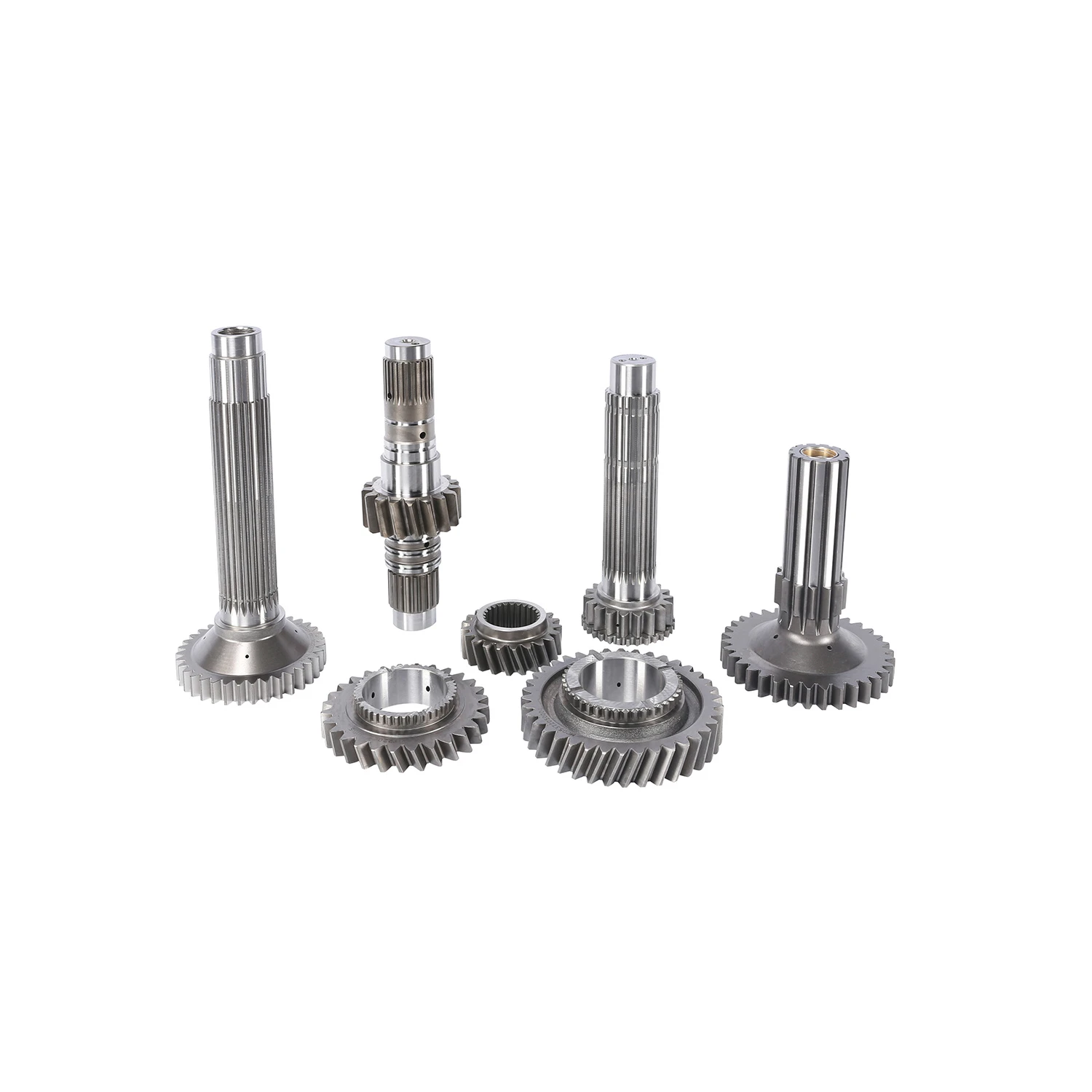 Tractor Gear Shaft
The tractor gear shaft is a crucial element in the power transmission system of a tractor. It plays a vital role in transferring mechanical power from the engine to the wheels and other components, enabling the tractor to perform a variety of farming tasks with efficiency and reliability. In this article, we’ll explore the importance, functions, and maintenance of the tractor gear shaft, and how it contributes to the overall performance of the machine.
-
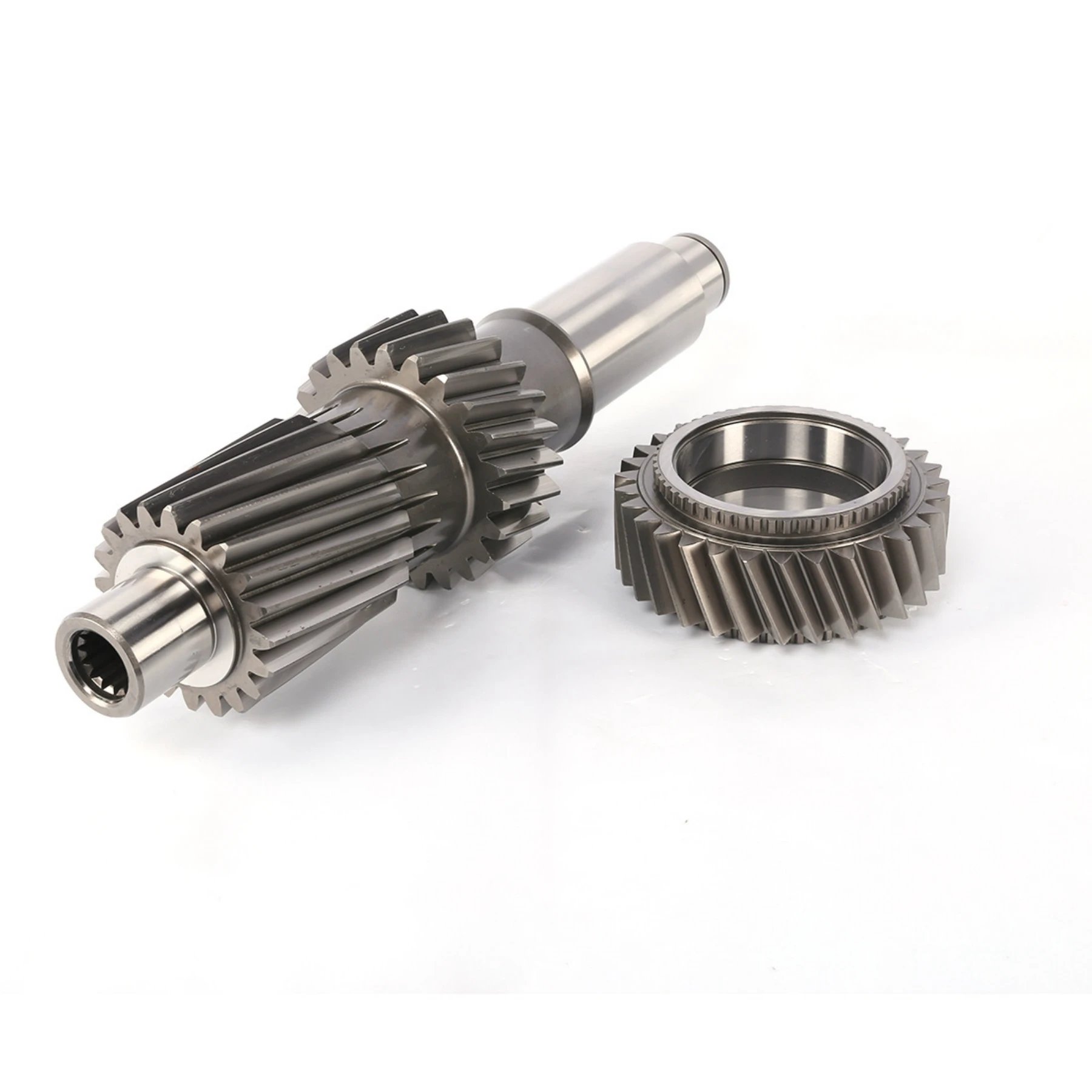 Transmission Gear
Power transmission: the engine operation drives the input gear on the input shaft to rotate, the input gear engages with other gears, and relies on the interaction between teeth and teeth to transfer the power to the intermediate gear (if any) and the output gear, and finally transfers the power to the driving wheel and other components through the output shaft to make the vehicle or equipment move.
Variable speed principle: Change the transmission ratio by meshing gears with different numbers of teeth. For example, when the big gear drives the small gear, the speed of the small gear will be faster than the big gear, but the output torque will be smaller, to achieve growth and torque reduction; On the contrary, when the pinion drives the big gear, the speed of the big gear slows down, the torque increases, and the torque increases. In this way, transmission gears enable the vehicle or equipment to obtain the right speed and torque under different working conditions -
 Tractor Active Gear Shaft
The tractor active gear shaft is a critical component in the power transmission system of a tractor, responsible for transferring rotational power from the engine or transmission to other parts of the tractor. By efficiently distributing torque and enabling smooth gear shifts, the active gear shaft plays a vital role in enhancing the performance and versatility of the tractor, making it essential for a wide range of agricultural tasks. In this article, we’ll explore the function, benefits, and maintenance of the tractor active gear shaft.
-
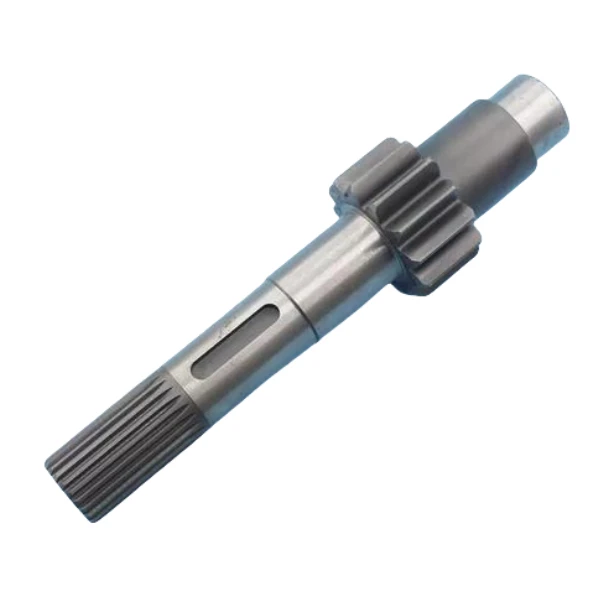 Harvester Input Shaft
The main role of the harvester input shaft is to introduce the power of the external power source into the internal transmission system of the harvester. When the power source (such as an engine) is running, the torque generated is transmitted to the input shaft through the connecting parts, causing the input shaft to start rotating. The gear, pulley or sprocket and other transmission parts installed on the input shaft will rotate with the rotation of the input shaft, and then transfer the power to the subsequent transmission parts and working parts, such as driving the cutting device, conveying device, threshing device, etc., to complete the crop harvesting, conveying, threshing and other work processes.
Related News
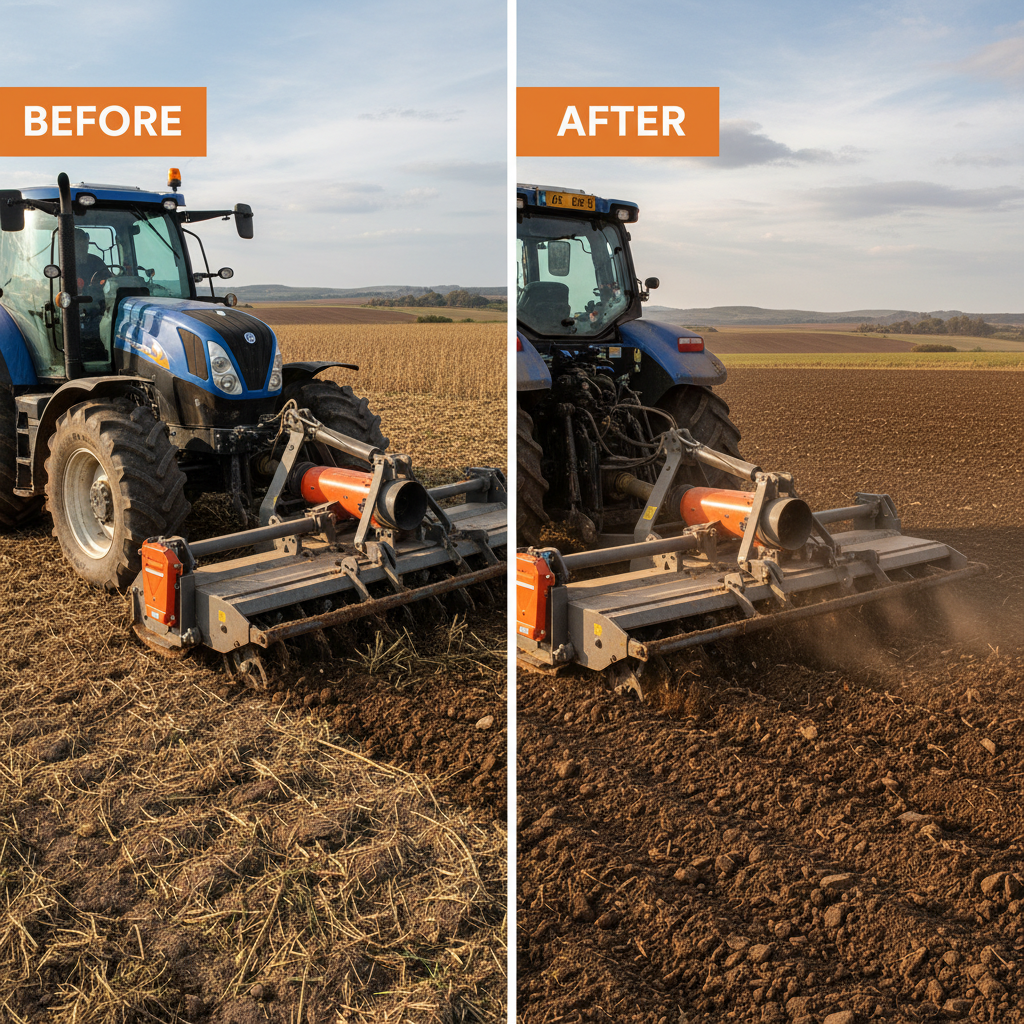
Professional Heavy Duty Tiller for Tractor for Soil Productivity
Achieving the perfect seedbed is the foundation of any successful harvest. For farmers dealing with compacted soil, stubborn crop residue, or expansive acreage, a standard rototiller often falls short. This is where a heavy duty tiller for tractor becomes an essential investment. These robust machines are engineered to penetrate deep into the earth, breaking up hardpan and aerating the soil with unmatched efficiency. By integrating a professional-grade tiller into your machinery lineup, you can significantly reduce preparation time and improve crop yield. In this guide, we will explore the technical advantages, selection criteria, and maintenance tips for choosing the right heavy-duty tilling solution.
>
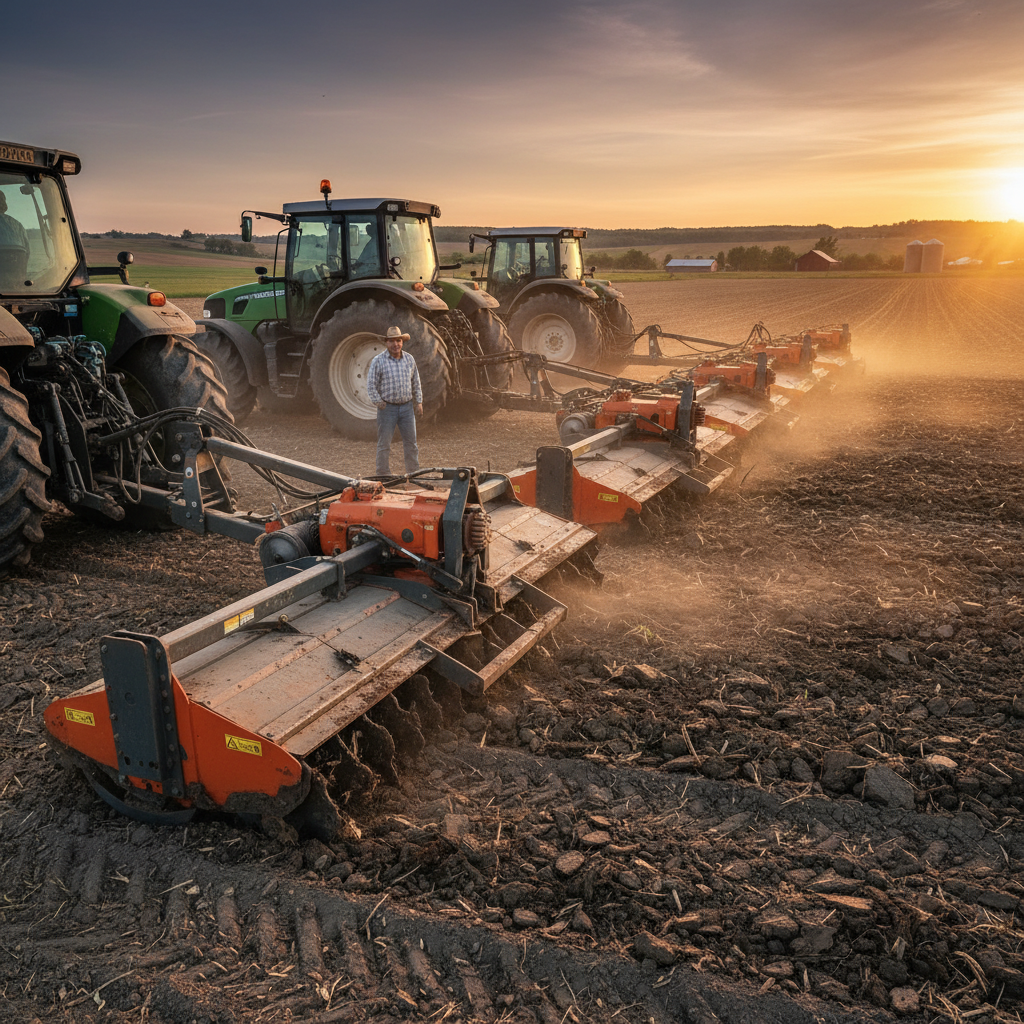
Maximizing Land Productivity with Professional Heavy Duty Tillers
For professional farmers and landscaping contractors, the quality of soil preparation determines the success of the entire growing season. Investing in high-performance heavy duty tillers is essential for breaking through compacted earth, removing stubborn weeds, and integrating organic matter deeply into the soil. Unlike standard garden cultivators, these industrial-grade machines are engineered to handle vast acreages and the most challenging terrain without compromising efficiency. In this guide, we will explore how choosing the right equipment can transform your agricultural output and streamline your land management process.
>
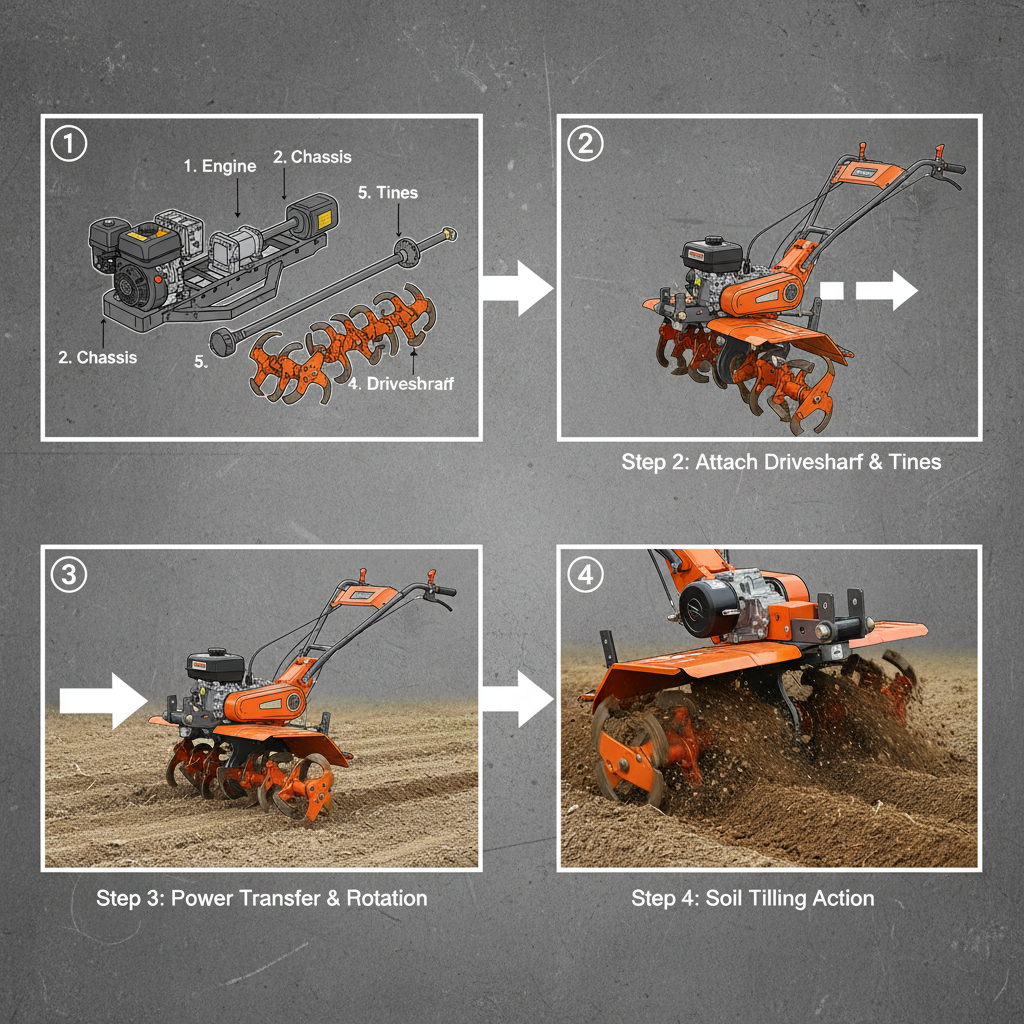
Choosing the Best Heavy Duty Rototiller for Efficient Land Preparation
A heavy duty rototiller is an invaluable tool for anyone involved in serious gardening, small-scale farming, or land preparation. Whether you're breaking new ground, maintaining existing garden beds, or preparing for planting, the right rototiller can significantly reduce labor and improve efficiency. However, with numerous options available, selecting the best model requires careful consideration. This article will guide you through the key factors to consider when purchasing a heavy-duty rototiller, helping you make an informed decision. ZinanMech offers a wide range of rototillers to suit various needs.
>
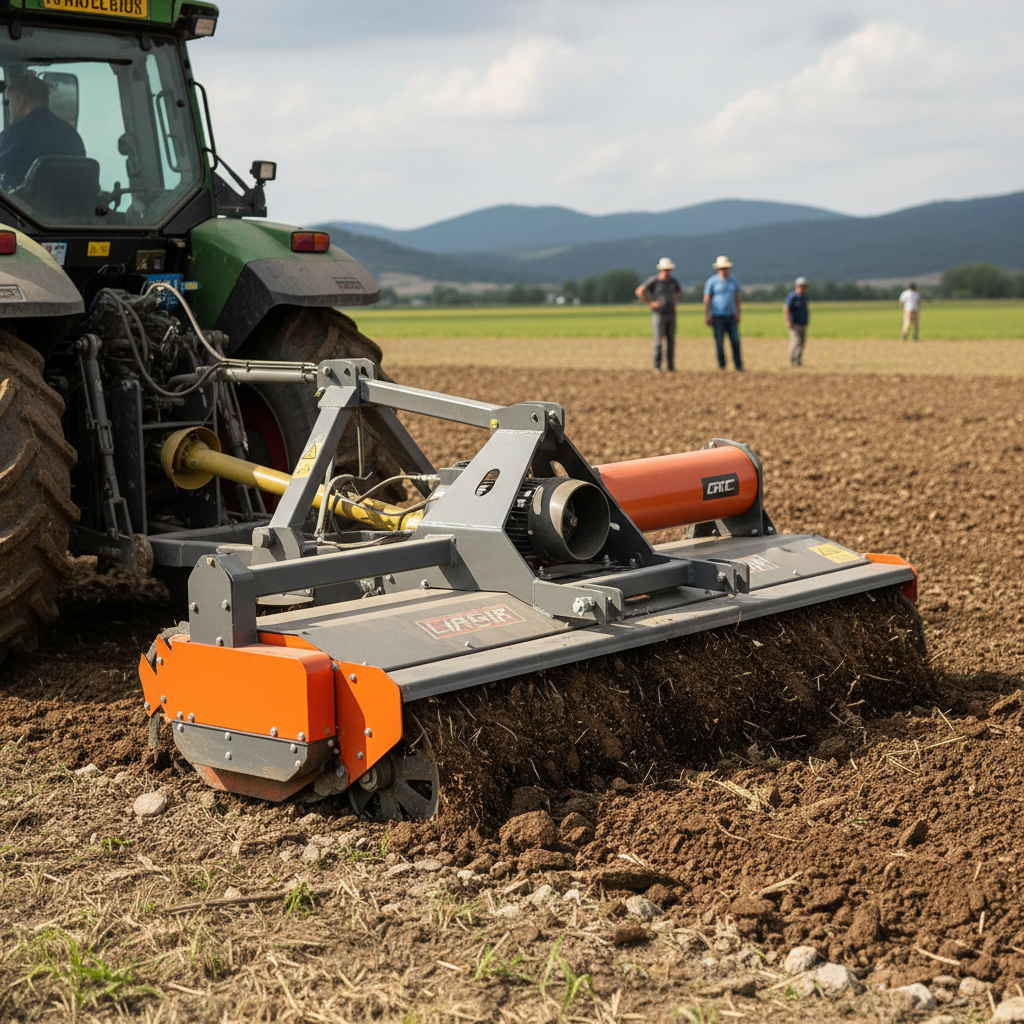
Comprehensive Guide to Heavy Duty Rotary Tiller Selection and Application
When it comes to land preparation, a heavy duty rotary tiller is an invaluable tool. This robust machinery excels at breaking up compacted soil, creating a fine seedbed, and incorporating organic matter. This article dives deep into the world of heavy duty rotary tillers, covering their benefits, applications, key features, and how to choose the right one for your needs. Whether you're a farmer, landscaper, or large-scale gardener, understanding these tillers is essential for efficient and effective soil management.
>
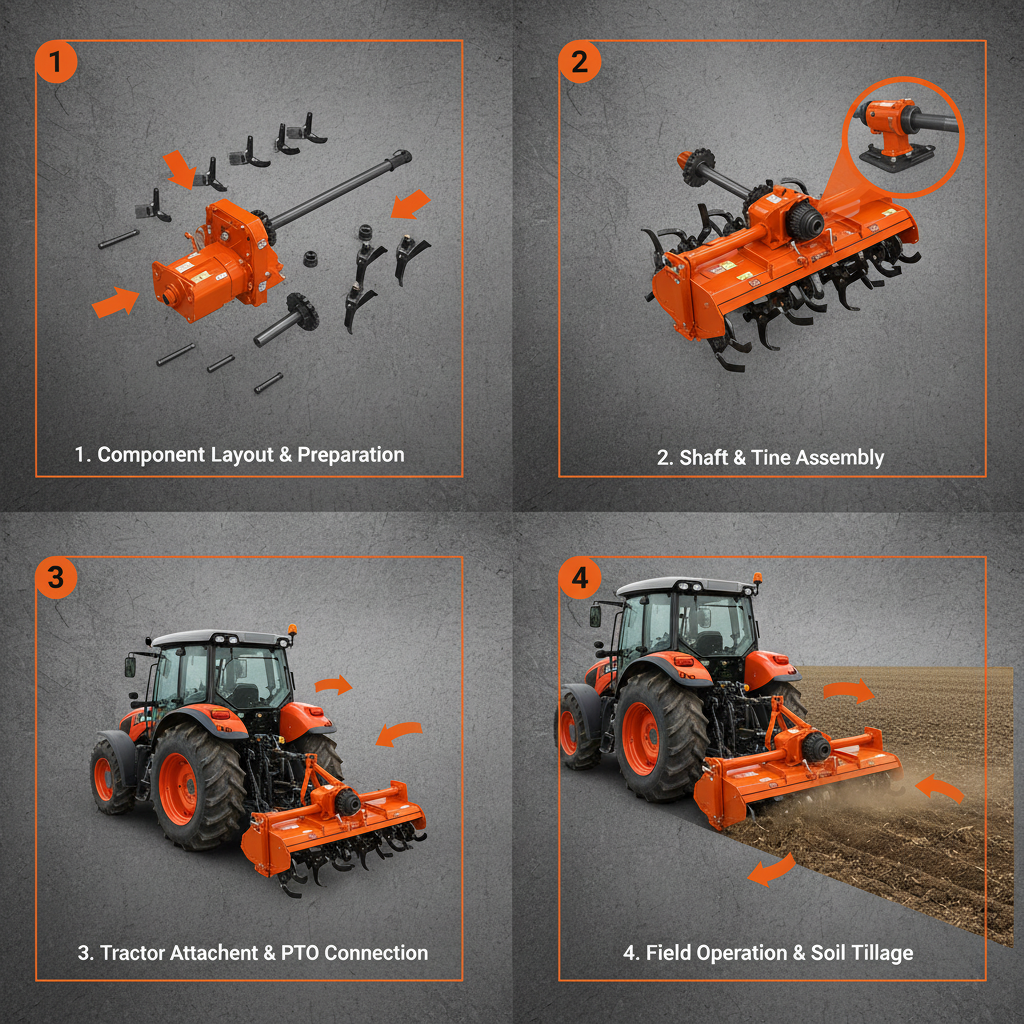
Comprehensive Guide to Selecting the Ideal Farm Tractor Tiller for Your Needs
Selecting the ideal farm tractor tiller is crucial for efficient soil preparation and maximizing agricultural yields. With a diverse range of models available, understanding your needs and the features offered by different tillers is paramount. This article provides a detailed overview of farm tractor tillers, covering their types, benefits, key considerations, and how to choose the right one for your specific farming operation. Proper tillage significantly impacts seedbed quality, weed control, and ultimately, crop performance.
>
Boost Farm Productivity with a High Performance Farm Pro Rotary Tiller
Are you looking to enhance your agricultural productivity and streamline your soil preparation process? A Farm Pro rotary tiller is an invaluable investment for farmers of all scales. This article delves into the benefits, features, applications, and considerations when choosing the right rotary tiller for your farm. We’ll explore how this machinery can significantly reduce labor costs and improve soil quality, ultimately leading to higher yields. From small hobby farms to large-scale commercial operations, a Farm Pro tiller offers a robust and efficient solution for a variety of tilling needs.
>
Unlock Farming Efficiency with a Powerful Agricultural Tiller Solution
In the world of farming and gardening, efficiency and productivity are key. An agricultural tiller is a vital piece of equipment that streamlines soil preparation, saving time and labor. This article dives deep into the world of tillers, exploring their types, benefits, how to choose the right one, and the quality solutions offered by Zinanmech. We’ll cover everything from small garden tillers to heavy-duty agricultural models, ensuring you have the knowledge to make an informed decision. An agricultural tiller, also known as a rotary tiller, is a motorized machine used to break up and cultivate soil. Unlike manual digging or plowing, tillers use rotating blades to loosen the soil, creating a fine, even tilth that's ideal for planting. This process improves soil aeration, drainage, and nutrient availability, leading to healthier plant growth.
>
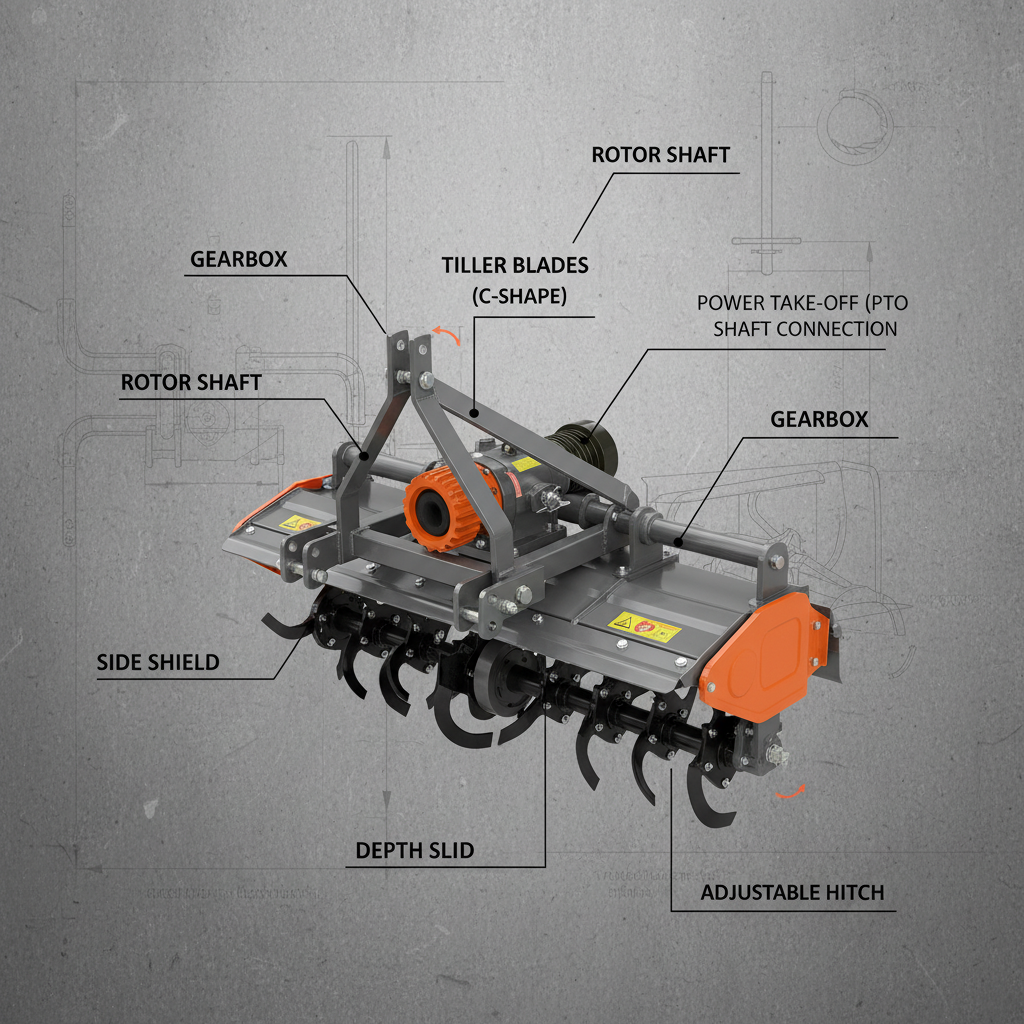
Comprehensive Guide to Agricultural Rotary Tiller Selection and Usage
An agricultural rotary tiller is an essential tool for modern farming, designed to efficiently prepare soil for planting. This powerful machinery significantly reduces labor and time compared to traditional methods. Whether you're a smallholder or manage a large-scale agricultural operation, understanding the benefits and features of a rotary tiller is crucial for maximizing productivity. Choosing the right tiller can transform your land preparation process. This article provides a detailed overview of agricultural rotary tillers, covering their uses, types, benefits, and key considerations when selecting the right model. Modern tillers are available in various sizes and configurations, catering to different farm sizes and soil conditions. Zinanmech provides a range of high-quality rotary tillers designed for optimal performance and durability. An agricultural rotary tiller, also known as a rototiller, is a motorized machine used to prepare agricultural land for cultivation. It works by using rotating blades – typically called tines – to break up, churn, and mix the soil.
>
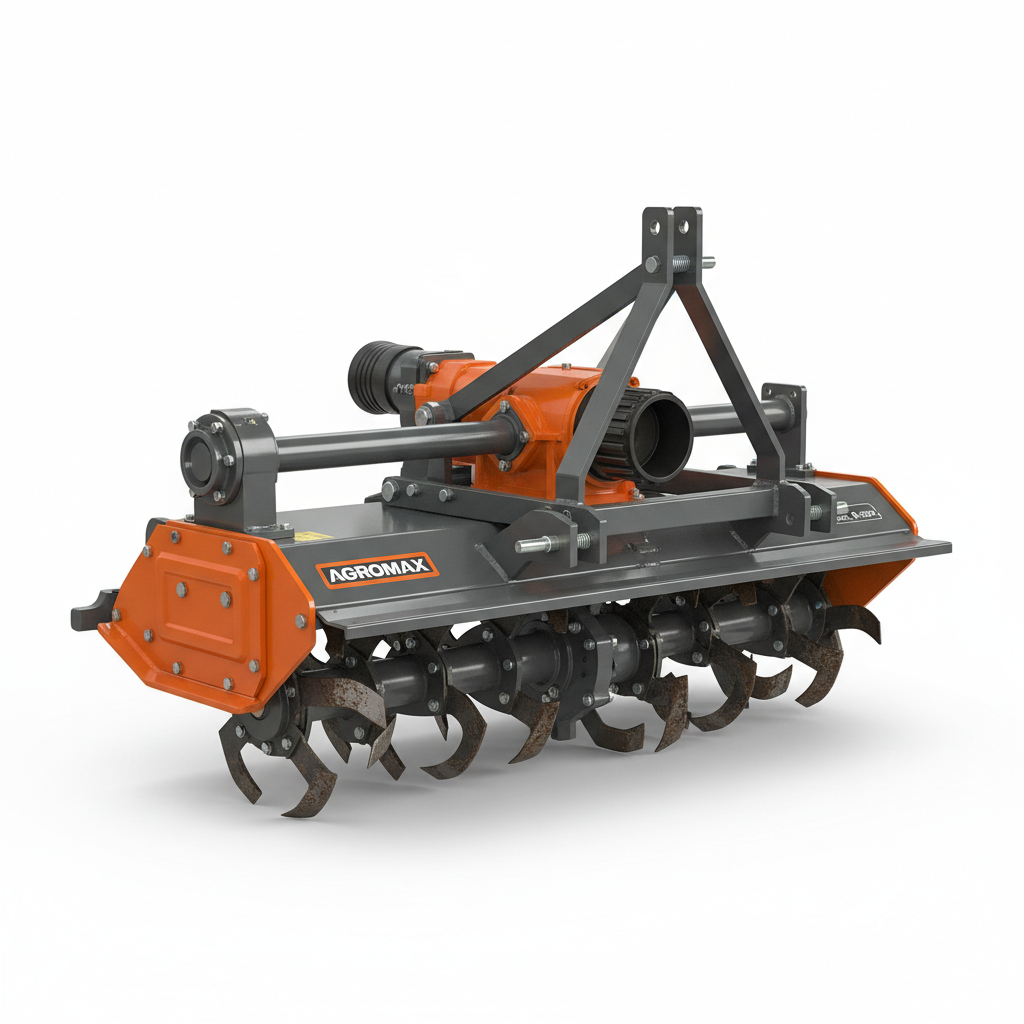
Comprehensive Guide to Selecting the Ideal Agric Rototiller for Your Farm
Selecting the right agric rototiller is crucial for efficient soil preparation and maximizing crop yields. This guide will explore the different types of rototillers, their applications, and how to choose the best model for your farming needs. We’ll cover everything from small, handheld rototillers to larger, tractor-mounted versions, helping you make an informed decision to enhance your agricultural operations. A well-chosen rototiller significantly reduces manual labor and improves soil quality. Agric rototillers come in various sizes and configurations, each suited for different farming tasks. The main types include: Front-Tine Rototillers, ideal for smaller gardens and breaking up already tilled soil; Rear-Tine Rototillers, offering more power and suitable for larger areas and tougher soil conditions; and Mid-Tine Rototillers, a versatile option for medium-sized farms. Choosing the correct type depends on your farm size, soil type, and the crops you intend to grow.
>
Unlock Farming Efficiency with a Powerful Agri Rototiller for Modern Agriculture
In today's agricultural landscape, efficiency and productivity are paramount. An agri rototiller, also known as a rotary tiller, is an invaluable tool for preparing soil for planting. This versatile machine cultivates, mixes, and levels the soil in a single pass, saving farmers significant time and effort. From small-scale farms to large agricultural operations, the benefits of using a rototiller are numerous. Investing in a quality rototiller is investing in the future success of your harvest. An agri rototiller is a motorized machine designed to break up and aerate soil using rotating blades. These blades, often called tines, churn the soil, creating a fine, even texture ideal for planting seeds or transplanting seedlings. Unlike traditional plowing, rototilling doesn't invert the soil, minimizing disruption to the soil's natural structure.
>
International layout
Spread all over the world
our products are exported to various parts of the world. Currently, our products have been exported to more than 40 countries Our products cover Asia, Europe, Africa, South America, North America, and Oceania
Sign up
for Newsletter
Subscribe to the weekly newsletter for all the latest updates