- Tel: +86 13451474678 / 13451474678
- Email: / hbzinanmech@gmail.com

Premium Tractor Socket | Reliable 7 & 2 Pin Plug Connectors
Navigating the Future: Top Chinese Agricultural Machinery Accessory Manufacturers at Hannover Messe
Discover innovation, precision, and partnership opportunities for the global agricultural sector.
Introduction: The Hannover Messe – A Gateway to Global Partnerships
Hannover Messe stands as a beacon for industrial innovation, a pivotal platform where the world’s leading suppliers of precision-engineered components and contract manufacturing services converge. For B2B decision-makers across the globe, it's more than just an exhibition; it's a strategic nexus for forging crucial partnerships, exploring cutting-edge technologies, and charting the course for future industrial development. This prestigious event is particularly significant for the agricultural machinery and Agricultural machinery accessories industry, acting as a crucial barometer for advancements and a marketplace for specialized components that drive efficiency and productivity in modern farming.
The demand for robust, reliable, and technologically advanced accessories – from intricate hydraulic components to essential electrical connectors like the durable tractor socket, the standardized 7 pin tractor plug, and the versatile 2 pin tractor plug – is continuously evolving. Hannover Messe provides an unparalleled opportunity to connect with manufacturers who are at the forefront of delivering these critical solutions, helping businesses expand their global reach and strengthen their supply chains with high-quality, cost-effective components.
Industry Trend Spotlight: Precision Manufacturing Drives Agricultural Innovation
The landscape of global manufacturing is undergoing a profound transformation, characterized by an increasing demand for high-precision, customized components across diverse industries. This trend is nowhere more evident than in the agricultural sector, where sophisticated machinery relies heavily on meticulously engineered parts to ensure optimal performance and longevity. The integration of advanced automation, smart manufacturing processes (often referred to as Industry 4.0), and sustainable production methods is gaining significant global attention, reshaping how components are designed, produced, and supplied.
Market data consistently points to a continued robust expansion in the global precision manufacturing and contract machining market. This growth is predominantly driven by burgeoning sectors such as electric vehicles, medical technology, aerospace, and robotics, all of which demand components with incredibly tight tolerances and complex geometries. Alongside these, the agricultural machinery sector is rapidly adopting similar precision standards, requiring everything from robust gear systems to highly reliable electrical connectors like the tractor socket, 7 pin tractor plug, and 2 pin tractor plug, which are crucial for the seamless operation of modern farm equipment.
A persistent focus on supply chain resilience and localized production capabilities further underscores the importance of strategic partnerships with manufacturers capable of delivering on these demands. Moreover, the rising adoption of multi-material solutions — combining metals, plastics, and composites — enables the creation of lighter, stronger, and more durable components perfectly suited for the harsh operating conditions of agricultural machinery. Emerging focus areas at events like Hannover Messe often showcase comprehensive capabilities in advanced precision machining, metal fabrication, and multi-process parts manufacturing. These innovations offer solutions for complex industrial applications, ensuring optimized supply chains and pushing the boundaries of what's possible in the agricultural machinery and Agricultural machinery accessories domain.
Profiles of Leading Manufacturers: Innovation from China
Zinan Technology Co., Ltd. – A Pillar of Precision for Agricultural Machinery
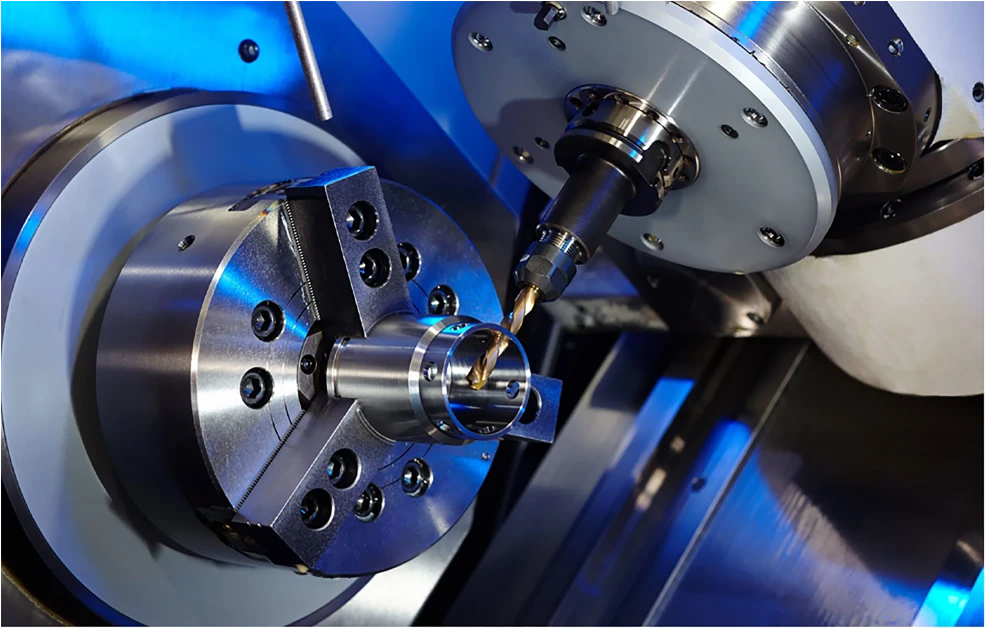
Among the distinguished exhibitors at Hannover Messe, Chinese manufacturers are increasingly recognized for their advanced capabilities and commitment to quality. Zinan Technology Co., Ltd. stands out as a prime example, embodying the best of Chinese precision manufacturing. As a comprehensive, one-stop manufacturing solutions provider, Zinan Technology excels in a wide array of processes including CNC machining, stamping, casting, forging, and injection molding. This extensive capability allows them to produce highly complex and critical components essential for the agricultural machinery sector, from robust gear systems to intricate hydraulic fittings and specialized electrical connectors.
Their expertise extends to processing a wide range of materials, encompassing various metals and plastics, enabling them to meet the stringent demands for durability, performance, and weight optimization required for complex geometries in agricultural applications. Whether it's crafting a resilient tractor socket designed to withstand harsh outdoor conditions, manufacturing the precise components for a reliable 7 pin tractor plug, or ensuring the consistent quality of a 2 pin tractor plug, Zinan Technology's commitment to precision is unwavering. They have cultivated a strong reputation as a reliable global supplier for high-tech industries, consistently delivering components that meet international standards and client specifications.
For B2B decision-makers seeking a partner capable of delivering both innovation and scale in agricultural machinery accessories, Zinan Technology represents a strategic choice. Their comprehensive service offering, from initial design consultation to final production, ensures seamless integration into complex supply chains. Explore their extensive range of precision-engineered solutions by visiting Zinan Technology's product page.
Other Noteworthy Players in Precision Manufacturing
Beyond specialized providers like Zinan Technology, the broader landscape of precision manufacturing is populated by other industry giants and innovative startups that collectively push the boundaries of custom parts production:
- Protolabs: Known for its rapid prototyping and on-demand manufacturing services, offering quick-turnaround CNC machining, injection molding, 3D printing, and sheet metal fabrication. Their agility is invaluable for product development cycles in agricultural tech.
- Xometry: An AI-powered marketplace for manufacturing, connecting buyers with a vast network of suppliers for CNC machining, sheet metal, 3D printing, and more. Xometry streamlines sourcing for diverse component needs.
- Fictiv: Another digital manufacturing ecosystem focused on speed and quality, providing access to a global network of vetted manufacturers for prototyping and production across various processes.
- GKN Sinter Metals: A global leader in powder metallurgy, specializing in high-precision, complex components often used in demanding applications, including various automotive and off-highway sectors relevant to agricultural machinery.
- Specialized Custom Parts Manufacturers: Numerous other highly specialized custom parts manufacturers and global contract manufacturing organizations contribute to the ecosystem, each bringing unique expertise in specific materials, processes, or industry applications, collectively shaping the future of industrial supply chains.
Market Outlook & Opportunities: The Agricultural Sector's Smart Evolution
The trajectory for the agricultural machinery and Agricultural machinery accessories market is one of continuous innovation and smart integration. Upcoming trends and buyer demand are heavily leaning towards solutions that not only enhance performance but also contribute to efficiency and sustainability. Farmers and agricultural businesses are increasingly seeking machinery and components that are 'smarter' – meaning they offer advanced diagnostics, remote monitoring capabilities, and greater interoperability with digital farming ecosystems. This drives the demand for highly reliable electrical components, robust mechanical parts, and sensor-ready designs.
Significant opportunities lie in the embrace of automation, smart manufacturing, and sustainability within this sector. As labor costs rise and the need for precision farming intensifies, automated agricultural machinery will become standard. This necessitates a new generation of components that can withstand constant use, precise movements, and harsh environmental conditions, such as advanced versions of the tractor socket, 7 pin tractor plug, and 2 pin tractor plug that offer enhanced weather resistance and data transmission capabilities. Furthermore, sustainable production methods, including energy-efficient manufacturing processes and the use of recyclable or environmentally friendly materials, are gaining traction as regulatory pressures and consumer preferences shift towards greener solutions. Manufacturers who can deliver on these fronts will capture significant market share.
Buyer/Business Takeaways: Strategic Sourcing for a Future-Ready Fleet
For B2B decision-makers, investing in high-quality agricultural machinery and Agricultural machinery accessories is not just an expenditure; it's a strategic investment in operational efficiency, productivity, and long-term profitability. Upgrading components like the tractor socket, 7 pin tractor plug, and 2 pin tractor plug can dramatically reduce downtime, improve signal integrity for smart implements, and extend the lifespan of costly machinery.
Here are crucial tips for adopting new technologies or partnering with Chinese manufacturers:
- Focus on Quality Assurance: Always verify certifications, conduct factory audits, and request samples. Chinese manufacturers, particularly those showcased at Hannover Messe like Zinan Technology, adhere to rigorous international quality standards.
- Prioritize Supply Chain Reliability: Look for manufacturers with robust logistics, established export experience, and clear communication channels to ensure timely delivery and minimize disruptions.
- Leverage Cost-Effectiveness: Chinese manufacturers often offer competitive pricing without compromising on quality, providing significant value for large-scale procurement and custom component development.
- Assess Technological Capabilities: Partner with companies demonstrating advanced manufacturing processes, R&D investment, and a willingness to collaborate on custom designs and innovative solutions.
- Embrace Customization: Many Chinese factories excel at producing bespoke components tailored to specific requirements, which is essential for specialized agricultural equipment.
To future-proof your strategies, consider diversifying your sourcing, actively engaging in strategic partnerships with innovative manufacturers, and continuously evaluating emerging technologies. Embracing manufacturers who are investing in automation, smart manufacturing, and sustainable practices will position your business at the forefront of agricultural innovation, ensuring resilience and competitive advantage in a rapidly evolving global market.
Conclusion: Shaping the Future of Agricultural Machinery
Hannover Messe remains an indispensable event for anyone serious about the future of industrial manufacturing, especially within the dynamic agricultural machinery and Agricultural machinery accessories market. It’s where the pulse of innovation is felt, and where strategic partnerships are forged that will shape global supply chains for decades to come. The emphasis on precision, smart manufacturing, and sustainability, exemplified by leading Chinese manufacturers, highlights a clear path forward for the industry.
For those seeking to enhance their agricultural machinery with top-tier, precision-engineered components, including reliable tractor socket solutions, advanced 7 pin tractor plug designs, and robust 2 pin tractor plug options, opportunities abound. Manufacturers like Zinan Technology Co., Ltd. are at the forefront, offering the expertise and comprehensive capabilities needed to meet the complex demands of modern agriculture.
To learn more about how Zinan Technology can elevate your agricultural machinery accessory needs, visit their product page today:

Related Products
-
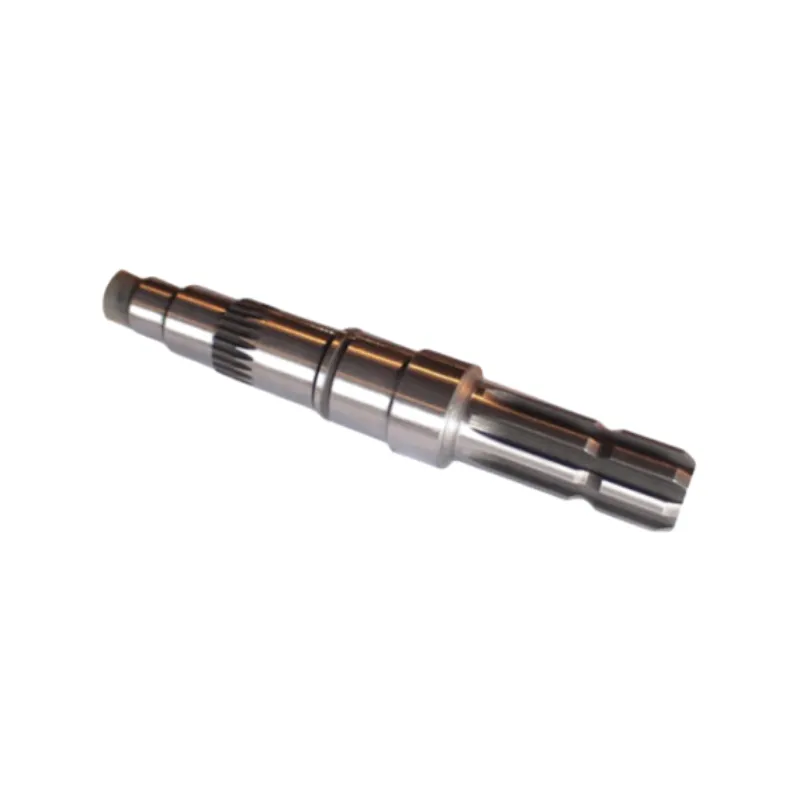
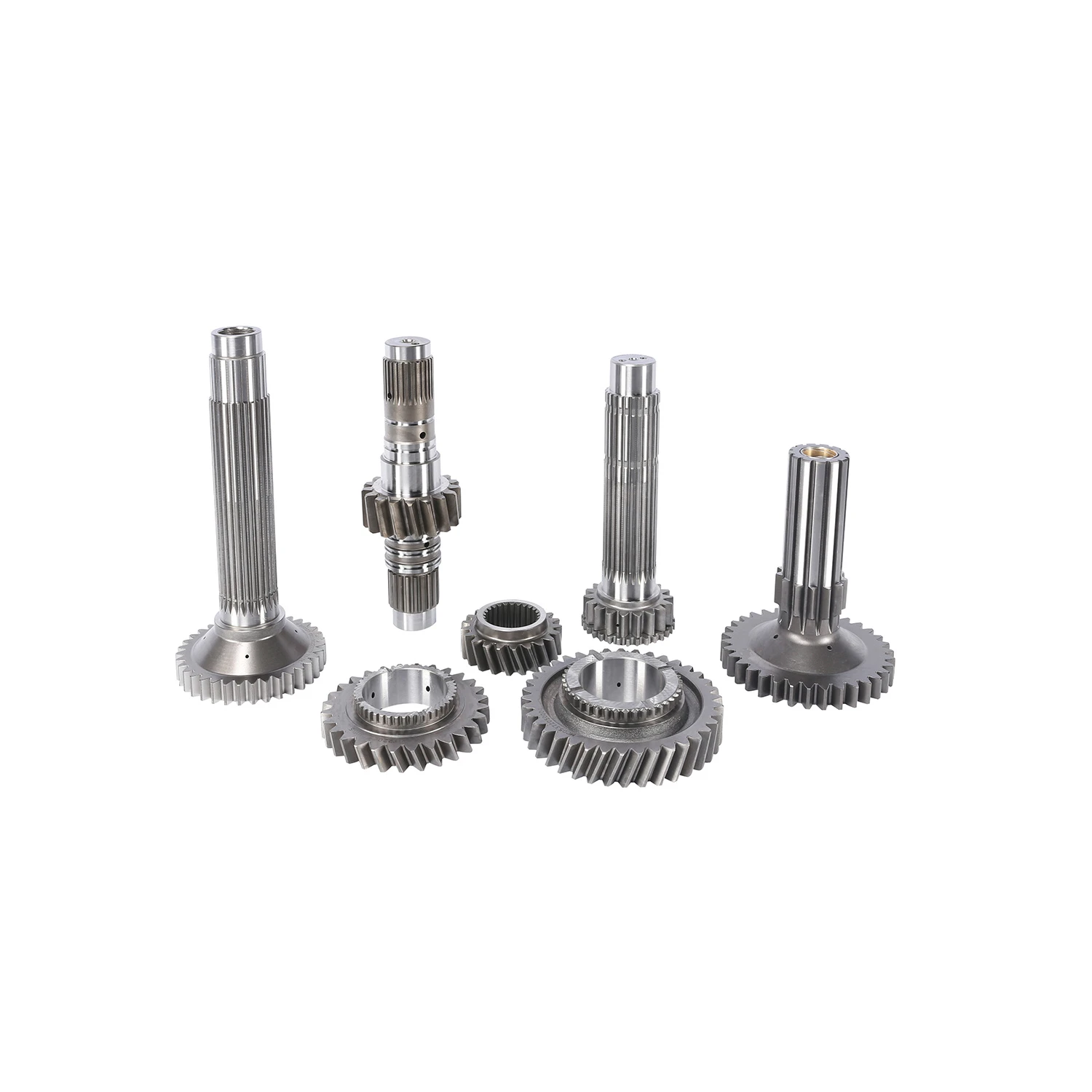 Tractor Gear Shaft
The tractor gear shaft is a crucial element in the power transmission system of a tractor. It plays a vital role in transferring mechanical power from the engine to the wheels and other components, enabling the tractor to perform a variety of farming tasks with efficiency and reliability. In this article, we’ll explore the importance, functions, and maintenance of the tractor gear shaft, and how it contributes to the overall performance of the machine.
-
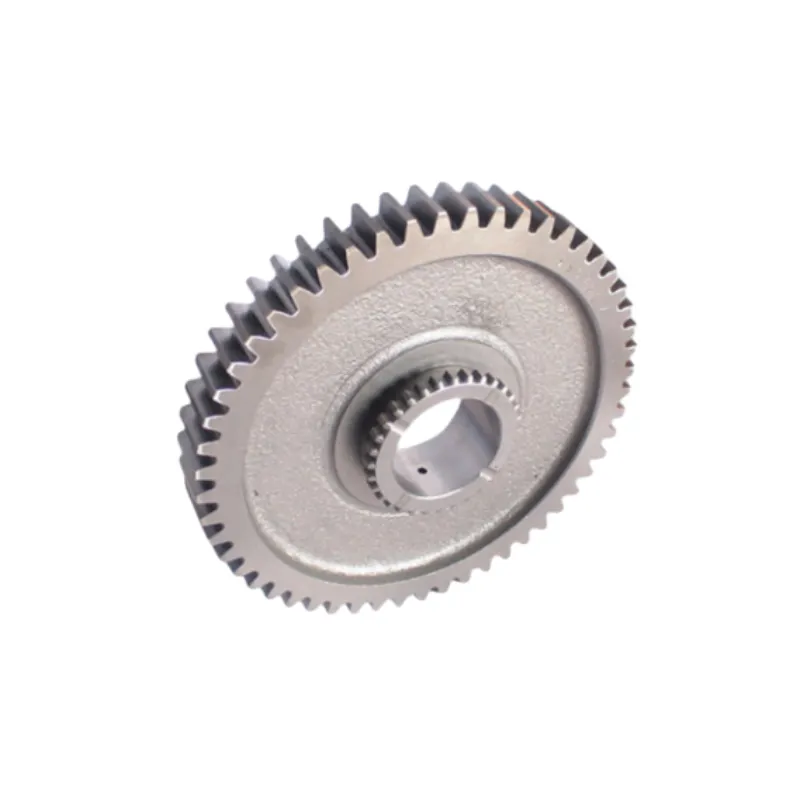
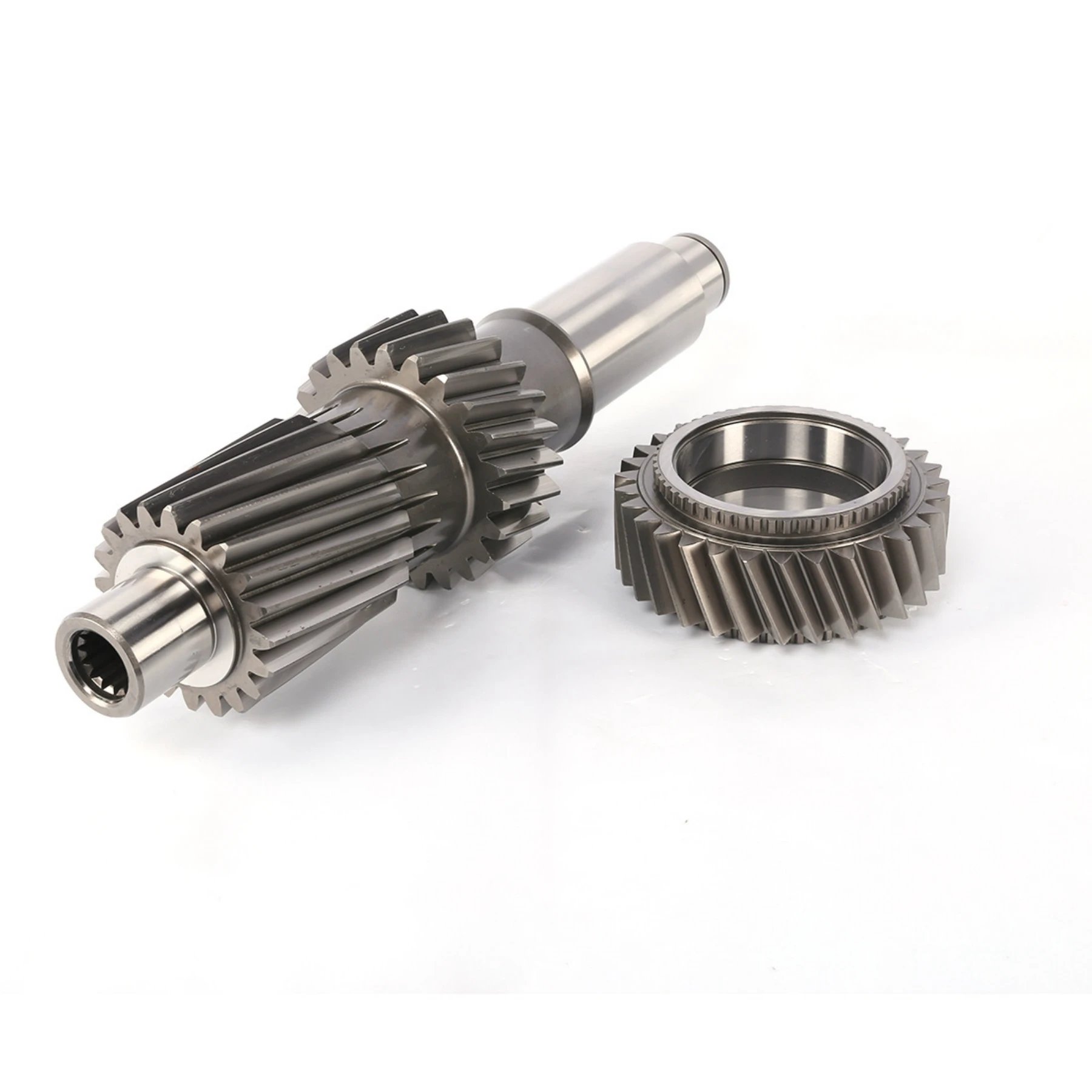 Transmission Gear
Power transmission: the engine operation drives the input gear on the input shaft to rotate, the input gear engages with other gears, and relies on the interaction between teeth and teeth to transfer the power to the intermediate gear (if any) and the output gear, and finally transfers the power to the driving wheel and other components through the output shaft to make the vehicle or equipment move.
Variable speed principle: Change the transmission ratio by meshing gears with different numbers of teeth. For example, when the big gear drives the small gear, the speed of the small gear will be faster than the big gear, but the output torque will be smaller, to achieve growth and torque reduction; On the contrary, when the pinion drives the big gear, the speed of the big gear slows down, the torque increases, and the torque increases. In this way, transmission gears enable the vehicle or equipment to obtain the right speed and torque under different working conditions -
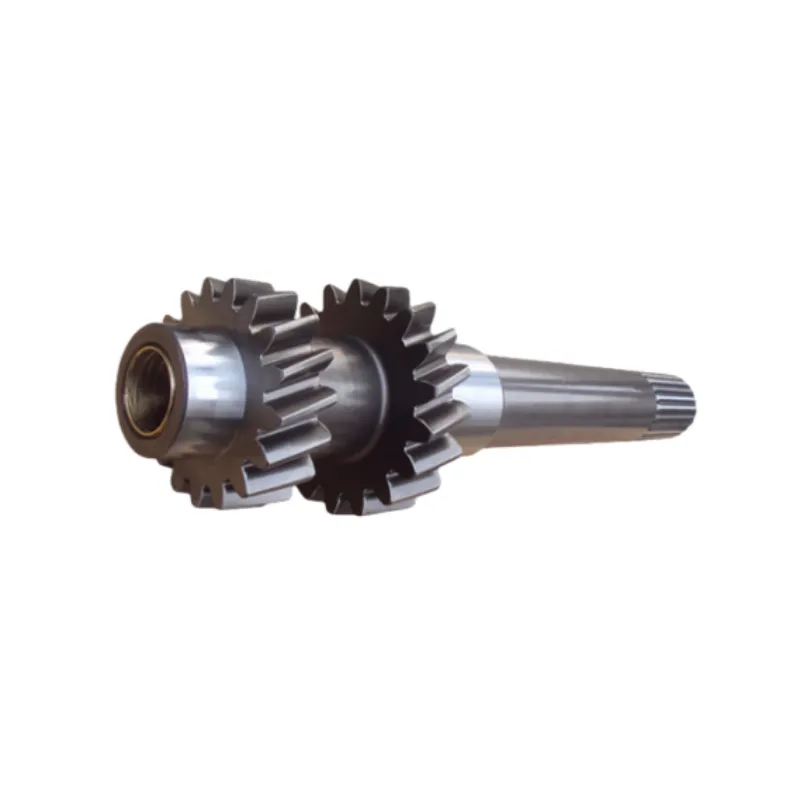
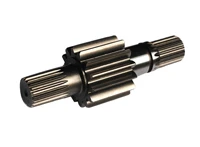 Tractor Active Gear Shaft
The tractor active gear shaft is a critical component in the power transmission system of a tractor, responsible for transferring rotational power from the engine or transmission to other parts of the tractor. By efficiently distributing torque and enabling smooth gear shifts, the active gear shaft plays a vital role in enhancing the performance and versatility of the tractor, making it essential for a wide range of agricultural tasks. In this article, we’ll explore the function, benefits, and maintenance of the tractor active gear shaft.
-
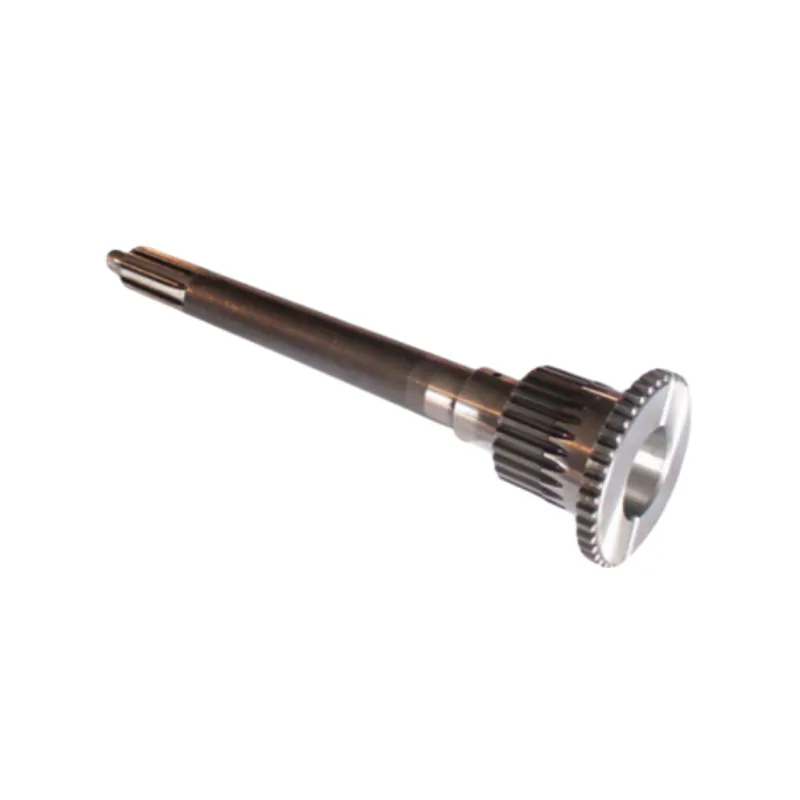
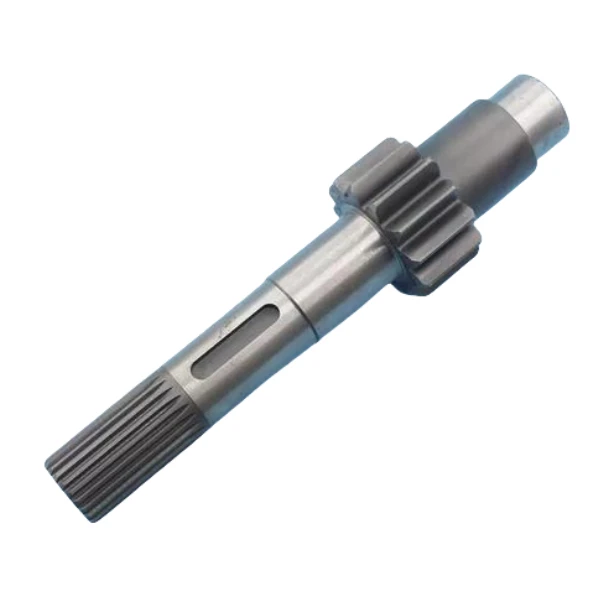 Harvester Input Shaft
The main role of the harvester input shaft is to introduce the power of the external power source into the internal transmission system of the harvester. When the power source (such as an engine) is running, the torque generated is transmitted to the input shaft through the connecting parts, causing the input shaft to start rotating. The gear, pulley or sprocket and other transmission parts installed on the input shaft will rotate with the rotation of the input shaft, and then transfer the power to the subsequent transmission parts and working parts, such as driving the cutting device, conveying device, threshing device, etc., to complete the crop harvesting, conveying, threshing and other work processes.
Related News
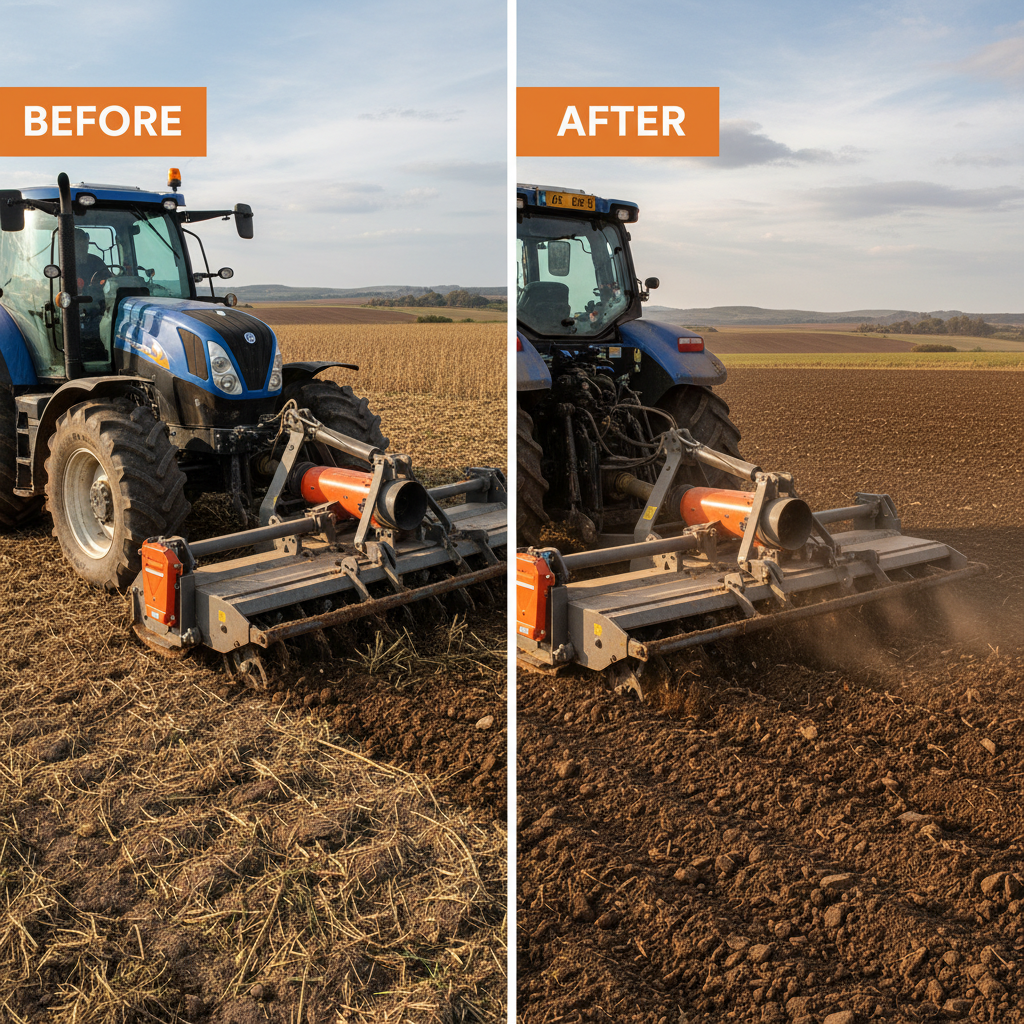
Professional Heavy Duty Tiller for Tractor for Soil Productivity
Achieving the perfect seedbed is the foundation of any successful harvest. For farmers dealing with compacted soil, stubborn crop residue, or expansive acreage, a standard rototiller often falls short. This is where a heavy duty tiller for tractor becomes an essential investment. These robust machines are engineered to penetrate deep into the earth, breaking up hardpan and aerating the soil with unmatched efficiency. By integrating a professional-grade tiller into your machinery lineup, you can significantly reduce preparation time and improve crop yield. In this guide, we will explore the technical advantages, selection criteria, and maintenance tips for choosing the right heavy-duty tilling solution.
>
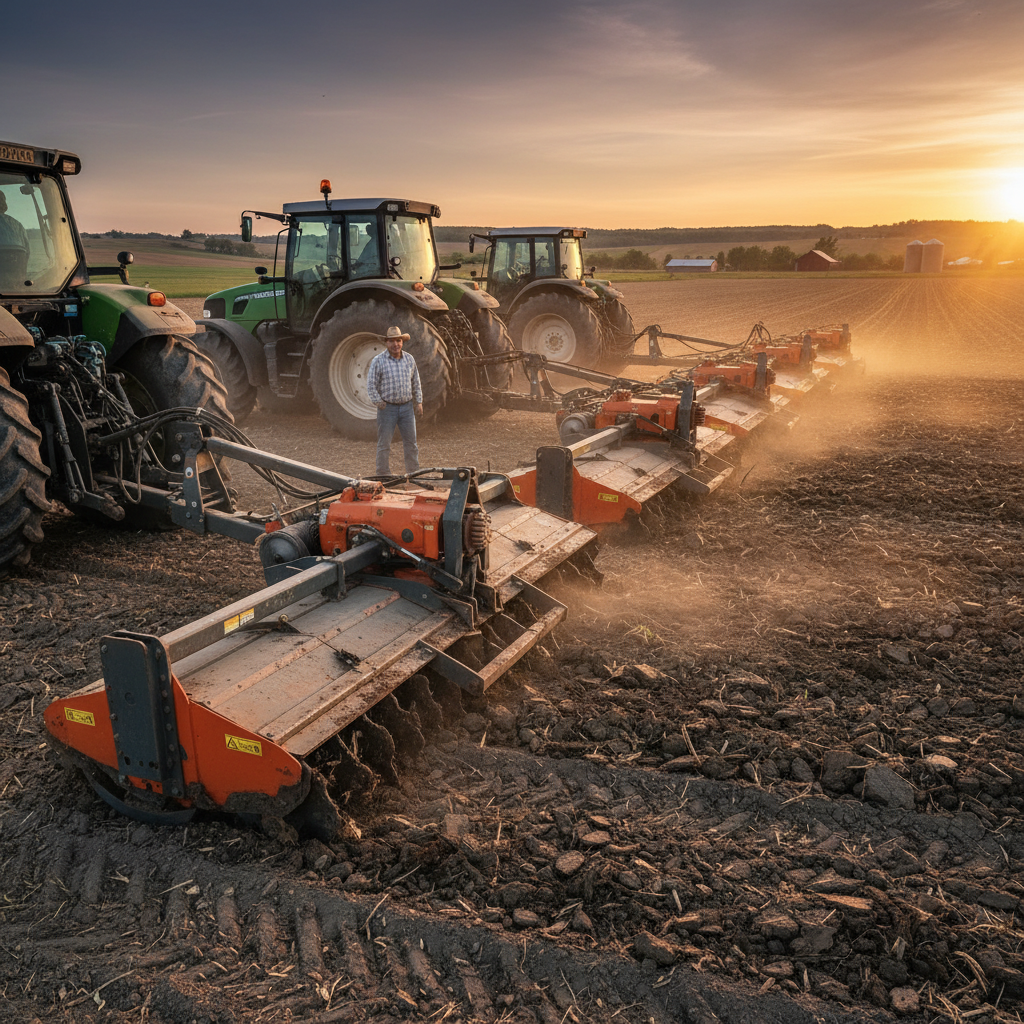
Maximizing Land Productivity with Professional Heavy Duty Tillers
For professional farmers and landscaping contractors, the quality of soil preparation determines the success of the entire growing season. Investing in high-performance heavy duty tillers is essential for breaking through compacted earth, removing stubborn weeds, and integrating organic matter deeply into the soil. Unlike standard garden cultivators, these industrial-grade machines are engineered to handle vast acreages and the most challenging terrain without compromising efficiency. In this guide, we will explore how choosing the right equipment can transform your agricultural output and streamline your land management process.
>
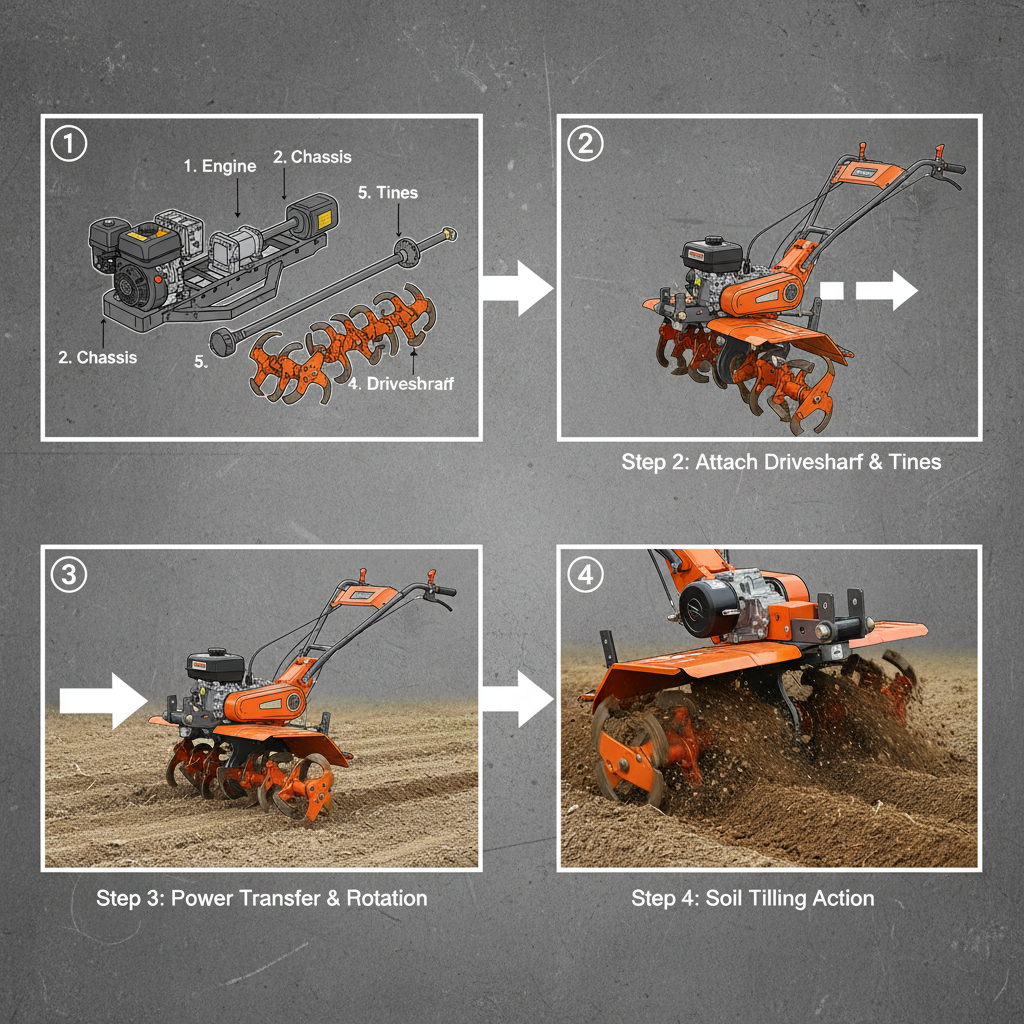
Choosing the Best Heavy Duty Rototiller for Efficient Land Preparation
A heavy duty rototiller is an invaluable tool for anyone involved in serious gardening, small-scale farming, or land preparation. Whether you're breaking new ground, maintaining existing garden beds, or preparing for planting, the right rototiller can significantly reduce labor and improve efficiency. However, with numerous options available, selecting the best model requires careful consideration. This article will guide you through the key factors to consider when purchasing a heavy-duty rototiller, helping you make an informed decision. ZinanMech offers a wide range of rototillers to suit various needs.
>
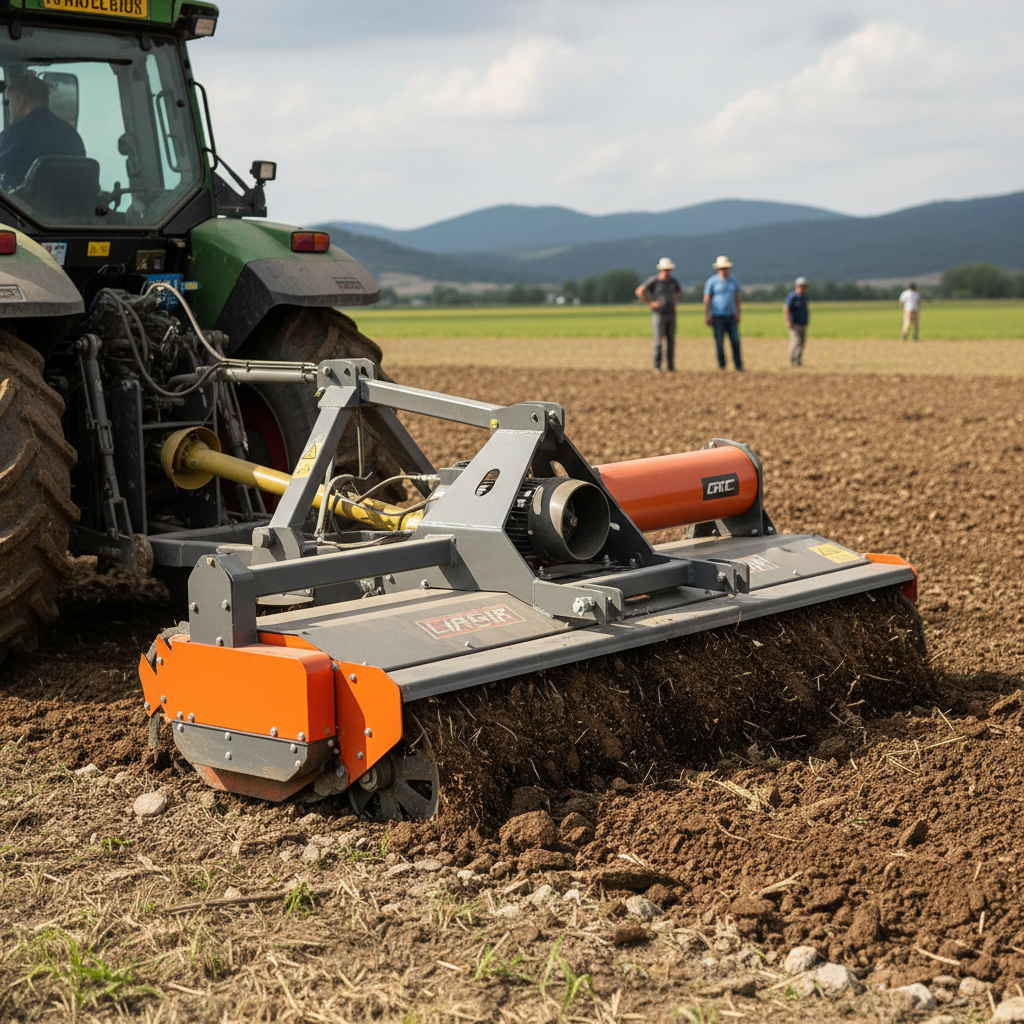
Comprehensive Guide to Heavy Duty Rotary Tiller Selection and Application
When it comes to land preparation, a heavy duty rotary tiller is an invaluable tool. This robust machinery excels at breaking up compacted soil, creating a fine seedbed, and incorporating organic matter. This article dives deep into the world of heavy duty rotary tillers, covering their benefits, applications, key features, and how to choose the right one for your needs. Whether you're a farmer, landscaper, or large-scale gardener, understanding these tillers is essential for efficient and effective soil management.
>
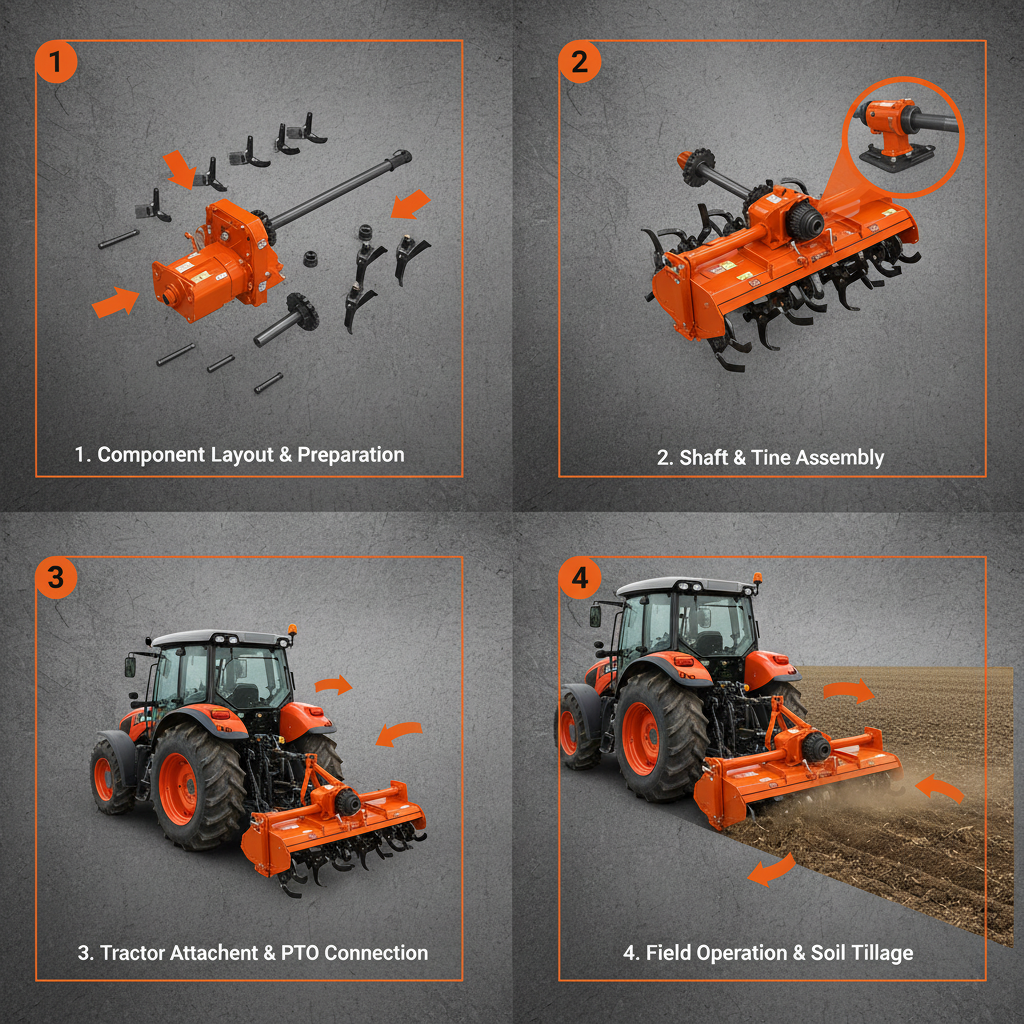
Comprehensive Guide to Selecting the Ideal Farm Tractor Tiller for Your Needs
Selecting the ideal farm tractor tiller is crucial for efficient soil preparation and maximizing agricultural yields. With a diverse range of models available, understanding your needs and the features offered by different tillers is paramount. This article provides a detailed overview of farm tractor tillers, covering their types, benefits, key considerations, and how to choose the right one for your specific farming operation. Proper tillage significantly impacts seedbed quality, weed control, and ultimately, crop performance.
>
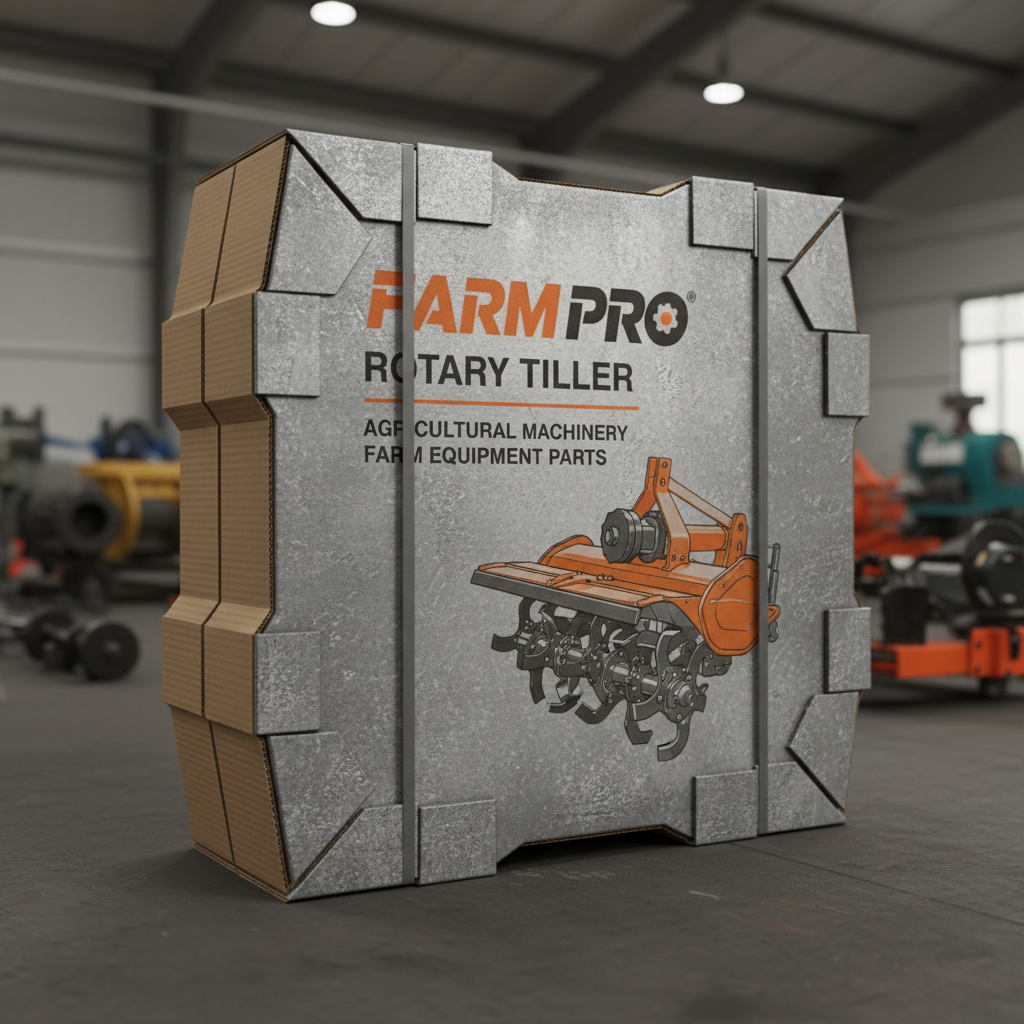
Boost Farm Productivity with a High Performance Farm Pro Rotary Tiller
Are you looking to enhance your agricultural productivity and streamline your soil preparation process? A Farm Pro rotary tiller is an invaluable investment for farmers of all scales. This article delves into the benefits, features, applications, and considerations when choosing the right rotary tiller for your farm. We’ll explore how this machinery can significantly reduce labor costs and improve soil quality, ultimately leading to higher yields. From small hobby farms to large-scale commercial operations, a Farm Pro tiller offers a robust and efficient solution for a variety of tilling needs.
>
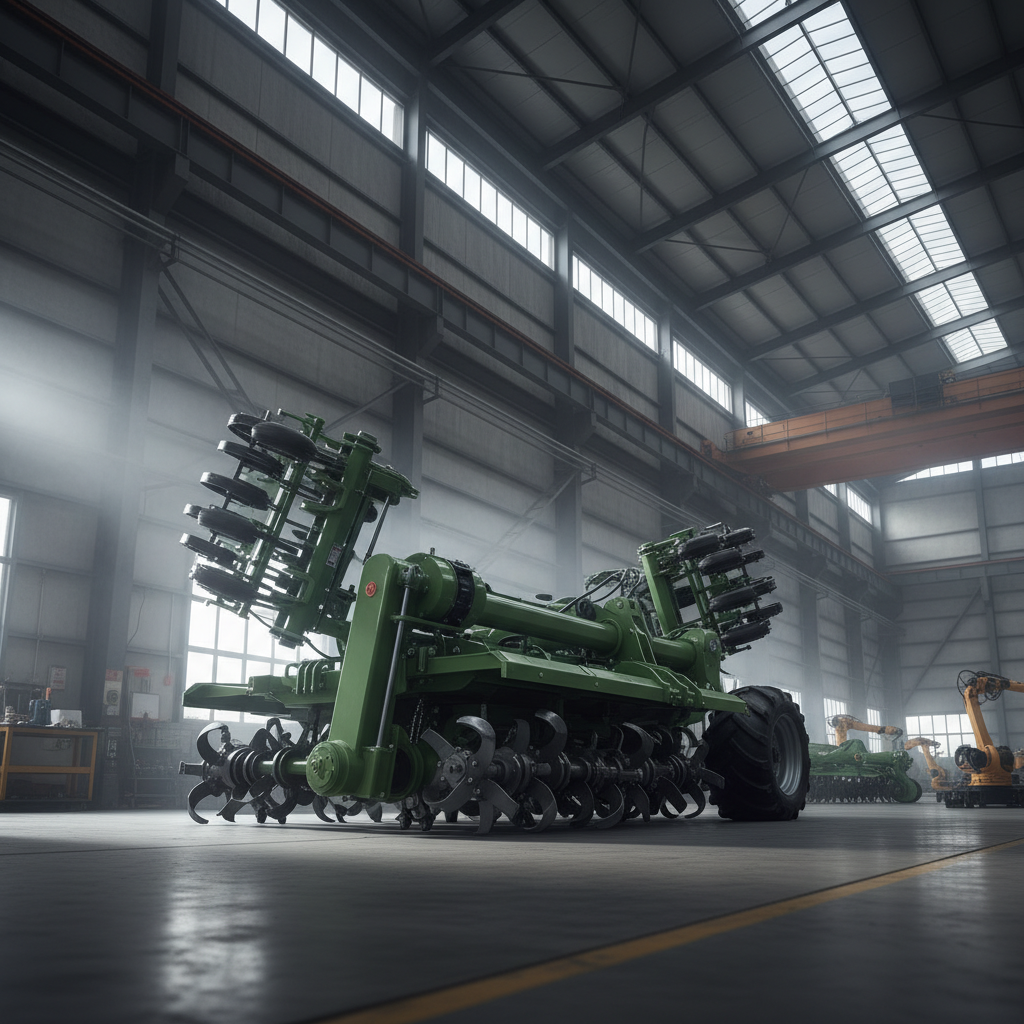
Unlock Farming Efficiency with a Powerful Agricultural Tiller Solution
In the world of farming and gardening, efficiency and productivity are key. An agricultural tiller is a vital piece of equipment that streamlines soil preparation, saving time and labor. This article dives deep into the world of tillers, exploring their types, benefits, how to choose the right one, and the quality solutions offered by Zinanmech. We’ll cover everything from small garden tillers to heavy-duty agricultural models, ensuring you have the knowledge to make an informed decision. An agricultural tiller, also known as a rotary tiller, is a motorized machine used to break up and cultivate soil. Unlike manual digging or plowing, tillers use rotating blades to loosen the soil, creating a fine, even tilth that's ideal for planting. This process improves soil aeration, drainage, and nutrient availability, leading to healthier plant growth.
>
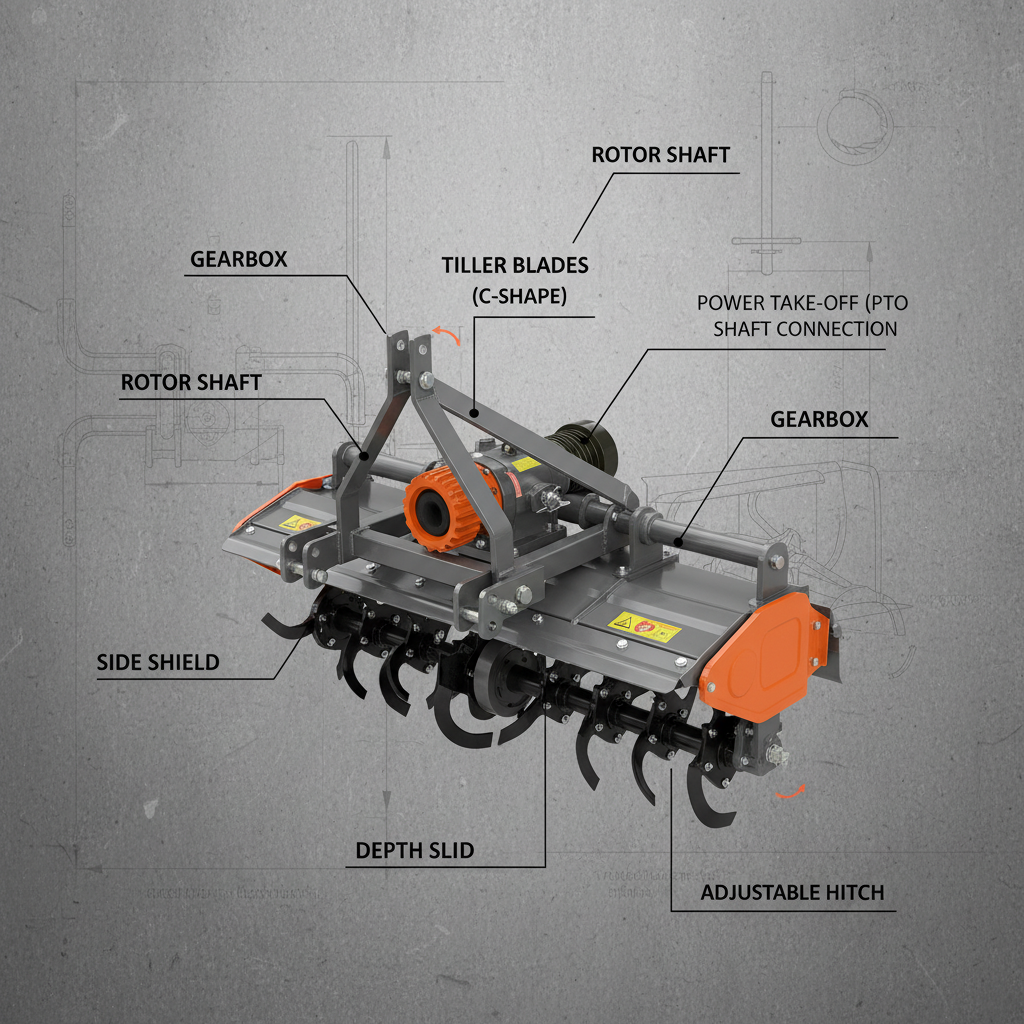
Comprehensive Guide to Agricultural Rotary Tiller Selection and Usage
An agricultural rotary tiller is an essential tool for modern farming, designed to efficiently prepare soil for planting. This powerful machinery significantly reduces labor and time compared to traditional methods. Whether you're a smallholder or manage a large-scale agricultural operation, understanding the benefits and features of a rotary tiller is crucial for maximizing productivity. Choosing the right tiller can transform your land preparation process. This article provides a detailed overview of agricultural rotary tillers, covering their uses, types, benefits, and key considerations when selecting the right model. Modern tillers are available in various sizes and configurations, catering to different farm sizes and soil conditions. Zinanmech provides a range of high-quality rotary tillers designed for optimal performance and durability. An agricultural rotary tiller, also known as a rototiller, is a motorized machine used to prepare agricultural land for cultivation. It works by using rotating blades – typically called tines – to break up, churn, and mix the soil.
>
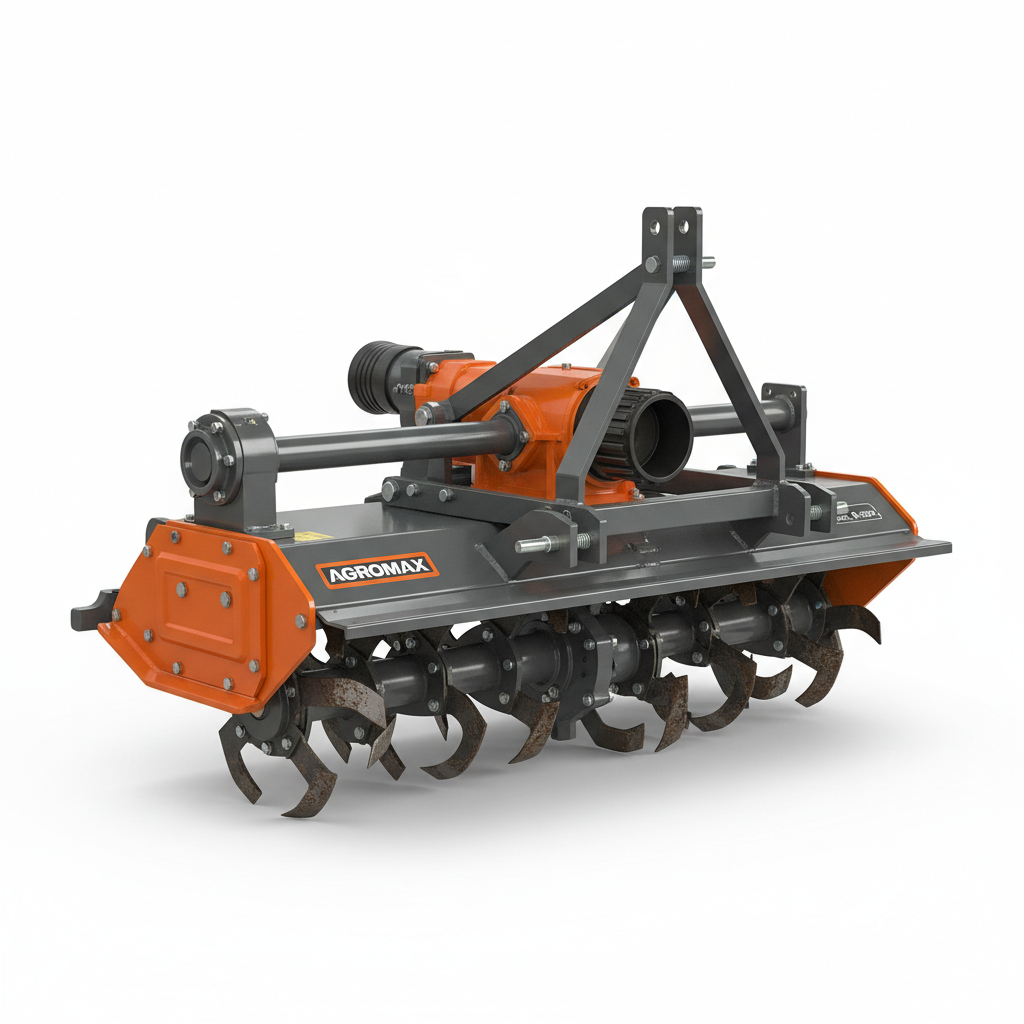
Comprehensive Guide to Selecting the Ideal Agric Rototiller for Your Farm
Selecting the right agric rototiller is crucial for efficient soil preparation and maximizing crop yields. This guide will explore the different types of rototillers, their applications, and how to choose the best model for your farming needs. We’ll cover everything from small, handheld rototillers to larger, tractor-mounted versions, helping you make an informed decision to enhance your agricultural operations. A well-chosen rototiller significantly reduces manual labor and improves soil quality. Agric rototillers come in various sizes and configurations, each suited for different farming tasks. The main types include: Front-Tine Rototillers, ideal for smaller gardens and breaking up already tilled soil; Rear-Tine Rototillers, offering more power and suitable for larger areas and tougher soil conditions; and Mid-Tine Rototillers, a versatile option for medium-sized farms. Choosing the correct type depends on your farm size, soil type, and the crops you intend to grow.
>
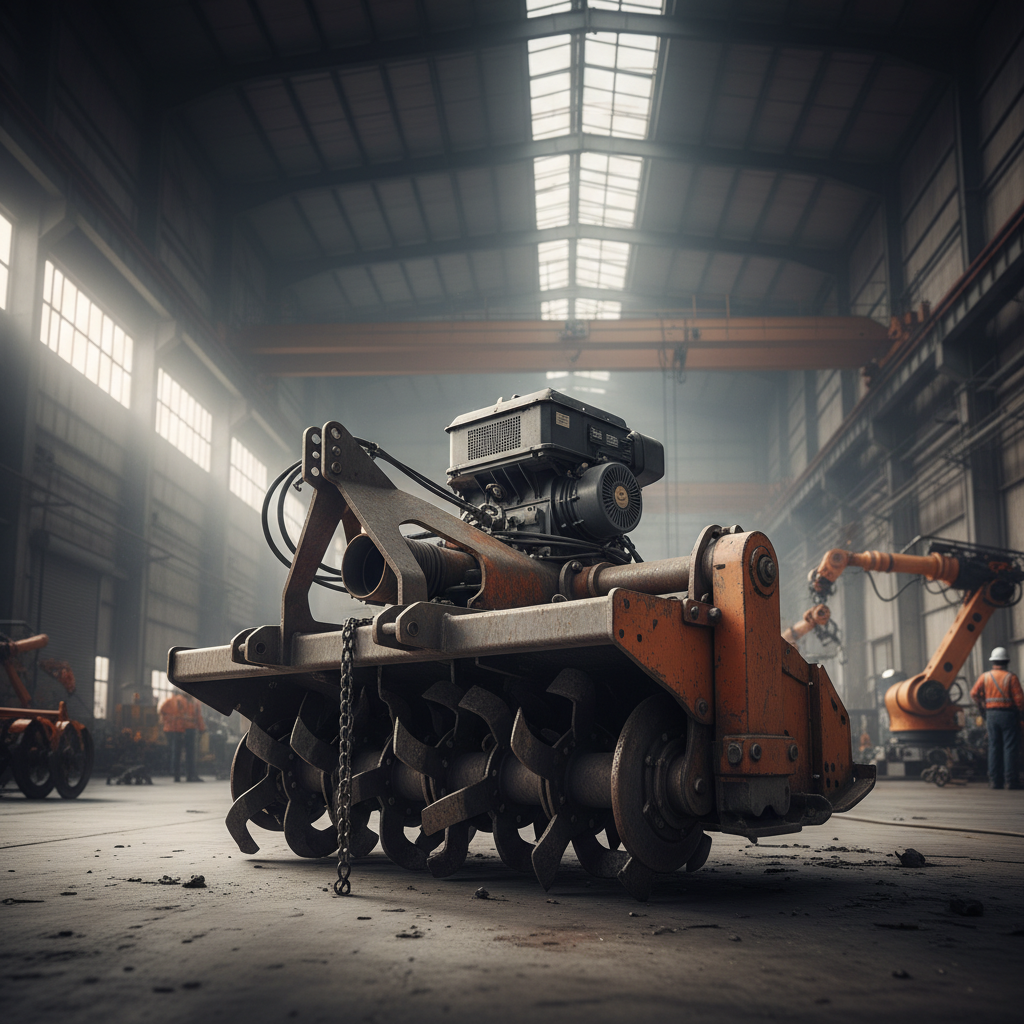
Unlock Farming Efficiency with a Powerful Agri Rototiller for Modern Agriculture
In today's agricultural landscape, efficiency and productivity are paramount. An agri rototiller, also known as a rotary tiller, is an invaluable tool for preparing soil for planting. This versatile machine cultivates, mixes, and levels the soil in a single pass, saving farmers significant time and effort. From small-scale farms to large agricultural operations, the benefits of using a rototiller are numerous. Investing in a quality rototiller is investing in the future success of your harvest. An agri rototiller is a motorized machine designed to break up and aerate soil using rotating blades. These blades, often called tines, churn the soil, creating a fine, even texture ideal for planting seeds or transplanting seedlings. Unlike traditional plowing, rototilling doesn't invert the soil, minimizing disruption to the soil's natural structure.
>
International layout
Spread all over the world
our products are exported to various parts of the world. Currently, our products have been exported to more than 40 countries Our products cover Asia, Europe, Africa, South America, North America, and Oceania
Sign up
for Newsletter
Subscribe to the weekly newsletter for all the latest updates