- Tel: +86 13451474678 / 13451474678
- Email: / hbzinanmech@gmail.com

Premium Tractor Sockets: Reliable 7 Pin & 2 Pin Connections
Understanding the Critical Role of tractor socket Technology
In the demanding world of agricultural, construction, and industrial machinery, the reliability of electrical connections is paramount. The tractor socket serves as the crucial interface for transmitting power, data, and control signals between a tractor and its implements. This seemingly small component is vital for operational efficiency, safety, and the seamless integration of complex machinery. From lighting and braking systems to hydraulic controls and diagnostic feedback, the integrity of this connection directly impacts productivity and uptime in harsh working environments. Our focus is on delivering robust, high-performance solutions engineered to withstand extreme conditions and ensure uninterrupted operation.
Current Industry Trends and Market Dynamics
The agricultural and heavy equipment sectors are undergoing significant transformation, driven by precision farming, automation, and the increasing demand for data-driven decision-making. These trends directly influence the design and functionality of the tractor socket. Modern implements require more sophisticated electrical connections to support advanced sensors, GPS guidance systems, and real-time telemetry. Key trends include:
- Smart Farming Integration: The move towards smart agriculture necessitates connectors capable of handling higher data rates and multiple communication protocols (e.g., ISOBUS). This requires superior shielding and robust contact materials within the tractor socket.
- Electrification of Implements: As hybrid and electric implements become more prevalent, sockets must be designed to safely transmit higher power loads while maintaining integrity against environmental factors.
- Durability and Longevity: Operating in corrosive, dusty, and vibrating environments, there's an increasing emphasis on materials and designs that offer extended service life, reducing downtime and maintenance costs.
- Standardization and Interoperability: While standards like ISO 11783 (ISOBUS) define the communication, the physical connection, including the tractor socket, must adhere to robust specifications (e.g., SAE J560 for 7-pin) to ensure universal compatibility across diverse equipment manufacturers.
Technical Specifications and Parameters
A robust tractor socket is defined by its adherence to stringent technical specifications, ensuring performance and safety under various operational stresses. Key parameters include:
- Material Composition: High-grade materials are essential. Housing typically consists of reinforced polyamides (PA6 GF30) or impact-resistant ABS, offering excellent UV and chemical resistance. Contact pins are often brass or copper alloys with tin or silver plating for optimal conductivity and corrosion resistance.
- Current and Voltage Rating: Sockets must support standard tractor electrical systems, typically 12V or 24V, with individual pin current ratings ranging from 5A to 30A for power circuits. For a common 7 pin tractor plug, main power pins can handle up to 20A, while signal pins are typically rated for 5-10A.
- Ingress Protection (IP) Rating: Critical for outdoor environments, an IP67 rating (dust tight, protected against immersion up to 1m for 30 minutes) is often required to safeguard against moisture, dust, and debris.
- Temperature Range: Operational temperature ranges typically span from -40°C to +85°C, ensuring functionality in extreme climates.
- Vibration and Shock Resistance: Designed to withstand constant vibrations and occasional shocks encountered during fieldwork, often meeting SAE J1455 standards.
- Contact Resistance: Low contact resistance (typically
- Insulation Resistance: High insulation resistance (>100MΩ at 500V DC) prevents current leakage and ensures electrical safety.
Typical Product Specification Table: 7-Pin Tractor Socket
Application Scenarios and Target Industries
The versatility and robustness of the tractor socket make it indispensable across a spectrum of industries requiring reliable power and signal transmission in challenging environments. Beyond its namesake, its robust design lends itself to various heavy-duty applications.
- Agriculture: Connecting tractors to a wide array of implements such as planters, sprayers, balers, cultivators, and harvesting machinery for power, lighting, braking, and advanced sensor data. The 7 pin tractor plug is standard for basic lighting and auxiliary functions.
- Construction: Used in connection with excavators, loaders, bulldozers, and other construction vehicles for towed equipment like trailers, lighting towers, and mobile generators.
- Mining: For heavy-duty trailers and specialized mobile equipment requiring secure electrical links in harsh, often dusty and corrosive, underground or open-pit environments.
- Petrochemical: While not directly for fluid transfer, these sockets are crucial for mobile equipment in petrochemical plants, ensuring robust electrical connections for safety and operational tools.
- Metallurgy: Similar to petrochemical, providing durable electrical links for mobile equipment operating in high-temperature or abrasive metallurgical settings.
- Water Supply & Drainage: For mobile pumping units, drainage equipment, and other utility vehicles that require reliable, weatherproof electrical interfaces.
- Transport & Logistics: Connecting semi-trailers to tractor units, especially in demanding off-road or industrial yard applications where standard commercial plugs might fail. The 2 pin tractor plug often serves specific high-current or simple circuit needs.
Technical Advantages and Performance Excellence
Our Tractor Engagement Sockets are engineered with specific technical advantages that translate directly into enhanced operational performance and cost savings for our clients:
- Enhanced Durability & Service Life: Constructed from UV-stabilized, impact-resistant thermoplastics and marine-grade brass contacts, our sockets are designed for a service life exceeding 2,000 mating cycles. This significantly reduces the frequency of replacements and associated labor costs, directly supporting increased uptime for machinery.
- Superior Environmental Resistance: Featuring an IP67 rating, these sockets offer comprehensive protection against dust ingress, water submersion, and chemical exposure commonly found in agricultural and industrial settings. This prevents corrosion and short circuits, ensuring reliable performance regardless of weather conditions.
- Optimized Conductivity & Energy Efficiency: High-grade contact materials and precision machining minimize contact resistance to below 5 milliohms. This ensures efficient power transfer, reducing voltage drop and minimizing energy losses, particularly beneficial for power-intensive implements.
- Vibration and Shock Resilience: Our design incorporates internal locking mechanisms and robust strain relief, allowing the tractor socket to withstand continuous vibration and transient shock loads typical of heavy machinery operations, preventing disconnections and electrical interruptions.
- Ease of Installation and Maintenance: Ergonomic design, clear wiring diagrams, and readily available spare parts ensure quick and straightforward installation and field maintenance, further contributing to operational efficiency.
- Corrosion Resistance: Specialized coatings on metallic components and corrosion-resistant polymer housings provide long-term protection against harsh chemicals, fertilizers, and saltwater, extending the lifespan in aggressive environments.
Vendor Comparison: Choosing the Right Partner
Selecting a supplier for critical components like the tractor socket requires a comprehensive evaluation beyond just price. Key factors differentiate leading manufacturers:
Key Differentiators in Tractor Socket Providers
Our commitment to engineering excellence and comprehensive customer support positions us as a preferred partner for OEMs and industrial clients seeking reliable and high-performance interconnect solutions.
Customized Solutions for Unique Requirements
Recognizing that off-the-shelf products may not always meet the precise demands of specialized machinery, we offer comprehensive customized solutions for our Tractor Engagement Sockets. Our engineering team collaborates closely with clients to develop bespoke products that integrate seamlessly into unique systems. This includes:
- Specific Pin Configurations: Designing custom pin layouts beyond the standard 7 pin tractor plug or 2 pin tractor plug to accommodate proprietary communication protocols or power distribution needs.
- Material Selection: Utilizing specialized polymers for extreme temperature resistance, enhanced chemical resistance, or specific flame-retardant properties.
- Integrated Electronics: Incorporating circuit protection (e.g., fuses, TVS diodes) or small form-factor data conversion modules directly within the socket housing.
- Mounting Options: Developing unique mounting brackets or panel designs to fit non-standard chassis or implement interfaces.
- Color Coding & Branding: Custom colors for easy identification in complex wiring harnesses or private labeling for OEM clients.
- Cable Assembly Integration: Providing complete pre-wired socket and cable assemblies to streamline client manufacturing processes.
Our agile design and manufacturing capabilities allow for rapid prototyping and iterative development, ensuring that the final custom tractor socket solution meets all performance, environmental, and integration requirements.
Manufacturing Process Flow
The production of a high-quality Tractor Engagement Socket is a meticulously controlled multi-stage process, ensuring precision, durability, and compliance with international standards.
Process Steps:
- Material Sourcing & Inspection: High-grade raw materials, including specific polymers (e.g., PA6 GF30) and brass alloys (e.g., CuZn37), are sourced from certified suppliers. Incoming materials undergo stringent quality checks for chemical composition, mechanical properties, and compliance.
- Injection Molding (Housing): Precision injection molding machines form the socket housing from specified polymer granules. Parameters like temperature, pressure, and cooling cycles are tightly controlled to ensure dimensional accuracy, structural integrity, and uniform material density.
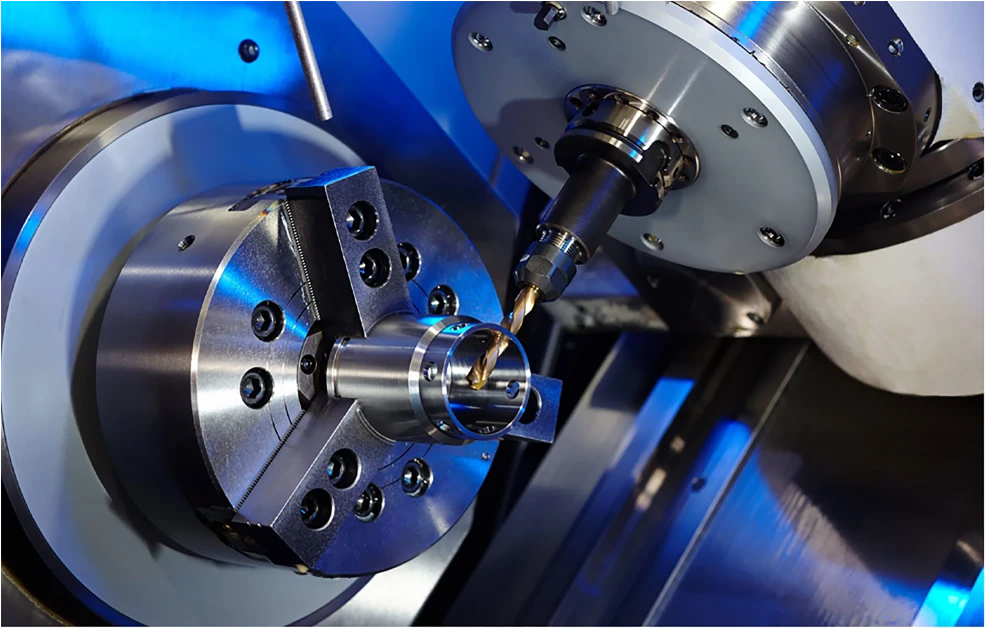
- CNC Machining (Contacts): Brass or copper alloy rods are precisely machined using multi-axis CNC lathes to create the contact pins and other metallic inserts. Tolerances are critical for proper mating and electrical performance.
- Surface Treatment (Contacts): Machined contacts undergo cleaning, deburring, and then surface plating (e.g., tin or silver plating). This enhances conductivity, corrosion resistance, and reduces insertion force.
- Assembly: The individual components – housing, contacts, seals, and other inserts – are meticulously assembled. This often involves automated processes combined with manual quality checks to ensure correct orientation and secure fitting. Gaskets and O-rings are inserted to ensure IP rating.
- Electrical & Mechanical Testing: Each completed tractor socket undergoes a series of tests:
- Continuity & Insulation Resistance: Verifies proper wiring and absence of short circuits.
- Contact Resistance: Ensures minimal resistance for efficient power transfer.
- Dielectric Withstand Voltage: Tests insulation integrity at high voltages.
- Mating Force & Retention: Ensures proper engagement and secure locking with the corresponding plug.
- Environmental Chamber Testing: Samples undergo accelerated aging, temperature cycling, humidity, and salt spray tests to confirm performance in extreme conditions (e.g., IEC 60068 standards).
- Final Quality Control & Packaging: A final visual inspection confirms aesthetics and absence of defects. Products are then packaged to prevent damage during transit.
Our manufacturing facilities are certified to ISO 9001, guaranteeing adherence to rigorous quality management systems throughout the entire production lifecycle. This ensures every product consistently meets or exceeds specified performance parameters and industry standards like SAE J560 and ISO 1724. The estimated service life for our standard sockets is rated at over 2,000 mating cycles under typical operating conditions, translating to years of reliable service. Our products excel in industries like petrochemical (for robust electrical connections in hazardous areas), metallurgy (withstanding extreme temperatures and abrasive dust), and water supply & drainage (corrosion resistance in moist environments), demonstrating energy saving through minimal resistance and superior corrosion resistance.
Application Case Studies
Case Study 1: Large-Scale Agricultural Fleet Modernization
A major agricultural cooperative managing over 500 tractors and associated implements sought to reduce electrical connection failures, which were causing significant downtime during critical planting and harvesting seasons. Their existing sockets suffered from frequent corrosion and intermittent signal loss due to vibration. We supplied a custom version of our 7 pin tractor plug, featuring enhanced IP68 sealing, gold-plated contacts for superior signal integrity, and a redesigned vibration-damping collar. After two full seasons, the cooperative reported a 70% reduction in electrical-related failures, directly translating to a 15% increase in operational efficiency and an estimated annual savings of $250,000 in maintenance and lost productivity.
Case Study 2: Remote Mining Equipment Electrification
A mining operation in a high-altitude, arid environment required a highly robust 2 pin tractor plug for powering ancillary lighting and communication equipment on mobile ore crushers. The extreme dust, temperature fluctuations, and constant heavy vibrations were destroying conventional connectors within months. We engineered a specialized heavy-duty tractor socket with a reinforced aluminum housing, hermetically sealed contacts, and a high-temperature resistant polymer insulator. This bespoke solution demonstrated flawless operation for over three years, where previous solutions failed within six months. This extended lifespan led to a substantial reduction in field service calls and improved safety due by maintaining consistent illumination in low-light conditions.
Ensuring Trustworthiness: FAQ, Fulfillment, and Support
Frequently Asked Questions (FAQ)
Q: What is the primary difference between a 7 pin tractor plug and a 2 pin tractor plug?
A: The 7 pin tractor plug, typically conforming to SAE J560, is designed for comprehensive trailer connections, providing circuits for tail lights, brake lights, turn signals, ground, and auxiliary power. The 2 pin tractor plug is generally used for simpler, dedicated high-current circuits, such as powering specific accessories or hydraulic solenoids, where fewer connections are needed.
Q: Are your tractor sockets compatible with all major tractor brands?
A: Yes, our standard range of tractor sockets adheres to international standards like SAE J560 and ISO 1724, ensuring broad compatibility with leading tractor and implement manufacturers globally. For proprietary systems, we offer customized solutions.
Q: How do you ensure corrosion resistance in harsh environments?
A: We utilize advanced materials such as high-grade, UV-stabilized thermoplastics for housing and apply specialized tin or silver plating on brass/copper contacts. Our designs also incorporate robust sealing mechanisms (IP67/IP68) to prevent ingress of moisture, dust, and corrosive agents, significantly extending service life.
Q: What is the expected service life of your tractor sockets?
A: Our standard tractor sockets are engineered for a minimum service life of 2,000 mating cycles under specified operating conditions. With proper maintenance and use within defined environmental parameters, many units exceed this lifespan, offering long-term reliability.
Lead Time and Fulfillment
For standard product configurations, typical lead times range from 2-4 weeks, depending on order volume and current inventory levels. Customized solutions may require 6-12 weeks for design, prototyping, and initial production runs. We maintain a robust global supply chain and utilize advanced logistics to ensure timely and efficient delivery, minimizing project delays for our B2B partners. Expedited shipping options are available upon request.
Warranty Commitments
We stand behind the quality and performance of our Tractor Engagement Sockets with a comprehensive 2-year warranty from the date of purchase. This warranty covers defects in materials and workmanship under normal operating conditions. Our commitment to ISO 9001 certified manufacturing processes ensures high reliability, minimizing the need for warranty claims. Full warranty details are available upon request.
Customer Support and After-Sales Service
Our dedication to customer satisfaction extends beyond product delivery. We provide expert technical support, including installation guidance, troubleshooting assistance, and maintenance recommendations. Our experienced engineering team is available for consultation on complex integration challenges or performance optimization. For any inquiries or support needs, please contact our dedicated support team via phone or email, or visit our website for extensive resources and documentation. We are committed to fostering long-term partnerships through exceptional service.
References
- International Organization for Standardization (ISO). ISO 1724:2003 Road vehicles – Connectors for the electrical connection of towing vehicles and towed vehicles – 7-pole connector type 12 N (normal) for vehicles with 12 V nominal supply voltage.
- SAE International. SAE J560: Diagnostic Link Connector. Warrendale, PA: SAE International.
- International Electrotechnical Commission (IEC). IEC 60529: Degrees of protection provided by enclosures (IP Code). Geneva, Switzerland: IEC.
- European Committee for Standardization (CEN). EN 60068: Environmental Testing. Brussels, Belgium: CEN.

Related Products
-
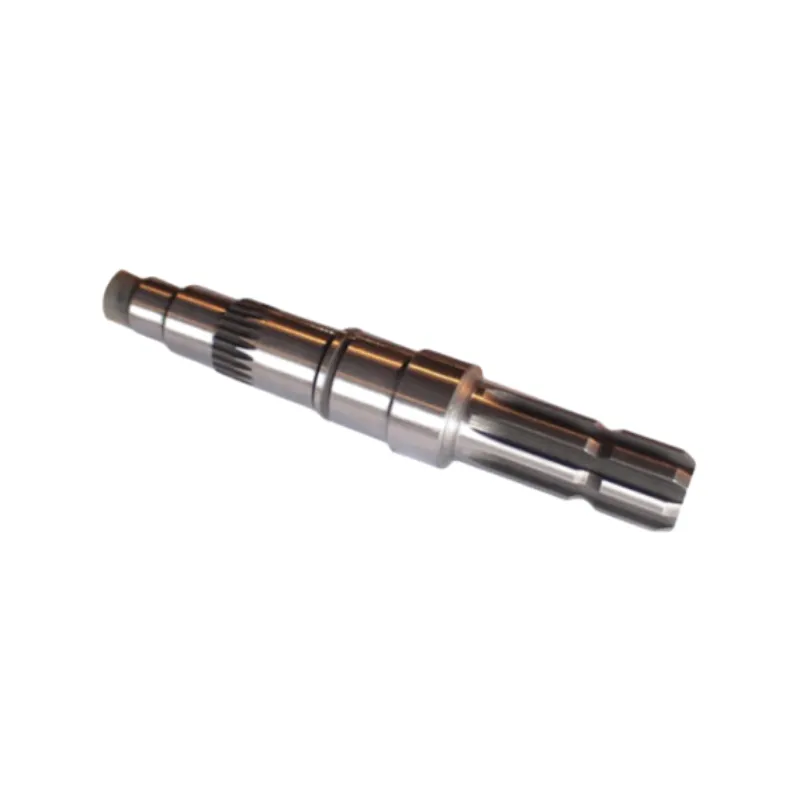
 Tractor Gear Shaft
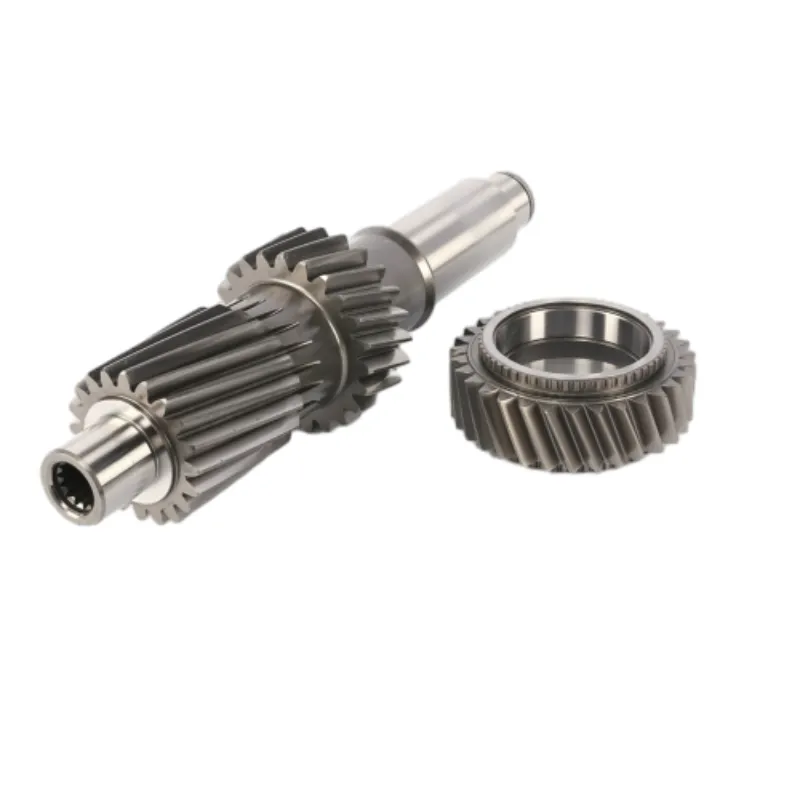
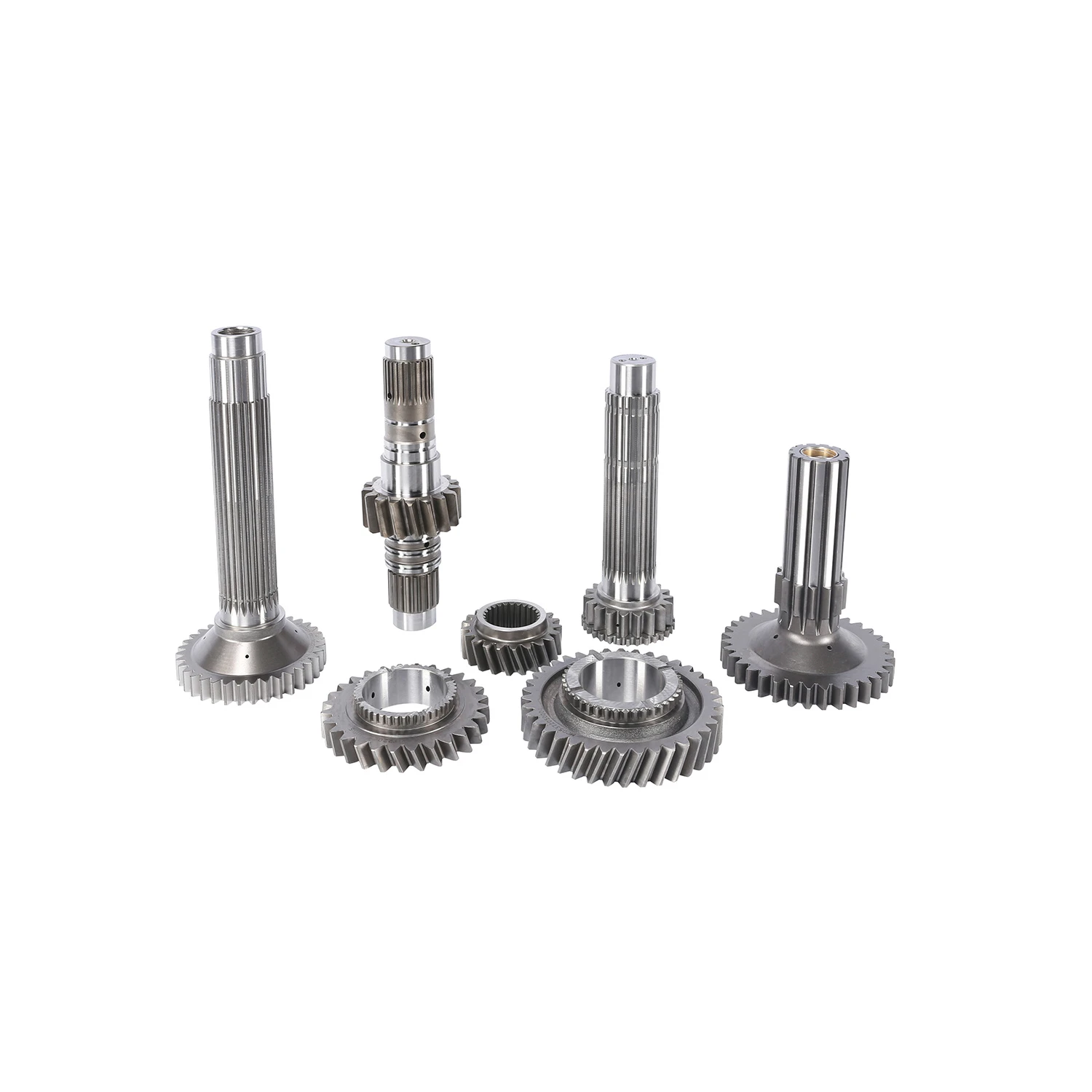
The tractor gear shaft is a crucial element in the power transmission system of a tractor. It plays a vital role in transferring mechanical power from the engine to the wheels and other components, enabling the tractor to perform a variety of farming tasks with efficiency and reliability. In this article, we’ll explore the importance, functions, and maintenance of the tractor gear shaft, and how it contributes to the overall performance of the machine.
-
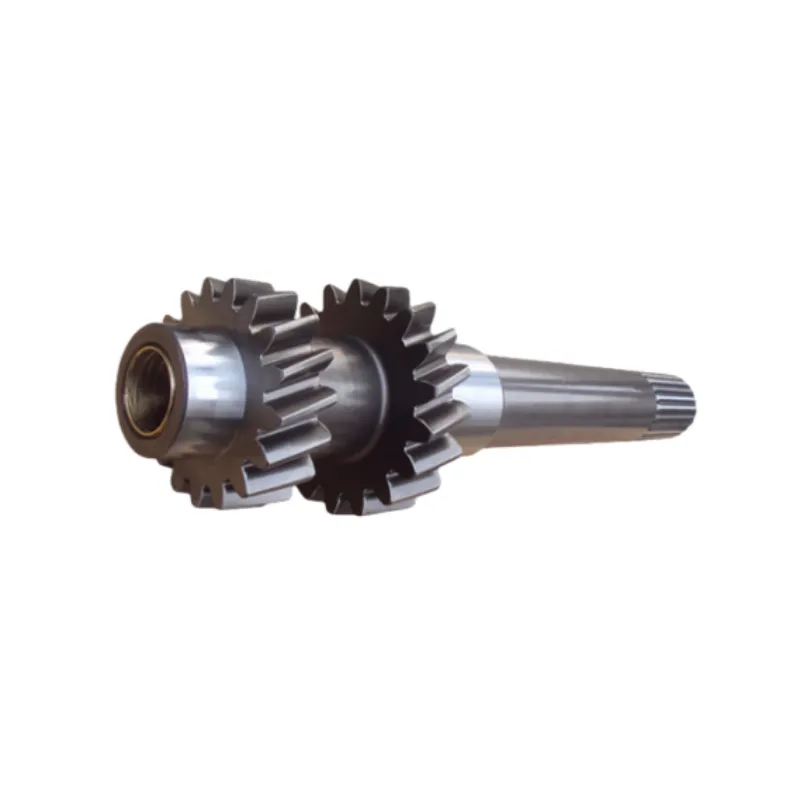
 Transmission Gear
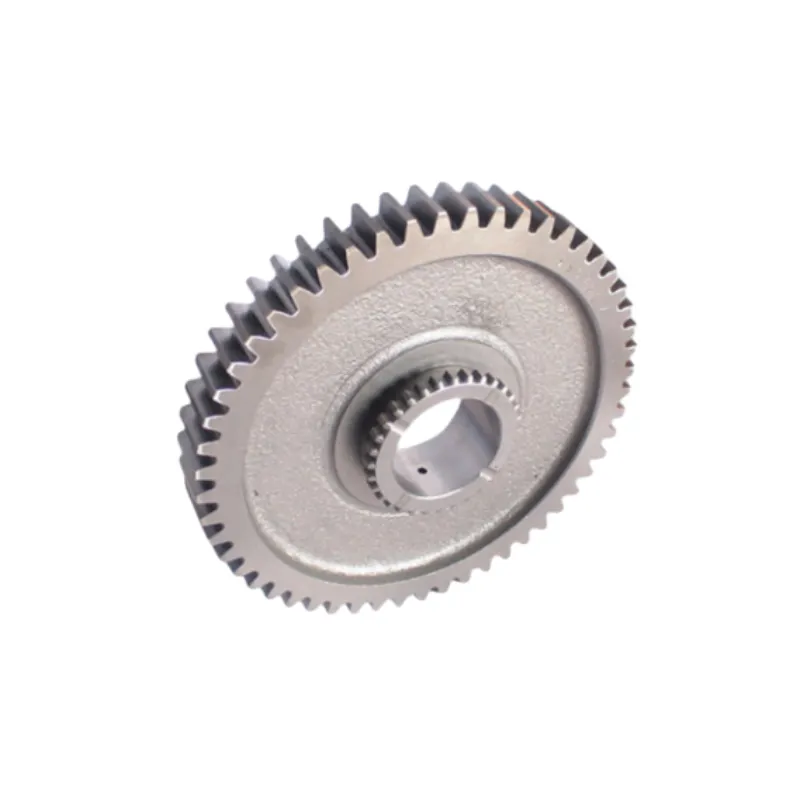
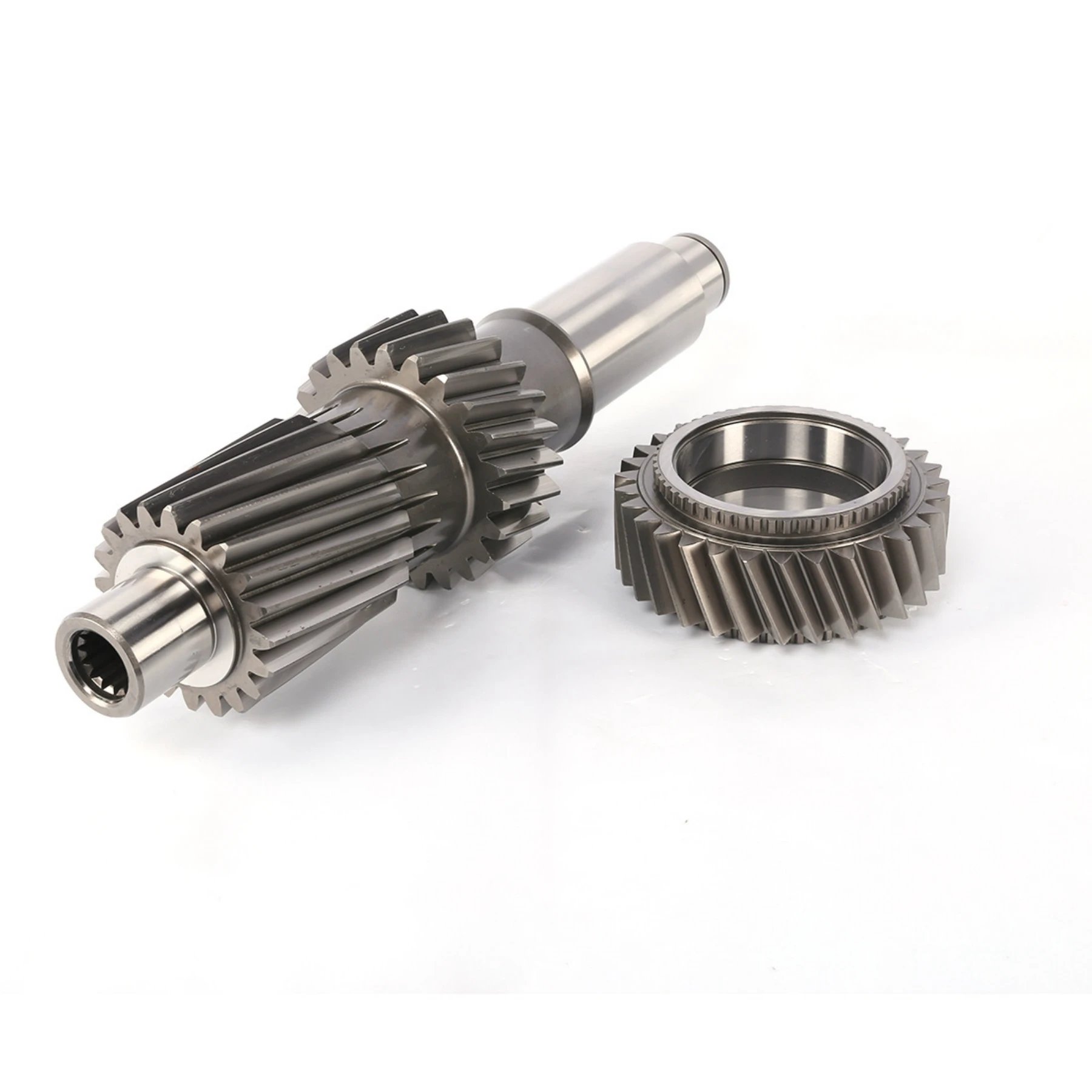
Power transmission: the engine operation drives the input gear on the input shaft to rotate, the input gear engages with other gears, and relies on the interaction between teeth and teeth to transfer the power to the intermediate gear (if any) and the output gear, and finally transfers the power to the driving wheel and other components through the output shaft to make the vehicle or equipment move.
Variable speed principle: Change the transmission ratio by meshing gears with different numbers of teeth. For example, when the big gear drives the small gear, the speed of the small gear will be faster than the big gear, but the output torque will be smaller, to achieve growth and torque reduction; On the contrary, when the pinion drives the big gear, the speed of the big gear slows down, the torque increases, and the torque increases. In this way, transmission gears enable the vehicle or equipment to obtain the right speed and torque under different working conditions -
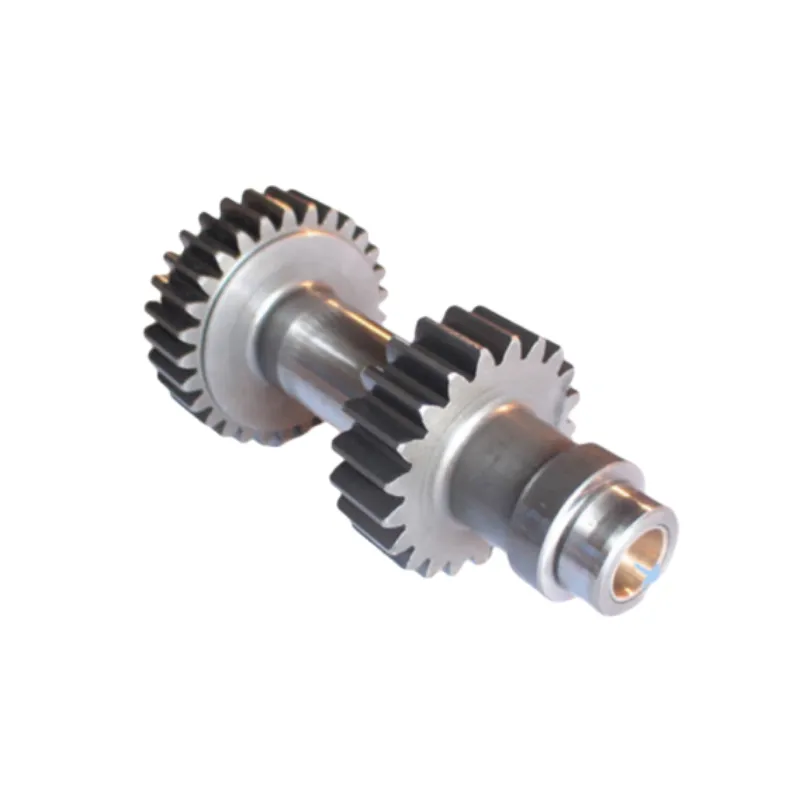
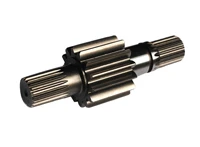 Tractor Active Gear Shaft
The tractor active gear shaft is a critical component in the power transmission system of a tractor, responsible for transferring rotational power from the engine or transmission to other parts of the tractor. By efficiently distributing torque and enabling smooth gear shifts, the active gear shaft plays a vital role in enhancing the performance and versatility of the tractor, making it essential for a wide range of agricultural tasks. In this article, we’ll explore the function, benefits, and maintenance of the tractor active gear shaft.
-
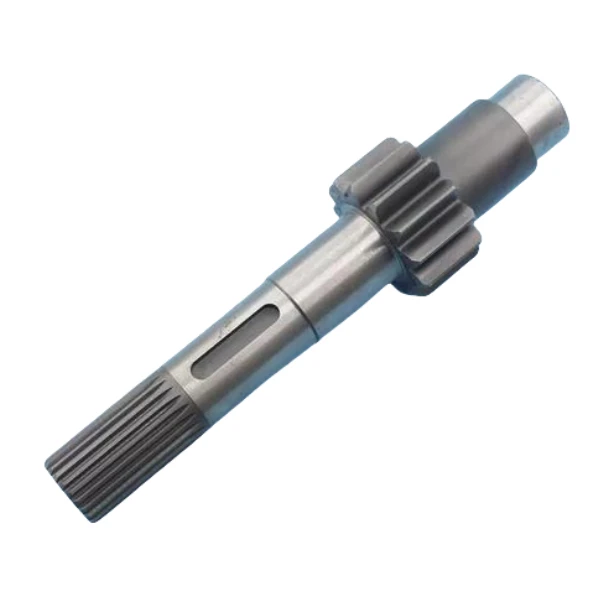 Harvester Input Shaft
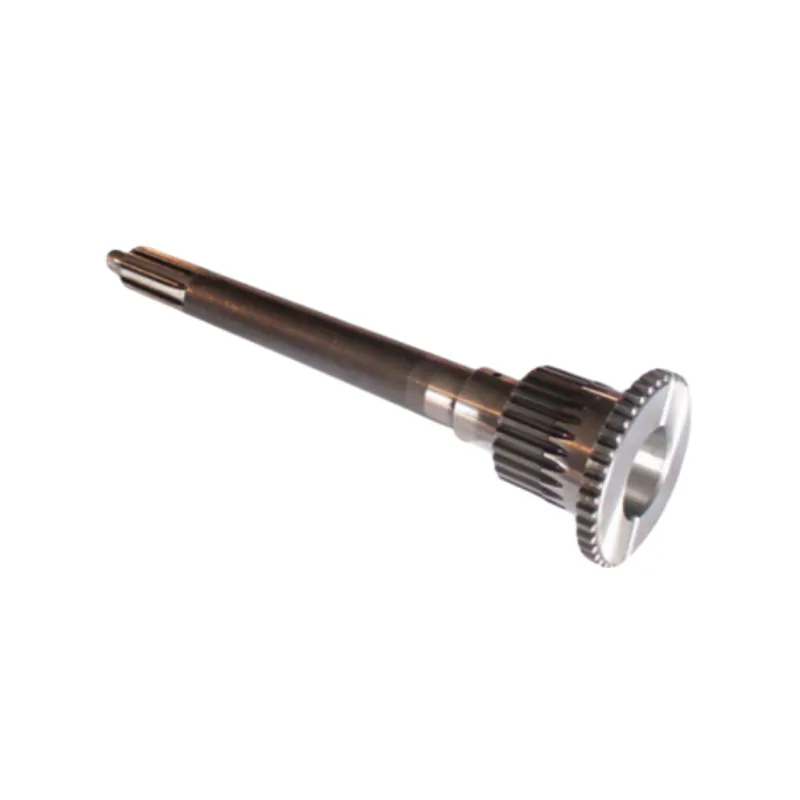
The main role of the harvester input shaft is to introduce the power of the external power source into the internal transmission system of the harvester. When the power source (such as an engine) is running, the torque generated is transmitted to the input shaft through the connecting parts, causing the input shaft to start rotating. The gear, pulley or sprocket and other transmission parts installed on the input shaft will rotate with the rotation of the input shaft, and then transfer the power to the subsequent transmission parts and working parts, such as driving the cutting device, conveying device, threshing device, etc., to complete the crop harvesting, conveying, threshing and other work processes.
Related News
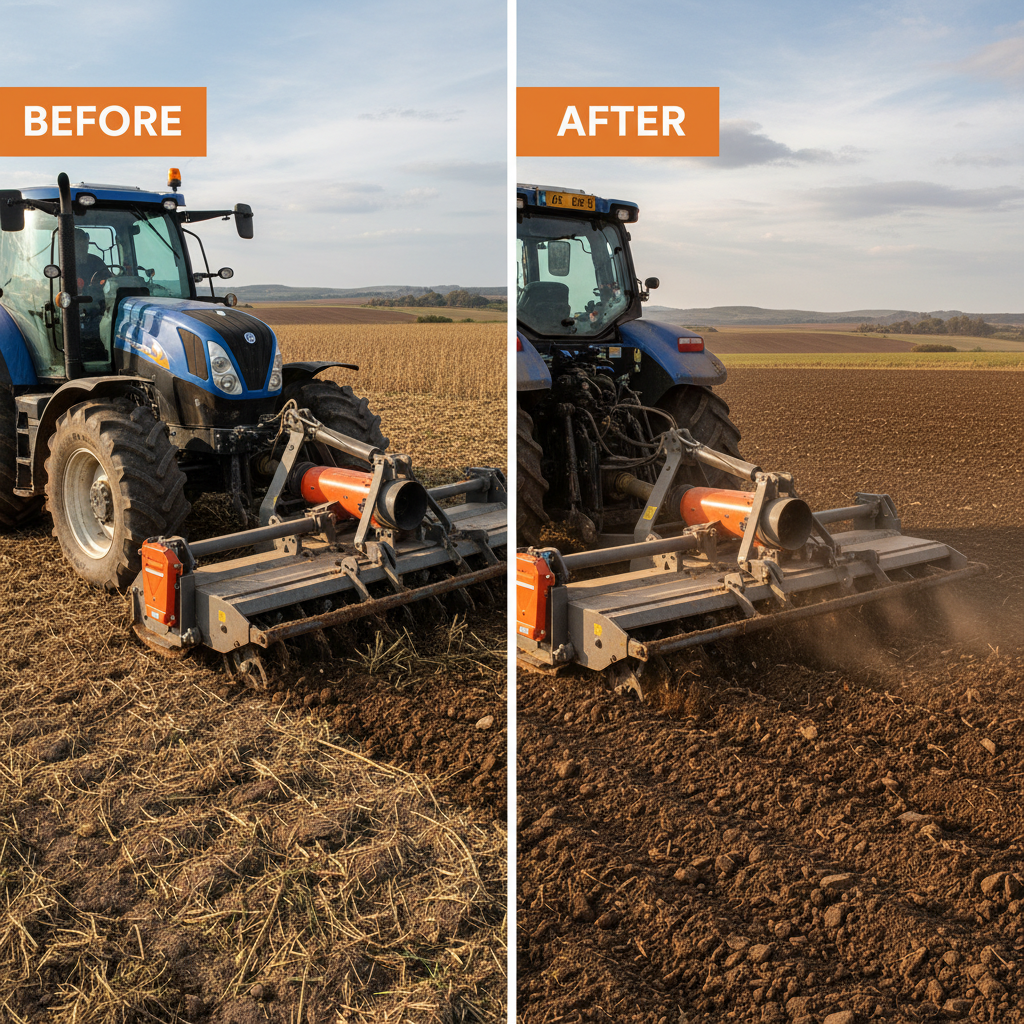
Professional Heavy Duty Tiller for Tractor for Soil Productivity
Achieving the perfect seedbed is the foundation of any successful harvest. For farmers dealing with compacted soil, stubborn crop residue, or expansive acreage, a standard rototiller often falls short. This is where a heavy duty tiller for tractor becomes an essential investment. These robust machines are engineered to penetrate deep into the earth, breaking up hardpan and aerating the soil with unmatched efficiency. By integrating a professional-grade tiller into your machinery lineup, you can significantly reduce preparation time and improve crop yield. In this guide, we will explore the technical advantages, selection criteria, and maintenance tips for choosing the right heavy-duty tilling solution.
>
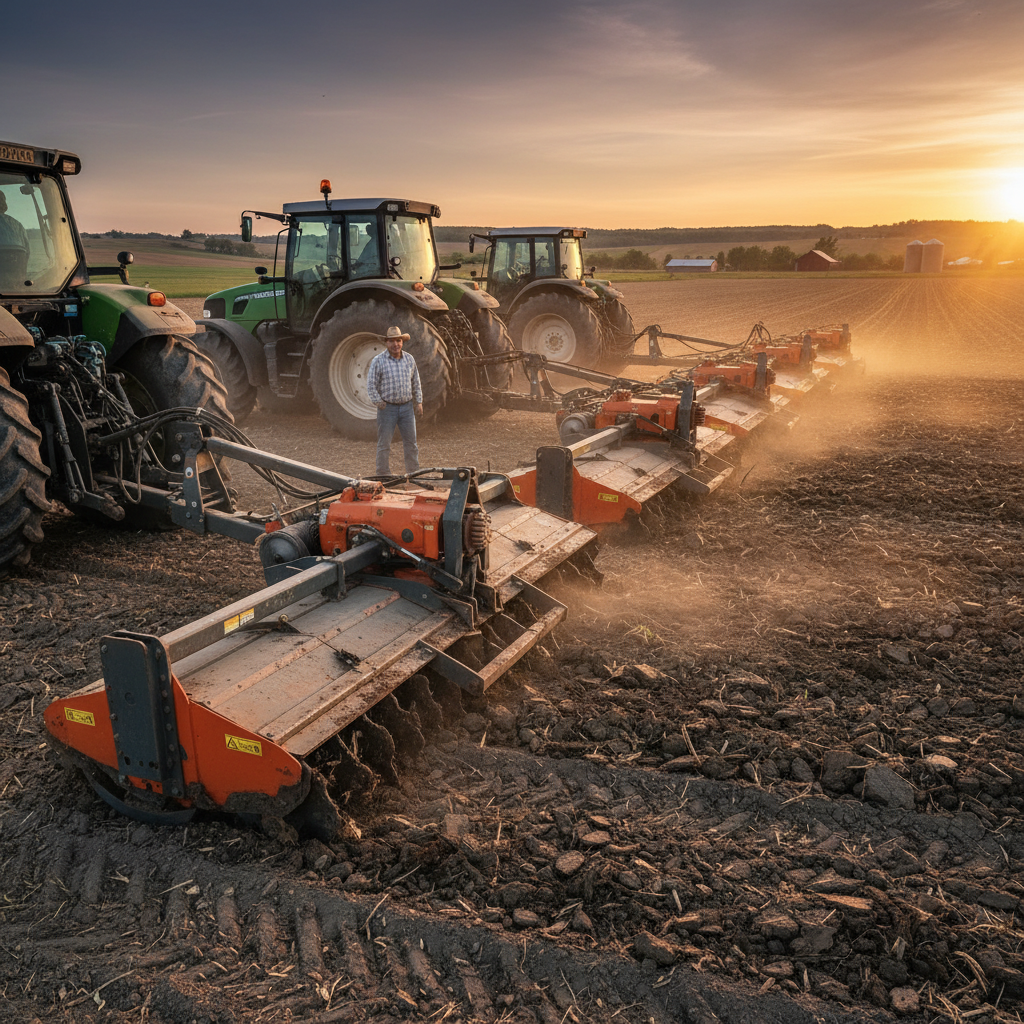
Maximizing Land Productivity with Professional Heavy Duty Tillers
For professional farmers and landscaping contractors, the quality of soil preparation determines the success of the entire growing season. Investing in high-performance heavy duty tillers is essential for breaking through compacted earth, removing stubborn weeds, and integrating organic matter deeply into the soil. Unlike standard garden cultivators, these industrial-grade machines are engineered to handle vast acreages and the most challenging terrain without compromising efficiency. In this guide, we will explore how choosing the right equipment can transform your agricultural output and streamline your land management process.
>
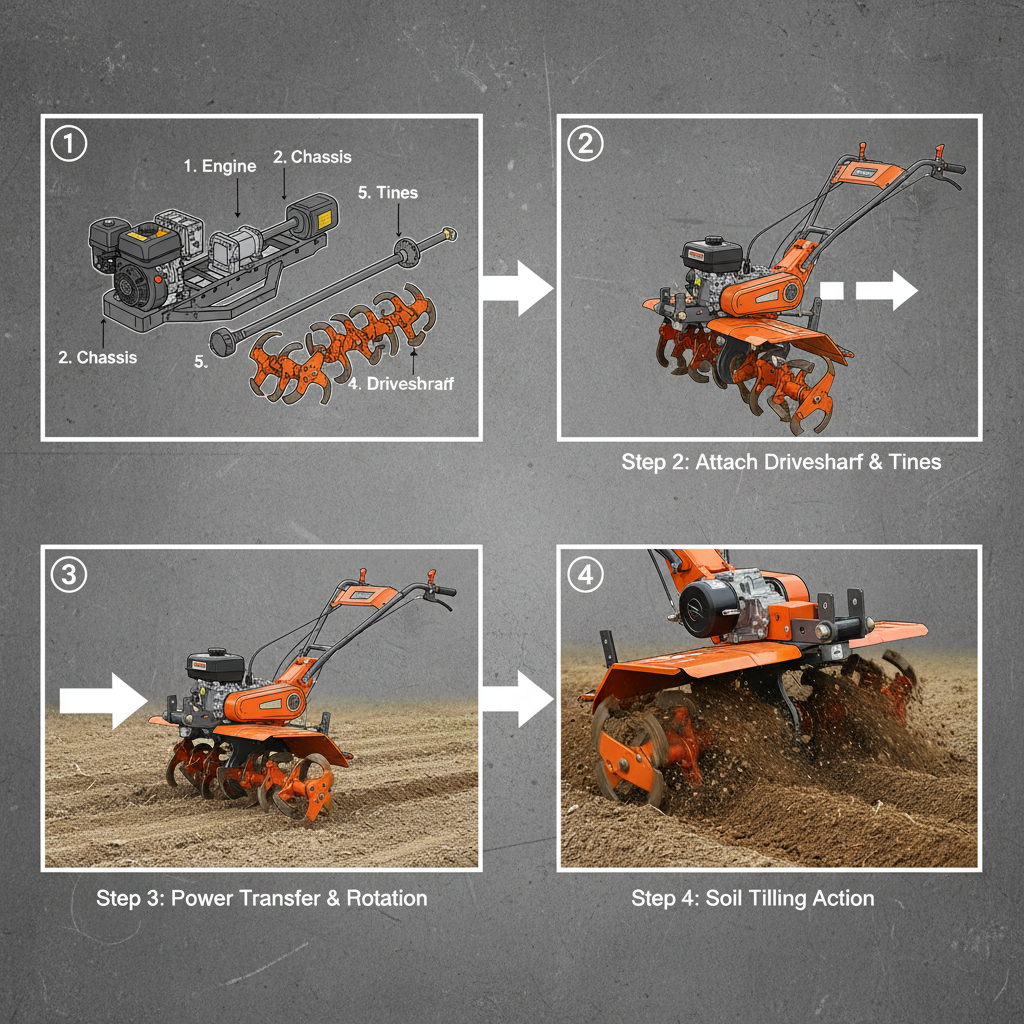
Choosing the Best Heavy Duty Rototiller for Efficient Land Preparation
A heavy duty rototiller is an invaluable tool for anyone involved in serious gardening, small-scale farming, or land preparation. Whether you're breaking new ground, maintaining existing garden beds, or preparing for planting, the right rototiller can significantly reduce labor and improve efficiency. However, with numerous options available, selecting the best model requires careful consideration. This article will guide you through the key factors to consider when purchasing a heavy-duty rototiller, helping you make an informed decision. ZinanMech offers a wide range of rototillers to suit various needs.
>
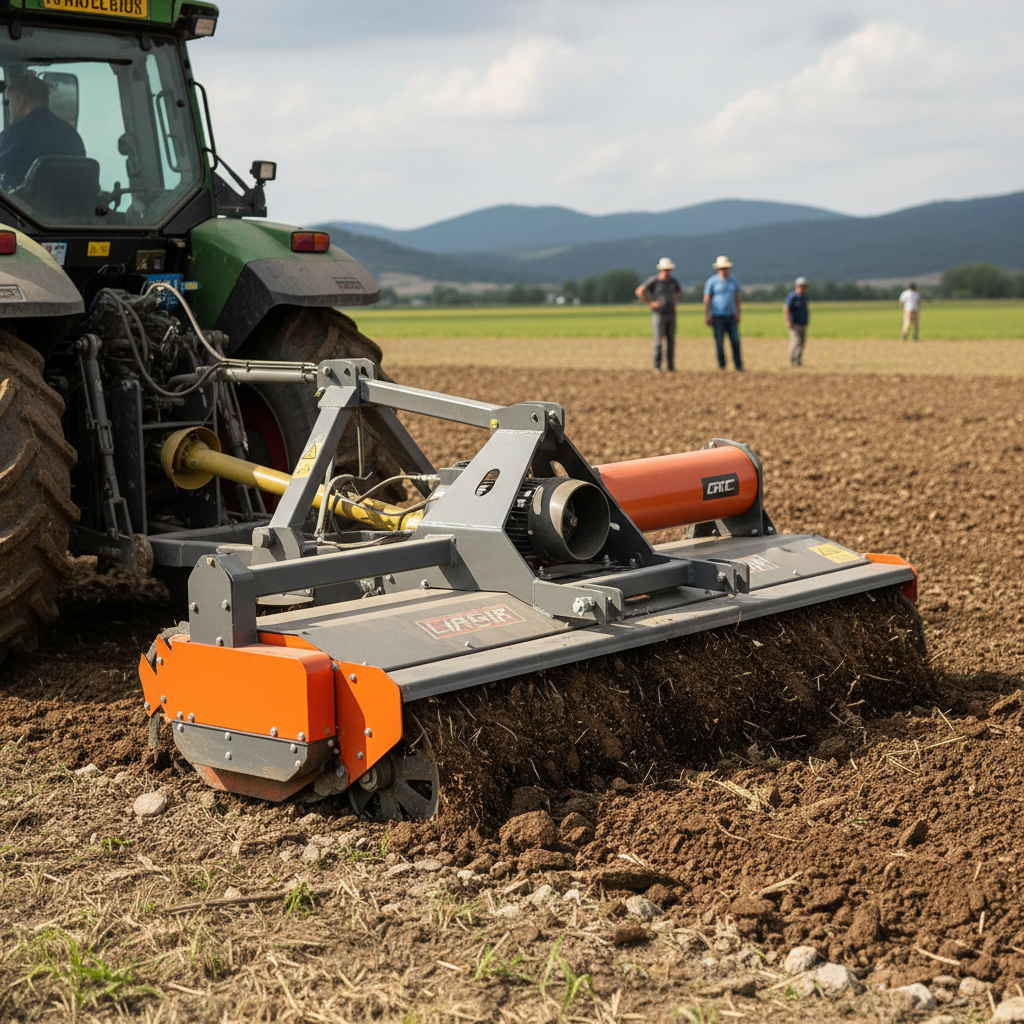
Comprehensive Guide to Heavy Duty Rotary Tiller Selection and Application
When it comes to land preparation, a heavy duty rotary tiller is an invaluable tool. This robust machinery excels at breaking up compacted soil, creating a fine seedbed, and incorporating organic matter. This article dives deep into the world of heavy duty rotary tillers, covering their benefits, applications, key features, and how to choose the right one for your needs. Whether you're a farmer, landscaper, or large-scale gardener, understanding these tillers is essential for efficient and effective soil management.
>
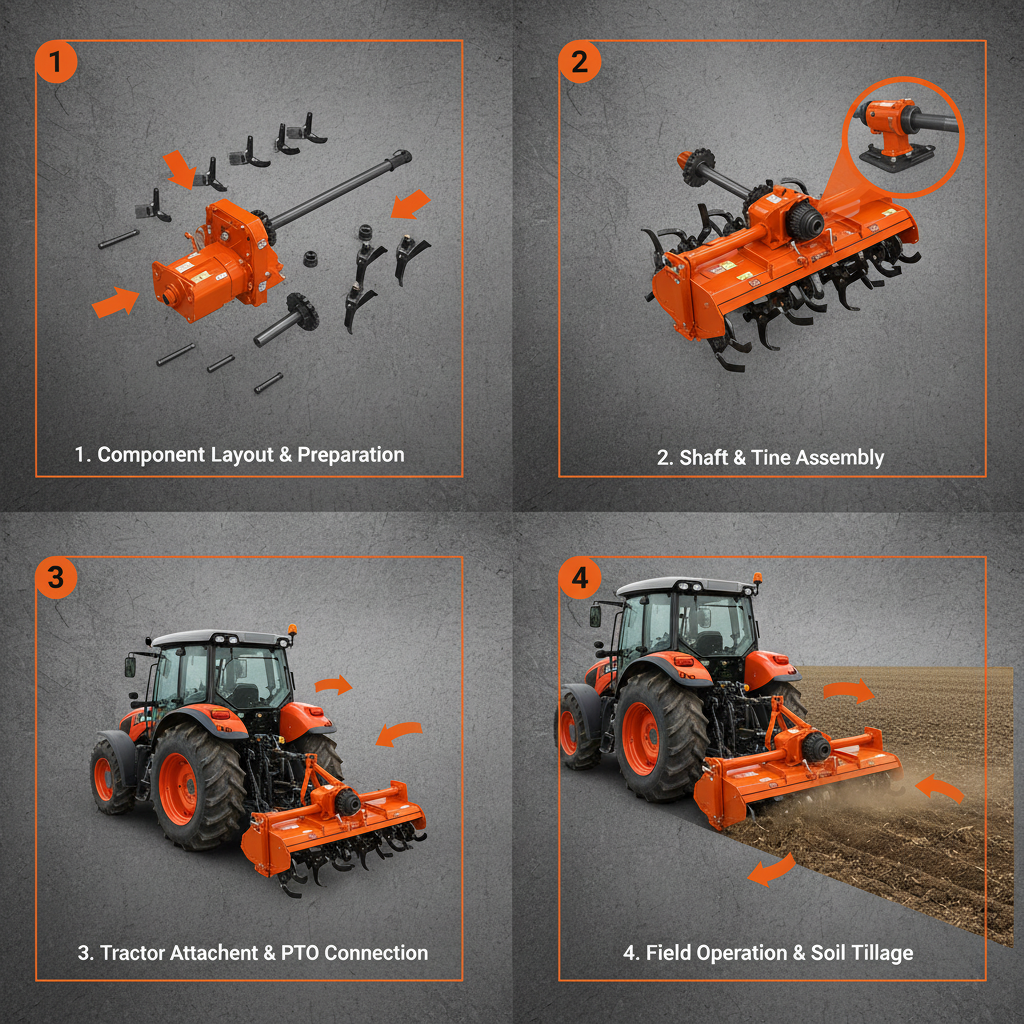
Comprehensive Guide to Selecting the Ideal Farm Tractor Tiller for Your Needs
Selecting the ideal farm tractor tiller is crucial for efficient soil preparation and maximizing agricultural yields. With a diverse range of models available, understanding your needs and the features offered by different tillers is paramount. This article provides a detailed overview of farm tractor tillers, covering their types, benefits, key considerations, and how to choose the right one for your specific farming operation. Proper tillage significantly impacts seedbed quality, weed control, and ultimately, crop performance.
>
Boost Farm Productivity with a High Performance Farm Pro Rotary Tiller
Are you looking to enhance your agricultural productivity and streamline your soil preparation process? A Farm Pro rotary tiller is an invaluable investment for farmers of all scales. This article delves into the benefits, features, applications, and considerations when choosing the right rotary tiller for your farm. We’ll explore how this machinery can significantly reduce labor costs and improve soil quality, ultimately leading to higher yields. From small hobby farms to large-scale commercial operations, a Farm Pro tiller offers a robust and efficient solution for a variety of tilling needs.
>
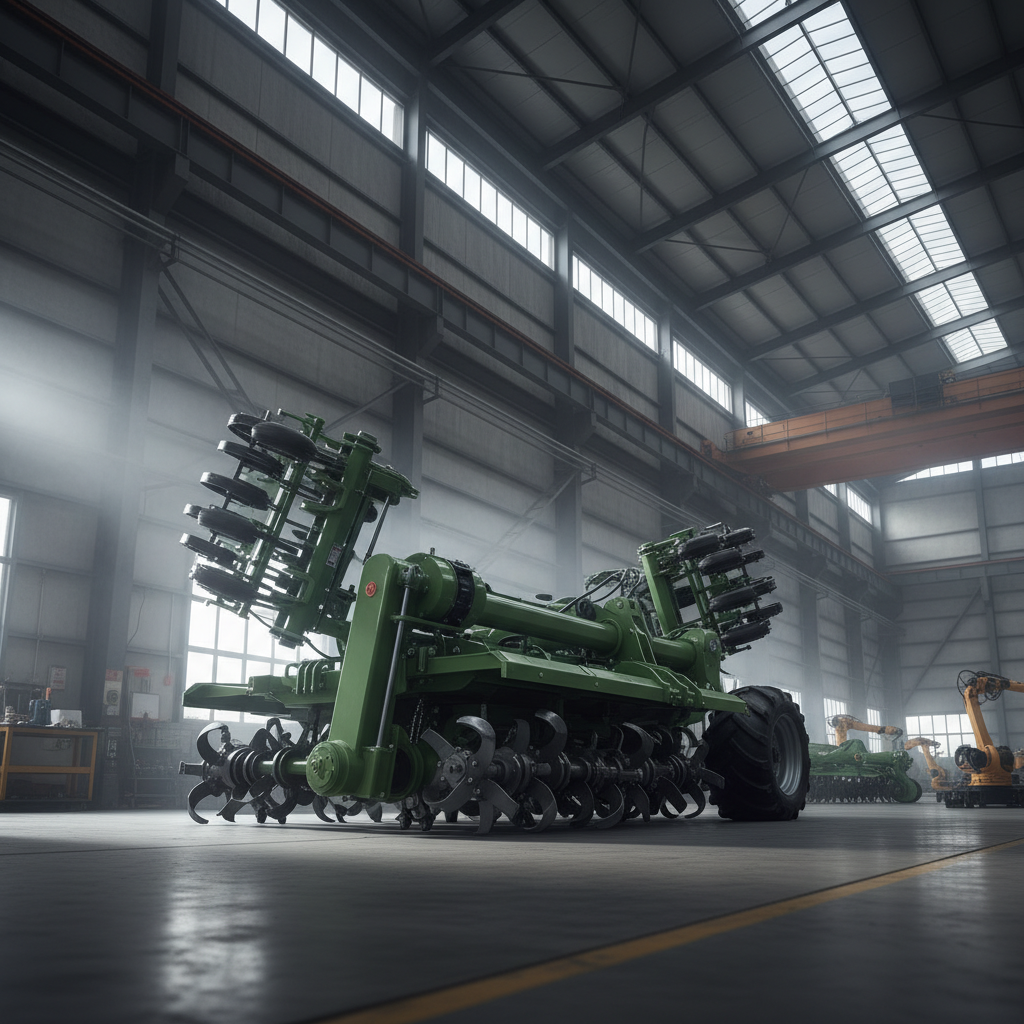
Unlock Farming Efficiency with a Powerful Agricultural Tiller Solution
In the world of farming and gardening, efficiency and productivity are key. An agricultural tiller is a vital piece of equipment that streamlines soil preparation, saving time and labor. This article dives deep into the world of tillers, exploring their types, benefits, how to choose the right one, and the quality solutions offered by Zinanmech. We’ll cover everything from small garden tillers to heavy-duty agricultural models, ensuring you have the knowledge to make an informed decision. An agricultural tiller, also known as a rotary tiller, is a motorized machine used to break up and cultivate soil. Unlike manual digging or plowing, tillers use rotating blades to loosen the soil, creating a fine, even tilth that's ideal for planting. This process improves soil aeration, drainage, and nutrient availability, leading to healthier plant growth.
>
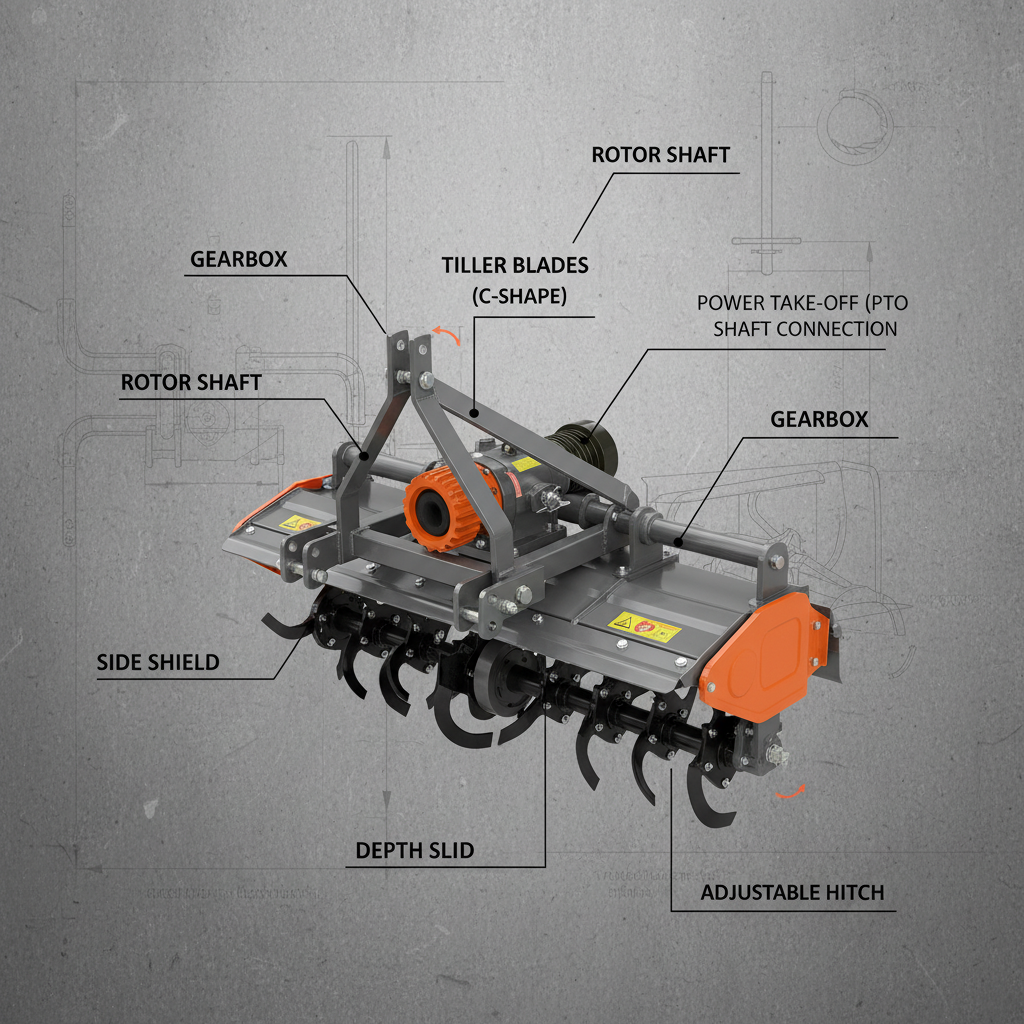
Comprehensive Guide to Agricultural Rotary Tiller Selection and Usage
An agricultural rotary tiller is an essential tool for modern farming, designed to efficiently prepare soil for planting. This powerful machinery significantly reduces labor and time compared to traditional methods. Whether you're a smallholder or manage a large-scale agricultural operation, understanding the benefits and features of a rotary tiller is crucial for maximizing productivity. Choosing the right tiller can transform your land preparation process. This article provides a detailed overview of agricultural rotary tillers, covering their uses, types, benefits, and key considerations when selecting the right model. Modern tillers are available in various sizes and configurations, catering to different farm sizes and soil conditions. Zinanmech provides a range of high-quality rotary tillers designed for optimal performance and durability. An agricultural rotary tiller, also known as a rototiller, is a motorized machine used to prepare agricultural land for cultivation. It works by using rotating blades – typically called tines – to break up, churn, and mix the soil.
>
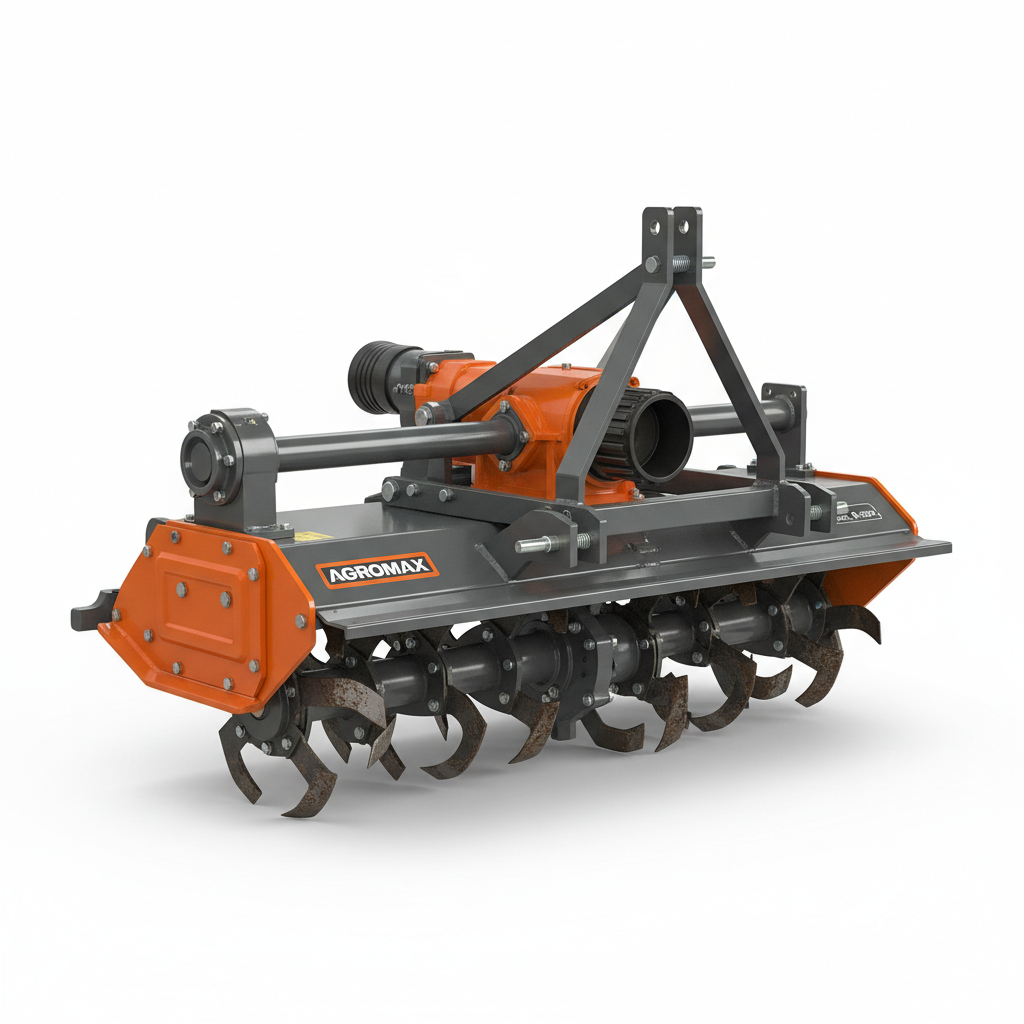
Comprehensive Guide to Selecting the Ideal Agric Rototiller for Your Farm
Selecting the right agric rototiller is crucial for efficient soil preparation and maximizing crop yields. This guide will explore the different types of rototillers, their applications, and how to choose the best model for your farming needs. We’ll cover everything from small, handheld rototillers to larger, tractor-mounted versions, helping you make an informed decision to enhance your agricultural operations. A well-chosen rototiller significantly reduces manual labor and improves soil quality. Agric rototillers come in various sizes and configurations, each suited for different farming tasks. The main types include: Front-Tine Rototillers, ideal for smaller gardens and breaking up already tilled soil; Rear-Tine Rototillers, offering more power and suitable for larger areas and tougher soil conditions; and Mid-Tine Rototillers, a versatile option for medium-sized farms. Choosing the correct type depends on your farm size, soil type, and the crops you intend to grow.
>
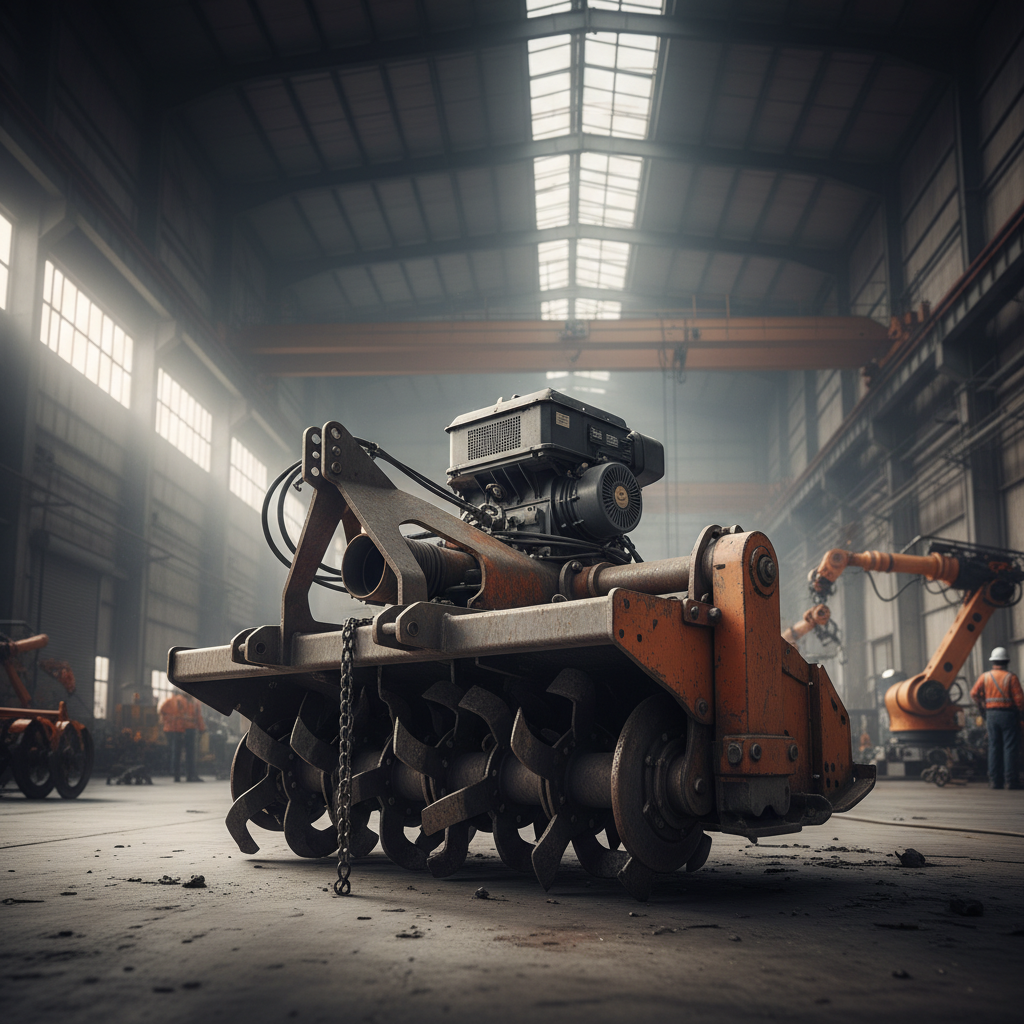
Unlock Farming Efficiency with a Powerful Agri Rototiller for Modern Agriculture
In today's agricultural landscape, efficiency and productivity are paramount. An agri rototiller, also known as a rotary tiller, is an invaluable tool for preparing soil for planting. This versatile machine cultivates, mixes, and levels the soil in a single pass, saving farmers significant time and effort. From small-scale farms to large agricultural operations, the benefits of using a rototiller are numerous. Investing in a quality rototiller is investing in the future success of your harvest. An agri rototiller is a motorized machine designed to break up and aerate soil using rotating blades. These blades, often called tines, churn the soil, creating a fine, even texture ideal for planting seeds or transplanting seedlings. Unlike traditional plowing, rototilling doesn't invert the soil, minimizing disruption to the soil's natural structure.
>
International layout
Spread all over the world
our products are exported to various parts of the world. Currently, our products have been exported to more than 40 countries Our products cover Asia, Europe, Africa, South America, North America, and Oceania
Sign up
for Newsletter
Subscribe to the weekly newsletter for all the latest updates