- Tel: +86 13451474678 / 13451474678
- Email: / hbzinanmech@gmail.com

Seed Drill Design: Innovations, Applications & Global Impact Explained
The Art and Science of Seed Drill Design: A Global Perspective
When you think of farming, what usually jumps to mind? Rows of rippling wheat, the scent of fresh-turned soil, or massive tractors tearing across fields? But underneath all that is a surprisingly nuanced piece of technology — the seed drill. Seed drill design isn’t just about precision or planting efficiency; it’s about feeding billions sustainably, improving economies, and even aiding recovery in disaster-stricken regions.
Globally, as the population surges toward 10 billion by 2050 (UN projections), the challenge of increasing food production without accelerating environmental damage is immense. Seed drills, evolving in tandem with modern engineering and digital tech, play a pivotal role here. They help farmers plant seeds at optimal depth, spacing, and speed — reducing waste, conserving precious soil, and boosting yields. In short, understanding seed drill design is a key stepping stone toward future-proof agriculture and food security.
Seed Drill Design: Why It Matters Worldwide
The global agricultural machinery market size was valued at around 195 billion USD in 2023 (World Bank), with seed drills a significant segment. Yet, challenges remain. In many low-income regions, traditional sowing techniques waste seed and time, limiting productivity. Droughts, soil degradation, and climate uncertainty exacerbate matters. Here’s where seed drill design becomes more than an industrial concern — it’s a humanitarian tool.
Globally, modern seed drills have reduced seed wastage by up to 25% and increased crop yields by around 10-15% compared to broadcast sowing (ISO agricultural machinery standards). They also reduce soil disturbance, which supports sustainable farming practices—critical as we all grapple with climate change impacts.
Defining Seed Drill Design: What Are We Really Talking About?
In straightforward terms, seed drill design refers to how seed planting machines are engineered to distribute seeds evenly, at controlled depths and intervals. Going back centuries to Jethro Tull’s original invention in the 1700s, the concept is simple yet revolutionary. Today, designs incorporate pneumatic delivery, GPS-guided precision, adjustable row spacing, and no-till technology.
Beyond agriculture, these designs resonate with global development goals. Improved seed drills support food security, reduce labor inputs, and lower greenhouse gas emissions by optimizing planting — all areas prioritized by organizations like the FAO and UNDP.
Core Components of Seed Drill Design: What Makes a Good Seeder?
1. Precision Metering Mechanisms
The heart of any seed drill is its metering system, which accurately regulates seed flow. From fluted rollers to vacuum systems, the design affects uniformity and seed damage. Precise metering means less seed wastage, better germination rates, and higher yields.
2. Depth Control & Seed Placement
Seed depth varies by crop and soil type. Advanced seed drills incorporate adjustable coulters and press wheels ensuring seeds land exactly where nature intends. This control prevents seeds drying out or being eaten by birds.
3. Durability & Materials
Seed drills face abrasion, corrosion, and varied terrain. Designers favor hardened steel, corrosion-resistant coatings, and modular parts to withstand years of tough use with minimal downtime. It’s a fine balance—lighter components improve fuel efficiency but can sacrifice robustness.
4. Scalability & Adaptability
Farm sizes differ wildly worldwide—from smallholder plots in Africa to vast Australian wheat belts. Flexible design options — adjustable row spacing, modular attachments — mean seed drills can serve diverse farming scales and crops.
5. Cost Efficiency
Cost remains king especially in developing areas. Designs that lower maintenance expenses, simplify operation, and allow retrofitting onto existing tractors increase adoption and long-term use.
Mini Takeaway: Seed drill design is a balancing act between precision, durability, cost, and adaptability. Each component’s interaction shapes overall performance.
How Seed Drill Design Makes a Difference Around the World
The diverse applications of seed drills highlight their global significance. In the U.S. and Europe, high-tech precision seeders with GPS and digital monitoring dominate commercial farming. Meanwhile, in parts of Sub-Saharan Africa, simpler, affordable seed drills adapted for hand or animal power improve yields for small-scale farmers.
Even disaster recovery agencies lean on seed drill innovations. Post-flood or post-drought affected zones rely on rapid, efficient replanting methods. Seed drills that reduce labor intensity and seed loss accelerate land rehabilitation, helping communities regain food and income security.
Industries such as biofuel crop farming and organic agriculture benefit from specially designed seed drills that allow for no-till planting and precise seedbed preparation, further protecting fragile ecosystems.
Seed Drill Specifications: A Typical Modern Model
| Specification | Details |
|---|---|
| Row Spacing | 15 - 40 cm adjustable |
| Seeding Rate | 5 - 300 kg/ha |
| Drive Type | Mechanical / Pneumatic options |
| Seed Depth Control | 2 - 10 cm adjustable |
| Working Width | 1.5 - 6 meters |
| Weight | 700 - 1200 kg |
How Different Seed Drill Vendors Compare
| Vendor | Price Range | Tech Features | Best Use Case | Support & Warranty |
|---|---|---|---|---|
| AgroTech Solutions | $6,000 - $15,000 | GPS integration, pneumatic metering | Large-scale commercial farms | 3 years full warranty |
| FieldMasters Inc. | $2,500 - $7,000 | Mechanical metering, manual controls | Small to mid-size farms | 2 years limited warranty |
| AgriGlobal Equip | $8,000 - $18,000 | Smart software & IoT monitoring | Precision farming enterprises | 5 years comprehensive service |
Advantages and Long-Term Value of Modern Seed Drill Designs
By now, it should be clear why seed drill design isn’t just a technical footnote. It drives real-world advantages:
- Cost savings: Precision planting saves seeds and inputs, recycling fewer resources.
- Sustainability: Reduced tillage preserves soil structure and moisture, helping combat erosion.
- Social impact: Labour efficiency eases farmer workloads, promoting safer, dignified farming livelihoods.
- Reliability and trust: Robust designs minimize breakdowns in critical seasons — no one wants equipment failure mid-sowing.
These benefits combine emotional and logical appeals — the satisfaction of innovation coupled with hard-dollar savings.
Future Trends: What’s Next in Seed Drill Design?
The future feels electric. Emerging trends revolve around automation, digital integration, and sustainability. For example:
- Electric and hybrid drives: Quieter, cleaner operation with less dependence on fossil fuels.
- AI-powered precision: Real-time soil sensing and adaptive seed placement tailored to micro-variations.
- Advanced materials: Lightweight composites that resist corrosion and abrasion for longer life.
- Modular and scalable designs: Quick-switch components catering to mixed-crop farms or varying seasons.
Such innovations marry ecological responsibility with farmer needs more closely than ever before.
Challenges and Solutions in Seed Drill Implementation
Naturally, all this sophistication brings some hurdles:
- High initial investment: Advanced models may be prohibitively expensive for smallholders.
- Maintenance complexity: Tech-heavy seed drills can require specialized servicing.
- Local adaptability: Climate and soil variability demand tailored designs.
To tackle these, designers focus on modularity to reduce repair costs and create entry-level models. NGOs and governments sometimes subsidize equipment to spread adoption. Plus, locally based training empowers farmers to keep their seed drills running smoothly.
Frequently Asked Questions About Seed Drill Design
Q1: How does seed drill design improve crop yields compared to traditional methods?
A: By planting seeds at consistent depth and spacing, seed drills promote uniform germination and root development, leading to better plant health and higher yields. Plus, reducing seed wastage ensures every seed counts.
Q2: Are modern seed drills suitable for small-scale farms?
A: Yes, many manufacturers produce scaled-down, cost-effective seed drills designed to work with minimal horsepower or even animal traction, making them ideal for smallholders.
Q3: How do seed drills reduce environmental impact?
A: Modern designs facilitate no-till or minimum-till farming, preserving soil structure, decreasing erosion, and reducing carbon emissions compared to traditional broadcasting methods.
Q4: Can seed drills plant different seed types simultaneously?
A: Some advanced seed drills have multi-hopper systems allowing simultaneous planting of varied seeds at different rates, perfect for mixed cropping or intercropping strategies.
Q5: What after-sales support should I expect from a reputable seed drill vendor?
A: Reliable vendors offer warranty coverage, spare parts availability, training, and technical assistance to ensure your seed drill functions optimally season after season.
Conclusion: Why Seed Drill Design Deserves Your Attention
Advances in seed drill design reflect a larger story of agricultural progress — communities striving to produce more with less impact. The blend of precision engineering, smart materials, and sustainability goals shows how a seemingly humble tool can uplift economies, protect environments, and empower farmers worldwide.
Interested in exploring innovative seed drill designs that fit your needs? Visit our website at https://www.zinanmech.com for detailed product info, case studies, and expert advice.
References:
1. United Nations Department of Economic and Social Affairs (2022) — Population Projections
2. World Bank Agriculture Machinery Market Report 2023
3. ISO 4254-10 Agricultural machinery — Seed drills and planters standard
4. Food and Agriculture Organization (FAO) reports on sustainable agriculture

Related Products
-
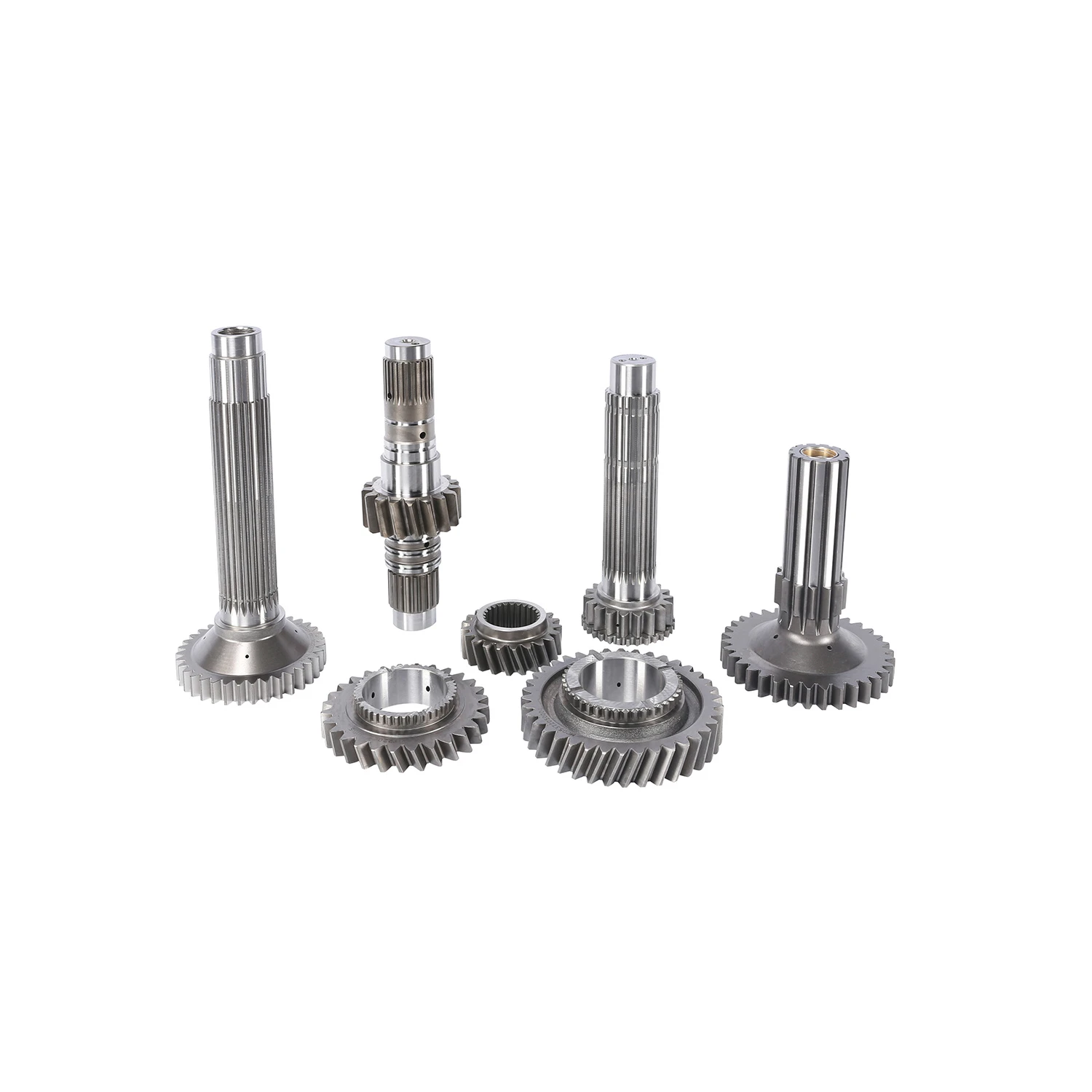 Tractor Gear Shaft
The tractor gear shaft is a crucial element in the power transmission system of a tractor. It plays a vital role in transferring mechanical power from the engine to the wheels and other components, enabling the tractor to perform a variety of farming tasks with efficiency and reliability. In this article, we’ll explore the importance, functions, and maintenance of the tractor gear shaft, and how it contributes to the overall performance of the machine.
-
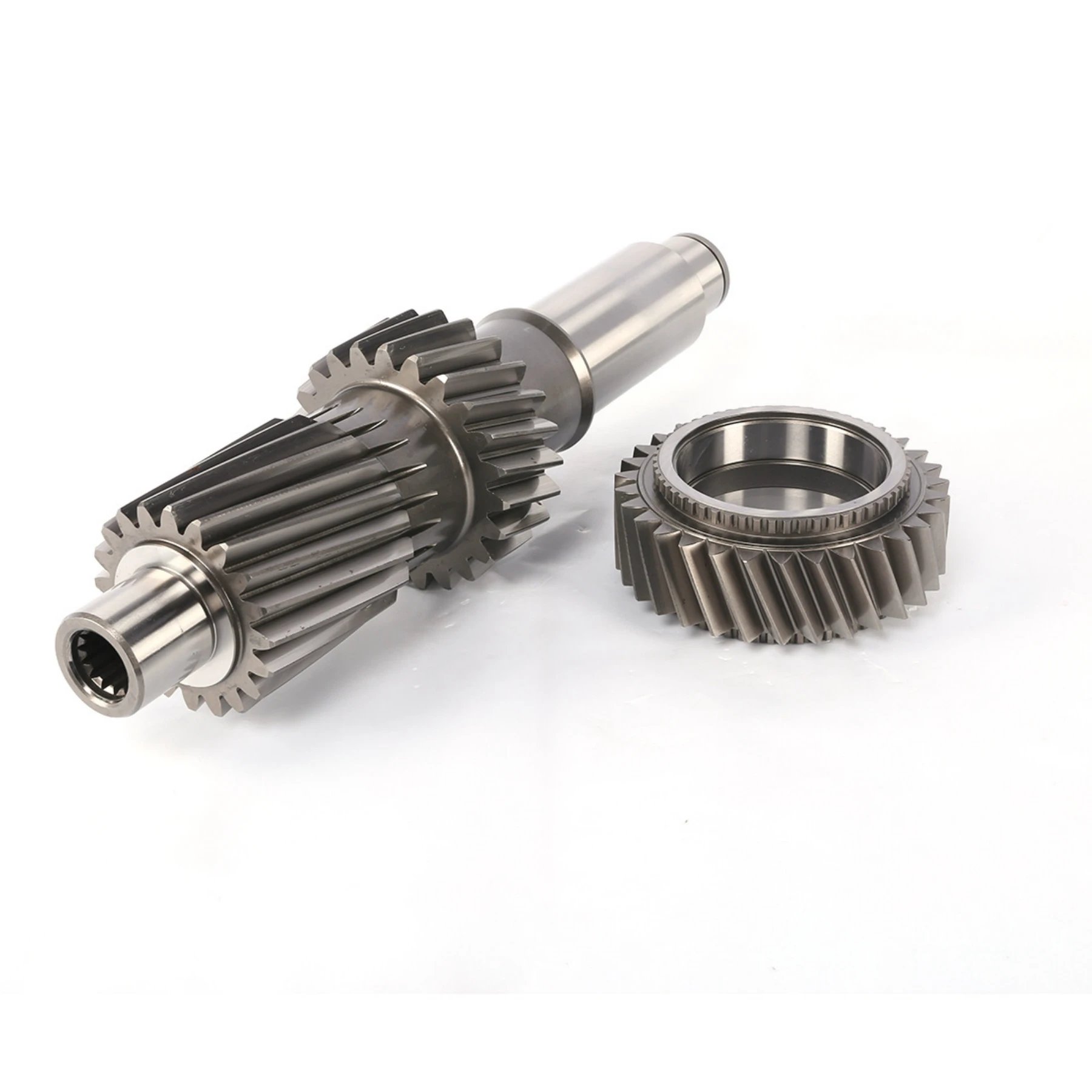 Transmission Gear
Power transmission: the engine operation drives the input gear on the input shaft to rotate, the input gear engages with other gears, and relies on the interaction between teeth and teeth to transfer the power to the intermediate gear (if any) and the output gear, and finally transfers the power to the driving wheel and other components through the output shaft to make the vehicle or equipment move.
Variable speed principle: Change the transmission ratio by meshing gears with different numbers of teeth. For example, when the big gear drives the small gear, the speed of the small gear will be faster than the big gear, but the output torque will be smaller, to achieve growth and torque reduction; On the contrary, when the pinion drives the big gear, the speed of the big gear slows down, the torque increases, and the torque increases. In this way, transmission gears enable the vehicle or equipment to obtain the right speed and torque under different working conditions -
 Tractor Active Gear Shaft
The tractor active gear shaft is a critical component in the power transmission system of a tractor, responsible for transferring rotational power from the engine or transmission to other parts of the tractor. By efficiently distributing torque and enabling smooth gear shifts, the active gear shaft plays a vital role in enhancing the performance and versatility of the tractor, making it essential for a wide range of agricultural tasks. In this article, we’ll explore the function, benefits, and maintenance of the tractor active gear shaft.
-
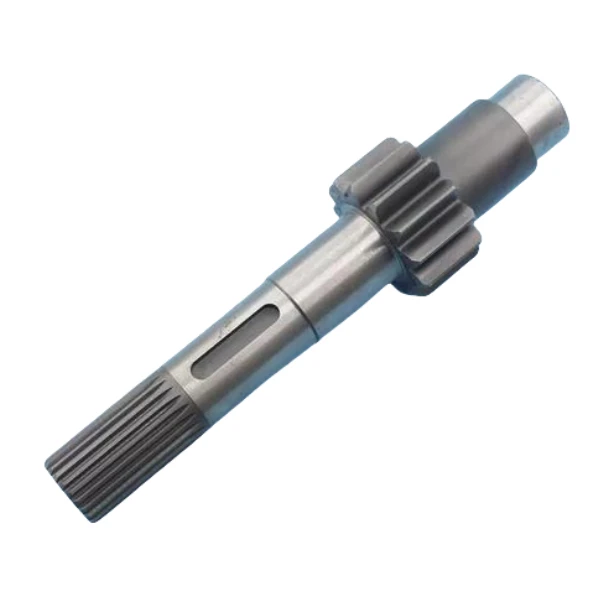 Harvester Input Shaft
The main role of the harvester input shaft is to introduce the power of the external power source into the internal transmission system of the harvester. When the power source (such as an engine) is running, the torque generated is transmitted to the input shaft through the connecting parts, causing the input shaft to start rotating. The gear, pulley or sprocket and other transmission parts installed on the input shaft will rotate with the rotation of the input shaft, and then transfer the power to the subsequent transmission parts and working parts, such as driving the cutting device, conveying device, threshing device, etc., to complete the crop harvesting, conveying, threshing and other work processes.
Related News
Professional Heavy Duty Tiller for Tractor for Soil Productivity
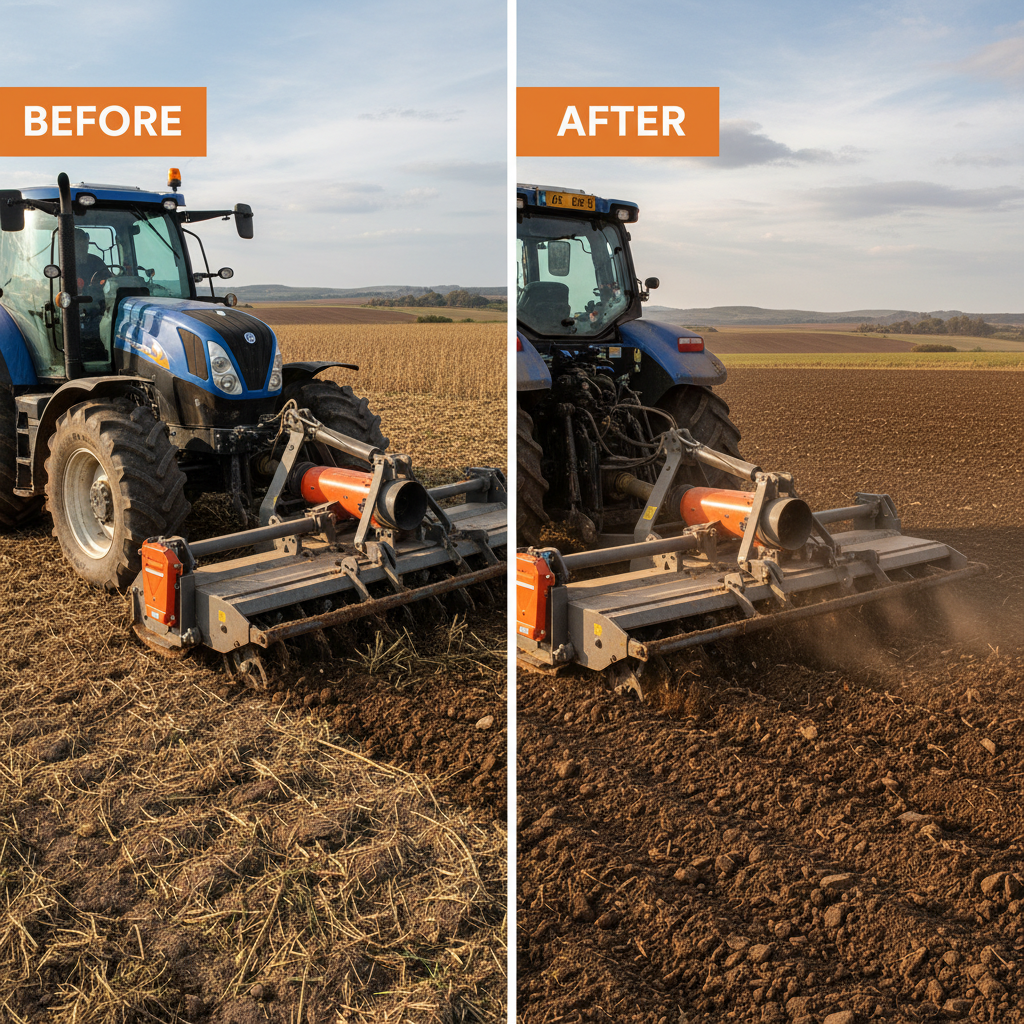
Achieving the perfect seedbed is the foundation of any successful harvest. For farmers dealing with compacted soil, stubborn crop residue, or expansive acreage, a standard rototiller often falls short. This is where a heavy duty tiller for tractor becomes an essential investment. These robust machines are engineered to penetrate deep into the earth, breaking up hardpan and aerating the soil with unmatched efficiency. By integrating a professional-grade tiller into your machinery lineup, you can significantly reduce preparation time and improve crop yield. In this guide, we will explore the technical advantages, selection criteria, and maintenance tips for choosing the right heavy-duty tilling solution.
>
Maximizing Land Productivity with Professional Heavy Duty Tillers
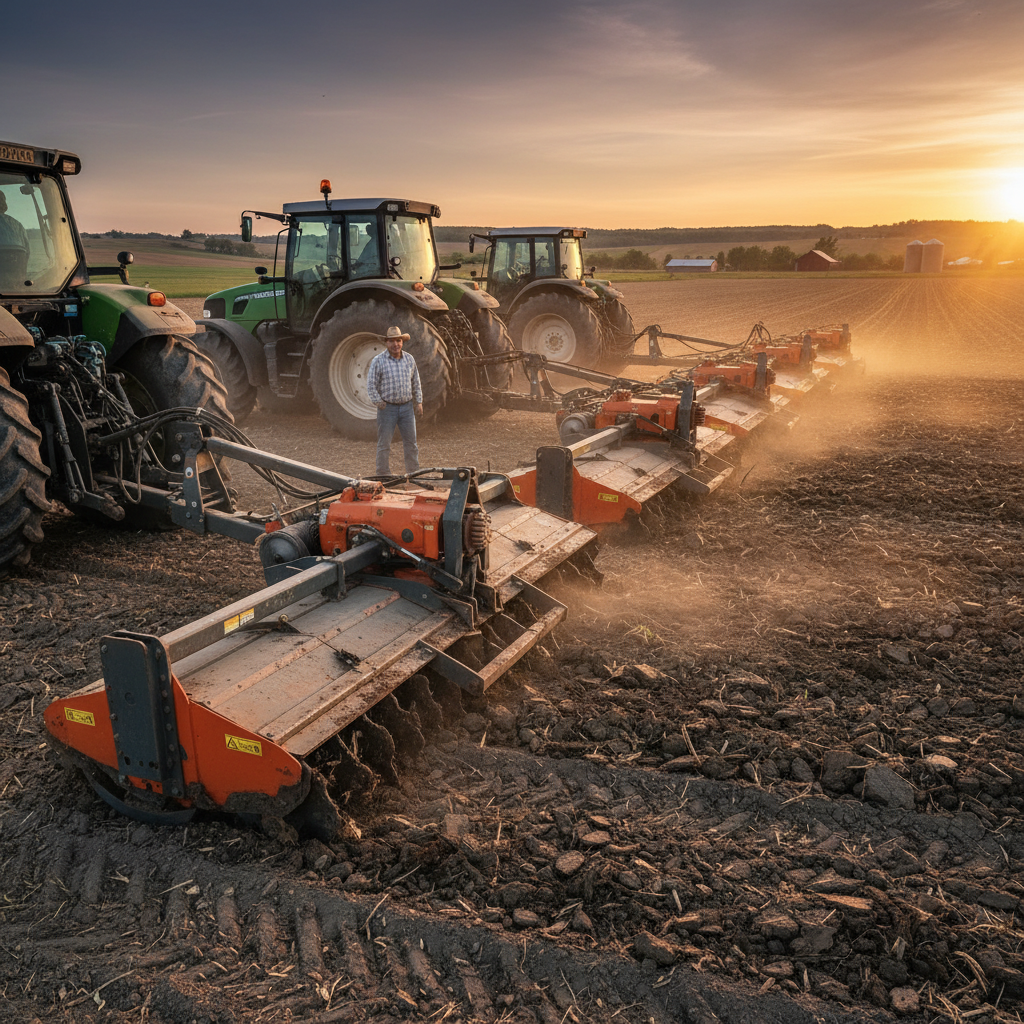
For professional farmers and landscaping contractors, the quality of soil preparation determines the success of the entire growing season. Investing in high-performance heavy duty tillers is essential for breaking through compacted earth, removing stubborn weeds, and integrating organic matter deeply into the soil. Unlike standard garden cultivators, these industrial-grade machines are engineered to handle vast acreages and the most challenging terrain without compromising efficiency. In this guide, we will explore how choosing the right equipment can transform your agricultural output and streamline your land management process.
>
Choosing the Best Heavy Duty Rototiller for Efficient Land Preparation
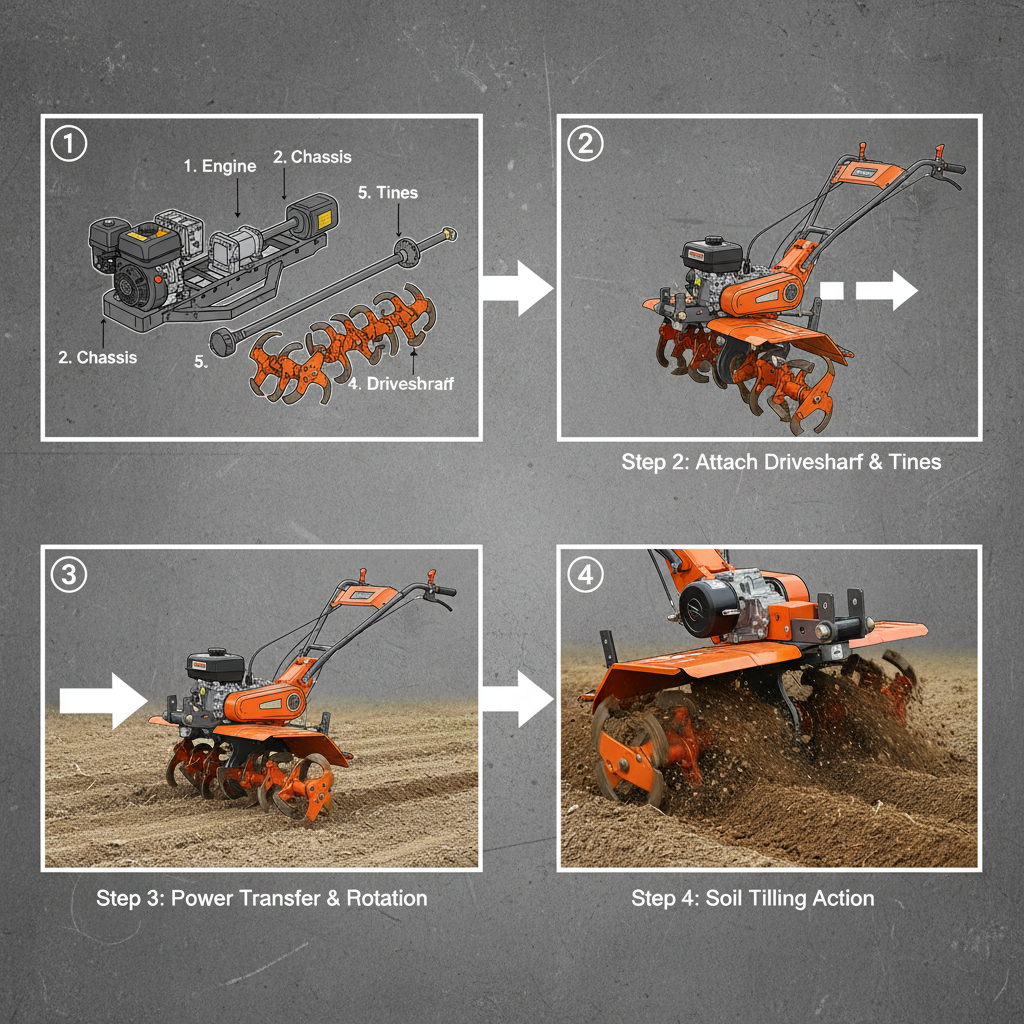
A heavy duty rototiller is an invaluable tool for anyone involved in serious gardening, small-scale farming, or land preparation. Whether you're breaking new ground, maintaining existing garden beds, or preparing for planting, the right rototiller can significantly reduce labor and improve efficiency. However, with numerous options available, selecting the best model requires careful consideration. This article will guide you through the key factors to consider when purchasing a heavy-duty rototiller, helping you make an informed decision. ZinanMech offers a wide range of rototillers to suit various needs.
>
Comprehensive Guide to Heavy Duty Rotary Tiller Selection and Application
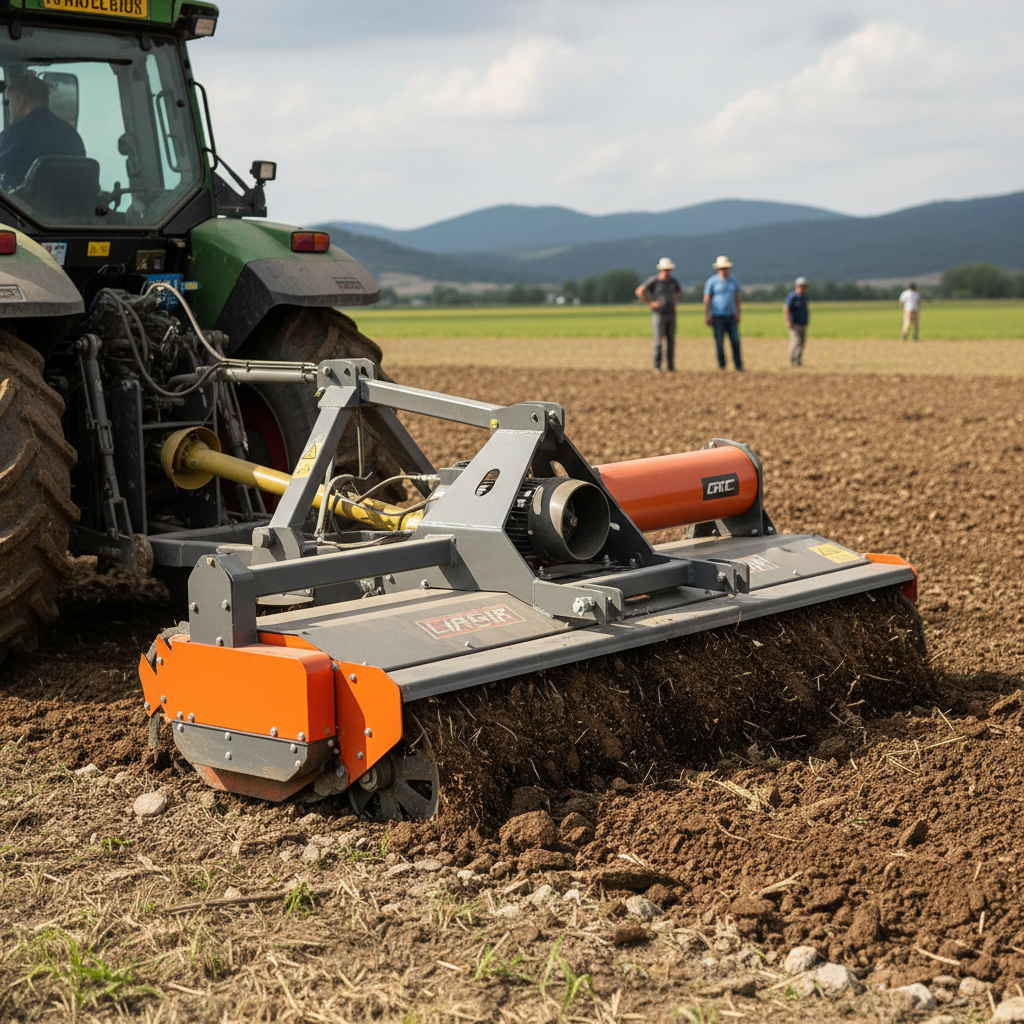
When it comes to land preparation, a heavy duty rotary tiller is an invaluable tool. This robust machinery excels at breaking up compacted soil, creating a fine seedbed, and incorporating organic matter. This article dives deep into the world of heavy duty rotary tillers, covering their benefits, applications, key features, and how to choose the right one for your needs. Whether you're a farmer, landscaper, or large-scale gardener, understanding these tillers is essential for efficient and effective soil management.
>
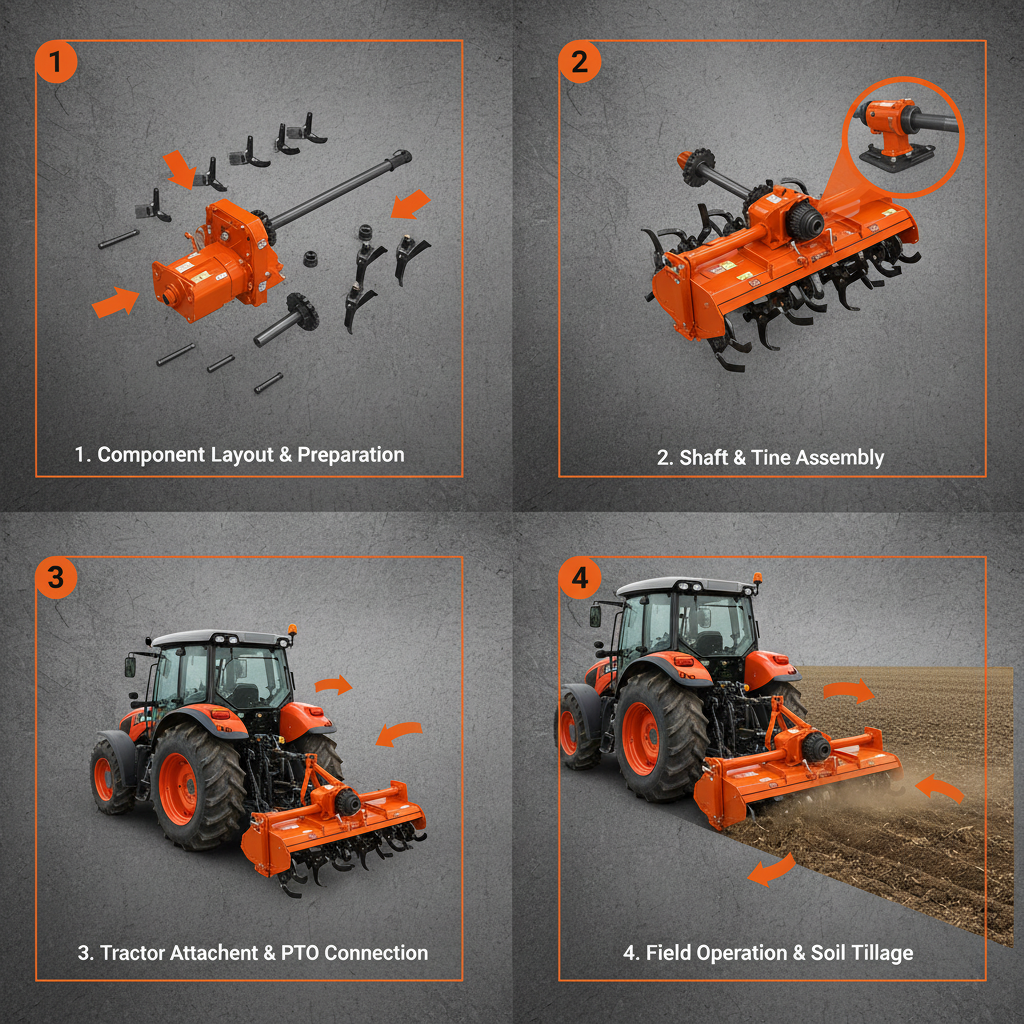
Comprehensive Guide to Selecting the Ideal Farm Tractor Tiller for Your Needs
Selecting the ideal farm tractor tiller is crucial for efficient soil preparation and maximizing agricultural yields. With a diverse range of models available, understanding your needs and the features offered by different tillers is paramount. This article provides a detailed overview of farm tractor tillers, covering their types, benefits, key considerations, and how to choose the right one for your specific farming operation. Proper tillage significantly impacts seedbed quality, weed control, and ultimately, crop performance.
>
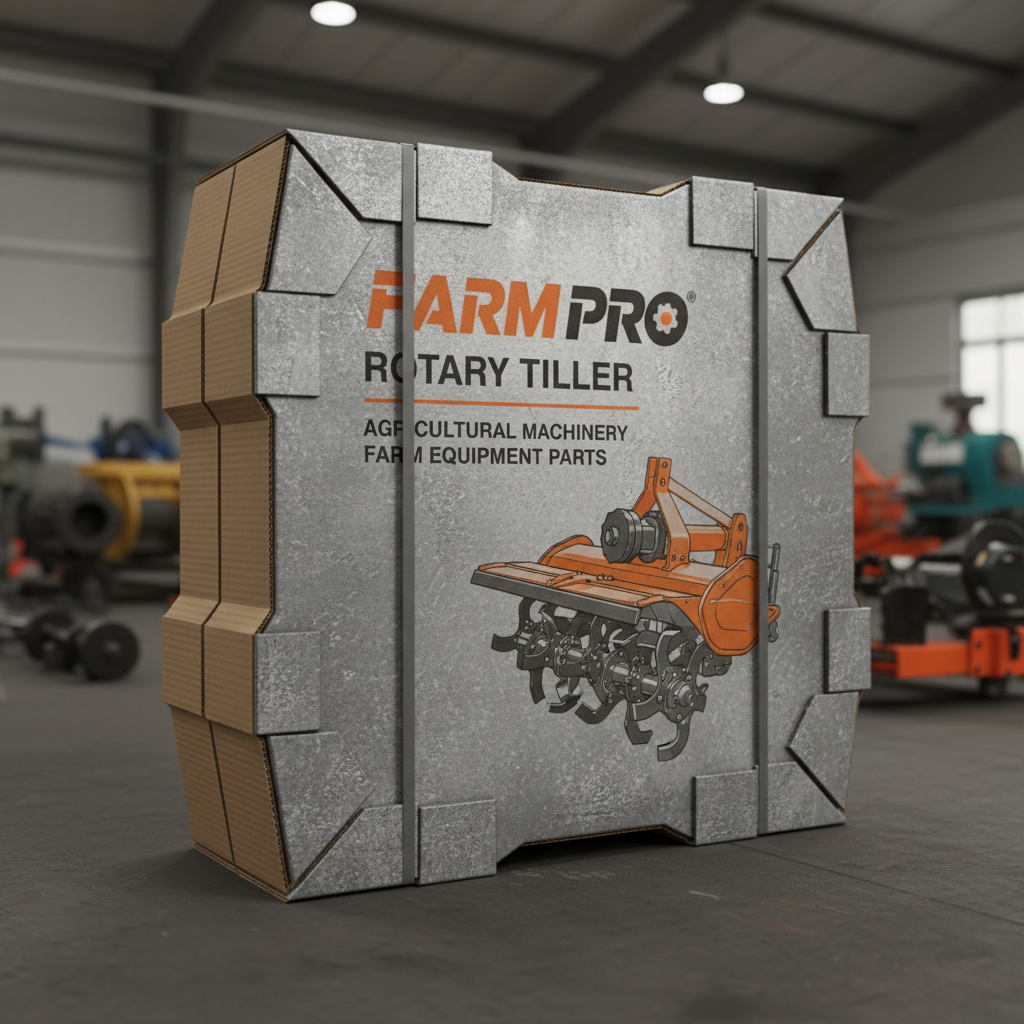
Boost Farm Productivity with a High Performance Farm Pro Rotary Tiller
Are you looking to enhance your agricultural productivity and streamline your soil preparation process? A Farm Pro rotary tiller is an invaluable investment for farmers of all scales. This article delves into the benefits, features, applications, and considerations when choosing the right rotary tiller for your farm. We’ll explore how this machinery can significantly reduce labor costs and improve soil quality, ultimately leading to higher yields. From small hobby farms to large-scale commercial operations, a Farm Pro tiller offers a robust and efficient solution for a variety of tilling needs.
>
Unlock Farming Efficiency with a Powerful Agricultural Tiller Solution
In the world of farming and gardening, efficiency and productivity are key. An agricultural tiller is a vital piece of equipment that streamlines soil preparation, saving time and labor. This article dives deep into the world of tillers, exploring their types, benefits, how to choose the right one, and the quality solutions offered by Zinanmech. We’ll cover everything from small garden tillers to heavy-duty agricultural models, ensuring you have the knowledge to make an informed decision. An agricultural tiller, also known as a rotary tiller, is a motorized machine used to break up and cultivate soil. Unlike manual digging or plowing, tillers use rotating blades to loosen the soil, creating a fine, even tilth that's ideal for planting. This process improves soil aeration, drainage, and nutrient availability, leading to healthier plant growth.
>
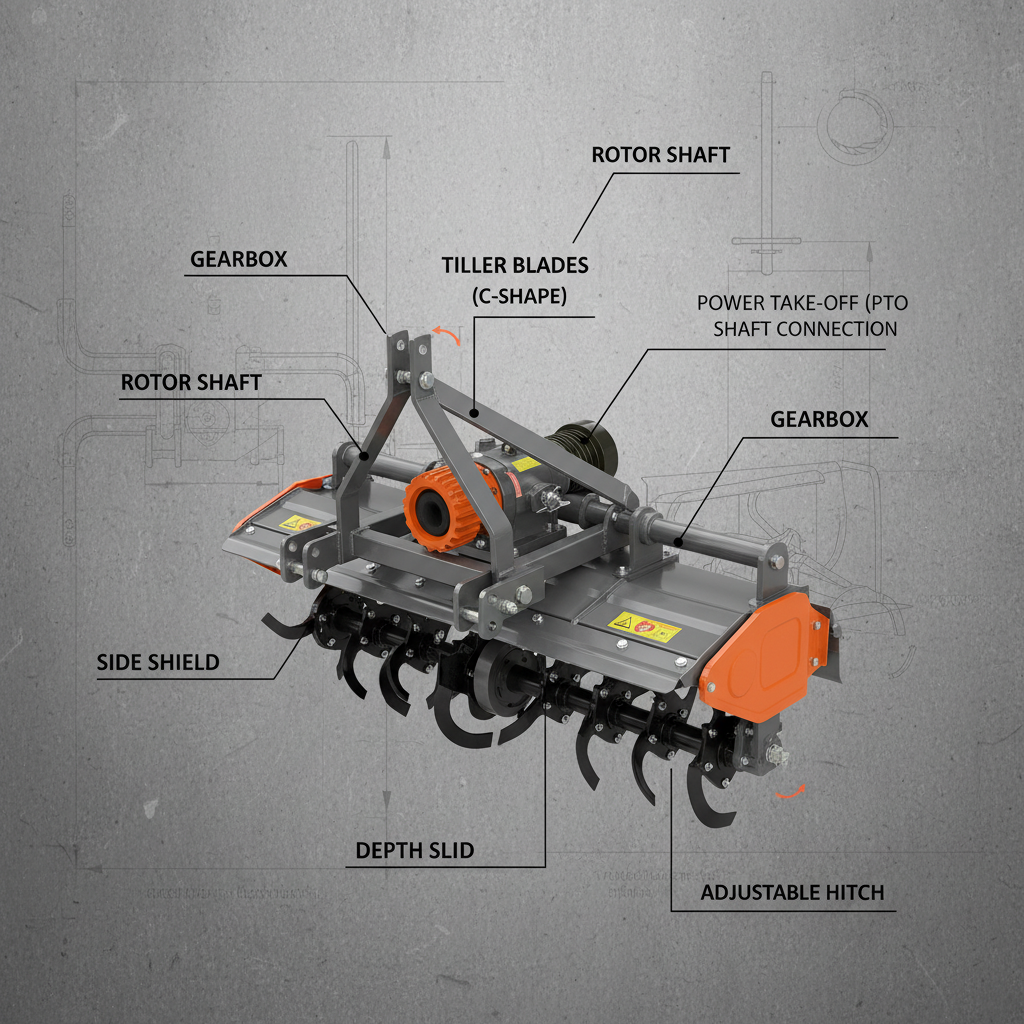
Comprehensive Guide to Agricultural Rotary Tiller Selection and Usage
An agricultural rotary tiller is an essential tool for modern farming, designed to efficiently prepare soil for planting. This powerful machinery significantly reduces labor and time compared to traditional methods. Whether you're a smallholder or manage a large-scale agricultural operation, understanding the benefits and features of a rotary tiller is crucial for maximizing productivity. Choosing the right tiller can transform your land preparation process. This article provides a detailed overview of agricultural rotary tillers, covering their uses, types, benefits, and key considerations when selecting the right model. Modern tillers are available in various sizes and configurations, catering to different farm sizes and soil conditions. Zinanmech provides a range of high-quality rotary tillers designed for optimal performance and durability. An agricultural rotary tiller, also known as a rototiller, is a motorized machine used to prepare agricultural land for cultivation. It works by using rotating blades – typically called tines – to break up, churn, and mix the soil.
>
Comprehensive Guide to Selecting the Ideal Agric Rototiller for Your Farm
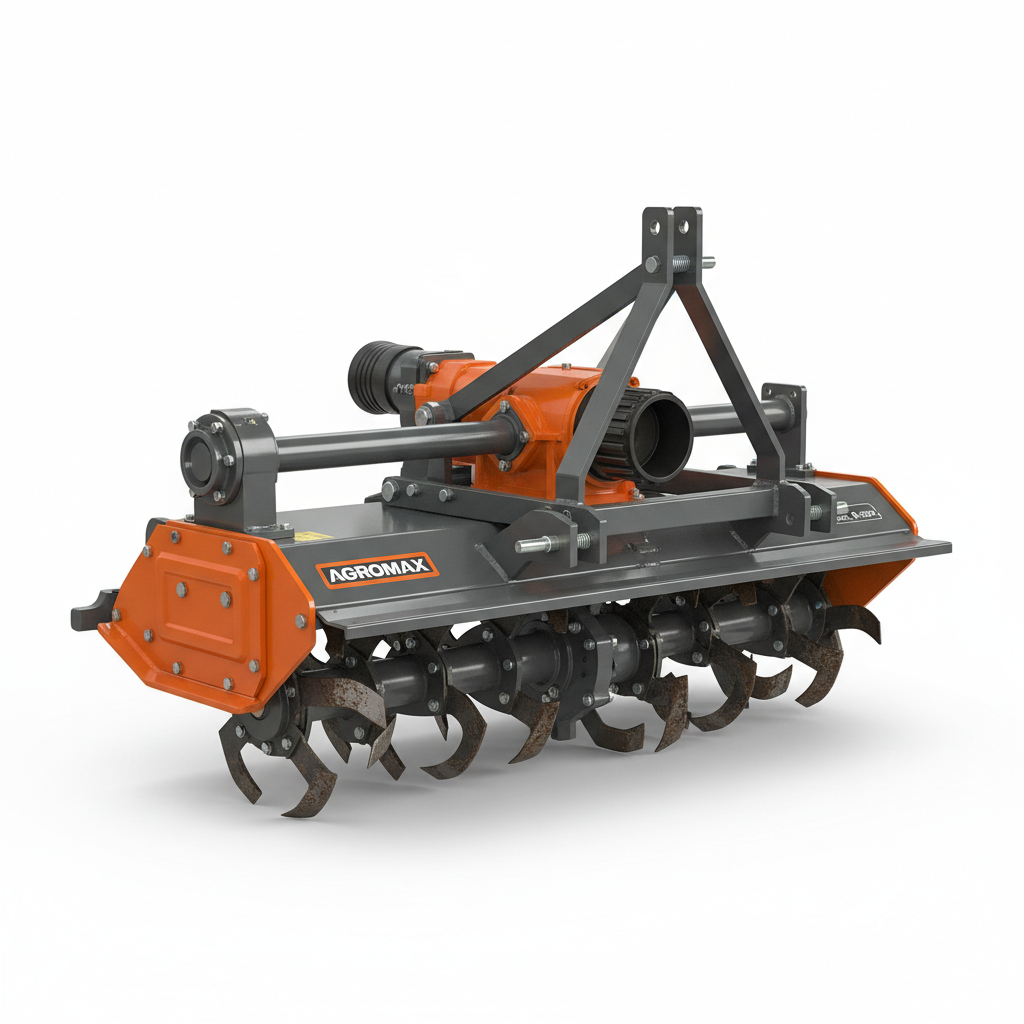
Selecting the right agric rototiller is crucial for efficient soil preparation and maximizing crop yields. This guide will explore the different types of rototillers, their applications, and how to choose the best model for your farming needs. We’ll cover everything from small, handheld rototillers to larger, tractor-mounted versions, helping you make an informed decision to enhance your agricultural operations. A well-chosen rototiller significantly reduces manual labor and improves soil quality. Agric rototillers come in various sizes and configurations, each suited for different farming tasks. The main types include: Front-Tine Rototillers, ideal for smaller gardens and breaking up already tilled soil; Rear-Tine Rototillers, offering more power and suitable for larger areas and tougher soil conditions; and Mid-Tine Rototillers, a versatile option for medium-sized farms. Choosing the correct type depends on your farm size, soil type, and the crops you intend to grow.
>
Unlock Farming Efficiency with a Powerful Agri Rototiller for Modern Agriculture
In today's agricultural landscape, efficiency and productivity are paramount. An agri rototiller, also known as a rotary tiller, is an invaluable tool for preparing soil for planting. This versatile machine cultivates, mixes, and levels the soil in a single pass, saving farmers significant time and effort. From small-scale farms to large agricultural operations, the benefits of using a rototiller are numerous. Investing in a quality rototiller is investing in the future success of your harvest. An agri rototiller is a motorized machine designed to break up and aerate soil using rotating blades. These blades, often called tines, churn the soil, creating a fine, even texture ideal for planting seeds or transplanting seedlings. Unlike traditional plowing, rototilling doesn't invert the soil, minimizing disruption to the soil's natural structure.
>
International layout
Spread all over the world
our products are exported to various parts of the world. Currently, our products have been exported to more than 40 countries Our products cover Asia, Europe, Africa, South America, North America, and Oceania
Sign up
for Newsletter
Subscribe to the weekly newsletter for all the latest updates