- Tel: +86 13451474678 / 13451474678
- Email: / hbzinanmech@gmail.com

Shaft Types: Precision & Performance Selection Guide
Introduction to Advanced Shaft Technologies
In the intricate world of mechanical engineering, the integrity and performance of power transmission systems heavily rely on robust and precisely engineered components. Central to this is the design and manufacturing of shaft types. These critical elements are fundamental to transferring rotational motion and torque, serving as the backbone for virtually all rotating machinery, from heavy industrial equipment to high-precision instruments. This article delves into the comprehensive aspects of modern shaft technology, exploring their diverse classifications, advanced manufacturing methodologies, critical technical specifications, and widespread industrial applications. We aim to provide B2B decision-makers and engineers with an in-depth understanding of how high-quality shafts contribute to enhanced system efficiency, reliability, and longevity, particularly when integrated with components like the Transmission Gear.
Our discussion will cover the latest industry trends, detailed technical parameters, real-world application scenarios, and the compelling advantages offered by superior shaft designs. We will also address crucial aspects such as vendor selection, customized solutions, and practical case studies to illustrate the impact of optimal shaft implementation in challenging environments.
Industry Trends in Shaft Manufacturing and Design
The landscape of shaft manufacturing is continuously evolving, driven by demands for higher performance, greater efficiency, and reduced environmental impact. Key trends include:
- Material Innovation: Development of advanced alloys such as high-strength low-alloy (HSLA) steels, maraging steels, and composite materials, offering superior strength-to-weight ratios, enhanced fatigue resistance, and improved corrosion properties. This enables the design of lighter yet more robust shaft types for demanding applications.
- Precision Manufacturing: Widespread adoption of multi-axis CNC machining, grinding, and superfinishing techniques to achieve exceptionally tight tolerances (e.g., ISO h6/h7) and superior surface finishes (Ra gears working principle within power transmission systems.
- Smart Manufacturing Integration: Incorporation of Industry 4.0 principles, including IoT sensors for real-time monitoring of shaft performance, predictive maintenance algorithms, and AI-driven process optimization, leading to higher reliability and reduced downtime.
- Customization and Modularity: Increasing demand for bespoke shaft solutions tailored to specific application requirements, including unique geometries, material treatments, and integration with specialized couplings or bearings, moving beyond standard shaft types.
- Sustainability Focus: Emphasis on manufacturing processes that reduce waste, consume less energy, and utilize recyclable materials, aligning with global environmental objectives.
Understanding Shaft Types: Technical Specifications and Classification
Shafts are classified based on their function, geometry, and loading conditions. Common shaft types include:
- Transmission Shafts: Designed to transmit power from a prime mover to a driven machine.
- Crankshafts: Convert reciprocating motion into rotational motion in internal combustion engines.
- Camshafts: Control the opening and closing of valves in engines.
- Axles: Support rotating elements like wheels without transmitting torque (though some axles can also be shafts).
- Machine Shafts: Integral parts of specific machines, such as gear shafts within a Transmission Gear assembly.
Key technical parameters that define a shaft's performance and suitability include:
- Material Composition: Typically high-grade alloy steels (e.g., AISI 4140, 4340, 8620, EN24, 42CrMo4) offering a balance of tensile strength, yield strength, and toughness. For corrosive environments, stainless steels like 304L or 316L are preferred.
- Dimensional Tolerances: Adherence to international standards like ISO 286 (e.g., h6, h7, g6) is crucial for precision fitting with bearings, gears, and seals.
- Surface Finish (Roughness Ra): Critical for wear resistance and fatigue life. Typical values range from Ra
- Hardness: Achieved through heat treatment (e.g., induction hardening, carburizing) to enhance wear resistance and surface durability. Hardness often ranges from 55-62 HRC for wear surfaces.
- Mechanical Properties: Ultimate Tensile Strength (UTS), Yield Strength (YS), Elongation, and Impact Strength (Charpy V-notch) are crucial for ensuring the shaft can withstand operational stresses. For detailed material properties, referring to specific shafts pdf documents is recommended.
- Dynamic Balancing: For high-speed applications, shafts require precise dynamic balancing to minimize vibration and prevent premature bearing failure.
Expert Tip: When specifying shaft types, a thorough understanding of the operational environment, load conditions, and desired service life is paramount. This informs material selection, heat treatment, and surface finish requirements, preventing costly failures.
Manufacturing Process Flow for High-Quality Shafts
The production of reliable shaft types involves a meticulously controlled multi-stage process, ensuring both material integrity and dimensional precision.
1. Material Selection & Cutting
Based on application requirements, high-grade steel alloys (e.g., 42CrMo4, 34CrNiMo6) are selected. Raw material is cut to approximate length using sawing or flame cutting.
2. Forging/Casting (Optional)
For large or complex shaft types, forging enhances grain structure and mechanical properties. Casting is used for specific geometries or materials.
3. Rough Machining
Turning, milling, and drilling operations bring the shaft close to its final dimensions, leaving material for subsequent precision steps.
4. Heat Treatment
Processes like normalizing, quenching, tempering, carburizing, or induction hardening are applied to achieve desired hardness (e.g., 58-62 HRC for bearing surfaces) and internal stress relief, enhancing fatigue life and wear resistance.
5. Precision CNC Machining & Grinding
Advanced CNC lathes and grinders achieve final critical dimensions, features like keyways, splines, threads, and high surface finish (e.g., Ra
6. Quality Control & Testing
Dimensional inspection (CMM), Non-Destructive Testing (NDT) like Ultrasonic (UT) and Magnetic Particle Inspection (MPI), hardness testing, and material analysis ensure compliance with standards (ISO, ANSI, DIN) and customer specifications.
This rigorous process ensures a typical design service life exceeding 100,000 operational hours under specified load conditions. Advantages include:
- Energy Saving: Precision manufacturing and superior surface finishes reduce friction, leading to significant energy savings in rotating machinery.
- Corrosion Resistance: Strategic material selection and protective coatings (e.g., hard chrome plating, nitride finishes) provide excellent resistance in harsh environments.
- Extended Service Life: Optimized design, material treatment, and stringent quality control lead to dramatically increased Mean Time Between Failure (MTBF).
- Enhanced Performance: Reduced vibration, lower noise levels, and consistent operation contribute to overall system reliability.
These advanced shaft types find extensive application across target industries such as petrochemical, metallurgy, mining, power generation (including wind and hydro), and water supply & drainage, where reliability is paramount.
Application Scenarios and Technical Advantages
The diverse range of shaft types is indispensable across a multitude of industrial applications, each benefiting from specific technical advantages:
- Heavy Machinery (Mining, Construction): Shafts in excavators, crushers, and conveyors demand exceptional strength, impact resistance, and fatigue endurance. High-alloy steels with surface hardening treatments ensure prolonged operation in abrasive and high-stress environments.
- Power Generation (Wind Turbines, Hydroelectric): Main shafts in wind turbines, for instance, are critical for transmitting immense torque from rotor to gearbox. They require materials with high fracture toughness, excellent fatigue properties (e.g., 34CrNiMo6), and often incorporate anti-corrosion coatings for offshore applications.
- Pumps and Compressors (Petrochemical, Water Treatment): Shafts in these fluid-handling systems must exhibit high stiffness, minimal runout, and often superior corrosion resistance (e.g., using Duplex stainless steel for chemical pumps). Precision balancing reduces vibration, protecting seals and bearings.
- Marine Propulsion Systems: Propeller shafts endure dynamic loads, bending moments, and corrosive saltwater exposure. Materials like high-tensile stainless steel or specialized bronzes, combined with robust anti-corrosion treatments, are essential for safety and reliability at sea.
- Textile and Paper Industries: Applications here often require lightweight shafts with high torsional stiffness and excellent surface finishes to prevent material adhesion or damage. Carbon fiber composites are gaining traction for these specific shaft types.
The technical advantages derived from selecting and manufacturing the correct shaft types are profound: superior torque transmission efficiency, reduced operational noise and vibration, extended operational life, decreased maintenance frequency, and enhanced safety by preventing catastrophic failures. These advantages directly translate into lower total cost of ownership (TCO) and improved operational profitability for industries.
Product Specification: Transmission Gear and Related Shafts
As a prime example of where precise shaft engineering is crucial, consider the specifications for a typical Transmission Gear, often integrating various shaft types to manage power flow and speed ratios.
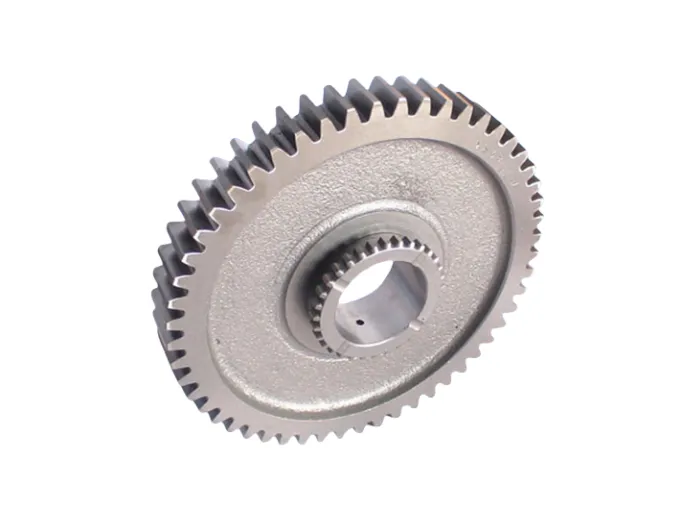
Precision-machined shaft for robust power transmission.
| Parameter | Specification for Typical Transmission Gear Shaft |
|---|---|
| Material Grade | 42CrMo4 / AISI 4140 (Alloy Steel) |
| Heat Treatment | Quenching & Tempering + Induction Hardening (critical areas) |
| Surface Hardness | 58-62 HRC (case) |
| Core Hardness | 30-35 HRC (for toughness) |
| Dimensional Tolerance | ISO h6/h7 (for bearing seats, splines) |
| Surface Roughness (Ra) | 0.2 – 0.8 µm (depending on contact area) |
| Runout (TIR) | Max 0.01mm (on critical diameters) |
| Max Torque Capacity | Up to 15,000 Nm (design dependent) |
| Fatigue Limit | Improved by shot peening/rolling |
| Testing Standards | ISO 9001, ASTM, DIN, NDT (UT, MPI) |
Such precision and material selection ensure that the shafts within a Transmission Gear module operate seamlessly, minimizing friction, reducing noise, and maximizing power transfer efficiency.
Vendor Comparison and Customized Solutions
Choosing the right manufacturing partner for custom shaft types is paramount. Key factors include technical expertise, production capabilities, quality assurance, and ability to provide tailored solutions.
| Feature | Specialized Manufacturer (e.g., ZinAnMech) | General Job Shop | Large OEM (Limited Custom) |
|---|---|---|---|
| Technical Expertise | Deep specialization in various shaft types and materials; engineering support | Basic machining knowledge; limited design input | High for own products; low for external custom parts |
| Manufacturing Capability | Advanced CNC, precision grinding, specialized heat treatment, large part capacity | Standard CNC, basic turning/milling | Mass production lines; high volume standard parts |
| Quality Control | ISO 9001, comprehensive NDT, CMM, material certification | Basic visual inspection, limited testing | Rigorous for own products; less flexible for custom |
| Customization | Highly flexible; tailored designs, materials, treatments, dimensions | Limited to existing machine capabilities | Very low or non-existent for non-standard items |
| Lead Time | Competitive, optimized for custom orders | Variable, dependent on current workload | Longer for non-standard components due to complex supply chains |
Specialized manufacturers offer unparalleled flexibility in customizing shaft types. This includes:
- Material Specification: Selection from a wide array of steels, stainless steels, and exotic alloys based on specific mechanical, chemical, and thermal requirements.
- Geometry and Features: Design of complex profiles, splines (e.g., involute, straight-sided), keyways, tapers, flanges, and integrated gearing to precise specifications, crucial for optimizing the gears working principle.
- Heat Treatment & Surface Engineering: Tailored heat treatment cycles (e.g., case hardening depth, specific tempering temperatures) and surface coatings (e.g., nitriding, hard chroming, phosphating) to enhance wear, corrosion, and fatigue resistance.
- Tolerances and Finishes: Achieving ultra-tight tolerances and superior surface finishes to meet the most stringent operational demands, reducing friction and extending component life.
Application Case Studies
Real-world applications demonstrate the tangible benefits of high-quality shaft types:
Case Study 1: Petrochemical Refinery Pump Shafts
A major petrochemical client faced frequent failures of pump shafts due to aggressive chemical exposure and high operational temperatures. Standard stainless steel shafts had a Mean Time Between Failure (MTBF) of 6 months. By adopting custom shaft types manufactured from Duplex Stainless Steel (2205) with specialized surface hardening, the MTBF was extended to over 2 years. This resulted in a 75% reduction in downtime, significant savings in maintenance costs, and improved plant safety.
Client Feedback: "The new shafts have drastically improved our operational reliability. The initial investment has paid for itself multiple times over in reduced maintenance and increased uptime."
Case Study 2: Heavy-Duty Rolling Mill Drive Shafts
A leading steel manufacturer experienced fatigue failures in their rolling mill drive shafts, operating under extreme shock loads and continuous high torque. Our solution involved designing custom shafts from 34CrNiMo6 alloy steel, precision forged, followed by full quenching and tempering, and finally induction hardening on critical contact surfaces. This custom engineering boosted the shaft's load capacity by 30% and improved its fatigue life by over 50%, reducing unscheduled downtime by 40% annually.
Case Study 3: High-Speed Textile Machine Spindle Shafts
In the textile industry, high-speed spindle shafts require exceptional balance, minimal vibration, and excellent wear resistance. A client struggled with premature bearing wear and fabric damage due to shaft eccentricity. We provided ultra-precision ground shaft types with a runout tolerance of less than 0.005mm and dynamic balancing to G2.5 grade. This dramatically reduced vibration, extended bearing life by 200%, and eliminated fabric defects, leading to increased production efficiency and product quality.
Trustworthiness & Support
Establishing trust and providing unwavering support are cornerstones of a reliable partnership in B2B manufacturing.
Authoritativeness and Certifications:
- Quality Management: ISO 9001:2015 certified, ensuring consistent quality throughout design, production, and service.
- Industry Accreditations: Compliance with relevant industry standards such as ASTM, DIN, ANSI, and often TUV SUD or DNV certifications for specific product lines or markets.
- Experience: Over two decades of specialized experience in precision machining and manufacturing of complex mechanical components, serving a diverse global client base across heavy industry, renewable energy, and critical infrastructure.
- Partner Clients: Trusted supplier to leading OEMs and end-users in sectors including petrochemicals, metallurgy, marine, and power generation.
Frequently Asked Questions (FAQ):
Q: What data is required for a custom shaft quotation?
A: We require detailed engineering drawings (CAD preferred), material specifications, heat treatment requirements, quantity, and desired lead time. Information on application and operating conditions is also highly beneficial.
Q: How do you ensure the quality of specific shaft types?
A: Our quality assurance includes strict material incoming inspection, in-process dimensional checks using CMM and precision gauges, comprehensive NDT (UT, MPI, Eddy Current), hardness testing, and final inspection reports for every component. All processes adhere to ISO 9001:2015.
Q: Can you provide design assistance for optimal shaft performance?
A: Yes, our experienced engineering team offers design consultation, material selection advice, and DFM (Design for Manufacturability) analysis to ensure your shaft types are optimized for performance, cost, and manufacturability.
Lead Time & Fulfillment:
Standard lead times for custom shaft types typically range from 4-8 weeks, depending on complexity, material availability, and order volume. Expedited services are available for urgent requirements, subject to project scope. Our robust supply chain and optimized production planning ensure reliable and timely fulfillment.
Warranty & Customer Support:
We stand behind the quality of our products with a comprehensive warranty against manufacturing defects, typically for 12-24 months post-installation or 18-30 months ex-works, whichever comes first. Our dedicated after-sales support team provides technical assistance, troubleshooting, and spare parts management. We are committed to fostering long-term partnerships through continuous support and service excellence.
Conclusion
The continuous advancement in materials science, manufacturing processes, and quality control has transformed the capabilities of shaft types. From critical components in Transmission Gear systems to robust elements in heavy industrial machinery, the precision and reliability of shafts are non-negotiable for operational success. Partnering with a specialized manufacturer that understands the nuances of various shaft types, offers extensive customization, and adheres to the highest quality standards is essential for achieving optimal performance, efficiency, and longevity in any mechanical system.
By investing in expertly engineered shafts, industries can significantly reduce downtime, lower maintenance costs, and enhance overall operational safety and productivity, ensuring a competitive edge in today's demanding market.
References:
- ISO 9001:2015 - Quality management systems — Requirements. International Organization for Standardization.
- ASM Handbook, Vol. 4E: Heat Treatment and Processing. ASM International.
- Shigley's Mechanical Engineering Design. R. Budynas and J. Nisbett. McGraw-Hill Education.
- Machinery's Handbook. Industrial Press Inc.
- American Gear Manufacturers Association (AGMA) standards and technical papers.

Related Products
-
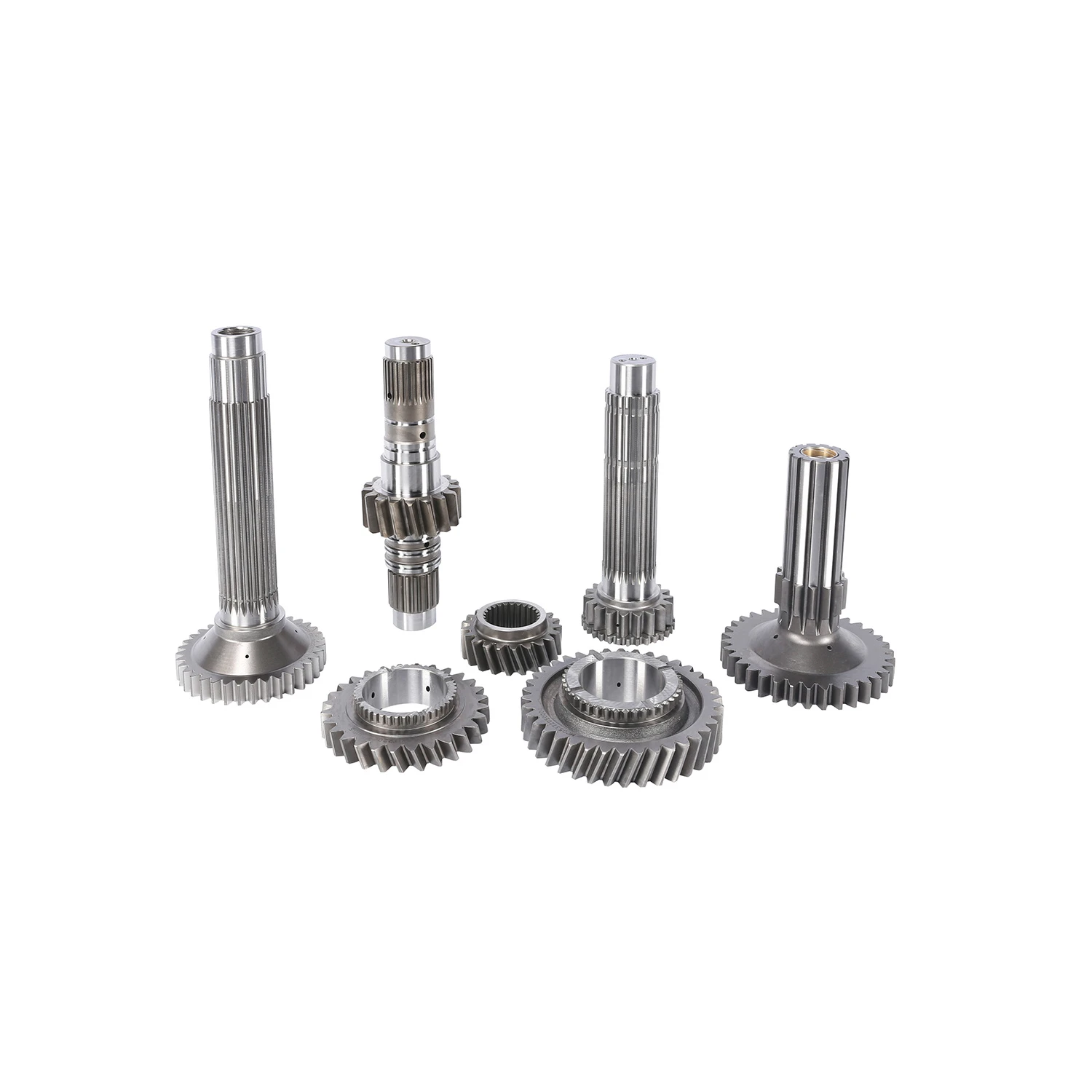 Tractor Gear Shaft
The tractor gear shaft is a crucial element in the power transmission system of a tractor. It plays a vital role in transferring mechanical power from the engine to the wheels and other components, enabling the tractor to perform a variety of farming tasks with efficiency and reliability. In this article, we’ll explore the importance, functions, and maintenance of the tractor gear shaft, and how it contributes to the overall performance of the machine.
-
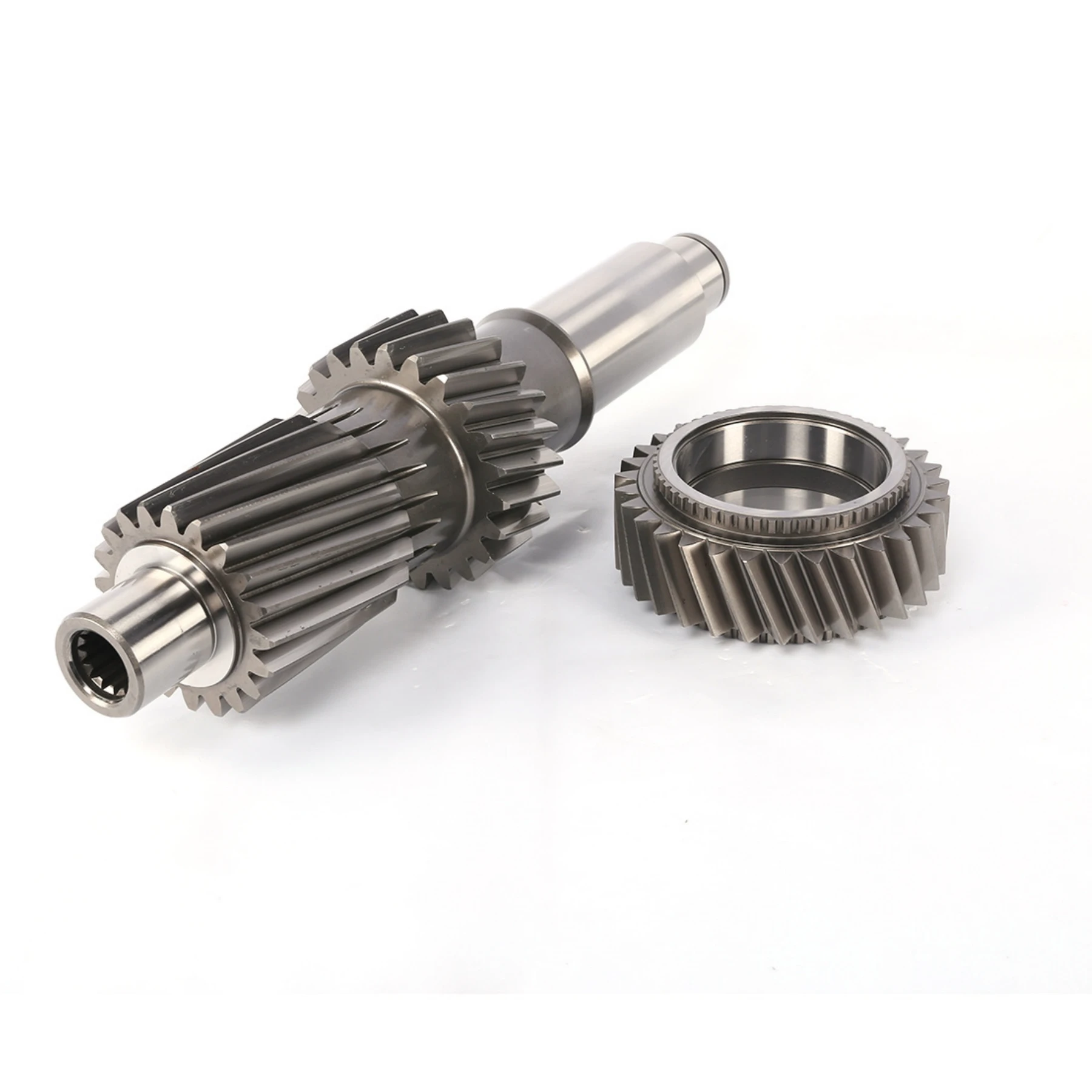 Transmission Gear
Power transmission: the engine operation drives the input gear on the input shaft to rotate, the input gear engages with other gears, and relies on the interaction between teeth and teeth to transfer the power to the intermediate gear (if any) and the output gear, and finally transfers the power to the driving wheel and other components through the output shaft to make the vehicle or equipment move.
Variable speed principle: Change the transmission ratio by meshing gears with different numbers of teeth. For example, when the big gear drives the small gear, the speed of the small gear will be faster than the big gear, but the output torque will be smaller, to achieve growth and torque reduction; On the contrary, when the pinion drives the big gear, the speed of the big gear slows down, the torque increases, and the torque increases. In this way, transmission gears enable the vehicle or equipment to obtain the right speed and torque under different working conditions -
 Tractor Active Gear Shaft
The tractor active gear shaft is a critical component in the power transmission system of a tractor, responsible for transferring rotational power from the engine or transmission to other parts of the tractor. By efficiently distributing torque and enabling smooth gear shifts, the active gear shaft plays a vital role in enhancing the performance and versatility of the tractor, making it essential for a wide range of agricultural tasks. In this article, we’ll explore the function, benefits, and maintenance of the tractor active gear shaft.
-
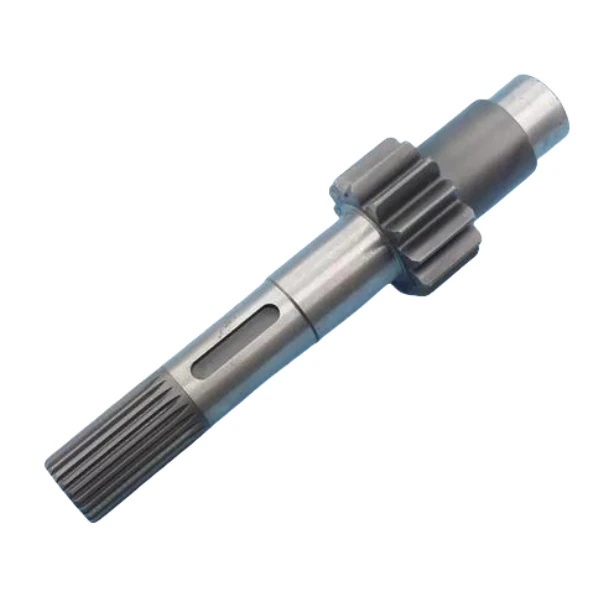 Harvester Input Shaft
The main role of the harvester input shaft is to introduce the power of the external power source into the internal transmission system of the harvester. When the power source (such as an engine) is running, the torque generated is transmitted to the input shaft through the connecting parts, causing the input shaft to start rotating. The gear, pulley or sprocket and other transmission parts installed on the input shaft will rotate with the rotation of the input shaft, and then transfer the power to the subsequent transmission parts and working parts, such as driving the cutting device, conveying device, threshing device, etc., to complete the crop harvesting, conveying, threshing and other work processes.
Related News

How to Choose a Gearbox Transmission for Agricultural Power Reversal
Choose a gearbox transmission for agricultural machinery by checking application, housing rigidity, compact fit, gear engagement, connections, and customization needs.
>

Drive axle price: choosing the 1204 axle for multi-wheel machinery
Compare the factors behind drive axle price for the 1204 axle, including 4WD, 6WD, 8WD layouts, differential locks, gearing, steering, and machine fit.
>

How to Choose a Wheel Transmission for Heavy-Duty 4WD Machinery
Choose a wheel transmission by checking hydraulic control, torque, braking, rear drive interface, and 4WD requirements for the D8 platform.
>

What Is the Use of Seeder? Air Suction No-Till Seeder FAQ
Learn what is the use of seeder equipment, how air suction seed placement works, supported crops, terrain features, and ordering checks for no-till planting.
>

Comparing A Rice Planter Options: Specifications, Materials and Supplier Documentation
Compare A Rice Planter options by planting controls, field conditions, materials, operating modes, customization, and documented information gaps.
>

Optimize Your Small Scale Farm With a Hobby Farm Seed Drill
Optimizing Your Small-Scale Farm with a Hobby Farm Seed Drill For many aspiring farmers and gardening enthusiasts, transitioning from hand-sowing to mechanized planting is a significant milestone. Utilizing a hobby farm seed drill allows for precision planting, ensuring that seeds are placed at the correct depth and spacing for optimal germination. Whether you are growing cover crops, vegetables, or grains on a small scale, the right equipment reduces physical labor and minimizes seed waste. In this guide, we will explore how the right seeding technology can transform your agricultural productivity and the key factors to consider when selecting equipment for your plot.
>

Maximize Crop Yields with the Professional Happy Seed Drill
Maximize Crop Yields with the Happy Seed Drill: An Essential Guide In the modern agricultural landscape, precision is the key to sustainability and profitability. The happy seed drill represents a significant leap in planting technology, designed to ensure that every seed is placed at the optimal depth and spacing. By reducing seed waste and improving germination rates, this machinery allows farmers to optimize their land use and increase overall harvest efficiency. Whether you are managing a small family plot or a large-scale industrial farm, understanding the mechanics and benefits of advanced seeding equipment is crucial for long-term success.
>

Professional Hand Seed Drill Machine for Precision Planting
Maximize Your Harvest with the Professional Hand Seed Drill Machine Efficient planting is the cornerstone of a successful harvest. For modern farmers seeking a balance between precision and manual control, the hand seed drill machine offers an indispensable solution. By integrating advanced seed distribution mechanisms with ergonomic design, these machines reduce the physical burden of sowing while ensuring every seed is placed at the optimal depth. Whether you are managing a small vegetable plot or a larger cereal field, investing in high-quality planting equipment can drastically improve crop uniformity and yield. In this guide, we will explore the features and advantages
>

Efficient Farming with Hand Operated Seed Drill Machine Guide
Revolutionizing Planting: The Ultimate Guide to the Hand Operated Seed Drill Machine For small to medium-scale farmers, precision in sowing is the cornerstone of a successful harvest. The hand operated seed drill machine offers a perfect blend of simplicity and efficiency, eliminating the tedious nature of manual broadcasting. By ensuring uniform seed depth and consistent spacing, this tool maximizes germination rates and optimizes crop yield. In an era where agricultural productivity is key to food security, adopting a reliable manual seeder is a strategic move for any grower looking to reduce labor costs while improving plant health.
>

Maximize Crop Yields with a hand operated automatic seed drill
Maximizing Crop Yields with a Hand Operated Automatic Seed Drill Efficient planting is the cornerstone of successful farming. The hand operated automatic seed drill represents a significant leap in agricultural technology for small to medium-scale farmers. By combining manual mobility with automatic precision, this tool eliminates the inconsistencies of hand-broadcasting seeds, ensuring optimal spacing and depth. Whether you are managing a vegetable garden or a commercial grain plot, utilizing a precision seeder reduces waste and promotes healthier plant growth. In this guide, we explore how this innovative machinery optimizes the sowing process and why it is an essential investment for modern sustainable agriculture.
>
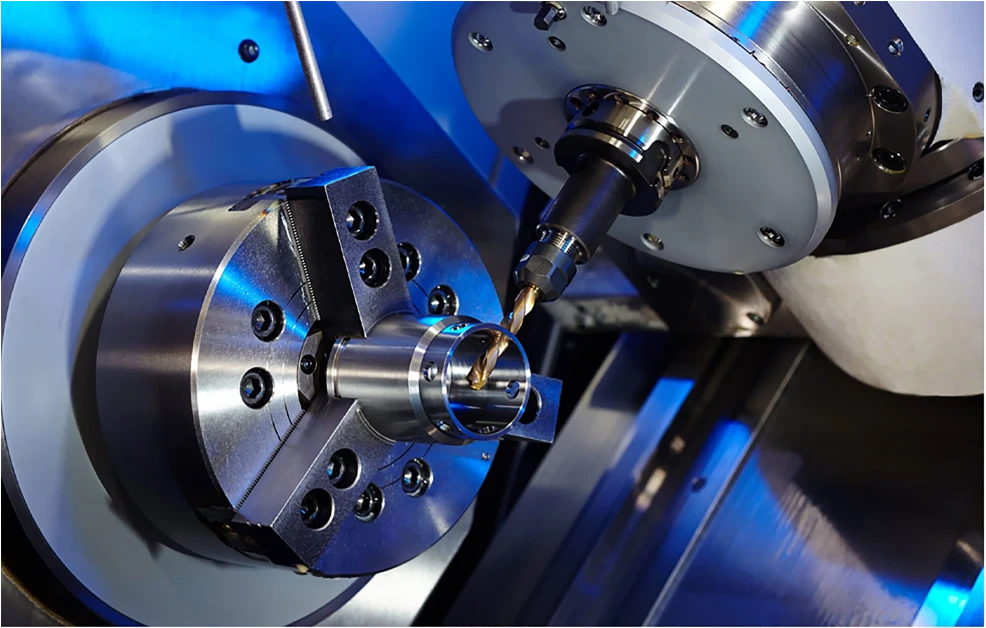
International layout
Spread all over the world
our products are exported to various parts of the world. Currently, our products have been exported to more than 40 countries Our products cover Asia, Europe, Africa, South America, North America, and Oceania
Sign up
for Newsletter
Subscribe to the weekly newsletter for all the latest updates