- Tel: +86 13451474678 / 13451474678
- Email: / hbzinanmech@gmail.com

Small No Till Seed Drill: Sustainable Farming Made Simple and Efficient
The Growing Importance of Small No Till Seed Drills Worldwide
In a world increasingly focused on sustainable farming, the small no till seed drill represents a mighty leap forward despite its modest size. Simply put, this agricultural tool allows farmers to plant seeds directly into the soil without disturbing the earth through traditional tilling. This is a game-changer globally — by conserving soil structure and moisture, reducing erosion, and cutting labor and fuel costs, it supports both environmental and economic resilience.
Whether it’s smallholder farms in sub-Saharan Africa, family-owned operations in North America, or innovative enterprises in Southeast Asia, the small no till seed drill finds use everywhere. Understanding this technology isn’t just about farming efficiency; it’s about food security, climate adaptation, and innovative agricultural engineering converging in a neat package.
Why Small No Till Seed Drills Matter on a Global Scale
Now, you might wonder, why the fuss about no-till systems? The Food and Agriculture Organization (FAO) reports that approximately one-third of the world’s soil is moderately to highly degraded. According to the UN, soil degradation costs the global economy around $400 billion annually. A big chunk contributes to reduced agricultural productivity and threatens biodiversity.
Small no till seed drills directly address these challenges by preserving soil integrity, reducing runoff, and maintaining carbon sequestration. The machinery fits well with small-scale farming, which constitutes a significant percentage of global food production. It helps farmers combat rising input costs and erratic weather patterns, which, frankly, are only increasing.
The tool’s global footprint is expanding thanks to rising awareness among governmental bodies, agricultural extension services, and even non-profits that focus on sustainable farming practices. The challenge? Access and affordability remain barriers for many communities.
What Exactly Is a Small No Till Seed Drill?
Let’s break it down. A small no till seed drill is a compact agricultural implement designed to plant seeds precisely in undisturbed soil. Unlike conventional drills that require tilling — ripping or turning over the soil — this tool gently inserts seeds through narrow coulters or discs directly into intact ground.
By sidestepping tillage, farmers maintain soil ecosystems that support microbes and moisture retention, which are critical to seed germination and healthy crops. The “small” part mainly refers to equipment sized appropriately for smaller tractors or even manually operated versions that suit limited-acreage farms.
Core Components and Practical Features of No Till Seed Drills
1. Precision Seeding Mechanism
Small no till seed drills utilize a metered delivery system that controls seed depth and spacing, which ensures uniform germination. In other words, fewer gaps, less waste, and superior yield predictability.
2. Soil Penetrating Coulters or Discs
These thin steel blades slice through crop residues and compacted soil just enough to open a seed trench — no unnecessary disturbance. Many farmers praise this for reducing erosion and runoff, especially on sloped terrain.
3. Durable Seed Box and Metering System
Seed boxes, calibrated for precision, are crucial for small-scale operations. In practical terms, fewer refills and clearer monitoring of seed use means less downtime during planting.
4. Size and Compatibility
Designed to suit small tractors or even animal-cultivated farms, these machines boast a lightweight frame and ease of maneuvering. Accessibility and ease of maintenance are major selling points, especially in remote rural areas.
5. Optional Fertilizer Attachments
Some models allow simultaneous fertilizing, which streamlines operations and improves nutrient uptake for crops. Kind of like getting two jobs done with one tool — efficiency matters, especially when the planting window is narrow.
Mini Takeaway:
Small no till seed drills pack mechanical precision and soil-friendly design into an accessible form factor. It’s not just farming — it’s about nurturing soil health and offering a lifeline for smallholders worldwide.
How Small No Till Seed Drills Are Used Across the Globe
What fascinates many agronomists is the widespread applicability of these machines. In South Asia, for instance, small farmers leverage these drills during the monsoon season to minimize soil erosion. African agri NGOs often distribute manual models as part of sustainable livelihood projects, focusing on restoring degraded land.
In Latin American countries, cooperatives use them on hilly terrain where conventional tillage would otherwise cause severe runoff and nutrient loss. Furthermore, in some parts of Europe, where regulations strongly encourage sustainable agri-practices, small no till drills complement organic farming by reducing chemical dependency.
Oddly enough, some remote industrial zones use these drills to reclaim soil around mining sites, helping environmental rehabilitation efforts. The broad strokes suggest that wherever there’s concern about soil health combined with limited resources, small no till seed drills find a home.
Common Specifications of a Popular Small No Till Seed Drill Model
| Specification | Details |
|---|---|
| Row spacing | 15-30 cm adjustable |
| Working width | 1.2 – 2 meters |
| Seed box capacity | 50 kg |
| Power source | Tractor PTO or manual (depending on model) |
| Weight | 150 - 250 kg |
| Optional features | Fertilizer attachment, seed monitoring sensor |
Breaking Down Vendor Options: Who Offers What?
| Vendor | Model Range | Price Range (USD) | Key Advantage |
|---|---|---|---|
| AgriTech Solutions | CompactPro 100 & 200 | $1,200 - $2,500 | Lightweight & easy maintenance |
| FarmMaster Equip | NoTill Mini Series | $1,500 - $3,000 | Integrated fertilizer units |
| GreenField Innovations | EcoSeed 300 | $1,000 - $2,200 | Affordable & easy to transport |
The Long-Term Advantages of Investing in a Small No Till Seed Drill
- Cost savings: Reduced fuel consumption and labor requirements lead to significant budget relief in the long run.
- Sustainability: Helps build healthier soil profiles and protects against erosion, aligning with global environmental goals.
- Social impact: Enhanced food security and livelihoods for small-scale and marginalized farmers.
- Reliability: Simple mechanics mean fewer breakdowns — crucial in remote locations.
- Innovation and trust: Incorporating precise technology builds farmer confidence and drives broader adoption.
Honestly, it’s an investment that pays back across multiple dimensions — economic, environmental, and social — which feels quite rare to find in farming tools.
What’s Next? Future Trends & Innovations
Looking ahead, the small no till seed drill is evolving beneath the radar in some exciting ways. Advances like digital seed monitoring and GPS precision planting are gradually trickling down from industrial-scale rigs to these smaller tools. There’s also growing interest in combining solar-powered automation to reduce human effort, particularly in regions with labor shortages.
Material science is altering the design too — components are becoming lighter and more corrosion-resistant, extending machine life even under tough climates. Not to forget, policy incentives for climate-smart agriculture from organizations like the World Bank are fueling demand.
Facing the Challenges Head-On
Despite their promise, small no till seed drills aren’t perfect. Seedling establishment can sometimes be inconsistent due to residue buildup or poorly calibrated seed meters, especially in newbie hands. Also, initial purchase costs are a hurdle for smallholders without access to credit.
Solutions include enhanced training programs (many NGOs run these), modular designs that simplify repairs, and incremental payment schemes. Engineers are experimenting with residue management attachments and smarter seed flow sensors to boost reliability.
It’s a journey, but the technology’s adaptability feels like a good sign.
FAQs about Small No Till Seed Drills
1. What kind of tractors are compatible with small no till seed drills?
Most small no till seed drills are designed for 20-40 horsepower tractors, but some models work with even smaller power sources or can be manually operated. It depends on the size and arrangement, so checking vendor specs is essential.
2. Can a no till seed drill be used on rocky or highly compacted soil?
While no till drills reduce soil disturbance, extremely rocky or compacted soils can pose a challenge. Some have heavier coulters or added weight options to improve penetration, but pre-clearing large debris is recommended.
3. How do no till drills help reduce planting time?
Because they skip tillage, farmers can combine soil preparation and seeding into one pass, drastically cutting down the overall time and fuel needed during planting season.
4. Are these drills suitable for all seed types?
Small no till seed drills are versatile but perform best with medium to large seeds like maize, wheat, and soybeans. Fine seeds may require specialized metering systems.
5. How does no till farming impact soil carbon levels?
No till preserves soil carbon by limiting disturbance, helping sequester CO2 and contributing to climate change mitigation efforts — a fact supported by numerous soil science studies (e.g., USDA).
Wrapping Up: A Smart Step Toward Sustainable Agriculture
As the agricultural world steers toward greener, more efficient practices, the small no till seed drill stands out as a practical hero for smallholders and sustainability advocates alike. It’s about marrying tradition with innovation—simple mechanics with advanced benefits. And if you’re curious about bringing this efficiency to your farm or project, why not check out more details on small no till seed drill suppliers and resources?
Thanks for reading — who knew tiny drills could hold such a big promise?
References:
1. FAO. (2021). Global Soil Degradation Report.
2. United Nations Environment Programme (UNEP) Soil Strategy.
3. USDA No Till Farming Overview.

Related Products
-
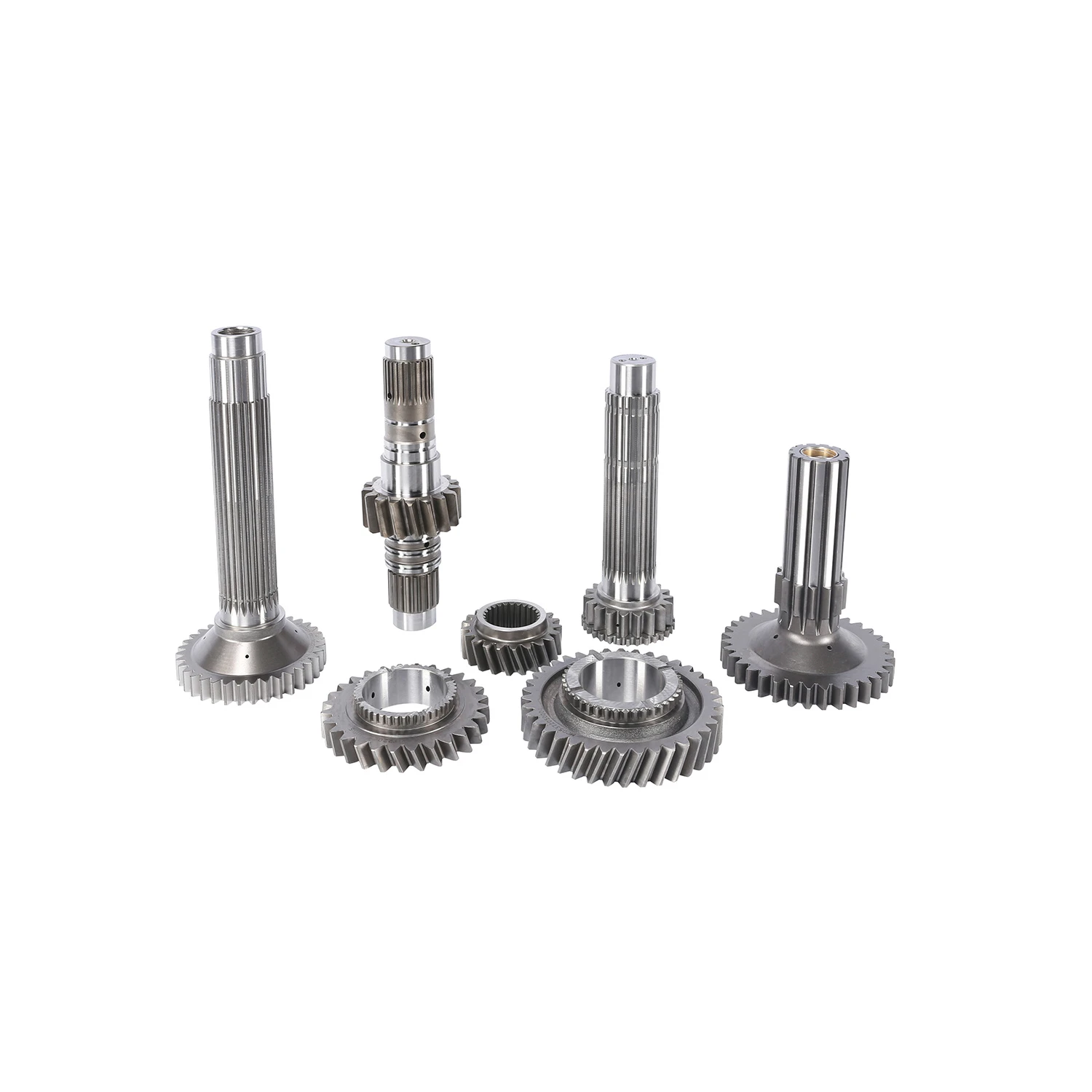 Tractor Gear Shaft
The tractor gear shaft is a crucial element in the power transmission system of a tractor. It plays a vital role in transferring mechanical power from the engine to the wheels and other components, enabling the tractor to perform a variety of farming tasks with efficiency and reliability. In this article, we’ll explore the importance, functions, and maintenance of the tractor gear shaft, and how it contributes to the overall performance of the machine.
-
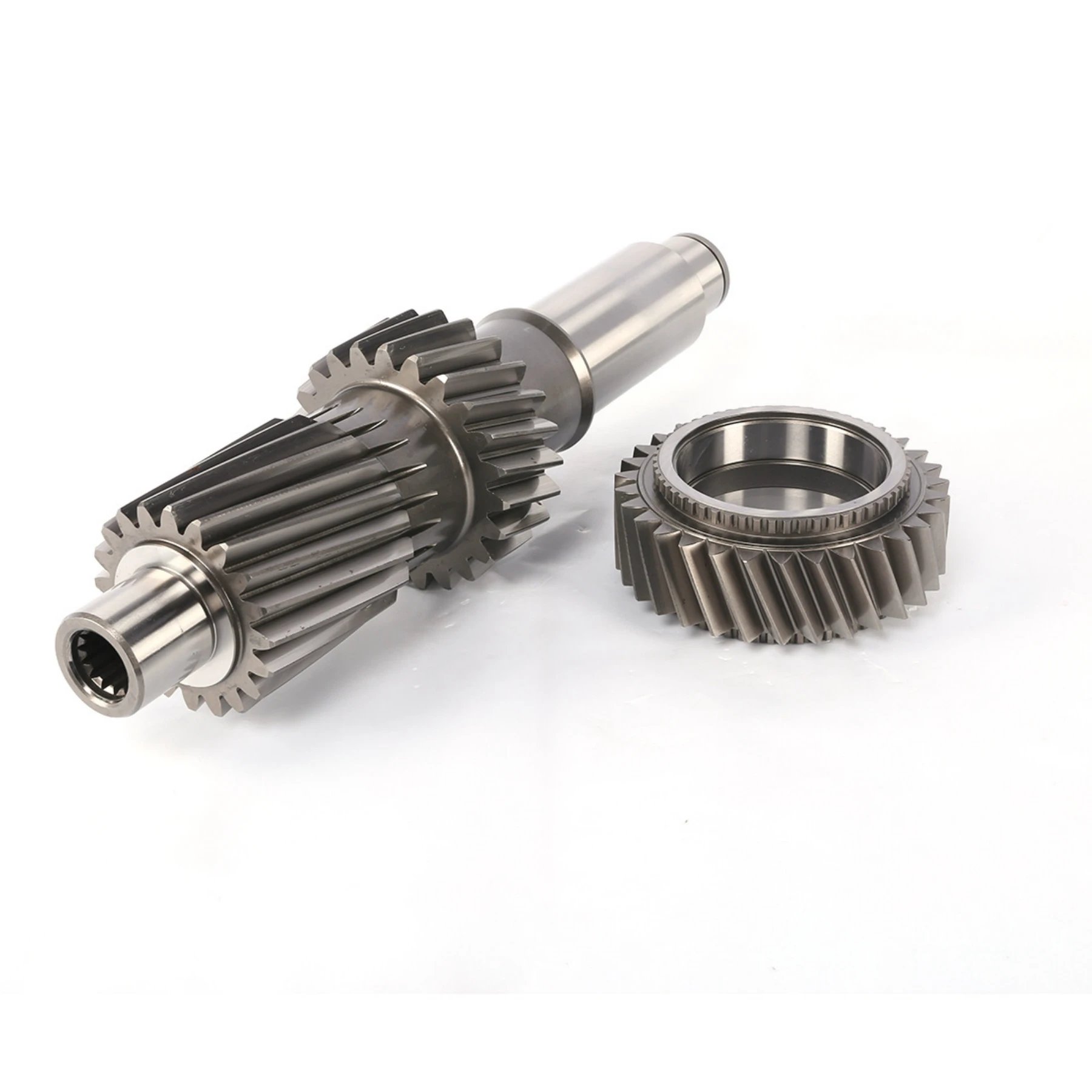 Transmission Gear
Power transmission: the engine operation drives the input gear on the input shaft to rotate, the input gear engages with other gears, and relies on the interaction between teeth and teeth to transfer the power to the intermediate gear (if any) and the output gear, and finally transfers the power to the driving wheel and other components through the output shaft to make the vehicle or equipment move.
Variable speed principle: Change the transmission ratio by meshing gears with different numbers of teeth. For example, when the big gear drives the small gear, the speed of the small gear will be faster than the big gear, but the output torque will be smaller, to achieve growth and torque reduction; On the contrary, when the pinion drives the big gear, the speed of the big gear slows down, the torque increases, and the torque increases. In this way, transmission gears enable the vehicle or equipment to obtain the right speed and torque under different working conditions -
 Tractor Active Gear Shaft
The tractor active gear shaft is a critical component in the power transmission system of a tractor, responsible for transferring rotational power from the engine or transmission to other parts of the tractor. By efficiently distributing torque and enabling smooth gear shifts, the active gear shaft plays a vital role in enhancing the performance and versatility of the tractor, making it essential for a wide range of agricultural tasks. In this article, we’ll explore the function, benefits, and maintenance of the tractor active gear shaft.
-
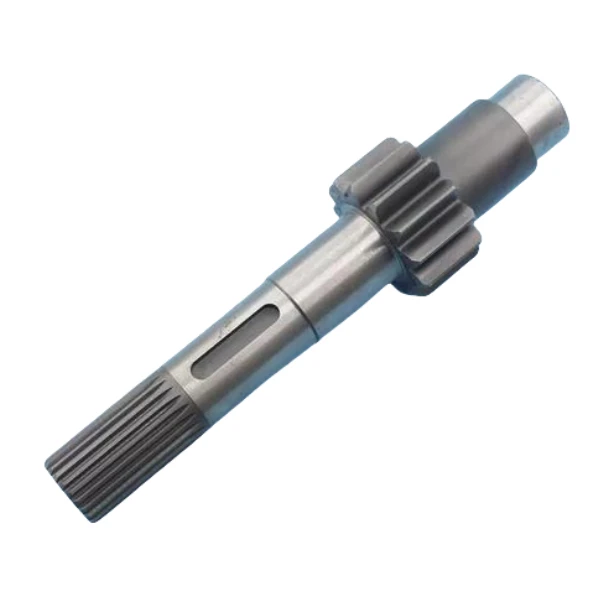 Harvester Input Shaft
The main role of the harvester input shaft is to introduce the power of the external power source into the internal transmission system of the harvester. When the power source (such as an engine) is running, the torque generated is transmitted to the input shaft through the connecting parts, causing the input shaft to start rotating. The gear, pulley or sprocket and other transmission parts installed on the input shaft will rotate with the rotation of the input shaft, and then transfer the power to the subsequent transmission parts and working parts, such as driving the cutting device, conveying device, threshing device, etc., to complete the crop harvesting, conveying, threshing and other work processes.
Related News
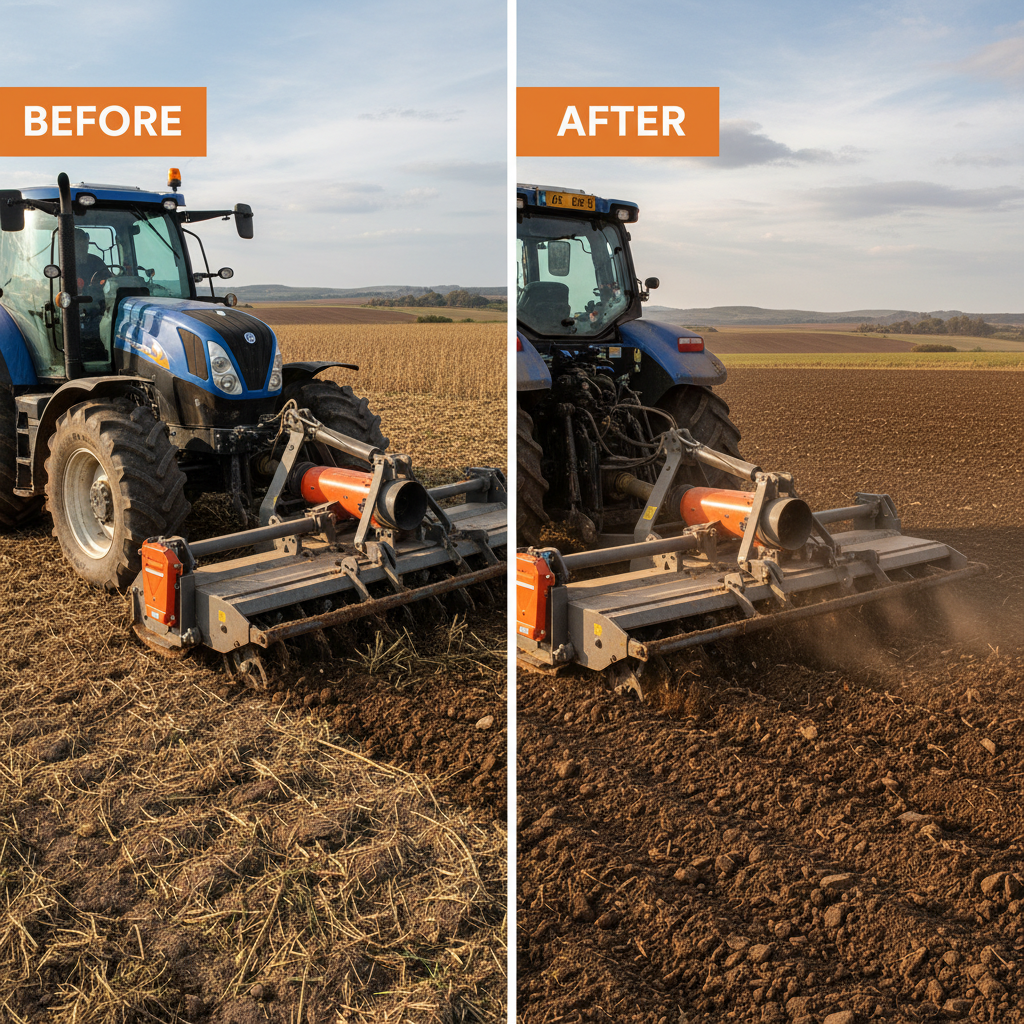
Professional Heavy Duty Tiller for Tractor for Soil Productivity
Achieving the perfect seedbed is the foundation of any successful harvest. For farmers dealing with compacted soil, stubborn crop residue, or expansive acreage, a standard rototiller often falls short. This is where a heavy duty tiller for tractor becomes an essential investment. These robust machines are engineered to penetrate deep into the earth, breaking up hardpan and aerating the soil with unmatched efficiency. By integrating a professional-grade tiller into your machinery lineup, you can significantly reduce preparation time and improve crop yield. In this guide, we will explore the technical advantages, selection criteria, and maintenance tips for choosing the right heavy-duty tilling solution.
>
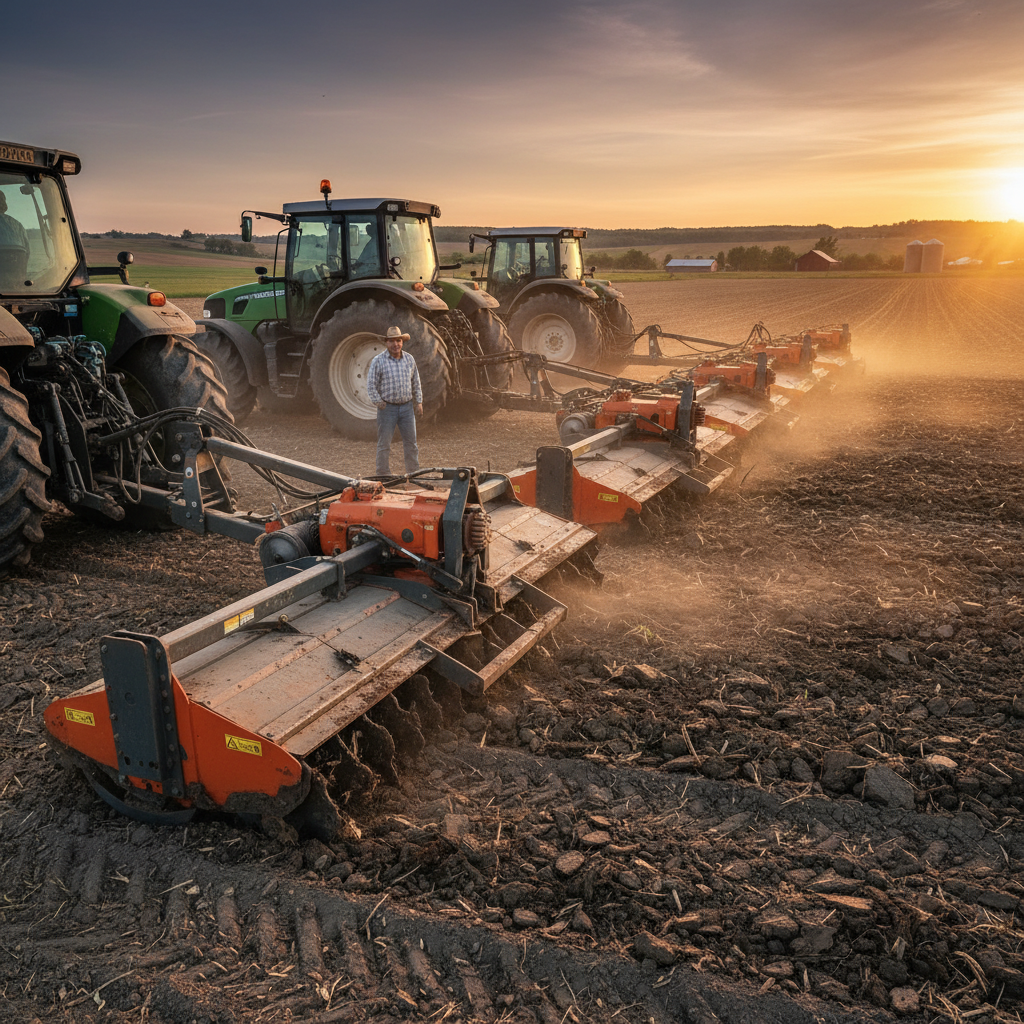
Maximizing Land Productivity with Professional Heavy Duty Tillers
For professional farmers and landscaping contractors, the quality of soil preparation determines the success of the entire growing season. Investing in high-performance heavy duty tillers is essential for breaking through compacted earth, removing stubborn weeds, and integrating organic matter deeply into the soil. Unlike standard garden cultivators, these industrial-grade machines are engineered to handle vast acreages and the most challenging terrain without compromising efficiency. In this guide, we will explore how choosing the right equipment can transform your agricultural output and streamline your land management process.
>
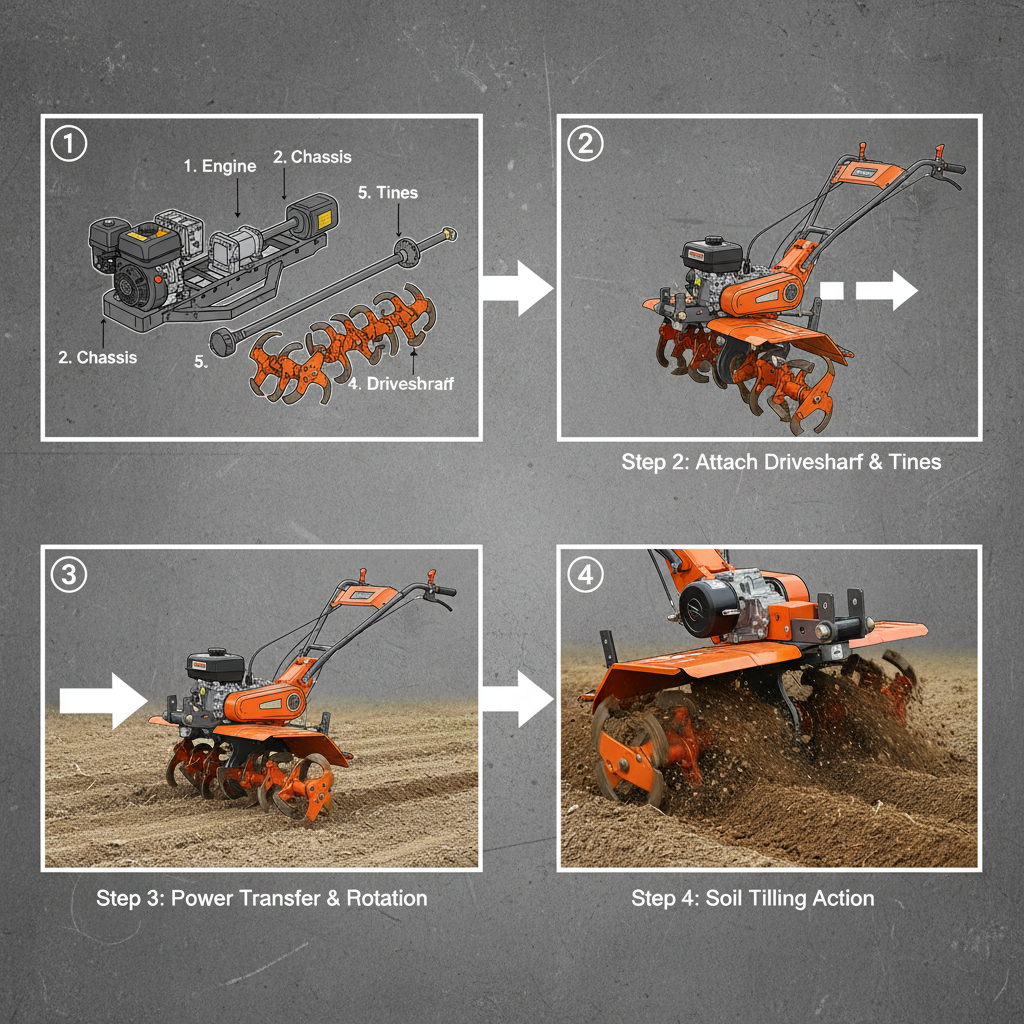
Choosing the Best Heavy Duty Rototiller for Efficient Land Preparation
A heavy duty rototiller is an invaluable tool for anyone involved in serious gardening, small-scale farming, or land preparation. Whether you're breaking new ground, maintaining existing garden beds, or preparing for planting, the right rototiller can significantly reduce labor and improve efficiency. However, with numerous options available, selecting the best model requires careful consideration. This article will guide you through the key factors to consider when purchasing a heavy-duty rototiller, helping you make an informed decision. ZinanMech offers a wide range of rototillers to suit various needs.
>
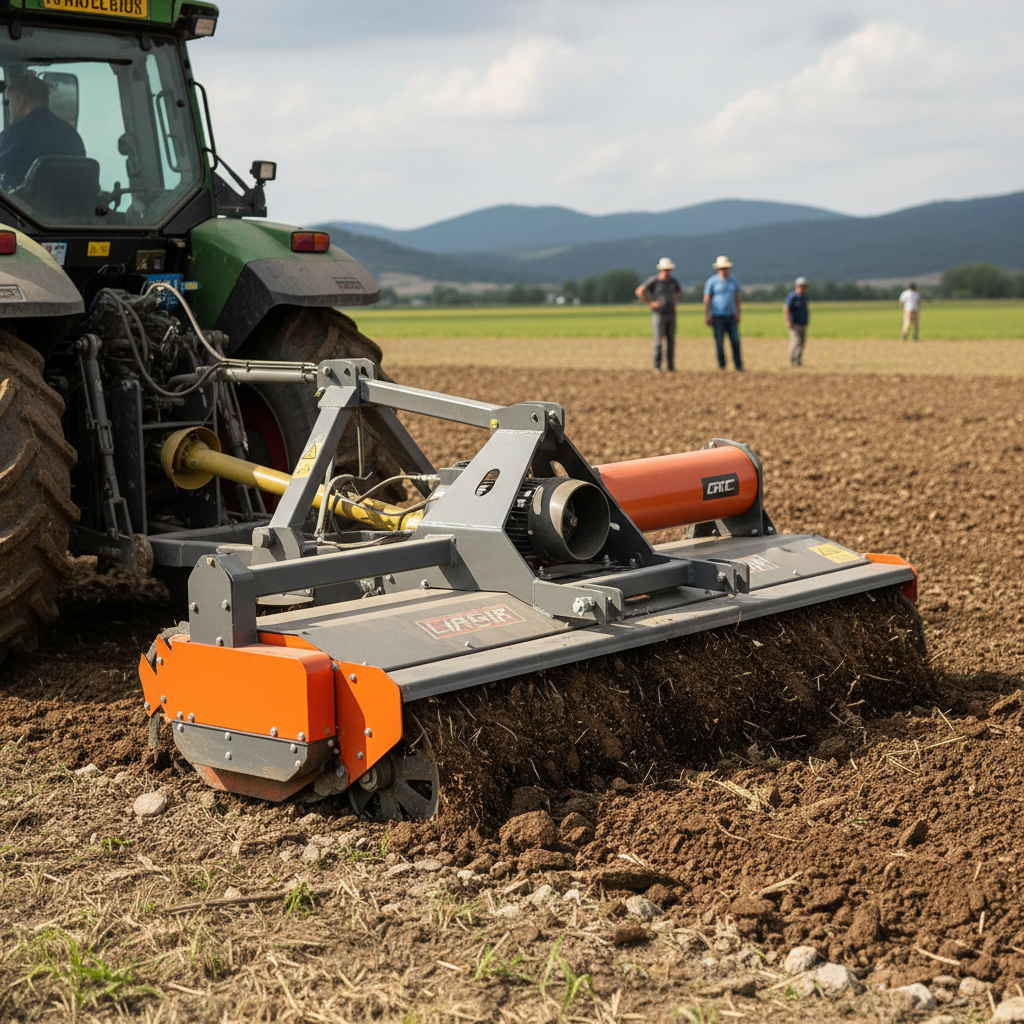
Comprehensive Guide to Heavy Duty Rotary Tiller Selection and Application
When it comes to land preparation, a heavy duty rotary tiller is an invaluable tool. This robust machinery excels at breaking up compacted soil, creating a fine seedbed, and incorporating organic matter. This article dives deep into the world of heavy duty rotary tillers, covering their benefits, applications, key features, and how to choose the right one for your needs. Whether you're a farmer, landscaper, or large-scale gardener, understanding these tillers is essential for efficient and effective soil management.
>
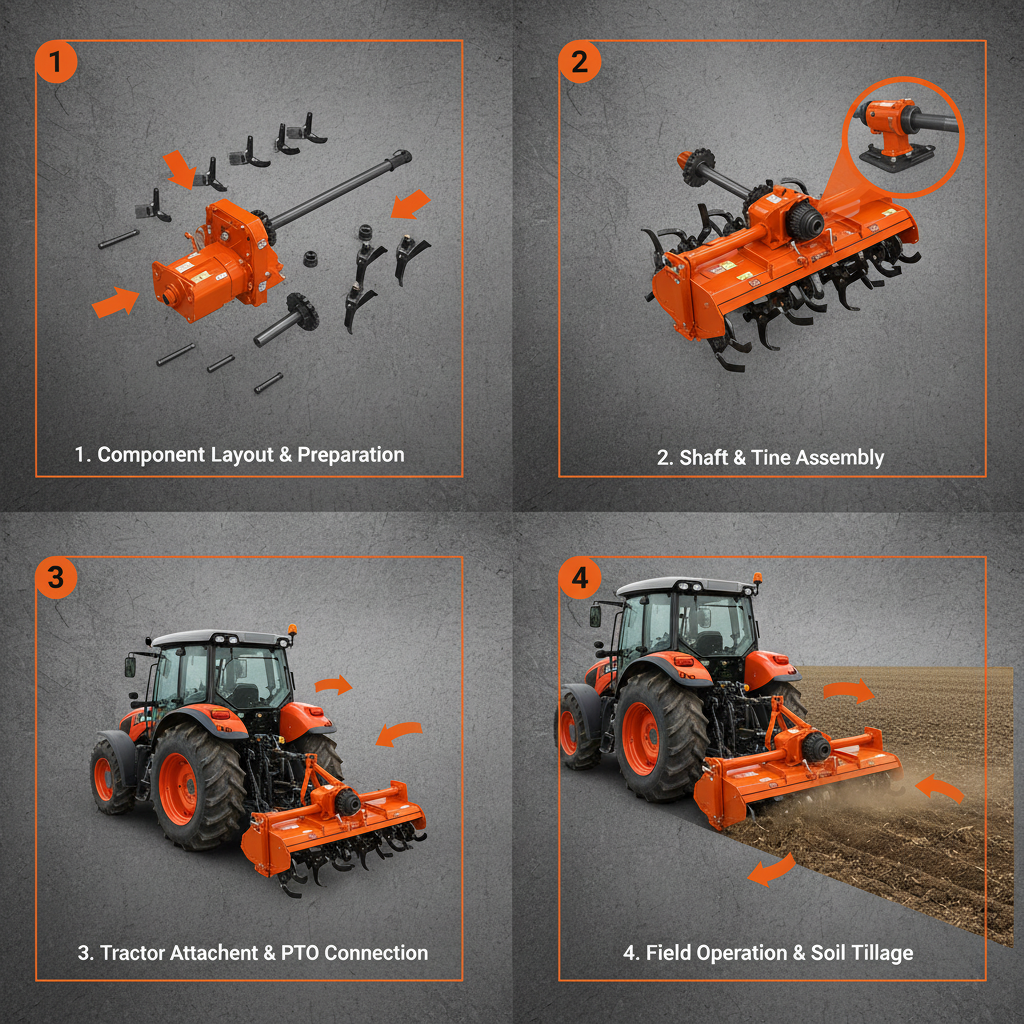
Comprehensive Guide to Selecting the Ideal Farm Tractor Tiller for Your Needs
Selecting the ideal farm tractor tiller is crucial for efficient soil preparation and maximizing agricultural yields. With a diverse range of models available, understanding your needs and the features offered by different tillers is paramount. This article provides a detailed overview of farm tractor tillers, covering their types, benefits, key considerations, and how to choose the right one for your specific farming operation. Proper tillage significantly impacts seedbed quality, weed control, and ultimately, crop performance.
>
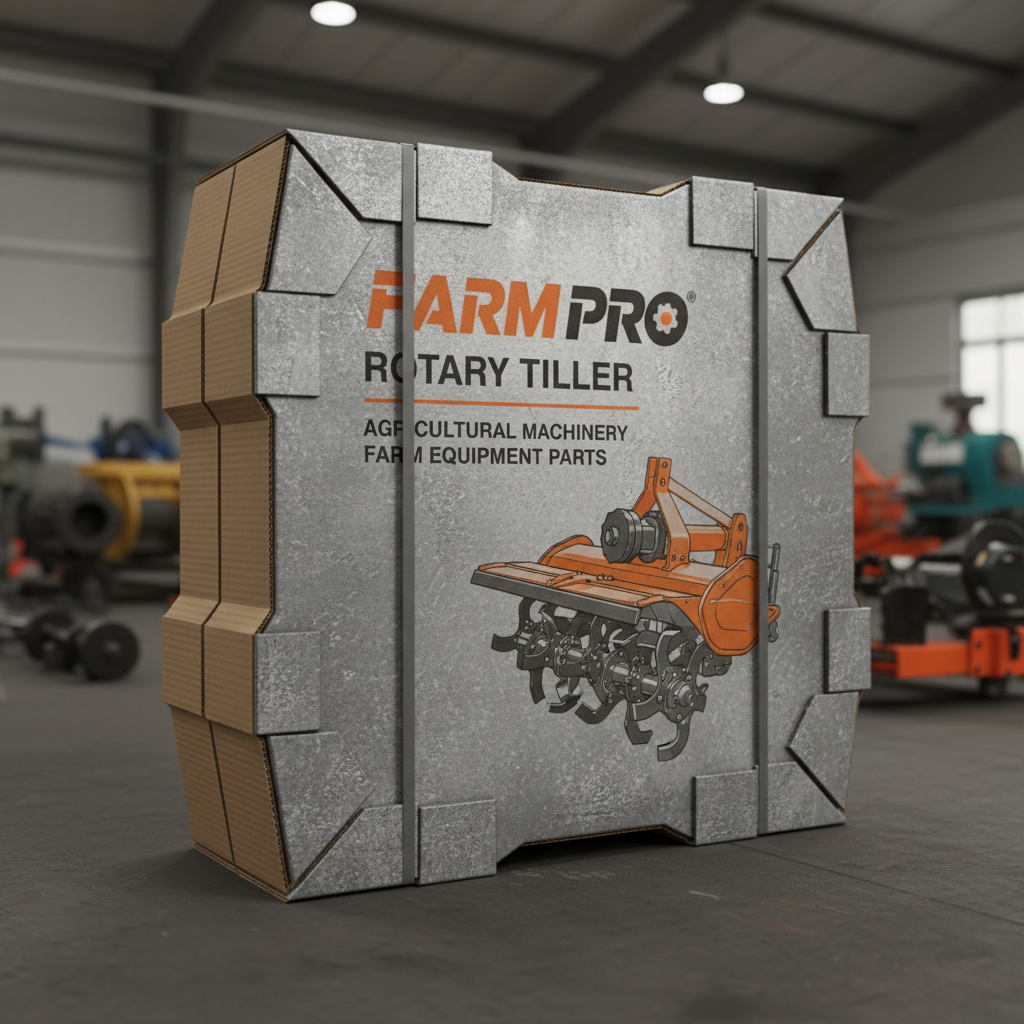
Boost Farm Productivity with a High Performance Farm Pro Rotary Tiller
Are you looking to enhance your agricultural productivity and streamline your soil preparation process? A Farm Pro rotary tiller is an invaluable investment for farmers of all scales. This article delves into the benefits, features, applications, and considerations when choosing the right rotary tiller for your farm. We’ll explore how this machinery can significantly reduce labor costs and improve soil quality, ultimately leading to higher yields. From small hobby farms to large-scale commercial operations, a Farm Pro tiller offers a robust and efficient solution for a variety of tilling needs.
>
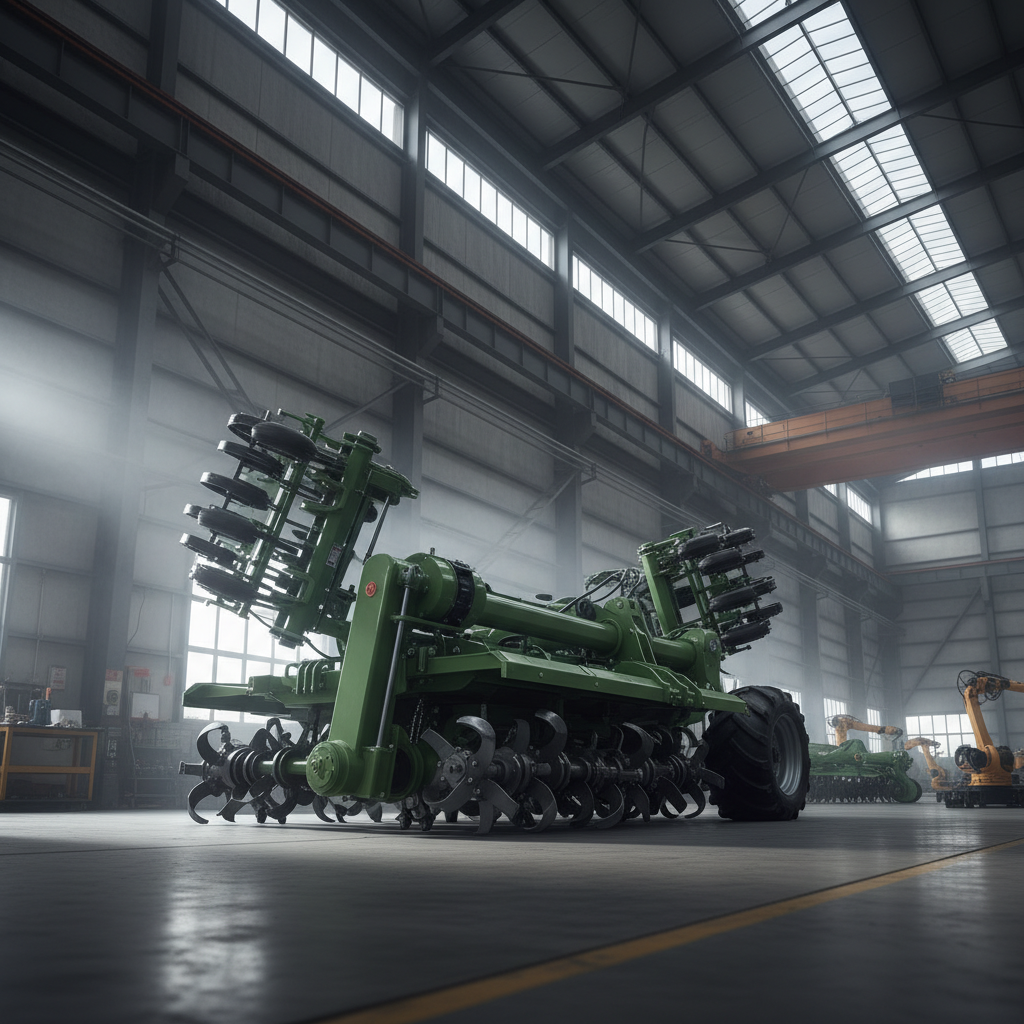
Unlock Farming Efficiency with a Powerful Agricultural Tiller Solution
In the world of farming and gardening, efficiency and productivity are key. An agricultural tiller is a vital piece of equipment that streamlines soil preparation, saving time and labor. This article dives deep into the world of tillers, exploring their types, benefits, how to choose the right one, and the quality solutions offered by Zinanmech. We’ll cover everything from small garden tillers to heavy-duty agricultural models, ensuring you have the knowledge to make an informed decision. An agricultural tiller, also known as a rotary tiller, is a motorized machine used to break up and cultivate soil. Unlike manual digging or plowing, tillers use rotating blades to loosen the soil, creating a fine, even tilth that's ideal for planting. This process improves soil aeration, drainage, and nutrient availability, leading to healthier plant growth.
>
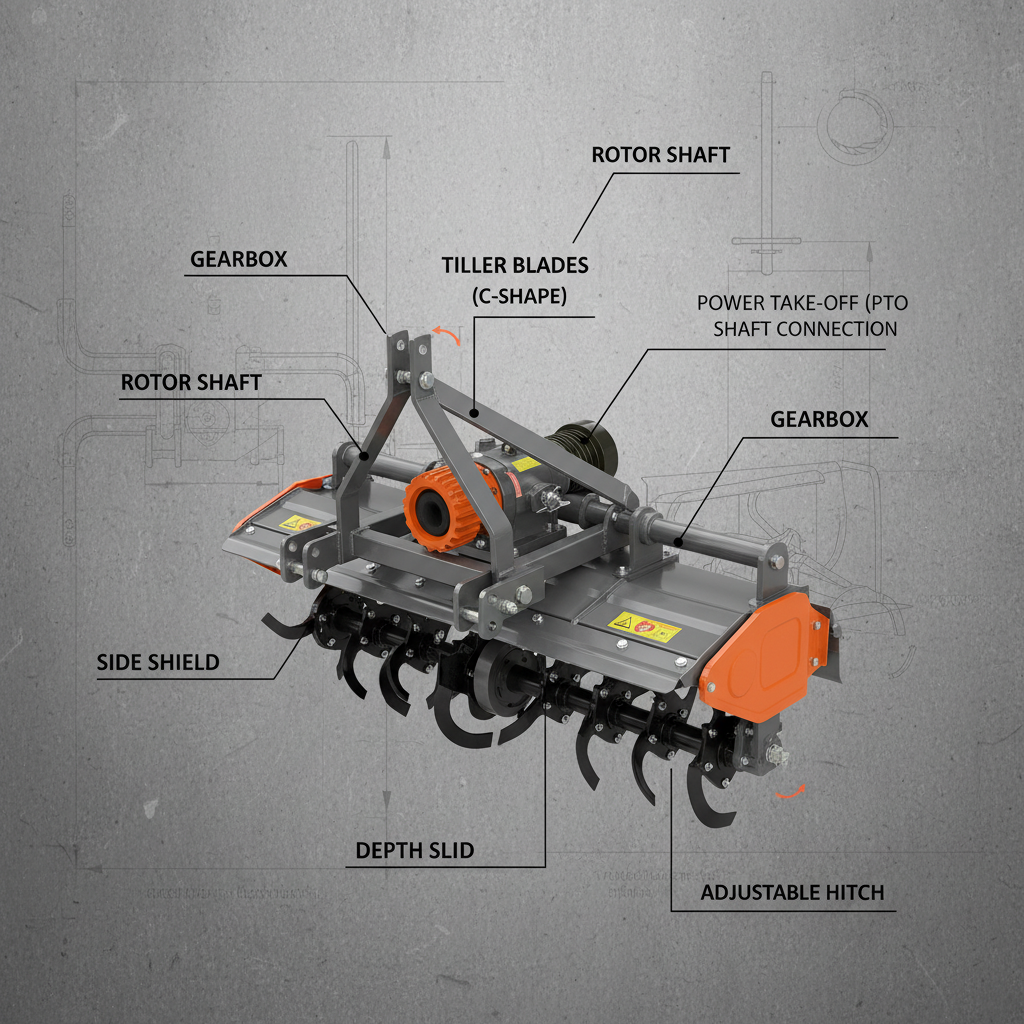
Comprehensive Guide to Agricultural Rotary Tiller Selection and Usage
An agricultural rotary tiller is an essential tool for modern farming, designed to efficiently prepare soil for planting. This powerful machinery significantly reduces labor and time compared to traditional methods. Whether you're a smallholder or manage a large-scale agricultural operation, understanding the benefits and features of a rotary tiller is crucial for maximizing productivity. Choosing the right tiller can transform your land preparation process. This article provides a detailed overview of agricultural rotary tillers, covering their uses, types, benefits, and key considerations when selecting the right model. Modern tillers are available in various sizes and configurations, catering to different farm sizes and soil conditions. Zinanmech provides a range of high-quality rotary tillers designed for optimal performance and durability. An agricultural rotary tiller, also known as a rototiller, is a motorized machine used to prepare agricultural land for cultivation. It works by using rotating blades – typically called tines – to break up, churn, and mix the soil.
>
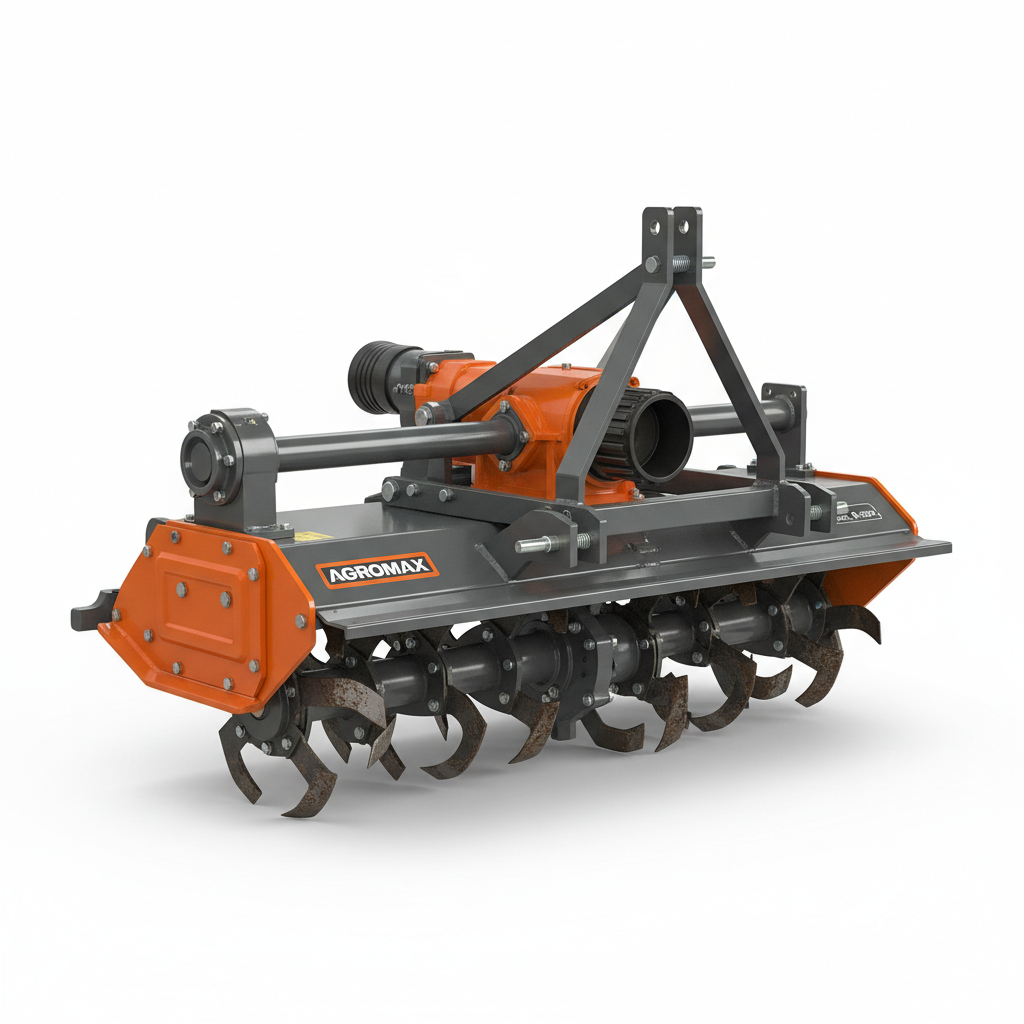
Comprehensive Guide to Selecting the Ideal Agric Rototiller for Your Farm
Selecting the right agric rototiller is crucial for efficient soil preparation and maximizing crop yields. This guide will explore the different types of rototillers, their applications, and how to choose the best model for your farming needs. We’ll cover everything from small, handheld rototillers to larger, tractor-mounted versions, helping you make an informed decision to enhance your agricultural operations. A well-chosen rototiller significantly reduces manual labor and improves soil quality. Agric rototillers come in various sizes and configurations, each suited for different farming tasks. The main types include: Front-Tine Rototillers, ideal for smaller gardens and breaking up already tilled soil; Rear-Tine Rototillers, offering more power and suitable for larger areas and tougher soil conditions; and Mid-Tine Rototillers, a versatile option for medium-sized farms. Choosing the correct type depends on your farm size, soil type, and the crops you intend to grow.
>

Unlock Farming Efficiency with a Powerful Agri Rototiller for Modern Agriculture
In today's agricultural landscape, efficiency and productivity are paramount. An agri rototiller, also known as a rotary tiller, is an invaluable tool for preparing soil for planting. This versatile machine cultivates, mixes, and levels the soil in a single pass, saving farmers significant time and effort. From small-scale farms to large agricultural operations, the benefits of using a rototiller are numerous. Investing in a quality rototiller is investing in the future success of your harvest. An agri rototiller is a motorized machine designed to break up and aerate soil using rotating blades. These blades, often called tines, churn the soil, creating a fine, even texture ideal for planting seeds or transplanting seedlings. Unlike traditional plowing, rototilling doesn't invert the soil, minimizing disruption to the soil's natural structure.
>
International layout
Spread all over the world
our products are exported to various parts of the world. Currently, our products have been exported to more than 40 countries Our products cover Asia, Europe, Africa, South America, North America, and Oceania
Sign up
for Newsletter
Subscribe to the weekly newsletter for all the latest updates