- Tel: +86 13451474678 / 13451474678
- Email: / hbzinanmech@gmail.com

The Critical Role of Right Angle Gearboxes in Modern Tractors
Across the fertile expanses of the world's farmlands, the rhythmic hum of the tractor is the soundtrack of modern agriculture. These powerful machines are the backbone of food production, undertaking tasks from plowing and planting to harvesting and hauling. At the heart of a tractor's versatility lies a complex network of power transmission systems, and among the most crucial are specialized gearboxes. This article delves deep into the world of agricultural right angle gearbox applications in tractors, exploring their design, function, and indispensable contribution to efficient farming operations. We'll also examine the broader context of the agricultural machine gearbox and the vital role of the agricultural PTO gearbox.
Sowing Seeds of Innovation: Zinanmech's Commitment to Global Agriculture
In the field of hope, Zinanmech. is like a tough seed, deeply rooted in the fertile soil of global agriculture. Adhering to the corporate philosophy of "Science and technology to promote agriculture, Zinan is at your side", we are committed to introducing the world's leading agricultural machinery and equipment to China, while introducing high-quality Chinese agricultural machinery products to the world, and contributing to the global agricultural modernization. Product quality assurance is our bedrock: All our products are subject to strict quality inspection to ensure compliance with international standards and industry norms. During the quality assurance period, if there is a failure caused by quality problems, we will promptly repair or replace parts for customers to ensure the normal operation of the equipment. This commitment to excellence extends directly to the core components we champion, including the robust agricultural right angle gearbox solutions essential for today's demanding tractors.
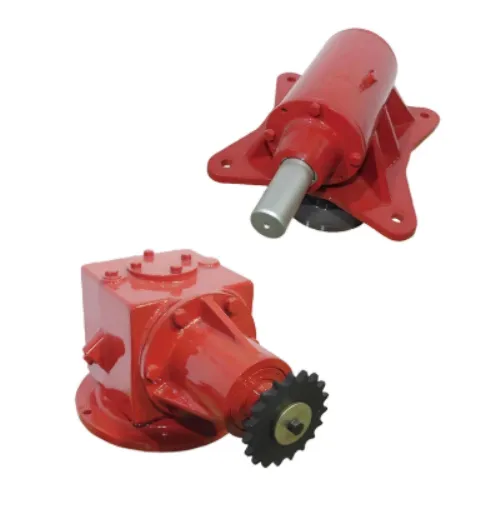
The Engineered Heart: Understanding the Agricultural Machine Gearbox
The term agricultural machine gearbox encompasses a wide array of gear-driven components designed to transmit and modify power from the tractor's engine to various implements and auxiliary systems. These gearboxes are the unsung heroes, silently performing critical functions under extreme conditions – dust, dirt, moisture, shock loads, and relentless vibration. Their primary purpose is to adapt the engine's output (typically high speed, low torque) into the usable power required by different tools (often lower speed, higher torque). Gearboxes achieve this through carefully calculated gear ratios, changing rotational speed and torque inversely. In the demanding world of farming, these components must be exceptionally durable, reliable, and efficient to minimize downtime and maximize productivity during critical seasons. The agricultural right angle gearbox represents a specific, highly important category within this broader family, characterized by its unique ability to change the direction of power flow by 90 degrees. This specific design is fundamental to the functionality of numerous tractor-driven implements and internal systems, making it a cornerstone of modern agricultural mechanization.
Harnessing Power: The Essential Function of the Agricultural PTO Gearbox
The Power Take-Off (PTO) shaft is arguably one of the most significant innovations in tractor history. It provides a standardized, rotating power source at the rear (and often front or mid) of the tractor, enabling it to drive a vast array of implements – mowers, balers, tillers, sprayers, feed mixers, and more. The agricultural PTO gearbox is the critical interface within the tractor that makes this possible. Its primary function is to tap into the tractor's engine power, typically via the transmission, and deliver it to the PTO output shaft at standardized speeds (commonly 540 RPM or 1000 RPM). This gearbox must handle significant torque loads while maintaining precise speed control. Crucially, many implements driven by the PTO require the power direction to be changed to align with their working mechanisms. This is where the agricultural right angle gearbox often comes into play. While the core PTO gearbox manages the extraction and standardization of power, the right angle variant is frequently employed within the implement itself, or sometimes as an intermediate unit, to efficiently redirect the linear PTO power flow by 90 degrees to drive horizontal or vertically oriented components like cutting blades, augers, or rotors. The synergy between the tractor's agricultural PTO gearbox and the implement's agricultural right angle gearbox is fundamental to the versatility of the entire system.
Diverse Applications of the Agricultural Right Angle Gearbox in Tractors
The agricultural right angle gearbox is a marvel of mechanical engineering, specifically designed to transmit power efficiently around a corner. Its compact, robust design makes it indispensable in numerous tractor applications, both internal and external. Here's a closer look at its diverse roles:
Implement Drive: This is the most common application. Countless PTO-driven implements require a 90-degree power turn:
Rotary Mowers & Cutters: The gearbox takes the horizontal PTO input and turns it vertically to drive the cutting blade spindle(s) rotating in a horizontal plane.
Round Balers: Powers the pickup mechanism (often requiring a right angle turn) and the core forming rollers/chamber.
Square Balers: Drives the plunger mechanism (often via a right angle turn) and the knotters.
Tillers & Cultivators: Transmits power downward to drive the rotating tines or shanks.
Feed Mixers (Vertical): Powers the vertical auger that mixes feed ingredients.
Sprayer Pumps: Drives the pump, often mounted perpendicular to the PTO shaft direction.
Augers (Grain, Feed, Fertilizer): Takes horizontal PTO power and turns it vertically to drive the helical screw lifting material.
Front-End Loaders: Many modern tractors feature front loaders powered by the tractor's hydraulic system. However, some loader functions or auxiliary attachments (like front-mounted snow blowers or brooms) might utilize a dedicated agricultural PTO gearbox driving an agricultural right angle gearbox to power hydraulic pumps or mechanical drives located at the front of the tractor.
Mid-Mount Mowers (MMM): Tractors with decks mounted underneath the chassis rely heavily on right angle gearboxes. The gearbox typically receives power from a mid-PTO (or a drive shaft running from the rear) and redirects it downward and/or laterally to drive the cutting blades via belts or shafts.
Internal Auxiliary Drives: Within the tractor itself, right angle gearboxes might be used to drive components like cooling fans (redirecting power from a longitudinal engine shaft), hydraulic pumps mounted perpendicularly, or even certain transmission elements requiring a directional change in compact designs.
Steering Systems (Hydrostatic): While not always a gearbox in the traditional sense, some hydrostatic steering systems utilize a right angle configuration in the pump or motor to integrate with the tractor's layout efficiently.
The agricultural right angle gearbox excels in these applications due to its ability to provide high torque transmission in a confined space while maintaining efficiency and reliability. Its design directly addresses the spatial constraints and directional power needs inherent in complex agricultural machinery.
Engineering Excellence: Key Features of a Premium Agricultural Right Angle Gearbox
Not all gearboxes are created equal. The extreme demands of agricultural work necessitate specific engineering features in a high-performance agricultural right angle gearbox. Zinanmech. understands these requirements intimately, ensuring our solutions meet the highest standards:
|
Feature |
Description & Benefit |
Why It Matters in Agriculture |
|
Robust Housing with High Rigidity |
The transmission box features a strong and durable housing, often made from high-grade cast iron or forged steel, ensuring exceptional structural integrity. Its rigid design minimizes deflection under load. |
Enhances reliability under heavy and shock loads common in farming. Protects internal gears from misalignment and premature wear. Withstands impacts from rocks, stumps, and tough terrain. |
|
Compact and Efficient Design |
The compact structure of the box allows for seamless integration into machinery, even in tight spaces on implements or within tractor frames. Its streamlined construction minimizes weight and bulk. |
Saves valuable installation space on implements, allowing for better weight distribution and maneuverability. Reduces overall machine weight without sacrificing strength. |
|
Precision Gear Engagement |
Utilizing straight-tooth bevel gears (or sometimes high-precision spiral bevel gears for smoother operation) ensures accurate meshing and power transmission. Gears are hardened, ground, and finished to exacting tolerances. |
Ensures smooth, stable, and vibration-free power transmission, maximizing operational efficiency. Minimizes mechanical power losses and heat generation. Reduces noise levels during operation. |
|
High-Quality Sealing |
Multi-layered sealing systems (lip seals, labyrinth seals, O-rings) at input/output shafts and housing joints prevent ingress of dirt, dust, water, and crop residue. Often includes grease purge fittings. |
Critical for longevity in the abrasive, dirty, and often wet agricultural environment. Prevents lubricant contamination and leakage. |
|
Superior Bearing Support |
Utilizes large-diameter, heavy-duty tapered roller bearings or similar high-capacity bearings at critical points. Proper pre-loading and robust bearing seats ensure stability. |
Handles high radial and axial loads from implements and uneven terrain. Minimizes shaft deflection and ensures precise gear alignment under load. Extends service life dramatically. |
|
Efficient Lubrication System |
Designed for optimal oil flow and splash lubrication. Adequate oil capacity and strategically placed channels ensure all gears and bearings receive constant lubrication, even under inclines. |
Reduces friction and wear, preventing overheating and premature failure. Ensures consistent performance during long operating hours on slopes or uneven ground. |
|
Corrosion Protection |
Housing surfaces receive high-quality protective coatings or treatments (painting, phosphating, galvanizing) to resist rust and corrosion from chemicals, fertilizers, and weather. |
Preserves structural integrity and appearance over years of exposure to harsh elements and corrosive agricultural chemicals. |
These features combine to deliver a agricultural right angle gearbox that offers unparalleled durability, efficiency, and reliability – essential qualities for minimizing downtime and maximizing return on investment during critical farming operations. Zinanmech.'s commitment to rigorous quality control ensures every unit delivers on this promise.
FAQs: Your Agricultural Right Angle Gearbox Queries Answered
Here are answers to some common questions about our agricultural right angle gearbox solutions:
What are the main advantages of using a premium agricultural right angle gearbox?
Opting for a high-quality agricultural right angle gearbox delivers significant tangible benefits. Primarily, it translates to exceptional durability and longevity, directly reducing costly downtime and repair expenses during peak seasons. Premium units are engineered for maximum power transmission efficiency, ensuring more of your tractor's engine power reaches the implement where it's needed, potentially lowering fuel consumption. They offer superior reliability under heavy loads and shock conditions, crucial for demanding tasks like heavy tillage or baling. Enhanced sealing protects against the harsh, abrasive agricultural environment, while precision engineering ensures smoother, quieter operation and minimizes vibration that can damage other components. Ultimately, the initial investment in a premium gearbox like those offered by Zinanmech. pays dividends through extended service life, consistent performance, and minimized operational interruptions.
How does a agricultural right angle gearbox improve the performance of my PTO-driven implements?
An agricultural right angle gearbox is often the critical link that makes your agricultural PTO gearbox power usable by the implement's working components. A high-performance right angle gearbox ensures minimal power loss during the essential 90-degree direction change, maximizing the torque delivered to blades, augers, or rotors. This results in more effective cutting, mixing, or material handling. Precision gear engagement provides smoother operation, reducing stress on drivelines, belts, and the implement's structure, leading to less wear and tear overall. The robust construction handles shock loads better (e.g., hitting a rock with a mower), protecting both the gearbox itself and the implement. Efficient power transfer also means the implement can work optimally without requiring the tractor engine to labor excessively, contributing to overall system efficiency.
Why is housing rigidity so important in an agricultural machine gearbox?
The robust housing with high rigidity is absolutely fundamental for any agricultural machine gearbox, especially a right angle design. Agricultural applications generate immense forces – sudden shock loads from hitting obstacles, continuous high torque during heavy pulling or processing, and vibrations from uneven terrain. A rigid housing acts like a fortress, preventing flexing or distortion under these stresses. This rigidity is crucial because it maintains the precise alignment of the gears and bearings inside. Any misalignment, even microscopic, caused by housing flex leads to accelerated wear, pitting, increased noise, vibration, heat generation, and ultimately catastrophic failure. A rigid housing ensures consistent gear meshing, optimal load distribution across bearings, and protects the internal components from impact damage, directly translating to the exceptional durability and reliability expected in demanding farm conditions.
Can your agricultural right angle gearboxes handle heavy-duty applications like tillage or large balers?
Absolutely. Zinanmech.'s agricultural right angle gearbox range is specifically engineered to meet the rigorous demands of the most challenging agricultural applications, including heavy-duty tillage (rotary hoes, power harrows), large square balers, high-capacity round balers, and forage harvesters. Our gearboxes incorporate the key features essential for these tasks: extra-heavy-duty housings forged or cast for maximum rigidity, oversized high-precision gears manufactured from hardened alloy steels to transmit enormous torque, and large-capacity tapered roller bearings designed to manage significant radial and axial loads. The lubrication systems are sized and designed to handle the heat generated during continuous high-load operation. We subject our heavy-duty units to stringent testing protocols that simulate real-world extreme conditions to guarantee they deliver reliable power season after season, even under the most punishing workloads.
What support can I expect after purchasing a Zinanmech. Agricultural machine gearbox?
Zinanmech. stands firmly behind every agricultural machine gearbox we supply, including our agricultural right angle gearbox and agricultural PTO gearbox lines. Our commitment begins with comprehensive product documentation and clear installation guidelines. Crucially, all our products undergo strict quality inspections and come backed by a clearly defined warranty period. Should a failure occur within this period that is determined to be due to a material or manufacturing defect, we pledge prompt and effective support. This includes providing necessary replacement parts or, where appropriate, facilitating the repair or replacement of the gearbox unit to restore your equipment to normal operation with minimal delay. Our goal is to ensure your investment is protected and your farming operations experience maximum uptime. We view our relationship as a long-term partnership in your productivity.
The unassuming agricultural right angle gearbox is far more than just a simple mechanical component; it is a vital enabler of modern, efficient, and productive agriculture. By reliably redirecting power at a critical 90-degree angle, it unlocks the full potential of the tractor's agricultural PTO gearbox, allowing a vast array of implements to perform their essential tasks. From mowing vast fields and baling nutritious hay to tilling soil and mixing feed, this specialized agricultural machine gearbox works tirelessly, often in the harshest conditions.
Choosing the right gearbox is an investment in productivity and peace of mind. Prioritizing features like a robust housing with high rigidity, a compact and efficient design, and precision gear engagement ensures durability, efficiency, and longevity, directly impacting your bottom line by minimizing downtime and repair costs. Zinanmech. is dedicated to being your trusted partner in this endeavor. Rooted in the philosophy of "Science and technology to promote agriculture," we bring globally benchmarked quality and unwavering reliability to your doorstep. Our rigorous quality assurance and responsive support guarantee that when you choose a Zinanmech. agricultural right angle gearbox, you're choosing a component engineered to withstand the demands of the field and contribute to the sustainable advancement of global agriculture. Let us help you cultivate success, one powerful turn at a time.

Related Products
-
 Tractor Gear Shaft
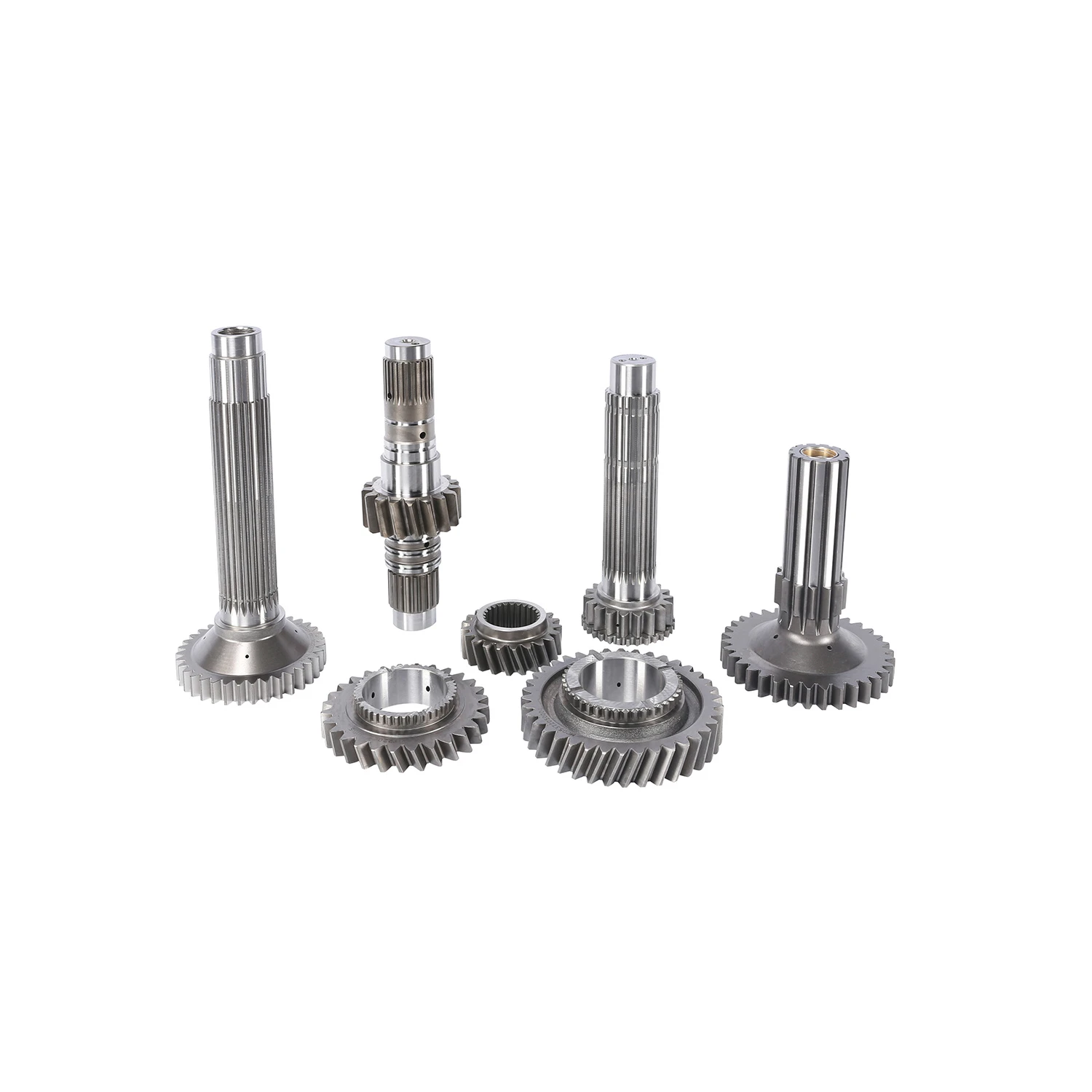
The tractor gear shaft is a crucial element in the power transmission system of a tractor. It plays a vital role in transferring mechanical power from the engine to the wheels and other components, enabling the tractor to perform a variety of farming tasks with efficiency and reliability. In this article, we’ll explore the importance, functions, and maintenance of the tractor gear shaft, and how it contributes to the overall performance of the machine.
-
 Transmission Gear
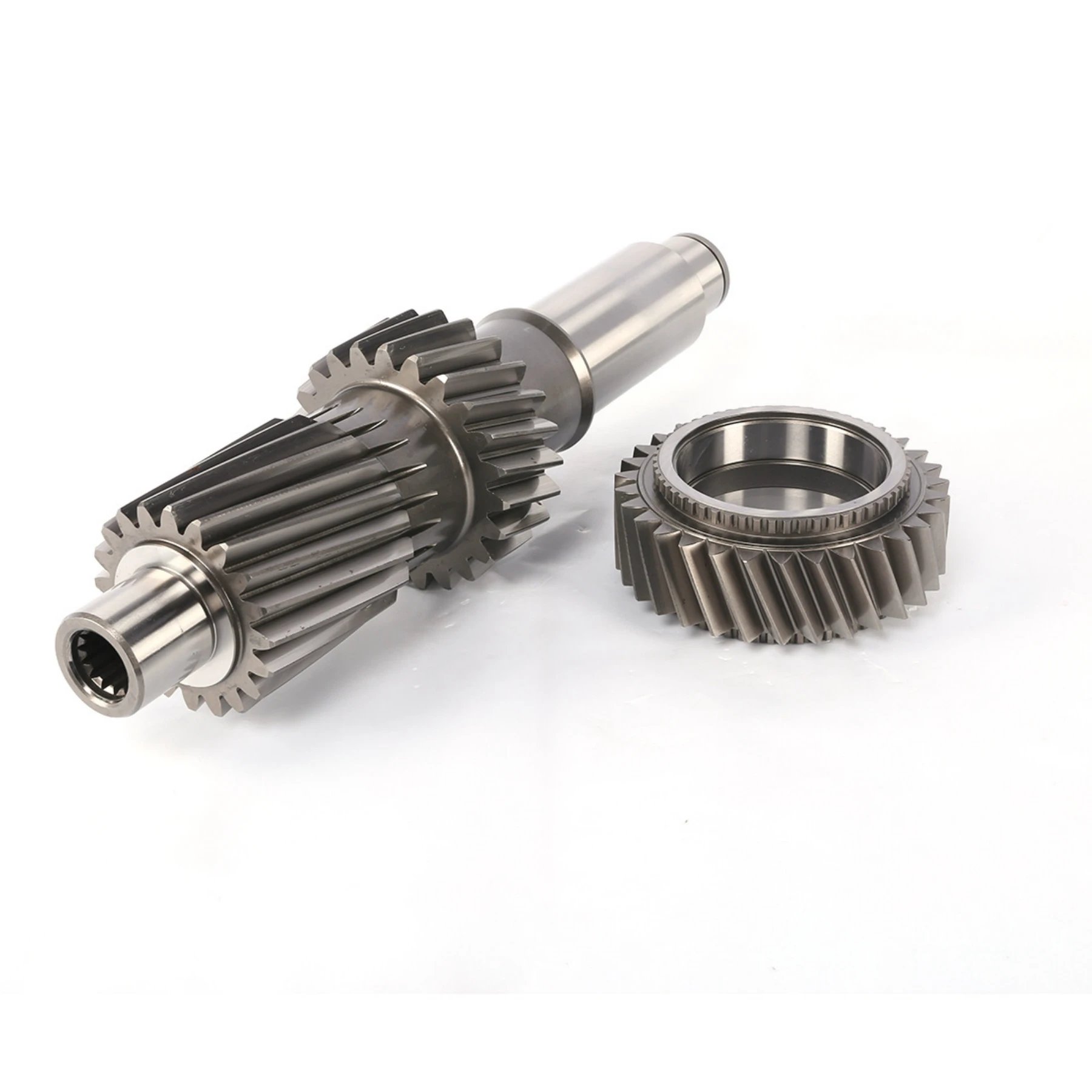
Power transmission: the engine operation drives the input gear on the input shaft to rotate, the input gear engages with other gears, and relies on the interaction between teeth and teeth to transfer the power to the intermediate gear (if any) and the output gear, and finally transfers the power to the driving wheel and other components through the output shaft to make the vehicle or equipment move.
Variable speed principle: Change the transmission ratio by meshing gears with different numbers of teeth. For example, when the big gear drives the small gear, the speed of the small gear will be faster than the big gear, but the output torque will be smaller, to achieve growth and torque reduction; On the contrary, when the pinion drives the big gear, the speed of the big gear slows down, the torque increases, and the torque increases. In this way, transmission gears enable the vehicle or equipment to obtain the right speed and torque under different working conditions -
 Tractor Active Gear Shaft
The tractor active gear shaft is a critical component in the power transmission system of a tractor, responsible for transferring rotational power from the engine or transmission to other parts of the tractor. By efficiently distributing torque and enabling smooth gear shifts, the active gear shaft plays a vital role in enhancing the performance and versatility of the tractor, making it essential for a wide range of agricultural tasks. In this article, we’ll explore the function, benefits, and maintenance of the tractor active gear shaft.
-
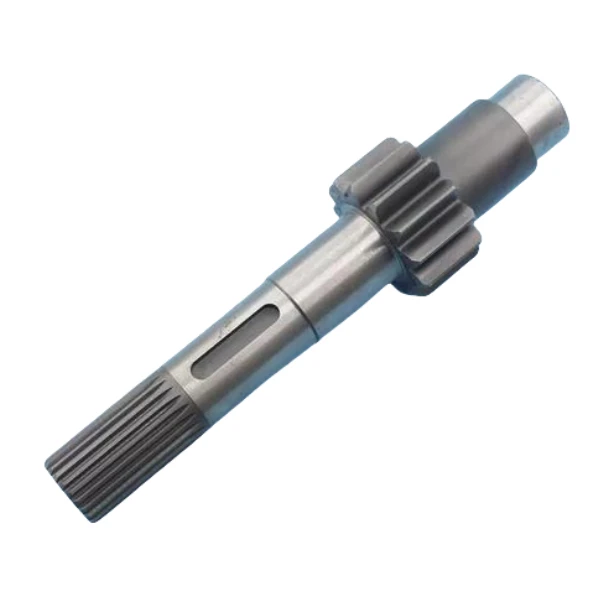 Harvester Input Shaft
The main role of the harvester input shaft is to introduce the power of the external power source into the internal transmission system of the harvester. When the power source (such as an engine) is running, the torque generated is transmitted to the input shaft through the connecting parts, causing the input shaft to start rotating. The gear, pulley or sprocket and other transmission parts installed on the input shaft will rotate with the rotation of the input shaft, and then transfer the power to the subsequent transmission parts and working parts, such as driving the cutting device, conveying device, threshing device, etc., to complete the crop harvesting, conveying, threshing and other work processes.
Related News
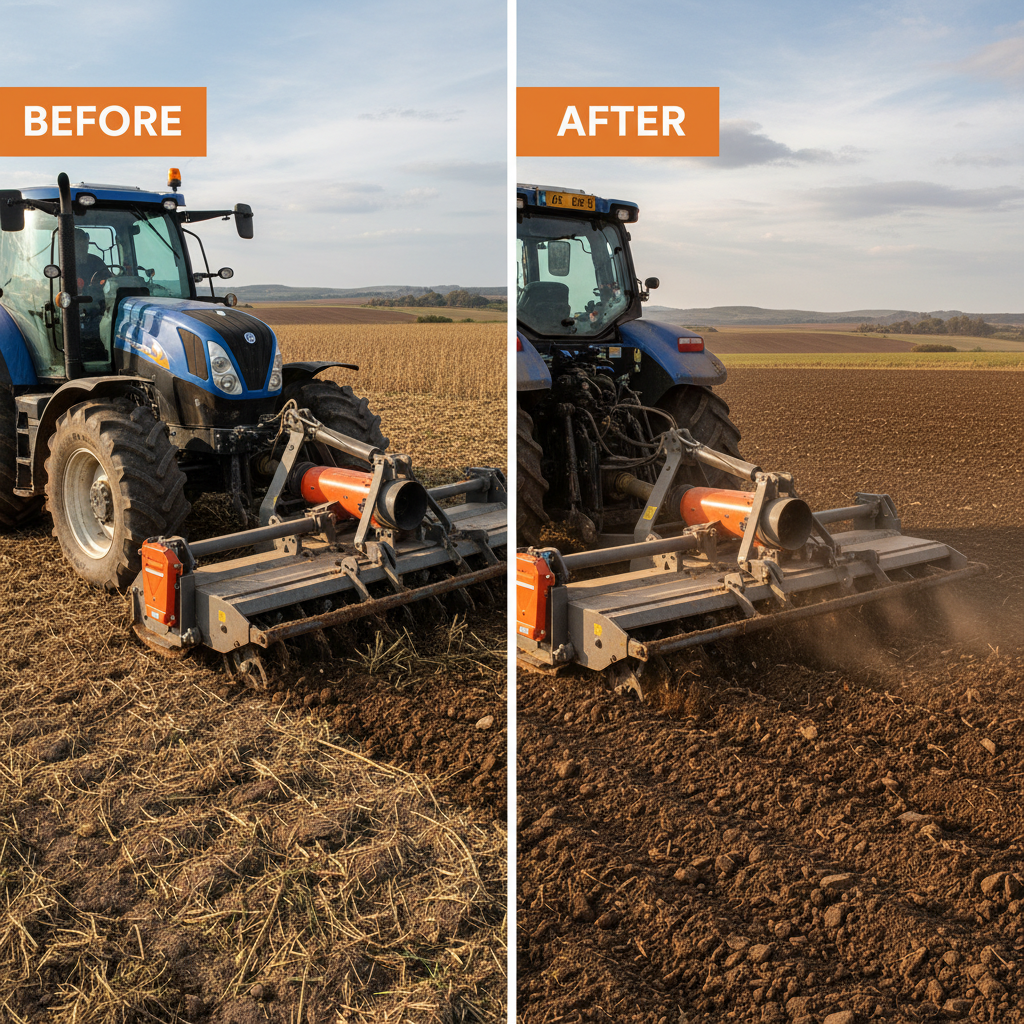
Professional Heavy Duty Tiller for Tractor for Soil Productivity
Achieving the perfect seedbed is the foundation of any successful harvest. For farmers dealing with compacted soil, stubborn crop residue, or expansive acreage, a standard rototiller often falls short. This is where a heavy duty tiller for tractor becomes an essential investment. These robust machines are engineered to penetrate deep into the earth, breaking up hardpan and aerating the soil with unmatched efficiency. By integrating a professional-grade tiller into your machinery lineup, you can significantly reduce preparation time and improve crop yield. In this guide, we will explore the technical advantages, selection criteria, and maintenance tips for choosing the right heavy-duty tilling solution.
>
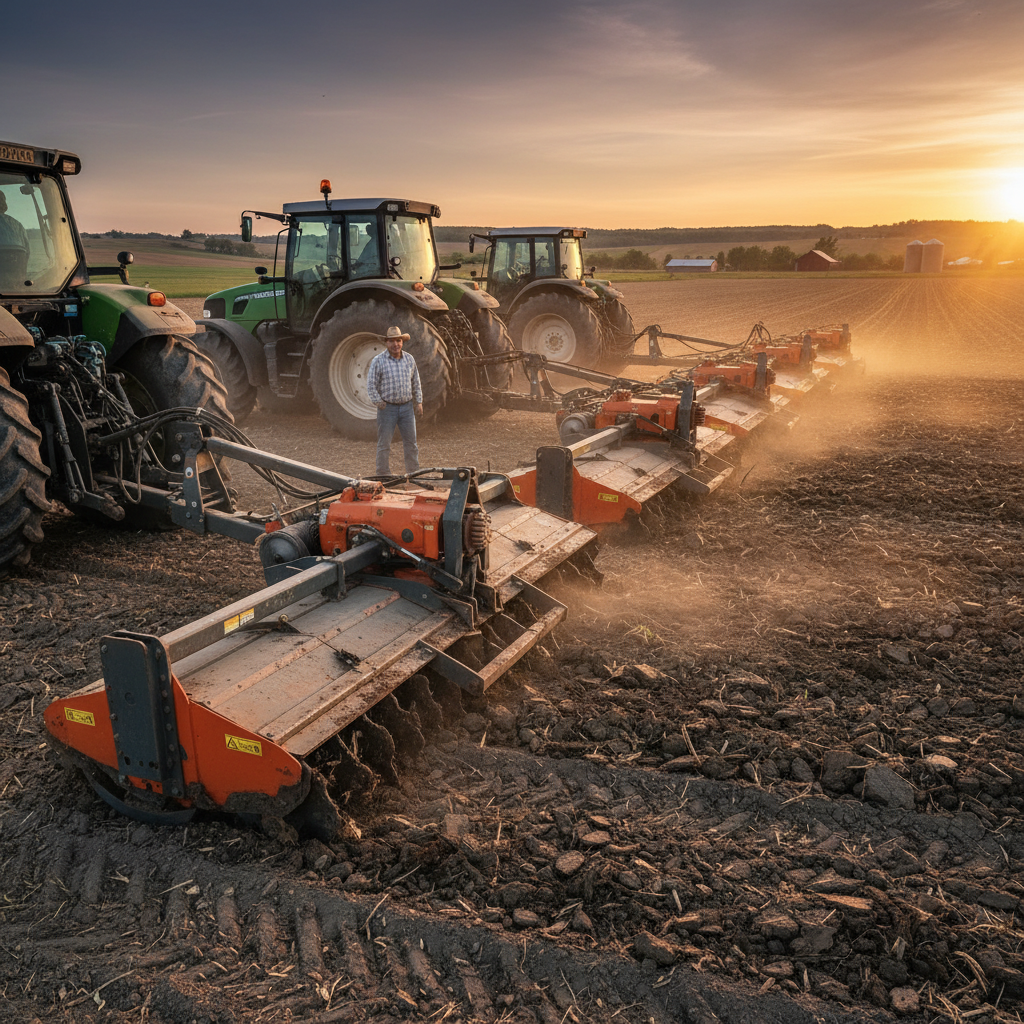
Maximizing Land Productivity with Professional Heavy Duty Tillers
For professional farmers and landscaping contractors, the quality of soil preparation determines the success of the entire growing season. Investing in high-performance heavy duty tillers is essential for breaking through compacted earth, removing stubborn weeds, and integrating organic matter deeply into the soil. Unlike standard garden cultivators, these industrial-grade machines are engineered to handle vast acreages and the most challenging terrain without compromising efficiency. In this guide, we will explore how choosing the right equipment can transform your agricultural output and streamline your land management process.
>
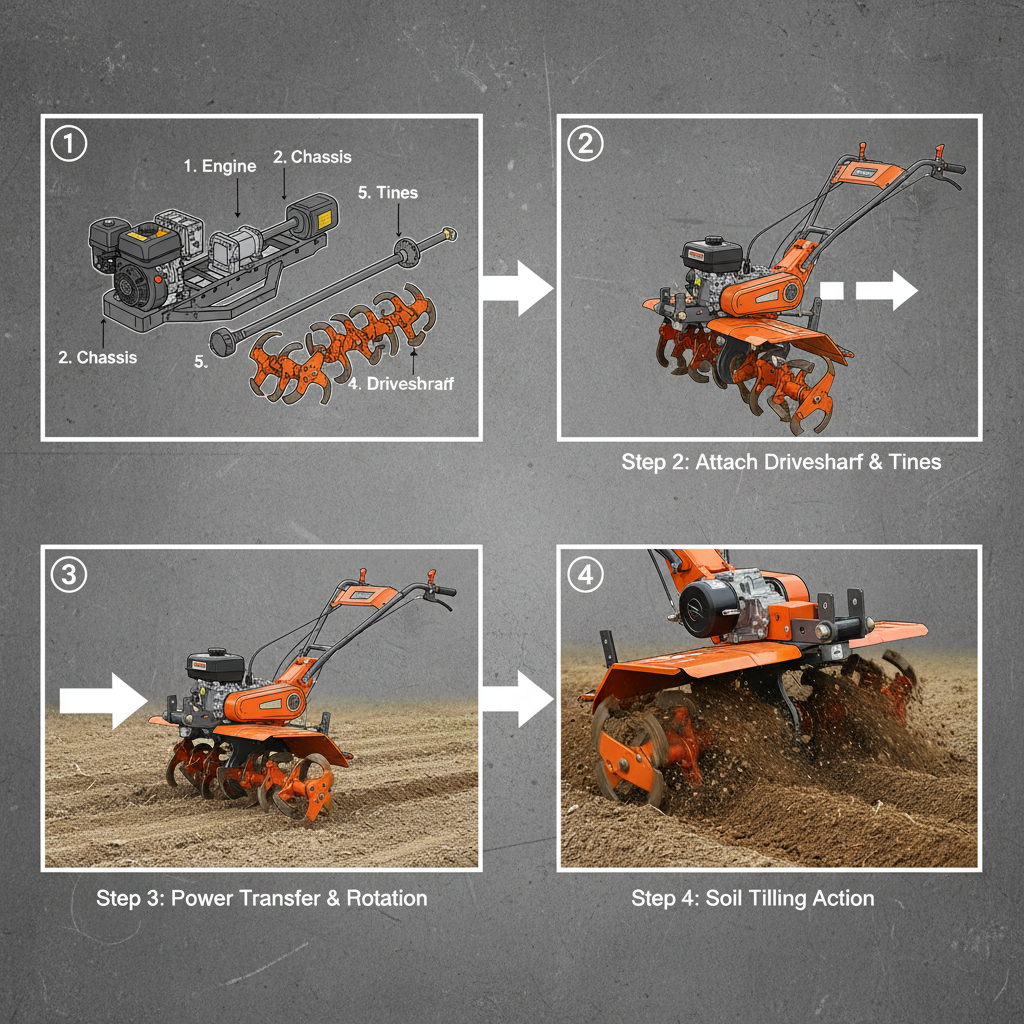
Choosing the Best Heavy Duty Rototiller for Efficient Land Preparation
A heavy duty rototiller is an invaluable tool for anyone involved in serious gardening, small-scale farming, or land preparation. Whether you're breaking new ground, maintaining existing garden beds, or preparing for planting, the right rototiller can significantly reduce labor and improve efficiency. However, with numerous options available, selecting the best model requires careful consideration. This article will guide you through the key factors to consider when purchasing a heavy-duty rototiller, helping you make an informed decision. ZinanMech offers a wide range of rototillers to suit various needs.
>
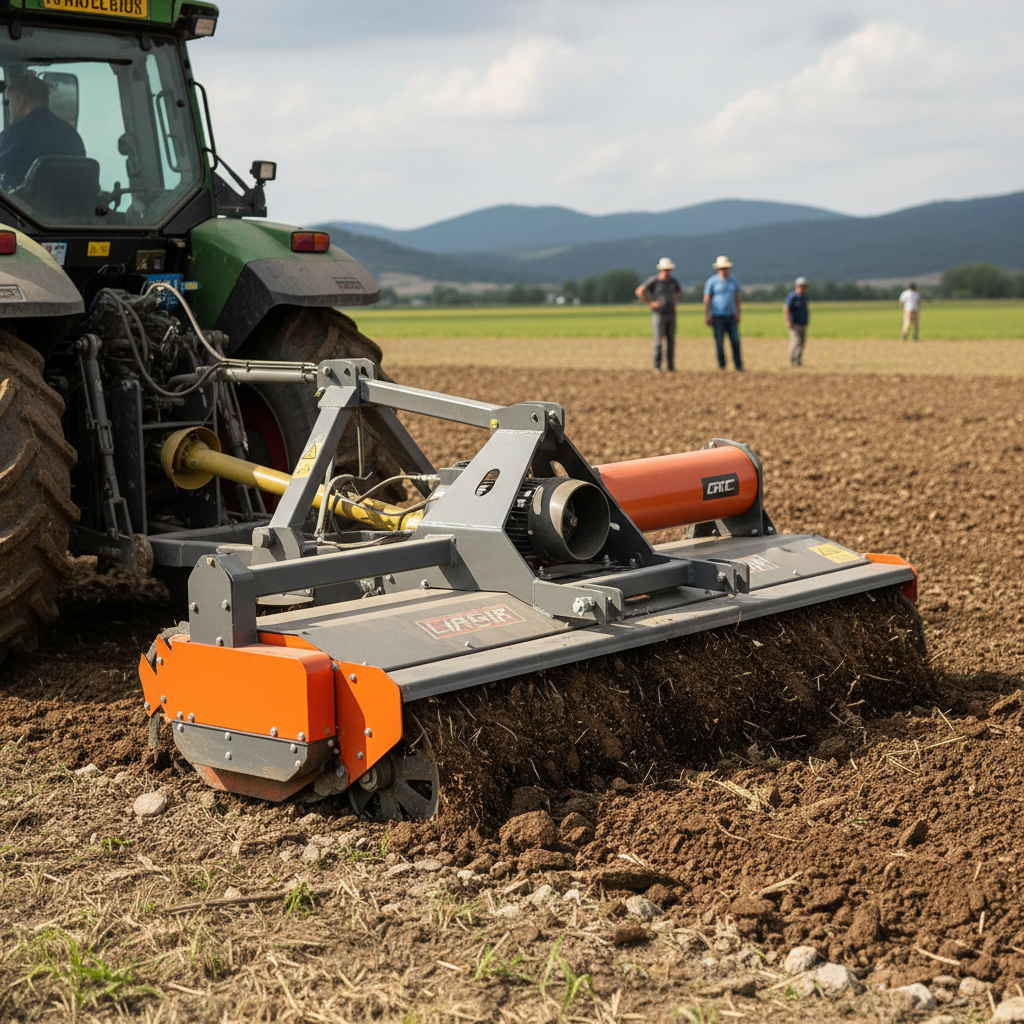
Comprehensive Guide to Heavy Duty Rotary Tiller Selection and Application
When it comes to land preparation, a heavy duty rotary tiller is an invaluable tool. This robust machinery excels at breaking up compacted soil, creating a fine seedbed, and incorporating organic matter. This article dives deep into the world of heavy duty rotary tillers, covering their benefits, applications, key features, and how to choose the right one for your needs. Whether you're a farmer, landscaper, or large-scale gardener, understanding these tillers is essential for efficient and effective soil management.
>
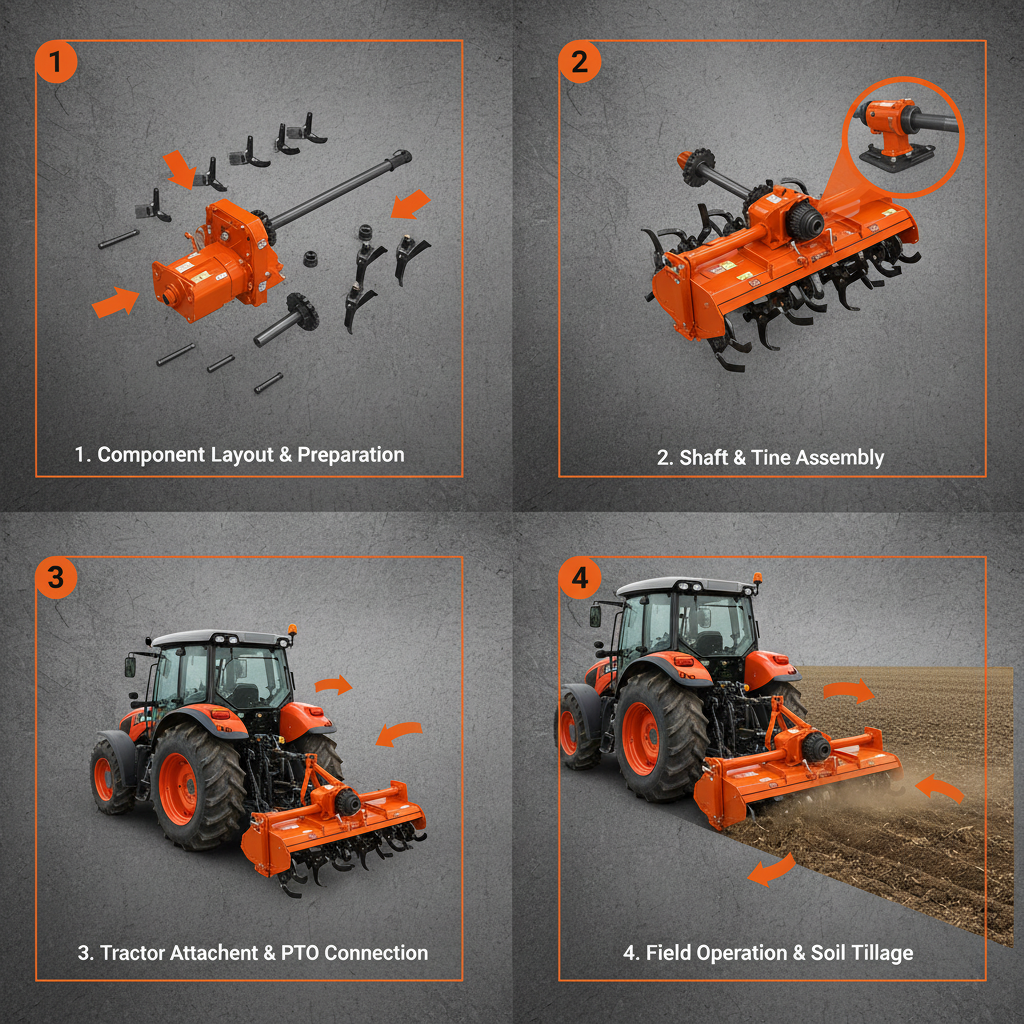
Comprehensive Guide to Selecting the Ideal Farm Tractor Tiller for Your Needs
Selecting the ideal farm tractor tiller is crucial for efficient soil preparation and maximizing agricultural yields. With a diverse range of models available, understanding your needs and the features offered by different tillers is paramount. This article provides a detailed overview of farm tractor tillers, covering their types, benefits, key considerations, and how to choose the right one for your specific farming operation. Proper tillage significantly impacts seedbed quality, weed control, and ultimately, crop performance.
>
Boost Farm Productivity with a High Performance Farm Pro Rotary Tiller
Are you looking to enhance your agricultural productivity and streamline your soil preparation process? A Farm Pro rotary tiller is an invaluable investment for farmers of all scales. This article delves into the benefits, features, applications, and considerations when choosing the right rotary tiller for your farm. We’ll explore how this machinery can significantly reduce labor costs and improve soil quality, ultimately leading to higher yields. From small hobby farms to large-scale commercial operations, a Farm Pro tiller offers a robust and efficient solution for a variety of tilling needs.
>
Unlock Farming Efficiency with a Powerful Agricultural Tiller Solution
In the world of farming and gardening, efficiency and productivity are key. An agricultural tiller is a vital piece of equipment that streamlines soil preparation, saving time and labor. This article dives deep into the world of tillers, exploring their types, benefits, how to choose the right one, and the quality solutions offered by Zinanmech. We’ll cover everything from small garden tillers to heavy-duty agricultural models, ensuring you have the knowledge to make an informed decision. An agricultural tiller, also known as a rotary tiller, is a motorized machine used to break up and cultivate soil. Unlike manual digging or plowing, tillers use rotating blades to loosen the soil, creating a fine, even tilth that's ideal for planting. This process improves soil aeration, drainage, and nutrient availability, leading to healthier plant growth.
>
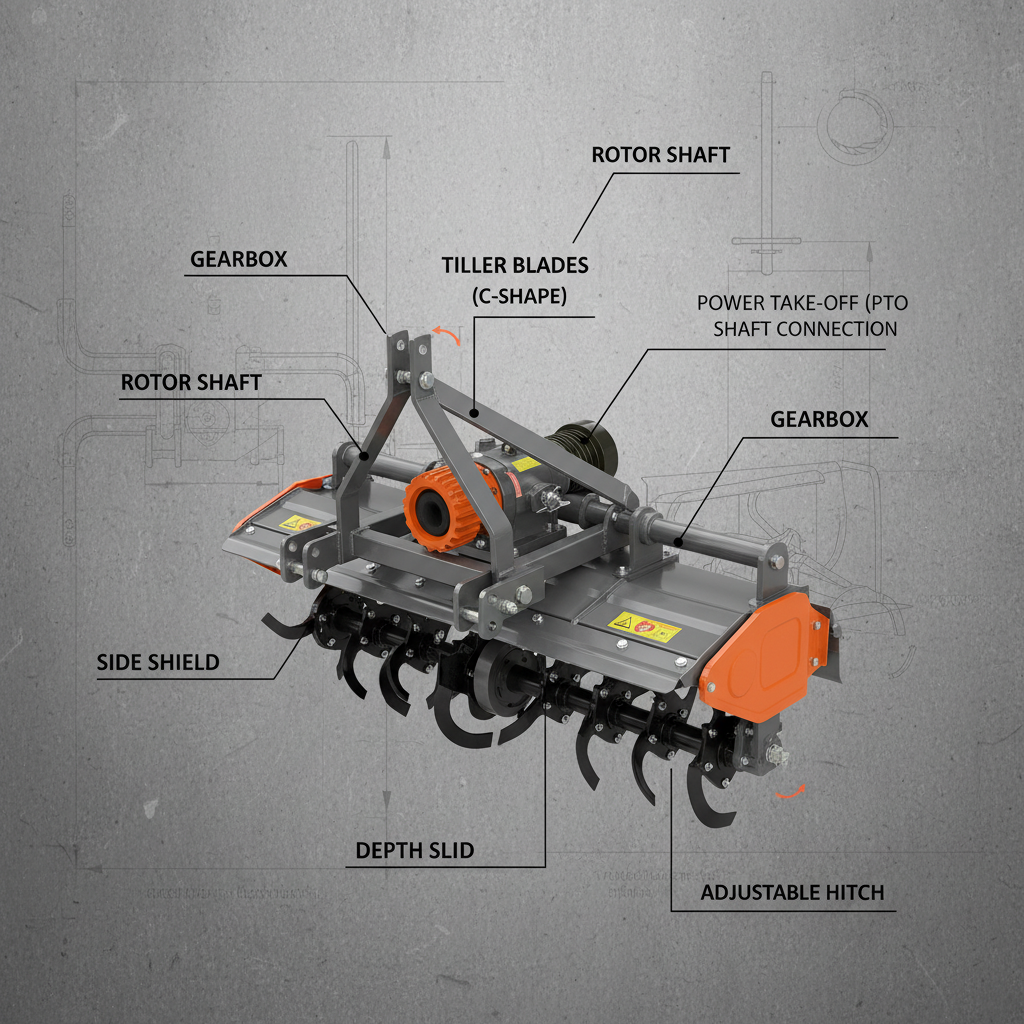
Comprehensive Guide to Agricultural Rotary Tiller Selection and Usage
An agricultural rotary tiller is an essential tool for modern farming, designed to efficiently prepare soil for planting. This powerful machinery significantly reduces labor and time compared to traditional methods. Whether you're a smallholder or manage a large-scale agricultural operation, understanding the benefits and features of a rotary tiller is crucial for maximizing productivity. Choosing the right tiller can transform your land preparation process. This article provides a detailed overview of agricultural rotary tillers, covering their uses, types, benefits, and key considerations when selecting the right model. Modern tillers are available in various sizes and configurations, catering to different farm sizes and soil conditions. Zinanmech provides a range of high-quality rotary tillers designed for optimal performance and durability. An agricultural rotary tiller, also known as a rototiller, is a motorized machine used to prepare agricultural land for cultivation. It works by using rotating blades – typically called tines – to break up, churn, and mix the soil.
>
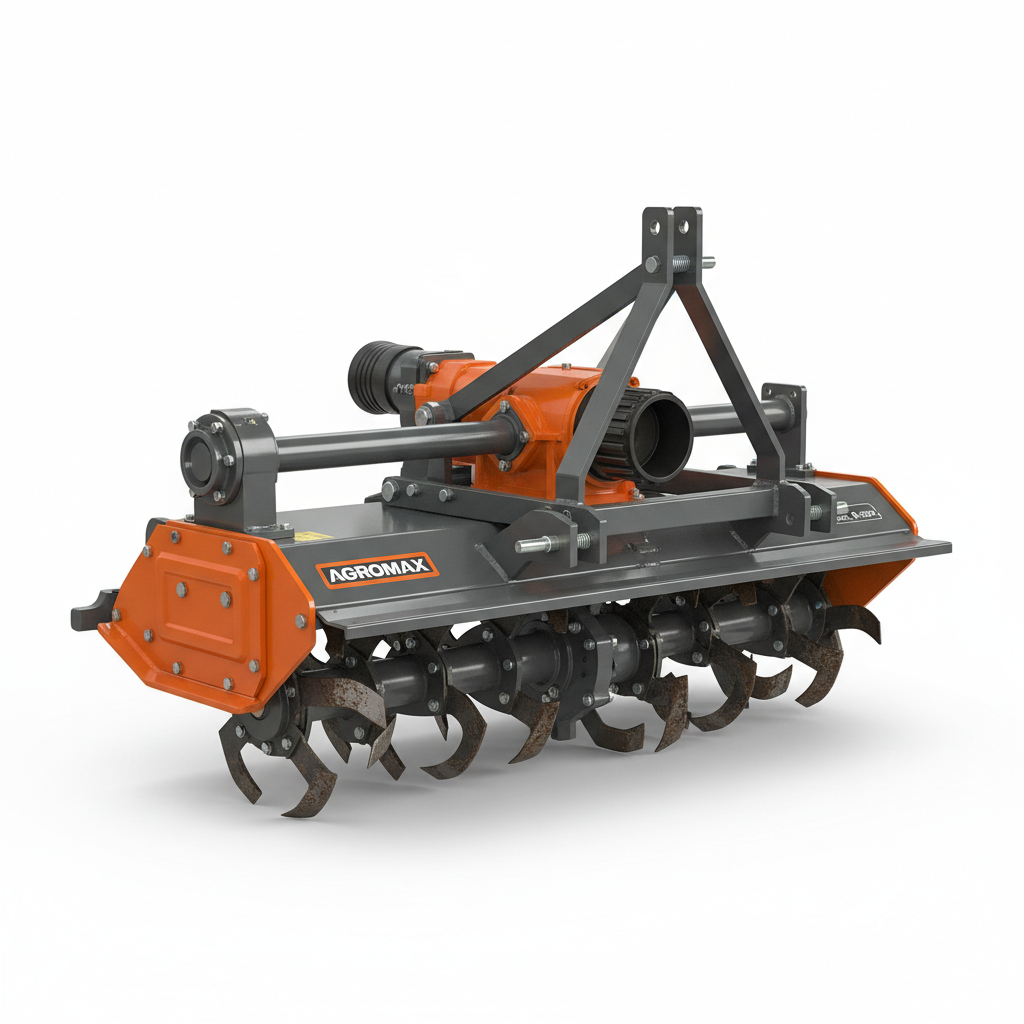
Comprehensive Guide to Selecting the Ideal Agric Rototiller for Your Farm
Selecting the right agric rototiller is crucial for efficient soil preparation and maximizing crop yields. This guide will explore the different types of rototillers, their applications, and how to choose the best model for your farming needs. We’ll cover everything from small, handheld rototillers to larger, tractor-mounted versions, helping you make an informed decision to enhance your agricultural operations. A well-chosen rototiller significantly reduces manual labor and improves soil quality. Agric rototillers come in various sizes and configurations, each suited for different farming tasks. The main types include: Front-Tine Rototillers, ideal for smaller gardens and breaking up already tilled soil; Rear-Tine Rototillers, offering more power and suitable for larger areas and tougher soil conditions; and Mid-Tine Rototillers, a versatile option for medium-sized farms. Choosing the correct type depends on your farm size, soil type, and the crops you intend to grow.
>

Unlock Farming Efficiency with a Powerful Agri Rototiller for Modern Agriculture
In today's agricultural landscape, efficiency and productivity are paramount. An agri rototiller, also known as a rotary tiller, is an invaluable tool for preparing soil for planting. This versatile machine cultivates, mixes, and levels the soil in a single pass, saving farmers significant time and effort. From small-scale farms to large agricultural operations, the benefits of using a rototiller are numerous. Investing in a quality rototiller is investing in the future success of your harvest. An agri rototiller is a motorized machine designed to break up and aerate soil using rotating blades. These blades, often called tines, churn the soil, creating a fine, even texture ideal for planting seeds or transplanting seedlings. Unlike traditional plowing, rototilling doesn't invert the soil, minimizing disruption to the soil's natural structure.
>
International layout
Spread all over the world
our products are exported to various parts of the world. Currently, our products have been exported to more than 40 countries Our products cover Asia, Europe, Africa, South America, North America, and Oceania
Sign up
for Newsletter
Subscribe to the weekly newsletter for all the latest updates