- Tel: +86 13451474678 / 13451474678
- Email: / hbzinanmech@gmail.com

The agricultural seed drill. Seems simple, right? But after years crawling around construction sites, getting my hands dirty with materials, and talking to the folks actually doing the work, I can tell you, it’s a fundamental piece of getting things done. It’s about maximizing efficiency, minimizing waste, and ultimately, feeding the world. For too long, planting relied on backbreaking labor and imprecise methods. The agricultural seed drill changed that, and continues to evolve as we face growing global challenges. It's not just about putting seeds in the ground; it’s about optimizing yield, reducing labor costs, and ensuring food security.
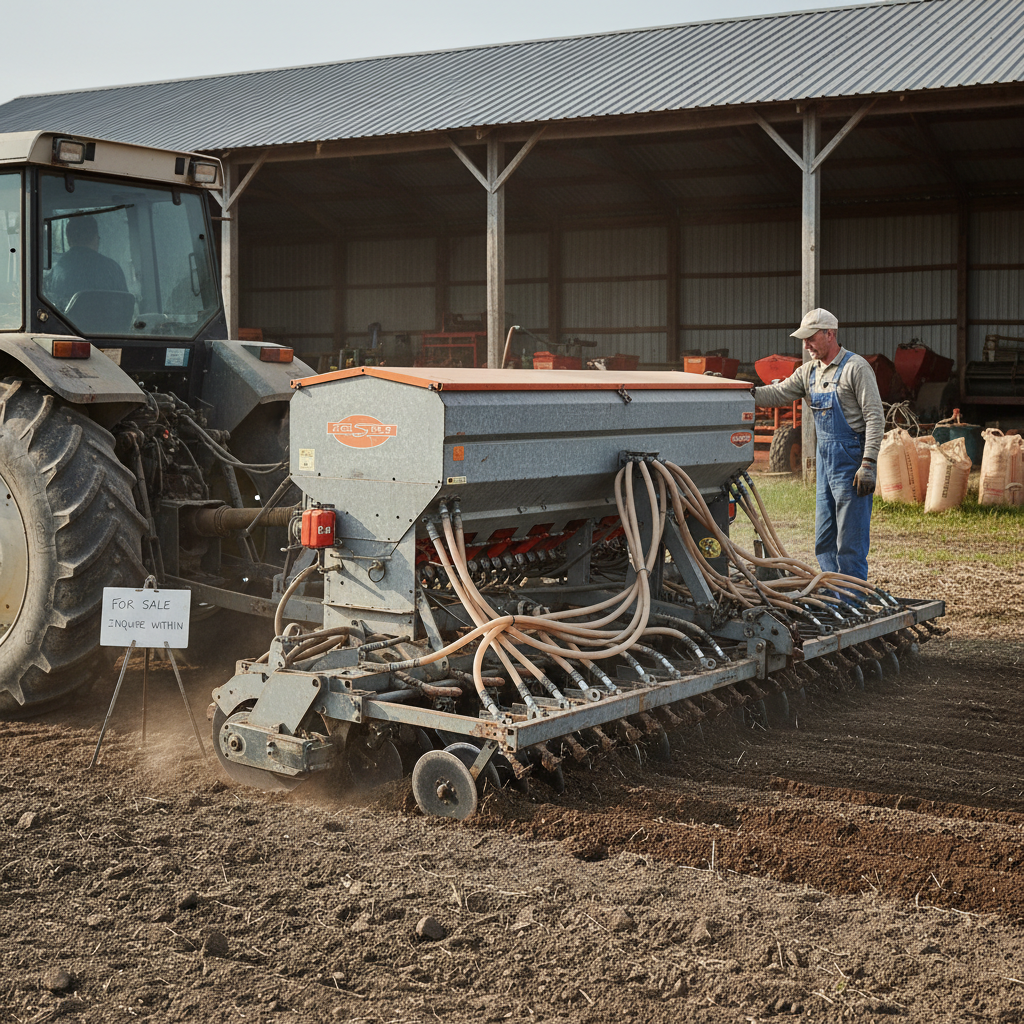
It’s a deceptively complex piece of machinery. You see a frame, a seed hopper, maybe some furrow openers, but the real engineering is in the precision – consistent seed depth, accurate spacing, and the ability to handle different seed types and soil conditions. I’ve seen drills that choke on anything but perfectly prepared ground, and others that just shrug off rocks and debris. The difference? Thoughtful design, quality materials, and a deep understanding of the real-world conditions it will operate in. From small family farms to large-scale agricultural operations, the effectiveness of an agricultural seed drill directly impacts profitability and sustainability.
And it's becoming even more critical. Climate change is throwing curveballs at us – unpredictable rainfall, changing soil conditions, increased pest pressure. We need tools that can adapt. That’s why the advancements in precision agriculture, GPS-guided drills, and variable rate seeding are so exciting. It’s not just about doing things faster; it’s about doing them smarter.
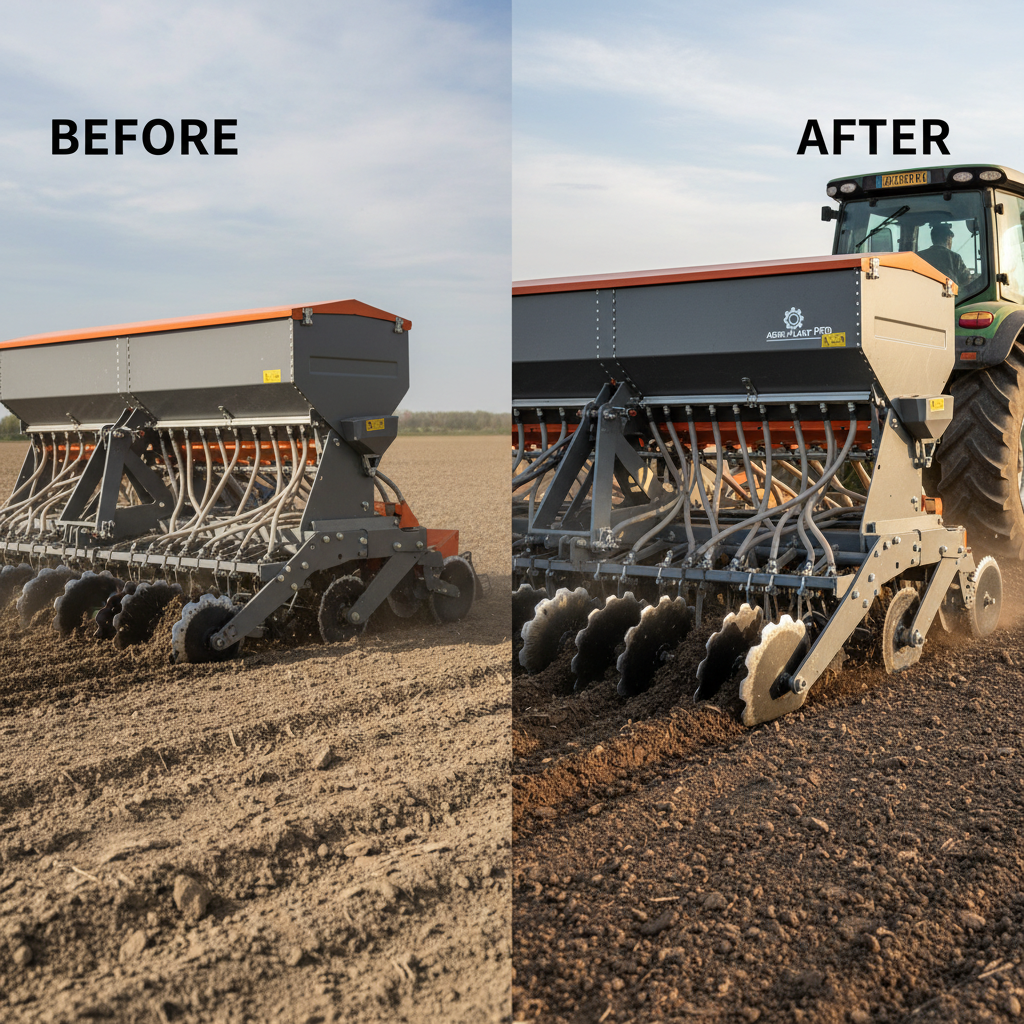
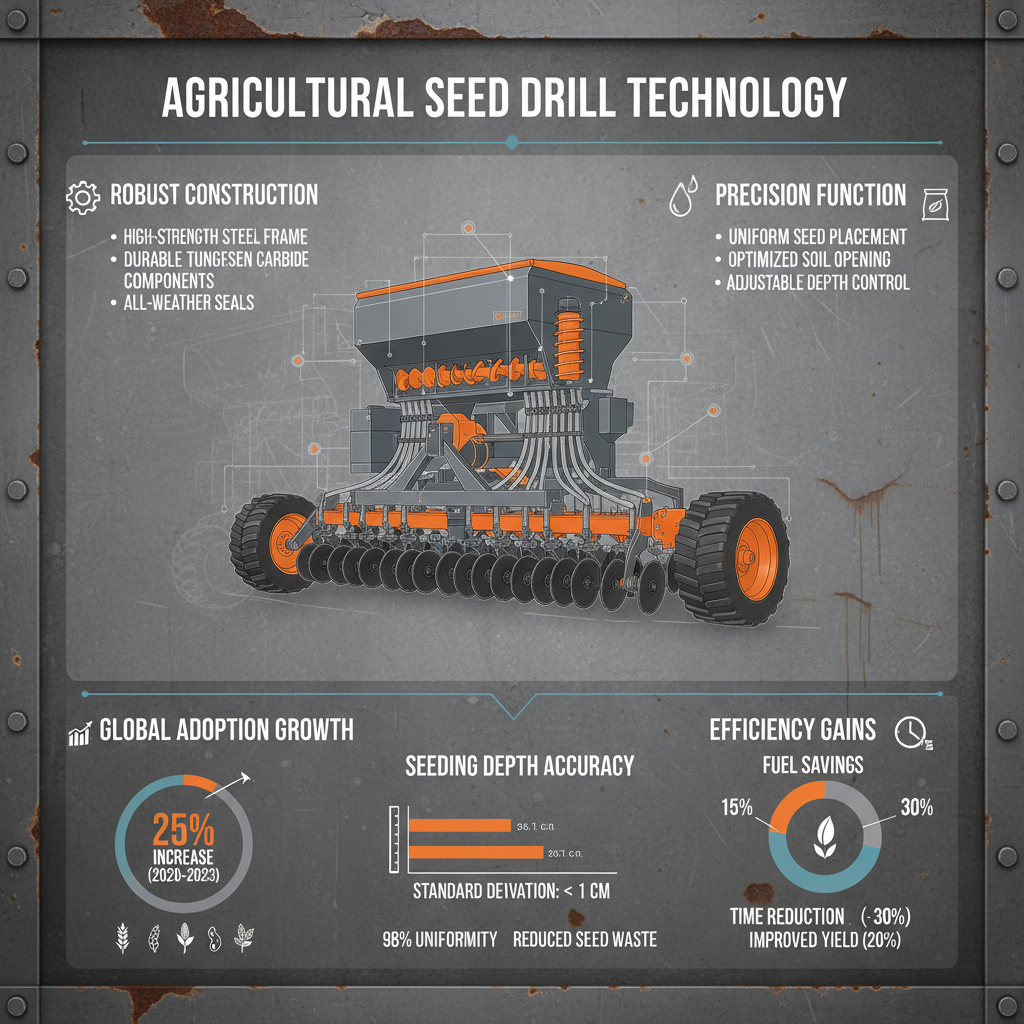
Look, before the agricultural seed drill, planting was a bottleneck. It was slow, labor-intensive, and yields were inconsistent. You’d get clumping, uneven distribution, wasted seed… it added up. The introduction of mechanized planting was a game-changer, and the agricultural seed drill is still the workhorse. The UN estimates that global food production needs to increase by 70% by 2050 to feed a growing population. We can’t do that with outdated methods. We need efficient, reliable seed drills to maximize every acre.
I’ve been on farms where they’re still hand-broadcasting seed, and frankly, it’s heartbreaking to see the waste. The potential yield lost is enormous. Investing in a quality agricultural seed drill isn’t just about buying a machine; it's about investing in a future where we can produce enough food to feed everyone, sustainably. That’s a pretty big responsibility.
Choosing the right agricultural seed drill requires careful consideration of several factors. Start with your farm size and the types of crops you'll be planting. Soil type is critical – heavy clay needs a different drill than sandy loam. Also, think about the terrain; hilly fields demand a more robust and maneuverable machine. Finally, consider your budget and the availability of maintenance and support. Don’t just go for the cheapest option; invest in a drill that will provide years of reliable service.
Regular maintenance is key to extending the life of your agricultural seed drill. At a minimum, you should grease all bearings before each planting season. Inspect seed metering systems for wear and tear and calibrate them to ensure accurate seed delivery. Check tires for proper inflation and look for any signs of damage. A thorough inspection and cleaning after each season is also recommended. Following the manufacturer’s maintenance schedule is always a good practice.
Conventional agricultural seed drills typically broadcast seeds at a uniform rate, while precision drills use advanced technology like GPS and sensors to control seed placement with pinpoint accuracy. Precision drills can adjust seeding rates based on soil conditions and yield maps, maximizing efficiency and minimizing waste. While more expensive upfront, precision drills often offer a significant return on investment through increased yields and reduced input costs.
Accurate seed depth is crucial for successful germination. Make sure your furrow openers are sharp and properly adjusted to the desired depth. Regularly check the downforce on the furrow openers to ensure they're maintaining consistent contact with the soil. Avoid operating the drill on uneven terrain, as this can cause fluctuations in seed depth. Calibrate the drill regularly and monitor seed emergence to identify any issues.
No-till agricultural seed drills are designed to plant seeds directly into undisturbed soil, without prior tilling. This offers several benefits, including reduced soil erosion, improved soil health, and increased water retention. No-till farming also requires less fuel and labor, making it a more sustainable and cost-effective option. It's becoming increasingly popular as farmers look for ways to improve their environmental footprint.
Consistent clogging can be a frustrating problem. First, check the seed hopper for any obstructions. Ensure the seed is flowing freely and isn't damp or clumpy. Inspect the furrow openers for damage or wear and tear. Adjust the downforce to ensure proper soil penetration. If the problem persists, try using a seed lubricant or adjusting the seed metering system. If all else fails, consult a qualified technician.
We've covered a lot of ground – from the basic principles of agricultural seed drill operation to the latest innovations in precision agriculture. The bottom line is this: the agricultural seed drill is a foundational tool for modern food production. It’s about efficiency, sustainability, and ensuring a reliable food supply for a growing world. It's more than just a machine; it's a vital link in the food chain.
Looking ahead, continued innovation in agricultural seed drill technology will be critical for addressing the challenges of climate change and food security. Investing in research and development, promoting operator training, and making these tools accessible to farmers worldwide are essential steps. And remember, even the most advanced technology is only as good as the people using it. Visit our website at zinanmech.com to learn more about our range of agricultural seed drills and how we can help you optimize your planting operations.