- Tel: +86 13451474678 / 13451474678
- Email: / hbzinanmech@gmail.com

Tractor With Seed Drill – Precision Farming Solutions for Global Food Security
Why Understanding the Tractor with Seed Drill is More Important Than You Think
At first glance, the phrase tractor with seed drill might seem like just another piece of agricultural jargon. But if you step back, it’s really a window into how modern farming addresses global food security challenges. As the world’s population edges toward 8 billion, planting crops efficiently and sustainably becomes crucial—and machines that combine power and precision, like a tractor fitted with a seed drill, are key players in this story.
By understanding what these machines do and why they’re increasingly vital from the Americas to Asia, we get more than just technical trivia. We get insights into solving hunger, boosting rural economies, and even reducing environmental footprints. So buckle up—this isn’t just about tractors; it’s about feeding the future.
The Global Relevance of Tractor with Seed Drill Technology
Around the world, roughly 33% of the global population still relies on agriculture as a primary livelihood according to the UN Food and Agriculture Organization (FAO). Yet, inefficient planting methods have historically been a major bottleneck. The World Bank’s data points to improved mechanization in developing countries as a way to increase productivity by up to 50%. Enter the tractor with seed drill, a game-changer that simplifies sowing seeds at consistent depths and intervals, ensuring better germination and yields.
The challenge, frankly, is multifaceted. It’s not just about planting seeds; it’s about saving time, labor costs, and precious water resources while minimizing soil disruption. Without these advances, regions prone to drought or erratic weather face even more dire food insecurity risks. That’s why this technology is not just an agricultural tool but an essential step toward global sustainability.
What Exactly Is a Tractor with Seed Drill?
In simple terms, a tractor with seed drill is a farm vehicle equipped with specialized machinery that deposits seeds into the soil at measured depths and spacing. This differs drastically from traditional broadcasting, where seeds are scattered unevenly by hand or by mechanical spreaders. The seed drill ensures seeds aren’t just scattered randomly—they're planted in neat rows that optimize soil contact, nutrient access, and crop emergence.
In modern industry, this mechanization connects agricultural productivity with humanitarian impact. Precision in sowing leads to higher crop yields and reduced waste—key factors in feeding vulnerable populations and supporting sustainable farming communities worldwide.
Main Components and Features That Matter
1. Durability of the Seed Drill Assembly
These machines deal harshly with dusty, rocky soils and repetitive motion. Many engineers favor steel or reinforced alloys for the drill’s components to withstand years of wear, even in tough environments. Durable parts mean less downtime, which, in farming, literally translates to saving planting windows.
2. Scalability for Different Farm Sizes
From smallholder farms in sub-Saharan Africa to vast wheat fields in Canada, the tractor with seed drill comes in various capacities. Smaller models might suit 1–5 hectare plots, while larger units cover hundreds of hectares daily. This flexibility means more farmers can adopt efficient sowing tailored to their land.
3. Cost Efficiency and Labour Savings
Seeds are precious—expensive—and wasting them is a budget killer. Seed drills reduce seed use without affecting output, saving costs. Plus, less manual labor is required, easing burdens in regions where farm labor is scarce or expensive.
4. Precision and Seed Placement Accuracy
Modern drills not only plant seeds at consistent depths but some even come with adjustable settings to adapt to different seed types and soil conditions. This precision amplifies germination rates and leads to uniform crop stands.
5. Ease of Use and Maintenance
Simple controls and accessible parts are a big deal, especially for small-scale farmers who may not have access to highly trained technicians. The easier it is to use and fix the equipment, the more sustainable the investment.
Product Specification Table of a Typical Tractor with Seed Drill
| Specification | Details |
|---|---|
| Tractor Power | 50-90 HP |
| Number of Seed Rows | 6–12 rows, adjustable spacing |
| Seed Hopper Capacity | 100–300 kg |
| Working Speed | 5–8 km/h |
| Row Spacing Options | 150mm, 200mm, 250mm |
| Material | Steel with anti-corrosive coating |
Mini takeaway: A tractor with seed drill blends power with precision, aimed at increasing yields, reducing seed waste, and fitting different farm sizes for maximum versatility.
How and Where Are Tractors with Seed Drills Used Globally?
You’ll find these machines quietly working in diverse settings. In the expansive wheat belts of Canada and Russia, they enable planting over thousands of hectares swiftly during narrow spring windows. Meanwhile, in parts of India and Pakistan, medium-sized models are prized for use on family farms where mechanized planting was once a dream.
Emerging economies in Africa are embracing them as well, supported by NGOs and governments trying to revamp agriculture and reduce famine risk. For example, in Ethiopia’s Tigray region, tractors with seed drills have been integral in “climate-smart agriculture” initiatives, improving resilience against erratic rainfall.
Some organizations even deploy these machines for post-disaster agricultural recovery to restart food production quickly, showcasing their humanitarian importance. For anyone tracing global food chains, these humble machines are pivotal nodes.
Advantages Worth Highlighting
- Cost-Effectiveness: Reduced seed waste and labor translate directly into better margins.
- Environmental Benefits: Minimal soil disturbance compared to broadcasting means less erosion and better moisture retention.
- Social Impact: Farmers save time and can produce more food, supporting family welfare and rural economies.
- Reliability: Precision planting leads to consistent crop growth, reducing the variability that can be troubling for farming livelihoods.
On a human level, there’s something reassuring about watching seeds planted systematically row by row, as if the land itself is being cared for with intention and respect. It’s innovation you can trust.
Where Are Tractor with Seed Drill Technologies Headed?
Automation and digital transformation are shaking up the scene. Smart drills now incorporate GPS-guided seed placement systems, variable rate technology to tailor planting density, and even seed metering controlled by AI algorithms to optimize yield in real time. Green energy integration is another trend, with electric tractors and seeders reducing dependency on fossil fuels.
Materials science is also evolving—using lightweight composites that still endure rugged conditions, lowering fuel consumption. Policy-wise, more countries are incentivizing sustainable mechanization as part of their climate goals (ISO standards on agricultural machinery safety and emissions being updated).
Challenges and Real-World Solutions
No tech revolution is straightforward. Cost remains a barrier for small-scale farmers, as does maintenance access—especially in remote areas. Sometimes, the seed drills don’t match the local soil or seed types perfectly, causing frustration.
Solutions? Manufacturers increasingly offer modular designs where farmers can add or swap components, and training programs by agricultural extension agents help with upkeep. Local fabricators customizing machines for specific crops or soil conditions are on the rise, which oddly enough is one of the most effective ways to spread adoption.
FAQ: Your Common Questions About Tractors with Seed Drills
Q1: How does a seed drill improve crop yields compared to traditional seeding?
A1: By placing seeds at uniform depth and spacing, seed drills ensure better germination and growth. This reduces seed wastage and promotes even plant development, resulting in higher overall yields.
Q2: Can a tractor with seed drill be used on all types of soil?
A2: While seed drills are versatile, their effectiveness depends on soil condition. Rocky or heavy clay soils may need specialized drill components or additional soil preparation to avoid clogging or damage.
Q3: What maintenance does a seed drill require?
A3: Regular cleaning of seed tubes, checking moving parts for wear, and lubricating components are key. Some drills also require calibration before each use to maintain seeding accuracy.
Q4: How can small-scale farmers afford these machines?
A4: Many regions promote cooperative ownership, rental schemes, or government subsidies to make tractor with seed drill technologies more accessible to smallholders.
Q5: Are there eco-friendly options available?
A5: Yes, newer models may feature electric drives or incorporate precision farming tech that optimizes seed and input use, lowering environmental impacts.
Comparing Leading Vendors of Tractor with Seed Drill Models
| Vendor | Model Range | Key Feature | Ideal For | Price Range (USD) |
|---|---|---|---|---|
| AgriTech Solutions | STS-1000 to STS-3000 | Modular seed metering | Medium-large farms | 15,000 - 45,000 |
| Global Farm Equip | GF Mini Pro Series | Compact, easy transport | Small-scale farms | 5,000 - 12,000 |
| EcoAgro Machines | E Seed Master 400 | Electric drive, solar assist | Sustainability-focused farms | 25,000 - 50,000 |
Wrapping It Up: Why Tractor with Seed Drill Matters to Everyone
Looking at the big picture, a tractor with seed drill is more than just a farming machine. It’s an emblem of innovation meeting necessity—a way to plant hope as much as seeds. Whether you’re a farmer optimizing fields in a dry belt or a policy maker aiming for food security, understanding and embracing this technology pays dividends now and for generations ahead.
If you want to explore solutions that combine reliability, precision, and impact, a good starting point is to check out tractor with seed drill offerings. Farming, after all, is one of the oldest—and still one of the most vital—human endeavors. Let’s get the tools right.
References:
1. FAO - Food and Agriculture Organization
2. World Bank Agriculture Data
3. Wikipedia - Seed Drill

Related Products
-
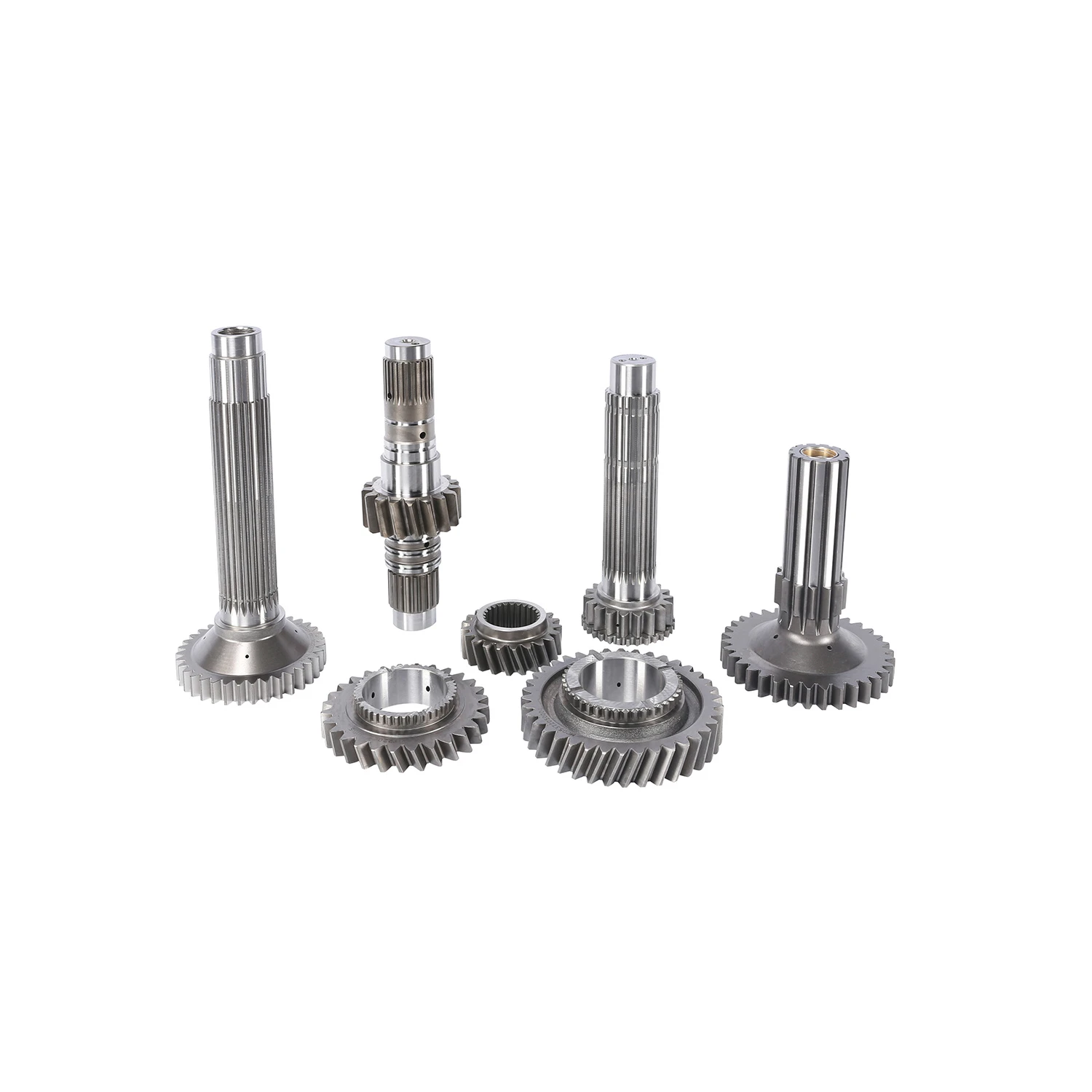 Tractor Gear Shaft
The tractor gear shaft is a crucial element in the power transmission system of a tractor. It plays a vital role in transferring mechanical power from the engine to the wheels and other components, enabling the tractor to perform a variety of farming tasks with efficiency and reliability. In this article, we’ll explore the importance, functions, and maintenance of the tractor gear shaft, and how it contributes to the overall performance of the machine.
-
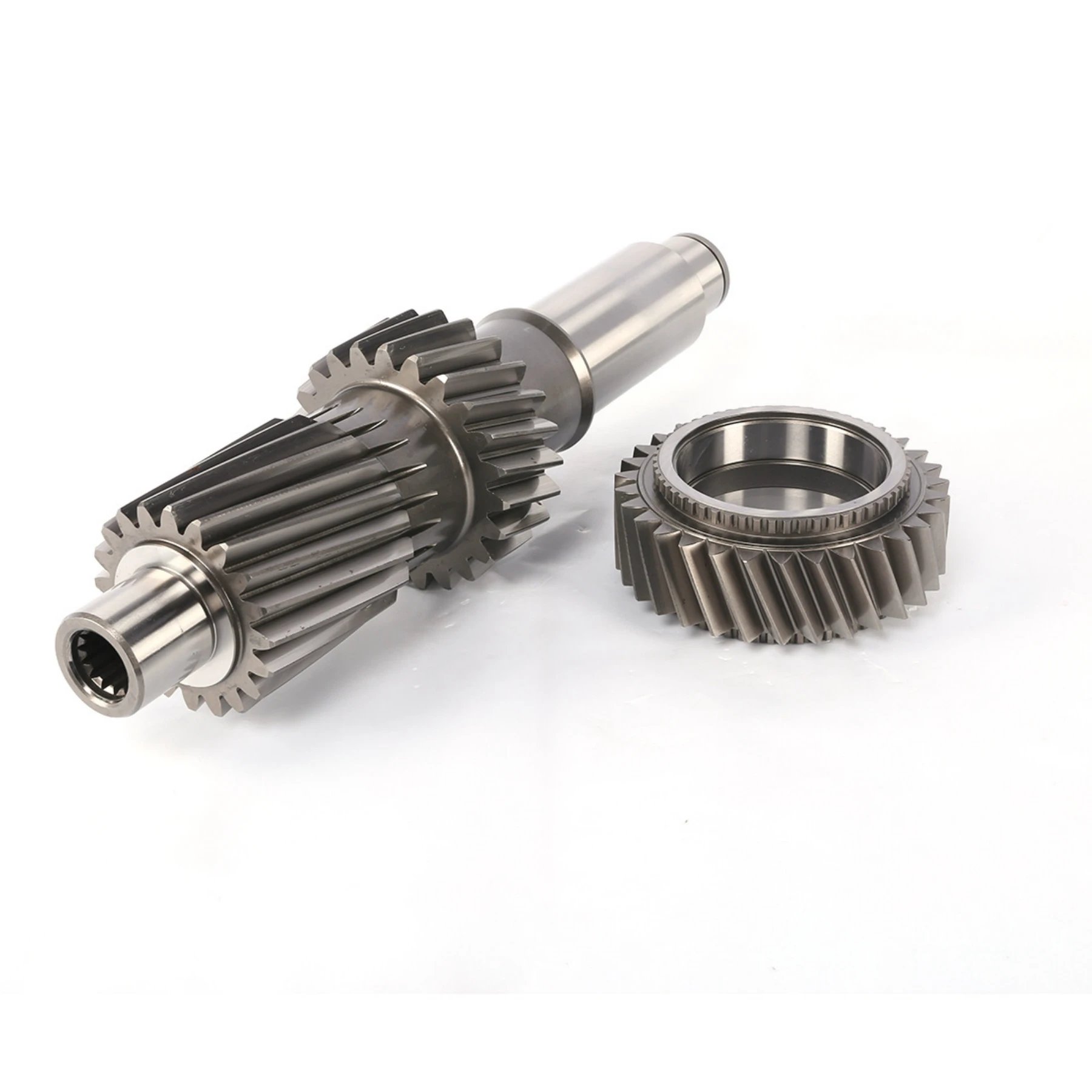 Transmission Gear
Power transmission: the engine operation drives the input gear on the input shaft to rotate, the input gear engages with other gears, and relies on the interaction between teeth and teeth to transfer the power to the intermediate gear (if any) and the output gear, and finally transfers the power to the driving wheel and other components through the output shaft to make the vehicle or equipment move.
Variable speed principle: Change the transmission ratio by meshing gears with different numbers of teeth. For example, when the big gear drives the small gear, the speed of the small gear will be faster than the big gear, but the output torque will be smaller, to achieve growth and torque reduction; On the contrary, when the pinion drives the big gear, the speed of the big gear slows down, the torque increases, and the torque increases. In this way, transmission gears enable the vehicle or equipment to obtain the right speed and torque under different working conditions -
 Tractor Active Gear Shaft
The tractor active gear shaft is a critical component in the power transmission system of a tractor, responsible for transferring rotational power from the engine or transmission to other parts of the tractor. By efficiently distributing torque and enabling smooth gear shifts, the active gear shaft plays a vital role in enhancing the performance and versatility of the tractor, making it essential for a wide range of agricultural tasks. In this article, we’ll explore the function, benefits, and maintenance of the tractor active gear shaft.
-
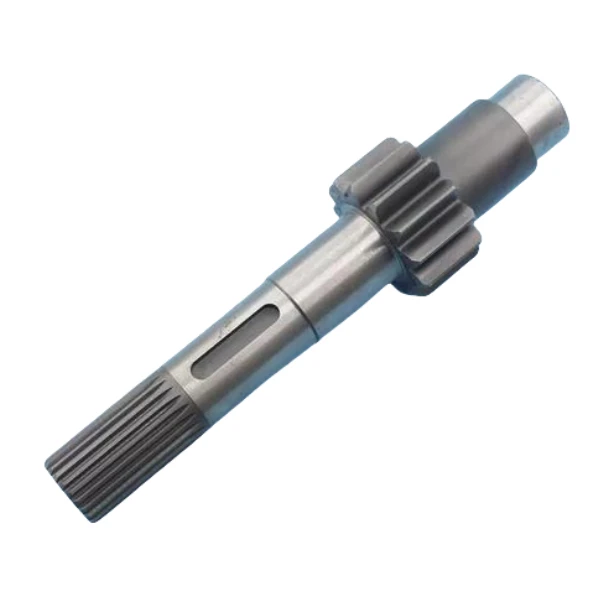 Harvester Input Shaft
The main role of the harvester input shaft is to introduce the power of the external power source into the internal transmission system of the harvester. When the power source (such as an engine) is running, the torque generated is transmitted to the input shaft through the connecting parts, causing the input shaft to start rotating. The gear, pulley or sprocket and other transmission parts installed on the input shaft will rotate with the rotation of the input shaft, and then transfer the power to the subsequent transmission parts and working parts, such as driving the cutting device, conveying device, threshing device, etc., to complete the crop harvesting, conveying, threshing and other work processes.
Related News
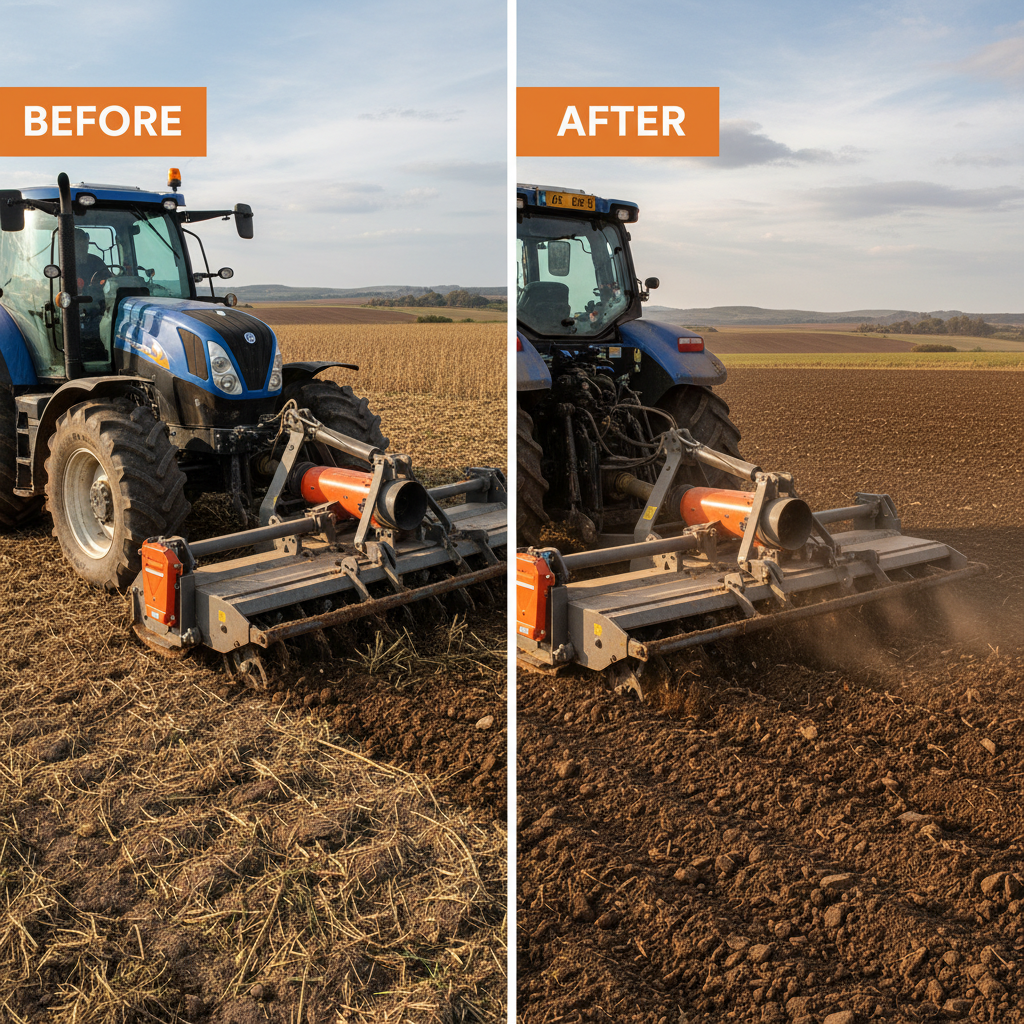
Professional Heavy Duty Tiller for Tractor for Soil Productivity
Achieving the perfect seedbed is the foundation of any successful harvest. For farmers dealing with compacted soil, stubborn crop residue, or expansive acreage, a standard rototiller often falls short. This is where a heavy duty tiller for tractor becomes an essential investment. These robust machines are engineered to penetrate deep into the earth, breaking up hardpan and aerating the soil with unmatched efficiency. By integrating a professional-grade tiller into your machinery lineup, you can significantly reduce preparation time and improve crop yield. In this guide, we will explore the technical advantages, selection criteria, and maintenance tips for choosing the right heavy-duty tilling solution.
>
Maximizing Land Productivity with Professional Heavy Duty Tillers
For professional farmers and landscaping contractors, the quality of soil preparation determines the success of the entire growing season. Investing in high-performance heavy duty tillers is essential for breaking through compacted earth, removing stubborn weeds, and integrating organic matter deeply into the soil. Unlike standard garden cultivators, these industrial-grade machines are engineered to handle vast acreages and the most challenging terrain without compromising efficiency. In this guide, we will explore how choosing the right equipment can transform your agricultural output and streamline your land management process.
>
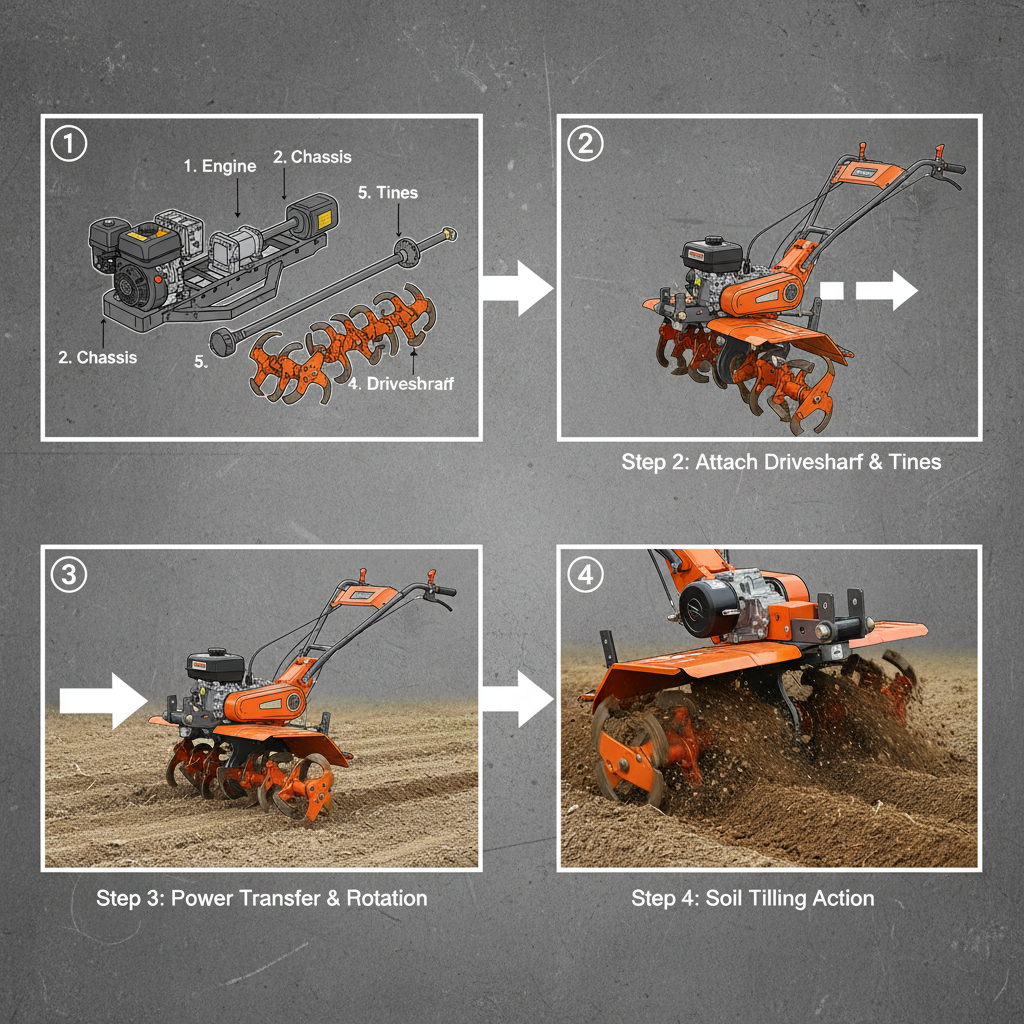
Choosing the Best Heavy Duty Rototiller for Efficient Land Preparation
A heavy duty rototiller is an invaluable tool for anyone involved in serious gardening, small-scale farming, or land preparation. Whether you're breaking new ground, maintaining existing garden beds, or preparing for planting, the right rototiller can significantly reduce labor and improve efficiency. However, with numerous options available, selecting the best model requires careful consideration. This article will guide you through the key factors to consider when purchasing a heavy-duty rototiller, helping you make an informed decision. ZinanMech offers a wide range of rototillers to suit various needs.
>
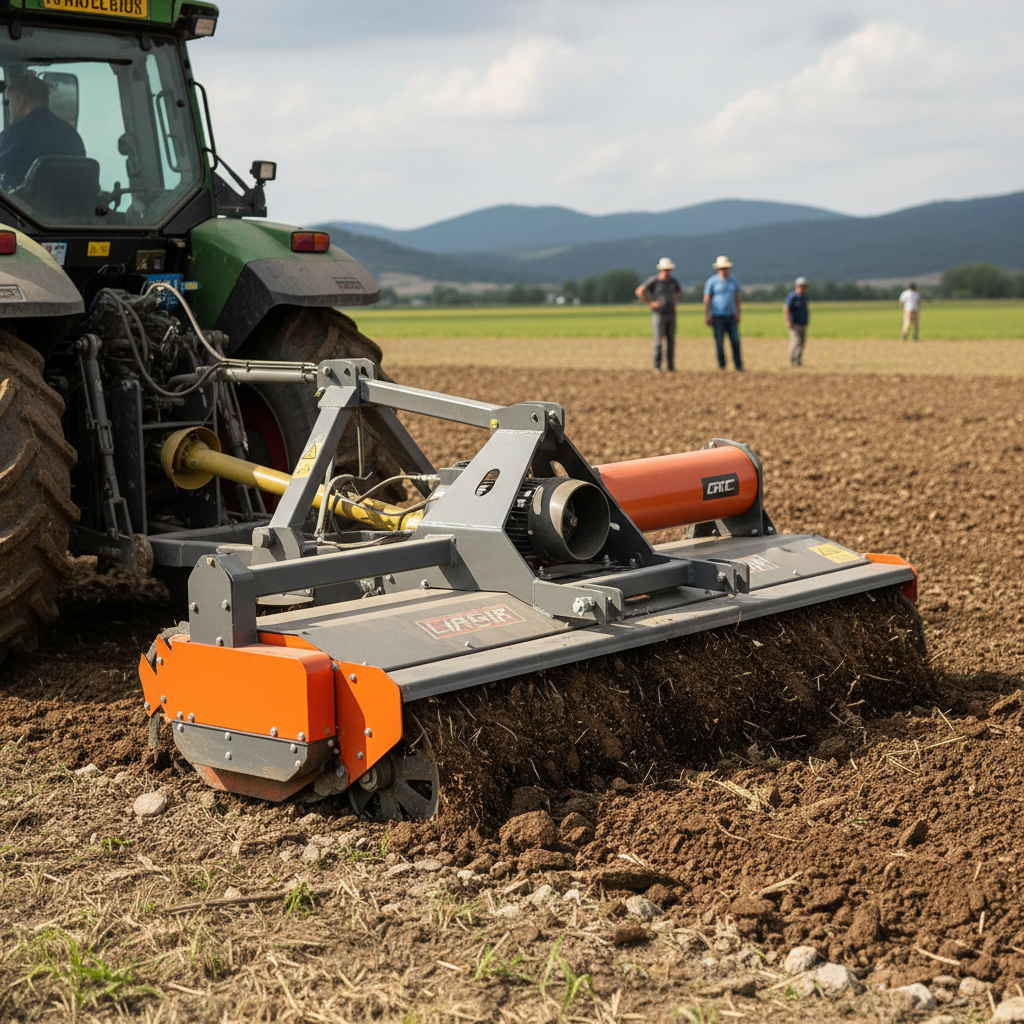
Comprehensive Guide to Heavy Duty Rotary Tiller Selection and Application
When it comes to land preparation, a heavy duty rotary tiller is an invaluable tool. This robust machinery excels at breaking up compacted soil, creating a fine seedbed, and incorporating organic matter. This article dives deep into the world of heavy duty rotary tillers, covering their benefits, applications, key features, and how to choose the right one for your needs. Whether you're a farmer, landscaper, or large-scale gardener, understanding these tillers is essential for efficient and effective soil management.
>
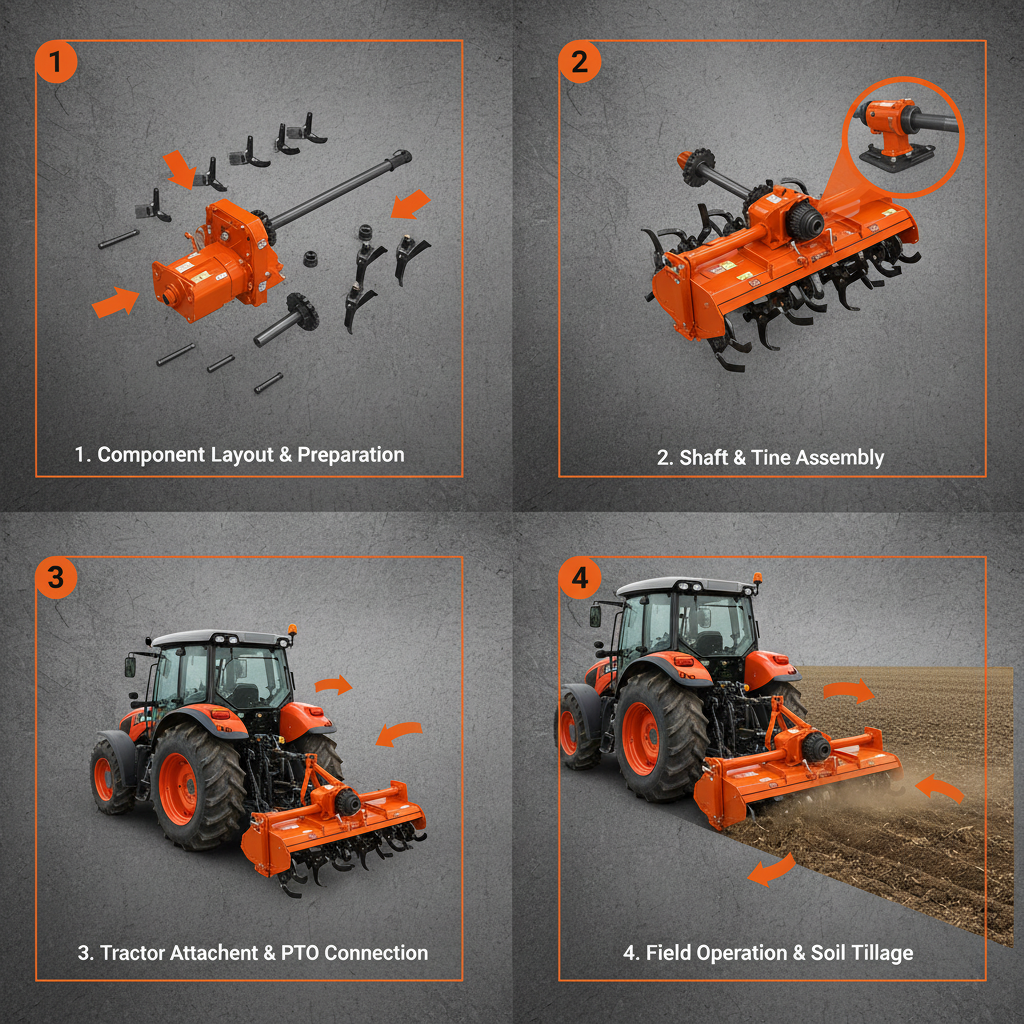
Comprehensive Guide to Selecting the Ideal Farm Tractor Tiller for Your Needs
Selecting the ideal farm tractor tiller is crucial for efficient soil preparation and maximizing agricultural yields. With a diverse range of models available, understanding your needs and the features offered by different tillers is paramount. This article provides a detailed overview of farm tractor tillers, covering their types, benefits, key considerations, and how to choose the right one for your specific farming operation. Proper tillage significantly impacts seedbed quality, weed control, and ultimately, crop performance.
>
Boost Farm Productivity with a High Performance Farm Pro Rotary Tiller
Are you looking to enhance your agricultural productivity and streamline your soil preparation process? A Farm Pro rotary tiller is an invaluable investment for farmers of all scales. This article delves into the benefits, features, applications, and considerations when choosing the right rotary tiller for your farm. We’ll explore how this machinery can significantly reduce labor costs and improve soil quality, ultimately leading to higher yields. From small hobby farms to large-scale commercial operations, a Farm Pro tiller offers a robust and efficient solution for a variety of tilling needs.
>
Unlock Farming Efficiency with a Powerful Agricultural Tiller Solution
In the world of farming and gardening, efficiency and productivity are key. An agricultural tiller is a vital piece of equipment that streamlines soil preparation, saving time and labor. This article dives deep into the world of tillers, exploring their types, benefits, how to choose the right one, and the quality solutions offered by Zinanmech. We’ll cover everything from small garden tillers to heavy-duty agricultural models, ensuring you have the knowledge to make an informed decision. An agricultural tiller, also known as a rotary tiller, is a motorized machine used to break up and cultivate soil. Unlike manual digging or plowing, tillers use rotating blades to loosen the soil, creating a fine, even tilth that's ideal for planting. This process improves soil aeration, drainage, and nutrient availability, leading to healthier plant growth.
>
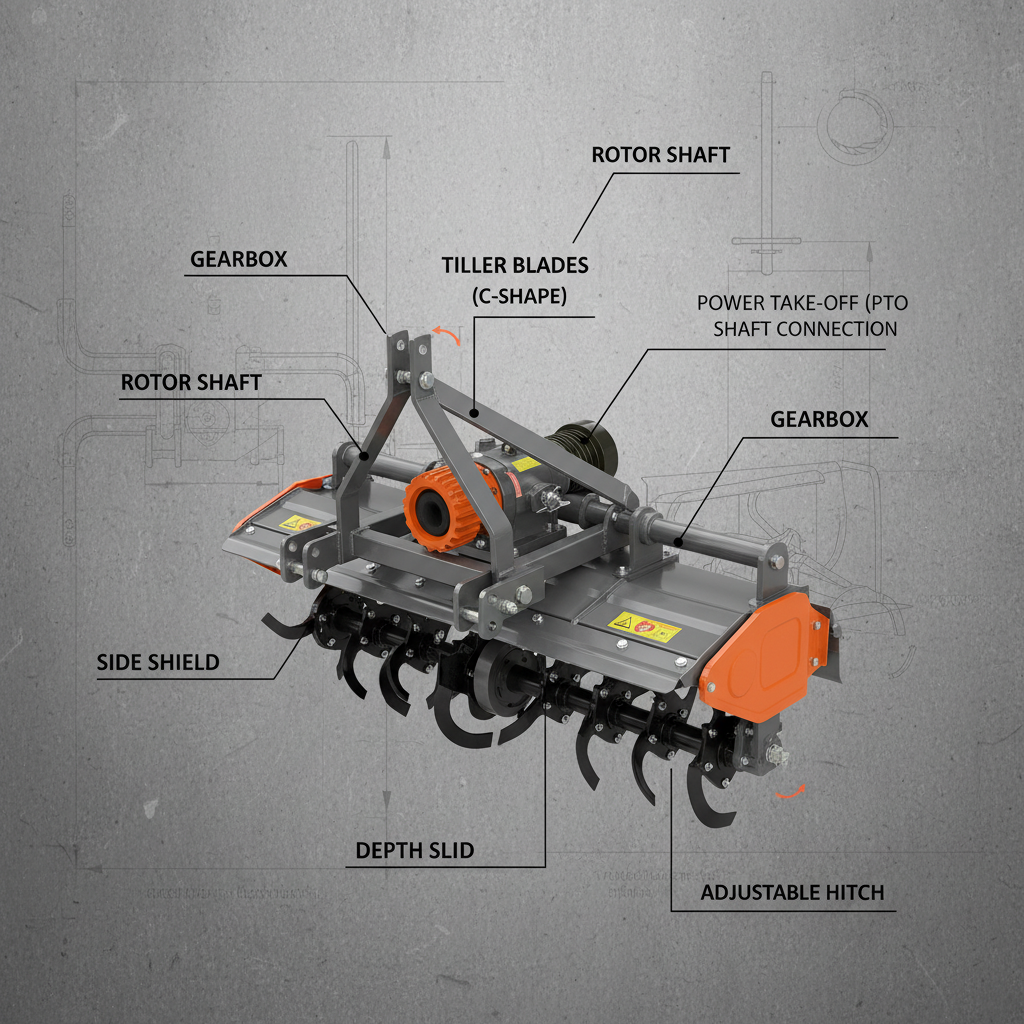
Comprehensive Guide to Agricultural Rotary Tiller Selection and Usage
An agricultural rotary tiller is an essential tool for modern farming, designed to efficiently prepare soil for planting. This powerful machinery significantly reduces labor and time compared to traditional methods. Whether you're a smallholder or manage a large-scale agricultural operation, understanding the benefits and features of a rotary tiller is crucial for maximizing productivity. Choosing the right tiller can transform your land preparation process. This article provides a detailed overview of agricultural rotary tillers, covering their uses, types, benefits, and key considerations when selecting the right model. Modern tillers are available in various sizes and configurations, catering to different farm sizes and soil conditions. Zinanmech provides a range of high-quality rotary tillers designed for optimal performance and durability. An agricultural rotary tiller, also known as a rototiller, is a motorized machine used to prepare agricultural land for cultivation. It works by using rotating blades – typically called tines – to break up, churn, and mix the soil.
>
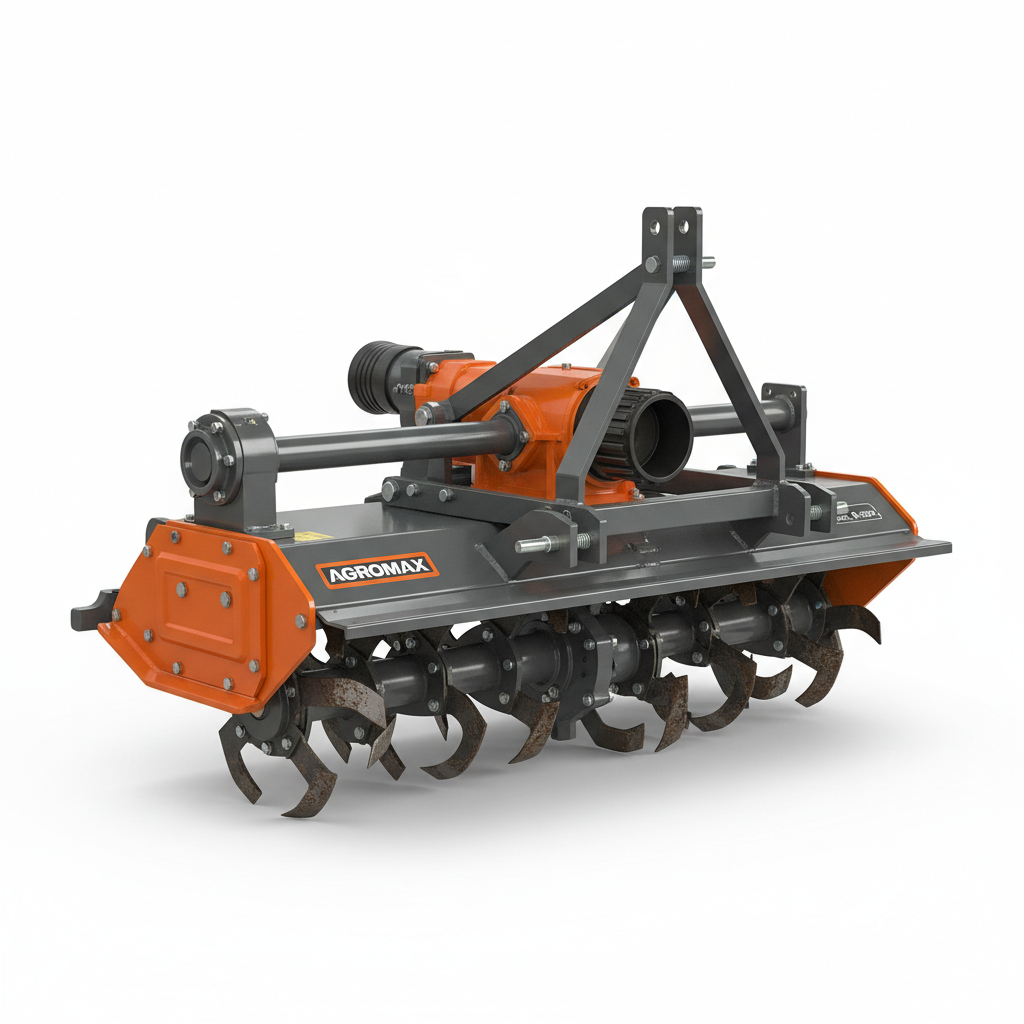
Comprehensive Guide to Selecting the Ideal Agric Rototiller for Your Farm
Selecting the right agric rototiller is crucial for efficient soil preparation and maximizing crop yields. This guide will explore the different types of rototillers, their applications, and how to choose the best model for your farming needs. We’ll cover everything from small, handheld rototillers to larger, tractor-mounted versions, helping you make an informed decision to enhance your agricultural operations. A well-chosen rototiller significantly reduces manual labor and improves soil quality. Agric rototillers come in various sizes and configurations, each suited for different farming tasks. The main types include: Front-Tine Rototillers, ideal for smaller gardens and breaking up already tilled soil; Rear-Tine Rototillers, offering more power and suitable for larger areas and tougher soil conditions; and Mid-Tine Rototillers, a versatile option for medium-sized farms. Choosing the correct type depends on your farm size, soil type, and the crops you intend to grow.
>
Unlock Farming Efficiency with a Powerful Agri Rototiller for Modern Agriculture
In today's agricultural landscape, efficiency and productivity are paramount. An agri rototiller, also known as a rotary tiller, is an invaluable tool for preparing soil for planting. This versatile machine cultivates, mixes, and levels the soil in a single pass, saving farmers significant time and effort. From small-scale farms to large agricultural operations, the benefits of using a rototiller are numerous. Investing in a quality rototiller is investing in the future success of your harvest. An agri rototiller is a motorized machine designed to break up and aerate soil using rotating blades. These blades, often called tines, churn the soil, creating a fine, even texture ideal for planting seeds or transplanting seedlings. Unlike traditional plowing, rototilling doesn't invert the soil, minimizing disruption to the soil's natural structure.
>
International layout
Spread all over the world
our products are exported to various parts of the world. Currently, our products have been exported to more than 40 countries Our products cover Asia, Europe, Africa, South America, North America, and Oceania
Sign up
for Newsletter
Subscribe to the weekly newsletter for all the latest updates