- Tel: +86 13451474678 / 13451474678
- Email: / hbzinanmech@gmail.com

Understanding Output Gear: Fundamentals and Industrial Significance
In the intricate world of mechanical engineering and power transmission, the concept of an output gear is fundamental. It refers to the final gear in a gear train that delivers the mechanical power or motion to the driven component. Essentially, it's the component that translates the rotational energy, often modifying speed and torque, to a subsequent stage in a system. The term gear output broadly describes the characteristics of this transmitted power, including its rotational speed (RPM) and torque, which are critical parameters for system design and performance. A precise output gear definition emphasizes its role in achieving a desired mechanical advantage or speed reduction/increase ratio, acting as the interface between the gear reduction unit and the application. This critical component ensures efficient and reliable power delivery across diverse industrial applications, from heavy machinery to precision instruments, making its design, material, and manufacturing process paramount.
The global market for industrial gears, including various forms of output gear, is experiencing robust growth, driven by increasing automation, industrialization in emerging economies, and the continuous demand for energy-efficient solutions. According to recent market analyses, the industrial gear market is projected to reach over USD 80 billion by 2028, expanding at a CAGR of approximately 5-6%. This growth underscores the essential role of meticulously engineered gear components in powering modern industries. Key drivers include advancements in metallurgy, precision manufacturing techniques like CNC machining, and the integration of smart monitoring systems. Industries such as wind energy, automotive, mining, and material handling are heavily reliant on high-performance gear output systems, demanding components that offer exceptional durability, efficiency, and minimal maintenance. As technological requirements evolve, the focus shifts towards gears that can withstand extreme conditions, operate quietly, and offer longer operational lifespans, pushing manufacturers to innovate constantly.
Power Output Gear: Advanced Specifications and Performance
Our flagship product, the "Power Output Gear," is engineered for maximum efficiency and reliability in demanding industrial environments. It represents a pinnacle of precision engineering, designed to deliver consistent gear output under varying load conditions. This high-performance component is specifically crafted to meet stringent industry standards, ensuring superior torque transmission and extended operational life. Utilizing advanced materials and cutting-edge manufacturing techniques, the Power Output Gear minimizes power loss and reduces operational noise, contributing significantly to overall system efficiency and environmental compliance. Its robust design is particularly suited for applications where continuous, high-load operations are the norm, such as in heavy machinery, conveyor systems, and power generation facilities, providing a dependable solution for critical power transmission needs.
Key Technical Parameters of Power Output Gear
|
Parameter |
Description |
Value/Range |
|
Material Hardness (HRC) |
Case-hardened alloy steel |
58-62 HRC |
|
Gear Type |
Helical, Spur, Bevel (Customizable) |
N/A |
|
Efficiency Rating |
Power transmission efficiency |
>97% |
|
Torque Capacity (Nm) |
Maximum transmissible torque |
Up to 25,000 Nm (standard) |
|
Operating Temperature |
Recommended operational range |
-20°C to +120°C |
|
Noise Level (dB) |
Typical operation, measured at 1m |
< 75 dB |
|
Service Life (hours) |
Expected operational life under rated conditions |
> 50,000 hours |
The Craftsmanship Behind Power Output Gear
The manufacturing of our Power Output Gear is a testament to precision engineering, adhering to a rigorous multi-stage process that ensures unparalleled quality and performance. It begins with the selection of premium alloy steels, such as 42CrMo4 or 18CrNiMo7-6, known for their exceptional strength and toughness. The initial shaping involves advanced forging techniques, which refine the grain structure of the metal, significantly enhancing its mechanical properties and fatigue resistance. This is followed by a meticulous CNC machining phase, where highly specialized multi-axis machines precisely cut the gear teeth, achieving micron-level tolerances. Heat treatment is a critical step, often involving case hardening (carburizing and quenching) to create a hard, wear-resistant surface while maintaining a tough, ductile core. This process, including tempering, is tightly controlled to achieve the specified 58-62 HRC hardness, crucial for the longevity and load-bearing capacity of the output gear.
Quality assurance is integrated at every stage. We employ advanced inspection techniques, including coordinate measuring machines (CMM) for dimensional accuracy, magnetic particle inspection (MPI) for surface crack detection, and ultrasonic testing (UT) for internal flaws. All Power Output Gear units undergo rigorous testing to comply with international standards such as ISO 6336 for calculating load capacity and ANSI/AGMA 2004 for gear classification. The projected service life of our Power Output Gear exceeds 50,000 operational hours under rated conditions, a testament to its robust design and manufacturing excellence. Our gears are specifically designed for demanding industries like petrochemical, where resistance to corrosive agents and extreme temperatures is paramount; metallurgy, requiring high load capacity and abrasion resistance; and water/wastewater treatment, where durability in challenging environments is crucial. These applications benefit immensely from our gears' superior energy efficiency, contributing to significant operational cost savings, and their exceptional corrosion resistance, ensuring minimal downtime and extended equipment life.
Application Scenarios and Technical Advantages
The versatility and robust performance of the Power Output Gear make it indispensable across a multitude of industrial sectors. In the mining industry, our gears are crucial for heavy-duty conveyors and crushers, where their high torque capacity and resistance to abrasive environments ensure continuous operation. For the renewable energy sector, particularly wind turbines, precise and durable gear output components are essential for converting variable wind speeds into stable electrical power, and our gears offer the required reliability and efficiency. In the automotive industry, specialized versions are integrated into heavy commercial vehicles and off-highway equipment, providing robust power transmission. Furthermore, in the realm of material handling, such as large-scale port cranes and logistics systems, the Power Output Gear facilitates smooth and powerful movement of heavy loads. A recent case study from a major cement plant in the Middle East highlighted a 15% reduction in energy consumption and a 25% increase in Mean Time Between Failures (MTBF) after upgrading to our Power Output Gear in their mill drives, directly demonstrating its tangible benefits.
The technical advantages of our Power Output Gear are multifaceted. Its high-precision tooth profiles, achieved through advanced grinding and superfinishing, significantly reduce friction and backlash, leading to quieter operation and extended lifespan. This superior meshing also translates into a remarkable efficiency rating of over 97%, meaning less energy is wasted as heat and more power is delivered to the application. The use of specialized coatings and treatments further enhances its resistance to extreme temperatures, corrosive chemicals, and abrasive particles, which are common challenges in industries like petrochemical and marine. For instance, in offshore oil and gas platforms, our gear output components withstand harsh saline environments and heavy shock loads, ensuring uninterrupted operation of critical pumping and drilling equipment. The inherent reliability and reduced maintenance requirements translate into lower total cost of ownership (TCO) for our clients, solidifying its position as a preferred choice for demanding applications seeking optimal gear output performance.
Customized Solutions and Industry Benchmarking
Recognizing that every industrial application has unique requirements, we offer comprehensive customization options for our Power Output Gear. Our engineering team collaborates closely with clients to design bespoke solutions, from specific tooth geometries and material alloys to specialized heat treatments and surface finishes. Whether it’s optimizing for extreme shock loads, high-speed operations, or stringent space constraints, our capabilities ensure that the resulting output gear precisely matches the operational demands. This tailored approach not only enhances performance but also extends the operational life of the entire system, maximizing the return on investment. Our commitment to customized engineering extends to prototyping and rigorous testing, ensuring that every unique specification translates into a reliable and high-performing component before full-scale production.
When comparing leading manufacturers of industrial gears, several factors define the superior choice for your gear output needs. While some focus solely on cost-efficiency, often at the expense of material quality or precision, our focus remains on delivering an optimal balance of performance, durability, and value. Our manufacturing processes, certified under ISO 9001:2015, stand as a testament to our unwavering commitment to quality. Independent third-party tests consistently show our Power Output Gear outperforming competitors in terms of noise reduction, thermal stability, and resistance to pitting and scuffing, key indicators of long-term reliability. Our extensive service history, spanning over two decades in critical industries, underscores our authoritative position as a trusted provider of power transmission solutions. Choosing the right output gear supplier involves not just product specifications but also the depth of technical support, warranty provisions, and the proven track record of delivering consistent, high-quality gear output components.
Ensuring Reliability: Authority, Trust, and Support
Our commitment to Google EEAT (Expertise, Experience, Authoritativeness, Trustworthiness) is deeply embedded in every aspect of our operations. Our team comprises highly qualified mechanical engineers and metallurgists with decades of experience in power transmission design and manufacturing. We leverage this collective expertise to provide in-depth technical consultations, ensuring that our clients receive the most suitable output gear solutions. Our authoritativeness is further solidified by strategic partnerships with leading research institutions and industry bodies, contributing to the advancement of gear technology. We regularly publish white papers and participate in international conferences, sharing insights into optimal gear output design and application. Customer testimonials consistently highlight our proactive approach to problem-solving and the seamless integration of our components into their complex systems, reflecting our commitment to practical, real-world experience.
Trustworthiness is paramount in B2B relationships. We offer a comprehensive 5-year warranty on all Power Output Gear products, covering manufacturing defects and premature wear under normal operating conditions. Our transparent supply chain and adherence to ethical sourcing practices ensure the integrity of our materials. Standard delivery cycles typically range from 4 to 8 weeks, depending on the complexity of customization and order volume, with expedited options available for urgent requirements. We provide robust after-sales support, including remote diagnostics, on-site technical assistance, and a readily available inventory of spare parts. Our dedicated customer support team is accessible 24/7 to address any operational queries or technical challenges, ensuring minimal downtime and maximizing the performance of your gear output systems.
Frequently Asked Questions (FAQ) about Output Gears
- What is the primary function of an output gear definitionin a gearbox?
The primary function is to transmit the final drive from the gearbox to the driven component, typically adjusting the rotational speed and torque to meet the application's specific requirements. It acts as the final stage of power delivery. - What materials are commonly used for high-performance output gearmanufacturing?
High-performance output gears are typically made from alloy steels such as 42CrMo4, 18CrNiMo7-6, or SAE 8620, which offer excellent strength, toughness, and hardenability, crucial for demanding industrial applications. - How does heat treatment affect the service life of a gear outputcomponent?
Heat treatment processes like carburizing and quenching significantly enhance the gear's surface hardness and wear resistance, while maintaining a ductile core. This improves fatigue strength and extends the overall service life by preventing premature failure from pitting, scuffing, or bending. - What are the standard inspection criteria for industrial output gear?
Standard inspection criteria include dimensional accuracy (profile, lead, pitch), material hardness (HRC), surface finish, and flaw detection (magnetic particle, ultrasonic testing). Compliance with ISO 6336, ANSI/AGMA 2004, and other relevant industry standards is essential. - Can Power Output Gearbe customized for specific installation standards?
Yes, our Power Output Gears are highly customizable. We can adapt designs to comply with various international installation standards, including specific shaft dimensions, keyway configurations, and mounting interfaces, ensuring seamless integration into existing machinery. - What is backlash and why is it important in gear outputsystems?
Backlash is the clearance between meshing gear teeth. While some clearance is necessary for lubrication and thermal expansion, excessive backlash can lead to imprecise motion, increased noise, vibration, and premature wear, impacting the efficiency and accuracy of the gear output. - How do Power Output Gearcontribute to energy efficiency?
Our gears feature optimized tooth geometries and precision manufacturing, which minimize friction and reduce energy losses during power transmission. This high efficiency, typically exceeding 97%, means less power is wasted as heat, leading to lower energy consumption and operational costs.

Related Products
-
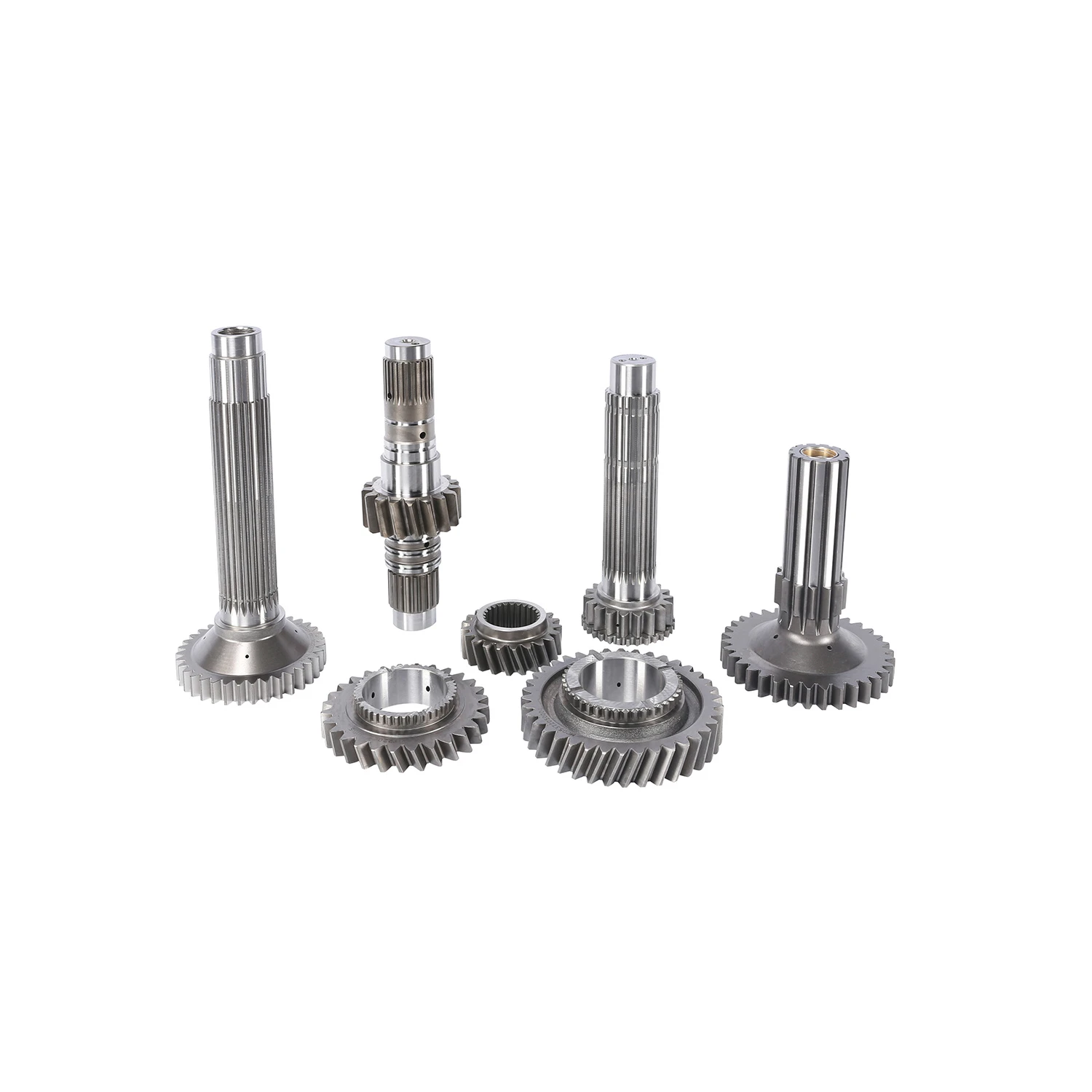 Tractor Gear Shaft
The tractor gear shaft is a crucial element in the power transmission system of a tractor. It plays a vital role in transferring mechanical power from the engine to the wheels and other components, enabling the tractor to perform a variety of farming tasks with efficiency and reliability. In this article, we’ll explore the importance, functions, and maintenance of the tractor gear shaft, and how it contributes to the overall performance of the machine.
-
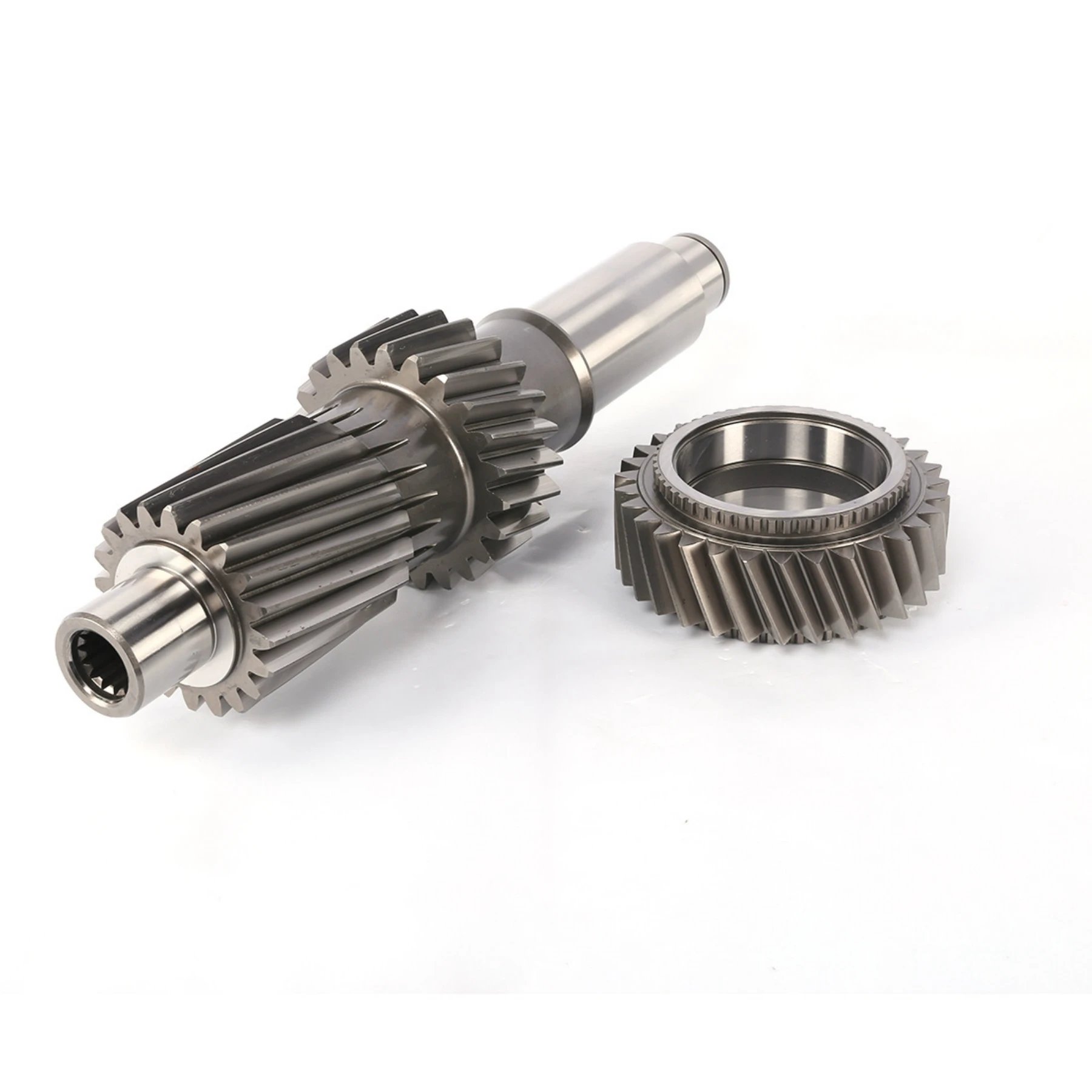 Transmission Gear
Power transmission: the engine operation drives the input gear on the input shaft to rotate, the input gear engages with other gears, and relies on the interaction between teeth and teeth to transfer the power to the intermediate gear (if any) and the output gear, and finally transfers the power to the driving wheel and other components through the output shaft to make the vehicle or equipment move.
Variable speed principle: Change the transmission ratio by meshing gears with different numbers of teeth. For example, when the big gear drives the small gear, the speed of the small gear will be faster than the big gear, but the output torque will be smaller, to achieve growth and torque reduction; On the contrary, when the pinion drives the big gear, the speed of the big gear slows down, the torque increases, and the torque increases. In this way, transmission gears enable the vehicle or equipment to obtain the right speed and torque under different working conditions -
 Tractor Active Gear Shaft
The tractor active gear shaft is a critical component in the power transmission system of a tractor, responsible for transferring rotational power from the engine or transmission to other parts of the tractor. By efficiently distributing torque and enabling smooth gear shifts, the active gear shaft plays a vital role in enhancing the performance and versatility of the tractor, making it essential for a wide range of agricultural tasks. In this article, we’ll explore the function, benefits, and maintenance of the tractor active gear shaft.
-
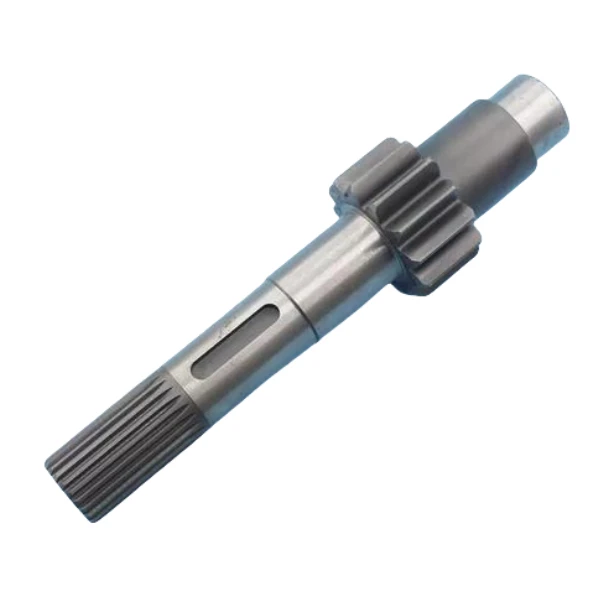 Harvester Input Shaft
The main role of the harvester input shaft is to introduce the power of the external power source into the internal transmission system of the harvester. When the power source (such as an engine) is running, the torque generated is transmitted to the input shaft through the connecting parts, causing the input shaft to start rotating. The gear, pulley or sprocket and other transmission parts installed on the input shaft will rotate with the rotation of the input shaft, and then transfer the power to the subsequent transmission parts and working parts, such as driving the cutting device, conveying device, threshing device, etc., to complete the crop harvesting, conveying, threshing and other work processes.
Related News
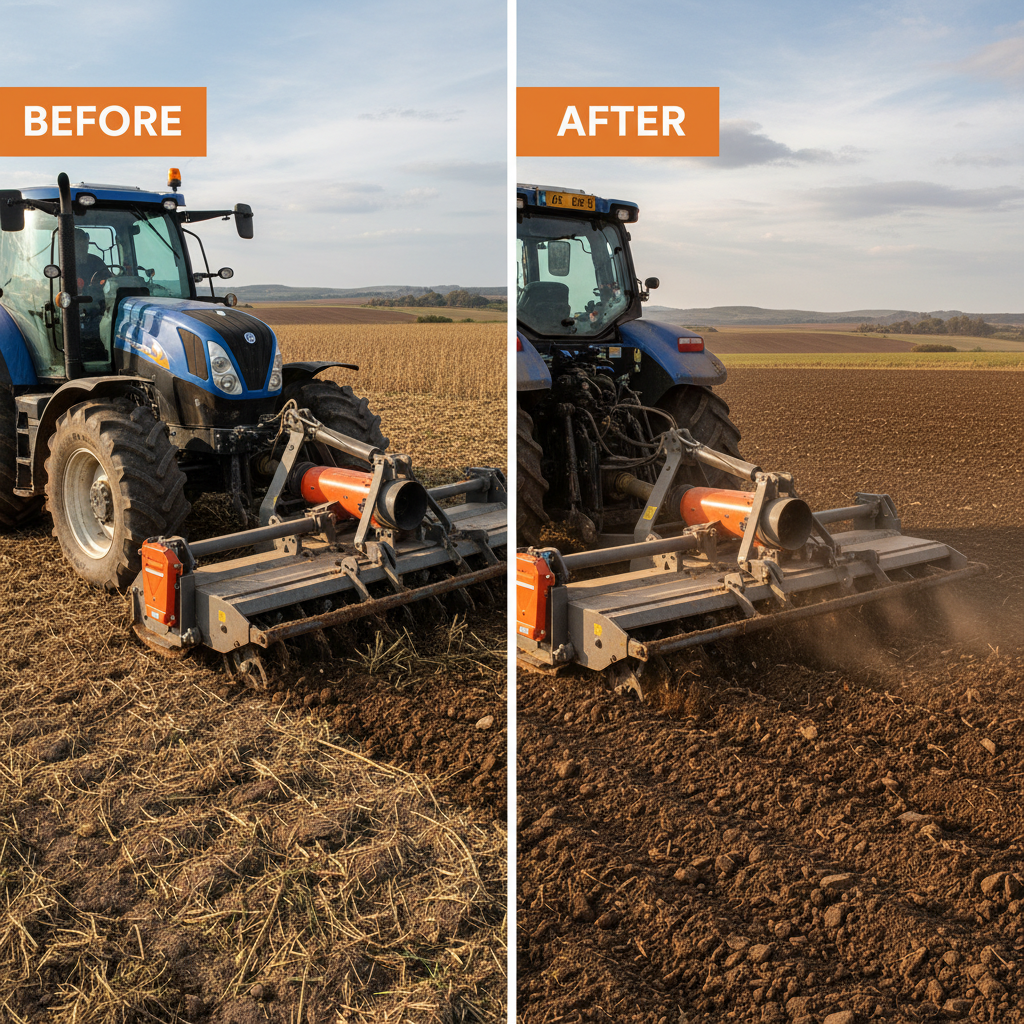
Professional Heavy Duty Tiller for Tractor for Soil Productivity
Achieving the perfect seedbed is the foundation of any successful harvest. For farmers dealing with compacted soil, stubborn crop residue, or expansive acreage, a standard rototiller often falls short. This is where a heavy duty tiller for tractor becomes an essential investment. These robust machines are engineered to penetrate deep into the earth, breaking up hardpan and aerating the soil with unmatched efficiency. By integrating a professional-grade tiller into your machinery lineup, you can significantly reduce preparation time and improve crop yield. In this guide, we will explore the technical advantages, selection criteria, and maintenance tips for choosing the right heavy-duty tilling solution.
>
Maximizing Land Productivity with Professional Heavy Duty Tillers
For professional farmers and landscaping contractors, the quality of soil preparation determines the success of the entire growing season. Investing in high-performance heavy duty tillers is essential for breaking through compacted earth, removing stubborn weeds, and integrating organic matter deeply into the soil. Unlike standard garden cultivators, these industrial-grade machines are engineered to handle vast acreages and the most challenging terrain without compromising efficiency. In this guide, we will explore how choosing the right equipment can transform your agricultural output and streamline your land management process.
>
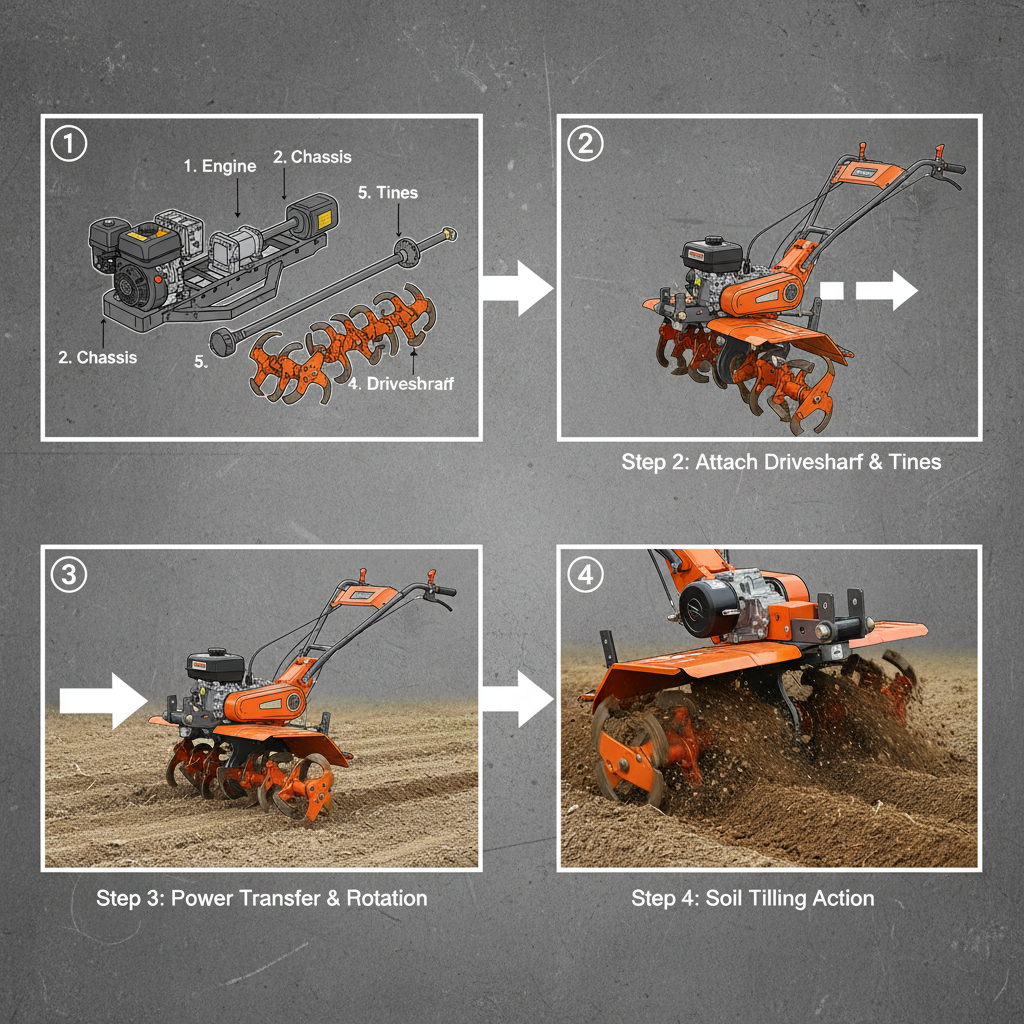
Choosing the Best Heavy Duty Rototiller for Efficient Land Preparation
A heavy duty rototiller is an invaluable tool for anyone involved in serious gardening, small-scale farming, or land preparation. Whether you're breaking new ground, maintaining existing garden beds, or preparing for planting, the right rototiller can significantly reduce labor and improve efficiency. However, with numerous options available, selecting the best model requires careful consideration. This article will guide you through the key factors to consider when purchasing a heavy-duty rototiller, helping you make an informed decision. ZinanMech offers a wide range of rototillers to suit various needs.
>
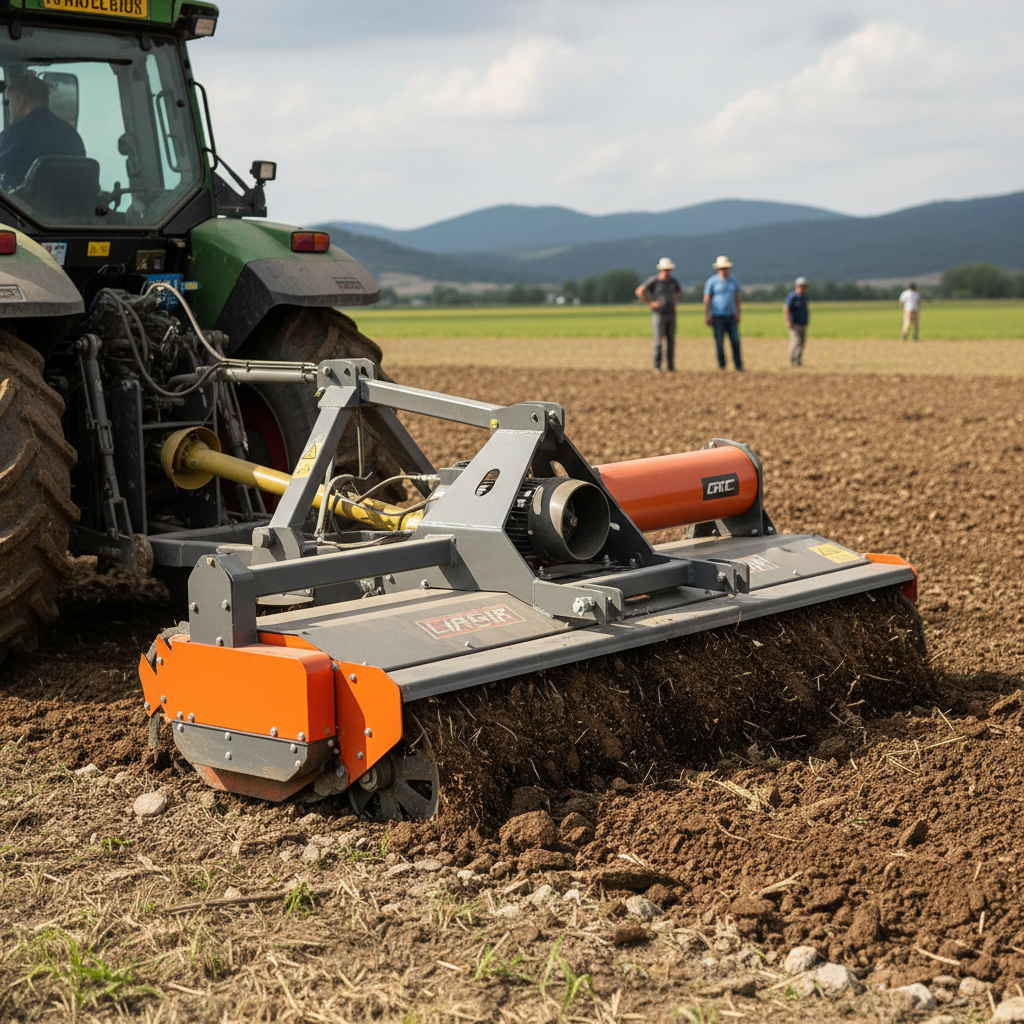
Comprehensive Guide to Heavy Duty Rotary Tiller Selection and Application
When it comes to land preparation, a heavy duty rotary tiller is an invaluable tool. This robust machinery excels at breaking up compacted soil, creating a fine seedbed, and incorporating organic matter. This article dives deep into the world of heavy duty rotary tillers, covering their benefits, applications, key features, and how to choose the right one for your needs. Whether you're a farmer, landscaper, or large-scale gardener, understanding these tillers is essential for efficient and effective soil management.
>
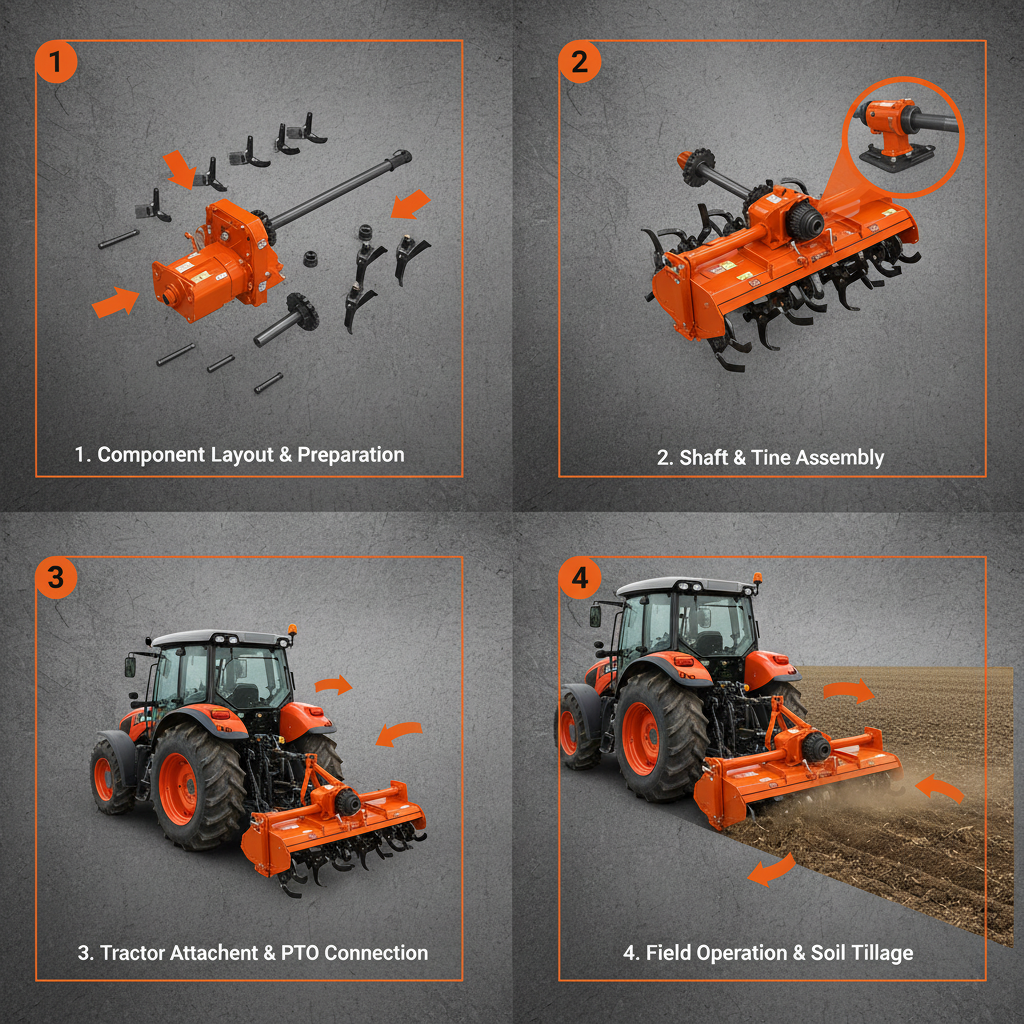
Comprehensive Guide to Selecting the Ideal Farm Tractor Tiller for Your Needs
Selecting the ideal farm tractor tiller is crucial for efficient soil preparation and maximizing agricultural yields. With a diverse range of models available, understanding your needs and the features offered by different tillers is paramount. This article provides a detailed overview of farm tractor tillers, covering their types, benefits, key considerations, and how to choose the right one for your specific farming operation. Proper tillage significantly impacts seedbed quality, weed control, and ultimately, crop performance.
>
Boost Farm Productivity with a High Performance Farm Pro Rotary Tiller
Are you looking to enhance your agricultural productivity and streamline your soil preparation process? A Farm Pro rotary tiller is an invaluable investment for farmers of all scales. This article delves into the benefits, features, applications, and considerations when choosing the right rotary tiller for your farm. We’ll explore how this machinery can significantly reduce labor costs and improve soil quality, ultimately leading to higher yields. From small hobby farms to large-scale commercial operations, a Farm Pro tiller offers a robust and efficient solution for a variety of tilling needs.
>
Unlock Farming Efficiency with a Powerful Agricultural Tiller Solution
In the world of farming and gardening, efficiency and productivity are key. An agricultural tiller is a vital piece of equipment that streamlines soil preparation, saving time and labor. This article dives deep into the world of tillers, exploring their types, benefits, how to choose the right one, and the quality solutions offered by Zinanmech. We’ll cover everything from small garden tillers to heavy-duty agricultural models, ensuring you have the knowledge to make an informed decision. An agricultural tiller, also known as a rotary tiller, is a motorized machine used to break up and cultivate soil. Unlike manual digging or plowing, tillers use rotating blades to loosen the soil, creating a fine, even tilth that's ideal for planting. This process improves soil aeration, drainage, and nutrient availability, leading to healthier plant growth.
>
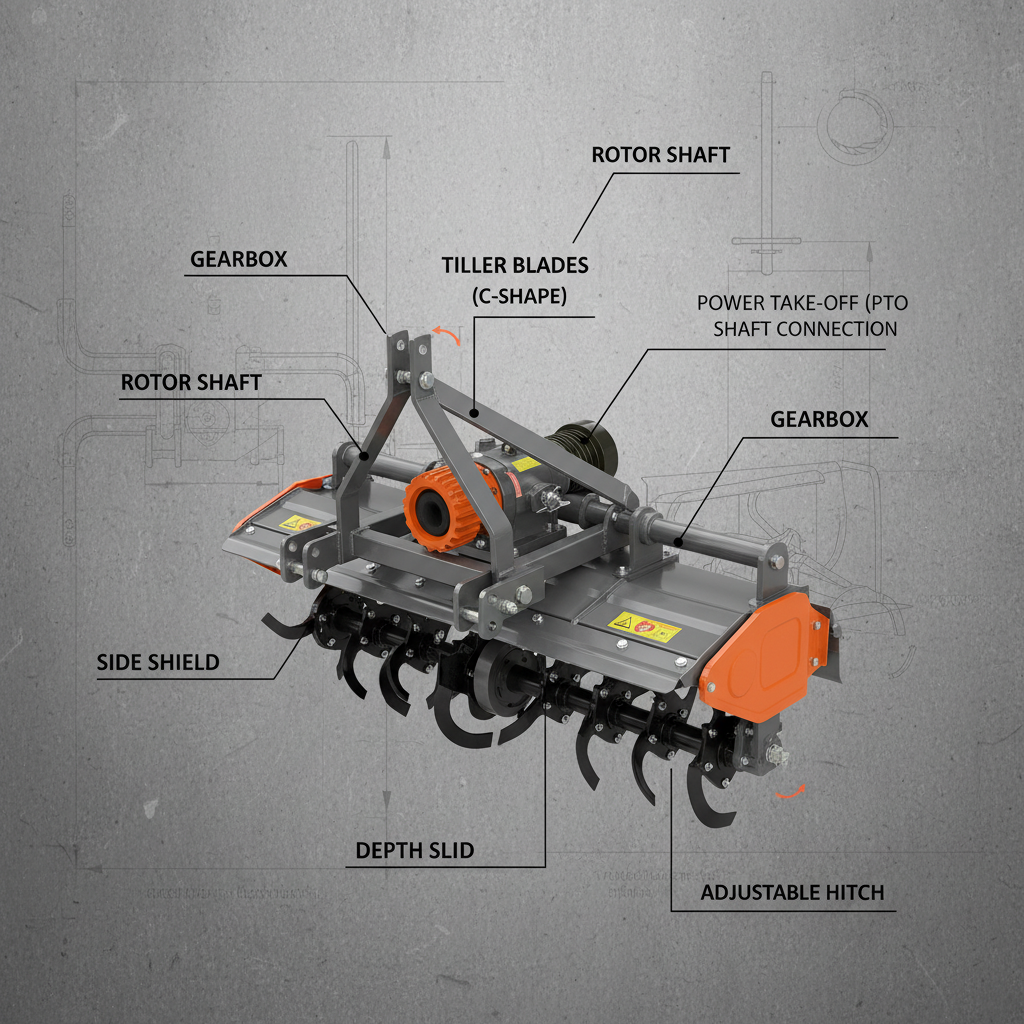
Comprehensive Guide to Agricultural Rotary Tiller Selection and Usage
An agricultural rotary tiller is an essential tool for modern farming, designed to efficiently prepare soil for planting. This powerful machinery significantly reduces labor and time compared to traditional methods. Whether you're a smallholder or manage a large-scale agricultural operation, understanding the benefits and features of a rotary tiller is crucial for maximizing productivity. Choosing the right tiller can transform your land preparation process. This article provides a detailed overview of agricultural rotary tillers, covering their uses, types, benefits, and key considerations when selecting the right model. Modern tillers are available in various sizes and configurations, catering to different farm sizes and soil conditions. Zinanmech provides a range of high-quality rotary tillers designed for optimal performance and durability. An agricultural rotary tiller, also known as a rototiller, is a motorized machine used to prepare agricultural land for cultivation. It works by using rotating blades – typically called tines – to break up, churn, and mix the soil.
>
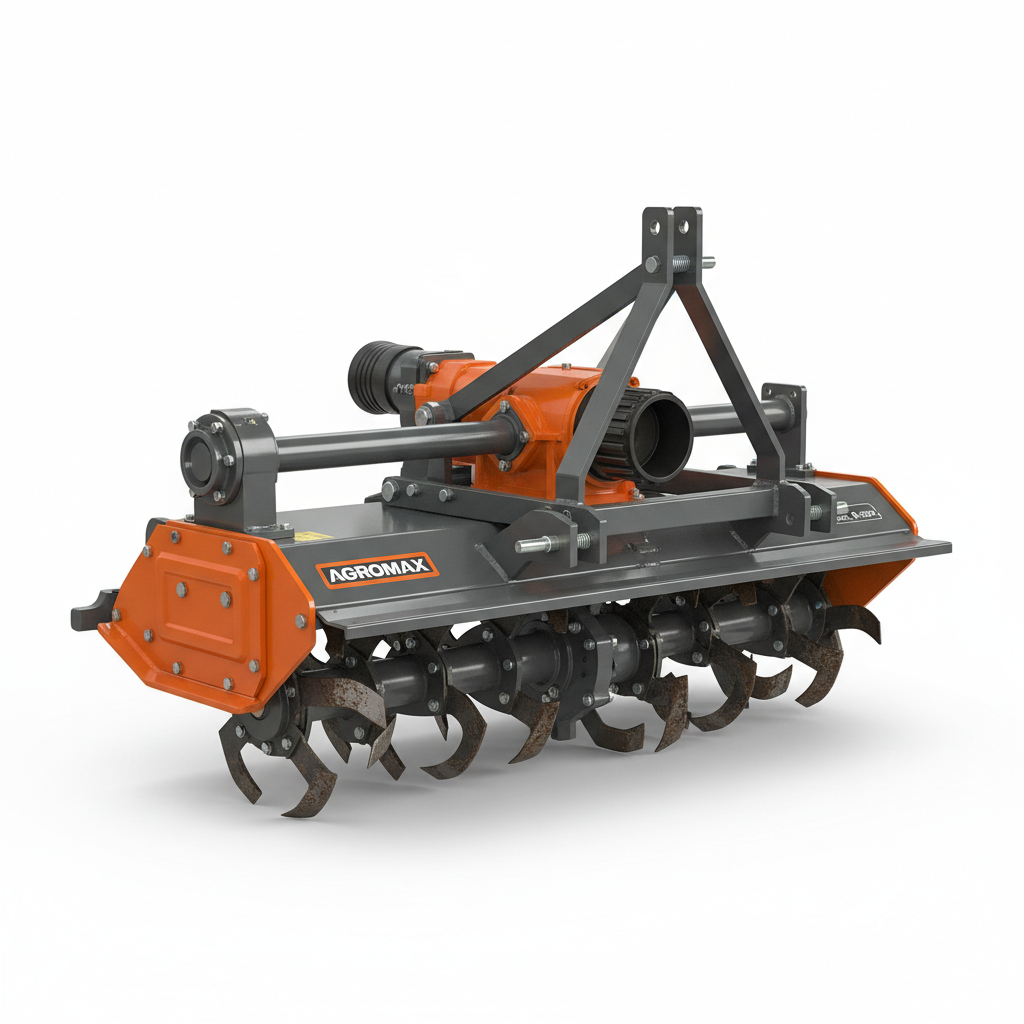
Comprehensive Guide to Selecting the Ideal Agric Rototiller for Your Farm
Selecting the right agric rototiller is crucial for efficient soil preparation and maximizing crop yields. This guide will explore the different types of rototillers, their applications, and how to choose the best model for your farming needs. We’ll cover everything from small, handheld rototillers to larger, tractor-mounted versions, helping you make an informed decision to enhance your agricultural operations. A well-chosen rototiller significantly reduces manual labor and improves soil quality. Agric rototillers come in various sizes and configurations, each suited for different farming tasks. The main types include: Front-Tine Rototillers, ideal for smaller gardens and breaking up already tilled soil; Rear-Tine Rototillers, offering more power and suitable for larger areas and tougher soil conditions; and Mid-Tine Rototillers, a versatile option for medium-sized farms. Choosing the correct type depends on your farm size, soil type, and the crops you intend to grow.
>
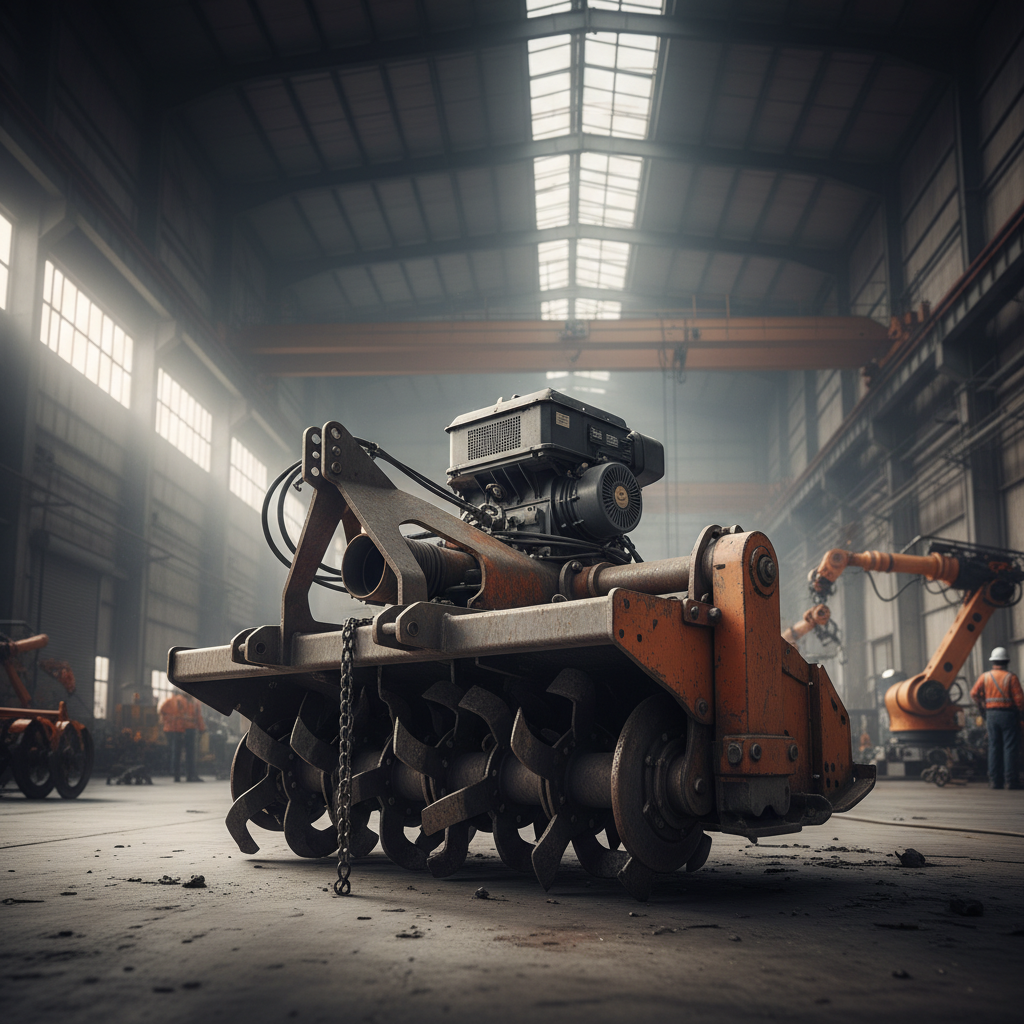
Unlock Farming Efficiency with a Powerful Agri Rototiller for Modern Agriculture
In today's agricultural landscape, efficiency and productivity are paramount. An agri rototiller, also known as a rotary tiller, is an invaluable tool for preparing soil for planting. This versatile machine cultivates, mixes, and levels the soil in a single pass, saving farmers significant time and effort. From small-scale farms to large agricultural operations, the benefits of using a rototiller are numerous. Investing in a quality rototiller is investing in the future success of your harvest. An agri rototiller is a motorized machine designed to break up and aerate soil using rotating blades. These blades, often called tines, churn the soil, creating a fine, even texture ideal for planting seeds or transplanting seedlings. Unlike traditional plowing, rototilling doesn't invert the soil, minimizing disruption to the soil's natural structure.
>
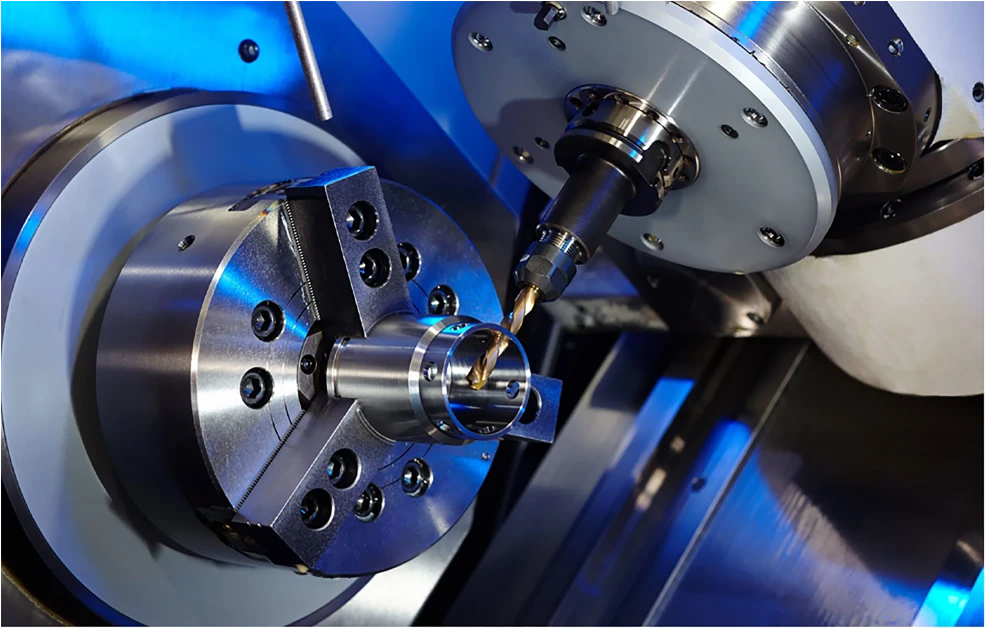
International layout
Spread all over the world
our products are exported to various parts of the world. Currently, our products have been exported to more than 40 countries Our products cover Asia, Europe, Africa, South America, North America, and Oceania
Sign up
for Newsletter
Subscribe to the weekly newsletter for all the latest updates