- Tel: +86 13451474678 / 13451474678
- Email: / hbzinanmech@gmail.com

Vegetable Seed Drill: Efficient Planting Solutions for Sustainable Agriculture
Vegetable Seed Drill: Sowing the Future of Sustainable Agriculture
In a world that increasingly demands efficient, sustainable food production, the humble vegetable seed drill plays a surprisingly critical role. On the surface, it’s a machine for planting seeds uniformly — but dig deeper and you’ll see its ripple effects shaping global food security, labor efficiency, and environmental conservation. Understanding this tool not only matters for farmers but for anyone interested in how modern agriculture responds to mounting challenges.
Why the World Is Watching Vegetable Seed Drills
Global agricultural systems are under unprecedented pressure. According to the Food and Agriculture Organization (FAO), we need to boost crop production by up to 70% by 2050 to feed an estimated 9.7 billion people. Vegetable crops, crucial for nutrition and economies worldwide, require efficient planting methods. This is where vegetable seed drills step in.
Traditional hand sowing or broadcasting seeds wastes both seeds and labor. In contrast, seed drills optimize seed placement, promoting higher germination rates and uniform growth. They reduce human effort but also conserve seeds, reducing costs long-term. This efficiency is vital in countries with limited arable land or labor shortages.
Yet, there are challenges: mixed terrain, cost barriers for smallholders, and the need for adaptable designs in diverse climates. A vegetable seed drill addresses these head-on, making it a small but mighty player in global food strategies.
Mini takeaway: As global demand for vegetables rises, deploying efficient and reliable vegetable seed drills becomes a cornerstone of sustainable farming.
What Exactly Is a Vegetable Seed Drill?
In simple terms: it’s an agricultural machine designed to plant vegetable seeds at the right depth and spacing. Unlike broadcasting — where seeds are scattered indiscriminately — a vegetable seed drill ensures a systematic approach. Seeds drop into precise furrows, then get lightly covered with soil, improving germination.
Modern seed drills evolved from old grain planters but now accommodate small vegetable seeds like carrots, beets, and spinach. They bridge the gap between manual planting and full mechanization, making them ideal for mid-sized farms or cooperative farming models.
In humanitarian terms, seed drills support food aid by promoting self-sufficiency — farming families get more from less effort, ensuring better nutrition and income. Mechanization like this is a crucial step toward sustainable rural development.
Mini takeaway: Vegetable seed drills simplify planting, maximize seed utility, and fuel both industrial and humanitarian agricultural goals.
Key Components & Features of Vegetable Seed Drills
1. Precision Seed Metering
One of the most critical pieces is the seed metering system, which controls how seeds are released. Accurate metering avoids overlapping or barren patches. The most popular designs use rotating fluted rollers or vacuum systems to handle tiny vegetable seeds delicately.
2. Adjustable Row Spacing
Different vegetables and farming practices require varied plant spacing. Seed drills allow users to customize sowing width, whether you’re planting dense radishes or more spaced-out cabbage rows.
3. Durable Furrow Openers
These parts cut precise furrows even in tough soil. Their material and design affect durability and functionality in rocky or wet fields.
4. Lightweight but Rugged Frame
Especially for small-scale farmers, a tractor-mounted but easy-to-handle seed drill is key. It shouldn’t compact soil excessively yet withstand rough terrain.
5. Seed Covering Mechanism
Once seeds are dropped, the drill covers them with soil using wheels or chains, protecting seeds from birds or drying out quickly.
6. Easy-to-Use Controls
A mechanism that’s unintimidating but versatile encourages adoption. Seed drills with simple calibration knobs or hand-crank options win favor among growers.
| Specification | Typical Range | Notes |
|---|---|---|
| Row spacing | 15–75 cm (adjustable) | Accommodates various vegetables |
| Seed spacing | Variable, 2–20 cm | Depends on seed metering mechanism |
| Operating speed | 4–8 km/h | Optimizes seed placement efficiency |
| Weight | 60–120 kg | Varies by model size |
| Power source | Hand-pulled, tractor-mounted, or motorized | Flexibility for different farm sizes |
Mini takeaway: The best vegetable seed drills combine adaptable sowing, reliable mechanics, and ease of use — a trifecta that makes a real difference in the field.
How Vegetable Seed Drills Are Changing Farming Worldwide
Across Asia, especially in countries like India and Vietnam, seed drills are catalysts for smallholder upliftment. Here, vegetable farming often happens on fragmented lands managed by family units. Using seed drills significantly cuts down planting time and ensures better seed usage, increasing yields — a critical boost for livelihood.
In Africa, NGOs use seed drills in post-conflict zones to jumpstart agriculture and food security programs. These machines help restore farming quickly and empower communities to regain independence from aid.
Even in developed countries, vegetable seed drills improve crop uniformity and cut labor costs. Organic farms in Europe and North America adopt seed drills that accommodate mixed crops, reducing soil disturbance and encouraging biodiversity.
Mini takeaway: Whether for subsistence farming or commercial operations, adopting vegetable seed drills leads to more predictable and productive harvests.
Why Invest in a Vegetable Seed Drill? The Long-Term Benefits
- Cost Efficiency: Saves seed and reduces labor expenses.
- Environmental Sustainability: Promotes targeted planting, less waste, and better land use.
- Improved Crop Yields: Uniform plant spacing leads to healthier crops.
- Social Impact: Enables farmers, especially women and youth, to farm with less physical strain.
- Reliability: Durable and easy maintenance means years of trusted service.
Emotionally speaking, farmers often share how the switch to mechanized seed drills feels like gaining a partner in the field. It’s not just a tool — it’s a kind of silent helper that takes the guesswork out of planting, letting them look forward to more predictable results.
Emerging Trends & Innovations in Vegetable Seed Drills
Technology is marching on. Some of the latest seed drills incorporate GPS and IoT sensors to manage planting data digitally — imagine a seed drill that not only plants but tells you how it did, and adjusts on the fly. For example, vegetable seed drill manufacturers are exploring solar-powered electric drives reducing fossil fuel dependency.
Materials science is also contributing: lightweight composites make drills easier to handle without compromising durability. Plus, modular designs that let farmers add rows or switch seed plates mean you get a machine that grows with your needs.
Facing the Challenges: Common Issues and Practical Solutions
Still, not everything is perfect. Key challenges include:
- High upfront costs: Not affordable for many small farmers.
- Complexity in operation: Some models can be intimidating without proper training.
- Maintenance hurdles: Access to spare parts and repair skills varies.
Innovative responses exist: cooperatives pool resources to buy shared seed drills, NGOs run training workshops, and manufacturers are developing simpler, robust models tailored for low-resource settings. A community approach, combined with clever tech design, seems to be the winning formula.
| Vendor | Product Range | Price Range (USD) | Notable Features | Best For |
|---|---|---|---|---|
| Zinan Mech | Hand-pulled and tractor-mounted seed drills | $500 - $1500 | Adjustable seed metering, durable frame | Small to medium farms |
| AgriSeed Co. | Electric and motorized seed drills | $1000 - $3000 | GPS enabled, IoT integration | Commercial farms, tech-focused buyers |
| FarmGear International | Basic mechanical seed drills | $300 - $800 | Simple design, easy maintenance | Small scale, beginners |
FAQ: Frequently Asked Questions About Vegetable Seed Drills
Q1: How does a vegetable seed drill improve seed germination compared to hand sowing?
A1: By precisely placing seeds at the right depth and spacing, seed drills ensure uniform soil contact and moisture availability. This reduces seed wastage and protects seeds from birds or being washed away. The result is better germination rates and healthier crops overall.
Q2: Can small-scale farmers afford and operate vegetable seed drills efficiently?
A2: Yes, especially with basic or hand-pulled models designed for small farms. Costs can be managed via cooperative ownership or NGO support programs. Many drills have simple controls, making them accessible after brief training.
Q3: Are there vegetable seed drills suitable for hilly or uneven terrain?
A3: Some seed drills feature adjustable furrow openers and flexible frames to handle uneven ground. However, very steep or rocky land may require specialized equipment or manual planting in spots difficult for machines.
Q4: What maintenance do vegetable seed drills require?
A4: Regular cleaning, lubrication of moving parts, and timely replacement of worn seed plates or openers ensure longevity. Many manufacturers provide manuals and support to help operators maintain their equipment correctly.
Q5: How to choose the right vegetable seed drill model?
A5: Consider the scale of your operation, types of vegetables grown, terrain, and budget. Models vary in row capacity, metering mechanisms, and power sources, so assessing your farm’s specific needs is essential.
In Closing: Growing More with Less Effort
Vegetable seed drills represent more than just machines; they’re tiny engines of change helping farmers plant smarter, not harder. By improving seed use efficiency, reducing labor, and promoting sustainability, they hold a key role in addressing future food security challenges. If you’re curious about how a vegetable seed drill can fit your operation or want to explore the latest innovations, do check out our range of models. Visit our website: vegetable seed drill to learn more.
After all, planting well today means harvesting hope tomorrow.
References:
1. FAO, “Future of Food and Agriculture,” 2017, fao.org
2. “Seed drill,” Wikipedia, en.wikipedia.org
3. UN Sustainable Development Goals, “Zero Hunger,” sdgs.un.org

Related Products
-
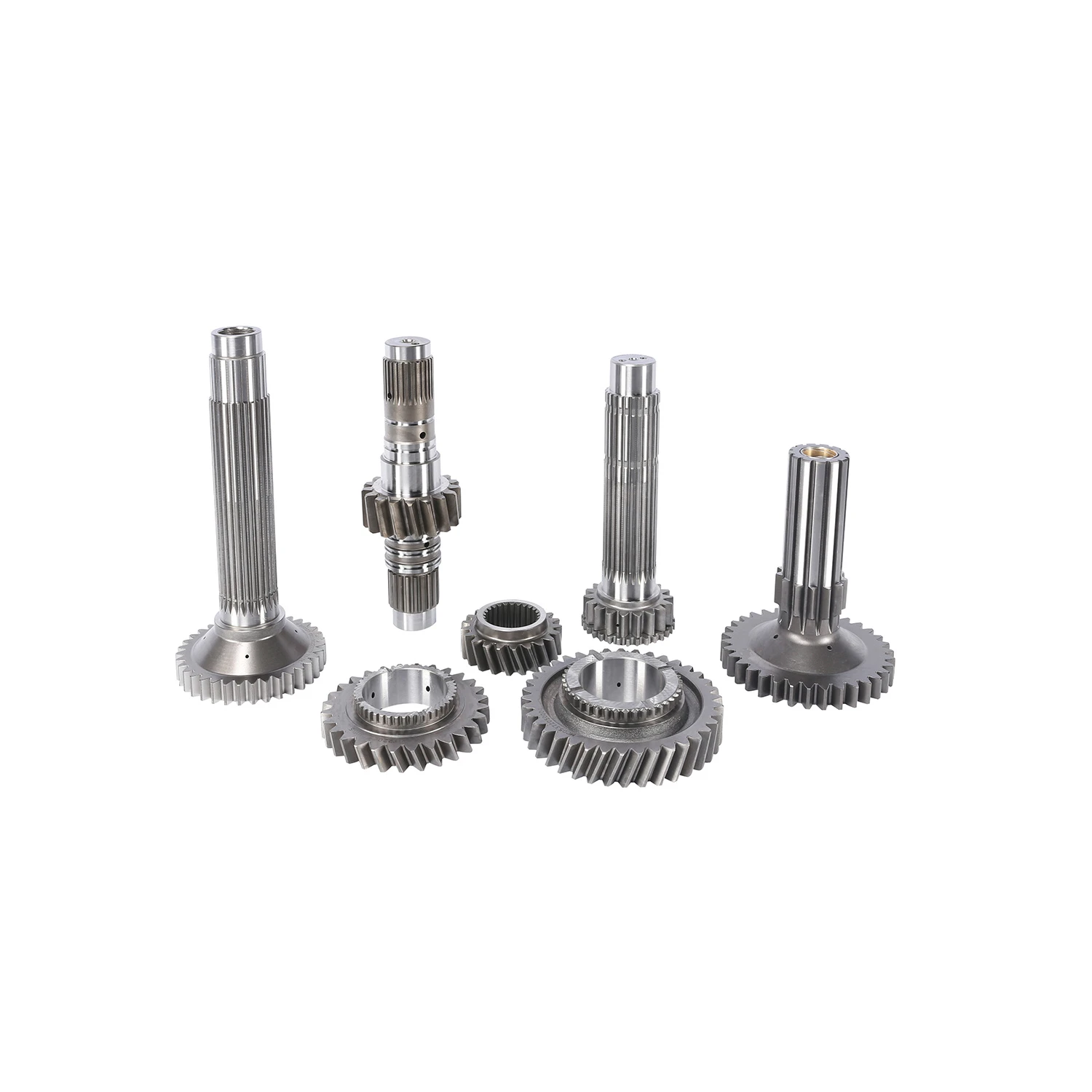 Tractor Gear Shaft
The tractor gear shaft is a crucial element in the power transmission system of a tractor. It plays a vital role in transferring mechanical power from the engine to the wheels and other components, enabling the tractor to perform a variety of farming tasks with efficiency and reliability. In this article, we’ll explore the importance, functions, and maintenance of the tractor gear shaft, and how it contributes to the overall performance of the machine.
-
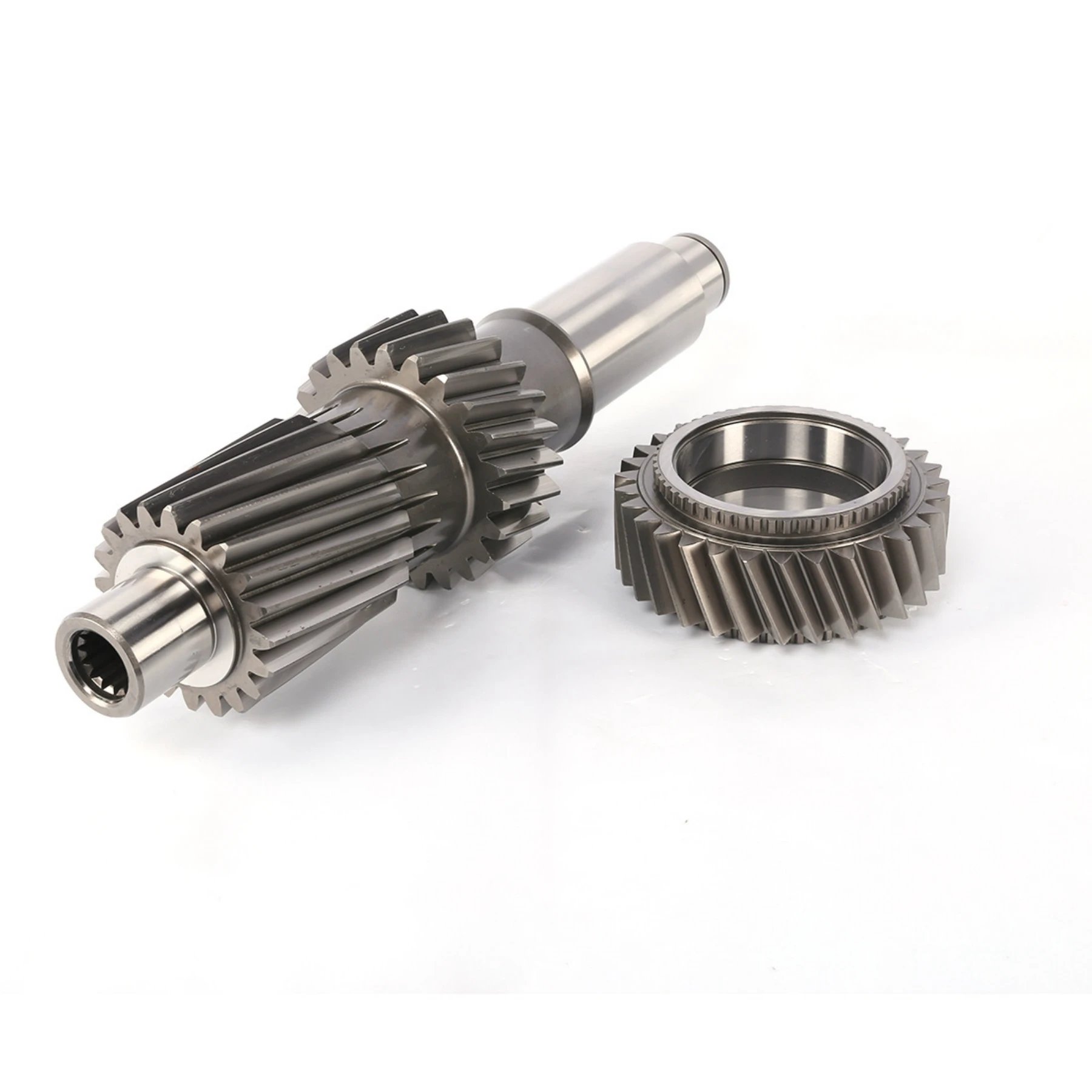 Transmission Gear
Power transmission: the engine operation drives the input gear on the input shaft to rotate, the input gear engages with other gears, and relies on the interaction between teeth and teeth to transfer the power to the intermediate gear (if any) and the output gear, and finally transfers the power to the driving wheel and other components through the output shaft to make the vehicle or equipment move.
Variable speed principle: Change the transmission ratio by meshing gears with different numbers of teeth. For example, when the big gear drives the small gear, the speed of the small gear will be faster than the big gear, but the output torque will be smaller, to achieve growth and torque reduction; On the contrary, when the pinion drives the big gear, the speed of the big gear slows down, the torque increases, and the torque increases. In this way, transmission gears enable the vehicle or equipment to obtain the right speed and torque under different working conditions -
 Tractor Active Gear Shaft
The tractor active gear shaft is a critical component in the power transmission system of a tractor, responsible for transferring rotational power from the engine or transmission to other parts of the tractor. By efficiently distributing torque and enabling smooth gear shifts, the active gear shaft plays a vital role in enhancing the performance and versatility of the tractor, making it essential for a wide range of agricultural tasks. In this article, we’ll explore the function, benefits, and maintenance of the tractor active gear shaft.
-
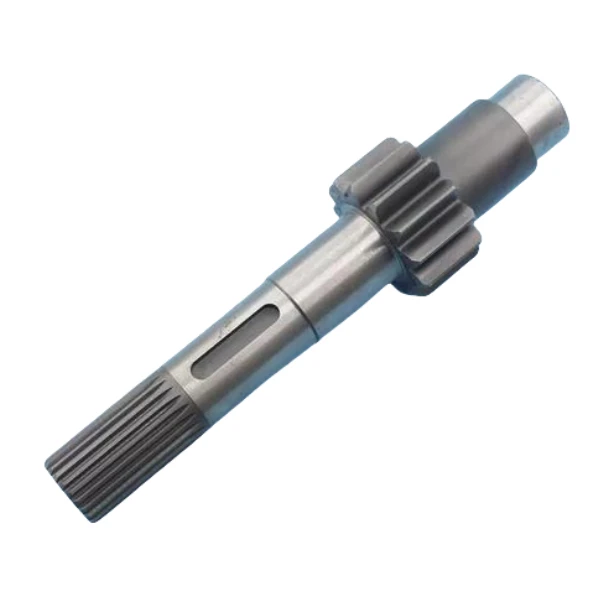 Harvester Input Shaft
The main role of the harvester input shaft is to introduce the power of the external power source into the internal transmission system of the harvester. When the power source (such as an engine) is running, the torque generated is transmitted to the input shaft through the connecting parts, causing the input shaft to start rotating. The gear, pulley or sprocket and other transmission parts installed on the input shaft will rotate with the rotation of the input shaft, and then transfer the power to the subsequent transmission parts and working parts, such as driving the cutting device, conveying device, threshing device, etc., to complete the crop harvesting, conveying, threshing and other work processes.
Related News
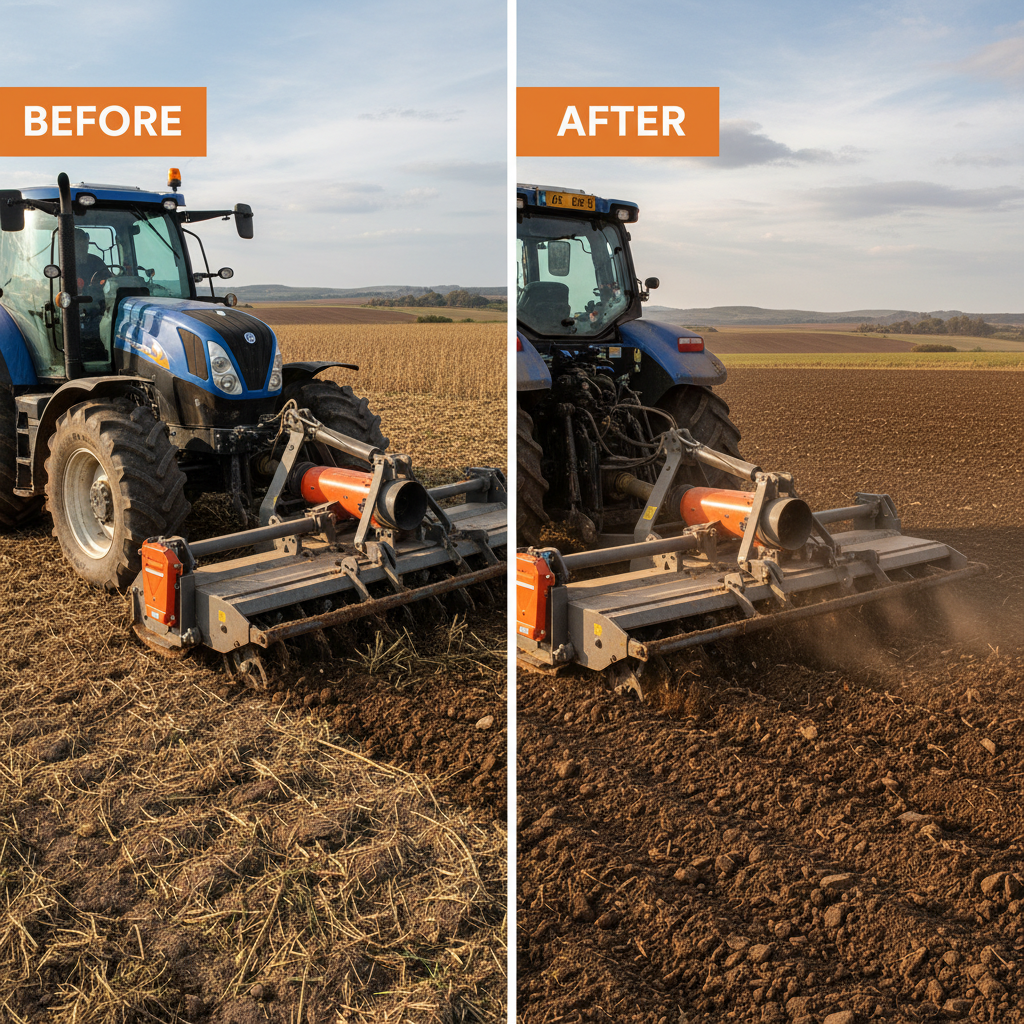
Professional Heavy Duty Tiller for Tractor for Soil Productivity
Achieving the perfect seedbed is the foundation of any successful harvest. For farmers dealing with compacted soil, stubborn crop residue, or expansive acreage, a standard rototiller often falls short. This is where a heavy duty tiller for tractor becomes an essential investment. These robust machines are engineered to penetrate deep into the earth, breaking up hardpan and aerating the soil with unmatched efficiency. By integrating a professional-grade tiller into your machinery lineup, you can significantly reduce preparation time and improve crop yield. In this guide, we will explore the technical advantages, selection criteria, and maintenance tips for choosing the right heavy-duty tilling solution.
>
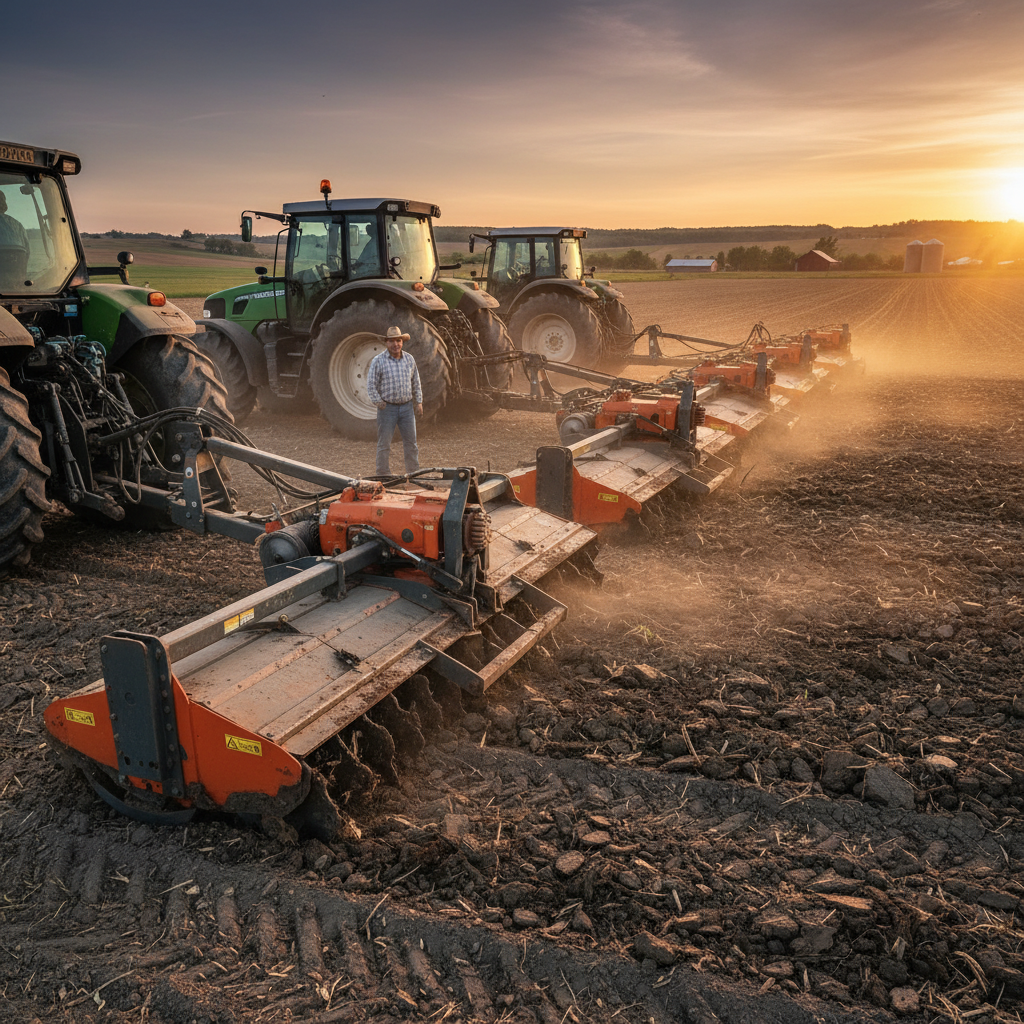
Maximizing Land Productivity with Professional Heavy Duty Tillers
For professional farmers and landscaping contractors, the quality of soil preparation determines the success of the entire growing season. Investing in high-performance heavy duty tillers is essential for breaking through compacted earth, removing stubborn weeds, and integrating organic matter deeply into the soil. Unlike standard garden cultivators, these industrial-grade machines are engineered to handle vast acreages and the most challenging terrain without compromising efficiency. In this guide, we will explore how choosing the right equipment can transform your agricultural output and streamline your land management process.
>
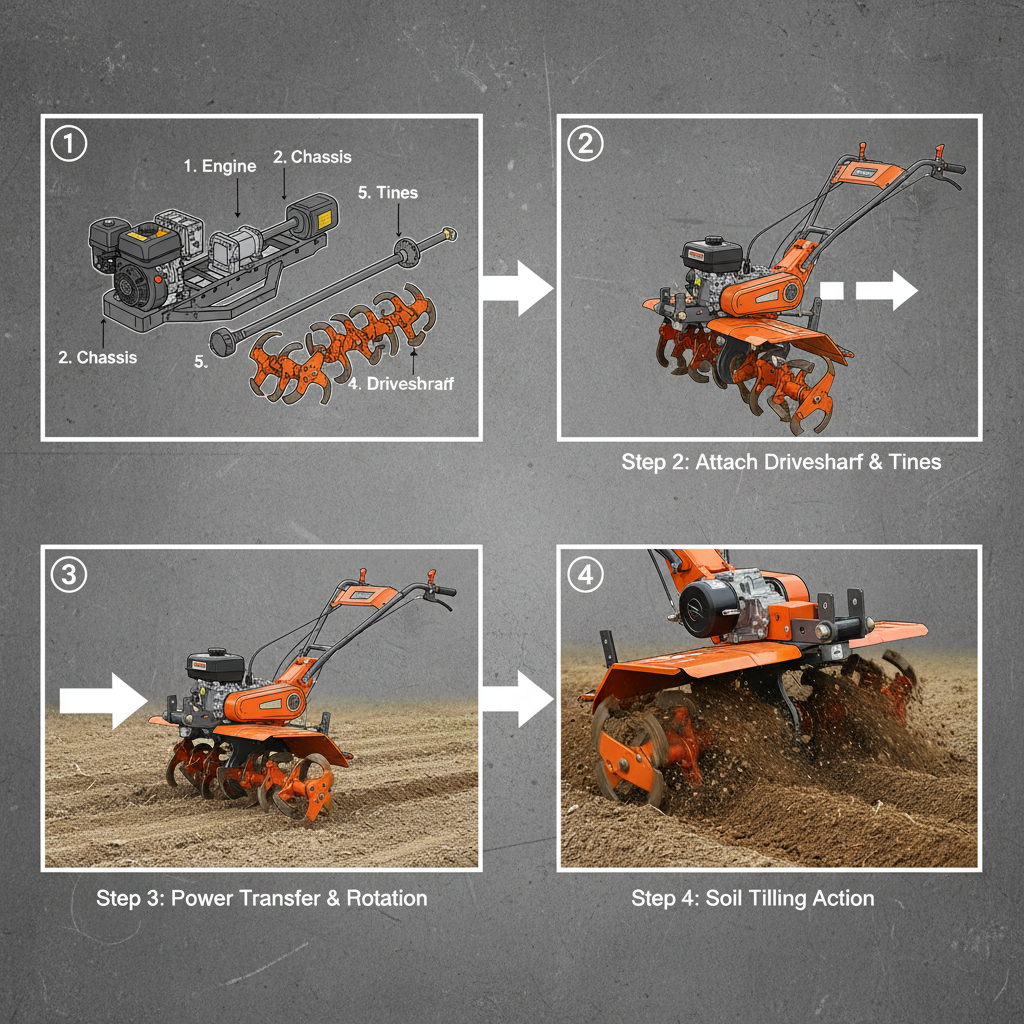
Choosing the Best Heavy Duty Rototiller for Efficient Land Preparation
A heavy duty rototiller is an invaluable tool for anyone involved in serious gardening, small-scale farming, or land preparation. Whether you're breaking new ground, maintaining existing garden beds, or preparing for planting, the right rototiller can significantly reduce labor and improve efficiency. However, with numerous options available, selecting the best model requires careful consideration. This article will guide you through the key factors to consider when purchasing a heavy-duty rototiller, helping you make an informed decision. ZinanMech offers a wide range of rototillers to suit various needs.
>
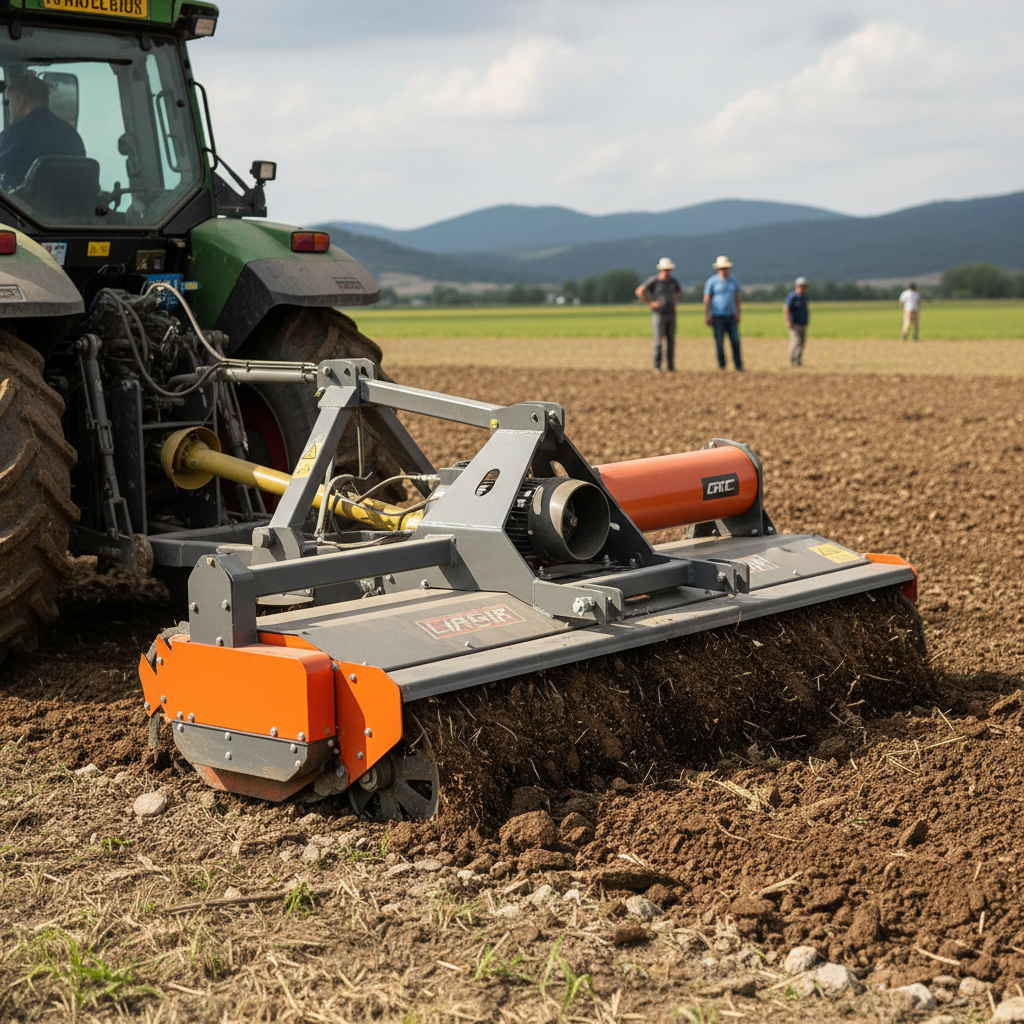
Comprehensive Guide to Heavy Duty Rotary Tiller Selection and Application
When it comes to land preparation, a heavy duty rotary tiller is an invaluable tool. This robust machinery excels at breaking up compacted soil, creating a fine seedbed, and incorporating organic matter. This article dives deep into the world of heavy duty rotary tillers, covering their benefits, applications, key features, and how to choose the right one for your needs. Whether you're a farmer, landscaper, or large-scale gardener, understanding these tillers is essential for efficient and effective soil management.
>
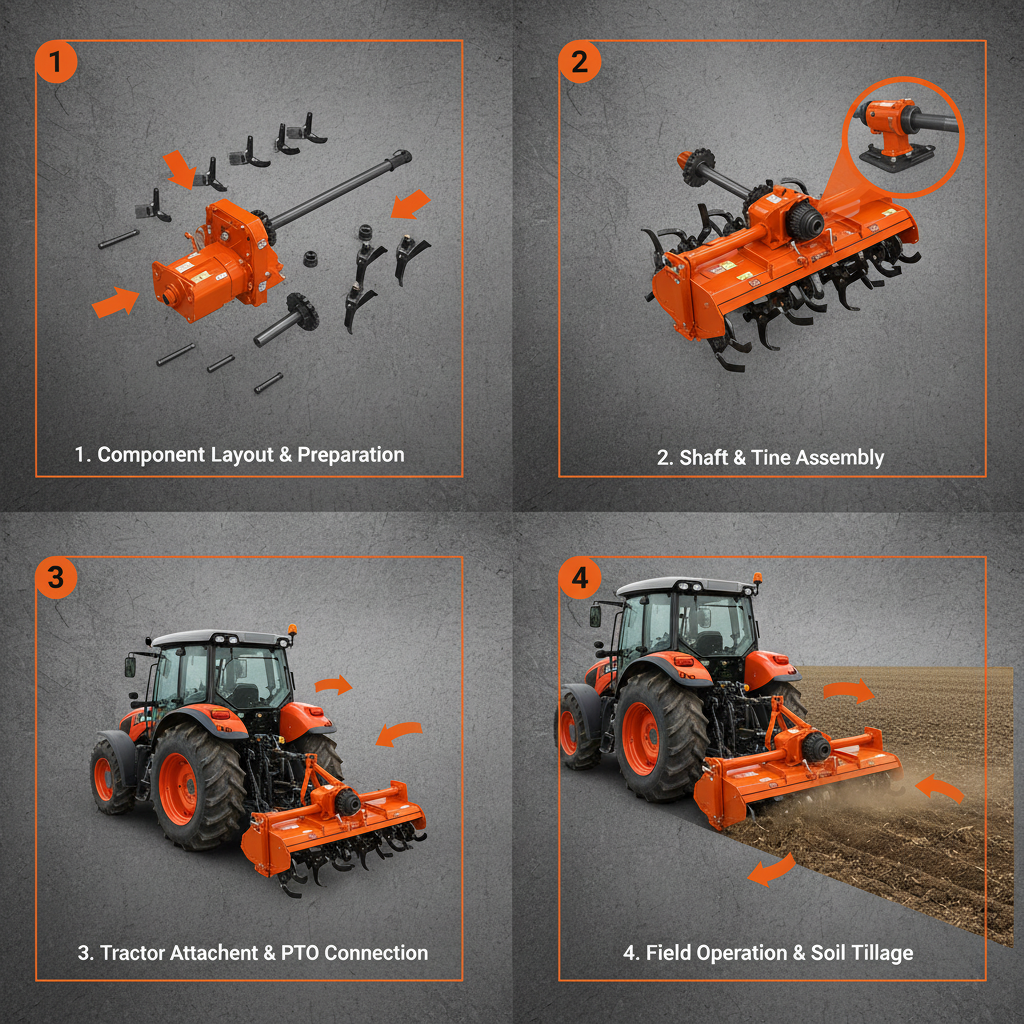
Comprehensive Guide to Selecting the Ideal Farm Tractor Tiller for Your Needs
Selecting the ideal farm tractor tiller is crucial for efficient soil preparation and maximizing agricultural yields. With a diverse range of models available, understanding your needs and the features offered by different tillers is paramount. This article provides a detailed overview of farm tractor tillers, covering their types, benefits, key considerations, and how to choose the right one for your specific farming operation. Proper tillage significantly impacts seedbed quality, weed control, and ultimately, crop performance.
>
Boost Farm Productivity with a High Performance Farm Pro Rotary Tiller
Are you looking to enhance your agricultural productivity and streamline your soil preparation process? A Farm Pro rotary tiller is an invaluable investment for farmers of all scales. This article delves into the benefits, features, applications, and considerations when choosing the right rotary tiller for your farm. We’ll explore how this machinery can significantly reduce labor costs and improve soil quality, ultimately leading to higher yields. From small hobby farms to large-scale commercial operations, a Farm Pro tiller offers a robust and efficient solution for a variety of tilling needs.
>
Unlock Farming Efficiency with a Powerful Agricultural Tiller Solution
In the world of farming and gardening, efficiency and productivity are key. An agricultural tiller is a vital piece of equipment that streamlines soil preparation, saving time and labor. This article dives deep into the world of tillers, exploring their types, benefits, how to choose the right one, and the quality solutions offered by Zinanmech. We’ll cover everything from small garden tillers to heavy-duty agricultural models, ensuring you have the knowledge to make an informed decision. An agricultural tiller, also known as a rotary tiller, is a motorized machine used to break up and cultivate soil. Unlike manual digging or plowing, tillers use rotating blades to loosen the soil, creating a fine, even tilth that's ideal for planting. This process improves soil aeration, drainage, and nutrient availability, leading to healthier plant growth.
>
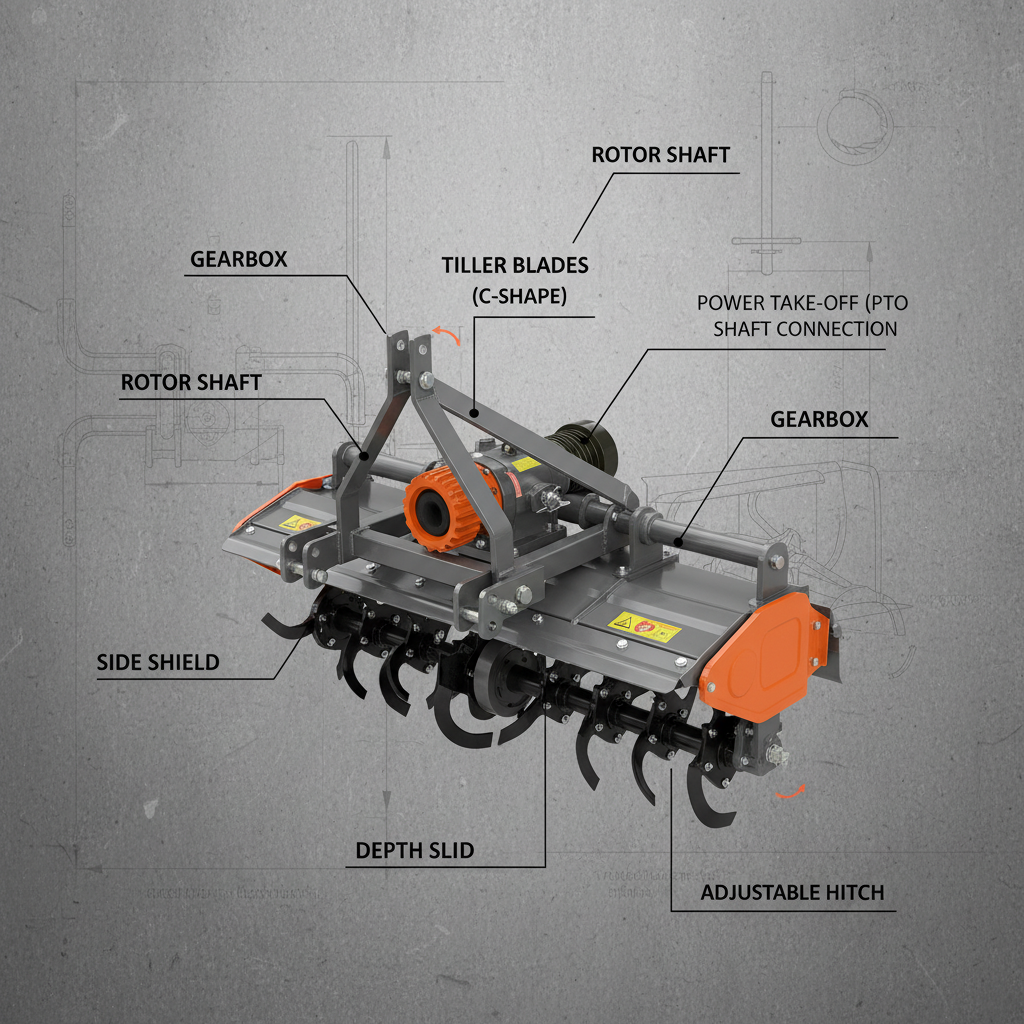
Comprehensive Guide to Agricultural Rotary Tiller Selection and Usage
An agricultural rotary tiller is an essential tool for modern farming, designed to efficiently prepare soil for planting. This powerful machinery significantly reduces labor and time compared to traditional methods. Whether you're a smallholder or manage a large-scale agricultural operation, understanding the benefits and features of a rotary tiller is crucial for maximizing productivity. Choosing the right tiller can transform your land preparation process. This article provides a detailed overview of agricultural rotary tillers, covering their uses, types, benefits, and key considerations when selecting the right model. Modern tillers are available in various sizes and configurations, catering to different farm sizes and soil conditions. Zinanmech provides a range of high-quality rotary tillers designed for optimal performance and durability. An agricultural rotary tiller, also known as a rototiller, is a motorized machine used to prepare agricultural land for cultivation. It works by using rotating blades – typically called tines – to break up, churn, and mix the soil.
>
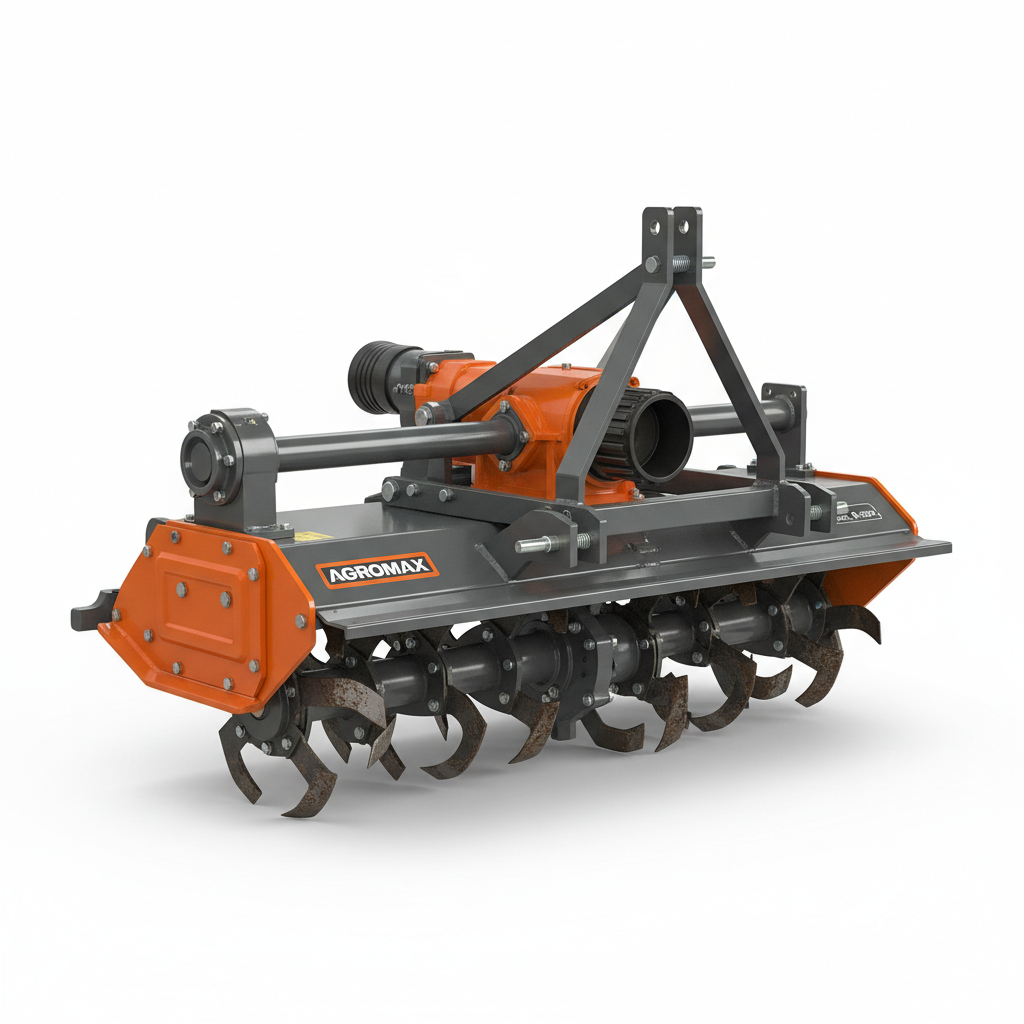
Comprehensive Guide to Selecting the Ideal Agric Rototiller for Your Farm
Selecting the right agric rototiller is crucial for efficient soil preparation and maximizing crop yields. This guide will explore the different types of rototillers, their applications, and how to choose the best model for your farming needs. We’ll cover everything from small, handheld rototillers to larger, tractor-mounted versions, helping you make an informed decision to enhance your agricultural operations. A well-chosen rototiller significantly reduces manual labor and improves soil quality. Agric rototillers come in various sizes and configurations, each suited for different farming tasks. The main types include: Front-Tine Rototillers, ideal for smaller gardens and breaking up already tilled soil; Rear-Tine Rototillers, offering more power and suitable for larger areas and tougher soil conditions; and Mid-Tine Rototillers, a versatile option for medium-sized farms. Choosing the correct type depends on your farm size, soil type, and the crops you intend to grow.
>

Unlock Farming Efficiency with a Powerful Agri Rototiller for Modern Agriculture
In today's agricultural landscape, efficiency and productivity are paramount. An agri rototiller, also known as a rotary tiller, is an invaluable tool for preparing soil for planting. This versatile machine cultivates, mixes, and levels the soil in a single pass, saving farmers significant time and effort. From small-scale farms to large agricultural operations, the benefits of using a rototiller are numerous. Investing in a quality rototiller is investing in the future success of your harvest. An agri rototiller is a motorized machine designed to break up and aerate soil using rotating blades. These blades, often called tines, churn the soil, creating a fine, even texture ideal for planting seeds or transplanting seedlings. Unlike traditional plowing, rototilling doesn't invert the soil, minimizing disruption to the soil's natural structure.
>
International layout
Spread all over the world
our products are exported to various parts of the world. Currently, our products have been exported to more than 40 countries Our products cover Asia, Europe, Africa, South America, North America, and Oceania
Sign up
for Newsletter
Subscribe to the weekly newsletter for all the latest updates