- Tel: +86 13451474678 / 13451474678
- Email: / hbzinanmech@gmail.com

What a Seed Drill Is Used For: Boosting Farming Efficiency and Sustainability
What Exactly Is a Seed Drill Used For and Why Should We Care?
If you’ve ever walked through a field freshly sown with wheat or corn, chances are you were looking at the handiwork of a seed drill. But seed drills are more than just farm tools — they’re quiet heroes in global food security, boosting efficiency and sustainability in agriculture worldwide. Understanding what a seed drill is used for isn’t just farmer jargon; it’s a window into how humankind feeds itself more effectively. From reducing seed waste to ensuring even planting depths, this clever machine tackles one of agriculture’s oldest challenges: how to sow efficiently and reliably.
The Global Significance of Knowing What a Seed Drill Is Used For
Agriculture is a backbone of human sustenance, with the UN reporting that over 60% of the world’s population depends directly or indirectly on farming (FAO). With population projections soaring to nearly 10 billion by 2050, the stress on food systems intensifies. Seed drills play a pivotal role here — by optimizing seed placement, they boost crop yields while conserving resources. Oddly enough, despite advancements in irrigation and fertilizers, inconsistent seed sowing remains a bottleneck for farmers everywhere.
The challenge? Traditional broadcasting methods are uneven, waste seed, and limit germination rates. Enter the seed drill: an elegant mechanized solution that addresses these by planting seeds at precise intervals and depths.
Mini takeaway: Understanding seed drills helps unravel one of agriculture’s silent revolutions — precision seed placement leading to better yields and less waste.
Breaking It Down: What Does “Seed Drill Is Used For” Really Mean?
So, at its core, a seed drill is used for sowing seeds neatly rather than spreading them randomly by hand or machine. Think of it as a tailor, planting each seed in a tidy row, equally spaced and set at the right soil depth. This consistency improves germination rates and crop quality tremendously.
Today’s seed drills marry mechanical engineering with agricultural science, perfectly syncing depth control, spacing precision, and soil contact. No wonder they’re crucial in modern farming, humanitarian aid, and even agroforestry projects.
Key Features That Make Seed Drills Essential Farming Tools
1. Precision Planting
Seed drills control where and how deep a seed goes into the soil. This precision boosts germination and optimizes space usage, which means better harvest volumes per acre.
2. Durability and Material Quality
These machines endure rough terrains and dusty fields. Most are fabricated from corrosion-resistant steels to last multiple seasons without major repairs, saving farmers money.
3. Scalability and Adaptability
From small handheld models to massive tractor-mounted drills, their designs cater to myriad farm sizes and crop types — adaptability is key.
4. Cost Efficiency
By reducing seed waste and improving germination, seed drills dramatically lower input costs. Less seed lost means more profit in the long haul.
5. Ease of Maintenance
Simple mechanical parts mean farmers or technicians can fix drills in the field without needing complicated tools or training.
Seed Drill Product Specification Table
| Specification | Typical Value | Notes |
|---|---|---|
| Working Width | 1.5 – 6 meters | Varies by model size |
| Row Spacing | 15 – 30 cm | Adjustable based on crop |
| Seed Rate | 1 – 15 kg/ha | Depends on seed type |
| Depth Control | 1 – 5 cm | Key for germination |
| Power Requirement | Tractor PTO or manual | Varies by design |
Mini takeaway: These features make a seed drill indispensable for any efficient farming system.
Where in the World Are Seed Drills Making a Difference?
Regions like South Asia, Africa, and parts of South America rely heavily on seed drills for sustainable intensification of their farms. For instance, NGOs working in drought-affected regions bring portable seed drills to quickly re-seed farmlands, helping restore livelihoods.
Industrial farms in the US and Europe rely on advanced, GPS-guided seed drills, allowing them to manage vast hectares with surgical precision. Even agroforestry projects in tropical zones benefit from drills adapted for tree seed planting, where spacing and depth are vital.
Frankly, you’ll find seed drills in almost every corner where food is grown — their forms just adapt to local needs and scale.
Vendor Comparison Table: Popular Seed Drill Manufacturers
| Vendor | Model Range | Price Range (USD) | Key Strength |
|---|---|---|---|
| Zinan Mechanical | 1.5m - 5m widths | $1,200 - $8,000 | High durability, easy maintenance |
| AgroTech Solutions | 2m - 6m widths | $2,000 - $10,000 | Precision electronic controls |
| FarmEquip Co. | 1m - 4m widths | $900 - $5,500 | Affordable, simple mechanics |
Why Using a Seed Drill Pays Off Long-Term
The obvious benefit is better crop yields — and that’s no small thing in places where every grain counts. But the advantages don’t end with bigger harvests. Saving seed and reducing labor inputs means sustainable farming is more accessible for smallholder farmers. Plus, by planting consistently, soil is less disturbed, preventing erosion.
On a softer note, farmers often report a stronger sense of pride and confidence when they see their fields neatly planted — that orderly start to the season feels like a promise of good things to come.
Looking Ahead: Innovations in Seed Drill Technology
The future is pretty exciting. We're seeing integration of GPS and AI to automate precisely where seeds drop — some drills can even learn from environment feedback to adjust depth on-the-fly. Others experiment with biodegradable seed coatings and energy-efficient designs powered by solar panels or hybrid tractor systems.
Sustainability and digital transformation are two big themes pushing seed drill development forward. The goal? Maximize output while reducing environmental impact, which is crucial in the face of climate change.
What’s Not Perfect? Common Challenges With Seed Drills and How to Overcome Them
While seed drills are fantastic, they aren’t magic. Dusty or rocky soils can jam mechanisms. Maintenance can be neglected in remote areas. And some farmers resist switching from traditional sowing methods.
Solutions often involve training, better local supply of parts, and designing drills that are more rugged yet easy to repair. A clever trend is community ownership of drills to spread costs and expertise.
FAQ: Common Questions About "Seed Drill Is Used For"
- What makes a seed drill better than traditional hand sowing?
- Seed drills plant seeds at precise depths and intervals, which improves germination rates and reduces seed waste — something hand sowing can rarely match, especially over large areas.
- Can seed drills be used for all types of seeds?
- While most are versatile, some drills are designed specifically for grains like wheat or corn. Specialized attachments or settings allow different seed sizes and types, but very small or very large seeds may need custom equipment.
- How often should a seed drill be maintained?
- Regular checks before each planting season are recommended, focusing on seed metering units, moving parts lubrication, and adjusting depth settings to prevent poor performance.
- Are seed drills cost-effective for small-scale farmers?
- Absolutely. Manual or small tractor-mounted seed drills exist with affordable price points. Plus, sharing cooperative ownership lowers individual costs while boosting efficiency.
Wrapping It Up — Why Learning What a Seed Drill Is Used For Matters
To sum it all up, a seed drill is a small but powerful piece in the agricultural puzzle. It saves seed, improves yields, and nudges farming towards sustainability and food security — goals we all should support. Whether you’re a farmer, policy maker, or simply a food lover, understanding the seed drill is used for opens doors to smarter agriculture practices.
Curious to dive deeper or shop for a reliable seed drill? Visit our website: https://www.zinanmech.com for expert advice and product options.
References

Related Products
-
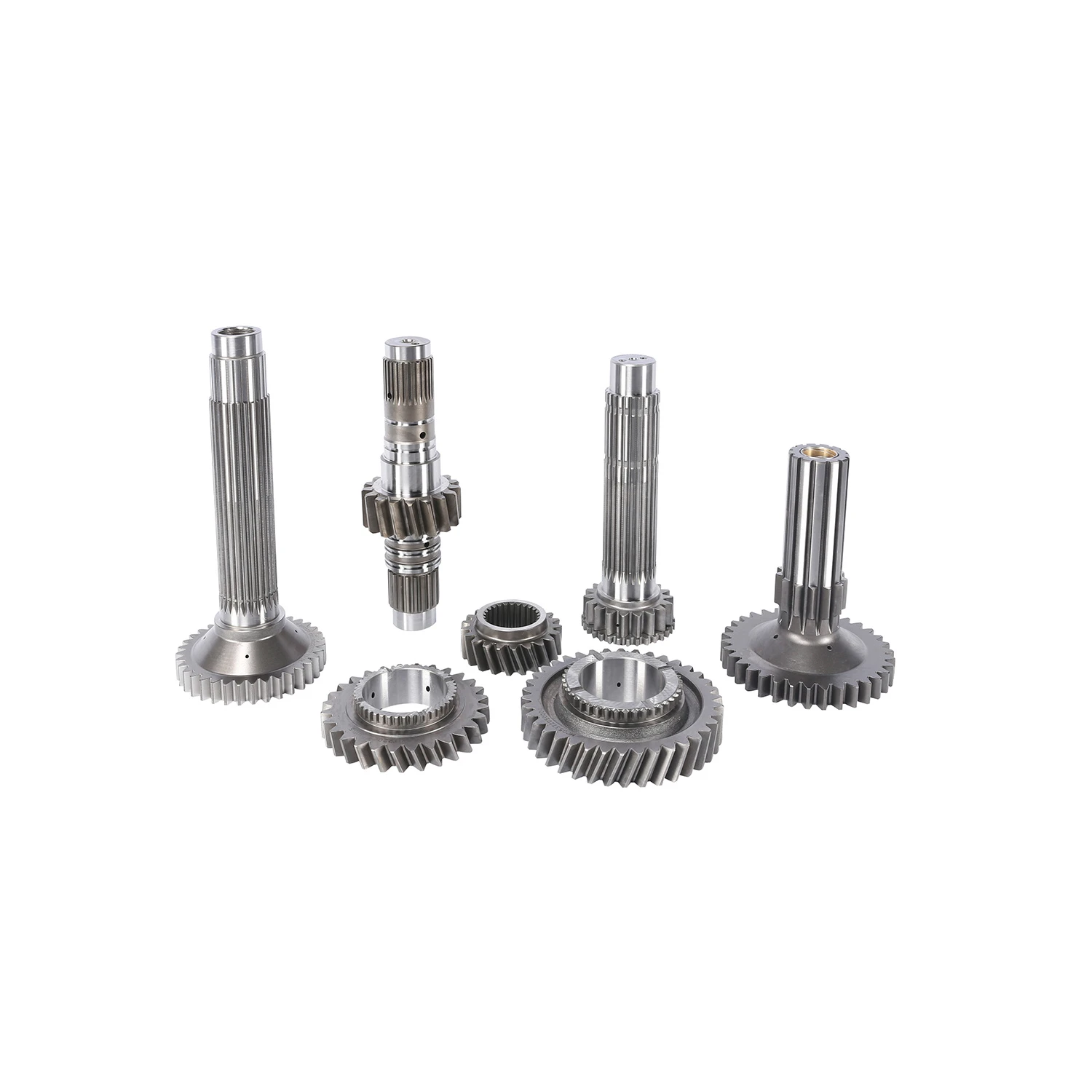 Tractor Gear Shaft
The tractor gear shaft is a crucial element in the power transmission system of a tractor. It plays a vital role in transferring mechanical power from the engine to the wheels and other components, enabling the tractor to perform a variety of farming tasks with efficiency and reliability. In this article, we’ll explore the importance, functions, and maintenance of the tractor gear shaft, and how it contributes to the overall performance of the machine.
-
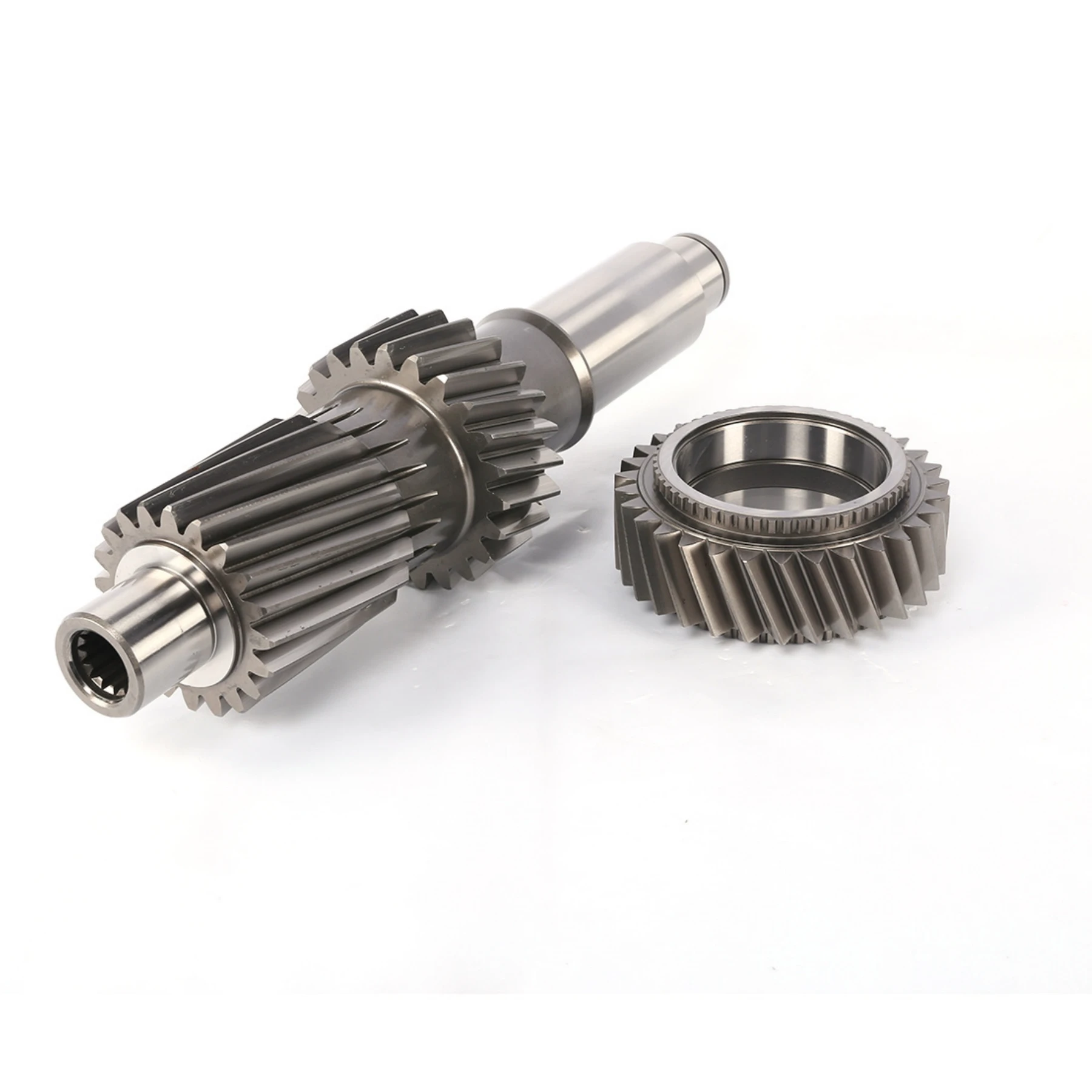 Transmission Gear
Power transmission: the engine operation drives the input gear on the input shaft to rotate, the input gear engages with other gears, and relies on the interaction between teeth and teeth to transfer the power to the intermediate gear (if any) and the output gear, and finally transfers the power to the driving wheel and other components through the output shaft to make the vehicle or equipment move.
Variable speed principle: Change the transmission ratio by meshing gears with different numbers of teeth. For example, when the big gear drives the small gear, the speed of the small gear will be faster than the big gear, but the output torque will be smaller, to achieve growth and torque reduction; On the contrary, when the pinion drives the big gear, the speed of the big gear slows down, the torque increases, and the torque increases. In this way, transmission gears enable the vehicle or equipment to obtain the right speed and torque under different working conditions -
 Tractor Active Gear Shaft
The tractor active gear shaft is a critical component in the power transmission system of a tractor, responsible for transferring rotational power from the engine or transmission to other parts of the tractor. By efficiently distributing torque and enabling smooth gear shifts, the active gear shaft plays a vital role in enhancing the performance and versatility of the tractor, making it essential for a wide range of agricultural tasks. In this article, we’ll explore the function, benefits, and maintenance of the tractor active gear shaft.
-
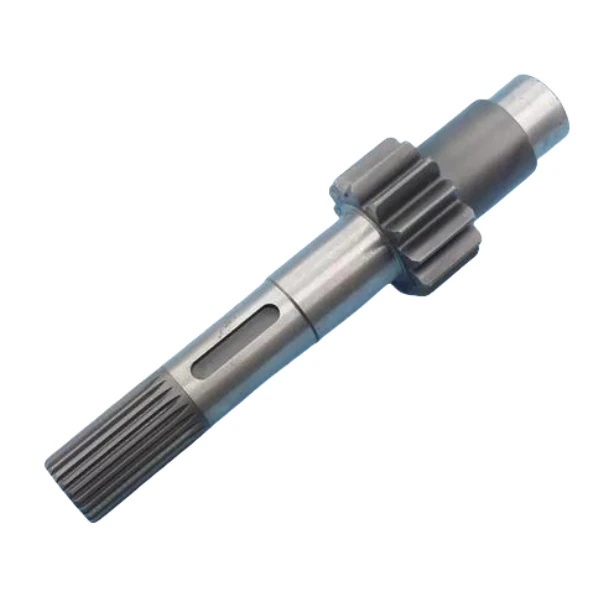 Harvester Input Shaft
The main role of the harvester input shaft is to introduce the power of the external power source into the internal transmission system of the harvester. When the power source (such as an engine) is running, the torque generated is transmitted to the input shaft through the connecting parts, causing the input shaft to start rotating. The gear, pulley or sprocket and other transmission parts installed on the input shaft will rotate with the rotation of the input shaft, and then transfer the power to the subsequent transmission parts and working parts, such as driving the cutting device, conveying device, threshing device, etc., to complete the crop harvesting, conveying, threshing and other work processes.
Related News

Drive axle price: choosing the 1204 axle for multi-wheel machinery
Compare the factors behind drive axle price for the 1204 axle, including 4WD, 6WD, 8WD layouts, differential locks, gearing, steering, and machine fit.
>

How to Choose a Wheel Transmission for Heavy-Duty 4WD Machinery
Choose a wheel transmission by checking hydraulic control, torque, braking, rear drive interface, and 4WD requirements for the D8 platform.
>

What Is the Use of Seeder? Air Suction No-Till Seeder FAQ
Learn what is the use of seeder equipment, how air suction seed placement works, supported crops, terrain features, and ordering checks for no-till planting.
>

Comparing A Rice Planter Options: Specifications, Materials and Supplier Documentation
Compare A Rice Planter options by planting controls, field conditions, materials, operating modes, customization, and documented information gaps.
>

Optimize Your Small Scale Farm With a Hobby Farm Seed Drill
Optimizing Your Small-Scale Farm with a Hobby Farm Seed Drill For many aspiring farmers and gardening enthusiasts, transitioning from hand-sowing to mechanized planting is a significant milestone. Utilizing a hobby farm seed drill allows for precision planting, ensuring that seeds are placed at the correct depth and spacing for optimal germination. Whether you are growing cover crops, vegetables, or grains on a small scale, the right equipment reduces physical labor and minimizes seed waste. In this guide, we will explore how the right seeding technology can transform your agricultural productivity and the key factors to consider when selecting equipment for your plot.
>

Maximize Crop Yields with the Professional Happy Seed Drill
Maximize Crop Yields with the Happy Seed Drill: An Essential Guide In the modern agricultural landscape, precision is the key to sustainability and profitability. The happy seed drill represents a significant leap in planting technology, designed to ensure that every seed is placed at the optimal depth and spacing. By reducing seed waste and improving germination rates, this machinery allows farmers to optimize their land use and increase overall harvest efficiency. Whether you are managing a small family plot or a large-scale industrial farm, understanding the mechanics and benefits of advanced seeding equipment is crucial for long-term success.
>

Professional Hand Seed Drill Machine for Precision Planting
Maximize Your Harvest with the Professional Hand Seed Drill Machine Efficient planting is the cornerstone of a successful harvest. For modern farmers seeking a balance between precision and manual control, the hand seed drill machine offers an indispensable solution. By integrating advanced seed distribution mechanisms with ergonomic design, these machines reduce the physical burden of sowing while ensuring every seed is placed at the optimal depth. Whether you are managing a small vegetable plot or a larger cereal field, investing in high-quality planting equipment can drastically improve crop uniformity and yield. In this guide, we will explore the features and advantages
>

Efficient Farming with Hand Operated Seed Drill Machine Guide
Revolutionizing Planting: The Ultimate Guide to the Hand Operated Seed Drill Machine For small to medium-scale farmers, precision in sowing is the cornerstone of a successful harvest. The hand operated seed drill machine offers a perfect blend of simplicity and efficiency, eliminating the tedious nature of manual broadcasting. By ensuring uniform seed depth and consistent spacing, this tool maximizes germination rates and optimizes crop yield. In an era where agricultural productivity is key to food security, adopting a reliable manual seeder is a strategic move for any grower looking to reduce labor costs while improving plant health.
>

Maximize Crop Yields with a hand operated automatic seed drill
Maximizing Crop Yields with a Hand Operated Automatic Seed Drill Efficient planting is the cornerstone of successful farming. The hand operated automatic seed drill represents a significant leap in agricultural technology for small to medium-scale farmers. By combining manual mobility with automatic precision, this tool eliminates the inconsistencies of hand-broadcasting seeds, ensuring optimal spacing and depth. Whether you are managing a vegetable garden or a commercial grain plot, utilizing a precision seeder reduces waste and promotes healthier plant growth. In this guide, we explore how this innovative machinery optimizes the sowing process and why it is an essential investment for modern sustainable agriculture.
>

Guide to Four Wheel Drive Manual Transmission for Off Road Control
Mastering the Terrain: The Guide to Four Wheel Drive Manual Transmission For off-road enthusiasts and industrial operators, the combination of a four wheel drive manual transmission offers an unparalleled level of control and reliability. Unlike automatic systems that rely on computer-managed shifts, a manual setup allows the driver to dictate exactly how power is distributed to the wheels, making it indispensable for steep inclines, muddy terrains, and heavy-duty hauling. At Zinanmech , we understand that the synergy between a robust drivetrain and a manual gearbox is what defines true mechanical endurance.
>
International layout
Spread all over the world
our products are exported to various parts of the world. Currently, our products have been exported to more than 40 countries Our products cover Asia, Europe, Africa, South America, North America, and Oceania
Sign up
for Newsletter
Subscribe to the weekly newsletter for all the latest updates