- Tel: +86 13451474678 / 13451474678
- Email: / hbzinanmech@gmail.com

Wooden Seed Drill - Sustainable and Cost-Effective Precision Farming Tool
Wooden Seed Drill: A Quiet Revolution in Sustainable Agriculture
When you think of agricultural innovation, perhaps modern tractors or genetically modified seeds come to mind. But there’s a quietly significant technology that’s been around for centuries—yet continues to hold promise for today’s farmers, especially in developing regions: the wooden seed drill. Understanding its mechanics and applications offers a fresh perspective on sustainable, low-cost farming solutions. Plus, it's oddly satisfying knowing that something as simple and natural as wood can be the backbone of modern seed planting.
Why Wooden Seed Drills Matter Globally
Global agriculture supports nearly half the world’s population directly or indirectly. According to the Food and Agriculture Organization (FAO), improving seed sowing techniques can increase yields by up to 20%. Yet, not every farmer has access to high-tech machinery. That’s where wooden seed drills come in — a low-tech, cost-efficient alternative granting greater control over seed distribution, depth, and spacing, which translates to better crop output.
The World Bank estimates over 50% of farmers in rural parts of Asia and Africa still practice hand sowing or use rudimentary tools. The wooden seed drill bridges a crucial gap for these farmers by enhancing seed placement without the cost or maintenance of metal machinery. It’s a small step forward for sustainable farming worldwide.
Mini takeaway:
- Wooden seed drills offer an accessible upgrade to traditional seed planting.
- They address the challenge of low-tech seed sowing in developing countries.
- Boosted efficiency paves the way for better food security globally.
What Exactly is a Wooden Seed Drill?
Simply put, a wooden seed drill is a planting device crafted primarily from wood that precisely places seeds in soil rows at regular intervals and appropriate depths. Rather than throwing seeds by hand — where many can clump together or be sown unevenly — this tool gently deposits one seed at a time.
Historically, the first mechanical seed drills date back to 18th-century innovations credited to Jethro Tull. Today, wooden seed drills are simpler, designed for emerging economies or ecological farming. They symbolize a harmony between nature and design—a timeless utility that’s both biodegradable and easy to repair with local resources.
Mini takeaway:
- It’s a precision tool designed for seed placement.
- Wood as a material enables sustainability and local repairs.
- Brings centuries-old wisdom and modern utility together.
Key Features of Wooden Seed Drills
1. Durable Craftsmanship
Wood selection is critical — hardwood like teak or neem ensures longevity and resistance to weathering. The natural oils in some woods prevent rot, reducing replacement frequency.
2. Easy Scalability
Because wooden components are modular, users can expand the seed drill’s width or customize seed boxes to accommodate different crops and seed sizes. It’s a bit like LEGO for farmers.
3. Cost Efficiency
Compared with metal drills, wooden models are notably cheaper both in materials and maintenance. In many cases, local carpenters can build or fix these tools, empowering rural economies.
4. Sustainable & Eco-Friendly
Wood’s biodegradable nature means no industrial waste at the tool’s life end. Plus, the energy cost for crafting wooden tools is much less than metal ones.
5. Precision in Seed Distribution
Thanks to calibrated seed boxes and drop mechanisms, seed drills ensure uniformity — a factor essential to healthy crop spacing and maximizing soil nutrients.
6. Lightweight & Portable
Unlike heavy tractors or metal drills, wooden models can be carried or pushed with minimal effort, ideal for smallholder farms or uneven terrain.
Mini takeaway:
- Wood choice is key to durability and sustainability.
- Customization potential means farmers get what fits their crops and soil.
- Portability and precision make wooden seed drills valuable tools in diverse contexts.
Wooden Seed Drill Specifications
| Feature | Specification | Benefit |
|---|---|---|
| Material | Hardwood (Teak, Neem) | Durable, natural rot-resistant |
| Row Spacing | Adjustable: 15-30 cm | Flexible for various crops |
| Seed Box Capacity | Up to 5 kg | Suitable for small to medium plots |
| Seed Drop Mechanism | Manual calibrated gate | Accurate placement of seeds |
| Weight | Approx. 8 kg | Light and easy to maneuver |
Who Uses Wooden Seed Drills — Real-World Applications
While commercial farms may lean towards machinery, wooden seed drills have found their niche in diverse scenarios:
- Subsistence Farmers: Smallholder farmers in parts of South Asia and Africa utilize wooden seed drills to enhance productivity without the burden of costly machinery.
- Post-Disaster Relief Efforts: Organizations like the United Nations Office for the Coordination of Humanitarian Affairs promote simple farming tools for refugees and displaced populations to restart agriculture quickly.
- Organic and Permaculture Farming: Enthusiasts use wooden drills to avoid metal contamination and align with eco-friendly practices.
- Remote and Mountainous Terrains: Their lightweight nature means transportation to less accessible fields is feasible.
For example, a recent development project in Nepal provided wooden seed drills to remote villages, which helped increase maize yields by roughly 15% in a single season — quite an uplift considering the long-standing challenges they face.
Mini takeaway:
- Wooden seed drills empower small-scale and marginalized farmers.
- They facilitate agriculture in emergency and eco-sensitive scenarios.
- Results can be significant when technology matches local needs.
Comparing Leading Wooden Seed Drill Vendors
| Vendor | Price (USD) | Material Quality | Customization | After-Sales Support |
|---|---|---|---|---|
| Zinan Mech | $120 | Premium teak wood | Yes, adjustable rows and boxes | One-year warranty, remote support |
| GreenFarm Tools | $100 | Mixed hardwoods | Limited | 6-month warranty, phone support |
| EcoSeeders | $110 | Sustainably sourced pine | Yes, but fixed row spacing | Phone and onsite support |
Why Does the Wooden Seed Drill Endure? Advantages & Long-Term Value
On some level, the wooden seed drill reminds me of why simple, well-thought tools never truly go out of style. Their benefits touch on practical, societal, and environmental levels:
- Cost-Effectiveness: No complicated electronics or steel parts mean less upfront and maintenance cost.
- Sustainability: Biodegradable materials and small carbon footprint support ecological farming practices.
- Empowerment: Local manufacturing and repairs stimulate economies and build community independence.
- Reliability: Fewer mechanical failures and easy troubleshooting reduce downtime in crucial planting seasons.
- Enhanced Food Security: More precise sowing boosts harvest sizes and quality, helping farmers feed families and communities.
Plus, farmers often speak of how using such tangible, handmade tools links them to the land differently — a sense of pride and respect that money can’t buy.
The Road Ahead: Future Trends in Wooden Seed Drills
Innovation doesn’t stop at metal and microchips — wooden seed drills are quietly evolving too:
- Hybrid Materials: Combining wood with sustainable composites or bamboo enhances durability without losing eco-appeal.
- Automation Assistance: Some designs now integrate sensors to monitor seed flow or recommend seeding rates, though still mechanical at heart.
- Customization via 3D Printing: Modular wooden parts tailored digitally for specific crops or plots.
- Green Energy Integration: Solar-powered accessories for seed drills addressing irrigation pairing and planting timing.
It feels like wooden seed drills are about blending tradition with a dash of tomorrow’s tech — an agricultural yin and yang of sorts.
Some Challenges and How Experts Solve Them
Of course, it’s not all smooth sailing:
- Wear & Tear: Wood can fatally degrade if left in poor weather, but protective treatments using natural oils or eco-friendly varnishes mitigate this.
- Scalability Limits: Larger farms require metal or motorized drills, but wooden models remain ideal for small to medium plots — and there are ongoing efforts to create semi-mechanical wooden hybrids.
- Precision Variability: Human error in manual drives is a thing, so training and simplified design upgrades help maintain consistency.
Development agencies often combine tool distribution with farmer education and community workshops — the combo that’s proven most effective.
FAQ: Common Questions About Wooden Seed Drills
- How does a wooden seed drill improve crop yields?
- By planting seeds at uniform depths and spacing, the wooden seed drill reduces seed waste and ensures consistent germination, leading to healthier crops and higher yields compared to traditional broadcast sowing.
- Are wooden seed drills suitable for all types of seeds?
- They work best with small to medium-sized seeds like wheat, maize, and millet. Larger or irregular seeds may require customized seed boxes, which many wooden drills can accommodate with adjustments.
- How do wooden seed drills handle rough terrains?
- Their lightweight and manual operation make them ideal for uneven or hilly farms where heavy machinery struggles. Farmers can carry or push them along steep slopes without much effort.
- Can wooden seed drills be repaired locally?
- Yes, one of their biggest advantages is repairability. With basic carpentry skills and tools, farmers or local artisans can fix or replace worn parts using commonly available wood.
- Where can I buy high-quality wooden seed drills?
- Manufacturers like Zinan Mech offer premium wooden seed drills with reliable after-sales support and customization options tailored to your needs.
In Conclusion: Why Wooden Seed Drills Still Matter
It’s fascinating how wooden seed drills embody the sweet spot between tradition and sustainability. They prove that sometimes progress doesn’t mean replacing old with new entirely, but improving what’s already there — making it accessible, eco-friendly, and primed for future innovation.
If you’re looking to boost your agricultural practice sustainably and affordably, a wooden seed drill could be just the upgrade you need. Curious? Visit Zinan Mech to explore options that fit your farm size and crop types.
Here’s to smarter sowing—and a greener harvest!
References

Related Products
-
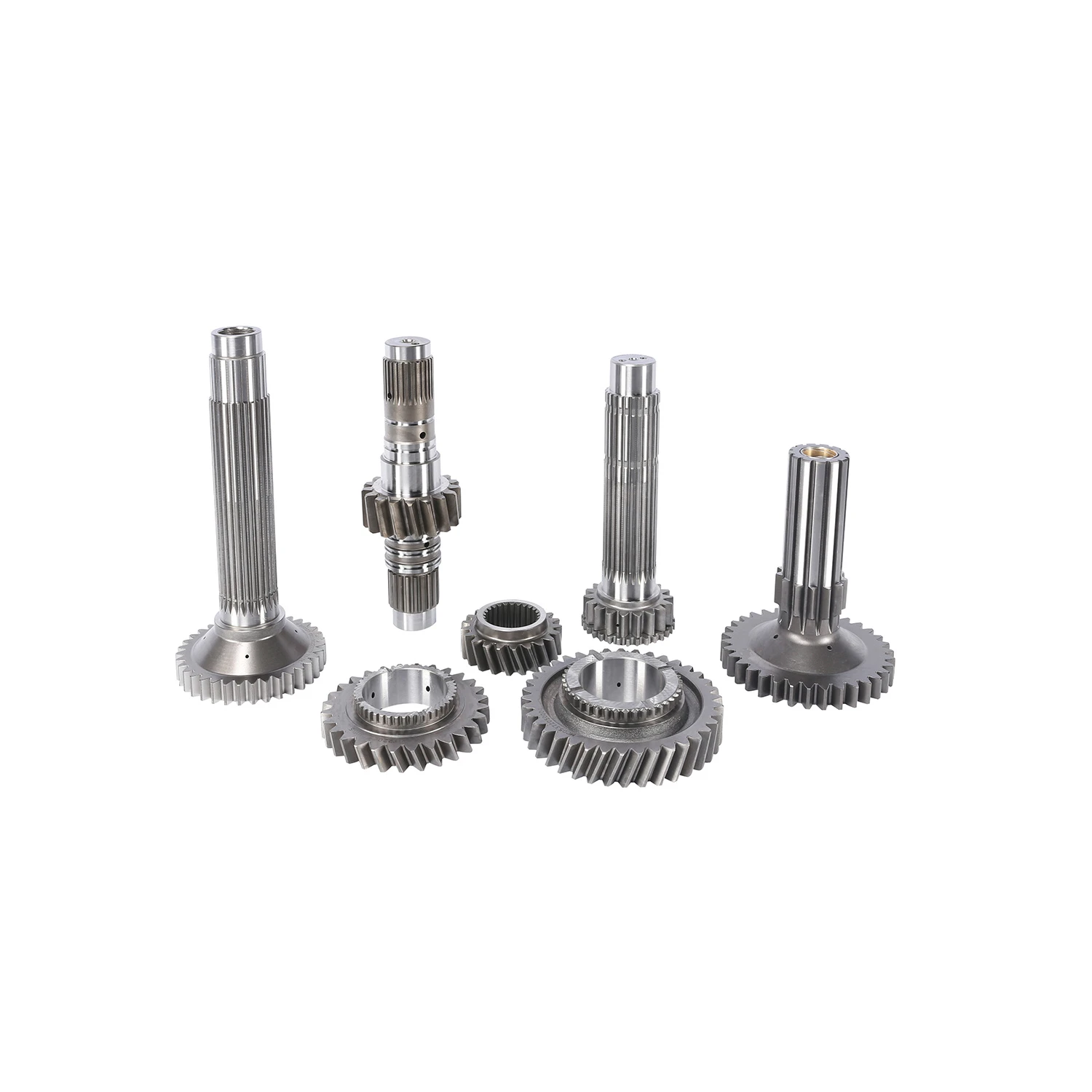 Tractor Gear Shaft
The tractor gear shaft is a crucial element in the power transmission system of a tractor. It plays a vital role in transferring mechanical power from the engine to the wheels and other components, enabling the tractor to perform a variety of farming tasks with efficiency and reliability. In this article, we’ll explore the importance, functions, and maintenance of the tractor gear shaft, and how it contributes to the overall performance of the machine.
-
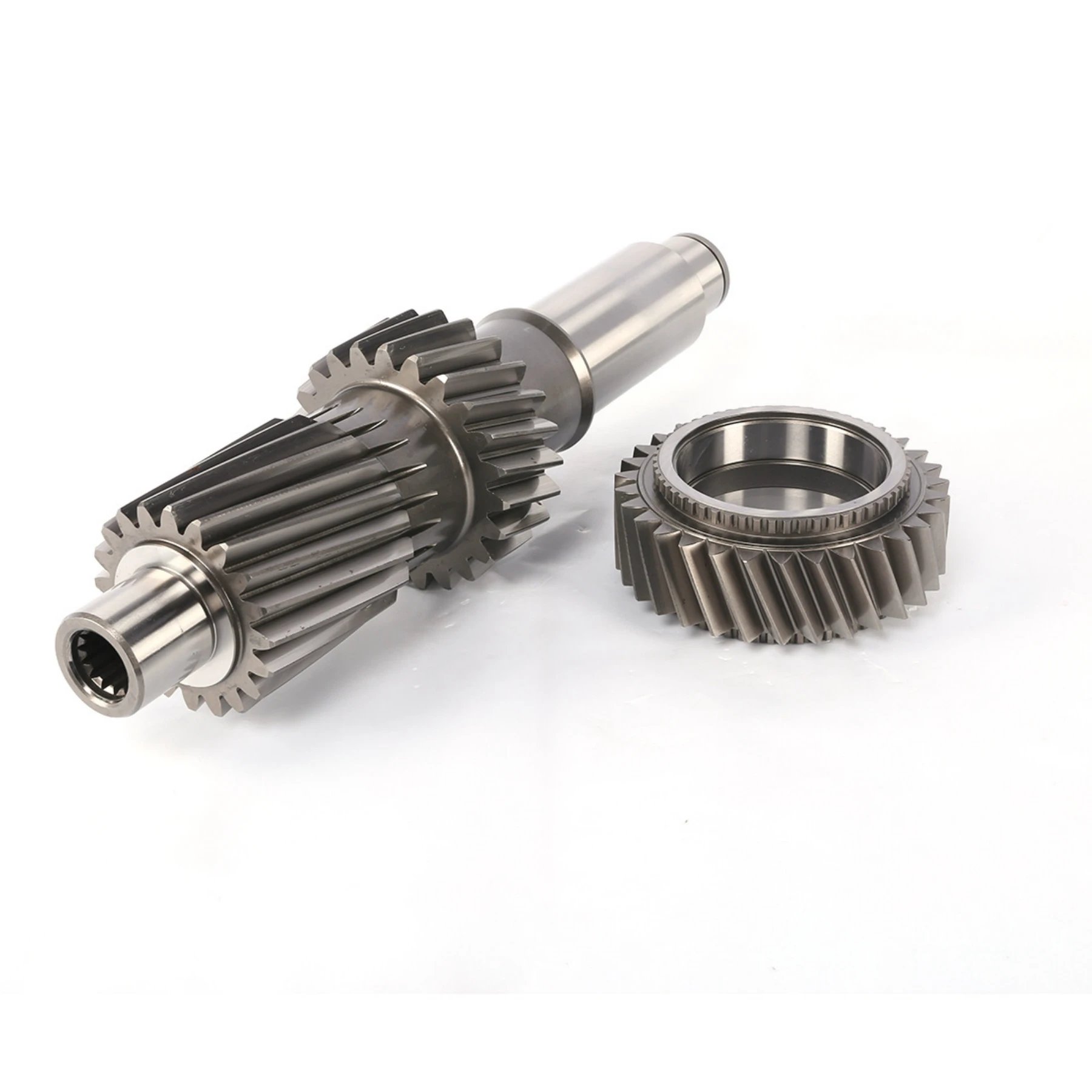 Transmission Gear
Power transmission: the engine operation drives the input gear on the input shaft to rotate, the input gear engages with other gears, and relies on the interaction between teeth and teeth to transfer the power to the intermediate gear (if any) and the output gear, and finally transfers the power to the driving wheel and other components through the output shaft to make the vehicle or equipment move.
Variable speed principle: Change the transmission ratio by meshing gears with different numbers of teeth. For example, when the big gear drives the small gear, the speed of the small gear will be faster than the big gear, but the output torque will be smaller, to achieve growth and torque reduction; On the contrary, when the pinion drives the big gear, the speed of the big gear slows down, the torque increases, and the torque increases. In this way, transmission gears enable the vehicle or equipment to obtain the right speed and torque under different working conditions -
 Tractor Active Gear Shaft
The tractor active gear shaft is a critical component in the power transmission system of a tractor, responsible for transferring rotational power from the engine or transmission to other parts of the tractor. By efficiently distributing torque and enabling smooth gear shifts, the active gear shaft plays a vital role in enhancing the performance and versatility of the tractor, making it essential for a wide range of agricultural tasks. In this article, we’ll explore the function, benefits, and maintenance of the tractor active gear shaft.
-
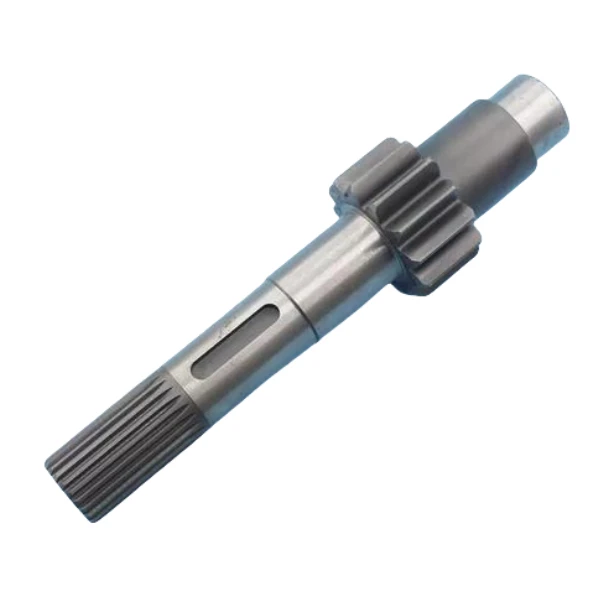 Harvester Input Shaft
The main role of the harvester input shaft is to introduce the power of the external power source into the internal transmission system of the harvester. When the power source (such as an engine) is running, the torque generated is transmitted to the input shaft through the connecting parts, causing the input shaft to start rotating. The gear, pulley or sprocket and other transmission parts installed on the input shaft will rotate with the rotation of the input shaft, and then transfer the power to the subsequent transmission parts and working parts, such as driving the cutting device, conveying device, threshing device, etc., to complete the crop harvesting, conveying, threshing and other work processes.
Related News
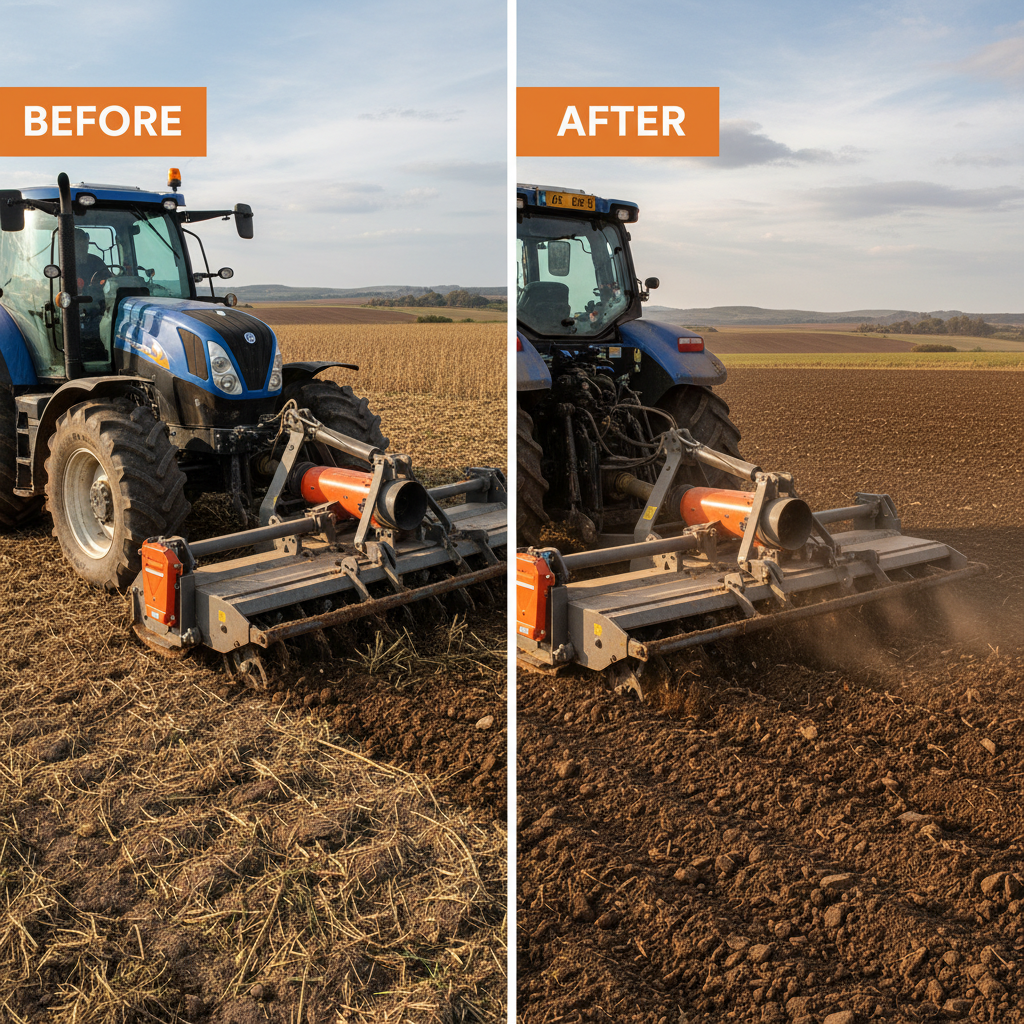
Professional Heavy Duty Tiller for Tractor for Soil Productivity
Achieving the perfect seedbed is the foundation of any successful harvest. For farmers dealing with compacted soil, stubborn crop residue, or expansive acreage, a standard rototiller often falls short. This is where a heavy duty tiller for tractor becomes an essential investment. These robust machines are engineered to penetrate deep into the earth, breaking up hardpan and aerating the soil with unmatched efficiency. By integrating a professional-grade tiller into your machinery lineup, you can significantly reduce preparation time and improve crop yield. In this guide, we will explore the technical advantages, selection criteria, and maintenance tips for choosing the right heavy-duty tilling solution.
>
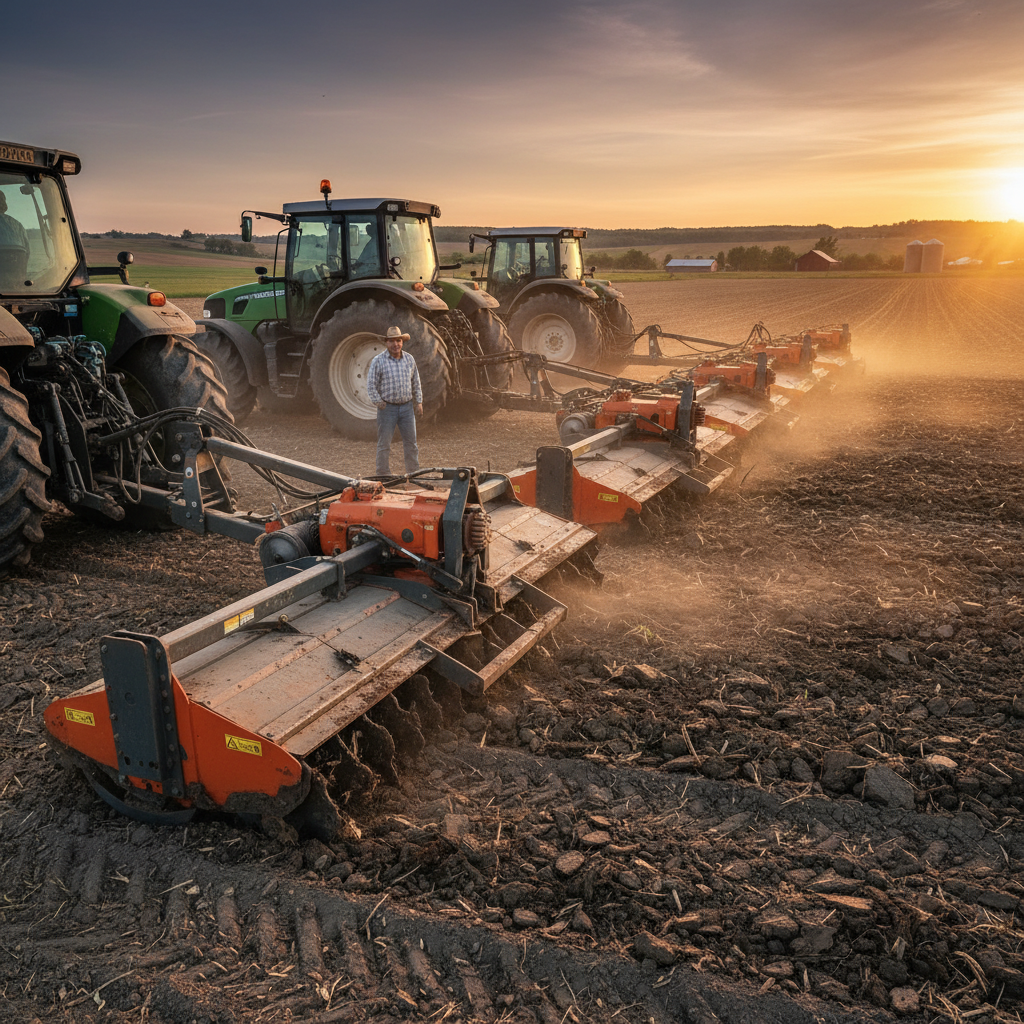
Maximizing Land Productivity with Professional Heavy Duty Tillers
For professional farmers and landscaping contractors, the quality of soil preparation determines the success of the entire growing season. Investing in high-performance heavy duty tillers is essential for breaking through compacted earth, removing stubborn weeds, and integrating organic matter deeply into the soil. Unlike standard garden cultivators, these industrial-grade machines are engineered to handle vast acreages and the most challenging terrain without compromising efficiency. In this guide, we will explore how choosing the right equipment can transform your agricultural output and streamline your land management process.
>
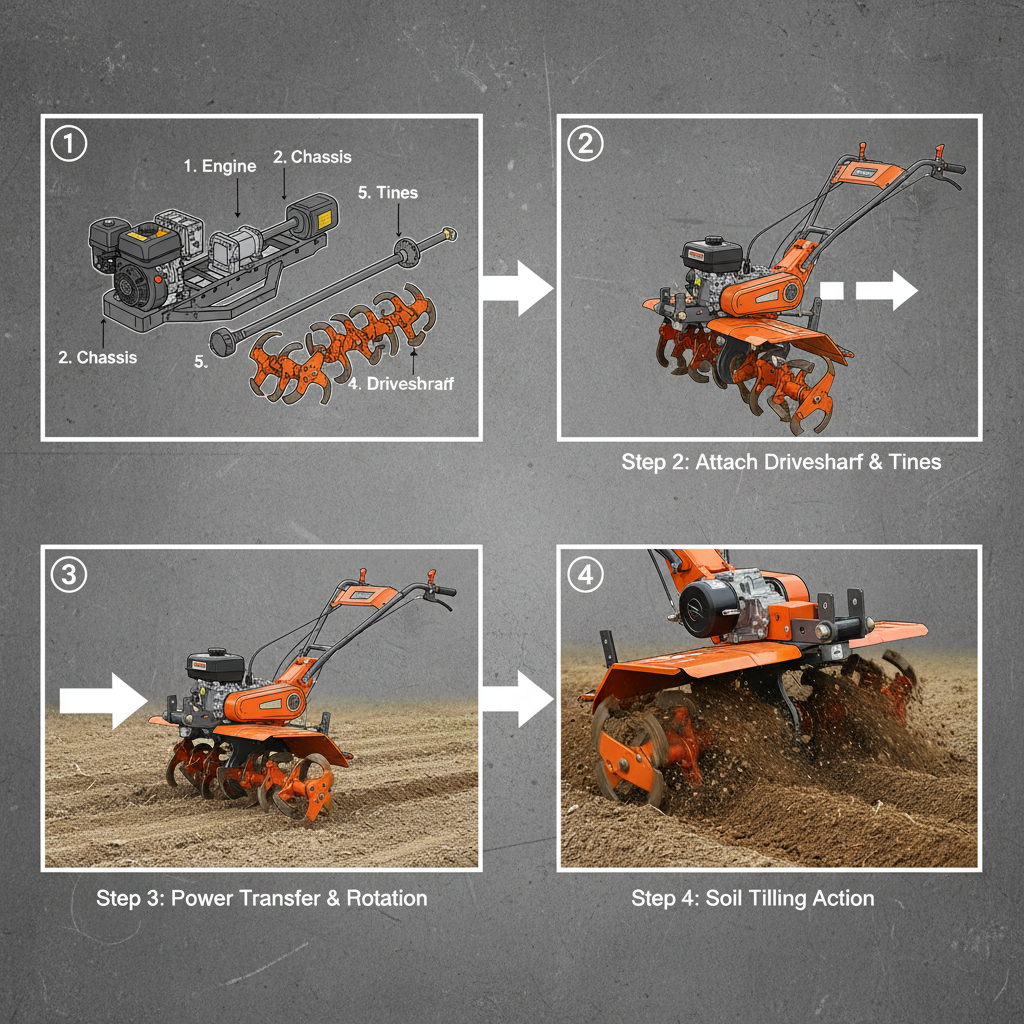
Choosing the Best Heavy Duty Rototiller for Efficient Land Preparation
A heavy duty rototiller is an invaluable tool for anyone involved in serious gardening, small-scale farming, or land preparation. Whether you're breaking new ground, maintaining existing garden beds, or preparing for planting, the right rototiller can significantly reduce labor and improve efficiency. However, with numerous options available, selecting the best model requires careful consideration. This article will guide you through the key factors to consider when purchasing a heavy-duty rototiller, helping you make an informed decision. ZinanMech offers a wide range of rototillers to suit various needs.
>
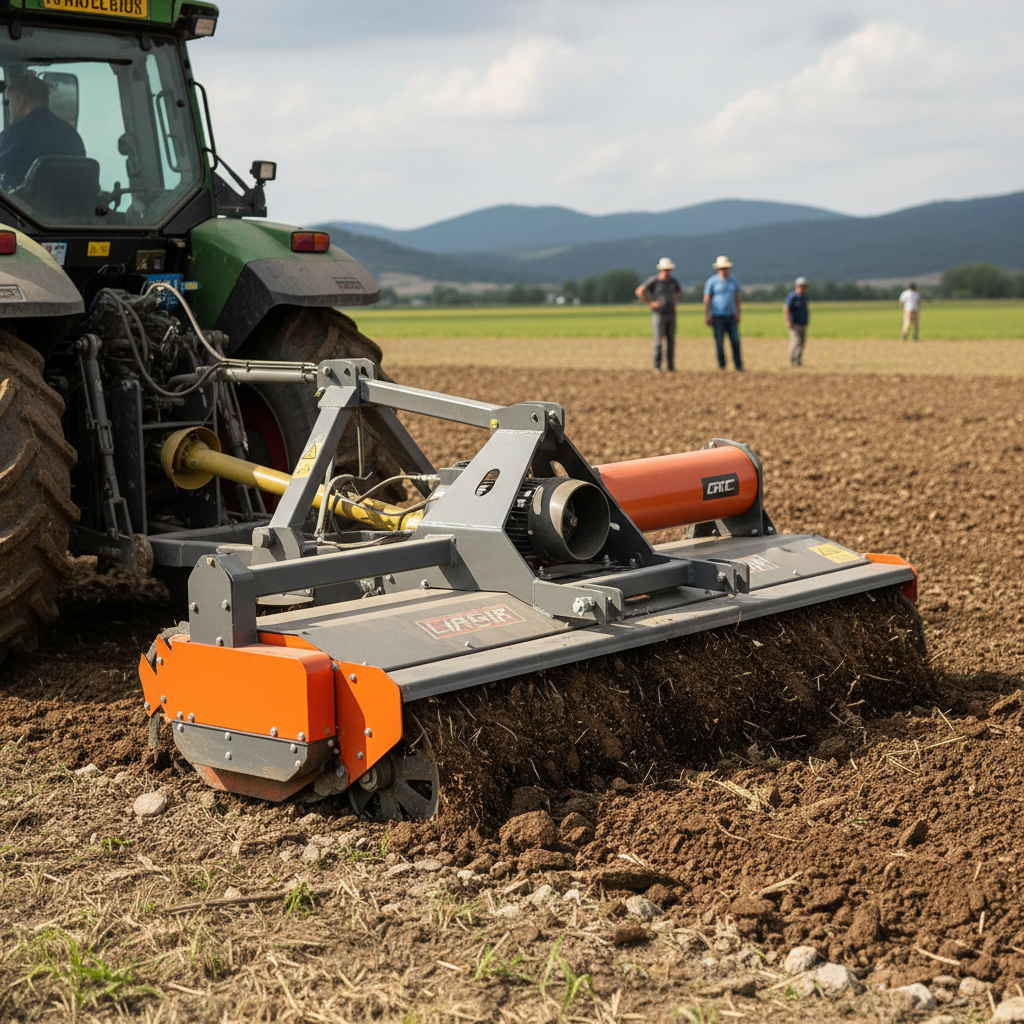
Comprehensive Guide to Heavy Duty Rotary Tiller Selection and Application
When it comes to land preparation, a heavy duty rotary tiller is an invaluable tool. This robust machinery excels at breaking up compacted soil, creating a fine seedbed, and incorporating organic matter. This article dives deep into the world of heavy duty rotary tillers, covering their benefits, applications, key features, and how to choose the right one for your needs. Whether you're a farmer, landscaper, or large-scale gardener, understanding these tillers is essential for efficient and effective soil management.
>
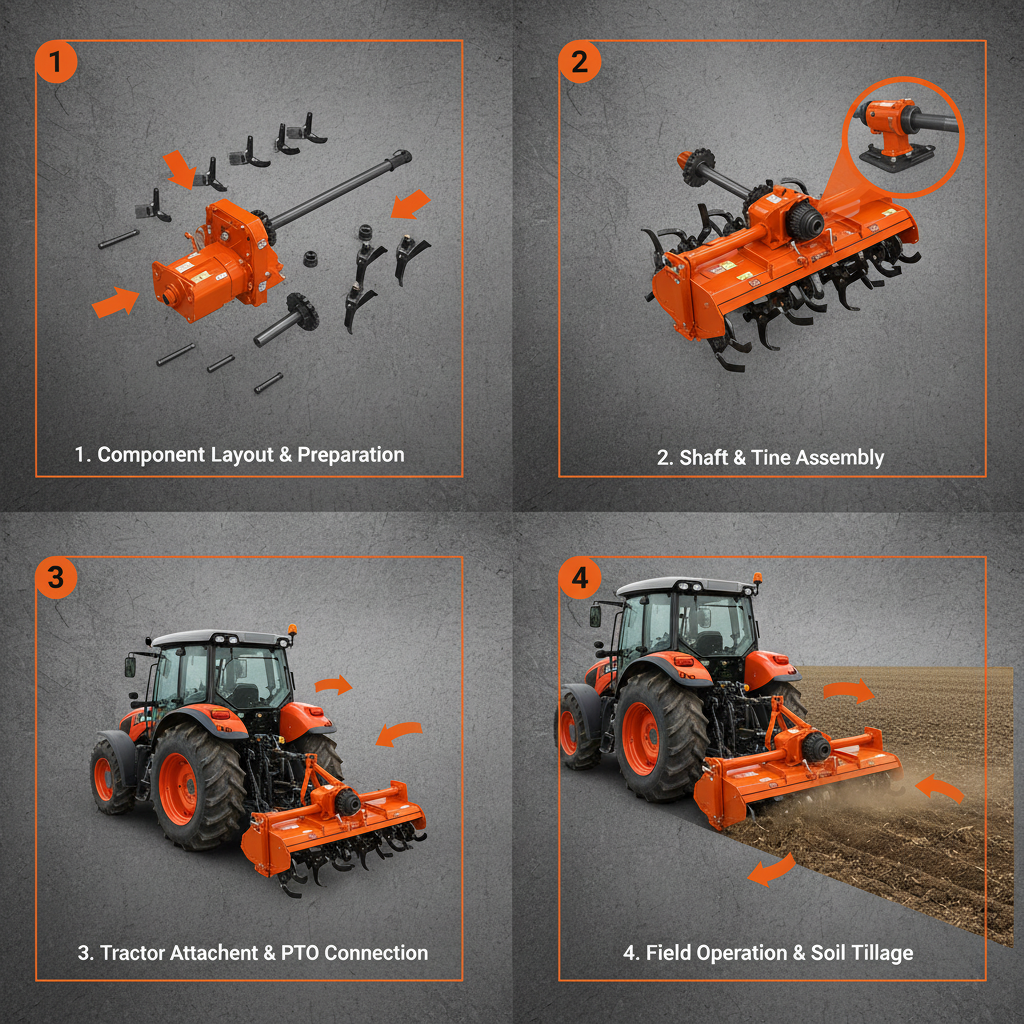
Comprehensive Guide to Selecting the Ideal Farm Tractor Tiller for Your Needs
Selecting the ideal farm tractor tiller is crucial for efficient soil preparation and maximizing agricultural yields. With a diverse range of models available, understanding your needs and the features offered by different tillers is paramount. This article provides a detailed overview of farm tractor tillers, covering their types, benefits, key considerations, and how to choose the right one for your specific farming operation. Proper tillage significantly impacts seedbed quality, weed control, and ultimately, crop performance.
>
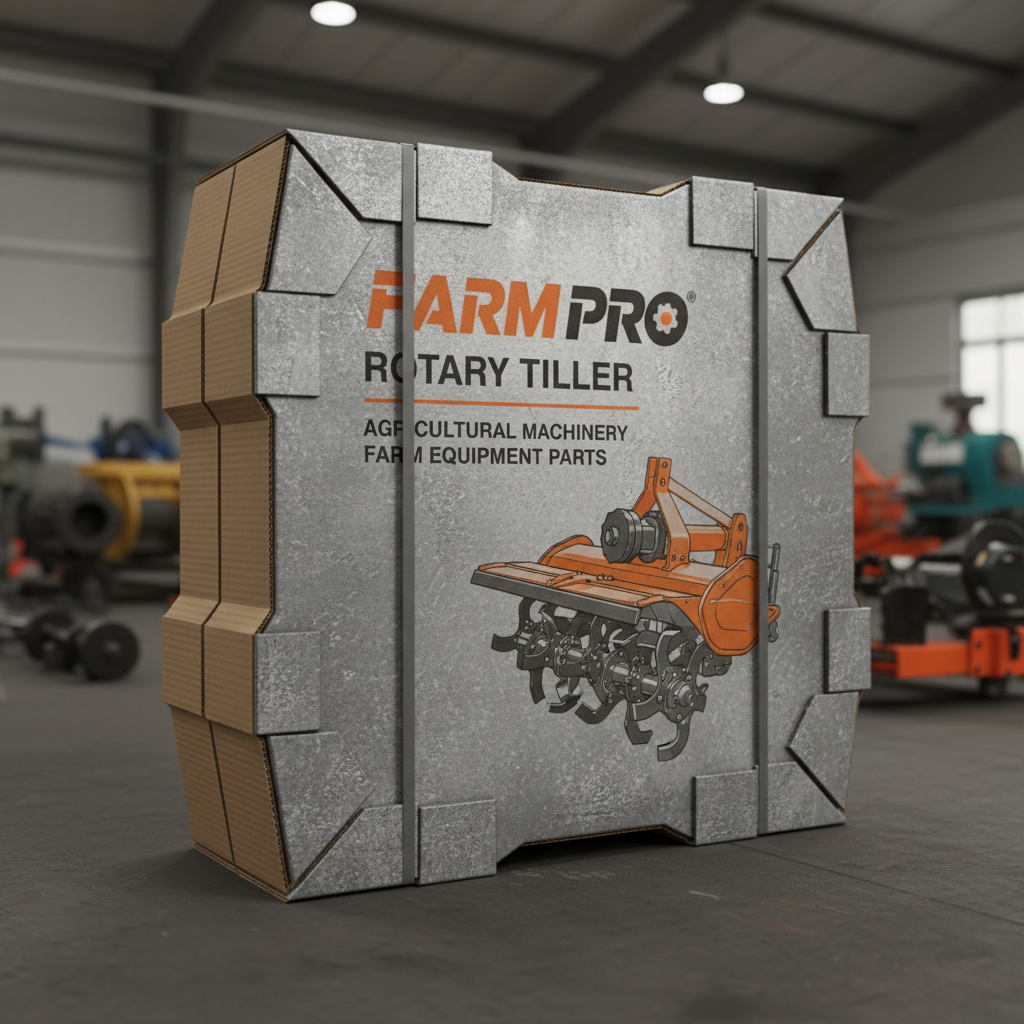
Boost Farm Productivity with a High Performance Farm Pro Rotary Tiller
Are you looking to enhance your agricultural productivity and streamline your soil preparation process? A Farm Pro rotary tiller is an invaluable investment for farmers of all scales. This article delves into the benefits, features, applications, and considerations when choosing the right rotary tiller for your farm. We’ll explore how this machinery can significantly reduce labor costs and improve soil quality, ultimately leading to higher yields. From small hobby farms to large-scale commercial operations, a Farm Pro tiller offers a robust and efficient solution for a variety of tilling needs.
>
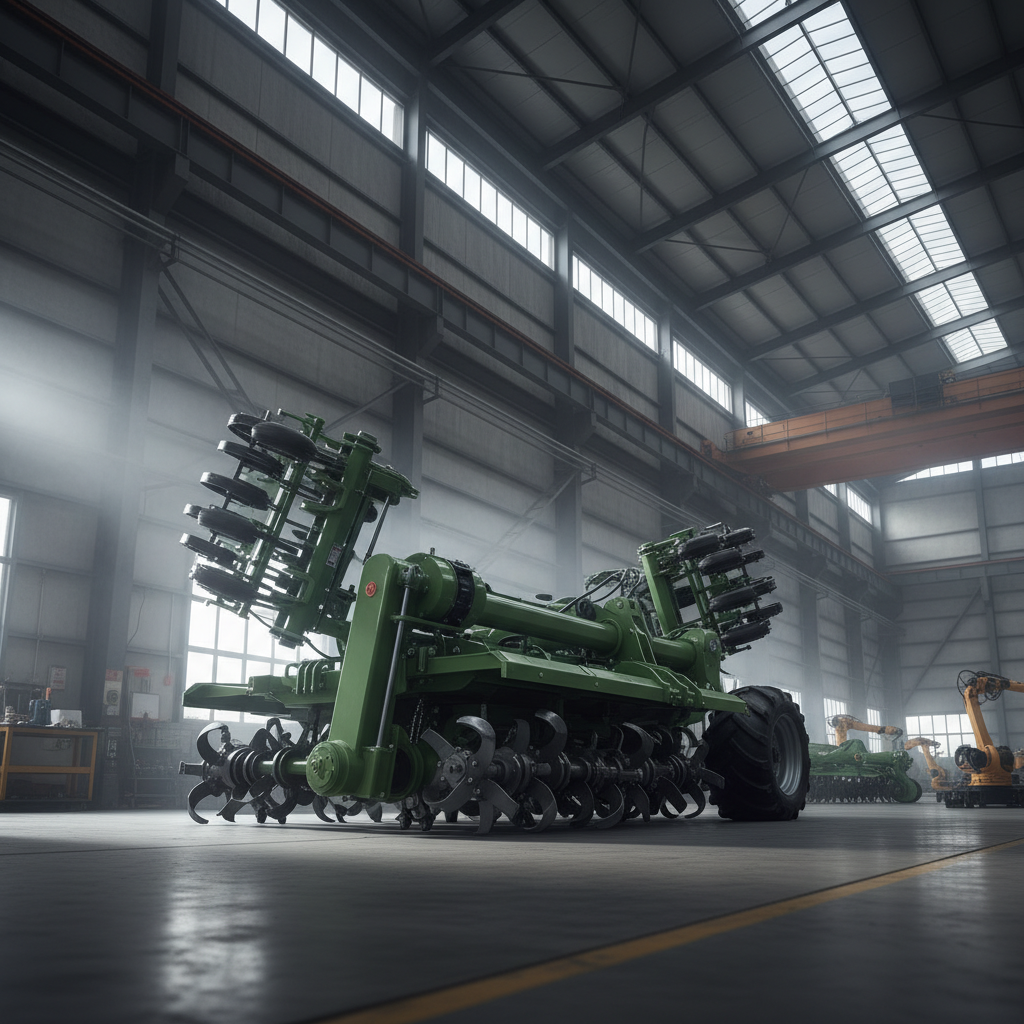
Unlock Farming Efficiency with a Powerful Agricultural Tiller Solution
In the world of farming and gardening, efficiency and productivity are key. An agricultural tiller is a vital piece of equipment that streamlines soil preparation, saving time and labor. This article dives deep into the world of tillers, exploring their types, benefits, how to choose the right one, and the quality solutions offered by Zinanmech. We’ll cover everything from small garden tillers to heavy-duty agricultural models, ensuring you have the knowledge to make an informed decision. An agricultural tiller, also known as a rotary tiller, is a motorized machine used to break up and cultivate soil. Unlike manual digging or plowing, tillers use rotating blades to loosen the soil, creating a fine, even tilth that's ideal for planting. This process improves soil aeration, drainage, and nutrient availability, leading to healthier plant growth.
>
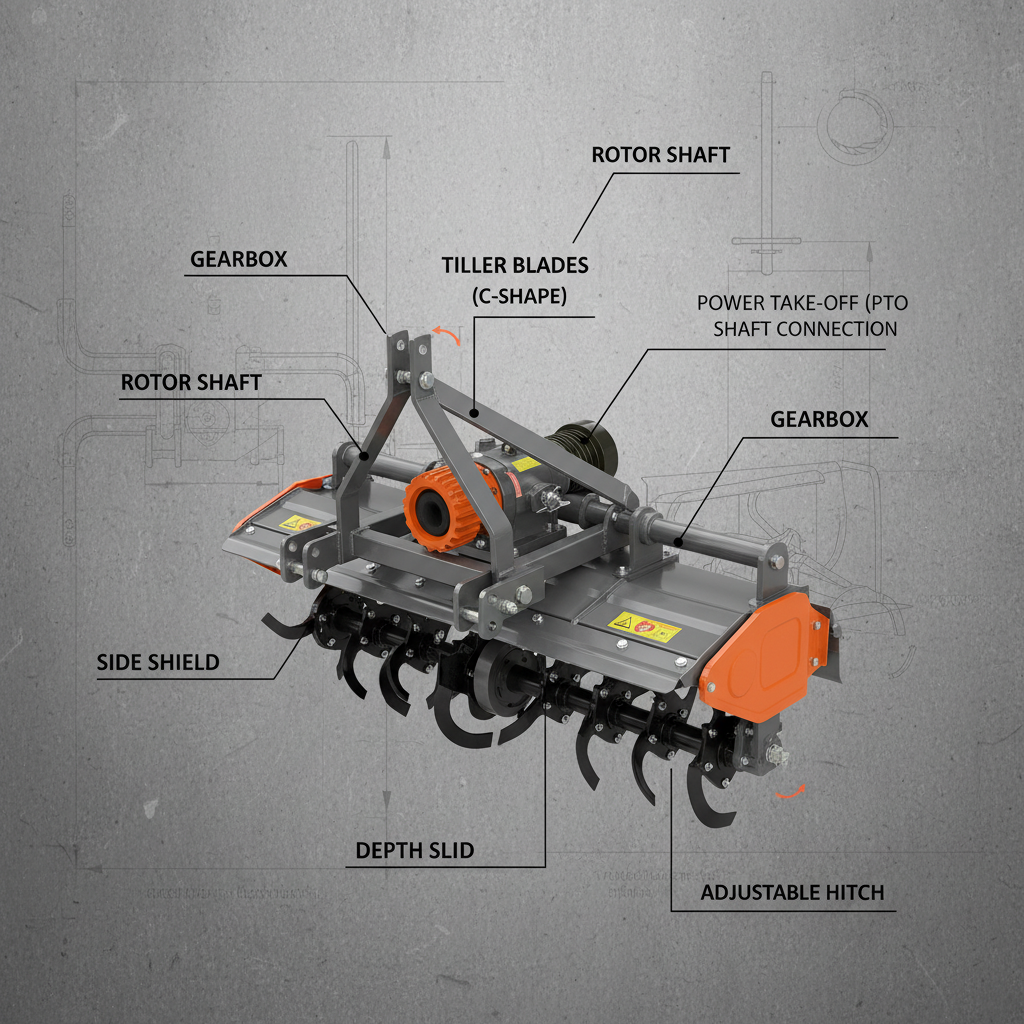
Comprehensive Guide to Agricultural Rotary Tiller Selection and Usage
An agricultural rotary tiller is an essential tool for modern farming, designed to efficiently prepare soil for planting. This powerful machinery significantly reduces labor and time compared to traditional methods. Whether you're a smallholder or manage a large-scale agricultural operation, understanding the benefits and features of a rotary tiller is crucial for maximizing productivity. Choosing the right tiller can transform your land preparation process. This article provides a detailed overview of agricultural rotary tillers, covering their uses, types, benefits, and key considerations when selecting the right model. Modern tillers are available in various sizes and configurations, catering to different farm sizes and soil conditions. Zinanmech provides a range of high-quality rotary tillers designed for optimal performance and durability. An agricultural rotary tiller, also known as a rototiller, is a motorized machine used to prepare agricultural land for cultivation. It works by using rotating blades – typically called tines – to break up, churn, and mix the soil.
>
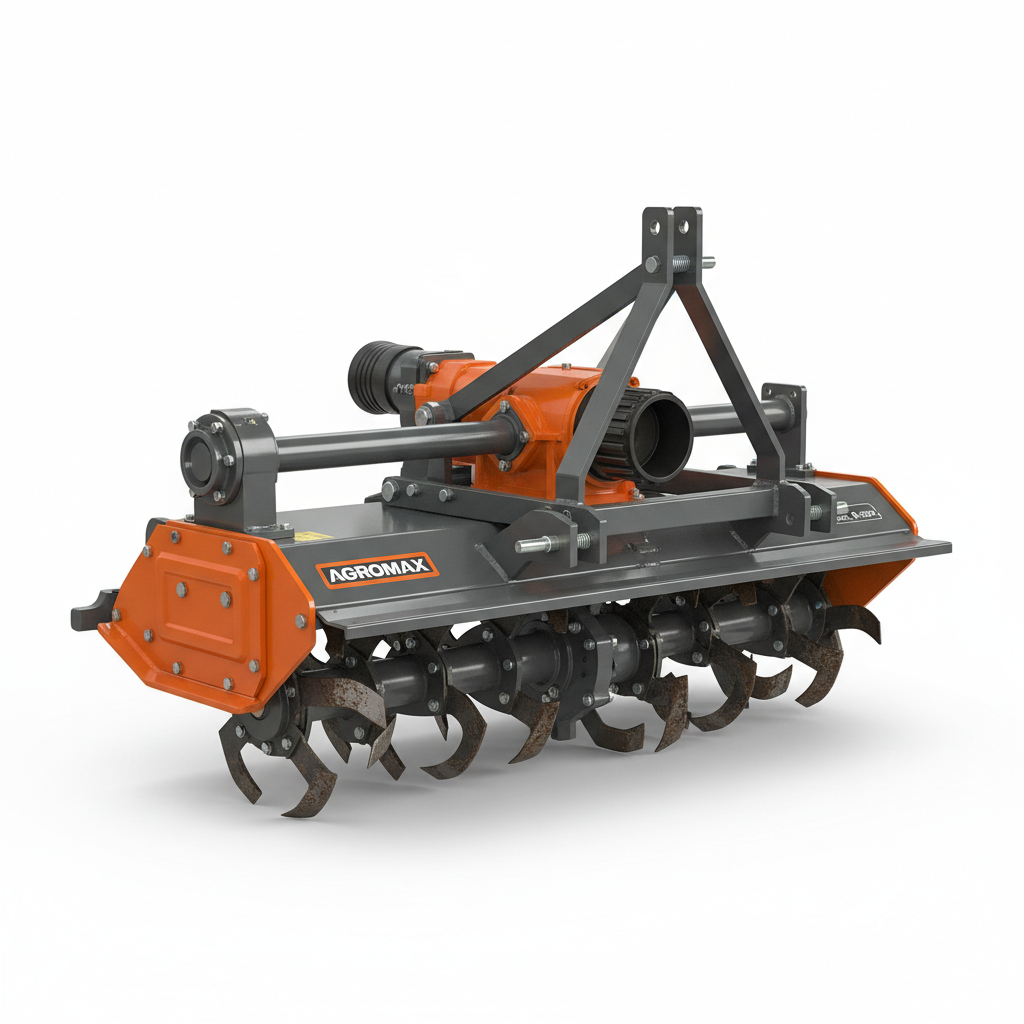
Comprehensive Guide to Selecting the Ideal Agric Rototiller for Your Farm
Selecting the right agric rototiller is crucial for efficient soil preparation and maximizing crop yields. This guide will explore the different types of rototillers, their applications, and how to choose the best model for your farming needs. We’ll cover everything from small, handheld rototillers to larger, tractor-mounted versions, helping you make an informed decision to enhance your agricultural operations. A well-chosen rototiller significantly reduces manual labor and improves soil quality. Agric rototillers come in various sizes and configurations, each suited for different farming tasks. The main types include: Front-Tine Rototillers, ideal for smaller gardens and breaking up already tilled soil; Rear-Tine Rototillers, offering more power and suitable for larger areas and tougher soil conditions; and Mid-Tine Rototillers, a versatile option for medium-sized farms. Choosing the correct type depends on your farm size, soil type, and the crops you intend to grow.
>

Unlock Farming Efficiency with a Powerful Agri Rototiller for Modern Agriculture
In today's agricultural landscape, efficiency and productivity are paramount. An agri rototiller, also known as a rotary tiller, is an invaluable tool for preparing soil for planting. This versatile machine cultivates, mixes, and levels the soil in a single pass, saving farmers significant time and effort. From small-scale farms to large agricultural operations, the benefits of using a rototiller are numerous. Investing in a quality rototiller is investing in the future success of your harvest. An agri rototiller is a motorized machine designed to break up and aerate soil using rotating blades. These blades, often called tines, churn the soil, creating a fine, even texture ideal for planting seeds or transplanting seedlings. Unlike traditional plowing, rototilling doesn't invert the soil, minimizing disruption to the soil's natural structure.
>
International layout
Spread all over the world
our products are exported to various parts of the world. Currently, our products have been exported to more than 40 countries Our products cover Asia, Europe, Africa, South America, North America, and Oceania
Sign up
for Newsletter
Subscribe to the weekly newsletter for all the latest updates