- Tel: +86 13451474678 / 13451474678
- Email: / hbzinanmech@gmail.com

Zero Seed Drill Machine - Sustainable Agriculture Solutions & Innovations
The Zero Seed Drill Machine: A Quiet Revolution in Agriculture
In the sprawling fields that keep the world fed, technology plays a more vital role than many realize. Among the many advances, the zero seed drill machine stands out as an ingenious innovation changing the way sowing happens globally. If you’ve ever paused to wonder how farmers plant seeds efficiently, minimizing waste and soil disturbance, this technology is a huge part of the answer. Understanding it isn’t just for farmers or engineers — it’s part of a much larger story about sustainability, food security, and smarter agriculture.
Why Should We Care About Zero Seed Drills Globally?
The United Nations estimates that by 2050, global food production must increase by nearly 70% to meet demand (1). Yet traditional farming often struggles with soil degradation and water inefficiency. Enter the zero seed drill machine, a tool designed to sow seeds directly into undisturbed soil. This approach keeps moisture locked in, reduces erosion, and improves germination rates.
With smallholder farms covering 80% of agricultural land in Asia and Africa (2), the impact potential here is massive. These machines are not just farming tools — they’re a path out of hunger and poverty in many communities.
What Exactly Is a Zero Seed Drill Machine?
At its core, a zero seed drill machine is an agricultural implement that plants seeds without tilling the soil beforehand. Unlike conventional seed drills — which often require plowing or harrowing — zero seed drills create a narrow slit in the soil surface and deposit seeds precisely at the desired depth.
This means the soil structure remains intact, organic matter is conserved, and the risk of erosion is significantly lowered. It’s a perfect clash of efficiency, environmental care, and modern engineering. In humanitarian or post-disaster sites where soil conditions can be fragile, such a gentle approach is invaluable.
Core Components Driving the Zero Seed Drill Machine's Success
1. Precision Seed Metering
The heart of any seed drill, precision metering ensures seeds are spaced evenly. Modern zero seed drills often use vacuum or mechanical systems that minimize seed wastage. Getting this right means better crop yields and less seed cost.
2. No-Till Opener Design
Instead of wide plows, the machine uses narrow coulters or discs that gently open a seed trench. This preserves soil microbes and natural moisture.
3. Robust Frame and Build
These drills often operate in tough conditions from dry plains to wet tropical fields. Durability — thanks to heat-treated metals and corrosion-resistant coatings — is crucial for long life and consistent performance.
4. Depth Control Mechanisms
Proper seed depth is everything. Adjustable depth wheels or pneumatic controls allow the farmer to tailor seed placement to soil type and crop.
5. Scalability and Portability
Zero seed drills come in various sizes—from single-row hand-pushed units to large tractor-mounted rigs—making them adaptable across various farm scales and geographies.
Mini takeaway: The zero seed drill machine is a fusion of mechanical precision and environmental mindfulness — each component plays a well-choreographed role.
How Zero Seed Drill Machines Are Used Around the World
Their use spans a variety of regions and farming contexts:
- Asia: Smallholder farmers in India rely on zero seed drills to conserve water and boost yields during dry seasons.
- Africa: In Kenya and Ethiopia, NGOs introduce these machines in food security projects targeting drought-prone zones.
- South America: Conservation agriculture initiatives in Brazil use these drills to avoid deforestation and improve soil quality.
- Post-Disaster Relief: After floods in Southeast Asia, zero seed drills help communities replant without degrading fragile soils.
A quick glimpse into practical usage shows how this technology fits not just commercial agriculture, but humanitarian imperatives.
Typical Specifications of a Zero Seed Drill Machine
| Specification | Details |
|---|---|
| Row Spacing | 15–25 cm adjustable |
| Working Width | 1.2 m to 4 m |
| Seed Capacity | 50–250 kg hopper |
| Operating Speed | 4–10 km/h |
| Power Source | Tractor PTO or manual |
| Weight | 120–500 kg |
Comparing Top Zero Seed Drill Vendors
| Feature | ZinaMech | AgroTech Solutions | HarvestPro |
|---|---|---|---|
| Precision Metering | Vacuum seed metering | Mechanical roller | Hybrid system |
| Frame Material | High-tensile steel | Carbon steel | Aluminum alloy |
| Operating Weight | 180 kg | 220 kg | 150 kg |
| Adjustable Row Spacing | Yes (15–25 cm) | Limited (20 cm fixed) | Yes (10–30 cm) |
| Price Range | $1,500 - $3,200 | $1,200 - $2,800 | $1,600 - $3,000 |
What Advantages Make Zero Seed Drill Machines So Valuable?
- Cost Efficiency: Less seed wastage and reduced fuel costs due to no tillage.
- Sustainability: Improved soil health and reduced erosion encourage long-term productivity.
- Time-Saving: Faster sowing, so farmers can plant more area during optimal windows.
- Social Impact: Supports small-scale farmers and disaster-hit areas with accessible technology.
- Reliability: Designed for rough terrain, the machine operates with minimal downtime.
Frankly, it feels like these machines aren’t just farming gear; they’re part of a bigger movement towards smarter, kinder agriculture.
What Innovations Are on the Horizon for Zero Seed Drill Machines?
The future? You’ll see a bigger push into automation, with robotic zero seed drills that can operate autonomously over large fields. Digital sensors for soil moisture and seed depth are also becoming standard, thanks to advances in IoT (Internet of Things). In the realm of sustainability, manufacturers are experimenting with eco-friendly alloys and solar-powered drive units to reduce the carbon footprint.
Furthermore, policy shifts governing land stewardship and climate-smart agriculture mean these tools may soon incorporate smarter data feedback for government monitoring and subsidy programs.
Challenges and How the Industry Is Tackling Them
Of course, nothing’s perfect. Here are a few hitches zero seed drills face:
- Initial Cost: Many smallholder farmers find the upfront cost steep, despite long-term savings.
- Technical Training: Operators need proper training to optimize machine lifespan and sowing accuracy.
- Soil Variability: Heavy clay or rocky soils challenge machine effectiveness.
Solutions? Micro-financing, farmer cooperatives distributing shared machines, and comprehensive training programs have helped. Plus, manufacturers keep evolving components to handle diverse soil types better.
Frequently Asked Questions About Zero Seed Drill Machine
Q1: How does a zero seed drill machine save water compared to traditional planting?
Zero seed drills disturb the soil less, preserving organic layers that hold moisture better than tilled soil. This reduced evaporation means crops can thrive with up to 30% less irrigation in some cases.
Q2: Can a zero seed drill be used for all types of seeds?
While versatile, these machines work best with medium-to-large seeds like maize, wheat, and soy. Extremely fine seeds may require special meters or seed coating for effective sowing.
Q3: What scale of farming is suitable for zero seed drills?
From single-row manual machines ideal for small plots to multi-row tractor-mounted versions for commercial farms — the technology scales well across different farming sizes.
Q4: Is maintenance difficult for these machines?
Not really, but regular cleaning of seed meters and checking for wear on discs is key. Accessibility to spare parts and local technicians influences maintenance ease.
Q5: Where can NGOs source zero seed drill machines for community projects?
Many manufacturers offer export services. For example, you can explore options at zero seed drill machine suppliers who cater specifically to NGO and development work.
Wrapping It Up: Why Zero Seed Drills Matter Long-Term
Over the long haul, zero seed drill machines are quietly powering both agricultural innovation and social good. They reduce environmental damage, improve crop yields, and empower farmers big and small across the globe. If you’re interested in exploring how such technology can transform your farming or community development projects, it’s worth checking out trusted industry leaders like those at zero seed drill machine.
After all, it’s not just about planting seeds. It’s about planting hope for a sustainable, food-secure future.
References:
(1) United Nations, Food and Agriculture Organization.
(2) World Bank, Agriculture in Developing Countries.
(3) ISO Standards on Agricultural Machinery.

Related Products
-
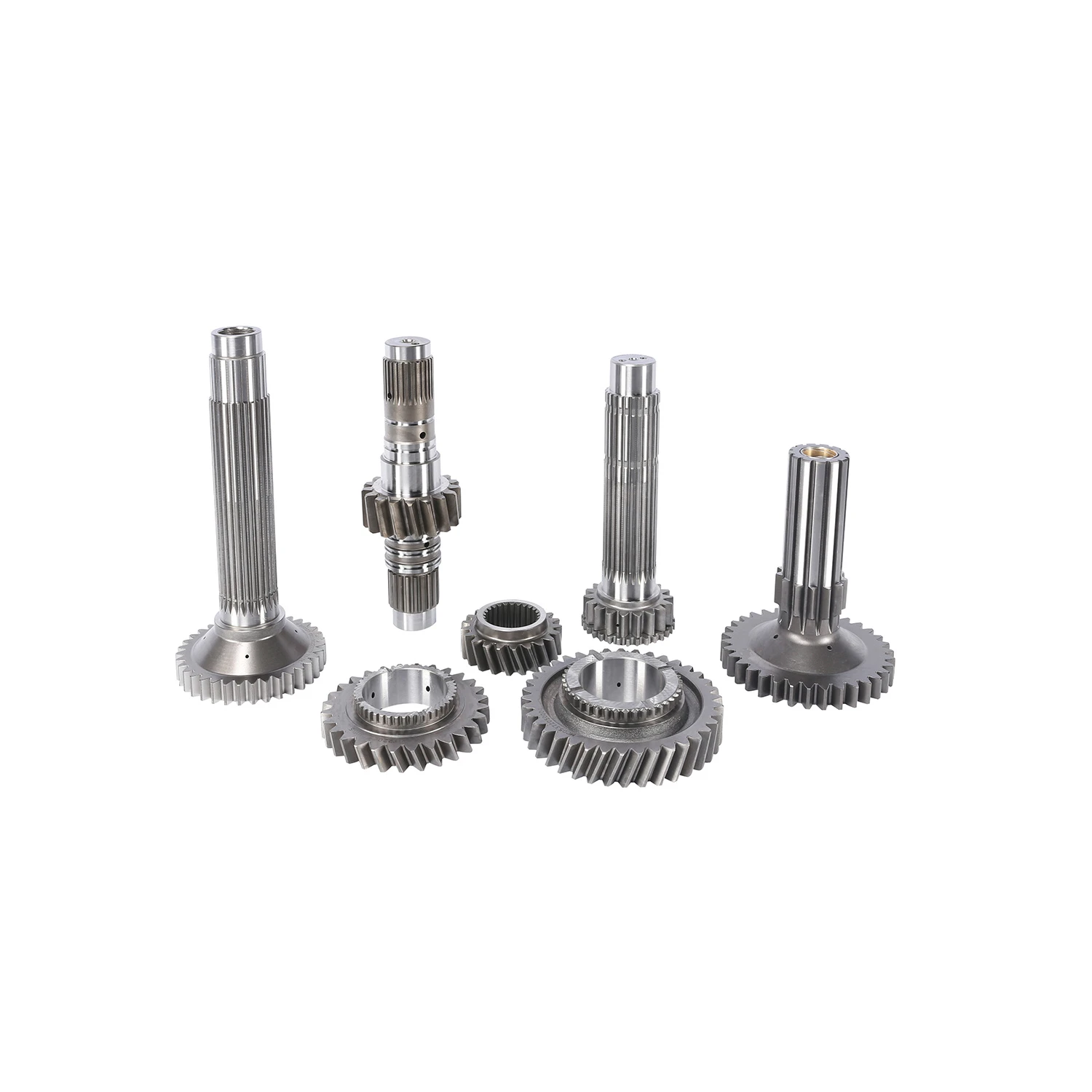 Tractor Gear Shaft
The tractor gear shaft is a crucial element in the power transmission system of a tractor. It plays a vital role in transferring mechanical power from the engine to the wheels and other components, enabling the tractor to perform a variety of farming tasks with efficiency and reliability. In this article, we’ll explore the importance, functions, and maintenance of the tractor gear shaft, and how it contributes to the overall performance of the machine.
-
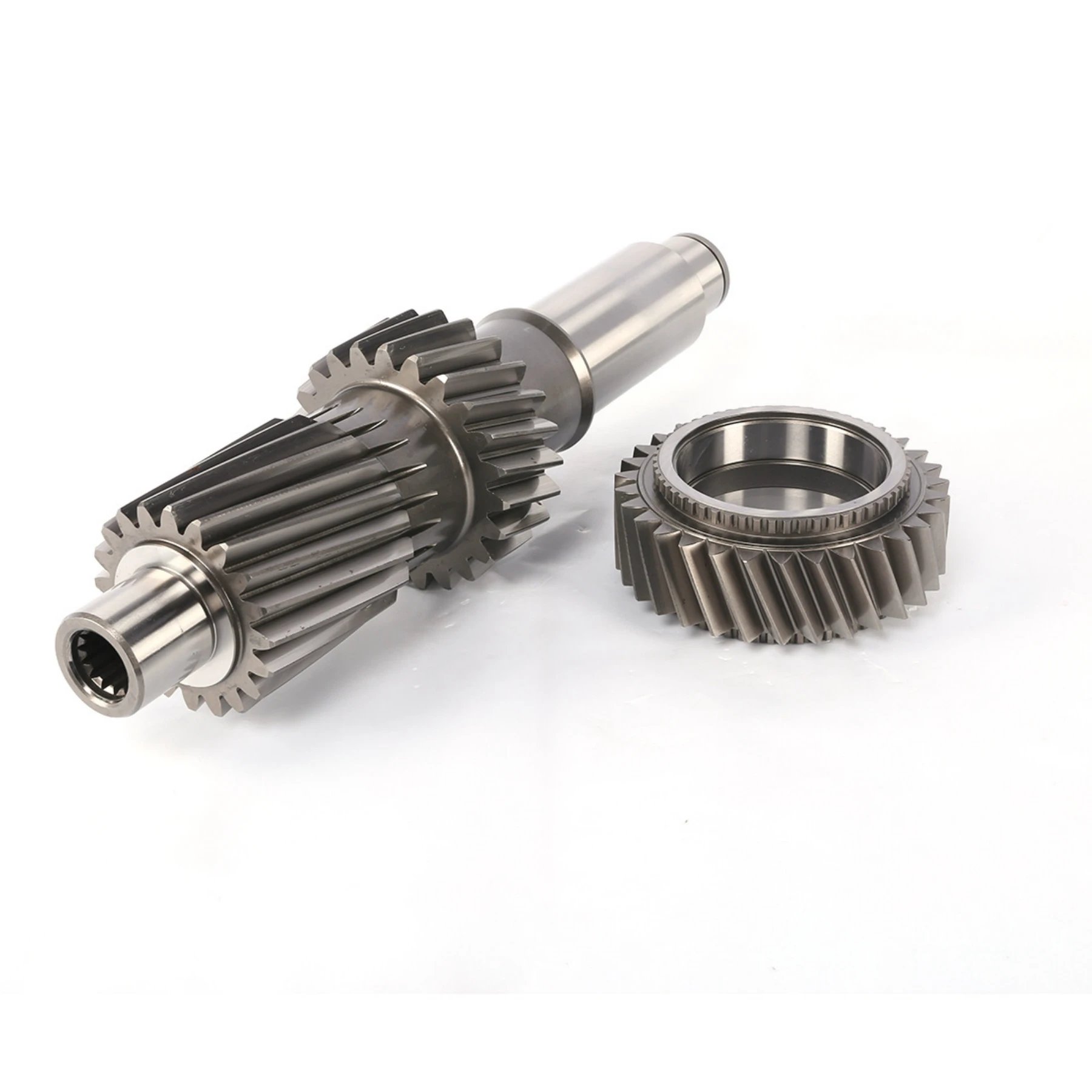 Transmission Gear
Power transmission: the engine operation drives the input gear on the input shaft to rotate, the input gear engages with other gears, and relies on the interaction between teeth and teeth to transfer the power to the intermediate gear (if any) and the output gear, and finally transfers the power to the driving wheel and other components through the output shaft to make the vehicle or equipment move.
Variable speed principle: Change the transmission ratio by meshing gears with different numbers of teeth. For example, when the big gear drives the small gear, the speed of the small gear will be faster than the big gear, but the output torque will be smaller, to achieve growth and torque reduction; On the contrary, when the pinion drives the big gear, the speed of the big gear slows down, the torque increases, and the torque increases. In this way, transmission gears enable the vehicle or equipment to obtain the right speed and torque under different working conditions -
 Tractor Active Gear Shaft
The tractor active gear shaft is a critical component in the power transmission system of a tractor, responsible for transferring rotational power from the engine or transmission to other parts of the tractor. By efficiently distributing torque and enabling smooth gear shifts, the active gear shaft plays a vital role in enhancing the performance and versatility of the tractor, making it essential for a wide range of agricultural tasks. In this article, we’ll explore the function, benefits, and maintenance of the tractor active gear shaft.
-
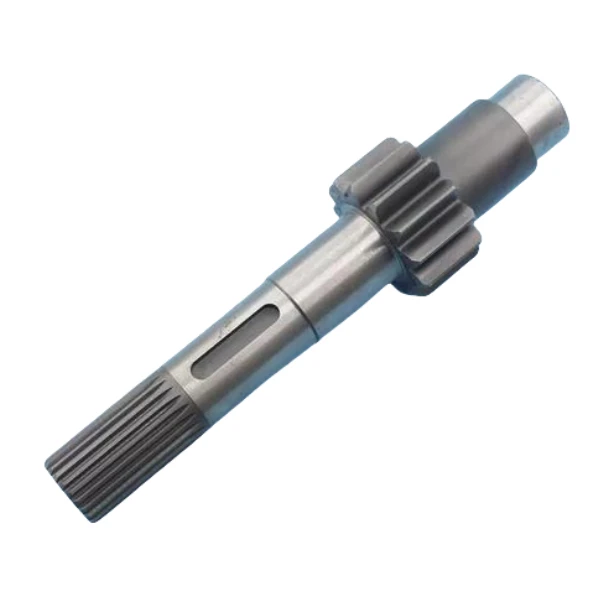 Harvester Input Shaft
The main role of the harvester input shaft is to introduce the power of the external power source into the internal transmission system of the harvester. When the power source (such as an engine) is running, the torque generated is transmitted to the input shaft through the connecting parts, causing the input shaft to start rotating. The gear, pulley or sprocket and other transmission parts installed on the input shaft will rotate with the rotation of the input shaft, and then transfer the power to the subsequent transmission parts and working parts, such as driving the cutting device, conveying device, threshing device, etc., to complete the crop harvesting, conveying, threshing and other work processes.
Related News
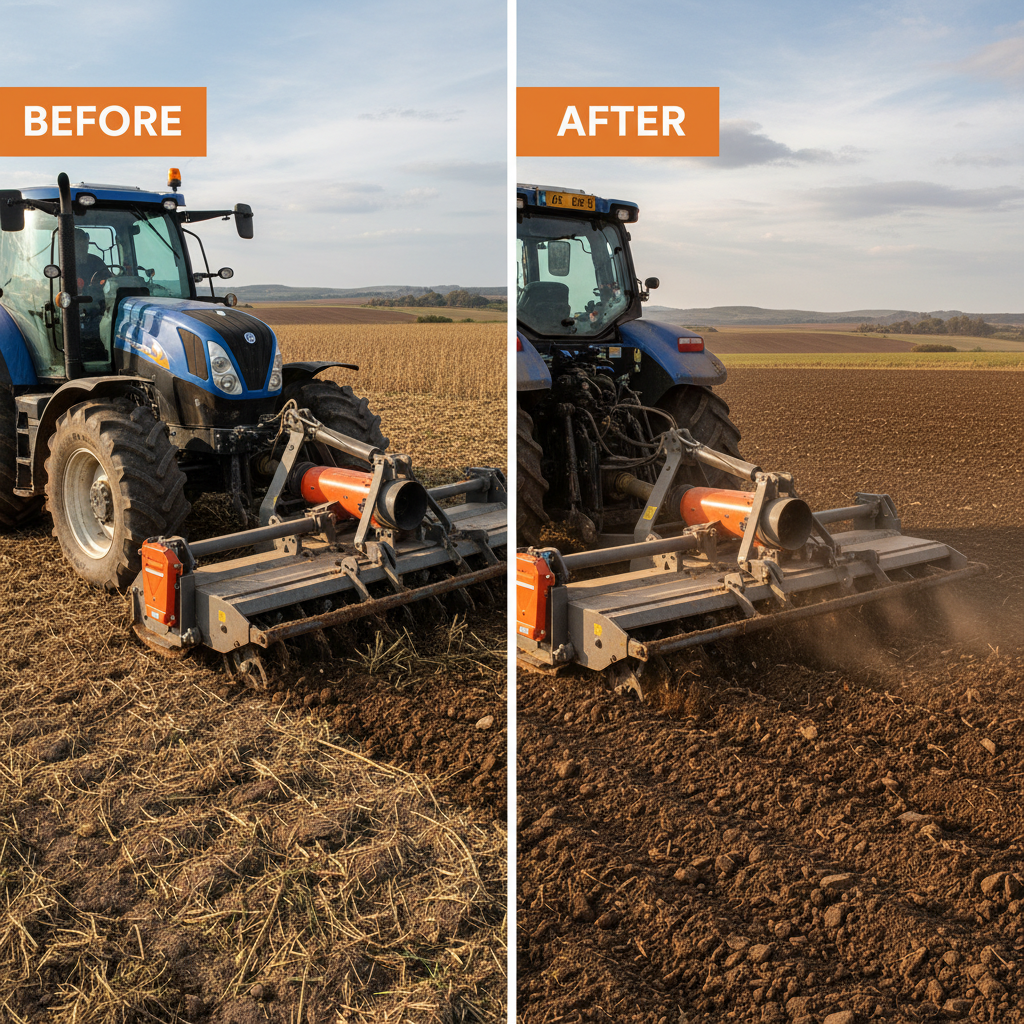
Professional Heavy Duty Tiller for Tractor for Soil Productivity
Achieving the perfect seedbed is the foundation of any successful harvest. For farmers dealing with compacted soil, stubborn crop residue, or expansive acreage, a standard rototiller often falls short. This is where a heavy duty tiller for tractor becomes an essential investment. These robust machines are engineered to penetrate deep into the earth, breaking up hardpan and aerating the soil with unmatched efficiency. By integrating a professional-grade tiller into your machinery lineup, you can significantly reduce preparation time and improve crop yield. In this guide, we will explore the technical advantages, selection criteria, and maintenance tips for choosing the right heavy-duty tilling solution.
>
Maximizing Land Productivity with Professional Heavy Duty Tillers
For professional farmers and landscaping contractors, the quality of soil preparation determines the success of the entire growing season. Investing in high-performance heavy duty tillers is essential for breaking through compacted earth, removing stubborn weeds, and integrating organic matter deeply into the soil. Unlike standard garden cultivators, these industrial-grade machines are engineered to handle vast acreages and the most challenging terrain without compromising efficiency. In this guide, we will explore how choosing the right equipment can transform your agricultural output and streamline your land management process.
>
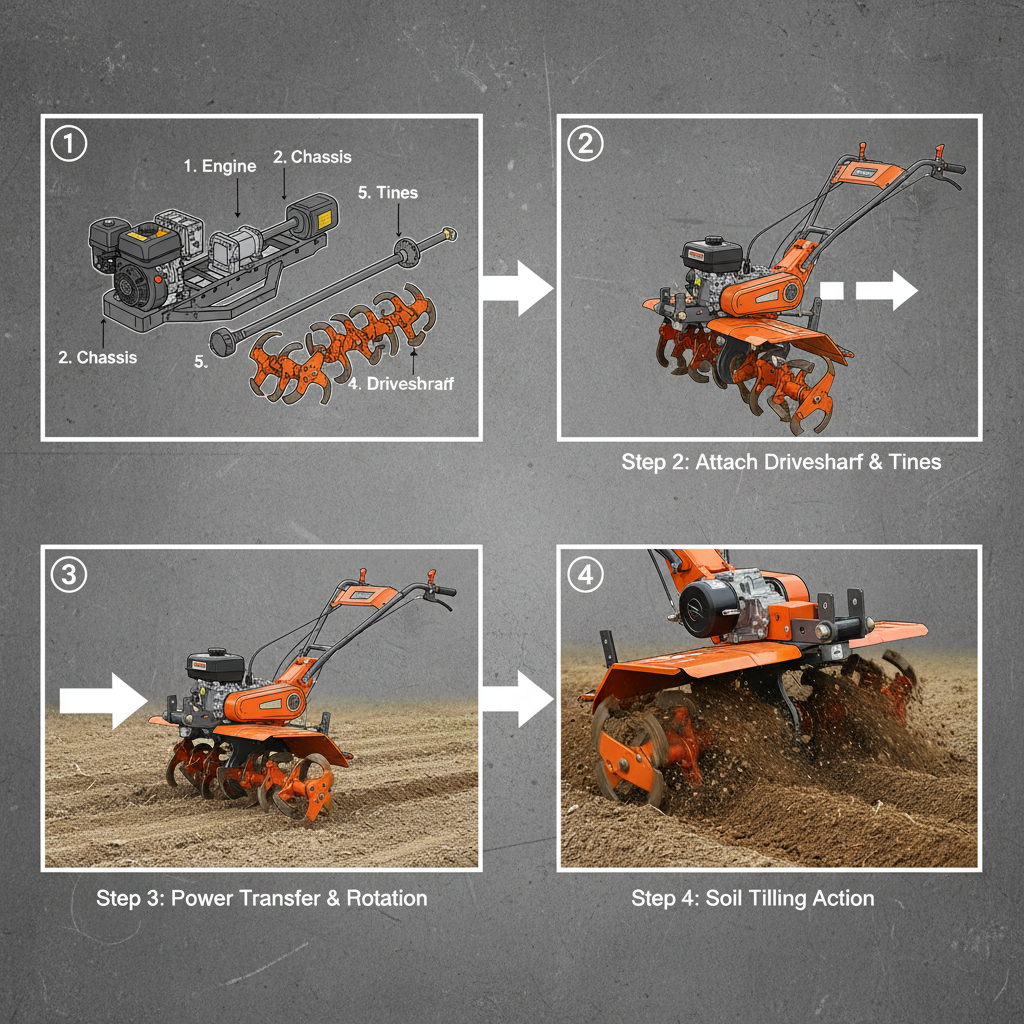
Choosing the Best Heavy Duty Rototiller for Efficient Land Preparation
A heavy duty rototiller is an invaluable tool for anyone involved in serious gardening, small-scale farming, or land preparation. Whether you're breaking new ground, maintaining existing garden beds, or preparing for planting, the right rototiller can significantly reduce labor and improve efficiency. However, with numerous options available, selecting the best model requires careful consideration. This article will guide you through the key factors to consider when purchasing a heavy-duty rototiller, helping you make an informed decision. ZinanMech offers a wide range of rototillers to suit various needs.
>
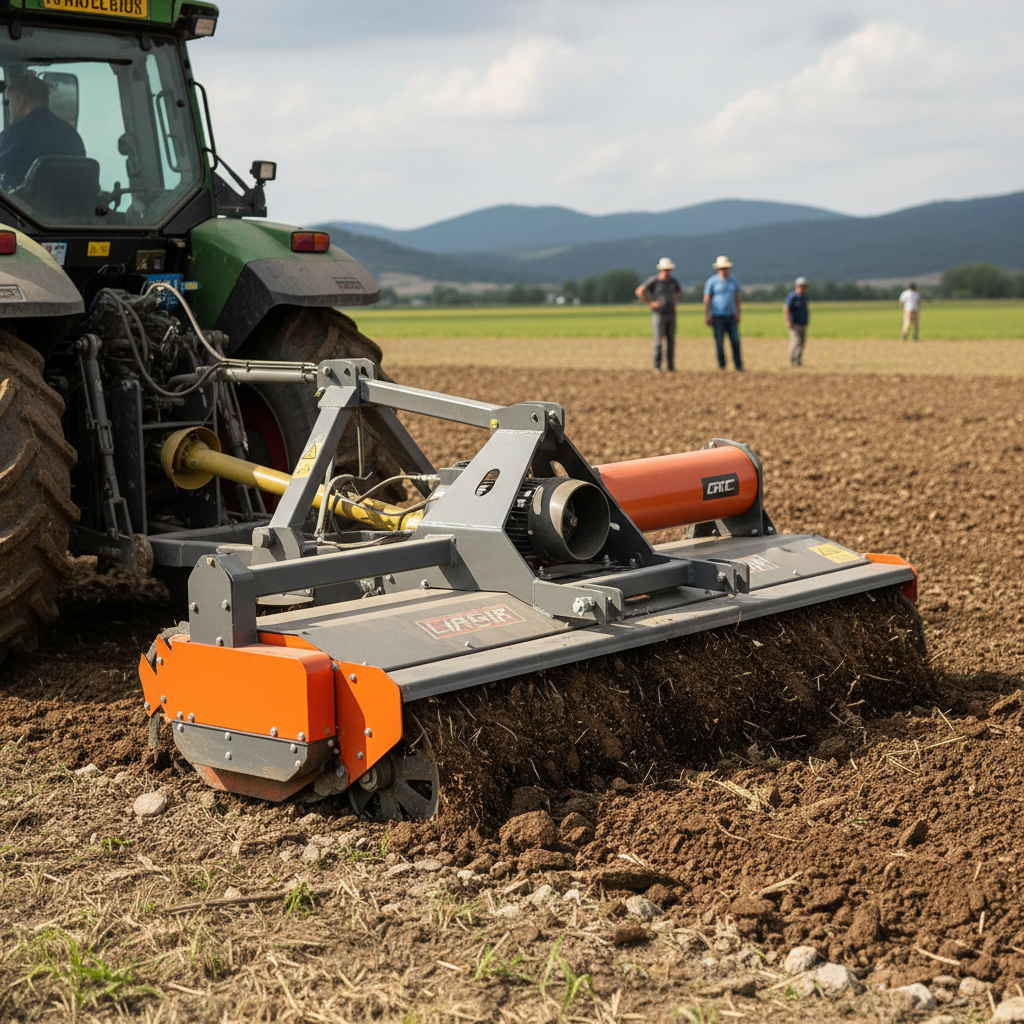
Comprehensive Guide to Heavy Duty Rotary Tiller Selection and Application
When it comes to land preparation, a heavy duty rotary tiller is an invaluable tool. This robust machinery excels at breaking up compacted soil, creating a fine seedbed, and incorporating organic matter. This article dives deep into the world of heavy duty rotary tillers, covering their benefits, applications, key features, and how to choose the right one for your needs. Whether you're a farmer, landscaper, or large-scale gardener, understanding these tillers is essential for efficient and effective soil management.
>
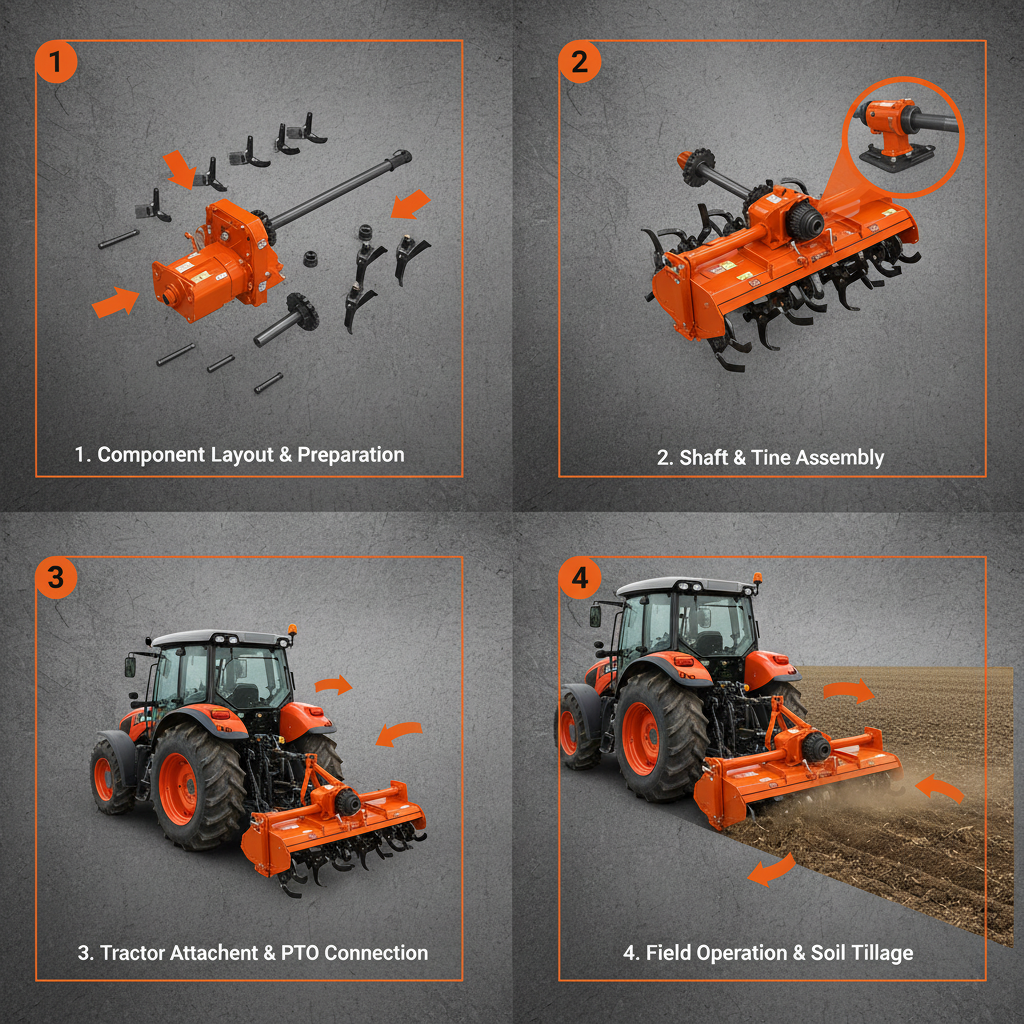
Comprehensive Guide to Selecting the Ideal Farm Tractor Tiller for Your Needs
Selecting the ideal farm tractor tiller is crucial for efficient soil preparation and maximizing agricultural yields. With a diverse range of models available, understanding your needs and the features offered by different tillers is paramount. This article provides a detailed overview of farm tractor tillers, covering their types, benefits, key considerations, and how to choose the right one for your specific farming operation. Proper tillage significantly impacts seedbed quality, weed control, and ultimately, crop performance.
>
Boost Farm Productivity with a High Performance Farm Pro Rotary Tiller
Are you looking to enhance your agricultural productivity and streamline your soil preparation process? A Farm Pro rotary tiller is an invaluable investment for farmers of all scales. This article delves into the benefits, features, applications, and considerations when choosing the right rotary tiller for your farm. We’ll explore how this machinery can significantly reduce labor costs and improve soil quality, ultimately leading to higher yields. From small hobby farms to large-scale commercial operations, a Farm Pro tiller offers a robust and efficient solution for a variety of tilling needs.
>
Unlock Farming Efficiency with a Powerful Agricultural Tiller Solution
In the world of farming and gardening, efficiency and productivity are key. An agricultural tiller is a vital piece of equipment that streamlines soil preparation, saving time and labor. This article dives deep into the world of tillers, exploring their types, benefits, how to choose the right one, and the quality solutions offered by Zinanmech. We’ll cover everything from small garden tillers to heavy-duty agricultural models, ensuring you have the knowledge to make an informed decision. An agricultural tiller, also known as a rotary tiller, is a motorized machine used to break up and cultivate soil. Unlike manual digging or plowing, tillers use rotating blades to loosen the soil, creating a fine, even tilth that's ideal for planting. This process improves soil aeration, drainage, and nutrient availability, leading to healthier plant growth.
>
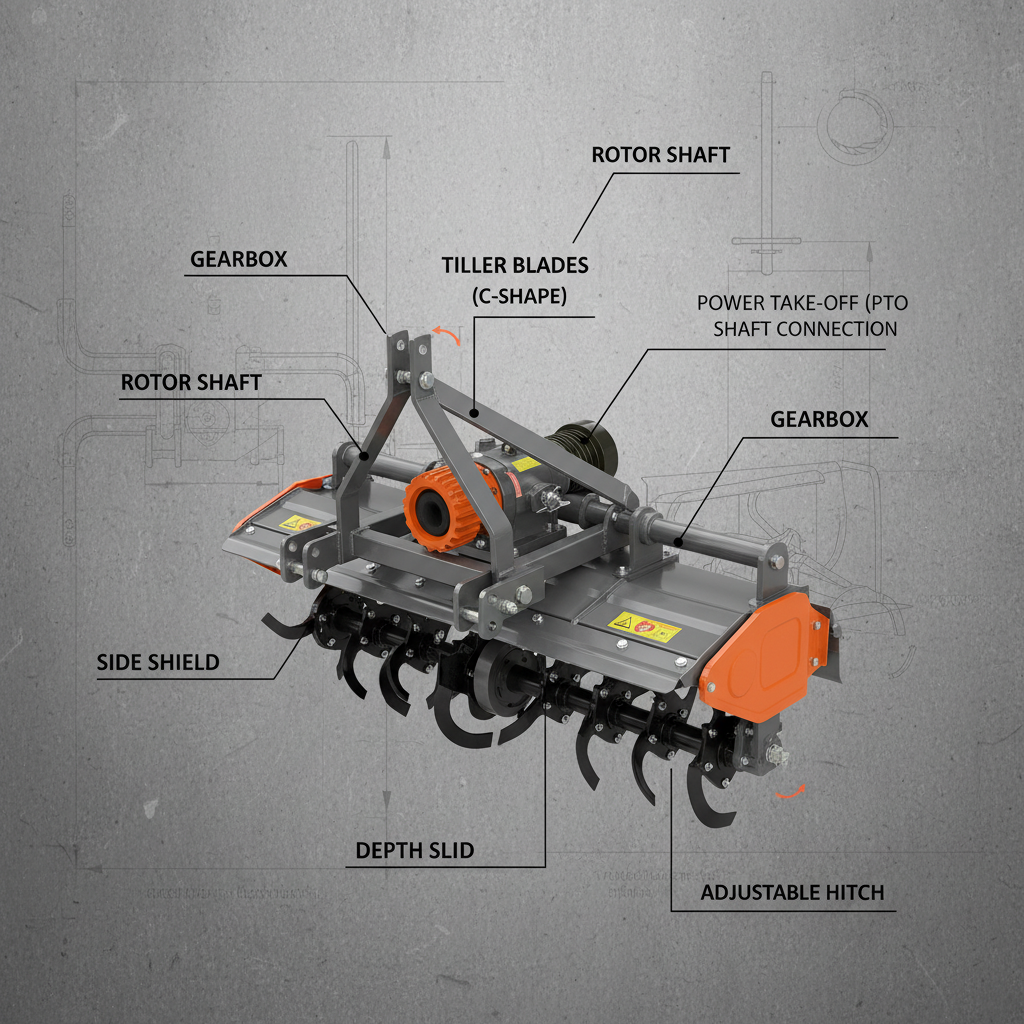
Comprehensive Guide to Agricultural Rotary Tiller Selection and Usage
An agricultural rotary tiller is an essential tool for modern farming, designed to efficiently prepare soil for planting. This powerful machinery significantly reduces labor and time compared to traditional methods. Whether you're a smallholder or manage a large-scale agricultural operation, understanding the benefits and features of a rotary tiller is crucial for maximizing productivity. Choosing the right tiller can transform your land preparation process. This article provides a detailed overview of agricultural rotary tillers, covering their uses, types, benefits, and key considerations when selecting the right model. Modern tillers are available in various sizes and configurations, catering to different farm sizes and soil conditions. Zinanmech provides a range of high-quality rotary tillers designed for optimal performance and durability. An agricultural rotary tiller, also known as a rototiller, is a motorized machine used to prepare agricultural land for cultivation. It works by using rotating blades – typically called tines – to break up, churn, and mix the soil.
>
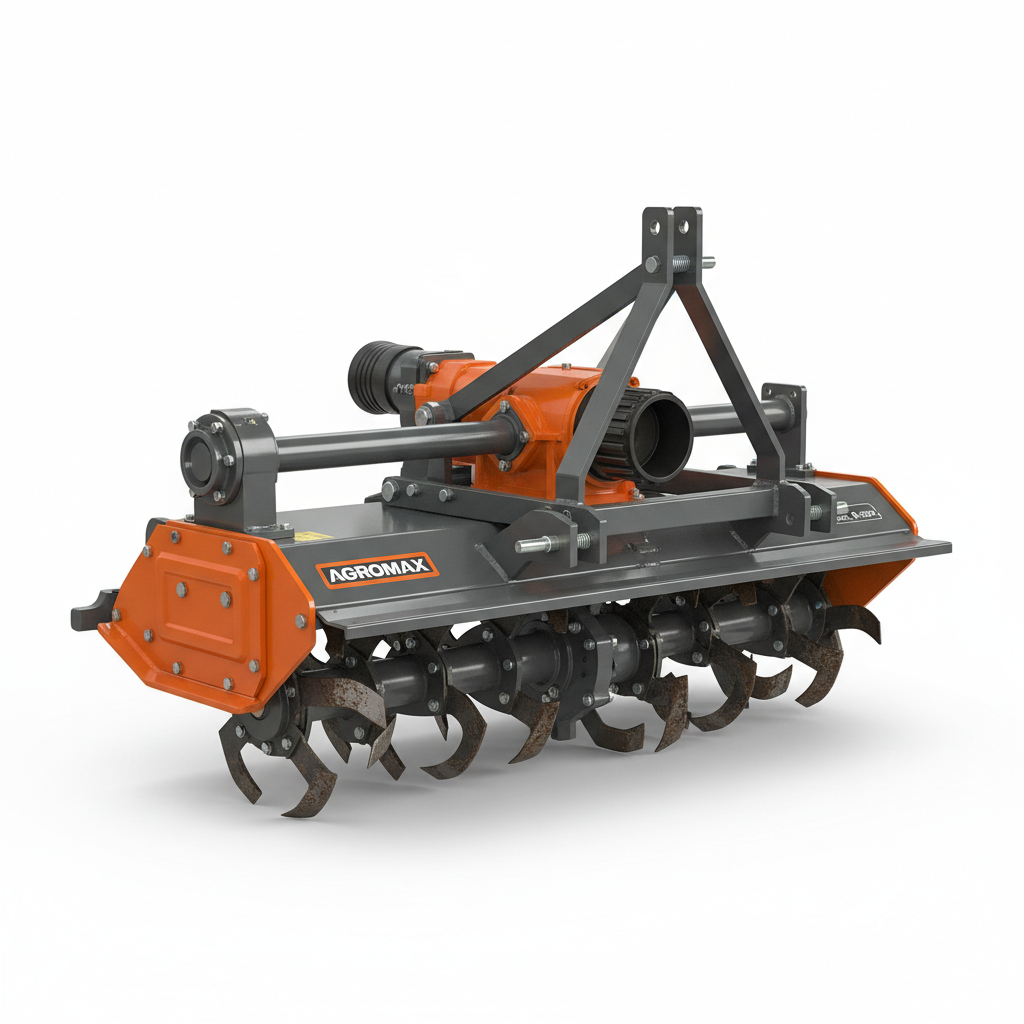
Comprehensive Guide to Selecting the Ideal Agric Rototiller for Your Farm
Selecting the right agric rototiller is crucial for efficient soil preparation and maximizing crop yields. This guide will explore the different types of rototillers, their applications, and how to choose the best model for your farming needs. We’ll cover everything from small, handheld rototillers to larger, tractor-mounted versions, helping you make an informed decision to enhance your agricultural operations. A well-chosen rototiller significantly reduces manual labor and improves soil quality. Agric rototillers come in various sizes and configurations, each suited for different farming tasks. The main types include: Front-Tine Rototillers, ideal for smaller gardens and breaking up already tilled soil; Rear-Tine Rototillers, offering more power and suitable for larger areas and tougher soil conditions; and Mid-Tine Rototillers, a versatile option for medium-sized farms. Choosing the correct type depends on your farm size, soil type, and the crops you intend to grow.
>
Unlock Farming Efficiency with a Powerful Agri Rototiller for Modern Agriculture
In today's agricultural landscape, efficiency and productivity are paramount. An agri rototiller, also known as a rotary tiller, is an invaluable tool for preparing soil for planting. This versatile machine cultivates, mixes, and levels the soil in a single pass, saving farmers significant time and effort. From small-scale farms to large agricultural operations, the benefits of using a rototiller are numerous. Investing in a quality rototiller is investing in the future success of your harvest. An agri rototiller is a motorized machine designed to break up and aerate soil using rotating blades. These blades, often called tines, churn the soil, creating a fine, even texture ideal for planting seeds or transplanting seedlings. Unlike traditional plowing, rototilling doesn't invert the soil, minimizing disruption to the soil's natural structure.
>
International layout
Spread all over the world
our products are exported to various parts of the world. Currently, our products have been exported to more than 40 countries Our products cover Asia, Europe, Africa, South America, North America, and Oceania
Sign up
for Newsletter
Subscribe to the weekly newsletter for all the latest updates