
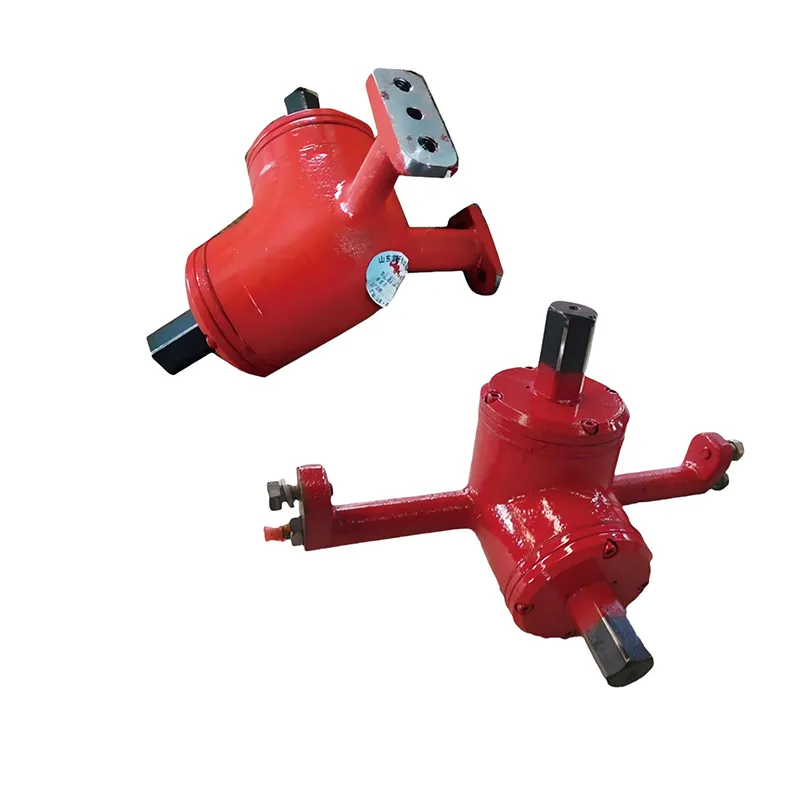
Bend Transmission Box Assembly
Key Features
1. Dual-Support Design:
The transmission box assembly is built with a dual-support structure, enhancing stability and operational efficiency. This design minimizes vibration and ensures consistent performance under varying load conditions.
2. Strong and Rigid Housing:
Constructed with a high-strength housing, the box provides excellent rigidity and durability. This ensures long-lasting operation, even in demanding environments.
3. Compact and Space-Saving Structure:
The compact design makes it suitable for systems with limited installation space. Its streamlined construction allows for easy integration without compromising performance.
4. Smooth and Stable Transmission:
The advanced engineering of the transmission box ensures smooth gear engagement and steady power flow. This results in reliable and efficient machinery operation.
5. Low Noise Operation:
Designed for quiet performance, the box reduces noise levels during operation, making it ideal for noise-sensitive applications.
6. Reliable Connections:
The assembly features secure and dependable connections, ensuring uninterrupted power transmission and reducing the risk of system failures.
7. Easy Installation:
With user-friendly mounting and installation features, the Bend Transmission Box Assembly simplifies assembly and maintenance processes, saving time and effort.
Applications
This transmission box assembly is widely used in agricultural machinery, industrial equipment, and construction systems. Its dual-support structure and compact design make it an excellent choice for applications requiring reliable and stable power transfer.
Customization Options
The Bend Transmission Box Assembly supports various customization options to suit specific operational requirements. Adjustments to gear ratios, housing materials, and mounting configurations can optimize its performance for diverse applications.
The Bend Transmission Box Assembly stands out as a reliable, durable, and efficient solution for power transmission needs. Its robust construction, low noise, and compact design ensure superior performance, while customization options allow for tailored solutions to meet specific demands.
**Great Quality:**
Installed this transmission box on my wheat machine, and it’s made a noticeable difference. Shifting is smoother, and the machine operates with greater efficiency. Very durable and easy to install. Worth every cent for anyone serious about their farming machinery.
Related Products
-
 Tractor Gear Shaft
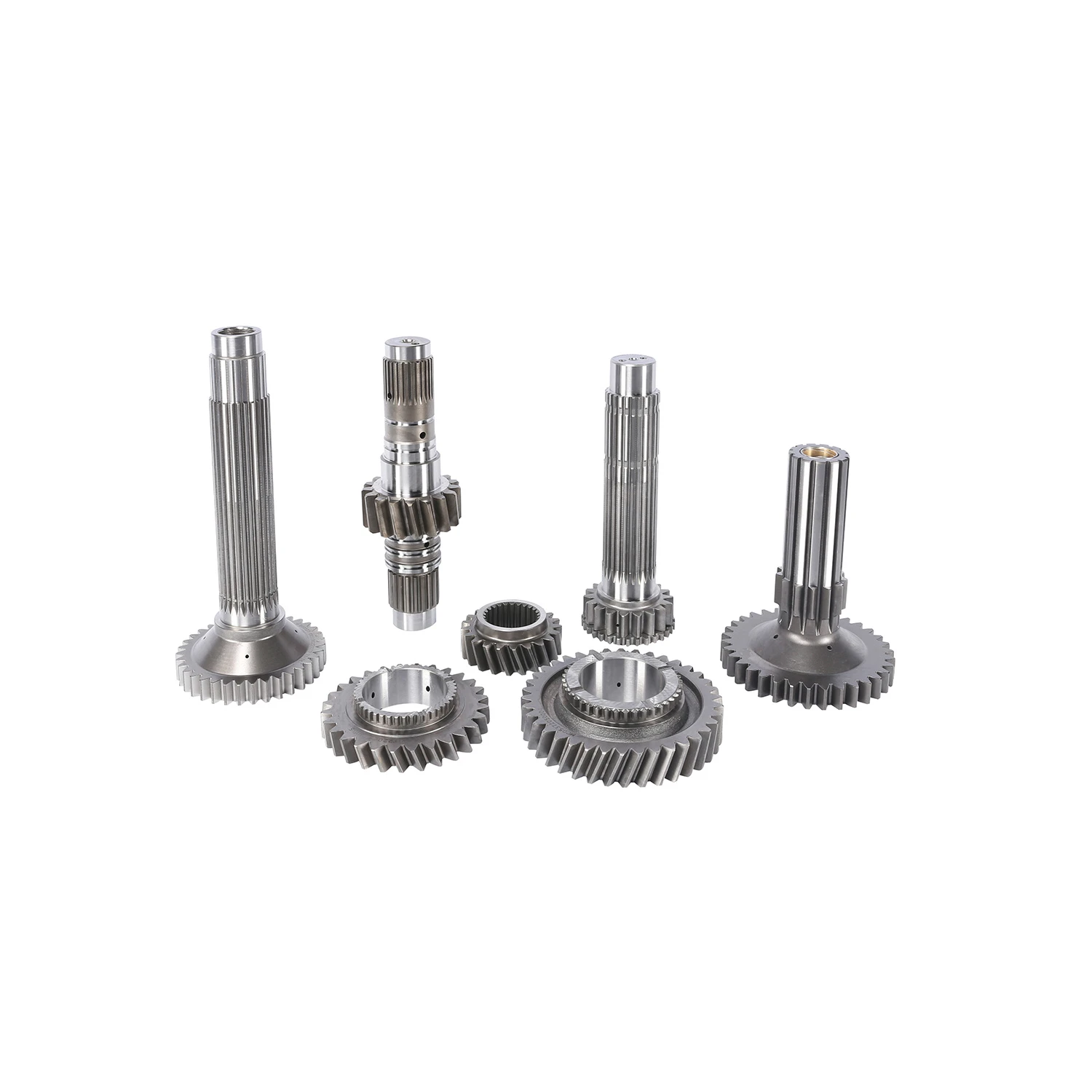
The tractor gear shaft is a crucial element in the power transmission system of a tractor. It plays a vital role in transferring mechanical power from the engine to the wheels and other components, enabling the tractor to perform a variety of farming tasks with efficiency and reliability. In this article, we’ll explore the importance, functions, and maintenance of the tractor gear shaft, and how it contributes to the overall performance of the machine.
-
 Transmission Gear
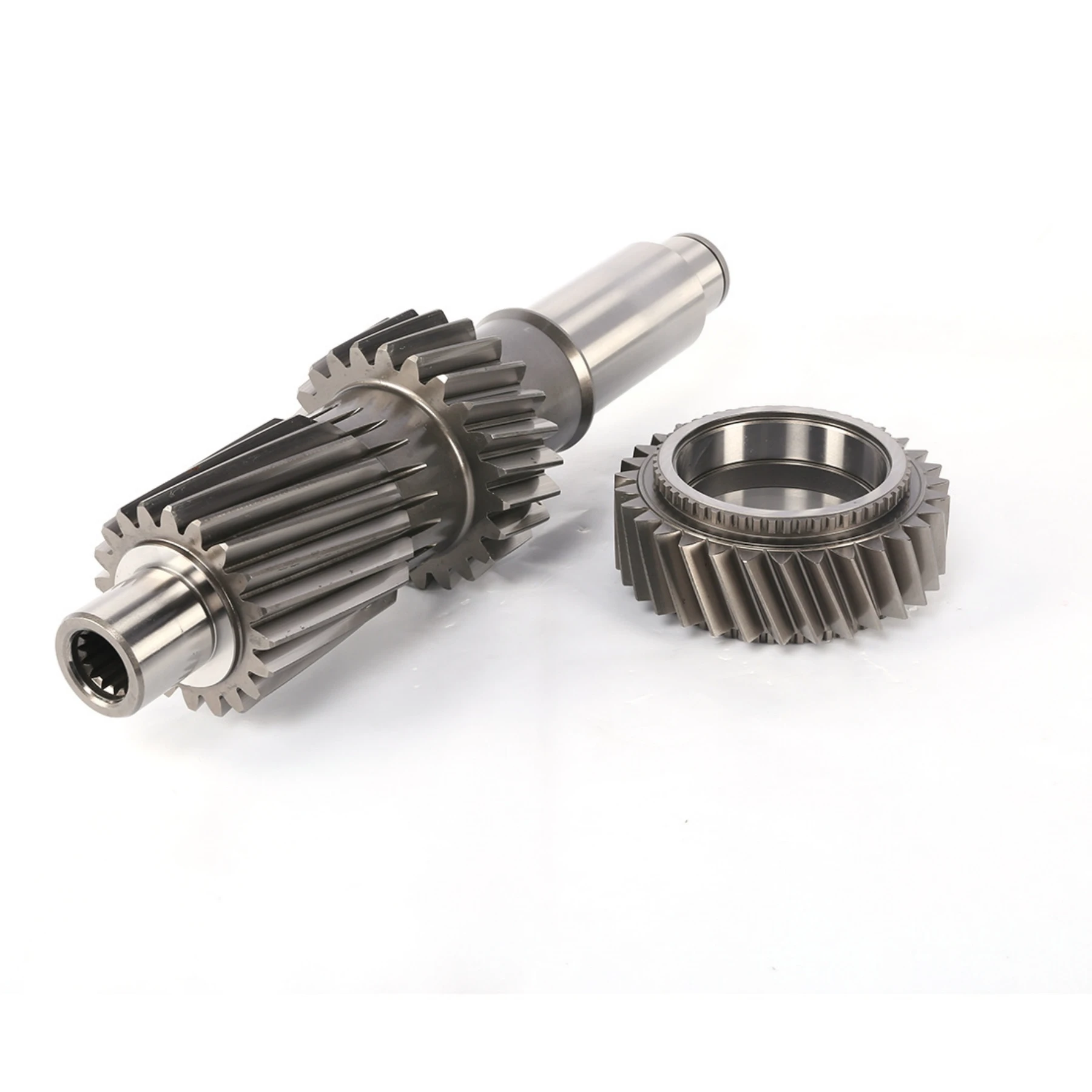
Power transmission: the engine operation drives the input gear on the input shaft to rotate, the input gear engages with other gears, and relies on the interaction between teeth and teeth to transfer the power to the intermediate gear (if any) and the output gear, and finally transfers the power to the driving wheel and other components through the output shaft to make the vehicle or equipment move.
Variable speed principle: Change the transmission ratio by meshing gears with different numbers of teeth. For example, when the big gear drives the small gear, the speed of the small gear will be faster than the big gear, but the output torque will be smaller, to achieve growth and torque reduction; On the contrary, when the pinion drives the big gear, the speed of the big gear slows down, the torque increases, and the torque increases. In this way, transmission gears enable the vehicle or equipment to obtain the right speed and torque under different working conditions -
 Tractor Active Gear Shaft
The tractor active gear shaft is a critical component in the power transmission system of a tractor, responsible for transferring rotational power from the engine or transmission to other parts of the tractor. By efficiently distributing torque and enabling smooth gear shifts, the active gear shaft plays a vital role in enhancing the performance and versatility of the tractor, making it essential for a wide range of agricultural tasks. In this article, we’ll explore the function, benefits, and maintenance of the tractor active gear shaft.
-
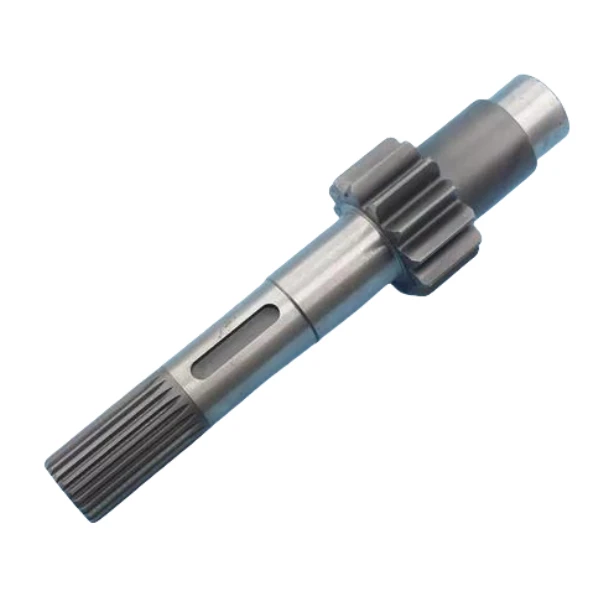 Harvester Input Shaft
The main role of the harvester input shaft is to introduce the power of the external power source into the internal transmission system of the harvester. When the power source (such as an engine) is running, the torque generated is transmitted to the input shaft through the connecting parts, causing the input shaft to start rotating. The gear, pulley or sprocket and other transmission parts installed on the input shaft will rotate with the rotation of the input shaft, and then transfer the power to the subsequent transmission parts and working parts, such as driving the cutting device, conveying device, threshing device, etc., to complete the crop harvesting, conveying, threshing and other work processes.
Related News
The Intricate World of Gears and Transmission Components
In the mechanical realm, various components work in harmony to enable the efficient transfer of power and motion.
>
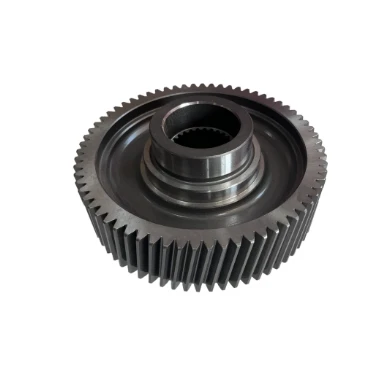
The Intricate World of Gears and Shafts in Machinery
In the mechanical engineering domain, a plethora of components work in harmony to ensure the smooth operation of various machines.
>
The Critical Components Driving Vehicle Performance
In the intricate machinery of vehicles, certain components play a pivotal role in ensuring efficient power transmission and reliable operation.
>
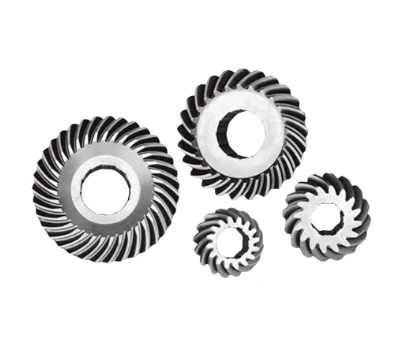
Precision Engineering in Rice Machine Assembly: The Role of Key Components
In the intricate world of rice machine manufacturing, the assembly process is a symphony of precise engineering and careful component selection.
>
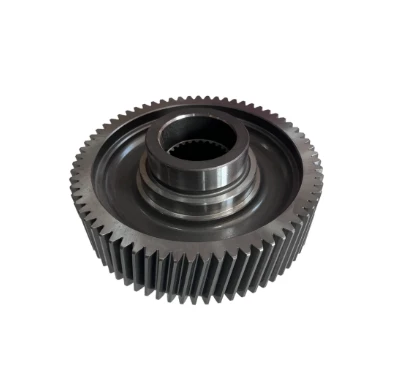
Gears that Drive the Machinery of Agriculture
In the intricate world of agricultural machinery, gears are the unsung heroes that ensure seamless operation and efficient power transmission.
>
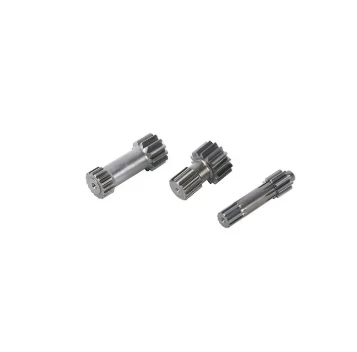
Behind the Scenes: Critical Components Driving Construction Machinery Performance
In the bustling world of construction, the seamless operation of heavy - duty machinery is crucial for project success.
>
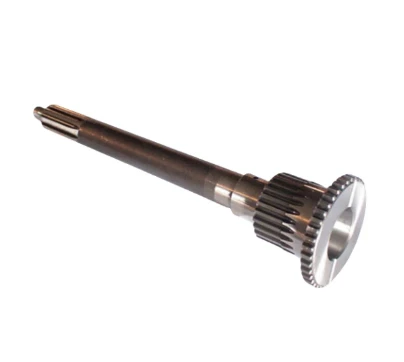
The Crucial Role of Gears in Machinery Operations
In the intricate world of mechanical engineering, gears are the unsung heroes that keep countless machines running smoothly. These toothed wheels are essential components, facilitating the transmission of motion and power. From the robust drive gears that initiate movement to the specialized corn machine gear and returning machine gear designed for specific agricultural equipment, and the complex gearbox assembly that houses multiple gears, as well as the highly precise high precision gear used in demanding applications, each type plays a vital part in different machinery systems.
>
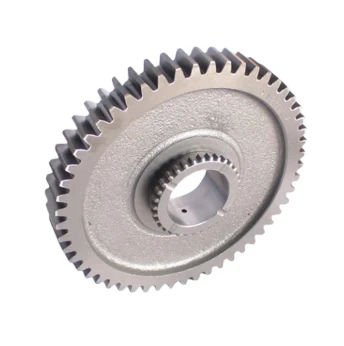
The Crucial Role of Gears in Mechanical Systems
Mechanical systems, whether in industrial machinery or agricultural equipment, rely on a variety of components to function effectively. Among these essential parts, gears play a pivotal role in transmitting power and motion. From the gearbox gear that forms the core of power transmission within a gearbox to the drive gear that initiates the movement of a system, and the specialized bevel gears that change the direction of motion, gears are integral. In the agricultural sector, components like wheat machine gear and deep tiller gear are vital for the proper functioning of farming equipment, ensuring efficient crop processing and soil cultivation.
>
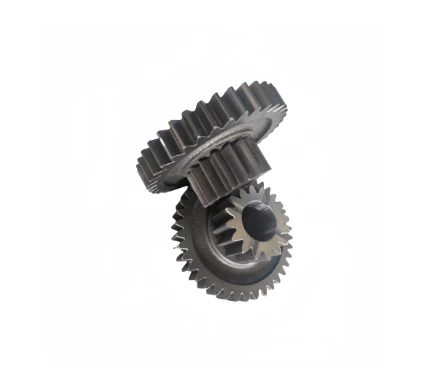
Precision Engineering in Agricultural and Mechanical Components
In the intricate world of mechanical engineering, certain components play a crucial role in ensuring the smooth operation of machinery, especially in the agricultural sector. From the gears that transfer power to the seats that facilitate meshing, each part contributes to the overall functionality and efficiency. Arc gear, meshing seat, harvester gear shaft, corn gear, and returning gear are among the key elements that are integral to various mechanical systems, particularly those found in agricultural equipment.
>
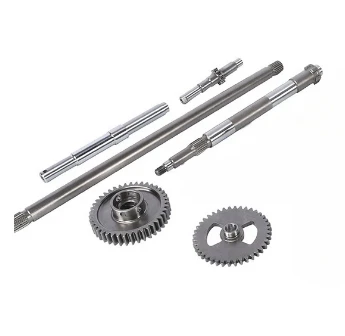
Precision Components in Machinery Systems
In the intricate world of mechanical engineering, a variety of specialized components work in harmony to ensure the smooth operation of machinery. From agricultural equipment to industrial gear systems, components like border inspection assembly, ring gear/gear ring, high frequency gear, meshing seat, and harvester input shaft play crucial and distinct roles. Each of these elements is designed with specific functions in mind, contributing to the overall performance, durability, and efficiency of the machinery they are part of.
>
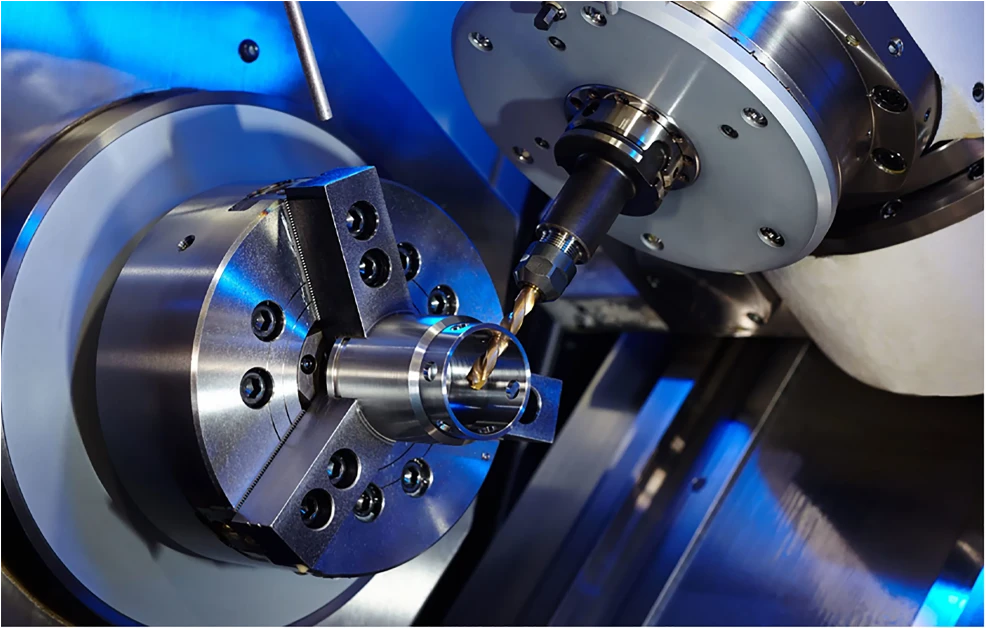
Elevate Your Machinery with the All - in - One Bend Transmission Box Assembly
In the complex realm of mechanical systems, having a seamless and efficient power - transmission solution is crucial. Our Bend Transmission Box Assembly is the comprehensive answer that can revolutionize your machinery's performance.
International layout
Spread all over the world
our products are exported to various parts of the world. Currently, our products have been exported to more than 40 countries Our products cover Asia, Europe, Africa, South America, North America, and Oceania
Sign up
for Newsletter
Subscribe to the weekly newsletter for all the latest updates