- Tel: +86 13451474678 / 13451474678
- Email: / hbzinanmech@gmail.com

6 Seed Drill: Efficient, Sustainable Precision Seeding for Modern Farming
Understanding the 6 Seed Drill: A Global Agricultural Game-Changer
Seed drills are old news—but the 6 seed drill model? That’s where modern efficiency meets hands-on farming innovation. This machine isn’t just another tool; it’s an answer to global challenges like food security, sustainable farming, and resource-conscious agriculture. Why does that matter worldwide? Consider that the UN estimates global population will hit 9.7 billion by 2050, and food production needs to increase accordingly. Mechanical seed sowing, especially via advanced seed drills, helps farmers optimize yield with less waste.
So, why focus on the 6 seed drill specifically? It combines traditional precision sowing with mechanized speed, perfect for small to mid-sized farms. Plus, with environmental concerns rising, a 6-row seed drill means less soil disruption, better seed placement, and more uniform crop growth — all critical steps toward sustainable harvests.
Mini takeaway: The 6 seed drill addresses a growing need for efficient, sustainable farming machinery amid soaring global food demands.
The Global Landscape: Why the 6 Seed Drill Matters Today
Did you know that agriculture accounts for roughly 70% of global freshwater withdrawals? According to the Food and Agriculture Organization (FAO), water scarcity and soil degradation threaten crop yields worldwide. The 6 seed drill plays a significant role by improving seeding precision, which in turn optimizes irrigation and fertilization—critical for regions like Sub-Saharan Africa, South Asia, and parts of Latin America.
More than just cropping tech, these seed drills are increasingly becoming staples in humanitarian agriculture projects, including post-disaster food security programs. Agencies like the International Fund for Agricultural Development (IFAD) emphasize the need for mechanized solutions that respect local environmental constraints while boosting productivity. So this isn’t just a farming gadget; it’s a part of the solution towards feeding millions sustainably.
Mini takeaway: By enabling precision and reducing waste, the 6 seed drill directly addresses major agricultural sustainability challenges worldwide.
What Exactly Is a 6 Seed Drill?
Put simply, a 6 seed drill is a mechanical machine designed to plant seeds in six parallel rows at precise depths and intervals. Unlike hand sowing, which is inconsistent and labor-intensive, the 6 seed drill uses a combination of discs, coulters, and seed boxes to deposit seeds optimally, ensuring they get enough soil contact and spacing.
Think of it as a thoughtfully arranged assembly line for seeds that not only speeds up planting but also improves germination rates. Modern 6 seed drills often attach to tractors, allowing farmers to cover hectares in hours rather than days, while minimizing soil compaction and maximizing seed-to-soil contact. This machinery is especially popular in cereal crops, legumes, and some oilseed plants, bridging traditional farming methods with industrial precision.
Mini takeaway: The 6 seed drill mechanizes seed sowing with precision and efficiency, making it indispensable for modern agriculture.
Core Features to Consider in a 6 Seed Drill
Durability
One thing many farmers look for is how well the seed drill withstands tough soil conditions, weather swings, and frequent use. Most 6 seed drills are built from high-grade steel and include replaceable discs and coulters to extend machine life. A durable seed drill reduces downtime and maintenance costs.
Scalability & Versatility
The machine’s ability to handle various seed types—from wheat to maize—and to adapt spacing or depth settings is crucial. Some 6 seed drills offer adjustable seed metering and row widths, making them suitable for diverse crop types and farm sizes. That flexibility is a real time-saver in mixed farming operations.
Cost Efficiency
While upfront costs vary, the long-term savings in seed wastage, labor, and improved crop yields offer strong return on investment (ROI). Many farmers note that recovering the machine cost within a couple of seasons is feasible thanks to reduced seed overlap and improved germination.
Ease of Use and Maintenance
Simple calibration, easy-clean seed boxes, and user-friendly controls help operators get the most out of the machine. Since downtime can seriously affect planting windows, intuitive design and straightforward maintenance regimes are highly valued.
Environmental Impact
Reduced soil disturbance translates to less erosion and enhanced soil organic matter retention. Additionally, precise seed placement allows for optimized fertilizer application, minimizing runoff and promoting sustainable land management.
6 Seed Drill Specifications: A Typical Model Overview
| Specification | Details |
|---|---|
| Number of Rows | 6 |
| Row Spacing | 15–20 cm (adjustable) |
| Seed Hopper Capacity | 150 kg |
| Recommended Tractor Power | 30–50 HP |
| Weight | Approx. 800 kg |
| Seed Metering System | Mechanical rotary with variable rate control |
Where Are 6 Seed Drills Most Commonly Used?
Regions like India, Brazil, and Eastern Europe have adopted the 6 seed drill to enhance cereal grain production. Many mid-sized family farms appreciate the balance between efficiency and affordability. In Africa, NGOs utilize these drills during food security projects, enabling quick sowing over emergency farmland.
A notable example comes from Bangladesh, where NGO projects issued 6 seed drills equipped to smallholder farmers after floods. This rapid deployment helped farmers plant rice and pulses within critical windows, improving local food resilience.
Vendor Comparison: Leading 6 Seed Drill Suppliers
| Vendor | Price Range (USD) | Warranty | Special Features |
|---|---|---|---|
| Zinan Mechanical | $2,200–2,800 | 2 years | Adjustable row spacing, corrosion-resistant parts |
| AgriTech Solutions | $2,000–2,500 | 1.5 years | Seed sensor integration option |
| FarmPro Equipments | $2,300–2,700 | 2 years | Heavy-duty frame, easy maintenance design |
Why Invest in a 6 Seed Drill? Advantages That Pay Off
- Efficiency: Faster sowing cycles means expanding acreage or freeing time for other activities.
- Uniformity: Even seed depth and spacing improve germination and crop health.
- Soil Health: Reduced plowing and fewer passes mean better soil structure and less erosion.
- Cost Savings: Less seed waste and optimized fertilizer input reduce input costs significantly.
- Operator Safety: Less manual labor reduces injury risks and fatigue.
For many, the 6 seed drill is not just machinery but a partner in building agricultural resilience and farmer livelihoods — something quite comforting if you ask me.
Looking Forward: What’s Next for 6 Seed Drills?
The future leans towards digital and eco-conscious farming. Imagine seed drills with GPS-guided precision, IoT sensors for seed and soil monitoring, and lightweight composite materials to cut fuel use. Add in solar-powered options or integration with autonomous tractors, and you’ve got a vision emerging. Policies like those from the International Organization for Standardization (ISO) are pushing for more sustainable and interoperable agricultural tech—a direction the 6 seed drill is primed to follow.
Addressing Challenges and Moving Forward
One limitation is upfront cost, which can be prohibitive for smaller farmers. Yet, collective ownership models or subsidies are slowly mitigating this. Another issue is maintenance knowledge—local training initiatives are vital to keep these machines performing well in remote areas. As engineers improve modular parts and enhance durability, these hurdles will likely lessen.
FAQ: Common Questions About 6 Seed Drills
- What maintenance does a 6 seed drill typically require?
- Routine checks of seed meters, cleaning seed boxes after use, lubricating moving parts, and replacing worn discs or coulters annually help maintain performance. Proper after-season storage prevents rust.
- Can the 6 seed drill handle different seed types?
- Yes, most 6 seed drills have adjustable seed metering that allow planting of grains like wheat, barley, maize, and even some legumes. Confirm specs based on seed size and weight.
- How does using a 6 seed drill impact crop yield?
- By improving seed placement and depth control, these drills typically enhance germination rates and uniformity, which can increase yield anywhere from 10% to 30% depending on conditions.
- Is the 6 seed drill suitable for small-scale farming?
- Absolutely. Its moderate size and ease of handling make it ideal for small to medium sized farms, allowing better productivity without overwhelming investment.
- Where can I purchase reliable 6 seed drills?
- Vendors like Zinan Mechanical and FarmPro Equipments offer dependable models with after-sales support and warranty options.
Wrapping It Up: The Long-Term Promise of the 6 Seed Drill
The 6 seed drill stands as a quiet hero in the vast realm of agricultural innovation — combining efficiency, sustainability, and affordability in one package. For anyone looking to boost farm productivity while caring for the land, it’s hard to find a better ally. Honestly, with such machinery becoming more accessible, I believe we’ll see more farms turning to precision planting to meet future food challenges head-on.
Interested in learning more? Visit our website at https://www.zinanmech.com for detailed models, pricing, and expert advice.
References:
1. Food and Agriculture Organization (FAO). “The State of Food and Agriculture.”
2. United Nations Department of Economic and Social Affairs (UN DESA). “World Population Prospects.”
3. ISO standards on agricultural machinery efficiency and sustainability.

Related Products
-
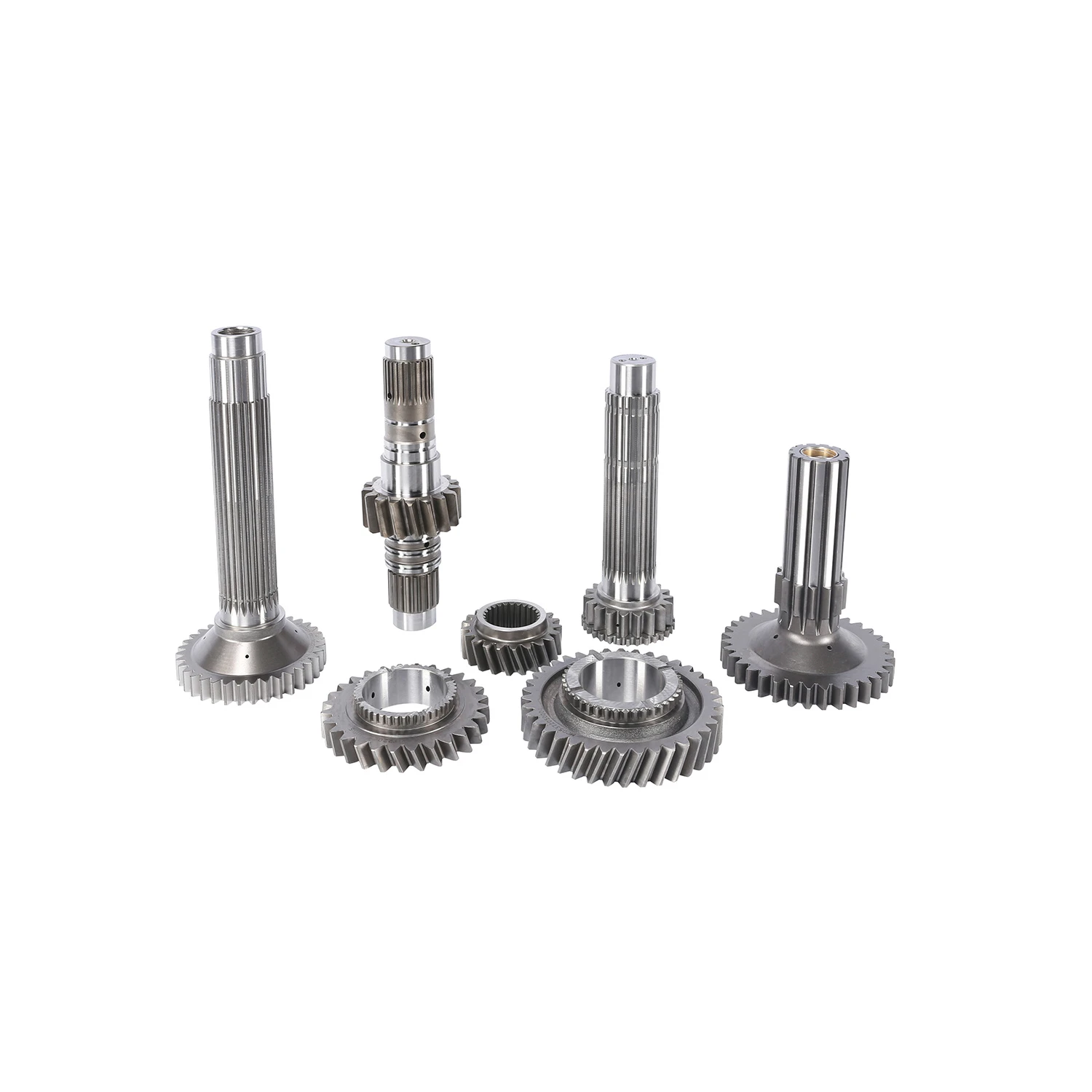 Tractor Gear Shaft
The tractor gear shaft is a crucial element in the power transmission system of a tractor. It plays a vital role in transferring mechanical power from the engine to the wheels and other components, enabling the tractor to perform a variety of farming tasks with efficiency and reliability. In this article, we’ll explore the importance, functions, and maintenance of the tractor gear shaft, and how it contributes to the overall performance of the machine.
-
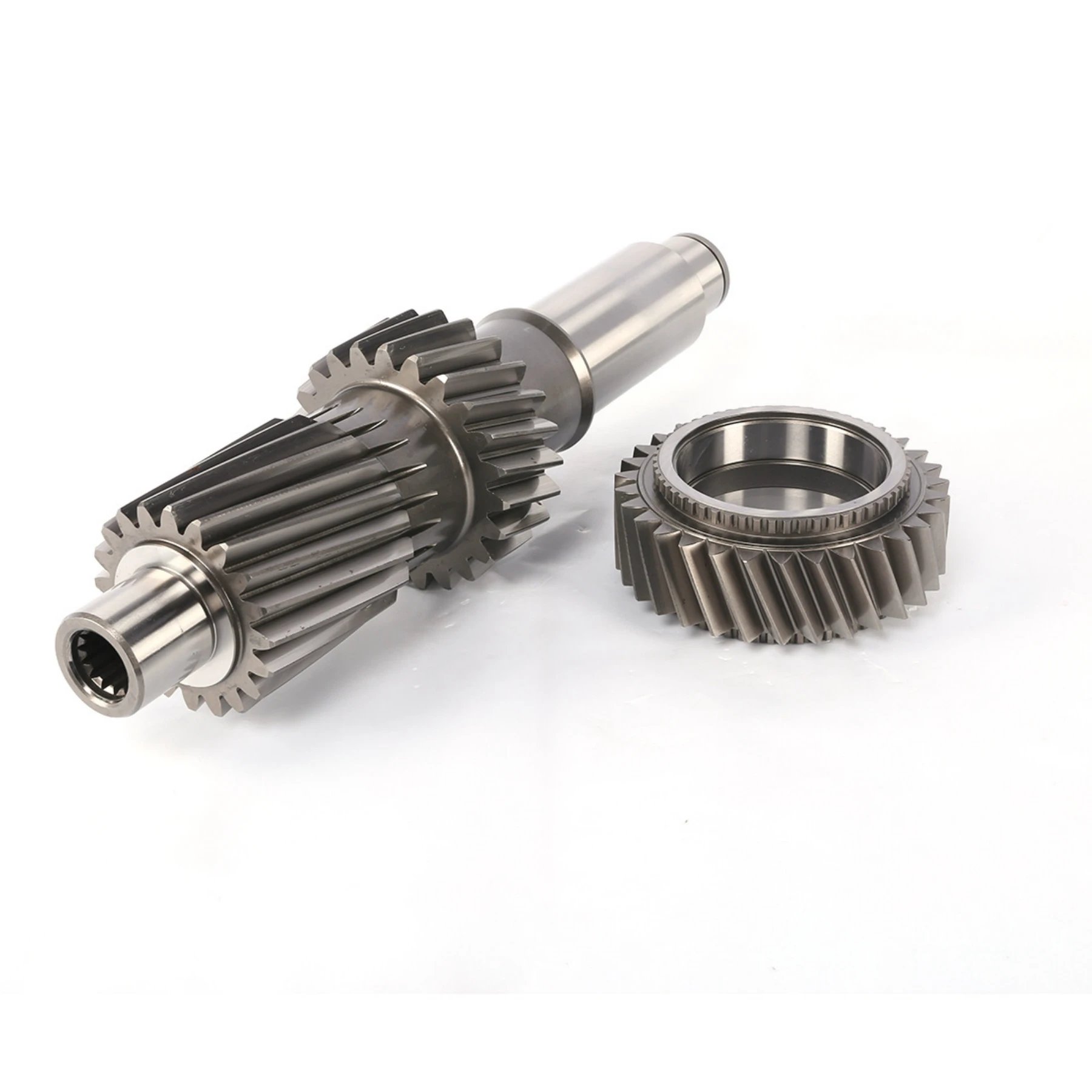 Transmission Gear
Power transmission: the engine operation drives the input gear on the input shaft to rotate, the input gear engages with other gears, and relies on the interaction between teeth and teeth to transfer the power to the intermediate gear (if any) and the output gear, and finally transfers the power to the driving wheel and other components through the output shaft to make the vehicle or equipment move.
Variable speed principle: Change the transmission ratio by meshing gears with different numbers of teeth. For example, when the big gear drives the small gear, the speed of the small gear will be faster than the big gear, but the output torque will be smaller, to achieve growth and torque reduction; On the contrary, when the pinion drives the big gear, the speed of the big gear slows down, the torque increases, and the torque increases. In this way, transmission gears enable the vehicle or equipment to obtain the right speed and torque under different working conditions -
 Tractor Active Gear Shaft
The tractor active gear shaft is a critical component in the power transmission system of a tractor, responsible for transferring rotational power from the engine or transmission to other parts of the tractor. By efficiently distributing torque and enabling smooth gear shifts, the active gear shaft plays a vital role in enhancing the performance and versatility of the tractor, making it essential for a wide range of agricultural tasks. In this article, we’ll explore the function, benefits, and maintenance of the tractor active gear shaft.
-
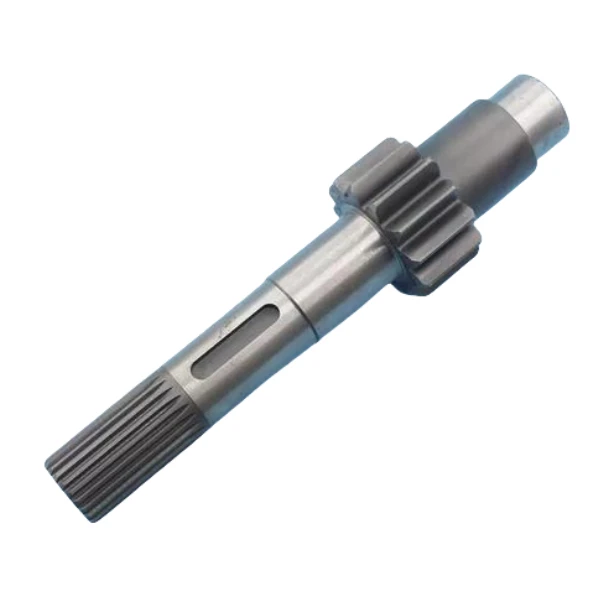 Harvester Input Shaft
The main role of the harvester input shaft is to introduce the power of the external power source into the internal transmission system of the harvester. When the power source (such as an engine) is running, the torque generated is transmitted to the input shaft through the connecting parts, causing the input shaft to start rotating. The gear, pulley or sprocket and other transmission parts installed on the input shaft will rotate with the rotation of the input shaft, and then transfer the power to the subsequent transmission parts and working parts, such as driving the cutting device, conveying device, threshing device, etc., to complete the crop harvesting, conveying, threshing and other work processes.
Related News
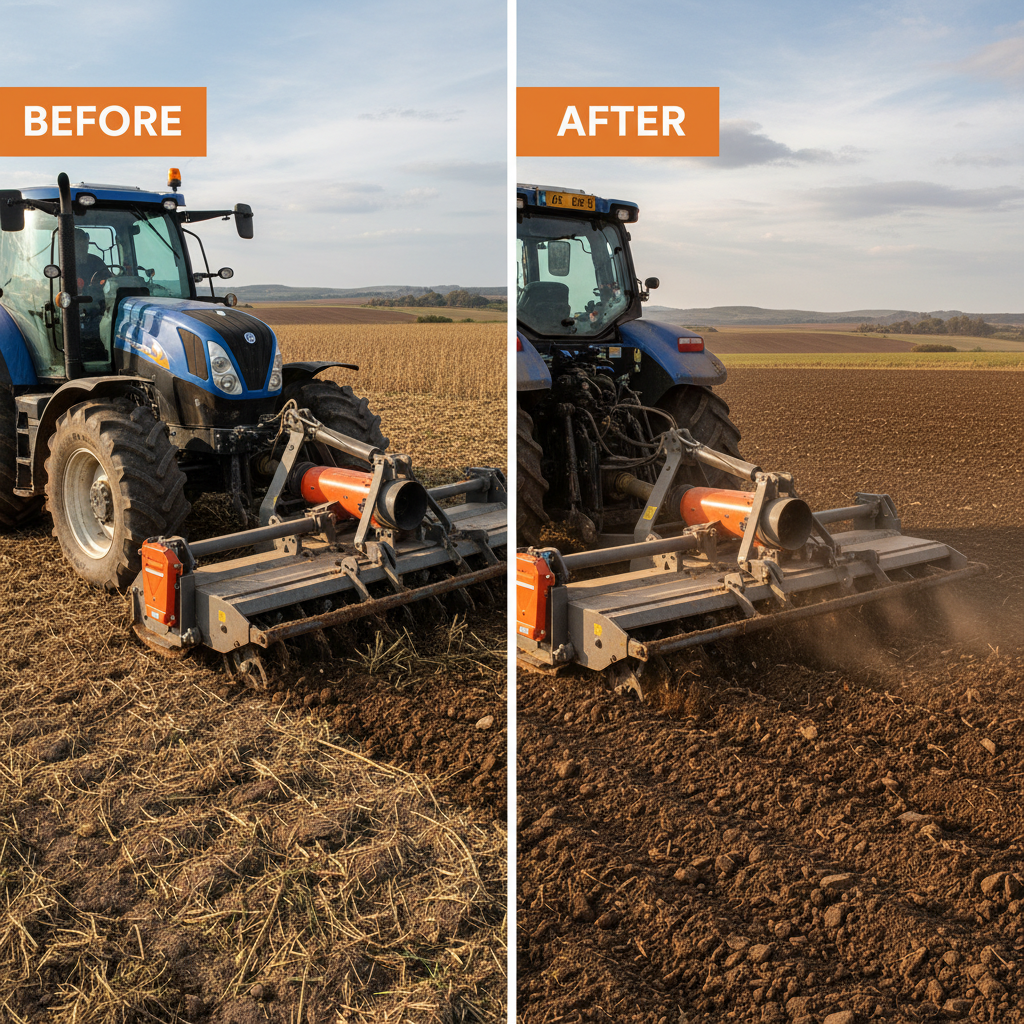
Professional Heavy Duty Tiller for Tractor for Soil Productivity
Achieving the perfect seedbed is the foundation of any successful harvest. For farmers dealing with compacted soil, stubborn crop residue, or expansive acreage, a standard rototiller often falls short. This is where a heavy duty tiller for tractor becomes an essential investment. These robust machines are engineered to penetrate deep into the earth, breaking up hardpan and aerating the soil with unmatched efficiency. By integrating a professional-grade tiller into your machinery lineup, you can significantly reduce preparation time and improve crop yield. In this guide, we will explore the technical advantages, selection criteria, and maintenance tips for choosing the right heavy-duty tilling solution.
>
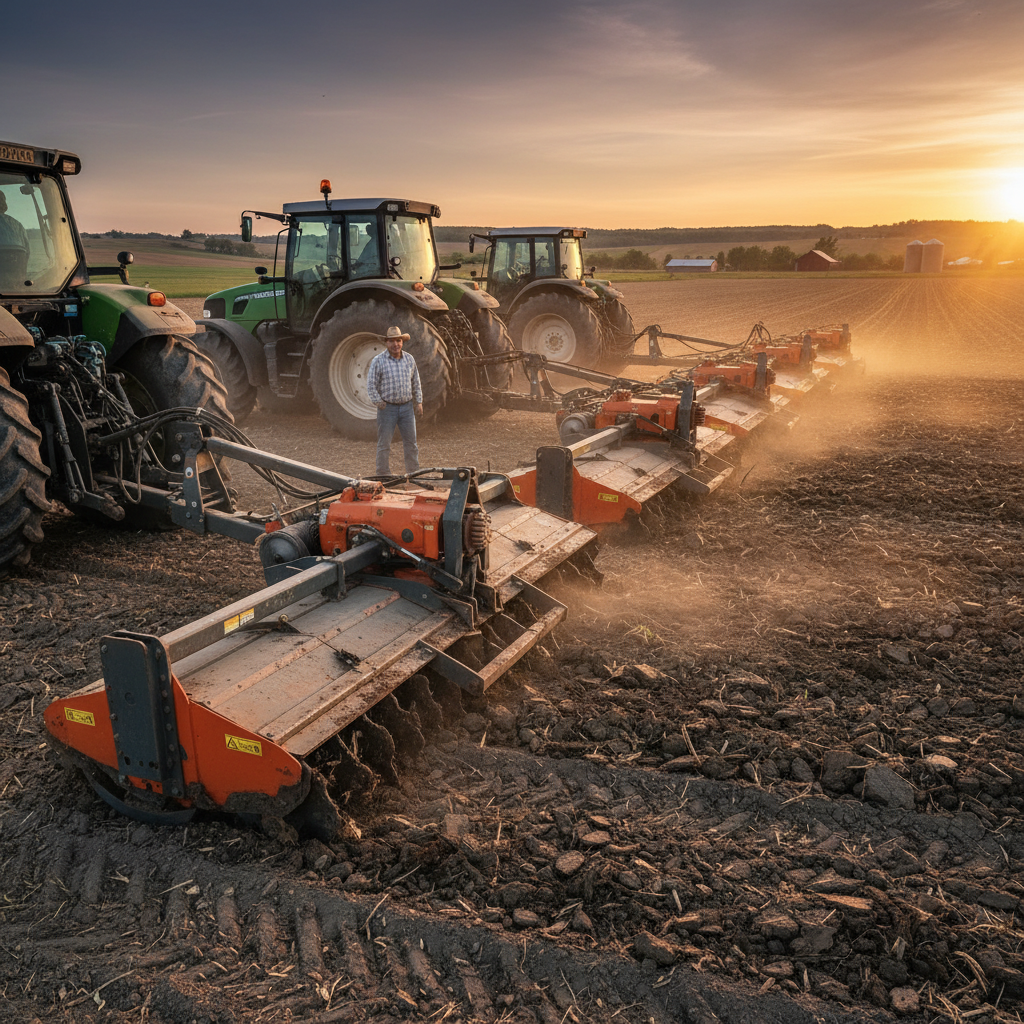
Maximizing Land Productivity with Professional Heavy Duty Tillers
For professional farmers and landscaping contractors, the quality of soil preparation determines the success of the entire growing season. Investing in high-performance heavy duty tillers is essential for breaking through compacted earth, removing stubborn weeds, and integrating organic matter deeply into the soil. Unlike standard garden cultivators, these industrial-grade machines are engineered to handle vast acreages and the most challenging terrain without compromising efficiency. In this guide, we will explore how choosing the right equipment can transform your agricultural output and streamline your land management process.
>
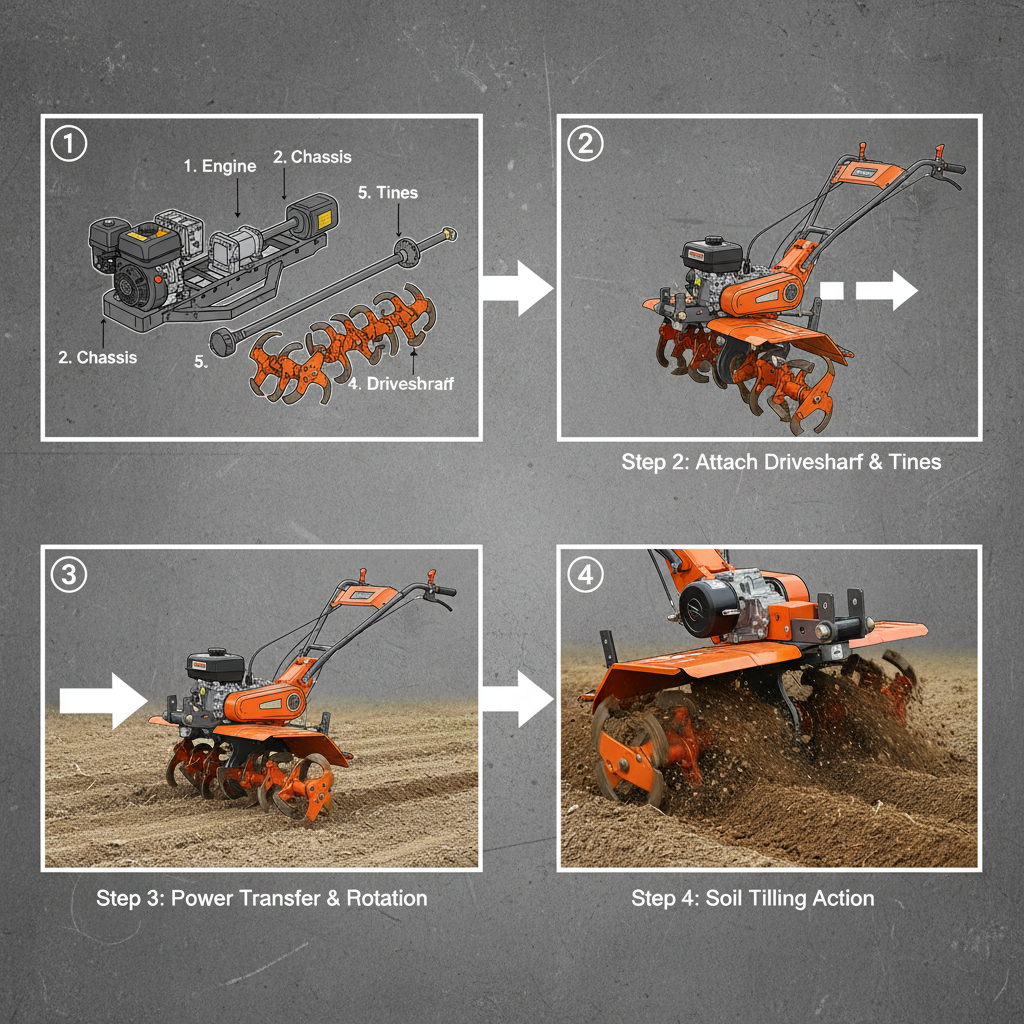
Choosing the Best Heavy Duty Rototiller for Efficient Land Preparation
A heavy duty rototiller is an invaluable tool for anyone involved in serious gardening, small-scale farming, or land preparation. Whether you're breaking new ground, maintaining existing garden beds, or preparing for planting, the right rototiller can significantly reduce labor and improve efficiency. However, with numerous options available, selecting the best model requires careful consideration. This article will guide you through the key factors to consider when purchasing a heavy-duty rototiller, helping you make an informed decision. ZinanMech offers a wide range of rototillers to suit various needs.
>
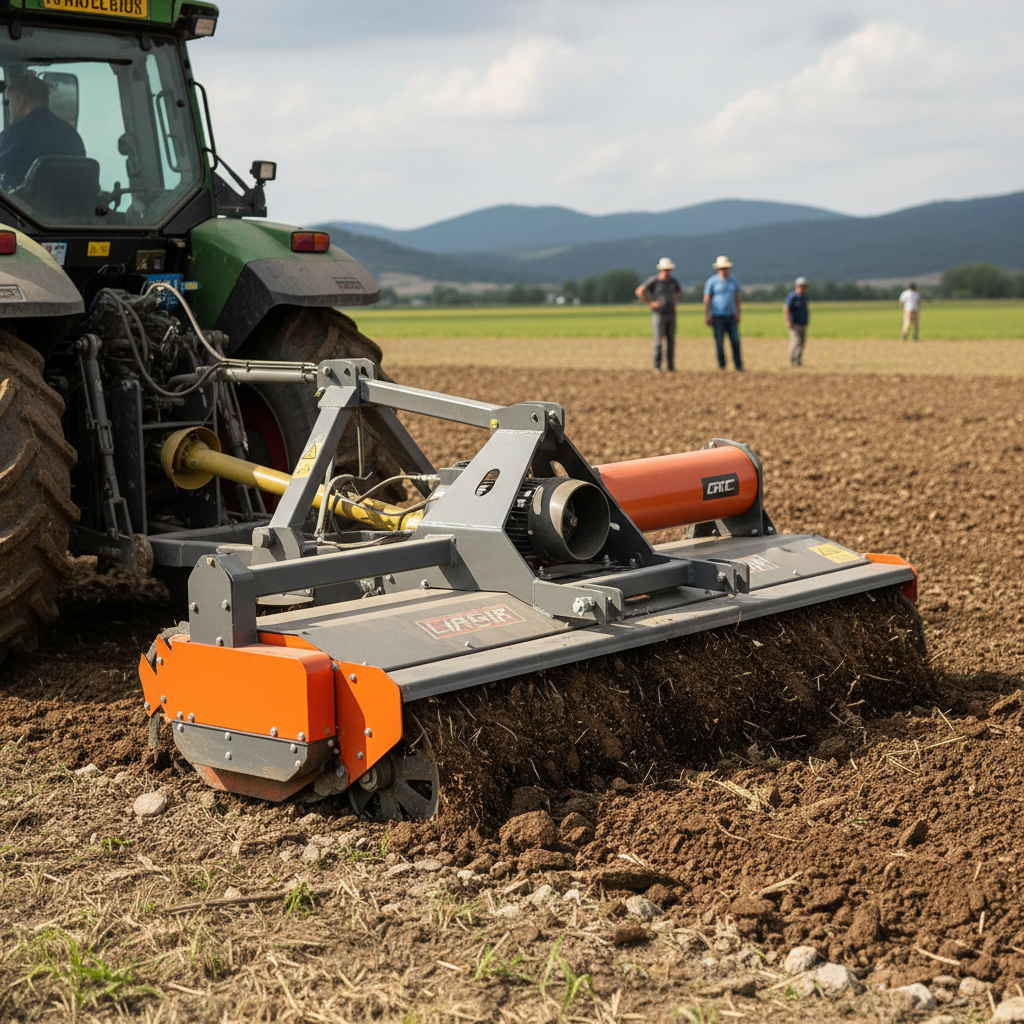
Comprehensive Guide to Heavy Duty Rotary Tiller Selection and Application
When it comes to land preparation, a heavy duty rotary tiller is an invaluable tool. This robust machinery excels at breaking up compacted soil, creating a fine seedbed, and incorporating organic matter. This article dives deep into the world of heavy duty rotary tillers, covering their benefits, applications, key features, and how to choose the right one for your needs. Whether you're a farmer, landscaper, or large-scale gardener, understanding these tillers is essential for efficient and effective soil management.
>
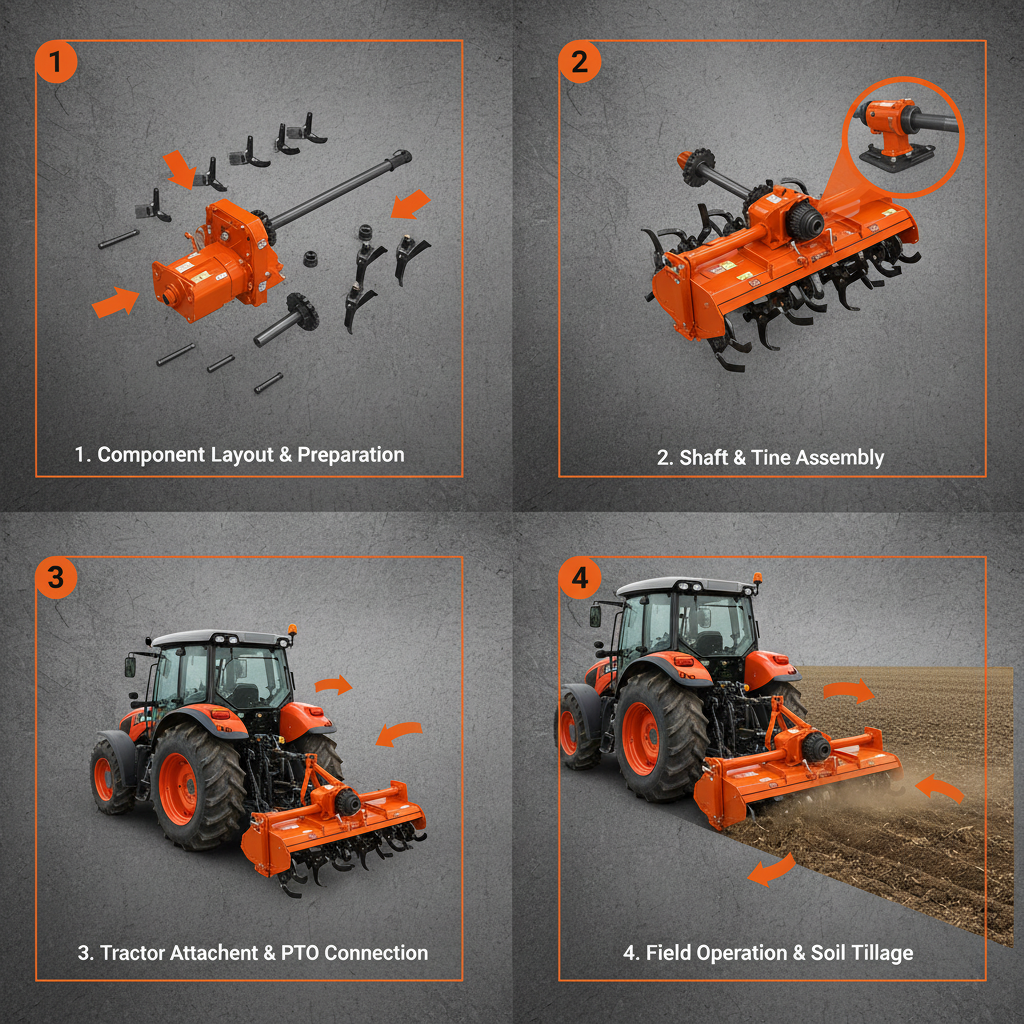
Comprehensive Guide to Selecting the Ideal Farm Tractor Tiller for Your Needs
Selecting the ideal farm tractor tiller is crucial for efficient soil preparation and maximizing agricultural yields. With a diverse range of models available, understanding your needs and the features offered by different tillers is paramount. This article provides a detailed overview of farm tractor tillers, covering their types, benefits, key considerations, and how to choose the right one for your specific farming operation. Proper tillage significantly impacts seedbed quality, weed control, and ultimately, crop performance.
>
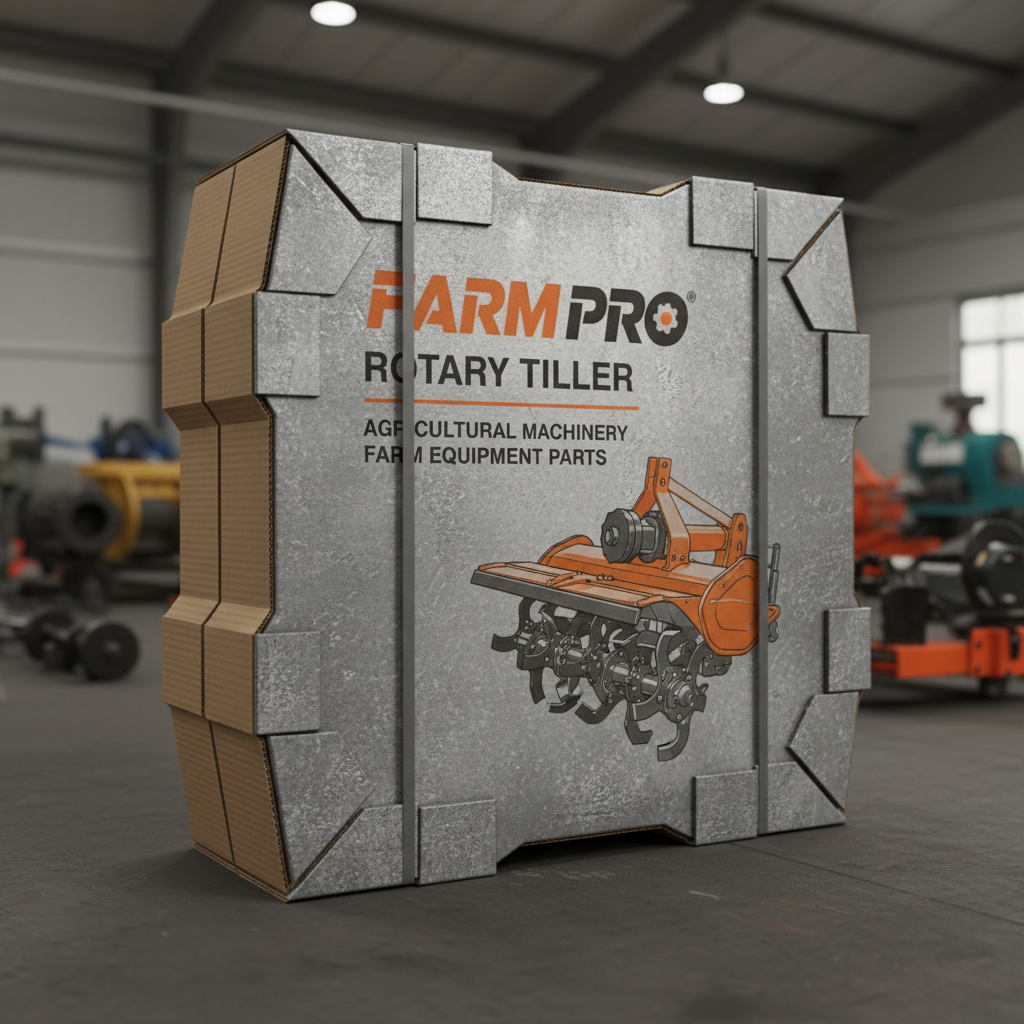
Boost Farm Productivity with a High Performance Farm Pro Rotary Tiller
Are you looking to enhance your agricultural productivity and streamline your soil preparation process? A Farm Pro rotary tiller is an invaluable investment for farmers of all scales. This article delves into the benefits, features, applications, and considerations when choosing the right rotary tiller for your farm. We’ll explore how this machinery can significantly reduce labor costs and improve soil quality, ultimately leading to higher yields. From small hobby farms to large-scale commercial operations, a Farm Pro tiller offers a robust and efficient solution for a variety of tilling needs.
>
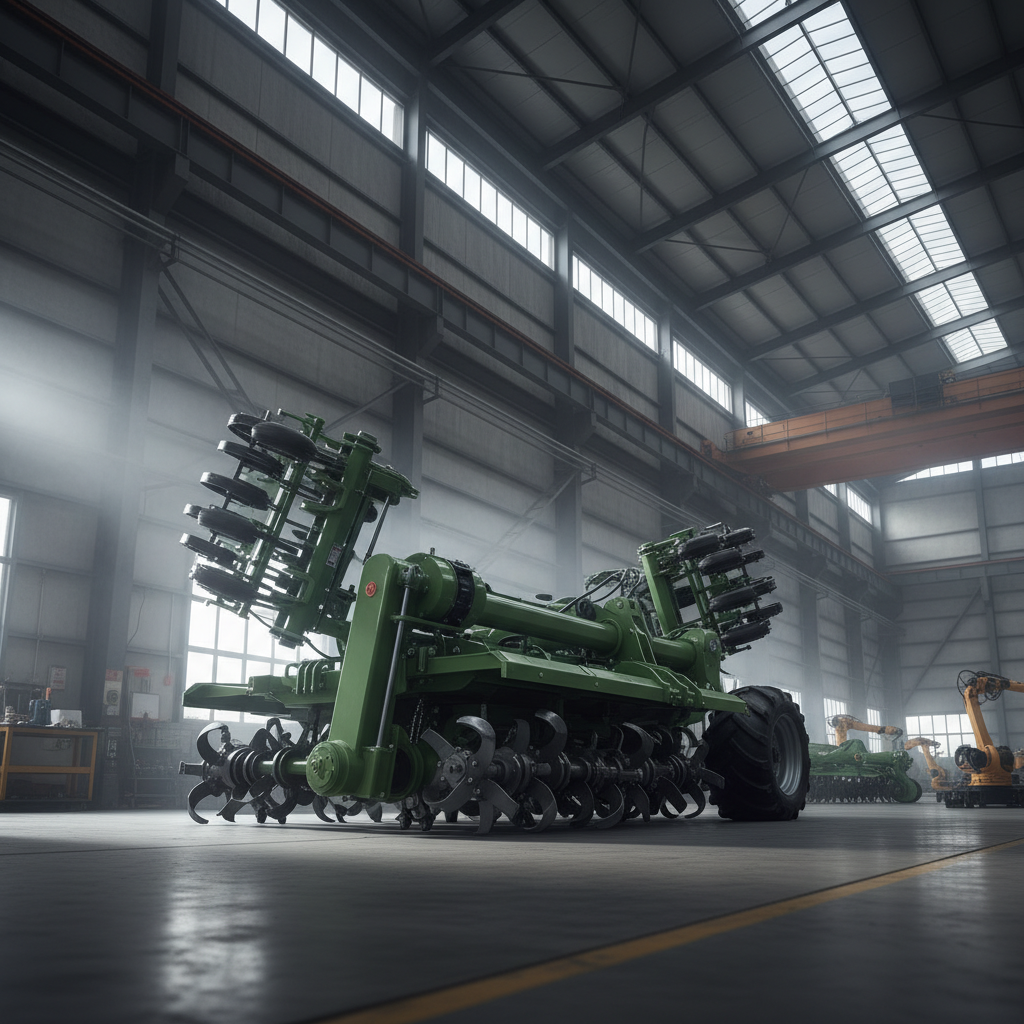
Unlock Farming Efficiency with a Powerful Agricultural Tiller Solution
In the world of farming and gardening, efficiency and productivity are key. An agricultural tiller is a vital piece of equipment that streamlines soil preparation, saving time and labor. This article dives deep into the world of tillers, exploring their types, benefits, how to choose the right one, and the quality solutions offered by Zinanmech. We’ll cover everything from small garden tillers to heavy-duty agricultural models, ensuring you have the knowledge to make an informed decision. An agricultural tiller, also known as a rotary tiller, is a motorized machine used to break up and cultivate soil. Unlike manual digging or plowing, tillers use rotating blades to loosen the soil, creating a fine, even tilth that's ideal for planting. This process improves soil aeration, drainage, and nutrient availability, leading to healthier plant growth.
>
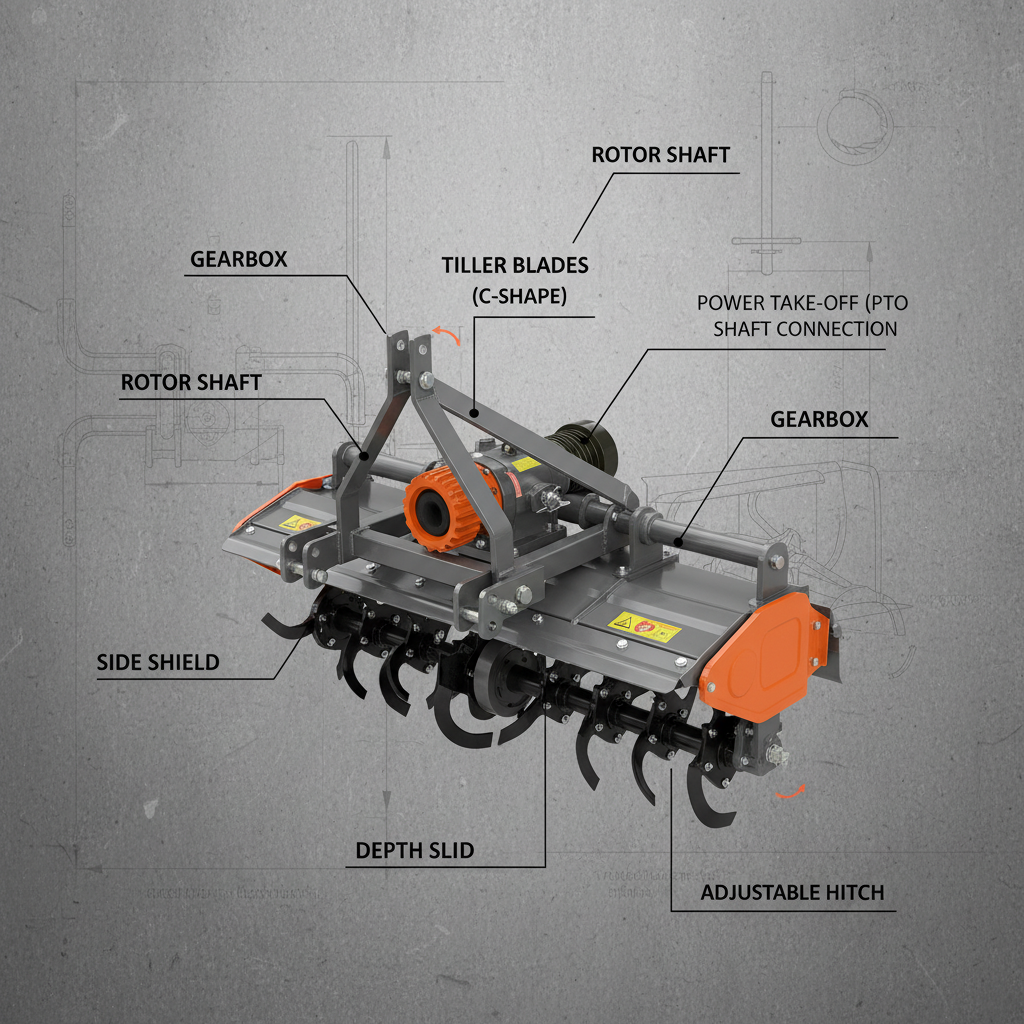
Comprehensive Guide to Agricultural Rotary Tiller Selection and Usage
An agricultural rotary tiller is an essential tool for modern farming, designed to efficiently prepare soil for planting. This powerful machinery significantly reduces labor and time compared to traditional methods. Whether you're a smallholder or manage a large-scale agricultural operation, understanding the benefits and features of a rotary tiller is crucial for maximizing productivity. Choosing the right tiller can transform your land preparation process. This article provides a detailed overview of agricultural rotary tillers, covering their uses, types, benefits, and key considerations when selecting the right model. Modern tillers are available in various sizes and configurations, catering to different farm sizes and soil conditions. Zinanmech provides a range of high-quality rotary tillers designed for optimal performance and durability. An agricultural rotary tiller, also known as a rototiller, is a motorized machine used to prepare agricultural land for cultivation. It works by using rotating blades – typically called tines – to break up, churn, and mix the soil.
>
Comprehensive Guide to Selecting the Ideal Agric Rototiller for Your Farm
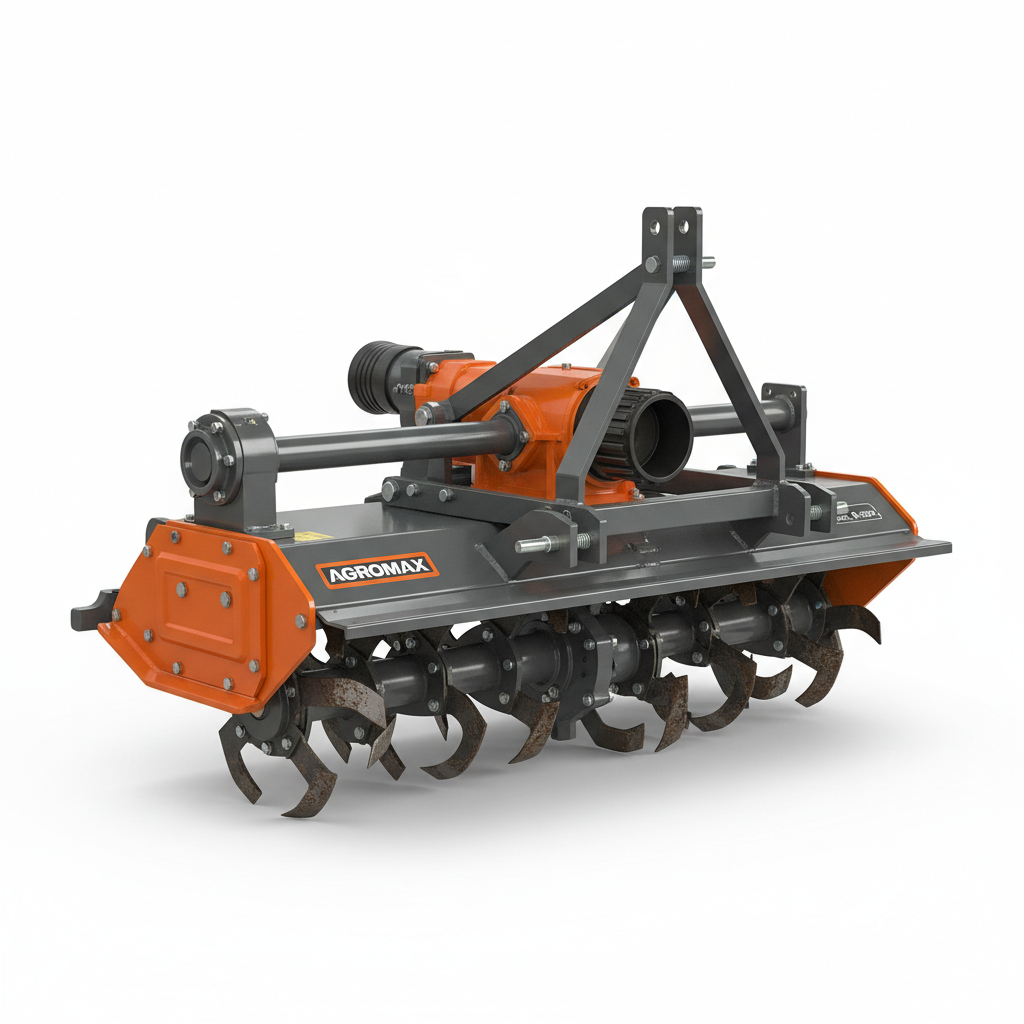
Selecting the right agric rototiller is crucial for efficient soil preparation and maximizing crop yields. This guide will explore the different types of rototillers, their applications, and how to choose the best model for your farming needs. We’ll cover everything from small, handheld rototillers to larger, tractor-mounted versions, helping you make an informed decision to enhance your agricultural operations. A well-chosen rototiller significantly reduces manual labor and improves soil quality. Agric rototillers come in various sizes and configurations, each suited for different farming tasks. The main types include: Front-Tine Rototillers, ideal for smaller gardens and breaking up already tilled soil; Rear-Tine Rototillers, offering more power and suitable for larger areas and tougher soil conditions; and Mid-Tine Rototillers, a versatile option for medium-sized farms. Choosing the correct type depends on your farm size, soil type, and the crops you intend to grow.
>
Unlock Farming Efficiency with a Powerful Agri Rototiller for Modern Agriculture
In today's agricultural landscape, efficiency and productivity are paramount. An agri rototiller, also known as a rotary tiller, is an invaluable tool for preparing soil for planting. This versatile machine cultivates, mixes, and levels the soil in a single pass, saving farmers significant time and effort. From small-scale farms to large agricultural operations, the benefits of using a rototiller are numerous. Investing in a quality rototiller is investing in the future success of your harvest. An agri rototiller is a motorized machine designed to break up and aerate soil using rotating blades. These blades, often called tines, churn the soil, creating a fine, even texture ideal for planting seeds or transplanting seedlings. Unlike traditional plowing, rototilling doesn't invert the soil, minimizing disruption to the soil's natural structure.
>
International layout
Spread all over the world
our products are exported to various parts of the world. Currently, our products have been exported to more than 40 countries Our products cover Asia, Europe, Africa, South America, North America, and Oceania
Sign up
for Newsletter
Subscribe to the weekly newsletter for all the latest updates