- Tel: +86 13451474678 / 13451474678
- Email: / hbzinanmech@gmail.com

Essential Guide to Seed Drill Function: Precision Farming for a Sustainable Future
Understanding the Seed Drill Function: Why It Matters Worldwide
Seed drills may not be the flashiest machines in agriculture, but their role in modern farming is undeniably pivotal. Simply put, the seed drill function is all about the precision placement of seeds at the right depth and spacing—yet this straightforward action holds immense implications for global food security and sustainable farming practices. As the world population edges toward 8.5 billion (United Nations, 2023), innovations in seed sowing technology carry the potential to boost yield efficiency while conserving precious resources like water and soil nutrients.
Getting to grips with how seed drills function means we better understand how to nurture healthier crops, reduce wastage, and empower farmers with reliable, cost-effective tools—especially in regions where hunger and soil degradation still remain urgent challenges.
The Global Context of Seed Drill Function
Across continents, agriculture is the backbone for billions. The Food and Agriculture Organization (FAO) estimates that agriculture provides livelihoods for over 40% of the global population. But despite advances in technology, planting efficiency and crop yields continue to suffer in many developing areas due to outdated or manual sowing practices.
The seed drill function represents an elegant solution to many of these setbacks. By mechanizing seed placement, farms experience more uniform germination, less seed loss, and improved crop management. That’s critical not only for the food supply chain but also for environmental conservation initiatives encouraged by agencies like the International Organization for Standardization (ISO).
Interestingly, in drought-prone or erosion-sensitive regions, the precision enabled by seed drills can limit soil disruption and boost water retention, addressing two climate-linked farming challenges simultaneously.
What Exactly Is a Seed Drill Function?
At its core, the seed drill function involves the accurate distribution of seeds into prepared soil—meticulously setting the seed depth, spacing, and in some models, the simultaneous dropping of fertilizer. This approach is a huge step up from the old-fashioned broadcast sowing method, which scattered seeds unevenly and relied on chance for growth.
Modern seed drills work mechanically or electronically to ensure every seed has its own little “home” to germinate safely and optimally. It’s the difference between tossing poker chips on a table and neatly stacking them where they belong. This function ties directly into larger farming mechanization efforts and humanitarian endeavors, especially within food aid projects that promote sustainable self-farming solutions.
Key Components Influencing Seed Drill Function
1. Precision Depth Control
Essential to successful planting is dropping the seed at just the right soil depth. Too shallow and seeds risk drying out; too deep and seedlings may struggle to break through. Seed drills feature adjustable plates and openers designed to meet this nuanced need.
2. Seed Spacing and Distribution Uniformity
Uniform seed spacing avoids overcrowding and competition for nutrients. The function ensures seeds are spaced in rows with consistent gaps, boosting healthy plant growth. Mechanisms range from simple metering wheels to more advanced pneumatic systems.
3. Durability and Build Quality
Since seed drills work in tough, abrasive conditions, material strength and corrosion resistance are paramount. Industrial-grade steel frames and wear-resistant components prolong the machine’s life, making investments worthwhile.
4. Adaptability and Scalability
Seed drills come in all shapes and sizes—from compact models suited for smallholder farms, to massive tractor-pulled setups covering hundreds of hectares. The function needs to adapt fluidly to soil types, crop varieties, and farm sizes.
5. Cost Efficiency and Maintenance
Seed drills need to justify their purchase and upkeep costs by saving seeds, reducing labor, and enhancing yield. Simple designs tend to be cheaper but may trade off some precision or automation.
Mini takeaway: Knowing these key factors helps farmers and buyers pick the right drill that matches their land, crops, and budget — no one-size-fits-all here.
Real-World Applications of Seed Drill Function
From bustling farms in Iowa to remote fields in Sub-Saharan Africa, seed drills have found diverse roles:
- Developed countries: Large-scale cereal farms benefit from high-tech seed drills integrated with GPS for precision farming.
- Emerging economies: NGOs promote lightweight, manual seed drills in post-conflict or disaster recovery zones to jumpstart local food production.
- Specialized horticulture: Gardeners and greenhouses use small models for precise planting of vegetables and flowers.
- Sustainable agriculture: Conservation tillage methods employ seed drills to minimize soil disturbance and maintain organic matter.
For instance, in Nepal’s mountainous regions, farmers switching to seed drills saw a 20% increase in wheat yields (World Bank, 2022), which translated to better food security and income stability.
Advantages and Lasting Value of Efficient Seed Drill Function
There’s a sort of elegant simplicity in the seed drill’s function that belies its impact:
- Resource conservation: Seed savings can range from 10-30% compared to broadcasting.
- Environmental benefits: Reduced soil erosion and chemical runoff.
- Higher yields: Uniform crops mature evenly and resist pests more effectively.
- Social implications: Empowered farmers invest profits into communities, supporting education and healthcare.
- Reliability: Mechanical precision means less seed wastage and labor time.
More than just a machine, the seed drill is a symbol of trusting technology to nurture growth safely and sustainably.
Emerging Trends and Innovations
The seed drill function continues to evolve, fueled by several exciting innovations:
- Digital integration: Smart seed drills with IoT sensors transmit data on soil conditions and planting depth.
- Automation: Autonomous seed drills, self-driving and connected to weather forecasts, optimize planting schedules.
- Eco-friendly materials: Biodegradable parts and recycled steel reduce environmental footprint.
- Energy efficiency: Electric-powered seed drills with solar charging options are entering trials for remote farms.
These advances point toward an interconnected, green agriculture future that looks pretty bright.
Challenges in Seed Drill Function and Practical Solutions
Of course, it's not all smooth sailing:
- High initial cost: Some farmers find the upfront investment steep.
- Soil variability: Uneven terrain or unexpected moisture complicate uniform seed placement.
- Maintenance: Parts wear down under harsh conditions, causing downtime and repair needs.
- Training: Operators require training to use drills optimally.
Industry experts suggest user-friendly design, modular components, and partnerships with local extension services to help farmers overcome these obstacles.
Seed Drill Function: Your Frequently Asked Questions
- What advantages does a seed drill offer over hand sowing?
- Seed drills provide more precise seed placement, reducing waste and ensuring better germination rates. This leads to higher yields and efficient use of seeds and fertilizers compared to manual broadcasting.
- Can seed drills be used for different crops or soil types?
- Yes, many seed drills come with adjustable settings to accommodate various seed sizes and soil conditions. However, for extreme soil types like very rocky or sandy soils, special adaptations may be necessary.
- How important is maintenance for seed drill function?
- Regular maintenance is crucial. Keeping metering mechanisms clean and parts lubricated ensures consistent performance and extends the machine’s lifespan—ultimately protecting your investment.
- Are seed drills suitable for smallholder farmers?
- Definitely. There are small-scale, affordable seed drills designed specifically for small plots that help increase productivity without requiring large capital outlays.
- Where can I learn more about seed drill functions and choose quality products?
- It’s always best to research reputable manufacturers and seek guidance via agricultural extension services or online resources, such as seed drill function experts.
Seed Drill Product Specification Table
| Feature | Model A | Model B | Model C |
|---|---|---|---|
| Seed Capacity (kg) | 50 | 120 | 200 |
| Row Width (cm) | 15 | 20-40 adjustable | 30 |
| Power Source | Manual | Tractor-powered | Electric-driven |
| Weight (kg) | 45 | 240 | 180 |
| Adjustable Depth | Yes | Yes | Yes |
Comparing Seed Drill Vendors
| Vendor | Pricing | Geo Coverage | Tech Support | Warranty |
|---|---|---|---|---|
| AgroTech Corp | $$$ | Global | 24/7 helpline + onsite | 5 years |
| GreenFields Ltd. | $$ | Asia, Africa | Online chat + regional centers | 3 years |
| Zinan Mechanicals | $ | Asia, Middle East | Technical support via online ticket & phone | 2 years |
Wrapping It Up: The Lasting Impact of Seed Drill Function
It feels like we’ve barely scratched the surface of the humble seed drill’s value, yet its function essentially stitches together efficiency, sustainability, and the promise of better harvests across the globe. While challenges exist, the trajectory of technological innovations and growing awareness among farmers is encouraging. If you want to explore how seed drills can fit into your agricultural toolkit, or simply dive deeper, visit our website at https://www.zinanmech.com—we keep a modern catalog and a passionate team ready to help.
After all, planting a seed carefully is just the beginning. The function behind the seed drill nurtures a future where food security, environmental harmony, and farmer prosperity are more than wishful thinking—they are practical realities.
Mini takeaway: Embrace the seed drill function and watch how precision sowing transforms your land and livelihood.
References

Related Products
-
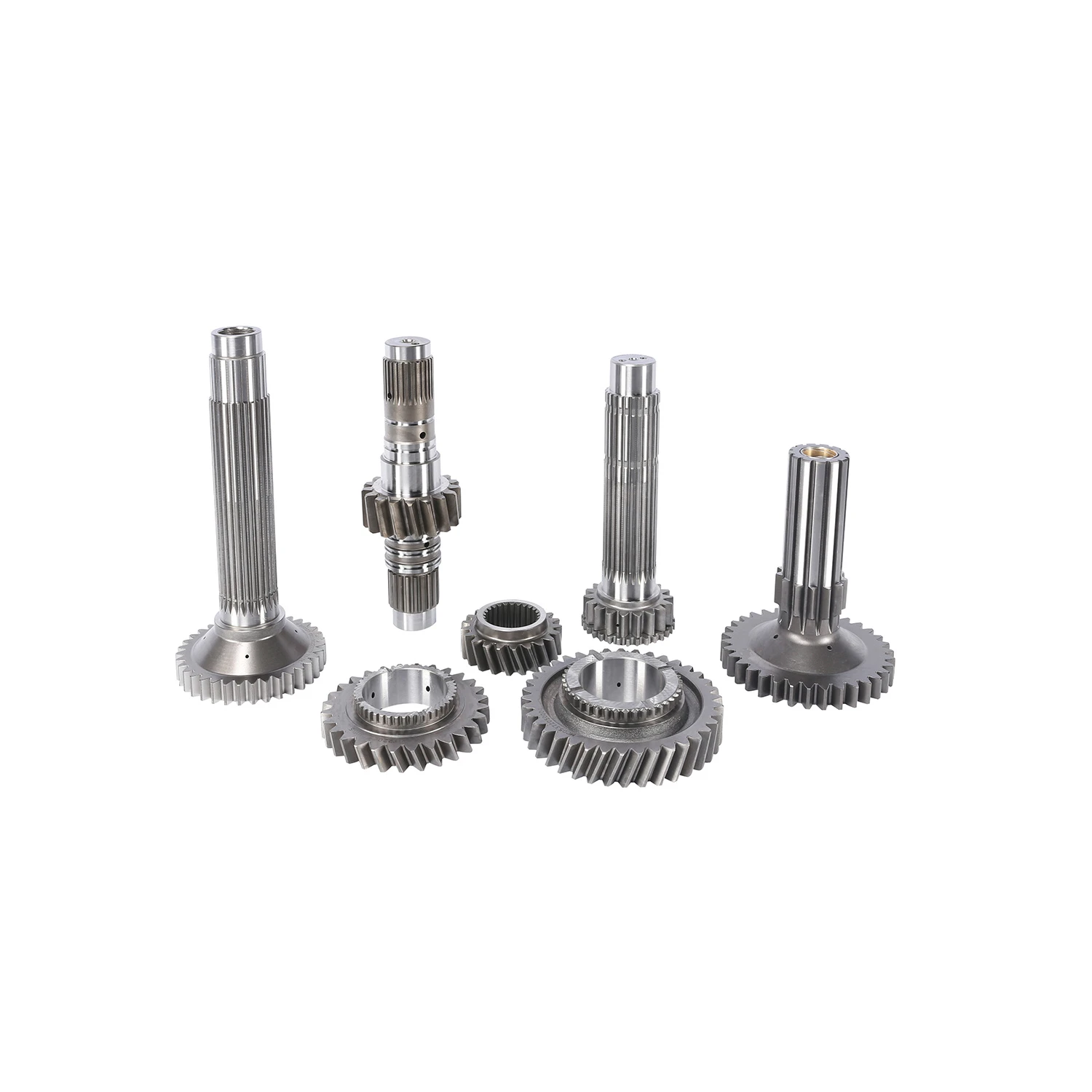 Tractor Gear Shaft
The tractor gear shaft is a crucial element in the power transmission system of a tractor. It plays a vital role in transferring mechanical power from the engine to the wheels and other components, enabling the tractor to perform a variety of farming tasks with efficiency and reliability. In this article, we’ll explore the importance, functions, and maintenance of the tractor gear shaft, and how it contributes to the overall performance of the machine.
-
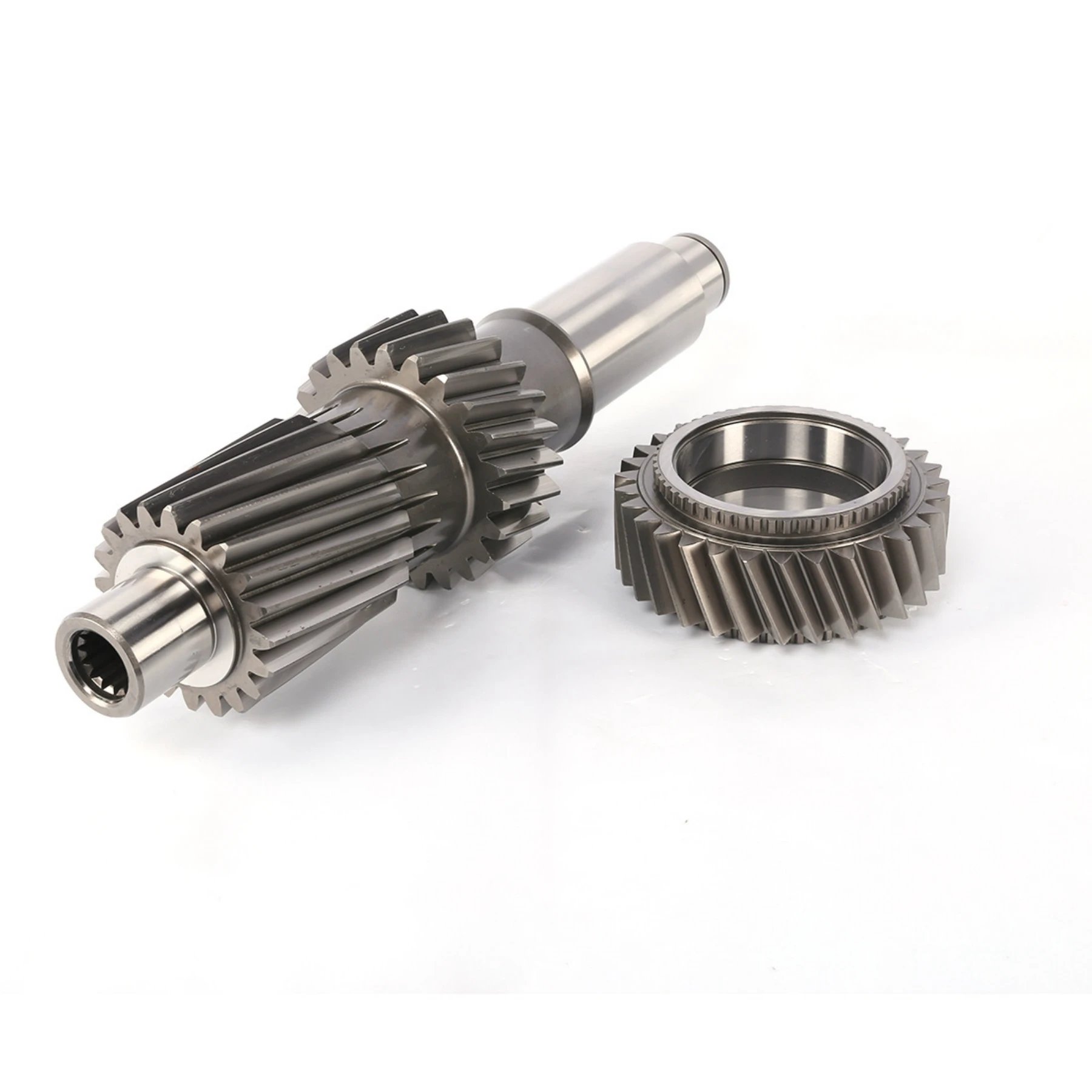 Transmission Gear
Power transmission: the engine operation drives the input gear on the input shaft to rotate, the input gear engages with other gears, and relies on the interaction between teeth and teeth to transfer the power to the intermediate gear (if any) and the output gear, and finally transfers the power to the driving wheel and other components through the output shaft to make the vehicle or equipment move.
Variable speed principle: Change the transmission ratio by meshing gears with different numbers of teeth. For example, when the big gear drives the small gear, the speed of the small gear will be faster than the big gear, but the output torque will be smaller, to achieve growth and torque reduction; On the contrary, when the pinion drives the big gear, the speed of the big gear slows down, the torque increases, and the torque increases. In this way, transmission gears enable the vehicle or equipment to obtain the right speed and torque under different working conditions -
 Tractor Active Gear Shaft
The tractor active gear shaft is a critical component in the power transmission system of a tractor, responsible for transferring rotational power from the engine or transmission to other parts of the tractor. By efficiently distributing torque and enabling smooth gear shifts, the active gear shaft plays a vital role in enhancing the performance and versatility of the tractor, making it essential for a wide range of agricultural tasks. In this article, we’ll explore the function, benefits, and maintenance of the tractor active gear shaft.
-
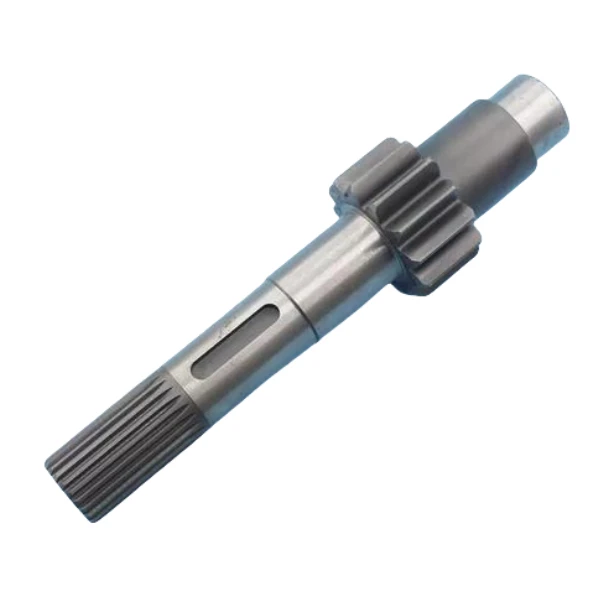 Harvester Input Shaft
The main role of the harvester input shaft is to introduce the power of the external power source into the internal transmission system of the harvester. When the power source (such as an engine) is running, the torque generated is transmitted to the input shaft through the connecting parts, causing the input shaft to start rotating. The gear, pulley or sprocket and other transmission parts installed on the input shaft will rotate with the rotation of the input shaft, and then transfer the power to the subsequent transmission parts and working parts, such as driving the cutting device, conveying device, threshing device, etc., to complete the crop harvesting, conveying, threshing and other work processes.
Related News
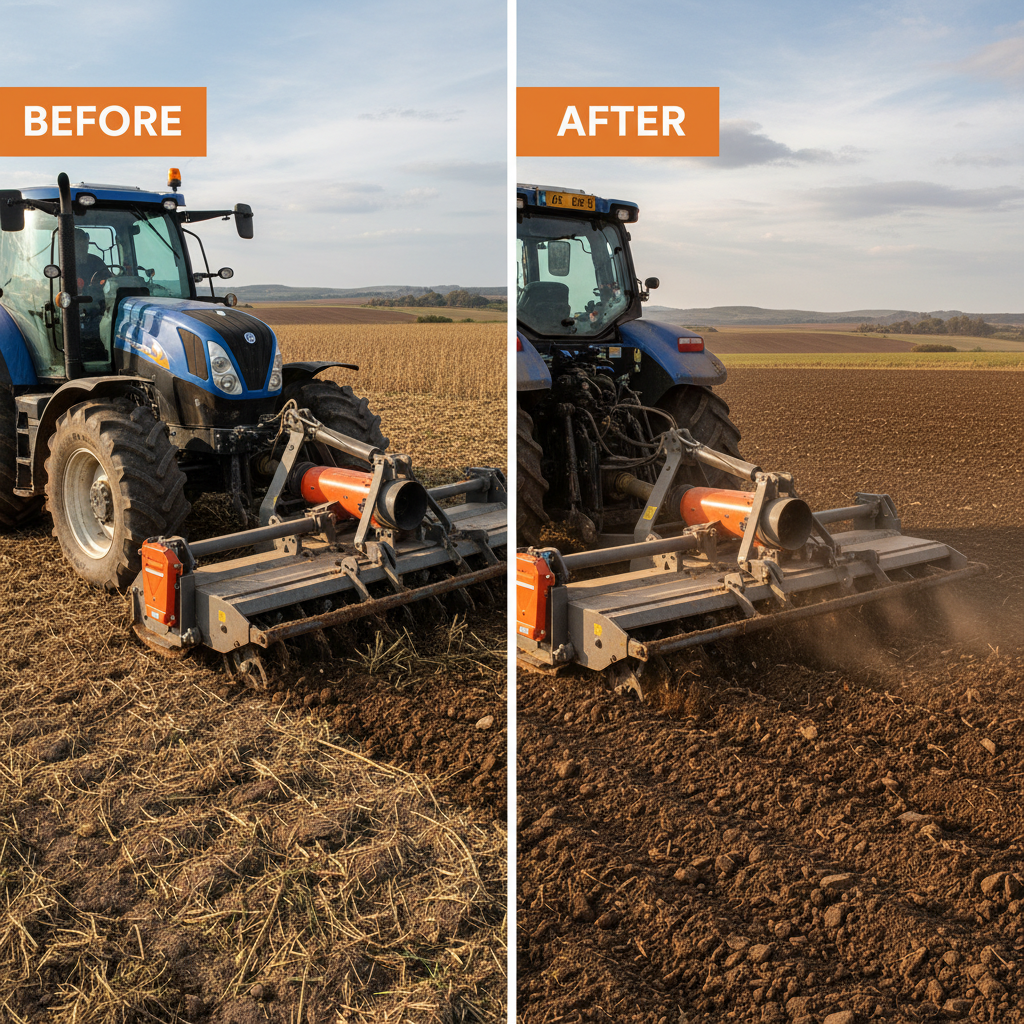
Professional Heavy Duty Tiller for Tractor for Soil Productivity
Achieving the perfect seedbed is the foundation of any successful harvest. For farmers dealing with compacted soil, stubborn crop residue, or expansive acreage, a standard rototiller often falls short. This is where a heavy duty tiller for tractor becomes an essential investment. These robust machines are engineered to penetrate deep into the earth, breaking up hardpan and aerating the soil with unmatched efficiency. By integrating a professional-grade tiller into your machinery lineup, you can significantly reduce preparation time and improve crop yield. In this guide, we will explore the technical advantages, selection criteria, and maintenance tips for choosing the right heavy-duty tilling solution.
>
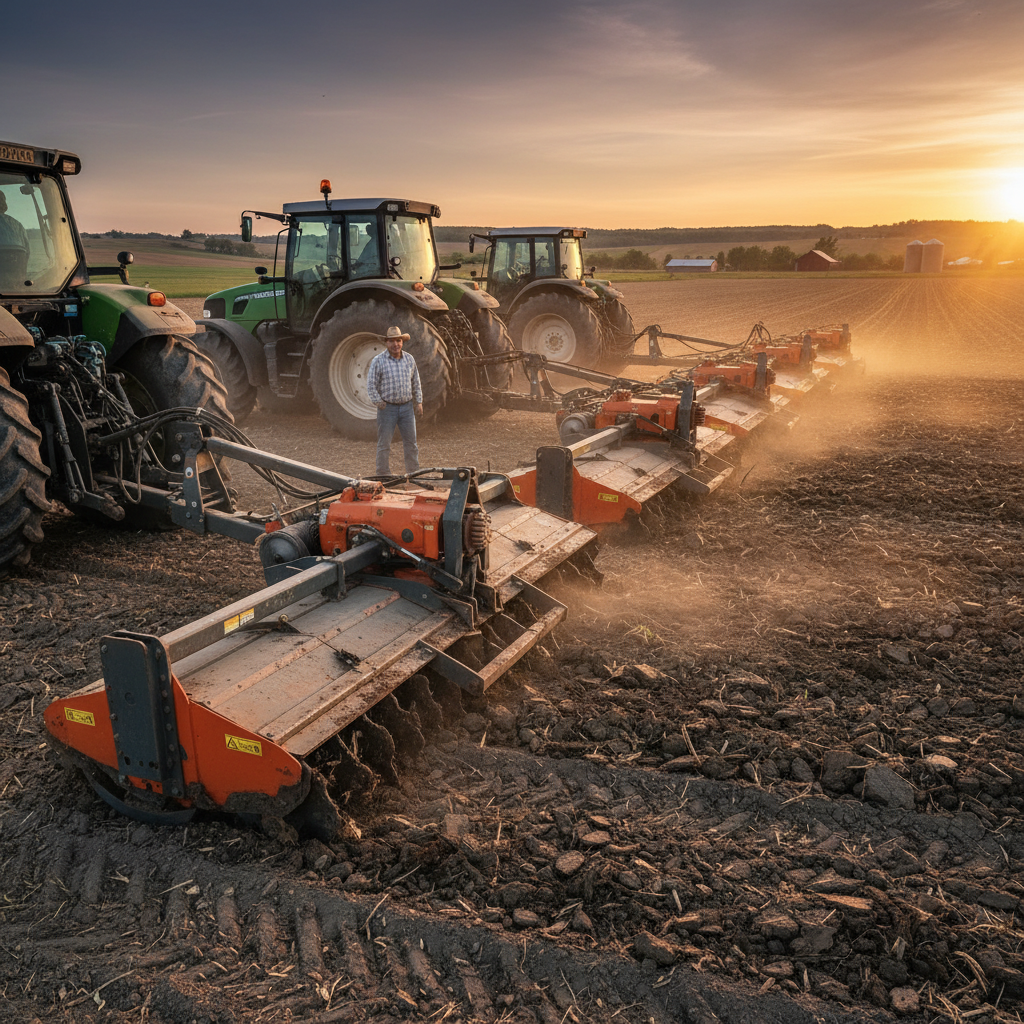
Maximizing Land Productivity with Professional Heavy Duty Tillers
For professional farmers and landscaping contractors, the quality of soil preparation determines the success of the entire growing season. Investing in high-performance heavy duty tillers is essential for breaking through compacted earth, removing stubborn weeds, and integrating organic matter deeply into the soil. Unlike standard garden cultivators, these industrial-grade machines are engineered to handle vast acreages and the most challenging terrain without compromising efficiency. In this guide, we will explore how choosing the right equipment can transform your agricultural output and streamline your land management process.
>
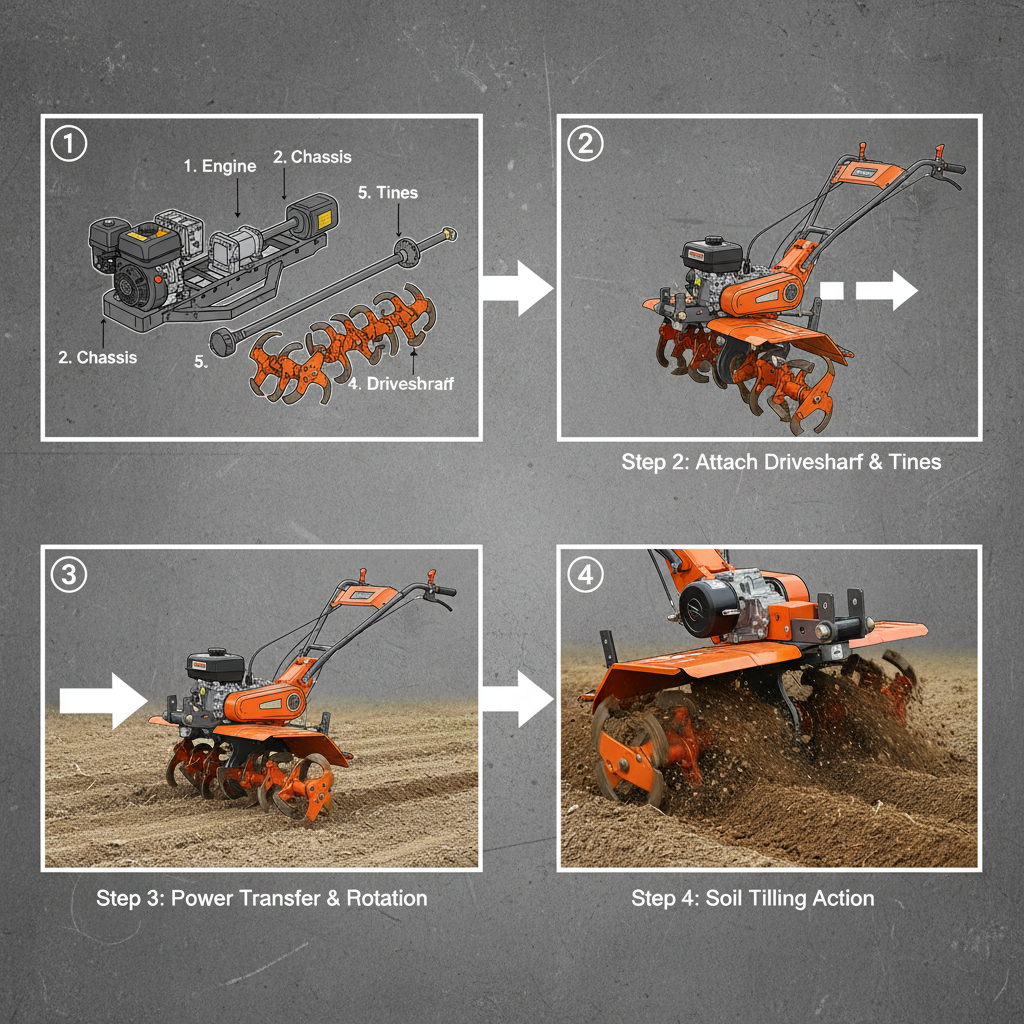
Choosing the Best Heavy Duty Rototiller for Efficient Land Preparation
A heavy duty rototiller is an invaluable tool for anyone involved in serious gardening, small-scale farming, or land preparation. Whether you're breaking new ground, maintaining existing garden beds, or preparing for planting, the right rototiller can significantly reduce labor and improve efficiency. However, with numerous options available, selecting the best model requires careful consideration. This article will guide you through the key factors to consider when purchasing a heavy-duty rototiller, helping you make an informed decision. ZinanMech offers a wide range of rototillers to suit various needs.
>
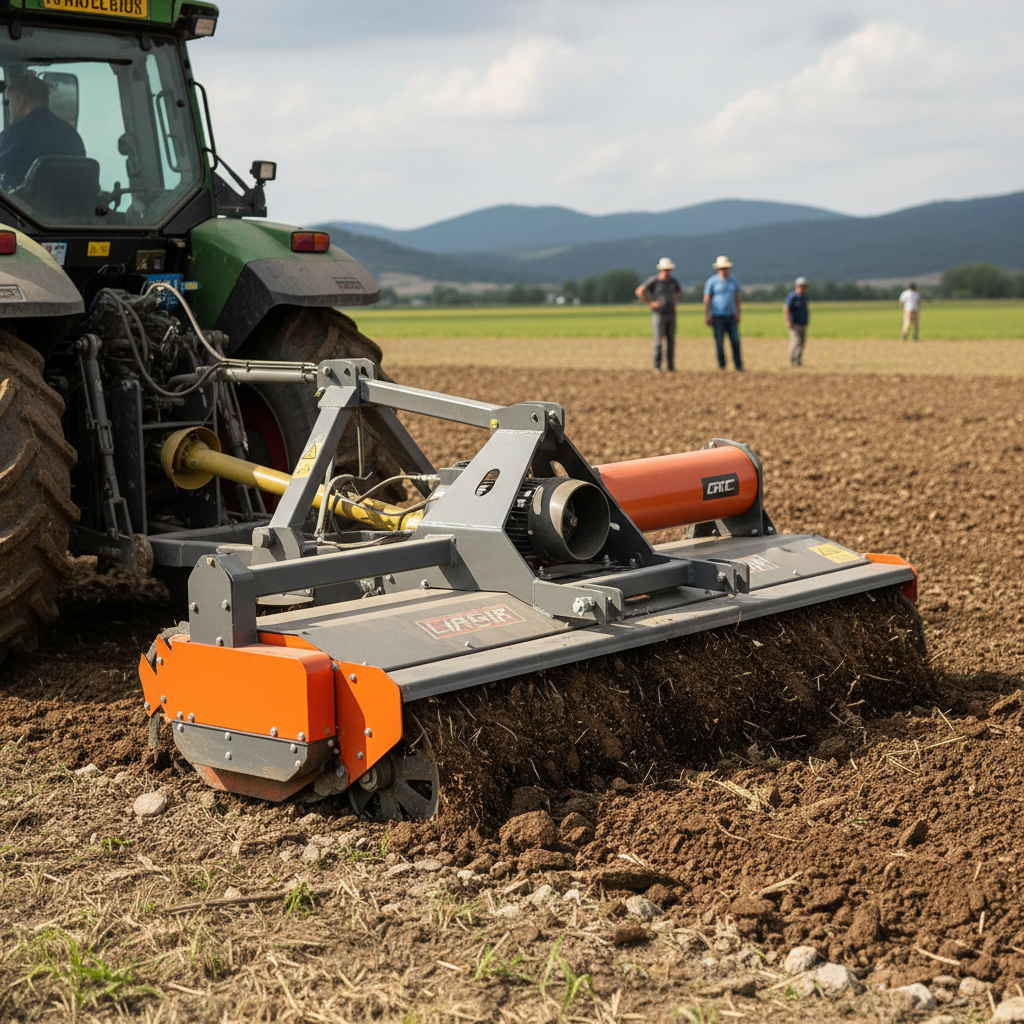
Comprehensive Guide to Heavy Duty Rotary Tiller Selection and Application
When it comes to land preparation, a heavy duty rotary tiller is an invaluable tool. This robust machinery excels at breaking up compacted soil, creating a fine seedbed, and incorporating organic matter. This article dives deep into the world of heavy duty rotary tillers, covering their benefits, applications, key features, and how to choose the right one for your needs. Whether you're a farmer, landscaper, or large-scale gardener, understanding these tillers is essential for efficient and effective soil management.
>
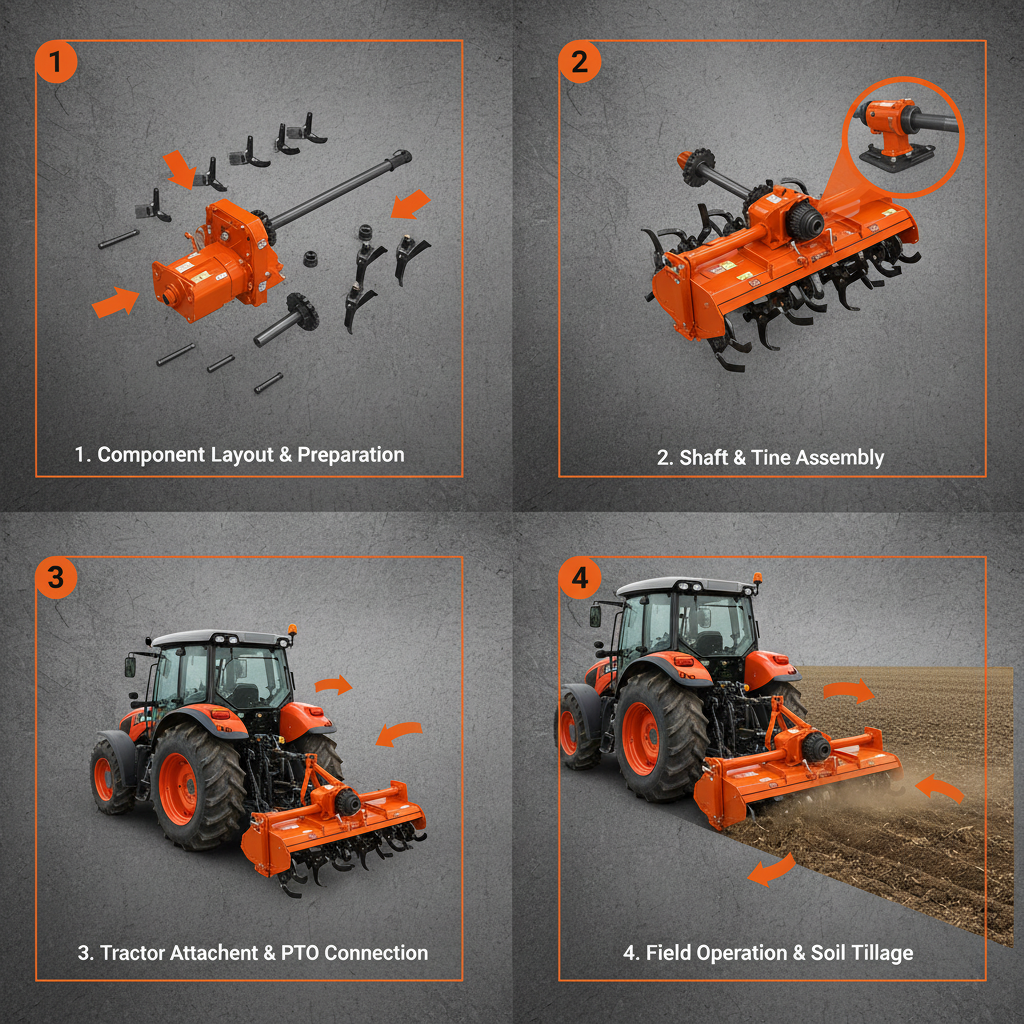
Comprehensive Guide to Selecting the Ideal Farm Tractor Tiller for Your Needs
Selecting the ideal farm tractor tiller is crucial for efficient soil preparation and maximizing agricultural yields. With a diverse range of models available, understanding your needs and the features offered by different tillers is paramount. This article provides a detailed overview of farm tractor tillers, covering their types, benefits, key considerations, and how to choose the right one for your specific farming operation. Proper tillage significantly impacts seedbed quality, weed control, and ultimately, crop performance.
>
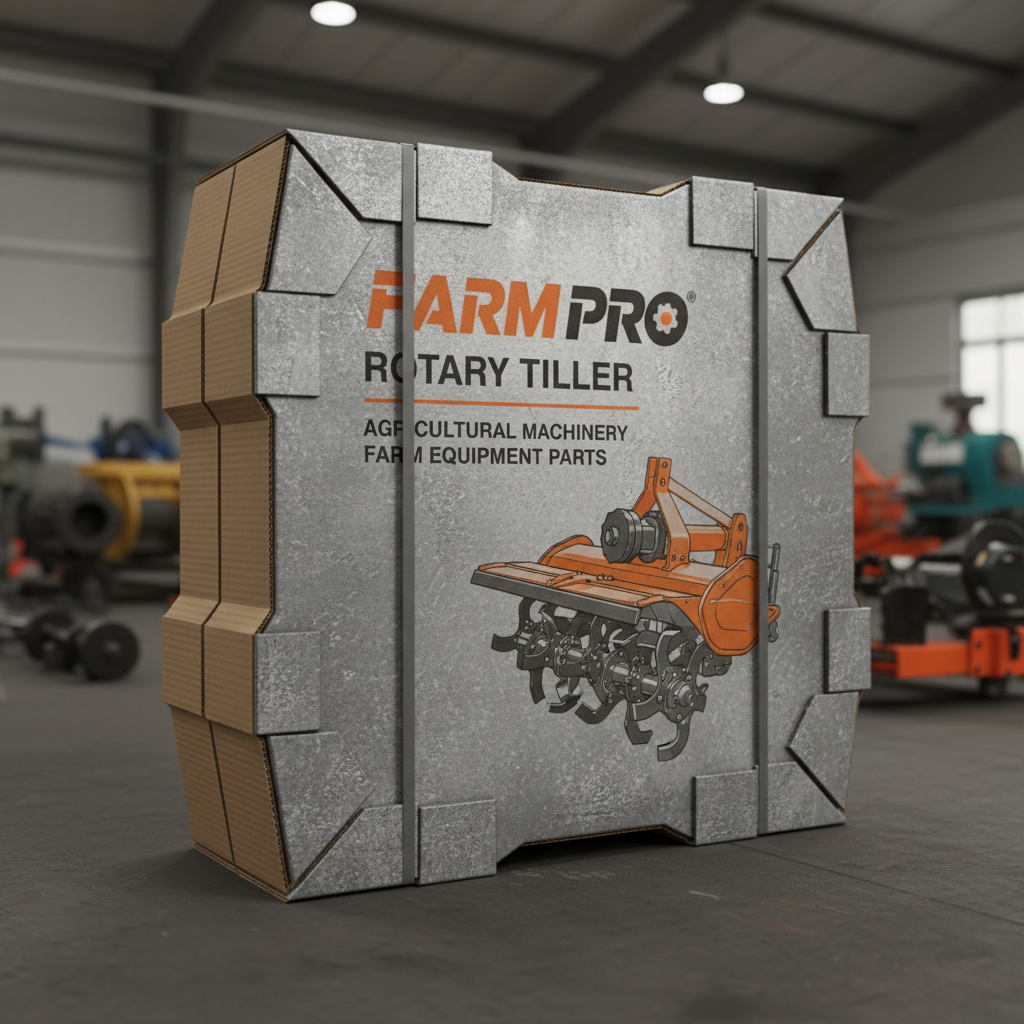
Boost Farm Productivity with a High Performance Farm Pro Rotary Tiller
Are you looking to enhance your agricultural productivity and streamline your soil preparation process? A Farm Pro rotary tiller is an invaluable investment for farmers of all scales. This article delves into the benefits, features, applications, and considerations when choosing the right rotary tiller for your farm. We’ll explore how this machinery can significantly reduce labor costs and improve soil quality, ultimately leading to higher yields. From small hobby farms to large-scale commercial operations, a Farm Pro tiller offers a robust and efficient solution for a variety of tilling needs.
>
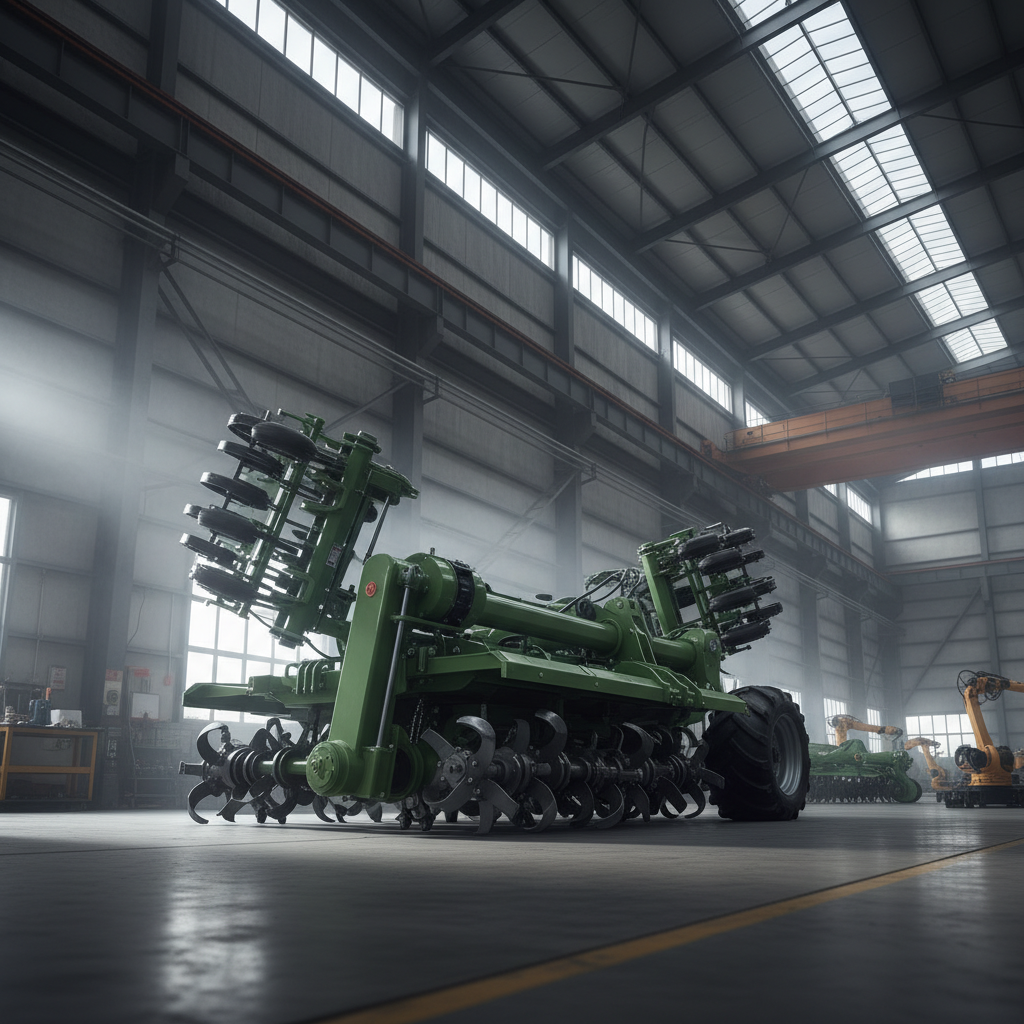
Unlock Farming Efficiency with a Powerful Agricultural Tiller Solution
In the world of farming and gardening, efficiency and productivity are key. An agricultural tiller is a vital piece of equipment that streamlines soil preparation, saving time and labor. This article dives deep into the world of tillers, exploring their types, benefits, how to choose the right one, and the quality solutions offered by Zinanmech. We’ll cover everything from small garden tillers to heavy-duty agricultural models, ensuring you have the knowledge to make an informed decision. An agricultural tiller, also known as a rotary tiller, is a motorized machine used to break up and cultivate soil. Unlike manual digging or plowing, tillers use rotating blades to loosen the soil, creating a fine, even tilth that's ideal for planting. This process improves soil aeration, drainage, and nutrient availability, leading to healthier plant growth.
>
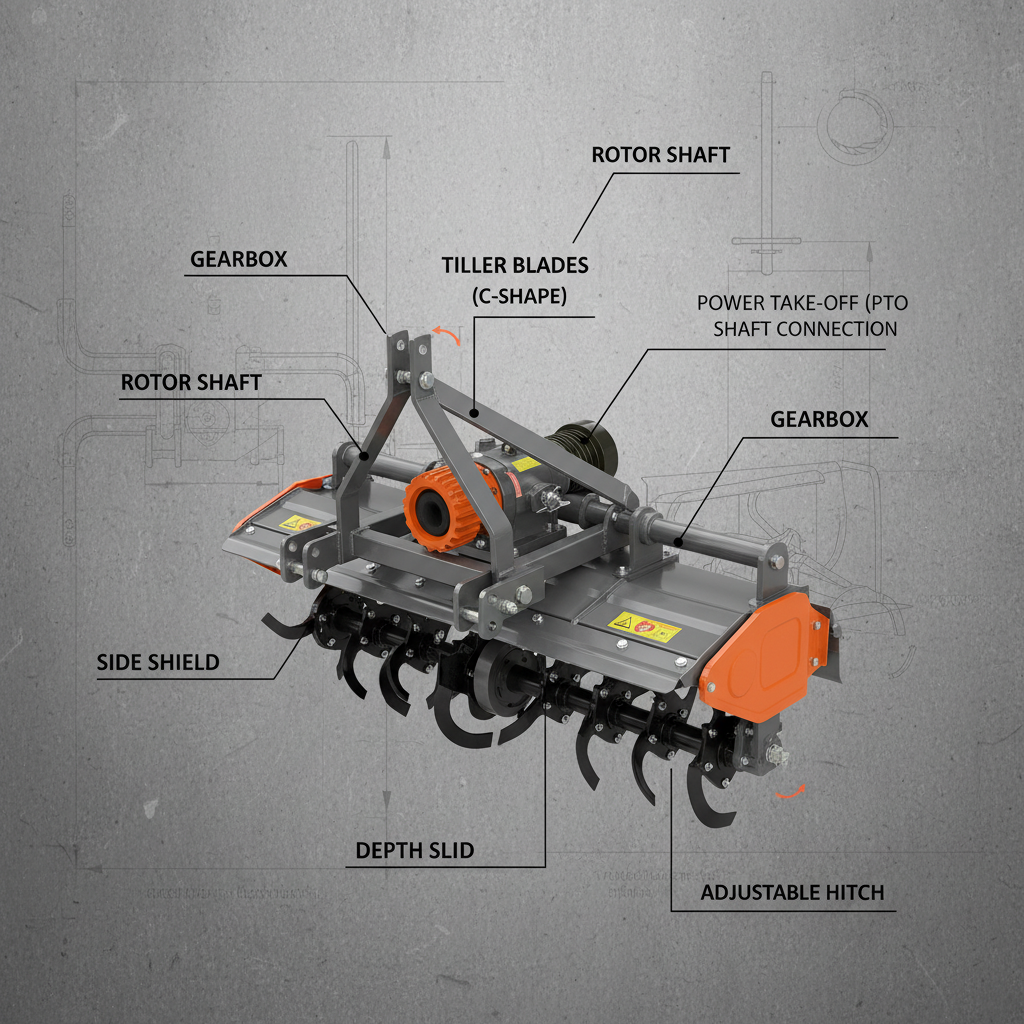
Comprehensive Guide to Agricultural Rotary Tiller Selection and Usage
An agricultural rotary tiller is an essential tool for modern farming, designed to efficiently prepare soil for planting. This powerful machinery significantly reduces labor and time compared to traditional methods. Whether you're a smallholder or manage a large-scale agricultural operation, understanding the benefits and features of a rotary tiller is crucial for maximizing productivity. Choosing the right tiller can transform your land preparation process. This article provides a detailed overview of agricultural rotary tillers, covering their uses, types, benefits, and key considerations when selecting the right model. Modern tillers are available in various sizes and configurations, catering to different farm sizes and soil conditions. Zinanmech provides a range of high-quality rotary tillers designed for optimal performance and durability. An agricultural rotary tiller, also known as a rototiller, is a motorized machine used to prepare agricultural land for cultivation. It works by using rotating blades – typically called tines – to break up, churn, and mix the soil.
>
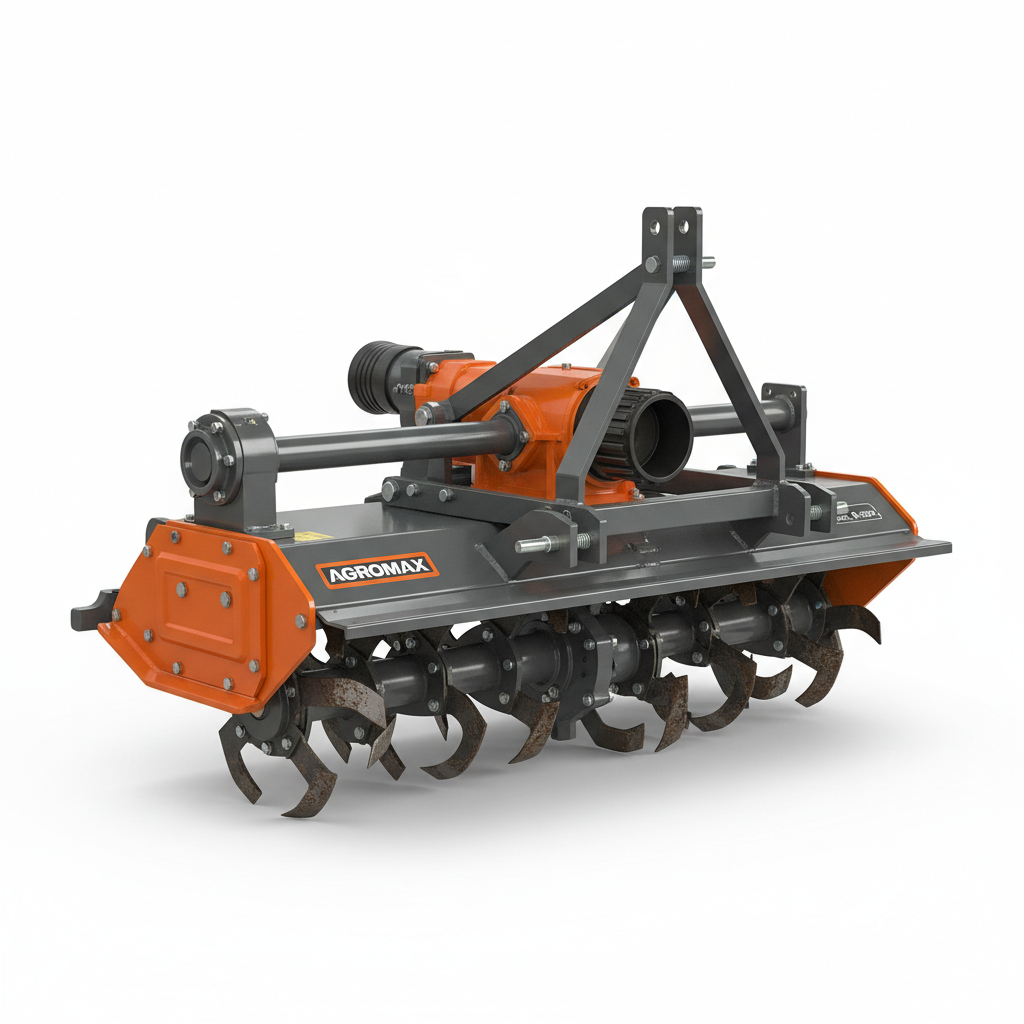
Comprehensive Guide to Selecting the Ideal Agric Rototiller for Your Farm
Selecting the right agric rototiller is crucial for efficient soil preparation and maximizing crop yields. This guide will explore the different types of rototillers, their applications, and how to choose the best model for your farming needs. We’ll cover everything from small, handheld rototillers to larger, tractor-mounted versions, helping you make an informed decision to enhance your agricultural operations. A well-chosen rototiller significantly reduces manual labor and improves soil quality. Agric rototillers come in various sizes and configurations, each suited for different farming tasks. The main types include: Front-Tine Rototillers, ideal for smaller gardens and breaking up already tilled soil; Rear-Tine Rototillers, offering more power and suitable for larger areas and tougher soil conditions; and Mid-Tine Rototillers, a versatile option for medium-sized farms. Choosing the correct type depends on your farm size, soil type, and the crops you intend to grow.
>
Unlock Farming Efficiency with a Powerful Agri Rototiller for Modern Agriculture
In today's agricultural landscape, efficiency and productivity are paramount. An agri rototiller, also known as a rotary tiller, is an invaluable tool for preparing soil for planting. This versatile machine cultivates, mixes, and levels the soil in a single pass, saving farmers significant time and effort. From small-scale farms to large agricultural operations, the benefits of using a rototiller are numerous. Investing in a quality rototiller is investing in the future success of your harvest. An agri rototiller is a motorized machine designed to break up and aerate soil using rotating blades. These blades, often called tines, churn the soil, creating a fine, even texture ideal for planting seeds or transplanting seedlings. Unlike traditional plowing, rototilling doesn't invert the soil, minimizing disruption to the soil's natural structure.
>
International layout
Spread all over the world
our products are exported to various parts of the world. Currently, our products have been exported to more than 40 countries Our products cover Asia, Europe, Africa, South America, North America, and Oceania
Sign up
for Newsletter
Subscribe to the weekly newsletter for all the latest updates