The world of modern agriculture demands efficiency, precision, and reliability. That’s where the air drill seeder comes in. It’s not just a piece of equipment; it’s a fundamental solution addressing the growing global need for increased food production while minimizing environmental impact. Having spent years on farms and construction sites observing these machines in action, I can tell you firsthand it's become essential for effective seeding practices.
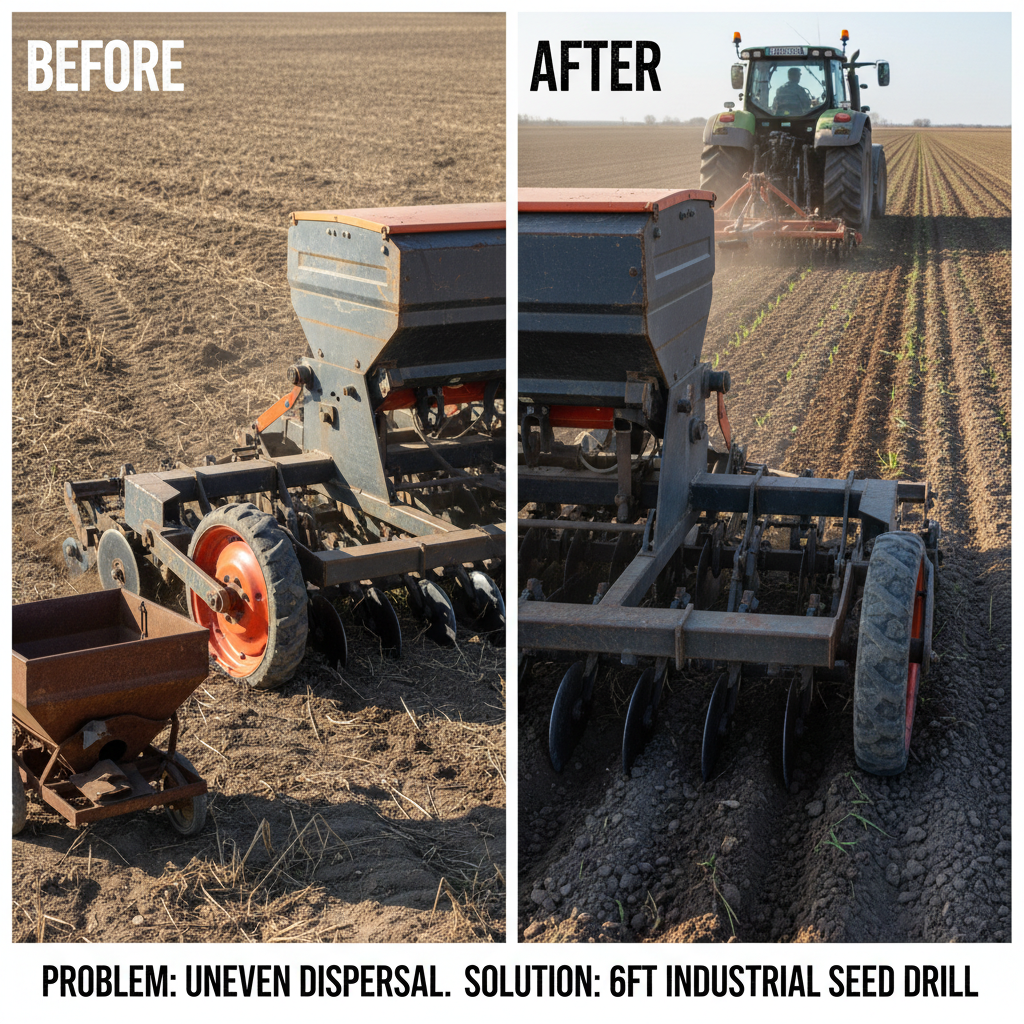
We’re facing a significant challenge: feeding a growing population with diminishing arable land. The UN projects a global population of nearly 10 billion by 2050, requiring a substantial increase in agricultural output. Traditional seeding methods often struggle to meet these demands, resulting in uneven seed distribution, wasted resources, and lower yields. The air drill seeder offers a direct response to this pressing global concern.
It's a game-changer in terms of scalability, particularly for large-scale operations. Seeing these units spread across vast fields is a testament to their capacity. And frankly, the advancements in technology mean these machines aren’t just about capacity anymore – they’re about intelligent seeding strategies. The whole system works to enhance crop establishment and optimize resource utilization.
The Core Principles of air drill seeder
At its heart, the air drill seeder is about precision. Unlike traditional methods relying on gravity and mechanical force, these seeders use airflow to accurately deliver seeds to the soil. This airflow ensures consistent depth and spacing, leading to improved germination rates and a more uniform crop stand. That uniform stand, let me tell you, is what separates a good harvest from a great one.
The design focuses on minimizing seed damage. The controlled airflow system reduces the risk of cracking or breaking seeds during the planting process. This is critical, especially with smaller seeds where even minor damage can significantly impact viability. You wouldn't believe the amount of damaged seed I’ve seen with older equipment. The engineering on these air seeders is really starting to address that.
Global Significance and Industry Context
The demand for increased agricultural productivity is felt globally, and the air drill seeder plays a pivotal role in meeting that demand. Countries facing land scarcity, like those in Asia and Europe, are increasingly adopting this technology to maximize yields on limited acreage. The FAO (Food and Agriculture Organization of the United Nations) actively promotes technologies that enhance resource efficiency, and air seeders definitely fall into that category.
We're also seeing a shift in farming practices towards conservation tillage, and these machines are perfectly suited to support that. Minimizing soil disturbance is crucial for maintaining soil health, reducing erosion, and improving water retention. Air seeders allow for precise seed placement with minimal soil disruption, aligning perfectly with these sustainable agricultural practices. I’ve worked with farmers who’ve completely transitioned to no-till systems thanks to these machines.
The competitive landscape in agricultural machinery is fierce, but air drill seeders are quickly becoming a standard offering from major manufacturers. The initial investment may be higher than traditional seeders, but the long-term benefits—increased yields, reduced input costs, and improved sustainability—quickly offset those costs. It's a smart investment for any serious farming operation.
Defining the air drill seeder: A Technical Overview
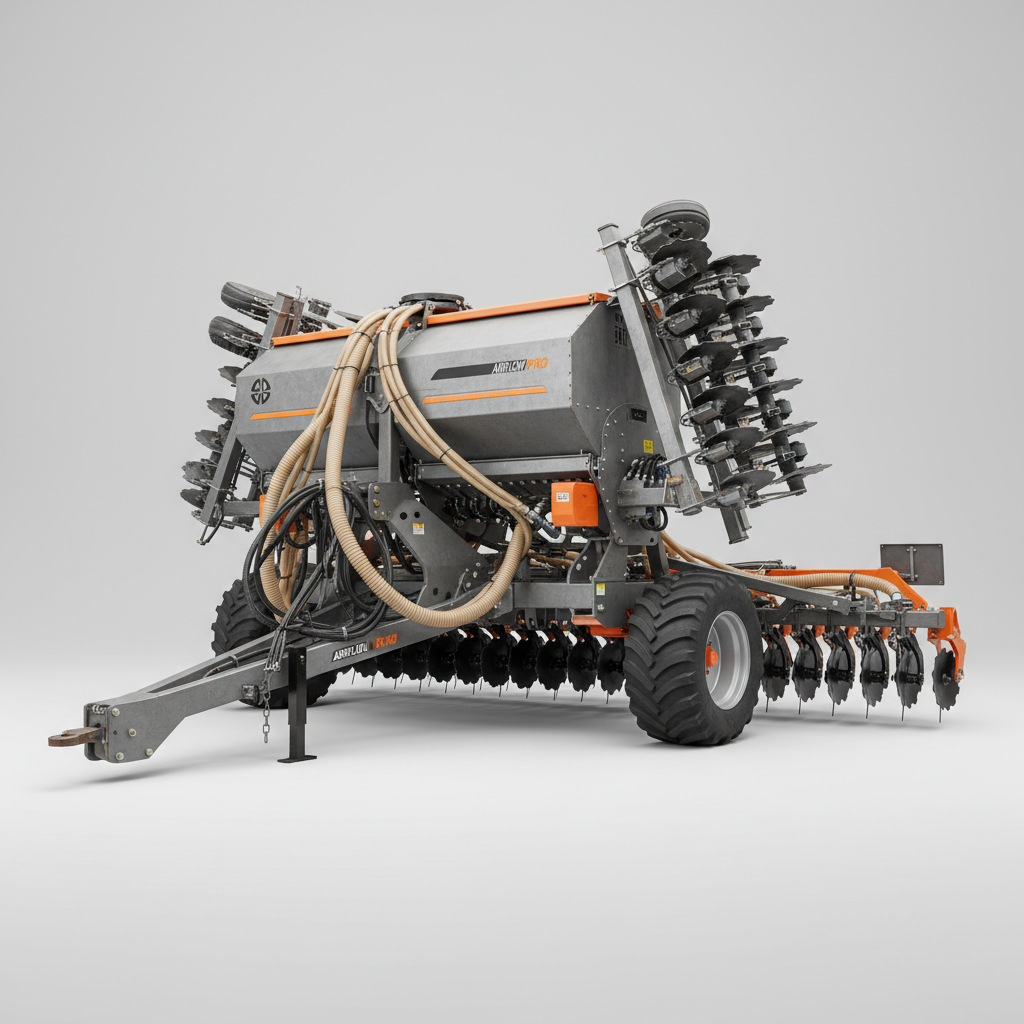
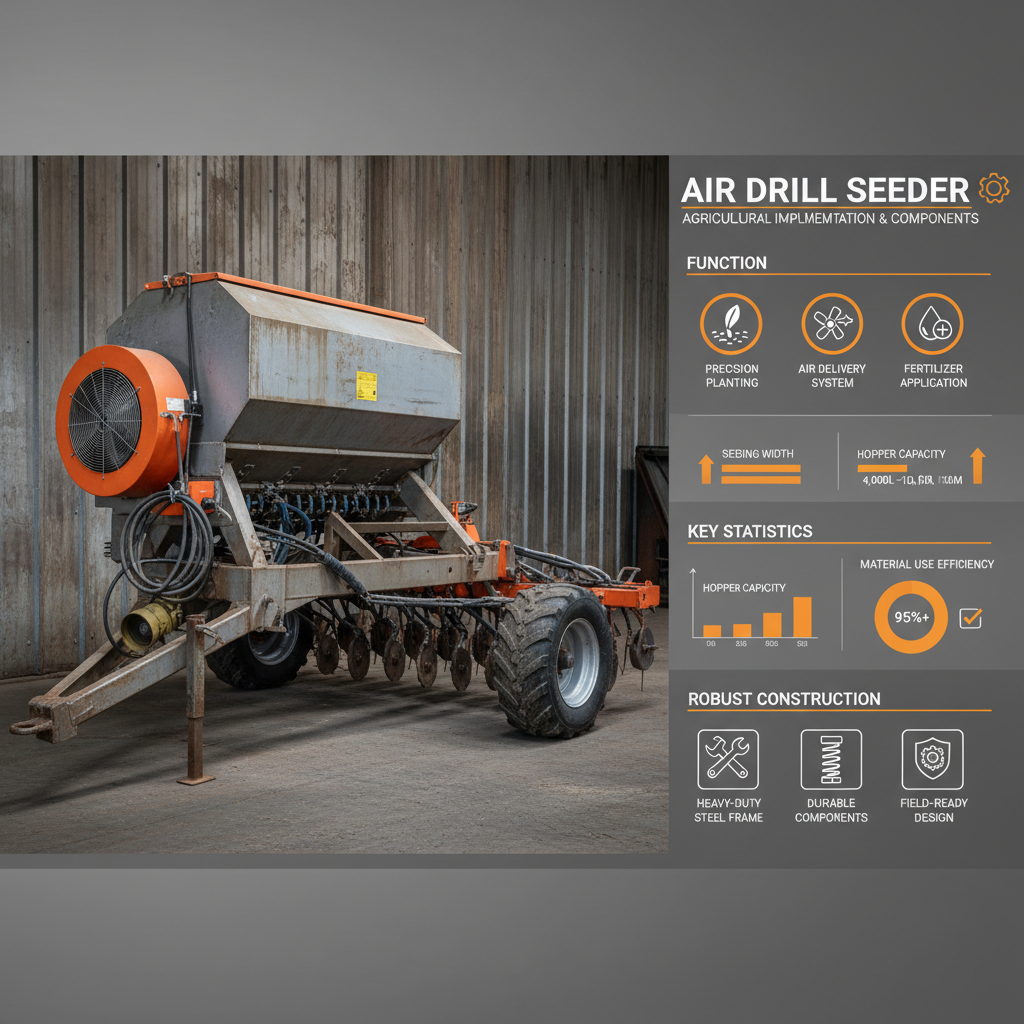
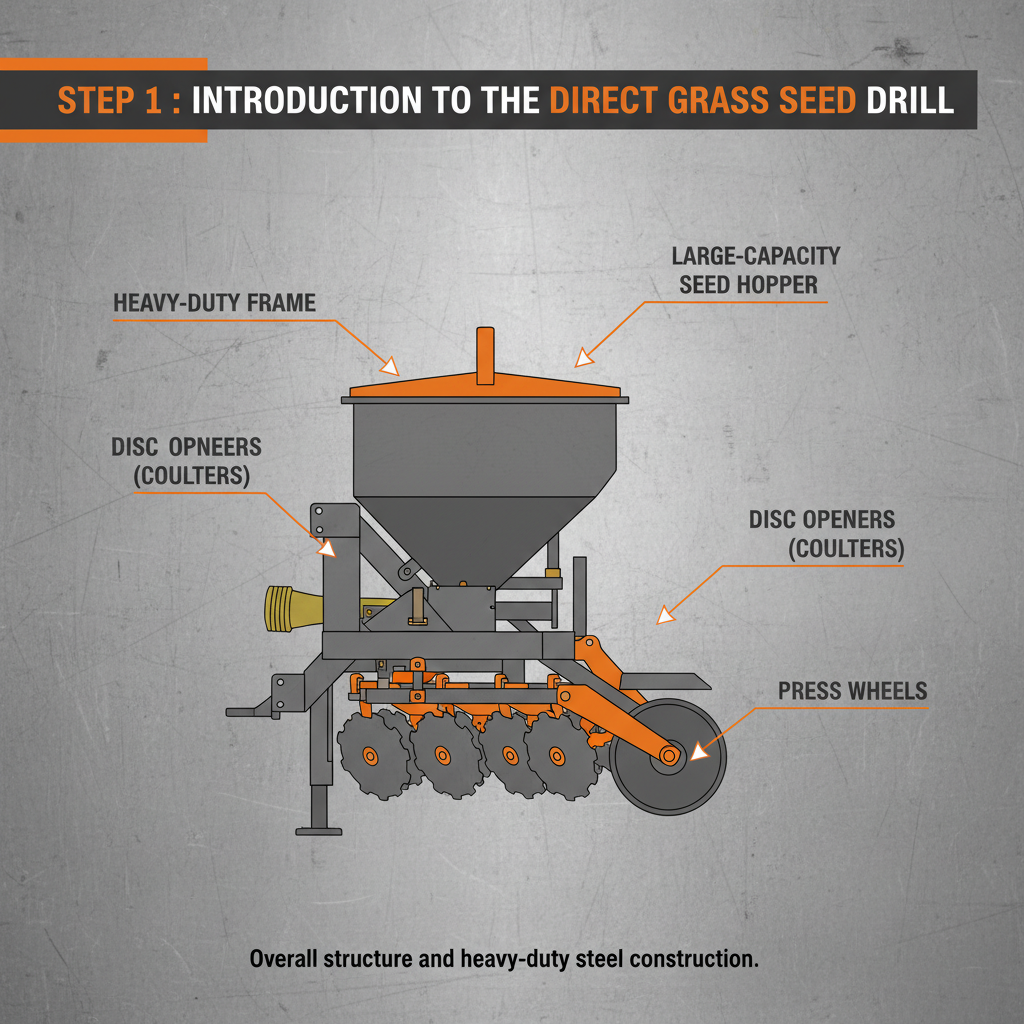
Essentially, an air drill seeder utilizes a series of fans and air ducts to transport seeds from a central hopper to individual seed openers in the soil. The airflow velocity and seed metering rates are carefully controlled to ensure accurate seed placement. These systems often incorporate sensors and controllers for real-time adjustments based on soil conditions and seeding rates.
The hopper capacity varies depending on the machine size and intended application. Seed openers can range from simple disc openers to more sophisticated knife openers designed for specific soil types and crop species. The distribution system can be single-pass or double-pass, impacting seed accuracy and flow rate. There's a lot of customization available to suit different needs.
Modern air drill seeders often integrate with GPS technology and variable rate seeding (VRS) capabilities. This allows farmers to adjust seeding rates on the fly based on soil maps and yield potential, maximizing efficiency and minimizing waste. That’s where it’s really moving – it's not just about how you plant, but where and how much.
Key Performance Indicators of air drill seeder
Evaluating the performance of an air drill seeder comes down to a few key indicators. First, you've got seeding accuracy – how consistently are seeds placed at the desired depth and spacing? This directly impacts germination rates. Then there’s seed damage – minimizing damage during transport and placement is vital.
Another critical factor is field speed. How quickly can the machine cover ground without compromising accuracy? A faster field speed translates to increased productivity. Finally, and often overlooked, is ease of maintenance. Downtime costs money, so a machine that’s easy to service and repair is a huge asset.
air drill seeder Performance Comparison
Real-World Applications and Use Cases
From sprawling wheat fields in the American Midwest to soybean farms in Brazil, air drill seeders are being utilized across a vast range of agricultural settings. They’re particularly effective for crops that require precise seed spacing, such as canola, flax, and sunflowers.
In post-disaster relief operations, quick and efficient replanting is crucial, and these seeders offer a fast and reliable solution for restoring agricultural land. They also shine in remote industrial zones where precision and resource efficiency are paramount.
Long-Term Value and Sustainable Benefits
The benefits extend beyond increased yields. By minimizing seed waste and optimizing fertilizer application (when integrated with precision agriculture systems), air drill seeders contribute to significant cost savings for farmers. The reduced need for multiple passes also lowers fuel consumption and labor costs.
From a sustainability perspective, these machines promote healthier soils, reduce erosion, and minimize environmental impact. The technology fosters responsible land stewardship and contributes to a more resilient agricultural system. Ultimately, it’s about ensuring food security for future generations.
That's what I like about these machines; they're not a short-term fix. They're an investment in the long-term health of the land and the viability of farming operations.
Future Innovations and Emerging Trends
We’re on the cusp of even more exciting advancements. Integration with artificial intelligence (AI) and machine learning will enable even more precise seed placement and real-time optimization based on environmental conditions. Expect to see more sensor technology integrated into seeders, providing detailed data on soil moisture, nutrient levels, and seed performance.
The development of electric and hybrid-powered air seeders will further reduce carbon emissions and promote sustainable agriculture. And the rise of drone-based seeding technologies could complement traditional air seeders, providing a flexible solution for difficult-to-reach areas. I think the next five years are going to be really transformative.
The future will be about seamless integration of technology - where machines, data, and decision-making work in harmony to optimize every aspect of the seeding process.
Summary of Challenges and Solutions Associated with Air Drill Seeders
| Challenge |
Impact on Air Drill Seeder Performance |
Potential Solution |
Implementation Cost (1-10) |
| Seed Flow Obstructions |
Uneven seed distribution, reduced germination rates |
Advanced seed metering systems with vibration sensors |
6 |
| Soil Variability |
Inconsistent seed depth and spacing |
Variable rate seeding technology with real-time soil mapping |
8 |
| Machine Calibration |
Inaccurate seeding rates, wasted resources |
Automated calibration systems with user-friendly interfaces |
5 |
| Dust and Debris Accumulation |
Reduced airflow, clogged seed tubes |
Improved filtration systems and sealed components |
4 |
| Operator Training |
Improper machine operation, suboptimal performance |
Comprehensive training programs and digital tutorials |
3 |
| Component Wear and Tear |
Reduced efficiency, increased maintenance costs |
High-quality materials and durable construction |
7 |
FAQS
Pneumatic air drill seeders use air to transport and precisely place seeds, resulting in higher accuracy and reduced seed damage. Mechanical seeders rely on gravity and physical force, which can lead to uneven distribution and potential seed breakage. The pneumatic systems are more complex and often more expensive, but offer superior performance, particularly with small seeds. I’ve seen a huge difference in stand establishment when switching to pneumatic systems.
Calibration is crucial for maintaining seeding accuracy. You should calibrate your air drill seeder at least once before each seeding season, and ideally after any major maintenance or repairs. It's also recommended to check calibration periodically during the season, especially if you're dealing with varying seed sizes or soil conditions. Regular checks save you seed and ensure consistent yields.
Air drill seeders perform well in a wide range of soil types, from sandy loams to heavier clay soils. However, proper opener selection is crucial for optimal performance. For no-till or minimum-till applications, disc openers are often preferred, while knife openers are better suited for conventional tillage. The key is to choose openers that can effectively cut through residue and create a consistent seed slot.
Seed blockage is a common issue, often caused by moisture, debris, or improper seed flow. First, check the seed hopper and metering system for obstructions. Ensure the seed tubes are clear and free of kinks. Adjust the fan speed to optimize airflow. Also, consider using seed flow enhancers to prevent clumping. If problems persist, consult your operator's manual or a qualified technician.
Variable rate seeding (VRS) allows you to adjust seeding rates based on soil conditions, yield potential, and other factors. By applying more seed to areas with higher potential and less seed to areas with lower potential, you can maximize yields and minimize input costs. VRS requires a compatible air drill seeder with GPS and control systems, but the return on investment can be significant.
Regular maintenance is crucial for ensuring the longevity and performance of your air drill seeder. This includes lubricating moving parts, checking for worn or damaged components, cleaning the seed hopper and metering system, and inspecting the air system for leaks. Refer to your operator's manual for a detailed maintenance schedule.
Conclusion
The air drill seeder isn't just a machine; it's a cornerstone of modern, sustainable agriculture. From its core principle of precise seed placement to the integration of cutting-edge technologies like GPS and AI, it addresses critical challenges in food production and resource management. We've covered a lot here – the global impact, the technical aspects, the real-world applications, and the future innovations. It's a powerful tool when used correctly.
Investing in this technology is an investment in the future of farming. As we face increasing demands on our agricultural systems, the need for efficiency, precision, and sustainability will only grow. I encourage anyone involved in agriculture – from small-scale farmers to large-scale producers – to explore the benefits of air drill seeding. To learn more and find the right air drill seeder for your needs, visit our website: www.zinanmech.com.