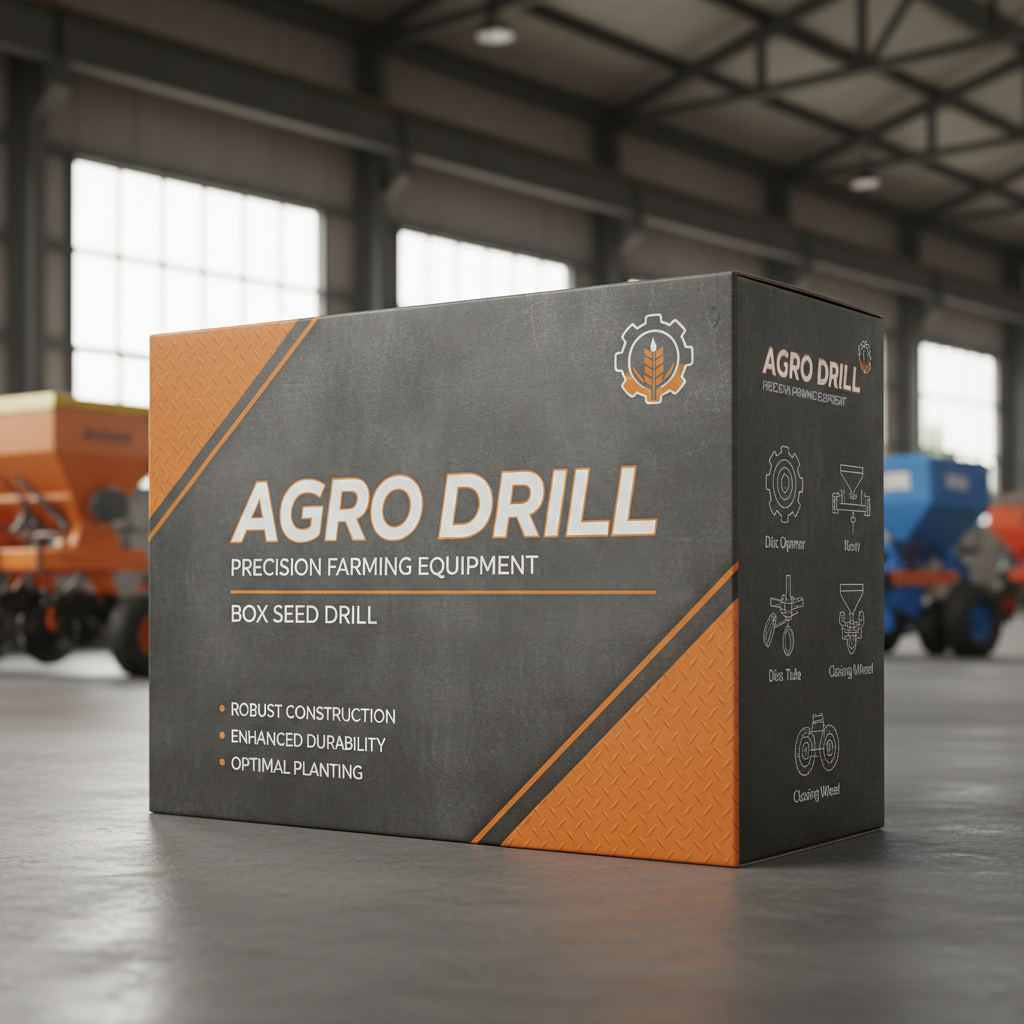
The global agricultural landscape is currently undergoing a massive transition toward precision farming, yet the barrier to entry remains the high cost of specialized equipment. For many small-to-medium scale farmers, finding a cheap seed drill is not just about saving money, but about ensuring food security and operational viability in an increasingly competitive market.
Implementing an affordable sowing solution allows farmers to transition from manual broadcasting to mechanized precision, which significantly reduces seed waste and optimizes plant spacing. By investing in a cheap seed drill, growers can achieve higher germination rates and more uniform crop growth without the crushing debt often associated with high-end industrial machinery.
Understanding the balance between affordability and performance is key to sustainable agricultural growth. This guide explores how the modern cheap seed drill serves as a catalyst for rural development, bridging the gap between traditional farming methods and the efficiency of the Fourth Industrial Revolution.
Global Market Demand for Cheap Seed Drills
The demand for a cheap seed drill has surged globally, particularly in emerging economies across Southeast Asia and Sub-Saharan Africa. According to data trends mirrored by the World Bank, the mechanization of small-scale farms is a primary driver for increasing crop yields per hectare, yet the financial gap remains a critical hurdle for millions of farmers.
By providing access to affordable machinery, the industry addresses the "mechanization paradox" where those who need efficiency the most can least afford it. A budget-friendly seed drill allows for the precise placement of seeds at the correct depth, which is essential for combating the unpredictable weather patterns caused by climate change.
Defining the Cheap Seed Drill in Modern Ag-Tech
In technical terms, a cheap seed drill is not merely a "low-quality" machine, but rather an optimized piece of engineering designed for essential functionality over luxury features. It focuses on the core mechanics of seed metering and soil penetration, stripping away unnecessary electronic complexities to reduce the purchase price and maintenance overhead.
These machines are often categorized by their simplicity in design, utilizing mechanical drives and robust steel frames that can be repaired locally. This connection to humanitarian needs is evident in regions where technical support for high-end GPS-guided tractors is non-existent, making a reliable, manual-adjustment seed drill the most practical choice.
Essentially, the goal of the affordable seeding sector is to democratize precision agriculture. By focusing on durability and ease of use, the cheap seed drill empowers the smallholder farmer to scale their production without incurring unsustainable levels of debt.
Core Components of Cost-Effective Sowing Machinery
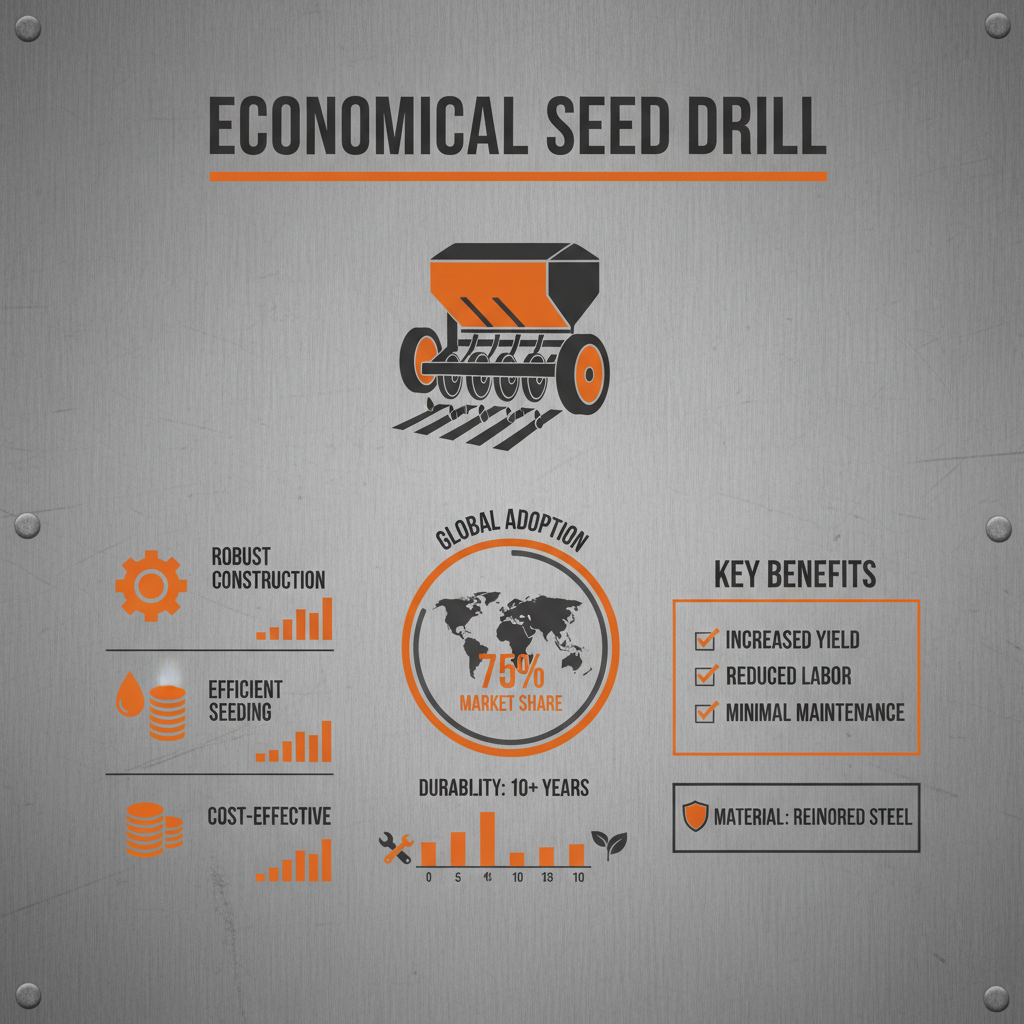
Durability is the cornerstone of any cheap seed drill. Using high-grade carbon steel for the frame and wear-resistant alloys for the coulters ensures that the machine can withstand abrasive soil conditions without requiring frequent part replacements.
The seed metering mechanism is where the real value of a cheap seed drill lies. By employing simple yet precise fluted rollers or plate-based systems, these drills can handle various seed sizes—from corn to wheat—while maintaining consistent spacing.
Scalability and adaptability are also key. Most budget drills are designed to be compatible with a wide range of tractor horsepower, ensuring that farmers can integrate a cheap seed drill into their existing fleet regardless of their current machinery level.
Performance Metrics and Cost-Efficiency Analysis
When evaluating a cheap seed drill, the primary metric is the "Yield-to-Investment Ratio." This measures how quickly the increase in crop yield—resulting from better seed placement—pays off the initial cost of the equipment.
Furthermore, the operational cost, including fuel consumption and man-hours, drops significantly when moving from manual labor to a mechanized cheap seed drill, creating a sustainable loop of reinvestment for the farm.
Comparative Performance of Budget Seeding Solutions
Global Applications of Budget Seeding Solutions
In many remote industrial zones and developing agricultural belts, the cheap seed drill is the primary tool for land reclamation projects. For instance, in reforestation efforts across Brazil or grain expansion in Kazakhstan, the ability to deploy hundreds of affordable units is more valuable than deploying ten high-cost machines.
Furthermore, NGOs often utilize the cheap seed drill in post-disaster relief operations. When communities need to restart their food production rapidly after a flood or drought, providing easy-to-assemble, low-cost drilling equipment ensures a faster return to self-sufficiency.
Long-Term Value and Economic Sustainability
The long-term value of a cheap seed drill extends beyond the initial price tag. By reducing seed waste by up to 30%, the machine pays for itself within a few planting seasons, allowing farmers to allocate their limited capital toward high-quality fertilizers or better irrigation systems.
From a social impact perspective, the adoption of affordable mechanization restores dignity to farming. It reduces the grueling physical toll of manual planting, making agriculture a more attractive profession for the younger generation who might otherwise migrate to urban centers.
Reliability and trust are built through the simplicity of these machines. Because a cheap seed drill lacks fragile sensors and proprietary software, the farmer maintains full ownership and control over their equipment, free from the "right-to-repair" restrictions common in high-end machinery.
Future Innovations in Affordable Planting Tech
The future of the cheap seed drill is leaning toward "Appropriate Technology"—the intersection of low cost and smart design. We are seeing the integration of lightweight composite materials that reduce the weight of the drill, thereby lowering the fuel consumption of the tractor pulling it.
Digital transformation is also trickling down. Simple, smartphone-compatible calibration apps are being developed to help farmers set their cheap seed drill more accurately without needing expensive onboard computers.
Sustainability is the final frontier. Future iterations are expected to incorporate "no-till" capabilities into budget models, allowing farmers to plant without disturbing the soil structure, thus sequestering more carbon and protecting the environment.
Analysis of Budget Seed Drill Categories and Value Metrics
| Drill Category |
Primary Material |
Ease of Maintenance |
ROI Score (1-10) |
| Manual Push Drill |
Light-gauge Steel |
Very High |
7.5 |
| Tractor-Mounted Basic |
Carbon Steel |
High |
9.0 |
| Multi-Crop Budget Drill |
Alloy Steel |
Medium |
8.5 |
| No-Till Economy Model |
Hardened Steel |
Medium |
8.0 |
| Small-Plot Precision |
Galvanized Iron |
High |
7.0 |
| Heavy-Duty Budget Drill |
Industrial Steel |
Medium |
8.8 |
FAQS
While a cheap seed drill may lack automated GPS adjustments, it offers excellent mechanical precision. For most small to medium farms, the difference in seed placement accuracy is negligible compared to the massive cost savings on the initial investment.
Depending on the soil type and maintenance, a high-quality cheap seed drill made from carbon steel can last 10-15 years. Regular lubrication of the drive gears and replacing worn coulters are the only requirements for longevity.
Yes, most cheap seed drill models use interchangeable metering plates or adjustable rollers, allowing them to switch between seeds like wheat, corn, soybeans, and sunflowers with minimal downtime.
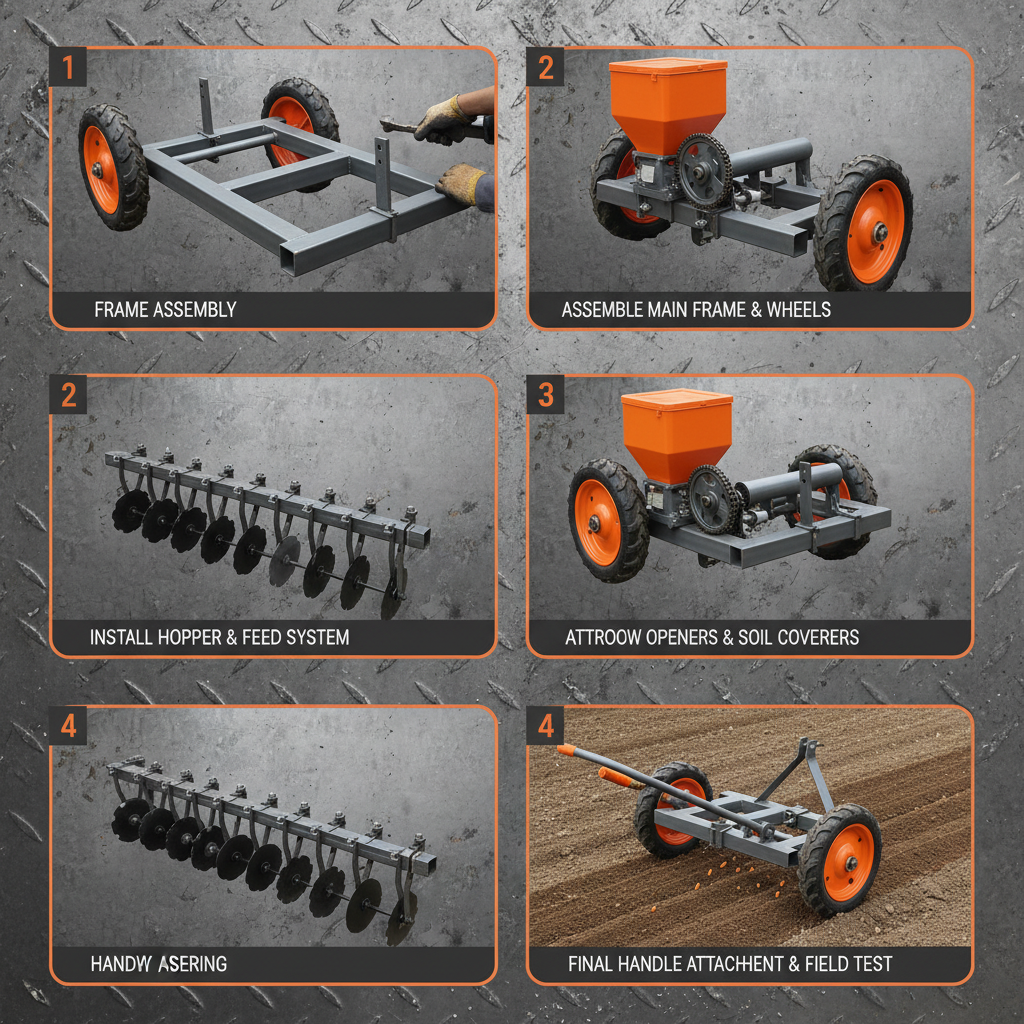
No, one of the main advantages of a cheap seed drill is its simplicity. They are typically shipped as semi-assembled kits with straightforward bolts-and-nuts construction that can be completed with basic hand tools.
By ensuring seeds are placed at the optimal depth, a cheap seed drill prevents the need for excessive over-tilling, which helps maintain soil structure and moisture levels better than manual broadcasting.
Because they use standardized mechanical components, parts for a cheap seed drill are often available at local agricultural supply stores or can be fabricated by a local machinist, reducing dependence on expensive OEM shipping.
Conclusion
In summary, the cheap seed drill represents a vital intersection of engineering efficiency and economic accessibility. By focusing on core performance—durability, metering accuracy, and ease of maintenance—these machines allow farmers to maximize their yields while minimizing their financial risk, effectively democratizing the benefits of agricultural mechanization across the globe.
Looking forward, the continued evolution of affordable planting technology will play a pivotal role in global food security. As we integrate lighter materials and simpler digital aids, the gap between industrial farming and smallholder production will close, ensuring a more sustainable and equitable future for agriculture. To find the right equipment for your needs, visit our website: www.zinanmech.com