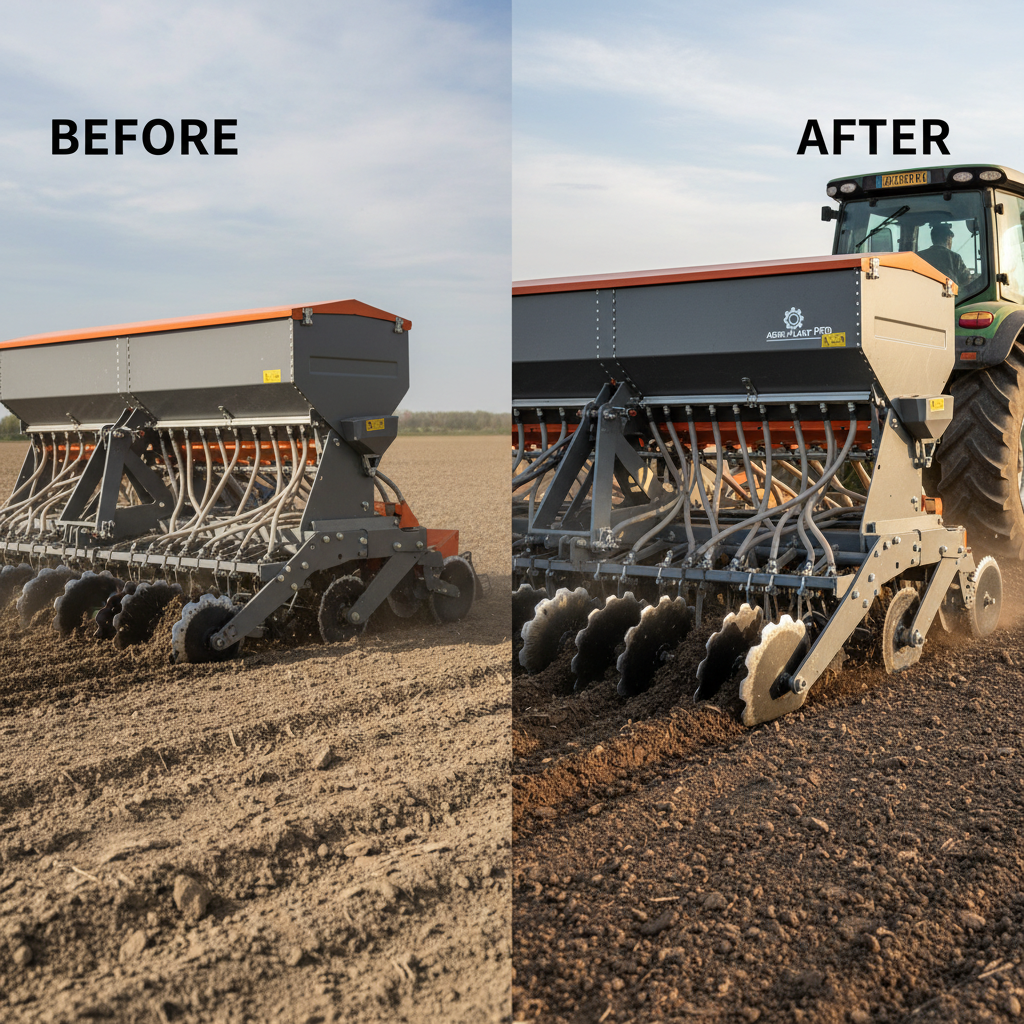
The modern agricultural landscape is undergoing a significant transformation, where the precision of planting directly correlates with crop yield and resource efficiency. Central to this evolution is the box seed drill, a critical piece of machinery designed to automate the sowing process with unparalleled accuracy. By ensuring that seeds are placed at the optimal depth and spacing, farmers can maximize the genetic potential of their crops while minimizing waste.
Globally, the demand for food security has pushed the industry toward "Precision Agriculture," moving away from traditional broadcasting methods. The implementation of a high-quality box seed drill allows for the integration of various seed types and fertilizer blends, ensuring that the root system receives immediate nutrition. This technological shift is not merely about convenience but about the sustainability of the global food supply chain in the face of climate volatility.
Understanding the mechanics and operational advantages of this equipment is essential for agribusinesses looking to scale their operations. From reducing labor costs to optimizing seed-to-soil contact, the box seed drill represents a bridge between traditional farming wisdom and industrial engineering. In this comprehensive guide, we explore the technical nuances and strategic value of integrating these systems into modern farm management.
The Global Significance of Box Seed Drill Technology
On a global scale, the adoption of the box seed drill is closely linked to the goals set by the FAO and the World Bank to increase agricultural productivity. In regions where soil quality varies drastically, the ability to control seed placement is the difference between a successful harvest and total crop failure. The industry has seen a shift toward mechanized sowing to combat the rising cost of agricultural labor and the shrinking availability of skilled farmhands.
Furthermore, ISO standards for agricultural machinery have pushed manufacturers to enhance the durability and precision of these drills. By reducing the "seed gap" and preventing over-crowding of plants, the box seed drill optimizes the use of every single seed, which is critical when dealing with expensive hybrid varieties. This global movement toward mechanization ensures that food production can keep pace with the growing planetary population.
Defining the Box Seed Drill in Modern Agronomy
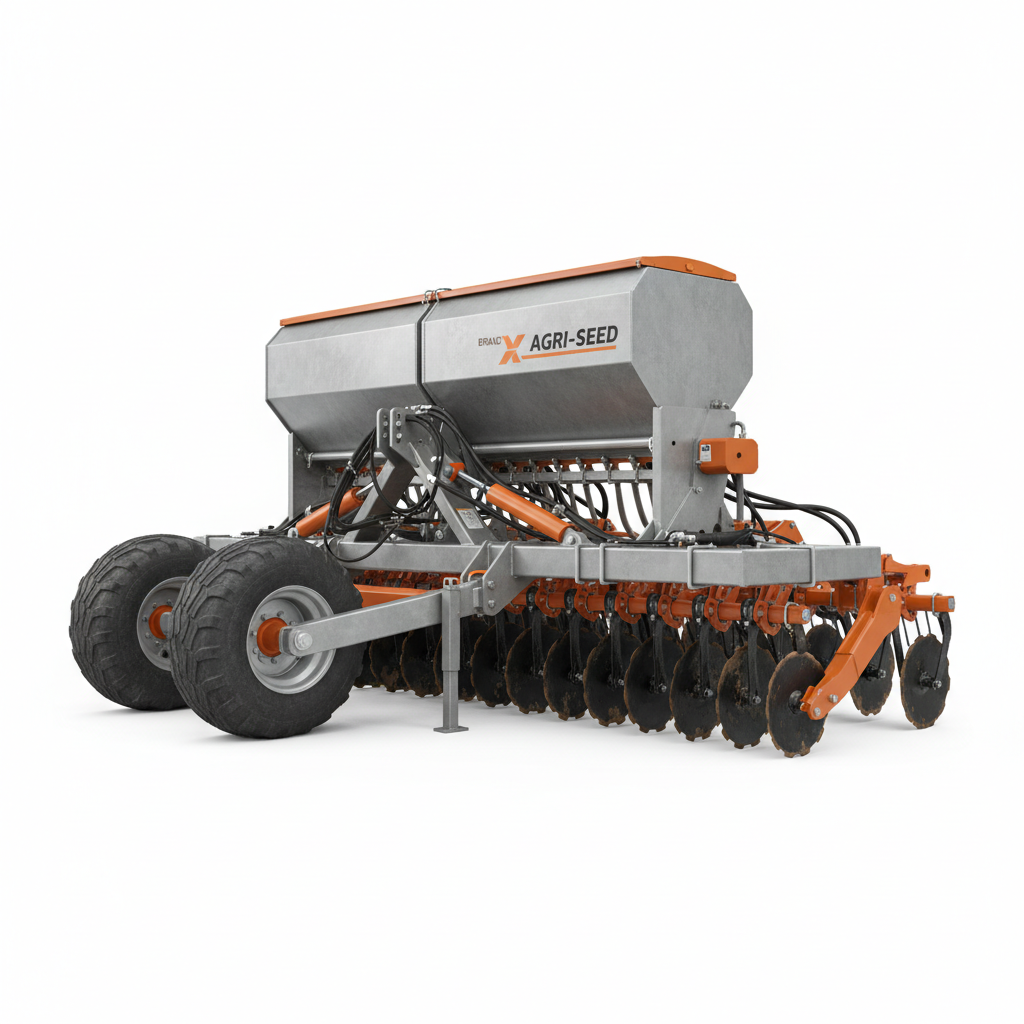
At its core, a box seed drill is a specialized piece of agricultural machinery consisting of a seed reservoir (the "box"), a metering mechanism, and a series of tubes and openers that place seeds into the soil. Unlike basic seeders, the box design allows for a larger volume of seeds to be carried, reducing the frequency of refills and increasing the efficiency of large-scale field operations.
In the context of modern industry, this equipment is an essential component of the "planting train," often working in tandem with tractors and soil preparation tools. It transforms the act of sowing from a manual, erratic process into a calibrated industrial operation. The "box" serves as a controlled environment that protects seeds from external contaminants and ensures a steady flow via gravity or mechanical agitation.
From a humanitarian perspective, providing accessible and robust box seed drills to developing regions is a key strategy for poverty alleviation. By increasing the yield per hectare, smallholder farmers can move from subsistence farming to commercial viability. The simplicity of the mechanical drive systems in many box seed drills makes them ideal for areas with limited access to high-tech repair facilities, ensuring long-term operational stability.
Core Components and Engineering Factors
The durability of a box seed drill depends heavily on the materials used in its construction. High-grade alloy steels and anti-corrosive coatings are employed to withstand the abrasive nature of soil and the corrosive effects of chemical fertilizers. Engineering focus is placed on the chassis rigidity to ensure that the drill remains level even when operating on uneven terrain.
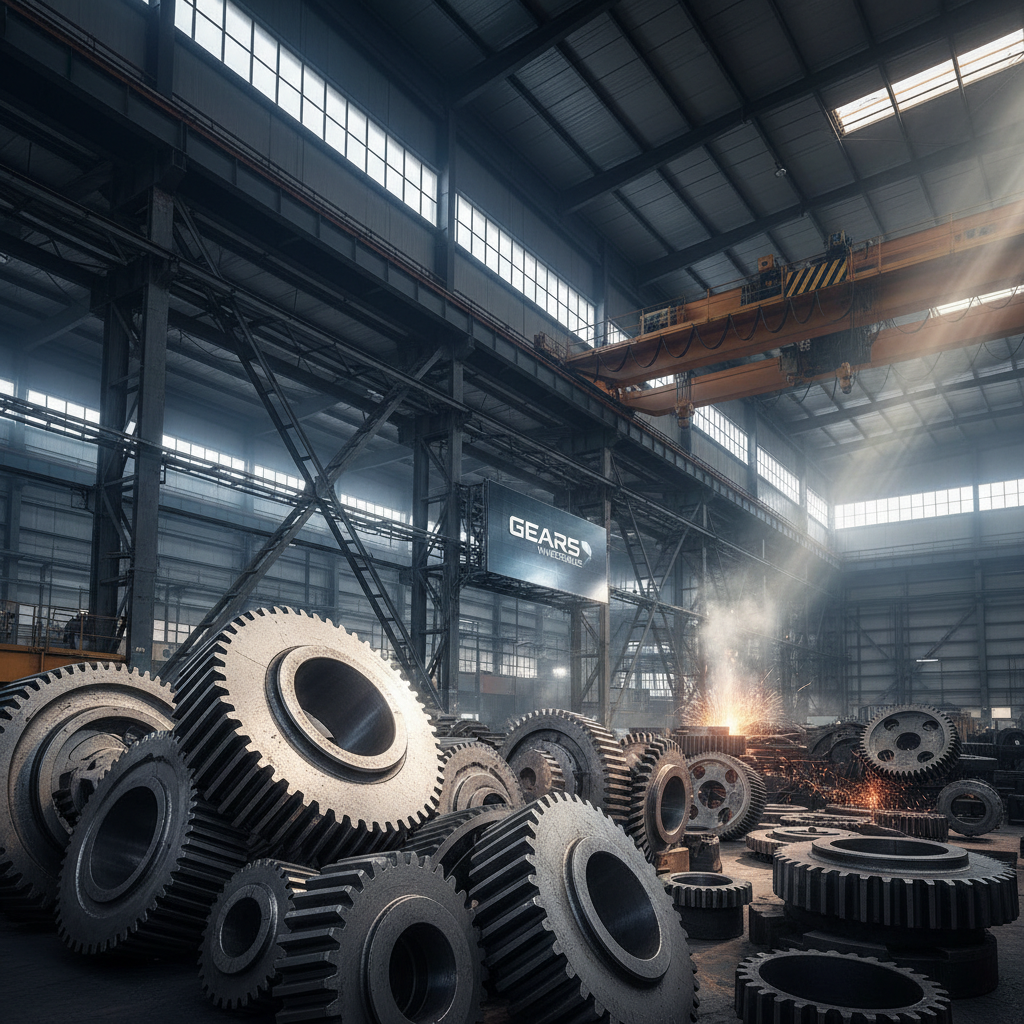
Metering accuracy is the heart of the box seed drill system. Whether using a fluted roller or a vacuum plate system, the goal is to eliminate "skips" and "doubles." Precision-engineered gears and shafts ensure that the seed flow is perfectly synchronized with the ground speed of the tractor, regardless of the varying soil resistance encountered during the planting process.
Scalability is another critical factor, as farmers require equipment that can be adjusted for different crop types. A versatile box seed drill features adjustable depth controls and interchangeable seed plates. This flexibility allows a single machine to be used for a variety of grains and legumes, maximizing the return on investment for the equipment owner.
Operational Performance and Efficiency Metrics
Evaluating the performance of a box seed drill requires a look at several KPIs, including seeds-per-meter accuracy, fuel consumption per hectare, and the time taken for seed box refills. High-efficiency models are characterized by their ability to maintain a constant seeding rate even when the tractor speed fluctuates, typically achieved through advanced ground-drive transmissions.
When comparing different configurations, the impact on crop emergence is the ultimate measure of success. A well-calibrated drill ensures that seeds are not buried too deep—which would hinder emergence—nor too shallow, where they would be vulnerable to birds and dehydration. The following data illustrates the efficiency ratings across different box seed drill configurations.
Comparative Efficiency of Box Seed Drill Configurations
Global Applications and Regional Use Cases
In the vast plains of North America and Eurasia, the box seed drill is deployed in wide-span configurations to cover thousands of acres in tight planting windows. These industrial-scale operations rely on the drill's ability to integrate with GPS guidance systems, ensuring that no overlap occurs and that every inch of the field is utilized efficiently.
Conversely, in Southeast Asia and Africa, smaller, more maneuverable box seed drills are utilized in fragmented land holdings. In these regions, the focus is on "conservation tillage," where the drill is designed to plant directly into crop residue. This protects the soil from erosion and maintains moisture levels, proving that the box seed drill is an adaptable tool capable of supporting diverse ecological and economic conditions.
Long-Term Economic and Environmental Value
The investment in a high-quality box seed drill yields significant long-term dividends. By reducing the amount of wasted seed—often by as much as 15-20% compared to manual methods—farmers can significantly lower their input costs. Moreover, the precise placement of seeds encourages healthier root development, which in turn reduces the need for excessive chemical fertilizers and pesticides.
From a sustainability angle, the use of these drills facilitates the adoption of no-till farming. By minimizing the disturbance of the soil, the box seed drill helps in sequestering carbon and preventing the runoff of nutrients into local waterways. This aligns agricultural production with global environmental goals, transforming the farm from a source of emissions into a carbon sink.
Beyond the numbers, there is a psychological value in reliability. Farmers who trust their equipment experience less stress during the critical sowing season. The reliability of the drive gears and the consistency of the seed flow provide a sense of security, knowing that the groundwork for the year's livelihood has been laid with professional precision.
Future Innovations in Seeding Automation
The future of the box seed drill lies in the integration of AI and IoT sensors. We are seeing the emergence of "Smart Boxes" that can monitor seed levels in real-time and automatically adjust the metering rate based on soil moisture and texture sensors located at the opener. This level of automation will virtually eliminate human error from the planting process.
Materials science is also playing a role, with the introduction of carbon-fiber reinforced polymers in the seed hopper to reduce overall weight without sacrificing strength. This reduction in weight allows for larger seed capacities and reduces the fuel consumption of the towing tractor, further enhancing the green footprint of agricultural operations.
Finally, the trend toward autonomous farming means that the box seed drill will soon be operated by robotic platforms rather than manned tractors. These autonomous units can operate 24/7 during the optimal planting window, ensuring that every single seed is placed at the exact second the soil conditions are perfect.
Technical Comparison of Box Seed Drill Innovations
| Innovation Type |
Primary Benefit |
Implementation Cost |
Efficiency Gain |
| AI Metering |
Auto-adjustment of seed rate |
High |
9.5/10 |
| Composite Hoppers |
Reduced machine weight |
Medium |
7.0/10 |
| IoT Connectivity |
Real-time seed level alerts |
Low |
6.5/10 |
| No-Till Openers |
Soil erosion prevention |
Medium |
8.0/10 |
| Variable Rate Tech |
Zonal seed optimization |
High |
9.0/10 |
| Hybrid Drive Gear |
Zero-slip transmission |
Medium |
8.5/10 |
FAQS
A box seed drill features a dedicated, larger reservoir (the box) that allows for high-capacity seed storage and a more precise metering system. Unlike traditional seeders, which may rely on simpler broadcasting or manual drops, the box seed drill uses a calibrated mechanism to ensure consistent depth and spacing, which is critical for maximizing yield in commercial agriculture.
Calibration is typically achieved by swapping the seed plates or adjusting the metering roller settings. For smaller seeds, a finer plate is used to prevent over-seeding, while larger seeds require wider apertures. It is recommended to perform a "catch test" over a measured distance to verify the actual seed output against the machine's settings before starting field operations.
Yes, provided the drill is equipped with heavy-duty disc openers or no-till coulters. These components are designed to slice through crop residue and place the seed directly into the soil without the need for prior plowing. This not only saves time and fuel but also significantly reduces soil erosion and protects the microbiome of the earth.
The primary maintenance points are the drive gears, the metering mechanism, and the seed tubes. Regular lubrication of the transmission shafts is essential to prevent wear. Additionally, seed tubes should be checked for blockages and the box should be thoroughly cleaned after each season to prevent moisture buildup and seed rot from affecting the next year's operation.
By placing seeds at a precise and consistent depth, the drill ensures that the roots can access the most stable moisture zones in the soil. Furthermore, when used in no-till systems, the drill helps maintain the soil's organic mulch layer, which dramatically reduces evaporation and allows the crop to thrive with less supplemental irrigation.
While the initial capital expenditure is higher than manual sowing, the return on investment comes from increased yields and reduced seed waste. Many smallholders find that the increase in harvestable produce pays for the equipment within a few seasons. Additionally, modular and smaller-scale box seed drills are now available to fit the budgetary needs of smaller farms.
Conclusion
The box seed drill is far more than a simple piece of farm equipment; it is a catalyst for agricultural efficiency and sustainability. By integrating precision engineering with practical agronomic needs, it allows farmers to optimize their most precious resource—the seed—while protecting the long-term health of the soil. From the durability of its gear systems to the intelligence of its metering mechanisms, every aspect of the box seed drill is designed to ensure food security in an unpredictable global climate.
Looking forward, the synergy between mechanical reliability and digital intelligence will continue to redefine the planting process. We encourage agricultural professionals and equipment distributors to embrace these innovations to drive productivity and environmental stewardship. To explore our full range of high-precision agricultural components and machinery solutions, visit our website: www.zinanmech.com.