- Tel: +86 13451474678 / 13451474678
- Email: / hbzinanmech@gmail.com

Reliable Drive Assembly Solutions | Final Drive Explained
Understanding the Critical Role of Drive Assemblies in Industrial Applications
In the intricate world of heavy machinery and industrial operations, the drive assembly is a foundational component that translates power into motion with precision and reliability. Specifically, the Drive Assembly (Side Reduction Assembly) Gear And Shaft, such as those manufactured for demanding environments, plays a pivotal role in systems requiring robust torque transmission and speed reduction. This mechanism is essential in distributing power from an engine or motor to the final point of application, often a wheel, track, or rotating drum, ensuring optimal performance under varying load conditions. Understanding what is a final drive assembly reveals its critical function in delivering controlled power, enhancing efficiency, and protecting the prime mover from excessive stress. Its design directly impacts the operational lifespan and maintenance requirements of the entire system.
The continuous evolution in industrial sectors demands drive assembly solutions that offer superior durability, efficiency, and adaptability. Current industry trends emphasize the integration of advanced materials, precision manufacturing techniques, and intelligent monitoring systems to enhance performance and predictive maintenance capabilities. As industries strive for higher productivity and reduced operational costs, the choice of a high-quality drive assembly becomes paramount. From massive earth-moving equipment in construction to critical pumping stations in petrochemical facilities, these assemblies are engineered to withstand extreme pressures, corrosive agents, and continuous operational cycles. Selecting a partner with deep expertise in power transmission components is crucial for ensuring the longevity and optimal functioning of your machinery.
Unpacking the Technical Specifications of Our Drive Assembly
Our Drive Assembly (Side Reduction Assembly) Gear And Shaft is engineered to meet the stringent demands of various industrial applications. Key technical parameters define its performance capabilities, reliability, and compatibility within diverse mechanical systems. These parameters include the gear ratio, which dictates the speed reduction and torque multiplication; the input/output torque capacity, indicating the maximum operational load; and the efficiency rating, crucial for energy conservation. Material composition, surface hardness, and geometric precision of the gears and shafts are also critical, directly influencing wear resistance and operational noise levels. Understanding these specifications allows engineers and procurement specialists to select the optimal drive assembly for their specific operational requirements, ensuring seamless integration and long-term performance.
| Parameter | Description | Typical Value Range |
|---|---|---|
| Gear Ratio | Reduction ratio of input to output speed. | 15:1 to 60:1 (customizable) |
| Input Torque Capacity | Maximum torque at the input shaft. | 500 Nm to 50,000 Nm |
| Output Torque Capacity | Maximum torque delivered by the output shaft. | 7,500 Nm to 3,000,000 Nm |
| Efficiency | Percentage of input power converted to useful output power. | Typically >95% |
| Operating Temperature | Recommended ambient temperature for continuous operation. | -20°C to +80°C |
| Housing Material | Material for the external casing. | Ductile Iron (GGG40/50) or Cast Steel |
| Gear Material | Material for gears and shafts. | 20CrMnTi, 42CrMo, 18CrNiMo7-6 (Alloy Steels) |
| Service Factor (Sf) | Factor accounting for application characteristics (load, duration). | 1.0 to 2.5 (application dependent) |
These specifications are carefully balanced during the design and manufacturing phases to ensure the drive assembly delivers maximum performance and longevity. Our engineering team leverages advanced simulation tools and decades of experience to optimize gear geometry, bearing selection, and lubrication systems, minimizing power loss and maximizing operational lifespan. The precision in these parameters guarantees that the final drive assembly can handle the dynamic loads and continuous operation cycles expected in demanding industrial environments, providing a dependable solution for power transmission.
Precision Manufacturing: The Core of Our Drive Assembly Quality
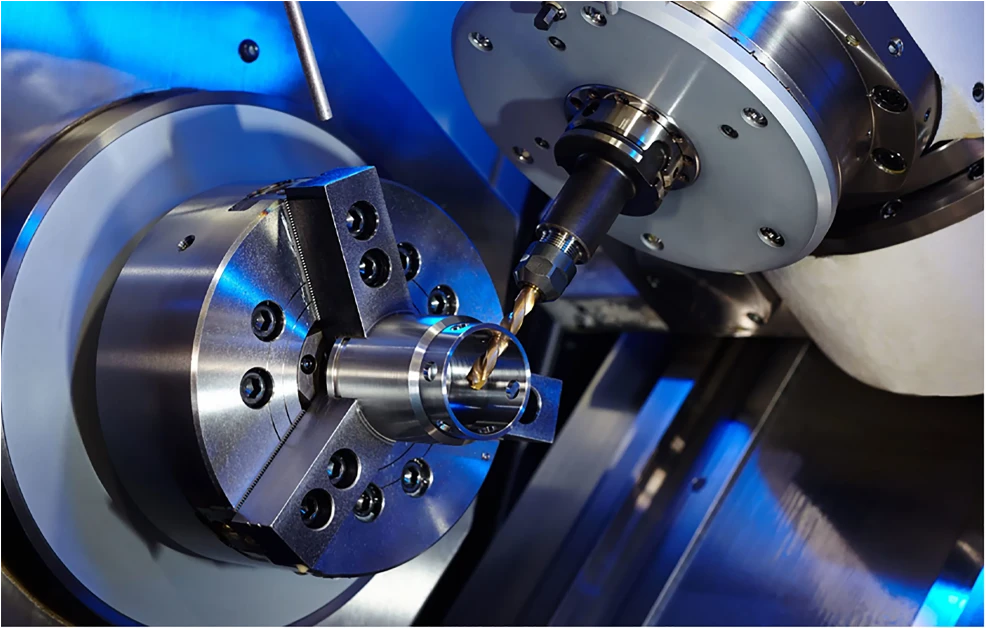
The manufacturing process for a high-performance drive assembly is a complex, multi-stage operation that demands meticulous attention to detail and stringent quality control at every phase. It begins with the careful selection of premium-grade raw materials, typically high-strength alloy steels like 20CrMnTi, 42CrMo, or 18CrNiMo7-6, chosen for their superior strength, wear resistance, and hardenability. Following material inspection, components undergo processes such as casting or forging to achieve the initial geometric shape, followed by precision CNC machining to attain the required tolerances for gears, shafts, and housing components. This critical stage ensures the precise tooth profiles, bore alignments, and surface finishes that are vital for efficient power transmission and reduced noise.
Heat treatment is a pivotal step, employing techniques like carburizing, nitriding, or induction hardening to significantly enhance the surface hardness and fatigue strength of the gear teeth and shaft bearing surfaces, while maintaining a tough core. This improves the drive assembly's resistance to wear, pitting, and bending stress, directly contributing to an extended service life, often exceeding 20,000 hours in continuous operation under rated load. Post-heat treatment, components undergo precise grinding and lapping to achieve mirror-like finishes and extremely tight tolerances, further reducing friction and optimizing meshing efficiency. Throughout these stages, adherence to international inspection standards such as ISO 9001 and ANSI/AGMA (American Gear Manufacturers Association) is strictly maintained.
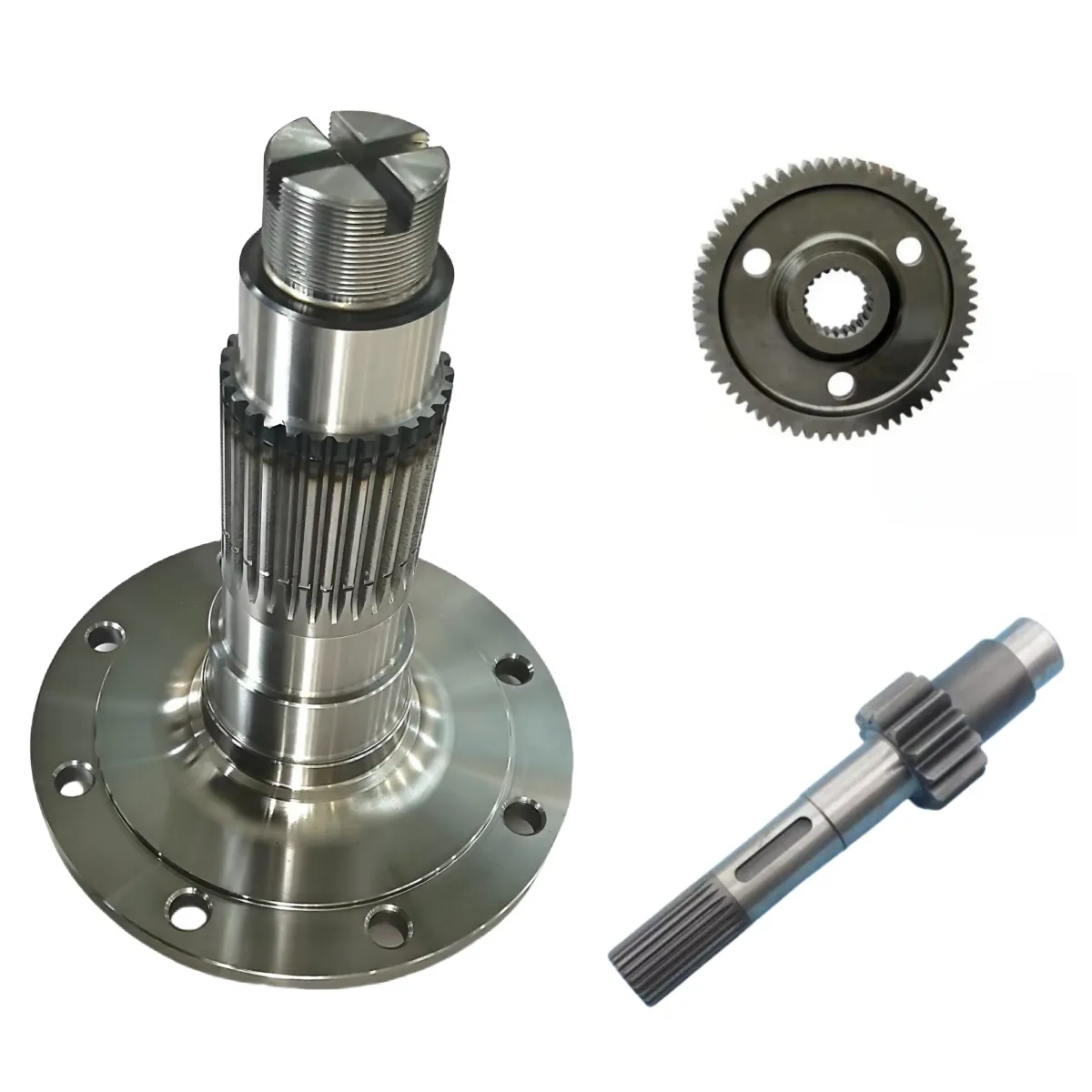
Before assembly, each component undergoes rigorous testing, including magnetic particle inspection for surface cracks, ultrasonic testing for internal flaws, and metallurgical analysis to verify material integrity. Gear tooth geometry is checked with highly accurate profile and lead testing machines. Once assembled, the complete drive assembly undergoes a comprehensive series of performance tests. This includes no-load and full-load testing for efficiency, noise and vibration analysis, and temperature rise tests to simulate real-world operating conditions. These meticulous procedures ensure that every drive assembly leaving our facility meets or exceeds the specified technical parameters and quality standards, providing unparalleled reliability and performance for industries such as petrochemical, metallurgy, mining, and water treatment.
Application Versatility & Strategic Advantages
The robust design of our Drive Assembly (Side Reduction Assembly) Gear And Shaft makes it exceptionally versatile, suitable for a wide array of demanding industrial applications. In the petrochemical industry, these assemblies are integral to mixers, agitators, and pump drives, where continuous operation and resistance to corrosive environments are non-negotiable. For the metallurgy sector, they power heavy-duty rolling mills, conveyors, and lifting equipment, withstanding high shock loads and extreme temperatures. Within water and wastewater treatment plants, they drive clarifiers, aerators, and sludge pumps, offering superior corrosion resistance and consistent performance in challenging conditions. The inherent design of the drive assembly allows for seamless integration into existing systems, minimizing downtime during upgrades or replacements.
Beyond broad applicability, our drive assembly offers distinct technical advantages that translate into significant operational benefits. A primary advantage is enhanced energy efficiency, achieved through optimized gear tooth profiles and high-precision manufacturing, which reduces frictional losses to below 5%. This translates directly into lower energy consumption and reduced operating costs over the lifespan of the equipment. Furthermore, the use of advanced coatings and specialized materials provides exceptional corrosion resistance, crucial for applications in humid, acidic, or saline environments common in marine, chemical, and waste management industries. Our clients consistently report reduced maintenance frequency and extended operational intervals, attributing these improvements to the durability and reliability embedded in every drive assembly we provide.
Navigating Manufacturer Choices and Custom Solutions
Choosing the right manufacturer for a critical component like a drive assembly requires careful consideration beyond just price. Key factors include the manufacturer's demonstrated expertise, adherence to international quality standards (e.g., ISO 9001, AGMA), and proven track record in similar applications. Longevity in the market, verifiable certifications, and a robust portfolio of successful projects are strong indicators of reliability and authoritativeness. A reputable manufacturer will not only supply a product but also offer comprehensive technical support, application engineering assistance, and reliable after-sales service. We pride ourselves on over two decades of experience in designing and manufacturing high-performance power transmission solutions, serving a global clientele with proven reliability. Our commitment to excellence is underpinned by stringent internal quality controls and continuous investment in advanced manufacturing technologies.
| Feature | Leading Manufacturers (Typical) | Other Manufacturers (Typical) |
|---|---|---|
| Engineering Expertise | Dedicated R&D, CFD/FEA simulation, custom design capabilities. | Standard product lines, limited customization. |
| Quality Certifications | ISO 9001, API, AGMA, Industry-specific certifications. | Basic ISO certification or none. |
| Material Traceability | Full material batch traceability, certified suppliers. | Limited or no traceability. |
| Testing & Validation | Full load testing, vibration analysis, noise testing, lifecycle testing. | Basic functional tests. |
| Customization Scope | Highly customizable (gear ratio, housing, shafts, mounting). | Minor modifications to standard models. |
| After-Sales Support | Global service network, spare parts availability, training, technical support. | Limited local support, inconsistent spare parts. |
Recognizing that off-the-shelf solutions may not always fit unique operational parameters, we specialize in providing tailored drive assembly solutions. Our engineering team collaborates closely with clients to understand specific requirements, including unusual load cycles, extreme environmental conditions, or non-standard mounting configurations. Through detailed design analysis and advanced simulation, we develop customized gear ratios, shaft dimensions, housing designs, and material selections to optimize performance for your precise application. This bespoke approach ensures maximum efficiency and longevity, providing a competitive edge for complex industrial projects. For example, a recent project involved designing a corrosion-resistant drive assembly for a marine dredging application, requiring specialized seals and surface treatments to withstand saltwater exposure while maintaining high torque output.
Frequently Asked Questions (FAQ) About Drive Assemblies
Q1: What is the typical lifespan of a Drive Assembly (Side Reduction Assembly)?
A1: The lifespan of a drive assembly depends significantly on operating conditions, maintenance, and initial quality. Generally, a well-designed and properly maintained unit can operate for 20,000 to 50,000 hours under rated load. Our assemblies are designed for extended operational periods, often exceeding 25,000 hours, through superior material selection and precision manufacturing processes that minimize wear and fatigue.
Q2: How does a Side Reduction Assembly differ from other types of gearboxes?
A2: A side reduction drive assembly typically refers to a system where the final stage of speed reduction occurs on the side, often integrated directly into the wheel hub or track drive system. Unlike standalone gearboxes, it's designed for direct integration, offering a compact solution for high torque output in off-highway vehicles and heavy industrial machinery, optimizing space and power delivery at the point of action.
Q3: What maintenance is required for a Drive Assembly?
A3: Regular maintenance for a drive assembly primarily involves routine lubrication checks and oil changes, typically every 2,000-4,000 hours of operation or annually, depending on the application and oil type. It also includes periodic inspection of seals for leaks, checking for unusual noise or vibration, and ensuring proper mounting. Adhering to the manufacturer's recommended service schedule is crucial for maximizing the assembly's lifespan and performance.
Commitment to Trust: Delivery, Warranty & Support
We understand that timely delivery and reliable post-purchase support are as crucial as product quality in B2B transactions. Our streamlined manufacturing and logistics processes enable us to offer competitive delivery times for our Drive Assembly (Side Reduction Assembly) Gear And Shaft, typically ranging from 4 to 12 weeks depending on customization and order volume. We maintain a robust inventory of critical components to facilitate faster turnaround for standard configurations and urgent requirements, ensuring minimal disruption to your operations. Each drive assembly undergoes thorough final inspection and packaging to guarantee its integrity during transit to your facility.
Our confidence in the superior quality and durability of our products is reflected in our comprehensive warranty policy. Every drive assembly comes with a standard 12-month warranty from the date of commissioning or 18 months from the date of shipment, whichever comes first, covering manufacturing defects and material failures under normal operating conditions. Beyond the warranty period, our dedicated customer support team and network of service partners are available to provide technical assistance, spare parts, and troubleshooting guidance. Our commitment extends to ensuring your long-term success with our products, reflecting our dedication to building lasting partnerships based on trust and mutual benefit.
References
- American Gear Manufacturers Association (AGMA) Standards.
- International Organization for Standardization (ISO) 9001: Quality Management Systems.
- ASM Handbook, Volume 4: Heat Treating.
- "Power Transmission Engineering" Journal, Various Issues.
- "Machinery's Handbook," Industrial Press.
NEXT:
This is the first article

Related Products
-
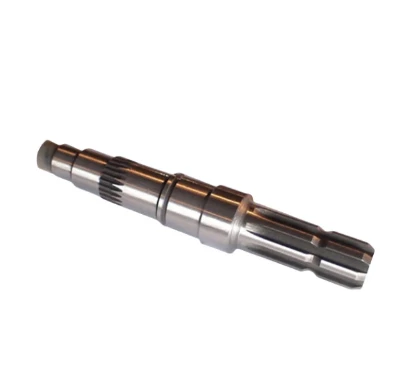
 Tractor Gear Shaft
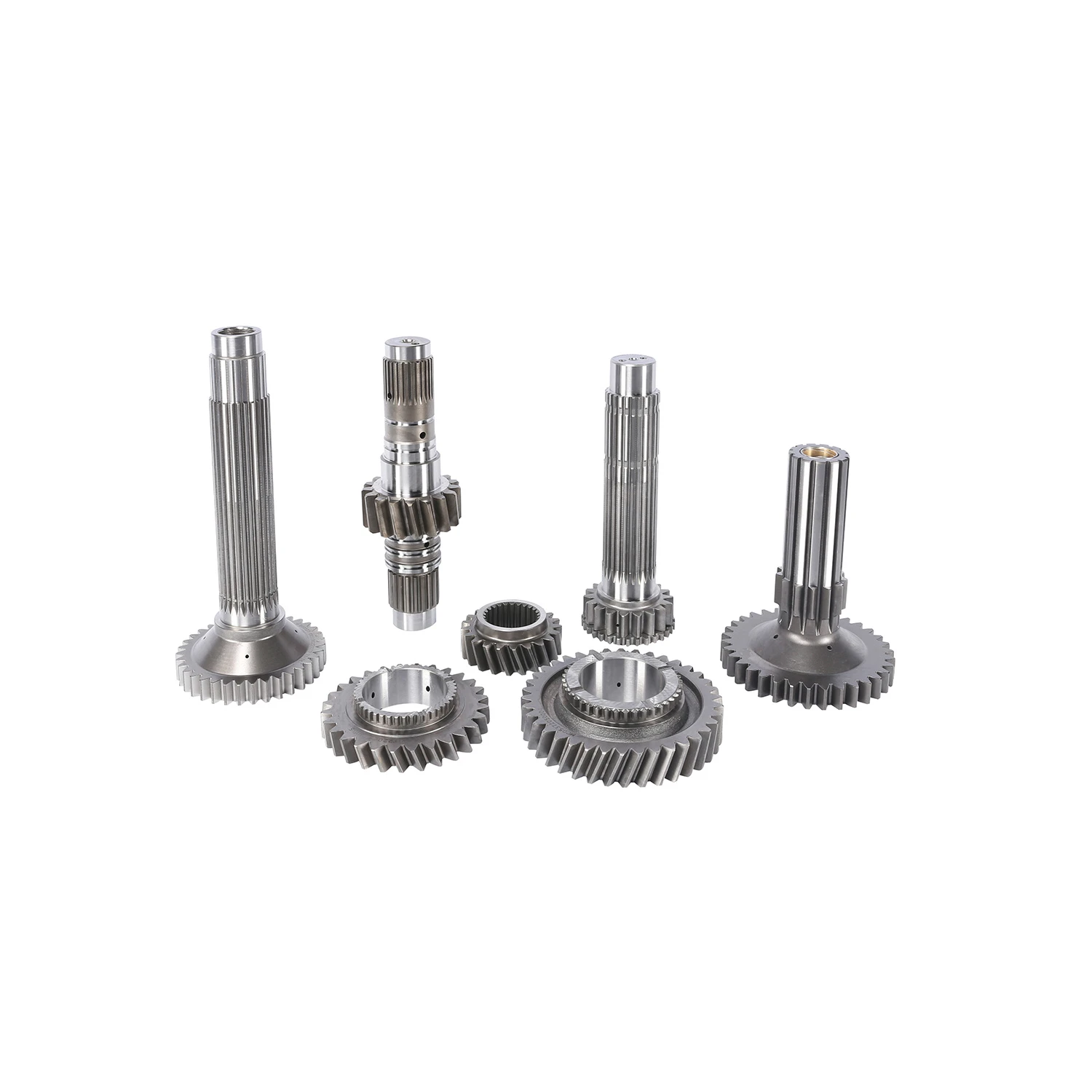
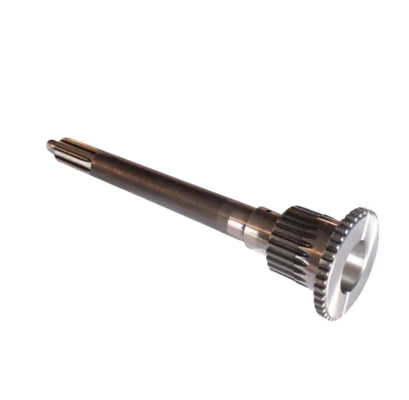
The tractor gear shaft is a crucial element in the power transmission system of a tractor. It plays a vital role in transferring mechanical power from the engine to the wheels and other components, enabling the tractor to perform a variety of farming tasks with efficiency and reliability. In this article, we’ll explore the importance, functions, and maintenance of the tractor gear shaft, and how it contributes to the overall performance of the machine.
-
 Transmission Gear
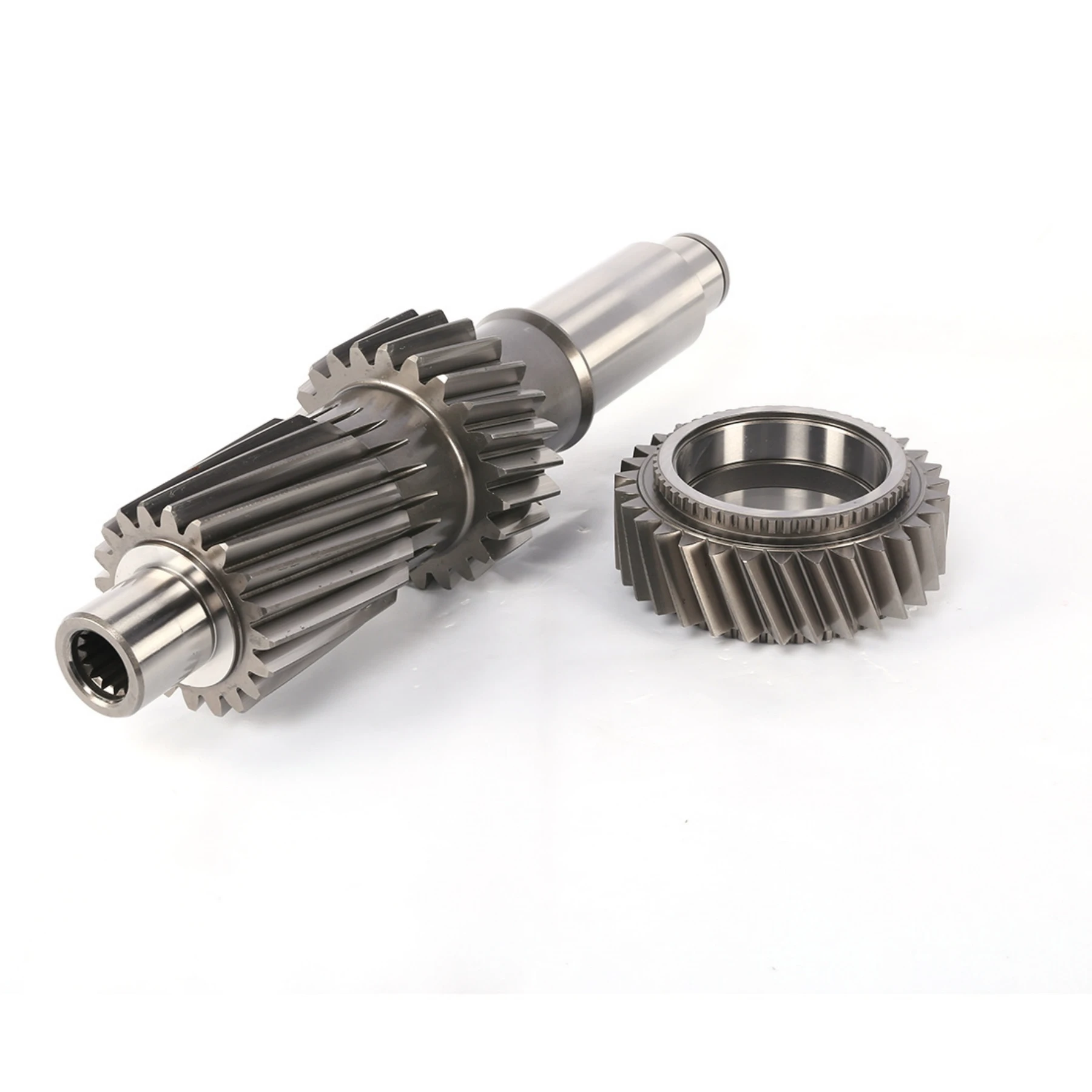
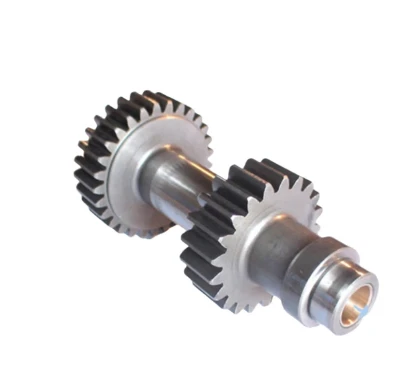
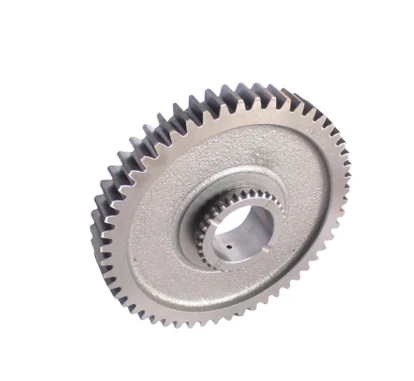
Power transmission: the engine operation drives the input gear on the input shaft to rotate, the input gear engages with other gears, and relies on the interaction between teeth and teeth to transfer the power to the intermediate gear (if any) and the output gear, and finally transfers the power to the driving wheel and other components through the output shaft to make the vehicle or equipment move.
Variable speed principle: Change the transmission ratio by meshing gears with different numbers of teeth. For example, when the big gear drives the small gear, the speed of the small gear will be faster than the big gear, but the output torque will be smaller, to achieve growth and torque reduction; On the contrary, when the pinion drives the big gear, the speed of the big gear slows down, the torque increases, and the torque increases. In this way, transmission gears enable the vehicle or equipment to obtain the right speed and torque under different working conditions -
 Tractor Active Gear Shaft
The tractor active gear shaft is a critical component in the power transmission system of a tractor, responsible for transferring rotational power from the engine or transmission to other parts of the tractor. By efficiently distributing torque and enabling smooth gear shifts, the active gear shaft plays a vital role in enhancing the performance and versatility of the tractor, making it essential for a wide range of agricultural tasks. In this article, we’ll explore the function, benefits, and maintenance of the tractor active gear shaft.
-
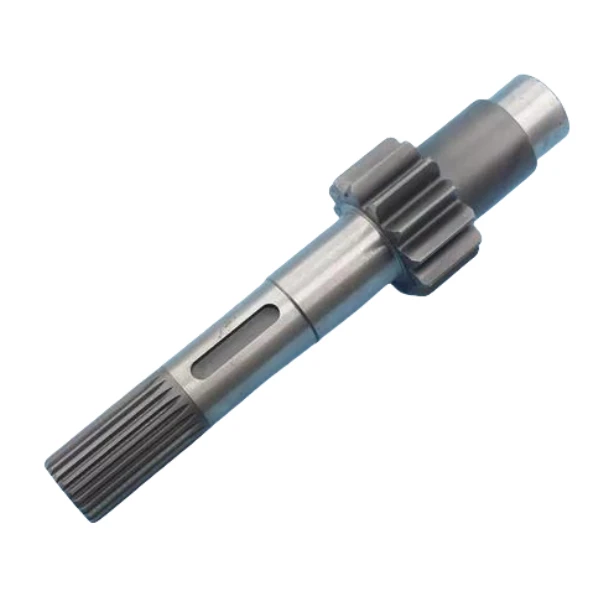 Harvester Input Shaft
The main role of the harvester input shaft is to introduce the power of the external power source into the internal transmission system of the harvester. When the power source (such as an engine) is running, the torque generated is transmitted to the input shaft through the connecting parts, causing the input shaft to start rotating. The gear, pulley or sprocket and other transmission parts installed on the input shaft will rotate with the rotation of the input shaft, and then transfer the power to the subsequent transmission parts and working parts, such as driving the cutting device, conveying device, threshing device, etc., to complete the crop harvesting, conveying, threshing and other work processes.
Related News
The Thriving Ecosystem of Tractor Trade and Equipment
The agricultural and industrial machinery sector is experiencing remarkable growth, and at the heart of this expansion lies the trade and supply of tractors.
>
The Precision and Power Behind Construction Machinery Components
In the world of heavy - duty construction, the seamless operation of machinery is crucial for large - scale projects.
>
The Diverse Tractor Marketplace: From Workhorses to Collectibles
The world of tractors is vast and varied, catering to both practical agricultural needs and the passionate interests of collectors.
>
Navigating the Tractor Marketplace: Opportunities and Offerings
The agricultural and construction machinery landscape is constantly evolving, with tractors standing as essential workhorses for a variety of tasks.
>
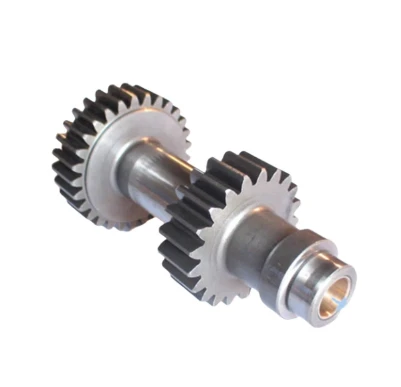
Gears - The Unsung Heroes of Mechanical Systems
In the intricate world of mechanical engineering, gears are fundamental components that enable the seamless transfer and manipulation of power.
>
Exploring the Diverse Landscape of Tractor Sales
The market for tractors is a bustling hub, catering to a wide range of needs from large - scale farming operations to small - scale gardening projects.
>
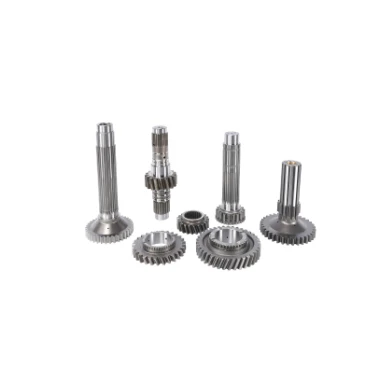
Tractors: The Backbone of Modern Agriculture
In the dynamic world of farming, machinery has become an essential part of efficient and productive operations.
>
Tractors and Hand Tractors: Key Players in Agricultural Operations
In the expansive realm of agriculture, various tools and machines play crucial roles in ensuring efficient crop production and overall farm management.
>
The World of Tractors: Pricing, Utility, and Comparisons
Tractors are essential workhorses in the agricultural and construction sectors, playing a pivotal role in a wide range of tasks.
>
The Dynamic Landscape of the Tractor Industry
The agricultural and construction sectors rely heavily on tractors for their operations, and the entities involved in the production, distribution, and pricing of these machines shape the industry's trajectory.
>
International layout
Spread all over the world
our products are exported to various parts of the world. Currently, our products have been exported to more than 40 countries Our products cover Asia, Europe, Africa, South America, North America, and Oceania
Sign up
for Newsletter
Subscribe to the weekly newsletter for all the latest updates