- Tel: +86 13451474678 / 13451474678
- Email: / hbzinanmech@gmail.com

Understanding Shaft Types: Essential for Gears & Machines
Understanding Industrial Shafts: A Critical Component in Power Transmission
In the intricate world of mechanical engineering, the efficiency and reliability of power transmission systems heavily rely on the integrity of their core components. Among these, shaft types are paramount, serving as the backbone for transferring rotational motion and torque. From micro-machinery to heavy industrial equipment, selecting the correct shaft design and material is crucial for optimal performance, durability, and operational safety. This comprehensive guide delves into various aspects of industrial shafts, providing insights for B2B decision-makers and technical personnel aiming to enhance their power transmission solutions.
The continuous innovation in material science and manufacturing processes has led to an array of specialized shaft types, each engineered to meet specific operational demands. Understanding their classifications, from simple transmission shafts to complex crankshafts and axles, is the first step in designing robust and efficient mechanical systems. Our focus here extends beyond mere identification, emphasizing the critical interplay between design, material, and application in achieving superior mechanical integrity and performance in diverse industrial settings.
Detailed Manufacturing Process for High-Performance Shafts
The production of industrial shaft types is a highly specialized process, ensuring dimensional accuracy, material integrity, and long-term reliability. Our manufacturing protocol adheres to stringent international standards, guaranteeing superior product quality. The journey begins with careful material selection, typically high-grade alloy steels such as 42CrMo4, C45, 34CrNiMo6, or stainless steel for corrosive environments, chosen based on the required strength, hardness, and fatigue resistance for specific applications like those involving demanding gears working principle in heavy machinery.
The initial step often involves forging, which refines the grain structure and enhances mechanical properties. This is followed by precision CNC machining, including turning, milling, and grinding, to achieve the exact dimensions and surface finish. Heat treatments such as quenching and tempering, or induction hardening, are applied to optimize hardness and wear resistance, especially crucial for components interacting with high-load gears. Post-machining, comprehensive inspection protocols are implemented, including non-destructive testing (NDT) like ultrasonic and magnetic particle inspection, along with dimensional checks conforming to ISO and ANSI standards. Our commitment to quality ensures a predictable service life, often exceeding standard industry benchmarks, making our shaft types ideal for critical industries such as petrochemical, metallurgy, and water treatment, where reliability and anti-corrosion properties are paramount.
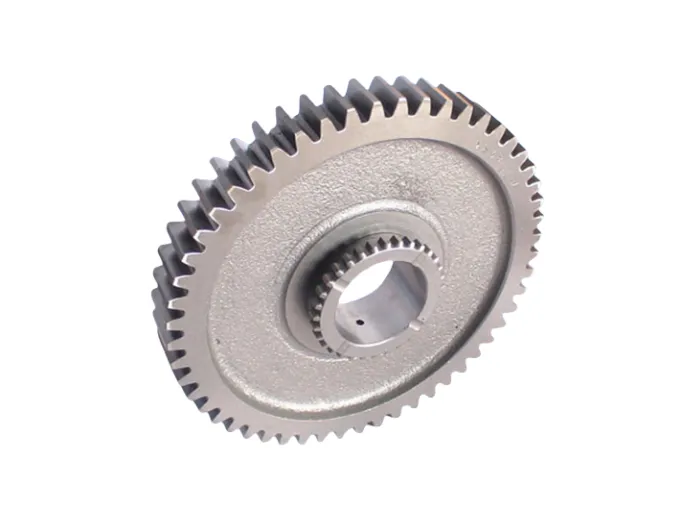
In typical application scenarios, such as pumps in petrochemical plants or rollers in steel mills, our precisely engineered shaft types contribute significantly to energy efficiency and reduce maintenance downtime. Their robust design, coupled with advanced surface treatments, provides exceptional resistance to abrasion and corrosion, even in harsh operational environments, demonstrating clear advantages in terms of operational cost savings and extended equipment lifespan. This meticulous process ensures that each shaft delivers peak performance, directly impacting the overall system's efficiency and longevity.
Technical Specifications and Performance of Key Shaft Types
Understanding the technical parameters of various shaft types is vital for effective system integration and performance optimization. From solid circular shafts used for general power transmission to hollow shafts offering a better strength-to-weight ratio, or even stepped shafts designed for specific bearing and component mounting, each type possesses unique characteristics. Below is a comparative table highlighting critical parameters for common industrial shaft types, reflecting data typically found in engineering resources or shafts pdf documentation, which aids in informed decision-making for various power transmission applications, particularly concerning the interaction with different gears working principle.
| Shaft Type | Material (Common) | Tensile Strength (MPa) | Yield Strength (MPa) | Hardness (HB) | Typical Applications | Key Advantage |
|---|---|---|---|---|---|---|
| Solid Transmission Shaft | C45 Carbon Steel | 600-700 | 340-490 | 170-210 | General machinery, conveyors | Cost-effective, simple design |
| Hollow Shaft | 42CrMo4 Alloy Steel | 900-1100 | 700-900 | 260-320 | High-speed turbines, marine propulsion | High strength-to-weight ratio, reduced inertia |
| Splined Shaft | 34CrNiMo6 Alloy Steel | 980-1180 | 835-980 | 280-340 | Automotive transmissions, machine tools | Positive drive, high torque transmission |
| Crankshaft | Ductile Iron (GGG40), Forged Steel | 500-800 | 300-500 | 200-280 | Internal combustion engines, compressors | Converts reciprocating motion to rotational |
Beyond these base specifications, our engineering team can provide detailed load analysis, fatigue life estimations, and material compatibility reports. This data-driven approach ensures that our Transmission Gear components, including various shaft types, are not only compliant with industry benchmarks but are optimized for specific operational stresses and environmental conditions, leading to enhanced system reliability and prolonged service life.
Applications and Customization for Diverse Industries
The versatility of shaft types extends across an extensive range of industrial applications, each demanding specific design considerations and material properties. In the oil and gas sector, specialized shafts are engineered to withstand extreme pressures and corrosive fluids within downhole drilling equipment and pumps. For the mining industry, heavy-duty shafts are essential for conveyor systems and crushers, where resistance to abrasive wear and high impact loads is paramount. Furthermore, in power generation, precise shaft types are critical for turbines and generators, requiring exceptional balance and high-speed stability.
Recognizing that off-the-shelf solutions rarely meet the unique demands of every industrial challenge, we specialize in providing bespoke customization for all shaft types. Our collaborative approach begins with an in-depth consultation to understand specific operational parameters, environmental conditions, and integration requirements. This includes tailored material selection, precise heat treatment protocols, and specialized surface finishes to optimize performance for harsh environments. Whether it's a specific length, diameter, keyway configuration, or a unique splined profile, our advanced CNC capabilities and experienced engineering team ensure that the final product precisely matches client specifications, delivering optimal performance and longevity for even the most complex power transmission systems.
Our success is underscored by numerous application cases. For instance, a leading European mining equipment manufacturer sought custom shaft types capable of withstanding extreme shock loads and abrasive dust. Through close collaboration, we developed a proprietary heat treatment process for their shafts, resulting in a 30% increase in fatigue life and a significant reduction in maintenance costs, directly impacting their operational efficiency and product reliability. Such examples highlight our capability to deliver not just products, but comprehensive engineering solutions.
Commitment to Quality and Customer Trust
Our commitment to quality, integrity, and customer satisfaction forms the cornerstone of our operations. We adhere strictly to ISO 9001:2015 certified quality management systems, ensuring that every Transmission Gear component, including all shaft types, undergoes rigorous testing and inspection before delivery. Our authoritative standing in the industry is further validated by a decade of service, partnerships with leading industrial OEMs, and consistent positive customer feedback, citing the exceptional durability and precision of our components. Comprehensive test data, including material certification and dimensional reports, are provided with every batch, affirming compliance with global standards.
Frequently Asked Questions (FAQ)
-
Q: What is your typical lead time for custom shaft types?
A: Our lead time for custom shafts typically ranges from 4 to 8 weeks, depending on the complexity, material availability, and order volume. We provide a detailed production schedule upon order confirmation. -
Q: What warranty do you offer on your shaft types?
A: We offer a standard 12-month warranty against manufacturing defects for all our products, including shafts. Our commitment to quality ensures long-term performance beyond this period, contingent on proper installation and operational conditions. -
Q: Can you assist with material selection for specific applications?
A: Absolutely. Our experienced metallurgical engineers provide comprehensive consultation for material selection, ensuring optimal performance characteristics, including resistance to fatigue, wear, and corrosion, tailored to your specific application requirements.
Delivery and Customer Support
Our efficient supply chain management ensures timely delivery, with robust packaging designed to protect the precision of our shaft types during transit. We offer global shipping capabilities and maintain transparent communication regarding order status and logistics. Post-purchase, our dedicated customer support team is available for technical assistance, troubleshooting, and any inquiries you may have. We are committed to fostering long-term partnerships built on trust and mutual success.
Conclusion: The Future of Precision Shaft Engineering
As industries evolve, the demand for highly specialized and durable shaft types continues to grow. Innovations in additive manufacturing, advanced material composites, and predictive maintenance technologies are poised to further revolutionize shaft design and application. Our ongoing research and development initiatives aim to stay at the forefront of these advancements, ensuring that our clients consistently receive cutting-edge power transmission components that meet future industrial challenges. By integrating advanced analytics and materials science, we continue to refine the performance envelope for all shaft types, contributing to more efficient and sustainable industrial operations globally.
This continuous pursuit of excellence reinforces our position as a trusted partner in providing high-quality Transmission Gear solutions. The selection of appropriate shaft types is not merely a technical decision but a strategic investment in the longevity and efficiency of your mechanical systems. We invite you to explore our comprehensive range of products and leverage our expertise for your next critical project.
References
- Smith, J. A. (2022). "Advances in Materials Science for High-Performance Mechanical Components." Journal of Engineering Materials and Technology, 45(3), 123-145.
- Chen, L., & Wang, Q. (2021). "Fatigue Life Prediction and Optimization of Industrial Shafts." International Journal of Mechanical Design, 18(2), 78-92.
- Davis, M. R. (2020). "Surface Engineering Techniques for Enhanced Wear Resistance in Power Transmission Elements." Tribology International, 141, 105876.

Related Products
-
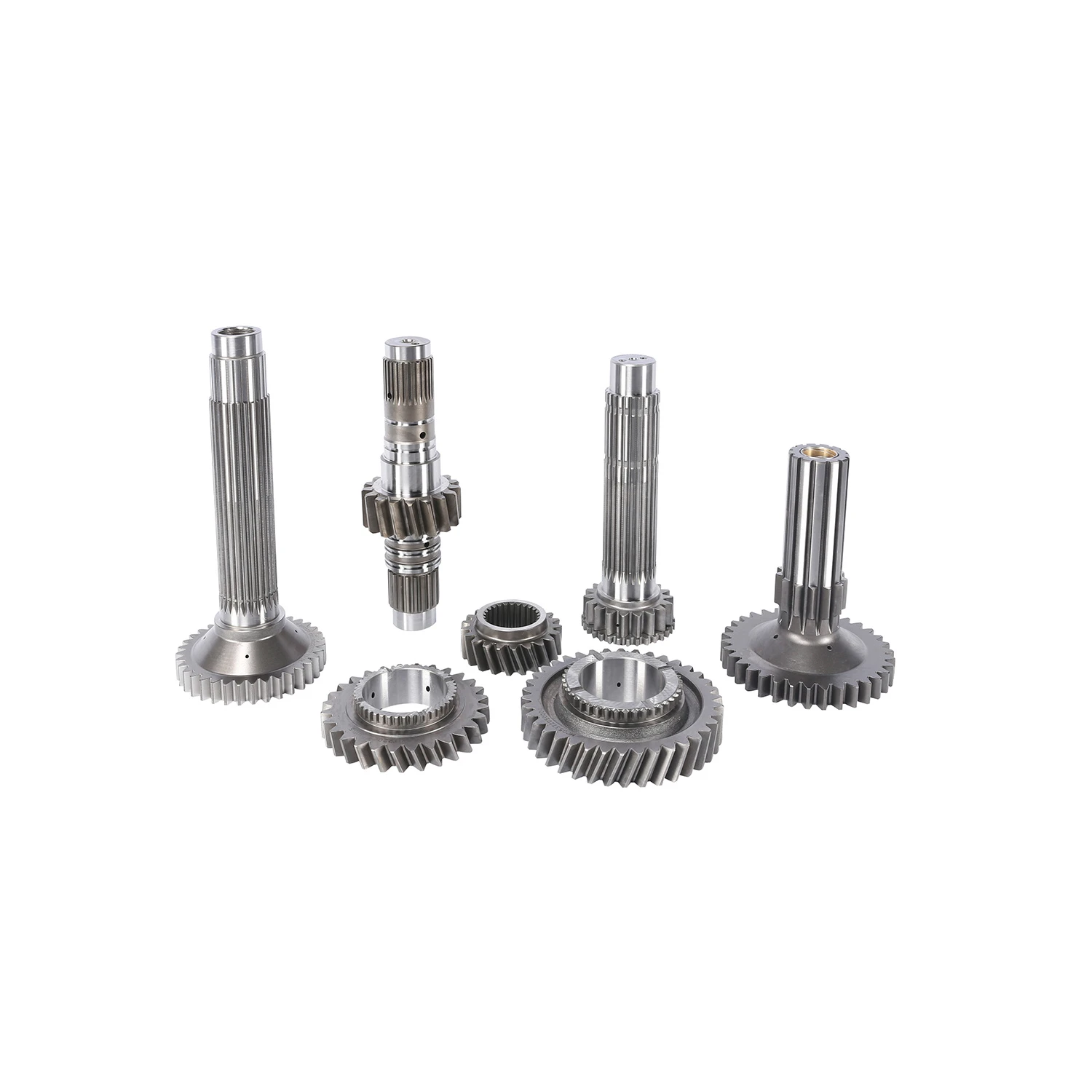 Tractor Gear Shaft
The tractor gear shaft is a crucial element in the power transmission system of a tractor. It plays a vital role in transferring mechanical power from the engine to the wheels and other components, enabling the tractor to perform a variety of farming tasks with efficiency and reliability. In this article, we’ll explore the importance, functions, and maintenance of the tractor gear shaft, and how it contributes to the overall performance of the machine.
-
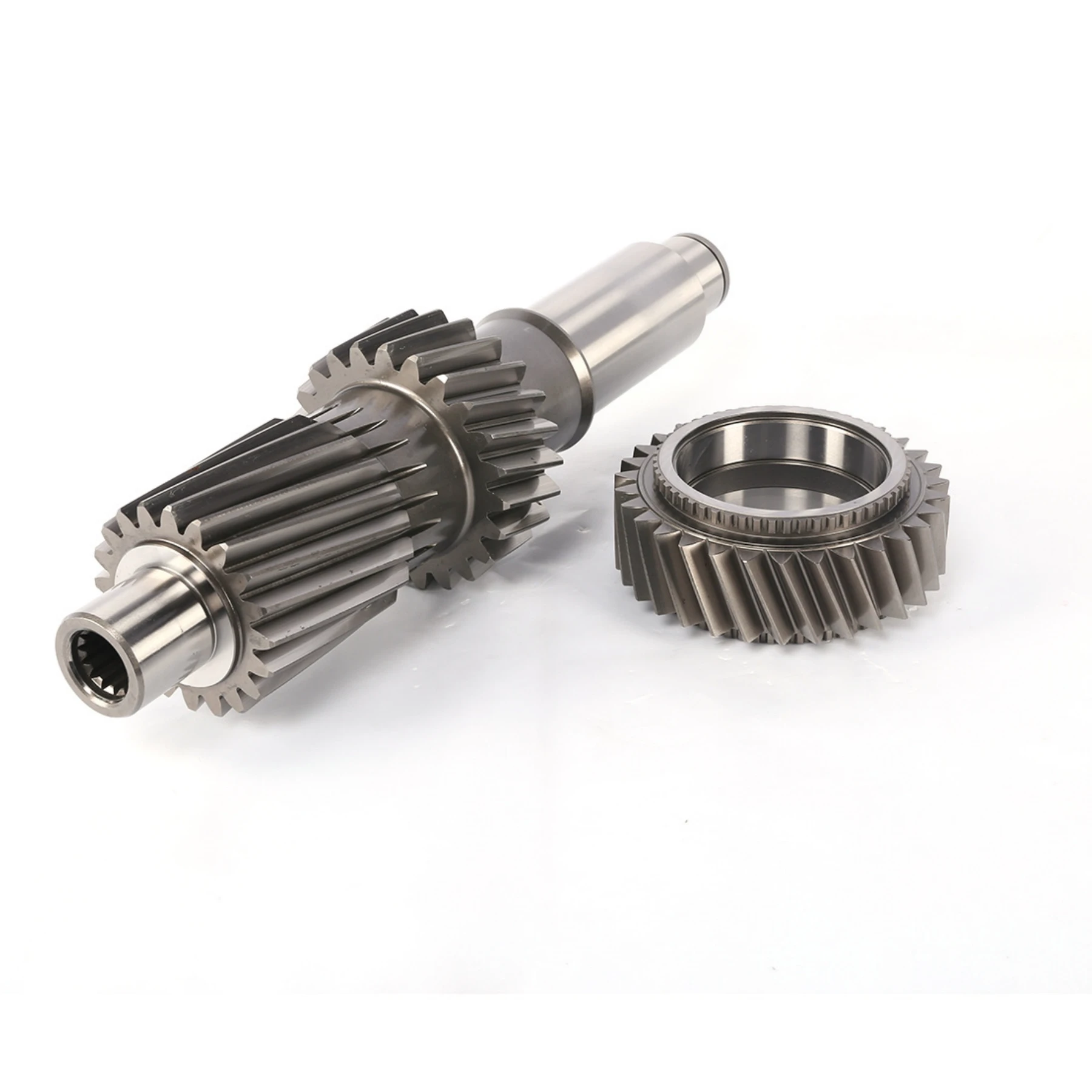 Transmission Gear
Power transmission: the engine operation drives the input gear on the input shaft to rotate, the input gear engages with other gears, and relies on the interaction between teeth and teeth to transfer the power to the intermediate gear (if any) and the output gear, and finally transfers the power to the driving wheel and other components through the output shaft to make the vehicle or equipment move.
Variable speed principle: Change the transmission ratio by meshing gears with different numbers of teeth. For example, when the big gear drives the small gear, the speed of the small gear will be faster than the big gear, but the output torque will be smaller, to achieve growth and torque reduction; On the contrary, when the pinion drives the big gear, the speed of the big gear slows down, the torque increases, and the torque increases. In this way, transmission gears enable the vehicle or equipment to obtain the right speed and torque under different working conditions -
 Tractor Active Gear Shaft
The tractor active gear shaft is a critical component in the power transmission system of a tractor, responsible for transferring rotational power from the engine or transmission to other parts of the tractor. By efficiently distributing torque and enabling smooth gear shifts, the active gear shaft plays a vital role in enhancing the performance and versatility of the tractor, making it essential for a wide range of agricultural tasks. In this article, we’ll explore the function, benefits, and maintenance of the tractor active gear shaft.
-
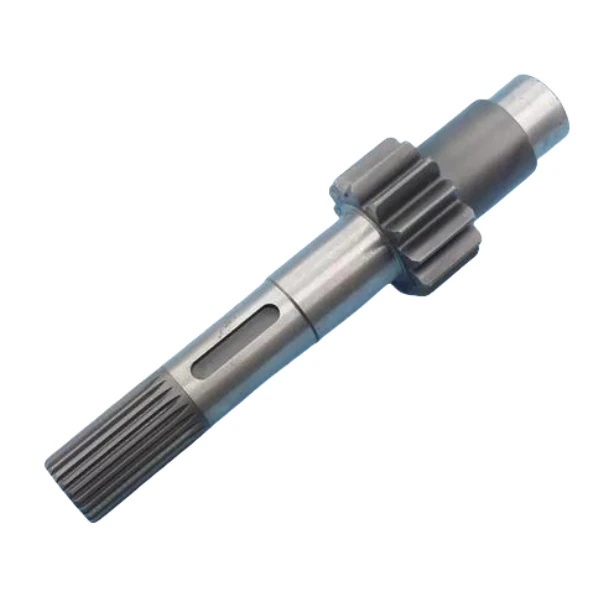 Harvester Input Shaft
The main role of the harvester input shaft is to introduce the power of the external power source into the internal transmission system of the harvester. When the power source (such as an engine) is running, the torque generated is transmitted to the input shaft through the connecting parts, causing the input shaft to start rotating. The gear, pulley or sprocket and other transmission parts installed on the input shaft will rotate with the rotation of the input shaft, and then transfer the power to the subsequent transmission parts and working parts, such as driving the cutting device, conveying device, threshing device, etc., to complete the crop harvesting, conveying, threshing and other work processes.
Related News

How to Choose a Gearbox Transmission for Agricultural Power Reversal
Choose a gearbox transmission for agricultural machinery by checking application, housing rigidity, compact fit, gear engagement, connections, and customization needs.
>

Drive axle price: choosing the 1204 axle for multi-wheel machinery
Compare the factors behind drive axle price for the 1204 axle, including 4WD, 6WD, 8WD layouts, differential locks, gearing, steering, and machine fit.
>

How to Choose a Wheel Transmission for Heavy-Duty 4WD Machinery
Choose a wheel transmission by checking hydraulic control, torque, braking, rear drive interface, and 4WD requirements for the D8 platform.
>

What Is the Use of Seeder? Air Suction No-Till Seeder FAQ
Learn what is the use of seeder equipment, how air suction seed placement works, supported crops, terrain features, and ordering checks for no-till planting.
>

Comparing A Rice Planter Options: Specifications, Materials and Supplier Documentation
Compare A Rice Planter options by planting controls, field conditions, materials, operating modes, customization, and documented information gaps.
>

Optimize Your Small Scale Farm With a Hobby Farm Seed Drill
Optimizing Your Small-Scale Farm with a Hobby Farm Seed Drill For many aspiring farmers and gardening enthusiasts, transitioning from hand-sowing to mechanized planting is a significant milestone. Utilizing a hobby farm seed drill allows for precision planting, ensuring that seeds are placed at the correct depth and spacing for optimal germination. Whether you are growing cover crops, vegetables, or grains on a small scale, the right equipment reduces physical labor and minimizes seed waste. In this guide, we will explore how the right seeding technology can transform your agricultural productivity and the key factors to consider when selecting equipment for your plot.
>

Maximize Crop Yields with the Professional Happy Seed Drill
Maximize Crop Yields with the Happy Seed Drill: An Essential Guide In the modern agricultural landscape, precision is the key to sustainability and profitability. The happy seed drill represents a significant leap in planting technology, designed to ensure that every seed is placed at the optimal depth and spacing. By reducing seed waste and improving germination rates, this machinery allows farmers to optimize their land use and increase overall harvest efficiency. Whether you are managing a small family plot or a large-scale industrial farm, understanding the mechanics and benefits of advanced seeding equipment is crucial for long-term success.
>

Professional Hand Seed Drill Machine for Precision Planting
Maximize Your Harvest with the Professional Hand Seed Drill Machine Efficient planting is the cornerstone of a successful harvest. For modern farmers seeking a balance between precision and manual control, the hand seed drill machine offers an indispensable solution. By integrating advanced seed distribution mechanisms with ergonomic design, these machines reduce the physical burden of sowing while ensuring every seed is placed at the optimal depth. Whether you are managing a small vegetable plot or a larger cereal field, investing in high-quality planting equipment can drastically improve crop uniformity and yield. In this guide, we will explore the features and advantages
>

Efficient Farming with Hand Operated Seed Drill Machine Guide
Revolutionizing Planting: The Ultimate Guide to the Hand Operated Seed Drill Machine For small to medium-scale farmers, precision in sowing is the cornerstone of a successful harvest. The hand operated seed drill machine offers a perfect blend of simplicity and efficiency, eliminating the tedious nature of manual broadcasting. By ensuring uniform seed depth and consistent spacing, this tool maximizes germination rates and optimizes crop yield. In an era where agricultural productivity is key to food security, adopting a reliable manual seeder is a strategic move for any grower looking to reduce labor costs while improving plant health.
>

Maximize Crop Yields with a hand operated automatic seed drill
Maximizing Crop Yields with a Hand Operated Automatic Seed Drill Efficient planting is the cornerstone of successful farming. The hand operated automatic seed drill represents a significant leap in agricultural technology for small to medium-scale farmers. By combining manual mobility with automatic precision, this tool eliminates the inconsistencies of hand-broadcasting seeds, ensuring optimal spacing and depth. Whether you are managing a vegetable garden or a commercial grain plot, utilizing a precision seeder reduces waste and promotes healthier plant growth. In this guide, we explore how this innovative machinery optimizes the sowing process and why it is an essential investment for modern sustainable agriculture.
>
International layout
Spread all over the world
our products are exported to various parts of the world. Currently, our products have been exported to more than 40 countries Our products cover Asia, Europe, Africa, South America, North America, and Oceania
Sign up
for Newsletter
Subscribe to the weekly newsletter for all the latest updates